Author: Mei Ling Tan

  • Bonia Vietnam moves south with second store

    Bonia Vietnam moves south with second store

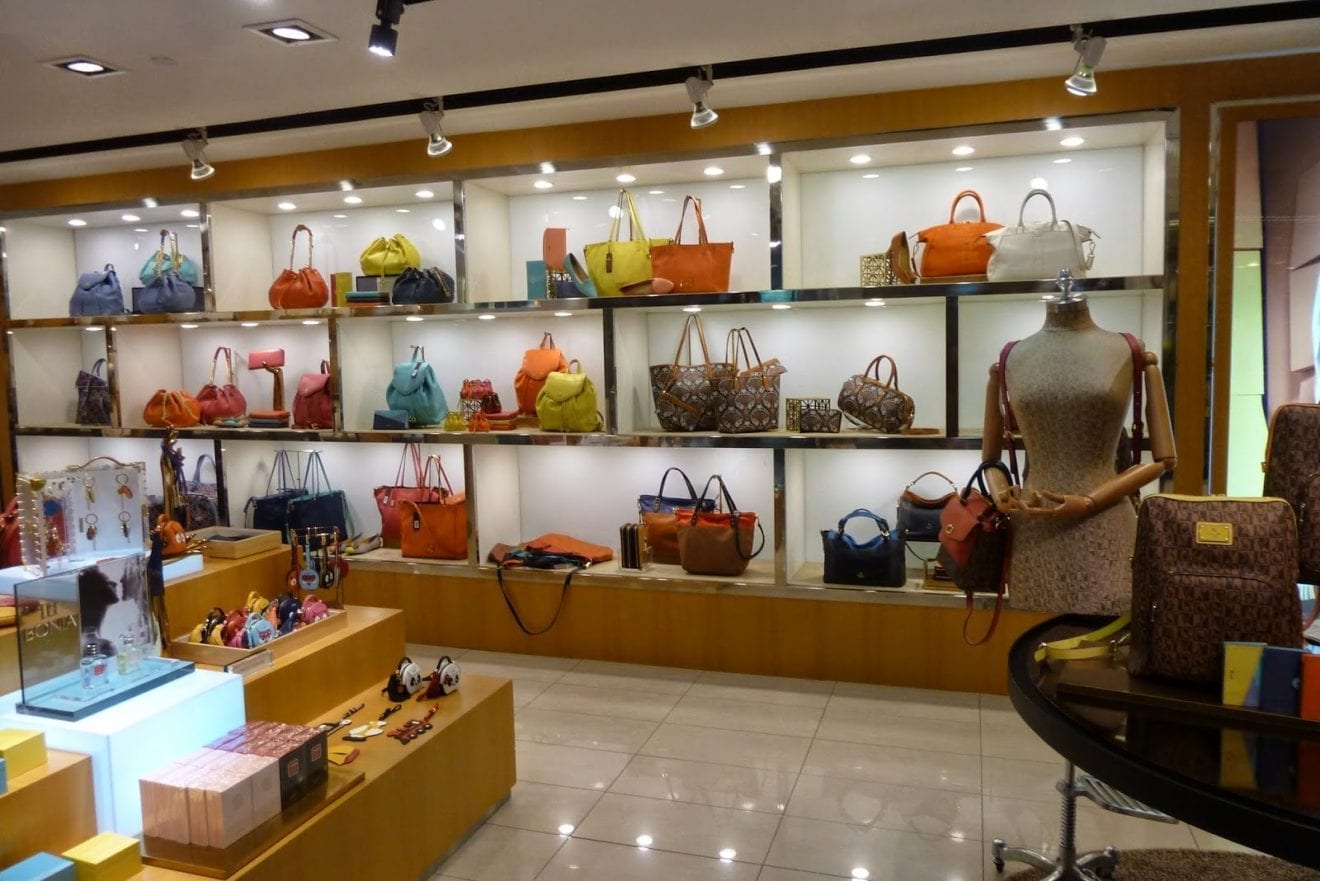
    Leathergoods retailer Bonia Vietnam has opened its first Ho Chi Minh City boutique, at Crescent Mall.

    Covering 192sqm on the mall’s second floor, the store has a simple design featuring timber and bright colours as a background to the brand’s latest items.

    Celebrities attending the grand opening included actress/director Ngo Thanh Van, who joined Bonia representatives in cutting the opening ribbon.

    It is the Malaysian brand’s second store in Vietnam, the first being at Vincom Hanoi.

  • Vikings Group expands on buffet concept

    Vikings Group expands on buffet concept

    Buffet restaurant chain Vikings Group has expanded its offering with a venture in Pasay City that offers a smorgasbord of activities including massages, billiards, karaoke and mahjong – plus buffet dining, of course.

    Beside the Esplanade Seaside Terminal at SM Mall of Asia, the Marina Bay Spa and Lifestyle Club offers 20 massage rooms, foot reflexology and mani-pedi services, body scrubs, hot and cold baths, sauna, steam room and a ganban’yoku (traditional Japanese-style room with heated stone “beds”).

    “The owners wanted to come up with something Manila has not tasted yet,” says spa manager Erlene Chichirita. “You feel like you’re in a hotel – that’s the concept, bringing out the amenities of a hotel and putting it together in a more approachable and modern setting.”

    Two feature services are the Marina Signature Massage and the Crystal Chakra Healing Touch. GM Nenita Cabrera says the signature massage has a Filipino touch, while the chakra therapy uses healing stones matched to the client’s zodiac sign.

    The therapists, who use gongs in the room to signal the start and end of a massage session, were trained by the spa service manager who has had eight years of spa experience in the Maldives.

    Two features of the spa are the relaxing lounge and buffet dining room. The lounge is like a theater with reclining chairs and LED screens. Buffet dining is an inclusion with massages.

    There is also a fitness studio where there will be classes like yoga, Pilates, TRX suspension training, boxing and Muay Thai, with personal trainers available.

    A lifestyle club component is available, with membership granting access to the club’s gym, salon, entertainment space with private KTV rooms, mahjong room, infinity pool and conference rooms.

    With a glass wall feature, the infinity pool is surrounded by relaxation spaces where guests can watch the Manila Bay sunset.

  • Fashion link for Acer Philippines promotion

    Fashion link for Acer Philippines promotion

    A pre-holiday promotion has been launched by Acer Philippines in conjunction with SM men’s fashion brand Salvatore Mann.

    Backpacks and duffel bags are being given away for buyers of certain Acer projectors and computers. Under the promotion, which runs until October 15, holders of BDO Rewards, SM Advantage and SM Prestige cards will also receive exclusive Salvatore Mann sling bags.

    A fashion show featuring the exclusive Salvatore Mann collection designed especially for the promotion, has been held at SM Megamall’s Mega Fashion Hall.

    To introduce the campaign’s faces, Kita Kita stars Alessandra De Rossi and Empoy Marquez, Acer produced a short film, #KasyaPa.

  • Globe expanding LTE network amid growing demand

    Globe expanding LTE network amid growing demand

    The Philippines’ Globe Teleom expects to be generating around half of its mobile data traffic from LTE by the end of the year.

    The operator plans to deploy 600 more LTE cell sites by this time to cater to growing demand, taking its total network of sites up to nearly 5,600.

    Currently around 43% of Globe’s data traffic comes from its LTE network, which operates on the 700-MHz, 1800-MHz and 2600-MHz bands.

    Total mobile data traffic for the first six months of the year climbed 85% year-on-year to 280 petabytes as smartphone penetration increased to around two thirds of the opeartor’s total mobile subscribers, Globe’s latest statistics indicate.

    Globe has been concentrating its LTE rollout on Metro Manila and other densely populated areas.

    But a significant number of its customers are still using 3G SIMs with LTE devices or vice versa, so the operator is encouraging customers to upgrade for a superior experience. Since January the company has migrated around 900,000 customers using LTE devices onto LTE SIMs.

  • Ooredoo Myanmar launches mobile money service

    Ooredoo Myanmar launches mobile money service

    Ooredoo Myanmar has announced the launch of a new mobile money service branded M-Pitesan.

    The new service will allow instant money transfer and payments between local mobile numbers through a dedicated mobile wallet for Ooredoo customers or a store for non-registered users.

    Ooredoo said M-Pitesan is the only mobile money service in Myanmar that offers real-time tracking between CB Bank accounts and the mobile wallet.

    In addition, mobile customers can transfer or receive money through the operator’s network of 2,400 M-Pitesan agents in Yangon, Naypyitaw, Mandalay, Bago and Taunggyi. The company plans to add an additional 7,500 agents to its network in the future, mainly in rural and underserved areas.

    The operator is planning to expand the service in the future to support functionality including QR code payments and bill payments for utilities or municipal services.

    “There is real appetite for mobile money services in Myanmar. I am confident that M-Pitesan will give customer’s access to the digital financial services they have been asking us for, helping support their increasingly digital lifestyles,” Ooredoo Myanmar acting CEO Vikram Sinha said.

    “We have big plans for M-Pitesan and in the months to come will be expanding the service to include additional functionality for customers, banks and businesses alike.”

  • Sephora to open at Highpoint Shopping Centre

    Sephora to open at Highpoint Shopping Centre

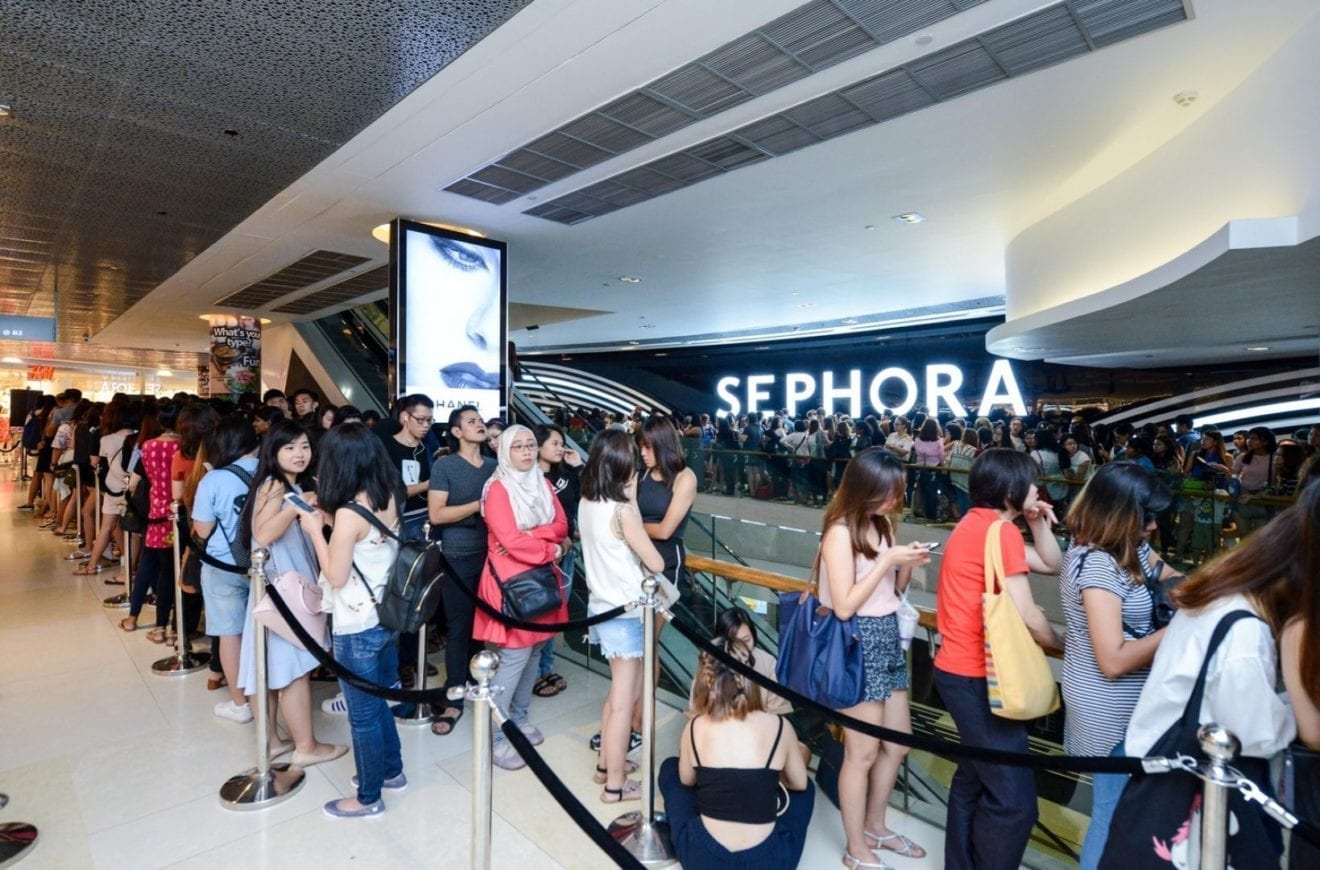
    Global beauty giant Sehpora has today announced its next store location, continuing its extensive retail expansion in Australia, opening at Highpoint Shopping Centre this November.

    It’s the beauty retailer’s 13th Australian store and third in Victoria, (Melbourne Central and Chadstone), and follows hot on the heels of the cosmetic’s chainslatest opening at Erina Shopping Centre on the Central Coast yesterday.

    “The demand for more Melbourne stores has been considerable and we want to be able to meet the expectations of our local beauty aficionados,” said Sephora country manager Libby Amelia.

    “Highpoint Shopping Centre is a great fit for us and we’re looking forward to launching there next month. We have some super exciting activities planned for launch day to welcome Melbourne’s inner western beauties to the wonderful world of Sephora,” said Amelia.

  • Kale Logistics Solutions joins IPCSA

    Kale Logistics Solutions joins IPCSA

    Global IT solutions provider Kale Logistics Solutions has joined the International Port Community Systems Association (IPCSA). Kale Logistics is focused on providing cutting-edge technology solutions to the logistics industry. Its broad solutions portfolio ranges from Internal Business Automation Systems (ERP systems) to Community Solutions that help various players in the logistics value chain to communicate and transact with each other electronically.

    Speaking about Kale Logistics, which has more than 2,000 clients across the globe and has plans to start operations in Europe, CEO Amar More said, “We are experiencing a wide demand for our solutions in America, Europe, the Middle East, Africa and the Far East and are already working with several industry associations and airports. By joining IPCSA, we will be able to share and enrich our industry experience, learnings and adoption strategies by interacting with global industry peers. There is a great potential within IPCSA for collaborating and combining each other’s solutions to enable fast turnaround times and a digital infrastructure for trade facilitation. We look forward to building digital corridors between the other community system operators and connecting the global logistics industry more closely.”

    Richard Morton, secretary general of IPCSA, said, “We are delighted to welcome Kale Logistics Solutions as our newest member. IPCSA continues to expand its influence geographically and is representing its members at the highest levels, including through our consultative status at the International Maritime Organization and Special Consultative Status at UN ECOSOC.”

    IPCSA was originally founded as the European Port Community Systems Association in 2011, by six European-based PCS operators. It was relaunched in 2014 as an international association, reflecting its growing membership outside Europe. Today, IPCSA’s members operate across the world, exchanging electronic information at more than 100 sea and air ports, rail and inland waterways, and border crossing points. This equates to more than 250 million TEU and six billion tonnes of world trade a year.

    IPCSA’s membership provides representation in each of the five UN Regional Commission regions. This geographical reach enables it to address the needs of members on a regional as well as international basis.

  • Starbucks bucks trend, closes online store

    Starbucks bucks trend, closes online store

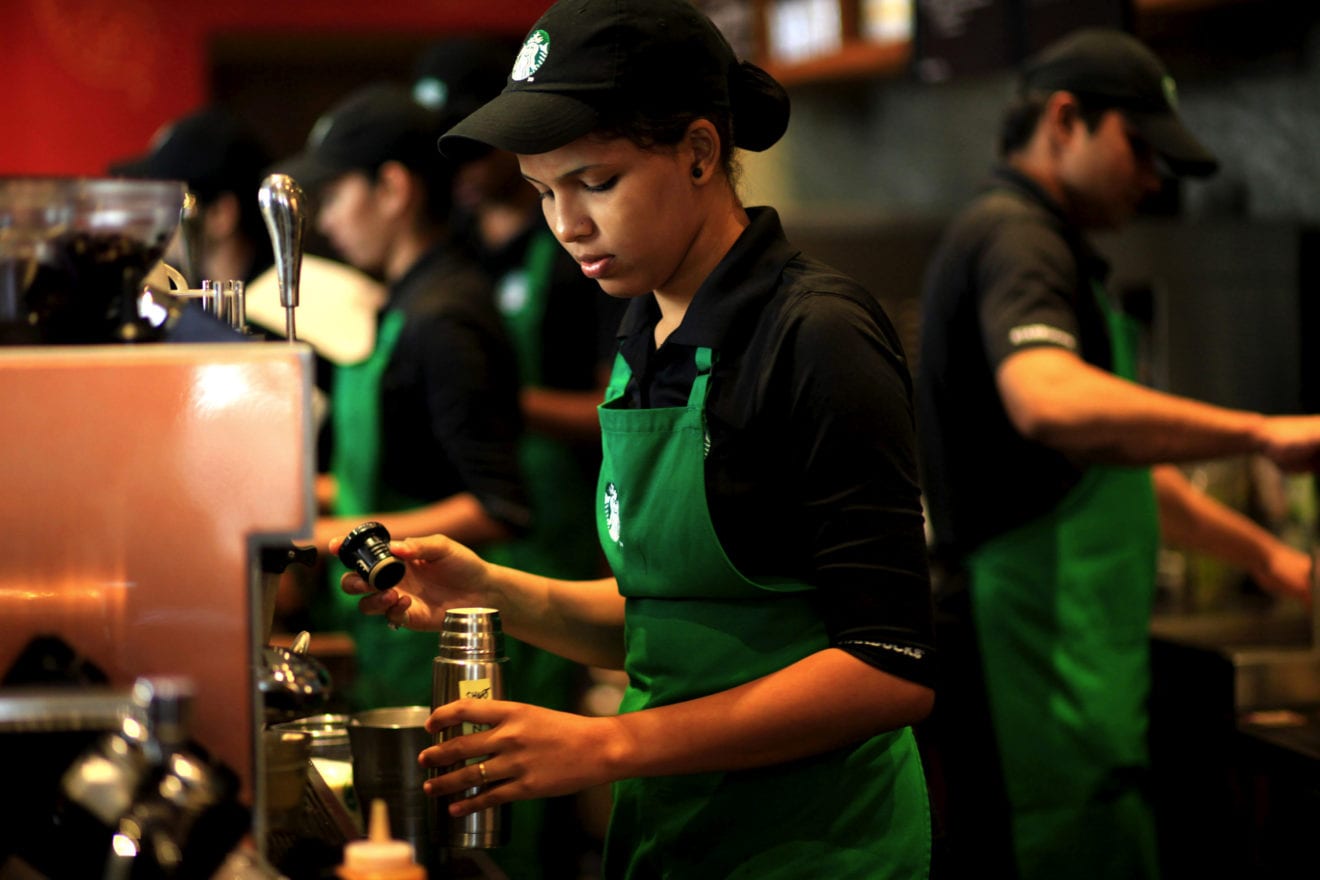
    Global coffee giant Starbucks has closed its online store in the US, bucking the broader trend in retail to invest in the growing e-commerce industry.

    Starbucks announced the decision to customers in late August and officially closed the online store on 1 October.

    The coffee chain is operated in Australia by the Withers Group, which also runs 7-Eleven. The local website provides information about various Starbucks products, but does not sell any items.

    Starbucks initially launched its online store in the US in 2011 as an additional sales channel for its coffee, syrups and sauces, mugs, coffee machines and other coffee-related products. It also offered a subscription service for customers to receive regular coffee orders through the website. This service was discontinued on 1 September.

    While customers can still buy Starbucks coffee and other merchandise in the company’s coffee shops and at certain grocery stores, the company’s syrups and sauces are no longer available for purchase.

    “We cannot guarantee availability of any product in stores, but we know you will find many choices to enjoy. You can purchase your favorite coffee and Starbucks merchandise in your local Starbucks,” the company wrote in a note to customers.

    “You can also purchase coffee on the Starbucks App for in-store pickup. And you can find Starbucks coffee to enjoy at home in your local grocery aisle. Syrups and sauces will no longer be available for retail purchase.”

    The online store closure comes as major retailers in the US, like Walmart, are ramping up their investment in e-commerce.

    But the move should not be seen as a wholesale repudiation of digital retail. If anything, Starbucks is more focused than ever on getting customers to make purchases through its mobile app.

    The company has implemented a ‘digital flywheel strategy’, involving customer acquisitions, spend-based rewards, personalised offers and convenient ordering, to make the app more sticky.

    At the same time, the company’s leadership has previously spoken about the need for retailers to create unique in-store experiences to survive.

    Starbucks CEO Kevin Johnson referred to a “seismic shift” in retailing in the company’s most recent earnings call, and chairman Howard Schultz indicated a few months earlier that he had soured on digital sales.

    “Every retailer that is going to win in this new environment must become an experiential destination,” Schultz told investors in April. “Your product and services, for the most part, cannot be available online and cannot be available on Amazon.”

  • Uniqlo plans denim concept shop for LA

    Uniqlo plans denim concept shop for LA

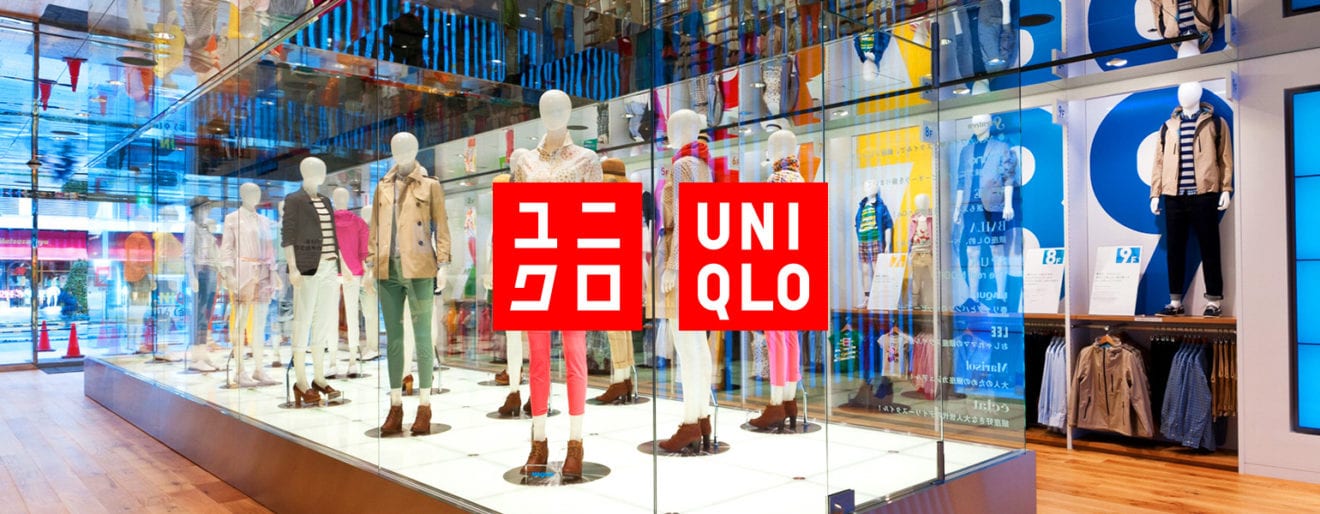
    Fast Retailing’s Uniqlo says it plans to open a “denim concept shop” in Los Angeles soon.

    “We take so much inspiration from Los Angeles,” says Uniqlo head of US marketing Marisol Tamaro.

    The brand has been increasing its commitment to LA and its latest autumn denim campaign gained its inspiration from LA style. Its Denim Innovation Center opened in the city in November last year as a hub for both Uniqlo and J Brand denim creation and manufacturing. There are also innovation centres in Paris, Shanghai, New York and Tokyo.

    Tamaro says the concept shop will mostly stock denim but also feature complementary clothes. The shop will also carry J Brand as well as collaborations from local artists and designers.

    The denim concept shop will be Uniqlo’s eighth store in Los Angeles and the 47th in the US.

  • Large Hong Kong enterprises lack cloud expertise

    Large Hong Kong enterprises lack cloud expertise

    Large enterprises in Hong Kong could be losing out on revenue as 84% of IT decision makers say that they don’t have the required cloud expertise.

    Large enterprises across the world are losing out on $258.1 million a year as a result of a cloud skills gap, according to a new report commissioned by Rackspace in collaboration with LSE academics.

    The study also found that this lack of expertise is stifling creativity, with 80% of IT pros saying they could bring greater innovation to their organization with the right cloud insight.

    Beyond innovation and growth, 44% of IT decision makers believe a lack of skills is causing a lag in their organization’s ability to deploy cloud platforms. The wide majority (77%) also believe they need to invest more in their workforce to meet the developmental challenges of cloud computing.

    “While the rise of Artificial Intelligence and automation may cause some to think that human insight is less important, our report shows that this is not the case,” Rackspace CTO John Engates said.

    “With technology and the cloud now underpinning business transformation, the growing technology skills gap means organizations must have a strategy to access the expertise needed. Those that don’t will struggle to be competitive and innovative.”

    The Cost of Cloud Expertise report looks at the wider implications of the cloud skills gap and provides a route for businesses to tackle the realities of modern IT and the resulting skills gap. Consisting of research amongst 950 IT decision makers and 950 IT pros – as well as in-depth conversations with IT leaders – in large enterprises around the world, the study uncovers current and future trends in cloud expertise.

  • Five tips for using messaging in retail

    Five tips for using messaging in retail

    Messaging in retail is increasingly becoming a tool of choice both online and offline. Instead of just phone or email, companies can now reach people through social messaging channels, such as Facebook’s Messenger, Twitter Direct Messages, Line or WhatsApp.

    Business Insider Intelligence recently reported the use of messaging apps has surpassed the use of social networks, while a report by The Economist states over 2.5 billion people have installed at least one messaging app on their smartphones. And while messaging may have started out as a way for friends to chat socially, its high engagement levels means customers are on these channels and that messaging is an ideal way to reach out to them.

    For example, by using Facebook Messenger – which has more than 1.2 billion active monthly users – customers can shop, purchase and communicate with businesses. Two years ago, global customer support software company Zendesk partnered with Facebook to allow businesses to easily manage conversations on Messenger.

    Many businesses chose to use messaging as a way of improving their customer service. For instance, when BarkBox, a service provider for dog owners, began managing customer conversations on Messenger, it saw a dramatic decrease in average response time from 60 minutes to four minutes. This helped earn the company a ‘responsive badge’ on their Facebook page.

    Effective engagement

    In today’s connected world, no one leaves home without their mobile phone. Therefore, when used correctly, messaging can be very effective for retailers to engage with customers. Here are some practical tips on how businesses should get started when it comes to messaging their customers:

    Know your entry points:  Not everyone may be comfortable with messaging a company, so it’s best to introduce them to the concept. Businesses with existing Facebook pages or Twitter handles should use the “Message us” button to bring relevant conversations from a social media platform into a one-to-one setting. Similarly, various messaging apps have embeddable buttons that allow customers to message businesses from the website. For retailers without a website, you can encourage customers online through QR codes, which they can scan at retail outlets and start following your messaging profiles. Usually pairing this with a discount or promotional item, helps incentivise the customers.

    Identify your audience and the needs: Don’t try and put all customer conversations onto a messaging platform.

    Instead identify who will be best served by messaging, and which are the best situations. Generally, messaging works well when relatively short answers need to be provided quickly, but not necessarily immediately. For example, if you run a travel business, and offer online travel bookings, things can get complicated due to the many different permutations. In situations where you need to explain numerous details on a particular travel destination, it may be better for the customer to talk over the phone to one of your staff, who can convert the sale more effectively. However, if you want to send out an alert on a price reduction or communicate how to make payment via the website, then messaging is ideal.

    Contextual information: Customers hate having to repeat themselves, so if you need to transfer a conversation from one support agent to another, make sure you pass the necessary context, like customer details, previous purchases, outstanding queries, or shipping updates. When using Facebook Messenger, it is also helpful to link their Facebook identity with your records.

    Response time matters: Response time has a strong correlation with customer satisfaction scores. This is particularly important with messaging, as it’s meant to be a way to get answers fast. Messaging is often used for time-sensitive communications, such as someone asking about their food delivery, or a customer having problems in the middle of his/her e-commerce purchase. The golden rule is to answer at least 90 per cent of your messages within 15 minutes. If you can hit this goal, you will earn a “Very responsive” badge on Facebook. In situations where you are not able to respond quickly, for instance after office hours, set an auto-responder so that customers are aware and not left waiting.

    Pair humans with bots: This works well as long as you have boundaries about how you use your bots. As the accuracy of conversational bots isn’t there yet, masquerading your bots as a human or having open-ended conversations is not recommended. Instead, use bots for repetitious answers, such as checking account balances, tracking delivery, or handling FAQs. Whenever a bot is driving the conversations, make sure the customer has the option to switch over the conversation to a human agent, with the full context available. The bot space is very exciting and has great potential. For example, one of our customers allows people to order online from restaurants, grocery stores and other businesses. They are leveraging Facebook’s AI-powered concierge that inserts recommendations on Messenger. So, if two friends are messaging each other, discussing dinner, the bot can suggest placing an order online. Ordering and payment can all be seamlessly completed within the same messaging app.

    The messaging space has evolved significantly over the past few years, and is still evolving. As this technology and the way people are using it is still so new, the best way for retailers to use messaging is to start slowly and test each approach. Then evaluate the response and if it works well, expand your messaging channels.

  • SingPost Centre to have Gong Cha flagship

    SingPost Centre to have Gong Cha flagship

    Never mind bubble wrap, the new SingPost Centre in Paya Lebar is about to have the flagship store for bubble-tea chain Gong Cha as it returns to Singapore.

    Under construction, the store will open in December.

    In May, the brand announced it was leaving Singapore and that its outlets would be replaced by new local chain LiHo. However, Royal Tea Taiwan, the company behind Gong Cha, revealed a couple of months later that the chain would return under a new master franchisee. Former Mr Bean co-founder/MD Kang Puay Seng is leading the return of the brand.

    The new SingPost Centre mall will officially launch next Thursday.

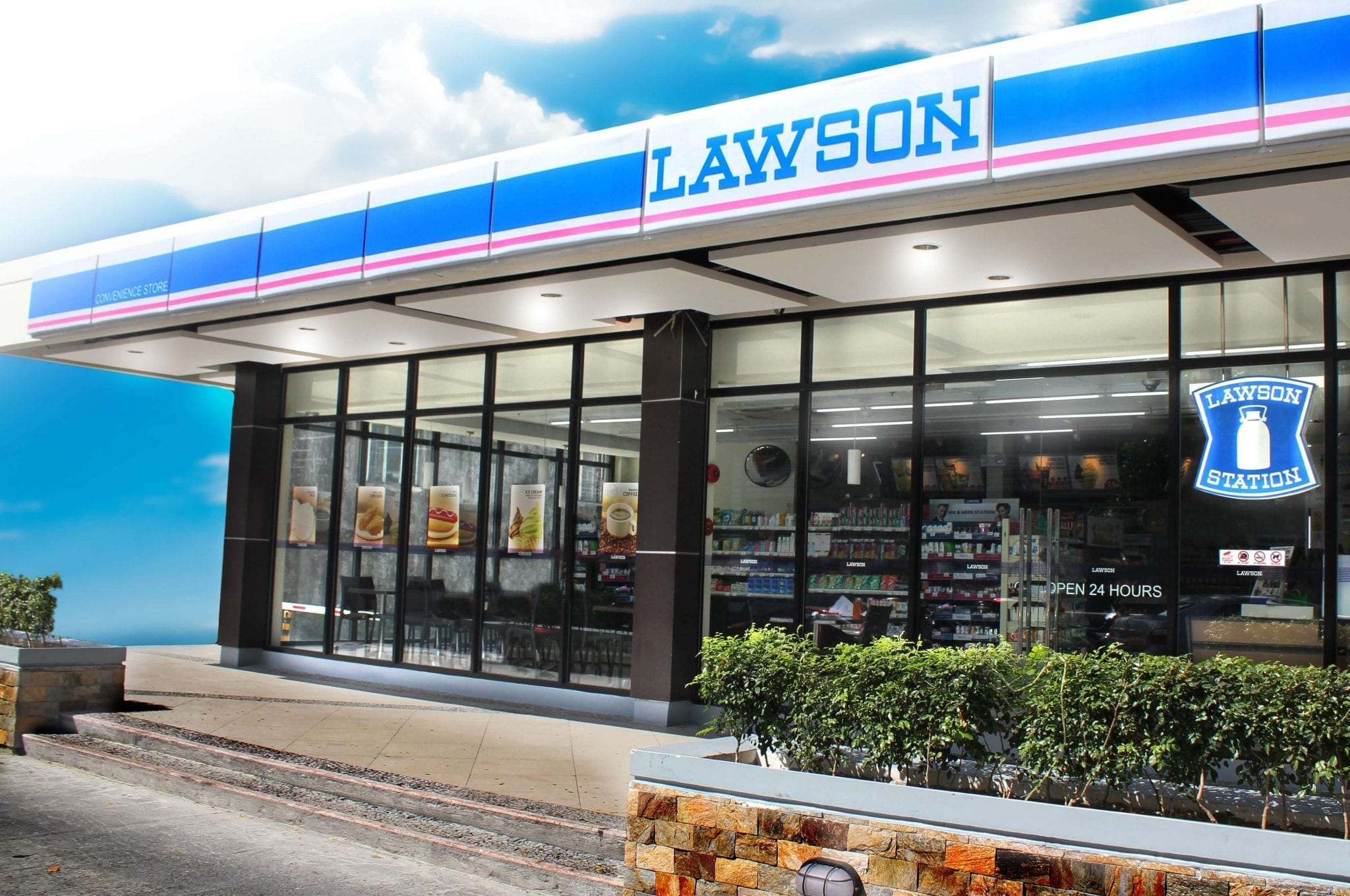
  • Lawson Japan expecting profit turnaround

    Lawson Japan expecting profit turnaround

    Japanese convenience store chain Lawson is expecting a 4 per cent growth in net profit for its half-year to August, defying a projected 7 per cent decline.

    Lawson Japan attributes the swing to strong sales of salads and other private-label items. Lower costs for store closings also appear to have helped.

    The Tokyo-based retailer says it expects to report a group net profit of around ¥23.5 billion (US$208 million) instead of the ¥21 billion it forecast in July.

    Gross operating revenue is likely to rise 7 per cent to nearly ¥330 billion. The operating profit is predicted to ease 3 per cent at nearly ¥39 billion. Lawson had projected a 6 per cent drop.

    In-house products, which have higher profit margins, have helped boost revenue. Lawson sold out all 2.5 million servings of a cream roll cake in just two weeks, part of a new line of sweets introduced in June.

    The chain also found success with its salad offerings, which it increased from 16 to 26 in response to consumer health consciousness.

    Same-store sales rose 1 per cent on the year during the half. Meanwhile, the chain closed about 150 locations, a third fewer than in the year-earlier period.

  • Honda to cut Japanese production by a quarter as domestic sales stagnate

    Honda to cut Japanese production by a quarter as domestic sales stagnate

    Honda Motor plans to end production at its Sayama plant in Japan by 2022, cutting domestic capacity by around 24 percent as it shifts focus to electric cars (EVs) and other new technologies.

    The automaker has seen stagnant domestic sales and said on Wednesday it was streamlining its Japanese operations as it takes a more nimble approach to development and manufacturing in the face of fierce competition from carmakers and technology companies to make EVs and self-driving cars.

    “As we focus more on adopting electrification and other new technologies, we want to hone our vehicle manufacturing expertise in Japan and expand it globally,” CEO Takahiro Hachigo told a press conference.

    Hachigo has been trying to revive a culture of innovation at Japan’s No. 3 automaker, after a number of major product recalls in recent years as well as lackluster product offerings, partly because it focused so much on increasing volumes and profit.

    Honda said it would end production at the ageing Sayama plant in Saitama Prefecture north of Tokyo, consolidating output at its Yorii plant in the same prefecture by the end of the 2022 financial year. Most workers currently at Sayama would be transferred to the Yorii facility, it said.

    The move would cut overall domestic annual production capacity to around 810,000 units, the same as Honda’s current output levels, which are around 76 percent of its current production capacity of 1.06 million vehicles.

    “Domestic sales haven’t increased as much as we were expecting and it has become difficult to boost exports,” Hachigo said.

    Following consolidation, Honda said the Yorii plant will produce EVs and serve as a major center for developing manufacturing technology for electric cars. It will also produce other vehicles including larger-sized global models.

    While the automaker cuts capacity at home, it plans to open a new plant by 2019 in China, where it has seen explosive growth. Overall, global annual production would remain largely unchanged at around 5.06 million units, it said.

    Honda has struggled to expand sales at home in the past few years, facing stiff competition from popular offerings including Toyota Motor Corp’s (7203.T) Prius gasoline hybrid and Nissan Motor Co.’s (7201.T), Note compact hatchback.

    In the year ended March, it sold 668,000 units domestically, almost the same as in the previous year.

    With an annual production capacity of 250,000 units, the Sayama plant opened in 1964 and is one of Honda’s oldest plants, producing the Accord sedan, the CR-V SUV crossover and other models.

    The Yorii plant began production in 2013 and also has an annual production capacity of 250,000 units. Its output includes the Fit compact hatchback and the Civic sedan.

    Hachigo also said he was confident Honda was following proper procedures for final vehicle inspection for the Japanese market.

    He said the company was complying with a request from Japan’s transport ministry for inspection records after Nissan said on Monday it would recall 1.2 million vehicles due to procedural irregularities with its final inspection processes.

  • Facebook building $1b data center

    Facebook building $1b data center

    Reports out of Richmond say that Facebook is moving in next door. The tech giant is said to be building a $1 billion data centerin eastern Henrico County, a few miles east of town.

    The first phase of Facebook’s new facility will span 970,000 square feet and add more than 100 full-time jobs to the area. As currently envisioned, follow-up phases would bring that total up to 2.5 million square feet and 240 full-time jobs.

    The data center(s) will be on a 328-acre site at Technology Boulevard and Portugee Road within the White Oak Technology Park.  That’s the complex which also happens to also house the 1.3 million square foot former Qimonda semiconductor plant that is now a giant QTS data center.

    Virginia as a whole has been a hot infrastructure market lately. The construction of the new MAREA cable system is bringing the state its own submarine cable access point at Virginia Beach, and new fiber has been put in the ground and on poles throughout the region in anticipation.