Author: Mei Ling Tan

  • Cebu Pacific resumes Cebu-Ormoc regular flights

    Cebu Pacific resumes Cebu-Ormoc regular flights

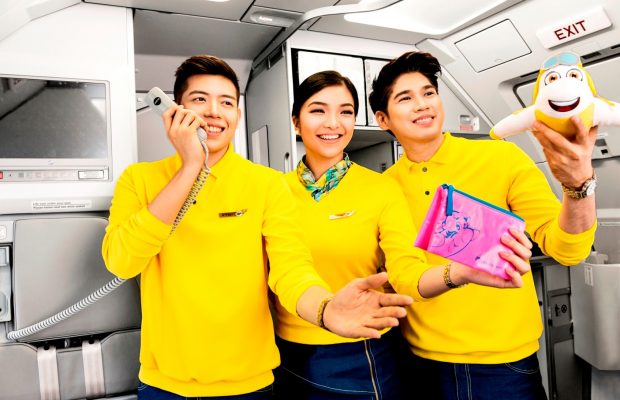
    Cebu Pacific has resumed its regular flights between Cebu and Ormoc after the Ormoc Airport passed a risk assessment by aviation authorities.

    “Cebu Pacific Air, through its wholly-owned subsidiary Cebgo, resumes regular flights to and from Ormoc City, starting July 14, 2017. Cebgo flies daily between Cebu and Ormoc, with the Cebu-Ormoc flight departing at 6:35am; and the return flight leaving Ormoc at 7:40am,” the airline posted on its website on Friday.

    The risk assessment was performed in cooperation with the Civil Aviation Authority of the Philippines (CAP), after the 6.5-magnitude quake rocked Leyte last July 6.

    Passengers booked on cancelled Cebgo flights from July 6 to 13 may rebook their flights free of charge, the company said.

    Operations at the Ormoc Airport returned to normal two days after the quake. Cebu Pacific, however, said it had to perform its own risk assessment to ensure operational requirements would be met.

  • Moschino appointed a new worldwide Sales Manager

    Moschino appointed a new worldwide Sales Manager

    Moschino just named a new worldwide Sales Manager, Marko Jovanovic, age 40.

    With a Degree in Economics at University Bocconi Milan, he started his career in fashion as Benetton Area manager for Balkans and continued in the luxury with Gucci where he occupied growing responsibility roles in franchising and wholesale divisions until he became Sales Manager focused on emerging market (East Europe, Turkey, Cyprus, Lebanon, Israel) then in retail as Area Manager India, until 2013.

    Afterwards, he was appointed Country manager Louis Vuitton India until 2015 followed by LV Director of Retail Development SEA.

    In December 2015, he became LV Retail Director Singapore until last week Ralph Lauren VP Retail Performance Europe in London.

  • BMW greenlighted to find new dealer in Vietnam

    BMW greenlighted to find new dealer in Vietnam

    Vietnamese government has given the greenlight to the German automobile manufacturer BMW to access and run maintenance services on a batch of 700 BMW cars being held at Vietnamese ports after Euro Auto—BMW’s official distributor in Vietnam—was charged with scandalous violations of counterfeit paperwork.

    The leader of the government also affirmed that the BMW Group in Germany had no part in these violations, only its dealership in Vietnam. Hence, BMW must change its dealer in Vietnam to help maintain a transparent and attractive business environment.

    In order to be able to continue its business in Vietnam, the German automaker will have to terminate the rights of its current partner to import and distribute BMW cars in the country, while looking for another distributor.

    Dealer replacement is needed

    Since 2006, Euro Auto, as the officially authorised distributor of BMW in Vietnam, has helped the company to become one of the most successful luxury car brands in the market after previous failures in manufacturing cars locally, which eventually led to its withdrawal from the Hoa Binh Automobile joint venture.

    In fact, Euro Auto is backed by Sime Darby Group (Malaysia). By the end of 2013, Sime Darby Motors—a major affiliate of the Malaysian multidisciplinary group—has acquired a more than 90 per cent stake in Euro Auto Corp. (EAC) by purchasing Europe Automobiles and other shareholders’ stakes.

    Via Euro Auto, Sime Darby has brought several luxury and premium car models to Vietnam, for example the MINI and BMW brands, through a chain of showrooms and stores in Ho Chi Minh City and Hanoi.

    Currently, Sime Darby is the world’s third largest distributor of BMW. The giant also holds the rights to sell Land Rover, Mini, Rolls-Royce, Jaguar, Lamborghini or Porsche in many neighbouring countries, such as Malaysia, Singapore, Thailand, and China.

    In early 2016, Sime Darby established another subsidiary named Performance Motors Vietnam with similar functions to Euro Auto, selling BMW cars, spare parts, and accessories. When this company came into operation, Euro Auto shifted focus onto imports, while Performance Motors was responsible for distribution. Still, there was no clear separation between the firms regarding their functional businesses as they were both reported doing retail activities in Sime Darby’s 2016 annual report.

    However, after being accused of conducting fraudulent paperwork and declaring low import prices to evade tax, Euro Auto has apparently lost its credibility with other firms.

    In December 2016, the BWM dealer was found to have sold a shipment of imported cars while it was still waiting for clearance from the Ho Chi Minh City customs agency, in addition to violating multiple regulations, according to the Ministry of Finance (MoF).

    The company was accused of forging documents, including purchase contracts and receipts, while failing to provide certificates of origin for its cars—a sign of fraud and scamming. It also bought BMW vehicles without completing customs clearance or receiving the necessary customs authority permits. In December Vietnamese customs officials were ordered to halt all clearance procedures for BMW cars after MoF reported import violations, a ban that is said to be still in effect.

    Afterwards, the Ministry of Public Security announced on April 27 that Nguyen Dang Thao, general director of Euro Auto, and two other individuals involved had been arrested in the course of an investigation of a batch of German luxury cars smuggled into Vietnam. The names of the other two persons have been kept undisclosed.

    At the meeting with Prime Minister Nguyen Xuan Phuc, the top executives of BMW also said that the company was seeking to invest in a factory in Vietnam as it would increase the localisation rate of many car components.

    According to experts, in order to achieve such a goal, the world’s big players usually choose to participate in a joint venture and technology transfer agreement with a local car manufacturer.

    There are many firms wanting to become BMW’s new distributor, including well-known names of the automobile industry and other multidisciplinary corporations that want to expand their portfolios. Yet for BMW, a joint venture with a local firm appears to be the best fit, to assemble cars in Vietnam.

    “Financial capability is not the key factor. Experience and the network infrastructure for distribution are supposed to be the core,” said the director of a luxury car company.

    This is also the path BMW and Sime Darby are pursuing in Malaysia. The joint venture between these two corporations was established in 2003, with a 51 per cent stake held by BMW and a 49 per cent by Sime Darby.

    Shortly after its establishment, the company started manufacturing some of the very first BMW models in Malaysia. To date, the plant has manufactured approximately 20 different commercial vehicle models under the brand names BMW and MINI, including Series 1, Series 3, X1 to X5 or Countryman, among others.

    Most recently, in April 2016, BMW Malaysia unveiled a plan to boost the assembly of BMW 3, 5, and 7 series sedans in Malaysia for export to Vietnam and the Philippines via Sime Darby’s distribution channels.

    Were it not for the Euro Auto incident, according to the company’s plan for 2018, Vietnamese customers would have purchased more BMW cars imported from Malaysia, not Germany. Then, BMW would have been granted tax incentives, particularly a zero per cent import tax, for import activities within the region as long as it could meet the requirement of a 40 per cent localisation rate.

    If BMW also adopts this model in Vietnam, the best possible way is to find a partner with good financial capabilities, a well-established distribution network across the country, and more importantly, a string of readily available factories and warehouses or bases for expansion. Other things involve agreements signed to regulate capital contributions and technology transfer or to attract investment from car accessory manufacturers and gradually increase the localisation rate.

    A long way ahead

    In Vietnam, the availability of these conditions is actually very limited. A prediction from industry insiders reckons that Sime Darby will still be in charge of the distribution of BMW cars, but through a different firm, not Euro Auto.

    It could be Performance Motors or a different agency. However, whoever will be BMW’s new representative, the giant still needs to invest in a joint venture with a large Vietnamese corporation so as to develop the plan to manufacture and assemble cars in Vietnam.

    If BMW cars are assembled and imported in Vietnam by a big company, the model used 20 years ago will come back. Around 1994, BMW cars were assembled at the factory of Hoa Binh Automobile Company (VMC), along with Mazda and Kia cars. However, all companies decided to “get out” because of undesirable failures. Mazda and Kia later came back to Truong Hai and started thriving.

    If BMW ties the knot with a big company, it will be the starting point of a new era for it to become the second luxury car brand manufactured in Vietnam, after Mercedes. The price may decrease if the proportion of domestic factors increases. The battle in the luxury car segment is also getting tougher with more noticeable opportunities for sales booming.

    After all, the luxury car brand of Bavaria is looking for a safe haven in Vietnam. It does not only want an extensive distribution system, services, factories, and warehouses ready for assembly and manufacturing, but also requires a stable policy framework in the long run.
  • Davao gains first Globe Telecom Gen3 store

    Davao gains first Globe Telecom Gen3 store

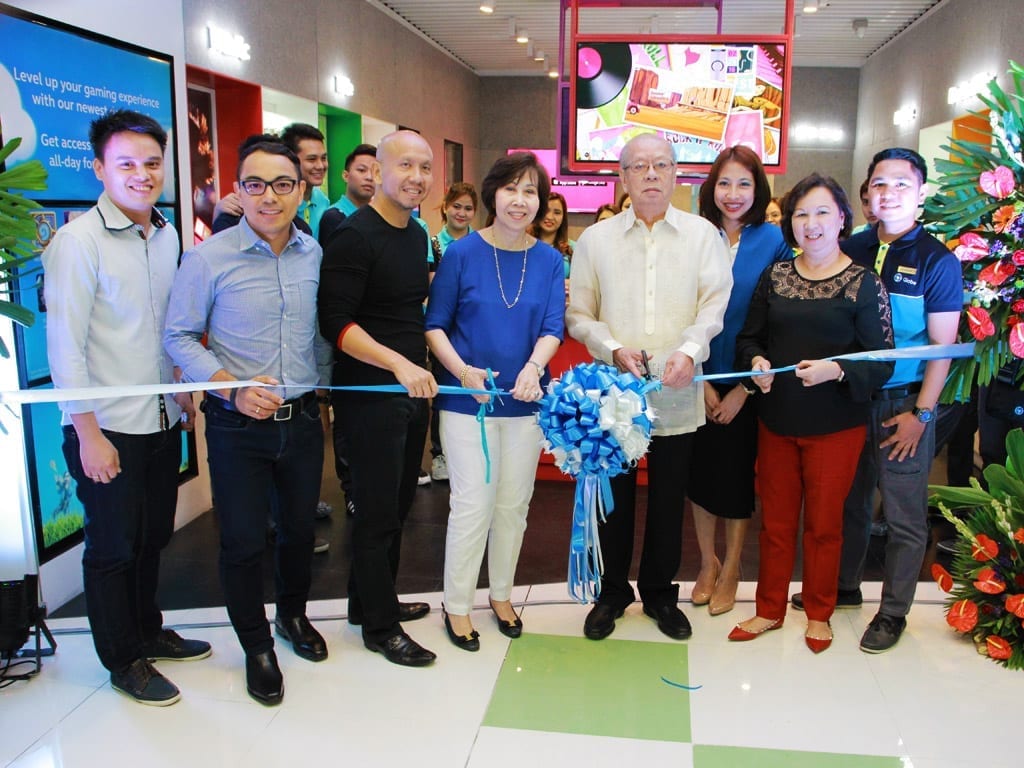
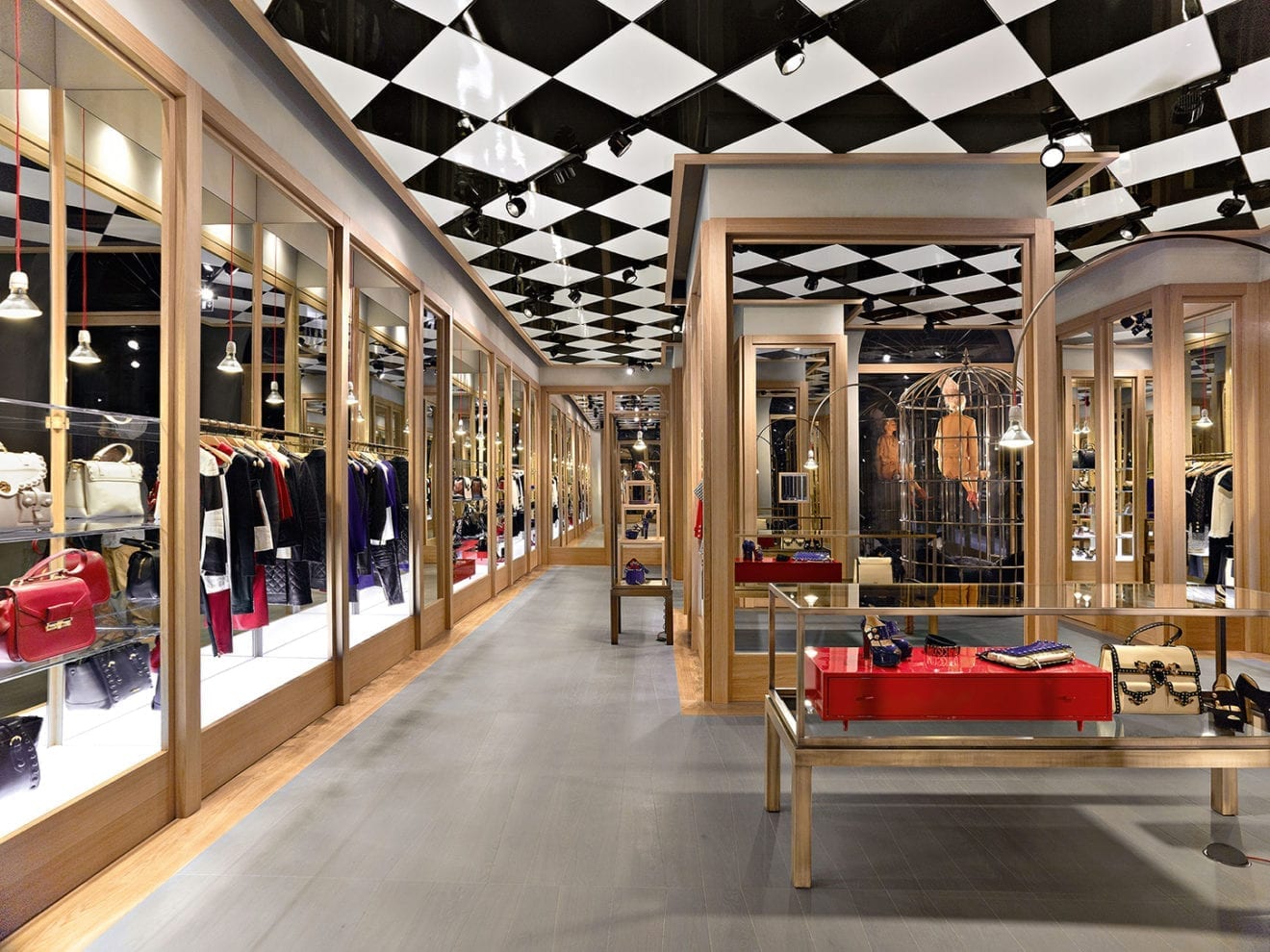
    Globe Telecom has opened its first Gen3 store for Davao City, at Gaisano Mall of Davao.

    It is described as “a new retail experience” by Irra Zarina Escandor, who owns GMI Global Ventures, the first Gen3 store owner in Davao City.

    Gmall Globe Gen3 store retail manager Ace Cabana says customers will experience lifestyle vignettes designed to catch attention. There will not be any queues as a tablet will be used to help customers.

    Cabana says the topography of the store is reconfigurable and interactive. Globe products and services will be showcased within different zones featuring video-on-demand providers, music providers, plan packages and gadgets.

    Designed by Tim Kobe, founder/CEO of Eight and designer of Apple Stores and Nike pop-ups, the Gen3 stores were first launched simultaneously in Mindanao’s Limketkai Mall in Cagayan de Oro City, and at SM North Edsa in Quezon City.

  • Korea needs to draw long-term growth plan for startups

    Korea needs to draw long-term growth plan for startups

    Korea has leaped into being one of Asia’s leading economic powerhouses in less than a century after the post-war devastation back in the early 1950s.

    Many attribute the rapid growth to the nation’s tough working culture — represented by an obsession to generate short-term, outstanding outcomes mainly in the business circle.

    This has brought about such homegrown hardware titans as Samsung and LG whose history falls short of their overseas counterparts, but have become top-tier players.

    The hardware-driven growth, however, is still holding back the development of the local software industry, with the government putting little attention on the non-manufacturing yet crucial growth area.

    “Not a single Korean software company has achieved global success, compared with the hardware or manufacturing industry players,” Tiger Company CEO Kim Beom-jin said in an interview Sunday. The software startup — established in 2011 — is an enterprise-level social networking system provider here.

    He said the nation’s software market is not huge enough to grow into a sizable shape due to the small market size and weak infrastructure, so the government needs to implement specific measures for its long-term growth both in quality and quantity. The software market in the United States and China is 20 to 30 times bigger than that of Korea, he said.

    “It is also tough for us to tap directly into overseas markets, as we are no match for industry leaders there in terms of factors such as capital, workforce and marketing,” he said.

    Kim urged the government to support local software startups in particularly overseas networking and marketing activities.

    “Small startups with weak capital cannot have enough chances to contact overseas clients and promote products by participating in global exhibitions,” the chief executive said.

    The government has in recent years pushed for the development of the local software industry. For example, the Ministry of Science, ICT and Future Planning unveiled a plan last year to name and support 20 software-oriented universities by 2019.

    The move comes amid growing calls that the country should make more effort in software education to build an infrastructure for its long-term growth.

    This reflects that global information and communication giants such as Google and Facebook generate billions of dollars in profit with their software infrastructure. But even if the global tech paradigm has shifted into the software sector, the government has made little effort to catch up with the trend.

    “The small software market size is also blocking the government from making enough investments in software industry players,” he said. “Most state-run bodies have invested mainly in hardware and online to offline industry players here, paying little attention to their software counterparts.”

    “Local venture firms or small- and medium-sized firms can receive state-run research and development funding projects for as long as three years,” he said. “But the government needs to draw up concrete funding policies from a longer-term perspective, from product development to global expansion.”

  • Singapore exports rebound in June, beating forecasts with 8.2% rise

    Singapore exports rebound in June, beating forecasts with 8.2% rise

    Non-oil domestic exports (NODX) bounced back in June, topping expectations with an 8.2 per cent increase from the year earlier, with a strong rise in non-electronic shipments offsetting a smaller increase in electronic sales.

    Analysts polled by Bloomberg had expected NODX to rise 5.1 per cent in June from the same month a year ago. Exports in May edged up just 0.4 per cent in May, revised up from an earlier estimate of a 1.2 per cent decline, and dipped 0.3 per cent in April, after expanding for six straight months.

    On a month-on-month seasonally adjusted basis, NODX declined by 2.7 per cent in June, after the previous month’s 9.4 per cent increase, as the decline in electronic shipments outweighed the increase in non-electronic sales, data from trade agency International Enterprise (IE) Singapore showed on Monday (July 17). Some S$14.5 billion exports were recorded in June, lower than the S$14.9 billion in May.

    Exports of electronics cooled in June, expanding by 5.4 per cent year-on-year compared to the 28.9 per cent surge in May. Data last Friday showed that Singapore narrowly avoided a technical recession, growing at 0.4 per cent in the second quarter from the quarter before, saved by solid global demand for its tech products.

    Electronic exports in June were led by ICs, disk media products and capacitors which increased by 20.7 per cent, 2.9 per cent and 10.5 per cent respectively.

    Exports of non-electronics grew by 9.3 per cent year-on-year, in contrast to the 8.6 per cent drop in the previous month. Economists have been concerned that the pick-up in Singapore’s economic growth has thus far been driven limited to certain segments of the economy – mainly, electronics manufacturing.

    Exports in non-electronics were lead by non-monetary gold, specialised machinery and petrochemicals, which increased by 148 per cent, 76.1 per cent and 13.7 per cent respectively.

    In terms of export markets, the top contributors to the NODX increase were China (+48.9 per cent), South Korea (+56.9 per cent) and Japan (+26.7 per cent) – outweighing the declines to the US, Taiwan, the EU 28, Thailand and Indonesia.

  • South Korea leads APeJ by IoT readiness

    South Korea leads APeJ by IoT readiness

    South Korea, Singapore, New Zealand and Australia are the most IoT prepared countries for the IoT, according to IDC.

    The research firm’s Asia Pacific (excluding Japan) IoT Readiness Index  ranked 13 APeJ nations (mix of developed and developing) across 13 critical parameters such as economic stability, technology spends, innovation potential, etc. as articulated in the global G20 study.

    While globally United States, South Korea and United Kingdom led this model, in the region the top three countries are South Korea, Singapore and New Zealand respectively. These have the most efficiencies for nationwide IoT adoption across all criteria.

    APeJ comprises a significant portion of spend in the IDC IoT Spending guide. The regional economies provide a rich diversity and quality of overall economic stature, business readiness, and technological preparedness along with different levels of efficiencies that loT solutions can create.

    “Countries are keen to demonstrate their relative digital competitiveness, and as such are looking to The Internet of Things as one of those initiatives,” IDC associate vice president for the IoT in APeJ Hugh Ujhazy said.

    “Knowing where a country stands in the IoT index will help global and local IT vendors know what opportunities lie ahead of them as they line up their strategies at federal, local, and enterprise levels.”

  • Fiat Chrysler recalls 1.33 million vehicles over fire, air bag risks

    Fiat Chrysler recalls 1.33 million vehicles over fire, air bag risks

    Fiat Chrysler said on Friday it is recalling 1.33 million vehicles worldwide in two separate campaigns for potential fire risks and inadvertent airbag deployments.

    The Italian-American automaker said it is recalling about 770,000 sport utility vehicles because of a wiring issue that may lead to inadvertent deployment of the driver-side air bag and is linked to reports of five related minor injuries, but no crashes.

    The company said wiring could chafe against pieces of steering-wheel trim, potentially causing a short-circuit and ultimately leading to an inadvertent air bag deployment. The issue could also cause unintended windshield wiper operation or inoperable switches.

    The recall covers 538,000 2011-2015 Dodge Journey vehicles in North America and 233,000 2011-2015 Fiat Freemont crossovers sold elsewhere. Dealers will inspect and replace the wiring, as needed and equip it with additional protective covering.

    The automaker is also recalling 565,000 vehicles to replace their alternators because of fire risks. The company said hot ambient temperatures could lead to premature diode wear, may result in a burning odor or smoke, could impact the anti-lock braking system or lead to engine stalls.

    The company said it is aware of two potentially related accidents but no injuries.

    The recall covers 2011-2014 model year Chrysler 300, Dodge Charger and Dodge Challenger cars and Dodge Durango SUVs and 2012-2014 Jeep Grand Cherokee SUVs.

    In October, Fiat Chrysler recalled about 86,000 Ram 2500 and 3500 pickup trucks, 3500, 4500 and 5500 chassis cabs from the 2007-2013 model years and 2011-2014 Dodge Charger Pursuit sedans for the same alternator issue. Fiat Chrysler said at the time one minor injury was related to the recall.

    Dealers will replace the alternators.

  • Ensogo Philippines to shut down

    Ensogo Philippines to shut down

    Ensogo Philippines will be closed down along with the online retailers’ other sites across Southeast Asia.

    Following the resignation of its co-founder Kris Marszalek, the Singapore-based tech company said it will cut its financial support to its sales and marketplace business units in Indonesia, Thailand, Hong Kong and the Philippines.

    “These business units will be shut down. All staff have been informed and communications will be made to customers in the coming days,” the company said in a statement.

    Australian internet entrepreneur Patrick Grove founded Ensogo, formerly iBuy. Grove also established the online businesses iProperty and iCar under Catcha Group.

    Recently the company reported growth averaging more than 100 per cent in the first quarter, after the launch of a cross-border marketplace business in January. It said the number of suppliers had skyrocketed from 3141 in the fourth quarter of 2015 to 13,599 in the first quarter of 2016. The first three months saw US$8.2 million in gross merchandise value.

    As of the end of March 2016, however, Ensogo reported A$22.6 million (about US$17 million) in receipts from customers, while total cash was only A$17.6 million, a 64 per cent decline from A$29 million by the end of last year. Earlier this year the company, which is headquartered in Singapore and listed in Australia, laid off employees.

  • Ikea Philippines debut imminent

    Ikea Philippines debut imminent

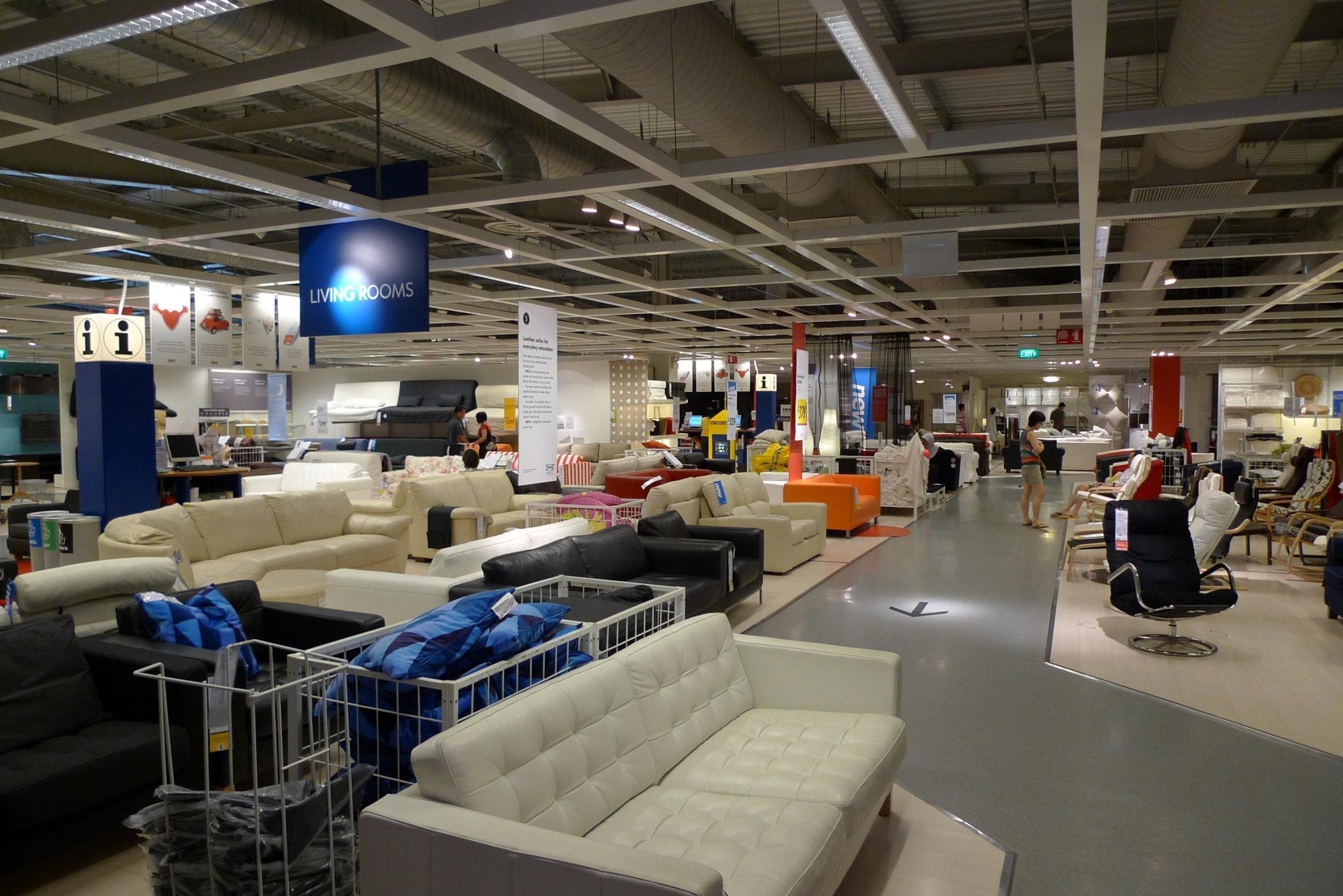
    The launch of Ikea Philippines is a major step closer after the Swedish furniture giant’s local partner won Board of Investment (BOI) approval to set up business.

    News of the BOI pre-approval of a bid by Ikano Pte Ltd, the operator and franchise-rights owner of Swedish furniture brand Ikea in key Asian markets, was broken by the Business Mirror, which cited BOI documents dated last November.

    Ikea has always wanted to establish a presence in the Philippines, especially Manila, and there have been reports of planning for a launch as far back as 2013.

    The Business Mirror points out that under current law, before engaging in retail trade business – or investing in an existing store in the Philippines – all foreign retailers must have a net worth of either US$200 million or $50 million, depending on its classification as a foreign retailer.

    “The foreign retailer must also have five operating retail branches or franchises in global locations, unless it owns at least one store worth $25 million, and a five-year track record in retailing,” the publication explained.

    Ikea is already operated in Hong Kong, Indonesia and Taiwan by a subsidiary of Hong Kong-headquartered Dairy Farm International, which also owns the Guardian chain of health and beauty shops, and pharmacies.

    It is run by a separate franchisor in Singapore, Thailand and Malaysia.

  • Starbucks Japan going traditional in Kyoto

    Starbucks Japan going traditional in Kyoto

    Starbucks Japan’s new Kyoto branch will have a traditional Japanese cafe space complete with tatami mats.

    It will be in a 100-year-old, two-storey traditional Japanese townhouse, one of the only buildings in the area still in its original form.

    Starbucks Kyoto

    There will be three gardens within the wooden building, one in the front, one in the middle and one in the back. Each will have greenery, rocks and light in an attempt to recreate a traditional Japanese interior space.

    On the second floor, guests can take off their shoes to sit on tatami mats and cushions with Japanese designs.

  • Del Monte retail chain to launch in US

    Del Monte retail chain to launch in US

    Three Del Monte entities will launch a series of JVs, including a Del Monte retail concept to be rolled out in the US.

    Del Monte Pacific (DMPL), a subsidiary of Del Monte Foods and Fresh Del Monte Produce have agreed to launch the retail F&B concept modelled after a Fresh Del Monte Produce business in the Middle East. They also agreed to expand the distribution of refrigerated goods internationally.

    Initially the focus of the Del Monte retail stores will be in the US market with the potential for expansion into other territories, says DMPL, which is dual listed in the Philippines and Singapore.

    The stores will offer foods and beverages aimed at consumers seeking healthier options. The companies are also collaborating on product innovations, including a line of chilled juices, new varieties of prepared refrigerated fruit snacks, and guacamole and avocado products.

    As well as Del Monte, the group’s heritage brands include College Inn, Contadina and S&W, most of which originated in the US more than a century ago as premium packaged-food products. The group has exclusive rights to use the Del Monte trademarks for packaged products in the US, South America, the Philippines, the Indian subcontinent and Myanmar.

    DMPL is 67 per cent owned by NutriAsia Pacific and Bluebell Group Holdings, which are beneficially owned by the Campos family of the Philippines. The NutriAsia Group sells liquid condiments, specialty sauces and cooking oil in the Philippines.

    The JVs follow the full and final settlement of active litigation between the companies, which had been centered on licensing rights and product distribution in various international territories.

  • Samsung Mobile Philippines takes nod to past

    Samsung Mobile Philippines takes nod to past

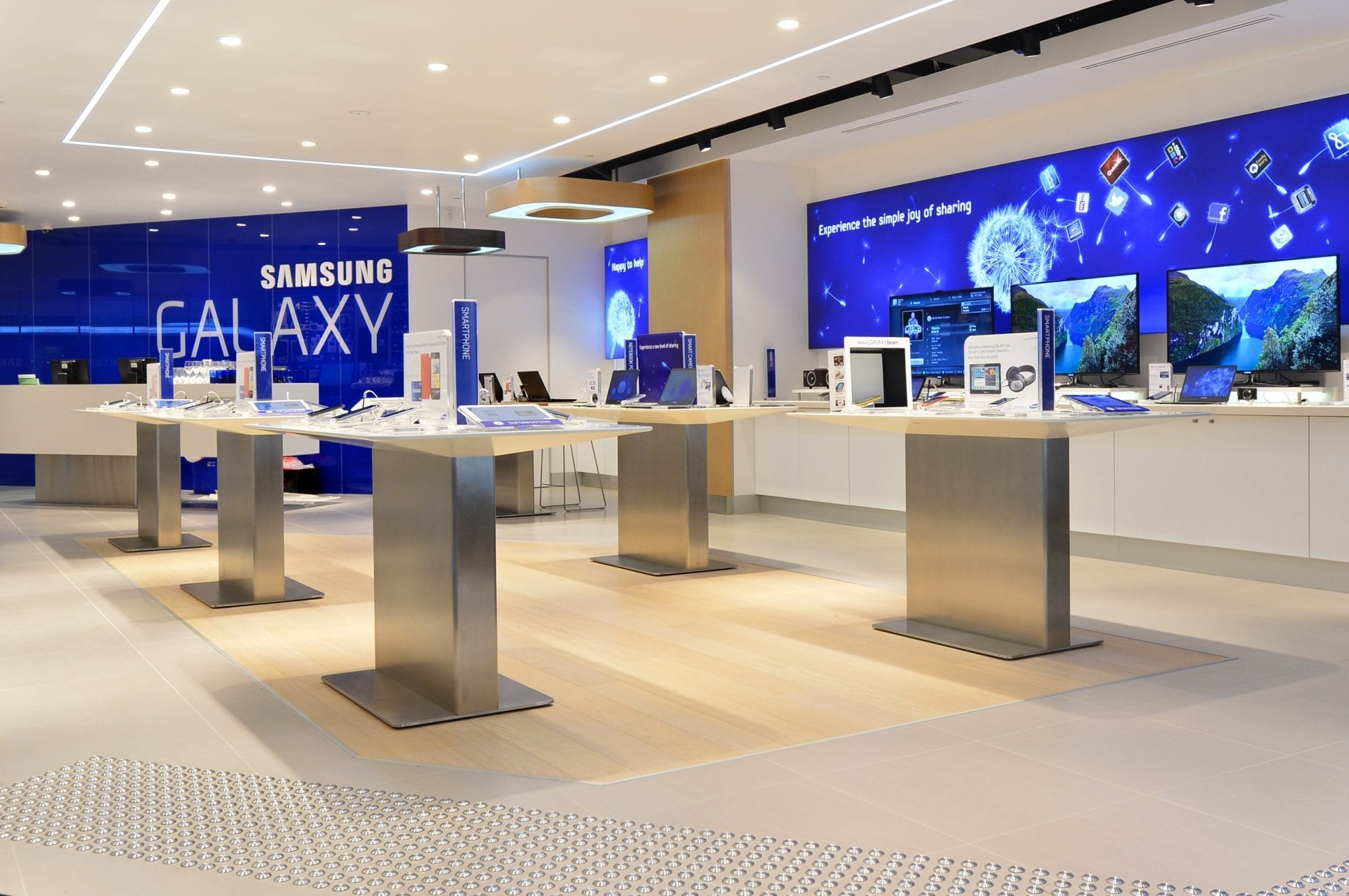
    In partnership with 8Telcom, Samsung Mobile Philippines has officially opened its second Samsung Experience Store, at Davao City’s Victoria Plaza Mall.

    Billed as the first redesigned concept store in the Philippines, it marks 8telcom’s 15th anniversary, with Samsung deciding to go back to where everything started – the first 8telcom multi-brand kiosk was established at Victoria Plaza.

    At a grand opening of the Samsung store, the first 50 customers each received a free headset, and a free Bluetooth speaker was given to buyers of five different phone models.

    Customers who pre-ordered the Samsung J7 Pro smartphone will also receive a free wireless speaker.

  • Globe commences Massive MIMO rollout

    Globe commences Massive MIMO rollout

    The Philippines’ Globe Telecom has commenced the commercial deployment of massive multiple input multiple output (MIMO) technology to improve the mobile connectivity experience in dense urban areas.

    The commercial deployment follows initial testing of the technology in the Makati financial district of Metro Manila. The testing demonstrated the ability of the technology to improve capacity up to six times compared to a regular site.

    Globe’s initial rollout will cover 150 cell sites, mostly in Southern Luzon and Northern Luzon, according to Joel Agustin, SVP for program governance at the operator’s Network Technical Group.

    “The use of massive MIMO technology is an important component of our goal to stay ahead of the demand curve for data capacity in densely populated and high-foot traffic areas,”  he said.

    Globe this month also became the first operator in the world to activate massive MIMO using two-carrier aggregation, the company said.

    The deployment makes use of Globe’s 2.6-GHz spectrum holdings. Globe acquired additional 2.6-GHz spectrum from last year’s joint purchase of San Miguel’s telecoms assets with rival PLDT.

  • Chunghwa taps Ericsson for trial NB-IoT system

    Chunghwa taps Ericsson for trial NB-IoT system

    Taiwan’s Chunghwa Telecom has contracted Ericsson to deliver a trial narrowband IoT (NB-IoT) system, and plans to use the system to test a range of IoT devices and applications at its laboratory.

    Ericsson will provide an end-to-end NB-IoT solution comprising a radio system, massive IoT RAN software, virtual EPC, virtual subscriber data management and an IoT smart device and application service.

    The two companies have also agreed to continue to work together to identify 5G use cases and applications for the digital transformation of industry verticals such as transportation and utilities. Ericsson and Chunghwa Telecom signed a 5G collaboration memorandum of understanding at Mobile World Congress 2017 in February.

    NB-IoT, a 3GPP standards-based low power wide area (LPWA) technology promises significant improvements in areas including indoor penetration, power consumption and system capacity that will be needed to support future IoT applications.

    “Ericsson has long been our leading network provider and has demonstrated the strong device life-cycle management and integration capabilities that are required for a system of this type,” Chugnhwa Telecom EVP and president of Telecommunication Laboratories Chen Shyang-Yih said.

    “NB-IoT technology is one of our primary focuses in 2017, and we are keen to explore more opportunities based on the new technology.”

    Chunghwa also recently announced plans to introduce four-carrier aggregation (CA) this month using the 1,800-MHz spectrum refarmed following the nation’s 2G switch-off.