Author: Mei Ling Tan

  • Subway stores to be revamped globally

    Subway stores to be revamped globally

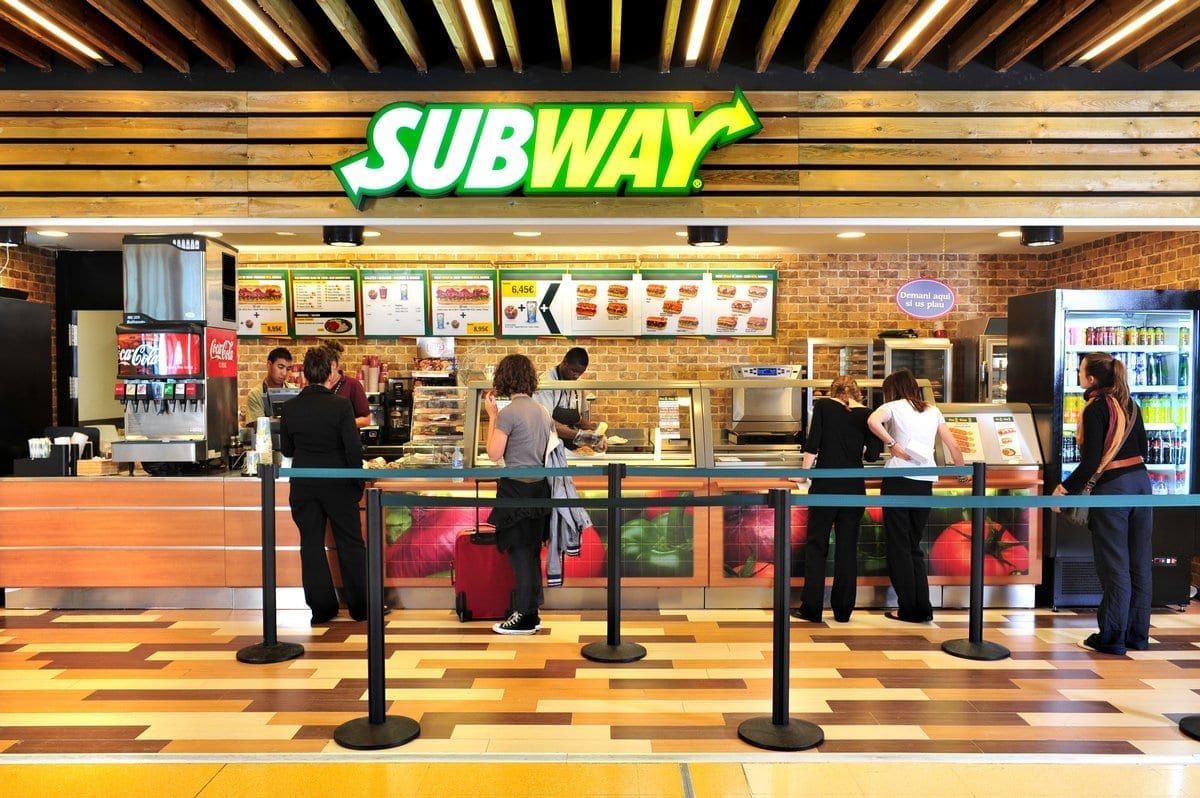
    Subway stores are getting a facelift, with the new Fresh Forward design being rolled out internationally. Briefed to come up with a distinctive, welcoming space, FRCH Design Worldwide introduced a bright new colour palette inspired by fresh vegetables.

    This comes almost a year after the chain updated its logo. It created Subway Digital last year to develop an omni-channel strategy and also revealed a new brand identity including a new symbol called the Choice Mark. Its optimised colour palette is being brought to life through in-store imagery, packaging, uniforms and signs. Many elements of the refreshed brand identity will be worldwide by the end of this year.

    “We’ve created a modern design that gives our guests choices – from how they order, to how they pick up their food, to how they enjoy their meal,” says Subway VP of operations Trevor Haynes.

    Select locations offer self-order kiosks with digital menu boards and Apple and Samsung Pay options. There is a separate food-preparation area for kiosk guests. There is also a designated pre-order pick-up location for orders via kiosk, mobile app, delivery, catering and bot for Messenger.

    Stores feature a fresh vegetable display with whole tomatoes, green peppers, onions and cucumbers, plus there are bread and cookie displays. Subway Fresh Forward restaurants are also adding items to the menu, starting with pico de gallo, sauces, house-made pickles and gluten-free bread.

    For dine-in guests there is bright and playful decor, curated music and comfortable seating with USB charging ports and complimentary Wi-Fi internet access.

    Franchisees and customers around the world offered input for the new design. Twelve pilot locations have just opened in Canada, the UK and the US, with restaurants to be refreshed in the 113 countries covered by the chain’s more than 44,000 locations.

    Subway was founded more than 50 years ago Fred DeLuca, then 17, and family friend Dr Peter Buck, and is still a family-owned business.

  • E-commerce booms in China for Chow Tai Fook

    E-commerce booms in China for Chow Tai Fook

    Chow Tai Fook Jewellery Group’s e-commerce sales in Mainland China grew 140 per cent year-on-year in the first quarter to June 30. Volume surged 125 per cent.

    Retail sales value growth overall for China came in a 17 per cent, compared to 7 per cent for Hong Kong/Macau, unaudited figures show.

    Same-store-sales growth for China was 11 per cent, with zero growth in sales volume, a 3 per cent rise in gemset jewellery sales and 16 per cent for gold products.

    For Hong Kong/Macau, same-store sales grew 5 per cent, with volume growth up 7 per cent, a 4 per cent fall in gemset jewellery sales and a  per cent increase in the sale of gold products.

    Both retail  sales value and same-store-sales performance improved for the quarter in the two markets.

    An increase in average selling price (ASP) helped boost the same-store sales of gold products in both markets. In China, the same-store ASP was HK$3600 (US$461), compared to $3000 in the first quarter, while for Hong Kong/Macau the figure was $7100 compared to $6800.

    Chow Tai Fook says the increase was primarily because of gold product sales having a higher average weight while the average international gold price stayed flat.

    Driven by an increase in both volume and ASP, same-store sales of gemset jewellery in China improved during the quarter. The decline in same-store sales of gemset jewellery in Hong Kong/Macau narrowed to a single digit, as volume resumed double-digit growth.

    Same-store ASP was $6100, up from $6000 in the first quarter, for China, and $10,800 for Hong Kong/Macau, down from $12,900.

    During the latest quarter, the group added 28 points of sale. This included 29 in China, two in Japan and one in the US, with four outlets being closed in Hong Kong. This gave the group a total 2409 points of sale as at the end of June.

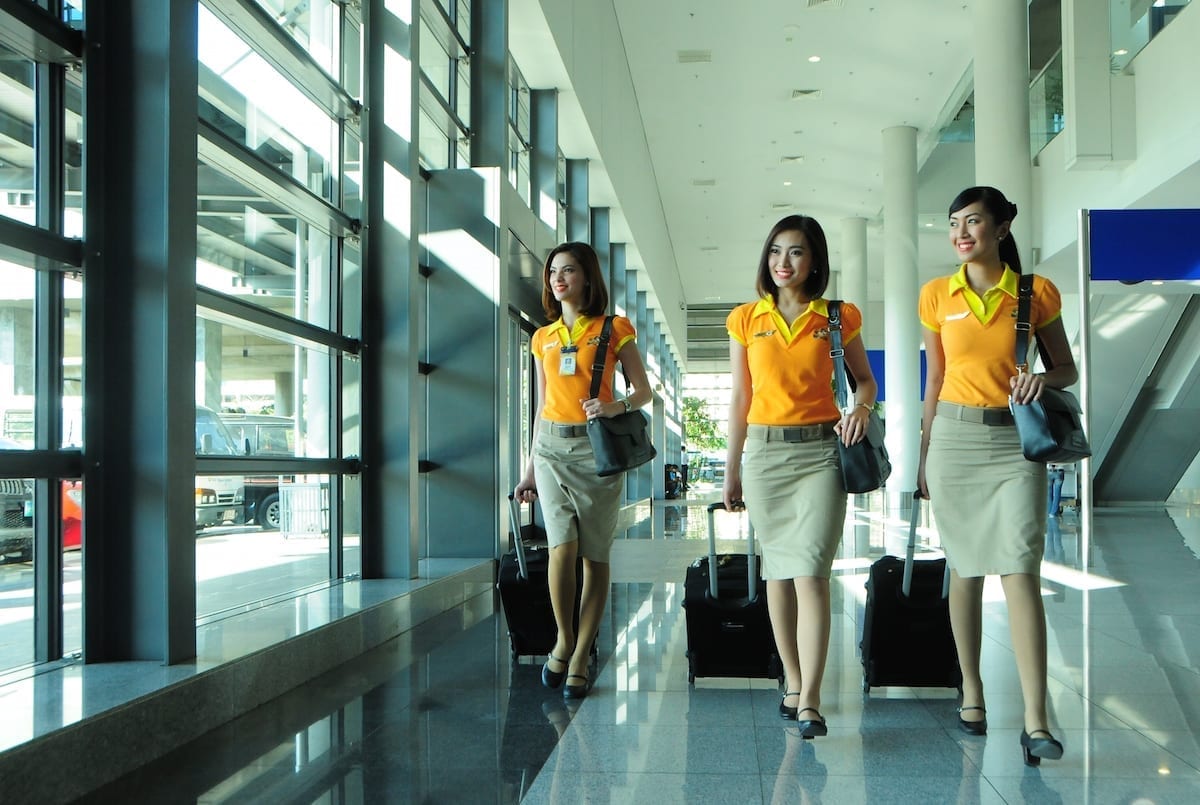
  • Cebu Pacific sees strong demand for Japan flights

    Cebu Pacific sees strong demand for Japan flights

    Cebu Pacific Vice-President for Corporate Affairs Paterno S. Mantaring, Jr. said there is strong demand to operate the Manila-Haneda flight given the proximity of the airport to Tokyo, compared to Narita airport.

    “We want to expand our operations to Japan and we want to operate to Haneda but right now we can’t get any allocation entitlements from the government,” Mr. Mantaring told reporters in a recent media briefing.

    “We’re asking for holding of air talks between the Republic of the Philippines and Japan so that we can add entitlements,” he added.

    The Gokongwei-led airline has been asking for air talks between the two countries since two years ago, and recently renewed its request during the latest air panel meeting.

    “We’re waiting for the government of Japan to respond to that request… hopefully in the coming months,” Mr. Mantaring said.

    Currently, Cebu Pacific — which has 400 flight entitlements between Manila and Tokyo — offers flights to Tokyo via Narita as well as services to Fukuoka, Nagoya and Osaka in Japan.

    Among the domestic airlines, only Philippine Airlines offer direct flights to Haneda.

    “I think there is demand [for the Manila-Haneda flights]. It’s near the city so it’s easier for the traveling public, unlike Narita [Airport] which is 60-70 kilometers (kms.) away from the city,” Mr. Mantaring said.

    Haneda Airport is the closest airport to Tokyo City, with a distance of only around 15 kms.

    Last year, Japanese tourists were the top four market for the Philippines recording 535,238 arrivals, next only to Korea (1.48 million), United States (869,463) and China (675,663).

    Aside from Japan, Cebu Pacific earlier said it is also interested to increase the frequency of its Manila and Sydney flights, noting sustained demand for this route.

    Cebu Pacific offers flights to over 60 destinations including Dubai, Tokyo, Beijing, Bali and Australia, among others.

    The Gokongwei airline is targeting to ferry 20 million passengers this year. In 2016, it carried 19.1 million passengers, up 4% from the 18.4 million passengers flown in 2015. On average, Cebu Pacific flights were 86% full during the year.

  • Sennheiser Hong Kong store opens at The Peninsula Arcade

    Sennheiser Hong Kong store opens at The Peninsula Arcade

    German headphone brand Sennheiser has opened its first standalone Hong Kong store at The Peninsula Arcade.

    “We hope to build a close relationship with Hong Kong’s customers by knowing their demand and providing a place where they can experience the perfect sound quality we have achieved,” said Daniel Sennheiser, the company’s CEO, who attended the opening.

    Sennheiser was founded by electrical engineer Prof Dr Fritz Sennheiser in 1945. Besides headphones, it also produces microphones and other audio solutions.

    At the Sennheiser Hong Kong store, located in the Peninsula Hotel complex, customers can peruse wireless headphones and collaborative products from luxury fashion label Dior Homme.

  • Michael Kors, Chinese in battle to buy Jimmy Choo

    Michael Kors, Chinese in battle to buy Jimmy Choo

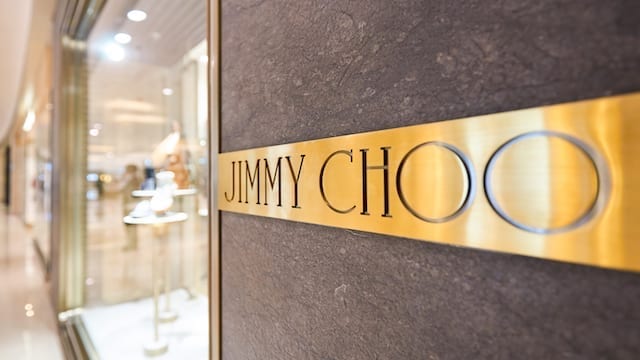
    Michael Kors has joined the list of known bidders for luxury shoe brand Jimmy Choo.

    According to Sky News, the US brand will lodge an indicative bid for Jimmy Choo prior to next week’s deadline.

    Rival US fashion label Coach has already declared its interest along with Chinese investor Hony Capital, which owns Pizza Express.

    Sky News reports private equity company CVC Capital and at least one other party are also preparing bids.

    Jimmy Choo was put on the market in April, by majority parent JAB Luxury. It is estimated to be worth about £800 million. JAB, which is also selling Bally, says it wants to focus on its food investments, which include Panera Bread, Caribou and Krispy Kreme Doughnuts.

    Hony Capital has reportedly also entered discussions with Interparfums on a joint takeover. Interparfums owns the license to make Jimmy Choo-branded perfumes.

  • Chain.io unveils supply chain open access integration platform

    Chain.io unveils supply chain open access integration platform

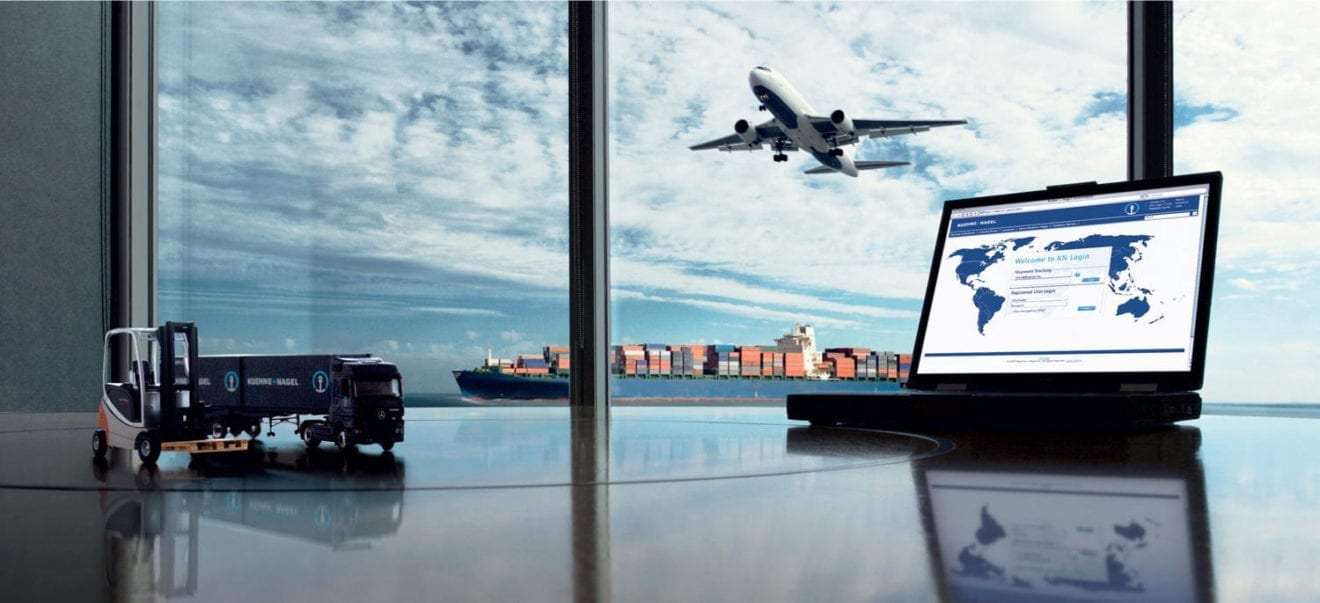
    Chain.io, a cloud-based supply chain integration provider, announces the exclusive beta release of their open access Chain.io Platform. The technology is a cloud-native supply chain integration and intelligence service that helps shippers, logistics service providers and logistics software providers share data more efficiently and dramatically reduce the cost of connectivity.

    “We’re really excited to bring the supply chain community a platform that will be able to make so many people’s jobs easier and more effective,” said Brian Glick, CEO of Chain.io. “This platform is the culmination of decades of combined work across the team. Leveraging open APIs, a collaborative data model, a pay-for-what-you-use pricing structure, Chain.io will transform the way that the logistics industry collaborates.”

    Chain.io fills the gap in the industry where one-on-one software integration has become too complex and costly. Via the company’s technology, clients will be able to develop a one-time connection to the platform and instantly be connected to other partners in the supply chain. Unlike legacy VANs, the cloud native platform allows for self-service and a significantly lower total cost of ownership.

    “Connectivity began with a bi-directional, costly, EDI integration between only two trading partners. Each new partner came with the same costly, bi-directional connectivity,” Glick continues. “Today, we reduce the development time and expense by allowing a company to create a single connection to Chain.io. From here, any other company can do the same, allowing for a nexus of interconnected parties as the platform continues to grow and add users.”

    While Chain.io was officially launched earlier this year by a group of industry experts, its technology has been in the works for some time already. The company leverages modern, cloud-based technologies like Functions as a Service, NoSQL, and Data Streams which allows the platform to deliver lightning fast performance while maintaining the highest levels of scalability, reliability and security.

  • Inditex sales soar 14 per cent

    Inditex sales soar 14 per cent

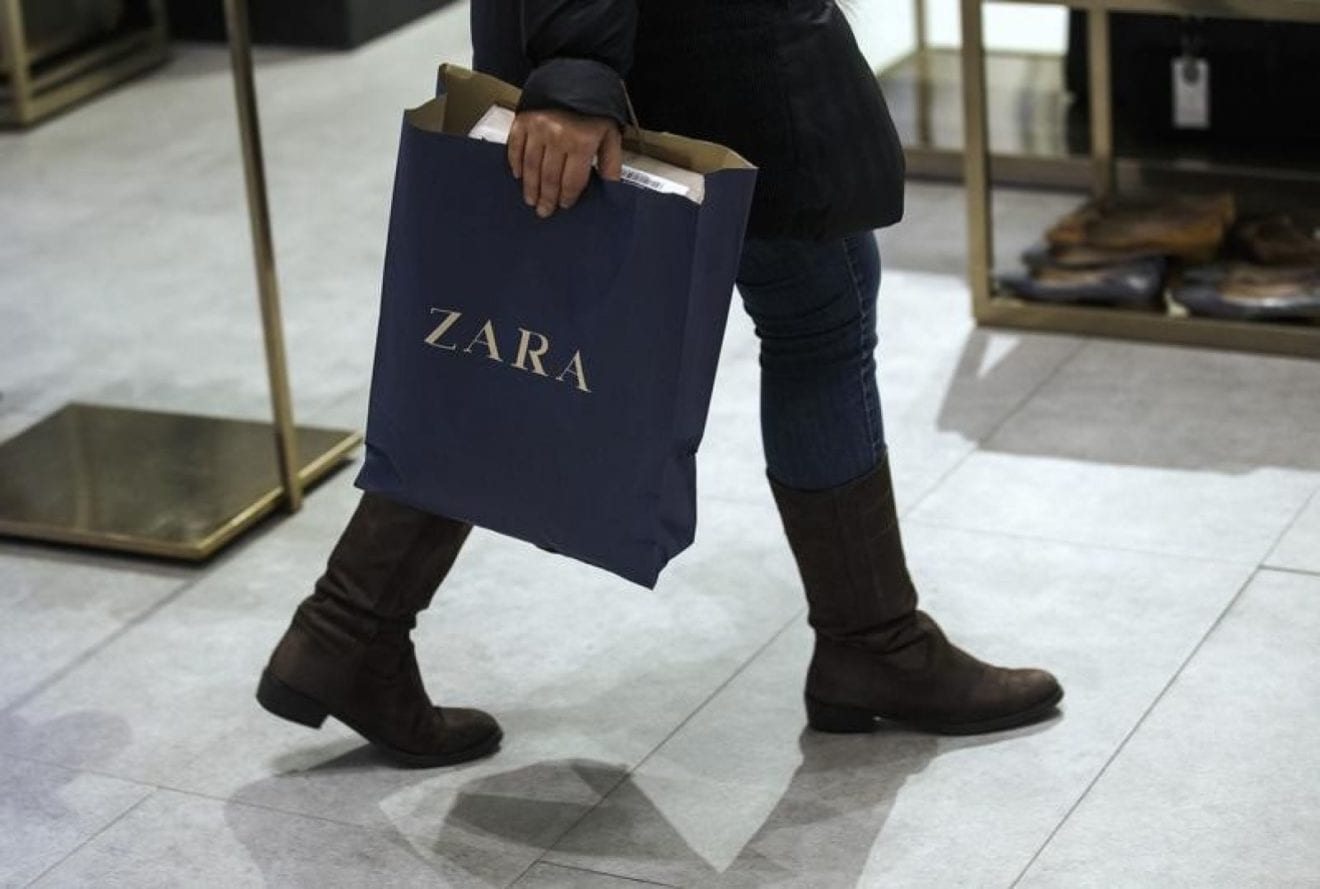
    Inditex sales grew 14 per cent in the quarter to April 30, to €5.6 billion, underpinned by a solid business performance in all markets.

    Sales growth in constant-currency terms was 12.5 per cent and net profit amounted to €654 million, up 18 per cent year-on-year.

    Growth was achieved across all regions and all of the group’s brands – Zara, Stradivarius, Pull & Bear, Massimo Dutti, Oysho, Uterqüe and Zara Home – increased their international presence, expanding their integrated physical and online store platforms.

    Four new e-commerce markets were added during the quarter, with Zara launching online in Thailand, Malaysia, Singapore and Vietnam. In parallel, the group continued to expand and refine its presence in its 93 operating markets, ending the period with 7385 stores.

    Zara is due to launch online in India during the second half of the year.

    Highlights of the group’s physical store openings included a Zara Home flagship store on Shanghai’s West Nanjing Road and a new 4800 sqm Zara flagship in the Ismail Building in Mumbai, India.

    Inditex said it was committed to continuing to invest in growth through the constant modernisation and renewal of its stores and facilities.

  • Louis Vuitton x Supreme draws queues

    Louis Vuitton x Supreme draws queues

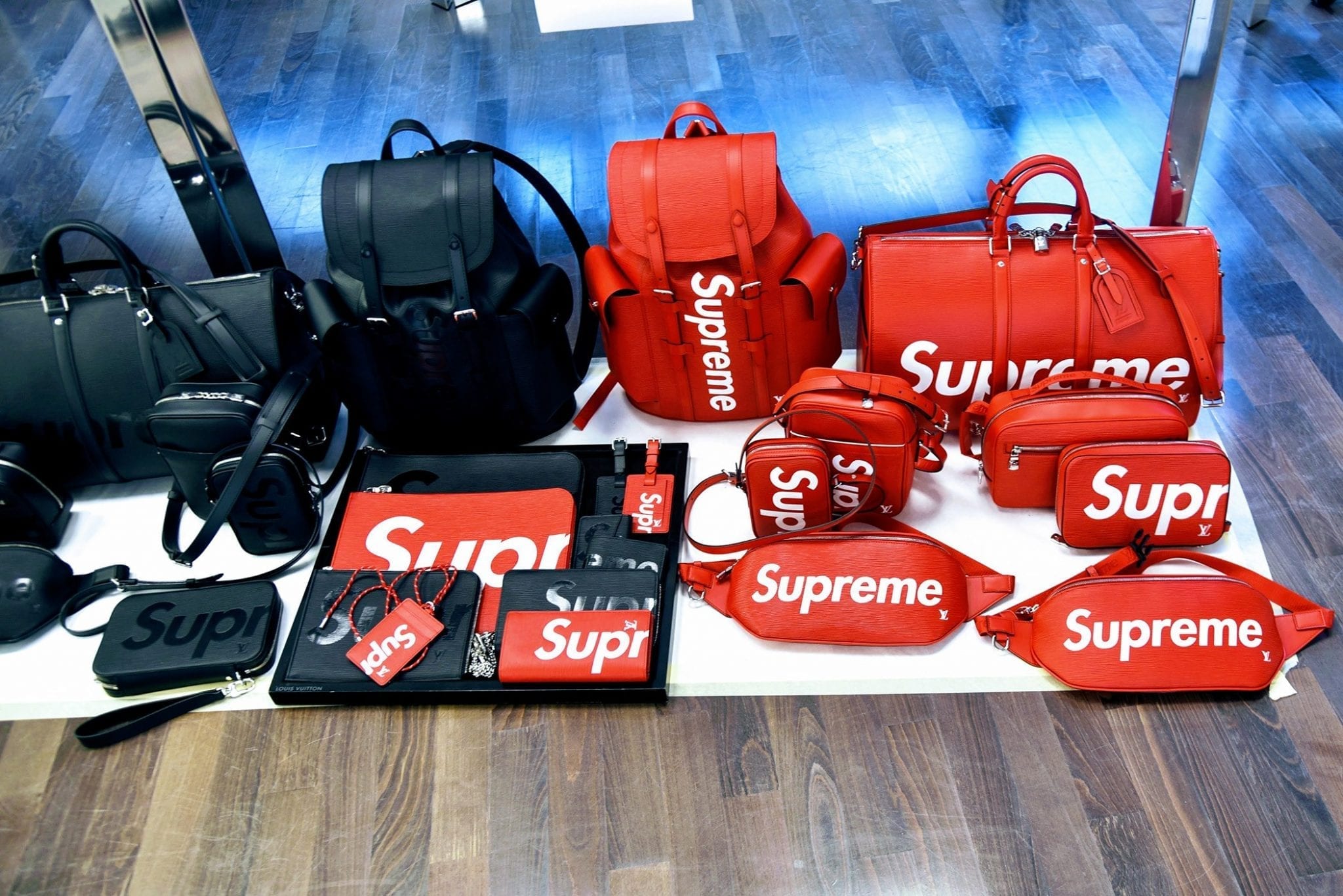
    Louis Vuitton’s heavily-hyped collaboration with streetwear label Supreme has gone on sale in Hong Kong – and elsewhere around the world – with long queues.

    The products in the Louis Vuitton x Supreme collection range from a HK$565,000 luxury red trunk and a $445,000 skateboard to more affordable items like sneakers – and even a bumbag at $18,200.

    Such was the demand for the streetwear range, Louis Vuitton organised appointments for would-be buyers, limiting each person to one, non-transferable visit and a maximum purchase of two items.

    In Singapore, people queued for more than 48 hours, with some shoppers hiring queue-sitters and swapping shifts to be sure of getting in the door. On Friday, there were still short queues outside some Louis Vuitton outlets in Hong Kong. Louis Vuitton customers wanting to browse other items were allowed in via other entrances.

    The Louis Vuitton x Supreme range – which has a strictly limited volume – was pre-launched on June 30 in Beijing, Miami, Seoul, Los Angeles, Tokyo and several other cities via pop-up stores, which have since closed.

    In China, Louis Vuitton launched a WeChat campaign for fans to register to get their hands on the collection.

    Despite Louis Vuitton’s efforts to limit purchases per customer, the Louis Vuitton x Supreme items are already being resold online at a premium. A box logo hoodie was reportedly being advertised at US$25,000.

  • Foot Locker Launches E-commerce Platform

    Foot Locker Launches E-commerce Platform

    Foot Locker has launched its first Aussie e-commerce platform, opening a website that includes the shoe retailer’s full range of sneakers and apparel.

    In a statement, the shoe retailer said it anticipates the online store will further fuel the rise of sneaker culture in Australia.

    “We’re excited to expand into the online space and give our customers the opportunity to access our full range of product from anywhere in Australia,” said Natalie Ellis, VP GM Foot Locker Asia Pacific.

    The 24/7 website will house sneakers, apparel and accessories from brands including Jordan, Nike, adidas, Puma, Asics and Converse.

    Foot Locker said it’s built the e-commerce store to meet the needs and expectations from consumers and ‘to facilitate access to the best-of-the-best sneakers from anywhere in Australia’.

    Consumers will have access to the full range of House of Hoops, a-standard, Puma Lab and Converse Prime product that had previously been available for purchaseonly within flagship stores.

    The e-store allows free returns anywhere in Australia, free delivery nationally for orders over $150 and has a selection of over a thousand products.

    Foot Locker Australia, a subsidiary of the US corporation, Foot Locker Inc, was incorporated in 1994 and is based in Murarrie, Queensland. It operates approximately 100 stores across Australia and New Zealand.

    Sneaker culture appears to be a developing phenomenon, with Foot Locker’s British rival, JD Sports, recently asserting the success of its first local offerings.

    “The highly anticipated JD Sports Parramatta launch is expected to attract sneakerheads en masse, following the success of Melbourne Central’s flagship store, which went down as one of the largest launch days of any international territory within the JD Sports business,” said Hilton Seskin, head of JD Australia. The Parramatta store opened last week with over 500 customers queueing to get their hands on limited edition sneakers.

  • The most promising 5G operators named

    The most promising 5G operators named

    Although 5G is still a few years from becoming a reality, Juniper Research has identified five mobile carriers as the “most promising 5G mobile network operators” – namely SK Telecom, NTT Docomo, KT Corp, China Mobile and AT&T Mobility.

    South Korean mobile carrier SK Telekom ranked No 1 for the extent of 5G trials over the past 24 months in the fields of millimetre wave spectrum, MIMO (Massive Input, Massive Output) transmission and network slicing.

    The ranking process included analysis of time in development, breadth and value of partnerships and progression of 5G network testing, Juniper Research says in its new report.

    Additionally, the research firm forecasts that 5G operator-billed service revenues will reach $269 billion by 2025, rising from $851 million in 2019 – achieving 161% CAGR (compound annual growth rate) over the first seven years of 5G services.

    Two thirds (66%) of all the revenues will come from North America and Far East & China by 2025.

    Meanwhile, as 5G spectrum auctions and infrastructure build-out costs would necessitate a diverse range of strategies to maximize operator return on investment, this need is compounded by the ongoing fall of average revenues per connection.

    As such, adoption of software-based network solutions will lower investment costs, enabling operators to begin realizing a return on investment as early as 2024, Juniper predicts.

    The research firm also emphasizes the importance of these technological solutions in addressing varying 5G use cases.

    “Network virtualization will become increasingly prominent as operators aim to lower expenditures,” notes research author Sam Barker. “Adoption of the technology is critical to the wide-ranging demands of future 5G networks.”

    Juniper says the research is based on the latest market data and takes into account the accelerated status of current operator and vendor developments, with network launches expected to occur during 2019, a year earlier than originally anticipated.

  • Global telecoms revenues to grow 2% in 2017

    Global telecoms revenues to grow 2% in 2017

    Worldwide IT spending is expected to increase by 4.5% in 2017 in constant currency terms, a significant improvement on last year’s growth of 2.5%, according to IDC.

    The latest addition of the research firm’s  Worldwide Black Book forecasts that total IT spending this year will reach $2.1 trillion and is forecast to increase by another 4% in 2018 as positive momentum continues into next year.

    Including telecom services, which will increase by just over 2% in constant currency terms this year, the overall ICT market will reach $3.5 trillion in 2017.

    Growth is being driven by stronger upgrade cycles for infrastructure and mobile devices.

    APeJ will post the strongest regional growth in IT spending this year, IDC predicts, with the company projecting an 8% increase in constant currency terms.

    China and India are both expected to post overall IT spending growth of 10% in constant currency terms this year, although China is likely to see a moderating pace of growth in the next few years as the economy begins to slow.

    The strongest growth this year will come from infrastructure hardware, enterprise software, and mobile devices. With cloud service providers expected to accelerate their datacenter investments in order to keep pace with growing demand for cloud services, total server spending will increase by 4% this year and 5% in 2018.

    Smartphone sales will improve compared to 2016

    Last year saw a significant slowdown in the smartphone market, as increasing maturity and price competition affected many markets. Stronger growth is expected in the second half of 2017, as premium vendors launch significant new products while smartphone penetration and value continues to grow steadily in key emerging markets including China.

    Overall smartphone spending will increase by 7% this year to $439 billion, a big improvement on last year’s 1% growth.

    “Cloud and mobile are still the big drivers for IT spending, despite the attention devoted to new technologies like augmented reality, artificial intelligence, and robotics,” IDC VP for customer insights and analysis Stephen Minton said.

    “New technologies will drive a larger share of market growth in the next 5-10 years, but the short term will also see a resurgence of growth in markets tied to 3rd Platform opportunities, including cloud services, mobility and big data.”

  • Grana expands into Mainland China, opens store on Alibaba’s Tmall

    Grana expands into Mainland China, opens store on Alibaba’s Tmall

    Today Grana, one of Asia’s fastest growing eCommerce disruptors in the apparel industry, with US $16 million in funding, announced its official launch into mainland China opening an online store on Alibaba’s Tmall – the largest business-to-consumer (B2C) retail platform in Asia.

    The Hong Kong-based startup has also announced global shipping, adding more than 50 new countries across Asia Pacific, Southeast Asia and Europe to introduce its obsession with high-quality fabrics and bring affordable luxury basics to millennial consumers. This expansion comes from direct consumer demand to ship Grana’s modern essentials cross-border into their countries.

    With today’s official entry into the Chinese market, the young startup aims to meet demand from the emerging middle-class seeking trusted quality goods at a lower price-point from online luxury and fast-fashion retail brands currently in the market.

    To drive its market penetration, Grana’s increasing brand awareness in the US – it’s biggest growth market and traction with celebrities including Gigi Hadid, Jessica Alba and Lily Collins, wearing its products for everyday looks to red carpet appearances, will be important factors to attract the Chinese consumer.

    “We appreciate the strong and strategic partnership with Alibaba supporting our expansion plans onto Tmall. It’s a pinnacle time for the company right now and it’s promising to see Chinese millennial consumers and online shoppers around the world becoming more sophisticated in how they shop, encouraging brands to disrupt the cost of quality goods across all sectors.

    It’s great, since this is our sweet spot. We now ship cross-border to over 60 countries and are well positioned to further drive the projected total revenue of eCommerce in Asia to double, over the next five years to US $1.4 trillion”, said Luke Grana, CEO & Founder at Grana.

    Grana’s flagship store on Tmall has been localised to provide the Chinese consumer with detailed information on product description pages that focus on its trusted and best-selling fabrics, garment production and key styles.

    Given the consumer preference for more guidance on size and fit, online shoppers will soon have access to customised size guides with measurement details sharing recommended sizing to purchase its modern essentials. This customised size guide is different to the size guide available on grana.com and more tailored for Chinese consumers.

    “We’ll be introducing our unique value proposition to Chinese consumers focused on sourcing the finest luxury fabrics from around the world, affordable pricing and direct shipping from Hong Kong.

    This will be crucial to break out amongst fast-fashion and luxury brands. On the Hong Kong front, our team can now introduce Grana to Chinese tourists who already visit our showroom and communicate that we ship to their city. It means they can try items offline, place an order and have it delivered by the time they get home – the aim is to bring these offline customers, online for their second purchase”, says Grana.

  • Asics New Zealand launches in Auckland

    Asics New Zealand launches in Auckland

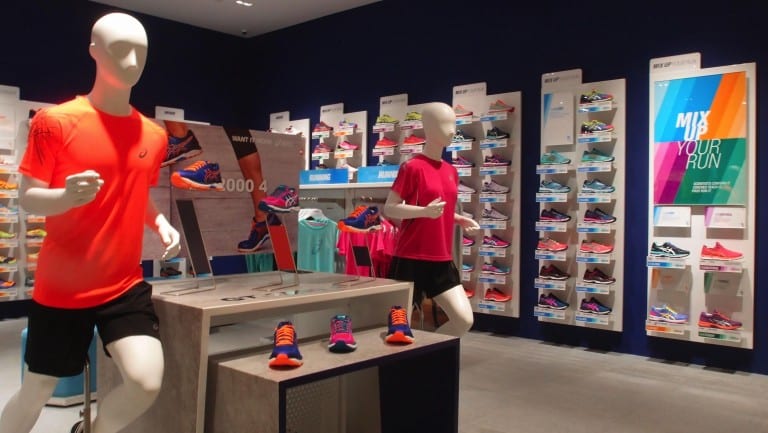
    Sneaker company Asics New Zealand has opened its first retail store in Auckland – one of only nine concept stores for the Japanese brand.

    Covering 203sqm over two levels, the store houses the nation’s only 3D foot-mapping system.

    “If you walk into the store in New York or New Zealand you have the same look and feel – it’s welcoming and comfortable. We are using a lot of wood, for example,” says Asics GM Greig Bramwell.

    “We are showcasing the full range of product, ‘head to toe’, with a focus on developing our apparel business.”

    He says the Shortland Street site is great. “It grabs your attention with big screens on the mezzanine.”

    It is only the second company-owned outlet in Australasia for Asics. It has a Family and Friends Outlet Store in New South Wales, with most of its stores being in Asia and Europe. Asics was founded in Japan in 1949 and has its head office in Kobe.

  • AirAsia up 1.91% on upgrade, outlook for better 2Q results

    AirAsia up 1.91% on upgrade, outlook for better 2Q results

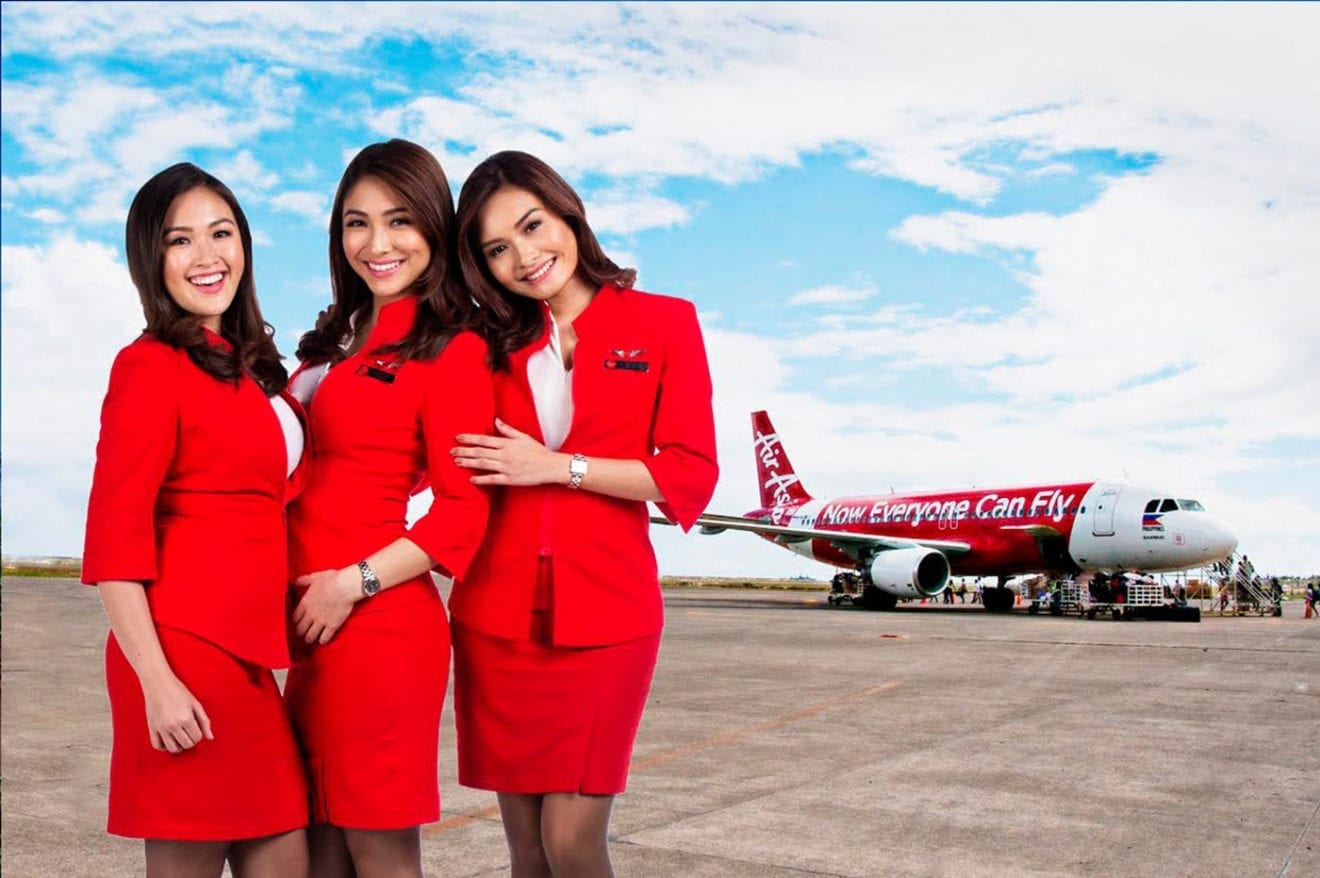
    Shares of low-cost carrier AirAsia Bhd rose 1.91% at mid-morning today following an upgrade by CIMB IB Research as well as positive outlook for its second quarter earnings.

    At 10.49am, AirAsia rose 6 sen to RM3.21 with 4.35 million shares traded.

    CIMB Investment Bank Bhd upgraded AirAsia Bhd shares to “add” from “hold” after the stock’s recent drop and in anticipation that the budget airline will report better financials in the second quarter ended June 30, 2017 (2QFY17).

    CIMB analyst Raymond Yap wrote in a note yesterday that the research house however maintained its AirAsia share target price at RM3.51.

    “Upgrading AirAsia after recent share price correction,” Yap said.

    “On a yoy (year-on-year) basis, we believe that AirAsia may deliver better results in 2QFY17F despite the ringgit being weaker by 5.7% yoy and the jet fuel price (inclusive of hedging) higher by 11% yoy. This is because we expect loads to be 4% pts higher yoy, offsetting most or all of the cost hikes.” he said.

    AirAsia is scheduled to announce its 2QFY17 financials next month.

  • Woolworths bans the bags

    Woolworths bans the bags

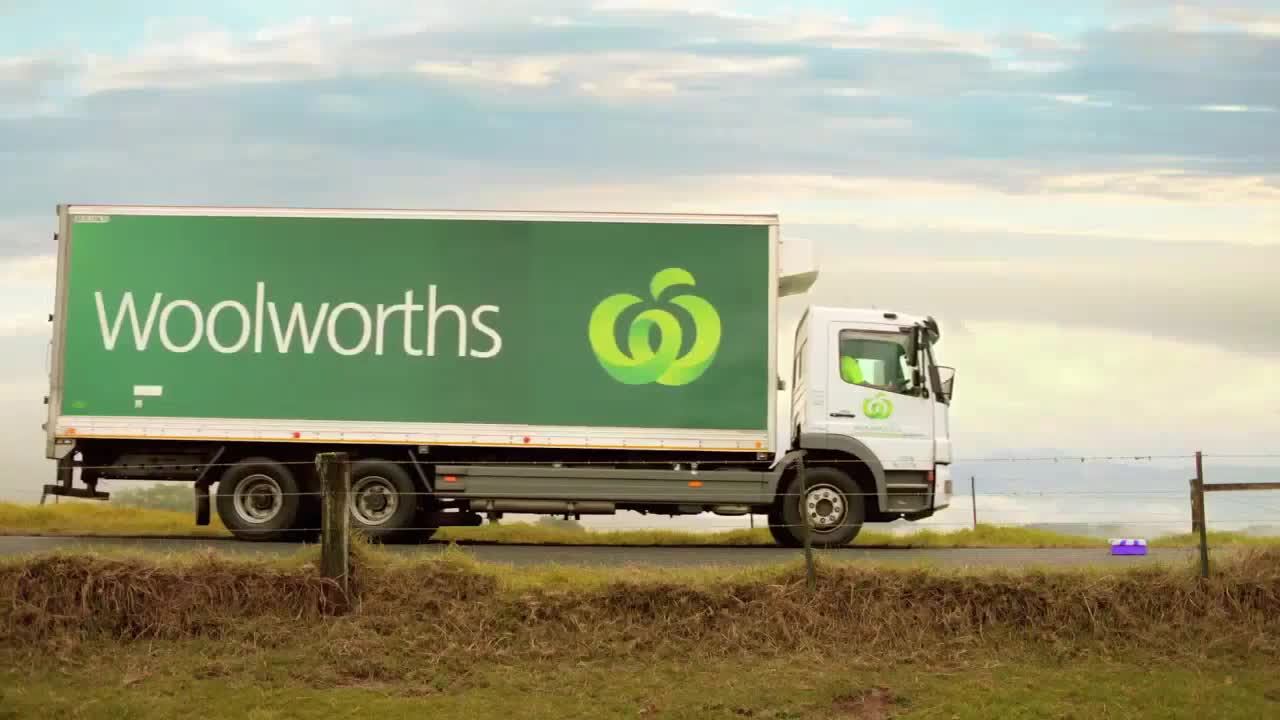
    Woolworths will no longer offer single-use lightweight plastic shopping bags across its entire store network in Australia.

    Over the next 12 months, the conglomerate said the decision to reduce its plastic bag usage was “the right thing to do” as one of the country’s largest retailers.

    “We currently give out more than 3.2 billion lightweight plastic bags a year and hence can play a significant role in reducing overall plastic bag usage,” Woolies CEO, Brad Banducci.

    “Today’s commitment shows we are committed to taking our environmental and community responsibilities seriously.

    “Whilst we know this is a major decision, we will work very closely with all of our store teams to ensure the transition for our customers is as simple as possible.

    The reduction will cover all Woolworths Group stores nationwide including its supermarkets and metro stores, Big W, BWS and e-commerce operations. Dan Murphy’s and Cellarmasters are already single-use plastic bag free.

    Instead shoppers will be offered reusable bags ranging from 15 cents to $2, although Big W may provide reusable bags at no extra cost.

    Banducci said the move signals the start of further commitments by Woolies, in minimising its impact on the environment.

    “Our customers can also expect further commitments in reducing plastic use in all parts of our supply chain, especially in fruit and vegetables,” he said.

    Jon Dee, the founder of the national anti-plastic bag campaign Do Something, said that this is the first big step by a major Australian retailer.

    “This is the first move by a major retailer to get rid of plastic bags and we now need to see Coles make the same pledge,” Dee told AAP.

    “Aldi took the lead when they set up here in 2001 because from day one they didn’t give away free plastic bags.”

    Woolworths’ lunchtime announcement was quickly followed by a similar announcement from fierce rival Coles on Friday afternoon.

    Coles said it will bring its stores in Queensland, NSW, Victoria and WA into line with Tasmania, SA, the Northern Territory and the ACT, where Coles complies with local bans.

    Coles chief customer officer Simon McDowell said this follows several months of consultation with non-government organisations and environmental groups.

    Dee said lightweight plastic bags often end up polluting waterways and the ocean, killing and maiming marine animals.

    Removing free bags will give shoppers an incentive to use their reusable bags, he added.

    Greenpeace campaigner Samantha Wockner said Woolworths’ move will have a significant positive impact on the environment, and urged governments to act on the issue.

    “It’s disappointing that leadership on this issue has come from a large supermarket chain rather than from our politicians,” she said.

    Several major retailers have removed or put a charge on single-use plastic bags to encourage shoppers to bring reusable bags. Aldi has charged customers 15 cents per bag since arriving in Australia in 2001. Wesfarmers-owned Bunnings introduced a 10 cent levy on disposable plastic bags in 2003. Furniture chain, Ikea stopped using free disposable plastic bags in 2013.