Author: Mei Ling Tan

  • Shakey’s Pizza Asia Ventures moving into UAE

    Shakey’s Pizza Asia Ventures moving into UAE

    Philippine pizza-parlor chain Shakey’s Pizza Asia Ventures (SPAVI) is expanding its overseas footprint with a move into the United Arab Emirates next year.

    Through subsidiary Shakey’s Pizza Regional Foods, SPAVI has signed an area development agreement with Dubai-based Al Jeel Capital to build at least 10 Shakey’s Pizza outlets in the UAE over five years.

    In Dubai, the first store is scheduled to open in the first half of next year.

    It is the second international franchise granted by SPAVI, which owns perpetual rights to the Shakey’s brand for Asia (excluding Japan and Malaysia), Australia, China, the Middle East and Oceania. The new deal brings to 20 the number of outlets scheduled to open over the next few years. SPAVI last year signed an agreement to open at least 10 Shakey’s stores in Kuwait.

    “Dubai, UAE and the rest of the Middle East are great markets for us – not only are there strong Filipino communities but also tremendous growth opportunities within the mainstream markets,” says SPAVI president Vic Gregorio.

    Founded in California in 1954 and the first franchise pizza chain in the US, Shakey’s Pizza launched in the Philippines in 1975. As at the end of March, the group had 189 stores in the Philippines.

    Shakey’s Asia Food Holdings, a company owned by the Po family’s Century Pacific Group, Arran Investments Private and the Prieto family, acquired 100 per cent interest in SPAVI in April last year. In October, SPAVI acquired 100 per cent ownership of Bakemasters, Shakey’s International and Golden Gourmet.

  • Visa signs MOU as the payments partner of Phuket Smart City

    Visa signs MOU as the payments partner of Phuket Smart City

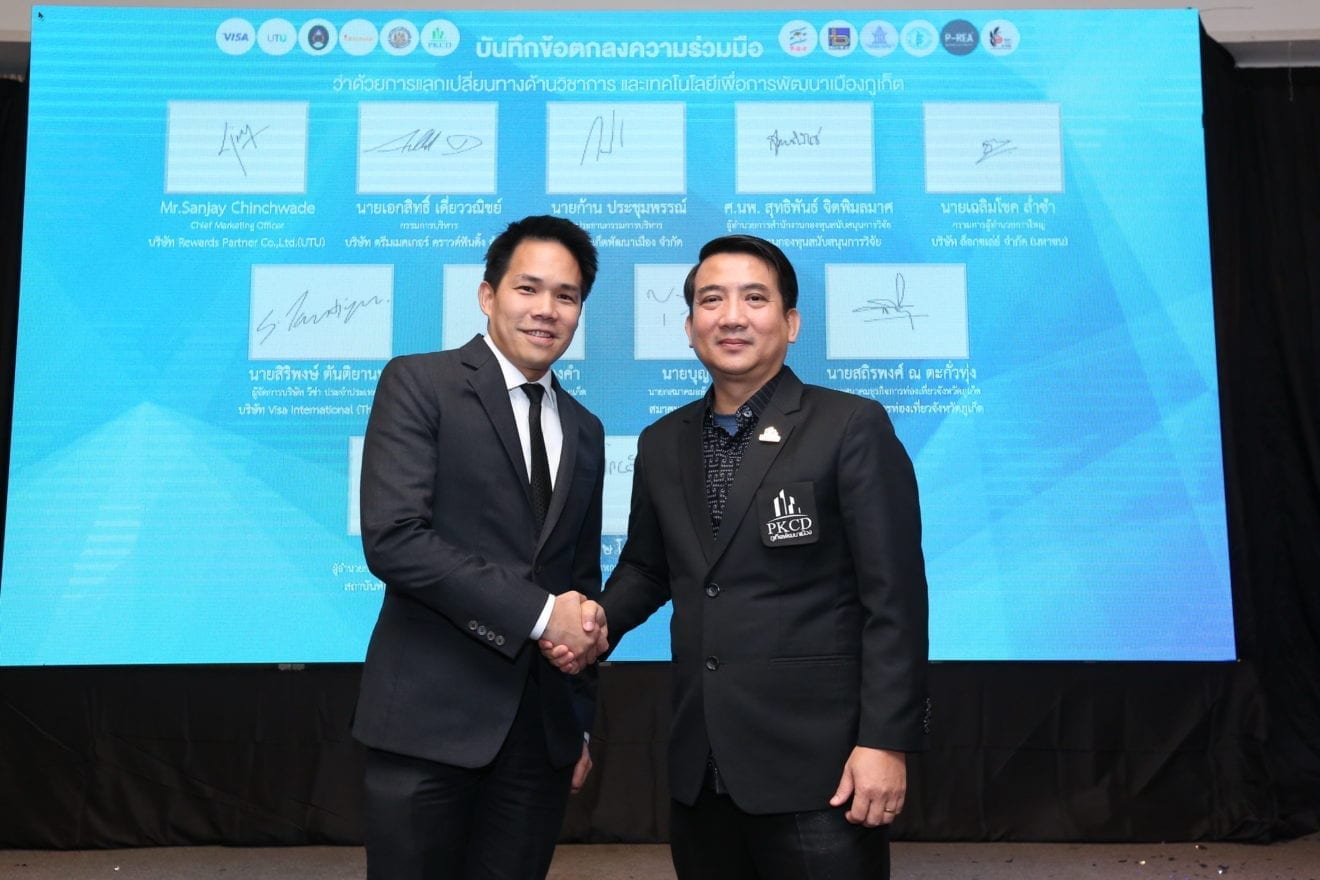
    Mr. Suripong Tantiyanon (left), Visa Country Manager, Thailand signed MOU with Mr. Karn Prachumpan (right), Co-Founder and Board of Committee, Phuket City Development Co., Ltd (PKCD) as the official partner of Phuket Smart City to develop payment solutions for both residents and tourists on the island-province.

    Phuket City Development was founded by local businesses in September 2016, with initial investment from 25 prominent Phuket families. The province is among the first in Thailand to embrace the Smart City concept. It aims to transform Phuket into a fully integrated digital economy, assisting business owners, managers, start-up entrepreneurs and residents in the transition.

    Mr. Suripong Tantiyanon, Visa Country Manager, Thailand: “Globally, Visa is speeding up the implementation of electronic payments by working closely with public and private sectors. Visa is aligning with like-minded partners around the world to help bring this vision to life. We are using our position as a global leader in innovation and technology to create solutions for businesses to connect to their consumers. The singing of MOU agreement with Phuket City Development is another milestone that help bring the country closer to a cashless Digital Thailand.”

  • Mandiri aims to tap Singapore asset pool uncovered in tax hunt

    Mandiri aims to tap Singapore asset pool uncovered in tax hunt

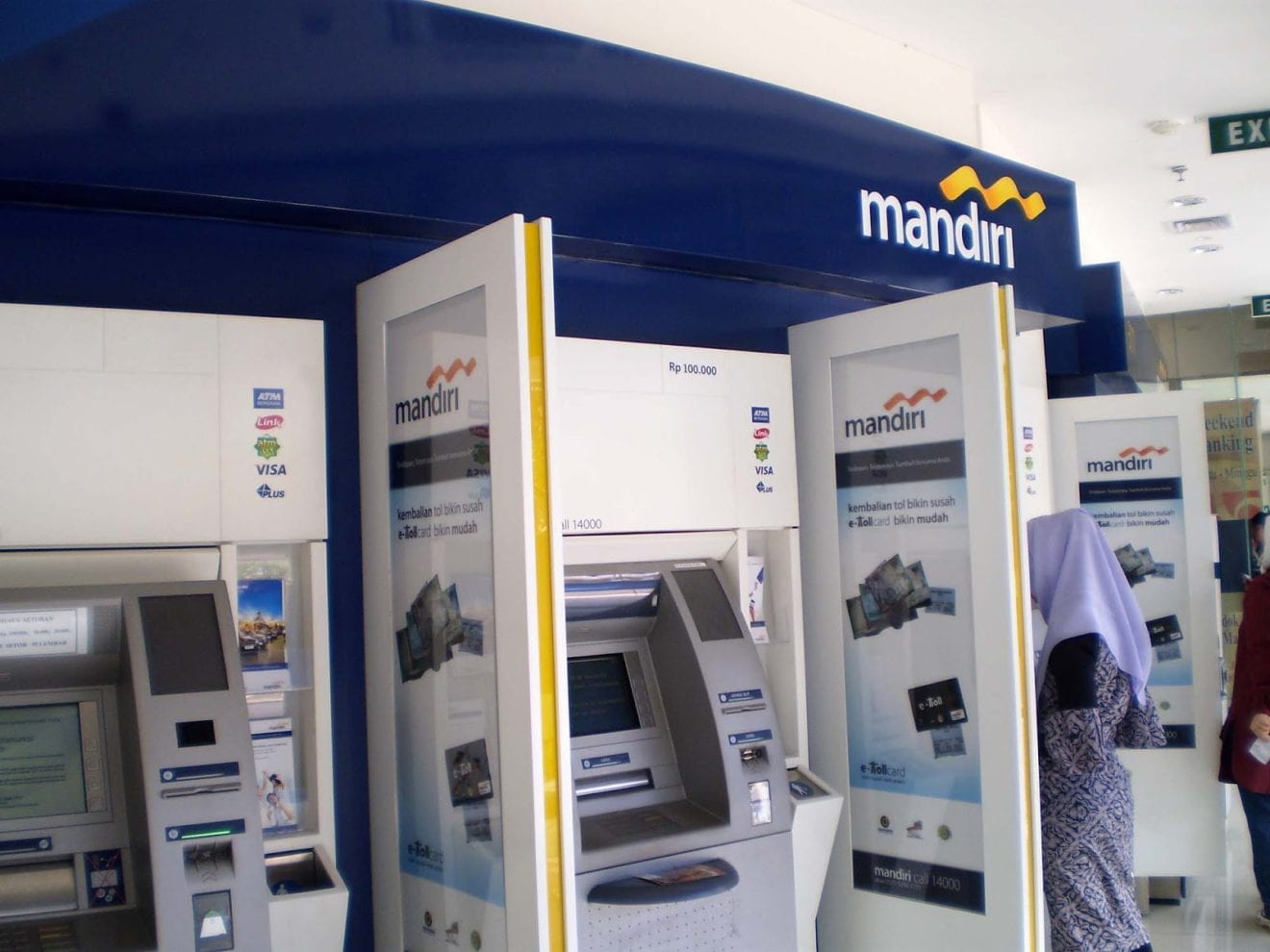
    Bank Mandiri, Indonesia’s largest state-owned lender, on Wednesday said it is seeking to establish a private banking business in Singapore. The move comes amid a global crackdown on tax evasion that has exposed vast Indonesian wealth parked in the city-state.

    Indonesia’s nine-month tax amnesty program, in which the government allowed citizens to report previously hidden domestic or overseas holdings and pay a small penalty, turned up some 4,900 trillion rupiah ($367.5 billion) in declared assets. In a news conference on Wednesday, Mandiri President Kartika Wirjoatmodjo said around 700 trillion rupiah in declared cash and securities are still parked in overseas banks — mostly in Singapore.

    “It’s quite a sizable portion,” Wirjoatmodjo said. “We want to capture this market by giving them services in Singapore. We already have a complete range of products.”

    Indonesia has also pledged to join the Automatic Exchange of Information, a framework developed up by the Organization for Economic Cooperation and Development in which financial regulators will share information about foreign taxpayer accounts. “There will be no more space to place money that cannot be traced by tax authorities,” Wirjoatmodjo said, “so there will be a level playing field.” He explained that wealthy Indonesians have shunned state-owned banks like Mandiri to avoid scrutiny by authorities.

    At the moment, Mandiri can only serve corporate clients in Singapore. In order for the bank to serve wealthy individuals, it needs to be designated a “Qualified ASEAN Bank” by the Monetary Authority of Singapore under a bilateral agreement with Indonesia’s Financial Services Authority, according to Wirjoatmodjo. QAB status, a concept developed by Association of Southeast Asian Nations members, enables banks to operate as local lenders in ASEAN markets.

    Earlier in July, Mandiri became the first bank to obtain the QAB designation in Malaysia. Talks between Singapore and Indonesia, however, have not been officially announced.

    Mandiri is hardly the only bank targeting previously hidden assets. Oversea-Chinese Banking Corp., Singapore’s second-largest bank by assets, in May launched private banking operations in Indonesia to cater to high-net-worth Indonesians with assets of more than $1 million.

  • Facebook Seems To Open Local Unit in Indonesia

    Facebook Seems To Open Local Unit in Indonesia

    Facebook has received an in-principle approval to set up a domestic unit in Indonesia, said a senior government source from the Southeast Asian nation, home to the social networking giant’s fourth-largest user base.

    Indonesia has been pushing multinational technology firms to be locally incorporated, arguing that companies such as Alphabet Inc’s Google set up small business entities to provide “auxiliary” services and get away with minimal taxation, while booking most of their revenue from the country elsewhere.

    In fact, Google has been locked in a months-long dispute over allegations by Indonesia’s government that the search giant had not made enough annual payments. The outcome of this is expected to indicate how the government may pursue others such as Facebook and Twitter Inc for taxes.

    Facebook is now in the process of establishing a local unit in the country, said the senior government source, who has direct knowledge of the matter but declined to be identified as the information was not public. The social media giant currently operates in Indonesia through an office in central Jakarta.

    Facebook accidentally ‘leaks’ moderators’ identities to suspected terrorists

    Indonesia had 69 million monthly active Facebook users as of the first quarter of 2014, placing the country fourth globally after the United States, India and Brazil, according to data from the company.

    Facebook did not respond to requests for comment and has not provided an update on the number of its users in Indonesia.

    The office that Facebook opened in Indonesia three years ago allows it to work with advertisers as well as small and medium businesses “that need an education on how to market their products”, a Facebook executive told local media at the time.

    But according to an official at Indonesia’s communications ministry, “Facebook only appoints people in Jakarta when the need arises, no more than that. Whether they have a permanent office here or not, we don’t even know.”

  • T Galleria By DFS, City of Dreams Kicks Off Fall With Curated Collection

    T Galleria By DFS, City of Dreams Kicks Off Fall With Curated Collection

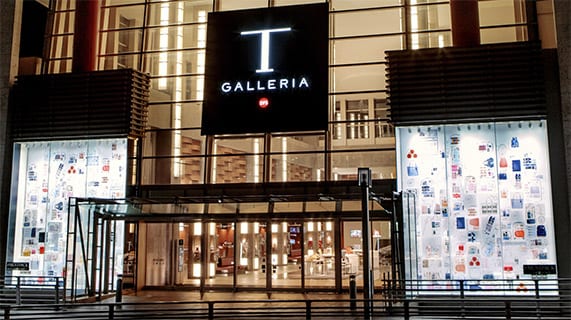
    T Galleria by DFS, City of Dreams kicked off the Fall 2017 season with an evening of fashion and fun on July 15, co-hosted by some of the

    fashion world’s best-known international stylists. Celebrity stylist and fashion blogger Tina Leung, Men’s Uno Hong Kong style director Declan Chan, and fashion stylist and blogger Faye Tsui curated their top picks for the season, showcasing the Fall trends and must-have items from across T Galleria by DFS’ collection of more than 40 fashion and accessories brands.

    Hosted within T Galleria by DFS, City of Dreams’ expansive 30,000 square foot shoe hall, guests including socialites, influencers and DFS LOYAL T members, explored a bevy of games and activations reflecting the curated collections and Fall seasonal trends. At Declan Chan’s Garden Party, inspired by the classic English garden, guests enjoyed a giant game of dice, while sipping bespoke cocktails from Johnnie Walker and perusing Declan’s selections from Aquazurra, Burberry, Chloe, Dolce & Gabbana and La Perla.

    Just steps away, Club CUBIC’s own DJ Copan Kasten spun the latest hits at Tina Leung’s Music Room. Known as the “Fashion Queen of Asia”, Tina showcased her favorite pieces for dancing the night away from Alexander McQueen, Jimmy Choo, Rene Caovilla and Sophia Webster. Adding an extra element of discovery, guests entered the Music Room through the “Boom Boom Room,” an interactive video booth where they could dance and pose for their best Boomerang shot.

    To help beat the heat in the last days of Summer, guests headed to Faye Tsui’s Pool Party where they competed in a carnival-style duck pond game for a chance to win exclusive prizes. Faye’s curated collection of sandals, swimsuits and accessories from Kate Spade, Marc Jacobs and Tory Burch are the perfect picks for a day at the pool.

    The evening continued with a unique culinary experience crafted by Chef Fabrice Vulin, the celebrity chef behind City of Dreams’ two-Michelin-starred The Tasting Room. From the world’s finest caviar to the world exclusive beef from Alexandre Polmard which The Tasting Room is the only restaurant in Asia to offer, guests enjoyed a sophisticated and extraordinary gastronomic journey.

    The night then wrapped with the after party at Club CUBIC featuring a spectacular performance by Cirque le Soir.

    Spanning two floors and nestled in the heart of Asia’s leading integrated resort City of Dreams, T Galleria by DFS’ shoe salon features over 50 men’s and women’s shoe brands and is the largest shoe salon in Hong Kong and Macau, offering shoppers exclusive-to-Macau brands such as Aquazzura, Bing Xu, Church’s, Corthay and Rupert Sanderson. Highlights include a dedicated sneaker wall featuring popular brands such as Adidas Originals, Alexander McQueen, Giuseppe Zanotti and Valentino as well as the Louvre Café, where shoppers can relax and enjoy enticing selection of pastries, cakes and bistro favorites inspired by the tranquil, lusciousEuropean garden courtyards.

    From now until July 31, DFS LOYAL T members have a chance to earn 2X LOYAL T points on purchases in Fashion and Accessories and Watches and Jewelry at T Galleria by DFS, City of Dreams. Shoppers who sign up for City of Dreams’ City Club membership also have a chance to win a 365-day unlimited flight pass, among many other prizes and promotions*, as part of the resort’s “Travel Without Limits” campaign.

    July also marks the launch of T Galleria by DFS’ Let’s Travel Together campaign. Following DFS’ crew of global adventurers as they explore the most exciting places in the world, July’s episodes feature travel writer Maoli (猫力) as she discovers Auckland, New Zealand, and chef Marcus Samuelsson as he visits Siem Reap, Cambodia. Each month, T Galleria by DFS will unveil new episodes letting fans of @DFSOfficial get inspired for their next getaway.

  • Find Me A Shoe virtual footwear fitting service app in beta trial

    Find Me A Shoe virtual footwear fitting service app in beta trial

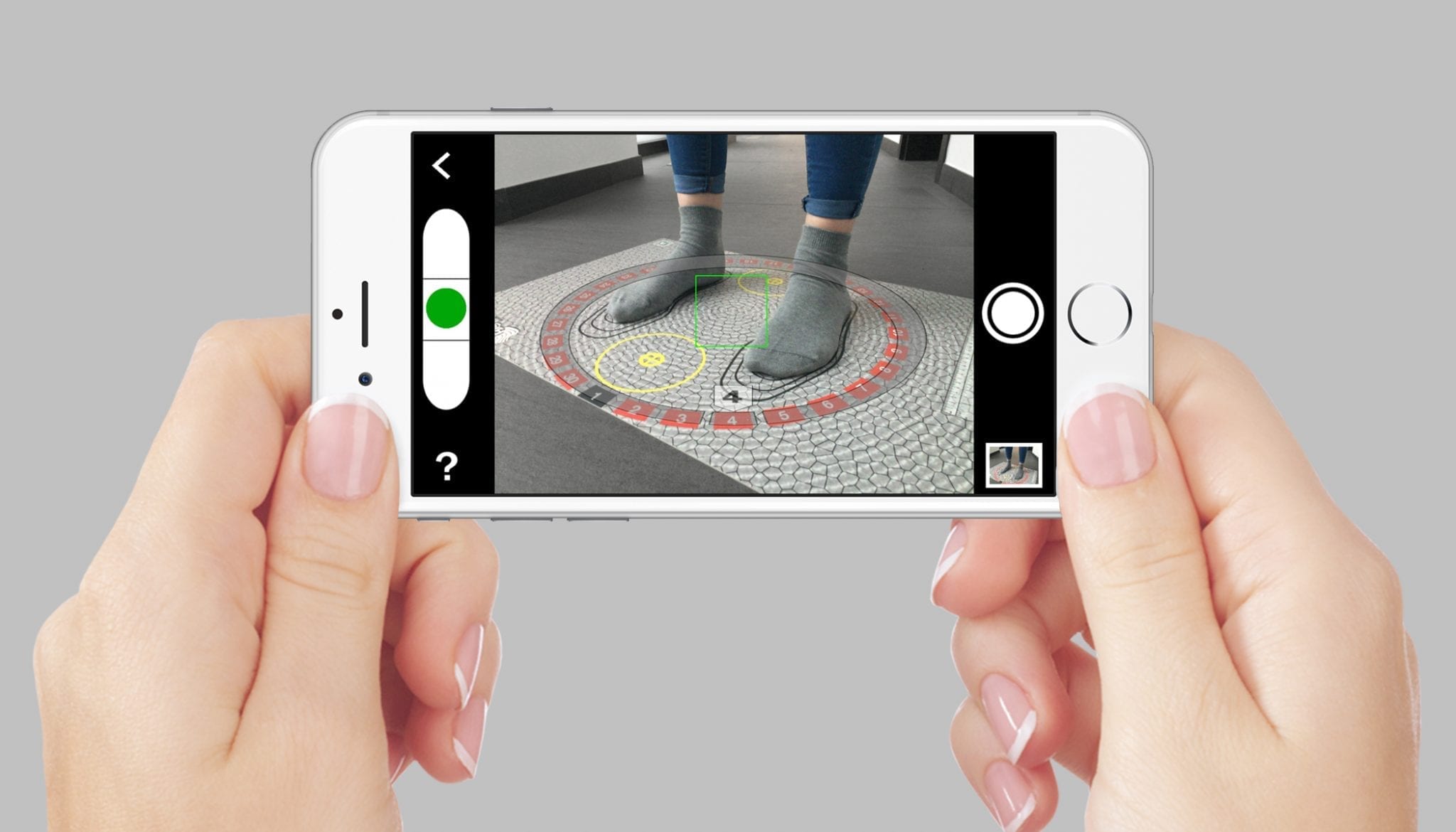
    Find Me A Shoe, a retail technology start-up has launched the beta version of its virtual fitting service for footwear called ‘Try Me’.

    The app is described as an “end-to-end footwear size and fit recommendation application that aims at giving all footwear shoppers an oh-so-easy footwear shopping experience online”. The mobile and vision-based technology provides consumers with shoe recommendations based on precision measurements and personalised fitting algorithms that go beyond the traditional shoe scale system.

    Unlike other virtual fitting solutions, the app does not use analytics or purchasing history.

    “Our technology takes the purist approach to shoe fitting,” said Anand Ganesan, CEO of Find Me A Shoe.

    “Research shows two main factors that increase customer loyalty in retail-time-savings and personal attention,” he said. “Find Me A Shoe creates a brick and mortar experience by delivering a spot-on fit recommendation that’s personalised to the customer’s foot. No more trials in store and no more online returns.”

    The California-based company offers its fitting service to footwear retailers and brand outlets. The patent-pending technology enables the shoppers to find a shoe that fits in just a click. The recommendation engine simulates a shopper’s foot (with 12+ parameters) inside every model before suggesting the best size and fit.

    With cloud-based servers running Artificial Intelligence-enabled complex computer vision algorithms in the background, recommendations ensure customer’s toes and heels will fit comfortably in that new shoe.

    “Personalisation and customisation are the pillars of the next generation retail experience,” said Ganesan.

  • Brunello Cucinelli’s Greater China sales up 34 per cent

    Brunello Cucinelli’s Greater China sales up 34 per cent

    Brunello Cucinelli’s Greater China sales, up 34.6 per cent, outshone all other markets for its first half.

    North America sales grew 9.4 per cent, Europe 9.9 per cent and rest of the world 11.4 per cent, the Italian luxury goods maison’s preliminary figures show.

    First-half net revenues grew overall by 10.7 per cent to  €243.3 million (US$278.9 million).

    For Greater China revenues reached €18.4 million, up 7.5 per cent from €13.7 million for the same period last year. To maintain allure and exclusivity, says the company, it is maintaining a limited presence in the region.

    Brunello Cucinelli’s retail distribution channel saw an overall 21.7 per cent growth in sales, or €121.1 million compared to €99.6 million for the same period last year..

    As at the end of June, the brand’s network comprised 91 direct boutiques, with just one opening over the 12 months.

    “We feel that this year is the start of a ‘new world’ where the internet will have an enormous impact on humanity,” says chairman/CEO Brunello Cucinelli. “We believe this will change buyer/seller relationships forever, making it even more important to care for and protect the brand.”

    The brand’s online boutique is being directly managed from its headquarters in Solomeo with special attention to customer service, packaging and visual merchandising.

    “If we take a look at the general context and at the very good start of the second half of the year,
    We feel pretty confident that the full year will deliver double-digit growth in terms of both sales and margins,” says Cucinelli.

  • Mall offers bored partners ‘husband rest hatches’

    Mall offers bored partners ‘husband rest hatches’

    Global Harbour, Shanghai’s largest mall, has launched four “husband rest hatches” where men can put up their feet and play computer games while their significant others shop.

    However, the idea has had a mixed reception from couples, reports ThePaper.cn.

    “Such a machine is just the best of both worlds: the girlfriend can take her time shopping while I have some fun without disturbing others,” one man told the news site, while one woman complained that it was impossible to ask a man to stop playing games. “I may now have to wait for him when I finish shopping but he’s still playing games.”

    Another woman said a man was supposed to accompany his girlfriend while shopping. “I’ll be the bored one if he plays games and has fun by himself.”

  • Kale Logistics collaborates with Celebi Delhi cargo terminal

    Kale Logistics collaborates with Celebi Delhi cargo terminal

    Celebi Delhi Cargo terminal went live with Kale’s Galaxy (Domestic module) Cargo Management system as part of the phase wise implementation of the entire suite of Galaxy Air Cargo management software system comprising of EXIM operations, Warehouse Management, UD, Invoice and Accounts and Domestic Operations. The new age domestic module incorporates next generation features like Mobile App, Customer Portal, Hand-held based app and EDI with Airlines.

    Celebi Delhi Cargo Terminal Management India Pvt. Ltd., is a Joint Venture between Delhi International Airport Private Ltd (DIAL) and Celebi Ground Handling Turkey which along with domestic operations also provides cargo handling and warehousing services to approximately fifty international schedule carriers. Celebi Delhi is the largest operations in Air Cargo for Celebi worldwide. In order to keep pace with the ever-increasing domestic cargo demands, Celebi Delhi has partnered with Kale Logistics Solutions to automate their Air Cargo and terminal operations.

    Air Cargo industry has reached a crucial point where a fast-track approach to digitalization is required to keep pace with competitive modes of transport. It is undergoing a tremendous transformation – moving from legacy systems to agile technologies in order to streamline its operations, reduce costs and optimize efficiencies.

    Ramesh Mamidala, CEO of Celebi Delhi Cargo Terminal Management quoted, “Modern day freight challenges need technology to enable innovative practices to move businesses forward. With our domestic operations going live on Galaxy, we look forward to greater automation of our operational processes and getting quick and comprehensive information on consignment and cargo tracking. This significant development will help to speed up shipment times, improve efficiency and reduce costs.”

    Being the capital of the country, Delhi has maximum number of flight operations and Celebi – Delhi operates one of the largest volume of domestic cargo movement out of Delhi airport. Topographically, Delhi is surrounded by many states and with a boom in e-commerce business, there is additional domestic freight movement which makes Delhi a top e-commerce hub of India.

    Speaking more on this scenario, Mamidala added, “Celebi – Delhi’s current domestic handling system was challenged by an increased load of cargo and connectivity issues. Hence we decided to move forward with the latest technology solution to cater to this demand. Kale’s Galaxy is the perfect solution, which, with minor customizations fulfilled all our requirements. We would soon be going live on our international operations”.

    Amar More, CEO, Kale Logistics Solutions says, “We are delighted to partner with Celebi and are extremely confident that our system will address all their concerns and realize the benefits of GALAXY in near future. Galaxy is a global application that is being used by worldwide airports that incorporate global best practices and prepare the industry to manage the demands of e-commerce”.

  • Hema supermarket offers new retail experience

    Hema supermarket offers new retail experience

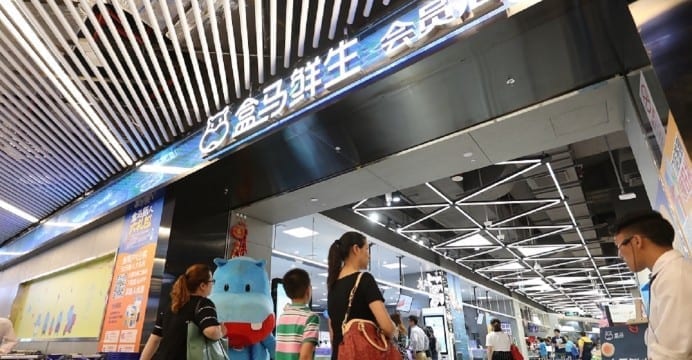
    Hema supermarket is what you get when you imagine a seamless blend of the online and offline shopping experience, Alibaba Group CEO Daniel Zhang said Monday.

    Zhang toured one of the 10 neighborhood stores in Shanghai with Executive Chairman Jack Ma last week and held up the fresh-food focused Hema as an example of the “New Retail” model, which Alibaba has successfully incubated for the past two years. “New Retail” uses technology and data to merge online and offline shopping, offering consumers a more-efficient and more-flexible shopping experience.

    The Hema experience starts with a download of the mobile app. That links right up to a customer’s Taobao or Alipay account. Customers who don’t have accounts yet can easily sign up. And then the shopping begins, wherever the customer is.

    “Hema leverages data and smart logistics technology to seamlessly integrate online-offline systems, built to provide the unparalleled service of fresh food deliveries in 30 minutes,”  Zhang said.

    Since 2015, Alibaba has opened 13 Hema markets. Apart from the 10 in Shanghai, there are two in Beijing and one in Ningbo. Each aims to serve a customer base within a three-kilometer radius to ensure fast, high-level service. Hema stores are fully mobile-powered and allow customers to use Alipay. The stores’ sales per unit area are three-to-five times those of other supermarkets. They’ve also cracked a key problem of how to scale local deliveries, with each store able to fulfill thousands of orders a day.

    The hyper-local business allows customers to shop from the comfort of their homes, using a mobile app. They can order fresh food to cook it at home or have it prepared by the Hema chefs and delivered within 30 minutes. Customers who prefer the in-instore experience, can visit the supermarket to hand-select their fresh food, such as seafood, and can choose to have it cooked for carry-out, delivered to their nearby home or office, or they can eat it on the spot the store’s dining area.

    Hema’s game-changer, as far as Chinese consumers are concerned, is the fresh seafood section. Shoppers can pick out their own lobster or other shellfish, but it right away and have it cooked up and ready for them to eat in the restaurant area when they complete the rest of their shopping.

    The stores, themselves, look like normal neighborhood supermarkets, with a selection of packaged foods, produce, beverages and other goods. Every item has a scannable bar code, which yields price and product information, including origin and any backstory on the item, if there is one. Customers scan the code and complete their electronic purchase through Alipay at a checkout register before leaving the store.

    User experience is enhanced through big data. Because customers shop through the Hema mobile app, every purchase is logged, and preferences are saved. On the customer side, analytics offer up a personalized product page, and on the delivery side, machine algorithms plan delivery routes. The bar codes not only let customers trace product origin and track delivery, but are also a means for Hema to employ a smart supply-chain management system.

    Hema’s innovative fulfillment model is what allows it to deliver orders within a half-hour. The store doubles as warehouse, and order-fulfillment specialists can be seen moving up and down the aisles with a scanner, reusable shopping bag and a special bar code for each order. They scan and pack up goods, putting the bags on a conveyor belt that carries orders to a delivery center adjacent to the store. Hema aims to be a zero-waste company, recycling containers used for delivery.

    Zhang noted that Alibaba doesn’t intend to operate a large grocery chain. As with Alibaba’s investments in the Intime department store chain, the aim is to create showcases that demonstrate the benefits of “New Retail” to customers and other businesses that want to digitally transform themselves. E-commerce currently accounts for around 15% of total retail in China. Alibaba has said its goal is not to make incremental progress on that 15%, but to digitally transform the 85%.

    “We believe the future of New Retail will be a harmonious integration of online and offline, and Hema is a prime example of this evolution that’s taking place,” Zhang said. “Hema is a showcase of the new business opportunities that emerges from online-offline integration.”

    While it’s still early days for Hema, the first two years of store operations have yielded some promising results. Customers each make 4.5 purchases a month on average and 50 times a year.  Among users who open the Hema app, the conversion rate for making a purchase is as high as 35%. On average, online orders account for more than 50% of total orders. For mature stores like the one in Shanghai Jinqiao, online orders are as high as 70% of total orders.

    Hema is a membership-based shop, with customers registered the first time they pay for an order through the mobile app.

  • Mong Kok retailers raided in illegal pharmaceuticals hunt

    Mong Kok retailers raided in illegal pharmaceuticals hunt

    Three Mong Kok retailers were raided this week in a joint operation involving police and Department of Health officials.

    The stores were reported to health officials by a member of the public who suspected the illegal sale and possession of unregistered pharmaceutical products.

    “Preliminary investigation indicated that the external preparations seized during the operation contained controlled ingredients including hydrocortisone, prednisolone, triamcinolone acetonide and clindamycin,” a DoH spokesman said.

    “Hydrocortisone, prednisolone and triamcinolone acetonide are Part 1 poisons, which are steroidal drugs for treating inflammation. Inappropriate or excessive application of the drugs could cause skin problems.

    Clindamycin is an antibiotic used for treating bacterial infection and may cause side-effects such as hypersensitive reactions. Part 1 poisons and antibiotics should be used under the advice of medical practitioners,” the spokesman said.

    Investigations are ongoing.

    According to the Pharmacy and Poisons Ordinance, all pharmaceutical products must be registered with the Pharmacy and Poisons Board of Hong Kong before they can be sold legally in the market. Illegal sale and possession of unregistered pharmaceutical products and Part I poisons are criminal offences. The maximum penalty for each offence is a fine of $100,000 and two years’ imprisonment. In addition, the Antibiotics Ordinance also prohibits illegal sale and possession of antibiotics. Offenders are liable to a maximum penalty of a $30,000 fine and one year’s imprisonment for each offence.

    The DH strongly urged members of the public not to buy or use unregistered pharmaceutical products as their safety, efficacy and quality are not guaranteed. All registered pharmaceutical products should carry a Hong Kong registration number on the package in the format of “HK-XXXXX”.

    People who have purchased the above products should stop using them and consult healthcare professionals if they are in doubt or feeling unwell after use.They may submit the products to the DH’s Drug Office at Room 1856, Wu Chung House, 213 Queen’s Road East, Wan Chai, Hong Kong, during office hours for disposal.

  • Hawaiki commissions cable landing station in New Zealand

    Hawaiki commissions cable landing station in New Zealand

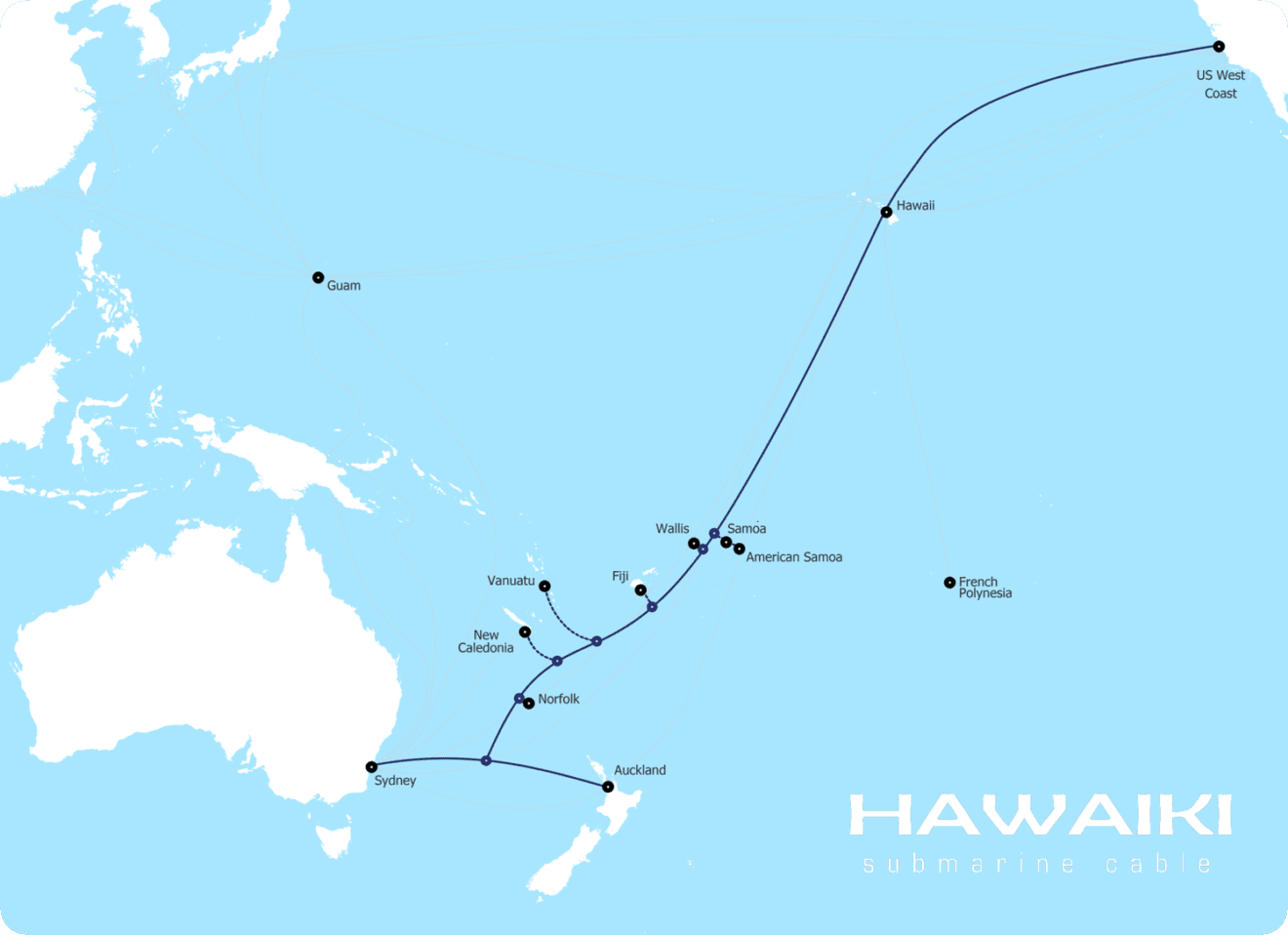
    Hawaiki Submarine Cable, the company building a subsea cable between Australia, New Zealand, Hawaii and the mainland US, has commissioned the construction of the New Zealand cable landing station.

    New Zealand electrical engineering and construction company McKay has been commissioned to construct a landing station at Mangawhai Heads on New Zealand’s North Island.

    The multi-million dollar contract covers the complete civil, building and electrical work, including standby generation and uninterruptible power supply systems.

    “This contract represents a key step forward for Hawaiki system deployment in New Zealand,” Hawaiki CEO Remi Galasso said.

    “We are proud to participate to the economic development of the Northland region and are confident that McKay will deliver this critical piece of infrastructure in the most efficient and timely manner.”

    The Hawaiki cable is scheduled to be ready for service by June next year. As well as the main route, the cable will have options to branch to several islands in the South Pacific, including Fiji, Tonga, New Caledonia and American Samoa.

    The cable will have a design capacity of 42Tbps, making it the highest cross-sectional capacity link between Australia, New Zealand and the US.

    In May, Hawaiki announced that manufacturing of the 14,000km cable is nearing completion.

  • Sun Hung Kai Real Estate plans $20m marketing splurge

    Sun Hung Kai Real Estate plans $20m marketing splurge

    Sun Hung Kai Real Estate is spending HK$20 million in what it says is its largest ever marketing promotion aimed at driving foot traffic into 12 malls over the summer holiday season.

    The campaign launched yesterday (July 18) and will run until August 31. The budget is 10 per cent higher than last year’s and the company hopes to boost footfall by a similar proportion – to 62 million – driving combined mall sales to HK$2 billion.

    A quarter of the budget will be dedicated to the Tai Po Mega Mall. The company has also created an app, which cost HK$15 million to develop, and provides “a more user-friendly service to customers, such as car searching, e-membership and reservations”.

    “Online shopping is becoming popular but the percentage in Hong Kong is still relatively low, with 3 to 4 per cent,” Maureen SY Fung, director of SHKP told China Daily in an interview.

    “And we are in a ‘problem solving industry’, we will face the trend positively and improve ourselves with technological aids, like the newly launched mobile phone app.”

    At the core of the campaign is the promotional activity “Summer Cool Carnival” focusing on ice cream and swimming pool themes. Educational and entertainment workshops, like Dessert In Vogue Workshop, Little Master Chef Dessert Workshop and VR Torrent Adventure, for kids and parents will help draw people into centres, along with a fashionable selfie spot designed by Korea’s Kimkimlab. More than 100 pop-up stores will open during the period.

    “The retailing industry is picking up, the atmosphere is good, so we believe a better performance of the 12 shopping malls on the coming half-year in terms of both passenger flow and turnover,” Fung said.

  • Gucci Decor line to feature Richard Ginori porcelain

    Gucci Decor line to feature Richard Ginori porcelain

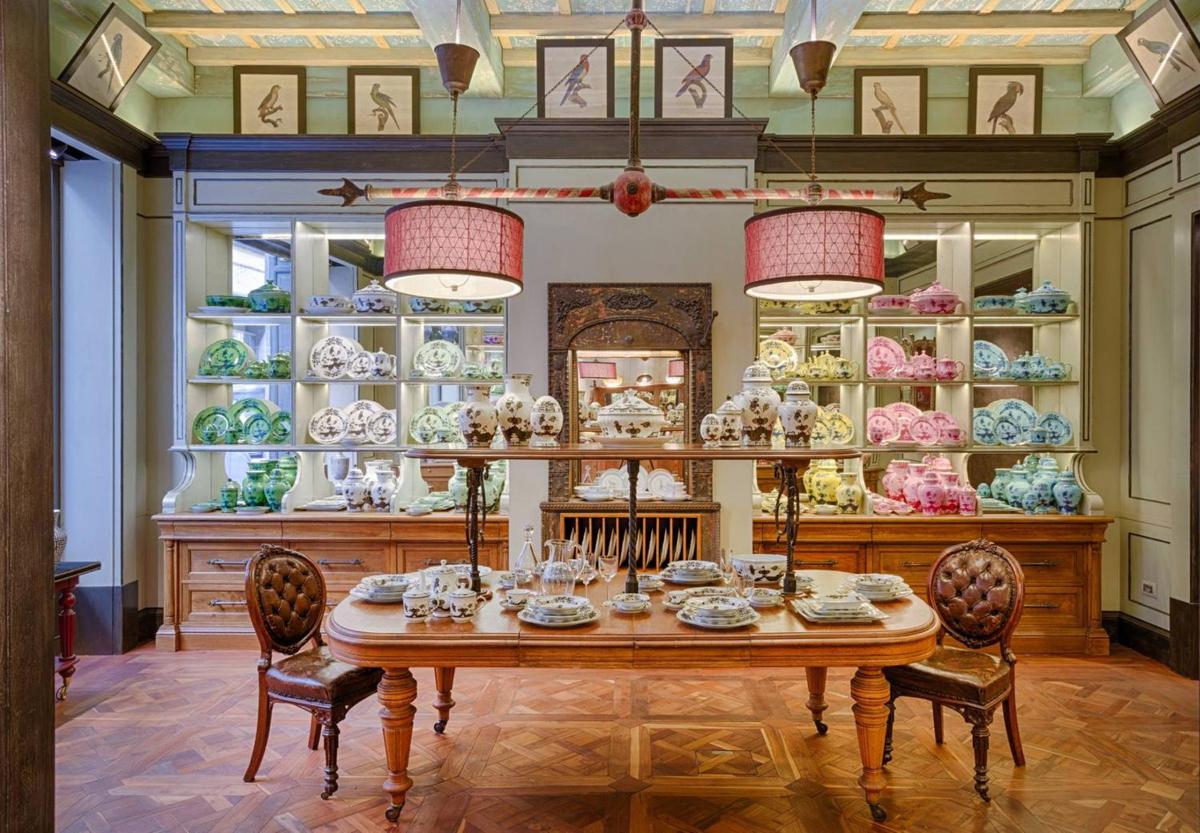
    A new Gucci Decor line to be launched in September will feature tableware and candle holders by Gucci-owned heritage porcelain brand Richard Ginori, upholstered dining chairs, metal trays and folding tables, folding screens and decorative cushions.

    Working with Florentine porcelain specialist Richard Ginori, founded in 1735, Gucci creative director Alessandro Michele has designed a range of patterned crockery featuring a green-and-white herbarium decoration. There are also idiosyncratic candle holders with Gucci patterns, such as geometric chevrons and the talismanic “eye” design. Animals from the Gucci Garden – bees, butterflies and cockerel heads – are rendered in porcelain in 3D topping the lids of pots. Small incense holders feature 3D stag beetles, and bees support incense sticks.

    The collection includes scents in the form of candles and incense: Inventum (ancient damask rose blended with Taif rose), Fumus (birch, orange leaves and beeswax), Herbosum (tomato leaves, aromatic plants, long grass, basil and lemongrass) and Esotericum (Seville oranges, jasmine, leather and salt).

    Gucci Decor will have a progressive global roll-out in Gucci flagship stores, online and at selected specialty stores. Prices start from $194 for a candle, rising to $29,760 for a screen.

  • AI to be in almost all new software by 2020

    AI to be in almost all new software by 2020

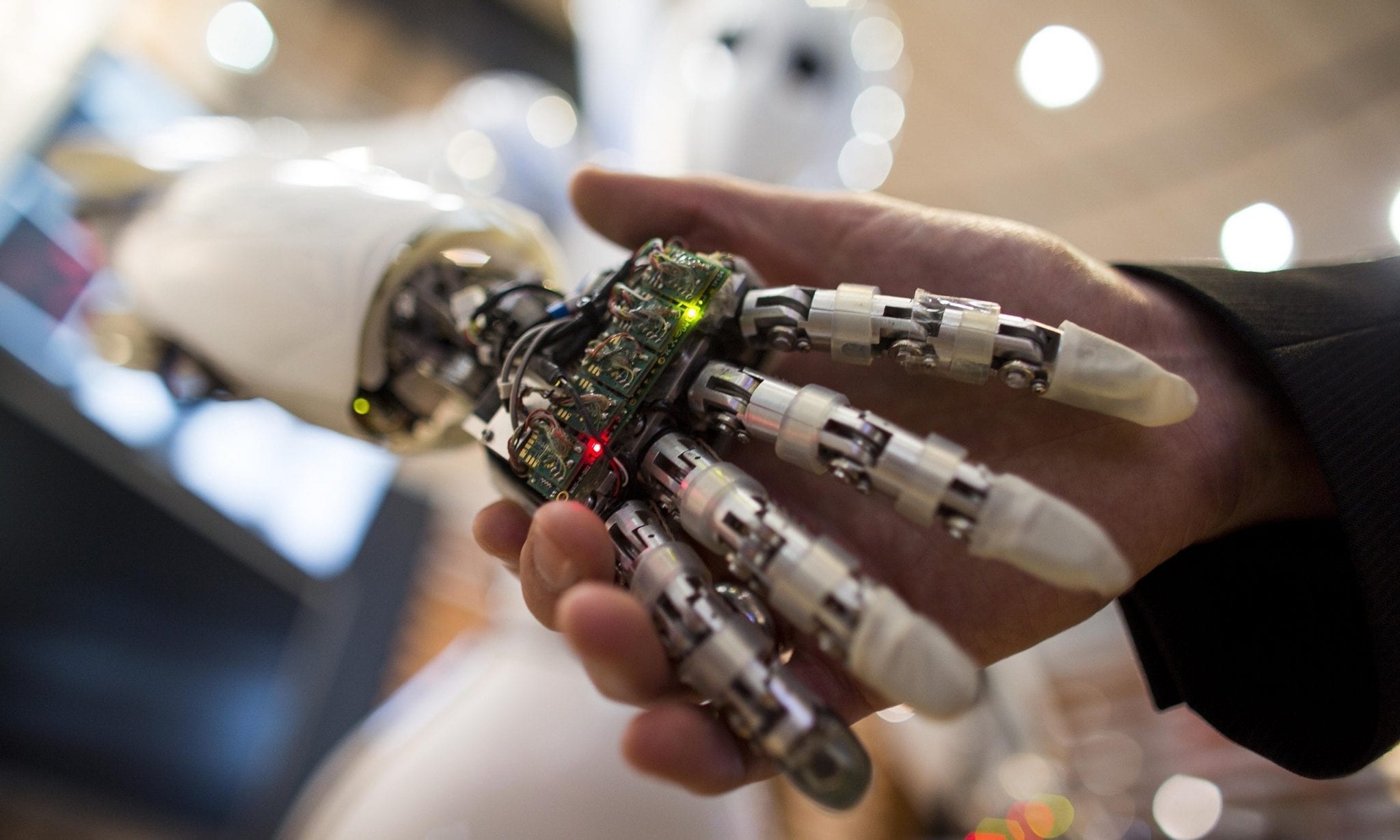
    Market hype and rising interest in artificial intelligence (AI) are compelling established software vendors to introduce AI into their product strategy, creating significant confusion in the process, according to Gartner.

    Analysts predict that by 2020, AI technologies will be virtually pervasive in almost every new software product and service. Gartner believes that by 2020, AI will be a top five investment priority for more than 30% of CIOs.

    “As AI accelerates up the Hype Cycle, many software providers are looking to stake their claim in the biggest gold rush in recent years,” said Jim Hare, research VP at Gartner.

    “AI offers exciting possibilities, but unfortunately, most vendors are focused on the goal of simply building and marketing an AI-based product rather than first identifying needs, potential uses and the business value to customers,” said Hare.

    To successfully exploit the AI opportunity, technology providers need to understand how to respond to three key issues.

    First is the lack of differentiation is creating confusion and delaying purchase decisions. More than 1,000 vendors with applications and platforms describe themselves as AI vendors, or say they employ AI in their products.

    This widespread use of “AI washing” — using the term indiscriminately — is already having real consequences for investment in the technology.

    A second key issue is that proven, less complex machine learning capabilities can address many end-user needs.

    Advancements in AI, such as deep learning, are getting a lot of buzz but are obfuscating the value of more straightforward, proven approaches. Gartner recommends that vendors use the simplest approach that can do the job over cutting-edge AI techniques.

    Third is that organizations lack the skills to evaluate, build and deploy AI solutions. More than half the respondents to Gartner’s 2017 AI development strategies survey indicated that the lack of necessary staff skills was the top challenge to adopting AI in their organization.

    The survey found organizations are currently seeking AI solutions that can improve decision making and process automation. If they had a choice, most organizations would prefer to buy embedded or packaged AI solutions rather than trying to build a custom solution.