Author: Mei Ling Tan

  • Vietnam’s e-commerce acceleration to gain a boost from DHL eCommerce

    Vietnam’s e-commerce acceleration to gain a boost from DHL eCommerce

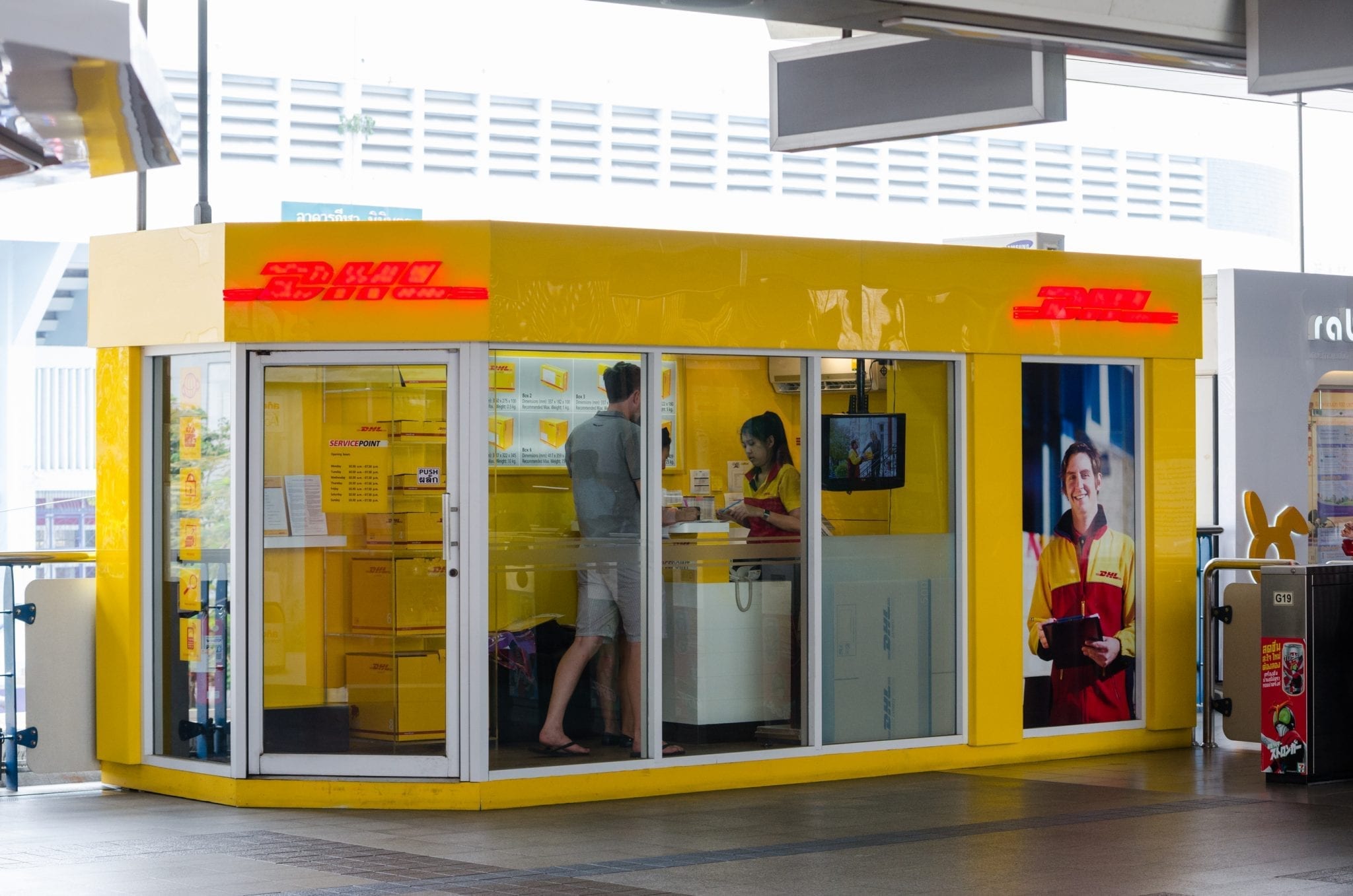
    DHL eCommerce, a division of the world’s leading logistics company, Deutsche Post DHL Group, has launched its nationwide domestic delivery operations in Vietnam. The domestic delivery network will offer a high quality delivery service across Vietnam and a range of services tailored for the booming e-commerce industry, helping small, medium and large e-tailers and marketplaces increase their share amidst the rapidly growing Vietnam e-commerce segment.

    “The Vietnamese e-commerce market represents a huge and relatively untapped potential for local retailers, e-tailers and marketplaces: in 2016, total e-commerce spending hit US$1 billion despite barely over 50% of the population being online, ” said Charles Brewer, CEO, DHL eCommerce. “With e-commerce spending expected to grow at around 23% per year between now and 2020, local e-tailers need scalable, high-quality logistics solutions with nationwide coverage more than ever before.”

    DHL eCommerce Vietnam offers domestic delivery nationwide across the country, managed by hubs and depots strategically located throughout the country. DHL eCommerce’s fleet of vans and motorbikes, coupled with regular air and road connections between its hubs, will support next-day delivery in Ho Chi Minh, Hanoi and other primary markets.

    “Our new domestic delivery service brings to Vietnam DHL’s extensive experience in designing comprehensive logistics networks, coupled with tailored e-commerce solutions to tackle some of the most pressing roadblocks to e-commerce growth,” added Brewer, “With e-commerce, consumers are increasingly expecting greater choice, convenience and control in their delivery experience and we aim to deliver a smile in the last mile by providing an amazing and customer-centric delivery solution.”

    When using the network, local e-tailers can easily assign shipments requiring cash on delivery service through DHL eCommerce’s online portal, allowing for faster remittance and simpler management of shipment information. Consumers will also be able to open, check and return goods at the point of receipt thanks to DHL’s Open Box Delivery service, better aligning the online shopping experience with their preferred purchasing habits.

    “Only 15% of Vietnam’s e-commerce shoppers paid online in 2016, making cash on delivery a must-have feature for e-commerce to succeed. That, combined with concerns about the hassle of returns and refunds, has made growth an uphill battle for many local e-tailers,” said Thomas Harris, Managing Director, DHL eCommerce Vietnam. “We recognize that having a fast and reliable delivery service won’t solve these issues alone, which is why we’ve tailored our nationwide network to seamlessly handle cash payments with next day cash remittance and returns to take the burden off local e-tailers so they can fully focus on growth and customer experience.”


  • SoftBank forms joint venture with WeWork

    SoftBank forms joint venture with WeWork

    Japan’s SoftBank has forged a joint venture with WeWork Companies to bring WeWork’s novel workspace as a service offering to Japan.

    The two companies will each own 50% of the joint venture, which will operate under the name of WeWork Japan.

    By entering Japan, WeWork will expand its global community and connect its more than 130,000 members to the innovative and growing Japanese market.

    “WeWork is disrupting preconceived notions of work styles and opening up myriad opportunities for the next generation of creators around the world by taking a scientific approach that fully utilizes the latest technologies,” said Masayoshi Son, chairman and CEO of SoftBank Group.

    WeWork, a platform for creators, has created an extensive global network of shared workspaces. The company provides an entirely new way to work by offering flexible space, services, and a connected community network to creators, entrepreneurs, small and medium businesses, and multinational companies.

    WeWork’s “space as a service” solution enables companies of all sizes to enter and exit markets opportunistically, grow and shrink office footprints according to their needs, and pursue new business lines and ideas in a way that best suits their particular needs.

    In offering its services in Japan, WeWork hopes to build connections between non-Japanese members of WeWork’s global network and the creators and businesses that drive the world’s third largest economy.

    WeWork has diversified its product offering to better accommodate the needs of enterprise companies, and more than 10% of Fortune 500 companies are members with WeWork.

    WeWork plans to launch its first location in Tokyo in early 2018. To oversee this launch and scale its Japanese operations, WeWork has appointed Chris Hill to serve as the CEO of WeWork Japan.

  • KFC smartphone launches in China

    KFC smartphone launches in China

    Shortly after launching an online shop featuring a hunk of meteorite carved into a burger shape, KFC China has partnered with Huawei to release a limited-edition smartphone.

    To commemorate its 30 years in China, the new KFC smartphone phone features founder Colonel Sanders etched on its back.

    KFC announced its latest “toy” via its Weibo page, saying the phone is available for K$100,000, the restaurant’s digital currency, or RMB1099 (US$162).

    Installed on the phone is a KFC-branded music app that lets users create and share playlists at a KFC restaurant – like a modern-day jukebox. The Huawei Enjoy 7 Plus unit has a 5.5-inch screen, is powered by a Snapdragon 425 processor, and comes with 3GB of RAM and 32GB of expandable storage. It features a fingerprint scanner – for fingers that have had a lickin’, presumably.

    Only 5000 of the devices are available.

  • Volkswagen group deliveries rise 4.2 percent in June

    Volkswagen group deliveries rise 4.2 percent in June

    Volkswagen Says group deliveries rise 4.2 percent to 920,700 in June. Volkswagen says June group deliveries rise 3.1 percent in Europe, 9.8 percent in the U.S., 5.2 percent in China.

    Volkswagen says January-June group deliveries rise 0.8 percent to 5.16 million.

  • ZTE unveils NB-IoT based intelligent energy management system

    ZTE unveils NB-IoT based intelligent energy management system

    ZTE has released an intelligent energy management system designed to operate over Narrowband IoT (NB-IoT) network, which has been installed as a pilot project in Zhangjiang Intelligent Park.

    The system leverages IoT technologies for energy-saving and emission reduction management.

    For technology enterprises, laboratory equipment accounts for a high percentage of electricity consumption to ensure efficient operations. However, equipment often remains idle outside of office hours.

    With ZTE’s NB-IoT Intelligent Energy Management System, enterprises can leverage its energy-saving control function to effectively reduce energy consumption during research and production.

    With the use of NB-IoT technologies, this system comes with lower investment costs and higher rate of returns, featuring wider coverage, shorter construction lead time and ease of operations, ZTE said.

    A built-in chip module developed by ZTE also makes remote control and strategy customization feasible, enabling users and enterprise management to easily implement personalized management for each device, and minimize energy consumption.

  • Cisco Jasper launches multi-tier IoT platform

    Cisco Jasper launches multi-tier IoT platform

    Cisco Jasper has unveiled “Control Center,” a new expanded model to bring the benefits of its IoT connectivity platform to a broader audience.

    Control Center 7.0 addresses business’ needs for greater flexibility with a new multi-tiered IoT platform that gives companies various options to meet their specific needs, regardless of their stage of IoT implementation.

    This new platform is also paired with a new set of premium services that address previously unmet needs in the industry related to IoT monetization and security.

    “What we’ve learned from enabling IoT success for our 11,000 customers is that companies have different needs at different stages of their IoT journey,” said Jahangir Mohammed, general manager of IoT at Cisco.

    “We’re introducing the biggest evolution of our Control Center IoT platform ever, providing a flexible model and new premium services that help meet the needs of customers at any phase,” said Mohammed.

    With Control Center 7.0, Cisco Jasper is introducing a unique approach to IoT solutions unmatched in the industry, giving customers and service provider partners the flexibility to select and customize the capabilities and services that are right for their deployment, while also providing an easy path for growth as their IoT businesses scale.

    AT&T, a Cisco Jasper service provider, is integrating these additional capabilities to meet IoT needs for a broad range of industries. The platform will be called AT&T Control Center-Advanced, and will be paired with additional premium services.

  • Motorola Philippines opens third concept kiosk

    Motorola Philippines opens third concept kiosk

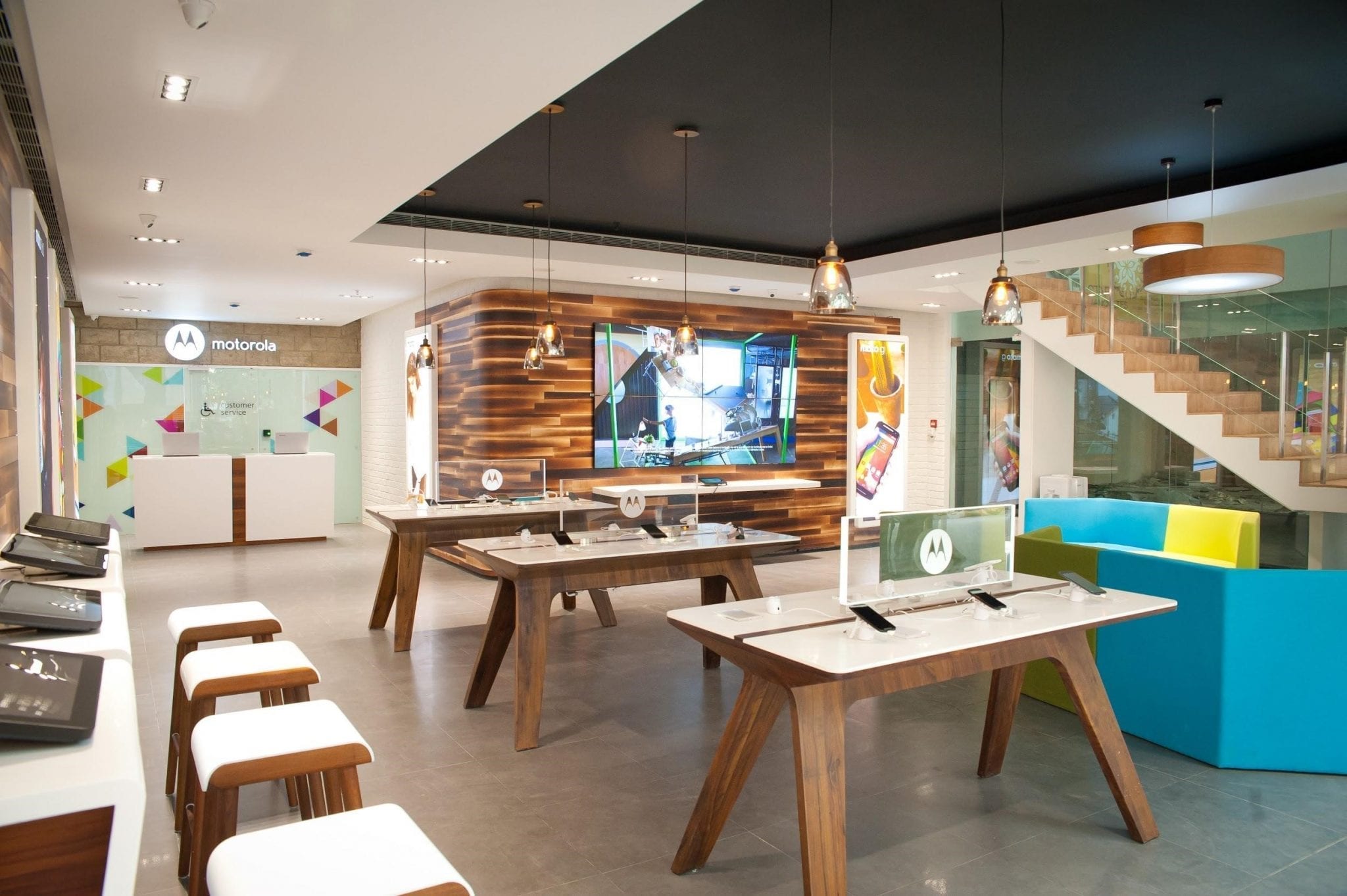
    Motorola Philippines has opened its third concept kiosk, at SM Mall of Asia in Pasay City.

    It is part of the Lenovo-owned company’s move to strengthen its retail footprint in the nation’s high-traffic malls.

    On the second level of the mall’s Cyberzone, the store features a full Moto smartphone lineup.

    “Motorola is keen to revolutionize Filipinos’ digital lifestyle,” says Lenovo Mobile Business Group Philippines country manager John Rojo.

    Shoppers at the new kiosk have been offered exclusive discounts and gifts when buying Motorola smartphones.

  • China’s retail sales grow 10.4 per cent

    China’s retail sales grow 10.4 per cent

    China’s retail sales of consumer goods grew 10.4 per cent year-on-year in the first half of this year to RMB17.24 trillion (US$2.55 trillion), new official data shows.

    The pace was slightly faster than the 10 per cent for the first quarter, the National Bureau of Statistics (NBS) says.

    Retail sales last month grew by 11 per cent year-on-year, the fastest rate since December 2015.

    The NBS attributes the pick-up in growth partly to online sales, which surged 33.4 per cent year-on-year in the first half, 1.3 points higher than in the first quarter.

    Online sales of goods rose 28.6 per cent to RMB2.37 trillion, accounting for 13.8 per cent of China’s total retail sales, up from a share of 11.6 per cent for the first half of last year.

    NBS spokesman Xing Zhihong says the larger share proves new growth sources in the economy are rising.

    Retail sales in rural areas rose 12.3 per cent in the first half, outpacing the 10.1 per cent expansion for urban areas.

    Booming retail sales are behind China’s stabilising economy, which grew 6.9 per cent in the first half.

    The contribution of final consumption to GDP growth stood at 63.4 per cent, slightly down from last year’s 64.6 per cent.

    “Consumption demand is the most important engine of our economic growth,” says Xing.

  • Crown Equipment Opens New Facility In South Korea

    Crown Equipment Opens New Facility In South Korea

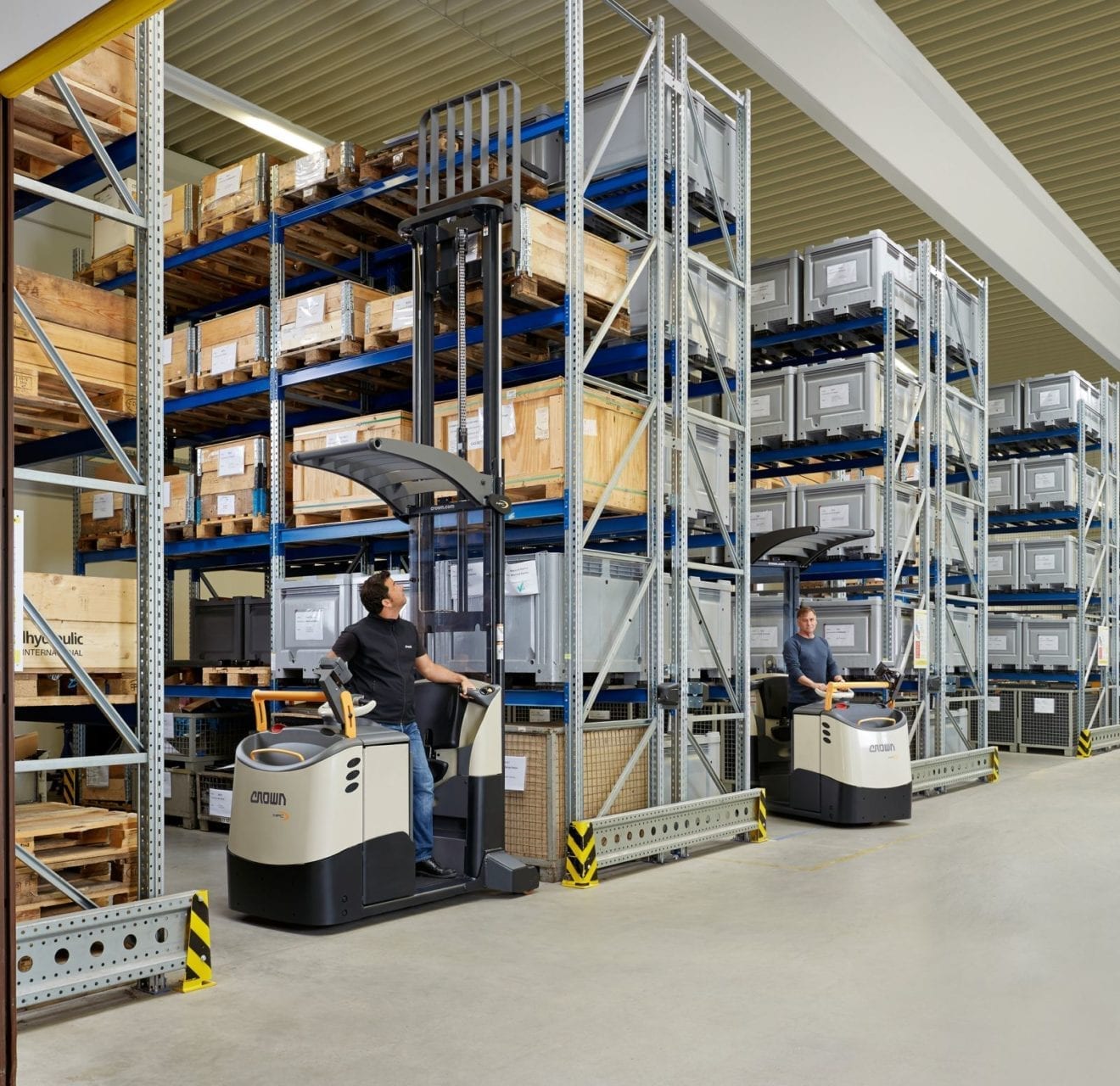
    To continue to meet growing demand for its lift trucks and fleet management technology, Crown Equipment to upgrade its South Korean operations with a move to a larger facility in one of the country’s fastest growing logistics hubs.

    Located in Icheon, Gyeonggi-do, the new facility supports Crown Korea’s experienced, factory-trained team of material handling specialists including the sales and service technicians and support staff who assist customers countrywide.

    The new branch is located for greater convenience and features larger sales and rental forklift fleets, better stock capacity and improved inventory management for faster parts turnaround.

    The Icheon facility is the third major demand-driven expansion in Asia for Crown in the last 12 months, following recently completed facilities in Johor, Malaysia and Rayong in Thailand.

    Crown Equipment managing director for Asia Pacific, Steven Hill, said the new facility was required due to steadily increasing customer numbers and geographical spread of demand for Crown’s innovative products and services.

    “The new branch is another example of Crown’s commitment to our growing number of South Korean customers in manufacturing, industrial, warehousing and logistics,” Mr Hill said.

    “It also demonstrates Crown’s ability to improve the customer experience through ongoing infrastructure development in the Asian market, which is bringing global technology to local business in Asia whilst expanding the customer support network.

    “Since we began operating in South Korea, Crown has delivered genuine cost savings, operational improvements and operator safety improvements to its customers, as well as growing employment opportunities.

    “The new facility also enables Crown to extend its already strong environmental credentials, which is in harmony with the sustainability focus of the Icheon area.

    Located in the region’s commercial Busan-Jeonju-Icheon ‘growth triangle’, Icheon is home to the port of Tanjug Pelepas, South Korea’s largest logistics complex, which supports the majority of the country’s resource refineries.

    The area is also at the junction of three major expressways servicing Jungbu, Gyeongbu and Yeongdong, for easy vehicle access.

  • Sa Sa has mixed quarter

    Sa Sa has mixed quarter

    Sa Sa sales in Hong Kong and Macau grew by 2.4 per cent for the first quarter, but same-store sales dropped by 2.5 per cent.

    Sa Sa says the unaudited figures were weaker than the previous quarter, affected by a particularly quiet June which was marked by typhoons and extended torrential rain. With a cool-down in Korean products and less store traffic, sales volume fell with fewer transactions by local and mainland tourists, down 4.1 and 6.4 per cent respectively.

    “However, some customers switching out of Korean products and into broader alternatives resulted in demand for higher-priced products,” says the retailer. “As a result, the average purchase per transaction of local and mainland customers has started to rise gradually, up 3.1 and 2.9 per cent respectively.

    “Our strenuous efforts to improve house-brand offerings is beginning to bear fruit, with the first quarter seeing improvement in the house-brand mix as well as gross profit margin in the Hong Kong and Macau markets. However, the increase in gross profits is not yet sufficient to offset the weakness in June’s sales performance and the one-off costs of Hong Kong warehouse relocation.”

    The group says it is cautiously optimistic about the Hong Kong and Macau markets and continues to invest in residential shops and extra staffing as well as launching a new own-label brand.

    It says these strategies will increase the group’s competitiveness but also exert short-term cost pressure.

    Sa Sa’s unaudited figures for the quarter to the end of June show retail and wholesale turnover increased by 2.1 per cent. In Hong Kong and Macau, the number of transactions eased by 0.4 per cent, while the average sales per transaction grew by 2.8 per cent.

    The group’s retail and wholesale turnover in other markets (including China, Malaysia, Singapore, Taiwan and e-commerce) rose by 0.5 per cent for the quarter.

    “Stepping into the second quarter, sales performance in the Hong Kong and Macau markets has
    shown conspicuous improvement,” says chairman/CEO Kwok Siu Ming Simon. “While the group is strengthening choices in selected product categories, it is anticipated sales in Hong Kong and Macau will continue to improve in the second quarter.”

  • AirAsia gives free baggage allowance, meals to soldiers

    AirAsia gives free baggage allowance, meals to soldiers

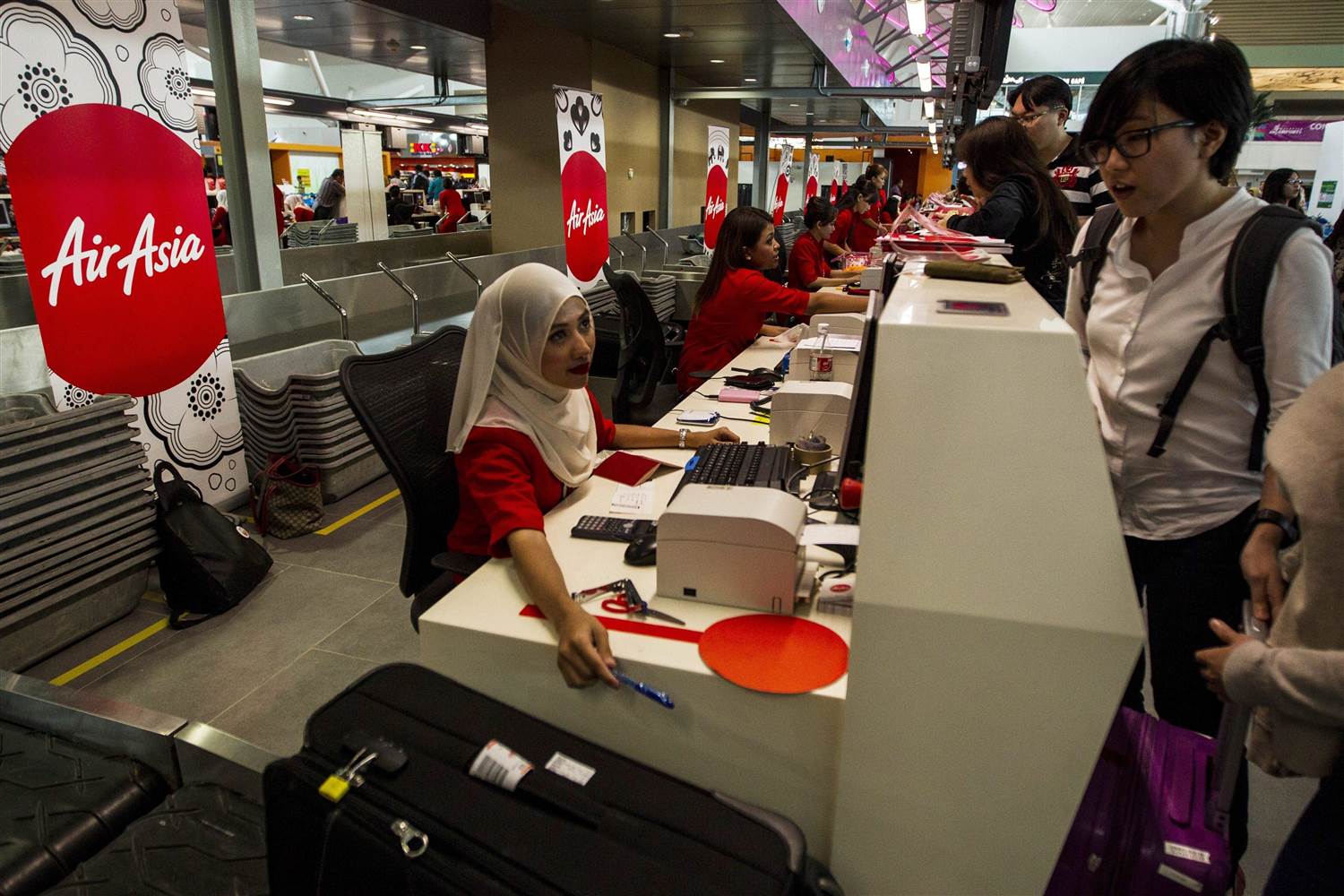
    AirAsia announced on Wednesday that it is giving soldiers and officers of the Armed Forces of the Philippines, who are on a peace-keeping mission, extra baggage allowance and free inflight meals.

    “We recognize the incredible sacrifices of our military heroes and Bayanihan spirit among Filipinos,” AirAsia CEO Capt. Dexter Comendador said in a photo posted on the airline’s Facebook page.

    The budget airline said AFP military personnel can avail of free baggage allowance of up to 40 kgs after presenting their ID and mission order.

    Facebook user Inday Rakel earlier narrated how passengers of an AirAsia flight helped three Mindanao-bound soldiers — two of whom were headed for strife-torn Marawi City and another for Cotabato — with their excess baggage.

  • Jordan 9 Guanghua store marks China milestone

    Marking two decades in greater China, Jordan Brand has opened its largest store for Asia in Beijing, Jordan 9 Guanghua.

    “We are excited to bring Jordan Brand’s vision to life in Beijing by creating a retail experience that not only pays homage to the brand’s legacy and the city’s culture, but also inspires the future,” says Jordan Brand president Larry Miller.

    Jordan 9 Guanghua, which opened with a special ceremony, will serve as a key source for pinnacle products and personalised Jordan experiences in Mainland China. As part of the opening, visitors to the store can sign up for services and take part in lucky draws for products, as well as use social media to gain special access to launches.

    Product customisation is offered at the store with 365 brand icons and the debut of Beijing Icons inspired by the city’s courts and landmarks.

    There is also a regulation-size Jordan basketball court in the store where customers can trial products, with Jordan Flight Club services at weekends.

    Showcased in the store are works by international artist Jayson Atienza with Michael Jordan themes.

  • Cross-border e-commerce: the 21st century spice trade

    Cross-border e-commerce: the 21st century spice trade

    Amidst recent uncertainties around the themes of globalization and international trade, one thing remains absolutely certain: cross-border trade is here to stay. People have been engaged in international trade for more than five millenniums. According to some of the earliest records of civilization, the exchange of goods was already supported by trading posts established in South Asia and Middle East.

    One of the main commodities was spices, which were highly prized. Traders in the Middle East offered cinnamon and cassia, embellishing their sales pitches with tales about their mysterious origins and properties. And customers loved it: The spice trade flourished and continued through to modern times, on the back of demand for these high value commodities, and the ingenuity of those who worked to source and sell them around the world. It built bridges between different cultures and gave rise to major shipping routes between continents, many of which endure till this day.

    Fundamentally, consumers have not changed over the last 5,000 years. As consumers, they still crave exclusive, high quality and exotic goods. They are willing to invest a certain amount of time and effort to seek out what they want at the best price. Merchants are constantly looking for enterprising, creative ways of taking their goods across borders to new markets. All these have set the stage for cross-border e-commerce – the new ‘spice trade’ phenomenon that will help to shape international trade, transform the world’s supply chains and build new shipping routes in the future.

    E-commerce is not a particularly new phenomenon. And neither is cross-border e-commerce. People have been able to order – particularly from major online retailers – around the world for years now, and this has helped the cross-border market grow to USD 300 billion up till 2015.

    Research insights published recently by DHL Express – in partnership with a leading global management consultancy, has indicated that this business will continue to flourish for years to come. According to the report, this market offers superior growth rates to those available in just about any other retail segment today. Cross-border e-commerce is expected to grow, on average, at nearly twice the rate of domestic online retail by 2020. The market will be three times bigger than what it was in 2015 by then.

    Outside of today’s biggest spice route supply markets—US, UK and China—new spice trade routes have emerged in Singapore, Hong Kong and India, spurred by rising consumer education and e-tailer awareness of opportunity. According to Google’s Consumer Barometer, consumers are motivated to purchase from abroad because of better product availability, more attractive offerings and trust in the brands. And consumers in Singapore (being ranked top alongside Japan, Germany and the UK) also cited better availability as a principal reason for cross-border online purchases.

  • Ericsson swings to $120.4m Q2 loss

    Ericsson swings to $120.4m Q2 loss

    Ericsson has revealed plans to accelerate its turnaround strategy after swinging to a 1 billion kronor ($120.4 million) loss in the second quarter.

    Net sales for the quarter fell 8% to 49.9 billion kronor, or 13% adjusted for constant currency. Ericsson also reported a 1.2 billion operating loss, of a slim 300 million kronor profit excluding restructuring charges.

    Ericsson’s operating margin fell to 10%, with networks operating margin reaching 7%, due to the rough economic environment for the telecoms sector. Ericsson warns it expects a high single digit percentage decline in the RAN equipment market for the full year.

    “We are not satisfied with our underlying performance with continued declining sales and increasing losses in the quarter. Execution of our focused business strategy is gaining traction. However, in light of current market conditions, we are accelerating the planned actions to reduce costs,” Ericsson CEO Börje Ekholm said.

    “The decline in the networks result in the quarter was mainly caused by lower software sales, driven by two key factors; unusually strong software sales in the second quarter last year and cautious mobile broadband investment levels.”

    He said the vendor will continue to explore performance improvements in the segment by pursuing cost reductions and continuing the ramp-up of its Ericsson Radio System product. The company has also started to increase R&D investments in networks to safeguard its market position in the future.

    Ericsson is considered a bellwether for the telecoms sector, so the results serve as something of an indication for the health of the equipment market.

  • Qualcomm releases Snapdragon Wear 1200 platform

    Qualcomm releases Snapdragon Wear 1200 platform

    Qualcomm has launched its ‘Snapdragon Wear 1200’ multi-mode wearables platform incorporating LTE-M and NB-IoT connectivity.

    The new platform –  complements the existing Snapdragon Wear 1100 and Snapdragon Wear 2100 platforms – is designed to connect wearable devices for fitness trackers, kids, the elderly and pets.

    “The smart wearables industry continues to grow with prolific innovation across targeted opportunities such as kids, pets, elderly, and fitness,” said Pankaj Kedia, senior director of product management at Qualcomm Technologies.

    “To effectively scale, these opportunities require ultra-low power, highly energy efficient, always connected, and cost-efficient solutions,” said Kedia. “With the introduction of Snapdragon Wear 1200, we extend our wearables offerings to bring LTE IoT categories M1 and NB1 to connect the next generation of wearable devices and provide an exciting complement to our Snapdragon Wear 2100 platform for smartwatches.”

    Qualcomm also announced collaborations with original design manufacturers (ODMs), Borqs and Quanta, who have developed reference platforms based on Snapdragon Wear 1200.

    These reference designs target the kid, elderly, and pet tracking segments and will enable device manufacturers to commercialize new products in an accelerated fashion while leveraging the features and functionality of Snapdragon Wear 1200.