Author: Mei Ling Tan

  • SM Prime revenue going up

    SM Prime revenue going up

    Rental revenues from mall expansions and consistent improvement in same-mall sales have helped boost income for integrated property company SM Prime Holdings.

    For its third quarter, the company had 16 per cent year-on-year net income growth to PHP5.6 billion (US$110.5 million). This led to a 15 per cent increase in net income in the first nine months to PHP20 billion.

    Consolidated revenue was up 12 per cent to PHP64.6 billion, while overall operating income grew by 16 per cent to PHP30.1 billion.

    “Our performance in the third quarter is a testament to the buoyant overall economy that benefits the whole property market,” says SM Prime president Jeffrey Lim.

    Mall revenues for the first nine months showed 10 per cent growth to PHP38.5 billion, with the malls contributing 60 per cent of consolidated revenues. Mall rentals went up by the same percentage to PHP32.8 billion, primarily because of expansions and openings over the past two years. Same-mall sales were steady with 7 per cent growth.

    Cinema and event ticket sales eased by 3 per cent to PHP3.3 billion, whereas revenues from amusement and merchandise sales surged by 26 per cent to PHP2.4 billion.

    Consolidated mall operating income improved by 12 per cent to PHP21.3 billion, with the operating margin maintained at 55 per cent.

    SM Prime has 65 shopping malls in the Philippines and seven in China, and will open two more malls this year, SM Center Lemery in Batangas and SM Center Pulilan in Bulacan, taking its provincial property count to 44 from 38 a year ago.

  • DFS Group works together with Make-a-Wish

    DFS Group works together with Make-a-Wish

    Hong Kong-based luxury travel retailer DFS Group has launched its annual seasonal gifting campaign, Give Joy Together, which runs until the end of the year.

    Its locations around the world will offer a special gift range covering fashion, accessories, beauty and fragrance.

    Part of the group’s ongoing partnership with the Make-a-Wish charity, the campaign offers an Art of Personalisation program, offering customers the chance to buy bespoke products. This program will be held at T Galleria by DFS, City of Dreams, Macau, on Saturday for 400 shoppers.

    As a part of the Give Joy Together campaign, the program will showcase a bespoke approach to gift giving and feature British pop artist Boyarde, who will showcase her designs on bags, clothing and accessories, and also demonstrate her painting technique.

    It is the fourth consecutive year DFS Group has partnered with Make-a-Wish foundation, which takes cheer to children with critical illnesses. As well as granting 10 global wishes, is hosting a Fairytale Wish Day at T Galleria Beauty by DFS, Causeway Bay. It will involve 30 Make-a-Wish children and 20 from the Lung Kong World Federation School’s Chu Sui Lan Anglo-Chinese Kindergarten in a fairytale mission, helped by Hong Kong celebrities.

  • Longchamp Japan opens largest store in Asia

    Longchamp Japan opens largest store in Asia

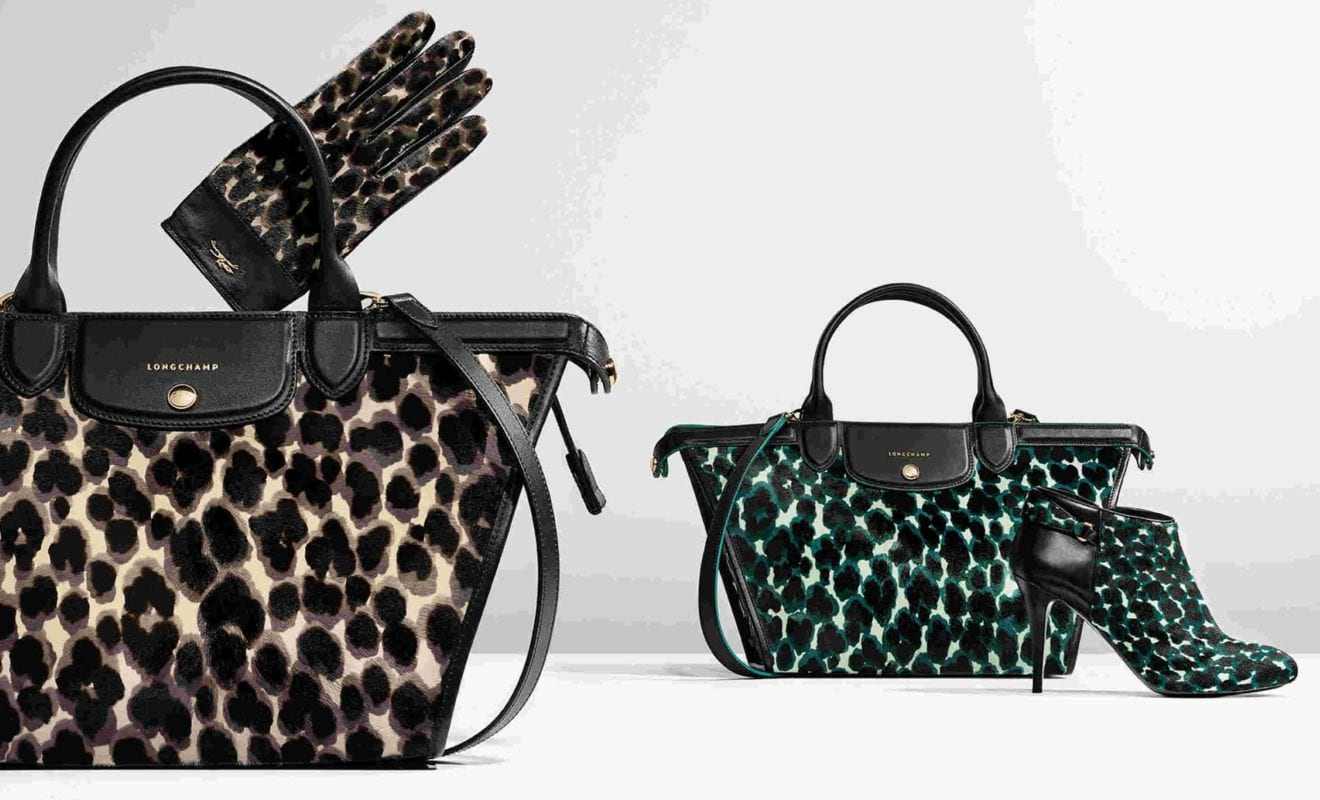
    Longchamp Japan has launched its largest store for Asia with a flagship in Tokyo’s fashion mecca Shibuya.

    French actress Audrey Tautou attended the inauguration of La Maison Omotesando, which has a 35m-high facade and offers 500sqm of retail space.

    It features all the French brand’s collections – leather goods, footwear, women’s ready-to-wear and, occupying the basement, men’s lines.

  • Morten Lundal to step down as Maxis CEO

    Morten Lundal to step down as Maxis CEO

    Morten Lundal will be stepping down from his position as chief executive officer of Maxis next year after serving the Malaysian telecoms operator for nearly five years.

    In a filing with Bursa Malaysia, Maxis said Lundal will be leaving the company when his contract expires on March 31, 2018.  No official reason was provided, and Maxis will reveal a successor in due course, the operator said.

    Lundal joined Maxis as CEO back in October 2013, bringing over 16 years of experience in the telecoms industry onboard. He was previously CEO of Digi, before joining Vodafone in various global positions within the British telecoms giant in 2008.

  • Hula is going offline for pop-up in Soho

    Hula is going offline for pop-up in Soho

    Online marketplace Hula is launching a pop-up shopping experience, The Living Room, at Kong Art Space in Soho from November 28 to December 3.

    Founded last year by Sarah Fung, Hula offers curated pre-owned designer womenswear at prices up to 95 per cent off retail. Sellers are by-invitation-only industry “insiders”.

    A graduate of Central St Martins, Fung has had more than 20 years in the fashion industry, previously designing her own lingerie and swim label in the UK (stocked at Colette, Browns Focus and Selfridges) followed by a nine-year stint at Lane Crawford in Hong Kong.

    Hula’s mission is to prolong the life of well-designed fashion pieces and help reduce textile waste. It offers 5 per cent of its profits to partnered charities ranging from environmental to human-trafficking NGOs.

    Not just an online boutique, Hula is a sustainable fashion community where members can consign items they no longer need. For its first venture offline, its pop-up is an intimate space inspired by a living room and offering pieces from such brands as Alaia, Alexander McQueen, Celine, Chanel, Dolce & Gabbana, Ellery, Givenchy, Gucci, Hermes, Prada, Saint Laurent and Stella McCartney.

    On its upper level The Living Room will initially host private appointments, but open to the public for its last two days. The ground level will feature a photography exhibition by art director and sustainable fashion advocate Gloria Yu.

    As part of the event, Hula will host a discussion panel about sustainability and style. Panelists include Carlo Imo (head of Kering Asia Pacific), Justine Lee (fashion director at Hong Kong Tatler) and Christina Dean (founder of Redress), with Bloomberg Asia anchor Angie Lau as moderator.

    Charitable giving from the six-day pop-up will go to Redress, an environmental NGO working to reduce waste in the fashion industry which has just held a clothing drive in conjunction with Miele Hong Kong.

  • Mitsubishi swings to operating profit in second quarter

    Mitsubishi swings to operating profit in second quarter

    Mitsubishi Motors said on Tuesday it swung to an operating profit for the second quarter, beating expectations as it rebounded from a mileage-cheating scandal a year earlier helped by cost cuts and favorable exchange rates.

    Healthy demand in Southeast Asia, Mitsubishi’s top market also lifted earnings with the automaker saying it was seeing strong orders for its new Xpander seven-seater multipurpose vehicles in Indonesia.

    Operating profit came in at 23.6 billion yen ($207.3 million) for the quarter, compared with a loss of 36.2 billion yen a year earlier when it was forced to stop sales of some domestic models due to the scandal.

    During the first-half, retail vehicle sales at home climbed 48 percent while those in southeast Asia rose 15 percent.

    Mitsubishi kept its forecast for operating profit to surge 14-fold to 70.0 billion yen in the year to March. That reflects the rebound from the scandal as well as expectations of further growth in Asia and cost savings from its alliance with Nissan Motor.

    The car maker has set ambitious goals for growth in Southeast Asia, China and the United States as well as for a comeback in Japan. Last month, it said it planned to boost global sales by 30 percent over three years.

    Under its new three-year strategy plan – Mitsubishi’s first since Nissan bought a controlling stake in 2016 following the scandal – the Japanese automaker will also ramp up R&D investment and capital spending.

    The company has reorganized the engineering division involved in the mileage manipulation scandal and has improved testing processes and compliance procedures.

    It expects the yen to trade around 105 yen to the U.S. dollar in the year to March.

  • StarHub launches autonomous delivery robot

    StarHub launches autonomous delivery robot

    Singapore’s StarHub has entered a partnership with ST Kinetics to supply autonomous delivery robots to local businesses.

    Under the partnership, the companies will deploy Aethon TUG robots to business environments, starting with a roll out in three hotels to streamline the laundry supply chain.

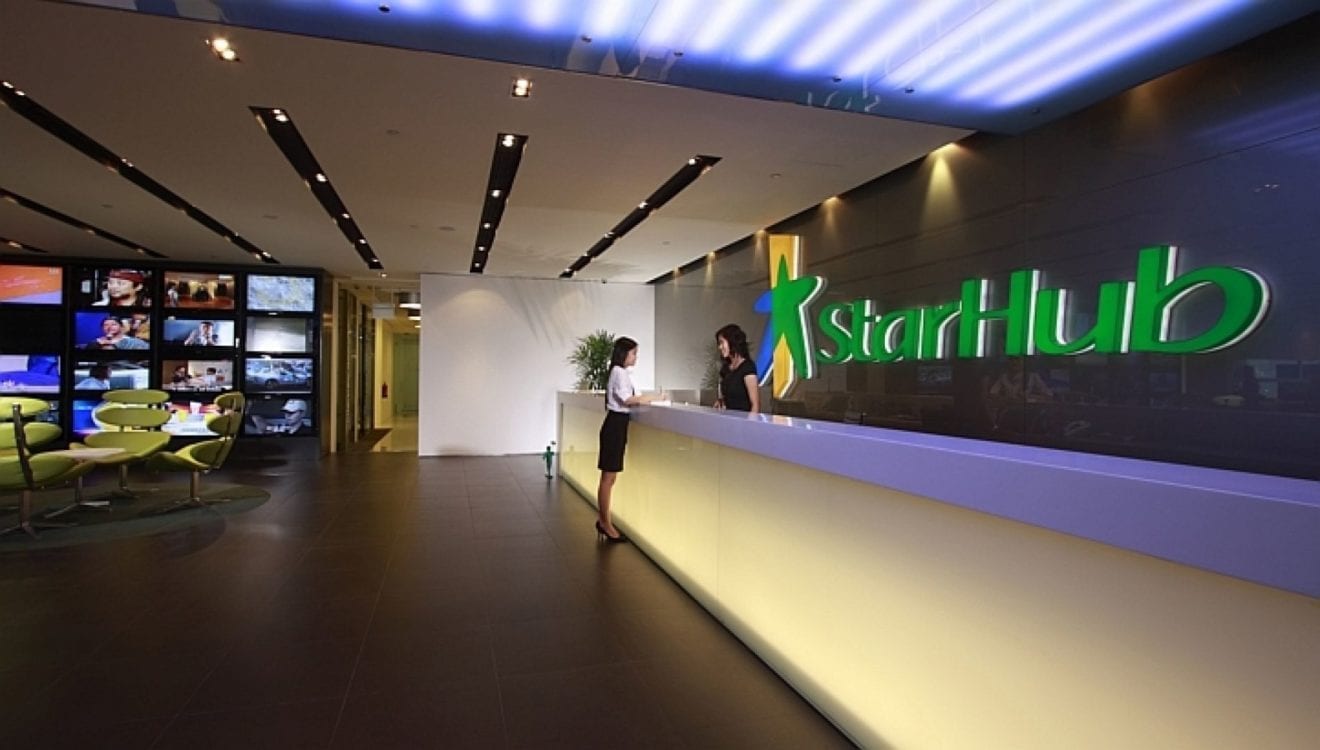
    TUG robots (pictured) were designed by ST Engineering’s land systems business Aethon. They are designed to transport materials of up to 635kg per trip.

    The robots are integrated with a customer’s Wi-Fi infrastructure, elevator and IT systems to allow it to navigate autonomously on premises, including by opening doors and riding elevators.

    TUG will be the second robotics solution introduced by StarHub for corporate customers. The operator is offering managed robotics solutions through an as a service business model, which includes round-the-clock technical support and maintenance services.

    In addition, the partnership is part of StarHub’s connected building initiative to provide IoT solutions for companies to solve environmental sustainability, productivity or safety challenges.

    “Faced with continued manpower crunch, the hospitality industry is increasingly turning to innovation and automation to drive better business outcomes,” StarHub chief of enterprise Dr Chong Yoke Sin said.

    “We are pleased to partner ST Kinetics to offer the TUG to our customers, for tasks involving heavy lifting. This can help reduce lifting hazards and boost productivity, ultimately saving costs for customers.”

  • APAC leading global online payments boom

    APAC leading global online payments boom

    Asia Pacific is at the forefront of a global trend toward increasing complexity in the online payments market, according to research from payments company Worldpay.

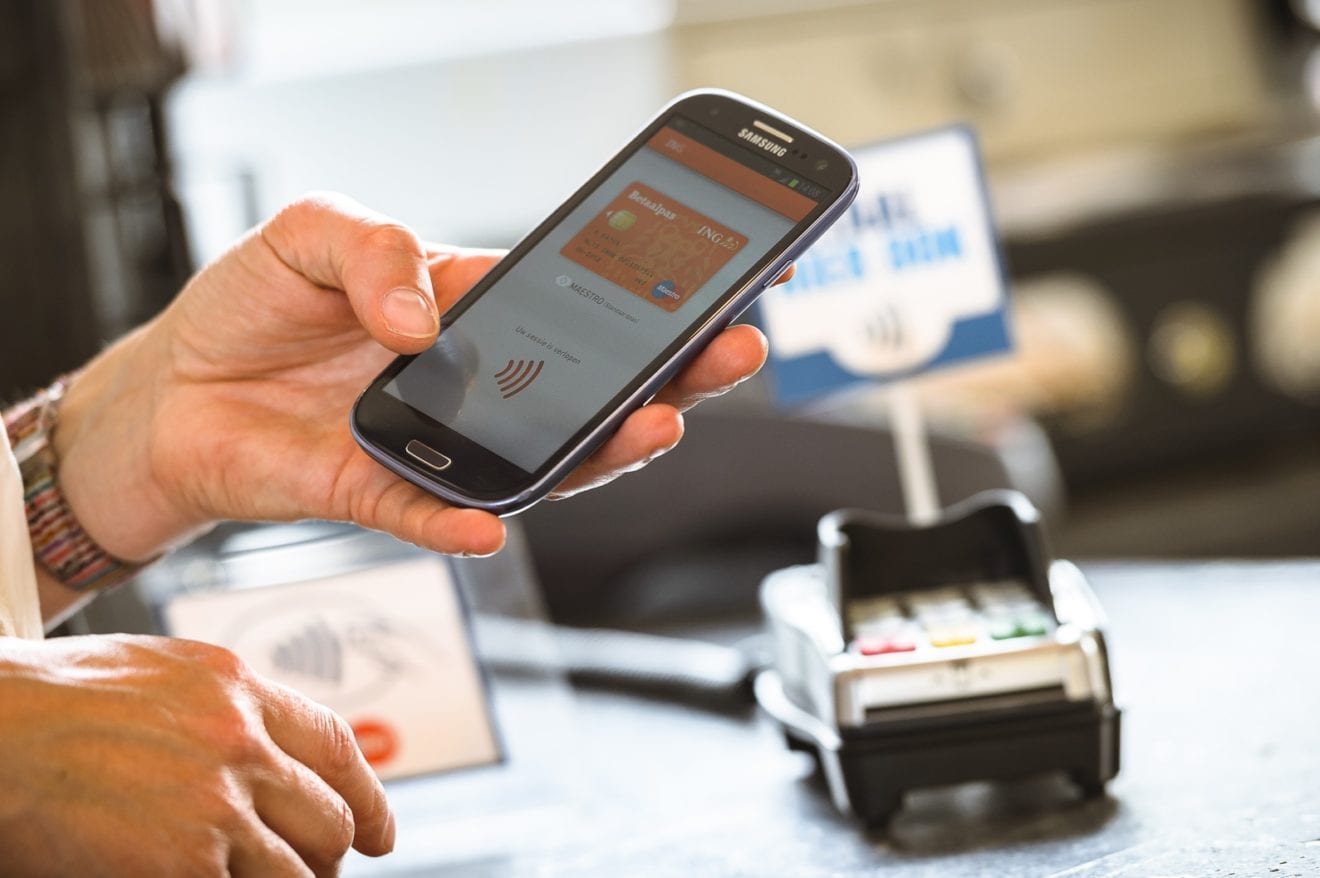
    The research found that consumers across APAC increasingly prefer to pay online via alternative payment methods such as e-wallets, bank transfers and cash on delivery. The annual Global Payments Report states that the Asia Pacific e-commerce market will grow by an average of 12% annually, and is set to be worth $2.1 trillion by 2021.

    Alternative payments are cementing their place at the heart of online shopping in this region – echoing a global trend toward fragmentation in online payments, as options like mobile wallets, pre-paid cards and bank transfers continue to steal market share from more traditional payment methods like credit and debit cards.

    The report found that in China – the world’s largest e-commerce market – most consumers prefer to pay with an e-wallet such as Alipay, Tenpay or WeChat Pay. E-wallets now account for 62% market share in China. Meanwhile credit cards are currently the second most popular payment method for online shoppers (10%), and bank transfers are set to overtake credit cards by 2021, increasing their market share to 14%.

    This growing preference for alternative payments can be seen amongst online Asian shoppers:

    • In Hong Kong, e-wallets are catching up to credit cards, and are set to make up more than a quarter of the online payments market (28%) by 2021.
    • In Singapore, while credit cards are overwhelmingly the payment method of choice in 2017 (66% market share), by 2021 both bank transfers and e-wallets are set to nearly double in share; from 11% to 21% and 13% to 21%, respectively.
    • In Australia, bank transfers are set to overtake credit cards by 2021, increasing 23.3 percentage points to become the most popular payment method, with a whopping 43% of the market.
    • In India, e-wallets (26%) and bank transfers (24%) are already the most popular payment methods, and by 2021 credit cards are expected to decline from 12% to 8% market share.

    Phil Pomford, general manager for Asia Pacific at Worldpay, commented that consumers are leading the charge in demanding more opportunities to use alternative payment methods online.

    “While there are significant variations in how consumers in different Asian markets prefer to pay, a constant is that they are shifting away from more traditional options like credit and debit cards, and instead choosing e-wallets, bank transfers and cash on delivery,” he explained.

  • Indonesia threatens to block WhatsApp messaging over obscene content

    Indonesia threatens to block WhatsApp messaging over obscene content

    Indonesian government gave Whatsapp a two-day notice to block obscene GIF images.  Indonesia on Monday vowed to block Facebook Inc’s WhatsApp Messenger within 48 hours if the service did not ensure that obscene Graphics Interchange Format (GIF) images were removed.

    WhatsApp, which is widely used in Indonesia, the world’s most populous Muslim-majority nation, said message encryption prevented it from monitoring the animated graphics files, known as GIFs, that are available on the app through third-party services.

    WhatsApp said in a statement on Monday that it asked the government instead to work with those providers, which integrate their technology into WhatsApp to allow users to enter keywords to search for GIFs.

    Indonesia’s Internet is partly censored, with access blocked to websites providing criticism of Islam, dating services and sex education, according to research published in May by Tor Project, a nonprofit maker of Web browsing tools.

    Semuel Pangerapan, a director general at Indonesia’s communications and informatics ministry, said WhatsApp would be blocked within 48 hours unless the images supplied by third parties were taken off the service.

    “Yes, true. They have to follow the rules of the host,” Pangerapan said of the proposed block.

    The ministry had sent three letters to WhatsApp over the issue, he said.

    “They have responded, but asked us to speak directly to the third party. The GIFs appeared in their apps. Why do we have to be the one speaking to the third party? They are supposed to be the ones managing it,” said Pangerapan.

    Tenor Inc, one of the third parties, said it was attempting to release a “fix.” Giphy Inc, another provider, did not respond to requests to comment.

    Jennifer Kutz, a Tenor spokesperson, said in a statement that the company is working “to address the content issues raised by the Indonesian government within the next 48 hours.”

    Kutz said the company “regularly” works with “local entities to make sure our content reflects the cultural mores and legal requirements.”

    She declined to identify the proposed fix or existing regions with content restrictions. Tenor allows integrators of its service to block potentially objectionable image results or a defined list of search terms.

    “In the case of WhatsApp, we’re taking on this responsibility,” Kutz said in an email.

    Giphy, a New York City company that also works with WhatsApp, offers its partners a feature for filtering inappropriate images.

    Indonesia’s warning did not appear to target Gboard, a keyboard app developed by Google that provides comparable GIF search results but must be installed separately from WhatsApp on most devices.

    Indonesia had 69 million monthly active Facebook users as of the first quarter of 2014, ranking the country fourth globally after the United States, India and Brazil, company data showed.

    Some reaction on Indonesian social media to the threatened block was sceptical. “While you’re at it, why don’t you block Twitter too, (and) if necessary all browsers in the Playstore, because it’s way easier to search for porn there than on WhatsApp,” wrote one Twitter user, with the handle @jnessy.

    The country’s regulators have reached settlements with several technology companies after threatening to shut them down. In August, Indonesia announced it would block Giphy’s website for showing gambling-related ads. Access soon was restored after it agreed to cooperate with regulators.

    Bans similarly were rescinded in recent years on social media websites such as Vimeo and Tumblr and the chat app Telegram, which regulators had said was “full of radicals and terrorist propaganda.”

    The Indonesian Consumers Foundation (YLKI) had urged the communications ministry to block pornographic GIF images accessible via emoticons, complaining that children could easily reach them, according to news website kompas.com. Terms of use for WhatsApp, Tenor and Giphy say users must be 13 years old.

  • AirAsia to refund travellers wrongly charged departure tax

    AirAsia to refund travellers wrongly charged departure tax

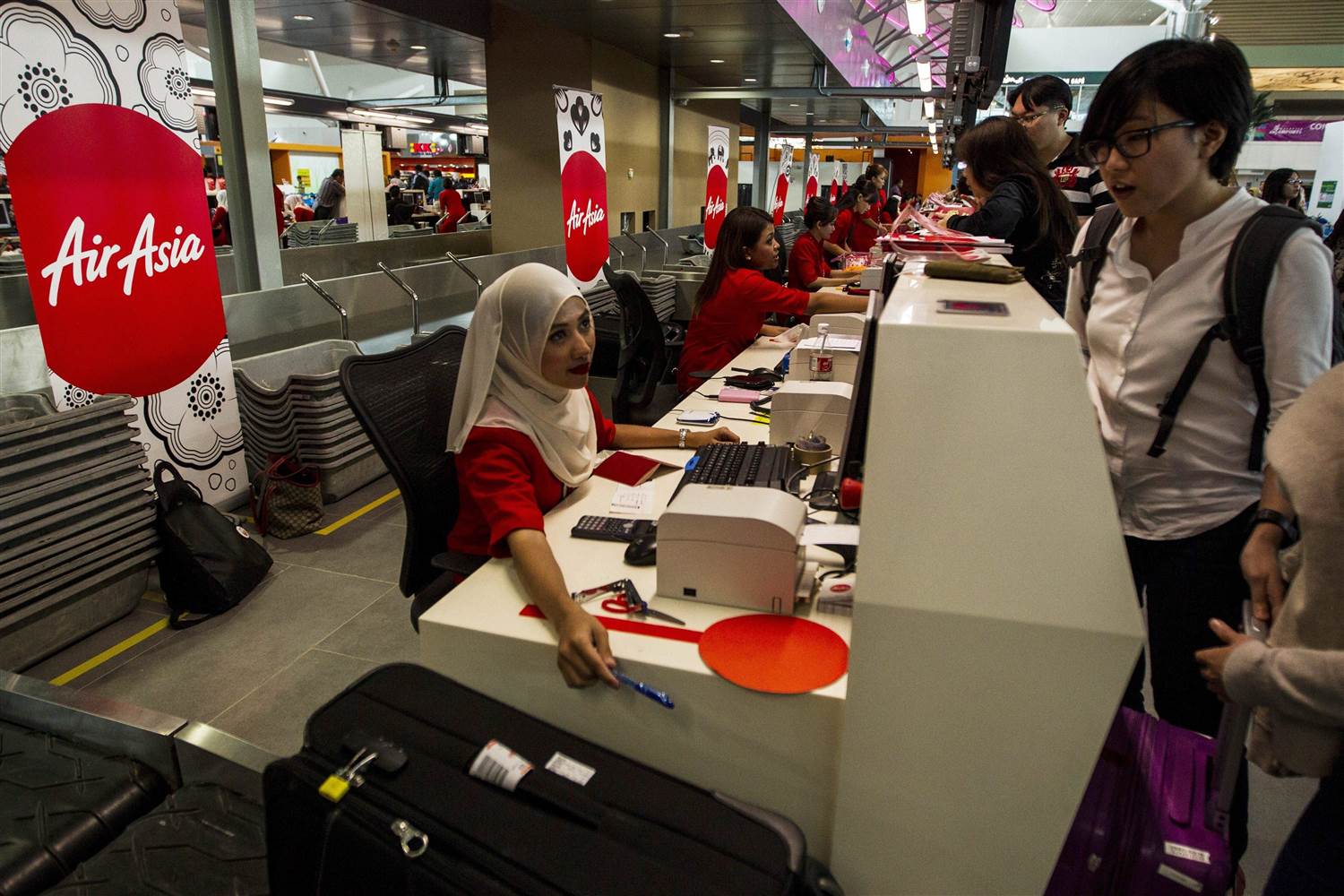
    The Territory man who raised the issue of AirAsia incorrectly charging families leaving Australia is over the moon that those wrongly charged will be getting the $60 departure tax back.

    Air Asia has identified 9700 flyers who may have been incorrectly charged the $60.

    The Australian Consumer and Competition Commission said Territorians who flew from Darwin to Bali on Air­Asia between December 2010 and September 2017, and travelled with a child under 12, were getting their $60 back.

    AirAsia is issuing at least $500,000 in refunds.

    All passengers leaving Australia are required to pay a Passenger Movement Charge of $60, however children under the age of 12 are exempt from the tax.

    The NT News was alerted to the issue of overcharging in late September by Stuart Park resident Thomas Sawyer, who came across the discrepancy when he was booking flights to Bali for a family holiday.

    At the time Mr Sawyer said he tried to contact AirAsia, only to be told to send them the details of his tickets.

    “This is amazing news … it’s really good to hear, I am so pleased,” Mr Sawyer told the NT News yesterday.

    “I’m particularly pleased because I spent 12 months trying to get people to fix this before I went to the NT News for help.

    “I went to both local federal pollies Nigel Scullion and Luke Gosling’s offices and neither cared enough to do anything about it. I went to plenty of others as well with zilch outcome.

    “I went to the NT News and AirAsia fixed the issue within hours of the story appearing.

    “I like AirAsia and I just wanted the problem fixed.”

    The ACCC is alerting affected travellers they could be entitled to a refund if they were incorrectly charged the $60 fee on their children’s tickets.

    It is understood AirAsia has also started notifying by email those passengers eligible for a refund of the incorrectly applied Passenger Movement Charge.

  • DoCoMo trials 4K video streaming for cars over 5G

    DoCoMo trials 4K video streaming for cars over 5G

    NTT DoCoMo joined forces with Toyota, Ericsson and Intel on a trial of 5G technologies for automobiles, achieving data speeds of up to 1Gbps in a vehicle traveling at 30km/h.

    The trial of 4K video communications was conducted along Tokyo’s Odaiba waterfront. It involved a moving vehicle mounted with an Intel GO 5G automotive platform terminal equipped with an on-board antenna head.

    The trial environment was constructed by DoCoMo using multiple Ericsson base stations and the Cloud RAN platform. Live 4K video was streamed at data speeds of up to 1Gbps downlink and 600Mbps uplink.

    Further trials will be conducted by the four companies to test the practicality of advanced services for 5G connected cars and other applications.

    The technology will also be demonstrated at the National Museum of Emerging Science and Innovation in Tokyo from November 9 to 11 as part of the DoCoMo R&D Open House 2017.

    NTT DoCoMo parent company NTT Group and Toyota have meanwhile agreed to collaborate on the research and development of an ICT platform for 5G connected cars.

  • SK Telecom Q3 revenue grows 4.7%

    SK Telecom Q3 revenue grows 4.7%

    SK Telecom has reported a 4.7% year-on-year increase in revenue for the third quarter to 4.44 trillion won ($3.99 billion), on the back of a solid performance across the operator’s core segments.

    Net profit surged 146.2% year-on-year to 793 billion won due to higher gains on the operator’s equity method investment in chipmaker subsidiary SK Hynix.

    Mobile service revenue grew 1.7% over the same period to 2.74 trillion won, driven by solid subscriber and data usage growth.

    SK Telecom’s total customer base increased by 705,000 to 30.16 million, with LTE data users accounting for 74.8% of these subscribers.

    Broadband subsidiary SK Broadband meanwhile reported a 1.2% increase in revenue to 760.2 billion won due to growth in IPTV subscription and paid content sales. High speed internet customers increased 1.1% sequentially to 5.4 million.

    Internet platform unit SK Planet posted a 5.8% improvement in revenue to 285.1 billion won, due primarily to the growth of its online commerce business, but still reported a loss of 55.2 billion won.

    Overall capex increased 5.3% year-on-year and 68.3% quarter-on-quarter to 556.7 billion won, while marketing expenses were up 10.8% year-on-year to 797.6 billion won.

    Looking ahead, SK Telecom said it continues to explore opportunities in new businesses such as AI, IoT and autonomous driving to ensure mid- and long-term growth.

  • Tonton Is Now Officially Available On AirAsia Flights via ROKKI

    Tonton Is Now Officially Available On AirAsia Flights via ROKKI

    Launched in 2014, ROKKI first appeared under the limelight as the on-board Wi-Fi service forAirAsia flights. From there, the service was further enhanced with the addition of in-flight entertainment last year – and it has just received a boost in terms of its content proposition thanks to a new partnership with the popular local streaming service, tonton, by Media Prima.

    Officially introduced today on a flight from Kuala Lumpur to Kota Kinabalu, ROKKI’s in-flight entertainment service can be utilized by smartphones and tablets through Wi-Fi. Unfortunately, the service is not able to support laptops at the moment.

    Given the nature of in-flight Wi-Fi, tonton’s content are not delivered directly into each aircraft using the service’s mobile apps or website as per norm. Based on our conversation with the General Manager of tonton, Ben Jern Loh, the content is first loaded into ROKKI’s own internal system for distribution on AirAsia flights.

    Hence, it is not surprising that users don’t get the full tonton catalog while they are in the air for the time being. Nevertheless, we were informed that the content might vary from one flight to another depending on their duration. Also, the content will be refreshed from time to time.

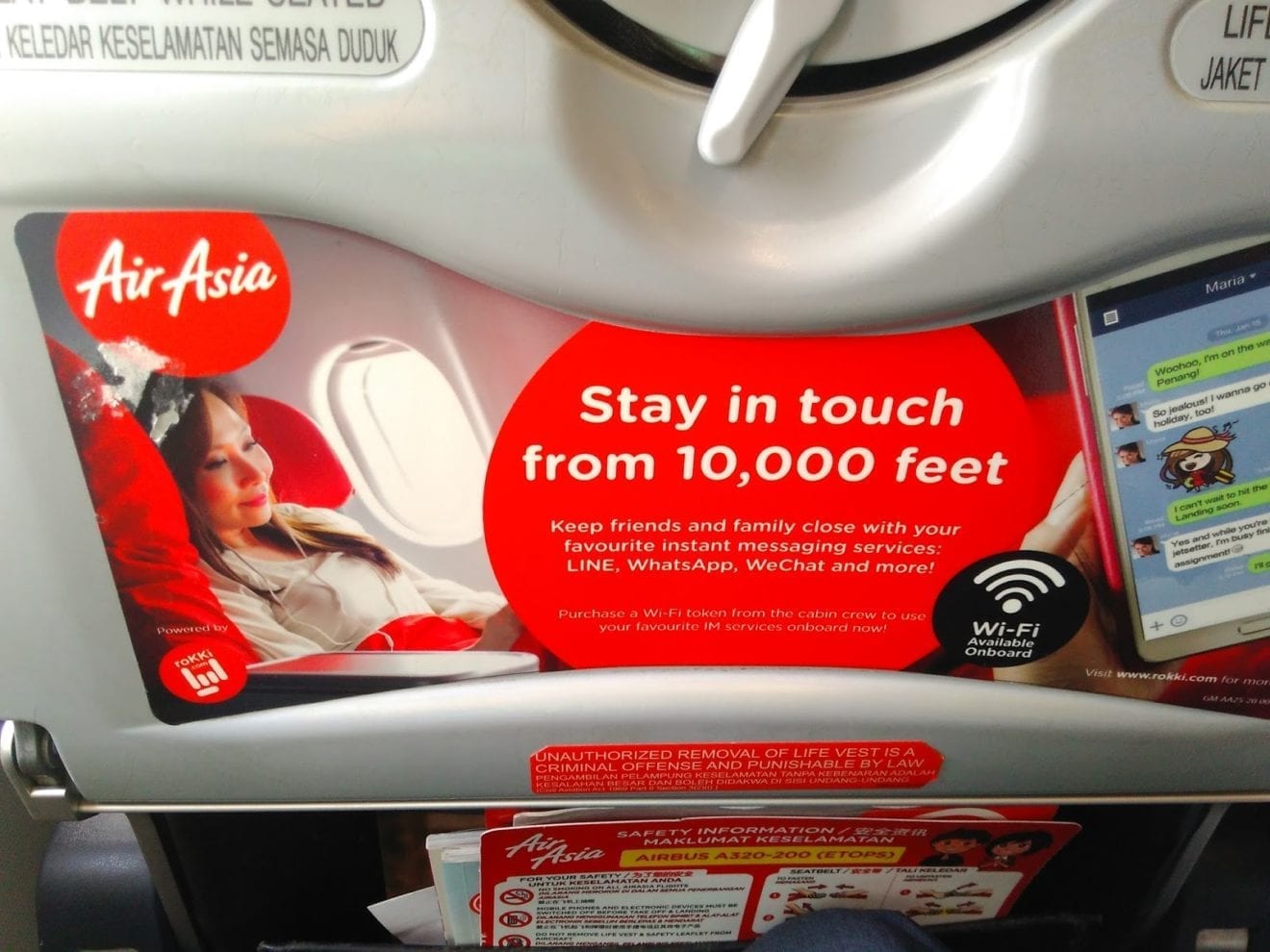
    In terms of content selection, it is curated by ROKKI’s team itself with assistance from tonton. Currently available for free on selected AirAsia flights, ROKKI in-flight Wi-Fi and entertainment service are activated once the aircraft reaches 10,000 feet in the air. To learn more, head on to its official website.

  • Vietjet launches Golden Day Promotions with 500,000 HKD0 ticket offers

    Vietjet launches Golden Day Promotions with 500,000 HKD0 ticket offers

    To welcome the upcoming travel and most beautiful festive season in the year, Vietjet offers 500,000 tickets priced from only HKD0 (*) with two 3-Golden Days Promotion. The sensational promotion will be available from November 8 to 10 and November 14 to 16, during the golden hours of 13:00 to 15:00 daily.

    The promotional tickets will be applied for all international routes to Hong Kong, Seoul, Busan (South Korea)/ Kaohsiung, Taipei, Taichung, Tainan (Taiwan)/ Singapore/ Bangkok, Phuket, Chiang Mai (Thailand)/ Kuala Lumpur (Malaysia)/ Yangon (Myanmar)/ Siem Reap, Phnom Penh (Cambodia) with the flight time being from December 1, 2017 to May 31, 2018. Except for the travel period for Ho Chi Minh City – Chiang Mai route which runs from December 12, and Ho Chi Minh City – Phuket route from December 15, 2017.

    The super seasonal offer follows the opening of the routes from Ho Chi Minh City to Phuket and Ho Chi Minh City to Chiang Mai (Thailand), which serve the traveling, trading demands between these well-known destinations in Vietnam and Thailand.

    Considered as the ideal traveling season for the cool and dry weather which is suitable for most entertaining activities and outdoor excursions, the travel cost for this period which is also lower than the summer vacation makes the offer even more attractive. It is also a good opportunity for tourists to combine the enjoyment of natural beauties with shopping, spiritual tourism or relaxation in the year end.

    With high-quality services, diverse ticket classes, special low-fare tickets, Vietjet offers its passengers flying experiences on new aircraft, comfy seats, delicious hot meals, beautiful and friendly flight attendants and other interesting added-on services.

  • Morozoff coming back after 14 years

    Morozoff coming back after 14 years

    Making a comeback after 14 years, Japanese confectionery and chocolatier Morozoff has opened a stand-alone boutique at Plaza Singapura.

    It sells 90 per cent of Morozoff’s full range including chocolates, cookies and packaged baked goods such as madeleines.

    Founded in Kobe in 1931, the brand had been previously available in Singapore from 1984 at the Japanese department store Daimaru at Liang Court. After Daimaru closed in 2003, Morozoff left the market as well.

    This time round, Morozoff has been brought in by Uptron, the first foray into F&B by the electronics and gaming company that distributes across South-east Asia.

    Morozoff’s return is past of a new wave of Japanese food brands setting up in Singapore, including Maple Mania and Tokyo Milk Cheese Factory. The chocolatier has more than 1000 shops and 33 cafes in Japan and is also available in China, Hong Kong and Taiwan. The Singapore shop is its 19th overseas outlet.

    Uptron plans to open about 10 Morozoff shops and cafes in Singapore over the next few years. It also wants to take the brand to other Southeast Asian countries such as Indonesia, Malaysia, Thailand and the Philippines.

    Director/COO Girish Pradeep Tewani’s link with Morozoff goes back to his childhood when his father, Uptron’s founder Pradeep Kumar Tewani would bring its products home from his business trips to Japan.

    Uptron will be looking into setting up a central kitchen when it opens its cafes so it can produce Morozoff’s signature desserts Denmark Cream Cheese Cake and Custard Pudding.

    Many Japanese people live in Singapore, says Morozoff president Shinji Yamaguchi. “We recognise that our products may be more high end, but we see potential in Singapore because of the standard of living .”

    The company’s products are flown to Singapore at least once a week.