Author: Mei Ling Tan

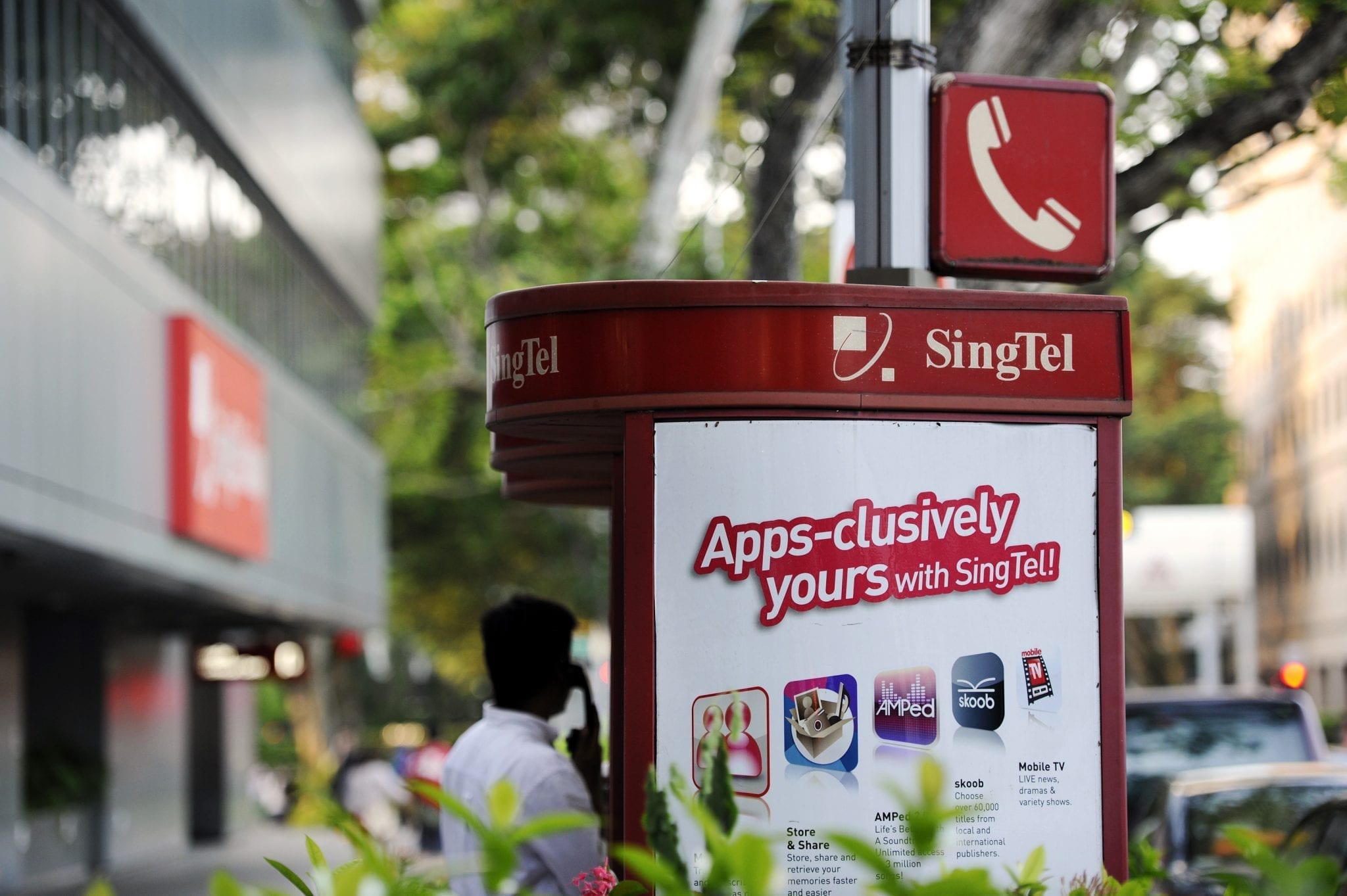
  • Singtel launches $1.89b IPO for NetLink Trust

    Singtel launches $1.89b IPO for NetLink Trust

    Singtel has launched an up to S$2.63 billion ($1.89 billion) IPO for its fiber broadband subsidiary NetLink NBN Trust.

    NetLink NBN Trust is the holding company for NetLink Trust, the company operating the passive infrastructure for the next generation nationwide broadband network (NG-NBN).

    NetLink NBN Trust has filed a preliminary prospectus with the Monetary Authority of Singapore ahead of the planned IPO and listing of the company on the Singapore stock exchange.

    In its role as the NetCo for the NG-NBN, NetLink Trust designs, builds, owns and operates the ducts, manholes, fiber cables and central offices and other passive infrastructure for the network. Its assets include around 76,000km of fiber cable.

    The company sells wholesale dark fiber services to licensees including Singtel itself, StartHub, M1 and MyRepublic. It recorded revenue of S$299 million and net profit of NZ$79.4 million in the most recent financial year ending in March.

    The IPO is expected to give NetLink Trust an initial market capitalization of between S$3.09 billion and S$3.59 billion.

    It will also fulfill Singtel’s regulator-mandated requirement of divesting at least 75% of the trust before next April, as part of the structural separation requirements for the state-led NG-NBN project.

    The IPO is on track to become Singapore’s largest public float since the S$7.6 billion listing of Hutchinson Port Holdings Trust in 2011.

  • Eres opens first Hong Kong store

    Eres opens first Hong Kong store

    High-end women’s swimwear and underwear brand Eres has opened in Hong Kong, the first official Eres store in Asia.

    Located in the Harbour City Shopping Mall in Tsim Sha Tsui, the French retailer has brought all its current swimsuits, bikinis and lingerie collections to the shopping hub city and will follow the aesthetic of other Eres boutiques across the globe.

    Part of the prestigious Chanel group since 1997, Eres was founded by Irene Leroux in 1968 as a swimwear label. In 1998, Chanel expanded the brand into lingerie and in 2011, the French brand started opening across the globe, opening stores in Las Vegas, Toronto, Antwerp, Kiev, Saint Bart’s and Sao Paulo.

    In 2013, it ventured into Amsterdam, Moscow, Athens and Connecticut, and opened its first German store in Hamburg in 2014.  In the same year it was scooped up by luxury e-tail giant Net-a-Porter.

    Before Hong Kong, the last Eres store was opened in Houston last year, with more U.S. openings in 2017. In Asia, Eres has a Singapore shop inside the Four Seasons Hotel on Orchard Boulevard and a concession in Japan inside the Isetan department store.

    The brand also recently created a capsule swim collection inspired by Ursula Andress, the Swiss actress who played the first Bond girl.

    Eres Hong Kong is located at 260A, Ocean Centre in Tsim Sha Tsui’s Harbour City complex.

  • Visa Thailand Grand Sale goes digital as the flagship inbound program gets a mobile revamp

    Visa Thailand Grand Sale goes digital as the flagship inbound program gets a mobile revamp

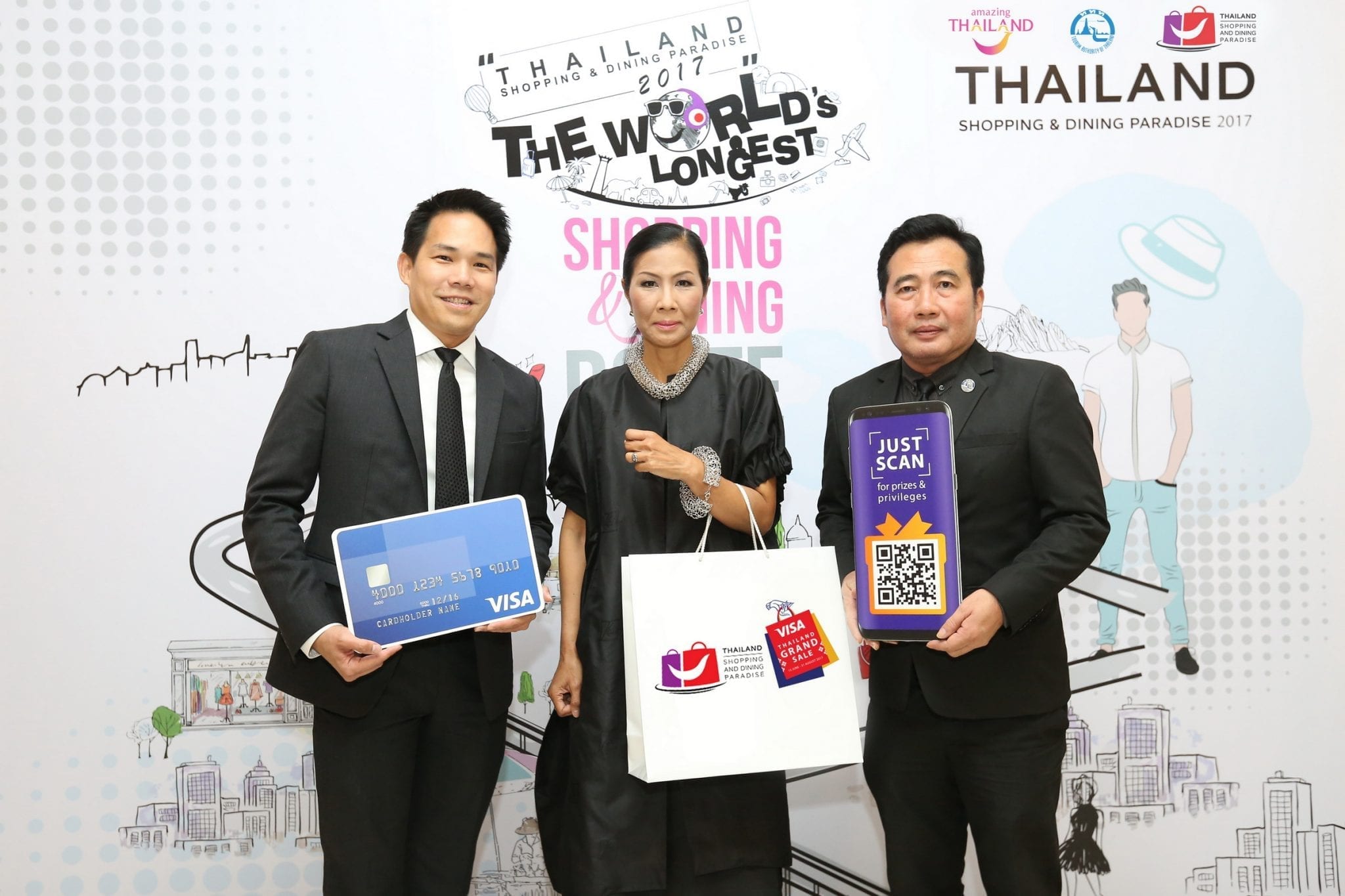
    Thailand Minister of Tourism and Sports Ms. Kobkarn Wattanavrangkul (center), Mr. Noppadon Pakprot (right), Deputy Governor for Tourism Products and Business, Tourism Authority of Thailand (TAT), and Mr. Suripong Tantiyanon (left), Visa Country Manager, Thailand launch Visa Thailand Grand Sale 2017.

    This year the entire customer journey will be made available for the first time on mobile. Visa cardholders can simply sign up by scanning a QR code at more than 7,000 merchant locations nationwide. To claim the offers, cardholders simply present the code or screen capture with merchants.

    Customers with internationally issued Visa cards who registered upon arrival at the airport will receive a welcome pack consisting of a complimentary SIM card with WIFI access, Grab ride worth THB 100, and a complimentary drink at Coffee World.

    More than 50 leading retailers in Bangkok, Pattaya, Chiang Mai and Phuket take part in Visa Thailand Grand Sale, which runs from 15 June to 31 August 2017. In Bangkok, Visa Thailand

    Grand Sale is present in three shopping and dining clusters: Downtown Bangkok from Siam to Asoke; Along the Chaophraya River at River City and Asiatique; and outer Bangkok on Bangna and Ramintra.

    Offers extend to popular online shopping websites: Lazada Thailand and Sephora.

    Suripong Tantiyanon, Visa Country Manager, Thailand said: “Having served millions of visitors to Thailand over the past 20 years, this platform has been revamped to meet the changing travel needs and behaviours. This year it has been renamed “Visa Thailand Grand Sale” from “Amazing Thailand Grand Sale” in partnership with TAT’s Thailand Shopping and Dining Paradise program.”

    For every THB 1,000 spent with Visa during the campaign, cardholders will receive a ticket to enter a lucky draw. There are ten prizes, each including two return air tickets and a maximum of seven-night stay at one of the program’s destinations. Five prizes are for international Visa cardholders and the other five are for participants with Thailand-issued Visa cards.

  • Asian Retailers use mobile engagement to grow sales

    Asian Retailers use mobile engagement to grow sales

    Mobile devices have become an essential tool for retailers across Asia looking for more effective ways to engage their customers. Whether using a smartphone or tablet, and whether comparing products and prices, reading product reviews, or making purchases, consumers’ always-on mobile devices are now a pivotal feature of the retail experience. Mobile is now the logical centrepiece for enhanced customer engagement.

    A recent global study by Nielsen found that Asia Pacific leads the way when it comes to mobile shopping, with use above the global average for every mobile shopping activity.

    Customers are engaging more of the in-store experience on their mobile devices, with Nielsen finding that more than half of shoppers use their mobile device when shopping to compare prices or look up product information.

    Progressive retailers are embracing cross-channel engagement strategies, which extend the physical contact that customers have with the store into all possible digital touch points. 

    Two of the main ways that retailers across Asia are using mobiles to engage their customers are for promotional offers to drive sales, and for after sales support and feedback capture to continuously improve the customer experience.

    Driving sales

    Based on customer preferences and purchase history, retailers may send rich, on-brand offers to customers, refined by attributes like market segment, location or social media interaction. These can include text updates announcing upcoming sales as well as discount codes sent directly to native apps or rich messages within the phone browser. Geolocation allows timely, contextual offers to be sent to customers when they are actually in-store, prompting high, immediate redemption rates.

    Nielsen found that almost half of shoppers use their device to look for coupons or deals (44%), make better shopping decisions (42%) or make shopping trips quicker or more efficient (41%).

    Mobile messaging allows an unprecedented level of real-time contact with customers and it’s vital to maintain trust and add value when communicating this way. Giving customers the ability to opt in and out of contact, as well as setting their personal preferences ensures that contact is both welcome and relevant. 

    Customer satisfaction

    Given the general preference for rapid, easily accessed communication, SMS is a viable initial channel for customer service, lowering costs, and keeping contact concise and focused.

    More complex conversations can readily be facilitated by seamlessly pivoting from SMS into mobile web, app, phone or email, allowing customers to engage further via their preferred contact paths when it suits them. This provides immediate options for customers to feed back negative responses for action, reducing risk of social media venting, and brand impact.

    Best practice mobile engagement insights

    There are a few elements that all retailers should consider when designing effective mobile management to grow sales and improve customer service.

    1. Multi-channel communication – send messages to customers in the way that suits them, whether that’s voice, SMS, push, social media, rich messages or email, to improve the rates of delivery. Knowing that customers will almost always have their mobiles close allows retailers to provide messages on all these channels
    2. Geolocation – GPS-enabled smartphone applications allow users to share real-time location information, with relevant data and offers matching the customer’s location.
    3. Automated and integrated messages – incorporating messaging systems with other customer facing and internal technologies such as CRM, marketing and billing systems reduces the need for manual intervention, providing a range of automated, high value communications options, including: customer surveys for generating instantaneous feedback; voucher and barcode downloads; loyalty program offers; time based offers; multilingual support options; and mobile catalogues. 
    4. Consolidate and simplify communications – combining communications streams into a single platform, provides a single view of the customer engagement, regardless of their preferred medium or location, while vastly reducing cost and complexity of managing diverse communications tools.
  • Korea ranks number 1 in online grocery shopping

    Korea ranks number 1 in online grocery shopping

    South Korea ranked No. 1 in terms of e-commence for grocery shopping, far outpacing other major developed countries, an industry report showed.

    According to the report by industry tracker, Kantar Worldpanel, the percentage of fast-moving consumer goods shopping via online and mobile channels out of all purchases in South Korea between June 2015 and June 2016 came to 16.6 percent.

    FMCG refers to goods such as soft drinks, toiletries, over-the-counter drugs, processed foods and many other consumables.
    Japan came in second with 7.2 percent, followed by the United Kingdom with 6.9 percent, France with 5.3 percent and Taiwan with 5.2 percent, the report showed.

    For the United States, the share of e-commerce represented just 1.4 percent, Kantar Worldpanel said. However, with initiatives from Amazon and more established grocery retailers, the region is likely to catch up quickly.

    South Korea also ranked the highest in terms of the percentage of households that buy online FMCG products at least once a year.

    Industry watchers attributed the broadened digital shopping experience by South Koreans to an aggressive expansion of online-based fresh food delivery services by key e-commerce companies and related startups.

    The diversification of fresh food supplies and shortened delivery periods due to heated market competition has led to the overall increase of the transactions and improvement of online shopping services for consumers.

    The growing number of single-person households is another factor that has fueled the demand for online grocery shopping here, observers added.

    Along with many double-income families that have little time to shop at a supermarket, those who live and eat alone have shown a tendency to spend generously if they can have groceries delivered with a simple click.

    One-person households in Korea account for some 35 percent of the total population as of September 2016. The trend has prompted local retailers and e-commerce companies to scramble to launch fresh food delivery services.

  • China Telecom to expand JV with AT&T

    China Telecom to expand JV with AT&T

    China Telecom has agreed to extend its partnership with AT&T to cover the development of more advanced network services for multinational companies operating in China.

    The operators have signed a framework agreement to explore ways to develop new IoT, cloud-based big data, VoLTE roaming and SDN based services.

    AT&T, China Telecom and Shanghai Information Investments entered a joint venture in 2000, Shanghai Symphony Telecommunications (SST). The companies now plan to expand the scope of SST as well as the locations it serves.

    Under the agreement, China Telecom and AT&T aim to help establish industry standards for SDN, explore ways to collaborate on IoT platforms and solutions, launch bilateral roaming tests and explore the potential of VoLTE roaming.

    “Working with AT&T, China Telecom is creating future business solutions that use enterprise mobility, cloud, IoT and other technologies,” China Telecom executive director and EVP Gao Tongqing commented.

    “Global businesses have to be innovative and agile to succeed today. Growing our relationship with China Telecom, AT&T is helping multinational customers have consistent access to the advanced solutions they need in China,” added Thaddeus Arroyo, CEO of AT&T Business Solutions and International segment.

  • New Cebu Pacific flights from Davao to boost tourism

    New Cebu Pacific flights from Davao to boost tourism

    New Cebu Pacific direct domestic flights from Davao are seen as another door of opportunities for the local tourism industry especially for the upcoming Kadayawan Festival, said City Tourism Operations Office (CTOO) official. By July 26, Cebu Pacific will have scheduled flights three times a week, Monday, Wednesday, and Friday between Davao and Dumaguete. They will also fly four times a week from Davao to Tacloban and vice versa starting July 27. Schedules will be every Tuesday, Thursday, Saturday, and Sunday.

    The flights will be carried by the Cebgo fleet of ATR aircraft. “We’re very happy with these updates as it means opportunities for us. We’re deep into planning for Kadayawan so we’ll include these new routes in our plans. We’re going all out now with preparations and events. We’re setting up a Kadayawan Village at Magsaysay Park and hoping that Dabawenyos will also help promote and join the activities,” said CTOO Head Generose Tecson. It was earlier reported that the tourism sector in Davao City had been “slightly affected” by the declaration of Martial Law in Mindanao especially with the hotel bookings, accommodations, and events being cancelled for security purposes.

    Aside from the direct Davao flights to be launched by the last week of July, Cebu Pacific will also launch flights between Cebu and Masbate, Zamboanga and Cotabato, and Cagayan de Oro and Zamboanga.

  • Vietnam to continue fuel import

    Vietnam to continue fuel import

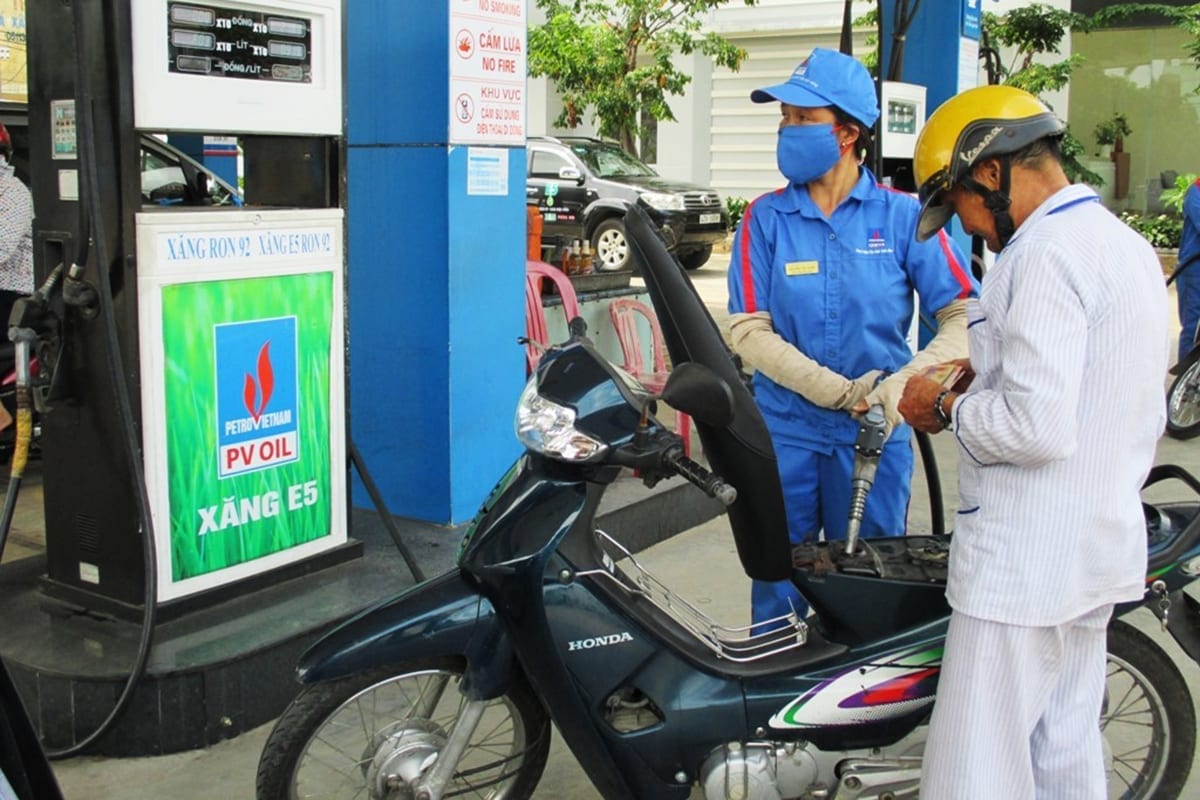
    According to a report issued June 26  by Binh Son Refining and Petrochemical Company (BSR), the operator of the US$3-billion Dung Quat Oil Refinery in Quang Ngai Province, the country is projected to consume 6.5 million tons of gasoline and 8.5 million tons of DO from 2018 to 2022.

    Meanwhile, Dung Quat and another oil refinery, Nghi Son, can supply nearly six million tons of petrol and seven million tons of DO from 2018, representing 92% and 82% of domestic demand respectively.

    The shortfall would be offset by fuel imports from Singapore, Malaysia, Thailand, South Korea and China.

    Nghi Son Oil Refinery in Thanh Hoa Province will be put into operation next year with an annual processing capacity of 10 million tons of crude oil. It is expected to supply 8.8 million tons of fuels, including about 2.3 million tons of petrol and 3.7 million tons of DO, meeting 40% of local needs.

    Condensate processing plants such as PVOIL Phu My, Saigon Petro, Nam Viet Oil and Dong Phuong have a combined annual capacity of 690,000 tons of gasoline.

    Since its debut seven years ago, Dung Quat has sold over 47 million tons of fuels with total revenue amounting to more than US$36 billion and profit reaching over VND13 trillion (US$0.57 billion) by the end of the first quarter of 2017.

    BSR has paid over US$7 billion in taxes to the State.

  • SPAR and DHL launch first of 300 convenience stores in Thailand

    SPAR and DHL launch first of 300 convenience stores in Thailand

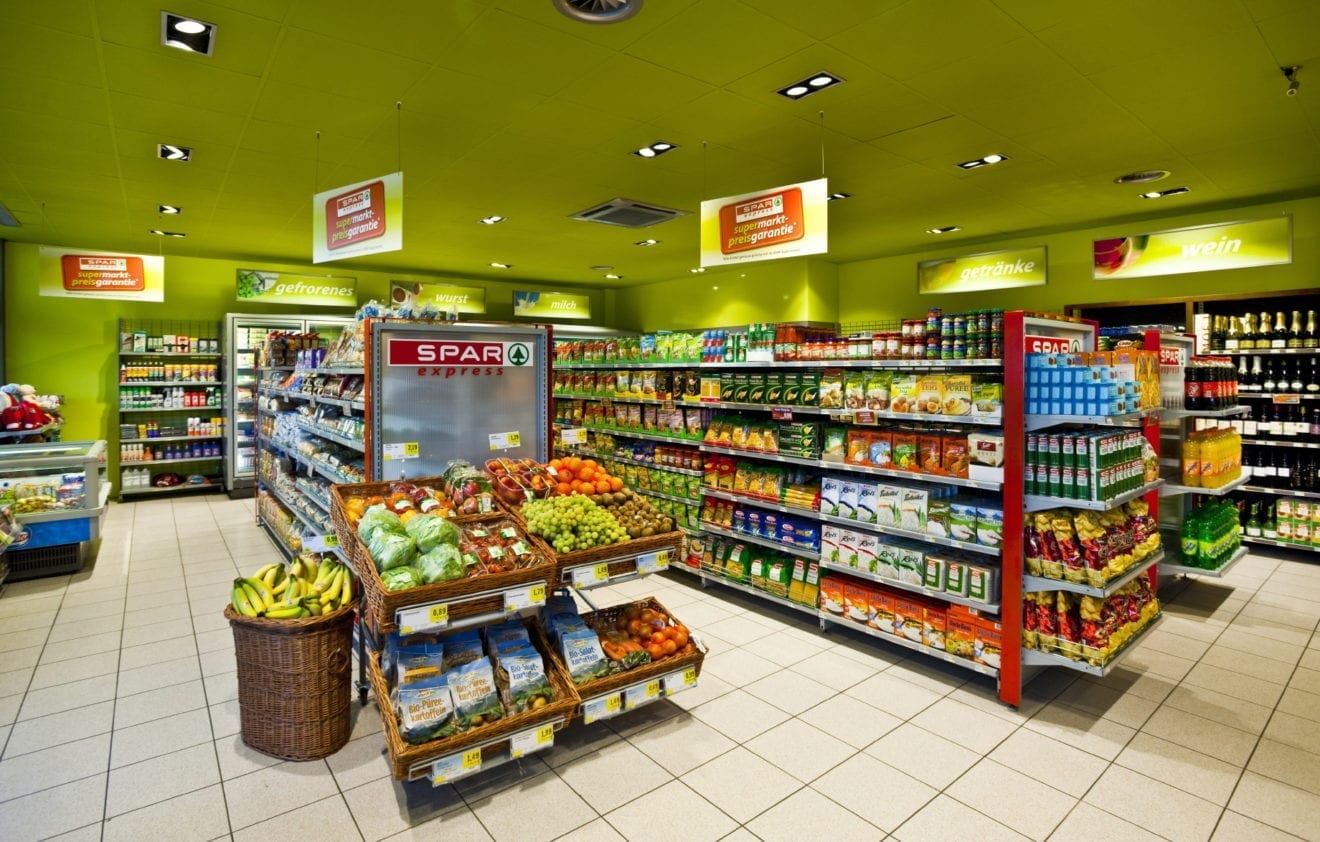
    SPAR International, the world’s largest food retail voluntary chain, will partner with DHL Supply Chain and the Bangchak Retail Company (BCR) to establish up to 300 new convenience stores in Thailand by the end of 2020.

    The deal will see DHL Supply Chain support SPAR’s expansion plans with end-to-end transport, distribution and warehousing services across Thailand, with BCR providing the front-end store infrastructure for the Dutch retailer. SPAR’s supply chain will currently use the DHL Bangna Logistics Campus for ambient warehousing and distribution; and its Klong Prapa warehouse for handling frozen goods.

    “To support SPAR Thailand in delivering SPAR’s global reputation for freshness, choice, quality, and service, we knew we needed a logistics partner with proven experience in maintaining world-class food retail supply chains,” said Tom Rose, Head of Operations at SPAR International. “DHL’s track record in sustaining fast-growing food retailers, both in Thailand and other markets worldwide, gave us the confidence to use their infrastructure as the foundation of our local supply chain.”

    “Since working with DHL, they have impressed SPAR with the smoothness and visibility of its third-party logistics services, leaving us in no doubt that this partnership will help SPAR reach its sizable ambitions for growth in the Kingdom.”

    The infrastructure at DHL Supply Chain will support SPAR’s quality standards with a range of features including CCTV systems, automatic fire protection, and temperature controlled warehousing. Both warehouses will also be managed by WMOS, a warehouse management platform, to maintain levels of inventory accuracy and productivity in line with SPAR’s global best practices.

    “Retail operations require highly specialized experience to achieve the levels of inventory quality, shipment accuracy, and timeliness needed to meet swift changes in consumer demand,” said Kevin Burrell, CEO, Thailand Cluster, DHL Supply Chain. “With Thailand’s retail sector expected to continue growing steadily alongside disposable income levels, we’re keen to take our award-winning services to the next level as we help SPAR bring its world-class quality direct to Thai consumers.”

  • Big growth for Asia Fruit Logistica

    Big growth for Asia Fruit Logistica

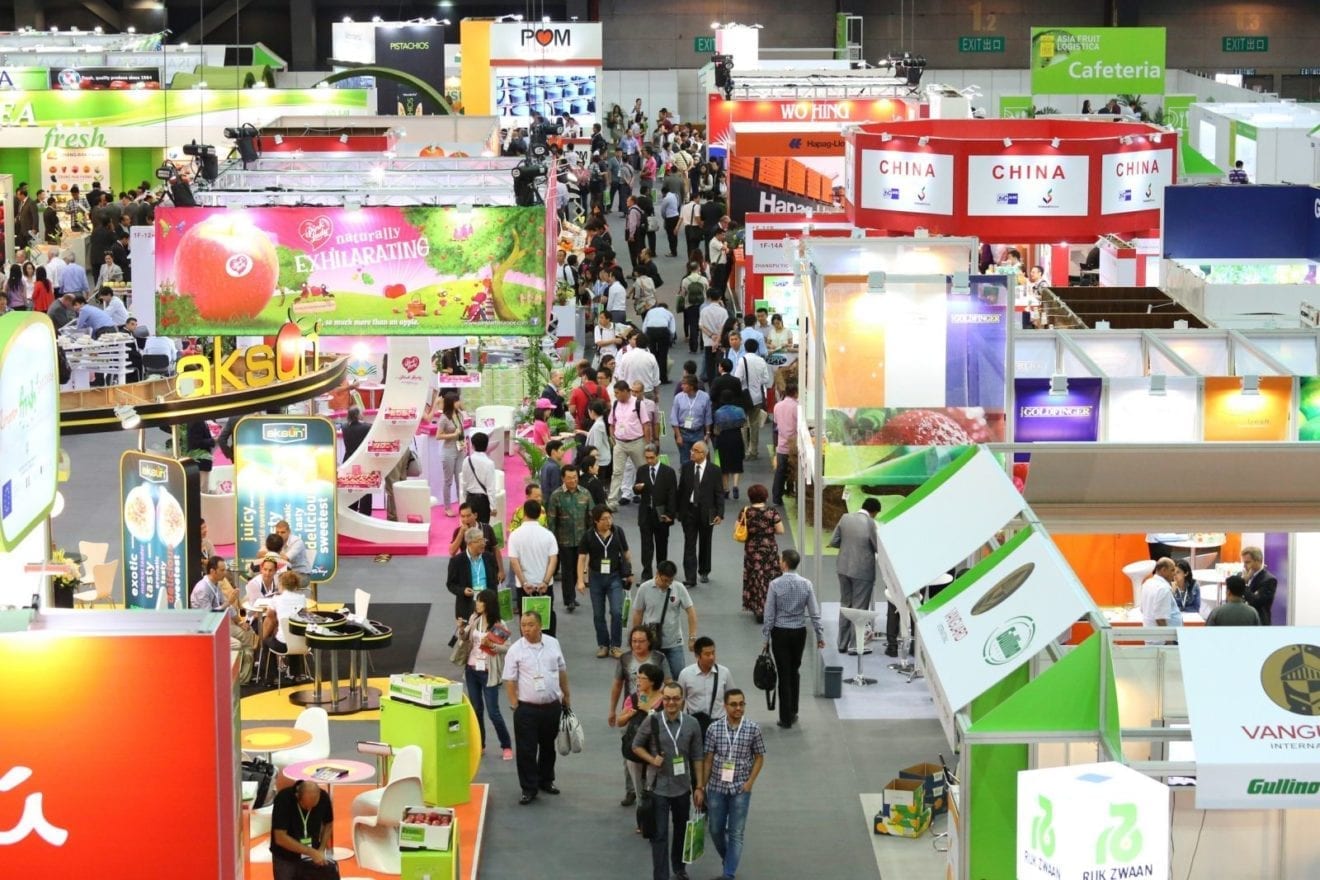
    Asia’s premier fresh fruit and vegetable trade show is set for another record-breaking year on 6-8 September 2017 in Hong Kong. With more than two months to go before Asia Fruit Logistica opens its doors at AsiaWorld-Expo, sales of exhibition space are up by 25% on last year’s total.

    Exhibitor participation from China – traditionally the largest single exhibiting nation atAsia Fruit Logistica – has increased sharply, with the Chinese pavilion expanding by 90% compared with last year’s event.

    Well over 11,000 top-level buyers and trade professionals from more than 70 countries are expected to attendAsia Fruit Logistica.

    Visitors can purchase their tickets online and make up to a 40% saving on their entrance fee compared with buying tickets on the door.

    Asia Fruit Logistica’s business week kicks off with the Asia Fruit Congress, Asia’s premier fresh produce conference event, which takes place the day before the exhibition on Tuesday 5 September.

    Asia Fruit Congress returns with a high-powered programme covering a range of hot topics. Fresh trends in Asia’s food retail market, delivering global brands to local consumers, and the changing global trade landscape are the headline themes on the agenda.

    On the show-floor at Asia Fruit Logistica, visitors can take part in two Hall Forums this year. Asia Business Forum offers daily workshops with practical ideas and solutions for better fresh produce marketing.

    Day one focuses on packaging, looking at its role in terms of both product preservation and merchandising.

    Day two is all about marketing, while day three looks at production and trade issues.

    Meanwhile, the second Hall Forum turns the spotlight on the worlds of hi-tech and logistics. Each morning, SMART HORTICULTURE ASIA, the forum for information management, standards and technology, will explore data management at different stages of the supply chain.

    Each afternoon, COOL LOGISTICS ASIA offers a new series of practical workshops on cold chain management. The wide-ranging programme looks at the future of container shipping, perishable logistics for beginners and exporting to Asia by air.

  • Vietnam’s employers, unions fight again over wage increase

    Vietnam’s employers, unions fight again over wage increase

    Discussions for the annual wage increase have started, and as expected, the business group at the table, the Vietnam Chamber of Commerce and Industry, has come in with a relatively low offer of 5 percent for 2018.

    That would be down from the 7.3 percent hike earlier this year and much lower than the preferred 13.3 percent bump wanted by the Vietnam General Confederation of Labor, which speaks for unions across the country.

    The business chamber, better known as VCCI, argued that businesses are facing harsh competition and many have to scale down their operations.

    But the labor confederation said a 5 percent increase would be just enough to offset inflation. Consumer prices rose 4.74 percent last year, according to official data.

    “Despite annual increases, the current minimum wages are not enough to pay for workers’ basic demands,” a spokesperson for the labor group said. If the group manages to have its way this year, the minumum wage for workers will be raised to as high as VND4.2 million ($185) a month.

    The two groups are the major parties of Vietnam’s National Wage Council, which also includes government officials.

    Minimum wage is used by businesses to calculate salaries for their workers, by multiplying the basic amount by a coefficient assigned to each worker, based on their skills and experience.

    Vietnam has been raising this yardstick every year, a policy that has pitted labor groups against employers.

    Last year, prolonged negotiations ended with a 7.3 percent increase, the smallest in 10 years. The wage now ranges between VND2.58 million and VND3.75 million ($113-165) depending on regions.

    In a March survey by the Vietnam’s Institute of Workers and Trade Unions, a third of the 2,600 workers questioned said their incomes were low and barely sufficient to live on, while 12 percent said their wages simply did not cover living expenses, forcing them to work extra hours.

  • Takashimaya profits soar in Q1

    Takashimaya profits soar in Q1

    Takashimaya announced on June 26th that net profit for the first quarter of the fiscal year surged 44.7%, as the company saw revenues increase slightly and “endeavoured to cater to the increasingly diverse array of customer needs and create sales spaces that deliver new value.”

    The Japanese department store operator reported a net profit of 5.45 billion yen (US$48.7 million) for the three months ended May 31, compared to the same period last year, while operating profit lifted 5.1% to 8.09 billion yen.

    The retailer said first-quarter sales grew 2.8%, hitting 225.48 billion yen (US$2.02 billion).

    Takashimaya credited its rejigged operating strategy with a focus on omni-channel, and an improved consumer sentiment in Japan for the financial result.

    “We made efforts to harmonize the product lineup between stores and the online store, develop distinctive merchandise, provide a streaming service aimed at enhancing convenience for customers and in-store tablets to introduce customers to the online store,” the retailer said in a statement. “These and various other measures contributed to strong sales.”

    During the quarter, the department store’s Shinjuku location opened a specific level for ‘wellbeing’, boasting shops and a café with healthy items, as well as studios and a gym.

    Takashimaya said it expects net profit to life 3% to 21.5 billion yen (US$191.1 million). The firm forecast 12-month operating profits to increase 2.9% to 35 billion yen (US$311.2 million) and a yearly sales growth of 2.% to 943 billion yen (US$8.38 billion).

  • UnaBiz secures IoT license in Taiwan

    UnaBiz secures IoT license in Taiwan

    IoT-dedicated network operator UnaBiz has secured a license to operate an IoT network in Taiwan from the National Communication Commission (NCC).

    As the first of its kind to receive an IoT network operator license from the NCC since Taiwan’s announcement of the use of the unlicensed spectrum, UnaBiz is on track to become a nationwide network operator in Taiwan.

    As a provider of a dedicated communications service for the IotT, the Sigfox low power wide-area network (LPWAN) is currently present in 32 countries worldwide and target to reach 60 countries by 2018. The roll out of the commercial grade global network is in line with Taiwan’s “Asian Silicon Valley” initiative, a vision to transform Taiwan from an ICT specialist to an IoT specialist.

    UnaBiz’s vision is to empower massive IoT in Asia. The network operator will actively engage and collaborate with industry partners, academic institutions and government agencies to help Taiwan address the global IoT market potential.

    “This is a milestone for UnaBiz but also for Taiwan industry which henceforth can boldly step into the Sigfox global IoT market and ecosystem,” UnaBiz MD and co-founder Philippe Chiu said.

    In 2017, UnaBiz will focus on deploying the IoT network in the six main municipalities – Taipei, New Taipei, Taoyuan, Taichung, Tainan and Kaohsiung – effectively bringing Sigfox service coverage to more than 80% of the population in Taiwan.

    The deployment will cover both urban and rural areas, and the LPWAN network will be extended to cover 95% of the population in Taiwan in 2018.

    Along with the fast-paced deployment of the network across Taiwan, the local IoT ecosystem and stakeholders can already evaluate and start developing products and solutions using the royalties-free Sigfox technology. This happens at an excellent timing for Taiwan’s industry looking for transformation and new business opportunities, especially at a global scale.

    The global IoT sensors market is expected to reach $17.81 billion by 2020, and although Taiwan is big in semiconductor manufacturing (60% of global market), it only accounts for 15% of the global sensor manufacturing. Given the predominant impact of Taiwan in the conception, production and integration of smart sensors into electronic hardware in the global IoT market, Taiwan joining the Sigfox ecosystem represents a significant milestone.

    Chiu notes, “To significantly build up the IoT industry, we need a sound ecosystem of highly-engaged players from semiconductors to device manufacturers and all the way up to cloud platforms. That is why, on top of providing Sigfox communication service, UnaBiz is also acting to catalyze IoT opportunities by establishing partnerships and providing keys to address the Sigfox global IoT market.”

    “According to studies, the explosion of the global IoT market will create the largest device market in the world,” UnaBiz CEO and co-founder Henri Bong said.

    “The number will double of that of the current market of personal PC, tablets and wearable technology combined. The growth of this ecosystem not only creates more jobs in Taiwan’s manufacturing industry but will eventually spur a paradigm shift in Taiwan’s entire workforce to that of a more innovative and creative economy, one that engages higher skilled and hence higher-paying workers.”

  • Asia-Africa-Europe 1 cable system launches

    Asia-Africa-Europe 1 cable system launches

    The consortium behind the Asia-Africa-Europe 1 (AAE-1) subsea cable system has announced the launch of the new cable, with services commencing from Europe to far east Asia.

    The 40Tbps, five fiber pair cable system is the first cable to link all major Asian, African, Middle Eastern and European regions, combining both subsea and terrestrial routes.

    It spans 19 nations and territories – Hong Kong, Vietnam, Cambodia, Thailand, Malaysia, Singapore, Myanmar, India, Pakistan, Oman, UAE, Qatar, Yemen, Djibouti, Saudi Arabia, Egypt, Greece, Italy and France.

    The AAE-1 provides termination with Telecom House in Hong Kong and Equinix and Global Switch in Singapore, as well as three termination options in Europe.

    The system has been designed from the outset with 100Gbps technology and is upgradeable in the future to meet growing demand. The consortium said the AAE-1 is the largest subsea cable system to launch in more than a decade.

    Members of the AAE-1 consortium include China Unicom, CIL, Djibouti Telecom, Etisalat, GT5L, Mobily, Omantel, Ooredoo, OTEG, PCCW, PTCL, Reliance Jio, Retelit, Telecom Egypt, TeleYemen, TOT, Viettel, VNPT and VTC

  • Blibli.com acquires Tiket.com, expands into online travel

    Blibli.com acquires Tiket.com, expands into online travel

    Indonesian e-commerce company Blibli.com has acquired a pioneer Online Travel Agents (OTA) in Indonesia, Tiket.com. Blibli.com CEO Kusumo Martanto and co-founder and chief communications officer Gaery Undarsa, the of Tiket.com signed the documents finalising the acquisition recently. At the same event, George Hendrata was appointed Tiket.com’s new CEO.

    Since it was founded in 2011, Blibli.com has held on to a vision of expanding its business line through various innovations.

    In late 2016, Blibli.com introduced its online travel product category, Blibli Travel. Blibli Travel is a special category section that offers travel products on the Blibli.com website.

    Since then, online travel has become one of Blibli.com’s focuses in developing its business due to the size of this market.

    “Tiket.com has a good business track record. In a relatively short time, it grew into one of the biggest OTA in Indonesia. It has maintained its focus on customer satisfaction and has been consistent in running its business.

    “Moreover, we see that Tiket.com shares many similarities of vision, mission and corporate values with Blibli.com. We expect that this can ease the process of achieving synergy between the two. Based on this consideration, we are confident with this acquisition,” explained Kusumo.

    Tiket.com is currently one of the OTA with the biggest inventory of travelling-related and leisure products, namely airline and train tickets, hotel room bookings, car rental, concert tickets.

    Tiket.com has partnered with more than 35 international and domestic airlines, and with thousands of domestic and international hotels.

    Blibli Travel, newly-developed late last year, now has more than 1,000 travel product variants, including train tickets, hotel vouchers, and entertainment and lifestyle tickets.

    Blibli.com partners with various banks offering 0% interest instalment programs and offers a wide array of payment methods to customers.

    With the acquisition, Blibli.com is set to become an e-commerce group offering a one-stop shopping experience and added value to its customers.

    Business target and plan

    “The acquisition process started five months prior. We see this as an opportunity for Tiket.com to grow exponentially, in terms of the plan for synergy and from the point of view of market penetration. Seeing the future potentials and the similar business cultures and vision shared by both companies, we are very excited about the move to become part of Blibli.com” said Gaery.

    Blibli.com will provide full support to Tiket.com, both in the share inventory, sales programme, promotion, and social media penetration. Blibli.com will also help strengthen Tiket.com’s team.

    “Blibli.com is optimistic that from the business point of view we are looking at organic and non-organic growths which are to reach 2.5 times in the second semester of this year,” explained Kusumo about the target by the company for the second half of 2017.

    “With the acquisition, Blibli.com is ready to emerge as the biggest OTA player in the country and to become the only, or the first, B2C e-commerce player in Indonesia whose OTA business offers the most complete variety of travel products,” said Kusumo, who went on to explain that the money for the acquisition was from the internal sources set up by Blibli.com for its business development.

    Moving forward, Blibli.com sees no reason not to expand to other categories of products. The company, however, for the time being will concentrate on developing the two e-commerce companies to cater to the traveling and online shopping needs of its domestic and international customers.