Author: Mei Ling Tan

  • China Mobile, Huawei showcase 5G SBA proto

    China Mobile, Huawei showcase 5G SBA proto

    China Mobile and Huawei have used Mobile World Congress Shanghai to showcase the world’s first 5G core network prototype using service-based architecture (SBA).

    The prototype is based on the 3GPP’s 5G SBA standard. Under SBA, core network functions are defined as loosely coupled, combinable services that can be flexibly scheduled based on standard interface protocol. These elements are self-contained, reusable and able to be independently managed.

    Functions of the 5G SBA prototype include service registration, discovery and authorization, as well as service operations and service-oriented 5G basic business processes such as device registration and connection establishment and release.

    “The service-based architecture shows that 5G is a truly Cloud Native design. It makes carrier networks more agile, flexible, scalable, and open,” China Mobile Research Institute GM Yang Zhiqiang said.

    “We will work to reduce its complexity, and look forward to working with all industry players to accelerate completion of international standards and product R&D. Our goal is to quickly put SBA into large-scale commercial use and enable 5G operations.”

    The companies said the successful demonstration of the 5G SBA prototype provides a foundation for the IMT-2020 Promotion Group’s 5G core network testing.

  • Naver will buy Xerox Research Centre Europe

    Naver will buy Xerox Research Centre Europe

    Korea’s largest internet portal Naver inked an agreement to acquire France-based Xerox Research Centre Europe (XRCE) a lab with expertise in major new technologies such as artificial intelligence and machine learning.

    Naver wants to ratchet up its AI capabilities and expand its presence in Europe, a fresh market for the Korean IT giant.

    Naver has identified AI as a future cash cow business and has been aggressively investing in the area. In January, the company established a separate corporation called Naver Labs dedicated to research and development of AI and future businesses involving AI such as autonomous driving and robotics. The company also applies AI to existing services like search engine and translation apps.

    The acquisition of the 24-year old research center is expected to make a big impact on Naver’s AI development.

    XRCE’s research papers on AI have been adopted by 75 conferences, academic journals and learned societies, Naver said. The center received an award for technological innovation by the Wall Street Journal in 2005 and was named one of the 50 most disruptive companies by the Massachusetts Institute of Technology in 2013.

    The center has 80-plus staffers dedicated to AI research and administrative works.

    Naver Founder Lee Hae-jin announced his desire to tackle the European market last year and left for Europe to spot business opportunities, leaving his role as chief strategy officer for the company.

    The company has been eying new markets because the local internet market is saturated.

    “Europe also has many potential IT start-ups specializing in sectors of AI, Internet of Things and virtual reality, which is why global tech giants are eyeing the market,” the company said in a statement.

    “The research expertise at the European center is perfectly aligned with Naver Labs and we expect immediate, powerful synergies,” said Song Chang-hyeon, both CEO of Naver Labs and Chief Technology Officer of Naver. “XRCE’s world class R&D achievements in AI technology will significantly strengthen Naver Labs’ research.”

    Song is known to be the man behind the deal. As the head of Naver Labs, he visited the center in Grenoble, France, to persuade officials that Naver is aligned with the center’s vision. Naver is known to have been selected from among a list of global IT giants that bid to acquire the center.

    The acquisition process, however, is still ongoing. It is due to be finalized within the third quarter this year. Xerox will maintain ownership of intellectual property and arrange licensing agreements with Naver even after the acquisition.

    A day before, Naver also inked a strategic partnership with Korea’s largest brokerage firm, Mirae Asset Daewoo, to develop financial service with new technologies such as AI. The two will collaborate on investing in start-ups at home and abroad.

  • South Korea joins DHL’s Asia-Europe multimodal network for more flexible freight services

    South Korea joins DHL’s Asia-Europe multimodal network for more flexible freight services

    DHL Global Forwarding, the leading international provider of air, sea and road freight services, has connected South Korea to its comprehensive Asia-Europe multimodal network, giving Korean businesses more flexible and efficient access to the country’s third-largest export market.1

    As part of the extension, new ferry services link ports in Incheon and Busan to a range of major Chinese ports including Shanghai, Taicang and Lianyungang. South Korean shipments will then travel via truck to major inland hubs in cities including Chengdu, Hefei, Suzhou and Xi’an for subsequent transport to Europe on DHL’s rail services. Korean businesses will also gain access to DHL’s Flexigateway service, which selects the optimal rail route for shipments based on available capacity and route speed at any given time — giving them clearly-defined transit times at the most efficient operating cost.

    “With South Korean exports to Europe this year growing at their fastest pace since 2011,2 the country’s major industries have greater need for flexible, scalable freight services than ever before,” said Charles Kaufman, CEO, North Asia; Managing Director, Japan; and Head, Value Added Services, Asia Pacific, DHL Global Forwarding. “While its level of global connectedness has remained relatively stable over the past few years,3 South Korea must continue to invest in deeper trade ties — and the infrastructure that sustains them — to key partners like the European Union and China if it wants to maintain its record of economic growth and development.”

    “Our new offerings like Flexigateway, combined with the range of value-added services already built into our multimodal network, seek to streamline and stabilize the logistics process for Korean businesses of all sizes.”

    DHL’s Asia-Europe multimodal services include specialized solutions for some of South Korea’s largest industries,4 including

    • Car racking and expert handling for automotive exporters;
    • Garment-on-hanger services for the fashion industry;
    • Temperature-controlled containers for technology manufacturers; and
    • Licenses, labelling, and dedicated warehousing for wine and spirits producers.

    The multimodal network is also supported by features including end-to-end customs handling, GPS tracking of containers and a range of cargo insurance options, minimizing the risks of delays and disruption for both full- and less-than-container load shipments on any route.

    “South Korea’s economy continues to rely heavily on value-added exports to grow, and reinforcing its existing trade partnerships will help it continue to weather global uncertainty,” said Seokpyo Song, Managing Director, DHL Global Forwarding Korea. “This new connection to our Asia-Europe multimodal network will not only improve the fundamentals of freight flexibility, cost and reliability for Korean businesses — it also directly addresses the unique needs of our country’s most crucial and well-regarded industries, giving them the confidence to pursue greater expansion overseas.”

    DHL continues to expand its Asia-Europe multimodal network to meet rapidly-growing demand from businesses in both regions, with the company launching its latest route — from Shenzhen to Minsk — in May 2017.

  • 5G connections in China to reach 428m by 2025: GSMA

    5G connections in China to reach 428m by 2025: GSMA

    Chinese operators are on track to launch commercial 5G networks by 2020 and are expected to establish the nation as the world’s largest 5G market by 2025, Mats Granryd, director general of the GSMA, said during a keynote at the Mobile World Congress Shanghai.

    5G connections in China will reach 428 million by 2025, accounting for 39% of the 1.1 billion global 5G connections expected by that point, Granryd said, citing a new study by GSMA Intelligence and the China Academy of Information and Communications Technology (CAICT) released Wednesday.

    “In its early phase, 5G will offer an enhanced mobile broadband experience that will enable next-generation consumer services such as augmented and virtual reality, while at the same supporting mission-critical applications across a range of industry verticals,” the executive said.

    Granryd said mobile operators – China Mobile, China Unicom and China Telecom- in China plan to run a phased testing period for 5G networks from 2017 to 2019 before launching commercially in 2020.

    The trio is expected to deploy ‘standalone’ 5G networks, which will require the construction of new base stations to site 5G equipment, backhaul links and a core network.

    Yet, some mobile operators in Asia are considering to deploy ‘non-standalone’ 5G networks that would run on existing infrastructure supplemented by targeted small cell deployment in areas of high density, allowing 4G and 5G services to run in parallel, the report noted.

    Granryd said 4G penetration is China has increased fivefold to 61% over the two-year period to March 2017 and there remains significant headroom for 4G growth.

    That said, 4G and 5G networks are expected to co-exist in China for a considerable period of time. The rate of 5G network rollout and adoption in China is also expected to be slower than it was for 4G, which Chinese operators were able to deploy rapidly earlier this decade within a mature 4G ecosystem.

    Granryd added that 5G investment in China will follow a more gradual path and over a longer timeframe than 4G, roughly seven years, from 2018 to 2025 – with capex not expected to account for more than 25% of operator revenue prior to commercial launch.

    In their early phase, 5G networks will concentrate on boosting the capacity of 4G networks to support rising cellular data traffic demands.

    Meanwhile 5G will also enable enhanced mobile broadband (eMBB) services such as 4K/8K Ultra-HD video and augmented reality (AR) and virtual reality (VR) applications.

    Though some services will require devices with new form factors, the smartphone is expected to remain the principal 5G interface at launch. The first 5G smartphones are likely to be priced at a premium to 4G models, as they will require an enhanced chipset and RF module supporting multiple sub-6 GHz, and possibly extremely high frequency bands (mmWave), as well as, potentially, a 4K or 8K screen.

    Enterprise is considered to offer operators the largest incremental revenue opportunity. Key vertical markets for 5G applications include automotive and transport, logistics, energy and utilities monitoring, security, finance, healthcare, industrial and agriculture.

  • Singapore and Denmark sign fintech pact

    Singapore and Denmark sign fintech pact

    The Monetary Authority of Singapore (MAS) and the Danish Financial Supervisory Authority (Danish FSA) yesterday signed a FinTech Co-operation Agreement which aims to help FinTech companies in Singapore and Denmark to expand into each other’s markets.

    The agreement will enable both regulators to refer FinTech companies to their counterparts. MAS and the Danish FSA have also committed to exploring joint innovation projects together, and to share information on emerging market trends and their impact on regulation.The agreement was signed at the sidelines of the Money 20/20 Europe conference in Copenhagen. Singapore will also host the inaugural Money 20/20 Asia conference in March next year.

    Sopnendu Mohanty, Chief FinTech Officer, MAS, said: “Singapore and Denmark are important gateways to their surrounding regions. This cooperation agreement signifies the commitment of MAS and Danish FSA to promoting innovation in financial services and growing the FinTech landscape. We look forward to closer interactions between our respective FinTech ecosystems and more opportunities for our businesses to grow, expand and serve customers in each other’s markets.”

    Thomas Brenøe, Deputy Director General, Danish FSA, said: “The FSA is committed to encourage innovation in the financial sector. We are currently establishing a FinTech Lab to support the development of fintechs and provide assistance for these to set up business in Denmark. Financial innovation is not confined to national borders, and we are therefore delighted to enter into this agreement with MAS. This agreement will ensure cooperation between the Danish FSA and MAS and will foster opportunity for businesses in Denmark and Singapore to grow.” Brian Mikkelsen, Danish Minister of Industry, Business and Financial Affairs added: “I am very happy that Denmark and Singapore have been able to join forces in this agreement. I am sure that this will help many FinTech companies and create an even better growth environment for these companies in both Singapore and Denmark.

  • Brick-and-mortar stores with online presence have retail edge

    Brick-and-mortar stores with online presence have retail edge

    The growth of e-commerce may pose a serious threat to brick-and-mortar stores, but there is a silver lining for department stores here. A nationwide survey has found that department stores with both a physical and online presence can have a competitive edge over online-only stores.

    Department store customers who shopped via the store’s online channels – such as its website or mobile app – reported higher levels of customer loyalty than shoppers at e-commerce sites such as Zalora and Groupon.

    This was one of the findings of the latest Customer Satisfaction Index of Singapore released yesterday.

    “This would suggest that traditional brick-and-mortar stores could be better served and complemented by developing a robust omni-channel presence if they have not already done so. It can potentially give them a competitive edge over the e-commerce retailers,” said Mr Chen Yongchang, head of research and consulting at the Institute of Service Excellence (ISE) at the Singapore Management University, which compiled the index.

    The survey of 6,900 Singapore residents and tourists between January and April this year found that satisfaction levels in the retail sector remained similar to last year’s, with the retail sector scoring 72.1 points out of 100, up from 71.7 the year before.

    Of the four retail sub-sectors surveyed, the department store sub-sector showed significant improvement.

    This largely stemmed from more satisfied local shoppers, said Ms Neeta Lachmandas, ISE’s executive director.

    “This increase could be related to the revamps of various stores and product offerings, as well as increased promotional activities targeted at boosting sales.”

    Among department stores, DFS had the highest score of 73.6 while Metro was the only store whose score had increased significantly.

    DFS’ managing director for Singapore and Indonesia, Ms Wilcy Wong, attributed the retailer’s high score to its focus on providing “authentic and personal customer engagement. But at the heart of the DFS experience is of course our people,” she added.

    “We invest heavily in talent management programmes, as well as learning and development through our own DFS University to enhance our operations.”

    The fashion apparel, supermarket and e-commerce sub-sectors did not see any significant change in scores.

    A notable observation among supermarket customers was that those who frequently used self-checkout counters were more satisfied than those who mostly used manned cashier counters.

    The survey also looked at customer satisfaction for the info-communications sector, which scored a record high of 69.6 points out of 100, up 1.6 per cent.

    ISE found that service attributes relating to responsiveness, assurance and empathy were key drivers of loyalty among mobile telecommunications and broadband customers.

    This was in addition to the usual product-related attributes such as suitable subscription plans and fast data speeds.

  • Pet breeding a popular business in Ben Tre Province

    Pet breeding a popular business in Ben Tre Province

    In recent years, professional systems that take care of breeding, veterinary services, and the buying and selling of pets have emerged in the province.

    Tran Tan Dat, a resident in Chau Thanh District’s Huu Dinh Commune, for example, invested in a pet-raising business after retirement.

    Initially, he had a couple of poodles but now has 20 poodles of different sizes, including teacup, toy, miniature and standard.

    He said that demand for poodles was high since the breed was friendly and easy to train.

    Nguyen Thanh Dong, a farmer in Ben Tre City’s Son Dong Commune, has raised a variety of breeds, including pugs, border collies, rottweilers, and Phu Quoc and berger dogs.

    Raising multiple breeds has allowed him to earn a profit from the most difficult buyers.

    Dong added that raising foreign dog breeds required more attention and resources compared to pure Vietnamese breeds.

    They need to be bathed regularly and given vaccinations to prevent disease, he said, emphasising that food sources must also be chosen carefully.

    If dogs are taken care of well, they can give birth three times per year, with four to six puppies each time.

    Besides the economic value, raising pets can bring joy and social connections, especially to retired workers like Dat.

    Last year, the Ben Tre Province’s Pet Association launched a dog-raising group with the aim of bringing together breeders and providing a platform to exchange ideas on the industry.

    The group has hosted several seminars and invited dog food companies to share their experience in raising quality pets.

    Le Van Huyen, director of the group, said that a thriving dog-breeding business required passion as well as thorough understanding.

    The group now has 40 official and about 60 unofficial members.

    Ben Tre, Tien Giang, HCM City and China are the most common destinations where locals sell their dogs, Huyen said.

    Nguyen Quoc Phuong, a resident who does not breed dogs, said that pet-raising was also an educational activity that helps children learn to love animals.

  • Hong Kong retail sales extend growth to three months

    Hong Kong retail sales extend growth to three months

    Retail sales rebounded modestly for the third consecutive month in May, edging up 0.5% on the year to reach 35.9 billion Hong Kong dollars ($4.6 billion). That was slightly higher than the 0.2% sales increase in April, according to official data released on Thursday.

    Leading the gain was an improvement in the sales of luxury goods including jewelry and watches, which rose for the third straight month at 1.4%. This was followed by a 3.8% increase in department store sales, while sales of vehicles jumped 8% as demand surged ahead of more stringent pollution regulations imposed on diesel vehicles.

    Clothing sales swung back to negative territory and fell 0.4% from a year ago. Sales of electrical goods and consumer durables like cell phones remained in the doldrums, slumping 14% and 12% respectively.

    A government spokesperson said the figures indicated the “relative improvement in inbound tourism” and the “resilience of local consumption demand.” Boosted by long weekends including the three-day Labor Day Holiday and Dragon Boat Festival, the number of mainland tourists in Hong Kong grew 3.7% on the year in May, compared with a 1.8% increase in April.

    But industry players remain cautious on the outlook of nonessential items such as electrical goods, as mainland tourists tighten their purse strings. “Their travel pattern is no long the same — what they want is something more experiential than just shopping,” said Thomson Cheng Wai-hung, chairman of Hong Kong Retail Management Association. “The chance of a quick turnaround for this market is slim.”

    Some luxury retailers in Hong Kong are eyeing overseas expansion to make up for the sluggish business at home. Jeweler Luk Fook is working with local partners to open two shops in Cambodia this year, including a 30,000 sq. ft (2,787 sq, m) flagship store in Phnom Penh, in the hope of bringing the total number of retail outlets there to seven in five years.

    Luk Fook reported an 8.7% decline in revenue to HK$12.8 billion for the year ended in March, dragged lower by a near 20% slump in Hong Kong retail revenue. But same-store sales in the territory turned around in the last quarter of 2016 after falling 12 consecutive quarters.

    But Luk Fook has no plans to expand in Hong Kong despite signs of recovery. “Our expansion will focus on mainland China in the medium- to long-term. We are particularly bullish on the growth of the country’s middle-class population,” said Chief Financial Officer Kathy Chan. The group is planning another 50 shops on the mainland this year to add to its sales network of 1,500 spanning the U.S., Malaysia and South Korea.

  • British Airways will use Qatar planes during cabin crew strike

    British Airways will use Qatar planes during cabin crew strike

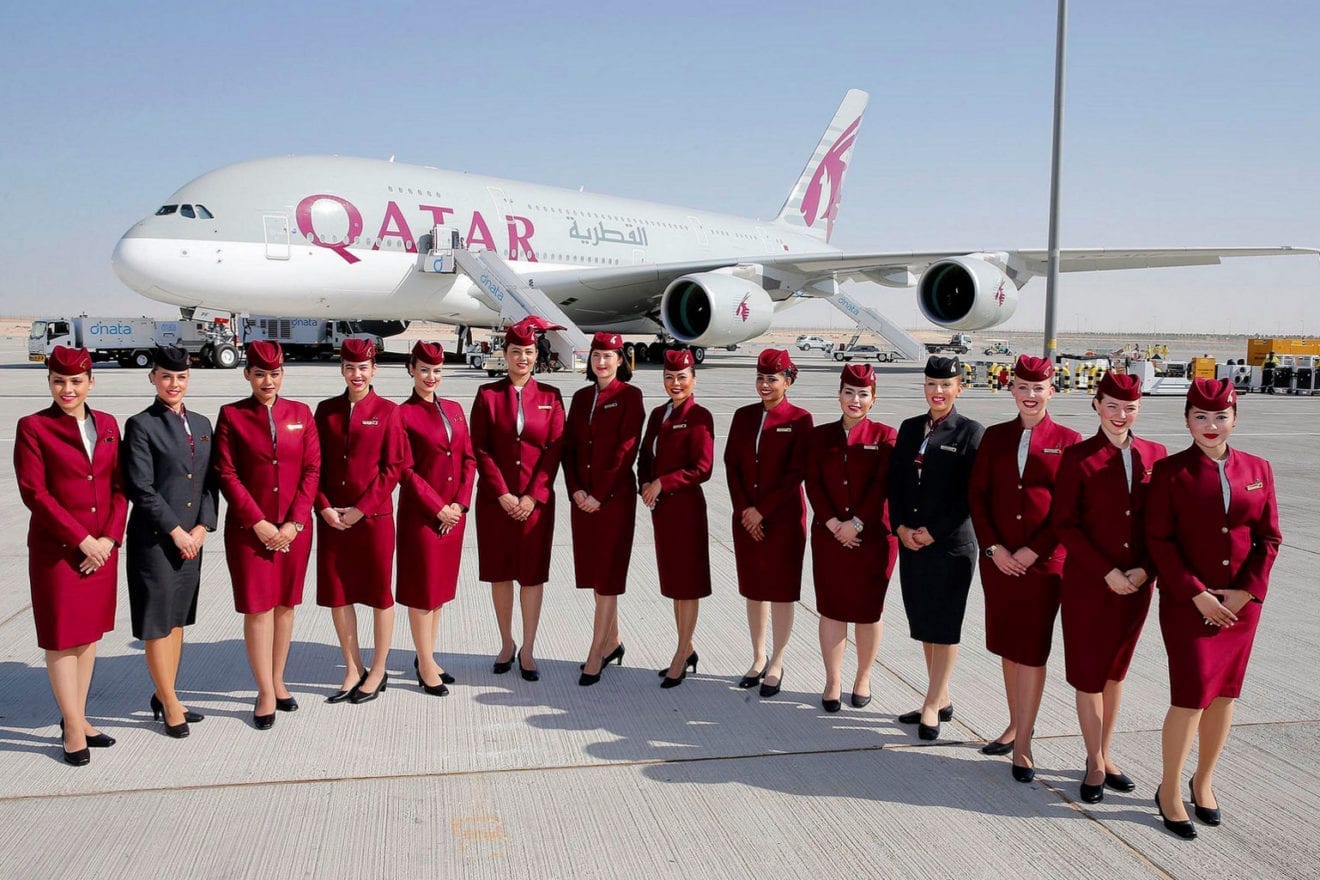
    British Airways will use Qatar Airways planes and crew to fly all its passengers to their destinations during a planned two-week strike by some cabin crew, Willie Walsh, head of BA’s parent company, said on Thursday.

    The strike by BA’s mixed fleet cabin crew – those who work on both long and short-haul flights – is due to begin on Saturday. BA had already applied to Britain’s Civil Aviation Authority (CAA) to use nine Qatar-registered Airbus A320 or A321s betweenJuly 1 and July 16 and Walsh, CEO of International Consolidated Airlines Group (IAG), said the plan would go ahead.

    “I’ll be pleased to say that those airplanes will fly and all of the British Airways passengers who are booked to fly with us over the next couple of weeks will be flying,” Walsh told reporters in Brussels on Thursday when asked if the application to use the planes had been successful.

    Members of the mixed fleet crew are engaged in a long-running dispute with BA about pay. The forthcoming strike is over sanctions on union members involved in previous industrial action.British Airways had previously guaranteed that all customers would reach their destinations, although some flights will be merged.

    The CAA would not confirm that BAs application had been approved and said it was still processing it.

    “Under European regulations specific approval is required for an EU airline, such as British Airways, to wet lease aircraft from an airline based outside of Europe,” a spokesman for the CAA said in a statement.

    “The UK Department for Transport will approve or reject the application taking into account advice from the Civil Aviation Authority.”

    A “wet-leasing” deal would mean that BA pays Qatar to use its aircraft and crew for the two-week period.

    The deal could help Qatar make more use of its planes after its operations were disrupted by a boycott from four Arab nations, forcing it to seek out other destinations on which to use its planes.

    Saudi Arabia, the United Arab Emirates, Bahrain and Egypt cut ties with Qatar on June 5 in the worst diplomatic crisis in the region in years.

    BA and Qatar Airways have close ties. Both are partners in the OneWorld alliance and code share on certain flights, while the Doha-based carrier owns a 20 percent stake in BA parent
    International Airlines Group.

  • China’s Tech Entrepreneurs Need to Watch Their Backs

    China’s Tech Entrepreneurs Need to Watch Their Backs

    In China, that’s already happening. Alibaba Group Holding Ltd. and Tencent Holdings Ltd. are online-offline conglomerates each with hundreds of millions of users. The pair–directly or through companies they invest in–provides services and products across a range of businesses from retail, media and entertainment to health care, payment, banking, logistics and transportation.

    Their market capitalizations, Alibaba at $358 billion and Tencent at $350 billion, are much higher than those of the state-owned enterprises that dominate the Chinese economy. The country’s biggest bank, Industrial and Commercial Bank of China, is valued at $261 billion; the telecom titan China Mobile is valued at $218 billion. The tech giants, with their wide reach into many facets of daily life, touch ordinary Chinese in ways state companies don’t.

    As their size and influence grow, Alibaba and Tencent are entering uncharted territory: Never in nearly seven decades of Communist Party rule have private-sector companies held such sway over the economy and society. How well they handle relationships with competitors, old-line companies and, ultimately, an authoritarian government that isn’t used to sharing power will be a top challenge in coming years.

    “The most important counterbalancing force against Alibaba and Tencent will probably not come from their direct competitors but the government and the traditional industries they disrupt,” says Yin Sheng, an independent technology consultant who owns shares in both companies. As the two tech companies push further into other sectors, Mr. Yin believes established businesses will lobby the government to enforce tax, antimonopoly and other rules.

    A Tencent spokeswoman said the company “views our peers in the internet sector and traditional industries as partners” and “the healthy growth of the internet industry will benefit users, industry players” and the economy. Alibaba didn’t respond to requests for comment.

    Alibaba and Tencent need to tread carefully. Some of China’s wealthiest businessmen ended up in jail, often when they appeared to fall out of favor with the government. Earlier this month, the government said it was investigating the borrowings of some highflying private conglomerates to rein in runaway debt.

    Bitterness from the old guard is already spilling into view. On a popular business program on national TV late last year, beverage tycoon–and once China’s richest man– Zong Qinghou dismissed as “nonsense” Alibaba Chairman Jack Ma’s idea that a new world is being created as data and growing computing power transform industries from retail to manufacturing.

    “He’s not in the physical economy. What does he make?” Mr. Zong said. The other two panelists, heads of two biggest electronic appliance makers, concurred. An Alibaba executive was quoted in Chinese media at the time as saying that Mr. Zong’s comments were illogical.

    Mr. Zong is one of the more outspoken among a cadre of traditional entrepreneurs raising questions about whether the internet businesses should continue to benefit from preferential policies. Online shops operated by individuals and small businesses, for example, pay extremely low to no taxes under a policy that was aimed at nurturing a fledgling e-commerce sector. But that sector is now huge.

    Members of this business lobby raised the e-commerce taxation issue during spring meetings of the legislature and a top government advisory body. They noted that current tax rules put traditional retailers at a disadvantage and urged the government to heed their complaints because they employ more people than the online firms.

    Big tech firms have also been called bullies and monopolists because of their treatment of competitors. When Uber Technologies Inc.’s China operation was battling Didi Chuxing Technology Co. more than a year ago, for example, Tencent, a Didi investor, blocked some of Uber China’s service accounts on WeChat, its popular messaging app. Some online commentators excoriated Tencent for abusing its power. Uber sold its China operation to Didi last year.

    Above all, there’s their delicate relationships with the government. As I wrote earlier, once disrupters, China’s internet companies are now part of the system. But still, they’re private enterprises founded by ambitious men.

    “The question is whether these companies will demand more say in things as they grow bigger,” says Jingzhou Tao, managing partner of China practice at law firm Dechert LLP.

    Mr. Tao points out that private ownership is increasingly at odds with the current political environment. The Communist Party is strengthening its command of state-owned businesses and building up its presence in private and multinational companies. “Will it come to a point that the party committee will take charge of private enterprises too?” he says.

    For now, neither side is testing the line in the sand. The government knows these companies are important and globally known. The companies are being supportive of Beijing’s goals. Alibaba’s Mr. Ma recently traveled to America to talk up the benefits of China-U. S. trade, and Tencent’s Pony Ma organized a forum on improving the competitiveness of Hong Kong, a former British colony, and the surrounding area.

    Both sides are fumbling for “the best way to coexist,” says an executive who has worked on government relations for decades.


  • Auto firms ask to lower component import taxes

    Auto firms ask to lower component import taxes

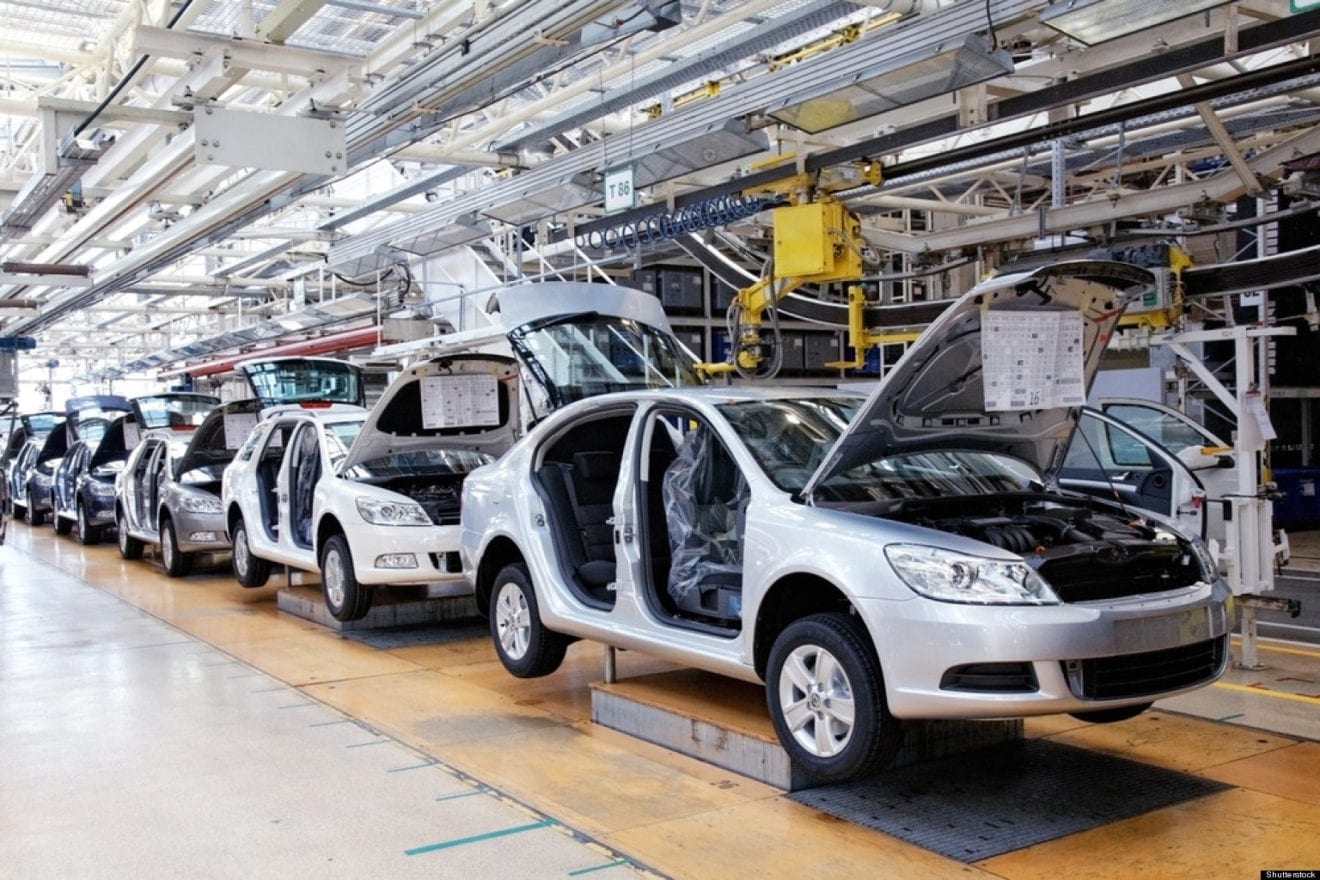
    High import taxes on auto components and parts, packaging and logistics expenses are major reasons behind locally-assembled cars costing 10-20 per cent higher than imports from Thailand and Indonesia.

    As such, these are also factors hindering growth of the domestic automobile industry, the automobile working group said at the Vietnam Business Forum (VBF) 2017 recently.

    At the forum, a meeting between the Vietnamese Government and the business community held in Ha Noi, the group said higher prices made local automakers less competitive than imports from ASEAN members, and the situation will worsen when import taxes drop to zero per cent in the region next year.

    Sumito Ishii, general director of General Motors Viet Nam and head of the VBF automobile working group, said major automakers and auto part suppliers felt the local automobile industry was operating on a small scale, so it had not attracted the participation of sufficient global part suppliers.

    “The global suppliers will not invest if there is no clear business plan – whether automakers maintain or raise production in Viet Nam or not,” Ishii said.

    Of the current part suppliers in Viet Nam, more than 90 per cent are foreign-invested businesses, and the majority of auto components, parts and materials are imported.

    To help expand domestic auto production, the Government team currently in charge of the automobile industry should have auto assemblers and part suppliers participate in the process so they can understand the industry’s current situation better, the group said.

    The team should organise monthly conferences to discuss policy drafts for the industry and keep the Prime Minister informed.

    Policy makers should also continue working with businesses to build measures that will help cut production costs, reducing the pressure of competition on local automakers from 2018. Programmes have to be developed to connect businesses in the sector.

    “The connection between foreign investment businesses and domestic businesses is ineffective because there is no available database relevant to domestic parts and component suppliers. If we have a database, businesses can compare and contact local part suppliers easily,” Ishii said.

    He said foreign investment businesses should provide the list of auto parts and components that need to be localised with more details so as to help local suppliers prepare the necessary technologies.

    Meanwhile, local part suppliers would need to focus on meeting production demands, including quality, costs and delivery, and step up co-operation with foreign suppliers.

    “As for the automobile industry, the top priority is to build up a sustainable growth market. Relevant long-term, stable policies are needed to help businesses set up their plans,” Ishii said.

    Large output

    Deputy General Director of the Truong Hai Automobile Company (Thaco), Pham Van Tai, said industry needed an output large enough for businesses to invest in technology, machines and equipment to increase the localisation rate (or the rate of parts that are produced locally) and reduce production costs.

    Tai and representatives of other domestic automakers asked the Government to issue policies protecting the local auto market to help local auto and support industries to develop in a sustainable manner.

    Tai drew attention to proposals made by the Ministry of Industry and Trade (MoIT) recently, noting that they contained effective solutions.

    In the proposal, the MoIT asks the Government to cut import taxes on auto parts and components not produced locally to zero per cent from current 15-20 per cent.

    Meanwhile, import duties on components and parts that are being produced domestically should be maintained at the highest possible level to local production and create stable jobs for more than 120,000 workers in the auto industry, they said.

    “To encourage development of the support industry, the Government needs to exempt it from special consumption tax on locally-produced components and parts, contributing to decreasing the prices of cars in Viet Nam,” said Tai.

    The group also proposed that the Government takes measures to control trade fraud, strictly examine certificates of origin and create a healthy and fair environment for all businesses.

    Deputy MoIT Minister Tran Quoc Khanh said the Government gave a lot of importance to the auto support industry.

    It has issued Decree 111/2015/ND-CP and Decision 68/2017/QD-TTg on a 10-year (2016-2025) plan to develop the support industry, he noted.

    “Apart from the ministry’s measures and proposals from auto businesses, the ministry is willing to discuss the industry’s difficulties in order to ensure sustainable development in the future,” Khanh said.

    Earlier, in an evaluation on the country’s automobile industry after 20 years of development, the MoIT had said the industry had failed to reach its set targets, especially a 40 per cent of localisation rate for cars with nine seats or less by 2005 and 60 per cent by 2010. The current rate is between seven and 10 per cent.

    The quality of local autos has improved but it is yet to match that of imported ones. Prices still remain higher than other countries in the region. Production stagnates at the basic assembly stage of four steps: welding, painting, assembling and examination.

    Besides low market capacity, the ministry said policies on taxes, fees and infrastructure lacked stability and there was no high consensus among State management bodies. These factors have led to a failure in creating favourable conditions for businesses in the auto industry.


  • Retailer Courts Asia more than triples its earnings despite challenging retail environment

    Retailer Courts Asia more than triples its earnings despite challenging retail environment

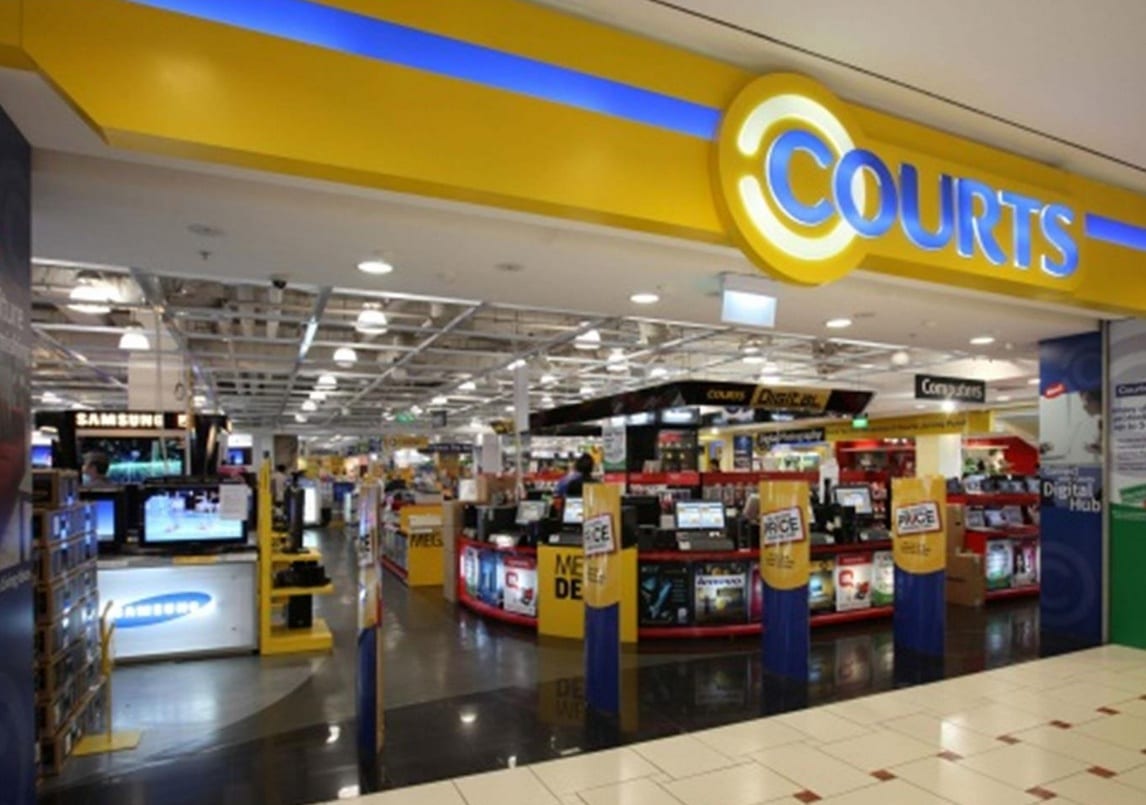
    Despite the challenging retail landscape, Courts Asia more than tripled its profit for the full year ended March 31. Mainboard-listed Courts Asia took in earnings of S$23.7 million, up from S$6.8 million in the previous year.

    The company delivered a strong performance in spite of a slip in revenue, which fell 1.5 per cent to S$740.5 million.

    The firm attributed the profit improvement to better cost and margin management. It said that Singapore contributed 66.3 per cent of the group’s revenue. Sales here fell by 2.7 per cent from last year, mainly due to lower sales of goods, which was offset by higher service charge income.

    While revenue in Malaysia fell by 3.1 per cent due to currency conversions, revenue in Indonesia rose 59.2 per cent due to contributions from new stores.

    Courts Asia has more than 90 stores in three markets, including 69 in Malaysia and eight in Indonesia.

    The company also said it had applied the new Singapore financial reporting standard 115 revenue from contracts with customers (FRS 115) to its financial statements for the year before, even though the effective date for the implementation of the standard is for accounting periods beginning on or after Jan 1, 2018.

    The change has an impact on the revenue recognition for credit sales and services, resulting in a restatement of reporting earnings for prior years, including the 2016 financial year.

    Earnings per share for the full year came to 4.59 cents, while net asset value per share was 42.5 cents as at March 31.

    It declared a final dividend of 1.29 cents per share, which was unchanged from the last two financial years.

    In a press release, the company said it will invest in new store openings across Malaysia and Indonesia, and refresh existing stores across its three markets with the “next generation” concept. It is targeting a minimum of five new stores each in Malaysia and Indonesia by March 2018.

    It added that the company is exploring the option of “pop-up” stores with short term leases that could potentially be converted into permanent stores. This would serve as an interim measure to add market share, it noted.

    The group has also started to trial door-to-door credit sales in Indonesia, which it said would add a new stream of recurring customers.

    Dr Terence Donald O’Connor, Courts Asia’s executive director and group chief executive officer, said that the company delivered a strong set of results despite the challenging retail environment.

    “In the year ahead, we will leverage the growth levers to expand solutions-selling in all categories, transform offline stores into experience centres and drive omni-channel execution with urgency.”

  • SK Telecom conducts 5G trials in 3.5-GHz

    SK Telecom conducts 5G trials in 3.5-GHz

    SK Telecom, Samsung and Nokia have jointly conducted a 5G trial demonstration using the 3.5-GHz frequency band.

    The operator worked with Samsung to develop a 3.5-GHz 5G end-to-end network comprising a 5G virtualized core, virtualized RAN, distributed baseband and radio unit and test device based on the 3GPP 5G new radio (NR) standards established so far.

    The 3GPP has standardized the key physical component technologies of the 5G air interface. The companies’ trial 5G NR system has been developed based on this specification, incorporating innovations including subcarrier spacing of 60 kHz, transmit time interval (TTI) length of 0.25ms to reduce latency and low-density parity-check channel coding.

    SK Telecom has also collaborated with Nokia to co-develop 5G base station equipment and test devices for 3.5-GHz spectrum, achieving Gbps level throughput during a field trial near the operator’s Bundang Office Building.

    The trial also involve the measurement of link quality depending on the distance between a moving vehicle and base station to generate data to be used in the design of optimal 3.5-GHz 5G networks.

    SK Telecom plans to deploy commercial networks using both 28-GHz or another above 6-GHz frequency and the 3.5-GHz band, using the former in highly-concentrated areas and the latter to achieve wide area coverage.

    “With the successful demonstration of 5G communications using the 3.5GHz spectrum, SK Telecom has secured all key technologies for building commercial 5G networks using 3.5-GHz and 28-GHz frequency bands,” SK Telecom SVP and head of network R&D Park Jin-hyo said.

    “We will maintain our leadership in 5G by enhancing our technologies for both above 6-GHz and below 6-GHz frequencies, while playing an active role in the standardization and commercialization of 5G technologies.”

  • Blackstone targets Japanese retail through privatisation of Croesus

    Blackstone targets Japanese retail through privatisation of Croesus

    Blackstone has offered to buy a listed owner of retail assets in Asia-Pacific, valuing the Singapore-based Croesus Retail Trust at SGD901m (€572m).

    Blackstone has agreed to pay SGD1.17 per unit for all of the company’s issued units and intends to privatise it through a scheme of arrangement to be approved by unitholders.

    In 2013, Croesus Trust Retail became the first Asia-Pacific retail business trust with assets in Japan to be floated on the Singapore Stock Exchange (SGX).

    The trust owns a diversified portfolio located predominantly in Japan and has strategic relationships with large Japanese groups Marubeni and Daiwa House.

    Market sources told IPE Real Estate that several Singapore real estate investment trusts, including Croesus, have been trading at discounts to their net asset value, and have consequently attracted interest from investors keen to acquire sizeable portfolios in Asia-Pacific.

    The offer, announced to the SGX on Wednesday, confirmed market speculation of a potential takeover of the trust. Since speculation surfaced in April this year, the Croesus unit price has risen 25%.

    Blackstone will pay unitholders of Croesus a distribution income of up to SDG31.1m, subject to the deal closing by the end of October.

    A simple majority of more than 50% of unitholders, representing at least 75% in value of the units held by unitholders present and voting at the scheme meeting, is needed to approve the scheme.

    In a joint statement to the Singapore Stock Exchange, Croesus and Blackstone said the scheme represents an opportunity for unitholders to realise their investment at an attractive valuation.

    It said unitholders will receive significant premiums to the historical trading price of the units, the net asset value per unit and the net tangible asset per unit.

    CRT and Blackstone said the offer carries a premium of about 38% to the 12-month volume-weighted average price per unit, and that the offer price exceeds the highest closing price of the units since the initial public offering in May 2013.

    The trust has almost 770m units on issue, and, at the end of March 2017 the net asset value of the units was SGD0.95.

    At the end of March, the company reported an occupancy rate of 97.7% and a weighted average lease expiry of 6.5 years.

    Croesus has doubled its portfolio in Japan to 11 retail assets from just four when it listed in 2013. Its market cap has doubled to SGD759.9m since then.

  • The Challenges For Global Retail Franchises in Indonesia

    The Challenges For Global Retail Franchises in Indonesia

    Research company Spire in 2016 found Indonesia is viewed as the region’s largest franchise industry, with experts predicting at least 60 percent of franchise business operated in Indonesia last year with the majority of foreign franchises.

    Amir Karamoy, Chairman of the National Committee for Franchising and Licenses at the Indonesian Chamber of Commerce and Industry, said regional headquarters based in Indonesia should be encouraged as it benefits the country through taxes and human resource development. But at this stage, Indonesia’s complicated regulations regarding retail businesses and franchises limit foreign involvement, particularly for foreign businesses hoping to base a regional headquarters in the country.

    These regulations, as well as strong competition, can spell trouble for even the biggest global brands. The recent announcement that US convenience store giant 7-Eleven will close its doors in Indonesia has prompted speculation on further reforms.

    Modern Sevel Indonesia (MSI), the local arm of 7-Eleven Indonesia, opened its first store in Bulungan, South Jakarta, in 2009.

    “The business model that 7-Eleven implemented made underlying products such as snacks, beverages and cigarettes popular. This had made several other mini markets struggle to compete,” University of Indonesia academic and businessman Rhenald Kasali said.

    The chain introduced the hang-out concept to Indonesia, which saw young people gather to spend time together and snack, which in turn disrupt traditional models where customers would purchase food and then leave.

    Kasali speculated the Indonesian government does not support the business concept, which could have been a factor in MSI closing all stores by the end of June.

    He said government regulations typically ‘take sides’ in support of older retailers.

    “Sixty percent of 7-Eleven’s income came from youngsters who hang out at the store. 7-Eleven suffered because of bureaucracy and regulators that don’t understand the business model,” Kasali added.

    7-Eleven faced tough questioning from the Ministry of Trade when it first launched about the concept and whether the outlets were convenience stores or restaurants. A government regulation which prohibited the sale of alcohol at convenience stores is also believed to be a factor in the shutdown.

    The convenience store brand is not the first international giant to struggling to do business in Indonesia. Last year Swedish furniture retailer IKEA struggled to keep its franchise in Indonesia due to copyright problems with a firm called IKEA Surabaya.

    The Surabaya-based IKEA had registered the name in 2013, while the Swedish firm had registered in 2013. But Indonesian regulators defended the Surabaya business, saying the Swedish IKEA had been commercially inactive. As a result, Swedish IKEA paid a royalty to the Surabaya IKEA.

    Similarly, French fashion brand Pierre Cardin sued Jakarta businessman Alexander Satyo Wibowo who had been using the name for his brand in Indonesia. Like the IKEA case, the courts sided with the local business and ruled Pierre Cardin had lost the rights to the name due to inactivity.

    Although Pierre Cardin is a famous brand globally, the company registered its name in Indonesia in 2009 while Wibowo registered his brand in 1977. As a result, France’s Pierre Cardin no longer open outlets in Indonesia under that name.