Author: Mei Ling Tan

  • CapitaLand nabs three mall management contracts in China

    CapitaLand nabs three mall management contracts in China

    These expand the group’s mall footprint by another 115,000 sqm. CapitaLand Limited is accelerating its shopping mall network expansion through the recently-won management contracts with three new partnerships in China.

    According to the group, its subsidiary CapitaLand Mall Asia will be adding more than 115,000 square meters of gross floor area with these deals.

    In Chengdu, CapitaLand has been commissioned by Sichuan Da Yi Real Estate Co. Ltd to manage the retail component of Leshijie, an integrated development in the up-and-coming Pidu district.

    In Foshan, CapitaLand will be managing the retail component of Hehua International Commercial Plaza a landmark integrated development near Foshan’s border with Guangzhou, on behalf of Hehua Shengshi (Foshan) Property Development Co. Ltd.

    In Shanghai, CapitaLand will manage the retail component of Capital Square, an integrated development it is jointly developing with Shanghai Shentong Metro Group, which develops, constructs and operates railway and metro lines in the city.

    “Since embarking on our mall network expansion strategy last August, we have secured six management contracts in Singapore and China to date, growing our portfolio by close to 300,000 square metres within a year,” CapitaLand Mall Asia CEO Jason Leow said.

  • China economy growing but harder times beckon

    China economy growing but harder times beckon

    China’s economy continued to improve in the second quarter, with corporate profits rising and hiring up, a private survey showed, but it suggested the Asian giant may have to brace itself for tougher times ahead even though firms have been able to weather a tighter financing environment.

    The quarterly survey of thousands of Chinese firms by China Beige Book International (CBB) showed yesterday that while the property sector slowed, manufacturing improved further and the retail and service industries bounced back after a difficult first quarter.

    That reinforced a flurry of recent data and policymakers’ comments that indicated the authorities were working to curb financial risks and keep the economy on an even keel heading into a key political meeting this year. The survey showed surprisingly strong performance in the commodities sector despite some price weakness in the second quarter, with the aluminium sector particularly strong.

    Yet signs of stress in the corporate sector pointed to a bumpy ride for businesses. CBB said cash flow was negative for many companies and inventory levels in the second quarter was at the highest in the history of the survey.

    That is in line with official data showing growth in industrial inventories picked up to over 10 per cent in April, sparking worries of weak demand. CBB said there are signs that tougher times could be ahead for Chinese companies during a period of deleveraging and rising interest rates.

    “It remains true that either rates have to come plunging back down, as the (state planner) recently called for, or the present level of corporate activity is headed for a cliff,” CBB said in its report.

    As the government stepped up its campaign to curb debt risks and stabilise the financial sector, growth of China’s broad money supply came in at the slowest in at least two decades in May, though bank lending remained solid.

    The survey showed the corporate sector started to feel the effect of tighter credit conditions in the second quarter. Borrowing was not impacted much, CBB said, likely due to positive business outlook for the next six months.

  • China’s Alibaba boosts stake in SE Asia online sales

    China’s Alibaba boosts stake in SE Asia online sales

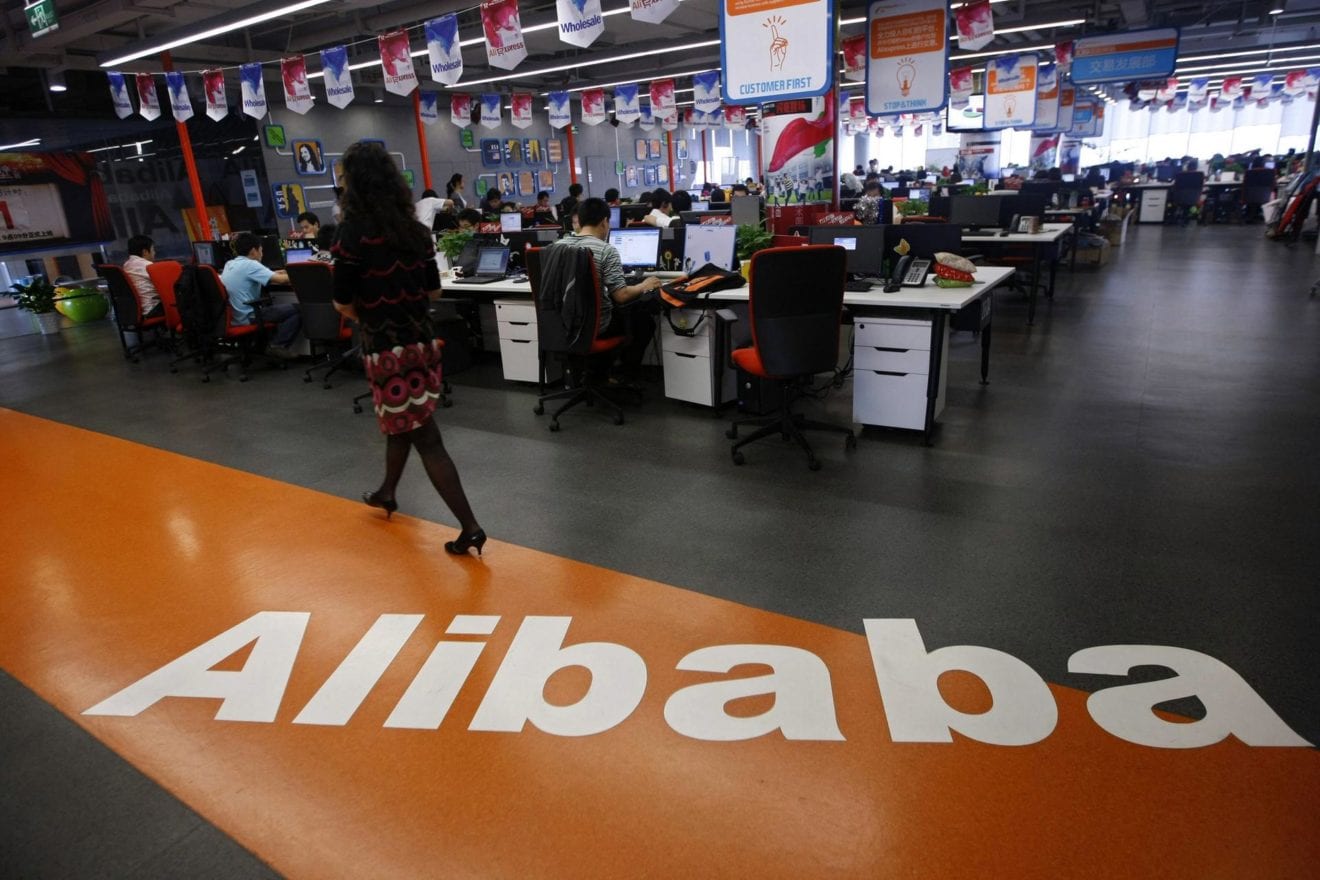
    Chinese e-commerce giant Alibaba said Wednesday it would inject another $1 billion into Southeast Asia’s Lazada, as the cashed-up company increases its stake in the region’s nascent online shopping market.

    The investment will raise Alibaba’s holding in Lazada to 83 percent from 51 percent and take its total outlay on the company so far to more than $2 billion.

    “The e-commerce markets in the region are still relatively untapped and we see a very positive upward trajectory ahead of us,” said Alibaba chief executive Daniel Zhang, estimating only three percent of Southeast Asia’s retail sales are conducted online.

    Alibaba, founded by China’s richest man Jack Ma, is a dominant player in the fast-growing online commerce market as shoppers increasingly shun bricks-and-mortar stores.

    Earlier this month Alibaba forecast annual revenue growth of 45-49 percent. That followed an almost doubling in its net profit in the quarter ended March 31, on a 60 percent surge in revenue.

    Alibaba’s Taobao platform is estimated to hold more than 90 percent of China’s consumer-to-consumer market, while its Tmall platform is believed to handle over half of business-to-consumer transactions.

    But its international commerce business accounted for only 10 percent of revenue in the last quarter.

  • 6 key components to effective customer experience

    6 key components to effective customer experience

    Today’s highly competitive retail environment requires that retailers create compelling and unique customer experience (CX) allowing them to have a frictionless shopping experience across all the channels. The customer experience is not confined to a single department or a job role but a holistic organizational effort that requires participation from all the stakeholders within the retail organization. Customer experience is a strategic goal led by the CEO driving the omni-experience transformation within the organization. Consistency across the customer-facing touchpoints is essential to ensure a perfect and consistent customer experience.

    According to IDC experience survey, “consistent experience across different channels of interactions” cited as the number 1 factor by the respondents. Retailers must also orchestrate their channels with business process and support those processes with integrated software systems.

    IDC sees the customer experience as a business strategy that is part of a customer-centric business strategy. Customer experience is one of the four experiences defined by IDC (the other are employee, partner, and supplier). While an organization may have the result of a customer experience in mind, it may choose to pursue an employee experience or partner experience strategy as its means to ultimately deliver a differentiating customer experience. IDC defines customer experience as follows: Customer experience is the entire process over the lifetime of a relationship between customers and an organization with which they engage. In this context, customer experiences can range from a single transaction to an ongoing relationship over a period of many years.

    Key Components of Customer Experience

    • Culture, strategy, and processes. The organization’s culture is central to making a CX strategy work. Leadership must show support for CX initiatives because the ripple effect through the organization is profound. The concrete evidence of this cultural directive should be found in the strategy and processes that support it.

    • Products and services. The product or service that the retailer offers should inherent to the satisfaction of the customer, and it must fulfill a need or demand. The quality of the product or service should also reflect the value for money.

    • People. Customers are obviously at the center of CX. But the company’s employees are just as important, if not more so, as they are in the direct flow of delivering the customer experience. Employees are the advocates and evangelists for the company. In addition, suppliers and partners enable the production, sales, and implementation of the product or service, requiring them to understand the organization’s strategy in order to represent its brand.

    • Information. Information includes all of the content, data, and analysis that are distributed among key stakeholders: the customer and the organization, by employees to other employees, and from partners to customers through the delivery and support of products.

    • Access. Access includes all the touch points through which a customer experiences a retail brand. The consistency of these touchpoints is the powerhouse factor in driving customer experience.

    • Technology. Technology, including both hardware and software, supports and automates the CX environment. Technology should streamline and reduce friction for customers when using digital channels.

  • Kerry launches new UK-China rail freight service

    Kerry launches new UK-China rail freight service

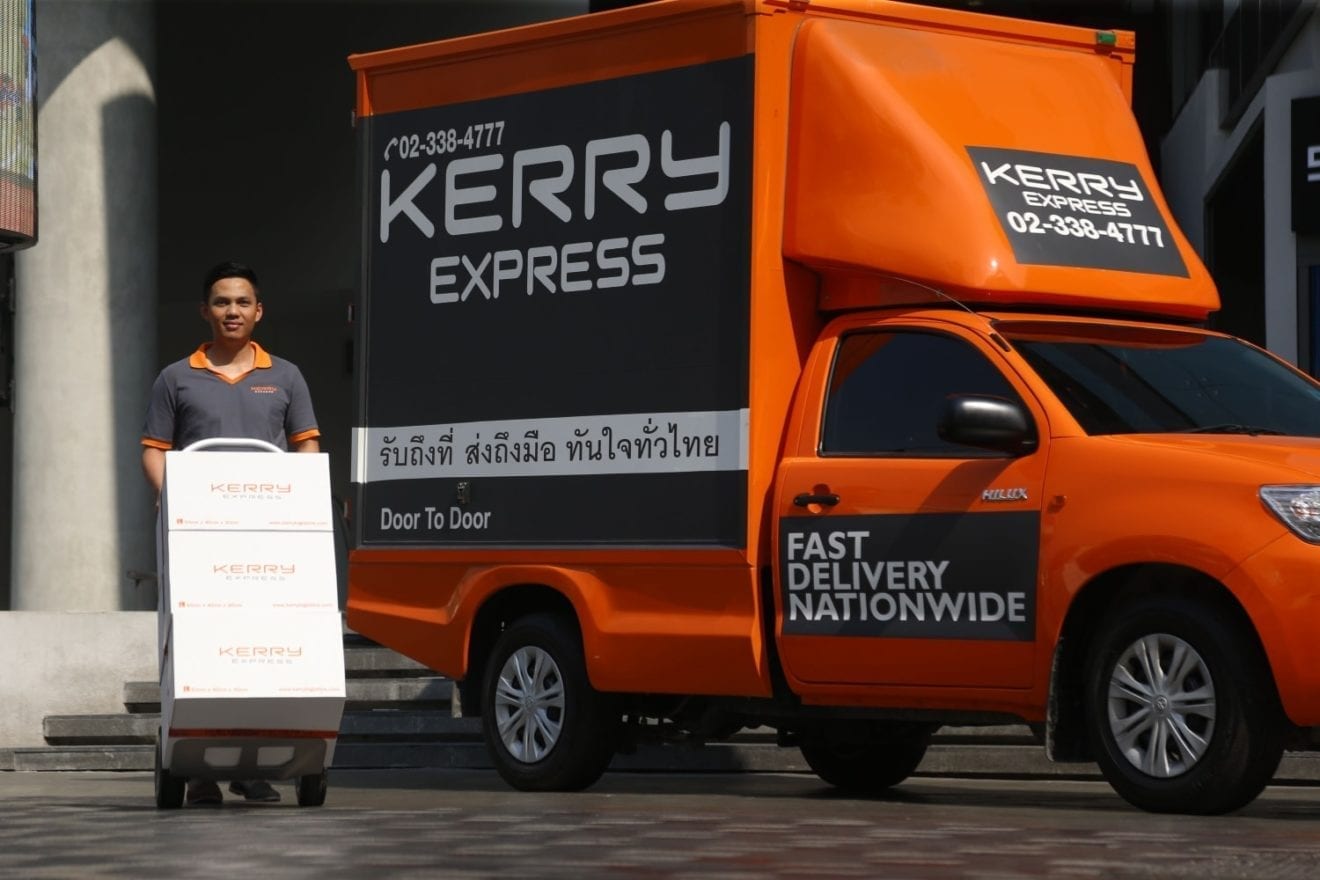
    Kerry Logistics Network announced the launch of its weekly scheduled Less Than Container Load (LCL) rail freight service between Duisburg, Germany and Shanghai via the Yiwu terminal in the Yangtze River Delta, China, using its own consolidation containers.

    This additional service option for east- and westbound shipments enhances Kerry Logistics’ existing Full Container Load (FCL) and LCL services, offering a transit time of 16 days for westbound cargo, and 21 days eastbound.

    Shipments have already been successfully moved using the new service, which offers weekly departures on Friday eastbound and Wednesday westbound.

    The rail freight solution is part of Kerry Logistics’ end-to-end freight management service, which provides an unrivalled range of upstream services, including storage, quality control, assembly, and reworking in addition to the pre-carriage and delivery to final destination.

    Thomas Blank, managing director of Europe, Kerry Logistics, said, “Our proven track record and unparalleled service network in Asia, together with our local expertise throughout Europe, promise that we can now offer our customers a flexible, cost-effective solution on this route for cargoes from industrial freight, down to smaller e-commerce commodities.

    “Acting as the consolidator ourselves allows us to offer shorter lead times, moving each shipment faster than if we had to wait for a full container from each customer, who can monitor their cargo along the route via online track and trace.

    “We can be more reactive to our customers’ rapidly evolving needs,” Blank added.

  • Vietnam bans new carpooling services from Uber, Grab

    Vietnam bans new carpooling services from Uber, Grab

    The authorities say sharing a car with a stranger comes with risks that passengers should not ignore. It’s yet another bumpy ride for popular ride-hailing services Uber and Grab.

    Their new carpool versions in Vietnam, UberPOOL and GrabShare, have been blocked by the Ministry of Transport, not long after their summer launch.

    Low-cost services that allow drivers to pick up an extra person along the way will create risks for the passenger, the ministry said in a new statement. stopping short of mentioning any such incidents.

    The ban is to protect Vietnamese passengers from what could happen, it said.

    If Uber and Grab disobey the rule, they will be fined VND4-6 million ($175-260) per ride.

    Last month, U.S.-based Uber and Malaysia-based Grab rolled out their carpooling services in Vietnam, promising to help passengers save 30 percent of payments by splitting the costs.

    Uber and Grab entered Vietnam in 2014. Since then, the two have repeatedly made headlines for regulatory issues.

    Exisiting service providers have not been happy. Vinasun and Mai Linh, the two major taxi companies in Vietnam, blame their business difficulties on Uber and Grab, saying the competition has been “unfair” because the foreign firms are not subjected to strict tax rules.

  • Hong Kong’s First Business Travel Mobile App Launched by TravelSky

    Hong Kong’s First Business Travel Mobile App Launched by TravelSky

    China TravelSky Holding Company today announced the launch of CozyGo, Hong Kong’s first business travel management mobile app. Tapping into cross-border corporate travel demand, especially among SMEs (small and medium-sized enterprises), the app – unlike anything currently in the market –  provides efficient business-ready travel service based on corporate travel policies. 

    In one of its first forays into international markets, TravelSky decided to launch a Traditional Chinese version of CozyGo in Hong Kong. The business travel management mobile application is designed to enhance the efficiency of the business travel booking process, and the autonomy of the traveler to manage his/her own booking and approval process within just a few clicks, without the need to spend extra time on internal communications for approval of the trip.

    Until now, full integration with users’ corporate travel policies and complete Traditional Chinese functionality have not been available together in one app in Hong Kong. Users of TravelSky partner companies will be able to use CozyGo for flight searching and booking, trip management, and order approval functions. It also stores frequent flyers’ information to provide convenience for repeated bookings.

    Business travel demand is strong and Hong Kong’s large SME sector in particular is known for frequent cross-border business travel. According to TravelSky, bookings with Chinese commercial airlines increased by almost 12% from around 449 million in 2015 to around 502 million in 2016. And in the first two months in 2017, domestic flight bookings with Chinese commercial airlines recorded a YOY increase of nearly 14%, to around 75 million.

    Mr. Peng Bo, General Manager of GDS (Global Distribution System) Business Unit, TravelSky Technology Limited said, “As a leading provider of information technology solutions for China’s aviation and travel industry, we are excited about extending our technology to Hong Kong. CozyGo is our flagship product for travel management companies in China, which achieved 120,000 downloads in 2016. We aim to capitalize on Hong Kong’s high-potential market to capture market share in the corporate travel sector here. Today’s launch aligns with our vision to become a world-class company, internationally competitive and stable in the Chinese market.”

    CozyGo features at a glance:

    1. Flight Booking – It offers the fastest bookings customized for each corporate client, aligned with the corporation’s travel policy.
    2. Approval – Users can submit orders online for trip approval; the app will send timely reminders to the approving manager.
    3. Flight Data – The large database offers comprehensive details for making flight selection decisions.
    4. Flight Status – Flight status is continuously updated on the homepage, users are informed of any change any time, anywhere.
    5. App Download – CozyGo is available for download on Apple App Store (for iPhone, iPad and iPod Touch), and on Google Play (for Android devices).
    6. Language – Users can select the preferred language to display on the interface, between English, Traditional Chinese and Simplified Chinese, catering to the needs of the international business environment in Hong Kong.
  • Singapore named 9th most economically vibrant city globally

    Singapore named 9th most economically vibrant city globally

    Singapore has shot up by 12 places in a league table that ranks cities on opportunities for property investment. The index, launched last August, looks at factors such as retail sales, household income, adult population size and gross domestic product to determine how economically vibrant a city is.

    Singapore was ranked ninth, up from 21st last December, by asset manager Schroders, which compiles the index of 161 cities.

    Los Angeles took the top spot, with London second, a move up from eighth place in December.

    “One of the key strengths of Los Angeles’ economy is that it is well-diversified across multiple industries, including financial services, media, trade and technology,” said Mr Hugo Machin, co-head of global real estate securities at Schroders.

    “The technology sector, in particular, has grown substantially over the past few years, and this has not only boosted demand for office space but also for residential property, much of it due to the increased hiring of millennials.”

    On London, he said the firm believes it “has a competitive advantage in location, language, scale, infrastructure and cultural diversity”, adding: “If we add the global strength of its universities, London remains a favoured place to invest.”

    Schroders said university rankings, which were taken into account this time for the first time, were the main reason behind changes in cities’ positions.

    “Universities are critical in powering city economies. Innovation and education provide a better trained, more productive workforce. Knowledge-based hubs are growing in economic strength with a positive knock-on to real estate markets in those locations,” Mr Machin noted.

    The new methodology gave a boost to US cities, which filled 16 of the top 30 slots. Boston, where the greater metropolitan area houses academic institutions such as Harvard University and the Massachusetts Institute of Technology, jumped from 24th to third place.

    But Chinese cities were hard hit, after taking four out of the top five spots in December last year.

    Beijing fell from pole position to 11th place, with Shanghai dropping from second place to 10th and Shenzhen plummeting from third to 24th. Tianjin, which came in fourth last year, is no longer in the top 30.

  • Car ownership ratio remains low

    Car ownership ratio remains low

    The industry’s growth for 2012-2016 period was 38%, the highest rate in the South East Asia. About 45% of the new cars were registered in Hanoi and HCM City.

    As of 2016, about 211,000 vehicles were registered in HCM City and 291,000 in Hanoi. 600,000 cars were sold in remaining provinces and cities.

    Cars from Japan and South Korea were favoured in Vietnam. Customers now have more choice as more European car brands have appeared in Vietnam such as Renault and Volkswagen.

    However, the car ownership ratio in Vietnam is only 16 cars for 1,000 people. This rate is lower than Malaysia’s 341 cars, Thailand’s 196 cars and Indonesia’s 55 cars.

    According to Solidiance, one of the reasons is because prices are still high. Car manufacturing, as well as supporting industries, are still weak so Vietnam has to import completely built units. Moreover, poor infrastructure and constant congestion have discouraged people from buying cars.

    It is predicted that the demand will continue to rise with steady economic growth and increasing personal incomes. Import taxes will be reduced or lifted from 2018 after Vietnam joins various trade agreements such as the ASEAN Trade in Goods Agreement. As a result, the car prices will fall and become more affordable.

  • Samsung to invest $380 mln, add almost 1,000 jobs

    Samsung to invest $380 mln, add almost 1,000 jobs

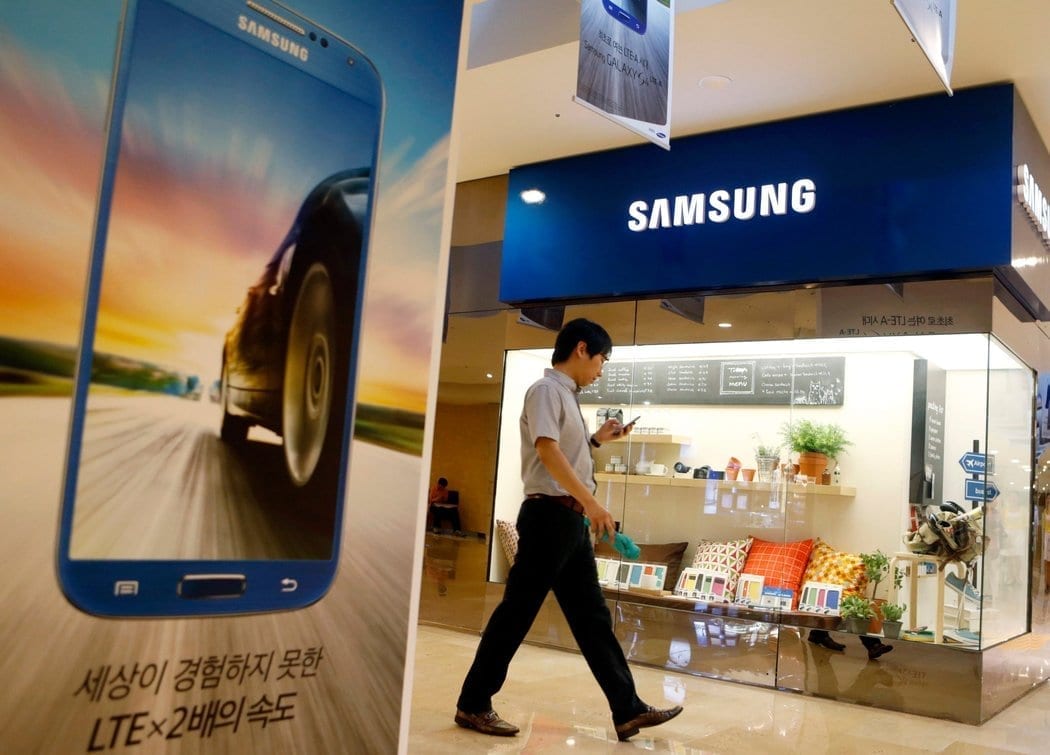
    Samsung plans to invest $380 million and hire nearly 1,000 workers for a new plant in South Carolina to manufacture home appliances, the company announced Wednesday.

    Samsung Electronics America described it as a “state of the art” facility that starting next year will build premium home products, including washing machines, and will be staffed with craftsmen, engineers and operators.

    U.S. Commerce Secretary Wilbur Ross, who is leading President Donald Trump’s “America First” manufacturing and trade strategy, applauded the announcement and appeared at a signing ceremony with South Carolina officials.

    Ross said in a statement the investment was “a direct reflection of the fact that America is becoming an even stronger destination for global businesses looking to grow.”

    Samsung said ultimately facility in the southern U.S. state will be “serving as the U.S. hub for home appliance manufacturing across the business unit.”

    “For nearly 40 years, Samsung has steadily expanded our operations in the United States,” said Tim Baxter, chief executive of Samsung Electronics America.

    “With this investment, Samsung is reaffirming its commitment to expanding its U.S. operations and deepening our connection to the American consumers, engineers and innovators who are driving global trends in consumer electronics.”

    The company alluded to incentives granted by the state government as a factor in the decision to invest in the project, which upgrades a plant formerly owned by machinery manufacturer Caterpillar.

    The South Carolina commerce department said it approved job development credits for the project by the South Korean technology giant.

    The facility also will receive $2.75 million in incentives from Santee Cooper, an electric utility owned by the state, the Post & Courier newspaper reported.

    A Samsung spokesperson declined to comment on the incentives package.

    On its website, the South Korean company said the investment decision was driven by the high-skilled workforce in South Carolina, the state’s record in attracting and retaining other global businesses, “strong local government leadership” and strong highway and port facilities.

    The Samsung spokesperson denied news reports saying the company was moving operations to South Carolina from Mexico.

    “We’re expanding our footprint in the U.S. to meet the surging demand for our products in that market and to increase the speed with which we can adapt our products to the preferences of American consumers,” she said.

    “Mexico is an important market for Samsung and our manufacturing operations in the country continue to serve as a major production bases for the company in Latin America.”

  • Vietjet announces three new aircraft and more international routes

    Vietjet announces three new aircraft and more international routes

    Vietjet reported continuous growth in its business performance in May with the addition of three new aircraft to its new generation fleet, the launch of new international routes and increased frequencies of international flights to meet the increasing travel demand of domestic passengers in the high season.

    In May, Vietjet launched the Da Nang – Seoul route; opened sales for Hanoi – Yangon route, which is expected to operate as of August 31, 2017. Besides, Vietjet increased the frequencies of Hanoi – Taipei route to 11 return flights/ week from July 21, 2017 and Hanoi – Seoul route to 14 return flights/ week from August 2, 2017.

    Along with the series of new route launches, Vietjet maintained its high load factor, with a rate of over 88%. In the first 5 months of 2017, Vietjet operated nearly 39,100 safe flights, transported more than 6.5 million passengers, an increase of 29% as compared to the same period of 2016. In May, it carried over 1.5 million passengers

    Up to the end of May, Vietjet had its own channel for online ticket distribution and consumer services with 21,378 offline sales points, an increase by 2,803 points compared to that by December 31,2016.

    With this result, the revenue from airline operation of Vietjet in May approximately stood at VND8,352 billion (around USD3.6 billion), an increase of 44% compared to the same period of the preceding year and exceeding the budget forecast by 9%.

    On the international scene, on the visit of the Vietnamese Prime Minister Nguyen Xuan Phuc to the US in late May, Vietjet signed agreements with CFM International, GECAS and Honeywell Aviation, worth a total of USD 4.7 billion.

    Later, in Tokyo, Vietjet and Mitsubishi UFJ Lease & Finance (MUL), a member of Japan’s leading finance group Mitsubishi UFJ Financial Group (MUFG), signed a strategic agreement, which would pave the way for MUL to finance Vietjet’s acquisition of three brand new A321 aircraft, worth US$348 million.

  • YSL Beauty opens largest store in KL

    YSL Beauty opens largest store in KL

    YSL Beauté has officially opened its first flagship boutique in Malaysia, the luxury retailer’s flagship store for Asia.

    It’s a milestone move for YSL. Spanning over 1,057 square feet, the new boutique is currently the largest YSL Beauté boutique in the world and also the first in Asia to offer gifting and engraving services to its patrons.

    Conveniently located in the Pavilion Kuala Lumpur, the new French cosmetics store boasts glossy black panelling licked with the iconic YSL gold embellishments.

    Better still for local shoppers, it offers the full range of YSL Beauté products, including the bestselling YSL Touche Éclat concealer and its new summer 2017 collection.

    Dubbed “Solar Pop,” the new line features four of YSL’s flagship products revamped for the season with exclusive packaging and colours.

    This includes Yves Saint Laurent’s “Les Sahariennes Bronzing Stones,” a bronzing palette formulated with ultra-fine pigments to smooth and illuminate skin with a natural effect, and YSL’s “Full Metal Shadow” glossy eye colours, which get two new shades: Gold Source and Violet Wave.

    YSL classic “Baby Doll Kiss & Blush” comes in two bright new shades with Orange Intrépide and Mauve Aventureux, and for nails, the new Malaysia store will sell “Laque Couture” in two new colours: Jungle Green and Jungle Orange.

    With scores of YSL Beauté counters and concessions already open across Asia, including Hong Kong, Singapore, South Korea and Japan, no further indication has been given from the brand regarding more standalone boutique openings in the near future.

    The new YSL Beauté is located at Lot 3.63.00, Level 3, Pavilion Kuala Lumpur.

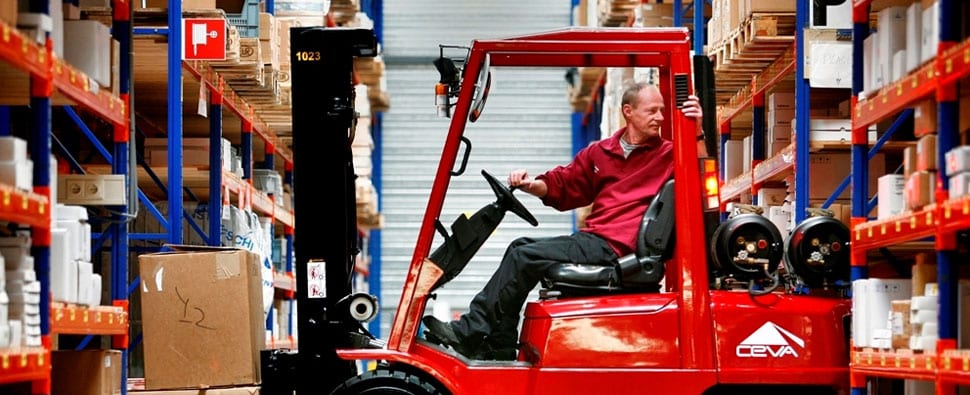
  • Ceva achieves CEIV certification in Singapore

    Ceva achieves CEIV certification in Singapore

    Ceva Logistics has been awarded IATA’s CEIV status at its facility in Singapore. CEIV is designed to indicate a company or branch’s level of competency as well as operational and technical preparedness in the global transportation by air of pharmaceutical products. A certified pharmaceutical location meets consistent standards and is fully capable of assuring product integrity.

    CEVA staff in Singapore have undertaken a comprehensive training program conducted jointly by IATA and Changi Airport Group, in readiness for certification. A quality team was established at the company’s facility at the Air Logistics Park of Singapore (ALPS) within the Free Trade Zone and this group coordinated and implemented the CEIV process.

    “Our 90,000 sq feet facility is fully accredited for the full range of active and passive temperature ranges,” says Michael Yip, SVP Freight Management of CEVA’s South East Asia cluster. We are the largest user and operator of active RKN e1 equipment outbound from Singapore and this new CEIV status recognises the full scope of our capabilities”.

  • Jaeger-LeCoultre reopens Philippines store

    Jaeger-LeCoultre reopens Philippines store

    Luxury watchmaker Jaeger-LeCoultre has reopened its flagship store in Makati City in the Philippines, enhancing the experience for local timepiece gurus.

    Located in Ayala Center’s Greenbelt 5 in Makati, the 40-square-metre boutique was reopened last week with an official relaunch party attended by company executives including Jaeger-LeCoultre’s managing director for Southeast Asia and Oceania, Maxence Kinget.

    “It’s not a store, it’s a boutique with an experience,” Kinget told the Philstar, when describing the new store at the party.

    “For us it’s very important that there is emotion and discovery, the two key mindsets when we designed the boutique.”

    The newly reopened Philippine boutique will carry the watchmaker’s complete range of watches and accessories, as well as the famous Geophysic Tourbillon Universal Time, of which just one will be stocked.

    Jaeger-LeCoultre has also launched a new Geophysic collection for men with a steel metal bracelet, said to be “very good for South Asia because with the humidity and warm weather sometimes you want a stainless-steel bracelet instead of the alligator strap,” according to Kinget.

    There’s also a women’s range, with a new take on the iconic ‘Rendez-Vous’, a round watch with diamonds around the bezel.

    Finally, the new store will stock boutique-exclusive pieces, made in collaboration with Jaeger-LeCoultre and Lucerne – the distributor of Jaeger-LeCoultre in the Philippines — that aren’t available anywhere else in the world.

    Moreover, timepiece aficionados can create their own one-of-a-kind watch with Jaeger-LeCoultre’s new bespoke service on offer.

    “There is in the Philippines a very high level of watchmaking knowledge, a very strong appetite for watches and a very strong Maison in the Philippines,” said Kinglet. “Jaeger-LeCoultre is considered a reference in fine watchmaking, as well as having a very high level of craftsmanship. Within our manufacture we have developed the biggest collection of movements — 1,200 calibers developed in our history, which is absolutely crazy — and we still produce more than 50 calibers in the collection today. We spend a lot of time trying to make sure there is a very strong connection between respect for our tradition, our heritage, as well as being oriented towards the future.

    The Swiss watch group entered The Philippines in 2000, after striking a deal with Lucerne. But it only opened its first store in 2008, which is the newly fitted Greenbelt 5 store.

    Jaeger-LeCoutlre is also sold at Lucerne Jewellers in Taguig City and at the recently opened L’Atelier Lucerne at Shangri-La at the Fort.

  • Cisco launches intent-based networking solutions

    Cisco launches intent-based networking solutions

    Cisco has unveiled a new networking paradigm it is calling intent-based networking, with the aim of creating an intuitive system that anticipates actions, stops security threats in their tracks, and continues to evolve and learn.

    The new solutions are designed to help businesses to unlock new opportunities and solve previously unsolvable challenges in an era of increasing connectivity and distributed technology.

    They involve a shift from hardware-centric to software-driven networking to improve agility, productivity and performance.

    This new network is the result of years of research and development by Cisco to reinvent networking for an age where network engineers managing hundreds of devices today will be expected to manage 1 million by 2020.

    “The network has never been more critical to business success, but it’s also never been under more pressure,” Cisco CEO Chuck Robbins said.

    “By building a more intuitive network, we are creating an intelligent platform with unmatched security for today and for the future that propels businesses forward and creates new opportunities for people and organizations everywhere.”

    Today companies are managing their networks through traditional IT processes that are not sustainable in this new age. Cisco’s approach creates an intuitive system that constantly learns, adapts, automates and protects, to optimize network operations and defend against today’s evolving threat landscape.

    With the vast majority of the world’s internet traffic running on Cisco networks, the company has used its unique position to capture and analyze this immensely valuable data by providing IT with insights to spot anomalies and anticipate issues in real time, without compromising privacy.

    Already, 75 leading global enterprises and organizations are conducting early field trials with these next-generation networking solutions, including DB Systel GmbH, Jade University of Applied Sciences, NASA, Royal Caribbean Cruises Ltd., Scentsy, UZ Leuven and Wipro.