Author: Mei Ling Tan

  • GateHouse talks supply chain nirvana at IoT Slam Conference

    GateHouse talks supply chain nirvana at IoT Slam Conference

    Logistics data unifier GateHouse Logistics A/S announces that it has been invited to present its vision of the future direction of data used in the logistics industry at the upcoming IoT Slam Conference being staged at Raleigh in North Carolina on June 21 and 22. The annual Conference brings together the The Internet of Things Community (IoT Community), the world’s largest group of CxOs and IoT professionals.

    The function of the community is to focus on the adoption and application of IoT in commercial environments such as the transport industry, seeking to understand and contribute to applying the technology or overcoming the wide variety of barriers, inhibitors, and technical and operational issues involved.

    “The logistics industry is moving into the smart connected era and an industry-wide and truly system agnostic mobility platform is needed now by all parties involved in the supply chain to control, make visual and rationalize the mountains of data involved in order to reach the next level of business efficiency,” says Jesper Bennike, CEO, GateHouse Logistics.

    He adds: “Data about connected trucks and Just-in-Sequence supplies to smart factories are just the tip of tomorrow’s supply chain issues and the IoT Slam Conference is the perfect platform for GateHouse to discuss its IoT solution with leaders responsible for shaping the use of data in the future IoT logistics industry.”

    As a leading independent logistics data unifier and aggregator, GateHouse Logistics believes that it is within its remit to propose a cross-system data mobility platform to the transport industry that can not only collect and unify all data from all telematics systems, but also distribute it to authorised enterprises as one datastream.

    The mobility platform provides LSP’s with a mixed fleet a unified and consolidated data stream from their whole fleet. The data stream can be easily integrated with any TMS system and it can also securely be shared with third parties.

  • 12,000 shoppers turn to GoSpree app

    12,000 shoppers turn to GoSpree app

    The Great Singapore Sale (GSS), from June 9 to Aug. 13, is going digital this year with a new mobile phone app called GoSpree. The free app will operate as a “super mall” platform, allowing customers to get their hands on various e-coupons from different categories of retailers across the island.

    Using the app, available in English and Mandarin, seems easy enough. Shoppers pick the discounts they want to enjoy and the app compiles the offers on a virtual card to be used at designated physical stores before they expire. The geo-location enabled app will also let retailers send e-coupons and flash deal alerts to shoppers nearby.

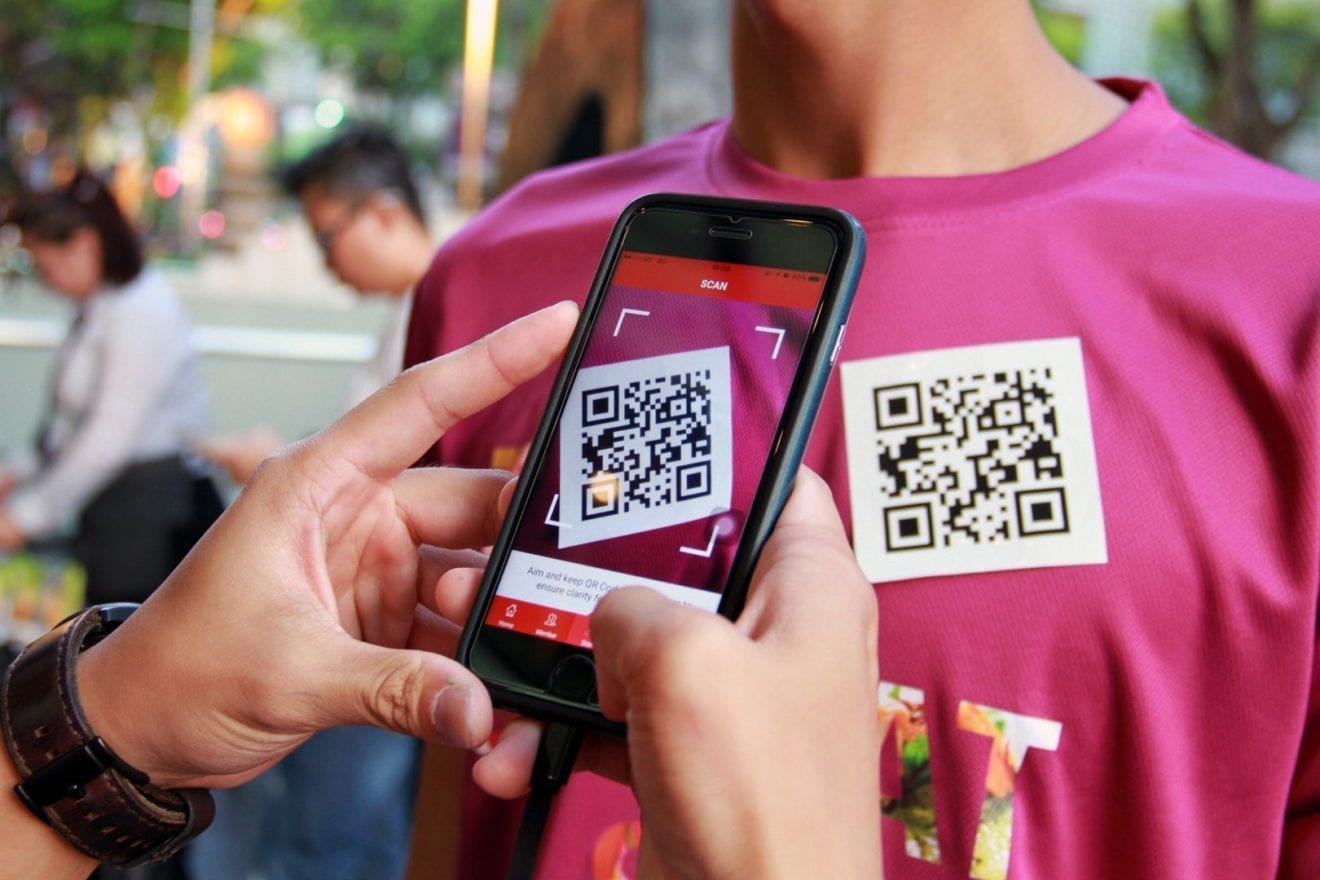
    Each GSS retailer will also get a unique QR code, which may be displayed around the island. Users can collect these codes using the app’s code scanner to unlock special deals.

    The app will also have a directory of participating retailers for users to browse through. To be launched on the first day of the nine week-long sale, the free app can be downloaded through the Apple Store and the Google Play store.

    Its aim, says the Singapore Retailers Association (SRA), which organises the annual GSS, is to reach out to younger tech-savvy shoppers, as well as to help participating retailers, especially smaller stores in the heartlands, pull in shoppers during the sale.

    Said SRA’s executive director Rose Tong: “With the GoSpree app, we are hoping to target anyone with a phone and incentivise their shopping experience.”

    “We particularly want to reach out to smaller, independent retailers who can really leverage on the platform to target new customers and get additional publicity at no cost,” she said, adding that the sale will stretch past the National Day public holiday so shops can hold themed promotions.

    Retailers will not be charged to list their offerings on the app, which is owned and copyrighted by SRA.

    One retailer already on board is local design and lifestyle store Naiise, which will be offering $5 GoSpree e-coupons as well as exclusive discounts and offers to app users.

    Said Naiise founder Dennis Tay, 32: “For us, getting on GoSpree offered us a chance to reach digital natives – many of whom are our target audience.”

    “We feel the app is a move in the right direction because it is allowing retailers to transform the offline shopping experience and take it beyond the transactionary.”

    Also on the app are retailers such as furniture and electrical giant Courts, department store Takashimaya and Millenia Walk mall – all of whom have e-coupons and special deals such as free parking vouchers that will be revealed when the app launches on June 9.

    In addition, UnionPay cardholders will get access to exclusive deals through the app. The GSS this year, supported by Singapore Tourism Board (STB) and UnionPay, is in its 24th run. The event has helped cement Singapore’s reputation as a shopping paradise and was launched by STB in 1994 to market the island as such.

    The move to digitise the sale comes in the wake of the retail industry transformation map announced last September. The map, among other things, calls for retailers to innovate and try out new technology to reach out and engage with consumers.

    So far, it seems like shoppers will bite.

  • The Ramadan Productivity Drop And How To Overcome It

    The Ramadan Productivity Drop And How To Overcome It

    The holy fasting month of Ramadan is a special time in Indonesia, with nightly celebrations and long days of devout reflection for Muslims and discrete respect from non-Muslim expats and locals. Although for bosses and managers, the month can be a time of frustration with productivity seemingly grinding to a halt.

    “The productivity of workers declines in the holy month by 35 to 50 percent as a result of shorter working hours and the change in behaviour during this month,” Samer Sunnuqrot, an economist based in the Jordanian capital Amman told.

    Unlike Muslims practicing in Muslim-minority countries, like the United Kingdom or Australia, the specific needs of fasting can be taken into account by business and government in Muslim-majority countries like Indonesia or Jordan.

    “Decisions and meetings will be postponed until the period of Ramadan is over, especially in governmental institutions. This causes lower productivity and performance and might incur losses for business people because of the postponing of decisions and processing of government transactions,” Sunnuqrot said.

    While productivity dips during the fasting month, Sunnuqrot notes consumption tends to rise.

    “The positive side of Ramadan for business people is a higher demand for goods and services and higher consumption.

    “That often means higher prices, which translates into higher profit margins for merchants, retail stores, restaurants and cafes – especially those which arrange amusement programmes for after iftar (the breaking of the fast),” he said.

    Rumy Hasan, a lecturer at the University of Sussex, investigated the economic impact of lost productivity during Ramadan. His research found Ramadan creates a loss of 42 working hours per fasting participant each year, representing an overall 2.5 percent reduction in output annually.

    “Productivity declines not only from the physical strain of fasting but from the disruption to the flow and organization of work. It is reasonable to assume that a decline in productivity would further reduce economic output by at least 3 percent each year, which represents a significant annual recessionary impact of Ramadan,” he said.

    This decline is due largely to the physical effects of fasting.

    “Occupational health researchers have highlighted various adverse health consequences from severe dehydration, including headaches, dizziness and nausea,” Hasan found.

    For Muslim-minority countries this loss can be absorbed by the non-fasting majority of the labour force, but in Indonesia, where almost 88 percent of the population identifies as Muslim, this represents a massive issue.

    But all hope is not lost for managers and bosses hoping to boost productivity in the office until the Idul Fitri long weekend. While fasting, early mornings and late nights leave workers lethargic and struggling to focus so making the workplace flexible can help overcome some productivity issues.

    Beginning work earlier for an earlier finish will ensure workers maximize their energy from the pre-dawn morning meal, or suhoor, while also helping employees make it home in time to break the fast, or iftar, while dodging crippling traffic.

    Business consultant Mohammed Faris suggest non-Muslim managers and bosses take part in their own three-day fasting challenge in an effort to demonstrate both solidarity and to better understand the experiences of fasting colleagues.

    “If you want to engage with your staff on the challenges of fasting in Ramadan and work productivity, the best way is to actually talk about it and empathize with them. Start a conversation by asking your fasting employees how they consider work would be affected in Ramadan and what could be done about it,” he told.

    United Kingdom news portal Metro recommends tailoring traditional productivity tips for the month, such as goal setting and creating daily lists of tasks. This ensures Ramadan is treated as the special time that it is, while also maintaining good work habits.

    Additionally, while it may be tempting to gorge on the traditional treats and meals of the season, keeping healthy during the working week at least will go a long way to maintaining functionality. Lots of fresh fruit and proteins during the morning meals will help keep any participant in great health for a long, productive day ahead. Likewise, avoiding overly sugary and fried snacks in the evening and staying hydrated will keep the body healthy.

  • Dutch firm aims to deliver first flying car in 2018

    Dutch firm aims to deliver first flying car in 2018

    From ‘The Jetsons’ to ‘Chitty Chitty Bang Bang’, flying cars have long captured the imagination. While several futuristic projects are under way in different countries, a Dutch design may be the first one sold and soaring into the skies.

    After years of testing, the PAL-V company aims to pip its competitors to the post. It is poised to start production on what they bill as a world first: a three-wheeled gyrocopter-type vehicle which can carry two people and will be certified for use on the roads and in the skies.

    “This kind of dream has been around for 100 years now. When the first airplane was invented people already thought ‘How can I make that driveable on the road?’,” chief marketing officer Markus Hess told.

    The PAL-V (Personal Air and Land Vehicle) firm, based in Raamsdonksveer in the Netherlands, is aiming to deliver its first flying car to its first customer by the end of 2018.

    The lucky owner will need both a driving license and a pilot’s license. But with the keys in hand, the owner will be able to drive to an airfield for the short take-off, and after landing elsewhere drive to the destination in a “door-to-door” experience.

    Different versions of a flying car are being developed in the Czech Republic, Slovakia, Japan, China and the United States.

    But final assembly on the PAL-V will start in October, with the company seeking to be the first to go into commercial production.

    ‘No falling from sky’

    The PAL-V uses normal unleaded petrol for its two 100-horsepower engines, and can fly 400 to 500 kilometers (248 to 310 miles) at an altitude of up to 3,500 meters (11,500 feet).

    On the road it has a top speed of around 170 kilometers an hour.

    In 2019, the company expects to produce between 50 and 100 vehicles, before ramping up to “quite a few hundred” in 2020.

    It won’t be cheap. The first edition, the PAL-V Liberty, costs 499,000 euros ($599,000), while the slightly cheaper PAL-V Liberty Sport, to be made next, has a price tag of 299,000 euros.

    PAL-V was founded in 2007 by Robert Dingemanse and pilot John Bakker.

    “In the beginning it was, let’s make a gyrocopter drivable,” said Hess.

    But the company, which has some 40 to 50 employees, realized the weight and length of a gyrocopter’s blades gave the vehicle a high center of gravity when driving, especially taking corners.

    They have designed the car so at the flick of a button the blades fold down and gather like a bat’s wings on the top.

    And they have incorporated into the car a 2005 breakthrough — when the Dutch company Carver invented a tilting system for three-wheelers — to counter the high center of gravity and make it roadworthy.

    The company insists the PAL-V is not a helicopter, in which the blades are powered by an engine. It is a gyroplane, in which the blades rotate thanks to airflow.

    Even if both engines cut out, the blades will still turn, so “even if you go at zero speed it still keeps rotating and you are not going to drop out of the sky,” said Hess.

    While he refused to divulge how many orders they have, he said the company “was more than satisfied”.

    ‘Selling a dream’

    Clients put down a non-refundable deposit of 10,000 to 25,000 euros depending on the model. A third option is to put 2,500 euros into an escrow account, which secures them a place in the line.

    “In some senses we are selling a dream,” Hess said, standing next to the sleek, black first model developed in 2012 which has already put in “substantial hours” of flying and driving time.

    Parts are on order, with the first already in stock. Once built, the vehicle will have to complete at least 150 flying hours, and undergo extensive tests to receive its certification from the Cologne-based European Aviation Safety Agency (EASA).

    Hess defended the hefty price tag. It’s not a lot more than “a super-duper sports car with a few extras,” he said.

    “Considering the extra certification standards we have to go through for aviation, and that a super-duper sports car can’t even fly, we think it’s actually a bargain.”

    The PAL-V staff know many inventors in other countries also developing flying cars, but remain unconcerned by the competition.

    And Hess laughs when asked whether the skies will become too crowded.

    People at first “cannot even imagine flying cars. Then suddenly when they start imagining it, they see millions of flying cars in the air.”

    That new reality, for the time being, is still a long way off, he said.

  • Kerry Logistics expands network through joint venture in CIS

    Kerry Logistics expands network through joint venture in CIS

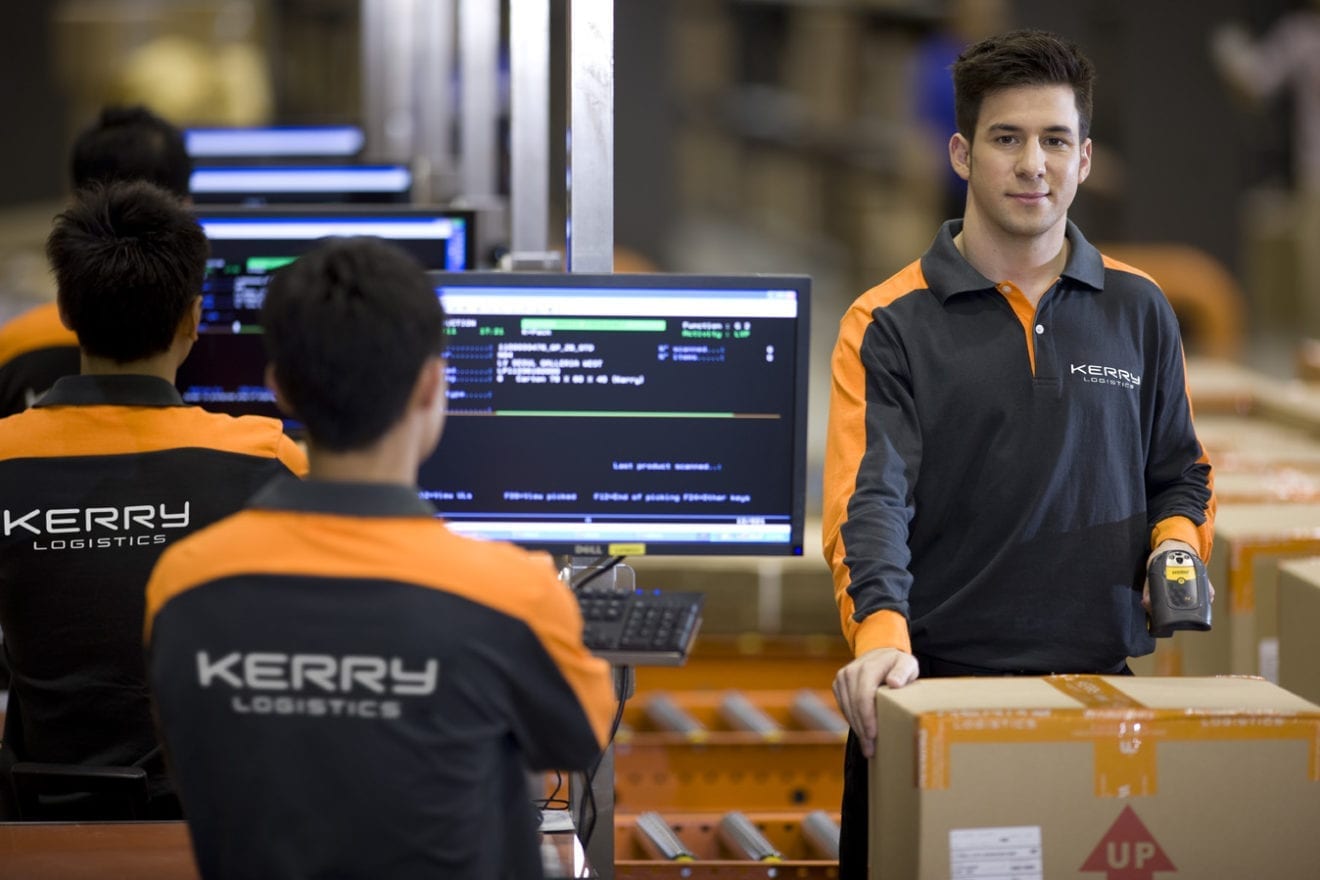
    Kerry Logistics Network Ltd enhances its services and network under the ‘Belt and Road’ Initiative by entering into a joint venture through participating in the equity of Globalink Logistics DWC LLC, a freight forwarding group headquartered in Dubai with operations spanning across The Commonwealth of Independent States (‘CIS’). The move will significantly expand Kerry Logistics’ coverage in Central Asia and the CIS, opening the door to potential markets with tremendous growth prospects.

    The partnership will see nine countries added to Kerry Logistics’ global network. They include Kazakhstan, Uzbekistan, Kyrgyzstan, Tajikistan, Turkmenistan, Georgia, Armenia, Azerbaijan and Ukraine. Leveraging the booming trade between China and Europe, Kazakhstan, in particular, is expected to benefit most from the increasing transit cargo flow along the trade lanes.

    William Ma, Group Managing Director of Kerry Logistics, said, “We are very excited about this joint venture, which is part of our development strategy to tap into the immense opportunities from the Belt and Road Initiative. The new partnership will allow the two groups to leverage each other’s competitive strengths and provide new options and cost-efficient multimodal solutions to our customers with greater flexibility and access to the strongest network in Asia.”

    “While we will continue to develop an overland transportation network for road, rail and multimodal freight services from China to Central Asia and Europe, we will also build upon our expertise in project logistics within our global network to exploit new business opportunities,” added William Ma.

    The move came at the heels of Kerry Logistics’ launch of its rail freight operations between China and Europe. The Group was the market pioneer to complete the first westbound charter freight from Yiwu, Eastern China to Madrid, Spain in August 2016; while the first UK-China eastbound freight train from London to Yiwu commenced its journey in April 2017.

  • McDonald’s shuts up shop on Olympic support

    McDonald’s shuts up shop on Olympic support

    McDonald’s has ended its longtime Olympic sponsorship dating back to 1976, the International Olympic Committee announced today. The fast food giant has supported the Olympics since the Montreal Games and although the split takes place with immediate effect they will continue to be a sponsor at the 2018 Winter Games in Pyeongchang.

    “The IOC and McDonald’s have announced that they have mutually agreed to bring their worldwide partnership to an end,” an IOC statement confirmed.

    The burger chain, which is cutting its Olympic ties with three years of its contract still to run, was one of the IOC’s heavyweight “TOP” partners along with the likes of Coca Cola, Visa, Bridgestone, Panasonic, Toyota and Omega.

    The IOC, giving the reasons behind the divorce, wrote: “In today’s rapidly evolving business landscape, we understand that McDonald’s is looking to focus on different business priorities.”

    McDonald’s global chief marketing officer Silvia Lagnado commented: “As part of our global growth plan, we are reconsidering all aspects of our business and have made this decision in cooperation with the IOC to focus on different priorities.”

    Whilst McDonald’s first became an official backer at Montreal in 1976 and a TOP partner in 1997, the company’s Olympic appetite was first whetted at the 1968 Grenoble Winter Games. McDonald’s on their website explained how they “airlifted” burgers to Olympic athletes who had become “so homesick for American food” in the French Alpine city.

    Over the decades the fast food chain has contributed hundreds of millions of dollars into the IOC’s cash tills and had a popular presence at every Olympic village since. At last year’s Rio Games their promotion of free meals for athletes triggered lengthy queues from sunrise to sunset. One marketing guru suggested the split was logical given the emphasis on health-conscious diets.

    Illogical and counterproductive

    “The scale of obesity and diet-related disease around the world is alarming, and although we can’t put this at McDonald’s door they must be aware that sponsoring the Olympics has now become ‘illogical’ and even in many ways ‘counterproductive’,” British sports marketing expert Patrick Nally told AFP.

    “McDonald’s have many other ways of promoting themselves but the logic of them sponsoring the Olympics does not now fit with the current attitude to fast food,” Nally added.

    Looking ahead to their last association with the Olympic movement next year, the IOC said: “McDonald’s will continue to be a sponsor of the Olympic Winter Games Pyeongchang 2018 with domestic marketing rights in the Republic of Korea only.

    “The company will deliver its Games-time operations, including restaurants in the Olympic Park and the Olympic Village.”

    The IOC said it had “no immediate plans to appoint a direct replacement in the retail food operations sponsorship category”.

    The IOC, with over 500 employees on its payroll, receives 70% of its revenue from broadcasting rights, which for 2013-2016 rose by 7.4% to $4.1 billion (3.67 billion) compared to 2009-2012, according to IOC figures.

    The bulk of the revenue is paid out to international sports federations, national Olympic committees, and Games organisers.

    McDonald’s deal would have run through the Tokyo Olympics in 2020, and bowing out will likely to save it hundreds of million of dollars if it had continued into the next four-year Olympics cycle and beyond.

    McDonald’s has been trying to hold down costs as it invests in improving food quality, restaurant service and online ordering to woo back U.S. diners. Intense competition has gnawed away at sales.

    “We are reconsidering all aspects of our business and have made this decision in cooperation with the IOC to focus on different priorities,” said McDonald’s Global Chief Marketing Officer Silvia Lagnado.

    The company’s move may also reflect a rising view among consumer brands that exclusive Olympics sponsorship deals do not offer the marketing impact they once did. Some companies find it is much cheaper to work directly with athletes or specific countries than the IOC.

    Moreover, in a trend that began after the Beijing games in 2008, shrinking television audiences for the games could be diminishing the value of sponsors’ ads. With the Rio de Janeiro games in 2016, many viewers turned to social media alternatives like Twitter and Facebook.

    In the United States, Comcast Corp’s NBCUniversal said it had attracted 8.6 percent fewer eyeballs for Rio than it did for London in 2012.

    The fast food chain has been part of the IOC’s top sponsors program that contributes more than $1 billion in each four-year cycle for the games.

    While terms of Olympic sponsorship are not disclosed, a source who negotiated previous IOC sponsorship deals said that top global sponsors like McDonald’s spend about $25 million a year or about $100 million for a four-year period that includes a summer and winter games.

    Reuters previously reported that the IOC had wanted to roughly double fees to $200 million per four year period starting in 2021.
    While it is unusual for an Olympic sponsor to leave early, sponsors change regularly within the IOC’s top program. The most recent addition was China’s Alibaba Group Holding Ltd, which signed a deal in January for a partnership through 2028.

    The next three Olympics take place in Asia, and this could turn off U.S. sponsors trying to reach a U.S. audience. The U.S. Olympic Committee also has lost recent sponsors such as AT&T and Citigroup ahead of the 2018 winter games in South Korea.

    The IOC said it was not planning a direct replacement for McDonald’s, but it is expected to announce a new global deal with Intel next week, according a source familiar with the matter. Intel did not immediately respond to a request for comment.

    “Companies with a deep focus on technology are barging in while others migrate out,” said Peter Land, who works with Olympics and Paralympics sponsors for communications firm Finsbury.

    The IOC has faced criticism from public health campaigners for allowing sponsors such as Coca-Cola and McDonald’s to use the games to market their products, which are perceived to be unhealthy.

    John Lewicki, who oversees global Olympic sponsorship deals for McDonald’s, said last year the company would reevaluate its Olympic relationship after changes to a rule that ended a marketing blackout for companies that sponsor athletes rather than the event itself.

  • Fiat Chrysler recalling 297,000 vehicles for inadvertent air bag deployments

    Fiat Chrysler recalling 297,000 vehicles for inadvertent air bag deployments

    Fiat Chrysler Automobiles NV is recalling 297,000 older minivans because of a wiring problem that can lead to inadvertent air bag deployments, the company said on Thursday.

    The recall of 2011-2012 model year Dodge Grand Caravan minivans is linked to eight minor injuries, the automaker said, after initially reporting 13 injuries. Wiring may short-circuit, resulting in the driver-side air bag deploying without warning.

    The recall will begin in late July and includes 209,000 vehicles in the United States and nearly 88,000 vehicles in Canada. Dealers will replace the wiring if needed and add protective covering.

    Fiat Chrysler share fell nearly 2 percent to $10.69 on the New York Stock Exchange.

    Automakers have been recalling tens of millions of vehicles in recent years for a series of air bag problems, mainly tied to Takata inflators.

    More than a dozen automakers have called back 46 million Takata air bag inflators in 29 million U.S. vehicles that can rupture and emit deadly metal fragments. By 2019, automakers will recall 64 million to 69 million U.S. inflators in 42 million vehicles, U.S. regulators said in December.

    The new Fiat Chrysler recall is not linked to Takata, the company said.

  • French fashion brand ba&sh says bonjour to Asia

    French fashion brand ba&sh says bonjour to Asia

    Once the best kept secret of a generation of modern French women, ba&sh, a leading affordable luxury brand for women seeking effortless, carefree elegance, has arrived in Hong Kong, its first stop in Asia.

    Building on the brand’s strong success in Europe, the Parisian fashion house is now focused on international expansion. To capitalise on Asia’s growing appreciation for all things French, the brand’s unique take on feminine, joyful chic is now available in three boutiques of prime shopping destinations in Hong Kong, the brand’s Asia headquarters:the IFC mall in Central, Times Square in Causeway Bay and Harbour City in Tsim Sha Tsui. Besides, ba&sh’s famed ideal wardrobe of everyday pieces in sumptuous fabrics is also available online via a dedicated site.

    Considering the McKinsey consultancy group estimates the current size of China’s middle class at around 225 million households-compared with just 5 million in 2000-this exploding growth entails soaring demand for affordable luxury. By the end of 2017, ba&sh will have opened six stores in key strategic locations across China’s tier one cities, thus reaching a new generation of style-conscious women who want uncomplicated feminine yet urban designs for work and play. Flagship stores will open in fashionable destinations in Beijing and Shanghai.

    Barbara Boccara & Sharon Krief, two childhood friends, did create ba&sh out of a shared love for fashion, which accounts for the name of a brand that takes after the first two letters of the founders’ names. Their idea was to bring their dream wardrobe to life, so that they could share it with other women. A little more than 10 years later, their designs can be found in more than 400 point of sales worldwide, among which 90 point of sales in France and flagship stores in prestigious locations such as London, Madrid and Berlin.

    Confirming their success and the power of Barbara and Sharon’s vision, private equity fund L Catterton acquired a 50% stake in the brand in 2015, which has enabled its international growth. The fund was established with the sponsorship of LVMH and Groupe Arnault, the latter also being ba&sh shareholders. For Greater China, ba&sh has entered into a management service partnership with ImagineX Group, the brand distribution arm of The Lane Crawford Joyce Group, in order to leverage their local fashion retail, marketing expertise and operational efficiency. Besides entering Asia, the brand is also expanding towards the US and Middle East.

    To celebrate the brand’s arrival in Asia, Barbara Boccara & Sharon Krief hosted an intimate private party to introduce Hong Kong’s leading fashionistas to the world of ba&shon June 8, 2017. The informal event turned out to be a huge success, the two founders previewed their latest collection,which is distinctly Parisian, as it combines an expression of freedom with an easy, joyful elegance.

  • BT launches device security management platform

    BT launches device security management platform

    BT has launched a new security service that uses technology from IoT security company ForeScout Technologies to  provide real-time agentless visibility and control of devices connected to corporate networks.

    BT Managed Endpoint Access Security can support managed, unmanaged, private, BYOD and IoT devices.

    ForeScout’s agentless approach to network security is designed to real-time discovery, classification, assessment and monitoring of devices allowing end-customers to see what is on their network, from campus to cloud, and to securely manage it.

    ForeScout can also orchestrate a policy-based security enforcement operation, with leading IT and security management products to automate security workflows and accelerate threat response.

    “By bringing ForeScout’s technology into our portfolio, we extend our ability to protect organizations against the latest threats through improved visibility and control,” BT vice president for security David Stark said.

    “Whether it’s protecting a head office or a branch site, adding the ability to monitor just about any device connected to the network offers a much required additional layer of security to companies moving into the digital world.”

    The service will be available globally from June 2017.

  • Nu Skin picks XPO Logistics as lead logistics provider

    Nu Skin picks XPO Logistics as lead logistics provider

    XPO Logistics, a global provider of transportation and logistics solutions, has been selected by Nu Skin Enterprises, Inc. as global lead logistics provider under a multi-year contract. Nu Skin is a US$2.2 billion provider of premium-quality beauty and wellness solutions to markets in Asia, the Americas, Europe, Africa and the Pacific.

    In collaboration with Nu Skin, XPO is developing an integrated, global supply chain logistics solution that utilises proprietary technology for end-to-end management of product flows. Components include transportation management, warehousing and order fulfillment, as well as value-added services such as co-packing, kitting and real-time inventory tracking. The network will be managed through regional control towers around the world.

    “Our growth strategy requires that we transform our supply chain logistics through scale and innovation,” said Brad Morris, Nu Skin vice president of logistics and fulfillment. “In XPO, we’ve found a partner with industry-leading capabilities and the commitment to invest with us. Together, we’re building a next-generation supply chain logistics partnership that will support our expansion well into the future through continuous improvement.”

    Ashfaque Chowdhury, XPO Logistics president, supply chain­-Americas and Asia-Pacific, said, “We’re excited to work with Nu Skin as the architects of their supply chain logistics transformation. Our team is engineering a technology-rich infrastructure that will be highly efficient on a global scale. This partnership will benefit Nu Skin’s distributors, sales associates, retailers and end-customers.”

    In the first operational phase, XPO will establish a control tower and distribution center in Singapore, and assume responsibility for transportation management and satellite warehouses throughout Southeast Asia and the Pacific, with expansion into other regions projected to follow.

  • China’s retail crossover

    China’s retail crossover

    With the tenant mix gravitating away from straight retail towards entertainment, food and lifestyle concepts. The catalyst for change – adopting to the needs of the millennial shopper and counteracting e-commerce penetration.

    Across China, retail is becoming an increasingly digital story. Traditional shopping spaces have been forced to take notice, and for good reason. China’s online retail sales accounted for approximately 40 per cent of the global market in 2016, with an estimated 731 million internet users, as reported by the Chinese Ministry of Commerce.

    Given this backdrop, the big question for psychical retailers now is how to differentiate their services against a more agile opponent? Recently, brand crossovers are seen as a solution.

    Across China, we are seeing a trend for the typical fashion retailers to expand their offer to create a destination shoppers cannot find online. For example, many brands have incorporated F&B into flagship locations. China is Muji’s largest overseas market with over 150 locations, their flagship store on Huaihai Road in Shanghai houses China’s first Cafe & Meal Muji. Further down the same road, Gucci also opened its first 1921 Gucci Restaurant on 4F of IAPM.

    Local brands are also diversifying. Popular homegrown fast fashion brand Urban Revivo from South China, with over 100 stores in China, recently opened new lifestyle concept OCE. Now with 12 locations in China the lifestyle concept typically occupies over 1500sqm housing homewares, home accessories, plants, stationary as well as a varied fashion offer.

    The crossover phenomenon is not only restricted to fashion brands. Korean lifestyle brand Line Friends has recently opened a new kids entertainment concept in Chengdu‘s In99. Offering slides, climbing walls, ball pits and other kids entertainment the concept has been very well received by local shoppers.

    Many retailers are also utilizing “pop ups” to experiment with concept crossover. Coco Cafe on Shanghai’s Nanjing Road West took over a local Aunn Cafe, with queues hours long. The concept created a real buzz in the market as shoppers lined up to try the cosmetic / cafe concept. Magnum has also housed another successful pop up cafe in K11 recently after big success in 2016 with massive social media coverage and over 90,000 customers in a two-month period.

    To differentiate against the omnipresence of digital retailers, concept crossovers will only become more mainstream in China. And with over 1.4 billion potential consumers up for grabs, we also believe this phenomenon is here to stay ensuring shoppers have a reason to visit China’s growing shopping mall portfolio.

  • Huawei teams with Tableau on big data

    Huawei teams with Tableau on big data

    Huawei has teamed up with business intelligence and analytics company Tableau Software to provide comprehensive big data services for various industries.

    The companies have announced the mutual authentication of Tableau’s data visualization software with Huawei’s FusionInsight big data platform.

    FusionInsight is a converged data processing and service platform integrating the Hadoop ecosystem, a massively parallel processing database and big data cloud services. Tableau’s data visualization software can help customers analyze and share the collected data.

    “Tableau is the leading global visual analytics company,” Huawei president for IT cloud computing and big data products  Ren Zhipeng said.

    “Our collaboration with Tableau extends the value to our customers with even more comprehensive and diversified big data solutions, helping them to utilize the value of data effectively, as well as explore new business growth.”

    Tableau director of product management Robert Green added that the collaboration “aims to enable more people to see and understand their data more easily. Tableau’s wide range of technology partners help our customers make the most out of their analytics investments.”

  • Cebu Pacific dominates Manila-Sydney route

    Cebu Pacific dominates Manila-Sydney route

    he Philippines’ leading airline, Cebu Pacific (CEB) continues to soar high, capturing the lion’s share for both passenger and cargo traffic between Manila and Sydney in the first quarter of 2017. Data from the Bureau of Infrastructure, Transport and Regional Economics (BITRE) of Australia showed that CEB carried over 43,512 passengers, representing 42% passenger market share on the Manila-Sydney route, the highest among the three carriers covering this route.

    The BITRE report noted that from January to March 2017, passenger traffic between Manila and Sydney totalled 104,446, up seven percent (7%) versus the same period last year.  The growth in passenger traffic was dominated by CEB, which carried 16% more passengers from the 37,640 reported in the first quarter of 2016. Load factor for CEB for the Manila-Sydney route was at an average 78% for the first three months of 2017.

    “We are very pleased to see that the Cebu Pacific effect continues across one of our strongest international markets. Our goal is to make flights affordable, accessible and available to a greater number of travellers. These numbers do not only showcase the Philippines as a flourishing destination, but it also shows our strong commitment to remain and further stimulate our key market in Australia,” said Candice Iyog, Vice President for Marketing and Distribution of Cebu Pacific.

    Aside from the growth in passenger volume, Cebu Pacific also reinforced its leadership in the Manila-Sydney airline cargo service. CEB flew 1,131 tons of cargo between Manila and Sydney in the first three months of 2017, covering 49% of the total 2,325 tons carried by the three carriers.

    The growth in CEB’s cargo service tracked the increase in total volumes, from 1,567 tons carried in the comparable quarter last year.

    BITRE, an agency under the Department of Infrastructure and Regional Development of the Australian government, “provides economic analysis, research and statistics on infrastructure, transport and regional development issues,” according to its official website. The bureau holds data and statistics on the aviation industry.

    Cebu Pacific offers the most number of seats between Manila and Sydney, covering close to 40% of the route’s total capacity.

  • Gaming firm Razer opens first store in Hong Kong and sets its sights firmly on mobile industry

    Gaming firm Razer opens first store in Hong Kong and sets its sights firmly on mobile industry

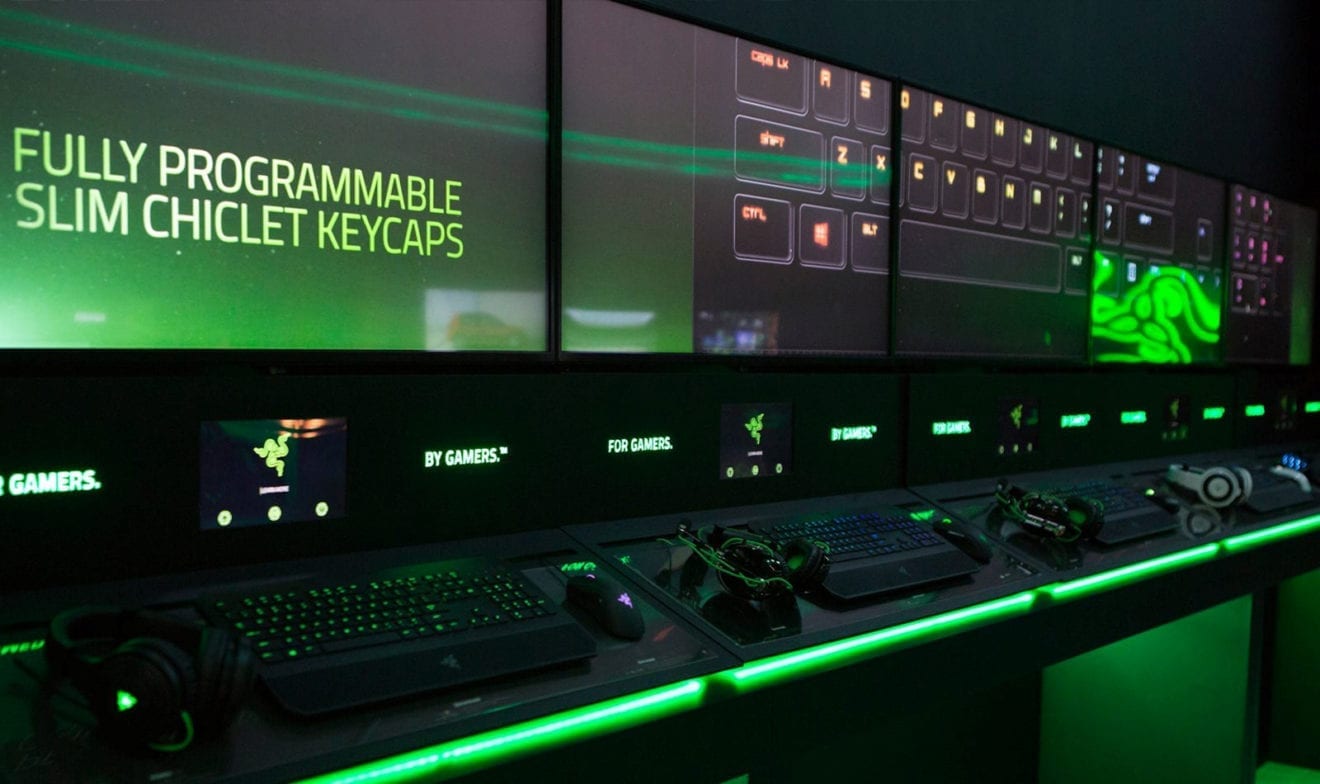
    Razer, the popular US gaming peripherals brand which opened its first concept store in Hong Kong on Saturday, is now hoping to take on the mobile gaming industry after successfully disrupting the PC gaming scene with devices such as its powerful gaming laptops and mice, its chief executive has told us.

    Razer, which is in partnership with Three Group – the mobile telecommunications arm of Li Ka-shing’s CK Hutchison on the development of the Hong Kong outlet – has its sights on taking on the mobile gaming landscape, too, which chief executive Tan Min-liang said “is going to be a huge part of our business”.

    “There is so much potential for Razer – we’re still growing exponentially through the PC market … we’ve shipped over US$1 billion in hardware over the last three years, and we haven’t even gotten started on the mobile gaming market yet,” said Tan, who splits his time between San Francisco, where the company is based, Singapore and Taiwan, where Razer has its design centres.

    The company on Saturday opened the doors to its sixth RazerStore worldwide, on Cannon Street in Hong Kong’s bustling Causeway Bay shopping district. Razer’s other shops are in Shanghai, Taipei, Bangkok, Manila and San Francisco in California.

    An alliance was formed last month where Razer and Three will work together to offer specific tariff plans, services and devices to electronic games players around the world.

    Tan also said Razer and Three will work together on “future mobile devices”, although he declined to elaborate on further details.

    While Razer’s current product offerings are largely PC-focused, with its array of mice, keyboards and sleek gaming laptops, the company has yet to offer any peripheral devices for mobile gaming, although Tan believes is an industry that is ripe for disruption.

    “When Razer first looked at gaming laptops, there were no products or services that really worked well for gamers. Similarly, right now I don’t see any mobile device or software platform that really fulfils the needs of the [mobile] gamer … there is a huge opportunity to disrupt the mobile market,” Tan told SCMP.

    Razer is yet to reveal its plans in the mobile space, but it has made several acquisitions in the past couple of years to suggest it is moving towards eventually developing its own mobile devices or gaming platform for the growing number of users who play games on their smartphones or mobile devices.

    In July 2015, it acquired Android gaming company Ouya for its Android TV games and online retail platform to bolster the game offerings for its Forge TV console product.

    And in January this year, it bought Nextbit, the startup headed by several ex-Google employees who worked on Android and who produced the Robin smartphone, which amassed over US$1.3 million in pledges on crowd-funding platform Kickstarter.

    “We’ve put together some of the best talent in mobile design,” Tan said.

    “With Nextbit, we now have the top tech leads of Android from Google with us, and the former lead designer for HTC who has helped design HTC phones for [years].

    “We’re bringing together the best possible talent at Razer to work on next generation devices,” he added.

    Razer already has a large following in China and Hong Kong with its gaming peripherals consistently coming top in the category on e-commerce platforms such as Tmall and JD.com, Tan said.

    A third of Razer’s business comes from Asia, a large part of which comes from China, he added, declining to provide specific numbers.

  • OJK to Monitor Fintech

    OJK to Monitor Fintech

    The Financial Service Authority (OJK) has formed two new directorates as a response to financial technology (fintech) development. OJK deputy chief commissioner Rahmat Waluyanto said that the two new directorates are Digital Financial Innovation Unit and Fintech Permit and Monitoring Unit.

    “The directors have been appointed, but it can’t yet be announced because it’s not official yet. The Digital Financial Innovation Unit will handle regulatory sand box and research,” he said, as quoted by Antara last week.

    In a bid to respond to fintech development, OJK has also formed Fintech Expert Forum and fintech innovation hub. The forum will facilitate fintech industry development comprising individuals from 21 entities, such as ministries, agencies, associations, universities and other relevant business players.

    The committee will give recommendations and inputs as well as facilitate coordination between agencies and fintech start-up companies. Meanwhile, OJK’s fintech innovation center is projected to become a hub of various fintech incubators to discuss developments.

    OJK chief commissioner said that Fintech Expert Forum will facilitate and ensure coordination of various start-up players. The forum will discuss developing fintech issues. “And discuss future developments in fintech industry,” he said.

    Indonesia has seen a rapid growth of fintech players. As of January 2016, Indonesia Fintech Association reports that the country has 165 domestic start-ups. The figure has quadrupled compared to that of in the first quarter of 2014 with 40 companies.