Author: Mei Ling Tan

  • Frshly launches automated food dispensing system

    Frshly launches automated food dispensing system

    ‘Frshly’ has launched its service offerings at the Bengaluru Central Railway Station and Chennai international Airport. Frshly is a first-of-its-kind automated retail marketplace that sells fresh and hot food from popular restaurant brands in the city for people who are on the move.

    Currently offering 6 different cuisines with 30 combos, the brand promises unprecedented service quality, convenience and variety to its customers through its state-of-the-art dispensing machines. The brand is currently present across 3 cities – Bengaluru, Chennai and Secundrabad.

    ‘Frshly’ serves piping hot food from popular restaurants across the city including Tadka Singh, Currylicious and Delhi Highway. Anjappar and Nandhana Palace in Bengaluru, while in Chennai food is available from – ‘Anjappar, Kumarakom’, ‘Delhi Highway’, ‘Arab Street’, ‘Madrasi Biryani’ and Eco Kitchen.

    Consumers have a wide range to choose from multiple restaurants at every Frshly outlet.

    Consumers can download theFrshly app from Apple and Google play stores to pick locations, order and pay for their food on the go. The available food options have been priced between – INR 79 – INR 160.

  • A look at 5 richest conglomerate families in South Korea

    A look at 5 richest conglomerate families in South Korea

    A total of 33 relatives from the families that control Samsung, Hyundai Motor, SK, LG, Lotte and other conglomerates dominate the country’s wealthiest list. Unhealthy ties between Korean conglomerates and the government have long been cited as a factor that prevents Korea from moving forward.

    A recent comment by a chaebol chief at a parliamentary hearing over the alleged connections between businesses and the presidential office was a reflection of the reality.

    “It was near impossible to reject such a demand (from Cheong Wa Dae). That’s what it’s like in Korea,” said Huh Chang-soo, head of GS Group and chairman of the Federal of Korean Industries, at the hearing on December 6.

    He was responding to lawmakers’ questions on why the FKI helped coerce conglomerates to donate funds to two foundations controlled by Choi Soon-sil, confidante of impeached President Park Geun-hye.

    Another reflection of the business climate in Korea was that most of the chaebol leaders seated at the hearing were second to third-generation heirs of the conglomerates – not self-made businessmen.

    They are also in the top tier of a list of Korea’s 100 wealthiest people compiled by The Superrich Team. Joining them on the list are their relatives. Only 10 self-made entrepreneurs made it to the list in the past year.

    A total of 33 relatives from the families that control Samsung, Hyundai Motor, SK, LG, Lotte and other conglomerates dominate the country’s wealthiest list. The figure excludes the heads of major business groups.

    The combined private assets of the business moguls stands at 39 trillion won (S$47.1 billion), higher than the annual budget of the Seoul Metropolitan Government at 27.5 trillion won.

    Samsung Group

    Lee Jae-yong, vice chairman of Samsung Electronics, and 10 other Samsung family members own 22.6 trillion won in total assets.

    The assets of Lee Kun-hee, the bedridden chairman of Samsung Group, is 15.64 trillion won, accounting for the largest portion of the assets. His wealth includes real estate in Hannam-dong, one of the richest districts in Seoul.

    Outside of the capital, Lee Kun-hee also owns a considerable amount of land in Yongin City in Gyeonggi Province, where the Samsung-made amusement park Everland and Ho-Am Art Museum are located. His properties there sit on 8,712 square metres of land.

    In total, Lee owns 14 real estate assets nationwide, worth 938.9 billion won.

    The women of the Samsung family also own a colossal amount of assets. The senior Lee’s wife Hong Ra-hee, director of Leeum Samsung Art Museum, and her two daughters Boo-jin and Seo-hyun, who lead Hotel Shilla and the fashion business at Samsung C&T, respectively, own 1.7 to 1.8 trillion won each. Lee Kun-hee’s sister Myung-hee, chairman of Shinsegae Group, holds 1.3 trillion won.

    Hong’s siblings also dominate Korea’s business landscape including areas such as media, retail, investment capital and art.

    Hong Seok-hyun, chairman of Joongang Media Network, a parent company of Joongang Daily Newspaper and television network JTBC, is one of Ra-hee’s brothers most known to the public.

    Other siblings include BCG Retail Chairman Seok-jo, Bokwang Investment Corp. Chairman Seok-joon, and Leeum Samsung Art Museum Vice Director Ra-young. The combined value of the Hong family – excluding Hong Ra-hee – is estimated at around 1.24 trillion won.

    Hyundai Group

    The family of Hyundai Group may hold a smaller fortune than the Samsung family, but 12 of them are included on the 100 wealthiest people list, the largest number among the top five conglomerates.

    Chung Eui-seon, vice chairman of Hyundai Motors and son of Chairman Chung Mong-koo, owns the largest value of assets at 2.32 trillion won. Hyundai Motor Group chairman’s younger brother Chung Mong-joon, the biggest shareholder of Hyundai Heavy Industries, follows with 1.17 trillion won.

    Other assets of the Chung family surpass 500 billion won. Other family members include KCC Chairman Chung Mong-jin, Hyundai Development Chairman Chung Mong-kyu, Hyundai Marine & Fire Insurance Chairman Chung Mong-yoon and Hyundai Department Store Chairman Chung Ji-seon.

    Hyundai Group Chairwoman Hyun Jeong-eun is also included in Korea’s top 100 wealthiest list, with 240 billion won. Hyun is the wife of the late Chung Mong-heong, the former chairman of Hyundai Asan.

    Hyun was recently accused of intentionally omitting several Hyundai Affiliates on a list of companies subject to cross investment. The antitrust regulator Fair Trade Commission pressed charges against Hyun in October.

    SK Group

    SK Group, the country’s third-largest business group, has two businesspeople listed on the Superrich Team’s top 100 wealthiest list.

    Chey Ki-won, a director of the board at SK Happy Nanum Foundation and younger sister of SK Group Chairman Chey Tae-won, is the richest SK Group family member.

    Chey holds more than 1 trillion won worth shares in listed SK affiliates. In addition to the stock assets, she was paid an additional 18.75 billion won in dividends. The value of her paid dividends is the largest among the 125 relatives of the nation’s 17 superrich on a list by Forbes Magazine.

    Chey’s massive real estate assets include a building that was the former headquarters of JYP Entertainment in Cheongdam, southern Seoul. Chey purchased the around 1,085 square-meter building for 7.6 billion won in 2014.

    Another Chey family member, Chang-won, vice chairman of SK Gas and SK Chemical, was listed among Korea’s top 100 richest with 370 billion won of assets.

    LG

    LG has seven family members on the Superrich Team’s top 100 richest list.

    Chairman Koo Bon-moo’s brother Bon-sik, who leads Heesung Group as its vice chairman, is the wealthiest among them with assets of more than 1 trillion won.

    Another brother, Bon-neung, chairman of Heesung Group follows with 904.8 billion won. He is also head of the Korea Baseball Organisation.

    The remaining five LG family members on the list include Chairman Koo’s wife Kim Young-sik. The combined assets of the five members are estimated to be worth around 2.5 trillion won.

    Lotte

    Lotte Group has two of its business moguls on the top 100 richest list.

    One of them is Lotte Group founder Shin Kyuk-ho’s eldest son Dong-joo, who is the chairman of SDJ Corp.

    While still in turmoil over power succession, Dong-joo stands strong, backed by 1.64 trillion won of publicly traded stock assets. Added to this, he also owns 27 billion won of assets from unlisted firms.

    His father Shin Kyuk-ho’s wealth follows with 270.5 billion won, according to public data.

    The value of real estate assets under the founder is astronomical. His land assets were estimated to be worth 18.6 trillion won in 1988. Shin was then picked as the world’s fourth-richest man by Forbes magazine.

    Shin’s 15 real estate assets in Korea sit on over 1 million square meters of land worth 305 billion won. Apart from Shin Kyuk-ho’s private land assets, Lotte affiliates are known to own 5.7 million square metres of land in the country, a size that nearly doubles that of Yeouido in Seoul.

    Prices of the land have seen a jump of 14 trillion won since Lotte Group purchased them. An industry source, on condition of anonymity, said following Shin Kyuk-ho can help “find gold in the real estate business.”

    Out of the 125 rich businesspeople on the list of Korea’s wealthiest, 89 of them boosted their wealth through their family connections, while only 36 were self-made entrepreneurs.

     

  • Malaysia’s ‘gain’ and Singapore’s ‘loss’

    Malaysia’s ‘gain’ and Singapore’s ‘loss’

    An extensive study by the National University of Singapore’s Business School between 2010 and 2012 showed a significant difference in the spending habits of Singaporeans, between those who lived closer to the Malaysian border and those further away, The New Paper reported today.

    With Singapore’s GDP growth falling below original estimates this year and cut backs in forecast for 2017, two academics in the island republic believe there will be even more Singaporeans crossing the border for their day-to-day shopping needs, The New Paper reported today.

    They supported this theory with data that showed the trend among Singaporeans making day to day purchases from Johor compared with other high-end products.

    NUS visiting professor Sumit Agarwal and associate professor of finance Qian Wenlan reported some of their findings in the Singapore daily, stating that for the period of the survey, 48,000 Singapore nationals participated, half living in the north, near the Malaysian border, and the other half much further away.

    “First, we studied credit card transactions. We ensured that both sets of individuals were comparable in income and demographics.

    “We found those living near the border had significantly lower credit card spending (32% less) within Singapore than those living further from the border, for products that were substitutable, like supermarket purchases, apparel and dining.

    “In contrast, credit card expenditure on non-substitutable products like utilities, government services, medical services and education was the same.”

    The two academics added that other indicators, such as usage of debit cards, ATM withdrawal levels and online banking transactions were also on par between those near and far from the border.

    They naturally concluded that the main attraction to shopping in Malaysia was the “continuously weakening ringgit”.

    “However,for the period of the survey, the push factor in driving Singaporeans to Johor was also the fact that Singapore had a 7% GST in place.

    “The Malaysian government only introduced a similar GST in April last year at a rate of 6%. Until then, Singaporeans enjoyed a 7% tax advantage when shopping in Johor,” the academics said.

    They, however, did not believe that the implementation of the 6% GST by Malaysia would make much of a difference to the result of their study.

    The concern, however, should be for retailers in Singapore, the professors said.

    “A separate study involving retail outlets in Singapore was carried out. Data was collected on sales of snacks, soft drinks and detergent.

    “Across all three product categories, shops in areas that were close to JB had much lower sales per capita, corroborating our earlier findings,” Sumit and Qian said, adding that cigarettes were also popular among Singapore shoppers in Johor.

    The study concluded that with the ringgit’s ever-weakening value and Singapore’s slowing economy, more and more Singaporeans will be happy for the savings they will make across the causeway.

  • Samsung Vietnam develops intensive language programe

    Samsung Vietnam develops intensive language programe

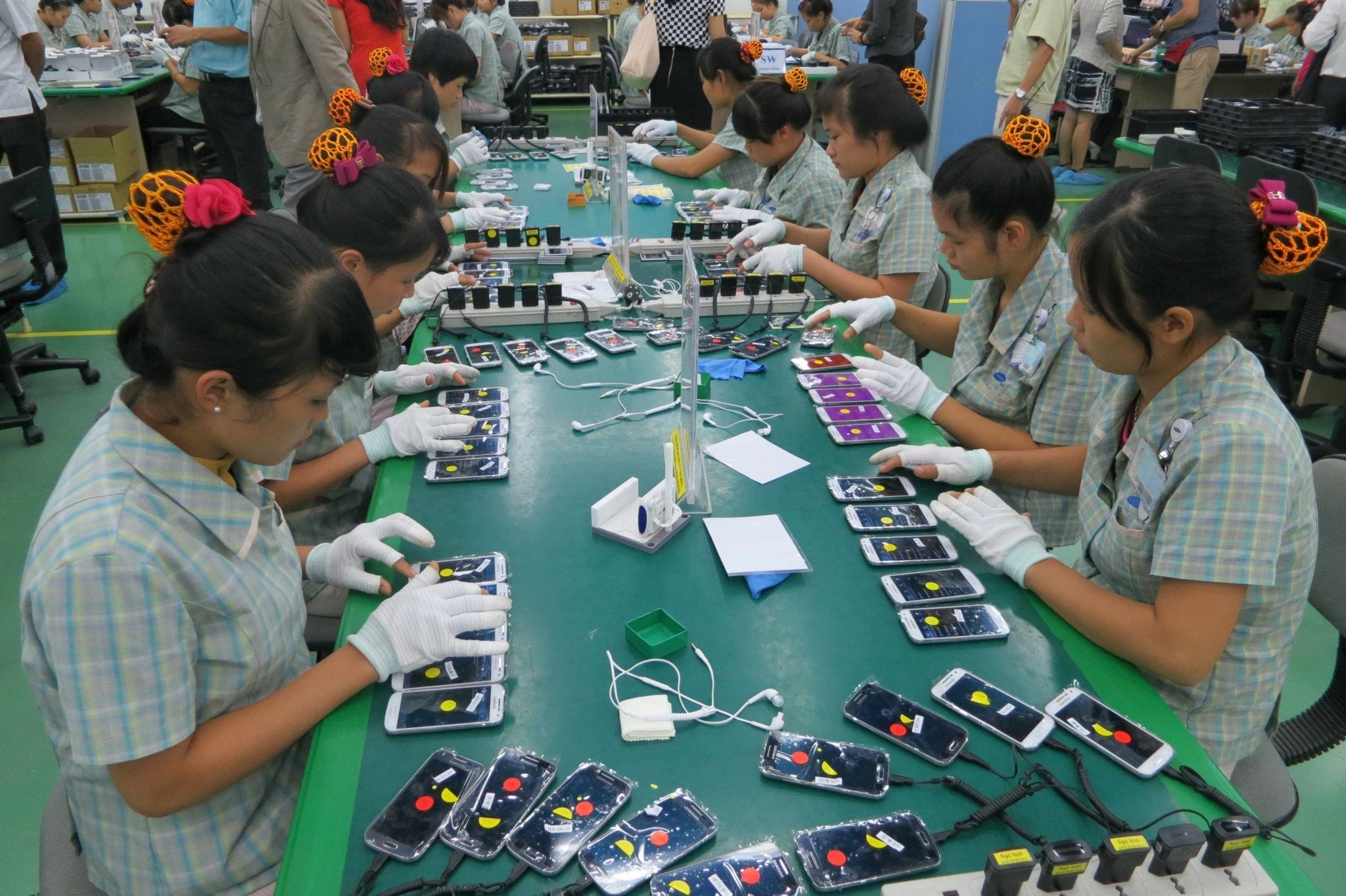
    Samsung Electronics Việt Nam (SEV) in association with University of Social Sciences and Humanities and the University of Languages and International Studies on Saturday held a ceremony to mark completion of the 14th Korean language course.

    The course was taken by outstanding employees at SEV and Samsung Electronics Việt Nam Thái Nguyên (SEVT) plants.

    The programme is a part of SEV’s sustainable development plan to contribute to the country’s high quality human resource development in general and to provide Samsung’s employees opportunities to learn and improve their capabilities.

    The programme is undertaken by Samsung annually for free for its employee, with the company spending nearly VNĐ50million (US$2,200) spent per trainee, and is exclusive for employees performing exceptionally well in the SEV and SEVT plants.

    Each course, which continues for 12 straight weeks, will be taught by Korean lecturers and Vietnamese teachers with PhD and master’s degrees from the two leading universities.

    On returning to work, the employees can practice their intensive Korean skills at their department by self-study or through spending time with Korean dispatchers. Following the 12-weeks course, all trainees will get the opportunity to obtain the TOPIK certificate. All the trainees are provided with training, accommodation and meals for free.

    “We believe every Samsung employee comes here not just to work, but to also get an opportunity to develop soft skills and hard skills for their personal development. Therefore, their development is a high priority within the company. We hope through these training programmes, our Vietnamese employees will be more proactive and confident in the global working environment and develop solid skills during the management process in the future”, Cho Hoseok, general director of Human Resources, said.

    Established in 2014, Samsung has organised 14 Korean training courses for nearly 250 employees. Samsung expects to host another six training courses for 120 employees next year.

    Samsung has also established several training programnes for management levels, as well as the entire staff body at the two factories.

  • Indonesia initiates an anti-dumping investigation of Vietnamese steel

    Indonesia initiates an anti-dumping investigation of Vietnamese steel

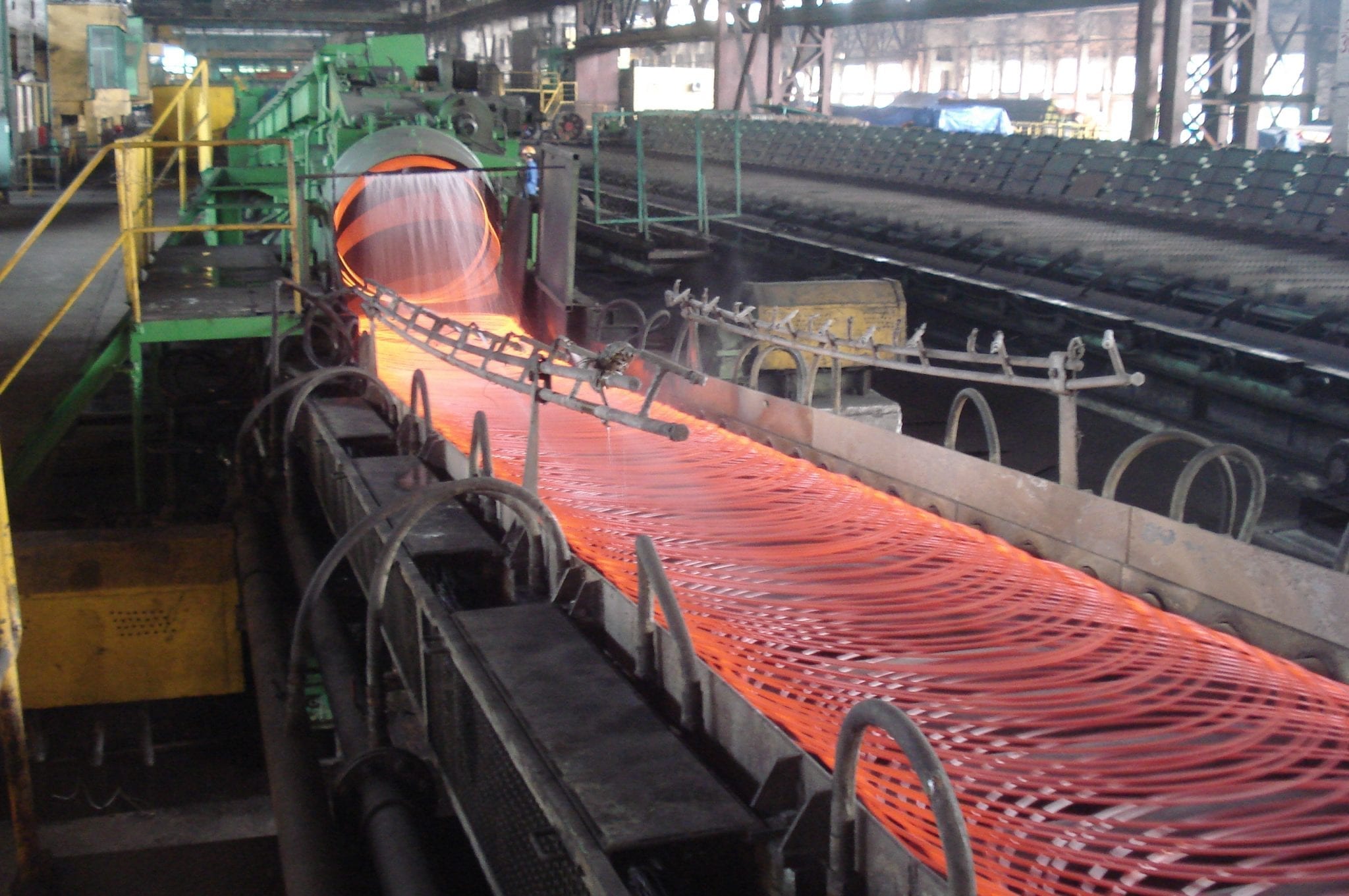
    Indonesian Anti-Dumping Committee (KADI) has initiated an anti-dumping investigation of relevant colour-coated steel sheet imports from China and Việt Nam.

    This was revealed by the Việt Nam Competition Authority (VCA) under the Ministry of Industry and Trade.

    VCA said the investigation could be implemented for 12 months and extended to 18 months if required.

    The decision was made following the complaint by PT NS BlueScope Indonesia alleging that repeated illegal trade practices have devastated production and employment and are causing irreparable harm to the Indonesian steel industry. The colour-coated steel being investigated have HS codes of 7210.70.10.00, 7212.40.10.00 and 7212.40.20.00.

    Large Indonesian steelmakers are seeking an anti-dumping investigation and the imposition of tariffs on steel imports from both Việt Nam and China.

    KADI said from July 2015 to June 2016, Indonesia imported 224,120 tonnes of colour-coated steel, of which, imports from Việt Nam and China were 196,191 tonnes, accounting for 87.5 per cent of the country’s total steel imports.

    VCA said Vietnamese colour-coated steel has been also under investigation by Thailand following the complaint of the NS BlueScope Company. The product can be levied anti-dumping taxes of 4.51 to 60.26 per cent in Thailand.

  • Vietnam textile firms need to up ties

    Vietnam textile firms need to up ties

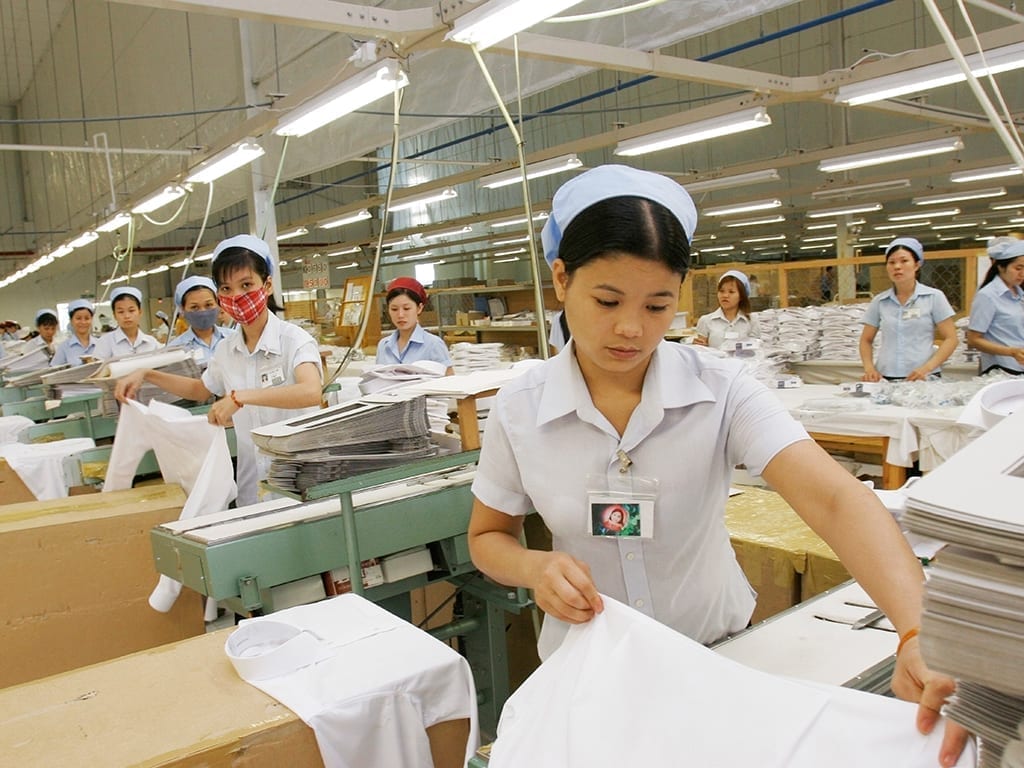
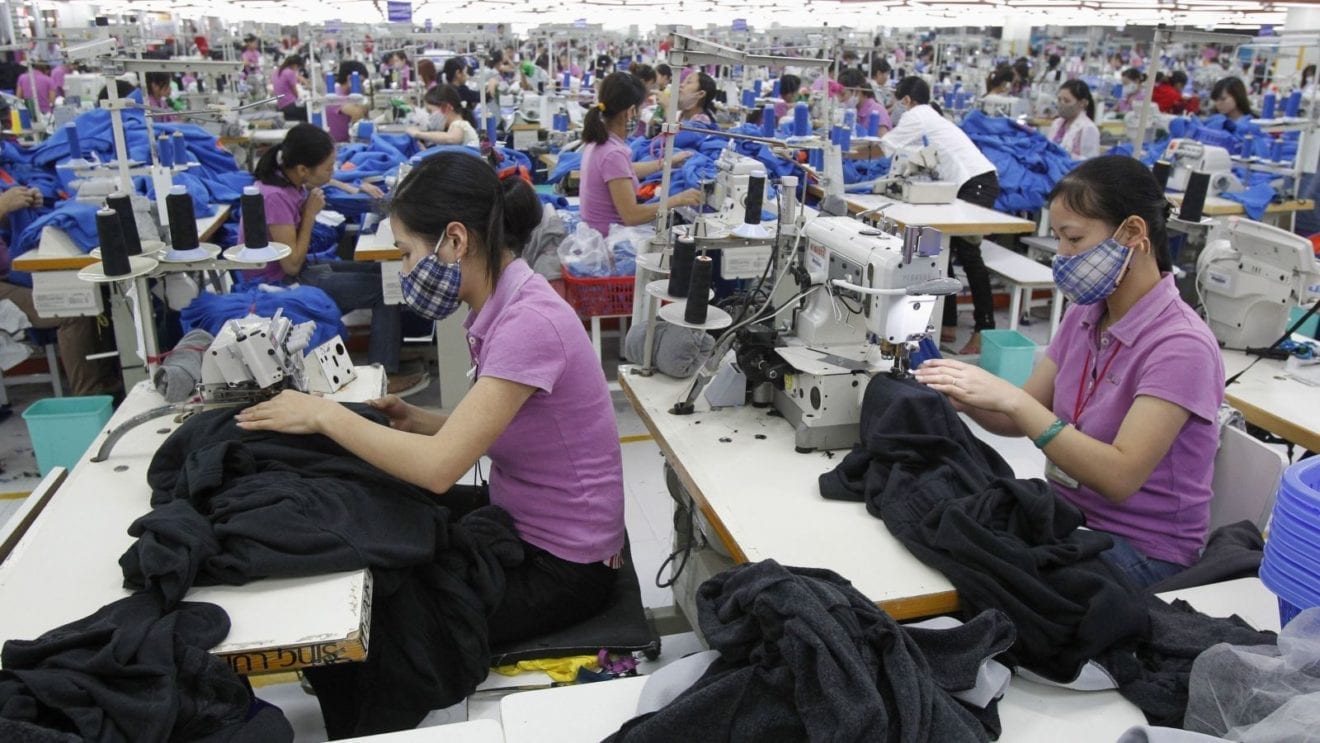
    Domestic textile enterprises and logistics service providers should work together to reduce costs and improve their competitiveness, according to experts.

    Nguyễn Tường, Vice Chairman of the Việt Nam Logistics Association, said the textile industry needs to import raw materials from abroad and export products to foreign markets.

    Working together, many enterprises could purchase raw materials by combining their orders to create a large shipment, which will help significantly reduce transportation costs, he said.

    The costs of logistics currently account for nearly one-third of the costs of each textile product exported, so the Vietnamese garment sector could save more than US$1 billion per year by reducing this cost.

    Additionally, Trương Văn Cầm, Vice Chairman of the Việt Nam Textile and Apparel Association, said most textile companies currently perform outsourcing jobs, causing them to depend on the supply of raw materials and transportation services of providers assigned by their partners.

    Most of these providers are foreign companies, thus the market share for local logistics companies has been narrowed, Cầm said.

    Further, high transportation costs are undermining the competitiveness of Vietnamese goods in international markets, he added.

    Director of the Nam Việt Co Ltd, Nguyễn Đức Chương, said that during peak seasons, textile firms have to pay the container imbalance charge (CIC) – a kind of sea freight charge which a carrier requires to offset costs arising from the transfer of a large amount of empty containers from one place to another.

    This charge is only affordable to enterprises with large-scale import-export orders, such as Nhà Bè Corporation or Việt Tiến Garment Joint Stock Corporation, but is a heavy burden on small and medium-sized textile firms.

    Meanwhile, there is a lack of confidence between the owners of goods and Vietnamese logistics service providers due to low-quality and high prices, said representative of the Đam San joint stock company, which specialises in producing fibers.

    Located in the northern province of Thái Bình, the firm has to spend $3 billion to $4 billion every year on logistics costs.

    Self-services

    To improve the quality of the supply chain and reduce logistics costs, many textile enterprises have turned towards “self-service”.

    A representative of the Nhà Bè Corporation said the corporation has established the NBC logistics company to carry and load goods, and to export and import procedures for its shipments.

    To facilitate the transaction, NBC logistics firms also opened a representative office in China’s Shanghai, and many textile enterprises are seeking to hire it to perform export and import services.

    So far, conducting self-logistics services for approximately 70 per cent of their goods has helped the corporation save $2 billion per year. Previously, it had to pay $6 billion for import-export of goods annually.

    However, self-service is still not a solution for small and medium-sized firms.

    Therefore, business leaders in the two sectors agreed that it was necessary for the Ministry of Industry and Trade and the Ministry of Transport to assist the coordination and connection between shippers and the owners of goods.

  • Banks expand networks to attract more customers

    Banks expand networks to attract more customers

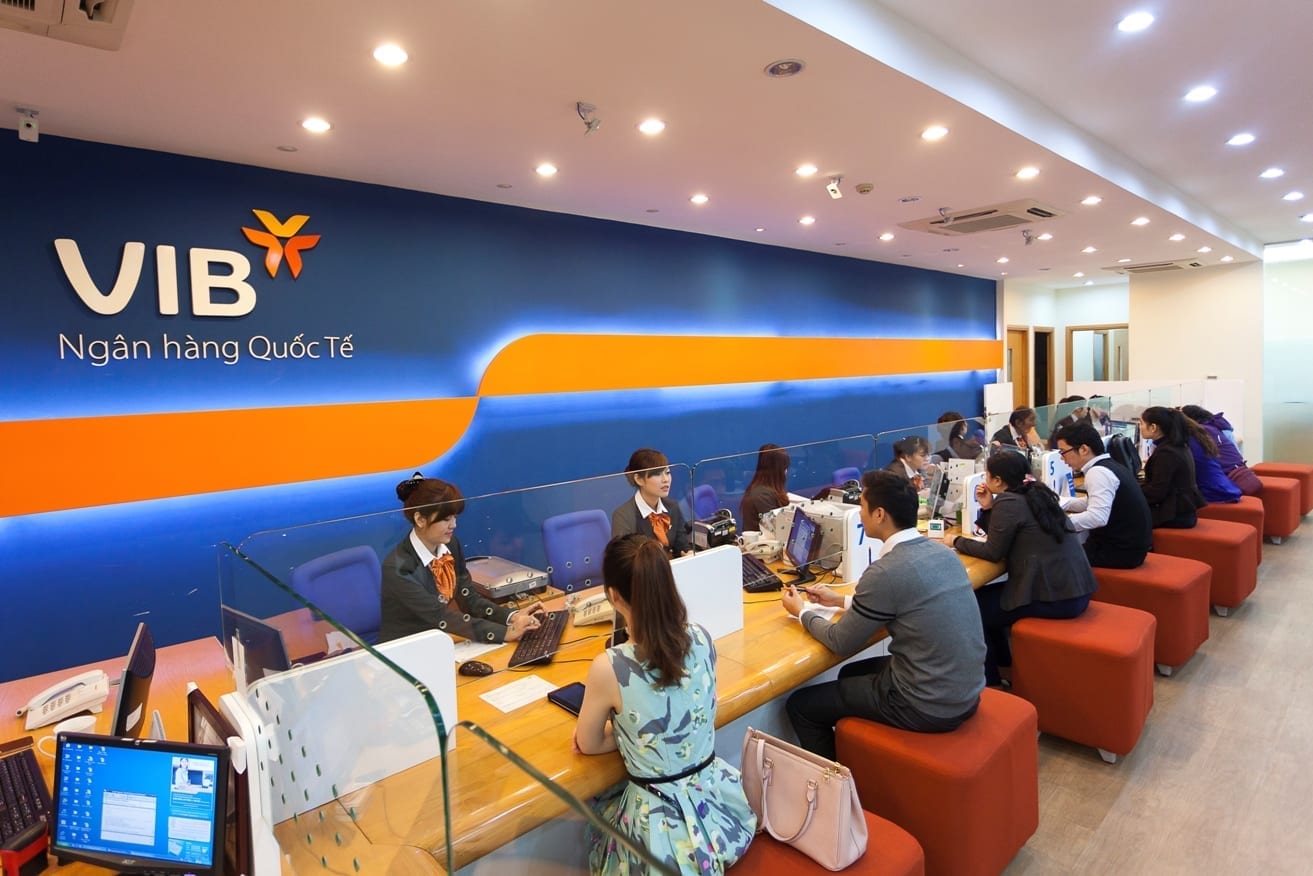
    Along with promotion programmes, banks have been expanding their networks in an aim to reach their annual targets.

    In recent months, more bank transaction offices and branches have opened to welcome both individuals and enterprises as customers.

    For instance, the An Bình Commercial Joint-Stock Bank has opened 11 branches and transaction offices in Đà Nẵng and the provinces of Lạng Sơn, Nghệ An, Bình Dương and Gia Lai.

    Bắc Á Bank, by the end of last quarter, had expanded to include 100 transaction offices in 20 province and cities. TP Bank also plans to open more offices in provinces and cities nationwide.

    A leader from An Bình was quoted as saying in Người Lao Động (The Labourer) newspaper that expansion was one of the most important steps in becoming a leading bank in the retail market.

    An expert told the newspaper that estimated growth of the national credit market this year would be 17-18 per cent against last year, if growth increases by 3 per cent per month in the last few months.

    He said this was a good time for banks to expand and introduce promotions to reach their year-end targets.

    As the banking system is too small to fully meet demand, expansion would improve service quality at banks, he added.

    The representative from An Bình Bank said there was strong demand for bank expansion, as this is a traditional channel to approach customers in all regions of the country.

    Morever, demand for lending at the end of a year is very high, prompting banks to expand to serve more customers.

    However, with the opening of more branches and transaction offices, risks can increase as customers worry that service quality and technology will be inadequate. Human resources and management skills may not be ensured as well.

    Experts, however, said there was no need for concern as regulations on controlling expansion in the banking sector, in which banks must show profits and have no more than a 3 per cent bad-debt ratio, would lower the risks.

    Bank expansion will help improve quality and competitiveness as well as increase each bank’s market share, according to experts.

  • Lifan Industry to set up new energy car unit

    Lifan Industry to set up new energy car unit

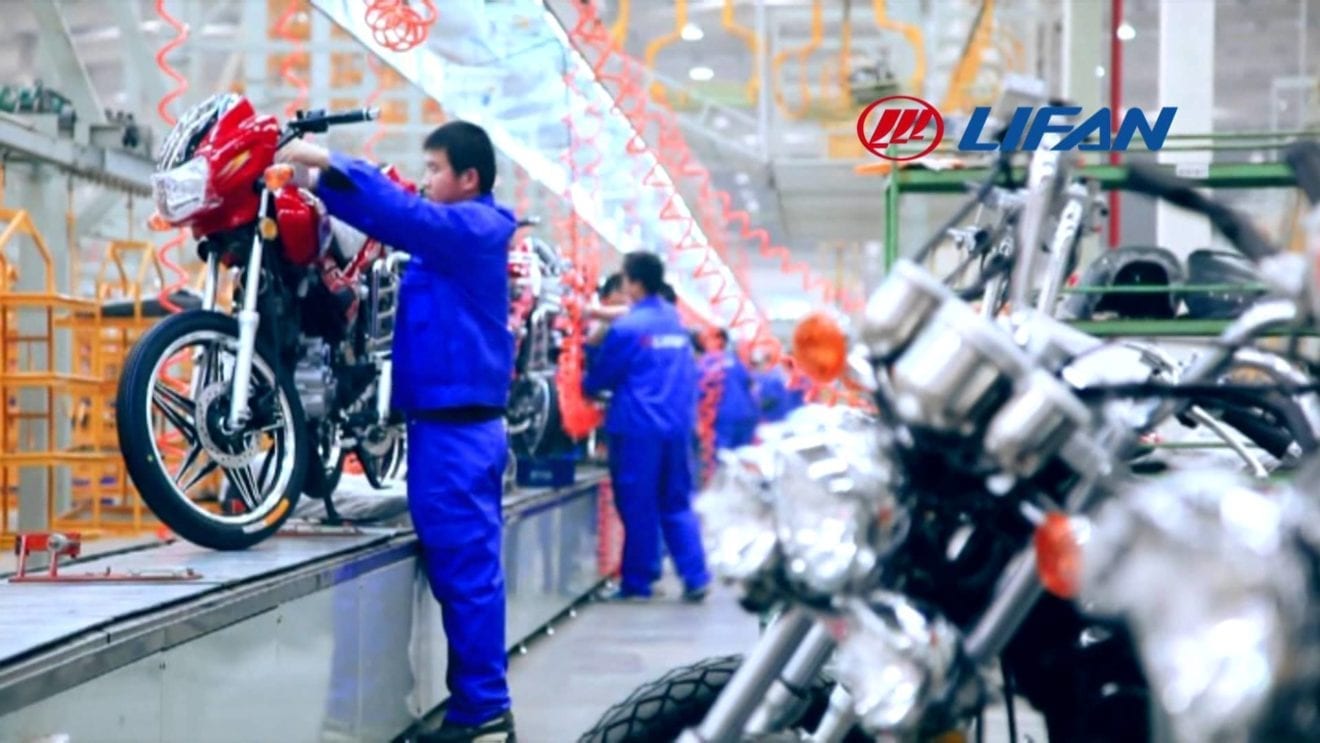
    Lifan Industry Group Co Ltd Says it plans to set up new energy car unit with registered capital at 1.0 billion yuan ($143.93 million).

  • Wood exports inch up, but prospects cloudy

    Wood exports inch up, but prospects cloudy

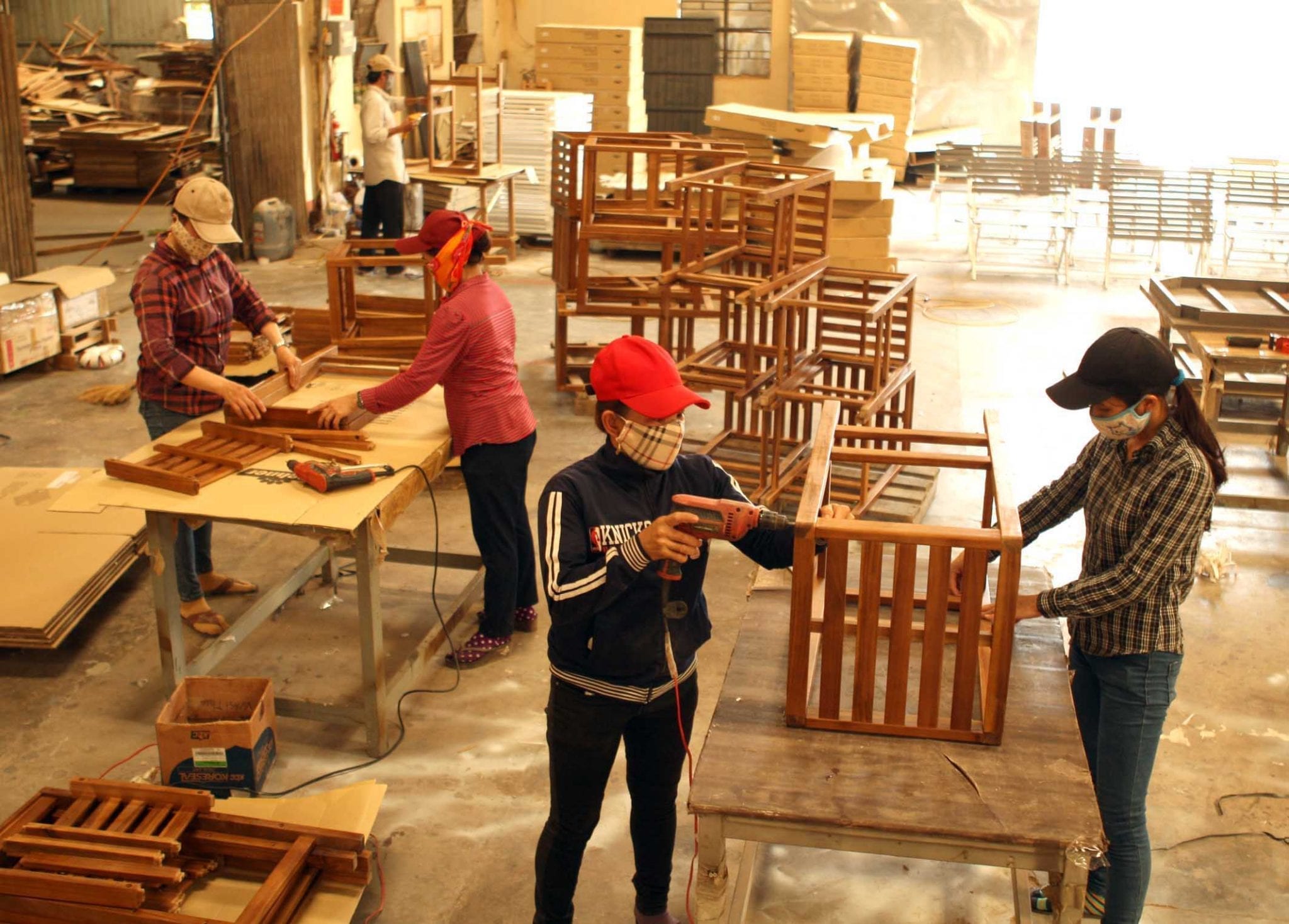
    iệt Nam estimated to gain US$7.3 billion from the export value of wood and wooden products this year, a slight increase of 1 per cent year on year, reported the Ministry of Agriculture and Rural Development’s General Department of Forestry.

    Nguyễn Bá Ngãi, deputy director of the general department, said this year, export value of forest products gained growth of 5-10 per cent depending on different products but the export value of wood and wooden products rose by 1 per cent against last year, reported Hải Quan (Customs) newspaper.

    The slight growth was due to strong reduction in the export value of wooden chips compared with last year, or 61 per cent of the export value of wooden chips in 2015, he said.

    Decrease in exports of wooden chips this year was due to a fall in demand for this product on the world market, especially China, said Ngãi, adding that Vietnamese wooden chip products have faced competition with similar products from other countries such as Thailand, Australia and some African nations.

    This year, Việt Nam promoted diversification of the export market to increase market shares on the world market, Ngãi said. Especially, Việt Nam has completed negotiations on the Voluntary Partnership Agreement on Forest Law Enforcement, Governance and Trade (VPA/FLEGT) between Việt Nam and the European Union, opening many opportunities on market development in the future.

    Lack of material

    Experts also said Việt Nam’s wood processing industry would continue development in production and business over the coming years.

    However, wood processing enterprises said the industry had fallen due to a lack of material for production.

    Bùi Như Việt, vice chairman of the Bình Dương Wood Association, said enterprises in the South were lacking material for production because in the past, many Chinese enterprises had come to purchase large volumes of wood.

    Trương Mộng Trinh, director of Mộc Lục Wood Company, also said more and more foreign enterprises had purchased wooden material, leading to a lower supply of the material for local processing companies and a higher price for wood, from VNĐ2-3 million per cubic metre to VNĐ5 million at present.

    Đỗ Xuân Lập, chairman of Bình Định Wood Association, said now, the price of rubber wood had increased by 20-25 per cent and there was strong competition for wood on the local market.

    This put pressure of procuring enough wood for production on enterprises in HCM City, Bình Dương, Đồng Nai and Bình Định provinces, he said.

    Local wood producers said the Government had solutions on avoiding the lack of material for wood processing but export tariff rates at present had not limited export activities for wood, especially exports to China, reported Công Thương newspaper.

    To ensure sustainable supply of this material in the future, the local enterprises expect the Ministry of Agriculture and Rural Development and the Việt Nam Wood and Forest Products Association to propose solutions to the Government on limiting exports of material for wood processing.

    Especially, the enterprises proposed increasing export tariffs for timber and sawn timber to 20 per cent as one of the efficient solutions to limit exports of timber for processing wooden products.

    Dương Phương Thảo, deputy head of the Import and Export Department from the Ministry of Industry and Trade, said in the future, the State should control exports of wood while also creating favourable conditions for local enterprises to exploit wood in foreign countries.

    That meant the Government would work with Việt Nam’s enterprises to grow trees for supplying wood in Cambodia and Laos as well as the governments of the two countries to import the material to Việt Nam, she said.

  • ‘Made in China’ label no longer cheap and nasty

    ‘Made in China’ label no longer cheap and nasty

    The Made In China label has become synonymous with cheap fabrics and fast fashion — but that’s changing just as quickly as the industry grew.

    As the country’s economy shifts from one of manufacturing to consumption, the quick and dirty goods so beloved by the West are likely to be made in other countries with lower labour costs.

    Meanwhile, China’s booming middle class is demanding quality and sophistication, and that could mean a $140 billion payday for the Australian economy, experts predict.

    Rich Chinese are now the target customer for any Aussie business, and the transaction works both ways. The nation’s newly powerful creators could soon be exporting their ideas straight into your home and wardrobe.

    Chinese shoppers spend billions in Australia each year. Picture: Stuart McEvoy/The Australian
    Chinese shoppers spend billions in Australia each year.

    LABEL FREAKS TO FASHION GEEKS

    As their economy has exploded, the Chinese have gained a reputation for being obsessed with designer labels. If it’s Prada, Gucci or Dior, it’s a status symbol they want in their wardrobe.

    But the still fledging market is catching on to what’s seen as truly sophisticated worldwide.

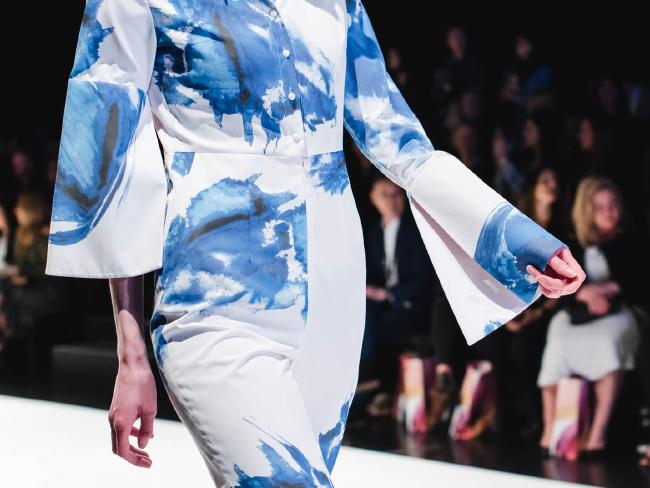
    Now the demand is for innovation, style and originality, and China is starting to make its name in the fashion business for more than just factories. The industry has tripled in size and is valued at $85 billion.

    Vogue China was only established in 2005, and at the time there were no Chinese supermodels. Now the magazine has a monthly print circulation of 1.8 million to American Vogue’s 1.2 million, and 30 million unique users online.

    Its editor Angelica Cheung says the Chinese consumer is increasingly willing to take risks, whether on an original look or a less well-known designer.

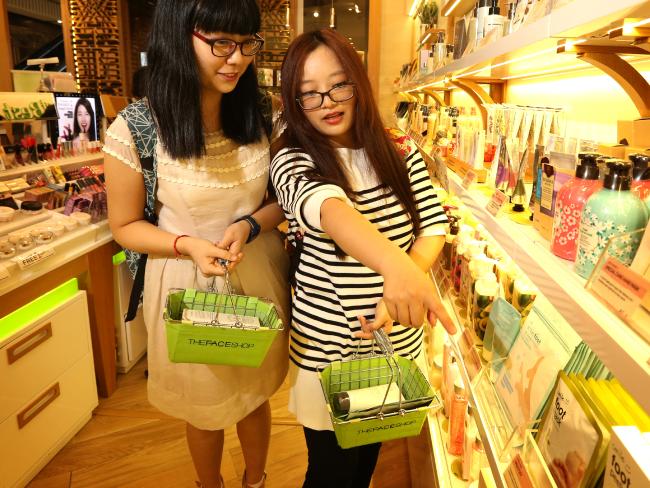
    If Aussie businesses are agile enough, that could mean important opportunities. China’s middle class have higher disposable incomes than ever, but demand for products is not yet being met.

    Alice McCall became the first Australian designer to open their own boutique in China last year, and our wool industry is looking at how it can offer more than raw material to the rapidly developing country.

    But if we are too slow, China’s homegrown designers will outstrip the competition domestically and export its own ideas to the world.

    Chinese designers like Madame Zhou are exploring new territory, and their ideas are coming to your wardrobe.
    Chinese designers like Madame Zhou are exploring new territory, and their ideas are coming to your wardrobe.Source:Supplied

    AUSTRALIA’S $140 BILLION BONUS

    The growth of China’s gross domestic product (GDP) is at six per cent compared to 10 per cent ten years ago, with manufacturing only nominally up while services have dramatically increased.

    This has coincided with both rapid urbanisation and industrialisation and a new demand for goods and services from overseas, particularly Australia, according to Helen Sawczak, national CEO with the Australia China Business Council.

    “This demand has been fuelled by a growing and relatively affluent middle class in China, which conservative estimates have put at 109 million adults,” Ms Sawczak said. “The new middle class in China continues to demand clean, green and safe premium products which includes Australian agribusiness products especially fresh produce, wine, vitamins, health supplements, infant formula. They also want high quality education, property investment opportunities and unique tourism experiences.”

    Chinese tourists have the potential to make Australians far richer, with 1.4 million visiting in 2016 and spending billions of dollars.

    “Some projections have suggested that by 2025, Australia will receive two million tourists per annum which could impact the Australian economy by $140 billion,” says Ms Sawczak, who recently produced a report entitled The Long Boom: What China’s Rebalancing means for Australia’s Future.

    “Chinese tourists tend to be avid shoppers when visiting Australia and our report indicates that visitors are more likely to continue buying Australian products after their trip.”

    The Mercedes-Benz China Fashion Week made the world sit up and take notice. Picture: Lintao Zhang/Getty Images
    The Mercedes-Benz China Fashion Week made the world sit up and take notice. Picture: Lintao Zhang/Getty ImagesSource:Getty Images

    POWER COUPLE

    The China Australia Free Trade Agreement has now been in place for a year, substantially removing tariffs on a wide range of products and has helped to facilitate more bilateral trade.

    Australian manufacturers are hoping to bypass the multi-million dollar daigou trade, which came to public attention in Australia at the peak of last year’s baby formula shortage scandal.

    Tens of thousands of international grey market traders, now better known by the Chinese term daigou, ship groceries and skincare products to friends and relatives in China — selling goods at a premium of up to 50 per cent and making as much as $100,000 a year.

    Competition to capture China’s lucrative market is fierce. The Chinese may see Australia as a destination for food and wine, but it is not as synonymous with premium fashion.

    But there is an opening. Li Zhang, project director of the Australian Lifestyle Expo, said earlier this year: “Australian brands are seen as healthy, green, organic, natural, environmentally friendly and high quality, therefore their willingness to pay is pretty high.”

    The large market could be vital for Australian businesses looking to grow, with Shanghai alone matching our population of 24 million.

    China is no longer the world’s factory, and we need to take notice.

  • Birde flu force cull of 22 million poultry pieces

    Birde flu force cull of 22 million poultry pieces

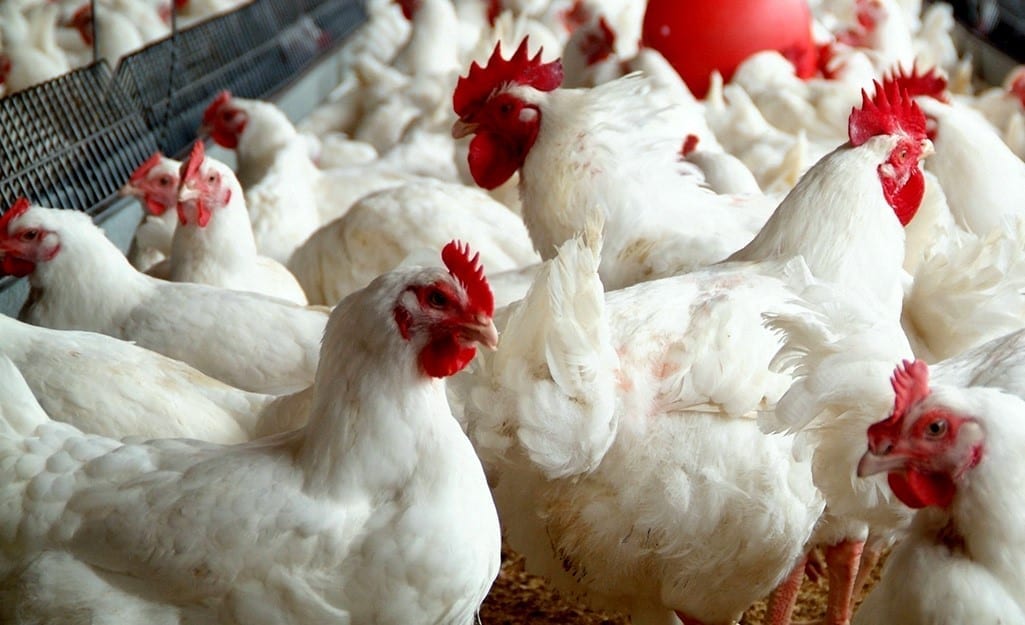
    South Korean authorities have culled more than 22.5 million poultry this winter, according to an official, as part of intense efforts to contain its worst bird flu epidemic in recent history that has affected farms across the country.

    The total number slaughtered since November 18 accounts for about 15 percent of the country’s poultry stock. The first outbreak was reported at a chicken farm in Haenam, about 420km south of the capital Seoul.

    Authorities also plan to kill an additional 2.97 million chickens and ducks across the country in coming days, reported on Saturday.

    “Korea has suffered from several bird flu outbreaks since 2003. I can tell you this year is the worst year ever,” Oh Se-ul, chairman of the Korea Poultry Association said.

    The outbreak – the first in nearly seven months – was caused by the highly pathogenic H5N6 strain of bird flu, a new type of virus that was first detected in South Korea.

    Previous cases

    In 2014 South Korea had culled 14 million birds amid a bird flu outbreak.

    As of the end of March this year, the country had killed more than 156 million chickens and more than 9.5 million ducks, according to government data.

    Because most of the birds culled since last month are egg-laying hens, the consequential shortage in eggs has caused their prices to rise sharply.

    In South Korea, the average retail price for 30 eggs has risen nearly 25 percent to $5.68 since November 18 – the highest in more than three years, according to state-run Korea Agro-Fisheries & Food Trade Corp.

    According to data from the institution, it is the highest month-on-month increase in egg prices in nearly a decade. Besides the price increases, some stores are restricting egg purchases.

    To ease the shortage, South Korea’s agriculture ministry is seeking to import egg-laying chickens and eggs from the US, Spain and New Zealand.

    Analysts say the egg shortage is expected to last at least one year as it could take up to two years for egg and poultry industry to raise baby chickens and rebuild flocks.

    Yoon Se-young, a farmer in Seoul said that he was worried because the government has not yet announced any plans to compensate farmers who had to cull their poultry.

    “It has been a month since I had to kill all my chickens and bury them. However, I have never heard of any clear explanation on how the government will compensate for my loss,” he said.

    Jeong In-Hwa, a member of South Korea’s Parliamentary Agriculture Committee said that as the issue of President Park Geun-hye’s impeachment takes the spotlight, the media has failed to highlight the bird flu epidemic.

    “As President Park’s impeachment becomes the most important national issue, protesters at candlelight rallies are dominating the headlines,” he said.

    “Because of that, the avian flu isn’t getting much attention.”

    Japan and China tackle outbreak

    Japan and China have also taken serious measures to control the bird flu outbreak that spread across northeast Asia.

    Japan launched a new chicken cull on a southern island, days after gassing hundreds of thousands of birds about 2,400km to the north.

    Tackling Japan’s sixth outbreak since end-November, Kyushu authorities said they will gas just over 120,000 chickens after the H5 virus was detected on a farm.

    The outbreak in Japan’s Miyazaki prefecture follows the gassing of more than 200,000 chickens at a farm in the northern island of Hokkaido last weekend and brings the country’s cull this season to nearly a million chickens and ducks.

    The cases in Japan – outbreaks before Miyazaki were all confirmed as H5N6 bird flu – are the first in nearly two years, with the bird cull now standing at its highest in six years.

    In China, chickens are being fed more vitamins and vaccines while farmers also ramp up henhouse sterilisation in an effort to protect their flocks.

    As part of its protection drive, China now has bans in place on poultry imports from more than 60 countries, including South Korea and Japan as well as parts of Europe now also experiencing a bird flu outbreak.

    The last major outbreak in mainland China in 2013 killed 36 people and caused about $6.5bn in losses to the agriculture sector.

    According to the website of China’s agriculture ministry, delegations from Japan, South Korea and China gathered in Beijing last week for a symposium on preventing and controlling bird flu and other diseases in East Asia.

  • 11street launches online marketplace

    11street launches online marketplace

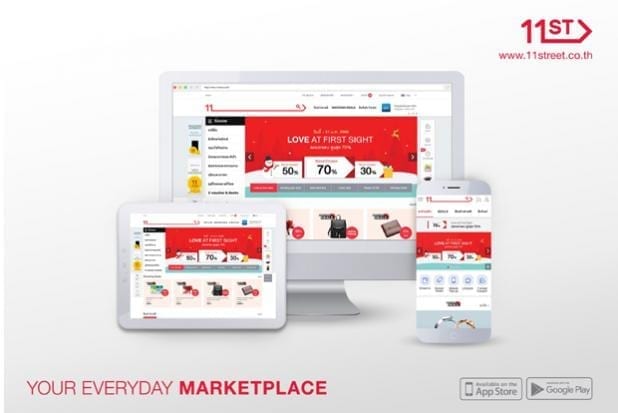
    The South Korean e-commerce leader 11street has opened an online marketplace in Thailand during the festive season to capitalise on rapid growth in online shopping. The wholly owned subsidiary of the mobile operator SK Telecom aims to become Thailand’s biggest e-commerce player by 2020.

    Hong Cheol-jeon, chief executive of 11street (Thailand), said he was excited about giving Thai shoppers the chance to experience the innovative platform from Korea. On its soft opening day last Weddnesday, 11street beat its target with more than 10 million baht in transactions.

    More than 600,000 customers have experienced the platform so far. The 11street platform has attracted more than 6,000 local sellers and aims to have 20,000 by the end of 2017.

    Earlier in August, the company opened its first “sellers’ campus” to train Thai entrepreneurs interested in conducting business online. The 11street platform is designed to work across different operating systems with a seamless experience from desktops to tablets and mobile devices. One feature is a Korea Street, offering products from Korea for sale in Thailand at competitive prices.

    Mr Hong said that in the digital era where data and people are connected, security is one of the most important elements for the platform developer. “Our platform is equipped with latest technology for escrow to ensure the security of online transactions,” he said. Online sales account for lees than 2% of the total retail market in Thailand, meaning there is still huge potential room for growth.

    “Compare that with South Korea where the e-commerce market is worth approximately US$47 billion, which is 18% of the $252-billion retail market,” he said.

  • China Mobile 4G sub reaches 510m in November

    China Mobile 4G sub reaches 510m in November

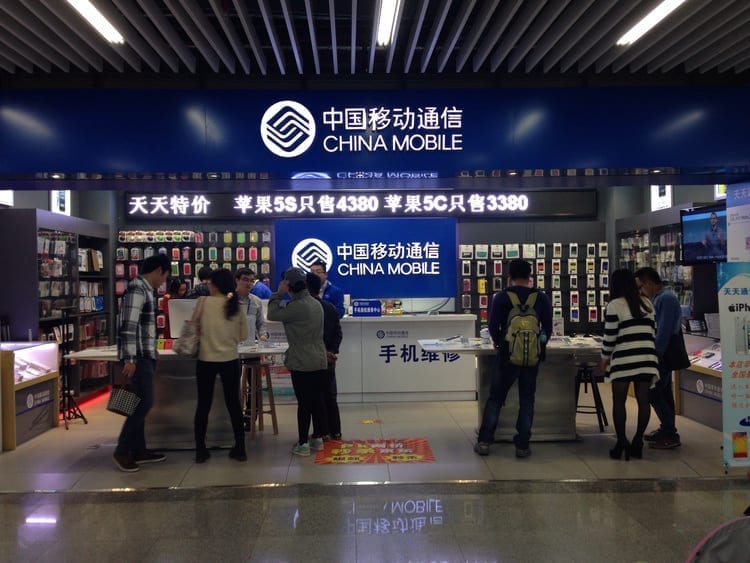
    China Mobile, the country’s largest mobile carrier, said its 4G subscriber base reached almost 510 million in November. This represents more than 30% of the world’s total 4G subscribers.

    Compared to a net increase of 16.6 million 4G users in October, China Mobile added over 12.5 million TD-LTE subscribers only last month, its slowest monthly growth this year.

    By comparison, China Unicom added over 5 million 4G customers in November, taking its 4G LTE subscribers base to 99 million. Smallest rival China Telecom added 4.3 million 4G users in November, bringing the total 4G subscriber base to 117.3 million. The operator added 58.84 million 4G customers in the last 11 months.

    Together the three Chinese mobile carriers had over 720 million 4G subscribers in November.

    In a separate announcement, China Mobile has signed a letter of intent with Vodafone, Ericsson and Lenovo to cooperate on the development of IoT.

    China Mobile will connect its IoT connection management platform with Ericsson’s DCP platform and Vodafone’s IoT platform to provide its enterprise customers with a unified global network access, portal experience and Service Level Agreements (SLAs).

    This will help drive China Mobile’s overseas market expansion and enhance the company’s service capabilities, the operator said.

    The partnership with Lenovo will see the Chinese PC maker launch a range of notebooks with built-in 4GLTE modules to offer customers with China Mobile’s high-speed 4G mobile internet services.

    China Mobile said there are currently almost 100 million devices connected to the operator’s IoT platform and the number is expected to double to 200 million by the end of 2017.

  • President Jokowi wants Jakarta to become world sharia financial center

    President Jokowi wants Jakarta to become world sharia financial center

    President Joko Widodo (Jokowi) has said Jakarta should aim to become the global sharia financial center as Indonesia has the worlds largest Muslim population.

    “Ive ever conveyed (it) to chairman of the Financial Services Authority (OJK) that it is natural if we make Jakarta as the world sharia financial center,” Jokowi said, at a gathering of stakeholders related to the eight-year issuance of state sharia-based bonds at the state palace here on Friday.

    According to Jokowi, he had heard that an effort to make Jakarta as the world sharia financial center was being discussed by the OJK.

    “We have the potential and power, why we do not use (that), not only sharia financial services such as banks, insurance companies, I think many other things that can be developed, including sharia travel, and halal restaurants,” the president pointed out.

    The president stated that Indonesia should focus on its great market potential.

    “It will trigger economic growth in our country and eliminate issues that often appear such as rumors of 10 million to 20 million Chinese laborers coming into Indonesia, while actually it was only 21,000 of them,” he explained.

    On state sharia-based bonds for the national state budget, the president said that the essence of the budget is that it will be used for the welfare of the people, meaning to eradicate poverty, reduce unemployment, and social inequality.

    “Therefore, the government uses various ways to strengthen the state budget such as strengthening the tax base for instance through the tax amnesty, state sharia securities (SBSN) or the state bonds,” he disclosed.

    The president also declared that Indonesia should be proud that it is the issuer of the largest state bonds in US dollars.

    Up to November 2016, the issuance of SBSN in the international market reached US$10.15 billion with outstanding US$9.5 billion.

    “This means that we have huge potential and it plays an important role in the development and improvement of the welfare of the Indonesian people,” he cited.

    The president further said that Indonesia has a variety of sharia-based bonds (Sukuk), so there are many alternatives to invest.

    Jokowi also pointed out that in 2015 and 2016 as much as Rp20.8 trillion of Sukuk has been used to construct railway lines, including bridges that are beneficial for the people.

    “Then (the sukuk) is also to construct facilities of higher learning institutes and rehabilitate various buildings including those for preparation of Hajj Pilgrimage rituals” Jokowi added.

  • Nokia expands litigation against Apple to 9 more countries

    Nokia expands litigation against Apple to 9 more countries

    Nokia said Thursday it has increased the number of patent suits launched against Apple from 32 to 40, spread across 11 countries in US, parts of Asia and Europe.

    The move comes a day after Nokia revealing it was suing Apple for a number of patent infringements in the US and Germany, covering display, user interface, software, antenna, chipsets, video coding and other technologies used in devices such as the iPhone.

    On Wednesday, Nokia filed lawsuits in three German courts and two lawsuits in a US court in Texas.

    Nokia claimed Apple agreed to license some of its patents in 2011, but declined subsequent offers made by Nokia to license others of its technologies used by Apple products.

    “After several years of negotiations trying to reach agreement to cover Apple’s use of these patents, we are now taking action to defend our rights,” said Ilkka Rahnasto, head of patent business at Nokia.

    Nokia’s move comes a day after Apple filed on Tuesday an antitrust lawsuit against Acacia Research Corp and Conversant Intellectual Property Management, accusing them of colluding with Nokia to extract and extort exorbitant revenues unfairly from Apple.

    The lawsuits now extend to Finland (3 patents), UK (3 patents), Italy (4 patents), Sweden (3 patents), Spain (1 patent), The Netherlands (3 patents), France (1 patent), Hong Kong (1 patent) and Japan (2 patents), Nokia revealed on Thursday.

    In addition, Nokia has filed a complaint against Apple with the US International Trade Commission, which has the power to block the importation of products to the US if they are found to infringe patents. The USITC complaint covers eight patents.