Author: Mei Ling Tan

  • First step in Taiwan for Ramen Iroha

    First step in Taiwan for Ramen Iroha

    Japanese restaurant chain Ramen Iroha has opened its first outlet in Taiwan.

    The Ramen Iroha Taiwan restaurant is a joint venture with local partner I-Mei Food which is sourcing ramen ingredients free from additives and chemical residues, and so appeal to health-conscious diners.

    Ramen Iroha, ranked number one in sales for three consecutive years in 2009, 2010 and 2011 at Tokyo Ramen Show, is gradually building a network of restaurants globally, with local partners. It recently opened in Hong Kong’s Causeway Bay.

    Signature dishes include ramen in black soy sauce and ramen with scallion and partially cooked eggs. One of the special features of its noodles is that the ramen is prepared in comparatively mild-flavour.

    The new Taiwan store is located on a street corner near Hsinchu Science Park at No 103 in Ziqiang South Road, Zhubei City, Hsinchu County.

  • Seoul Michelin Guide launched

    Seoul Michelin Guide launched

    The first ever edition of the Seoul Michelin Guide has been released.

    Seoul is enjoying a growing reputation for its eclectic dining scene ranging from royal cuisine restaurants and fine dining establishments to its many specialty Korean one dish restaurants and its popular street food.

    The new guide brings together a selection of the best of all cuisines with every establishment chosen first and foremost for the quality of cooking.  Two restaurants awarded three stars are Korean cuisine restaurants Gaon and La Yeon.  La Yeon on the 23rd floor of Shilla Hotel was named in the Best 50 Restaurants in Asia in 2016.

    Other contemporary Korean restaurants in Seoul like Jungsik and Mingles are well known for their innovative cuisine and the blending of traditional Korean ingredients into modern contemporary dishes with unique Korean flavours.

    Jungsik also made it onto the Best 50 Restaurants in Asia list in 2016 and executive chef Jungsik Yim also has a restaurant in New York.  Mingles executive chef Mingoo Kang trained under Martin Berasetegui in San Sebastian, Spain and later enjoyed stints at Nobu in Miami and the Bahamas.

    Korea is increasingly attracting foodies, not only for fine dining but for its variety of street food popular with locals and visitors alike. Specialty one-dish restaurants serving Samgyetang (whole baby chicken stuffed with ginseng and glutinous rice simmered slowly for hours) and Mandu (Korean style dumplings served with kimchi) abound.

  • SM City Tianjin open door

    SM City Tianjin open door

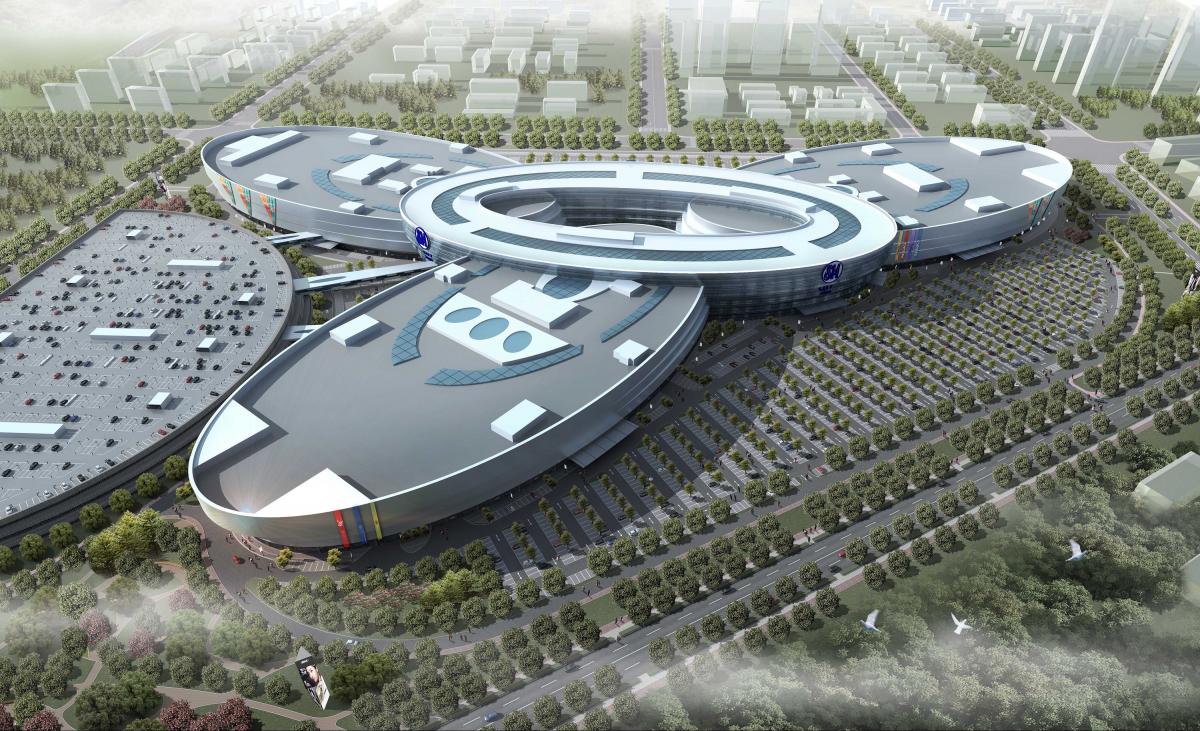
    SM Prime Holdings says it has opened its giant new SM City Tianjin shopping centre.

    But some property industry sources are expressing concerns that the second-tier Chinese city is already over-malled and wondering how the centre will fare.

    “The Philippines biggest retail developer must be hoping that Christmas is catching on in Tianjin,” observed property industry website Mingtandi, described Tianjin as “famously oversupplied”.

    The 565,000 sqm property is SM Prime’s seventh mall in China. More are on the drawing board as the Philippine company tries to expand its offshore interests.

    “The opening of SM City Tianjin reflects our strong confidence on China’s economy,” said SM Prime president Jeffrey Lim in a statement announcing the soft opening.

    “This gives SM Prime a wider perspective on China’s shopping culture, allowing us to capture bigger opportunities as an international integrated property developer.”

    SM Prime has malls in Xiamen, Jinjiang, Chengdu, Suzhou, Chongqing and Zibo and 60 malls in the Philippines, boasting a combined gross floor area of 9.1 million sqm both in the two countries.

  • Japanese department store facing downturn

    Japanese department store facing downturn

    Japanese department store sales fell 2.4 per cent in November, year-on-year, the ninth consecutive monthly decline.

    The Japan Department Stores Association reported total sales at 234 outlets run by 81 companies were ¥525.7 billion, (US$4.47 billion). It said it expected an improvement in December’s sales data as consumers enjoyed an end-of-year shopping spree.

    November was the third consecutive month when the rate of decline had narrowed. October’s same-store sales fell 6.5 per cent.

    The JDSA says most categories posted sales declines – with the notable exception of cosmetics.

    Meanwhile, the Japan Franchise Association says convenience store sales in November increased 0.5 per cent year on year to ¥773.4 billion (US$6.58 billion), the second consecutive monthly improvement.

  • Asian expansion plan for Burt’s Bees

    Asian expansion plan for Burt’s Bees

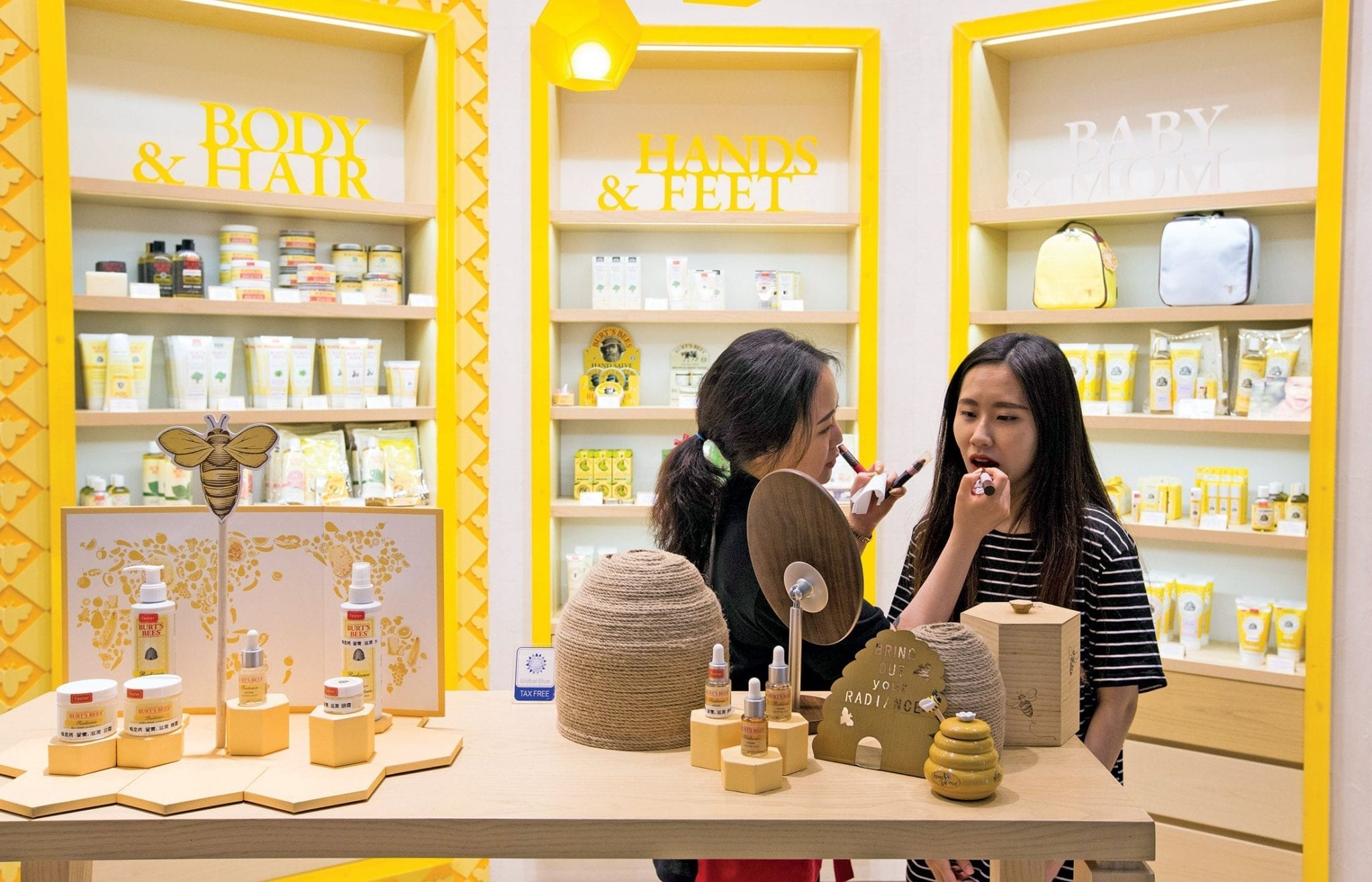
    Quirky US skincare brand Burt’s Bees is set to open stores across Asia after testing new concept formats in Hong Kong.

    The first stores are now trading at Queensway Plaza and Ocean Terminal.

    Despite its relative youth, Burt’s Bees is something of an institution in the US. Formed in 1984 in Maine by Roxanne Quimby and Burt Shavitz, Burt’s Bees started out making candles using excess wax from the latter’s honey business, before expanding into soaps and other personal care products using recipes discovered in 19th-century beekeeping books.

    burts-bees_telford-plaza_landini-associates_02

    By 2007 they’d given up the candles and were producing some 197 lines including lip gloss, shampoos, baby care lines and outdoor remedies, which were sold in 30,000 retail outlets in the US, UK, Hong Kong, Australia, Canada, Ireland and Taiwan among other countries. Late that year, industrial group Clorox reportedly paid US$925 million for the business.

    Burt died in 2014 aged 80, but his image lives on, forming a strong backdrop in the Hong Kong stores, which were designed by Sydney-headquartered design house Landini Associates.

    Landini has effectively reinvented the brand, repositioning it as a premium product, and paying tribute to the brand’s focus on sustainability and its philosophy “that everything should be for the Greater Good – good for you; good for us, good for all”.

    burts-bees_telford-plaza_landini-associates_03

    Two concepts have been created – a standalone store model and a store-in-store created for department stores.

    In tandem with the interiors, Landini has redesigned the graphics and communication: signage, ticketing and information graphics often embossed with a playful, iconic bee.

    “This is a big step for Burt’s Bees into the highly competitive Asian skincare market, explained a Landini spokesperson. “It will now roll out throughout Asia, South America and Europe.”

    Landini is also working on new packaging, designs of which will be released shortly.

  • LVMH will expand to eyewear business

    LVMH will expand to eyewear business

    Luxury brand group LVMH is thinking about taking its eyewear business in-house.

    This could be a further blow for Italian eyewear group Safilo, which lost the Armani licence in 2013 and those for the Kering Group labels (Alexander McQueen, Bottega Veneta, Gucci and Saint Laurent) at the end of 2014, reports CPP-Luxury.com.

    Italian investment bank Mediobanca has published a report about Safilo, owned by Dutch investment fund Hal, focussing on its announcement that its licence agreement with Celine has been terminated while its contract with Christian Dior has been extended until 2020. The licence for Celine’s eyeglass collections – the LVMH label joined Safilo’s portfolio in 2012 – ends on December 31.

    While the licence agreement for the design, production and distribution of eyeglasses and sunglasses for Dior and Dior Homme, also part of LVMH’s galaxy, has been extended until the end of 2020, Mediobanca says the extension is for three years only, not for seven years as was the case for the previous contract, renewed in September 2010.

    The bank’s analysts noted that the standard renewable licence contract is for five years.

    “We believe markets are much more volatile than in the past, and renegotiating contracts on a more frequent basis may be to the advantage of both parties,” says the bank. “But we think this could also signal a change in LVMH’s approach as the group has the financial strength to internalise its eyewear business, as Kering did a few years ago.”

    LVMH has been managing the eyewear collections for its leading brand, Louis Vuitton, internally for several years.

    Mediobanca estimates the sales for Celine and Dior eyeglasses collections are worth respectively €40 million (US$41 million) and €200 million. As well as these, there are the sales for the eyewear lines of Fendi, Givenchy and Marc Jacobs, all licensed to Safilo. Altogether, LVMH brands are worth €350 million in annual revenue for the eyewear group, equivalent to nearly 30 per cent of its total revenue, which Mediobanca pegs at €1.2 billion.

    The bank report also highlighted the Safilo portfolio’s “marked reliance on one single client”, plus the weakness of its own brands.

  • The plan for new Daegu Shinsegae

    The plan for new Daegu Shinsegae

    Korean retail giant Shinsegae Department Store’s new Daegu Shinsegae is a large-scale shopping and entertainment complex connected to a transportation hub in the southern city.

    Covering more than 103,000 sqm, it is Shinsegae Department Store‘s second large-scale branch outside of Seoul, following the Centum City branch in Busan. As well as traditional shopping areas, Daegu Shinsegae has a rooftop aquarium, indoor and outdoor mini theme parks, an art gallery and a concert hall.

    Shinsegae invested KW880 billion (US$755 million) in the project, the largest amount for any single Shinsegae Department Store branch.

    Daegu Shinsegae shares four floors with the new Dong-Daegu Intermodal Transfer Center, the culmination of a five-year project together with the Daegu Metropolitan City Government and the Ministry of Land, Infrastructure and Transport. It offers access to KTX and subway trains as well as buses.

    “We hope to use the transfer centre to create a network of consumers in nearby cities as we have to target consumers across the north Gyeongsang province area rather than just focussing on Daegu,” says store CEO Jang Jae-young.

    “Our market research found that Daegu consumers are unwilling to travel to other cities like Busan in order to shop, but on the other hand consumers from other cities are willing to come to Daegu,” says Daegu Shinsegae deputy chief Hong Jung-pyo.

    He says the centre will be different from the Shinsegae branches in Seoul, which gain most of their revenue from luxury products. Its strategy instead will be to attract a more mass consumer base with its family entertainment and young casual attractions.

    More than revenue, however, Jang says Daegu Shinsegae will first focus on smooth running and working with the surrounding community.

  • How Did China’s Retail Sales Look in November?

    How Did China’s Retail Sales Look in November?

    On a year-over-year basis, China’s retail sales showed strong recovery in November 2016, according to the National Bureau of Statistics of China.

    The country’s retail sales rose 10.8% in November, compared to 10% in October. This reading was far above the market’s expectation of a 10.1% rise, and it was the highest since January 2016.

    How Did China’s Retail Sales Look in November?

    Sector-by-sector performance

    Building material sales rose 11%, furniture sales rose 8.8%, home appliance sales rose 14.7%, communications equipment sales rose 17.8%, personal care sales rose 10.7%, automobile sales rose 13.1%, and cosmetics sales rose 8.1%.

    Economic impact

    These sales improvements in different sectors signify that consumer sentiment is improving. After the slowdown in economic activity in China, the economy is going through a transitional phase. From a manufacturing hub, it’s transitioning to a consumer-based economy. Consumerism will play a large role in the country’s future economic growth.

    Consumption patterns are changing in China’s economy. Chinese consumers are becoming more selective toward the products and services that they use. As China is one of the world’s most important economies, improvement in its growth drivers could aid the global economy.

    In the next part of this series, we’ll see what indicators investors should look for this week.

  • Ethiopian Airlines to enter Indonesian aviation market in 2017

    Ethiopian Airlines to enter Indonesian aviation market in 2017

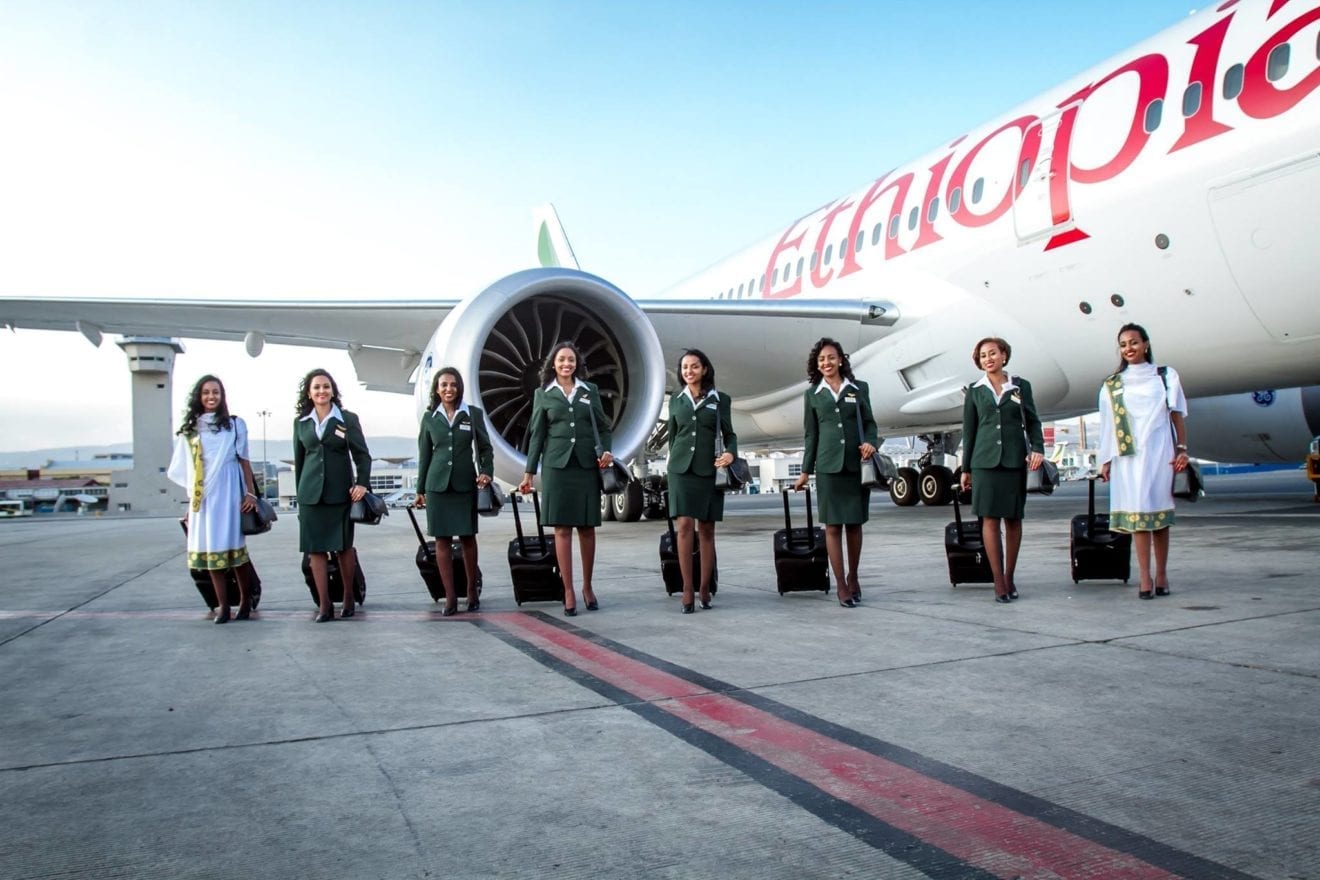
    Africa’s largest airline group, Ethiopian Airlines, on Wednesday announced its plans start scheduled flight services to Jakarta, the Indonesian, in June 2017. According to a statement released on behalf of Ethiopian Airlines by Jedidah Promotions, a travel consulting group, the African aviation giant, will be using the ultra-modern Boeing 787-800 to link up its numerous customers with Jakarta, which is Indonesia’s economic, cultural and political center.
    Indonesia, which is made up over more than 13,000 islands is the 4th most populous country in the world and, with this new service, Ethiopian Airlines will be rendering service to all five of the most populous countries on earth. Ethiopian is a multi-award winning airline, registering an average growth of 25 percent in the past seven years.
     “As the fastest growing airline in Africa, Ethiopian is pleased to offer the opportunity to business people as well as tourists to explore Jakarta’s potential both for investment and leisure. This move will further increase our presence in Asia, connecting Africa to the Asia region and in turn strengthening the tourism and trade ties between the peoples of Africa and Asia,” said Tewolde GebreMariam, who is the Group CEO of Ethiopian Airlines.
    According to him, Ethiopian Airlines is working very hard to connect Africa with the major trading centers of the world and Jakarta, Indonesia is one of them. “Moreover, pilgrims and the West African community residing in Indonesia will be enjoying hassle-free connections to Ethiopian’s vast African network via its hub at Addis Ababa,” said GebreMariam.
    Ethiopian is touted by its management as a global carrier that operates the youngest and the most modern fleet on the African continent, with an average aircraft age of less than 5 years, serving more than 90 international destinations across 5 continents through over 240 daily departures.

    The company is the fastest growing Airline in Africa and, in its seven decades of operation, Ethiopian has become one of the continent’s leading carriers, unrivalled in efficiency and operational success.

    Ethiopian commands the lion’s share of the pan-African passenger and cargo network, operating the youngest and most modern fleet to 95 international destinations across five continents. 
    Its fleet includes ultra-modern and environmentally friendly aircraft such as Airbus A350, Boeing 787, Boeing 777-300ER, Boeing 777-200LR, Boeing 777-200 Freighter and Bombardier Q-400 double cabin. It is also the first airline in Africa to own and operate these categories of aircraft.
    Ethiopian is currently implementing a 15-year strategic plan called Vision 2025, which it projects to see it become the leading aviation group in Africa with seven business centers, including the Ethiopian Domestic and Regional Airline, the Ethiopian International Passenger Airline, Ethiopian Cargo and the Ethiopian MRO.
    Others are the Ethiopian In-flight Catering Services, and the Ethiopian Aviation Academy and the Ethiopian Ground Service.
  • Toby’s Estate Indonesia Launches with North Jakarta Flagship

    Toby’s Estate Indonesia Launches with North Jakarta Flagship

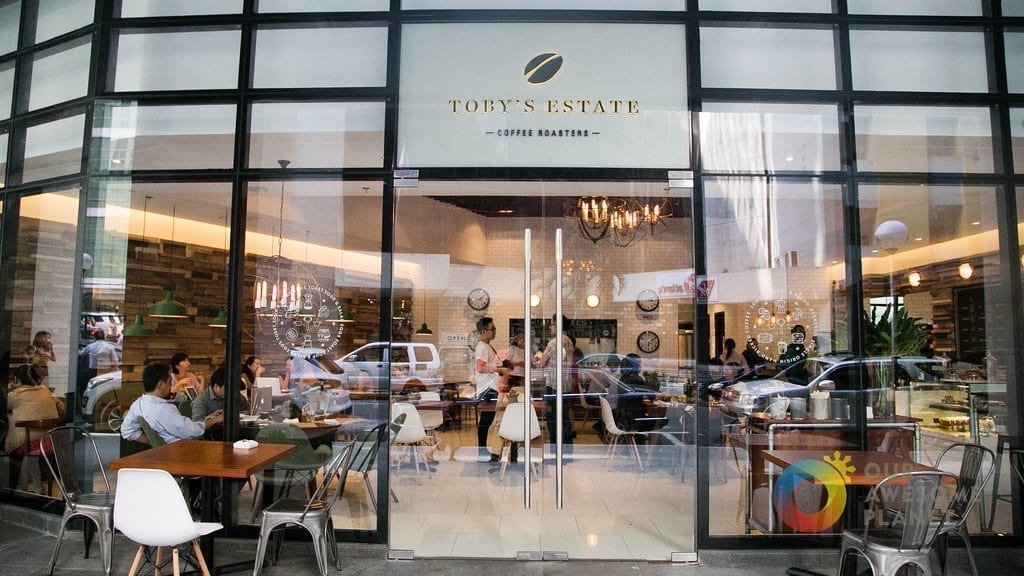
    The 15-year-old Australian-born specialty coffee powerhouse Toby’s Estate has expanded its roasting and retail presence to Indonesia, opening a flagship location in Jakarta on Dec. 10.

    Founded by Toby Smith in Sydney in 2001, the company has since expanded to New York and the Philippines, with each market receiving its own roasting division and brand under the Toby’s Estate umbrella. The company has primary Australian retail outposts in Chippendale, Brisbane and Melbourne, and the New York division has four current locations, with at least one more on the way.

    The Jakarta location is naturally the company’s second within a producing region, with Indonesia being the fourth largest producer in the world. Offering a range of single-origin coffees from throughout the world, Toby’s does source from Smith’s own Toby’s Estate farm — Finca Santa Teresa in Panama — while the Jakarta location has opened with at least one single-origin coffee from Mandheling, Indonesia.

    Toby's Estate Indonesia photo.

    In addition to a full food menu with items such as buttermilk fried chicken and Brioche French Toast — along with other Aussie café staples such as avocado toast — the Toby’s team pulled no punches on gear, with a Mavam setup and a Kees van der Westen Spirit helping to power the espresso program.

    Toby’s Estate Indonesia is now open at Pik Avenue Ground Floor, #E2 in North Jakarta.

  • Honda, Alphabet’s Waymo in talks over self-driving technology

    Honda, Alphabet’s Waymo in talks over self-driving technology

    Honda Motor Co said on Wednesday it had entered into formal talks with Alphabet Inc’s new self-driving division Waymo to add self-driving technology to its vehicles, marking the second potential customer for the automation software.

    The move comes just one week after Google spun off its self-driving unit into its own company named “Waymo” with a mandate to strike partnerships with automakers and others and commercialize the research it has been developing for over seven years.

    The potential deal illustrates how automakers faced with the high costs of developing the new technology in-house are separating into those betting on developing it alone, such as Ford Motor Co and General Motors Co, and those turning to partnerships with suppliers to spread the costs.

    Honda’s announcement marks Google’s second potential tie-up with an automaker over its self-driving technology. The first came in May, when the technology giant signed a deal with Fiat Chrysler Automobiles NV to incorporate the tech into the carmaker’s minivans.

    Unlike cash-strapped Fiat Chrysler, however, Honda has already committed its own resources to autonomous driving, and it said on Tuesday those efforts would continue.

    While Honda has been less vocal about its plans for self-driving cars than larger rivals like Toyota Motor Corp, the Japanese automaker showed off a self-driving prototype in June it has been testing in Northern California. The carmaker foresees full autonomy on highways by 2020.

    “In addition to these on-going (in-house) efforts, this technical collaboration with Waymo could allow Honda R&D to explore a different technological approach to bring fully self-driving technology to market,” Honda said in a statement.

    Honda said, as part of the collaboration talks, it could provide Waymo with vehicles modified to accommodate Waymo software, such as Fiat Chrysler has done with its Chrysler Pacifica minivans.

    Were a deal to be signed, Honda said its engineers in Silicon Valley and Tochigi, Japan would work closely with Waymo engineers.

    A Waymo representative said the company was “looking forward to exploring opportunities to collaborate with Honda to advance fully self-driving technology and make our roads safer.”

  • Philips and L’Oreal Paris offer male passengers a close shave at Changi

    Philips and L’Oreal Paris offer male passengers a close shave at Changi

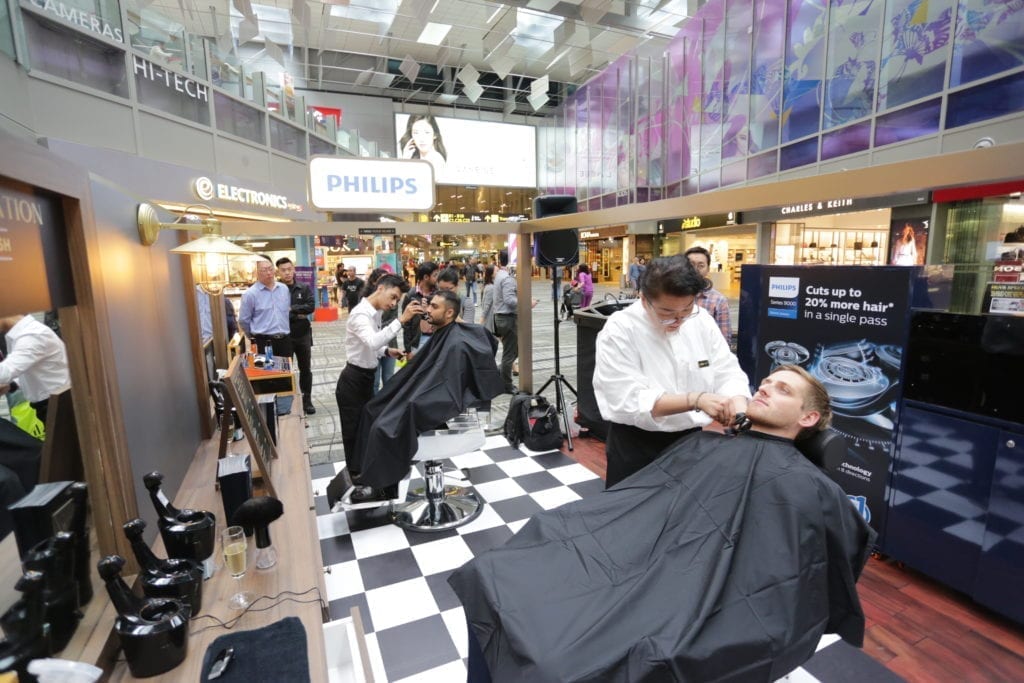
    Philips and L’Oréal Paris Men Expert have joined forces to launch a pop-up barber shop at Singapore Changi Airport. The Male Grooming Club initiative is a partnership with Changi Airport Group, The Shilla Duty Free and Sprint-Cass. The barber shop, open from 13 December to 24 January, offers male passengers in Terminal 3 a range of grooming services, products and promotions.

    Professional barbers use Philips’ range of shavers for a complimentary hot towel shave alongside head and face massages, finishing with treatment from the L’Oréal Paris Men Expert range. Individual consultations with a grooming adviser are also available.

    The Male Grooming Club showcases Philips’ most advanced shavers featuring its ContourDetect technology. Other male grooming tools available at the pop-up store include Philips hair clippers, beard trimmers and body groomers.

    L’Oréal Paris Men Expert offers a wide range of skincare products tailored to cover all major men skin concerns, such as anti-ageing and hydration.

    While more than 50% of travellers are male, they represent less than 10% of the total spend in airport cosmetics stores, noted the partners. Changi Airport said there is a huge opportunity in the travel retail space to target men and their grooming needs.

    The pop-up offers exclusive promotions such as S$50 (US$35) off selected Philips Shavers with any purchase of a L’Oréal Paris Men Expert gift set. Complimentary gifting services are also available along with a limited-edition gift bag with any purchase of a Philips male grooming tool or L’Oréal Paris Men Expert travel retail exclusive sets.

    Changi Airport Group Senior Vice President of Airside Concessions Division Teo Chew Hoon said: “We are excited to partner Philips and L’Oréal Paris Men Expert to introduce this unique pop-up concept at Changi Airport. With these complimentary grooming services, we hope to pamper our male travellers, making their Changi Experience a more memorable one this festive season.”

    Royal Philips Global Business Development Manager Travel Retail Steven van Dortmond commented: “Travelling long distances can be a tiring affair and Philips is pleased to be able to offer men a grooming experience that will refresh and recharge them for the journey ahead. With Philips’ premium male grooming range, travellers will arrive at their destinations well-groomed and ready to go.”

    L’Oréal Consumer Products Division Travel Retail APAC General Manager Barbara Bressand-Sussfeld noted: “We want to offer to male travellers and consumers a dedicated grooming environment by bringing together two of the number one worldwide brands – our skin care brand Men Expert and Philips electric shavers. All male travellers at Changi Airport will be able to enjoy a unique grooming experience at Terminal 3 and we look forward to welcoming them to the Male Grooming Club.”

    The Shilla Duty Free Head of Global Merchandise Division Raelene Johnson said: “As a leading travel retail cosmetics & perfumes operator, we are always looking to elevate travellers’ shopping experience. We are excited to work with our brand partner L’Oréal Paris Men Expert, and with Philips and Sprint-Cass to create an immersive and unique experience for travellers.

    “We hope that the experiential concept of the Male Grooming Club will provide male travellers with access to a wide range of male grooming services and products, bringing greater value to our customers.”

    Philips and L’Oréal Paris Men Expert product ranges are available at Sprint-Cass and The Shilla Duty Free. Complimentary male grooming services are available from 6am to 10am and 7pm to 11pm daily; while the Male Grooming Club runs from 6am to 1am daily.

  • Five must-visit malls in Singapore, the shopper’s paradise

    Five must-visit malls in Singapore, the shopper’s paradise

    There is no doubt that Singapore is a paradise for shopaholics and foodies. And, it doesn’t come as a surprise if the island nation has some of the finest malls. Recently, Forbes rated the best five malls in Singapore based on the shopping experience and food offerings.

    At number five is Paragon Shopping Mall on Orchard Road. This 20-storey shopping center with more than 200 shops is definitely an up-market shoppers’ paradise. With six levels of designer fashion and luxury boutiques, sports and lifestyle shops, restaurants and cafes, Paragon is a one-stop destination for luxury needs.

    After Paragon, the obvious next choice is ION Orchard, located in Singapore’s prominent shopping boulevard, Orchard Road. It offers a dazzling view at night and a unique shopping experience with over 300 retail, F&B and entertainment stores, which will include six of the world’s top luxury brands building their signature flagships stores.

    Next on the line is the most famous The Shoppes at the Marina Bay Sands resort. The Shoppes is a one-of-its-kind mall with a casino, indoor skating rink, rooftop access that gives a breathtaking skyline view of the Bay Sans, and a canal that runs through the mall. It also boasts some of the world’s most renowned brands like Ralph Lauren, Hermès, Chanel and Cartier, but, the highlight is the Louis Vuitton island concept store.

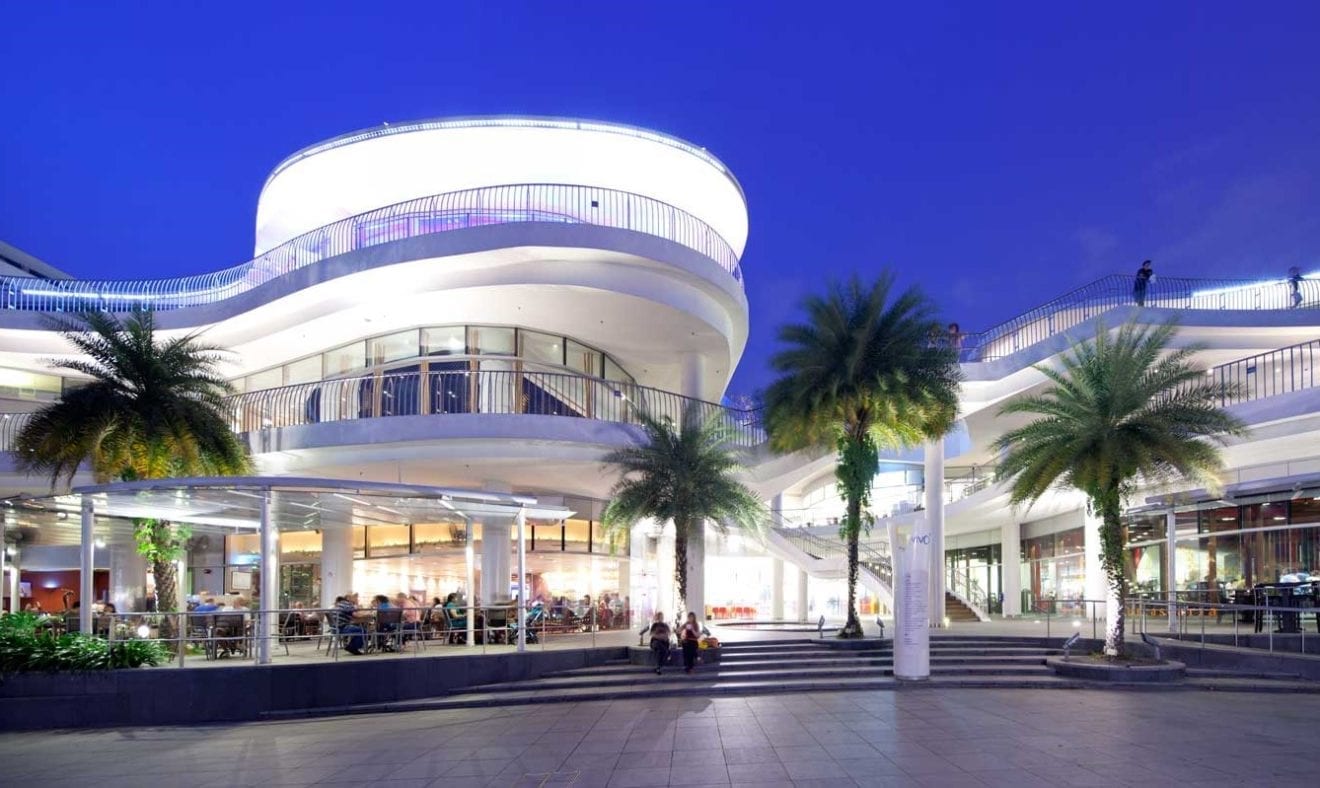
    Then comes Singapore’s largest shopping mall, VivoCity, located near the coastline of Keppel Harbour and Sentosa Island. Operated throughout cable car, its occupiers include American Eagle, Forever 21, H&M, Gap, MUJI, and Uniqlo.

    And finally, at the number spot is the country’s tallest vertical mall, Orchard Central, right in the center of Orchard road. The food court is nothing short of a gastronomical delight with alfresco style dining options at its rooftop or international food ranging from Japanese, Korean, Chinese to Western at the F&B themed floors, it will satisfy every palette.

    Other prominent shopping destinations include Dempsey Road, Holland Road Shopping Centre, Little India, Tiong Bahru and Haji Lane. A true shopper’s paradise with a slew of mall spread across the country, Singapore definitely beats its neighbours in terms of sheer convenience and familiarity.
  • Thai AirAsia X ends Middle East service

    Thai AirAsia X has completely pulled out of the Middle East, a market that appears unready for TAAX’s long-haul, low-cost business model. The airline, part of Asia’s biggest no-frills airline group, is axing Bangkok-Muscat and Bangkok-Tehran routes launched in June this year, due to poor traffic demand at both ends of the each of the routes.

    The termination of Bangkok-Muscat takes effect on Jan 19 and the suspension of Bangkok-Tehran flights became effective on Dec 5, according to insiders. TAAX has struggled to keep the two routes afloat by rationalising capacities to match actual demand. In November, the carrier reduced the frequency of service on both routes to two flights a week, the minimum level acceptable by the market, down from three flights a week at launch.

    TAAX deploys Airbus 330-300 wide-body jets configured with 377 seats on all its routes. The arrangement did not work out well, leading TAAX to terminate Middle East flights altogether. When TAAX inaugurated its Tehran flight on June 22 and Muscat service on June 28, the airline became the first low-cost carrier to offer regular non-stop services on those routes. TAAX’s departure means that all connections between Bangkok and the two Middle Eastern capitals will be handled by full-service airlines. Bangkok-Tehran flights are operated by Iran-based Mahan Airlines and Thai Airways International (THAI), which commenced service in October. The non-stop Bangkok-Muscat flights are flown by Oman Air, while Thai Airways offers regular services to the Omani capital with a stopover in Karachi.

    Insiders said the poor performance by TAAX was in sharp contrast with a rosy outlook perceived earlier this year. TAAX chief executive Nadda Buranasiri said in May the lifting of economic sanctions against Iran in January had turned Tehran into a new economic frontier and an emerging tourism market.

    “There seemed to be strong initial demand for both routes, but it tapered off to become unsustainable eventually,” said an insider who asked to remain anonymous.

    In a release, TAAX apologised for ending its Middle Eastern services and offered full refunds for affected passengers.

  • Nokia sues Apple for patent infringements in US and Germany

    Nokia sues Apple for patent infringements in US and Germany

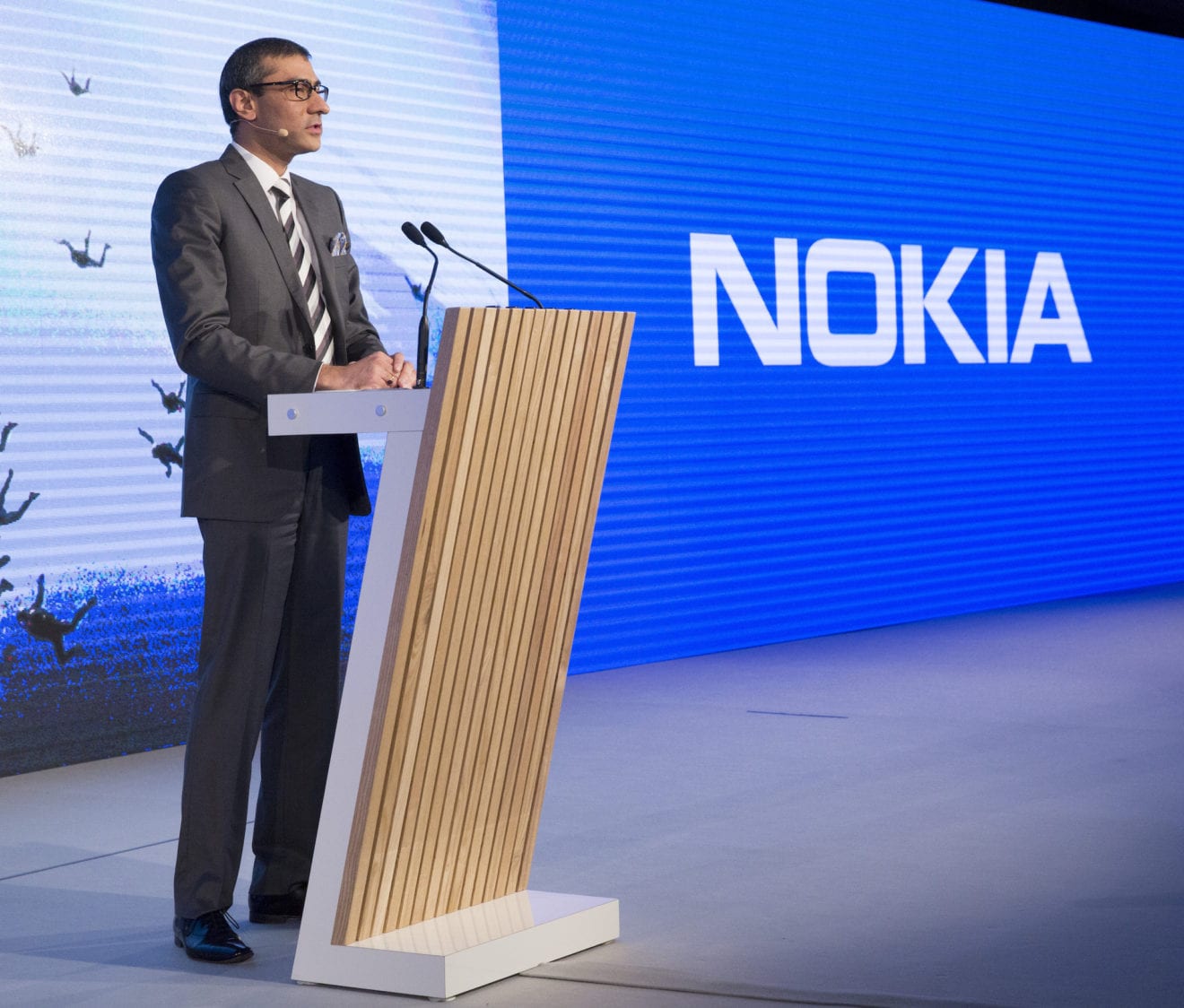
    Nokia said on Wednesday it has filed a number of complaints against Apple in Germany and the US, accusing the iPhone maker of infringing on Nokia patents.

    Nokia’s lawsuits cover 32 patents on technologies such as display, user interface, software, antenna, chipsets and video coding. These lawsuits stem from a disagreement between Apple and Nokia over licensing fees for Nokia Technology.

    “Since agreeing a license covering some patents from the Nokia Technologies portfolio in 2011, Apple has declined subsequent offers made by Nokia to license other of its patented inventions which are used by many of Apple’s products,” the company said in a statement.

    The Finnish telecoms equipment firm said it had negotiated for “several years” with Apple but is now “taking action.”

    “Through our sustained investment in research and development, Nokia has created or contributed to many of the fundamental technologies used in today’s mobile devices, including Apple products,” said Ilkka Rahnasto, head of patent business at Nokia.

    “After several years of negotiations trying to reach agreement to cover Apple’s use of these patents, we are now taking action to defend our rights.”

    Nokia has filed the lawsuits in courts in Dusseldorf, Mannheim and Munich in Germany and the US District Court for the Eastern District of Texas, and “is in the process of filing further actions in other jurisdictions”, it said.

    Nokia’s move comes a day after Apple filed an antitrust lawsuit against Acacia Research Corp and Conversant Intellectual Property Management, accusing them of colluding with Nokia to extract and extort exorbitant revenues unfairly from Apple.