Author: Mei Ling Tan

  • Asian Christmas gift-giving trends revealed

    Asian Christmas gift-giving trends revealed

    When it comes to Asian Christmas gift-giving, Koreans are the most generous, according to a Kadence Singapore survey.

    The company spoke to a cross-section of shoppers in Hong Kong, Japan, Korea, Malaysia and Singapore to understand more about their Christmas buying habits.

    Koreans emerged as the most generous, with 88 per cent saying they will give someone a present this year. Of these, 63 per cent are buying a gift for their partner, with 33 per cent buying for a parent.

    kadence-christmas-infographic

    In contrast, Japan is far more conservative, with 75 per cent shopping for Christmas. Of these, 13 per cent are considering buying a present for their parents.

    People in a relationship are far more likely to receive a gift this year, the survey shows. Of the people surveyed, 53 per cent will buy a gift for their partner. This is followed by presents for a parent or another family member (both 25 per cent). However, 21 per cent of the people surveyed do not intend to buy any presents this Christmas.

    A surprising find is that men (80 per cent) are more likely to buy a Christmas gift than women (77 per cent), a trend across all markets. Hong Kong men lead the field at 83 per cent, versus 70 per cent women.

    Men are more focussed on their partner, with 60 per cent buying a gift for their nearest and dearest, while only 46 per cent of women are doing the same. However, women are more willing to share the Christmas spirit, with 24 per cent likely to buy presents for friends and 18 per cent for siblings (for men the figures are 15 and 8 per cent respectively).

    In general, survey respondents have three extended family members in mind when Christmas shopping, beyond parents, siblings and partners. They also have up to five key friends and colleagues they will buy for. Women are likely to buy more presents for their friends and colleagues, with 33 per cent looking to buy five or more presents for colleagues versus about 12 per cent for men.

    When it comes to expenditure, partners are the main consideration. In Singapore, 73 per cent of respondents will spend SG$100 (US$70) or more on their partner. In contrast, 71 per cent will spend less than SG$100 on friends while 69 per cent will spend less than SG$50 on colleagues.

    In Singapore, 48 per cent of men interviewed say they will spend more than SG$200, compared to 28 per cent of women, who are more likely to spread their spending on friends, colleagues and other family members.

  • Mega-Clouds Drive Shift to Mega-Data Centers in Singapore

    Mega-Clouds Drive Shift to Mega-Data Centers in Singapore

    While Singapore has for years been the default data center location for US and European companies wanting to serve clients in Asia, the rise of the mega-clouds is changing market dynamics there as it has done in other major data center markets around the world.

    Companies like Microsoft and Google have built their own data centers in Singapore and leased capacity from data center providers there. Social networks LinkedIn (now owned by Microsoft) and Facebook occupy leased data center space on the island. There’s also demand from Asian mega-clouds, such as Alibaba.

    As they do elsewhere around the world – in places like Northern Virginia, Dallas, Chicago, and Dublin – these companies are generally after big multi-megawatt data center leases, driving more demand for wholesale data center services in Singapore than there has been historically.

    That’s according to recent data on the Singapore data center market from Structure Research, which says the market profile has shifted to “one that is increasingly geared to wholesale deployments.” Most of the 150 or so megawatts of new data center capacity that would be coming online in 2016 and 2017 was being built for wholesale deals, Jabez Tan, research director at Structure, told us in an interview.

    As Tan notes in an article for Data Center Knowledge that also ran this week, the trend toward wholesale can be observed in all major Asia-Pacific markets.

    The Singapore data center market has been growing steadily over the last several years, but the analysts’ data shows its next phase of growth is being driven primarily by wholesale data center demand from cloud giants, pushing providers to build data centers at massive scale. That 150-plus megawatts would be delivered across only eight data centers.

    Structure expects the Singapore market to generate $811 million in revenue in 2016 and grow 9 percent in 2017. The research firm projects the market will reach $1.6 billion in size by 2020, growing at a compound annual rate of 9 percent.

    In addition to being one of Asia’s primary commercial and financial hubs, Singapore is a hub for international connectivity, with landing stations for submarine cables linking it to major Asia-Pacific markets in India, China, Japan, and Australia, as well as the numerous emerging markets in the region, such as Thailand, Vietnam, Indonesia, and Singapore’s next-door neighbor Malaysia. In short, if you want network access to virtually all Asia-Pacific markets from one place, that place is Singapore. The city-state’s robust infrastructure, political stability, and a business-friendly government also help.

    There are 45 data center providers in Singapore as of 2016, with 53 unique operational data centers, according to Structure. Together, their critical power capacity is 240MW. The two top providers in the market are local telco Singtel and the Redwood City, California-based colocation giant Equinix. The two companies have a combined share of 55 percent in the Singapore data center market. Other top providers are Digital Realty Trust, Keppel Data Centers, Global Switch, and NTT Communications.

    Not all demand for data center capacity in Singapore is coming from cloud giants of course. There are plenty of examples of smaller companies, such as system integrators and other IT service providers from China and elsewhere overseas, taking data center space in Singapore to serve clients throughout AsiaPacific.

    Some of the recent examples include Retarus, a Munich-based messaging service provider, which announced a new data center in Singapore last month. The company lists Adidas, Bayer, Sony, and Honda as its clients. Another one is Fpweb.net, a St. Louis, Missouri-based managed cloud and security services firm, which announced a data center in Singapore earlier this month, promising it would reduce latency for its clients in Southeast Asia.

    While data center providers building in Singapore are mostly after the lucrative multi-megawatt cloud deals, they generally don’t pigeonhole themselves into being strictly wholesale or strictly retail providers. A company may prefer wholesale deals but it will sign retail colocation deals as well, Tan said. It goes the other way too. Equinix, for example, a company that specializes in retail colocation inside its network-rich facilities, has done some wholesale deals in Singapore, he said. Equinix usually makes the exception if a major strategic customer wants a wholesale deployment.

    Tan was not confident there would be enough demand for all the new wholesale capacity coming online in the 2016-2017 timeframe. Lots of empty facilities and only so many deals to go around usually means pricing for wholesale data center space will come down. “It’s pretty aggressive in terms of chasing after deals in Singapore,” he said.

  • Certified Humane Chicken Arrives in Hong Kong Supermarkets

    Certified Humane Chicken Arrives in Hong Kong Supermarkets

    Humane Farm Animal Care (HFAC), the leading international nonprofit certification program improving the lives of millions of farm animals in food production, announced that Korin Agropecuária, the largest organic chicken producer in Brazil and the first Brazilian company to attain Certified Humane certification in 2009, will export Earth and Barrow frozen chicken pieces with the Certified Humane label to more than 80 PARKnSHOP supermarkets operating in Hong Kong initially and Singapore/Macau afterwards.

    “Hong Kong is a very demanding market, with a high interest in changing food trends,” says Luiz Demattê, Industrial Director for Korin Agropecuária, “Animal welfare certification is a strong selling point for our expanding market. It wasn’t so a few years ago, so we are pleased to be playing a role in bringing this concept to more countries. Our goal is to educate consumers about the Certified Humane® label and the importance of raising food animals humanely.”

    HFAC’s Certified Humane label assures consumers that the meat, poultry, egg, or dairy products they purchase have been produced by farms according to HFAC’s precise Animal Care Standards. Farm animals in the Certified Humane Raised and Handled program must be fed nutritious diets without antibiotics, hormones, and animal by-products. They must also receive proper shelter, resting areas and space sufficient to support natural behaviors, like flapping their wings.

    A scientific committee of 40 farm animal welfare scientists and veterinarians from around the world developed HFAC’s Animal Care Standards to ensure the most humane care of farm animals possible.

    “Consumers are finally becoming more aware of how their food is raised and are demanding more humanely-raised food,” says Adele Douglass, Executive Director for HFAC. “Farm animals don’t have to be mistreated or confined in ways that cause suffering. We’re thrilled at this global awakening and that Hong Kong and Singapore will be the next markets to receive Certified Humane products.”

    Since 2003, more than 514 million farm animals have been raised Certified Humane in the U.S., Canada, Brazil, Peru and Chile. Consumers can download the Certified Humane app in English, French, Spanish and Portuguese to find stores near them that sell Certified Humane products.

  • Siam Retail Development plans 10 more malls

    Siam Retail Development plans 10 more malls

    Siam Retail Development plans to open 10 shopping malls and mixed-used projects in Bangkok and upcountry Thailand at an expected investment cost of Bt50 billion (US$1.3 billion) over the next five years.

    In Bangkok, the group has developed Fashion Island Shopping Mall, Terminal 21 Asoke and The Promenade and Life Center. Terminal 21 Korat, in the northeastern region of Nakhon Ratchasima, opened this month as the company’s first upcountry shopping mall.

    Under its five-year investment plan, the affiliate of Land and Houses Group plans to open another Terminal 21 complex in Pattaya in 2018 at a cost of Bt7 billion, which will also include a 500-room hotel and is already under construction.

    Investment opportunities are also under consideration in other provinces such as Khon Kaen, Nakhon Si Thammarat, Phuket, Ubon Ratchathani and Udon Thani as well as Bangkok.

    Siam Retail Development executive director Prasert Sriuranpong says the 10 proposed malls will have an average cost of Bt5 billion.

    Some of the extra projects, including Terminal 21 Korat, include hotels and/or residences, convention centres and common halls. The company has invested Bt6 billion in the Terminal 21 Korat project.

    Nakhon Ratchasima, the second-most populous province after Bangkok with 2.6 million people, is one of the most appealing provinces in Thailand for investors, says the Registration Administration Bureau of the Department of Provincial Administration. It has the highest GDP in the region, and is a tourism centre with more than 5 million visitors a year.

    Siam Retail Development expects its Terminal 21 Korat complex to attract 55,000 visitors a day and anticipates revenue, mainly from retail-space rental, of Bt700 million in the first year. Highlights of the complex are a 110m-high Skydeck, plus a convention hall and sport podium, with 400 hotel rooms in the works.

  • Four big banks support Bank Indonesia’s National Payment Gateway

    Four big banks support Bank Indonesia’s National Payment Gateway

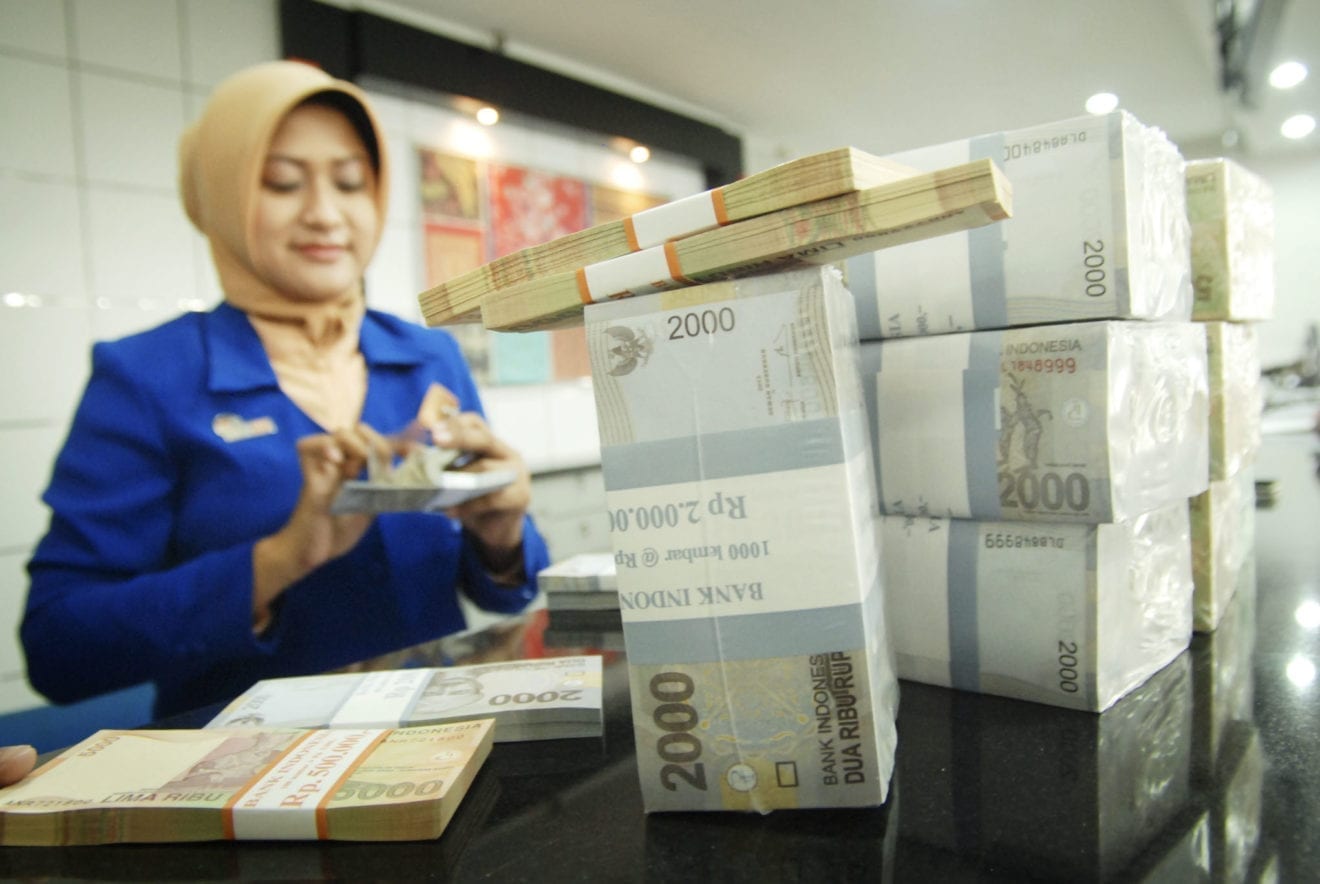
    In order to support Bank Indonesia’s (BI) plan for an integrated payment system called National Payment Gateway (NPG), four banks inked an agreement on interoperability and interconnectivity of debit cards and electronic money on Wednesday.

    The agreement was signed by state-owned lender Bank Rakyat Indonesia (BRI), Bank Mandiri, Bank Negara Indonesia (BNI) and the country’s largest private lender Bank Central Asia (BCA) that act as acquirers and represent 75 percent of debit transactions in the country.

    Besides the four banks, three switching companies, namely Artajasa Pembayaran Elektronis, Rintis Sejahtera and Alto Network also support BI’s plan to implement NPG.

    “NPG is expected to solve problems and increase efficiency of Indonesia’s payment system nowadays. Currently, the payment system infrastructure is deemed inefficient due to limitation of interoperability and interconnectivity between principals,” BI executive director of communications Tirta Segara said in a press statement.

    NPG is a system that processes payment transactions electronically through a variety of instruments, such as ATM cards, electronic money and credit cards. With NPG, people are able to carry out non-cash transactions from any bank in the country, using any kind of instrument or channel.

  • Amazon big shopping to buy Flipkart

    Amazon big shopping to buy Flipkart

    In a bid to knock online marketplace Flipkart from its leadership position in India, eCommerce giant Amazon has injected Rs2010 crore (US$296 million) into its Indian unit.

    Regulatory filings show that the move takes Amazon’s total capital investment in India to more than Rs7000 crore in the past one year.

    “We will invest what it takes to become the customers’ preferred choice in India, and are encouraged that we are India’s largest and fastest-growing eCommerce marketplace,” says an Amazon India spokeswoman.

    A report in The Economic Times says Amazon is estimated to have spent more than Rs1000 crore last month to woo customers with special offers and discounts for the festive season, and is losing about Rs600 crore every month.

    Amazon entered India three years ago, introducing some of its global programs this year including its Prime service, which offers quicker deliveries and early-access deals.

    Last week, it announced Prime Video services for India offering Hollywood and other international movies and TV shows – plus launching nine original Indian shows, making it the largest Indian original line-up on an OTT (over-the-top) platform.

    Earlier this month Amazon announced the launch in India of its global program for start-up products, Launchpad, and in October it launched Global Store, offering products from its US online store that are not available in India.

    Meanwhile, Flipkart’s Sachin Bansal is seeking government help in the battle against Amazon.

  • Tourism Investment Grow 23 Percent

    Tourism Investment Grow 23 Percent

    Tourism Minister Arief Yahya said that investment realization in tourism sector during January to September 2016 reached US$1,094 billion (Rp14.7 trillion), a 23 percent increase year-on-year. “The highest [percentage of] investment was made in star hotel development,” Arief said yesterday as quoted from the Tourism Ministry website.

    Tourism investment realization comprised of foreign investment (PMA) of US$594.59 million and domestic investment (PMDN) of US$139.06 million. Foreign investment in star hotel development made up 56 percent of total investment. The rest consisted of management consulting (27 percent) and restaurant (7 percent). Domestic investment comprised star hotel development (65 percent), water tourism (21 percent) and amusement parks (4 percent). Some 51 percent were Singapore-based investors.

    On tourist arrivals, Arief said that the number of foreign tourist arrivals from January to October 2016 was 9,403,641 or grew 9.54 percent year-on-year. He expects that until late December, the target of 12 million foreign tourist arrivals will be exceeded, with an estimated 1.3 million arrivals in November and 1.5 million arrivals in December. “I’m optimistic that it will be surpassed as the said months are the peak periods,” he said.

    To attract tourists in 2017, Arief will roll out three priority programs: digital tourism, homestay and air connectivity. According to him, digital tourism is a strategy to win global markets, particularly that of 26 countries. Digital tourism program will kick off with the launch of ITX (Indonesia Tourism Exchange), which will bring together travel agencies, accommodation operators and attractions to facilitate transactions.

    Earlier, President Joko Widodo had instructed his subordinates to bring in up to Rp670 trillion worth of investment. According to Jokowi, investment proposals in tourism sector can help the government to achieve the target. “We must simply establish the product support, positioning, packaging and promotion.”

    The Investment Coordinating Board (BKPM) chairman Thomas Lembong said that several Chinese investors are interested to develop national tourism industry. He named Fosun International and HNA Group as prospective investors. Fosun International is a company actively investing in tourism and fashion industries. The HNA Group is China’s first airline company.

  • Firms cash in on big data benefits

    Firms cash in on big data benefits

    Firms that capitalize and analyze all relevant data and deliver actionable information could achieve an extra $430 billion worldwide in productivity benefits over their less analytically oriented peers by 2020, according to IDC.

    The research firm predicts big data analytics technology investments will increase across Asia Pacific at 34% year over year in the next few years. This rapid growth in investment is creating a divide between the organizations that “know” and the ones that do not.

    “The measure of information in our reality has been blasting, and investigating substantial information sets — supposed enormous information will turn into a key premise of competition, supporting new influxes of efficiency development, advancement, and customer surplus,” says Chwee Kan Chua, AVP for big data and analytics and cognitive computing at IDC Asia Pacific.

    The increasing volume and detail of information captured by enterprises, the rise of multimedia, social media, and the Internet of Things (IoT) is expected to fuel exponential growth in data for the foreseeable future.

    Another dimension that we are entering is a new period of computing history — the Cognitive Computing era. IDC predicts by 2020, 50% of all business analytics software will incorporate prescriptive analytics built into cognitive systems functionality.

    “Cognitive Systems offer fundamental differences in how systems are built and interact with humans,” says Alon Anthony Rejano, associate market analyst at IT services research in IDC Philippines. “Cognitive-based systems are able to build knowledge and learn, understand natural language, and interact more naturally with human beings than traditional systems

    Rejano said Cognitive Systems can quickly identify new patterns and insights and, over time, they will simulate even more closely how the brain actually works.

    “In doing so, they could help us solve the world’s most perplexing problems by penetrating the complexity of big data and exploiting the power of natural language processing and machine learning,” he added.

  • HKT warns admin fee for consumers to increase by 67% in 2021

    HKT warns admin fee for consumers to increase by 67% in 2021

    HKT, the telecoms unit of the Richard Li-owned PCCW Group, warned that the administration fees charged by the telecoms industry to consumers are set to rise significantly by 2021, due to higher spectrum cost and “monopoly rents”.

    HKT group managing director Alex Arena said the government’s focus on raising billions of dollars from higher mobile spectrum fees only threatens to further diminish the competitiveness of Hong Kong.

    According to a consultation paper published in February, the government is expected to pocket at least HK$10.8 billion from its planned auction of part of the 900-MHz and 1800-MHz spectrum used by mobile network operators in 2021.

    Arena said should spectrum costs rise as a result of the government’s decision to auction off spectrum space currently used by the mobile operators, HKT would have no choice but to pass the higher costs on to customers,.

    “If the government is using higher spectrum costs as a way of taxing the telecommunications industry, then we will simply pass this tax on to the consumer,” the executive said.

    According to HKT, the administrative fee that is billed alongside a user’s service charge is expected to increase to more than HK$30 a month by 2021, up from the current HK$18.

    That could amount to nearly HK$400 in additional fees a year paid by each mobile subscriber in Hong Kong, on top of their regular service charges, the incumbent said.

    The administrative fee was first levied by mobile network service providers at HK$10 per customer each month in 2001. Since then, it has increased twice: to HK$12 in 2006 and HK$18 in 2014.

    Arena said the fee was implemented by the industry to deal with “certain costs that we cannot control, which are imposed by monopolies”.

    Those comprise the so-called spectrum utilization fee paid to the government; annual license fees collected by the Office of the Communications Authority (Ofca); fees to access, install and maintain networks throughout the MTR Corp’s rail network; and similar fees to operate networks in the various road tunnels in Hong Kong.

    While the administrative fees charged by the mobile operator have stayed flat since 2014 , fees collected by monopolies such as the MTR and tunnel operators have gone up, HKT said.

    “It is expected that the admin fee will increase significantly because the monopolists insist on extracting higher fees to subsidize their core businesses. On average, road tunnel costs and MTR costs have been increasing by 8% and 10% each year respectively,” the company said in a statement.

    “The current admin fee does not cover HKT’s full costs in paying the monopolists’ fees and charges, and HKT has been slow to pass the full costs onto its customers… but inevitably HKT cannot be expected to continue to absorb these cost increases.”

  • Visa and TAT launch festive campaign with great rewards for tourists

    Visa and TAT launch festive campaign with great rewards for tourists

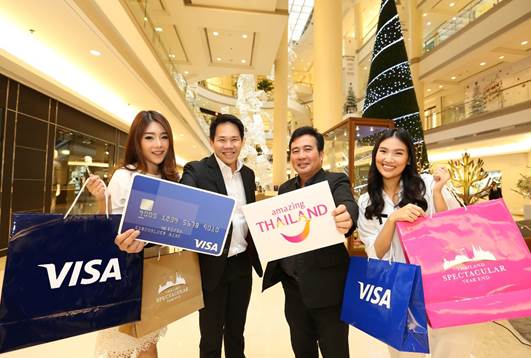
    Suripong Tantiyanon (left), Visa Country Manager, Thailand and Noppadon Pakprot (right), Deputy Governor for Tourism Product and Business, Tourism Authority of Thailand (TAT), launch Thailand Spectacular Year End 2016, aiming to boost inbound tourist spending during the festive seasons.

    The joint promotional campaign rewards non-Thai Visa cardholders with special privileges and complimentary gifts when they spend at 14 shopping complexes throughout Bangkok, from now until January 31, 2017. TAT forecast that more than 375,000 tourists will visit Thailand during the four-day New Year period, generating more than THB 5.5 billion of revenue for the country, a 12-percent increase from the same period last year.

  • BlackBerry has no plans to move BBM servers to Indonesia

    BlackBerry has no plans to move BBM servers to Indonesia

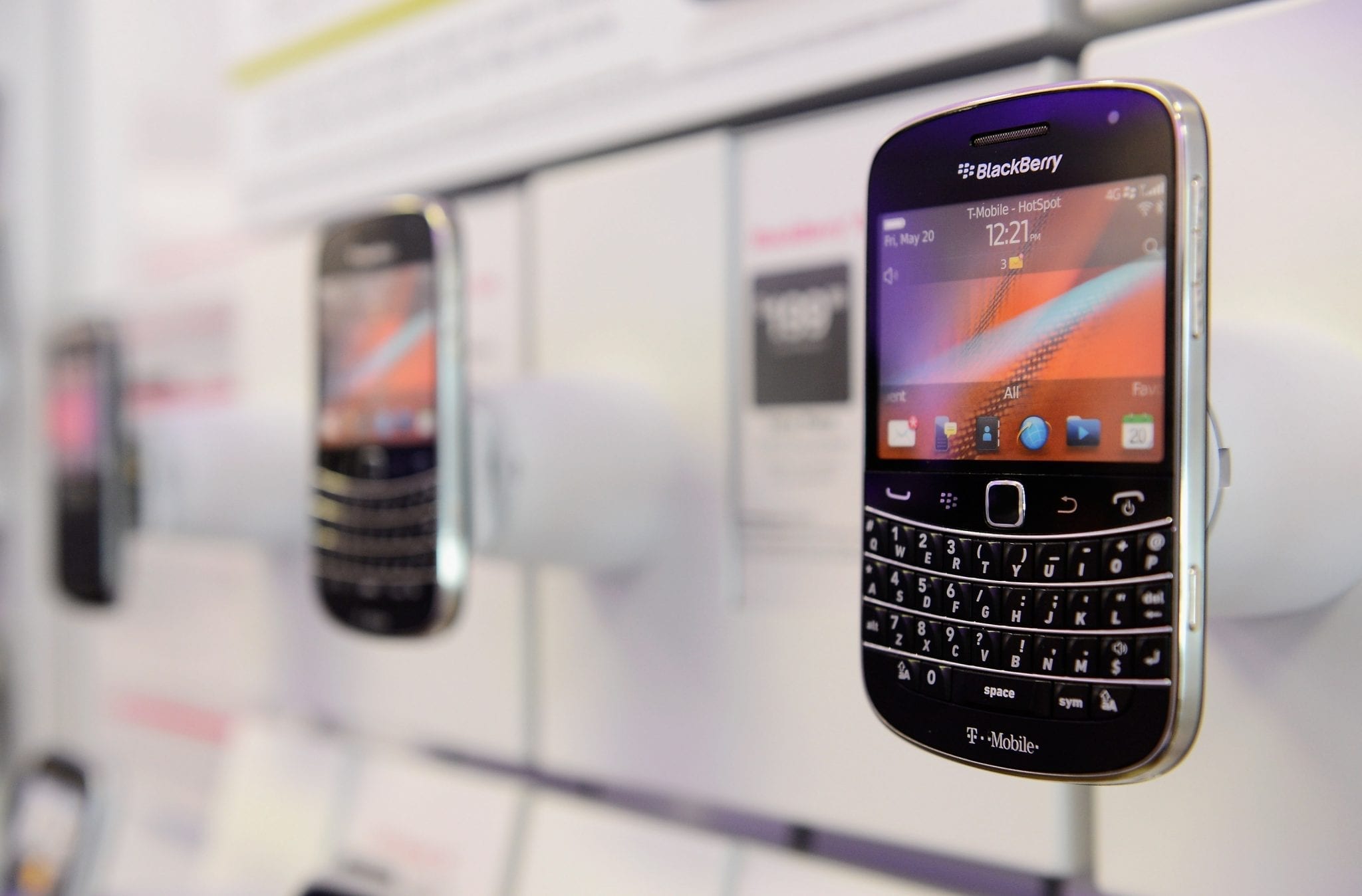
    Back in June, BlackBerry announced a new partnership with Indonesia-based Emtek to help expand the consumer BBM business. Since then, several inaccurate articles have come out about who now owns BBM and most recently, several outlets published articles noting that BlackBerry would be moving BBM server(s) to Indonesia. Looking to clear the air surrounding that information, BlackBerry COO Marty Beard, has taken to the Inside BlackBerry blog to lay out the situation accordingly.

    In June, we struck a partnership with Indonesia’s leading media company, Emtek, to license the rights to develop and offer cross-platform BBM.

    The goal was to better serve our many BBM users, and, in particular, our 60 million monthly active users in Indonesia, by working with a trusted partner who we know can accelerate the delivery of new features and services for BBM. That goal has been more than met – see all of the new security features, mobile shopping offerings, mobile games, and more that have become available on BBM in the last several months.

    However, we’ve read some inaccurate press reports that tell a different story and we want to bring the facts to light. First of all, let’s be clear. BlackBerry owns 100% of BBM. We have merely licensed the rights to the Android, iOS and Windows Phone versions of BBM to a newly formed subsidiary of Emtek named Creative Media. BlackBerry maintains direct control over the BBOS and BlackBerry 10 versions of BBM, as well as BBM Enterprise (formerly BBM Protected).

    Businesses running BBM Enterprise for the ultimate in high-security mobile communications can remain confident that there will be no changes, disruptions or degradation of their service. It is also important to note that there are NO plans to move any BBM infrastructure, including BBM servers located in Canada and the U.S., to Indonesia, contrary to what the Head of Creative Media apparently communicated to the media.

    BlackBerry and Emtek are 100% aligned on their vision to advance BBM for consumers and on making sure our many Indonesian users continue to have the best experience possible. We remain extremely committed to Indonesia and our fans there. To that end, we have ensured that Indonesian consumers will have ready access to our handsets through our partnership with PT BB Merah Putih..

  • Apple targets Indonesia with $44 million in R&D investment

    Apple targets Indonesia with $44 million in R&D investment

    Apple is working hard to break into the Indonesian smartphone market, announcing plans to invest roughly $44 million in a research and development (R&D) center over the next three years.

    The investment will let the company sell its iPhone 7 there after the Indonesian government recently announced that as of January 2017, all 4G-enabled phones sold in the country must include at least 30% local content, which can be reached via hardware, software, or an investment.

    Indonesia presents a massive growth opportunity for Apple, which posted its first annual decline in revenue in 15 years during Q3 2016. The year-over-year decline is primarily due to the decelerating global smartphone market since the iPhone comprises almost two-thirds of the company’s total revenue.

    Nevertheless, Apple is unlikely to find immediate success in Indonesia, much as it has in other emerging markets such as India. The smartphone market is largely controlled by Samsung, which accounted for 26% of smartphone shipments in Q2 2016, according to IDC. Meanwhile, low- to mid-tier devices from local and Asian vendors such as OPPO, ASUS, Advan, and Lenovo make up the rest of the top five vendors, by share.

    The low- to mid-tier smartphone market is a key area in which Apple does not yet have a significant presence. This is a missed opportunity Piper Jaffray analyst Gene Munster noted during Business Insider’s IGNITION conference in December. And while the iPhone SE at $400 could be seen as an attempt by the company to partly capture the mid-tier market, it’s still marginally more costly than those being offered by local and Asian vendors. The OPPO F1, for instance, retails for around 3.8 million Indonesian Rupiah (roughly $283 USD).

    The global smartphone market is expected to slow considerably over the next few years. Despite a record-setting holiday quarter, 2015 was likely the last year of double-digit growth for smartphone shipments.

    Mature markets were at the heart of this year’s deceleration. Adoption has reached new highs in key markets in the United States, Europe, and China. The pool of first-time buyers in these countries is shrinking rapidly, and sales are now primarily coming from phone upgrades.

    Meanwhile, emerging markets will continue to see robust shipment growth. India and Indonesia, in particular, will help fuel a large share of the shipments growth within the global smartphone market over the next few years.

  • New Zealand’s Chorus appoints Kate McKenzie as CEO

    New Zealand’s Chorus appoints Kate McKenzie as CEO

    New Zealand telecoms operator Chorus has appointed Kate McKenzie as its new CEO, replacing Mark Ratcliffe from February 2017.

    A highly regarded and experienced telco executive, McKenzie will oversee the rollout of Chorus’ Ultra-Fast Broadband and will focus on customer experience moving forward.

    “I have admired Chorus’ roll out of very high quality broadband infrastructure and I look forward to playing my part in working with the rest of the telecommunications sector to make it as easy as possible for our customers to enjoy the benefits of this nation-wide upgrade and all of the social and economic benefits that will deliver,” McKenzie said

    Before joining Chorus, McKenzie was most recently chief operating officer of Telstra,  responsible for the Australian incumbent’s field services, IT and network architecture and operations. She joined Telstra in 2004 and held a range of senior executive roles in strategy, marketing, products and wholesale over the past 12 years.

    McKenzie stepped down from Telstra in July,  following a series of network outages facing the telco this year. Earlier this month Telstra appointed former Juniper Networks CFOO and COO Robyn Denholm as its new COO.

    Prior to joining Telstra, Kate was a CEO in the NSW Government of the Departments of Commerce, Industrial Relations and the Workcover Authority. She worked in the Cabinet Office on the development and implementation of competition policy, energy reform, privatization and a range of complex Commonwealth/State negotiations.

    Commenting on McKenzie’s appointment, Chorus chairman Patrick Strange said, “The board is very pleased that Kate has agreed to lead Chorus. She is one of the most highly rated telecommunications executives in the region.  We believe the combination of Kate’s clear leadership qualities and her broad range of relevant experience made her the standout choice in a field of high quality candidates.”

  • Vietnam Airlines switches Australian routes to all-787 operation

    Vietnam Airlines switches Australian routes to all-787 operation

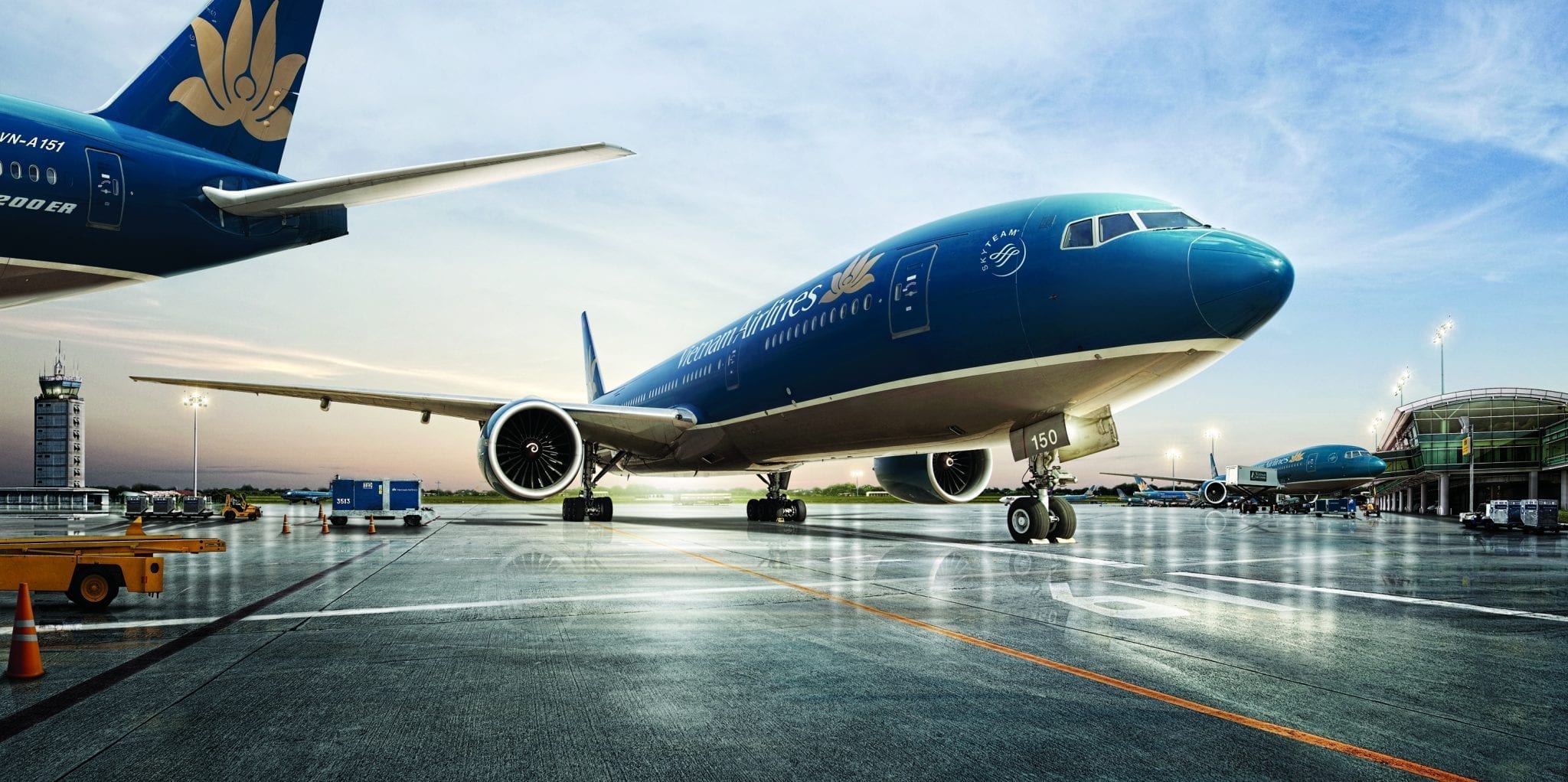
    Australia has become an all Boeing 787 destination for Vietnam Airlines after the Skyteam alliance member switched both its Melbourne and Sydney services to the next-generation Dreamliner.

    Vietnam Airlines’ first 787 flight to Australia arrived on Friday morning, when VN781 operated by 787-9 VN-A865 touched down at Melbourne Tullamarine at about 0930, after an eight hour and 20 minute journey from Ho Chi Minh City. The route was previously served with Airbus A330-200 equipment.

    The airline is the eighth carrier to serve Melbourne Tullamarine with the 787 alongside Air India, Air New Zealand, Jetstar, Royal Brunei Airlines, Scoot, United and Xiamen Airlines.

    And Melbourne is due to get another 787 operator with LATAM announcing the start of Melbourne-Santiago nonstop flights from October 2017.

    Meanwhile, Vietnam Airlines’ first 787 service to Sydney arrived less than an hour after the flight to Melbourne landed.

    Flight VN773, operated by 787-9 VN-A870, arrived at Sydney Kingsford Smith Airport a little after 1010, with passengers taken on a scenic fly over Sydney Harbour prior to landing.

    Vietnam Airlines previously operated Boeing 777-200ERs on the Ho Chi Minh City-Sydney route. The switch to the Dreamliner brings to nine the number of carriers operating the aircraft at Sydney – Vietnam Airlines joins Air India, Air New Zealand, ANA, Jetstar, LATAM Airlines, Scoot, United and Xiamen Airlines.

    Qantas places its QF airline code on Vietnam Airlines’ two Australian routes.

  • AEON joins The Mall Group in “The Magic of Giving” Campaign

    AEON joins The Mall Group in “The Magic of Giving” Campaign

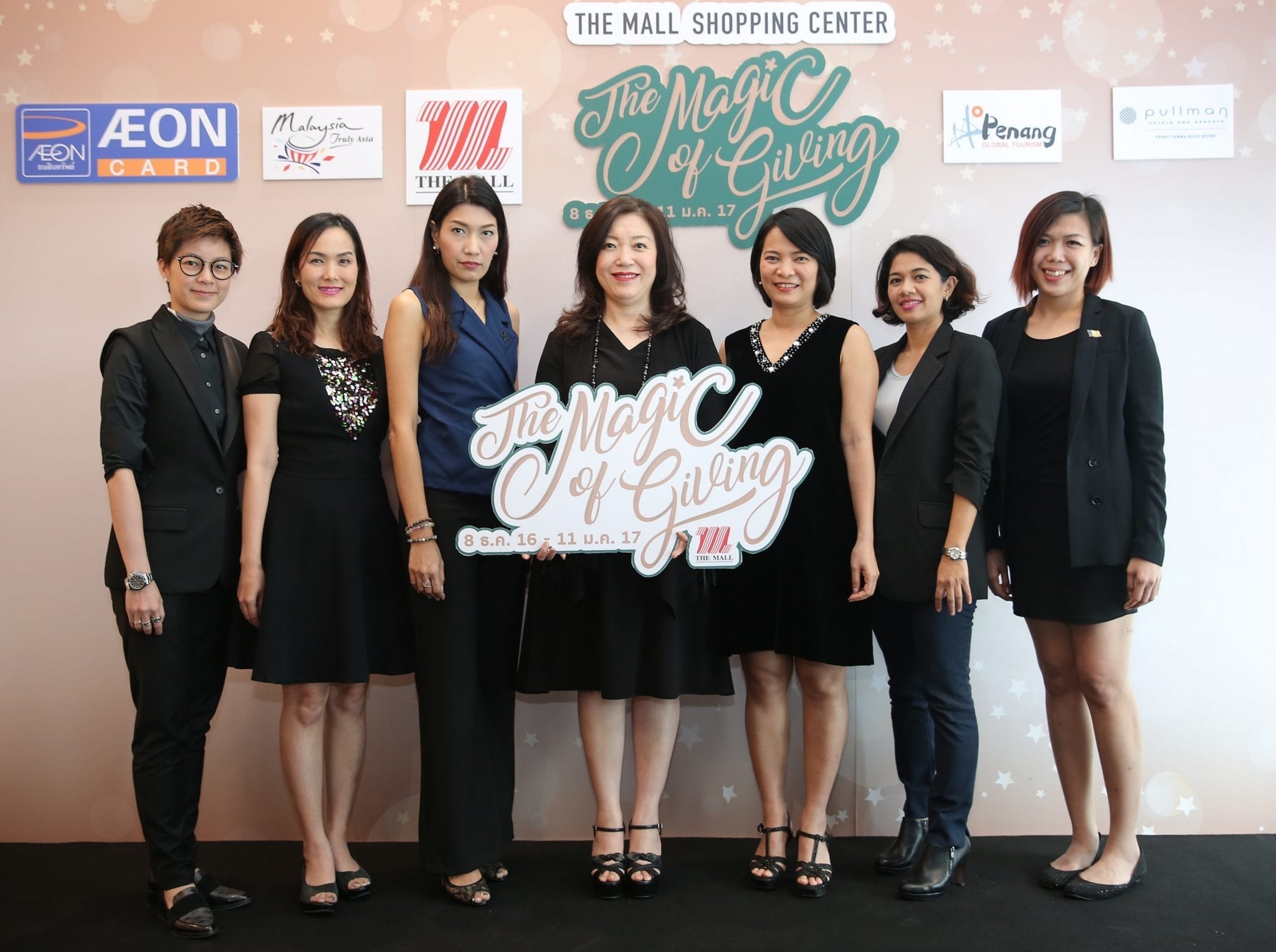
    Waraporn Nilpanich (third left), Vice President Credit Card of AEON Thana Sinsap (Thailand) Public Company Limited, together with Voralak Tulaphorn (middle), Senior Vice President Marketing of The Mall Group Co., Ltd. has launched “The Magic of Giving” campaign to reward AEON credit cardholders this New Year.

    Accumulated spending of every 3,000 baht at the Mall shopping center with AEON credit cards, entitles cardholders to receive a gift voucher of up to 1,000 baht. Besides, cardholders will receive x3 lucky draws for chances to win prizes valued over 1 million baht when spending every 1,000 baht. The campaign runs until January 11th, 2017