Author: Mei Ling Tan

  • 70 percent train tickets for Christmas season already sold

    70 percent train tickets for Christmas season already sold

    Seventy percent of the regular train tickets for travel during Christmas and New Year 2017 holidays have been already sold, Bambang Eko Martono, the Director of state railway operator PT Kereta Api Indonesia, said here on Monday.

    “We are targeting 258 million passengers this year,” Bambang Eko Martono stated.

    “PT KAI will offer new additional train tickets that could be ordered on Tuesday (Nov 15) at 12 noon,” he added.

    PT KAI has will make available 13,892 additional train seats during the Christmas and New Year 2017 holiday period.

    “We have made available 212,564 seats per day with 328 regular train trips and 28 additional train trips during Christmas and New Year holidays, about 11 percent more than last year,” he noted.

    The number of passengers travelling by train during the holiday season increased by six percent, from 4.3 million in 2015 to 4.5 million this year.

    PT KAI estimates that revenue during the holiday season could increase up to 10 percent, compared to last years figure for the same period.

  • OpenHydro eyes 300 MW of tidal power projects in Indonesia

    OpenHydro eyes 300 MW of tidal power projects in Indonesia

    OpenHydro, the tidal turbines business of French naval defence group DCNS, will seek to deploy 300 MW of tidal energy capacity in Indonesia by 2023 under a new partnership with local sector player PT AIR.

    OpenHydro said this week it has entered into a memorandum of understanding (MoU) with PT AIR to create an alliance aimed at driving forward the development of a tidal energy industry in Indonesia. The two companies have been working together over the past 18 months and during that time have identified at least 10 locations suitable for commercial-scale projects.

    The pair expect to start with a tidal energy array of up to 10 MW, for which a site will be selected over the coming months. The pilot system is planned for deployment in 2019. It will use European equipment provided by DCNS and its unit, plus locally manufactured content.

    OpenHydro noted that local industrial facility options have been identified and will be assessed by the partners.

    “The nature of the equipment involved in tidal energy projects results in a high level of local manufacturing content,” commented Thierry Kalanquin, chairman of OpenHydro and vice president of energy at DCNS.

  • Indonesia, Singapore agree to develop tourism cooperation

    Indonesia, Singapore agree to develop tourism cooperation

    Indonesia and Singapore agreed to develop cooperation in the tourism sector through the signing of a memorandum of understanding (MoU) in Semarang, Central Java, on Monday.

    Indonesian President Joko Widodo (Jokowi) and Singapore Prime Minister Lee Hsien Loong witnessed the signing of the MoU by Indonesian Minister of Tourism Arief Yahya and Singapore Industry Minister S. Iswaran, representing the Singapore Tourism Board (STB).

    Jokowi, in his statement after the signing of the MoU, said the cooperation will strengthen ties in the tourism sector, including the development of new tourism destinations in Indonesia.

    “We hail the cooperation in the tourism sector that has just been signed,” Jokowi said.

    In the meantime, Minister Arief Yahya said the cooperation, which will be developed, covered three areas. “There are three areas of Indonesian-Singapore cooperation in the tourism sector, namely joint marketing, cruise ships and MICE (Meeting, Incentive, Convention, Exhibition).

    Works that could be done are the development of ports and destinations, the development of human resources, cooperation in the private sector, and exchange of information.

    Yahya said that both countries did no need a long time in the process of reaching the signing of the MoU.

    “This is the fastest signing of MoU that Singapore has ever made,” said Leong Yue Kheong, Assistant Chief Executive of Singapore Tourism Board.

    Since 2010, Singapore has shown its interest to cooperate in the development of cruise ship business, but Indonesia was still calculating the advantages and disadvantages of the cooperation with Singapore.

    It was in the era of Jokowi did Indonesia decide to give priority to cooperation in the tourism sector with Singapore.

    Earlier, Jokowi and Lee Hsien Loong held a bilateral meeting at Perdamaian Guesthouse, Semarang, Central Java.

    Jokowi, who was accompanied by First Lady Iriana Joko Widodo, arrived at the guesthouse at 9.30 am after flying directly from Jakarta. He arrived ahead of the Lees arrival.

    Lee and his wife Ho Ching arrived at the guesthouse at around 9:50 am. He was accompanied by Central Java Ganjar Pranowo to walk into the guesthouse.

    After the welcoming ceremony, Jokowi and Lee directly held a bilateral meeting at the guesthouse.

    As planned, the meeting includes a number of activities, including Indonesia-Singapore “Leaders Retreat Tete-a-Tete,” a bilateral meeting, as well as signing of the MoU on the results of cooperation between the government of Indonesia and Singapore.

    After luncheon, Jokowi and Lee and his entourage are also scheduled to attend the official opening of Kendal Park Industrial Estate By the Bay, which is located in Kendal District, Central Java Province.

    The president and Lee are scheduled to make an observation tour in this area before returning to Semarang.

    The president and the First Lady are scheduled to return to Jakarta at night by the Indonesian Presidential Aircraft-1.

    Coordinating Minister for Maritime Affairs Luhut Binsar Panjaitan, Minister/State Secretary Pratikno, Tourism Minister Arief Yahya, and the Head of Capital Investment Coordinating Board (BKPM) Thomas Lembong accompanied the president during the flight to Semarang.


  • 2 Reasons Why Indonesia’s Economy Could Grow Much Faster Than Singapore’s

    2 Reasons Why Indonesia’s Economy Could Grow Much Faster Than Singapore’s

    The World Bank had recently released its October 2016 edition of the Indonesia Economic Quarterly (IEQ), titled, Pressures Easing. In the report, which goes through the state of Indonesia’s economy, the World Bank shared a few pillars that are supporting the growth of the country’s economy.

    The World Bank’s latest projections are for Indonesia’s economy to expand at 5.1% in 2016. This compares favourably to Singapore’s expected economic growth rate of 1% to 2% this year.

    Here are some of the pillars the World Bank shared in its report:

    1. Higher tax revenue from tax amnesty

    Indonesia’s government had rolled out a tax amnesty program in June this year that is scheduled to run till next March. The tax amnesty program has been highly successful so far and has already gathered IDR 93.4 trillion (around US$7 billion) in revenue for the Indonesian government in the first phase alone.

    The revenue was higher than estimated. The World Bank thinks that the additional revenue is “expected to raise capital spending and hence have a positive impact on Indonesia’s growth.”

    2. Effective social policies and plans for tourism growth

    The better fiscal position of the Indonesia government is not the only pillar supporting growth for Indonesia.

    The World Bank thinks it is possible that the Indonesian government’s policies that stabilised rice prices and expanded social assistance programs over the past few years have helped reduced Indonesia’s poverty rate by 0.4 percentage points in the first-quarter of 2016.

    Indonesia is also looking to boost the appeal of its tourism sector by attracting US$10 billion in private investments for tourism by 2019. Data from the World Travel and Tourism council show that every US$1 million spent on tourism in Indonesia helps support 200 jobs and US$1.7 million in GDP (gross domestic product).

    There are a number of stocks in Singapore’s market with heavy exposure to Indonesia’s economy and one of them is Lippo Malls Indonesia Retail Trust, a real estate investment trust that owns retail malls and spaces in Indonesia. Since the start of the year, Lippo Malls Indonesia Retail Trust’s unit price has climbed by 22%.

  • Indonesia-Singapore partnership to open 4,000 jobs in Central Java

    Indonesia-Singapore partnership to open 4,000 jobs in Central Java

    Singapore Prime Minister Lee Hsien Loong and President Joko Widodo (Jokowi) have issued a joint statement, that a cooperation project being built in Central Java is estimated to create 4,000 jobs.

    Prime Minister Lee and President Jokowi issued the joint statement at Wisma Perdamaian here on Monday.

    The visiting prime minister said there were many Singapore companies investing in Indonesia not only in the free trade areas of Batam-Bintan-Karimun (BBK) in Riau Islands, but also in other areas in the country.

    “Including in the Kendal Industrial Park to be officially commissioned today,” he said.

    According to Lee, the project in Kendal is an important cooperation project with big scale that could create 4,000 new jobs in Semarang especially in Kendal.

    He said the cooperation project constitutes a step of win win outcome between the two countries.

    “We also discussed development of cooperation in other sectors including tourism and we agree to increase tourist traffics mutually beneficial to the two countries,” he said.

    The two countries are designing joint destinations enabling tourists to visit to Singapore and Indonesia in a one trip.

    Lee hopes that the signing of the cooperation agreement on the tourism sector between Indonesia and Singapore, would lead to opening the route of tourist boats to boost development of cruise industry.

    “We encourage capacity building of Indonesia in hospitality and tourism sector,” he said.

    Both sides also discussed investment cooperation between the two countries, such as in the energy sector like energy that could be contributed to Indonesias 35,000 megawatt power generating program.

    Lee suggested to Jokowi, who agreed, the forming of Indonesia-Singapore Business Council to give added value to the partnership of the two countries.

  • H&M Vietnam launching in 2017

    H&M Vietnam launching in 2017

    International fashion brand H&M Vietnam (Hennes & Mauritz) has signed for its first store openings next year.

    No further details have been released by the Swedish fast-fashion company, which will also move into Colombia, Iceland, Kazakhstan and Georgia next year.

    Founded in 1947, H&M’s business credo is to offer fashion and quality at the best price in a sustainable manner.

    Other brands in the H&M Hennes & Mauritz group include & Other Stories, Cheap Monday, COS, Monki and Weekday, as well as H&M Home. The H&M Group has more than 4200 stores in 64 markets, including franchise markets.

    It’s debut in Vietnam was widely expected after rival brand Zara launched in Ho Chi Minh City in September, achieving the highest first day sales of any store globally.

  • The Hour Glass profits drops 14 per cent

    The Hour Glass profits drops 14 per cent

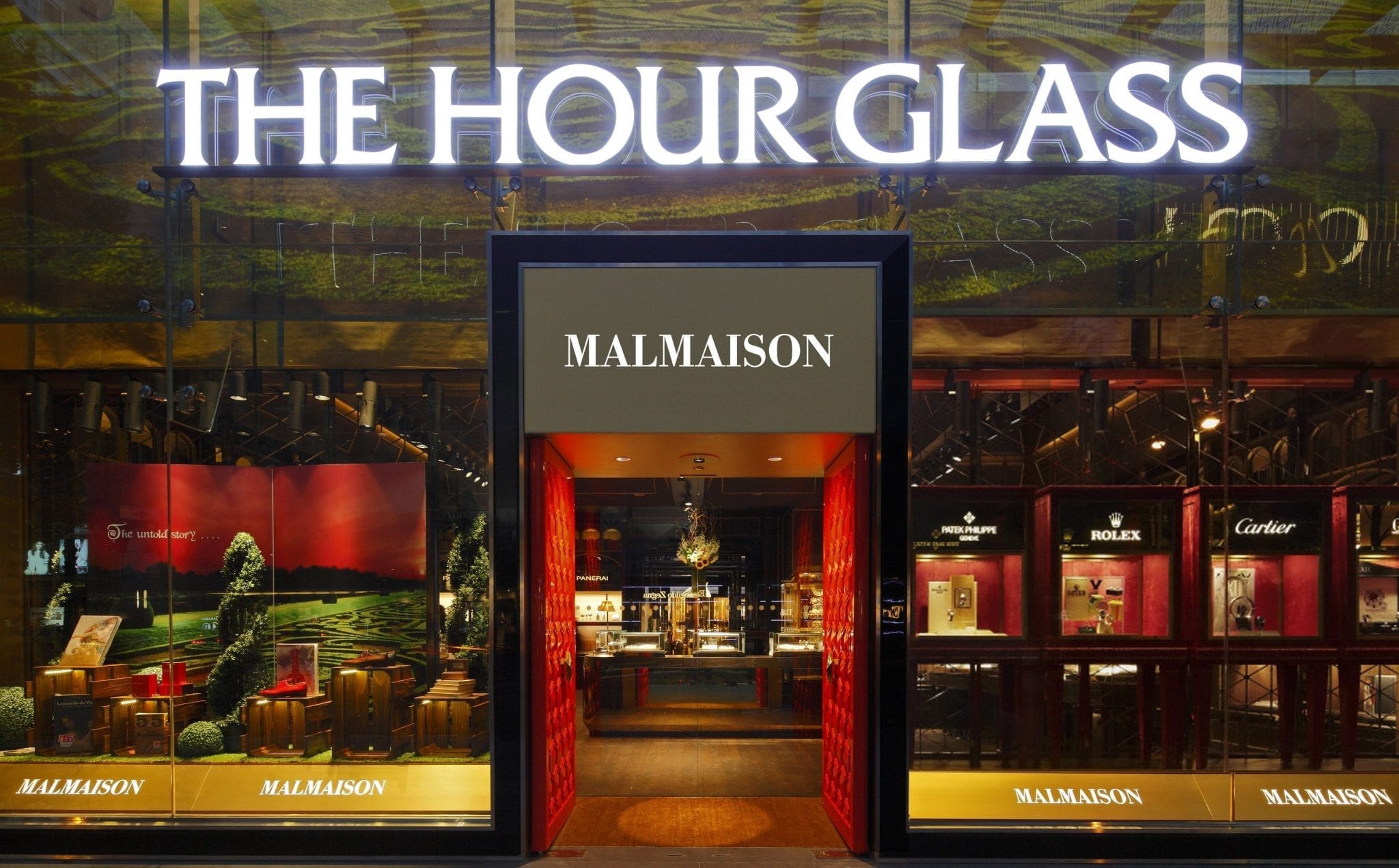
    Citing challenging business conditions and weakening consumer confidence, luxury-watch retailer The Hour Glass reports that its net profit for the second quarter ended September 30 fell 14 per cent year-on-year to S$8.32 million (US$5.88 million).

    Revenue declined 7 per cent to S$163.11 million for the period.

    For the six months to September 30, The Hour Glass profit slumped 18 per cent to $16.51 million and revenue was down 7 per cent at $311.3 million.

    The group says the death of the King of Thailand will have an impact on the performance of the group’s Thai associates as the country enters a prolonged period of mourning.

    While the retailer believes market conditions will continue to be challenging, it expects to remain profitable for the rest of the financial year.

  • Lotte Shopping profit soars 203 per cent

    Lotte Shopping profit soars 203 per cent

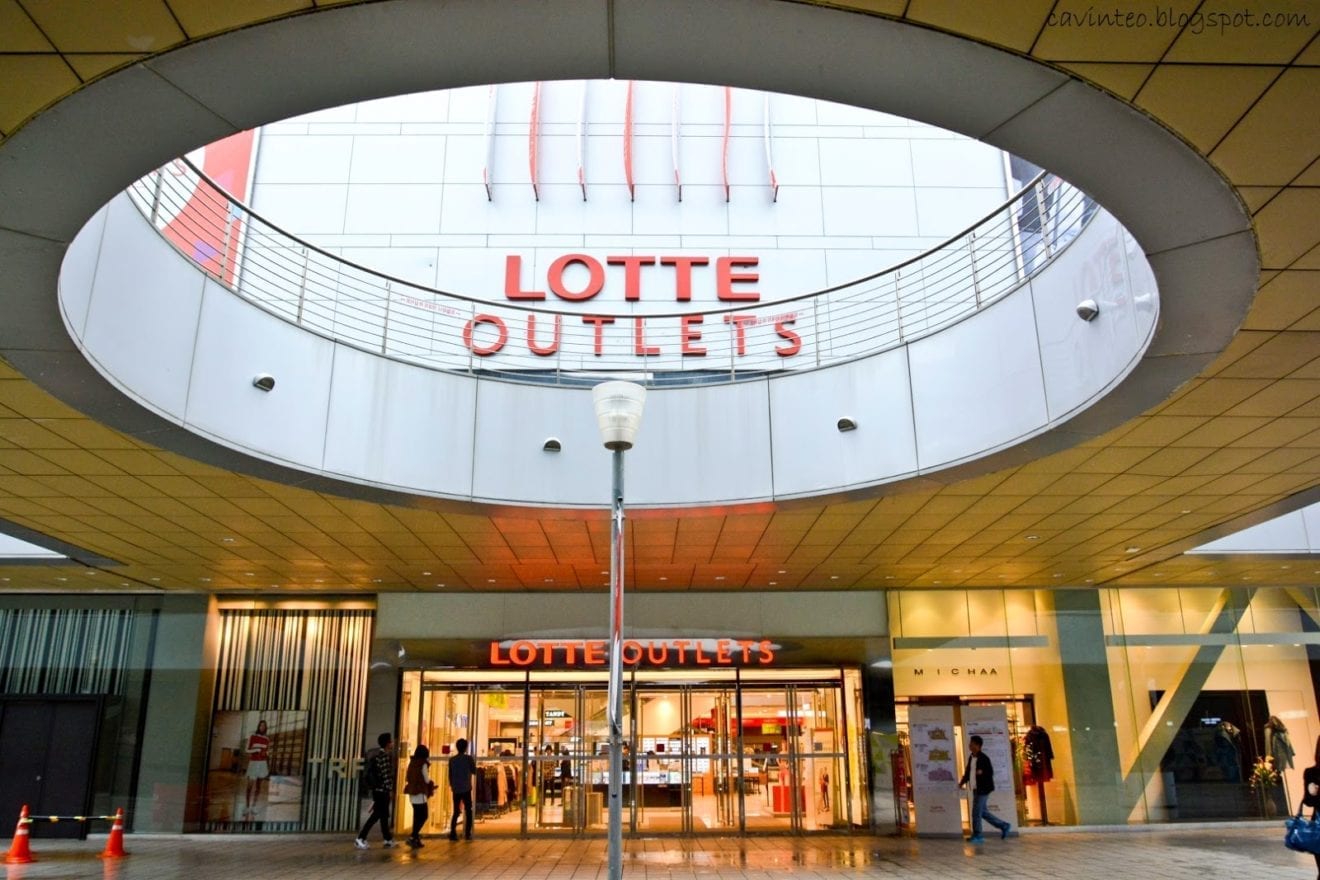
    While revenue for its third quarter rose 2 per cent year-on-year, South Korea’s Lotte Shopping Companysaw its net profit soar 203.9 per cent to KRW78.2 billion (US$68 million).

    The retail giant says these are preliminary figures yet to be independently audited.

    Third-quarter revenue rose 2 per cent to KRW7.9 trillion. Domestic department stores maintained solid same-store sales growth (SSSG) of 2.2 per cent, while hypermarket SSSG faded 2.4 per cent in the face of a sluggish industry and the impact of renewal construction.

    Internationally the company had strong sales growth, apart from weakness for its China hypermarkets because of competition. Department store SSSG rose 9.2 per cent while hypermarkets declined 5.1 per cent.

    Lotte’s third-quarter operating profit dipped 10.1 per cent to KRW176 billion, both for department stores and hypermarkets domestically.

    On the international market there was an improvement in operating loss thanks to enhanced efficiency in all stores, plus there was an increased profit contribution from its cinema and electronics businesses.

    There was an increase in labour costs because of a one-off special incentive paid to all Lotte employees.

  • Milk tea chain plans Asian expansion

    Milk tea chain plans Asian expansion

    After early success in the Philippines, Khun Thai Tea is now eyeing three more Asian markets.

    The milk tea concept was co-founded by Bronze Media LLP Singapore owners Jeremy Lee and Elis Chai.

    Lee says the company is about to open its third store in Metro Manila, at MegaMall, with plans for a new kiosk every month moving forward. It is looking for partners in other Southeast Asian markets.

    “We are going to take Khun Thai Tea to Jakarta in Indonesia, Kuala Lumpur in Malaysia, and Taipei in Taiwan,” he says. “Plans to start outlets in these cities are already underway.”

    Local Filipino partner Nancy Padilla says the chain’s drinks are based on an original recipe for a refreshing black iced-tea (‘cha-yen’ in Thai) that dates back to 1955. First created by a Thai native fondly known as Auntie Marlee, the strongly brewed Ceylon tea has since been modernised with a switch from Ceylon to a Thai-grown assam tea known as ‘Bai Miang’. Infusion with spices maintains the headiness of the original recipe and bring out its complex flavours.

    The traditional sugar, condensed milk and evaporated milk-heavy Cha-Yen recipe has also been updated to better suit the tastes of modern health-conscious consumers.

    In addition to the original recipe, says Padilla, Khun Thai Tea outlets also offer variations of the concoction inspired by drink recipes from around Asia, such as a mix of coffee and tea (‘Yuan Yang’), which was first brewed in Hong Kong.

    Drawing inspiration from Taiwanese bubble milk tea recipes, Khun Thai Tea also comes with small chewy tapioca balls (‘boba’, or bubbles) added, to infuse new textures and experiences to the drink.

    The newest menu item, Ice Bandung, is inspired by the original popular Malaysian beverage recipe which combines the alluring taste of rose syrup with the velvety smoothness of milk.

  • Skechers in Korea joint venture

    Skechers in Korea joint venture

    Skechers in Korea will now be managed by a joint venture with the parent company.

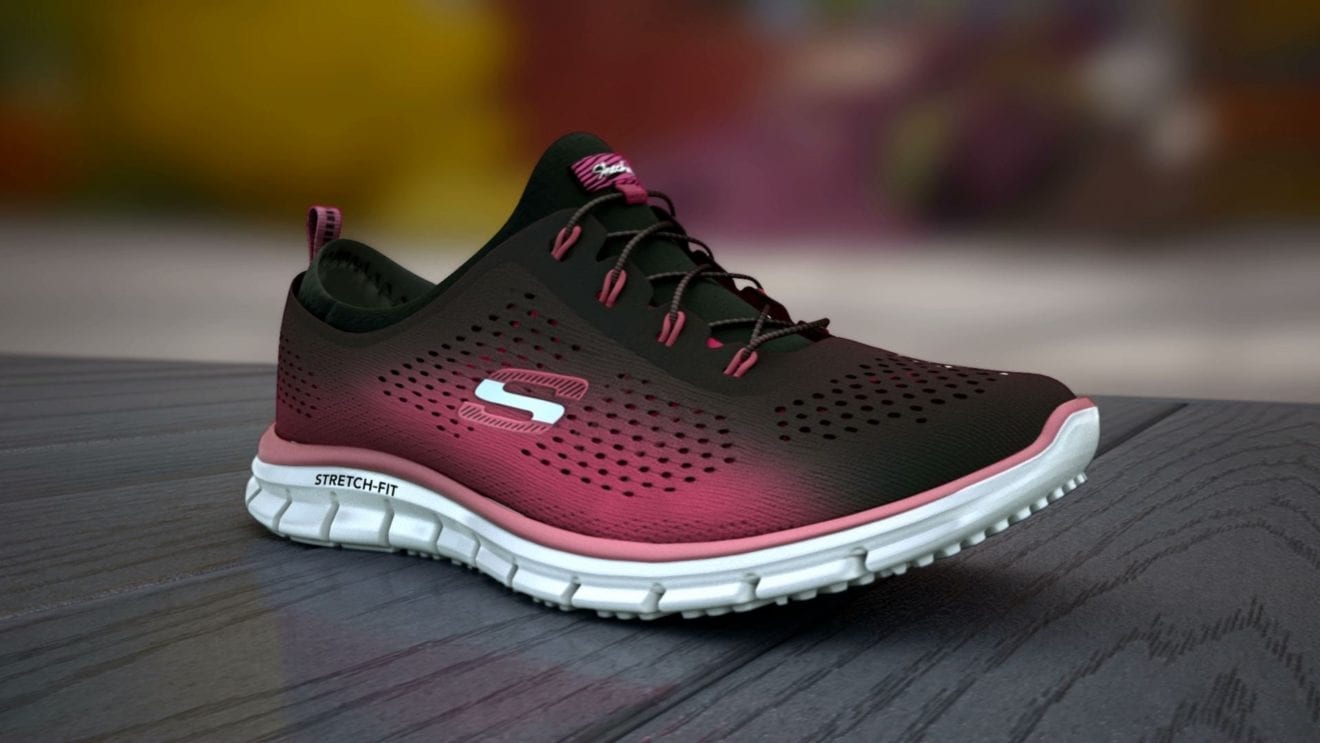
    Previously imported and distributed by a third-party company, Skechers head office in the US has confirmed it has partnered with Luen Thai Enterprises in a new business called Skechers Korea Co.

    “This will enable Skechers to use its proven sales and marketing strategies to further expand the brand in one of our key international markets,” the company said in a statement released in the US.

    “With a dedicated team from our previous distributor, LS Networks, and the knowledge and acumen of our Skechers China team, we believe we can profitably grow our business in South Korea and truly penetrate the region with a strong presentation from our vast collection of men’s, women’s and kids’ footwear.”

    Skechers footwear has been available in South Korea for more than 15 years.

    “ In that time, we have developed a great footprint with a network of more than 55 Skechers stores and built the brand through strong marketing campaigns, including using the talents of exceptionally popular endorsees like K-Pop stars Sistar and EXO in Skechers marketing campaigns,” said David Weinberg, COO and CFO of Skechers.”

    LS Networks distributed Skechers in South Korea from 2009 to 2016.

    “We’ve been very pleased with the consumer response to the Skechers product in South Korea,” added Sung Hun “Scott” Lee, previous senior GM of Skechers’ Korean distribution partner and now president of Skechers Korea Co. “Through my time with LS Networks, I’ve seen firsthand how Skechers has grown in Korea, most recently through the Skechers D’Lites craze that started here in 2015 and spread through Asia and then around the globe.

    “Now as part of the Skechers global team and with key members of my previous team transitioning with me, we’ll have the direct resources, support and insight to really take the business to the next level.”

    Willie Tan, CEO of Skechers Asia joint ventures, said forming a JV with Skechers that combines its global expertise with the local partner’s unique insight in this market “we’ll be able to more efficiently build the brand and more effectively directly target merchandising to the unique tastes of consumers across South Korea”.

    “We expect this will strengthen our business not only in South Korea but further synergise the business across Asia.”

  • US$1 billion in first five minutes of 11.11

    US$1 billion in first five minutes of 11.11

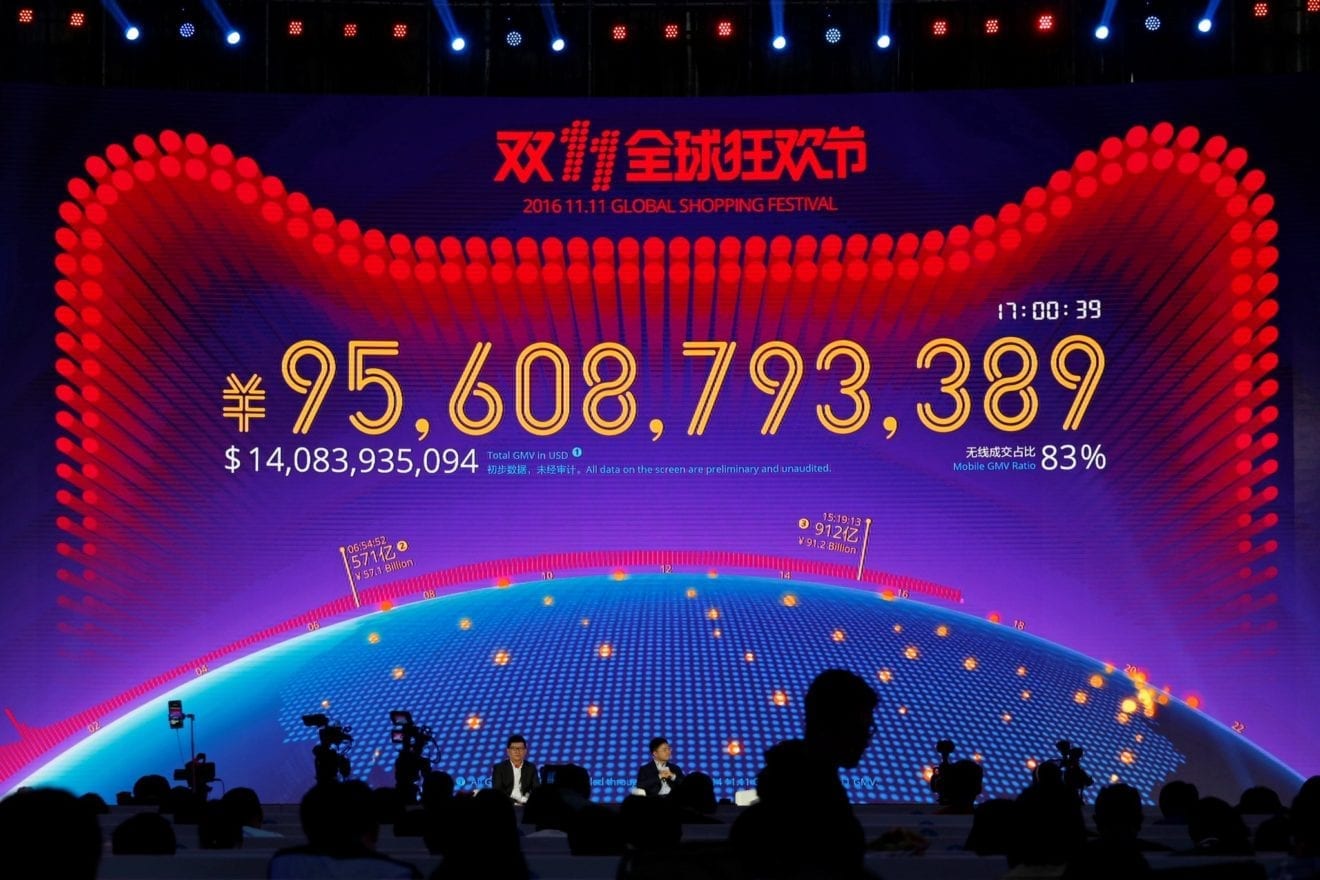
    Alibaba Group says more than US$7 billion (RMB 47.5 billion) of gross merchandise volume (GMV) was settled through Alipay on Alibaba’s China and international retail marketplaces within the first two hours of the 2016 11.11 Global Shopping Festival.

    And more than $1 billion was transacted in the first five minutes – from 12 midnight.

    “Chinese consumers purchased more in the first hour of 11.11 this year than the entire 24 hours in 2013, reflecting the incredible evolution of our global shopping festival,” said Daniel Zhang, Alibaba Group CEO. “This unprecedented level of engagement demonstrates both the consumption power of Chinese consumers and their embrace of online shopping as a lifestyle.”

    In the hours leading up to the official midnight start of November 11, millions of viewers watched the Alibaba Group 11.11 Global Shopping Festival Countdown Gala live online and on mobile devices via Youku Tudou, and the Tmall and Taobao apps. The gala was televised live across China through Zhejiang Satellite TV, as well as in Hong Kong and Macau for the first time.

    “This year, we innovated new ways for consumers watching the live broadcast of our countdown gala. Viewers were able to influence the production of the show in real-time through their mobile phones,” said Chris Tung, chief marketing officer, Alibaba Group. “Consumers in front of their televisions were shaking, tapping, scanning, chatting, browsing and buying with their mobile devices, creating a seamless and truly immersive entertainment experience.”

    VR drives surge

    International think tank Fung Global Retail & Technology predicts sales of $20 billion during the full 24 hours, up an extraordinary 40 per cent over last year’s total of $14.3 billion, thanks in part to the introduction of Buy+, the world’s first-ever end-to-end virtual reality (VR) shopping experience.

    “Buy+ will enable global retailers (even those without a physical presence in China) to offer an engaging, virtual in-store experience to Chinese consumers,” writes Fung Global Retail & Technology MD Deborah Weinswig in Singles’ Day Online Shopping Festival Could Also Benefit Retailers’ Physical Stores, a new report.

    The platform features eight virtual stores: Macy’s, Target, Costco, P&G, Chemist Warehouse, Freedom Foods, Tokyo Otaku Mode and Matsumoto Kiyoshi. Using cardboard VR headsets distributed in October, consumers can virtually walk around Macy’s Herald Square flagship in New York City to find products and, with just a nod of the head, confirm payment to purchase an item they see.

    “One of Alibaba’s strategies for Singles’ Day is to merge gamification with online shopping. The company will leverage its media and entertainment assets to drive increased online consumption,” says Weinswig.

    These include a televised countdown gala event and fashion show that was held last evening. In addition, the company is promoting products on TV screens, allowing viewers to scan QR codes for a real-time purchase.

    The concept has expanded beyond Alibaba, with chief rival JD.com, Gome and Suning also creating promotions. International retailers will target Chinese shoppers, and Chinese retailers target international shoppers. In 2015, Newegg, OTTE New York and Nasty Gal, all launched Singles’ Day promotions.

    “A year ago, Alibaba promised that Singles’ Day will be a true omni-channel event, and this year the company seems dedicated to continue delivering on the promise, armed with more technological innovations that bridge the gap between the virtual and physical worlds,” Weinswig writes.

  • Enjoy Attractive Discounts at Over 300 Stores in Asia When You Shop with UnionPay Cards

    Enjoy Attractive Discounts at Over 300 Stores in Asia When You Shop with UnionPay Cards

    This year-end, UnionPay International (UPI) has teamed up with over 300 stores in Hong Kong, Macau, Singapore and Thailand, to offer UnionPay Cardholders attractive discounts for the festive season. These exclusive discounts are offered as part of U Plan – UnionPay’s latest cross-border marketing initiative – launched in July this year. 

    U Plan is the world’s first open cross-border marketing platform launched by UnionPay, specially for UnionPay Cardholders. By bringing together service providers in the finance, tourism and retail industries, U Plan provides a one-stop marketing platform for UnionPay and its partners to market products and services to Cardholders collectively across geographical borders.

    Through the use of mobile applications and location services, U Plan can enable a high-level of precision for UnionPay and partners to reach out to potential travelers prior to their travels, to promote special privileges and discounts that UnionPay Cardholders can enjoy at their travel destinations. In addition, UnionPay Cardholders can also enjoy the exclusive U Plan perks at participating merchants in their local markets.

    From now till February 28, 2017, UnionPay Cardholders in Singapore can look forward to enjoying up to 30% in savings at Bath & Body Works, Kate Spade New York, Michael Kors, Tumi and Victoria’s Secret outlets in Singapore with U Plan. This includes:

    Up to 25% in savings at Kate Spade New York, Michael Kors and Tumi: With every S$200 spend, UnionPay Cardholders can enjoy S$50 off.

    >Up to 30% in savings at Bath & Body Works and Victoria’s Secret: With every S$100 spend, UnionPay Cardholders can enjoy S$30 off.

    Traveling UnionPay Cardholders can also look forward to enjoying exclusive privileges at popular merchants such as Sasa, Prince Jewellery & Watch, ISA and Lukfook Jewellery in Hong Kong, as well as at King Power Duty Free in Thailand. 

    To improve the accessibility of U Plan privileges to Cardholders, information and transaction platform – Dianping.com – has come on board as a UnionPay U Plan partner to offer quick access to the available discount coupons via its platform. With this, DianPing.com’s 600 million users will be able to access the coupons easily via the Hong Kong, Macau, Phuket and Singapore specific sections on Dianping.com’s website and mobile app, when searching for information related to their travel destinations.

    Since the launch of U Plan in July this year, over 100 million discount coupons have been downloaded from the mobile apps. Moving forward, UnionPay has plans to expand the programme to markets such as Australia, Japan, South Korea and the United States, as well as include a wider range of partners and merchants on U Plan.

    UnionPay International focuses on supporting the growth of UnionPay’s global payments business. With an acceptance footprint covering 160 countries and regions globally, UnionPay serves the world’s largest cardholder base by providing quality, cost-effective and secure payment services to over 5.4 billion Cardholders worldwide.

    In Singapore, UnionPay enables efficient and cost-effective payment services that are tailored to the needs of local businesses and consumers. UnionPay cards are issued by Bank of China (BOC), DBS Bank (DBS), Industrial and Commercial Bank of China (ICBC) and United Overseas Bank (UOB) in Singapore, and are accepted at over 80 percent of retail, lifestyle and food and beverage establishments locally, as well as at almost all automated teller machines (ATMs) across the island.

  • V-Key Partners with Ant Financial To Secure Mobile Payments

    V-Key Partners with Ant Financial To Secure Mobile Payments

    V-Key, a global leader in digital security, and Ant Financial Services Group, the leading global tech company that provides online and mobile financial solutions, have entered into a collaboration. Under the partnership, V-Key will provide a virtual software solution called V-OS for Ant Financial to help secure transactions on AliExpress, one of Alibaba Group’s international retail ecommerce platforms. (Ant Financial is a related company of Alibaba Group). V-Key will also provide cryptographic services and trusted environments to help secure payments processed by Alipay on AliExpress, along with risk management for each transaction.

    V-OS, which is currently deployed by top banks, mobile payment providers, and governments globally, is the world’s first virtual secure element. With V-OS, card and cardholder data will be encrypted, providing for more secure user authentication. V-Key’s solutions allow businesses to roll out cloud-based payments, trusted digital identity and authentication necessary for mobile banking and other secured mobile applications. V-Key brings advanced user data protection to its partners, without the need to use any form of hardware secure elements, which can be less secure. Its mobile security solution works on both iOS and Android devices. 

    Speaking on the pressing need for V-Key’s fast-growth, as well as its mission to work with its partners to secure mobile transactions against fraudulent activities, Benjamin Mah, co-founder and Chief Executive Officer of V-Key said: “With the rapid uptake in mobile payments, e-commerce threats are becoming smarter, bigger, more sophisticated. They pose a threat not just to end-users, but also to the reputation of our partners. To stay ahead, V-Key has invested considerable time and effort to build the world’s leading virtual mobile cybersecurity suite of solutions. With our all-in-one virtual element V-OS, we look to future proof mobile wallets against advanced threats by protecting end-user information. In doing so, we look to create a safer transaction environment for our fast-growing number of partners.” 

    V-Key’s solutions are certified by leading industry bodies including FIPS 140-2 (USA) and Info-communications Media Development Authority of Singapore. It has been rigorously stress tested by the likes of global analysts, e-commerce players, government agencies and regulatory bodies globally, including Ant Financial, Core Security Technologies, UL Transaction Security, MWR InfoSecurity, Quarkslab, Upyun, Vantage Point Security, Resolvo Systems among others.

    Jason Lu, Vice President of Fraud Risk Management at Ant Financial, said,”As more users opt for mobile payments, account safety assumes utmost importance. V-Key’s unique technology helps us deploy our risk engine to enhance mobile security. The partnership is part of our commitment to secure our services. In the process, we are enabling more and more businesses and partners to expand their global market reach.”

    V-Key was founded in 2011, and has services in Singapore – where it is headquartered – as well as key markets across Asia-Pacific and the US. Through its partners, including Ant Financial as well as some of the leading banking and financial institutions and government agencies, it has already amassed over 30 million end-users.

  • LifeProof Announces FRE for iPhone 7, iPhone 7 Plus Available Now

    LifeProof Announces FRE for iPhone 7, iPhone 7 Plus Available Now

    Adventure calls, and for iPhone fans, LifeProof FRĒ has been there to answer, year after year. Take iPhone 7 and iPhone 7 Plus wherever the action leads in absolute confidence and bring back the living proof with incredible photos shot on iPhone’s best cameras yet. FRĒ for iPhone 7 and iPhone 7 Plus select color are available at LifeProof.asia now.

    LifeProof FRĒ for iPhone 7 and iPhone 7 Plus

    For those looking for the best in screenless waterproof technology, NÜÜD for iPhone 7 and iPhone 7 Plus are also coming soon.  

    “LifeProof helps you get the most out of your iPhone and our latest designs incorporate some exciting changes that make the user experience the best we’ve ever delivered,” said LifeProof CEO Jim Parke. “Apple has set the bar high with these iPhones, and we’re helping bring it to places you’ve never before thought possible.”

    LifeProof allows smartphone users to dive head-first into the action at a moment’s notice. The super slim designs are waterproof to 6.6 feet, drop proof to 6.6 feet, dirt proof and snow proof. FRĒ features a built-in screen protector, while NÜÜD leaves the screen uncovered for the truest touchscreen experience. Every device feature remains accessible and fully functional, making LifeProof cases a necessity when intentionally taking on water, drops, dirt or snow.

    Price listings as follow —


    LifeProof FRĒ

    LifeProof NÜÜD

    iPhone 7

    RM 329 (include GST)

    RM 359 (include GST)

    iPhone 7 Plus

    RM 359 (include GST)

    RM 399 (include GST)


    LifeProof FRĒ for iPhone 7 and iPhone 7 Plus in Black are available at selected retail, while NÜÜD for iPhone 7 and iPhone 7 Plus are coming soon. For more information and product availability, please visit www.lifeproof.asia

  • Singapore’s IMDA plans Li-Fi trials

    Singapore’s IMDA plans Li-Fi trials

    The Infocomm and Media Development Authority (IMDA) of Singapore has invited companies to participate in planned trials of Light-Fidelity (Li-Fi) technology.

    The authority will waive frequency fees associated with Li-Fi trials, and will offer companies interested in conducting the trials the ability to use an existing technical trial framework.

    Li-Fi is being developed as a potential Wi-Fi alternative capable of delivering speeds up to 100 times faster than the radio technology. The technology uses the visible light portion of spectrum between 400-THz and 800-THz.

    But unlike WI-Fi, Li-Fi cannot penetrate objects such as walls, so it would most likely serve as a complementary rather than a replacement technology.

    IMDA said there is a growing awareness of and interest in the technology in Singapore. In July, Temasek invested in Edinburgh-based pureLiFi, and companies including StartHub are working with pureLiFi to explore bringing the technology to the city state.

    As well as the potential in home and enterprise networking, Li-Fi opens up significant location-based advertising and navigational opportunities for businesses, IMDA said. Users of future Li-Fi enabled devices would be able to be beamed relevant information based on their locations.