Author: Mei Ling Tan

  • Despite Climate Agreements and Court Decisions, Indonesia Keeps Betting Big on Coal

    Despite Climate Agreements and Court Decisions, Indonesia Keeps Betting Big on Coal

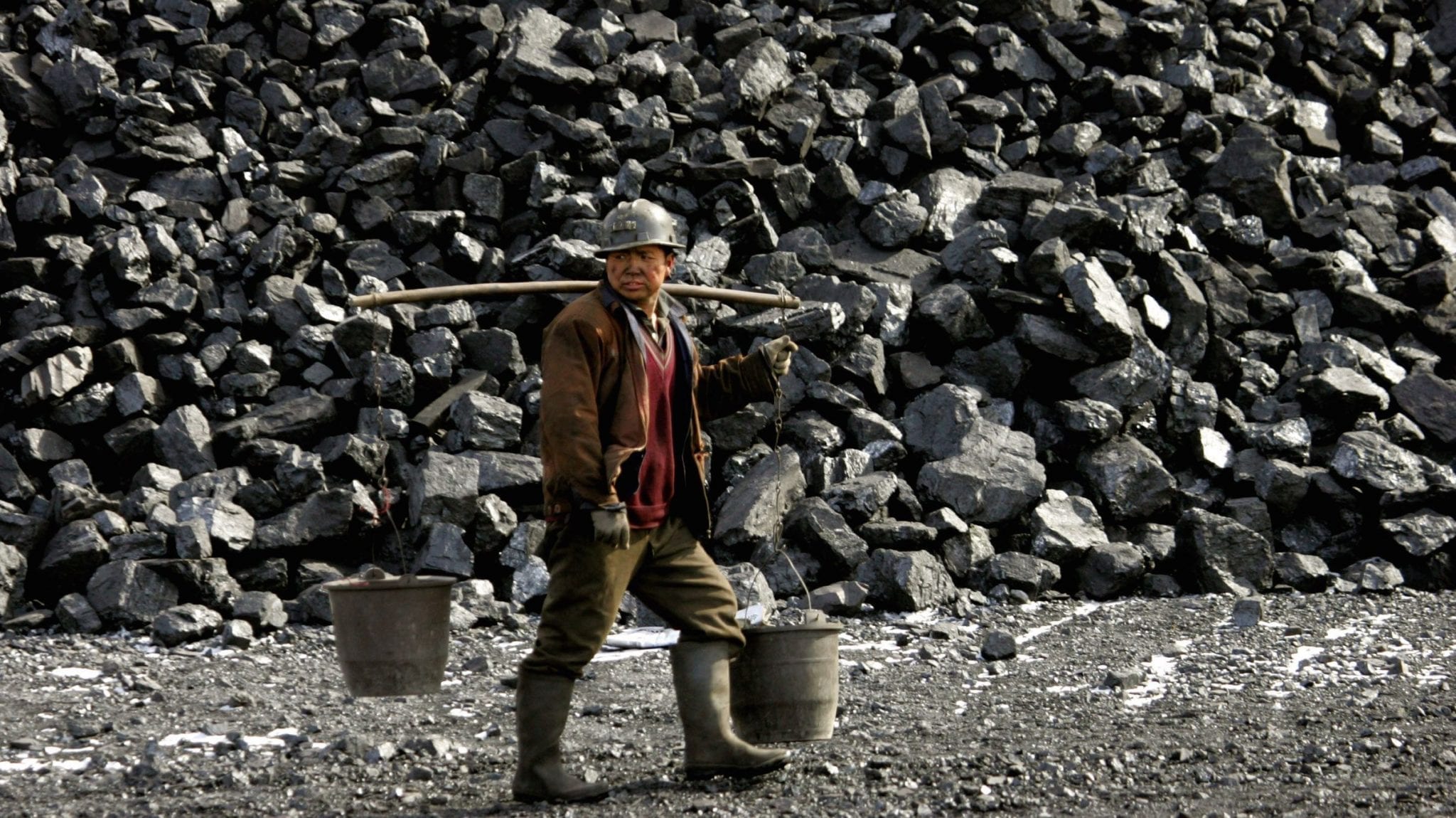
    Though Indonesia has one of the world’s fastest-growing economies, its electrical grid is faltering, with blackouts common and many factories and homes relying on expensive diesel-powered generators as backup. In 2011, Indonesian coal mining magnate Samin Tan and his company, Borneo Lumbung Energi & Metal, stepped into this energy void. Tan hoped to acquire the rights to a potentially rich coal mine in Borneo, one of the more heavily forested of the islands comprising the 3,000-mile-long tropical archipelago. But he needed $1 billion to do it. That deal’s unraveling reveals how years of effort by environmentalists and regulators may in the end have proved less effective at limiting greenhouse gas emissions in Southeast Asia than was a pistol-packing attorney, with enormous potential ramifications for how the fourth-most-populous nation on Earth develops its energy sector—and for the global climate.

    Tan’s company found itself in trouble when the price of coal crashed last year, driven by falling demand from China, where manufacturing has cooled and the government has ordered cuts to imports to protect its mining industry. One of Indonesia’s most important markets for its abundant coal was flagging. In April, the British bank Standard Chartered, the largest investor in a group that loaned Tan $1 billion to finance the mine, suddenly worried Tan wouldn’t be able to sell the coal and called in the paper. Tan refused to repay the bank.

    Coal projects in Indonesia have been able to race ahead not only because the country needs the energy but because investors outside the country have been happy to provide the funding and often receive help from their home governments’ export credit agencies. “National export agencies can support export of technologies,” said Jan Vandermosten, sustainable finance policy officer at World Wildlife Fund’s European Policy Office in Brussels. For example, Indonesian coal mining companies lacking the capital or a key technology to build a coal-fired electrical plant often strike deals with partners overseas, whose home governments help finance the investment, assisting companies in their country to get lucrative deals over foreign rivals. “It’s not about mining coal. It’s about companies that go to developing countries and construct coal plants, importing technology like boilers or other equipment,” said Vandermosten.

    In January, a $3.4 billion coal power project financed in large part by Japan’s public export credit agency, the Japan Bank for International Cooperation, moved forward in Central Java, a large province on Indonesia’s most populous island, where it will provide electricity for nearly 13 million people. JBIC is providing $2 billion, or nearly 60 percent of the project’s capital, and it will be operated by a partnership of Japanese and Indonesian energy companies. The 1,900-megawatt installation is slated to come online in 2020, when it will be the largest coal-fired plant in the country of 250 million people. Elsewhere in Asia, new coal plants in Bangladesh and India have been made possible with American and European financing and expertise.

    Coal’s share of Indonesia’s electrical portfolio has been climbing over the last decade, from 36 percent in 2007 to 41 percent in 2015, according to Kurnya Roesad and Frank Jotzo, climate researchers at Australian National University. In September, they reported that 55 percent of Indonesia’s new electricity will be from coal by 2025, if the expansion of the grid continues at its current pace—despite the government’s pledge to get 23 percent of all electricity from renewable sources by then. But the financing behind complex, expensive coal projects is proving a weak spot in the country’s energy plans.

    In January 2017, a new agreement among Organisation for Economic Co-operation and Development member countries will curtail many coal projects’ ability to receive necessary financing from overseas. Negotiated before last year’s Paris climate talks, the deal could restrict as much as three-quarters of the world’s coal energy pipeline, though early estimates are untested. Indonesian miners may be able to avoid the agreement’s most stringent restrictions, said Vandermosten, who was involved in its conception, by opting for cleaner coal technologies. But they would nevertheless crowd out funding for renewable technologies.

    Where financing can’t be publicly backed, that will drive Indonesian miners and their foreign partners to private financing like the deal with Standard Chartered.

    Which is where a flamboyant attorney named Hotman Paris Hutapea comes in. Hutapea became famous during a high-profile drug smuggling trial a decade ago for sporting a hairstyle reminiscent of mid-1980s Van Halen, keeping a white-handled pistol in a holster in his suit, and flaunting romantic relationships with local celebrities.

    Tan hired him to fight Standard Chartered’s insistence that it be paid. The trial quickly became a test case for a string of other coal projects in Indonesia, including the Japanese-backed project. If digging up coal to fire power-generating plants using 19th-century technology was to be Indonesia’s energy policy of the future, the industry would need to show—even more than that it had the coal—that it could finance the multibillion-dollar infrastructure projects needed to dig it up and turn it into electricity.

    Reports vary, but the British bank’s liability on just the single loan is usually estimated to fall between $630 million and $750 million. That’s a large enough amount that a problem with just this one client could kneecap a major London institution’s stock price and send the rest of the coal market tumbling. The overall package of loans to Tan was the largest debt extended to a single person in all of Asia that year.

    Other large multinationals not in the habit of throwing away millions had been minority partners in the deal, and if the Indonesian court invalidated the terms of the loan—blocking Standard Chartered’s attempt to collect from a company Tan said was not bankrupt—they too would lose between tens and hundreds of millions. Among the investors was Caterpillar, the Peoria, Illinois–based manufacturer of bulldozers and other heavy equipment used in the mining industry, which was in for just over $100 million.

    The trial would take place in Jakarta, and a better place for a show trial about a coal mine may not exist. The capital of a nation of coral reefs and dense rainforest, Jakarta is home to 20 million residents surrounded by toxicity. It’s hard to take a walk along Jalan M.H. Thamrin, the heart of the business district, without the risk of stepping into an open sewer. “The combination of untreated domestic sewage, solid waste disposal, and industrial effluents has led to a major public health crisis” along Jakarta’s main river, the soupy Ciliwung, the Asian Development Bank found in 2012. (ADB helps arrange funding for many public works projects, such as water treatment plants, in Indonesia and elsewhere. Little evidence exists for any improvement in water quality or sanitation since the ADB’s report.) Air pollution—mainly from vehicle exhaust—is so bad that in May, U.S. Ambassador Robert Blake proudly announced that two air quality meters had been installed in a complex housing American diplomatic staff, whose worries about the city’s pollution had converted it into a hardship posting. Sixty percent of people in Jakarta had seen their health harmed significantly by the smeary air, said Blake, citing results of a 2013 joint Indonesian-American study. If a lawyer ever wished to argue against a coal mine by bringing the judge to the courthouse steps to sniff the air, Jakarta was the place.

    As the trial got under way in March, Hutapea was preparing to argue that a bank enabling a coal mine should not be allowed to collect on a $1 billion loan. It wasn’t his first time arguing in court that an Indonesian company working in an environmentally shady industry shouldn’t have to pay back a foreign partner: In 2001, he represented local companies in a $14 billion case brought by American creditors against Indonesian logging company Asia Paper & Pulp, which owned plantations in Borneo. Hutapea argued that the contracts establishing the loans had been invalid. He won.

    His argument in the Standard Chartered case: There had never been a loan to Borneo Lumbung in the first place, the $1 billion that changed hands notwithstanding.

    The Standard Chartered–led consortium had lent Tan the money so he could buy a stake in a rival mining company called Bumi Resources (“bumi” means “Earth” in Indonesian). Tan used mines owned by his company as collateral. But Hutapea argued that Indonesia’s coal is a state asset, even if mined privately. So Tan needed the Indonesian government’s approval to use his own coal mines as collateral for the loan—and he hadn’t requested that. Standard Chartered hadn’t either. The loan, Hutapea maintained, was therefore invalid. There was nothing to collect.

    In April, the court ruled in Tan’s favor. As with the Asian Pulp & Paper case 15 years earlier, Hutapea had saved a company led by an Indonesian oligarch hated by local environmentalists. “You screw my country’s laws, my country’s laws will screw you,” he told a finance industry newsletter.

    Yet Hutapea became the environmentalists’ most unlikely ally, because the victory fouled the entire Indonesian coal economy as badly as the air above Jakarta.

    The world of energy finance, predictably, went nuts. “Any creditor on the hook to Indonesia’s coal mining industry will not be sleeping easily these days,” wrote International Financing Review, a trade publication. Like most commentators, IFR seemed unclear why Indonesia wanted to continue digging coal mines in the first place. Despite plans to expand the country’s coal portfolio, wrote credit analyst Jonathan Rogers, “the fact is that Indonesia’s coal sector is a sunset industry that is likely to shrink substantially in size in the face of collapsing demand from China, its biggest client.”

    China was shifting to wind and solar power, another reason it was buying less Indonesian coal.

    Hutapea’s victory has been closely watched beyond Jakarta and London. In Tokyo, where $3.4 billion was riding on the Central Java coal-powered electrical plant, JBIC issued a statement saying it intended to stick with the project and had faith its loan would be repaid even if the plant went bankrupt. The announcement had the effect, presumably unintended, of telling the world that the Japanese interest was worried. By persuading an Indonesian court to approve what appeared to be an Indonesian company’s swindle of $1 billion from Standard Chartered’s consortium, Hutapea sent a chill across every banking office from New York to Tokyo with a bet on a coal mine in Indonesia, one of the places still aggressively courting those bets.

    Will that money dry up? So far, it hasn’t. But if Indonesia keeps investing in coal, it may not be the environmentalists fighting hardest against it. It’ll be the bankers. It’s hard to breathe most days in Jakarta. But lose your shirt in London, and you’ll end up twice as sick.

  • Nokia to deploy first LTE-R network in Korea

    Nokia to deploy first LTE-R network in Korea

    Nokia has secured a contract to deploy the world’s first LTE-R (LTE-railway) LTE network in South Korea.

    The vendor will deploy the network on a railway line between Wonju and Gangneung as part of a line extension to prepare for next year’s Winter Olympics in PyeongChang.

    The network will support both operational and maintenance services on a high-speed commercial railway line operating at speeds of up to 250 km/h, providing high-speed connectivity between trains, stations and other railway facilities.

    Nokia said the project is intended to serve as a model for future deployments of LTE-R technology and help further define LTE-R standardization efforts.

    “South Korea has been a world leader in the use of mobile broadband technology to make public services of all kinds safer, more efficient and reliable,” Nokia head of Korea Andrew Cope said.

    “With a thirty-year history in the delivery of GSM-R mobile networking technology for railways, and as a pioneer in the development of LTE-R solutions, we are pleased to partner with KRNA to bring these cutting edge capabilities to the country as they prepare to host one of the world’s premier sporting events.”

  • Rimowa wins lawsuit against Korean copycat

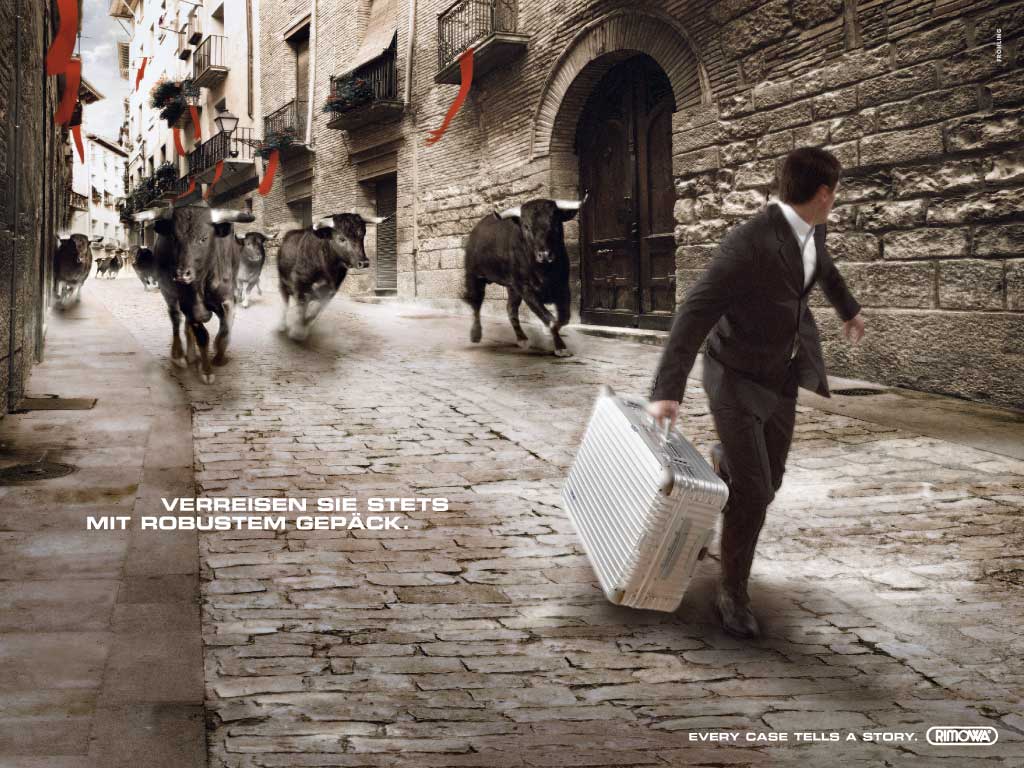
    Rimowa wins lawsuit against Korean copycat

    Luggage manufacturer Rimowa has won a lawsuit against the owner of the Holly brand in South Korea.

    A Seoul court has acknowledged that the grooved design is a defining characteristic of Rimowa products so deserves to be protected from imitation.

    Saying the Holly suitcase has a similar grooved design and could be mistaken for a Rimowa product, the court slapped a ban on further distribution or sale of the Holly suitcase to protect consumers from confusion.

    “We couldn’t be happier that the court acknowledged the brand character of our grooved design,” says Rimowa president/CEO Dieter Morszeck.

    Rimowa’s first aluminum suitcase with the signature grooves was produced in Germany in 1950.

  • Continental Named as CES 2017 Innovation Awards Honoree

    Continental Named as CES 2017 Innovation Awards Honoree

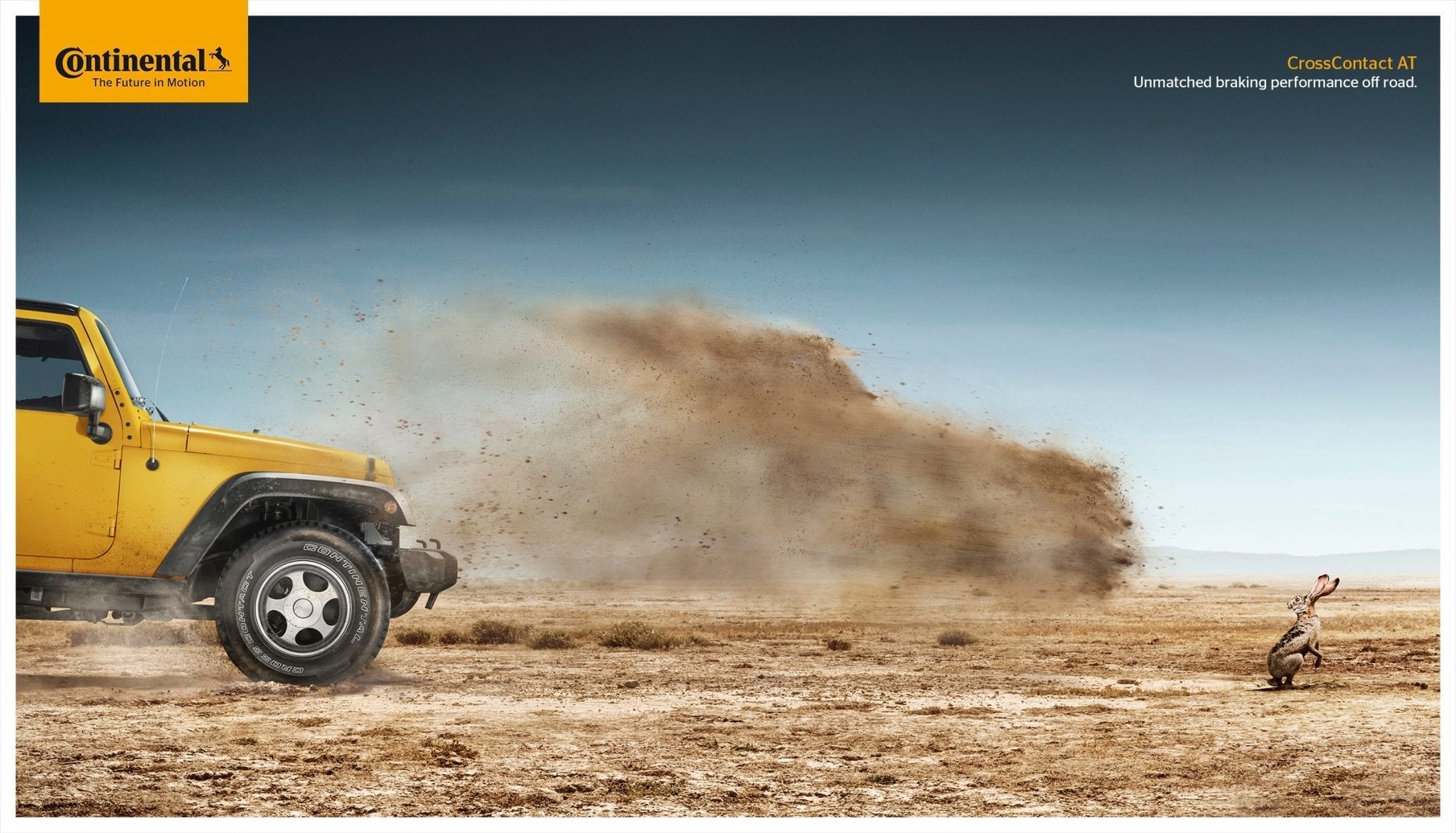
    International automotive supplier and technology company Continental today announced that is has been named a CES 2017 Innovation Awards Honoree in the Vehicle Intelligence category for its Short Range Radar with Trailer Merge Assist and Trailer Length Detection technology. Products entered in this prestigious program are judged by a preeminent panel of independent industrial designers, independent engineers and members of the trade media to honor outstanding design and engineering in cutting edge consumer electronics products across 28 product categories.

    “Technologies that are selected as CES Innovation Honorees demonstrate an incredible level of innovation and engineering in an industry where the bar is set remarkably high,” said Samir Salman, CEO of Continental, North America. “Continental is honored to receive this award which exemplifies our commitment to safety by engineering leading automotive technologies.”

    Continental’s state-of-the-art Short Range Radar with Trailer Merge Assist and Trailer Length Detection is a “black box” sensor mounted in the rear/side area of the vehicle. The radar uses intelligent sensing with a new software feature allowing for the blind spot detection to be enhanced and extended by sophisticated object tracking, measurement and length detection algorithms allowing for the extended warning.

    “The intelligent radar detects the trailer, automatically measures its length and extends the warning zone to the area beyond the trailer,” said Lutz Kuehnke, Head of Advanced Driver Assistance Systems, Continental, North America. “These features reduce the risk of accidents and increases driver confidence while towing and merging a vehicle with a trailer.”

    This is the first blind spot warning system that allows a driver to enjoy the function without driver input even while towing a trailer. Systems without this feature either disable the warning while towing a trailer or experience unintended or false warnings from the trailer.

    The Short Range Radar is just one environmental sensor within Continental’s comprehensive product portfolio of future-oriented advanced driver assistance systems (ADAS). Continental offers ADAS safety products and functions, as well as system solutions for assisted and automated driving including Long Range Radar, Camera, Surround View, High Flash 3-D Lidar and electronic control units.

    Continental’s Short Range Radar with Trailer Merge Assist and Trailer Length Detection will be displayed at CES 2017, which runs January 5-8, 2017, in Las Vegas.

    The prestigious CES Innovation Awards are sponsored by the Consumer Technology Association (CTA)™, the producer of CES 2017, the global gathering place for all who thrive on the business of consumer technologies, and have been recognizing achievements in product design and engineering since 1976.

    Entries are evaluated on their engineering, aesthetic and design qualities, intended function and user value, unique features present and how the design and innovation of the product directly compares to other products in the marketplace. Products chosen as CES Innovation Honorees reflect innovative design and engineering in some of the most cutting edge tech products and services coming to market.

    CES 2017 Innovation Honoree products are featured on CES.tech/Innovation.

    Continental at CES

    Visit Continental at CES 2017, Thursday, January 5 through Sunday, January 8, at North Hall Booth #3128. Continental will also showcase its latest automotive innovations and technologies in a private exhibit at the Renaissance Hotel. An invitation only media event has been scheduled on January 5. Please contact Mary Arraffor details.

  • Indonesian government taking steps to tackle growth of e-commerce industry

    Indonesian government taking steps to tackle growth of e-commerce industry

    The volume of e-commerce transactions in Indonesia is still relatively small but the government is taking anticipatory steps in the face of e-commerce industry growth as it is developing as a global trade model.

    Indonesias e-commerce transactions still account for about one to two percent of retailer transactions or much lower than the global average of eight percent. However, it is predicted that e-commerce transactions in Indonesia will increase drastically from US$12 billion in 2014 to about US$24.6 billion this year.

    Therefore, the government sees that the e-commerce industry is one of the business sectors that has good prospects in the future, and for this it is issuing an e-commerce development roadmap through an economic policy package.

    The roadmap is appearing in the 14th economic policy package announced by the government on Thursday, November 10, 2016.

    “The policy package is aimed at encouraging people all over Indonesia to expand their economic activities efficiently and to connect them to the rest of the world. With this roadmap, they will be able to enhance their business in a better way,” Coordinating Minister for Economic Affairs Darmin Nasution said while announcing the package at the Presidential Office along with Communication and Information Minister Rudiantara and Cabinet Secretary Pramono Anung.

    Therefore, the next economic policy package is expected to sufficiently address the issue.

    “E-commerce should not be treated as a general form of trading. The tariff should be lower as it is a fledgling industry, an early adopter,” Industry Minister Airlangga Hartarto underlined while speaking on the sidelines of the launch of a book on “Developing Populist Economy and Winning ASEAN Economic Community” recently.

    Indonesian businesses hope that the tax tariff for e-commerce business will be lower than that of the non-e-commerce industry.

    The Indonesian Employers Association (Apindo) hailed the issuance of the package. Businesses badly need the governments support, particularly on the fiscal system with regard to the issuance of the economic policy package on e-commerce, Fredy Ongko Saputro, chairman of Apindo for East Nusa Tenggara, said.

    “The tax tariff should be lower than non-e-commerce because this is a new industry. We hope the tax traffic is set at a modest rate,” the Apindo chairman for East Nusa Tanggara, said.

    The regulation to be issued would determine the success of e-commerce in Indonesia as it has the potential to guarantee the survival of fledgling businesses using e-commerce, economic observer Agustinus Prasetyantoko said, elaborating the point.

    Agustinus is also of the opinion that tax exemption would help boost e-commerce in the country.

    “In certain cases, tax could even be abolished during the start-up phase,” he underscored.

    Singapore could be used as the reference country to study ways to develop and expedite the expansion of e-commerce. It provides tax facilities and a low tax for start-ups in addition to assistance in the form of access to cheap capital.

    The e-commerce market has begun to grow in Indonesia. In 2014, transactions were valued at $12 billion. E-commerce spending in Indonesia was only 1 to 2 percent of the total retail sales as against 16 percent in South Korea, 12 percent in the United States and the world average of 8 percent.

    However, it is worth noting that the performance in 2014 represented a significant increase from $8 billion in 2013. In 2016, the value of transactions is predicted to rise to $24.6 billion.

    Therefore, it is being predicted that Indonesia would be among the top ranked countries in e-commerce in the future after China and India in Asia, which is why the government drew up a roadmap.

    Chief Economic Minister Darmin Nasution expressed the hope that the roadmap for the development of e-commerce industry will encourage younger generations to come up with new and innovative products and services.

    The roadmap is also expected to induce certainty in business besides facilitating the e-commerce industry. Therefore, with strategic direction and guidance, the electronic-based national trade system can be put in place during the 2016-2019 period, he noted.

    The roadmap is also expected to accord priority to and protect the national interests, particularly the interest of small and medium entrepreneurs and startups, he commented.

    “It will also help the human resources and e-commerce agents to improve their knowhow. Also, it will provide terms of reference to the government and all stakeholders for determining or adjusting sector-based policies as part of the effort to develop the e-commerce industry,” he explained.

    Darmin pointed out that the policy package deals with at least eight issues, including funding, taxation, consumer protection, human resource development and education besides cyber security.

    Meanwhile, Communication and Information Minister Rudiantara underlined that digital economy has a huge potential in Indonesia.

    “The Indonesian digital economy is so huge that all transaction services using digital technology will continue to develop,” he observed.

    He reminded that the package also covers several provisions to address seven key issues, including human resources and education, access to capital, tax incentives, consumer protection, cyber security, logistics and communication infrastructure.

  • Porsche Customers Most Satisfied Overall

    Porsche Customers Most Satisfied Overall

    The Porsche brand has ranked highest among all nameplates, according to the latest J.D. Power 2016 U.S. Sales Satisfaction Index (SSI) Study released today. The brand also placed higher than all other luxury manufacturers for the second consecutive year. Porsche improved upon its 2015 standing by 72 points to capture the overall ranking for the second time in the 30-year history of the SSI Study.

    The SSI Study measures satisfaction with the sales experience among new-vehicle buyers and rejecters — those who shop a dealership and purchase elsewhere. Buyer satisfaction is based on four measures: working out the deal (25%); salesperson (19%); delivery process (16%); and facility (15%). Porsche ranked highest among all automotive brands across all four categories. Rejecter satisfaction is based on five measures: salesperson (10%); fairness of price (4%); experience negotiating (4%); facility (3%); and variety of inventory (3%). Porsche improved this year in the areas of price, facility and inventory.

    “Customer satisfaction is our highest priority in our endeavor to deliver a unique and rewarding Porsche experience,” said Klaus Zellmer, President and CEO, Porsche Cars North America, Inc. “We pride ourselves on building exciting and innovative sports cars, but our success is ultimately measured by the approval and appreciation of our customers. I would particularly like to thank our dealer partners who have made it their mission to provide a benchmark experience for their clients who are purchasing a Porsche.”

    The 2016 SSI Study is based on responses from 28,979 buyers who purchased or leased their new vehicle in April or May 2016. The study is a comprehensive analysis of the new-vehicle shopping and purchasing experience and measures customer satisfaction at U.S. dealerships.

  • Indonesian markets panic over Trump’s policies

    Indonesian markets panic over Trump’s policies

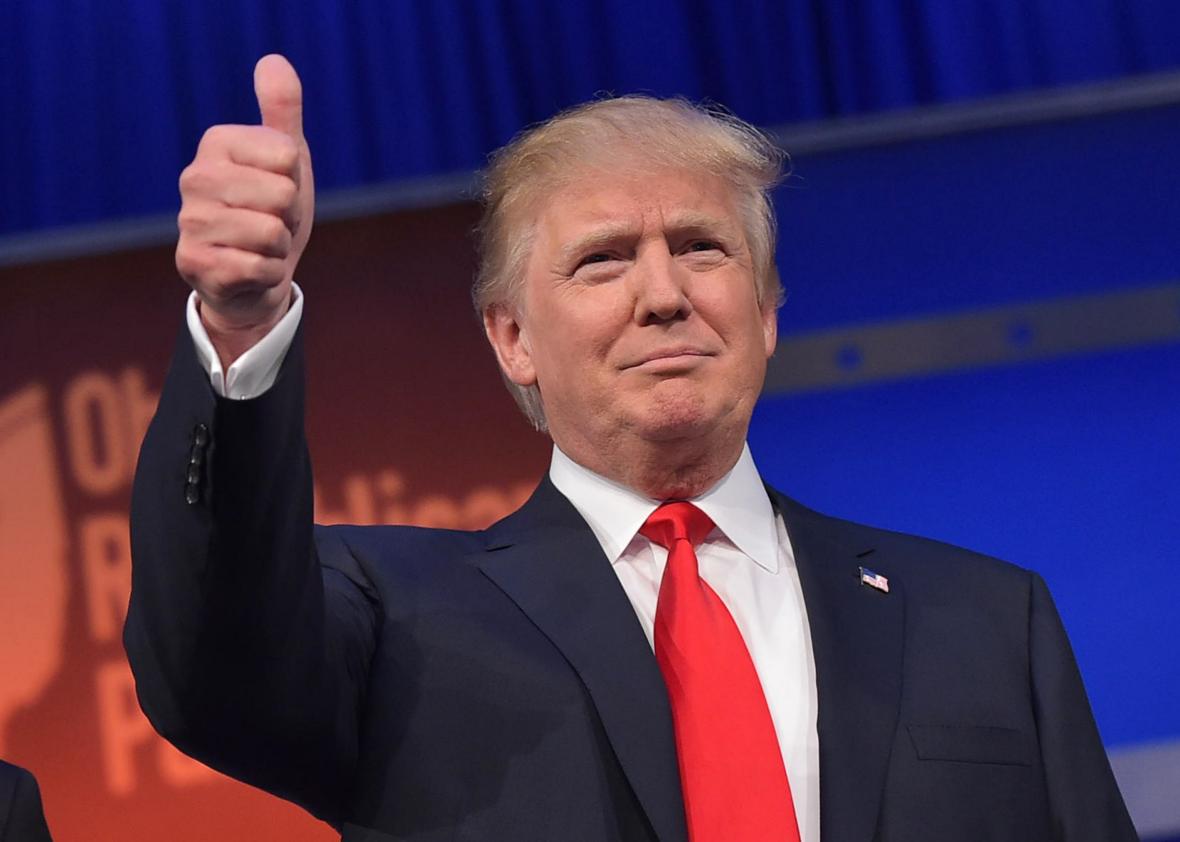
    Panic hit domestic financial markets on Friday as investors showed concern over the anticipated policies of US president-elect Donald Trump that may negatively affect Indonesia’s economy.

    The Jakarta Composite Index (JCI) — the benchmark of the Indonesia Stock Exchange (IDX) — ended in the red on Friday after falling 4 percent to 5,231.97 points, its lowest level in the past two months.

    Almost all sectors ended in negative territory, as investors sold a net of Rp 2.46 trillion (US$184.27 million) worth of securities throughout the trading day.

    Net sales jumped more than eightfold from the previous day, when investors ditched less than Rp 300 billion worth of securities.

    The situation was just as bad in the foreign exchange (forex) market, with the rupiah sinking as low as Rp 13,865 per US dollar, the lowest point since June 24. Market intervention by Bank Indonesia (BI) propped up the currency, enabling it to end at Rp 13,383 to the greenback.

    Friday’s development sent the government, financial authorities and analysts rushing to calm panicked investors.

    They attributed the market rout to speculation that Trump might push up fiscal spending after taking office.

    Higher spending may translate into higher inflation and interest rates in the US, which is not good news for Indonesia and other emerging markets that rely heavily on foreign funds, as some of those funds would return to the US.

    “Up to this day, the developments of the rupiah, the JCI and securities are greatly affected by regional and global sentiment impacted by the US political situation,” Finance Minister Sri Mulyani Indrawati said Friday.

    “It is natural to see that every decision made in the US, as the world’s largest economy, even in the form of a statement, can have a significant impact.”

    She said investors, including those holding government debt papers (SUN), did not have to be worried, as Indonesia had a low debt risk with a relatively long maturity profile and a relatively small state budget deficit.

    Moreover, with various fiscal measures to control the state budget deficit, spending and tax revenues, government debt papers had a very low risk profile.

    “There is no need to be trapped in groundless fear,” she stated.

    The IDX and the Financial Services Authority (OJK) also tried to calm investors, saying any impact of Trump’s policies would be temporary.

    BI senior deputy governor Mirza Adityaswara admitted the central bank had intervened in local forex and sovereign bond markets to stabilize the rupiah.

    Selling by forex traders, particularly in non-deliverable forward (NDF) derivative contracts, he went on, had triggered the market volatility.

    NDF contracts, unlike forex forwards, are settled in dollars determined by reference to a daily fixing, which in some jurisdictions is set by a survey of lenders.

    “The NDF market weakened and affected traders without considering Indonesia’s economic fundamentals. That’s why the rupiah was traded at Rp 13,400 [per US dollar] during opening, because the market followed what occurred in Mexico, Brazil and other places,” he said.

    Mirza emphasized that the country’s fundamentals remained strong, with economic growth of 5.02 percent in the third quarter, higher than in most of Indonesia’s Southeast Asian peers.

    Meanwhile, stock market analysts deemed investors’ reaction exaggerated and urged a more cautious manner. They said the market should actually have priced in the expectation of a December rate increase in the US, with further increases in 2017 and 2018.

    Separately, Trade Minister Enggartiasto Lukita said investors should wait until Trump formed his team. He expressed optimism that economic relations between the two countries would remain positive, despite Trump’s seemingly protectionist stance.

    “But we also need to keep our market strong. With a population of 250 million people, we have enough bargaining power,” he said.

    We’ll push local industries here, so that money circulation will happen much more domestically,” he added.

  • Alibaba’s Singles Day sales reach $17.8b

    Alibaba’s Singles Day sales reach $17.8b

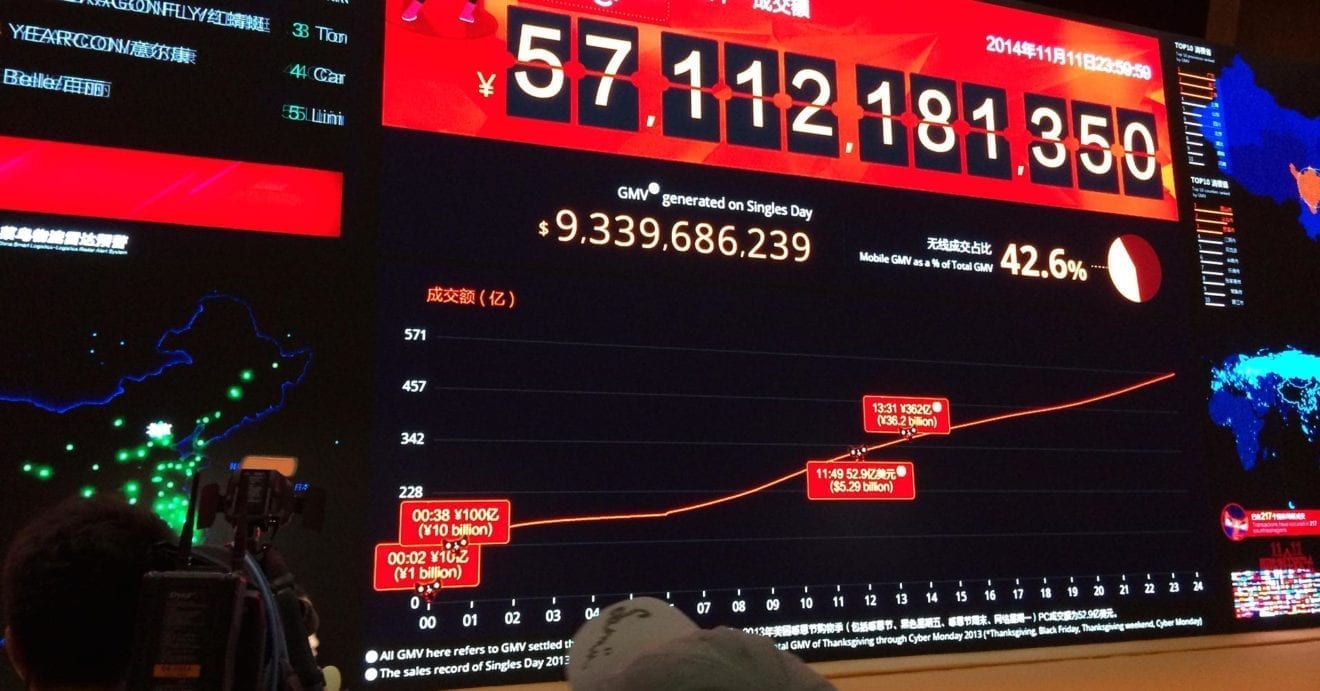
    Alibaba Group Holding Ltd.’s Singles’ Day shopping festival (now known as the 11.11 Global Shopping Festival) broke sales record this year with a reported 120.7 billion yuan ($17.79 billion) in gross merchandise volume in just 24 hours.

    The figure represents a 32% jump over last year’s 91.2 billion yuan ($14.3 billion) in transactions over Alibaba’s e-commerce platforms – B2C site Tmall.com and C2C site Taobao Marketplace.

    Alizila, the news portal of the Chinese e-commerce giant, also reported that the festival saw a number of other new records set, including 98.97 billion yuan ($14.6 billion) in GMV generated on mobile devices and 657 million delivery orders, compared with $9.8 billion and 467 million, respectively, in 2015.

    “There were also 1.04 billion payment transactions processed compared with 710 million last year,” the report noted.

    Daniel Zhang, chief executive officer of Alibaba Group, was quoted as saying that this year’s 11.11 shopping festival is a preview of the future of retail.

    “11.11 showcased how online and offline retail will be reinvented to offer brand new shopping experiences to our hundreds of millions of mobile, digitally savvy active users,” he said.

    The shopping marathon started on November 11 at midnight China Standard Time (CST).

    An IMAX-sized data screen at the media center at the Shenzhen Universiade Sports Center in Shenzhen, China continuously flashed updates all throughout the day, complemented by live blogging reports from Alizila.

    The first report at 12:017 showed that total GMV blew up to 10 billion yuan ($14.6 billion) just six minutes and 58 seconds after the sale began. Total GMV exceeded $100 million in just 40 seconds.

    During the first hour of the sale, order volume also reached a record-breaking peak of 175,000 orders in one second, while 120,000 payments were settled per second at the peak.

  • Fujitsu Consulting India deploys SDN technology

    Fujitsu Consulting India deploys SDN technology

    Fujitsu Consulting India has deployed an end-to-end SDN infrastructure to support operations at its new 2,000-seat Global Delivery Center (GDC) in Pune and Bangalore.

    Fujitsu Consulting India selected Brocade’s SDN technology, partly due to the vendor’s open standard approach, which Fujitsu felt were critical to fully realizing the benefits of SDN.

    Brocade switches form the campus network core at the new Fujitsu GDC, offering 96 wire-speed 10 Gigabit Ethernet (GbE) ports per switch and the capability to integrate up to a dozen switches into a high-performance stack.

    The stack can be managed as a single device delivering up to 5.76 Tbps of aggregated stacking bandwidth.

    “Being successful in outsourced development requires more than just great design and programming talent. It also needs a high-performance IT infrastructure capable of keeping development teams productive 24×7, with the flexibility to emulate clients’ environments, which are of an increasingly hybrid-cloud nature,” Fujitsu Consulting India group head of IT and CISO Mohammed Shahed Khan said.

    “In putting together the specifications for our new Bangalore GDC and upgrade of the Pune GDC, it was clear that we would need to go beyond traditional networking to deliver the capabilities we see as essential to a successful future.”

  • GMR Hyderabad Duty Free launches its first ever ‘Duty Free Utsav’

    GMR Hyderabad Duty Free launches its first ever ‘Duty Free Utsav’

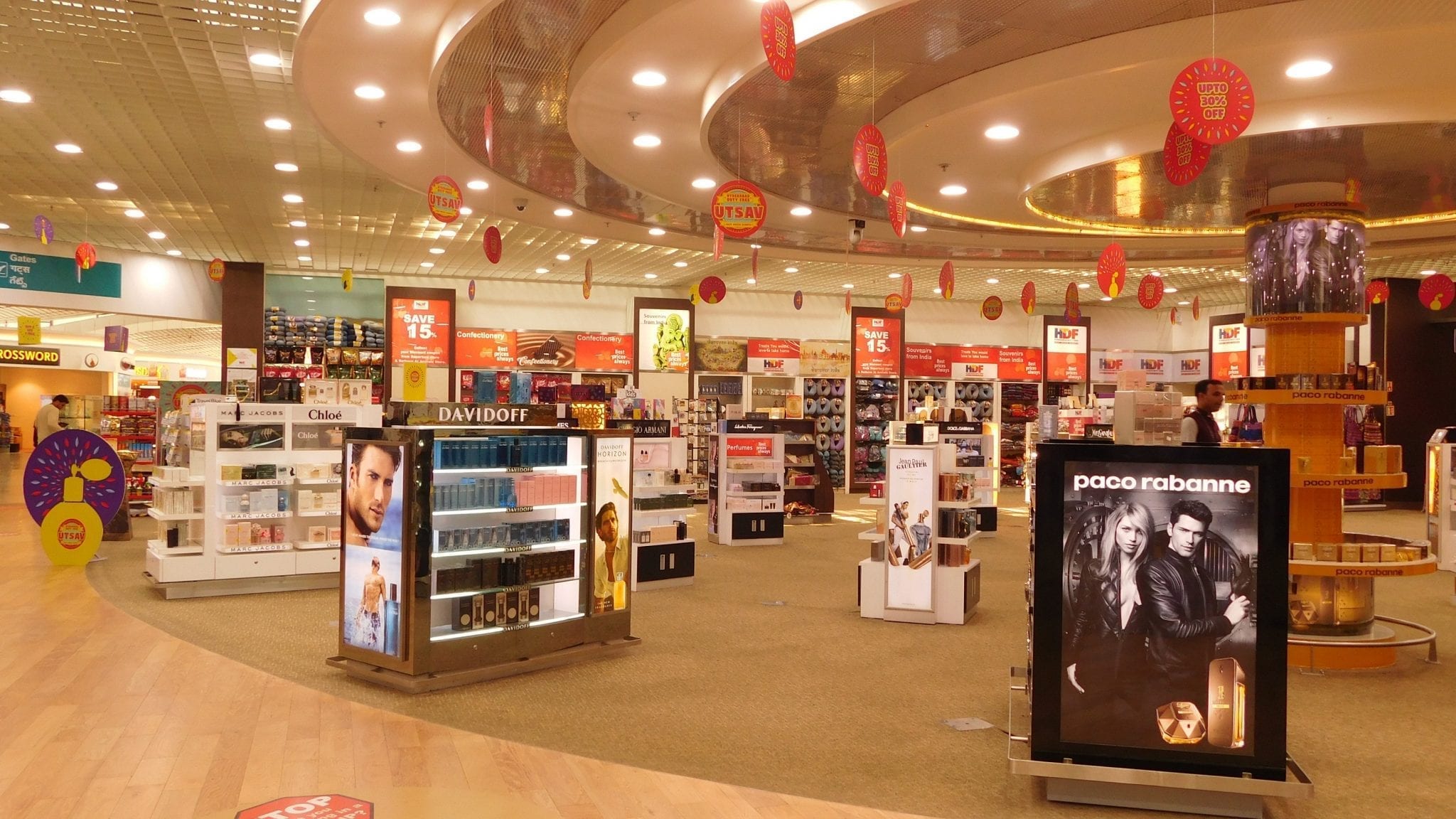
    Hyderabad Duty Free (HDF) has launched its first ever “Duty Free Utsav” as it joins the festive celebrations at Hyderabad Airport.  In continuation with the enthusiastic response from customers to its previous promotions, HDF has come up with its ‘Duty Free UTSAV’ celebrations, which is one of the biggest mega promotions done by Duty Free stores in the region.  The biggest attraction for the passengers during this offer season is the chance to win Nissan Terrano SUV on display at the arrivals store.

    During this Utsav, customers can avail discounts of up to 15% on various products, along with gifts and attractive offers on their purchases at Hyderabad Duty Free outlets. Further, Hyderabad Duty Free is also issuing special discount coupons that can be collected at the Departures store and redeemed at the Arrivals store to avail an additional discount of up to 15%.

    Another key feature of Hyderabad Duty Free Utsav is the surprise Dollar offs being given to the passengers of select flights on their arrival.  This surprise voucher can be redeemed with purchases above a certain threshold at Hyderabad Duty Free arrivals store.  

    Speaking on the occasion, Mr. SGK Kishore, Chairman-Hyderabad Duty Free Retail said, “The brand ‘Hyderabad Duty Free’ is growing stronger by the day and we owe this to the patronage to our valued customers. The thought process behind coming-up with the ‘Duty Free Utsav’ is to reach out to our customers and strengthen our position as one of the best travel retail destinations. Towards this, we have also undertaken several new initiatives such as coming out with customized offerings, tie-up with Telugu NRI Associations, improve our price competitiveness, Store upgradation etc.  I am happy to see our customers are shopping with us more and making the most of these unique benefits”

    With its range of product offerings at highly competitive prices along with the improved store ambience, Hyderabad Duty Free is now providing a whole new shopping experience and fast emerging as a preferred shopping destination for duty free shoppers in the region. 

  • Chinese tourists visiting Indonesia up 20 percent

    Chinese tourists visiting Indonesia up 20 percent

    The Indonesian Tourism Ministry and the China National Tourism Administration have agreed to check certain tourism operators who are unprofessional and harm tourists interests.

    “We are ready to blacklist such operators since tourism is a service-based business. Managing the tourism business ecosystem with a sense of commitment and professionalism is crucial. What is at stake is to keep the tourism business sustainable,” Indonesian Tourism Minister Arief Yahya said at a meeting with the Chief of the China National Tourism Administration, Lin Jinzao, on the sidelines of the China International Travel Market (CITM) held in Shanghai from November 11 to 13.

    Travel operators and agents who violate commitment made to their customers must be dealt with sternly, he stated, adding that unprofessional tourism operators will have a detrimental impact on the future of the tourism sector.

    The China National Tourism Administration has taken several steps to control such unprofessional elements, including travel agents, as part of the efforts to make tourists feel comfortable while on vacation in China, he noted.

    “First of all, we express our gratitude to China as more and more Chinese tourists visit Indonesia,” he underlined.

    China is now the biggest source of tourist arrivals in Indonesia, overtaking Singapore, Malaysia, Australia, Japan and South Korea.

    “We have set ourselves the target of attracting 20 million tourists in 2019 and nearly 50 percent of them will come from China,” he disclosed.

    In this regard, he underscored the importance of stepping up tourism cooperation with China to achieve the target.

    In addition, he pointed out that his ministry will also focus on promoting the “Great China” branding which covers China, Hong Kong and Taiwan.

    He also invited Chinese investors to invest in the Indonesian tourism industry.

    “We invite Chinese investors engaged in the tourism sector to invest in Indonesia which offers natural and cultural attractions. Now is the time to make long-term investments in the tourism sector,” he observed.

  • Indonesia antsy over WTO’s expected tobacco ruling in 2017

    Indonesia antsy over WTO’s expected tobacco ruling in 2017

    The Indonesian government and tobacco farmers are waiting anxiously for the result of a dispute settlement against Australia’s plain tobacco packaging policy that they expect will come out in 2017, more than three years after the government submitted a request for consultations with the World Trade Organization (WTO).

    The Trade Ministry’s director general for foreign trade negotiations, Iman Pambagyo, said he hoped that the settlement result would be in favor of tobacco-producing countries.

    “We expect WTO panelists to announce the result in the first quarter of 2017. We still think that the policy violates the trade rules,” he said.

    He added that while Indonesia fully supported the objectives of improving public health and protecting the environment, it was the country’s right to defend its economy against regulations that violated international trade rules, disciplines and obligations.

    According to the WTO, on Sept. 20, 2013, Indonesia requested consultations with Australia concerning certain Australian laws and regulations that impose restrictions on trademarks, geographical indications and other plain packaging requirements on tobacco products and packaging.

    The move came nearly a year after Australia became the first country that obliges all cigarettes sold in its jurisdiction to be wrapped in dark brown packaging in December 2012.

    The Australian government found that it was the least attractive color, particularly for young people.

    The policy went into force along with a tax increase to realize the country’s plan to bring down smoking rates from 16.6 percent in 2007 to less than 10 percent in 2018.

    The Australian Bureau of Statistics claims that smoking rates decreased to 12.8 percent a year after the policy took effect, compared to 15.1 percent in 2010.

    Australia’s move has been copied by the UK and France, which regulate that all cigarette packages manufactured for those countries must be in plain form.

    Singapore considered a similar provision last year as well, but dropped the idea after encountering some technical difficulties.

    After Indonesia submitted its consultation request to the WTO, several other countries and blocs requested to join the consultations, namely Brazil, Cuba, Guatemala, Nicaragua and the European Union.

    The Indonesian Tobacco Farmers Association (APTI) told The Jakarta Post that although Australia was not the main buyer of Indonesian tobacco, more countries would apply similar policies.

    “The policy’s provision will decrease our tobacco exports as antitobacco movements have emerged in other countries,” APTI head Wisnu Brata said.

    Djarum, Sampoerna and Gudang Garam are among the companies whose cigarette brands are available in Australia.

    Data from the Industry Ministry show that some 6 million people are involved in tobacco farms and businesses across the country. Many of them are export-oriented, such as in West Nusa Tenggara (NTB), East Java and Central Java.

    The value of tobacco exports reached US$981 billion in 2015 and $1.02 trillion in 2014.

  • Muji Hotel Beijing to be launched

    Muji Hotel Beijing to be launched

    Japanese retailer Muji is moving into hospitality in China, with the Muji Hotel Beijing to open in the second half of next year.

    Muji has signed a brand co-operation agreement with Tokyo-based architectural company UDS for the hotel project. It is a major global business move for Muji, and all products in the hotel’s 41 guest rooms and public areas will from the Muji brand.

    The first floor of the hotel will have a cafe, hotel store, bookstore and lounge, while the fourth floor has a restaurant and bar overlooking Tiananmen Square. There will be a Muji store in the basement.

    UDS, which has its Claska pioneer design hotel in Japan, plans, designs and manages hotels internationally.

  • Sales nosedive at Indonesia Motorcycle Show

    Sales nosedive at Indonesia Motorcycle Show

    Despite attracting more visitors than the last event, this years’ edition of the Indonesia Motorcycle Show (IMOS) failed to record higher transactions following the event’s closing on Sunday.

    According to data released by IMOS organizers, the biennial event, which ran from Nov. 2 to 6, attracted 90,186 visitors, a slight increase of 0.48 percent compared to the 89.751 visitors that attended the event in 2014. This year, only 751 motorcycle units were sold during the event, with a transaction value of Rp 19.39 billion (US$1.48 million), down by almost half compared to the Rp 35.7 billion booked in 2014 from the sales of some 1,500 motorcycle units.

    Responding to the decline, Indonesian Motorcycle Industry Association (AISI) chairman Gunadi Sindhuwinata said the market was not in the best condition this year. He, however, said industry players were optimistic motorcycle sales would bounce back with the improvement of the economy.

    “In the next 10 to 20 years, the [motorcycle] sales can still see growth because the public still needs affordable transportation options,” he said on Monday.

    He added that the performance indicator of the show was not measured only by the number of transactions but also the ability of the show to inform the public of the latest technology.

    In general, the motorcycle market is getting smaller. AISI data show that during January to September, sales dropped by 9.74 percent year-on-year (yoy) to 4,351,397 units. This year, the association set a sales target of 6.5 million motorcycles, a minor increase from the 6.4 million sold last year.

    Agus Nurudin, the managing director of the Indonesian unit of global marketing research firm Nielsen, said based on the company’s latest consumer confidence poll, Indonesian customers had become more rational and had slashed their spending on tertiary goods, including gadgets and vehicles, amid the weak economy.

  • EU wants more access to Indonesian F&B market

    EU wants more access to Indonesian F&B market

    The EU demands Indonesia to ease trade barriers in the food and beverage (F&B) sector to give European producers more access to  Southeast Asia’s largest market, an official representing the world’s largest trading bloc has said.

    EU Commissioner of Agriculture and Rural Development Phil Hogan said many European producers had expressed their interest to enter the Indonesian market. However, both tariff and non-tariff measures, such as import quotas and local content requirements, held them back from doing so.

    “Many businesses are interested in Indonesia but they are waiting for improvement in market access,” Hogan said during the 6th EU-Indonesia Business Dialogue in Jakarta on Tuesday.

    He also mentioned the requirement to provide halal certificate as an obstacle for European F&B companies that wanted to explore opportunities in the world’s largest Muslim-majority country. Some European producers, Hogan said, had experiences in producing halal products, but some others did not.

    “We respect religion, but it [halal certification] prevent exports to Indonesia,” he said.

    He suggested that halal certification should be an option instead of being obligatory. Then producers that had not yet obtained certification could still export their products to Indonesia.

    Indonesia and the EU are currently in talks for the Comprehensive Economic Partnership Agreement (CEPA). The anticipated agreement, expected to be concluded by 2019, will remove various trade barriers between both parties.