Author: Mei Ling Tan

  • Nokia boosts True’s broadband network

    Nokia boosts True’s broadband network

    True Group in Thailand has deployed Nokia’s IP/MPLS routing technology to upgrade its broadband infrastructure in Bangkok.

    Surging demand for ultra-broadband fixed and mobile services, such as high-definition video and business services, have helped drive a dramatic increase in data traffic across True’s converged network, both in the city and its surrounding area.

    True is using Nokia’s IP routing technology to modernize its broadband infrastructure to improve the quality of experience and better support the growing high-bandwidth content demands of consumers and businesses.

    Nokia’s Service Router portfolio helps True to provide 4G LTE and 3G coverage to its 18 million mobile subscribers, high speed broadband to its 2.5 million broadband subscribers, and pay TV service to its 3.2 million TrueVision customers. The network upgrade was completed in May 2016.

    True can leverage Nokia’s infrastructure in the future to evolve to more dynamic agile services powered by Software Defined Networks and Network Functions Virtualization.

    True is using Nokia 7750 Service Routers (7750 SR) in Bangkok with the 7210 service access switch (SAS) being deployed in the northeast, east and central west regions of Thailand.

    “By leveraging Nokia’s expertise and leading routing technology,  we are able to provide seamless 4G LTE and 3G coverage along with quality, high-speed broadband data, voice and TV services to our mobile and fixed customers,” said Vichaow Rakphongphairoj, deputy CEO of operational development at True. “We can also deliver advanced high-speed residential, business and mobile services even more quickly and efficiently.”

  • New MoU Promotes Hong Kong-India Business Links

    New MoU Promotes Hong Kong-India Business Links

    The Hong Kong Trade Development Council (HKTDC) today signed a Memorandum of Understanding (MoU) with its counterpart in India, the India Trade Promotion Organisation (ITPO) to strengthen economic partnership between Hong Kong and India and increase bilateral commercial activity, especially for small and medium-sized enterprises from both places.

    Win-win for Hong Kong and India

    “This MoU reflects the growing desire for deeper business links between India and Hong Kong, with our city serving as the gateway to the Chinese mainland and Asia for Indian companies. At the same time, Hong Kong enterprises see huge opportunities in India,” said Margaret Fong, Executive Director, HKTDC. “Closer cooperation between the HKTDC and ITPO will produce a win-win result for our business communities.”

    Ms Fong and LC Goyal, Chairman and Managing Director, ITPO, signed the MoU in Hong Kong. The agreement fosters cooperation in areas of mutual interest, including providing each other with information related to trade promotion activities, encouraging businesses to join events organised by the HKTDC and ITPO and identifying potential products and markets.

    “Both organisations reaffirmed their resolve to identify and promote key sectors under the ambitious ‘Make In India’ flagship initiative of the Government of India,” said Mr Goyal. “The partnership will also open new areas of growth for trade with ASEAN countries.”

    Long and strong business links

    Hong Kong and India enjoy close and strong bilateral ties formed over more than 150 years of business and cultural links. In 2015, India was Hong Kong’s fourth-largest export market with total exports to India expanding 8.1 per cent year-on-year to US$13.1 billion. On the other hand, India was Hong Kong’s ninth-largest source of imports in 2015, amounting to US$10.6 billion. India is Hong Kong’s seventh-largest trading partner globally with bilateral trade of US$23.7 billion last year.

    HKTDC & ITPO: a mutual mission to promote trade

    Established in 1966, the HKTDC is a statutory body in Hong Kong dedicated to promoting Hong Kong’s trade in goods and services. The HKTDC organises more than 30 major international trade fairs in Hong Kong each year. ITPO is the trade promotion agency of the Ministry of Commerce and Industry of India. ITPO provides a wide spectrum of services to trade and industry and acts as a catalyst for growth of India’s trade.

  • NBTC to auction Dtac’s 1800-MHz spectrum early

    NBTC to auction Dtac’s 1800-MHz spectrum early

    Thai telecoms regulator NBTC plans to hold an auction for Dtac’s 1800-MHz spectrum in July 2018, three months before the operator’s concession expires.

    The auction of 45MHz of 1800-MHz bandwidth is expected to raise at least 135 billion baht ($3.89 billion) in revenue for the state, citing NBTC secretary general Takorn Tantasith.

    Dtac is using the spectrum under a concession arrangement with CAT Telecom. This concession is due to expire in September 2018 under the new licensing regime.

    The reserve price for the auction will be based on the winning prices of the previous 1800-MHz auctions in 2015, factoring in inflation. Takorn told the Postthat the winning prices must not be lower than the 2015 auction of two 15MHz 1800-MHz licenses.

    While Dtac CEO called it a good sign that the regulator plans an early auction, he said a lead time of three months is not enough time for a network installation. In other countries spectrum must be auctioned at least 1-2 years before a license expires.

    Dtac itself has the most invested in winning the 2018 license, the report notes. If the operator fails to reacquire the spectrum, it will be left with only 15MHz of 2100-MHz spectrum to serve over 25 million subscribers.

  • Accessible Tourism – Huge Potential for More Growth

    Accessible Tourism – Huge Potential for More Growth

    Accessible travel is perhaps the travel industry’s greatest untapped opportunity. There are millions of people worldwide looking for accessible travel options. The demand will continue to grow due to demographic aging.

    MyTravelResearch.com has released a new and free insight report on accessible travel, which is also known as inclusive travel, disability travel, barrier-free travel, and access travel. In short, accessible tourism means everyone can enjoy travelling.

    The market is big, says the report. Around one in five people have a disability. Around 88% of people with a disability take a holiday each year. In the USA the Open Doors Organization estimates that US$17.3 billion is spent by adults with disabilities on travel each year. In Australia, around eight billion dollars a year is spent by travellers with disabilities. Around 12% of the European market is dedicated to people with disabilities.

    Perception Issues

    Our perceptions of accessible travel may be outdated. Bill Forrester in his Travelabilty blog writes: “Accessible tourism is no longer about building ramps and accessible bathrooms. It’s about building products and services for a larger and rapidly growing market. This is no longer a niche, but rather, a segment that is approaching 25% of total tourism spend.”

    Indeed, people traveling with a disability are more likely to take longer trips. And if you provide a great product or a service, accessible tourists will be extremely loyal and sing your praises on review sites and through word of mouth.

    While some travellers may have disabilities, their passion for travel is undiminished. Many focus groups have been conducted with traveling seniors. “The one thing in common with them all is that they don’t want to stop travelling,” says Bronwyn White co-founder of MyTravelResearch.com and author of the report. “They recognize, however, that the way that they travel may need to incrementally change as they age.”

    Around one in five tourists have a disability. The majority of those disabilities are not visible. Some people may not identify has having a disability. For example, a person may find it harder to see or hear, but may not tell you. A disability may be temporary, for example, someone on crutches.

    Impairment Varies

    Types of impairment vary. For example in the UK long term illness accounts for 50% of disability travellers; 26% are deaf or have partial hearing loss; 23% have mobility impairment; 7% are blind or partially sighted; 6% are mobility impaired; 5% have learning difficulties.

    Seniors often have disabilities, but they retain a sense of travel adventure, with attitudes often younger than their age. “You realize you can’t do things as confidently as you used to, but you don’t want to stop travelling. There are trade-offs, but a coach tour trade off isn’t so bad,” said one MyTravelResearch.com focus group respondent aged over 65.

    Many tourists have intellectual disabilities. It may take longer to learn things. They may have difficulty reading and writing. They may struggle to adapt to new or unfamiliar surroundings. They almost always travel with a companion.

    People with disabilities are generally tech savvy with over 58% using mobile devices to support their travel needs.

    Cruising

    Cruising is becoming more popular for people with disabilities. In the past five years, 10% of adults with disabilities in the US have taken a cruise, amounting to almost four million travellers taking seven million trips, generating US$11 billion in spending on fares and US$1.5 billion on excursions.

    Cruise line, Holland America has the award winning Access to Excellence as part of its cruise program. Most cruise lines now have accessible programs in place.

    Practical Tips

    Visit Britain says there are three aspects that all businesses need to address to provide access for all:

    • Information and Marketing – providing detailed information on the accessibility of your facilities and services, making this information easy to find.
    • Customer Service and Training – being disability aware with the right attitude and confidence to serve all customers
    • Physical Facilities – making reasonable adjustments to buildings and facilities so that they are ways for everyone to enter and move around.

    For tourism destinations and services seeking to improve their service to disability travellers, the MyTravelResearch.com Accessible Tourism Report is full of practical tips and links to extra resources. To download the report for free visit https://mytravelresearch.leadpages.co/accessibletourism/

  • China Mobile joins OpenDaylight Project

    China Mobile joins OpenDaylight Project

    The OpenDaylight Project, an open source platform for programmable, software-defined networks, has announced that China Mobile has joined the project at the Silver Level.

    China Mobile joins Tencent and Alibaba, also members of OpenDaylight, as part of a growing number of Chinese internet players and telecoms operators that actively participate in open networking projects and leverage open source SDN to support their extreme scalability demands.

    The operator wants to standardize and also customize their environments to improve automation. OpenDaylight provides a means for China Mobile to build on well-tested, foundational capabilities, which would otherwise take far too long for them to develop entirely in-house, said Wang Jinzhu, project manager of China Mobile Research Institute.

    Recently, China Mobile released its commercial OpenDaylight-based data center SDN controller named “AERO,” currently in trial.

    Additionally, China Mobile has also initiated the “SPTN” project within OpenDaylight, which evolves the packet transport network (PTN) toward SDN.

    As early adopters of OpenDaylight, China Mobile is leveraging the platform with OpenStack to deploy enterprise service offerings under its NovoDC program, which offers both a telecom infrastructure as well as virtual public or private cloud services.

    NovoDC has helped China Mobile to gain significant data center opex savings and can now deliver new services in minutes rather than weeks.

    The OpenDaylight Project meanwhile also announced the launch of its “Powered by ODL” program, which signals high technical standards and quality expectations for commercial products or services based on the platform.

    With increasing numbers of solution providers incorporating OpenDaylight code into downstream commercial offerings, the program is created to help end users identify quality OpenDaylight-based solutions while supporting vendors with their go-to-market strategies.

    Any individual or organization offering an OpenDaylight-based product or service may apply for the trademark. Products that are “Powered by OpenDaylight” must include specific core components from a recent release of the OpenDaylight code base, as approved by the OpenDaylight’s board of directors.

  • Uniqlo Canada takes it slowly

    Uniqlo Canada takes it slowly

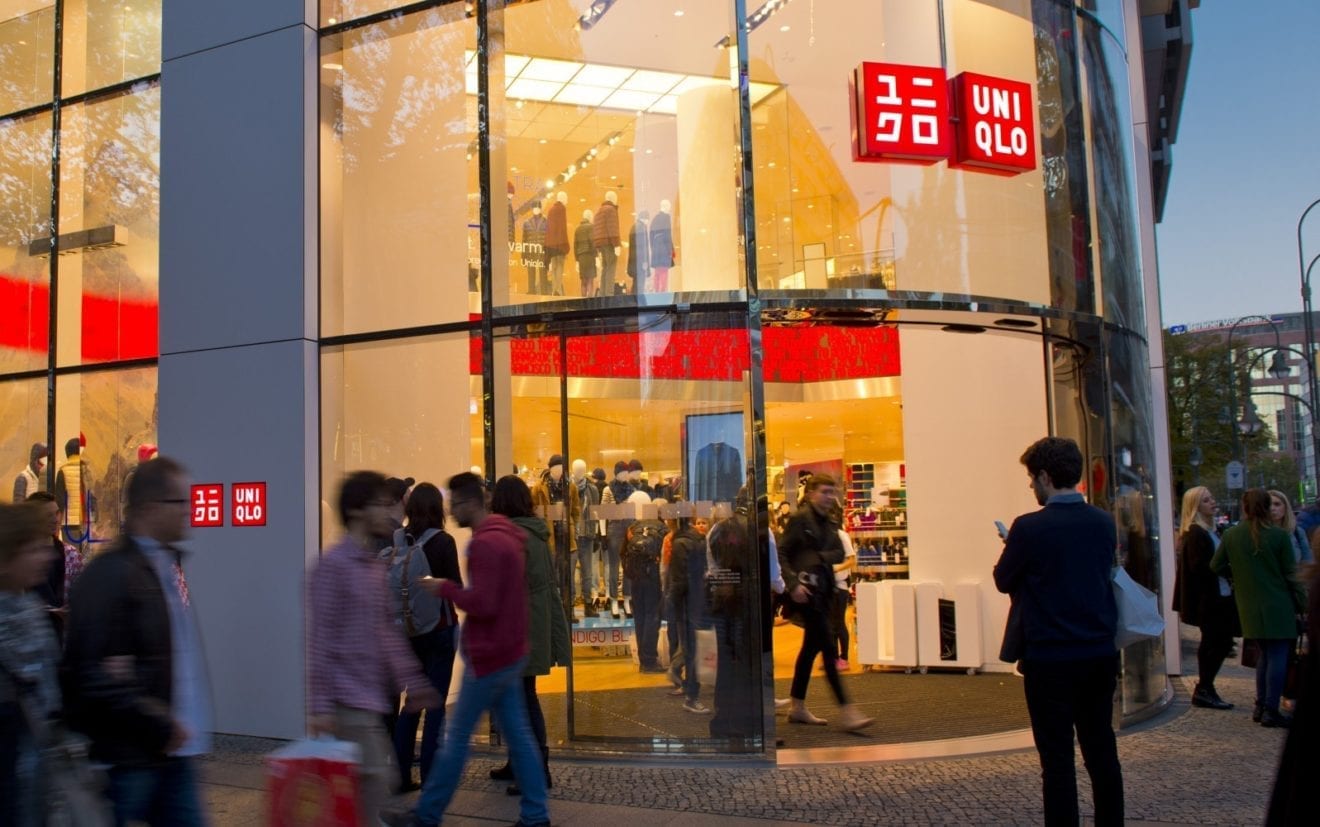
    After the Japanese apparel retailer decided to open its first shop in Canada, Uniqlo Canada COO Yasuhiro Hayashi visited Toronto every month for nearly a year.

    During each visit he would spend the week taking notes on what people were wearing.

    “I didn’t expect that everyone was so unique and multicultural,” says Hayashi, who previously helped launch Uniqlo in Singapore and Indonesia. “That was very surprising in a very positive way. We don’t have a specific target customer – that’s our uniqueness. We say we are made for all.”

    Finally, the company is opening its first store in Canada on Friday, a 28,000-sqft (27,989 sqm) space in the Toronto Eaton Centre, between fast-fashion rival H&M and the newly arrived luxury retailer Nordstrom. A second store opening is planned at Yorkdale Shopping Centre in north Toronto on October 20.

    Even with more than 1000 stores worldwide, Hayashi says Uniqlo may not have the same name recognition in Canada as some of its international rivals before they entered the country. It is a challenges that needs to be overcome if it wants to continue expanding in Canada, but Hayashi says there is no rush.

    “We want to be very cautious,” he says. “Of course, I don’t want to give a name, but some other brands have had ambitious plans that didn’t work out. We want to make sure we serve the customers well and fine-tune the merchandise mix as well.”

    US retailer Target last year abruptly announced it was shutting down all its 133 Canadian stores only two years after arriving. Since then, several international retailers such as Muji, Nordstrom and Saks Fifth Avenue have taken a slower approach to opening locations in Canada.

    Hayashi says Uniqlo’s Toronto stores will largely be the same as its other locations, with a few nuanced differences for Canadian shoppers. Customers can expect more than usual plaid and flannel shirts. Most sizing will be for a North American fit, but there will also be some smaller sizes to reflect Toronto’s multicultural population.

    Uniqlo will also sell house slippers, commonplace in its stores in Asia.

  • Korea’s Etude House refreshens image

    Korea’s Etude House refreshens image

    With a new brand positioning, Korea’s Etude House has been making inroads in the global cosmetics market this year.

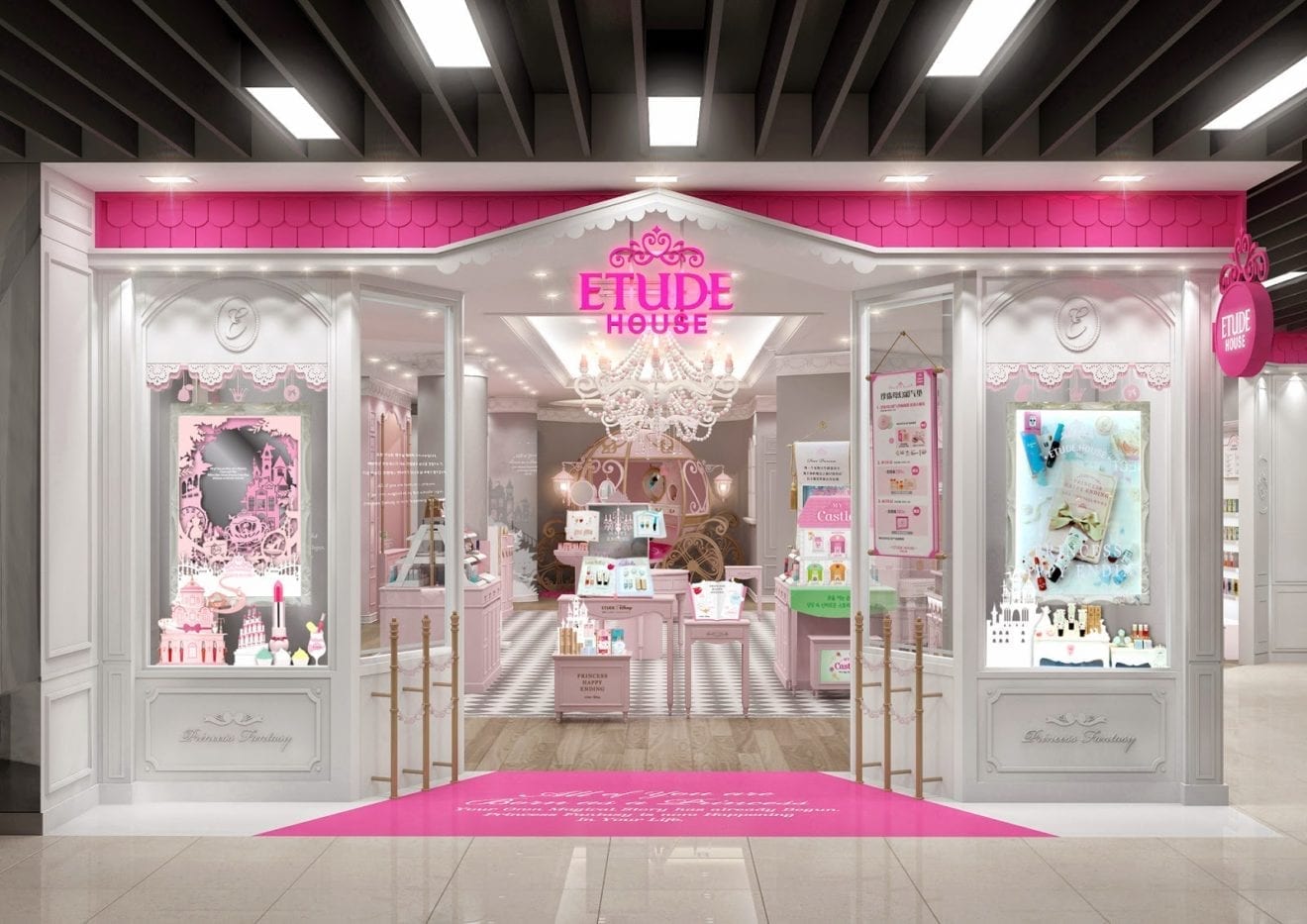
    Previously tagged Princess Fantasy, its new positioning line is Sweet Dream. Its makeover includes more sophisticated visuals in its advertisements and packaging designs, plus a new slogan, “Life is Sweet”. The aim is to symbolise the positive energy and values of people in their 20s as Etude House works toward its vision of becoming the “global No. 1 young makeup brand” through overseas expansion, digital content development, new services and innovative products.

    Etude House, owner by Amorepacific has about 230 stores in 12 Asian countries, and by 2020 aims to have increased its number of overseas stores by 50 per cent.

    From June, Etude House has been managing a multi-channel network, the Beautizens Club, to support the development of new beauty content creators. This has led to 25 content creators from Asia being chosen as “beautizens” to receive makeup tutorials.

    Etude House also has a new mobile app that lets customers administer their account. It also contains digital content that analyses purchasing patterns and draws on age-group general preferences to suggest colours.

    In co-operation with the Seoul Metropolitan Rapid Transit Corporation, the brand offers customers the option to pick up their online-ordered products at lockers inside subway stations.

  • Jimmy Choo Asia sales rises

    Jimmy Choo Asia sales rises

    Jimmy Choo Asia sales are soaring, despite the downturn in the luxury market.

    While the company does not break down its Asian sales figures by market, analysts are reporting “record growth” in Hong Kong and China, in part aided by the opening of a new store in Macau.

    Total revenues from Asia (excluding Japan) rose 22.1 per cent on a reported currency basis in the six months to June 30, reaching £27.1 million. Jimmy Choo opened two new stores of its own in Asia during the six months and six franchised stores.

    Next year the company plans new flagships in Tokyo, Shanghai and Beijing.

    Sales in Japan increased by 18.2 per cent on reported currency basis with men’s footwear sales and the strong yen driving growth.

    The company plans 200 stores Asia-wide to take advantage of the region’s “untapped growth potential”.

    The UK-based company recently marked 20 years since it was founded by Malaysian cobbler of the same name, who was later forced out of the business in controversial circumstances and now runs his own exclusive, unrelated Jimmy Choo Couture boutique in London.

    One of the reasons for the brand’s success in Asia is its unconventional marketing activities.

    Last September, brides in the Philippines were able to order customised shoes from its stores, selecting texture, style and colour and adding a personal monogram. This year, the concept was expanded to include handbags.

    In Malaysia, customers can customise the color, texture and finishes of their heels and add names, initials or even dates to their handbags.

  • Hermes Malaysia pops up in Pavilion

    Hermes Malaysia pops up in Pavilion

    Parisian luxury goods brand Hermes Malaysia has opened a pop-up store in Fashion Avenue in Pavilion KL in Kuala Lumpur.

    It showcases the brand’s latest autumn/winter Hermesistible accessories collection, featuring bracelets and necklaces in bold, bright prints and colour.

    Hermes Malaysia pops up in Pavilion

    Hermèsistible also offers a new dictionary of moods introducing such terms as “compliclarity” (a capacity for adding complexity in the search of well-ordered life), “hyperstition” (being spellbound to the point of indecision) and “bijourmandise” (insatiable appetite for the perfect fashion jewellery).

    Hermes Malaysia pops up in Pavilion 2

    On level three, the store will be open until October 9.

    For more great pictures of the Hermèsistible Pop Up Store @ Fashion Avenue, Pavilion KL, visit Sarah’s blog here.

  • PJ’s Coffee expands to Vietnam

    PJ’s Coffee expands to Vietnam

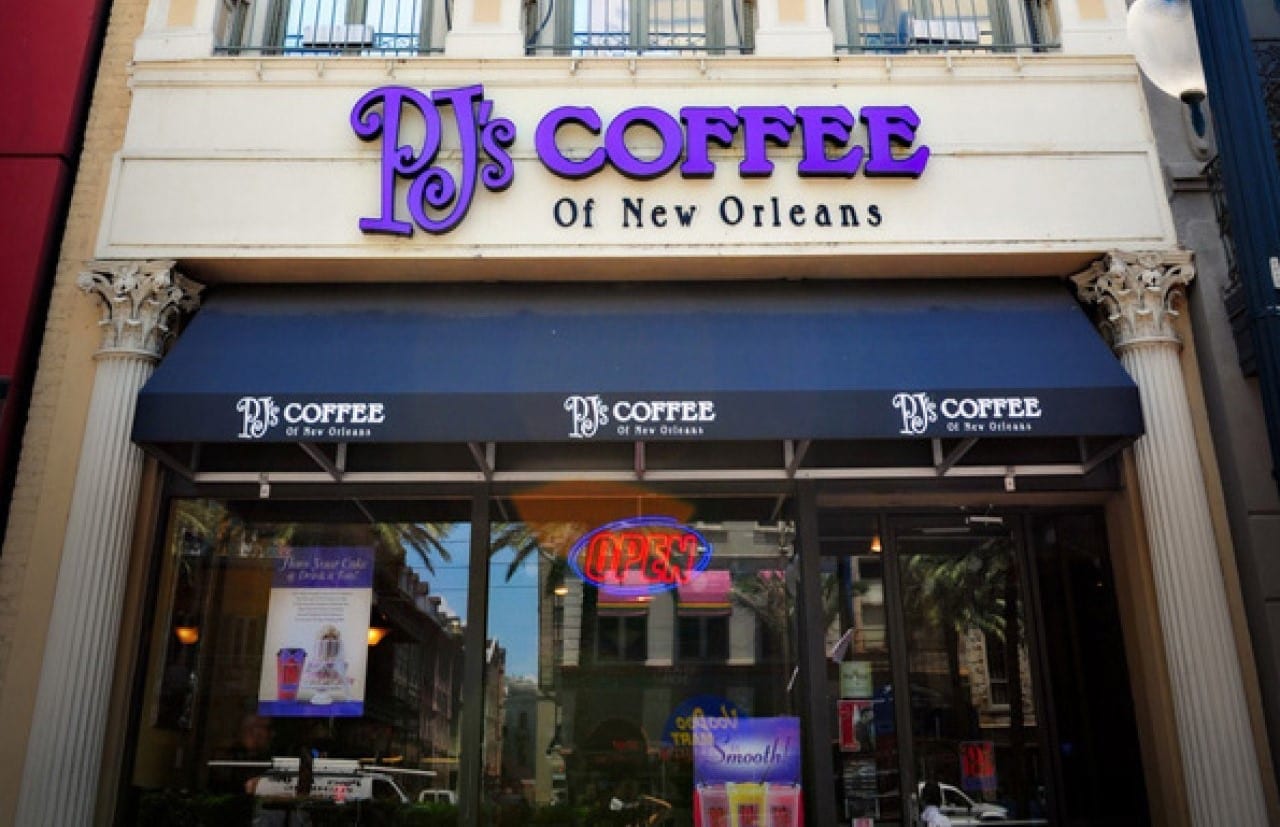
    The New Orleans chain PJ’s Coffee has opened its first shop in Ho Chi Minh City, Vietnam.

    The cafe is located in the Union Square shopping mall, while a second shop is planned to be opened in December. Within five years, PJ’s plans to open 10 more shops in Vietnam and 10 more in other Southeast Asian markets  before moving into the Middle East.

    The company says the Vietnamese population’s passion for coffee – with similar daily consumption habits to people in New Orleans – has encouraged the expansion plan.

    The Vietnam PJ’s Coffee shop menu features pastries, teas and iced, frozen and hot coffee drinks.

    PJ's coffee Vietnam

    PJ’s, now under the management of Ballard Brands, was founded in 1978 by Phyllis Jordan and operates 85 coffee shops in seven states of the US.

    In Vietnam, the chain is managed by master franchisee Rick Yvanovich.

  • Visitor downturn continues to hit Hong Kong retail sales

    Visitor downturn continues to hit Hong Kong retail sales

    Hong Kong retail sales fell again in August – largely due to declining visitor numbers.

    The Census and Statistics Department (C&SD) says the value of retail sales in August, provisionally estimated at $33.9 billion, decreased by 10.5 per cent compared with August 2015. That’s sharper than the 7.7 per cent revised decline in July, and slightly above the year-to-date figure of 10.2 per cent.

    A government spokesman said the weak performance reflected the drag from the decline in visitor arrivals in August as well as the cautious consumer sentiment amid an uncertain economic outlook.

    Meanwhile, the HKRMA said most member retailers are “not optimistic” about sales recovering in September and October this year, but forecasting a lower percentage drop in the single digits.

    According to the C&SD, after netting out the effect of price changes year-on-year, sales in August decreased by 12.7 per cent.

    As usual, jewellery, watches and clocks accounted for the majority of the decline, that category down 26.6 per cent for the month. Department store sales fell by 10.7 per cent and electrical goods and photographic equipment (which account for a lower share of total retail sales) by 27.9 per cent. Apparel sales were down 3.4 per cent.

    Sales of food for consumption at home, alcohol and tobacco rose by 8.8 per cent. The HKRMA said this figure was buoyed by baked goods as people stocked up for the Mid-Autumn Festival.

    The government spokesperson said the near-term outlook for retail sales will still hinge on the performance of inbound tourism “and the extent to which local consumer sentiment will be affected by various external headwinds”.

  • Panda Express heading for Japan

    Panda Express heading for Japan

    US Chinese fast-food chain Panda Express, a staple of mall food courts in California, is about to launch in Japan.

    It will be in the hands of I&P Runway Japan, a joint entity set up last year between Panda Express owner Panda Restaurant Group and Chikara no Moto, the restaurant management group behind the tonkotsu ramen chain Ippudo. Originally formed to help Ippudo gain a foothold in the US, the JV is now aiming to open the first Japanese Panda Express before the end of the year.

    Other American fast-food chains such as KFC, Krispy Kreme and McDonald’s have had success in Japan, tweaking their menus to suit local tastes.

  • Enhancing last mile delivery, consumer experience with SMS Services

    Enhancing last mile delivery, consumer experience with SMS Services

    E-commerce is a fast-moving game and major forces are changing the rules. Forward-thinking retailers are investing to maximize the potential of both physical and digital channels. Global players that once stood on the sidelines are now poised to compete in South East Asia. Just recently, Indonesian department store chain MatahariMal raised $500 million to develop their e-commerce venture. Alibaba too, has invested $249 million in SingPost to expand their delivery network in SEA.

    As the world’s fastest growing internet region with 260 million users, South East Asia is fast becoming a unique e-commerce market. Primed for tough competition, e-commerce companies are fast prioritizing customer service as a way to stand out from their competitors. Keeping customers at the heart of their business strategy, and delivering the best possible value to them is becoming more important than ever.

    Today, last-mile delivery has become a priority for both e-commerce companies and their customers. Ensuring speedy, but prompt delivery has been proven to give companies an edge in the competitive landscape, while showing customers that companies could go the extra mile for them.

    In fact, local and regional players have still emerged as early winners, largely due to their ability to provide a better-tailored experience for local consumers than what global competitors usually offer. For instance, Singapore-based Lazada built local logistics footprints in each market to increase delivery reliability, and added motorbike fleets to provide speedier options to traditional truck deliveries.

    That said, enhancing last-mile delivery for consumers in the region comes with its own set of challenges.

     Consumer trust, diversity, slow infrastructure serve as roadblocks

    Firstly, the lack of consumer trust is one of the challenges the Southeast Asian e-commerce market is facing. Consumers today are wary of making transactions online due to various security issues such as fraud. According to the e-conomy SEA report by Google and Temasek Holdings, 58 percent of citizens in South East Asia expressed concerns over financial information being shared online. With cyber attacks on the horizon, trust between customers and e-commerce companies have been shaken and today, assurances must be given to customers on a consistent basis to maintain strong relationships.

    The region also encompasses a wide range of ethnicities, languages, consumer preferences and regulations, coupled by a politically and economically complex landscape. With such diversity, consumers in different markets have conflicting preferences and expectations, which means more time and money must be invested carefully into business planning to ensure that this is addressed adequately.

    Despite the immensely positive steps taken towards ASEAN economic integration, there are still socio-political and economic issues that can put a dampener on overall business growth of regional delivery companies.

    Southeast Asia also lacks a solid regional payment and logistics infrastructure, which were the foundation for China’s astounding digital-retail growth. Even though larger businesses today are investing in the development of delivery infrastructure, they are still weak and getting your goods delivered affordably and efficiently may still be an issue. As a result, organisations often find it a challenge to make a scalable business model work, and to justify the high levels of initial investment.

    The use of SMS to represent reliability and optimization

    In order to manage deliveries in a reliable and robust manner while ensuring customer trust is being built, e-commerce companies are looking at the option of sending SMS notifications to customers, and are turning to SMS services to manage the surge in SMSs.

    SMS services have been selected over mobile apps as it is ideally equipped for both application-to-person (A2P) or machine-to-machine (M2M) applications. While not a popular choice of communication between people today, businesses still leverage SMS because it is always delivered even when customers do not have smartphones or data connection, representing reliability and consistency.

    This step is critical for business continuity as it helps to ensure continued trust with customers. To best manage their communication processes when it comes to delivery, e-commerce companies can consider working with a messaging solutions provider to create a reliable and efficient distribution process and enhance overall customer experience.

    By outsourcing their communication processes to messaging solutions, companies can efficiently manage the large volume of messages they send to customers and delivery partners, through unlimited scalability and transmission capacity.

    Through implementing SMS messaging services, delivery processes are more convenient and transparent for e-commerce companies, their business partners and customers. SMS services can not only be used during the registration process to authenticate customers’ account mobile numbers, but also more importantly, update recipients on specific parcel delivery information such as estimated time of arrival.

    By selecting a provider with high quality of service, reliability, security levels and transparency, e-commerce companies can experience increased customer and partner satisfaction as communication becomes more efficient with important messages being sent and delivered in seconds.

  • Electricity consumption up 7.85 percent: PLN

    Electricity consumption up 7.85 percent: PLN

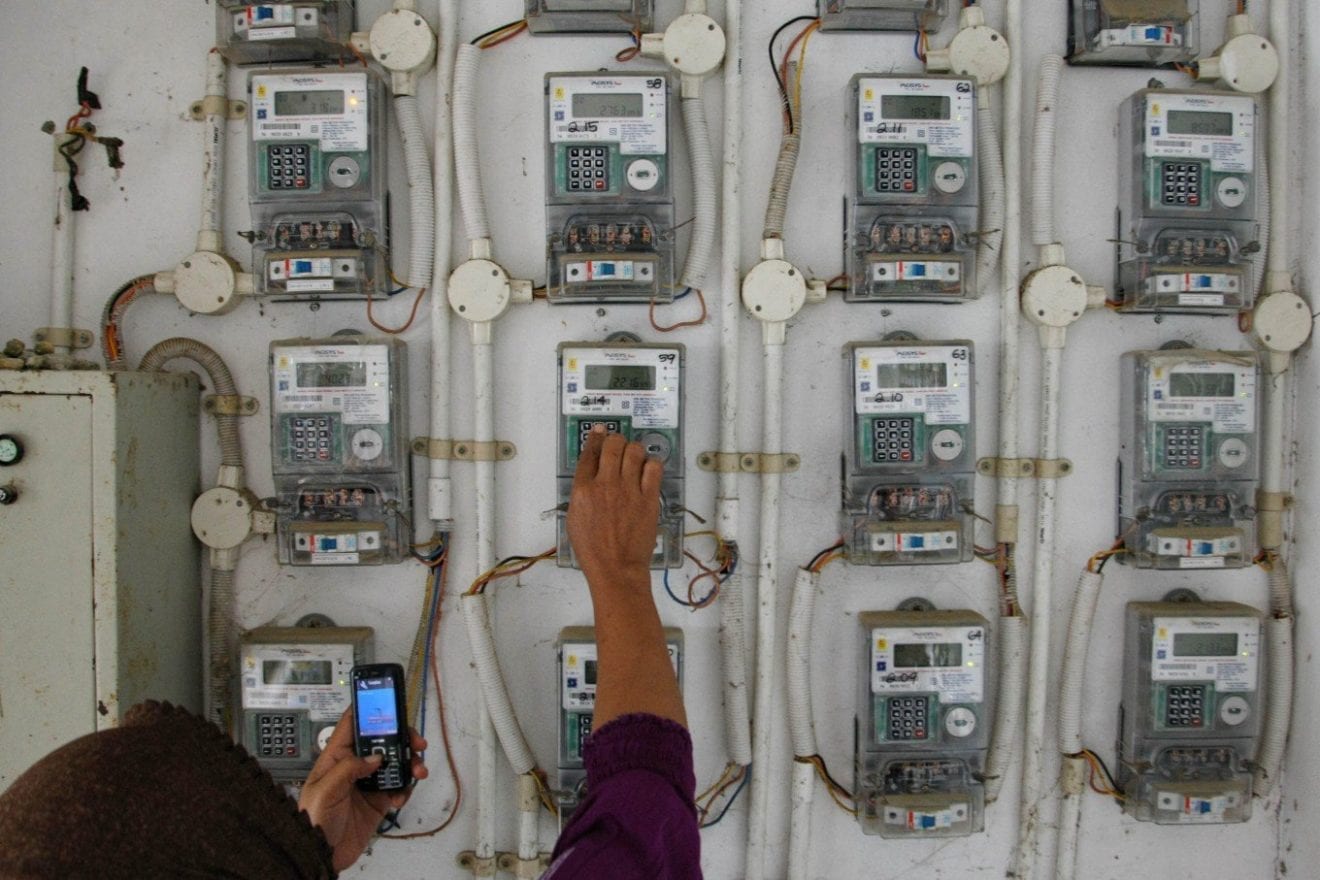
    The countries electricity consumption in the first half of 2016 reached 107.2 Terra What hour (TWh), up 7.85 percent from 99.4 TWh in the same period in 2015, state-owned electricity company PLN said.

    Senior Public Relations Manager of PLN Agung Murdifi said in a release here on Sunday that the consumption growth raised electricity sales revenue during the six months of 2016 by Rp3.2 trillion, or 3.15 percent, to Rp104,7 trillion over the same period in 2015 which amounted to Rp101,5 trillion.

    “The Increased consumption is in line with the increase in the number of subscribers to 62.6 million in June 2016 or additional 1.4 million customers from 61.2 million subscribers at the end of 2015,” he said.

    The Increase in the number of customers, he added, also raised the national electrification ratio of 88.3 percent in December 2015 to 89.5 percent in June 2016.

    Agung said operating expenses rose by Rp1.9 trillion (1.66 percent) to Rp119,7 trillion over the same period in 2015 which amounted to Rp117.8 trillion.

    Meanwhile, fuel expenses (BBM) fell by Rp8.4 trillion to Rp10.4 trillion, due to the decline of fuel consumption by 0.6 million kiloliters to 2.2 million kiloliters until June 2016.

    Realization of electricity subsidies in the first half of 2016 reached Rp26.6 trillion, down by Rp891 billion compared to the same period in 2015 amounting to Rp27.5 trillion.

    Agung added that in the first half of 2016 the EBITDA (earnings before interest, taxes, depreciation and amortization) was recorded at Rp30,2 trillion, up 3.3 trillion compared to the same period in 2015 which amounted to Rp26.9 trillion.

    “Net profit in the first half of this year reached Rp7,9 trillion,” he said.

    However, public accounting firm Tanudiredja, Wibisana, Rintis & Partners still awarded the PLN the qualified opinion rating for its June 2016 financial report.

  • Ten airports introducing Alipay for travellers

    Ten airports introducing Alipay for travellers

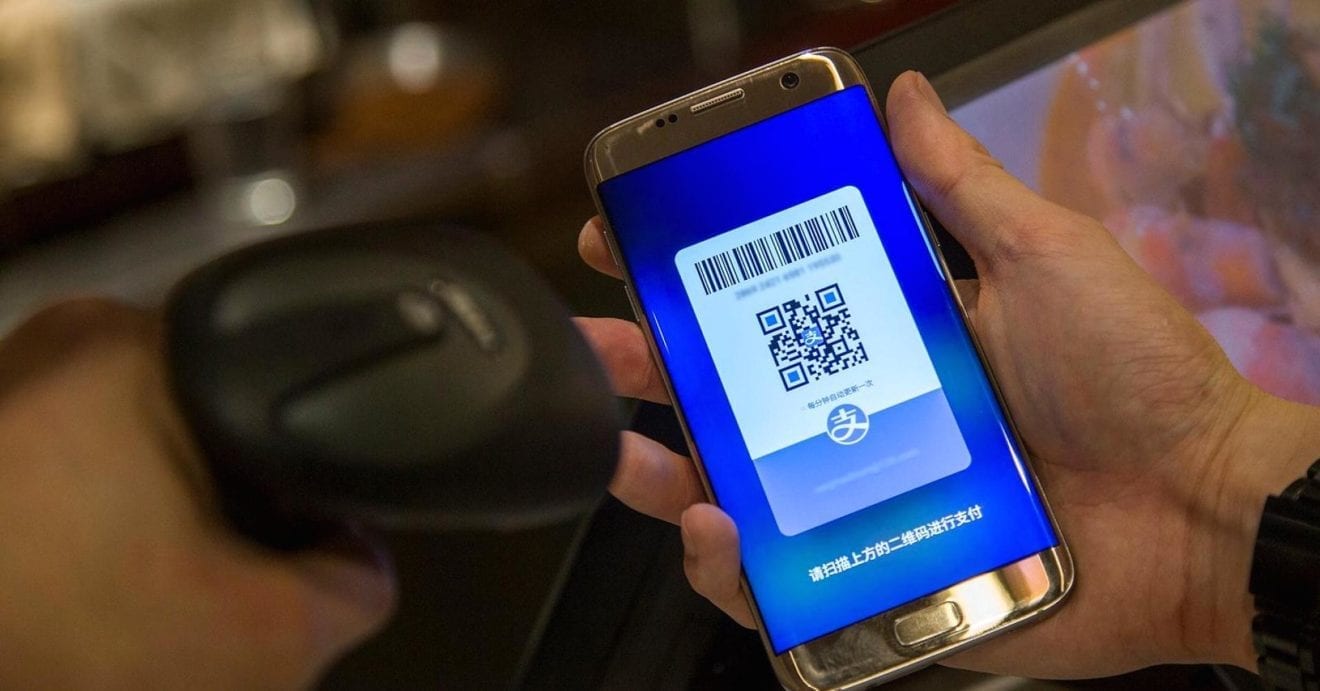
    Ten international airports will be offering Alipay for travellers by the end of next month.

    First up in Alipay’s new “Future Airport” program are Munich Airport, Singapore Changi Airport, Narita International Airport in Tokyo, Kansai International Airport in Osaka, Seoul Incheon International Airport, Auckland Airport in New Zealand, Suvarnabhumi Airport in Bangkok, Hong Kong International Airport, Taoyuan International Airport in Taipei and Macau International Airport.

    “We see more Chinese tourists passing through our airport every year as they visit Japan, so becoming part of Alipay is a critical tool for our merchants,” says Kansai Airport executive officer Akihisa Tabe.