Author: Mei Ling Tan

  • Pre-owned category booms, notes Asia Luxury Index

    Pre-owned category booms, notes Asia Luxury Index

    Pre-owned luxury items are becoming more popular, according to the 2016 Asia Luxury Index, compiled by Singapore-based online luxury retailer Reebonz.

    Drawing on industry reports and its sales data, the index reveals 30 per cent sales growth in the pre-owned category over the last year, with bags and shoes the most popular items.

    While 62 per cent of online transactions on Reebonz involve bags, the index says timepieces and shoes are primed to be the next growth-drivers for luxury in Asia in both the new and pre-owned categories. Spending on timepieces increased by 39 per cent, whereas shoe shopping ballooned by 87 per cent.

    Meanwhile, Chanel emerges as the top performer in Asia, with Burberry, Givenchy and Prada trailing close behind in the new luxury products category.

    “The group of luxury consumers is evolving and expanding – luxury is no longer just for the select few,” says Reebonz co-founder/CEO Samuel Lin. “With growing affluence and accessibility, more consumers can readily buy luxury goods.”

    A key finding from the index is that while there is still a growing demand for luxury goods, consumers are splurging more on higher-value new products. Expenditure growth has increased by 50 per cent while there have been only 37 per cent more transactions.

    “People are overlooking popularity for quality and exclusivity these days,” says Reebonz regional GM Benjamin Han.

    Blue-chip brands also command the pre-owned luxury category, with Chanel, Hermes and Prada posting strong performances across all product categories.

    Online luxury shopping continues to grow in Asia, with Hong Kong and Indonesia charting the biggest growth when it comes to high-end goods. Singapore is still firmly in first place for online shopping.

  • Alibaba Group now Asia’s richest company

    Alibaba Group now Asia’s richest company

    Alibaba Group Holding has surpassed Tencent Holdings and China Mobile in market capitalisation to become Asia’s richest company.

    Alibaba’s market value rose to US$261 billion in New York last week, overtaking Tencent’s US$255.98 billion capitalisation in Hong Kong on Thursday during a trading week shortened by a public holiday.

    China Mobile was the region’s third-largest company, valued at $249.38 billion.

    Alibaba’s shares have risen 28.8 per cent this year to $104.64, making the owner of Taobao.com and Tmall eCommerce platforms the world’s 10th-largest company by value, according to Bloomberg data. The world’s five most valuable companies now gain their revenue from technology or the internet – Apple, Alphabet, Microsoft Corp, Facebook and Amazon.com.

    In Asia, technology and internet-related businesses have displaced oil refineries, manufacturers and banks in the top three spots.

    Samsung Electronics of South Korea is the other technology company among Asia’s 10 most-valuable corporations, valued at $191.76 billion.

    As well as eCommerce, Alibaba has businesses in internet finance, cloud computing, film investment and logistics. The Hangzhou-based company’s second-quarter revenue rose 59 per cent, the strongest since its 2014 initial public offering in New York.

  • Max brings in the festive grandeur with Sanjeev Kapoor’s Limited Edition Virasat Collection

    Max brings in the festive grandeur with Sanjeev Kapoor’s Limited Edition Virasat Collection

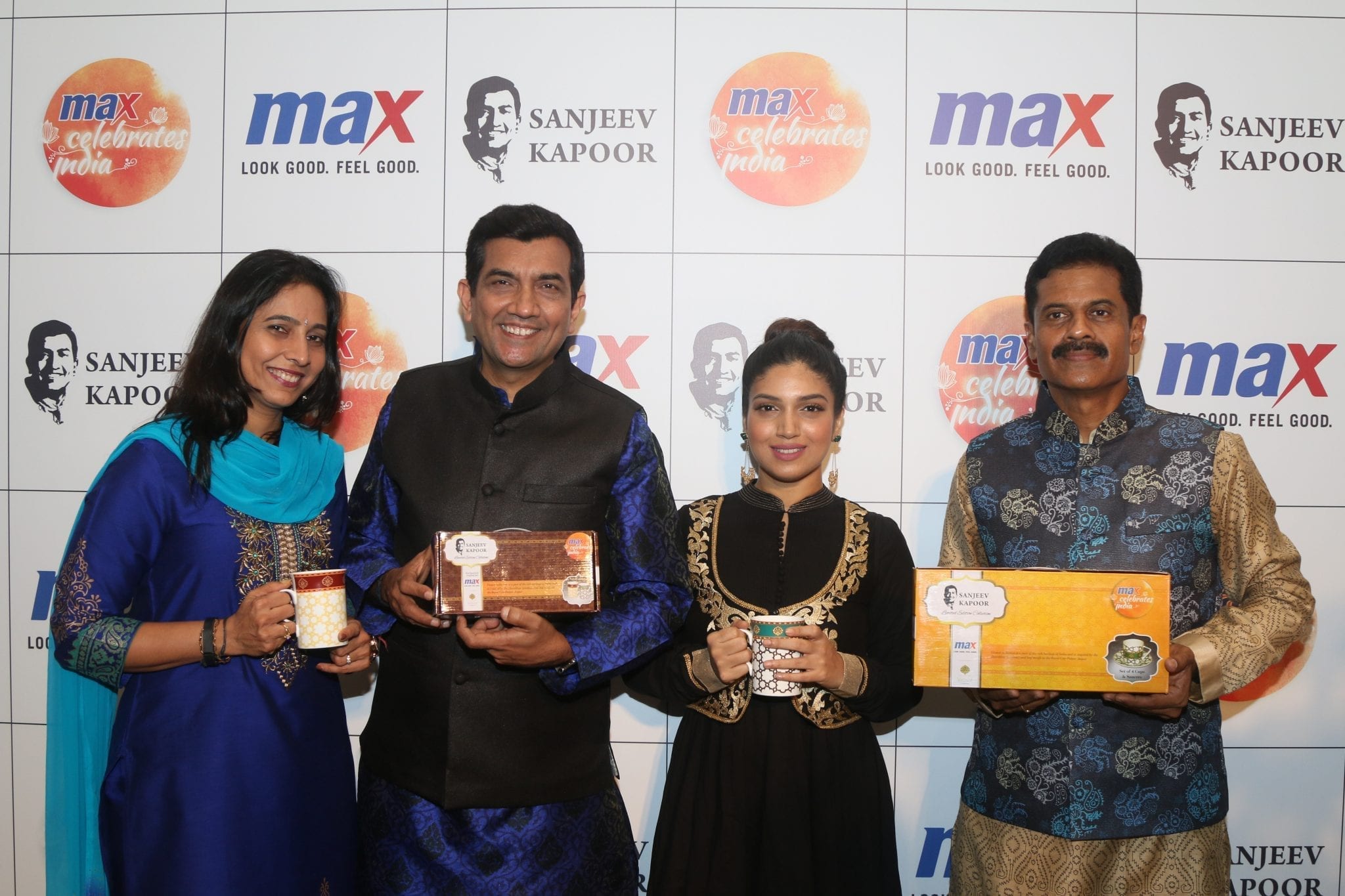
    Max, India’s largest value fashion brand, today unveiled its Festive Collection with the celebrated Bollywood actress Bhumi Pednekar. They also launched an exclusive festive offer –Sanjeev Kapoor’s Virasat Collection limited edition collection,making this festive season shopping experience a delight for the esteemed customers. Designed by India’s eminent Chef- Sanjeev Kapoor, the Virasat Collection is an ode to the opulence and the grandeur of India’s rich heritage. Exquisite coffee mugs and cups and saucer sets from the Virasat Collection were launched as a part of ‘Max Celebrates India’ festive collection and will be available across all leading Max Fashion stores in India.

    “I am very excited to be associated with Max’s Fashion Festive collection launch that ensures that there are grand designs for the entire family available. Festive time is an emotional time for all of us and this collection by Max brings out just the best of this warm spirit. The modern shoppers demand latest fashion trends and Max brings a variety of festive wear to make everyone stand out this season. Said Bhumi Pednekar, talking about her association with Max.

    Speaking on the launch, Mr. Vasanth Kumar, Executive Director, Max Fashion Indiasaid “We are excited to unveil ‘Max Celebrates India’ festive collection that showcases the beauty of India’s diverse and rich cultural heritage. We are also very happy to bring to our Max customersthe exclusive limited edition festive offer from Chef Sanjeev Kapoor’s Signature Virasat collection”.

    Chef Sanjeev Kapoor said, “This festive season, I am happy to bring forth my exquisitely designed Virasat Collection with Max Fashion, as it offers a perfect platform to reach out to millions of festive shoppers. The brand Sanjeev Kapoor signifies ethnicity, which is being intrinsically weaved into its Virasat range of crockery through its intricate designs based on royal architecture synonymous to Jaipur’s heritage. Moreover, patrons can have the pleasure to discover and cook traditional Diwali delicacies with the Virasat recipe book, which contains a treasure of festive Indian recipes”.

    Indian festivals are grand celebrations of our rich culture and heritage and to commemorate the festivities, Max Fashion offersexclusive limited edition offer from the Virasat Collection.  Inspired by the Jharokhas (window) and leaf motifs in the Royal City Palace, Jaipur, the Virasat Collection features exquisite coffee mugs and cup and saucer sets designed by India’s renowned Chef, Sanjeev Kapoor.  Max Fashion is exclusively offering its valuable customers a pair of Coffee Mugs on every purchase of Rs. 3499. For all purchase of Rs 6,999 and above, the festive shoppers at Max will receive the limited edition beautiful Virasat Collection set of 4 cups &saucers.

    The festive season shopping indulgence gets a royal touch with Max’s Festive collection. Showcasing variety of ethnic Indian wear that draws inspiration from phulkari embroideries, decorative brocades to dramatic baroques and heirloom, Max’s festive collection special merchandises are designed for the entire family. Max’s Men’s wear introduces ‘TAVISH’, a one stop ethnic solution of beautifully chanderis, art silk and rich brocadeembroidered kurtas to bandi jackets. The bright colours of voluminous skirts, traditional anarkalis, jewelled toned crop tops, vibrant coloured tiered kurtas and maxi dresses are a perfect way to brighten wardrobes. The cheerful ethnic collection for kids encompasses beautiful chanderi lehenga cholis, maxi dresses and brocades in delightful shades of magenta, vibrant orange and emeralds.

  • Garuda Indonesia opens new flight route in E. Nusa Tenggara

    Garuda Indonesia opens new flight route in E. Nusa Tenggara

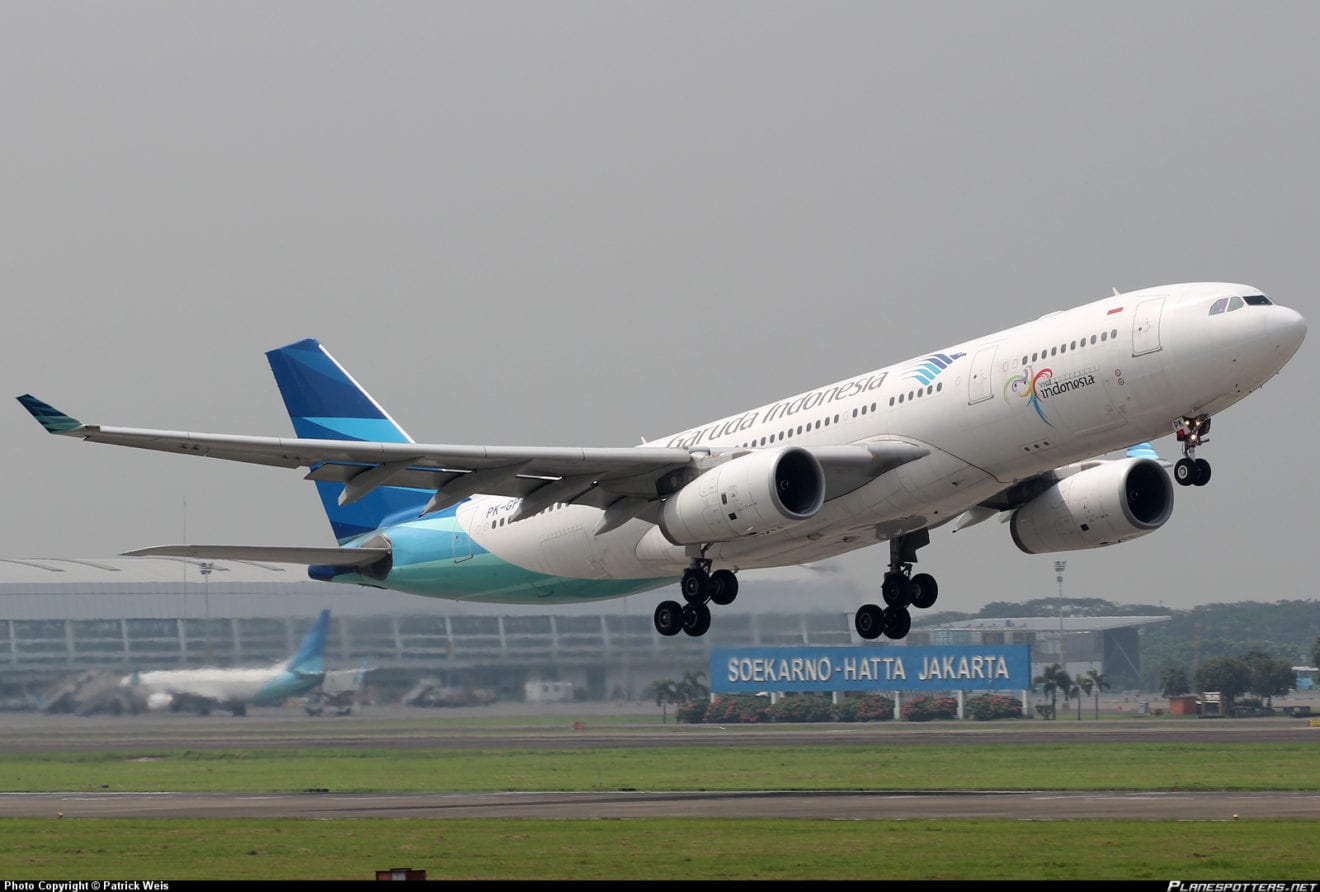
    The national airline Garuda Indonesia launched a new flight route here to expand connectivity in East Indonesia, said Director of Garuda Indonesia Cargo Sigit Murhartono on Thursday.

    “The two new routes are Maumere-Denpasar, round trip, and direct flights on Kupang-Jakarta, round trip,” he said in a press statement in Kupang.

    The inauguration of the new flight path for Garuda Indonesia was conducted at the Frans Seda Airport in Maumere, Sikka District, and was attended by Sikka Regent Yoseph Ansar Rera.

    Murhartono said the new flight service to and from the NTT is part of the expansion of the flight network, which continues to be conducted by Garuda Indonesia.

    In addition, the opening of the new route is part of the continued commitment of the state-owned airline to support the programs of the Presiden Joko Widodo (Jokowi) administration.

    “We have a commitment to always support government programs to improve connectivity between the island and the city, especially in developing the tourism industry to realize the target of 272 million tourists visiting Indonesia and to make NTT Province a new tourist destination,” he noted.

    He also expected the opening of the new routes would allow Garuda to increase the flow of tourists and businesspeople between Kupang City, as the capital of the province, and Maumere, which has many tourist spots.

    Murhartono explained that the Maumere-Denpasar route will be served by Garuda Indonesia four times a week — Tuesday, Thursday, Friday, and Sunday — with scheduled flights from Maumere departing at 10.55 a.m. and arriving in Denpasar at 00.55 p.m.

    Meanwhile, the Denpasar-Maumere trip will depart at 7 a.m. and will arrive in Maumere at 9 a.m. The Maumere-Denpasar round trip flight route will be served by an ATR 71-600 aircraft with a passenger capacity of 70 economy seats.

    The Kupang-Jakarta round trip flight will be served by a Bombardier CRJ 1000 NextGen aircraft, which is touted as being reliable and environmentally friendly with cost-efficient operations.

    “For the daily Kupang-Jakarta, round trip, service departure from Jakarta will be at 5 a.m., arriving in Kupang at 8.55 a.m. and then returning from Kupang at 6.55 p.m. and arriving in Jakarta at 8.10 p.m.,” he stated.

    With the opening of the new routes, Garuda Indonesia will serve up to 39 flights to and from NTT Province every week.

  • Esprit posts profit in major recovery

    Esprit posts profit in major recovery

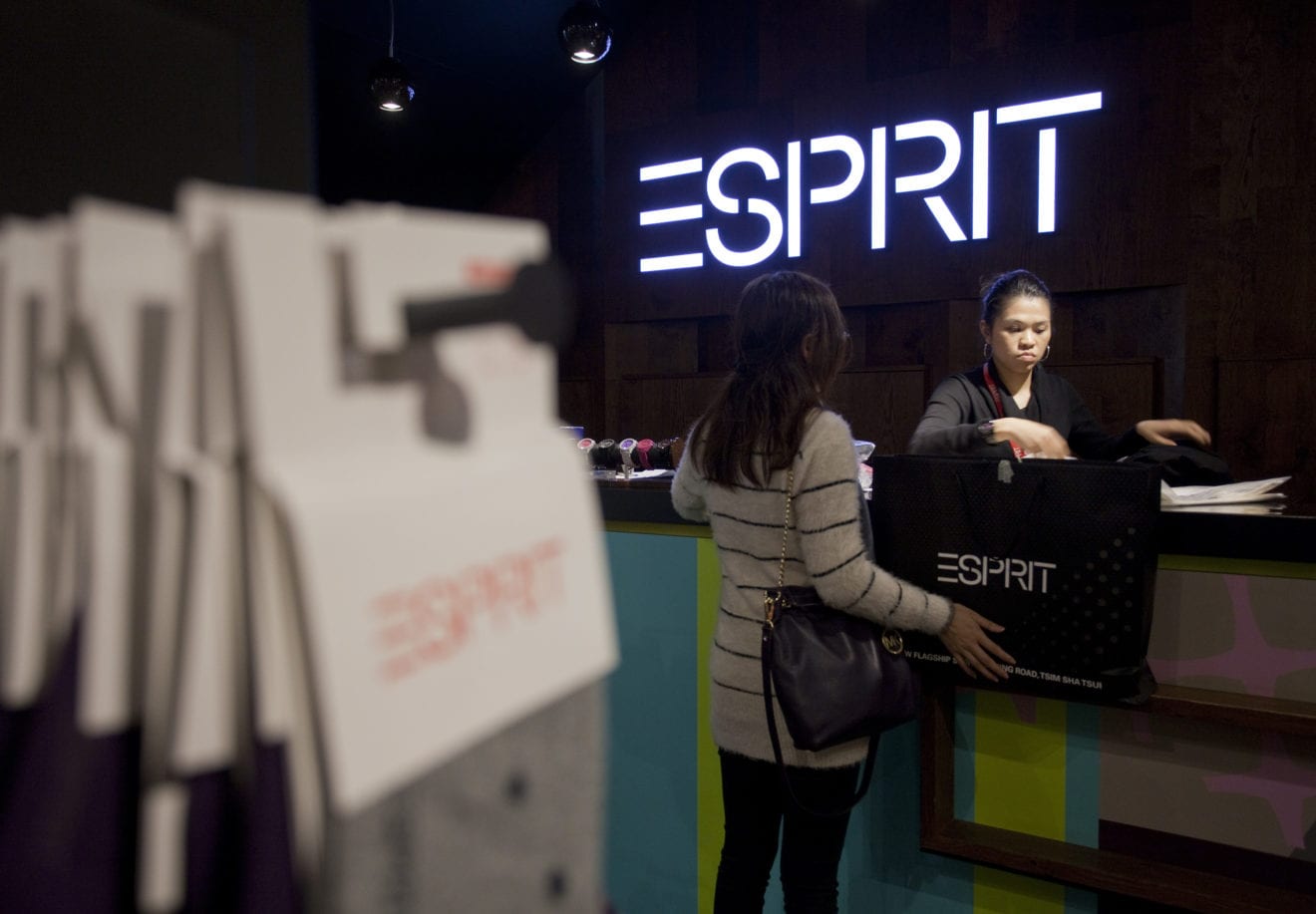
    Esprit Holdings (0330) posted a net profit of HK$21 million for the financial year ended June, marking a sharp turnaround from a HK$3.7 billion loss in the previous financial year.

    Chairman Raymond Or Ching-fai said the company’s return to the black was driven by the strong performance of its online and offline retail channels, reduction in the cost of operations and an exceptional gain from the sale of office premises in Hong Kong.

    “We have achieved what we wanted to do, we have stopped the ‘bleeding.’ For the first time, we were able to stop the continuous decline,” said chief executive Jose Manuel Martinez Gutierrez.

    It returned to profitability even if revenue fell 8.41 percent year-on-year to HK$17.79 billion. Sales from Germany, its biggest overseas market, slid 5.9 percent to HK$8.56 billion. Revenue from the rest of Europe, representing 37 percent of the group’s total sales, amounted to HK$6.58 billion, down 7.4 percent.

    In the Asia Pacific, including Hong Kong, revenue dropped 17.6 percent to HK$2.65 billion. Or said the overall market conditions remain challenging. He said the clothing industry was going through significant changes fueled by the development of online [marketing] channels and aggressive price competition.

    Europe’s macroeconomic prospects look uncertain, while the Asian market has turned weaker than before, Or added. In the financial year ended June, Esprit closed down 185 retail stores globally, reducing its net sales area by 10.90 percent. Gutierrez said Esprit will step up the closure of loss-making retail outlets.Over the next two years, it also plans to cut operating expenses by HK$1 billion. He said he expects the strong growth momentum of its online business in Europe and in Asia Pacific to continue. Revenue from its online e-shop grew 6.9 percent to HK$4.15 billion.

    Online sales made up 23.3 percent of total revenue, up from 20 percent in the previous fiscal year. Earnings per share was HK$0.01 and no dividend was declared.

    Chief financial officer Thomas Tang Wing-yung said no dividend was declared as profit was not significant, but Esprit will consider giving out dividends if it makes better profit in the next financial year.

  • The evolution of BreadTalk Singapore through the years

    The evolution of BreadTalk Singapore through the years

    It rolls out new bakery concepts every four years.

    To stay relevant in this difficult operating environment amidst the onslaught of e-commerce, constant make-over and product innovation are inevitable for retail stores.

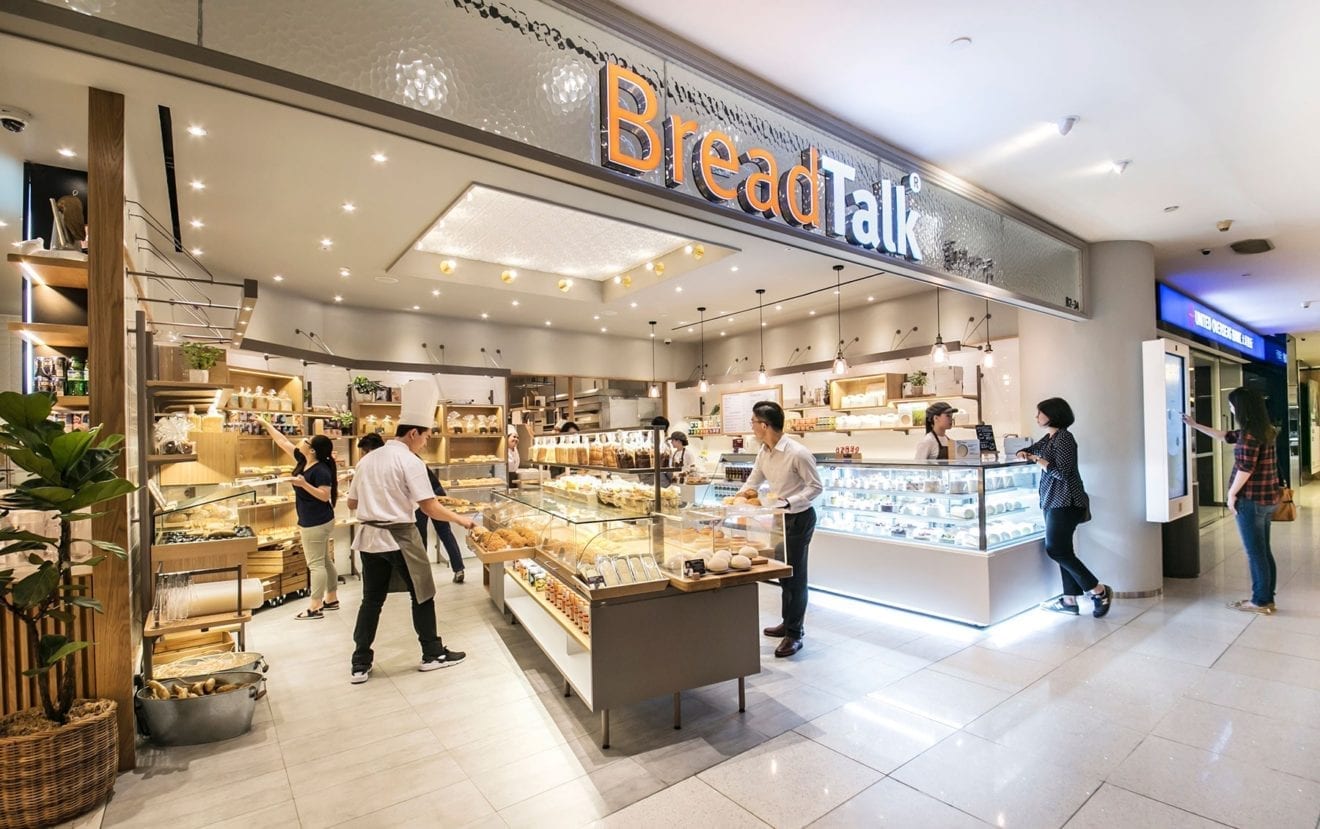
    Standing out amongst retailers in Singapore is homegrown bakery brand BreadTalk, which carried out a series of space revamps and exhibited willingness to experiment.

    RHB analyst Juliana Cai notes that BreadTalk launches a new bakery concept every four years to maintain a fresh brand image. It also rolled out 50 new products along with its latest concept launch.

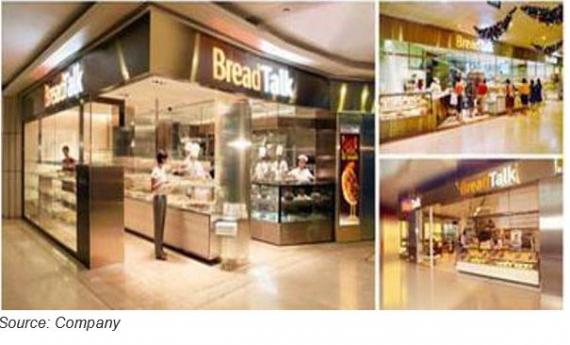
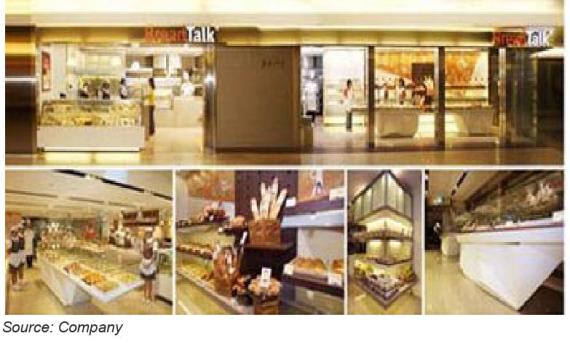
    Here are the four major faces of BreadTalk from year 2000 to the present, from a simple boutique bakery to a store with rustic feel:

    1
    Generation One – boutique bakery (2000-2004)


    2
    Generation Two – eye on elegance (2004-2008)


    3
    Generation Three – jewellery casing (2008-2011)


    4-breadtalk
    Generation Four – rustic feel (2012-present day)


    What do you think? Leave a comment about BreadTalk transformation.

  • Zara owner Inditex profits rise on clothes sales surge

    Zara owner Inditex profits rise on clothes sales surge

    Spain’s fashion retail giant Inditex, owner of popular brand Zara, on Wednesday posted an eight-percent rise in first-half profits thanks to a surge in clothes sales around the globe.

    One of the world’s largest fashion retailers said profit for the six months from February to July rose to 1.3 billion euros ($1.4 billion) from the same time a year earlier.

    “All of the group’s brands increased their international presence during the period, with 83 new stores in 38 countries,” Inditex said in a statement, adding that it ventured into three new markets — Aruba, Paraguay and Nicaragua.

    Sales in the first half rose 11 percent to 10.5 billion euros.

    The results of the company, which operates eight store brands including Zara, upmarket label Massimo Dutti and teen chain Bershka, beat analyst expectations, but only slightly.

    All brands posted a rise in sales.

    Zara and home decoration brand Zara Home were the clear winners, posting a 13-percent and 17-percent rise in sales respectively.

    The retail empire was founded in 1975 by the discreet, publicity-shy Amancio Ortega, who has since become the world’s second richest man after Bill Gates.

    Its main competitor, Sweden’s H&M, regularly challenges it for the global number one spot.

  • ShopBack Joins MDEC’s #MYCYBERSALE As Official Cashback Partner

    ShopBack Joins MDEC’s #MYCYBERSALE As Official Cashback Partner

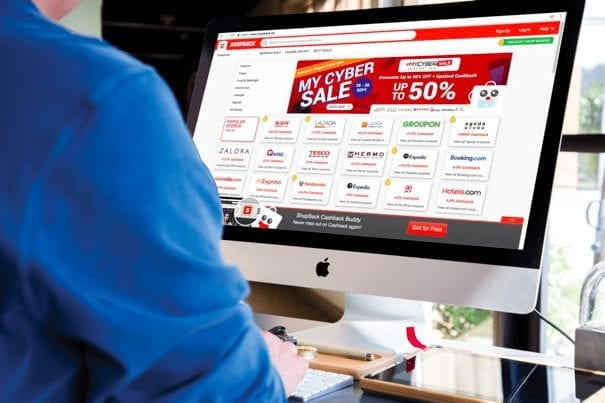
    ShopBack Malaysia, the most popular Cashback platform in the country, today announces that it is joining the much-awaited #MYCYBERSALE as its official Cashback partner to give away real, hard cash for online shoppers.

    Organised by Malaysia Digital Economy Corporation (MDEC), #MYCYBERSALE, the largest annual online sale event, is scheduled to be held from 26-30 September this year. The 5-day national event will see e-retailers like Groupon, Hermo, Lazada, Zalora, Qoo10, Photobook Malaysia, and more to collectively customise their products as well as services to surprise shoppers with best value deals and up to 90% discounts.

    Ms Wee Huay Neo, Director of eCommerce Enablement at MDEC says, “#MYCYBERSALE is all about providing value-added experience to online shoppers and having ShopBack on board as one of our partners will add-on more value and savings to buyers everywhere.”

    Sharmeen Looi, the Chief Operating Officer of ShopBack Malaysia expresses, “It’s our pleasure to be part of #MYCYBERSALE this year. As the leading Cashback platform in the country, ShopBack collaborates with e-retailers to give away up to 50% Cashback on top of the promotions they offered.”

    ShopBack brought the triple-win Cashback model that benefits all parties – shoppers, e-retailers, and Cashback provider – into Malaysia in February 2015. It has enabled Malaysian shoppers to cash out RM5.4 million so far, of which the top shopper received more than RM17,000 in his account.

    “Cashback can be obtained every time when shoppers click through ShopBack and make a purchase from any of our 500 over online sites, thereafter transfer the accumulated savings into their bank account. We believe that via this practical approach, the number of online shoppers will eventually increase and lead to a sustainable digital economy growth here,” Looi further explains.

    The company took the initiative to raise Cashback offerings since early this year to help Malaysians save more on their daily purchases, whereby approximately 300,000 savvy shoppers are getting Cashback incentives from ShopBack every month. 

  • Ooredoo plans stake sale in Indonesian unit Indosat

    Ooredoo plans stake sale in Indonesian unit Indosat

    Ooredoo plans stake sale in Indonesian unit Indosat. Ooredoo is exploring options including a sale of its controlling stake in Indonesia’s phone carrier PT Indosat as the Qatari phone company seeks to raise cash and focus on its more profitable Middle Eastern markets, according to people familiar with the matter.

    The carrier could sell its 65 per cent stake in Indosat to another phone company willing to expand in the region, the people said, asking not to be identified because the deliberations are private. The holding has a market value of about $1.4 billion. No final decision has been made and deliberations are still at a preliminary stage, the people said.

    Ooredoo said it has no intention of selling its interest in Indosat, according to a statement dated September 20 on its website. Indosat shares rose as much as 2.9 per cent, the most in a week, in Jakarta trading on Wednesday.

    Ooredoo, which has operations spanning Algeria to Myanmar, is also considering a sale of its indirect stake in Singapore’s StarHub, people with knowledge of the matter said in July. Ooredoo is majority owned by the Qatar Investment Authority sovereign wealth fund and other government related entities. Investment funds in many Middle Eastern countries are raising cash through asset sales to combat declining oil prices.

  • South Korea to explore halal food market in Indonesia

    South Korea to explore halal food market in Indonesia

    The South Korean Ministry of Agriculture, Food and Rural Affairs, through the Korea Agro-Fisheries and Food Trade Corporation, will explore the possibility of entering the halal food market in Indonesia.

    Lee Kyu Baek from the Korea Agro-Fisheries and Food Trade Corporation made the statement in Jakarta, Tuesday, during a press conference about the upcoming Korean Festival, scheduled to begin on Sep 30.

    As a part of the month-long festival, the Trade Corporation will hold a Korean food fair themed Safe and Healthy Lifestyle with Premium K-Food from 6 to 9 October.

    “This effort is being made to increase the demand for Korean foods, as well as heightening its recognition in Indonesia,” he said.

    Lee further explained that the halal food industry in Korea is still small, which is why the Korean government has launched a Moslem friendly policy to ensure the convenience of Moslem tourists who come to visit.

    It has been reported that some 740,000 Moslem tourists have visited South Korea, as of last year, and the Indonesia K-Food Fair 2016 event is seeking to further promote both Korean cuisine and tourism to the Indonesian public.

    The cuisine-based fair will be divided into two segments, one being an export conference, scheduled to be held at the Ritz-Carlton Hotel on Oct 6 and 7.

    “We will be holding a seminar in which representatives from Korea will explain halal policies, as well as the steps to obtain halal certification in detail,” he said.

    The business-to-business conference will see 20 Korean exhibitors and 40 Indonesian buyers participating, he remarked.

    In addition, a consumer experience event (B2C) will be held in Kota Kasablanka from October 8 to 9, where visitors can taste traditional Korean foods being promoted in separate halal, easy products and healthy food zones.

  • Kumho Tire auction to start in November

    Kumho Tire auction to start in November

    Creditors of Kumho Tire gave formal notice this week that they will hold an open auction for their respective holdings in the South Korean tyre manufacturer with preliminary bidding scheduled to start in early November.

    The creditors involved are eight financial institutions including Woori Bank, state-owned Korea Development Bank and KB Kookmin Bank. Together they own 42% of the equity in the tyre manufacturer, worth some KRW760bn (US$680m) based on the current share price.

    Kumho Tire graduated from a four-year creditor-led debt restructuring programme at the end of 2014 after it suffered a severe liquidity crisis in 2009.

    The 50 year-old tyre manufacturer currently employs around 5,000 people in South Korea. It has nine tyre plants worldwide, three in South Korea, four in China and one each in Vietnam and the US. It generated global sales of KRW3.04 trillion (US$2.7bn) last year.

    In the first half of 2016, the company generated revenues of KRW1.45trn and earnings of KRW55.8bn.

    The auction will be organised by Credit Suisse bank which expects the final round of bidding to take place in January 2017 with a buyer expected to be selected shortly after that. The controlling equity stake is expected to cost around KRW1trn, including fees.

    Park Sam-koo, the current chairman of the former owner of the company,Kumho Asiana Group, will have the right of first refusal to buy back the shares by matching the highest bid in the final auction. He has previously indicated that he would be interested in taking back control of the tyre manufacturer but it is unclear whether he has the financial backing to do so.

    Other global tyre companies will be given the chance to bid and private equity companies are also expected to feature in the auction.

  • Kewill Prepares To Join WCA E-Platform

    Kewill Prepares To Join WCA E-Platform

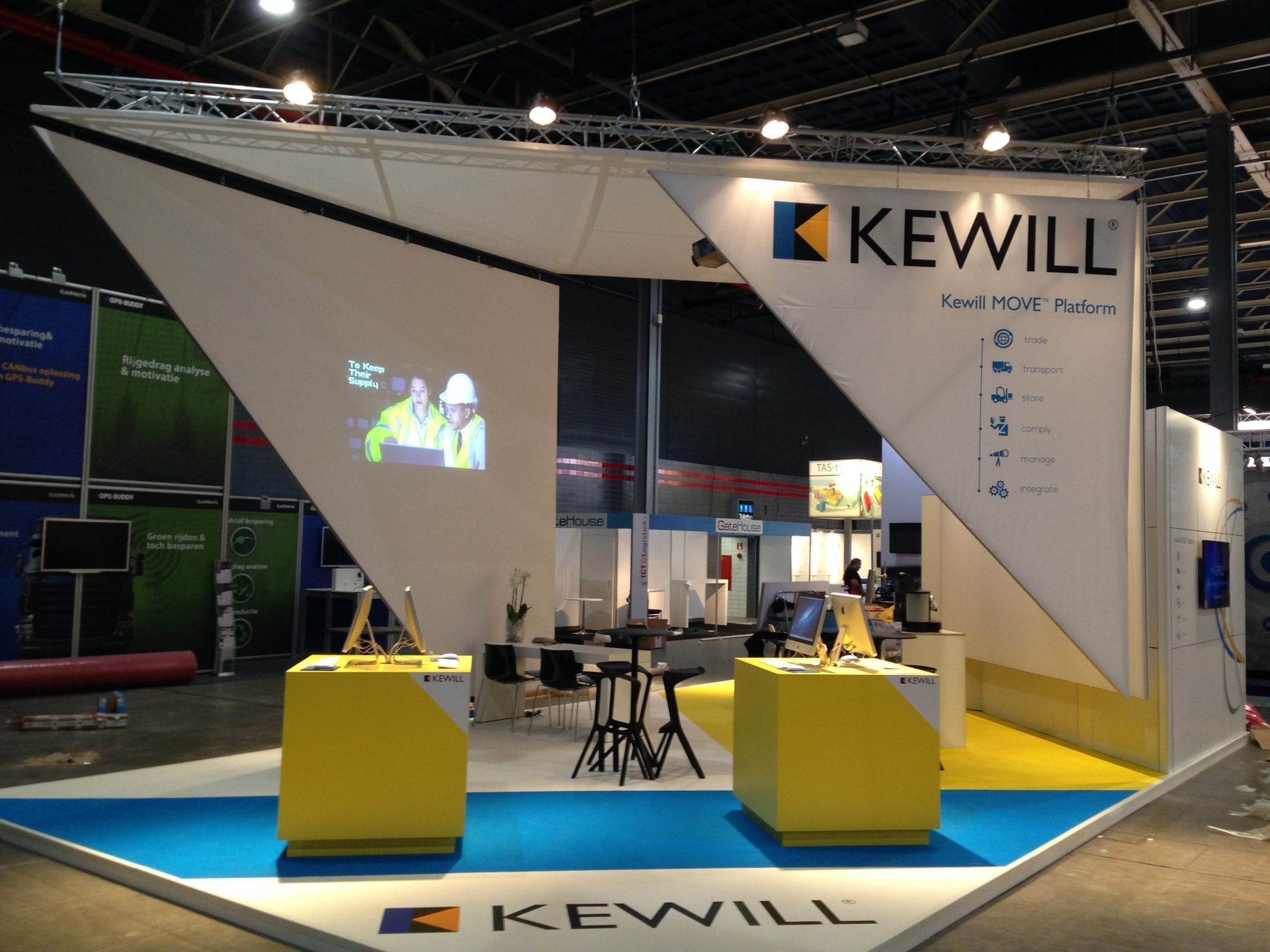
    Supply chain solution provider Kewill has begun the process to integrate the WCA’s WIN e-platform to its MOVE forwarding platform.

    “With over 6,000 independent forwarder members in 180 countries, many of whom already use Kewill solutions, our partnership with WCA will help us to grow our customer base,” said Doug Braun, CEO of Kewill. “MOVE’s architecture already supports seamless connectivity and the new connection to WIN will give our customers broad reach to reduce their reliance on email and redundant data handling by exchanging shipment data, documents, and milestones with their WCA agency partners.”

    According to the WCA, WIN allows independent forwarders to connect with partner agents, airlines, container lines and other logistics service providers for secure digital collaboration.

    “I am delighted that yet another leading freight forwarding software company has given the go ahead to partner with WIN,” said John DeBenedette, managing director of WIN. “We are very pleased to welcome Kewill to the network. Independent forwarders already have an edge on service and local expertise but lag behind their multinational rivals on seamless IT connectivity. WIN makes the systems of forwarders anywhere in the world interoperable so they can work on a level playing field with multinationals who have more homogeneous IT landscapes.”

  • UPS to open 3D printing factory in Singapore with Fast Radius

    UPS to open 3D printing factory in Singapore with Fast Radius

    Package delivery company United Parcel Service Inc said on Monday it will expand its 3D printing services to Asia with a new facility in Singapore run by its partner Fast Radius that will open by the end of 2016.

    UPS rolled out a similar service in May in the United States. The company owns an undisclosed stake in Fast Radius, which has a 3D printing factory at the Atlanta-based package delivery company’s hub in Louisville.

    In the United States, UPS customers can have parts printed at the Fast Radius factory or at one of 60 UPS Stores equipped with 3D printers and then shipped to them.

    UPS also plans a 3D printing hub in Europe. The company sees 3D printing as a potential threat to its warehousing business where it stores parts for manufacturers, so its strategy is to embrace the new technology and incorporate it into its business model instead.

    Also known as additive manufacturing, 3D printing works by laying down successive levels of material, mostly plastics at this point, to create an object.

  • India’s Jio fights with incumbents over PoIs

    India’s Jio fights with incumbents over PoIs

    India’s Reliance Jio Infocomm is in an ongoing battle with the nation’s three incumbent operators over interconnection capacity.

    Jio, a newcomer to the mobile scene, is accusing Bharti Airtel, Vodafone and Idea Cellular of refusing to provide enough PoIs to handle the volume of calls between Jio customers and those of the incumbents.

    The operator said that as of mid-September, Airtel had provided just 651 operational E1s, Vodafone just 467 and Idea just 526. In the past 15 days, Airtel had provided one new E1 to Vodafone’s five and Idea’s three.

    Jio said based on industry practices, the operator estimates it requires an interconnection capacity of 4,000 to 5,000 E1s per operator. The shortfall is resulting in over 100 million call failures per day between Jio and the three incumbent operators combined.

    “The continued denial of requisite PoI’s is in clear violation of the License conditions and TRAI regulations on quality of service by the incumbent operators,” the company said.

    “The deliberate move to not provide sufficient interconnection capacity, as is apparent from the above numbers, is clearly aimed at hindering RJIL’s entry into the sector and is depriving Indian customers from enjoying superior HD voice services being offered by RJIL.”

    But in an interview with the Hindu Business Line, Bharti Airtel chairman Sunil Bharti Mittal has insisted  that the company has already provided 2,100 PoIs, and said the process is ongoing.

    He also downplayed the conflict with Jio, stating that the fight between the disruptive start-ups and the incumbents has already been de-escalated.

  • Korean bank deploys optical encryption from Ciena

    Korean bank deploys optical encryption from Ciena

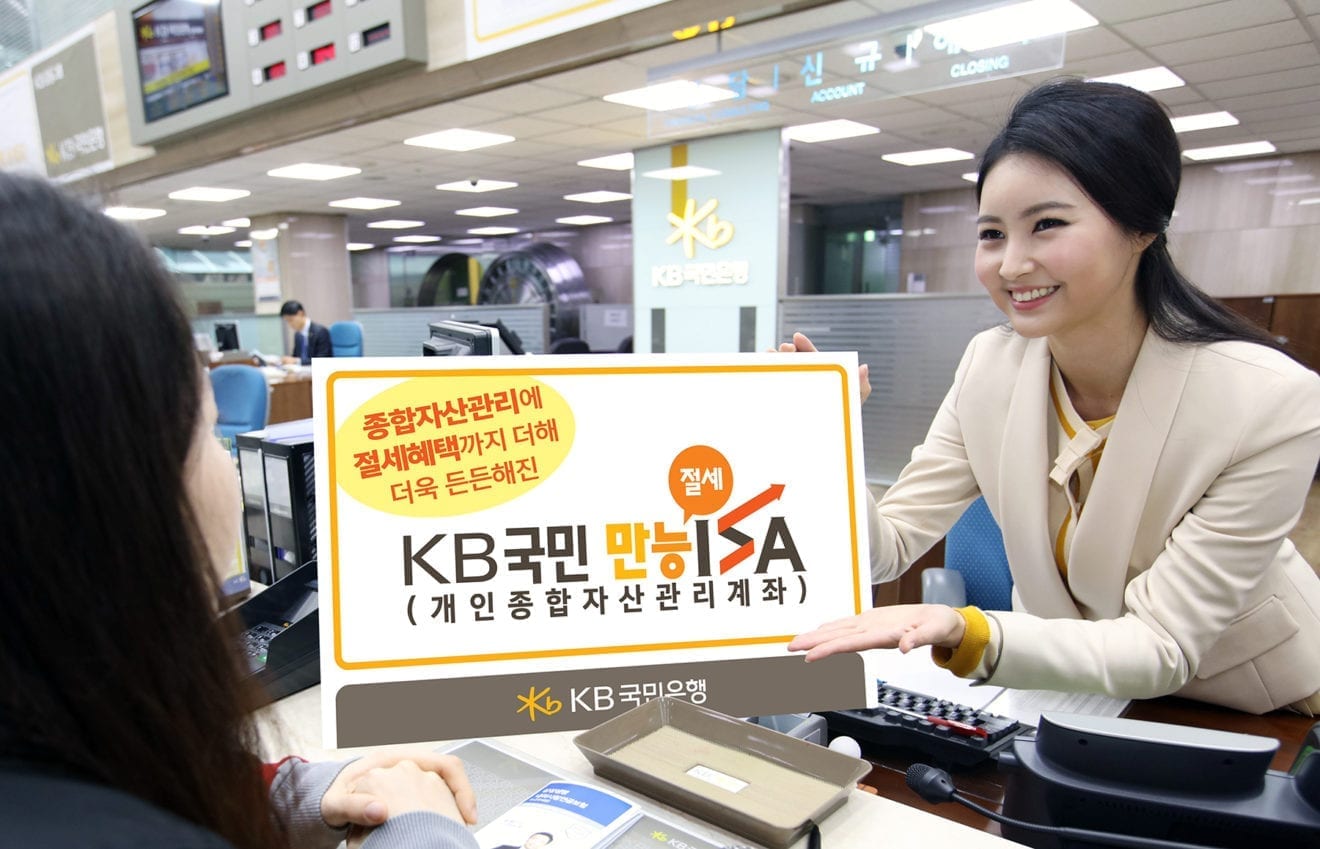
    KB Kookmin Bank, Korea’s largest financial institution, is deploying Ciena’s encryption capabilities for secure, high-capacity data centre interconnect (DCI), in a bid to better protect customer data.

    The encryption solution protects KB Kookmin Bank’s data transmissions from its offices and enables secure data centre interconnect (DCI) between its data centers.

    Several security solutions exist to protect data at-rest that secure servers, databases, routers, and switches by managing user access and credentialing. However, large amounts of critical data are in-flight and transported beyond the walls of the data center, traversing a larger, wide area network. Ciena’s optical-layer encryption solution gives KB Kookmin Bank an additional level of protection and protects data in flight as it leaves the private cloud and is transported between locations and data centers. Ciena’s solution adheres to local and international regulations and legislations, including the Federal Information Processing Standard (FIPS) 140-2 encryption certification.

    Additionally, Ciena’s software-based MyCryptoTool gives KB Kookmin Bank a dedicated management user portal that allows end-users to remotely control all of the security parameters associated with their encrypted services.

    “We are committed to providing the best possible service to our customers, which includes data protection and security. Ciena’s optical encryption solution provides an extra layer of protection and gives our customers the confidence to know their personal information is safe,” said Kim Ki-Hyun, CIO of KB Kookmin Bank.