Author: Mei Ling Tan

  • Huawei Marine sets unrepeatered distance record

    Huawei Marine sets unrepeatered distance record

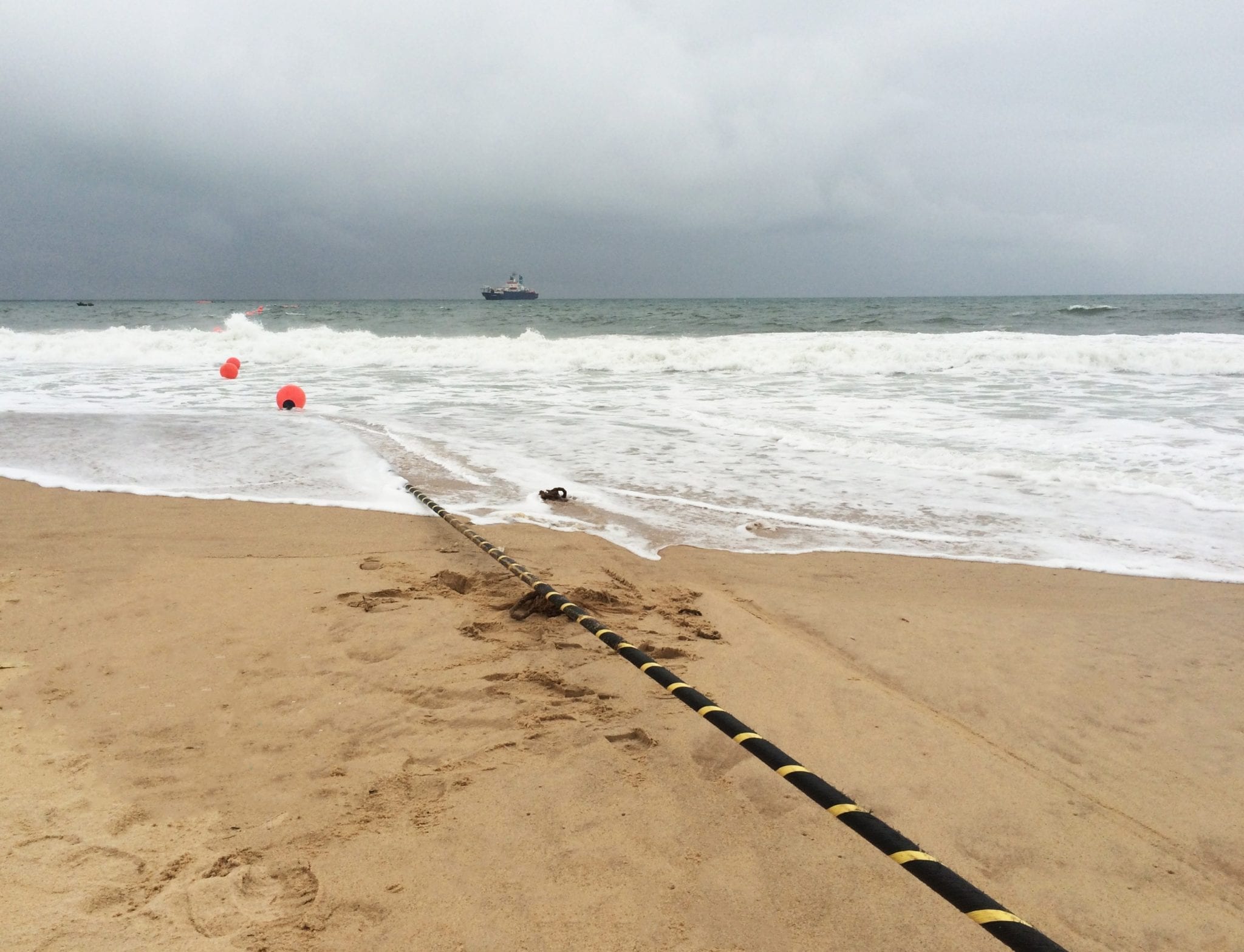
    Huawei Marine Networks has announced it has achieved another distance record over unrepeatered systems, achieving a transmission distance of 648.5km during a laboratory trial.

    During the trial in Beijing, Huawei used its self-developed enhanced raman amplifier (ERPC) and remote optical pump amplifier (ROPA) technology on a 100G channel over an ultra-low loss optical fiber, to improve pump optical power and performance.

    Huawei Marine used the same technology to set an unrepeatered distance record of 627km in April, but has now pushed this further using coding gain optimizations.

    The operator’s 100G transmission technology combines new technologies including polarization mode dispersion combined with single-carrier binary phase shift keying (PDM-BPSK) and third-generation soft decision technology.

    “Huawei Marine has achieved another breakthrough in unrepeatered system design which demonstrates our continuous commitment to investing in high-performance technology,” Huawei Marine VP of technology Zhang Shigui said.

    “When used commercially, this technology will broaden the range of unrepeatered system applications and create value for our customers.”

  • Telstra conducts Australia’s first live 5G trial

    Telstra conducts Australia’s first live 5G trial

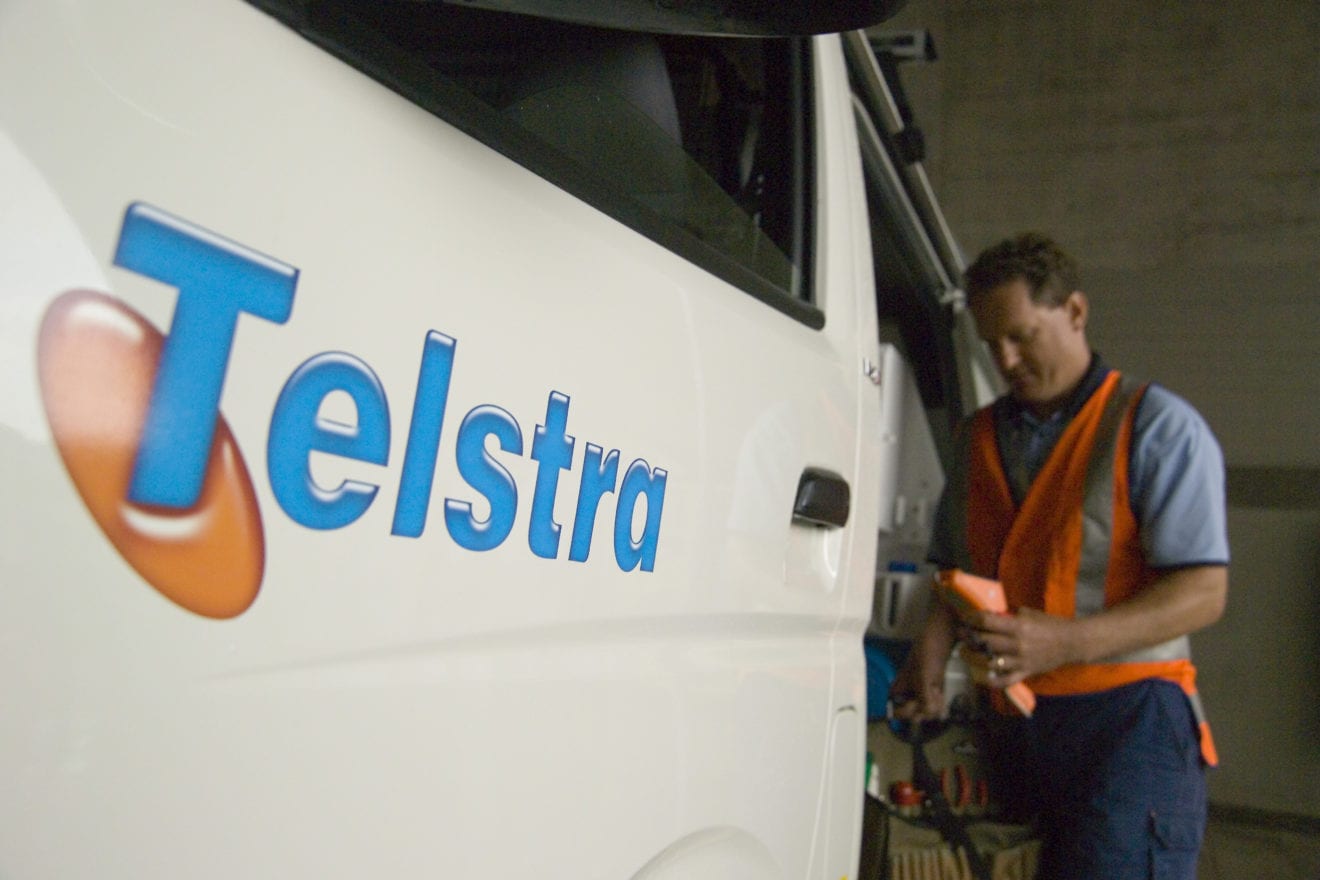
    Australia’s largest operator by subscribers Telstra has teamed up with Ericsson to conduct the nation’s first live 5G trial.

    The trial in Melbourne used a combined 800MHz of spectrum, achieving aggregate speeds of more than 20Gbps in a real-world, outdoor environment.

    Telstra said the trial used 10 times more spectrum than the operator currently uses with its 4G service.

    Ericsson’s 5G radio prototype equipment was used for the demonstration, which also achieved an indicative latency of at least half of that seen in current 4G networks.

    In a blog post,Telstra group managing director for networks Mike Wright said the tests also served to demonstrate the accuracy and improved signal quality of beam steering technology.

    Beam steering involves antenna arrays tracking a user’s location and sending data directly to the device, instead of out in all directions.

    “But what made this trial really significant is we took the test bed out of the laboratory and into real world, outdoor conditions,” he said.

    “Australia’s environment, size, and population density is unique, and it means we need to consider different things to other countries. We’re even trying to understand how radio signals propagate in through gumtrees.”

  • McDonald’s Follows Yum Brands, Prepares China Exit

    McDonald’s Follows Yum Brands, Prepares China Exit

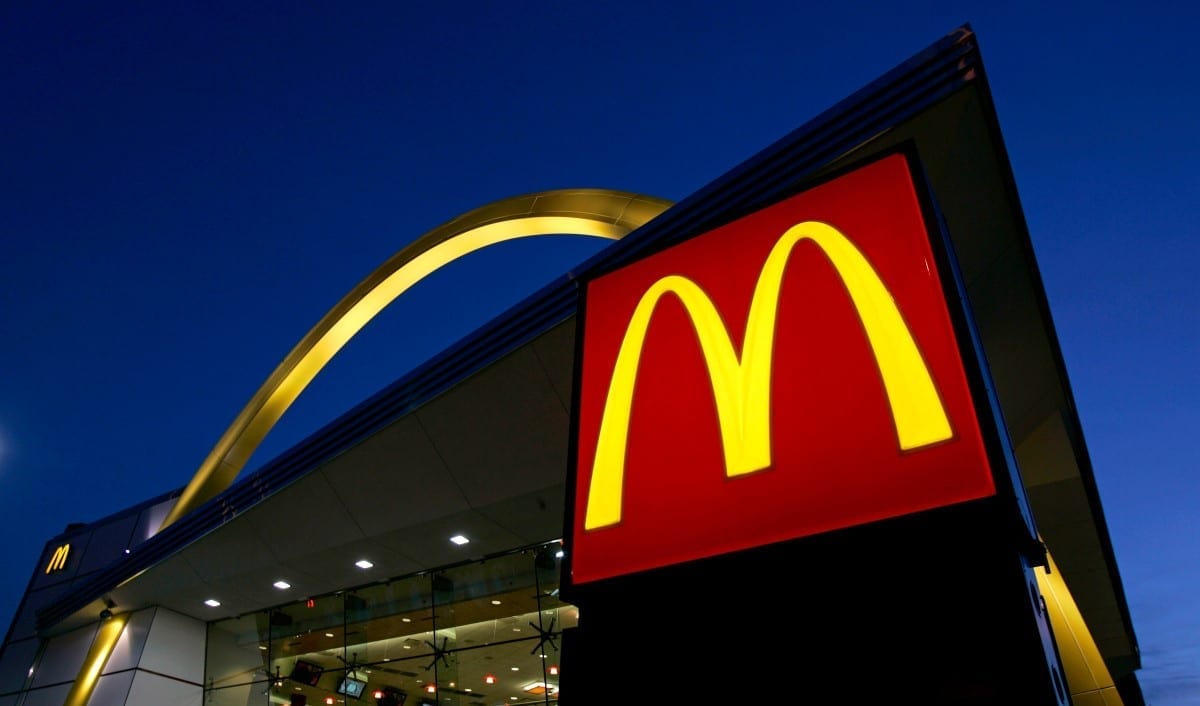
    McDonald’s is finalizing a sale of the right to operate its China and Hong Kong restaurants. Prompted by stagnating market share and an increasingly challenging operating environment, the move allows McDonald’s to keep a presence in China without the burden of ownership.

    The world’s biggest fast-food chain is considering final offers from three leading groups, believed to be U.S. private equity firm Carlyle Group and Chinese investment firm CITIC Group, U.S. private equity firm TPG Capital and Chinese retailer Wumart Stores, and a group led by Beijing Tourism Group and Chinese retail giant Sanpower Group, according to Reuters.

    With the sale, McDonald’s Corp. joins fast-food rival Yum Brands Inc. in making the decision to sell its China business. Yum, which owns China’s biggest food chain KFC, and McDonald’s are currently the No. 1 and No. 2 fast-food chains in China. Both arrived on the scene in the 1980s—KFC opened its first outlet in Beijing’s Tiananmen Square in 1987, and McDonald’s opened its first store a few years later in the southern city of Shenzhen.

    Their decision to abandon one of the world’s biggest fast-food markets marks a dramatic about-face for the two fast-food giants, once hailed as prime examples of how American companies can succeed in the communist country.

    But the companies diverge in their methods of exiting China.

    Yum chose to spin off Yum China as a separately listed company on the New York Stock Exchange. Yum China recently secured prominent Chinese investors Primavera Capital and Ant Financial Services Group as anchor investors ahead of the listing in November. Primavera was founded by the former head of Goldman Sachs Group Inc.’s Greater China business, and Ant is a subsidiary of internet giant Alibaba Group. Well-known anchor investors are common in Chinese IPOs, and their presence can help drum up interest from retail investors ahead of the listing.

    McDonald’s, meanwhile, chose a different path. Instead of selling the business altogether, McDonald’s is converting its corporate-owned outlets to the franchise model by selling a 20-year franchise operating agreement to run all of the stores to potential bidders. This ensures that McDonald’s will hold branding and product development rights over existing and new restaurants, similar to its relationship with franchisees in the United States.

    The 20-year operating license for McDonald’s Chinese outlets could fetch as much as $3 billion, analysts predict.

    Declining Market Share

    Both McDonald’s and Yum have lost their early luster and are facing declining market share in China.

    MDC_market

    China market share of McDonald’s and KFC. Data source: Euromonitor. (Epoch Times)

    Since 2010, Yum’s share of China’s fast-food market has declined from 39 percent to 23.9 percent in 2015. During the same period, McDonald’s market share dropped form 15.1 percent to 13.8 percent, according to market research firm Euromonitor.

    Yum has about 8,000 outlets in China, mostly consisting of KFCs and Pizza Huts, contributing to half of its global revenues and profit. McDonald’s has 2,200 locations in China. While both companies opened new locations last year, their market shares have dropped.

    Unfriendly Operating Environment

    Employees work at a McDonald's in in Beijing in 2007.  (FREDERIC J. BROWN/AFP/Getty Images)

    Employees work at a McDonald’s in Beijing in 2007.

    McDonald’s and Yum are two of the world’s most successful fast-food chains and have around 30 years of experience in China. So what’s causing the market share decline in recent years?

    The main challenge is shifting consumer taste. During McDonald’s and Yum’s early years in China, Western cuisine was scarce, and unlike in the United States where fast food is cheap and low-quality, McDonald’s hamburgers and KFC fried chicken were considered gourmet fare. Chinese consumers visited these restaurants during special occasions, and their prices were comparatively high.

    In recent years as median Chinese income has risen, consumers have also developed more selective tastes and are increasingly moving upmarket in their restaurant preferences. American fast-food brands now operate in the price segment of the casual-dining restaurants. On the lower end of the market, however, the fast-food segment is increasingly being occupied by a new wave of local competitors selling Chinese food, Japanese food, and fried chicken at lower prices than American fast food.

    Another significant hurdle facing McDonald’s is the Chinese Communist Party’s economic and competition policy, which in recent years has favored domestic businesses while marginalizing foreign competitors.

    In 2014, an undercover reporter for state mouthpiece CCTV reported that meat supplier Shanghai Husi Foods allegedly sold expired meats to several American restaurant brands, including McDonald’s, KFC, Papa John’s, and Burger King.

    Restaurants owned directly by foreign companies also face challenges in finding suitable real estate for new stores. Negotiations are often done face-to-face with local powerbrokers, and U.S. listed companies operating under the Foreign Corrupt Practices Act often cannot compete with local competitors.

    For McDonald’s and other foreign companies, outsourcing the operational aspect of running the business resolves most of these issues inherent in China. The same factors are also major drivers behind Wal-Mart’s sale of its Chinese e-commerce business Yihaodian to JD.com, and Hewlett-Packard’s sale of a majority stake of its Chinese networking business to local state-owned H3C Technologies.

    Given this backdrop, McDonald’s is wise to cede ownership of its Chinese stores to local partners. The move could bring stable income from royalties, higher growth potential, and better treatment than it would otherwise be able to manage on its own, while the company still enjoys prominent brand presence.
  • Sunway Malls Adopt New Strategy in Elevating Customer Service

    Sunway Malls Adopt New Strategy in Elevating Customer Service

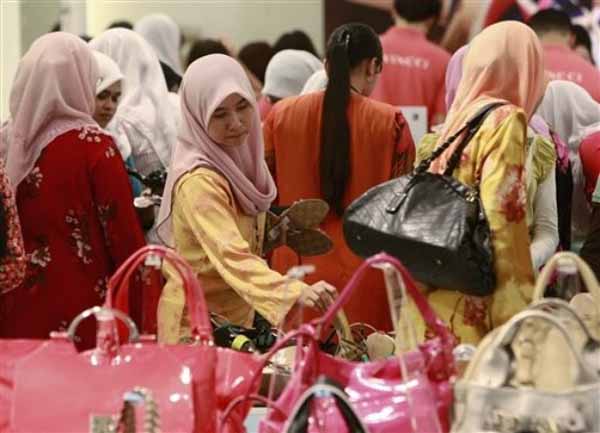
    Malaysia’s mall industry, already faced with stiff competition is expected to intensify as another 27.28 mil sq ft of new retail space will be entering the market according to National Property Information Centre (Napic) data.

    Of the 27.28 mil sq ft supply, 16.2 mil sq ft is at various stages of construction while the remaining 11.08 mil sq ft is are being planned. This will add on to the 148.85 mil sq ft of existing retail space in the market and brings Malaysia’s total retail space supply to 178.13 mil sq ft.  

    The increase in retail space comes at a time when retailers are already hard pressed with slower retail sale growth and lower margin amid weak consumer sentiments.

    In the latest quarter results by Retail Group Malaysia (RGM), Q2 2016 registered a growth rate of 7.5% against the forecast of 9.9% – 24% lower than expected. RGM termed the results as ‘below market expectation’. In contrast, retail sales fell 4.4% in Q1 2016.

    In a bid to increase, sustain and retain footfall and sales, Sunway Malls re-strategise their human capital enhancement by recruiting ex-flight attendants into the customer service division to better serve its shoppers.

    While known for delivering quality service, the hiring of ex-flight attendants also allows Sunway Malls to leverage on the crew’s training and experience in safety and emergency handling which serves as an added advantage for group’s front-line service.

    The initiative has so far seen the recruitment of nine ex-flight attendants from a local carrier in both Sunway Pyramid and soon- to-be-opened Sunway Velocity Mall. Recruitment effort is also underway to place more ex-attendants in Sunway Putra Mall in Kuala Lumpur and Sunway Carnival Mall in Penang.

    “With increasing competition, it is imperative that the creation of good customer service experience in malls takes precedence as both a strategic differentiator and a loyalty tool in a saturated market,” says Kevin Tan, Chief Operating Officer of Sunway Malls.

    “From the moment a customer steps into the mall, we strive to provide world class service through our touching hearts philosophy to create a warm, welcoming and wholesome lifestyle experience. We value the different needs of each and every customer in spite of background, gender and age hence we are creating diversity in the Concierge so they can engage with the various shopper profiles we have and extend assistance every time it’s necessary,” he continues.

    The group’s effort in delivering good customer service was also acknowledged by Professor Philip Kotler, the Father of Modern Marketing when he awarded Sunway Pyarmid with My Branded Service Award in recognition of its outstanding customer service back in 2009.

    Its earlier customer service initiatives among others included carpark guiding system, powered wheelchairs, child distance monitors and auxiliary police force were known as the mall industry’s firsts.

    Although Sunway Malls is hiring ex-flight attendants as part of their new retail strategy, the brand still welcomes all who have interest in the service line.

    “Some of our best customer service employees are not from the airline industry but they have the passion and the willingness in serving customers and that’s the most important criteria of all,” says Kevin.

  • “20 -30% growth year on year in China”

    “20 -30% growth year on year in China”

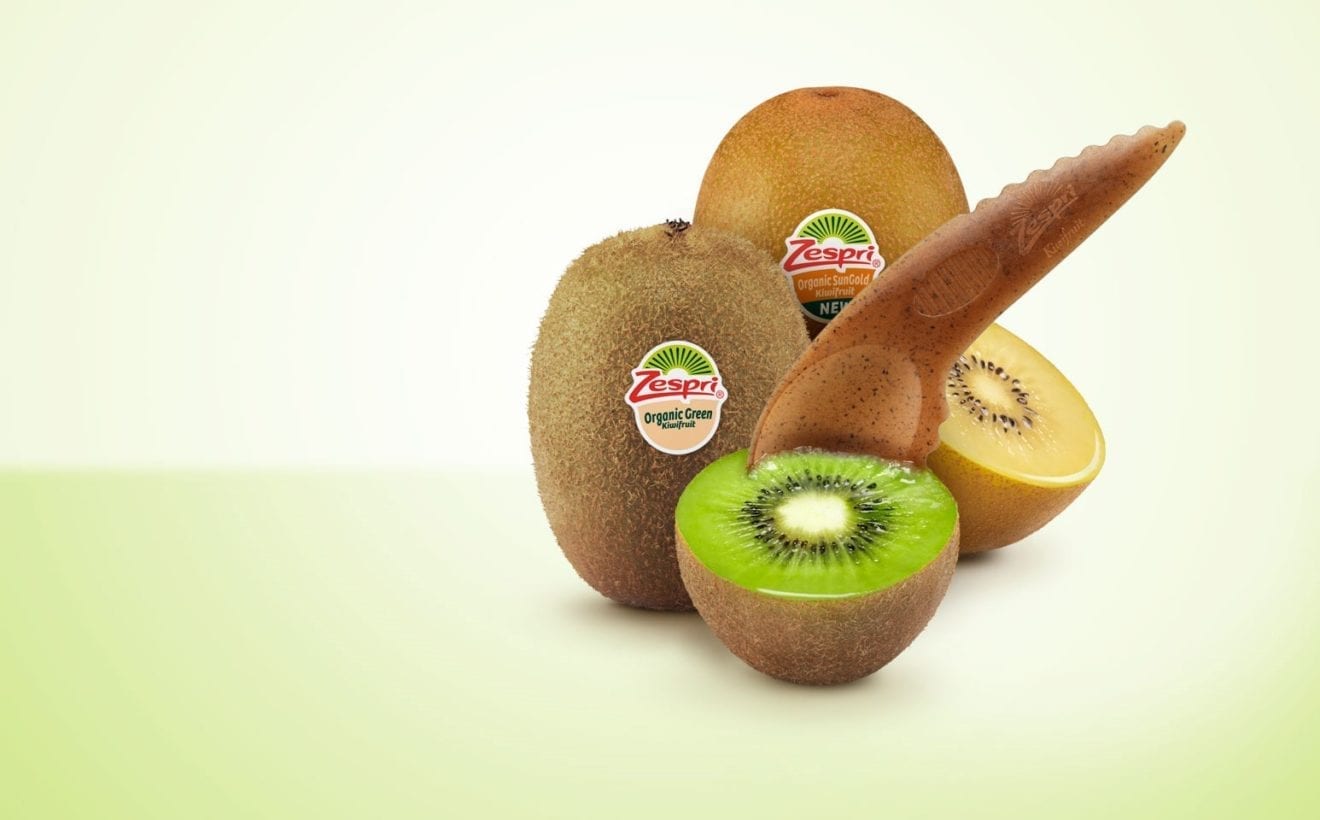
    As many companies are looking to Asia for the first time, some have been in these markets for a while and are strengthening ties within the region. Zespri is one of these companies and have made big in roads into Asia in recent years and are continuing to expand in current markets while exploring new ones.

    “We continue to see significant growth in China, with increases in volume of 20 to 30% year on year for several years now, there a good rise in the volumes of SunGold being sent there as well. But Japan, the cornerstone for New Zealand for many years, is showing growth as well which we expect to continue for the coming years,” explains Mr Simon Limmer, COO of Zespri.

    Besides Japan and China, which are similar in terms of volume, Limmer says that prospects are positive overall in SE Asia, “There are exciting opportunities in a handful of different markets such as South Korea, where we have recorded an amazing season this year. We are starting to see the benefit of the free trade agreement now that the playing field has been levelled with other countries such as Chile, who have had zero tariffs for a few years. Taiwan has also shown great growth.”

    Zespri are making further in roads into China with new relationships with Chinese importers, this week they announced a collaboration with Fruitday who will now become a direct retail customer, giving them the position of being the Zespri’s largest direct retail customer in China.

    Zespri is still a while away from actually growing any kiwifruit in China.

    “We are still involved in the preparation process,” acknowledges Limmer. “We are working with partners in China trying to raise the standard of domestic kiwifruit. This is also allowing us to build relationships from a scientific perspective in trying to understand the growing environment and finding the most suitable varieties. In short, not only do we need to be convinced that the quality is sufficient for the brand, but we also need to make sure that Chinese consumers who are already buying the imported product will be open to a ‘Made in China’ fruit.”

    Zespri has long been aware of the growing volumes and quality of domestic kiwifruit; “The branding is also becoming more sophisticated and for us this is both an opportunity and a threat,” explains Limmer. “We have the benefit of the counter seasonality of fruit out of New Zealand and we are no stranger to competition throughout the year where ever we are in the world.”

    Although red kiwis have been in trials for a few years, Zespri has not produced commercial volumes as yet. “We need to make sure we have all the attributes and characteristics right before we launch a new kiwi on the market – agronomically, yield, size, storage and cost of production for example. Reds are particularly susceptible to Psa and also have storage issues, but we clearly acknowledge and understand the opportunity for a red in the market.”

    Another challenge in the Chinese market has been protection of the intellectual property, as the image and reputation of the brand is strongly linked to the product’s quality. “There have been some developments in this regard in China and certainly willingness and motivation to shift, but it’s taking time,” admits Limmer. “Most importantly, the consumer needs to be educated on what’s genuine, giving them comfort with the knowledge that what they are buying has all the guarantees regarding quality or safety, something in which social media can play a decisive role.”

  • Chuseok sales weren’t as terrible as expected

    Chuseok sales weren’t as terrible as expected

    Going into last week’s Chuseok holidays, expectations were low in the retail sector due to a prolonged economic slowdown and a soon-to-be-implemented anti-graft law that will make expensive presents unlawful.

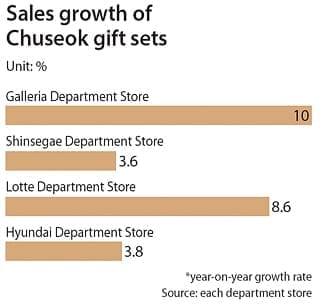
    Against all odds, however, four major department stores in Korea enjoyed growth in the sales of holiday gift sets. To skirt an anti-graft law known as the Kim Young-ran Act, which goes into effect Sept. 28 and bans the exchange of gifts costing more than 50,000 won among civil servants and even journalists, the stores offered lower-cost gift sets.

    Galleria Department Store said sales of holiday gift sets rose 10 percent between Aug. 26 and Sept. 14 compared to the same period last year.

    The proportion of products that were cheaper than 50,000 won was 26 percent – the highest share and 6 percentage points more than last year. Products that cost more than 300,000 won accounted for 14 percent, 1 percentage point lower than last year.

    Galleria Department Store expanded gift options that cost less than 50,000 won from last year’s 56 items to 478. As a result, revenue generated from 50,000-won-or-less products rose by 47 percent year-on-year.

    Lotte Department Store said sales of holiday gift sets between Aug. 26 and Sept. 13 rose 8.6 percent year-on-year. Sales of processed food products and daily necessities – which usually cost less than 50,000 won – rose by 16.5 percent. But sales of meat and gulbi (dried corvinas) – relatively expensive holiday gifts – only increased by 6.5 and 3.8 percent respectively.

    Hyundai Department Store said its holiday gift set sales between Aug. 29 and Sept. 14 rose by 3.8 percent.

    Shinsegae Department Store saw a sales increase of 3.6 percent in Chuseok gift sets sold between Aug. 26 and Sept. 13. Products or sets cheaper than 50,000 won saw an increase of 7.8 percent while more costly items only rose 2.9 percent.

    The Kim Young-ran Act was not the only factor in holiday spending.

    An unprecedented heat wave during the summer on top of a prolonged economic slowdown prompted many consumers to buy health supplements, which are cheaper than agricultural and marine products.

    The most popular product was red ginseng extracts or pills. Health-related products saw a sales surge of 26 percent year-on-year at branches of Galleria Department Store. The top seller in the health category was red ginseng extract, which is in the 80,000-won price range.

    Shinsegae, which is known for its extensive and affordable wine selection, said sales of wine rose the most – 40.5 percent – followed by health-related items, which rose by 20.8 percent year-on-year.

    Health-conscious products were the most popular at Lotte as well, enjoying a 28 percent year-on-year increase in sales.


  • Napa cabbage prices skyrocketed last month

    Napa cabbage prices skyrocketed last month

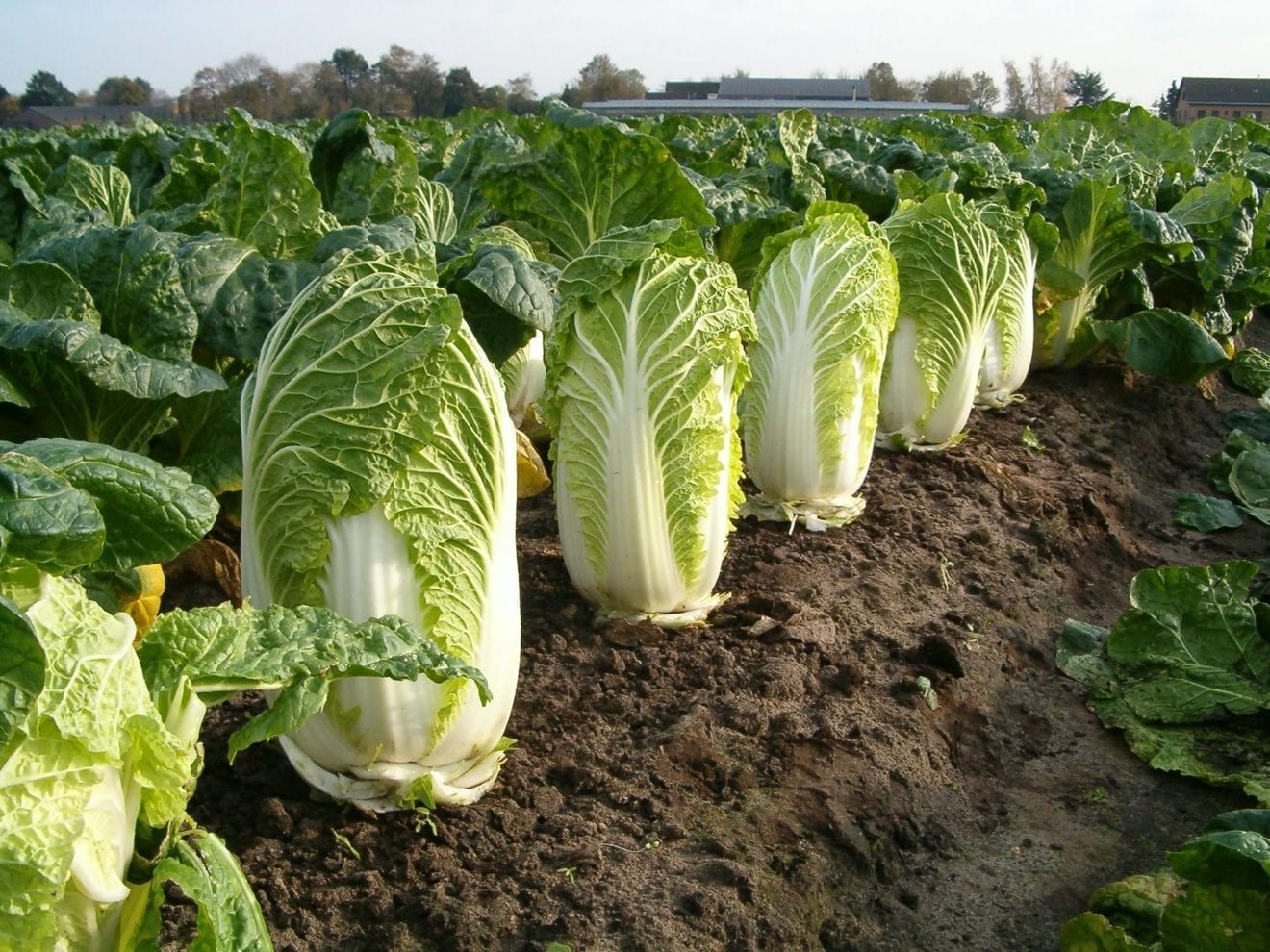
    The average price of napa cabbages at local retail stores rose significantly last month compared to the previous month as the supply likely dropped due to the abnormally hot weather that hit the country this summer.

    Prices of napa cabbage, a Korean staple and key vegetable for making kimchi, rose 63.7 percent month-on-month to a record 5,303 won ($4.73) a head, the Korea Consumer Agency (KCA) said Monday. The price of 1.5 kilograms (3.3 pounds) of white radishes rose 29.2 percent to 2,279 won and 1.5 kilograms of onions rose 5.3 percent to 3,217 won.

    “We don’t know the exact reason for the rise in some vegetable prices, but we believe that the supply in general dropped due to the high temperature and drought,” said KCA researcher Kim Eun-ji.

    Additionally, a recent report by the Bank of Korea attributed the long-term rise in cabbage prices to Chinese imports of kimchi.

    Samgyeopsal, or pork belly, one of the most popular meats among Koreans, was 11.2 percent cheaper at 2,005 won per 100 grams, while beef prices rose 3.8 percent to 8,601 won. The fall in pork prices is mainly due to the base effect from June, when prices rose 22.2 percent month on month, ahead of the summer vacation season in Korea.

    The KCA analyzed the price of 402 major products in 373 stores across the country, and the agency found that the price varied by types of stores.

    In fact, the average price of napa cabbage sold at corporate run retail stores was the highest at 6,965 won, and was lowest at large discount chains at 3,702 won.

    Onion prices had a 77.2 percent gap by store type, KCA said. The price of 1.5 kilograms of onions was 2,429 won at traditional markets and 4,303 won at department stores.

    Beef, napa cabbages, radishes and onions were some of the products that were cheaper at large discount stores and traditional markets in July.

    Meanwhile, the year-on-year growth rate for napa cabbage was 84.5 percent, the highest among major products sold in retail stores and traditional markets. It was followed by beef (25.5 percent) and radishes (15.6 percent). The price of pork, on the other hand, fell 14.2 percent year on year, and onion prices dropped 13.2 percent during the same period.

    “The price varies by the store types and the government will provide the retail prices online [www.price.go.kr] so that people can research the price and promotion events ahead of their shopping,” said Kim at the KCA.


  • China’s H3C launches SDN suite

    China’s H3C launches SDN suite

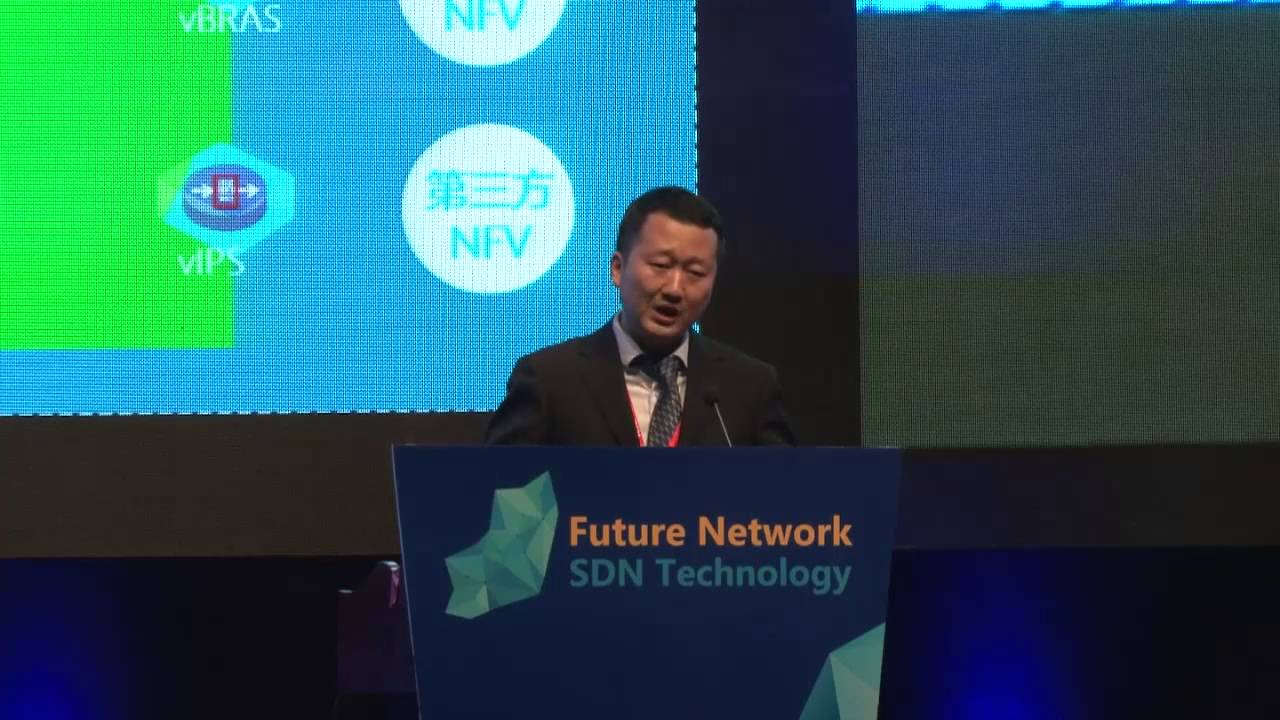
    H3C has introduced a series of SDN software and hardware products to help enterprises in Hong Kong and China take full advantage of private or hybrid clouds.

    H3C Hong Kong product director Joseph Lee warned that many Hong Kong companies may not have fully advanced the potential of cloud services due to a lack of scalability, agility and flexibility in their networking resources.

    “SDN and NFV offer a solution to this cloud challenge. They contribute to a simplified network and make multi-platforms within an enterprise network easy to manage centrally,” Lee said.

    He said SDN and NFV are critical components for private clouds and implementing genuine cloud networking infrastructures.

    “H3C is helping businesses in Hong Kong – especially in the public sector, institutes of higher education, service providers and large enterprises – to establish efficient and effective private clouds with our comprehensive end-to-end SDN and NFV solutions.”

    H3C’s new SDN solutions include an SDN controller as well as physical and virtual switches. The technology supports on-demand provisioning of network services including bandwidth allocation, routing and security capabilities.

    The offerings support native integration with OpenStack cloud platforms and an API for programming integration with third party cloud and management platforms.

    Data from the Hong Kong Government Census and Statistics Department show that as of last year around 159,268 businesses were using cloud services – nearly half of Hong Kong’s total business sector.

  • Carrefour Taiwan Ping Jian store’s ‘unique’ experience

    Carrefour Taiwan Ping Jian store’s ‘unique’ experience

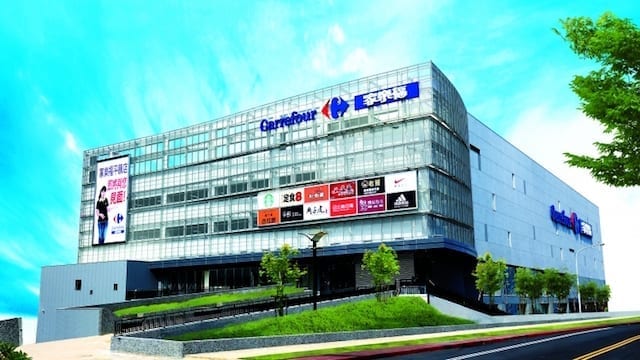
    Customers of Carrefour Taiwan’s new Ping Jian store have been promised “a new shopping experience in different universe”.

    The store, the French retailer’s 88th in the country, features what the company describes as an “integration of three dimensions: eco-friendly, digital application and customer experience”.

    “Many new concepts have been implemented to create a unique shopping experience,” Carrefour Taiwan said in a statement.

    Digital technology was applied to upgrade customer’s shopping experience. A 3D virtual fitting room delivers customers a brand new experience. Through searching products by different categories, users can try on different looks within seconds. The outfits fit customers’ bodies on the screen and users can view them at different angles and easily find an ideal match.

    carrefour-taiwan

    The two-level Ping Jian store has a sales area of 6855 sqm, a restaurant precinct and shopping mall. Built as a ‘green building’ it uses LED lights and various materials to reduce energy use by 25 per cent. A water recycling system collects rainwater for cleaning and gardening.

    Food options include a professional pizza oven. Customers can customise their own pizza with any ingredient.

    In the salads and soups bar, customer can make their own salad or lunch box.

    In front of the cashier area, hamburger, shawarma, fried chicken and drinks in “Oh Bar” are made for takeaway. Ping Jian also launched Australia’s premium Wagyu Kobe Beef which attract hundreds of customers during opening day tastings.

    Outside the cashier line, Customer can enjoy their food in a spacious rest area with nature and green outlook and an aquarium.

  • Beckham and Hart team again for H&M campaign

    Beckham and Hart team again for H&M campaign

    Sports star/fashion icon David Beckham has reunited with comedy star Kevin Hart for a fresh H&M campaign.

    In a commercial promoting the Modern Essentials selection by Beckham, the storyline picks up from their first H&M commercial together in which Hart was preparing to play Beckham in a biopic film. This time around, Hart is working on plans to star in I, Beckham: The Musical.

    David Beckham - Kevin Hart H&M 3

    “I loved shooting the first campaign with Kevin for H&M so much, we just had to do a sequel,” says Beckham. “This time we’ve pushed the story even further.”

    “It’s great to have the opportunity once more to show the world what everyone really knows, that I am the true inspiration for David Beckham’s style. He copies everything from me,” says Hart.

    David Beckham - Kevin Hart H&M 1

    In the commercial, the two take a road trip from Los Angeles to Las Vegas to meet financiers for the new Vegas movie.

    David Beckham - Kevin Hart H&M 2

    For the campaign, the duo wear two looks from the collection: a zip-up flying jacket with fake-fur collar worn with a turtleneck, and a block-stripe knit sweater.

    Beckham’s autumn/winter 16 Modern Essentials collection will be available in H&M stores and online from September 29, when the full commercial also launches on HM.com.

  • Cargill enters partnership with Japfa for poultry products in Indonesia

    Cargill enters partnership with Japfa for poultry products in Indonesia

    Cargill and So Good Food, a wholly-owned Indonesian subsidiary of leading agri-food company Japfa, have entered into a 60-40 joint venture to produce and supply fully-cooked poultry products in Indonesia. The strategic partnership will leverage Cargill’s broad industry expertise to boost So Good Food’s capabilities in consumer food processing technologies, product innovation and quality assurance. Cargill and Japfa will also work together to produce a new range of value-added consumer food products.

    Besides toll manufacturing for So Good Food, the joint venture company, Cahaya Gunung Foods (Shining Mountain Foods), will supply high quality products to well-established and reputable quick service restaurants (“QSR”); hotels, restaurants, and the food service sector (“HORECA”); as well as convenience stores and petrol kiosks (“CVS”) in Indonesia. Cahaya Gunung Foods will also have the capability to export products to the region.

    Cementing Partnership, Strengthening Capabilities

    Derek Schoonbaert of Cargill was appointed Managing Director of Cahaya Gunung Foods and he stated: “Indonesia is an important growth market for Cargill. This is our first venture in the poultry business in Indonesia and we are excited to be partnering with Japfa. We will implement our world-class systems and processes to ensure high quality chicken products through our broad industry expertise and quality standards.

    On Japfa’s latest partnership, Mr Tan Yong Nang, Chief Executive Officer of Japfa, explained, “We are pleased to further cement our relationship with Cargill, whom we have had a long standing business relationship with. To be selected as Cargill’s JV partner is testament of Japfa’s high quality, food safety and welfare standards. We look forward to strengthening our capabilities and know-how with Cargill’s broad industry expertise, and deliver even better quality chicken products.”

    Cahaya Gunung Foods will initially operate out of So Good Food’s existing value-added meat plant at Boyolali, Indonesia and take over the employment of the employees at the processing facility. Both companies will look to invest and expand the operations together, focusing on new premium products.

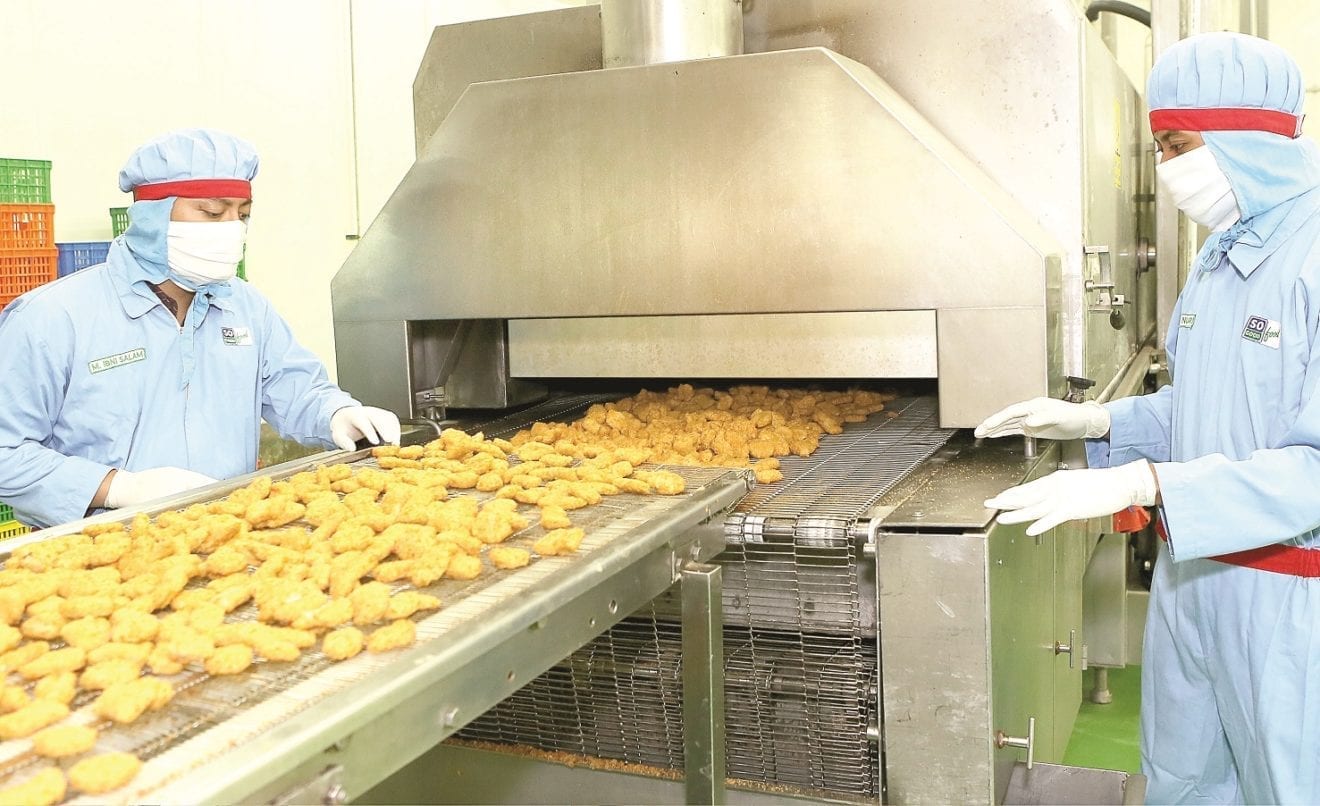
    Meanwhile, So Good Food will continue to operate its four meat processing plants in Indonesia, focused on producing downstream branded ready-to-eat consumer food products such as chicken nuggets, meat balls and shelf-stable sausages.

    Growing Appetite in Indonesia

    According to Euromonitor, Indonesia is the largest foodservice market in ASEAN. The value sales for Indonesia’s foodservice market grew at a compound annual growth rate (“CAGR”) of 8.7% from 2010 to 2014, reaching US$36.8 billion in 2014, which was about US$14 billion higher than the next largest ASEAN market, Thailand.

    Full-service restaurants, fast food and street stalls/kiosks are the top three growth drivers for Indonesia’s foodservice market. The sales value of the foodservice market is estimated to increase at a CAGR of 9.0% from 2015 to 2019 to hit US$56.3 million by end 2018.

    “As the world’s fourth most populous nation, Indonesia’s foodservice market offers immense opportunities. Today, our So Good, So Good Sozzis and So Nice brands are already award-winning household brands in Indonesia for processed meats such as chicken nuggets, meat balls and shelf-stable sausages. Our JV with Cargill will take us a step further into new growth segments such as HORECA and CVS with a wider range of consumer food products,” concluded Mr Tan.

  • Google may face over $400 million Indonesia tax bill for 2015

    Google may face over $400 million Indonesia tax bill for 2015

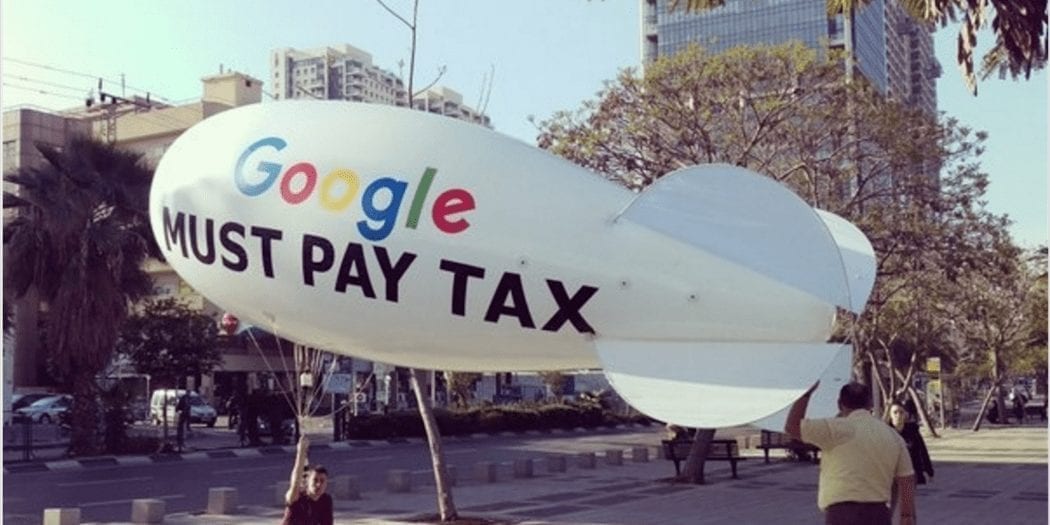
    Indonesia has really slammed Google this time around. If you can’t pay the fine don’t do the crime. The latest with the two is that Indonesia is arranging to seek after Google for a long time of back charges, and the colossal exploratory giant could be condemned with a bill of more than $400 million for 2015 single-handedly, in the occurrence that it is found to have maintained a strategic distance from installments.

    Muhammad Hanif, leader of the assessment office’s exceptional cases branch, went to Google’s neighborhood office in Indonesia on Monday. The duty office claims Google Indonesia paid under 0.1 percent of the aggregate wage and esteem included expenses it owed a year ago.

    Google Indonesia emphasized an announcement made a week ago in which it said it keeps on participating with neighborhood powers and has paid all pertinent charges.

    On the off chance that discovered blameworthy, Google will need to pay fines of up to four times the sum it owed, conveying the greatest expense bill to 5.5 trillion rupiah ($418 million) for 2015. OUCH!

    The greater part of the income produced in the nation is reserved at Google’s Asia Pacific base camp in Singapore. Google Asia Pacific declined to be reviewed in June, provoking the expense office to heighten the case into a criminal one,

    Google’s contention is that they simply did tax planning. Tax arranging is lawful, however forceful expense arranging – to the degree that the nation where the income is made does not get anything – is not lawful. That’s right, the law will bite you, so make sure you do your homework beforehand.

    Tax avoidance, not at all like tax evasion, is legitimate. Be that as it may, numerous expansive organizations push into legitimate hazy areas with forceful methodologies intended to expand “charge effectiveness”. A typical approach to move benefits seaward is through exchange evaluating, when auxiliaries in various nations charge each other for merchandise or administrations “sold” inside the gathering. This is especially prevalent among innovation and medication organizations that have bunches of licensed innovation, the estimation of which is particularly subjective. These intra-organization eminence exchanges should be arm’s-length, however are regularly evaluated to minimize benefits in high-charge nations and amplify them in low-impose ones.

    The assessment office will summon chiefs from Google Indonesia who additionally hold positions at Google Asia Pacific, including that it is working with the Indonesian police.

    All around, it is uncommon for a state examination of corporate assessment structures to be swelled into a criminal case. It ordinarily takes no less than three years for an Indonesian court to settle on a choice on an assessment criminal case.

    The duty office wants to pursue back assessments from different organizations that convey content through the web (over-the-top administration suppliers) in Indonesia.

    The Indonesian correspondence and data service is chipping away at another direction for OTT suppliers, and the duty office has suggested that an organization with system nearness in Indonesia ought to likewise be liable to tax assessment.

    Lawsuits are a pretty common manner with society and especially businesses. The Law dictionary outlines it significantly. According to the most recently acclaimed statistics, approximately 95 percent of awaiting lawsuits end in a pre-trial settlement. This means that just one in 20 cases are determined in a court of law by a judge or jury. It also means that planning for a pre-trial settlement is a vital factor of any lawful policy. Evidently, many seasoned plaintiffs use the immensity of the pre-trial preparation period to assemble a case that persuades their opponents into resolving for a favorable sum.

    We have to consider that Google is a very, very, very successful business. So despite them possibly being hit with this bill, chances are they can afford to pay for it. But of course who wants to waste money like that? How much does Google make exactly? I’m sure you’re all wondering. Moz indicates that in 2013, Google made $58.8 Billion in revenues. In Q1 of 2014, Google reported making $15.4 billion – on track to beat $60B for the year. For the financial year 2010, Google reported revenues of $29.3 Billion.

  • Alibaba-KFC partnership more than a shareholding

    Alibaba-KFC partnership more than a shareholding

    Why did Alibaba decide to take a stake in Yum China, buying into the Chinese fast food market?

    The Alibaba-KFC partnership was growing strongly long before the tech paid $50 million for a stake in Yum China.

    Last week, the fast food company opened a KFC flagship store on Tmall, the eCommerce giant’s B2C marketplace, to cultivate deeper ties with more customers, chief among them China’s internet-savvy youth.

    The KFC Tmall store isn’t selling chicken outright, but it is selling the sizzle of the KFC brand by encouraging consumers to join its membership program through the sale of e-coupons and gift cards that can be redeemed at its restaurants by using the Tmall or Mobile Taobao apps. KFC has more than 5000 restaurants in over 1100 cities in China, and the company is hoping to “build a new O2O [online-to-offline] model” that uses digital marketing to boost traffic at its brick-and-mortar stores, said Guan Bin, digital manager at Yum Brands.

    Connecting with China’s mobile-happy youth market can be an important strategy for any fast-food chain, but it’s particularly key for Yum China, which has seen its once-dominant position in the mainland fast-food market eroded by growing competition and food-safety scares. KFC’s market share in China has dropped from close to 40 per cent in 2012 to 23.9 per cent last year, according to Euromonitor International. Same-store sales in China outlets declined 4 per cent in 2015, Yum Brands disclosed in its 2015 financial annual report.

    Against this backdrop, KFC is making what Guan says is the company’s first foray into eCommerce (Yum’s Pizza Hut restaurant chain already has a Tmall presence). The goal is to boost KFC brand awareness and customer base by leveraging Tmall’s “massive traffic” as well as Alibaba Group’s marketing ecosystem and wealth of online consumer data, he said.

    “By opening a shop on Tmall, we want to convert more customers to members, and understand their consumer behavior both online and offline so we can come up with tailored discounts and awards for them,” Guan said. KFCs in China last year adopted Ant Financial’s Alipay cashless payment solution, which includes app-based food ordering and home delivery.

    For its September 6 debut, KFC’s Tmall shop offered bulk purchases of top-selling meals at discounted prices, such as 30 breakfast meals for RMB 199 ($30) and five family meals at RMB 320 ($48). The debut included KFC’s participation in one of Tmall’s Super Brand Day marketing campaigns as well as an augmented reality game: Sept. 2-6, users armed with smartphones and the Tmall app were able to “capture” images of Tmall’s cat mascot in physical KFC shops, which entitled them to buy products from KFC’s Tmall shop for just one yuan.

    On September 6 alone, some 3 million users visited KFC’s Tmall page, according to Tmall. Coupons for the purchase of more than 80,000 30-piece chicken nugget packs–totaling some 2.4 million nuggets–were sold on the day. The results were “beyond our expectations,” Guan said.

  • Indonesia-US economic ties to strongly develop in next five years

    Indonesia-US economic ties to strongly develop in next five years

    The US-Indonesia trade may increase by 46 percent in the next five years, according to the latest report from the US Chamber of Commerce in Indonesia, source from Vietnam News in Jakarta.

    The report appreciates efforts by President Jokowi’s government in carrying out economic reforms and improving the business environment, saying that the reform needs to be stepped up.

    It also urges the Indonesian government to boost the law enforcement and create a more solid and fair legal foundation, especially in respecting commercial contracts, which is very important in creating confidence for businesses who intend to do business in Indonesia.

    The report recommended the Indonesian government continue reforming administrative procedures and investment policy and cut investment licensing time.

    In 2014, two-way trade between the US and Indonesia surpassed 90 billion USD.-

  • Emirates has launched SkyPharma, its new facility at Dubai International Airport

    Emirates has launched SkyPharma, its new facility at Dubai International Airport

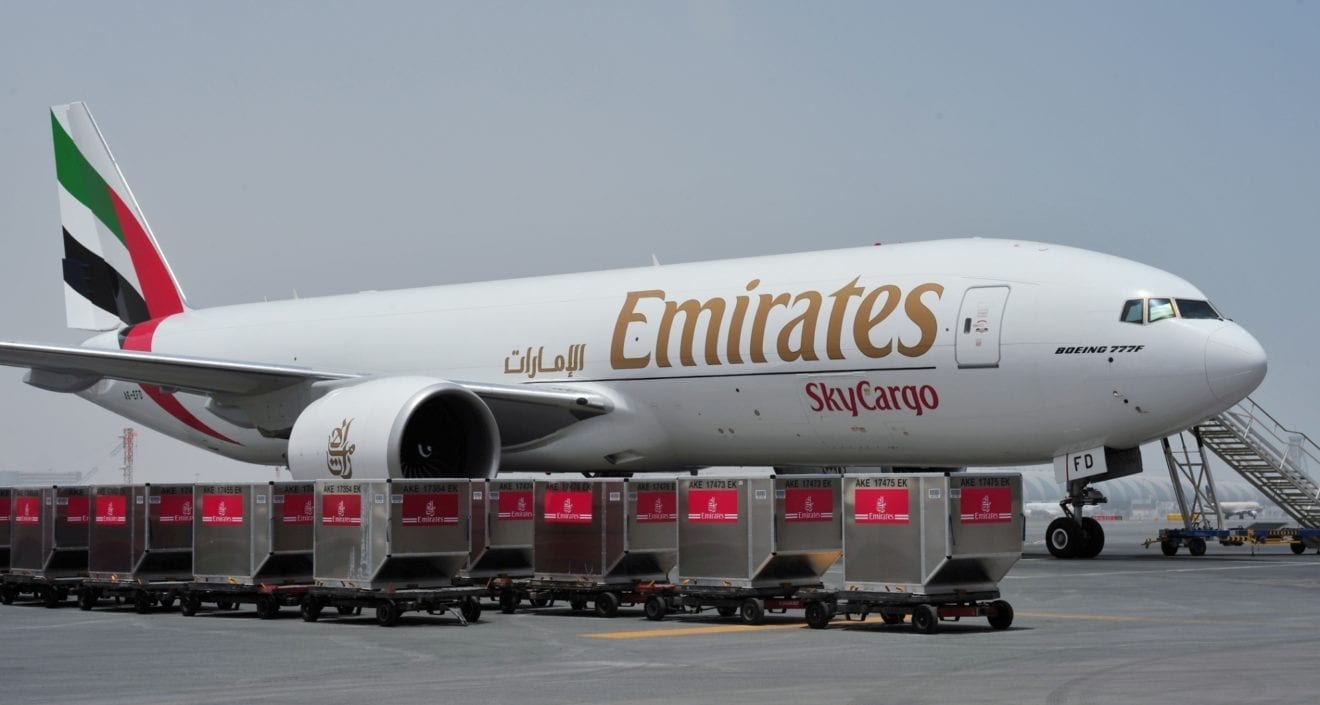
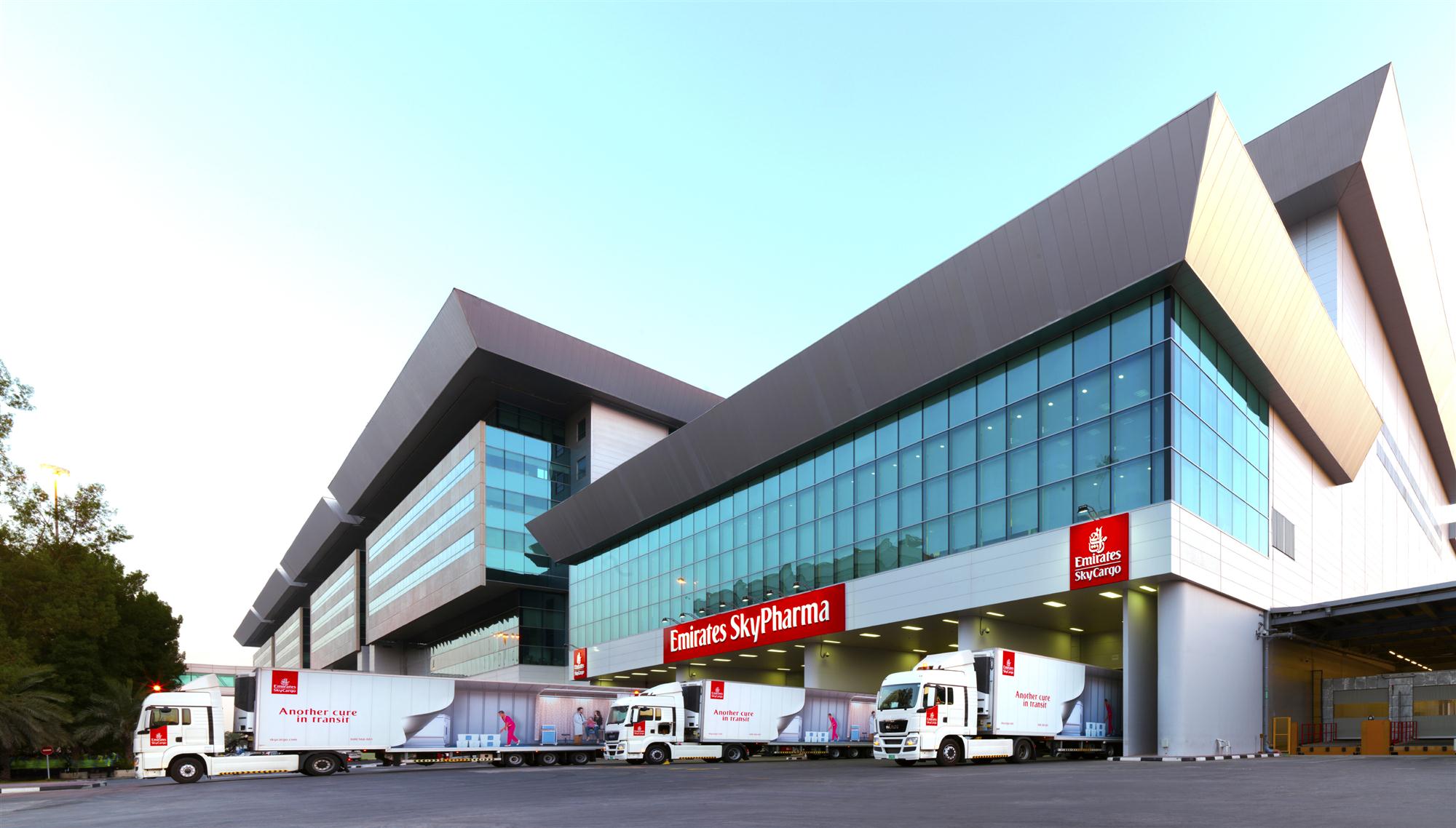
    Emirates has launched SkyPharma, its new facility at Dubai International Airport dedicated to temperature-sensitive pharmaceutical shipments.

    Self Photos / Files - IMG_20160918_093847

    “Every day, pharmaceutical products are critical to the health and well-being of people, and are transported from their place of manufacture to destinations across the world,” said Nabil Sultan, divisional senior vice president of cargo at Emirates. “For many of these products, such as vaccines, the time taken to transport the product from its origin to the destination is of critical importance and the air cargo industry plays an important role.”

    The new, 4,000m2 facility features two temperature-controlled zones of 2°C to 8°C and 15°C to 25°C, 88 cool cells and five temperature-controlled acceptance and delivery truck docks.

    Self Photos / Files - Emirates SkyPharma DXB

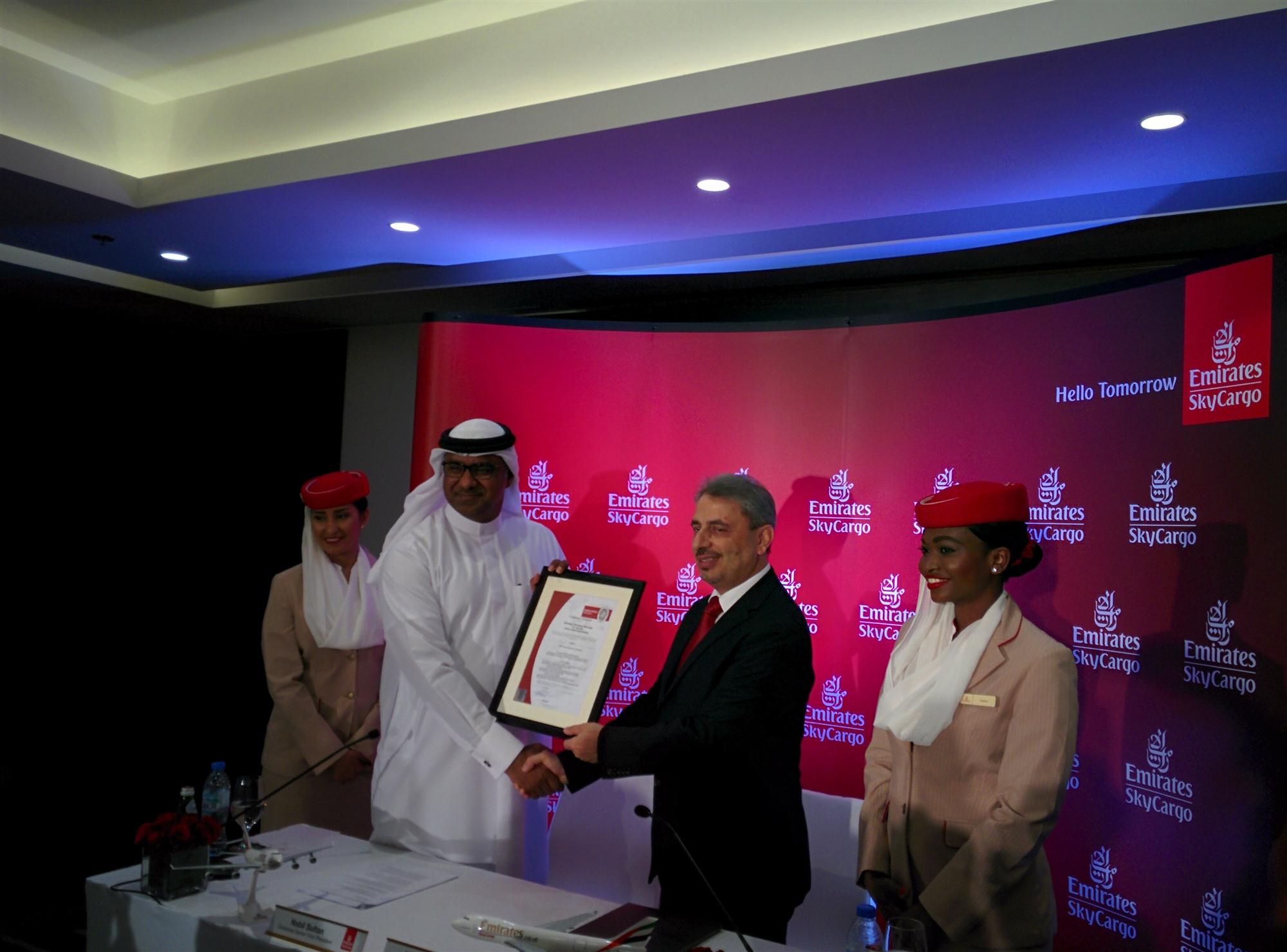
    SkyCargo has also been certified under the European Union’s Good Distribution Practice guidelines for medicinal products for human use, covering all of the carrier’s handling of pharmaceutical shipments at both SkyPharma at Dubai International Airport and SkyCentral, Emirates’ freighter hub at Al Maktoum International Airport, connected by a bonded trucking service consisting of 12 dedicated reefers.

    “The GDP guidelines are today considered the benchmark in the pharmaceutical industry for ensuring that the quality and integrity of the pharmaceutical product are maintained during the transportation,” said Sultan. “Emirates SkyCargo is the first cargo airline in the world that has obtained GDP certification for its multi-airport hub operation.”

    The certification was awarded by Bureau Veritas after an audit process carried out by the agency’s team from Germany.

    “Our new Emirates SkyPharma facility and our new GDP certification will allow us to work even more closely with our partners in the pharmaceutical industry,” said Sultan. “In addition, our dedicated pharma-handling facility at Dubai will further consolidate Dubai’s position as a leading transportation hub for healthcare and pharma logistics.”

    Cargolux was the first airline in the world to awarded the GDP certification for pharmaceuticals in 2014.