Author: Mei Ling Tan

  • Yum China board lineup revealed

    Yum China board lineup revealed

    Yum China has revealed the likely composition of its board post-spin-off from its US parent, Yum! Brands.

    The new company to be formed after the sell-off to Primavera Capital Group and a subsidiary of Alibaba Group, will be called Yum China Holdings and is expected to be formally formed on October 31.

    The nine new directors announced, seven of whom are independent, will join the board chaired by Dr Fred Hu, chairman and founder of Primavera Capital Group.

    The other members are:

    • Micky Pant, CEO of Yum China.
    • Peter A Bassi, former chairman and president of Yum! Restaurants International and current lead director for BJ’s Restaurant and Potbelly Sandwich Works.
    • Christian L Campbell, owner of Christian L Campbell Consulting LLC and former senior VP, general counsel, secretary and chief franchise policy officer of Yum! Brands.
    • Ed Chan Yiu-Cheong, vice chairman of Charoen Pokphand Group.
    • Edouard Ettedgui, non-executive chairman of Alliance Francaise, Hong Kong and non-executive director of Mandarin Oriental International.
    • Louis T Hsieh, director and senior advisor to the CEO, and former CFO and president of New Oriental Education & Technology Group.
    • Jonathan S Linen, director for Yum! Brands and Modern Bank, former adviser to the chairman of American Express, and former vice chairman of American Express.
    • Zili Shao, co-chairman of King & Wood Mallesons, China.

    Yum China also expects to name one additional independent board member in connection with the spin-off.

    Yum! Brands CEO Greg Creed said the company was pleased to have announced the composition of the Yum China board, as it nears the completion of the separation.

    “We are confident that these business leaders will offer the market insights and strategic vision required to enable Yum China to reach its full potential.”

    Yum China will become the licensee of Yum! Brands in Mainland China. It will have exclusive rights to KFC, Pizza Hut and Taco Bell, the latter of which is expanding globally but is not yet in China. It will also own the Little Sheep and East Dawning concepts outright.

    Yum China has more than 7200 restaurants in over 1100 cities in China and generated over US$8 billion in system sales in 2015.

  • Lazada partners with 40 Vietnamese retailers

    Lazada partners with 40 Vietnamese retailers

    Southeast Asian eCommerce giant Lazada has partnered with 40 Vietnamese retailers to expand their businesses.

    The partner businesses include electronics retailers Cho Lon, Tran Anh, Home Center, cookware chain Lock&Lock, and jeweller PNJ.

    Lazada expects the deals will help it cater better to local consumers, developing its business throughout Vietnam market with the message “whatever you buy offline, you can buy it online”.

    Vietnamese retailers, on the other hand, hope to expand their customer bases via the Lazada brand and reputation. Kid Plaza, a baby product supplier, says it has tripled its monthly revenue after selling its items on Lazada.

    Founded four years ago, Lazada Vietnam has become one of the biggest online shopping sites in Vietnam, sharing the US$4 billion worth market last year. Through the new deals, Lazada plans to claim at least 25 per cent of Vietnam’s online shopping spend.

    Lazada’s plan seems achievable when almost 50 per cent of Vietnam’s 93 million population are using the internet. Research predicts that by 2020, 30 per cent of the population will regularly buy goods and services online, with an average spend of US$350 per year. This will take online retail sales to $10 billion.

  • Globe to deploy fiber in 20,000 villages

    Globe to deploy fiber in 20,000 villages

    The Philippines’ Globe Telecom has committed to connect 2 million Filipino homes with high-speed internet access with a speed of at least 10Mbps and above by 2020.

    The operator plans to deploy fiber in 20,000 villages across the country to achieve this goal.

    “That will change a lot for families because families today are so dependent on the internet,” said Globe President and CEO Ernest Cu at an event on Friday night.

    “Industries and Business Process Outsourcing (BPO) also cannot flourish without dependable connection to the United States, the UK, Australia and to the rest of the world.”

    “We are committed to spending $500 million to upgrade the network of Globe to enable continuous growth among enterprises in the Philippines,” he added.

    Since the joint purchase of the telco assets owned by San Miguel Corporation (SMC) by Globe Telecom and PLDT last May, both companies have been rolling out LTE 700-MHz cell sites across the country. In the Globe network, around 250 such cell ties will have been activated in Metro Manila by the end of this month, at least 188 of which will be active in the National Capital Region.

    Cu said the goal is to deploy at least 500 LTE 700-MHz cell sites nationwide by the end of 2016.

    The majority of these sites will cover major business districts and highly urbanized and populated areas in the country, including Metro Manila, Metro Cebu, and Metro Davao.

    Globe’s chief executive emphasized that the company is maximizing the use of the previously idle 700-MHz band in fulfillment of its commitment to the National Telecommunications Commission to improve the overall internet experience of its customers following the sell-out of SMC’s telco assets.

    “One of our goals its to try to create an experience as close to first world internet as possible. You can now do this with mobile, given the amount of spectrum that we have,” he said.

    Parallel to this, Globe has also started rolling out a capacity expansion program for its corporate data network to address the bandwidth requirement of its enterprise clients. The company will be equipping 61 of its corporate sites with fiber technology.

  • Baidu, NVIDIA enter self-driving car alliance

    Baidu, NVIDIA enter self-driving car alliance

    Chinese internet giant Baidu and GPU maker NVIDIA have teamed up to use artificial intelligence in the creation of a cloud-to-car autonomous car platform for local Chinese and global car makers.

    The partnership combines Baidu’s cloud platform and mapping technology with NVIDIA’s self-driving computing platform to develop solutions for HD maps, Level 3 autonomous vehicle control and automated parking.

    “We’re going to bring together the technical capabilities and the expertise in AI and the scale of two world-class AI companies to build the self-driving car architecture from end-to-end, from top-to-bottom, from the cloud to the car,” NVIDIA CEO Jen-Hsun Huang said.

    NVIDIA and Baidu have a long history of working together on AI. Using GPUs, Baidu researchers such as Andrew Ng have achieved some of the key breakthroughs that have made the modern AI boom possible, spawning hundreds of startups over the past few years.

    Amidst the growing excitement over the future of AI, Baidu and NVIDIA continue to share a common goal of using AI for the good of society.

    “We can start applying these capabilities to solve the grand challenges of AI, one of which is intelligent machines. One of the intelligent machines we would like to build in the future is the self-driving car,” said Huang.

    He said that meant making driving safer, significantly reducing the number of traffic fatalities, while making transportation accessible to all — including the disabled, elderly and children.

    Developing a fully autonomous car is an end-to-end systems problem — from the in-car supercomputer, to AI algorithms, to an always-updated 3D map in the cloud, said Huang.

    The solution is expected to be available to local Chinese automakers as well as global brands.

  • SaladStop! raises $5m from new partners

    SaladStop! raises $5m from new partners

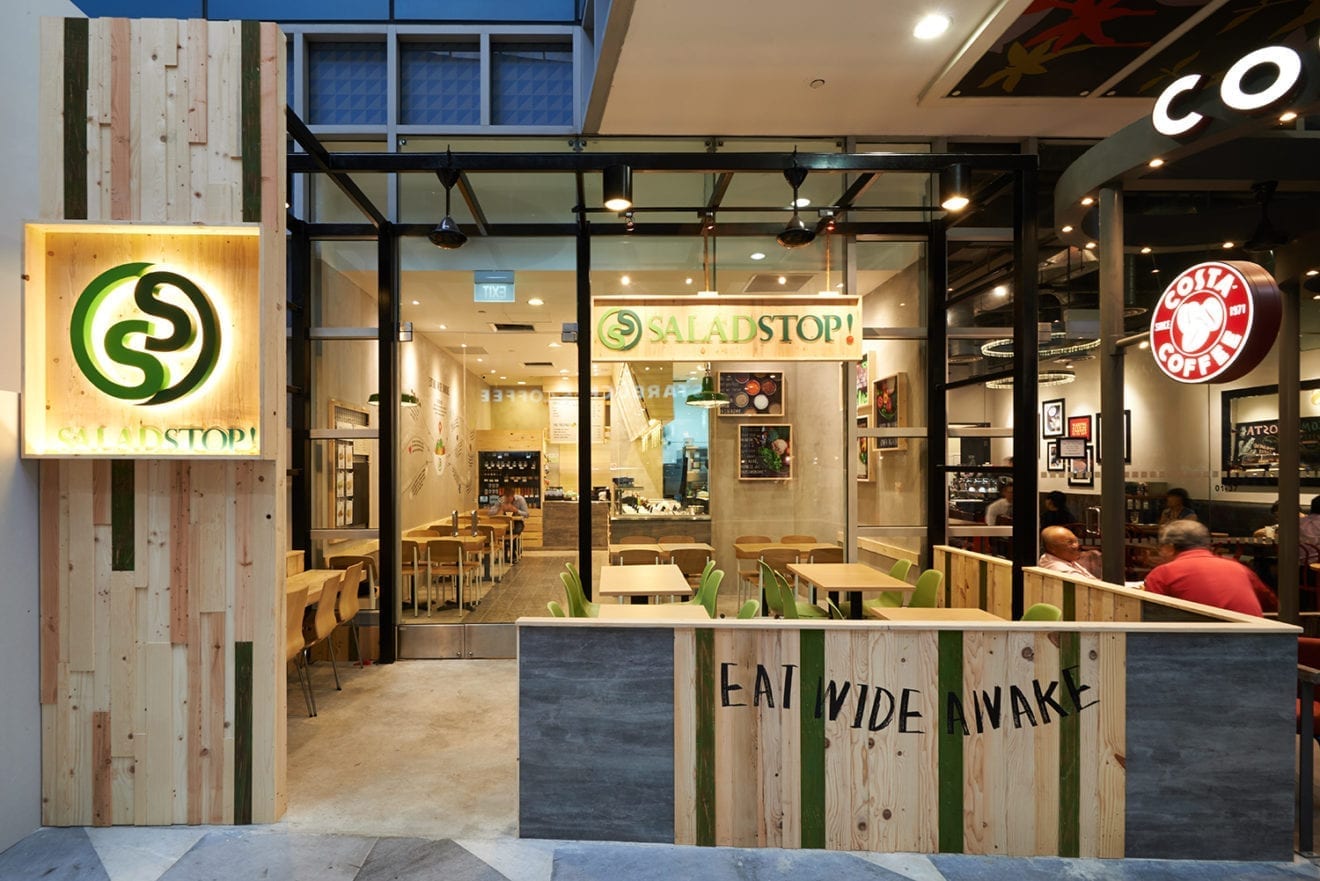
    Singapore salad bar chain SaladStop! has raised S$5 million (US$3.6 million) from private equity firmsDSG Consumer Partners and Hera Capital who took a minority stake in the company.

    SaladStop! has 15 outlets in Singapore and eight in the Philippines, with stores in Hong Kong, Indonesia and Japan scheduled to open by the end of the year. Its first round of funding will be focused on further growing its footprint in Singapore, investing into new ventures and continuing to develop its technological platforms.

    A family business, SaladStop! was founded by hotelier Daniel and Adrien Desbaillets in 2009 and is co-headed by daughter Katherine and son-in-law Frantz Braha.

    Hera Capital’s Thierry de Panafieu says the company benefits from the growing middle class in Asia and increasing awareness toward healthy and sustainable eating.

    SaladStop!’s motto, Eat Wide Awake, encourages consumers to be more knowledgeable about their food. It is pioneering a food movement that believes in the basic human right to truly eat well.

    Hera Capital is a private equity firm investing in fast-growing SMEs in the consumer retail, media and digital sectors with a focus on Southeast Asia. Hera Capital has invested into such firms as ActSocial, Bel Perfumes, CashCashPinoy, Creme Simon and Sophie Paris.

    DSG Consumer Partners is a venture capital fund focussed on early-stage consumer businesses in India and Southeast Asia. Brands funded and backed by the founders since 2004 include Bakers Circle, Burger King India, Chai Point, Eazydiner, Raw Pressery, Saffronart, Saraf Foods, Smoke House Deli, Sula Wines and Veeba Food.

  • Global Design Leaders Explore At World Design Capital Taipei 2016 in October

    Global Design Leaders Explore At World Design Capital Taipei 2016 in October

    Sixteen organizers of leading design weeks around the world will attend the International Design Week Forum, one of four Signature Events taking place in Taiwan in October as part of the World Design Capital (WDC) Taipei 2016. The bilingual two-day forum, organized in conjunction with Taiwan Designers’ Web, will explore how design weeks can best promote the design industry and establish a global network for mutual support and exchange of resources. 

    The 16 participants come from the Design Junction (United Kingdom), Dutch Design Week (Netherlands), Ventura Lambrate (Italy), Helsinki Design Week (Finland), D’days (France), Design Days Mexico and Mexico Design Week (Mexico), Tokyo Design Week (Japan), Beijing Design Week (China), Business of Design Week (Hong Kong), SingaPlural (Singapore), Chiang Mai Design Week (Thailand), Sydney Design Festival (Australia), Design Days Dubai (United Arab Emirates), and Holon Design Week (Israel). Also in attendance will be Ben Chiu and Timothy Liao, the CEO and Executive Director of Taiwan Designers’ Web and Taiwan Designers’ Week.

    “We anticipate that this forum will represent a significant step forward for the design world,” says Ben Chiu, Executive Director of Taiwan Designers’ Web. “While design weeks have great potential to cultivate and promote local design talents, as the participants are well aware, there are also many obstacles to overcome. We hope that this exchange of ideas and experience will help us to find solutions to our common challenges in a global context.” 

    “The International Design Week Forum will be an opportunity to build a solid foundation for future global collaboration and sharing of resources,” says Pei-ni Beatrice Hsieh, Commissioner of the Department of Cultural Affairs of the Taipei City Government. “Audience members will also gain a deep insight into the international design industry as it stands today and see how it can develop in the future.” 

    The second day of the forum, which will be open to the public, will be held at the Taipei Fine Arts Museum on Tuesday, October 18, from 1.00-5.00PM. The forum will be divided into three segments: World Design Capital, Global Design Perspectives, and Asian Design Powers. The topics for discussion include how design weeks can incubate and support local design talent, how to overcome the challenges faced by design weeks, and the impact that design weeks can have in city branding. To sign up for the forum, visit: https://www.designersweek.tw/activity/2016/forum/index_en.htm

    Other major events in October include the International Design House Exhibition, which will be held at the Songshan Cultural and Creative Park fromThursday, October 13 until Sunday, October 30;  the International Design Policy Conference on the weekend of October 15 and 16 at the Taipei International Convention Center; and the Network of Cities Meeting, an invitation-only event on Wednesday, October 12 and Thursday, October 13.

  • Introducing the tech-savvy Generation Z

    Introducing the tech-savvy Generation Z

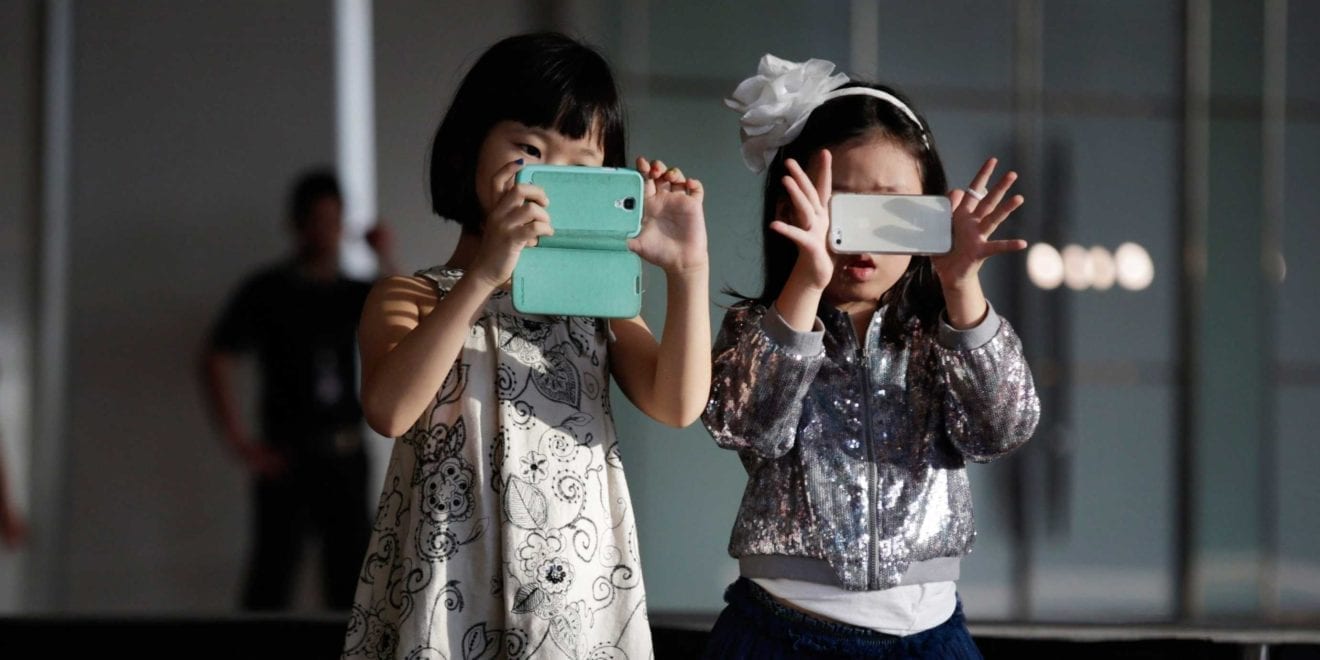
    Meet Generation Z. The next big consumer retail power has grown up with social media and assuming instant access to almost all things digital, from music to video to information.

    They’re today’s image-savvy teens and tweens and they want it all – and they want it now as they acquire apparel, cosmetics and experiences.

    That’s the conclusion of a new report Gen Z: Get Ready for the Most Self-Conscious, Demanding Consumer Segment, from Fung Global Retail & Technology.

    “Retailers, restaurants and leisure companies will have to adapt to the wants and needs of Gen Zers, who have not all even been born yet and so possess substantial growth potential as a demographic group”, explains Deborah Weinswig, MD of the think tank.

    Born in 2001 and later, and the first generation to grow up “in public” online, Gen Zers attach great importance to their physical appearance. Their presence on social media also pressures them and those who support them to spend on travel and events, Weinswig writes, a phenomenon she dubs “the Instagram effect.”

    “The new technology products and services have broadened consumers’ range of choice and quickened the pace of life,” Weinswig observes. “It is hard not to see these creating a more demanding, image-conscious consumer.”

    Fung Global Retail & Technology estimates that consumers in the US spent $829.5 billion on Gen Zers last year, and that approximately $66 billion of that was spent on discretionary categories. Generation Z comprises 19 per cent of the US population, and will rise to 25 per cent in 2020. In the EU, the generation accounts for 16 per cent of the population, and is forecast to peak at 21 per cent in five years. Across Asia, that percentage is higher in most markets.

    The influence of technology on these consumers’ habits cannot be underestimated. The first members of Generation Z are only a few months older than the Apple iPod, which debuted in 2001. The generation is typified by three dominant characteristics related to its relationship with tech:

    • The importance of self-image, with their vanity influenced by social media, dating apps and video chat.
    • The demand for experiences, and a change in consumption habits shaped by booking and delivery apps as well as social media; and
    • The demand for immediacy, propelled by Amazon Prime Now, among other delivery apps.

    Social media and selfies have spurred Gen Zers to be more concerned with personal appearance than any other previous generations, boosting sales of cosmetics, skincare and hair products among boys and girls, the report notes. New brands are even emerging from social media stars such as Kylie Jenner from the US and British blogger Zoella.

    This generation’s habit of documenting interesting and fun experiences on social media means they are spending more on events, dining out and travel. Mobile connectivity makes it ever easier to book these activities, and in 2015 UK consumers increased their spending on recreational services by 15.9 per cent and their spending on cultural services by 6.7 per cent, while retail sales rose just 1.9 per cent. In the US, restaurant and hotel spending rose by 7.4 per cent and 7.3 per cent, respectively, in 2015, while retail sales rose just by 3.5 per cent.

    “While these figures reflect all consumer spending, not just Gen Z’s spending, we think that the forces driving leisure spending are likely to be stronger for Gen Z than they will be for older age groups,” Weinswig writes. “Gen Zers are, and will almost certainly continue to be, the heaviest users of technologies, including apps that allow users to find and book leisure services.”

    The only generation to grow up with the on-demand economy, Gen Zers likely will continue to be highly demanding consumers, whether they are requesting instant access to video, ride-hailing apps or delivery services.

    “Exposure to near-infinite choice and access to near-endless information makes this generation more demanding than any of its predecessors. As Generation Z matures, it will become more discerning, but its demanding nature is unlikely to be diluted,” Weinswig says. “We think brands and retailers will be the ones that need to change, because Generation Z looks unlikely to compromise on its high expectations.”

    Fung Global Retail & Technology is a think tank whose research team, based in New York, London and Hong Kong, follows emerging retail and tech trends, specialising in the ways retail and technology intersect, and in building collaborative communities.

    Led by Deborah Weinswig, a former Wall Street and retail tech analyst and startup advisor, the team publishes ongoing thematic and global market research on topics such as the Internet of Things, digital payments, omni-channel retail, luxury and fashion trends and disruptive technologies.

  • Ikea Asia banks on China and India

    Ikea Asia banks on China and India

    Ikea Asia is banking on a rapid store rollout in India and ongoing China expansion to sustain its global growth.

    The Swedish homewares and furniture specialist will open its first store in India next year and plans to have 25 stores trading there by 2025.

    And in China, where it has 21 stores currently, it will speed up its rollout from the current three to four or five every year.

    In an interview with Bloomberg, Ikea CEO Peter Agnefjaell, the two markets are core pillars of  a plan to boost total group sales by up to 50 per cent by 2020, to 50 billion euros (US$56 billion). In the year to August the company’s sales were 34.2 billion euros.

    “India is one of the biggest growth markets we see going forward,” Agnefjaell told Bloomberg. “But it of course hinges on a continued good economic development.”

    The first Ikea India store is under construction in Hyderabad. The company has already invested in a site in Mumbai and plans stores for Bangalore and Delhi.

    Ikea’s global same-store sales rose 4.8 per cent in the last financial year. Total sales rose 7.9 per cent, excluding exchange rate impact.

  • Anya Hindmarch Singapore to open standalone store

    Anya Hindmarch Singapore to open standalone store

    UK bag and accessories designer Anya Hindmarch is opening her first standalone store in Singapore this month.

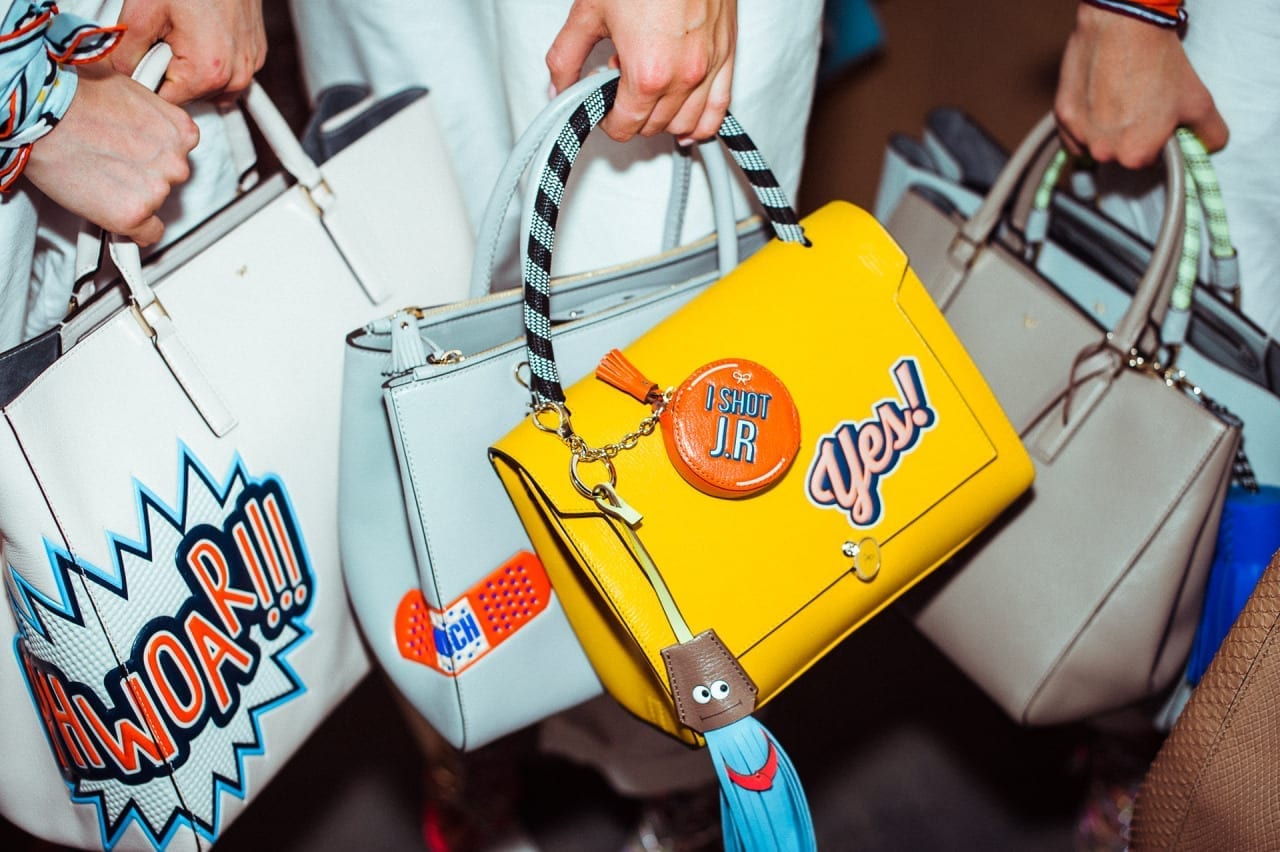
    Hindmarch is known for her colourful bags with their symbols, smiley faces, googly eyes and pixelated Space Invaders aliens. Her 2014 fall/winter collection included clutch bags resembling Kellogg’s Frosties and Coco Pops cereal boxes, and customers can have their bags personalised with alphabet or symbol “stickers” made of embossed goat leather.

    The new Anya Hindmarsh Singapore store, opening on September 24, will take up 538 sqft (50 sqm) at Takashimaya Department Store on Orchard Road.

    For the launch of her latest spring/summer collection at London Fashion Week, gymnasts and mirrors were arranged on set to give guests the illusion they were looking into a kaleidoscope. At the show for her autumn/winter 2013 collection, the stage was set with 50,000 dominoes, toppling along a winding track. Her domino-themed clutches and bags then rose from hidden trapdoors.

    “I think bags can really make a difference to how a woman feels and the ‘role’ she plays,” says Hindmarch, who has five children. “They also have to work. Functionality is very important.”
    As an example, her Italian-made tote bags are roomy and have multiple pockets with zippers. She also designs backpacks and crossbody bags that leave the wearer hands-free.

    The bespoke service will not be offered at the new Singapore store yet, and the brand’s first men’s collection, launched in London in July, will not be available in Singapore either.

    Since launching in 1987, the brand has expanded to include ready-to-wear items. It has 56 stores in nine countries, with 23 standalone boutiques in Asia, and counts British model Kate Moss among its fans.

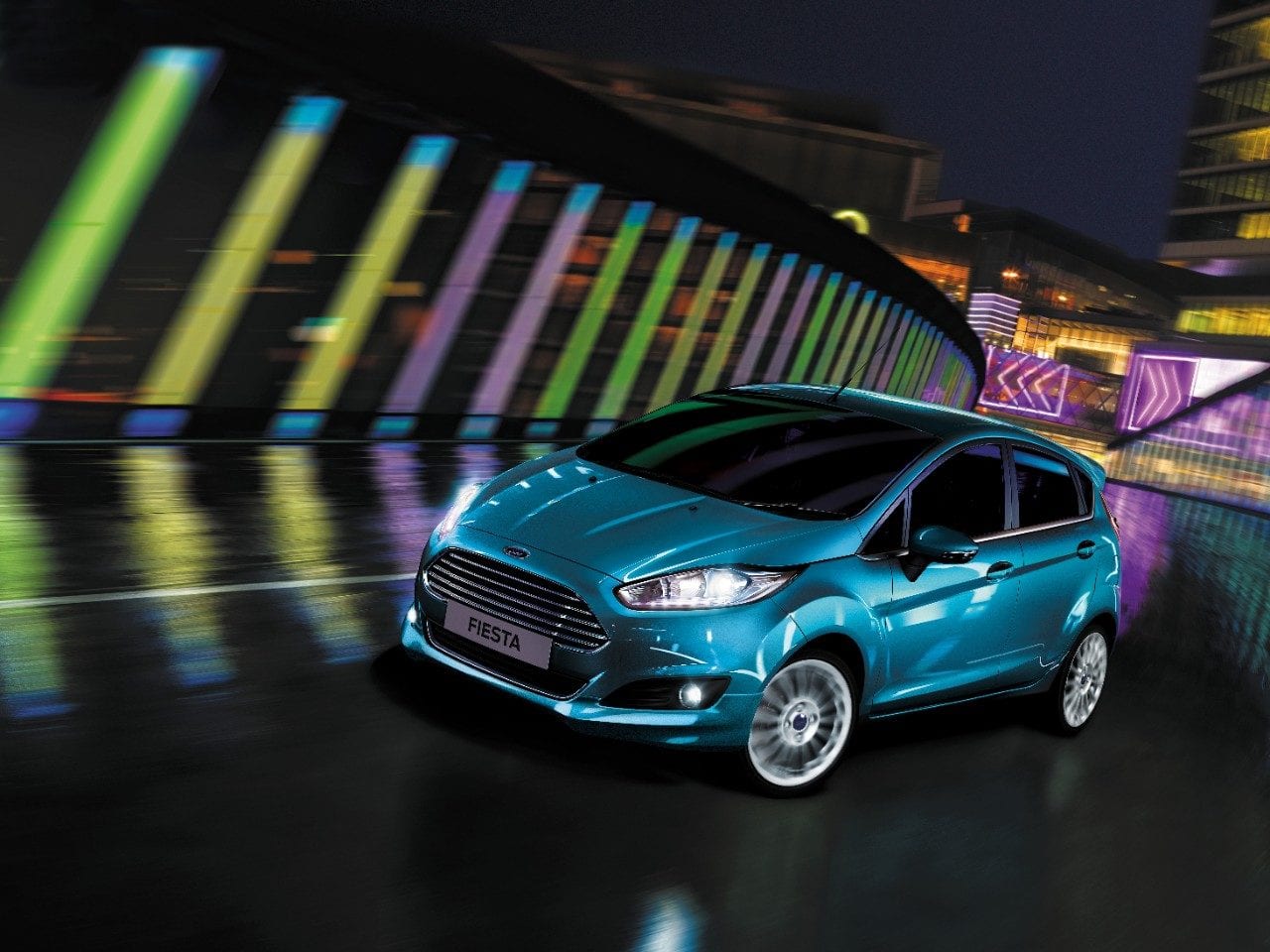
  • Indonesia to look into Ford’s sales after report on tax avoidance

    Indonesia to look into Ford’s sales after report on tax avoidance

    Indonesia’s tax office said it will look into whether Ford Motor Co (F.N) had avoided paying appropriate taxes, after a local newspaper reported that the U.S. car maker modified imported Everest model vehicles sold in the country to pay a lower tax rate.

    Suara Pembaruan, citing an unnamed source, said Ford modified the seven-seater vehicles made at its Thailand factory into 10-seaters before importing them and then subsequently changing them back into seven-seaters for sale. It said the modifications happened from 2007 to 2014. (bit.ly/2coZtbk)

    An imported seven-seater like Ford’s Everest is subject to a luxury goods sales tax of 40 percent in Indonesia, compared with the 10 percent tax imposed on an imported 10-seater, the newspaper said in the report on Wednesday.

    “I will study the case,” Ken Dwijugiasteadi, director-general of taxes, told reporters on Thursday. “We will investigate anyone who carries out a tax violation.”

    Ford imported, sold and delivered its Everest vehicles to its dealers in Indonesia in both 7-seat and 10-seat configurations, a Ford spokesman said in an email.

    “We have always strictly complied with all Indonesia government regulations and policy, including all import-related tax and customs requirements, related to each of our Ford vehicles officially marketed and sold in the country,” he said.

    Ford announced in January it is closing all operations in Southeast Asia’s biggest economy, but if the car maker is proven to have caused state losses, it may have to pay back taxes of up to four times the amount it owed, according to Indonesian law.

    The automaker, which had a less than 1 percent market share in Indonesia, is also facing a potential lawsuit from its dealers there who demanded around $75 million in compensation after its move to withdraw from Southeast Asia’s biggest car market.

  • SingPost introduces Singapore’s first islandwide open parcel locker service

    SingPost introduces Singapore’s first islandwide open parcel locker service

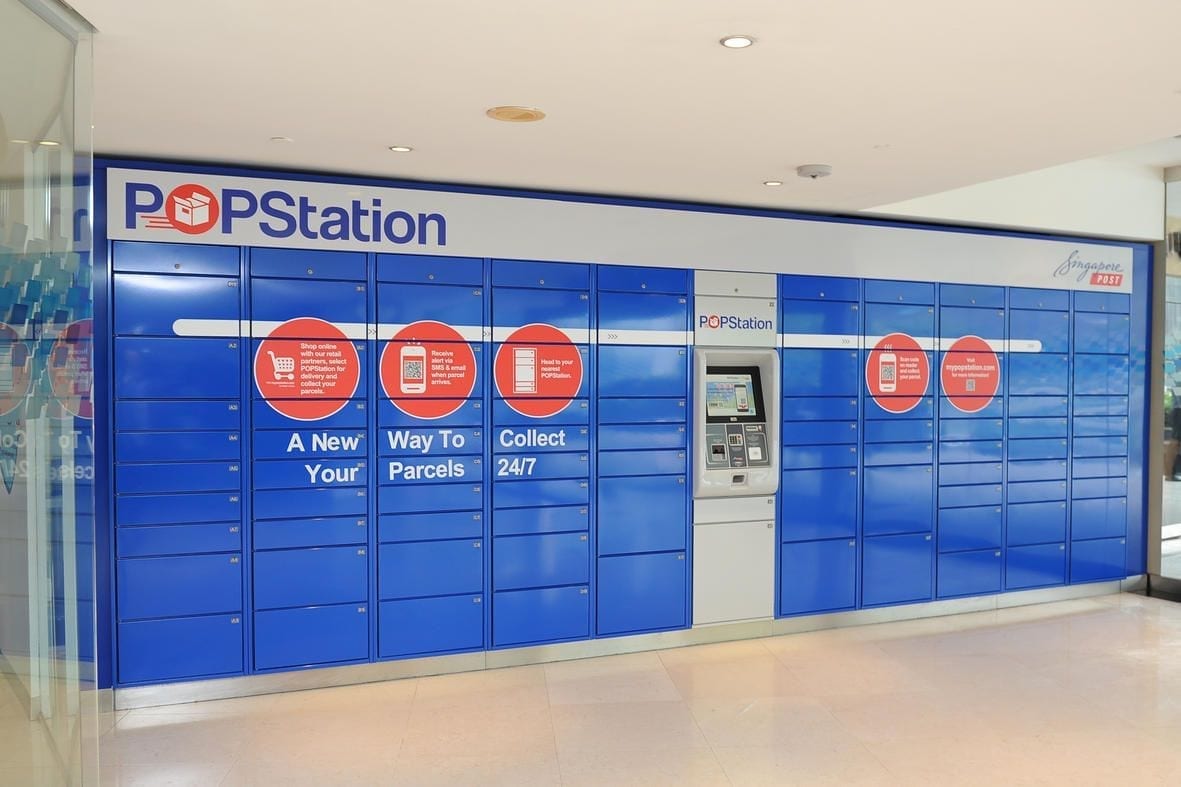
    Singapore Post Limited (SingPost) introduced Singapore’s first islandwide open parcel locker service: Rent-a-POP, an exciting new service for POPStation.

    Retailers and consumers can now rent a POPStation locker to deliver their parcels conveniently 24/7. The SingPost service provides an innovative last mile delivery option to blogshop owners, marketplace sellers and consumers.

    Currently, there are limited cost effective delivery options which provide end-to-end tracking for this customer segment. SingPost’s Rent-a-POP service addresses this gap in the market, and provides a convenient solution that is easy to use.

  • Yusen opens cold storage facility in Cambodia

    Yusen opens cold storage facility in Cambodia

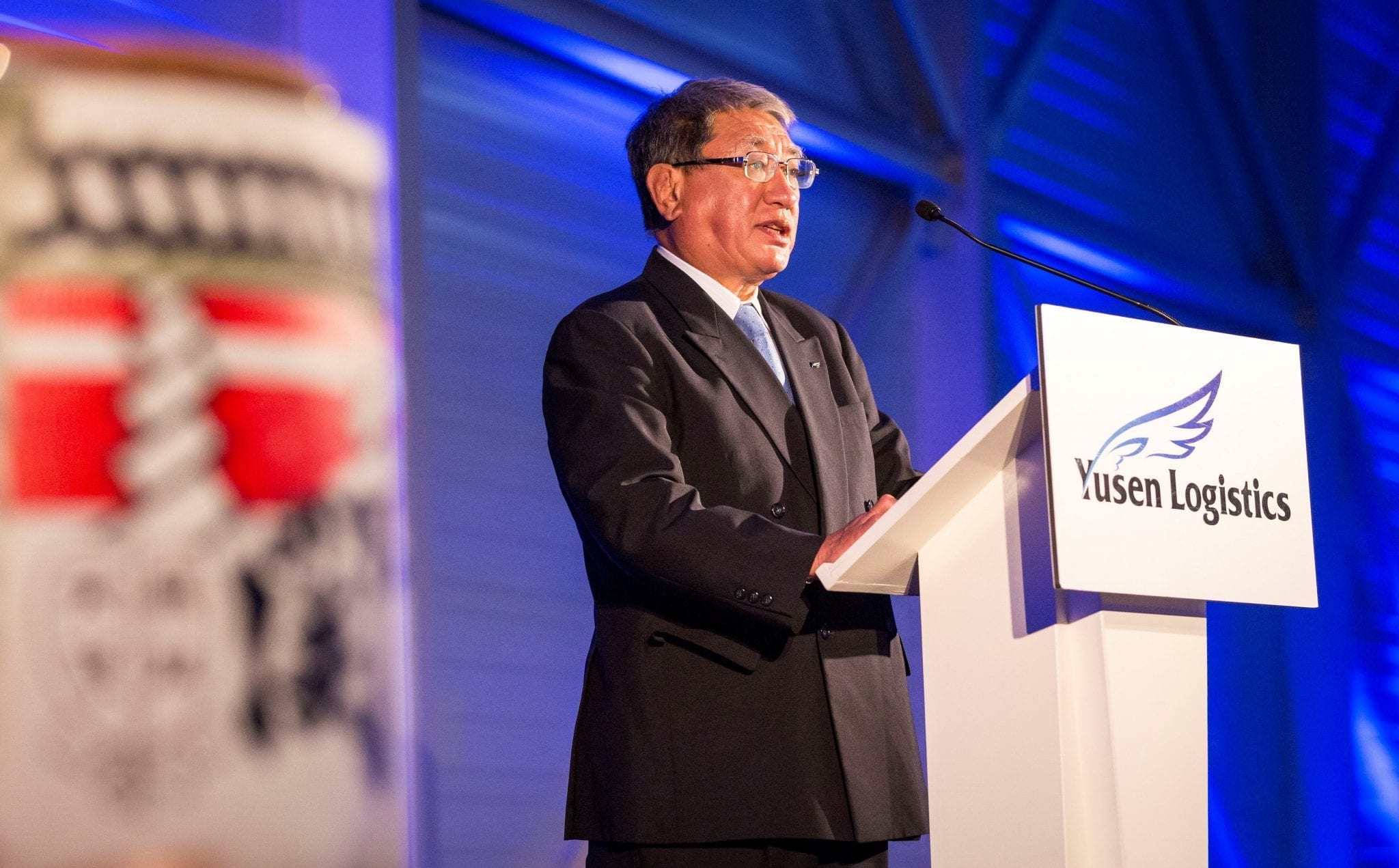
    Yusen Logistics is establishing a temperature-controlled distribution center in Phnom Penh, Cambodia.

    It is one of Cambodia’s largest cold storage facilities. The facility strengthens Yusen Logistics distribution network in Asia and will support Cambodia’s growing demand for warehouse storage for imported general consumer goods and chilled and frozen goods.

    In addition, the company will be offering Cambodia’s first consolidated delivery service in Phnom Penh for retailers and wholesalers.

    The new facility has about 3,000 -square-meter, almost double the capacity of the existing warehouse which included the 120 -cubic-meter temperature-controlled storage area. The expansion will enable the company to handle the storage, processing and distribution of chilled and frozen goods with quality assurance and compliance.

    The consolidated delivery service will be available to customers in Phnom Penh on a daily basis, excluding weekends. Yusen Logistics will also provide the same service for chilled and frozen goods using cold-storage boxes and will ensure product quality is maintained up to the point of delivery.

    The group’s Medium-Term Business Plan, “GO FORWARD, Yusen Logistics – Next Challenges”, positions the ASEAN region as a critical region. The Cambodia subsidiary, which began operations in 2013, has provided a diverse and varied range of logistic services, including ocean and air freight forwarding, customs clearance, domestic delivery, and cross border transportation.

    It has contributed to the smooth supply of goods to Cambodia’s domestic market with the knowledge it has built up in the import of a wide range of goods, especially foods, as well as everyday items. The company is striving to meet the logistics needs of its customers in Cambodia by blending a diverse range of services with the capabilities of new facilities.

  • Record-breaking entries received for Spikes Asia

    Record-breaking entries received for Spikes Asia

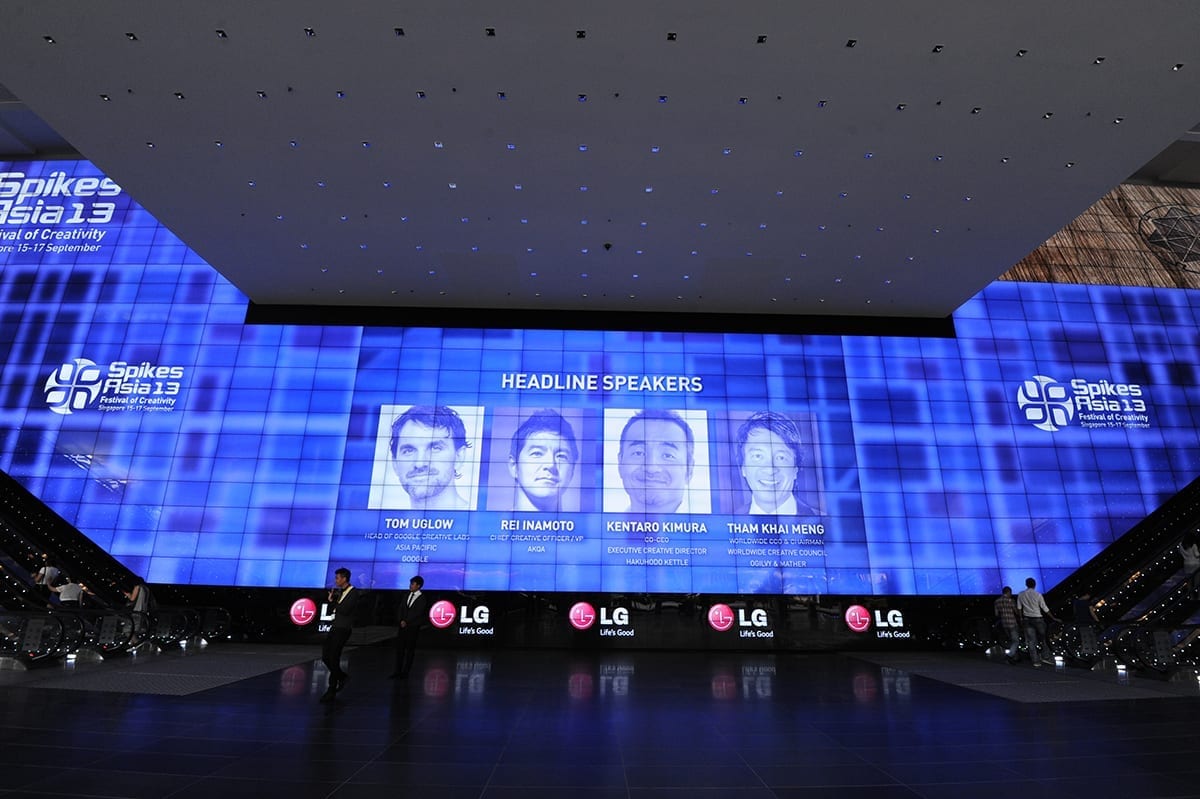
    Spikes Asia, the three-day Festival of Creativity in the Asia Pacific region has today announced a record-breaking 5,132 entries from 23 countries. Entries into Healthcare have seen a significant 72% increase, with Design (40%) and Direct (34%) also experiencing an upturn.

    “Creativity in Asia Pacific continues to excel globally with 3 of the top 10 most awarded countries at this year’s Cannes Lions coming from the region. The growth in entries is reflective of the fantastic work coming from this creative community and Spikes Asia is a platform for this work to be celebrated,” says Terry Savage, Chairman of Lions Festivals. “This increase demonstrates just how important the region is becoming in the global creative communications sphere,” he added.

    Prior to the Festival, which takes place from 21 – 23 September at Suntec, Singapore, 98 industry experts will convene to judge the work and award the most creative with the Spikes accolade across 20 categories.

    The full count is as follows:

                                2016    2015

    —————————————–

    Creative Effectiveness        25      23

    Design                       375     267

    Digital                      488     424

    Digital Craft                140       0

    Direct                       395     295

    Entertainment                168     154

    Film                         446     388

    Film Craft                   296     321

    Healthcare                   254     148

    Innovation                    56      47

    Integrated                    59      50

    Media                        430     438

    Mobile                       183     159

    Music                         83       0

    Outdoor                      453     468

    PR                           286     249

    Print & Outdoor Craft        234     181

    Print & Publishing           186     256

    Promo & Activation           434     350

    Radio                        141     133

    —————————————–

    TOTAL                      5,132   4,351

    With live judging at the Festival on Wednesday 21 September, the Innovation jury has confirmed their shortlist of 10 from the 56 entries received. Attendees of the Festival can experience the judging, led by Fred Raillard, Creative CEO, Fred & Farid, China while hearing the entrants explain the rationale behind the concepts competing for the Innovation Spikes. All of the shortlisted work will be available for attendees to view on the Innocean interactive kiosks.

    The winners will be announced onstage on Friday 23 September at the MasterCard Theatre, Marina Bay Sands. Additional awards presented on the night include the Spikes Asia Agency of the Year, Independent Agency of the Year, Media Agency of the Year, Network of the Year, Spikes Palm Award and the Grand Prix for Good. The Spikes Asia Advertiser of the Year Award will be presented to Mars, Incorporated before the official After Party brings the Festival to a close at The Clifford Pier.

    Delegates can still register to attend the Festival and further information can be found on the Spikes Asia website.

  • MHPS Opens Global Service Center for Thermal Power Plants in the Philippines

    MHPS Opens Global Service Center for Thermal Power Plants in the Philippines

    Mitsubishi Hitachi Power Systems (MHPS) has opened a Global Service Center (GSC) for thermal power plant operators, centered on the Southeast Asia region in Alabang, Muntinlupa City in Metro Manila, Philippines. The Center will support the optimal operation and maintenance (O&M) of thermal power plants, harnessing the latest Information and Communications Technology (ICT), such as remote monitoring, and MHPS’s extensive accumulated knowledge of thermal power systems. In addition, it will provide training to increase the expertise of clients’ O&M engineers. The Center will begin to provide services this fall.

    An opening ceremony was held locally on the 16th and was attended by many VIPs such as Department of Trade and Industry (DTI) Undersecretary Rowel Barba and Ambassador Kazuhide Ishikawa from the Embassy of Japan, as well as executives from Southeast Asian and Japanese power plant operators, financial institutions and trading companies. President and CEO Takato Nishizawa and Executive Vice President Masao Ishikawa also attended from MHPS and presented an outline of GSC and its services for thermal power plants using ICT.

    The Global Service Center follows the remote monitoring centers set up in Takasago, Hyogo Prefecture in 1999 and Orlando, Florida in 2001. It will open with approximately 20 employees with excellent communication and technical skills from local group companies with the aim of promoting globalization and consideration will also be given to technology transfer from Japan and development of new services designed to meet the needs of Southeast Asia.

    The Center will have three main functions:

    – The Service Solution Center will act as a ‘one-stop shop’ for client needs, providing services such as management of maintenance parts and dispatch of emergency personnel.

    – The Remote Monitoring Center will not only perform remote monitoring but will also provide solutions for improving O&M based on early fault detection and optimized outage management as well as data collection and forecasting analysis.

    – The Training Center will feature an operations simulator to facilitate response training for various scenarios to enable client engineering teams to acquire advanced skills.

    MHPS will use GSC as a base to offer comprehensive services to a wide range of operators including remote monitoring, control, O&M and single-point centralized management that is optimized for each power plant. This includes clients currently using generation equipment supplied by other manufacturers. The company will promote enhancement of client asset value through achieving improvements in plant availability and efficiency. Development efforts continue on an ICT platform that can significantly improve the operational efficiency of client facilities by taking advantage of MHPS’s world-class R&D and product engineering capabilities and IoT (Internet of Things) technology.

  • Apple Hong Kong to open new store

    Apple Hong Kong to open new store

    Hong Kong is about to get a new official Apple store.

    Hoardings have gone up in the APM shopping mall in Kwun Tong, inside Millennium City, as construction gets underway of a single-storey Apple Hong Kong shop.

    Hong Kong boasts one of the highest numbers of official stores on a per capita basis in the world.

    Apple HK 7th store


    The new store will almost certainly feature the new interior design created by the tech giant’s retail head Angela Ahrendts, whose previous role was CEO of Burberry. The store can be expected to be called simply Apple – with the company dropping the “store” from its title globally.

    Hoardings give no indication of an opening date, announcing simply: “We’ve got something special in store for you. A brand new Apple store is coming soon”.

    apple-hong-kong-7th-store

    Perhaps significantly, the hoarding is a bold red colour – unlike previous hoardings covering Apple store fitouts which have always been white.