Author: Mei Ling Tan

  • Pertamina Rolls Out 98-Octane Fuel

    Pertamina Rolls Out 98-Octane Fuel

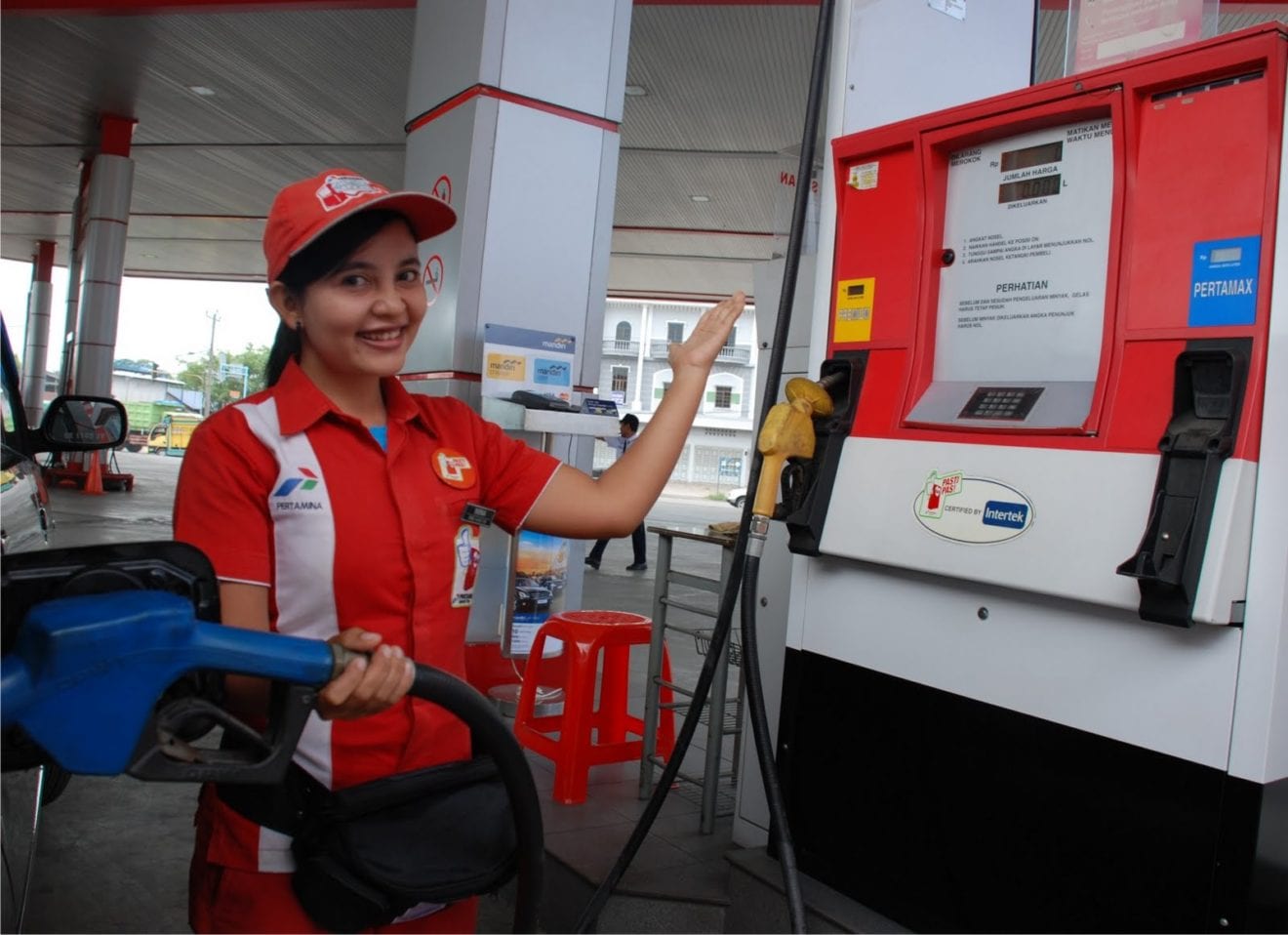
    State-owned oil company PT Pertamina has launched a new fuel, Pertamax Turbo. Vice President Corporate Communication, PT Pertamina, Wianda Puspongoro said the product is available at several gas stations in Jakarta.

    “It is now available on MT Haryono, Pramuka, Pantai Indah Kapuk and one other location,” Wianda told Tempo at an auto expo Gaikindo Indonesia International Auto Show 2016 at ICE BSD, Thursday.

    Pertamax Turbo is a fuel with an octane rating of 98. The fuel is released for those who need fuel with an octane rating of above 95, such as those owning turbochared vehicles.

    The first phase of its sales only include Jakarta. In the second phase, Pertamax Turbo will be distributed outside of Jakarta, such as East Java, Central Java and Sumatra. “We have no problem in the preparation for product [launch in other regions],” Wianda said.

    Wianda said Pertamax Turbo is priced at around Rp8,700 per liter. Wianda had yet to confirm whether Pertamax Turbo would replace Pertamax Plus. “We’ll see.”

  • Only four Asian nations safe for data storage

    Only four Asian nations safe for data storage

    Only four Asian nations are considered truly secure for data storage, according to a new report by secure data center operator Artmotion.

    Combining independent data from the United Nations, World Economic Forum, Transparency International and several other leading privacy groups, the report titled “Data Danger Zones” ranks over 170 nations on their abilities to keep digital information safe, private and secure.

    Globally, the benchmark identified Switzerland as the safest nation for data storage, receiving a “potential risk score” of only 1.6%. Singapore was ranked as the the safest Asian nation, with a risk score of 1.9% as a result of the island state’s independent privacy legislation and political stability.

    Hong Kong (5th place), Taiwan (6th place) and South Korea (15th place) also join Singapore in the top 15 safest nations globally, ahead of the United Kingdom and the United States of America which ranked 23rd and 38th respectively.

    Despite Asia’s growing role as a market for data storage, the new benchmark suggests that it is falling behind other regions when it comes to data security and privacy. While only a few IT managers have chosen to store data in Afghanistan or Yemen, rapidly expanding data center markets such as China did not even qualify for the top 50 safest nations.

    More surprisingly, India, one of Asia’s key technology hubs and home to the largest data center in the world, ranked only 107th on the list, falling below Russia and Turkey.

    Commenting on the new study, data privacy expert Mateo Meier said: “It’s very easy for businesses and individuals to forget the importance of physical location when selecting a cloud hosting service or data hosting provider.

    “Especially in today’s volatile world, businesses need to not only consider data privacy regulations, but also take into account other risk factors such as political environments, geographic locations and physical infrastructure.

    “In support of this point, the Data Danger Zones report examines over 3.5 trillion IP addresses in 170 assessing countries, providing one of the most comprehensive guides ever created for data safety. Through this analysis, we want businesses to be able to make a more informed decision of how and where to store their data, and have a better understanding whether or not it is truly safe.”

  • NBTC sort of maybe bans Pokemon Go

    NBTC sort of maybe bans Pokemon Go

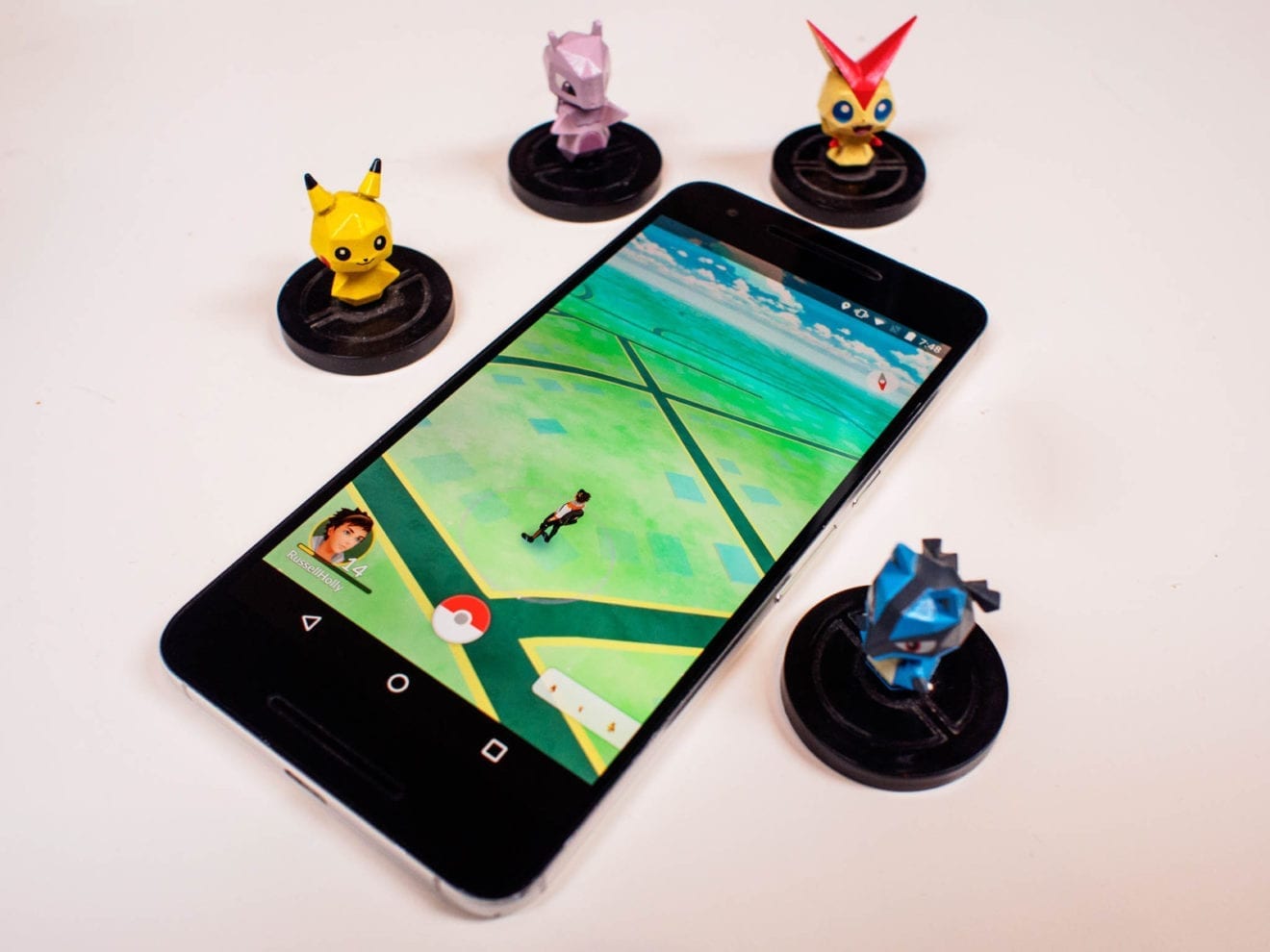
    Thailand’s National Broadcasting and Telecommunications Commission announced it would not ban Pokemon Go, then went straight ahead and asked Niantic for a de facto ban in practice anyway.

    NBTC Secretary General Takorn Tantasit held a press conference where he showed media the list of Pokemon-free zones he would demand from Niantic.

    This is the first time since Pokemon Go was launched that the NBTC correctly attributed Niantic to the hit game. All previous mentions by the telecoms regulator mis-credited Nintendo of Japan.

    The NBTC has ordered Niantic to, “remove Pokestops and not release Pokemon in the following areas: Dangerous areas – footpaths, railroads, railway, canal bank; religious places, temples, pagodas; schools and hospital; government and military buildings / properties; private places.”

    The NBTC also asked Niantic to ban all Pokemon in Thailand at night for safety reasons.

    It did not take long for social media to erupt in a storm of frustration and disbelief and point out the obvious that nobody in the NBTC had a clue how the game actually worked.

    Since Pokestops have a 40-meter radius (more for Pokemon themselves), banning Pokemon Go from the NBTC Secretary-General’s list would effectively be a total ban on Pokemon in Thailand except in royal palaces and the middle of safe, dry public parks.

    Nor did the NBTC’s letter mention Pokemon Gyms (where Pokemon battles are held).

    Adding to the confusion TrueMove has reiterated that it and it alone holds the rights to a forthcoming localized version of Pokemon Go and has already lined up 60 to 80 advertisers.

    True’s head of content Birathon Kasemsri told reporters that under Niantic’s contract with the Pokemon Company, Niantic would have to create a localized version of Pokemon Go exclusively for TrueMove.

    He said that True expected huge profits from advertising on everything from Pokeballs and items to clothing for the Pokemon Trainer avatars.

    Birathon said that the launch was still many months out as Niantic was still concentrating on the global launch of the game.

    Niantic did not respond to emails asking for clarification on the matter.

  • Telenor Pakistan launches 4G services

    Telenor Pakistan launches 4G services

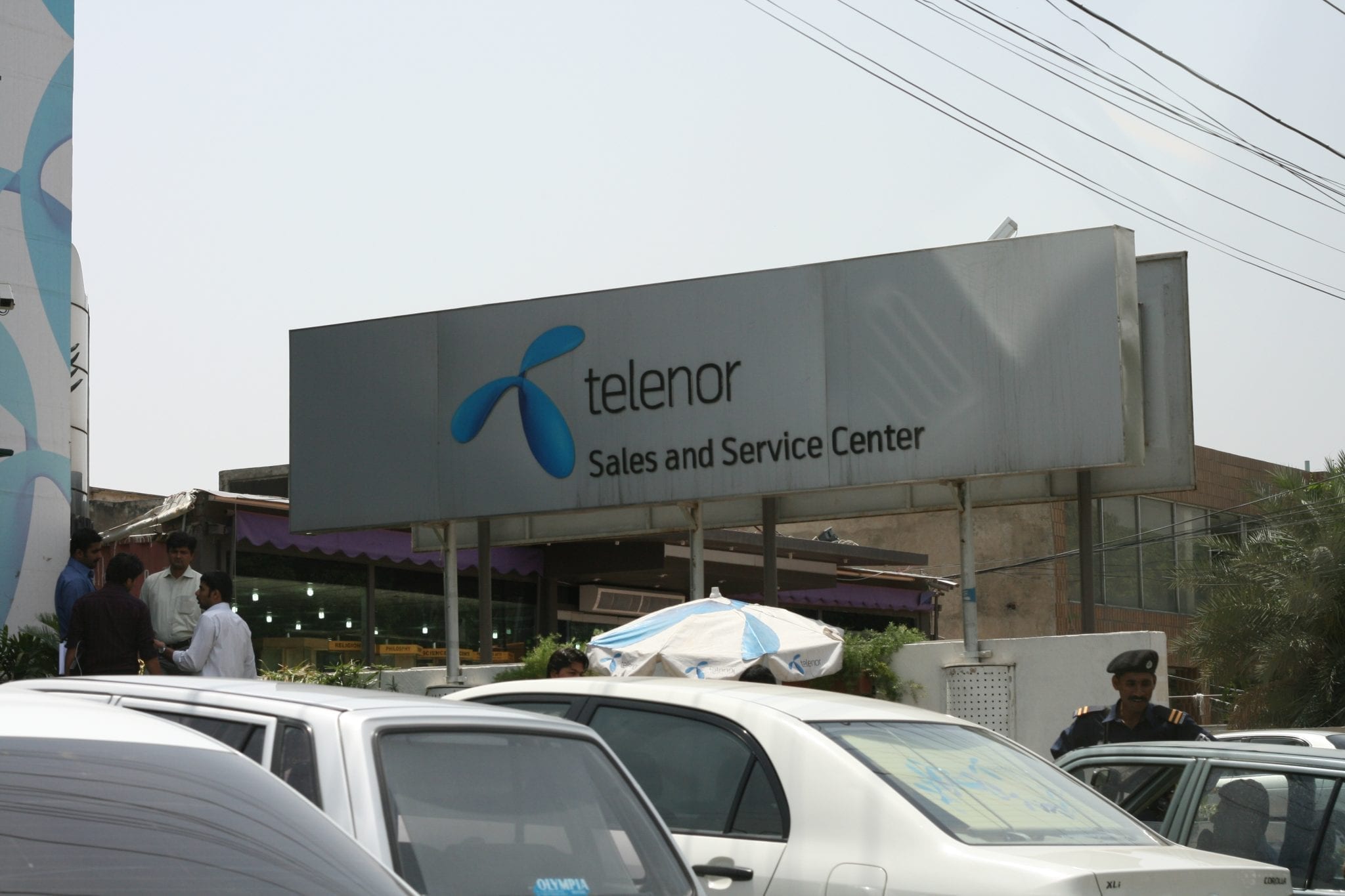
    Telenor Pakistan has commenced a nationwide 4G rollout. launching services in six cities.

    The company will offer 4G services to customers free of cost as a promotional exercise in the initial launch areas, which include select locations in Karachi, Lahore, Islamabad, Multan, Peshawar and Swat.

    Customers in the cities will be able to obtain 4G SIMs at the operator’s sales and service centers and franchises.

    Telenor Pakistan plans to rapidly roll out the service to other cities in the nation, the operator said in a statement.

    “For Telenor Pakistan, this represents a huge leap forward towards realizing our ambition of bringing Internet for All and empowering Pakistan with digital technology,” the statement reads.

    Telenor Pakistan was the only bidder for 4G spectrum during a recent auction of a 10 MHz block in the 850-MHz band. The operator secured the spectrum for $395 million.

    The operator will be competing against China Mobile subsidiary Zong, which this week announced it has expanded its 4G coverage to over 100 cities nationwide.

  • VNPT launches mobile satellite services

    VNPT launches mobile satellite services

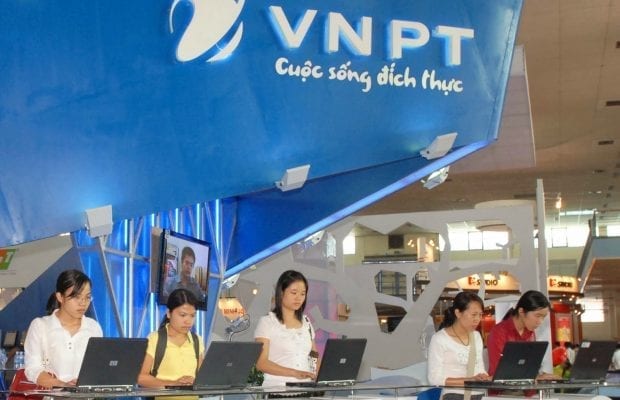
    Vietnamese military-run operator VNPT has launched mobile satellite services via subsidiary VinaPhone.

    The operator has signed an agreement with Thuraya to expand its coverage to 100% of Vietnam’s territory – as well as two thirds of the world – by utilizing the Thuraya network.

    Thuraya will provide its land and maritime handsets for the services, which will allow postpaid customers to make voice calls send SMS and use GPS.

    Services will be offered for consumers and government agencies as well as enterprise customers, particularly those in the mining, fishey, transport, construction and tourism industries.

    In the initial launch phase VNPT will introduce Thuraya’s XT-Lite satellite handsets and the SF2500 maritime communication system. The latter product supports voice capabilities, crew calling, GPS tracking, geo-fencing and SMS services..

    “The launch of mobile satellite services confirms our dedication to the primary mission of VNPT, consolidating technology to serve the needs of society,” a VNPT representative commented.

    “The mobile satellite service marks a significant step for the VNPT VinaPhone mobile network, allowing it to cover all of Vietnam, thereby eliminating communication black spots.”

    VNPT’s Vinaphone was the first mobile network to cover all provinces and cities across Vietnam in 1999, and to cover all districts in 2006.

  • Singtel Q1 profit grows 2%

    Singtel Q1 profit grows 2%

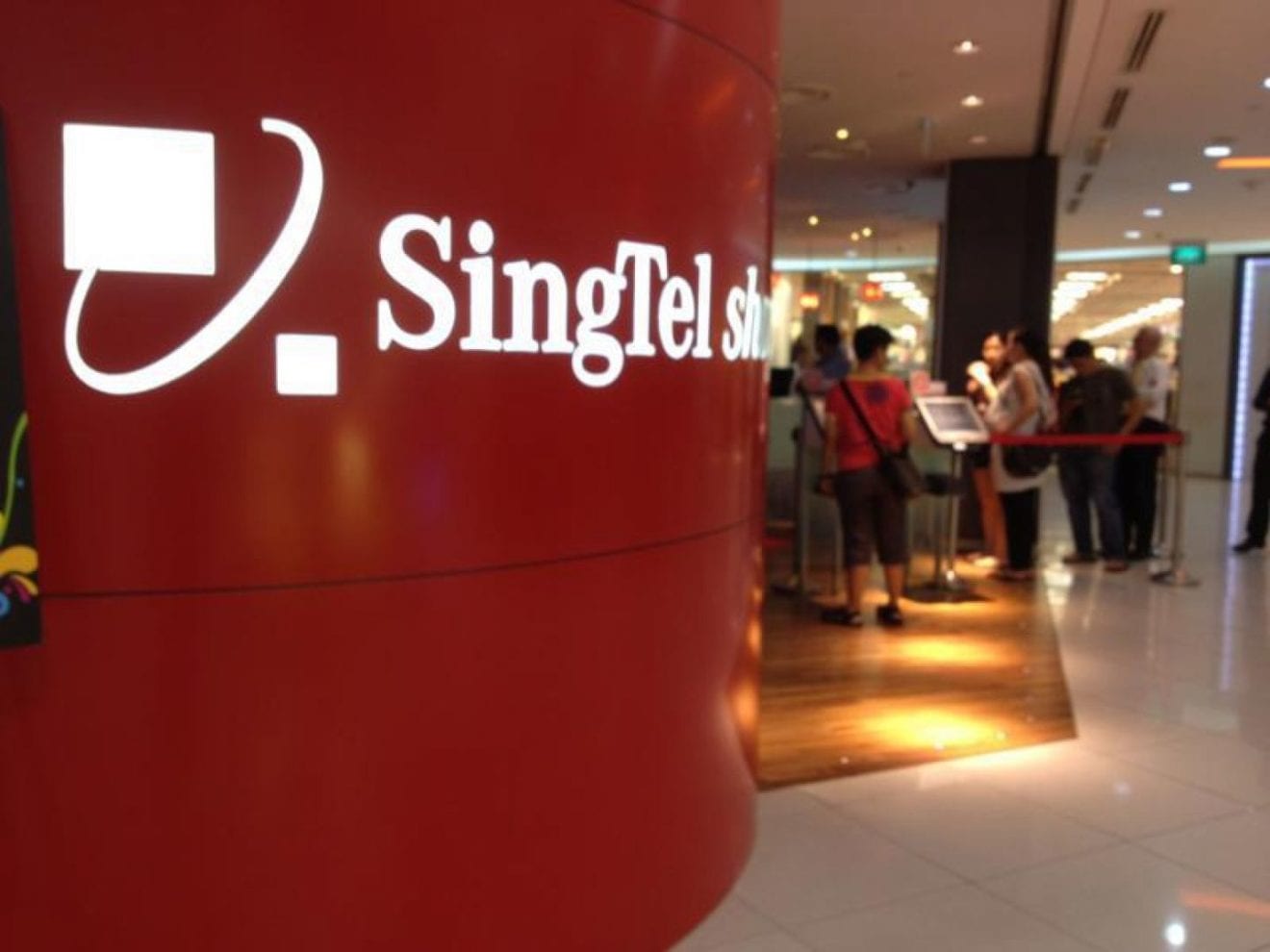
    Singtel has announced a 2% increase in net profit for the quarter ended in June to S$944 million ($701.5 million), on the back of strong mobile data and cyber security services revenue growth.

    Barring one-off gains in the same quarter last year, profit would have grown 7%, or 9% in constant currency terms.

    But total operating revenue for the quarter fell 7% to S$3.9 billion, largely as a result of mandated cuts to mobile termination rates in Australia, which affected the contributions from wholly-owned subsidiary Optus.

    Group consumer revenue declined 15.6% year-on-year to S$2.19 billion while group enterprise revenue grew 5.1% to S$1.58 billion.

    In Singapore’s consumer market, strong demand for mobile data offset declines in voice, text and roaming revenue. But operating revenue still fell 8.5% to S$558 million. Mobile revenue dipped 1.4% to S$323 million, but fixed broadband revenue was up 3.4% to S$55 million.

    Singtel’s Group Digital Life revenue meanwhile increased 34% due to solid contributions from its ICT subsidiaries. Particularly strong performers included digital marketing arm Amobee and the operator’s Trustwave security-as-a-service unit, which Singtel acquired for $770 million last September.

    Post-tax earnings from the Singtel Group’s regional mobile affiliates meanwhile climbed 19% as a result strong performances from Telkomsel in Indonesia and Bharti Aitel in India.

    The group’s combined mobile customer base grew by 8.2 million during the quarter to 613 million.

    Looking ahead to the full financial year, Singtel currently expects to report a slim 0.3% increase in net profit to S$944 million, but a 7.1% decline in group revenue to S$3.9 billion.

  • GMR Hyderabad Airport Adds ‘Parcos’ – the Multi-brand Fragrance Store

    GMR Hyderabad Airport Adds ‘Parcos’ – the Multi-brand Fragrance Store

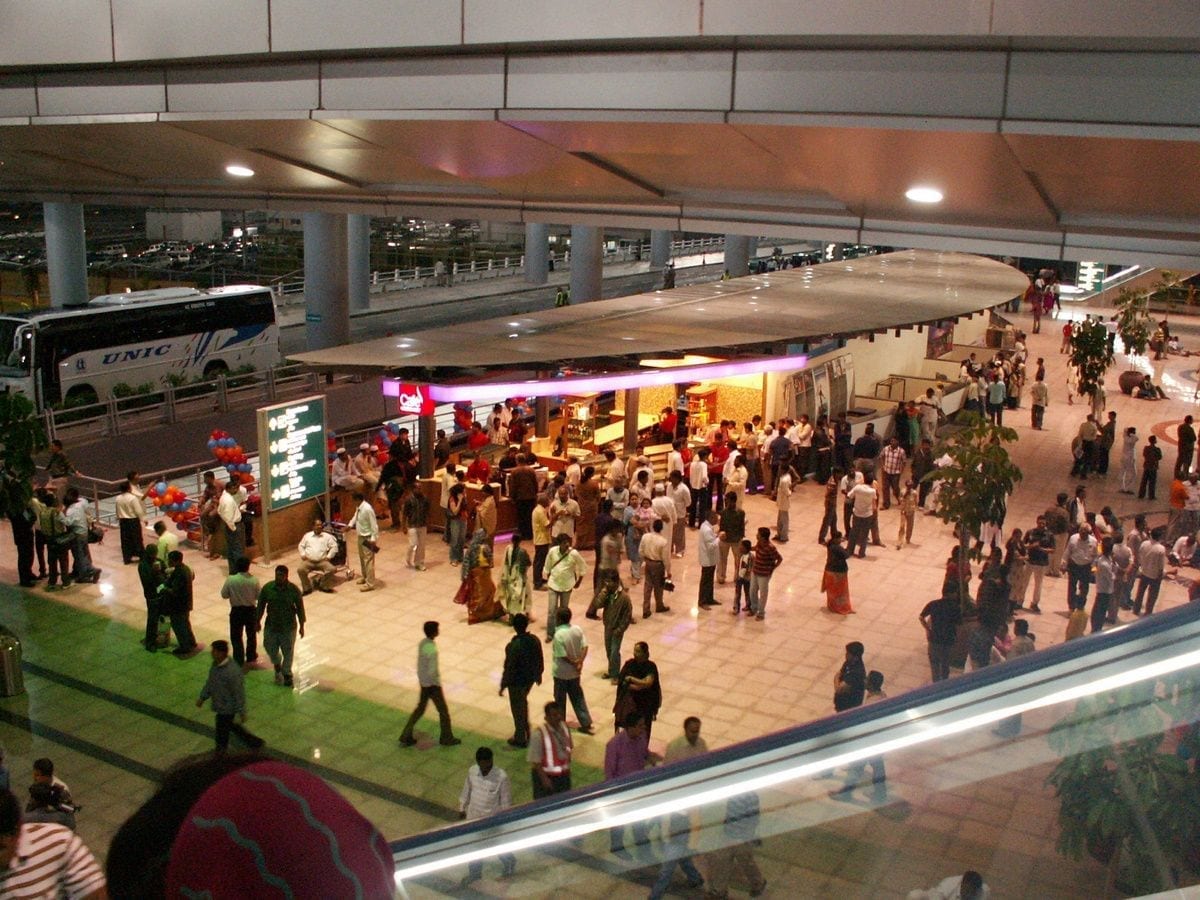
    GMR Hyderabad International Airport Ltd. (GHIAL) has added Parcos, a noted multi-brand Perfumes, Skin Care & Cosmetics retailer at the domestic terminal of Hyderabad Airport.

    Parcos is India’s leading fragrance store with a scintillating array of international brands in Travel Retail domain. Parcos presents quality service with fascinating range of beauty products, further augmented by the sheer luxury offered.

    With one-stop retail destination for fragrance, Parcos outlet is now available at domestic SHA of Hyderabad Airport. Anyone searching for their signature perfumes can find their destination here with some of the widest range of global perfume brands under one roof, viz. Ralph Lauren, Calvin Klein, Paco Rabbane, Davidoff, Gucci, Hugo Boss, Dolce & Gabbana, Carolina Herrera, Cartier, DKNY, Georgio Armani, Lacoste, Prada, Versace among many more.

    Focusing on young, contemporary, upwardly mobile customers, Parcos at Hyderabad Airport offers a high-end quality service and charming ambience with aesthetic and alluring display of perfumes. The store plans to conduct regular free makeover sessions for the passengers travelling out of Hyderabad

    Speaking about the addition of Parcos at Hyderabad Airport, Mr. SGK Kishore, CEO, GHIAL, said, “We welcome Parcos to Hyderabad Airport as a part of the overall retail offerings. We are confident that the noted international perfume brands available at Parcos will meet the demand of our diverse passenger profiles who travel through the airport.”

  • Sunway Malls to Activate Pokémon Go Lure Modules

    Sunway Malls to Activate Pokémon Go Lure Modules

    Starting tomorrow, Sunway Malls will be activating Pokémon Go lure modules at certain hours and at certain Poké stops for Pokémon Go fans. The participating malls from the Klang Valley are Sunway Pyramid, Sunway Putra Mall and Sunway Giza Mall. Sunway Carnival Mall in Penang will participate in the campaign as well.  

    The campaign will last for 2 weeks, and might extend if the response is good.

    “Since Pokémon Go was released on Saturday, some of our malls have seen some form of increase in footfall. Sunway Pyramid for example, have had an increase of 5% of shoppers as compared to the weekend before, Sunway Putra Mall has seen an increase of 12% whilst Sunway Giza Mall has seen an increase as well,” says Kevin Tan, Chief Operating Officer of Sunway Malls.

    All Sunway Malls will activate their lure modules campaign, with Sunway Pyramid taking the lead today itself. The lure hours and location will be shared with the public in the mall itself and in their social media sites.

    Sunway Pyramid will also run a Best Costume contest this coming Saturday, 8pm where the best dressed Pokémon Go costume can win surprise gifts from the mall. Retailers of the malls are spotted sporting their own rewards for Pokémon Go players.

    Ever since the introduction of GST (Goods & Service Tax) April last year, Malaysians were subsequently hit by the removal of petrol subsidy, sugar, inflation and drop in currency value. The retail and mall industry has been hit with lower consumer confidence, lower consumer spend and certainly lower footfall for certain malls. Hence, various malls in Malaysia are stepping up their game in attracting shoppers’ footfall.

    It is widely known that malls in general have high traffic during the festive period and school holidays, but the introduction of Pokémon Go has certainly spiked up the footfall for the non-peak season.

    While it’s still too early to determine if sales have increased for Sunway Malls following the higher footfall, the malls under the brand are amongst the first in Malaysia to jump into the trend.

    Sunway Pyramid’s Facebook fanpage was the first Malaysian mall facebook page to feature the various Pokémon shoppers and gamers can find in the mall and attracted high organic reach without advertisement spend. Sunway Carnival Mall followed suit with similar posts while Sunway Putra Mall and Sunway Giza featured guides in their fanpage.

    “As Pokémon Go is taking the world by storm, we hope Pokémon Go gamers take necessary safety precaution and be constantly aware of their surroundings. We wish no untoward accidents befall on them,” Kevin cautions.

    “We can’t control where the Pokémon would appear and if they would appear near railings, escalators, steps or at open air car park such as the roof top, we hope they would remain aware of their surroundings,” he said.

  • GuestReady launches in Hong Kong, aims the short-term rental industry

    GuestReady launches in Hong Kong, aims the short-term rental industry

    Building on the global success of the sharing economy and its poster child Airbnb, a team of experienced entrepreneurs is building GuestReady.com to professionalise hosting on home-sharing platforms. The service, which is aimed at busy Airbnb hosts launches today in Hong Kong, Singapore, Kuala Lumpur, London, Paris, and Amsterdam.

    GuestReady’s set of services is aimed at real estate investors and hosts on Airbnb and it’s complementary platforms who are looking for help in managing their property. The startup provides a range of host services such as laundry, cleaning, check-in and check-out of guests, but more importantly, manages entire properties, which includes guest communication, maintaining listings on multiple short term rental sites, and ensuring the property generates the maximum possible yield.

    Airbnb and similar websites have become increasingly popular among leisure and business travellers who are looking for an alternative to long-term stays at hotels or serviced apartments. While traditional property agents focus on long-term rental and management of properties, GuestReady focuses on the underserved niche of short-term and vacation rentals.

    Lou Chan, Co-Founder and MD of GuestReady Hong Kong sees in this trend the big opportunity for GuestReady: “Hong Kong has long been the top choice for traveller, and the market naturally responds to it. According to a survey in 2015, 1 in 3 Hong Kong people who use the internet dip into sharing services like Airbnb. Supporting data also predicts that Asia-Pacific will become the world’s largest market for digital travel sales this year; alternate accommodation providers are set to cash in on this increasing traveller numbers.”

    “As the short-term rental industry is maturing, there is a natural need for more efficiency, professionalism, and standardisation. Especially with business travellers, the property and any service related to a stay need to be of immaculate quality. For non-professional hosts, this is hard to achieve, which is where we step in.”

    By launching GuestReady globally, the startup leverages location-specific advantages and taps into economies of scale to keep costs at bay. Chan, who previously was part of the founding teams of Rocket Internet’s Wimdu and Zalora, believes in the long-term success of platforms like Airbnb.

    The startup has been backed by Switzerland’s Swiss Founders Fund with an undisclosed sum. Romano Brandenberg, Venture Partner at Swiss Founders Fund, sees big potential in the growing and maturing short-term rental market. “Living and work patterns are becoming ever more mobile and the 12-month rental agreement or a room in a hotel is often not an adequate solution anymore for today’s business travellers, digital nomads or city hoppers. Short-term rentals offer a great alternative for these audiences” elaborates Brandenberg, and considers GuestReady a missing link in the industry to enable more property owners to become hosts.

    GuestReady.com launches today in Hong Kong and five other markets in Europe and Asia and is expected to roll into new countries soon.


  • HKTDC Food Expo, Tea Fair & Home Delights Expo Open

    HKTDC Food Expo, Tea Fair & Home Delights Expo Open

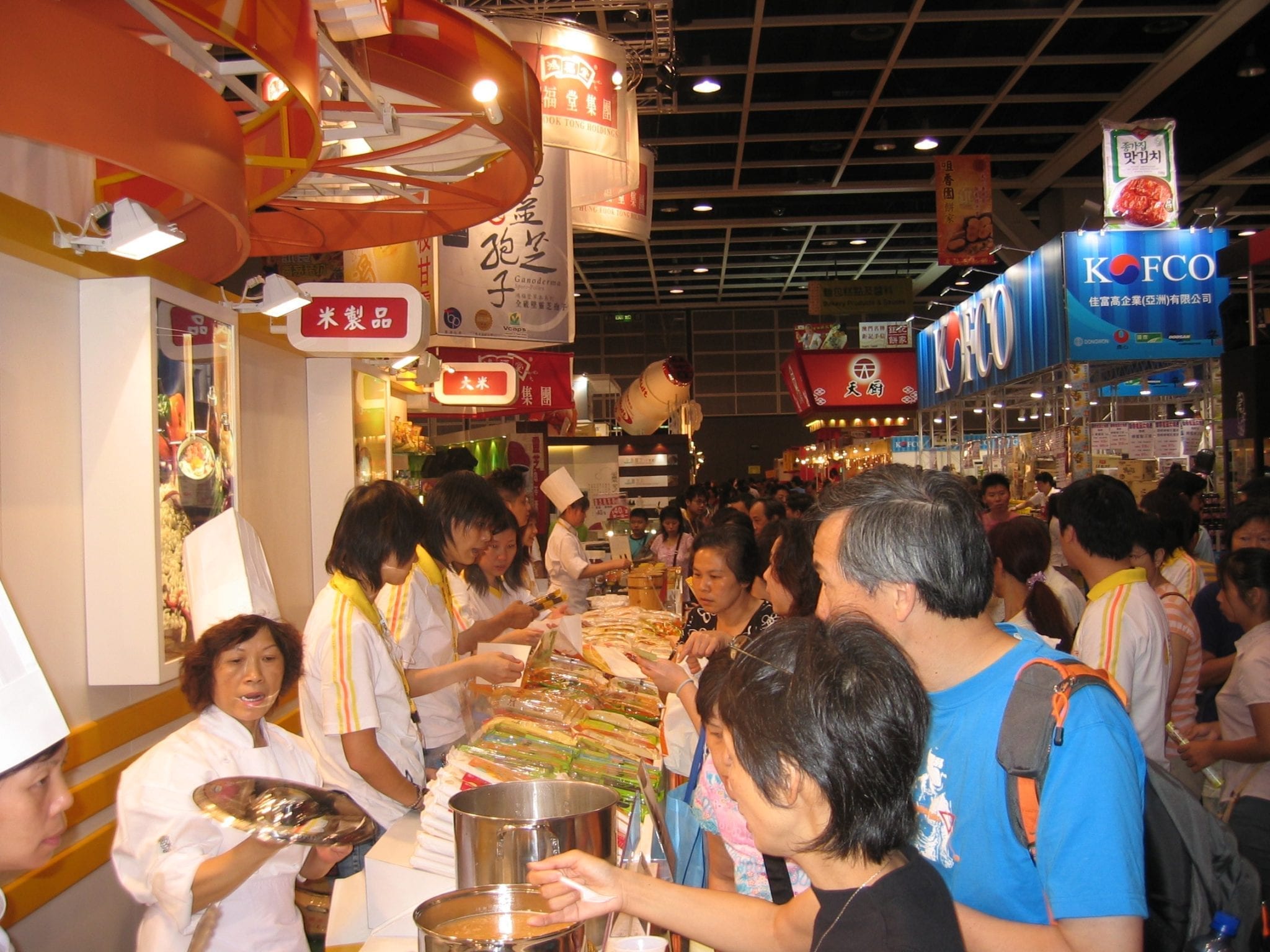
    Organised by the Hong Kong Trade Development Council (HKTDC), four concurrent fairs opened today at the Hong Kong Convention and Exhibition Centre (HKCEC); the 27th Food Expo, the eighth Hong Kong International Tea Fair, the third Home Delights Expo and the inaugural Beauty & Wellness Expo. Together, the fairs gather more than 1,800 exhibitors from around the world, bringing high-quality products and lifestyle solutions to consumers and trade buyers. The two-day International Conference of the Modernization of Chinese Medicine & Health Products (ICMCM), which is jointly organised with the Modernized Chinese Medicine International Association Ltd. (MCMIA), also opened today.

    “These concurrent events spotlight Hong Kong’s reputation as a business hub and lifestyle trendsetter in Asia. Together, they welcome a total of more than 1,800 exhibitors from around the world – each striving to help consumers enjoy a better and healthier lifestyle,” said Margaret Fong, Executive Director, HKTDC. “Now in its 27th year, the Food Expo presents a feast of business opportunities with a record of nearly 1,400 exhibitors from 26 countries and regions taking part. We expect to welcome some 20,000 trade buyers from around the world to the fair this year. Here, they can find trendy and quality products, gather the latest market intelligence and expand their business networks – all under one very large roof!”

    More than 100 buying missions from over 20 countries and regions will visit the Food Expo and Tea Fair this year, to source top-quality products and discover new business opportunities. A selection of local retailers and agents, including 759 Store, Sun Wah Japanese Food Ltd, Cafe Deco Group and DCH Logistics Co Ltd have set up buyers’ booths at the fairground for pre-arranged business matching meetings with exhibitors. This gives exhibitors the chance to connect with high-quality buyers and increase product exposure, while buyers are able to source products more efficiently.

    Foodies paradise spotlights international and green cuisine

    The Food Expo welcomes nearly 1,400 exhibitors and features delicacies from 26 countries and regions, including those of first-time participants from Croatia, Finland and Iceland. The Expo comprises three dedicated areas including Trade Hall, Gourmet Zone and Public Hall.

    Open to public ticket-holders until 14 August, the Gourmet Zone at Hall 3B spotlights flavours from around the globe. More than 70 exhibitors are presenting Asian and Western quality food products and specialty desserts. Responding to the increasing demand for healthy eating, this year the zone adopts a new “Green Palate” theme to place stronger focus on organic and green food.

    The Trade Hall is designed to serve up business opportunities for industry players. Among the thematic zones are the Halal Food Zone, which made a successful debut at the fair last year, and the new Chinese Medicine Zone held in association with the ICMCM. The Trade Hall is open to industry representatives on 11 and 12 August, before opening its doors to public ticket-holders as well on its last day (13 August).

    The Premium Food Zone is the highlight of the Public Hall at Hall 1A-E, featuring more than 30 famous food and beverage brands, including Kee Wah Bakery, On Kee Dry Seafood, Tai Pan, Maxim’s Caterers, Nissin and Tung Chun. Group pavilions from Canada, the Chinese mainland, Japan, Korea and the Philippines are also set up at the Public Hall to offer international culinary sensations.

    During the fair, a series of events including cooking demonstrations by celebrity chefs such as Michelin 3-star chef Alvin Leung, Esther Au who is known as the “Truffle Queen” and also the owner of Dolce Dolce Kitchen & Gourmet, Gabriel Choy who is Topgrade (Holding) Limited Executive Chef and Advisor, and Sze Chiu Kwan, Head Chef of Dong Lai Shun at The Royal Garden. Other events include sharing sessions by famous food critics, the launch of the 2016-2017 Wan Chai a La Carte food map, La Commanderie des Cordons Bleus de France and GHM Recommendation Restaurant Award Ceremony 2016, Q-Mark Selfie – Food Styling Competition with TV Stars, as well as seminars on “Hong Kong Green Purchasing – Food and Beverage Sector” and “Explore the Latest Trend in Food Sustainability”.

    Homemaking expo delights visitors

    Since its launch in 2014, the Home Delights Expo has enjoyed growing popularity. This year, the fair features 150 exhibitors showcasing innovative home appliances and kitchen utensils as well as kitchenware, tableware, household items and home security devices. The Avenue of Delights features about 40 exhibitors presenting a range of premium lifestyle brands such as CLP, Dyson, German Pool, Kenwood, Ladyship, OGAWA, OTO, Philips, STAUB, Towngas, WMF and ZWILLING J.A. Henckels.

    At Hall 3FG, visitors can bid for selected household appliances and products at crowd-pleasing Smart Bidding events. Other activities include lucky draws, product demonstrations, sharing health tips and cooking demonstrations by Cloudland Chinese Cuisine Executive Chef Paul Wong, Lai Sun F&B Management Group Executive Chef (Chinese Division) Albert Au, Media Chef Christy Lai of Zhu Fan Zai, and registered dietitian and author Gloria Tsang.

    Looking good & feeling great are key to quality lifestyle

    With demand for beauty and wellness-related products on the rise, the HKTDC has launched its brand new Beauty & Wellness Expo this year, gathering more than 60 exhibitors from across Asia including Hong Kong, Macau, Thailand, Malaysia and Taiwan. A wide range of cosmetics, skincare, hair care and massage products, nail polish and fitness equipment is on show during the fair.

    Standout displays include a skincare product line using Tibetan water collected from an altitude of 5,100 metres, a smart abs toning belt, a series of Taiwanese protective lotions with added hyaluronic acid that is new to the Hong Kong market and easy-to-use nail polish appliques from the US.

    During the fair, well-known beauty blogger Yoko Tsang and Chinese Medicine practitioner Roy Tsui are sharing tips on beauty trends and how to lead a healthy life. Other must-see events include make-up, hairstyle and nail-art demonstrations that are sure to wow fair visitors.

    Tea fair presents global business platform

    The Hong Kong International Tea Fair gathers more than 240 exhibitors from 10 countries and regions including the Chinese mainland, Hong Kong, India, Japan, Kenya, Korea, Singapore, Sri Lanka, Taiwan and the US to present high-quality tea and related products. The three-day fair is open exclusively to trade buyers on 11 and 12 August and also welcomes public ticket-holders on 13 August.

    An array of exquisite teas is being showcased during the fair, including one of the classics in pu’er tea “88 Yunnan Pu’er Cake”, pu’er tea powder made with tea leaves from aged arbor tea trees that are over 500 years old, as well as French dessert tea that combines organic tea and dried fruits. Japan External Trade Organization (JETRO) has returned this year with a group pavilion featuring 16 exhibitors including companies from green tea producing areas such as Kyushu and Kagoshima. The fair also presents a wide range of tea ware to promote tea culture.

    This year, the International Tea Competition continues to attract elite exhibiting brands, with a panel of professional judges reviewing the entries through blind tasting. Other special events include international tea tasting sessions, international cup warming, international tea arts performances and a seminar on marketing in the digital age.

    Public ticket-holders are welcome to visit on the last day of the fair (13 August), when experts will share tea therapy insights, explore tea appreciation techniques and analyse Pu’er tea and cheese pairing. Another spotlight event of the fair is the International KamCha Competition 2016 (Hong Kong-Style Milk Tea). The International Final will also be held on 13 August. Regional champions from Hong Kong, Guangzhou, Shanghai, Shenzhen, Melbourne and Toronto will compete for the title. The Final for Yuanyang will also be held on the same day.

    Traditional Chinese Medicine opportunities under the microscope

    The ICMCM takes place today and tomorrow with 18 prominent speakers from the United Kingdom, the Netherlands, Japan, Korea, Thailand, the Chinese mainland, Macau and Hong Kong, sharing their views on the opportunities arising from the Belt and Road Initiative, the quality of herbal products in Europe, the globalisation of Traditional Chinese Medicine, regulations and registration strategies for Chinese herbal health food, as well as the latest research and development findings. The ICMCM is an ideal platform for industry players to exchange ideas on the development of Chinese medicine.

  • China National Service Corp opens Shanghai downtown duty free store

    China National Service Corp opens Shanghai downtown duty free store

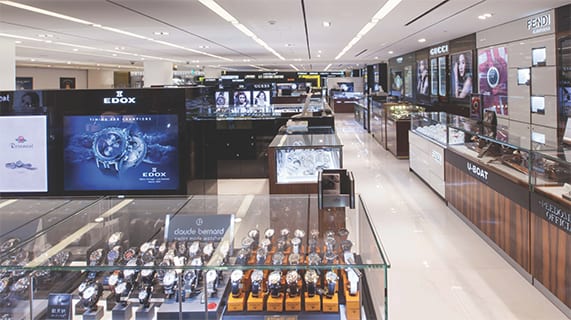
    State-owned China National Service Corporation (CNSC) opened its ambitious Shanghai downtown duty free store on 8 August. The corporation aims to invest heavily in the burgeoning downtown duty free sector in China.

    The store opening attracted thousands of shoppers on opening day. It houses an initial 100 brands from the region and worldwide over two floors, with more to come in the next three months, according to local reports. Categories on offer includes watches & jewellery, beauty, confectionery, toys, gifts and special sections dedicated to Korean and Japanese items,

    According to reports from Shanghai, the leading brands sold on day one were Estée Lauder, La Mer and MAC.

    The reports said that year one sales should hit around 400 million Yuan (US$60 million).

    CNSC said it planned to improve its retail systems and service processes, as well as its customer capacity.

    Landmark day: The new CNSC store opens in Shanghai (Phoho: Duty Free Expert)

    Landmark day: The new CNSC store opens in Shanghai (Photos: Duty Free Expert)

    Large crowds gathered in anticipation of the new store's unveiling

    Large crowds gathered in anticipation of the new store’s unveiling

  • Convenience stores make inroads into North Korea

    Convenience stores make inroads into North Korea

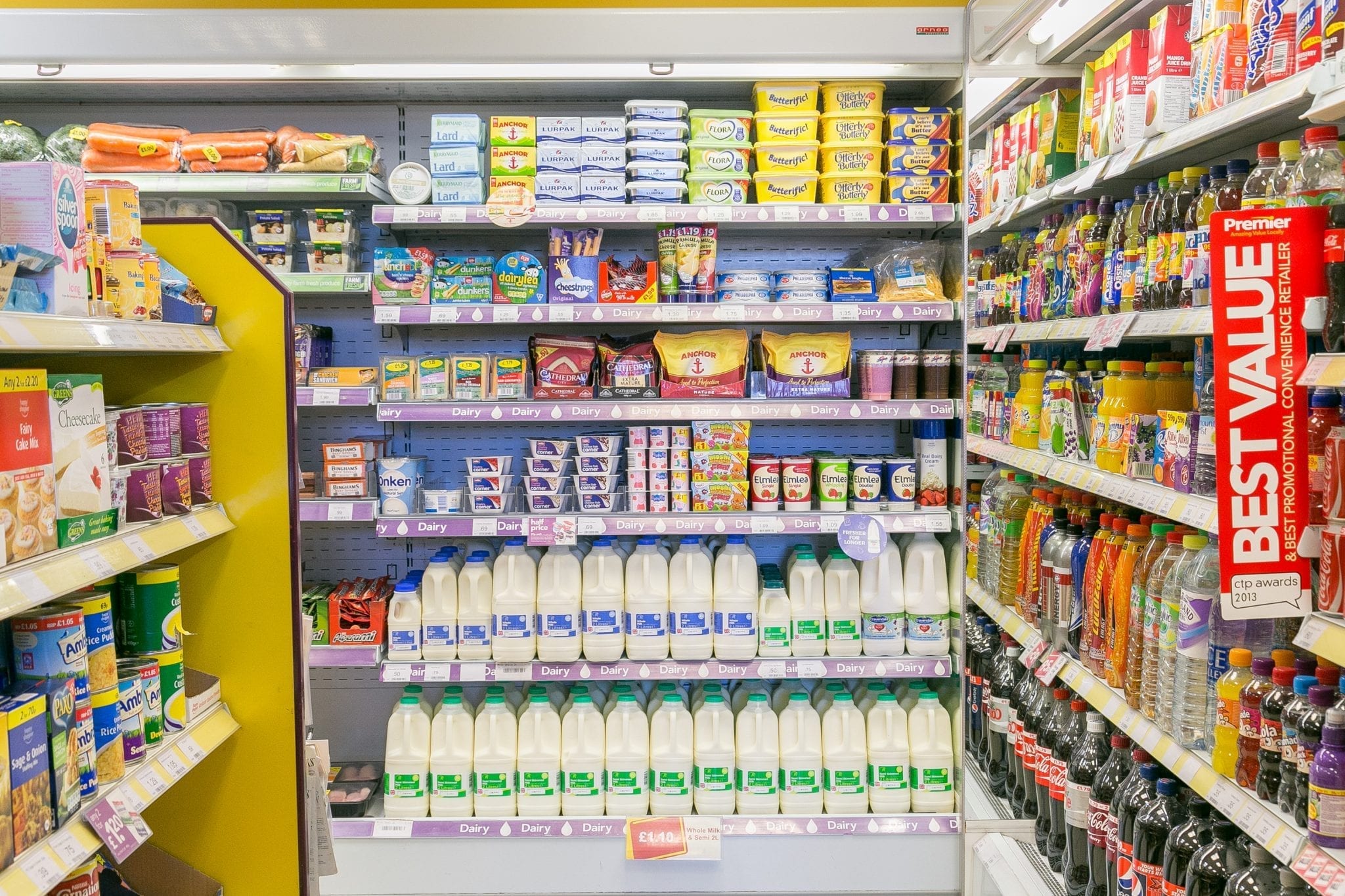
    An increasing number of convenience stores, similar to those in South Korea, have been appearing in North Korea, especially in the border areas with China, a U.S.-based media report said Tuesday.

    Citing a Chinese source who frequently visits the North for trade, Radio Free Asia (RFA) said the number of 24-hour convenience stores have steadily increased in the border cities of Musan and Hoeryong, North Hamgyong Province.

    The Chinese source said that the convenience stores are small scale businesses that can be started with 20,000 Chinese yuan (US$3,000).

    According to the Chinese trader, the stores initially opened to sell leftover goods of Chinese traders in the North, but they have now transformed into the around-the-clock operations.

    The RFA said that the retail stores sell liquor, cigarettes, groceries and household items, such as nail clippers, adding that these stores are now spreading out to such large cities as Rason, Hamhung and even the capital city of Pyongyang.

    Related to the rise of convenience stores, a North Korean female defector who settled in South Korea last year said there are five such convenience stores in Musan County alone.

    The woman said these stores pay some 300 yuan to the North Korean state organizations per month. They also give bribes to security officials.

  • Heat Wave Boosts Retail Sales

    Heat Wave Boosts Retail Sales

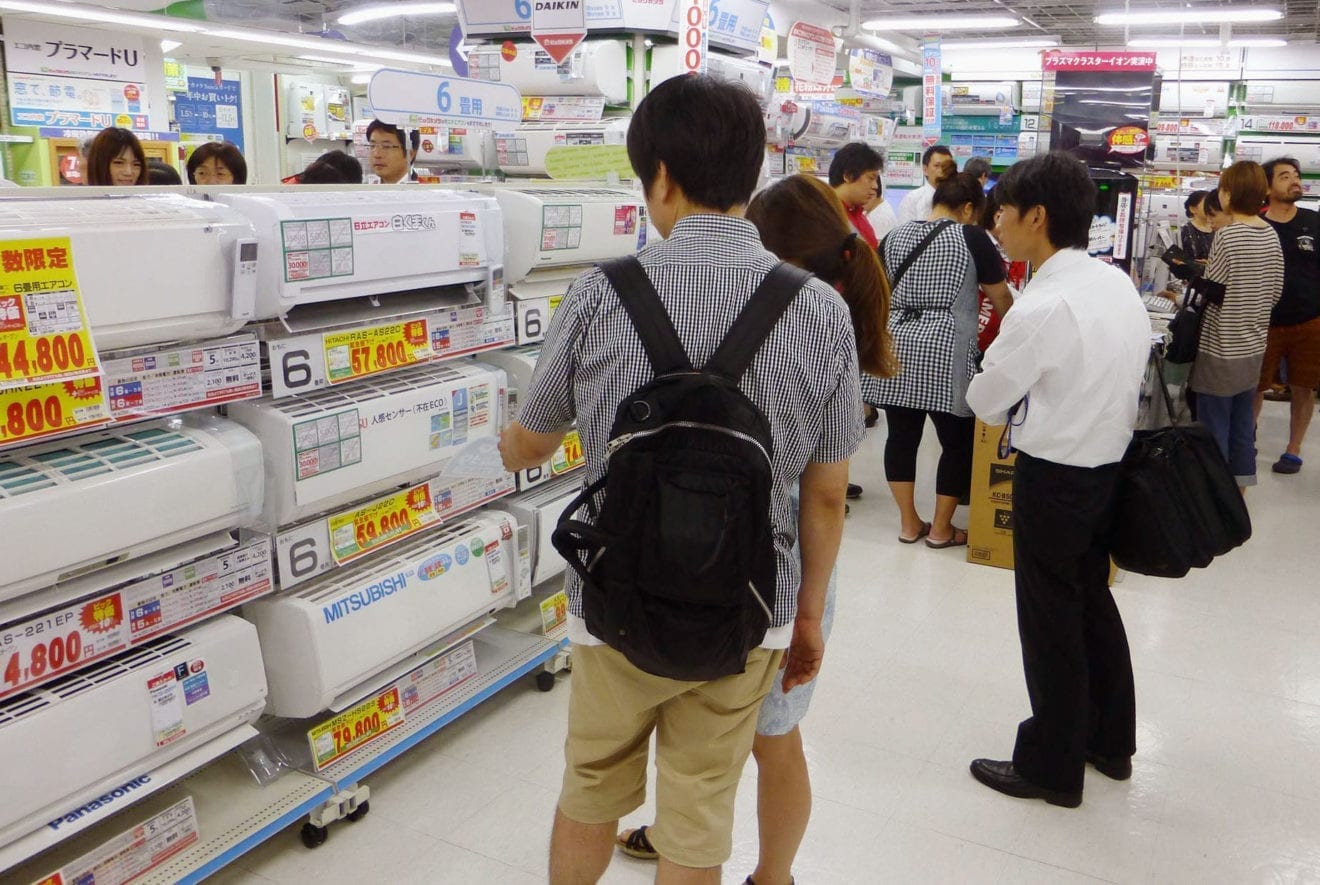
    A prolonged heat wave in South Korea is boosting sales of local retailers, cafes, hotels and theaters as people flock to those air-conditioned places to get relief, industry sources said Tuesday.

    The entire country has been hit by the scorching weather for the past two weeks, with daytime highs soaring above 35 degrees in Seoul and most other regions and the mercury staying above 25 C even at night.

    According to Lotte Department Store, its same-store sales climbed 4.1 percent between July 25 and Sunday from the corresponding period a year earlier.

    Sales of consumer electronics products rose by the highest rate of 24.5 percent, with those at food courts expanding 14.1 percent.

    “Sales of air conditioners and electric fans recorded a strong on-year increase, leading the overall gain in shipments of home appliances,” a Lotte Department Store official said.

    Discount giant E-Mart estimated its July sales have gone up 8 percent from the same month a year ago. In the first seven days of this month, sales of air conditioners soared 53 percent on-year with peaches and other fruits also chalking up brisk sales.

    The heat wave also comes as a boon to Seoul’s luxury hotels with swimming pools as an increasing number of people spend their summer vacations there instead of going to the beach or other places.

    Lotte Hotel Seoul, one of the country’s best luxury hotels, said sales of its “summer package” doubled between July 25 and Sunday from the same period a year earlier. The Plaza Hotel Seoul also posted a 40 percent surge in sales of its summer package.

    In addition, coffee shops and cinemas have enjoyed booming trade for the past several weeks as more people visited them to seek relief from the searing heat, according to the sources. “More people are expected to flock to air-conditioned places to cool off as the heat wave is forecast to last for some time,” an industry official said.

    The Korea Meteorological Administration forecast the heat wave gripping the country is likely to continue till mid-August with daytime highs hovering around 35 C.

  • Bursa Malaysia opens slightly higher

    Bursa Malaysia opens slightly higher

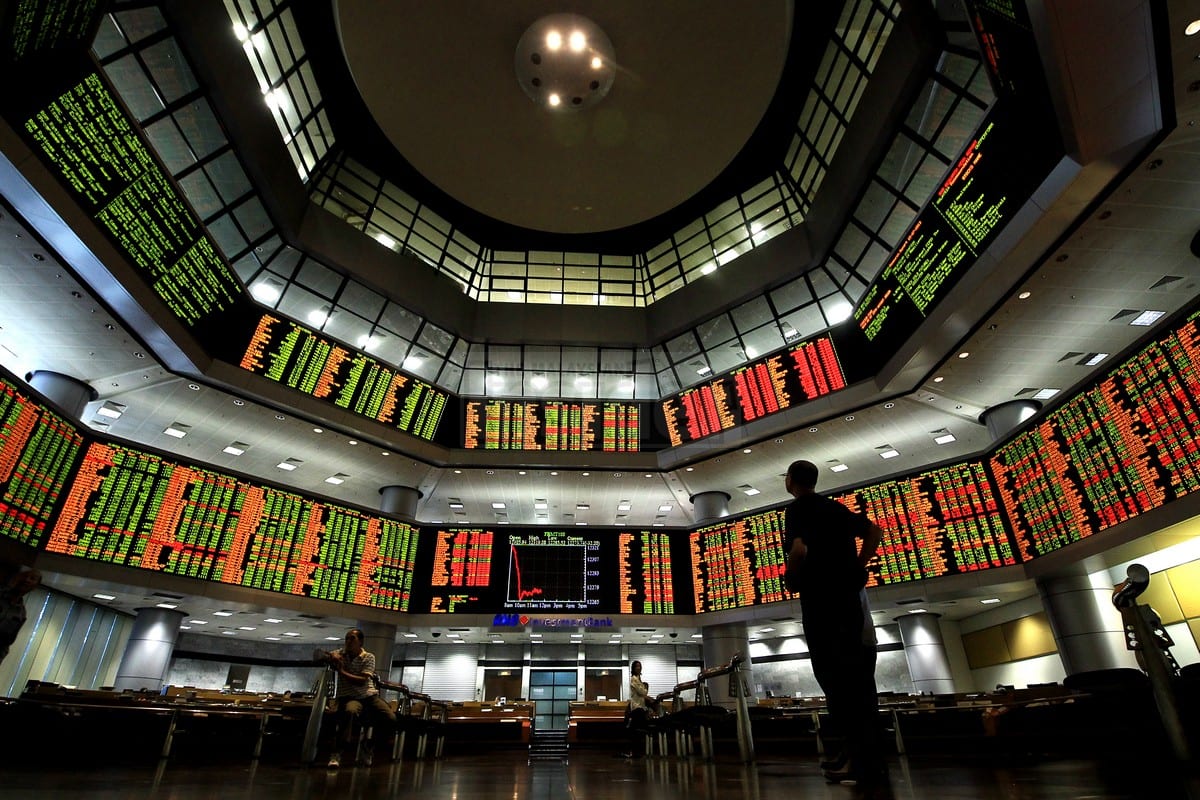
    Bursa Malaysia opened slightly higher on Tuesday, extending yesterday’s gains but mild profit-taking in selected heavyweights limited the gains, dealers said.

    At 9.10am, the benchmark FTSE Bursa Malaysia KLCI (FBM KLCI) was 0.40 point better at 1,673.08, after opening 1.84 points higher at 1,674.49.

    Gainers outpaced decliners 148 to 64, while 193 counters were unchanged, 1,281 untraded and 26 others suspended.

    Turnover stood at 119.87 million shares worth RM45.70 million.

    In a research note today, RHB Retail Research maintained its bearish short-term outlook for the index, saying buying interest was still weak.

    “The index has not climbed above the recent high of the 1,675.50-point resistance mentioned since two weeks ago.

    “On a technical basis, as long as the bearishness of July 21’s ‘Tower Top’ pattern is not negated, we believe that the sellers still have control of the market,” it said.

    The FBM Emas Index rose 4.97 points to 11,741.69 and the FBMT 100 Index was up 3.61 points at 11,440.04.

    The FBM Emas Syariah Index increased 17.87 points to 12,373.70, the FBM 70 rose 7.46 points to 13,466.39 but the FBM Ace slipped 14.89 points to 5,469.39.

    Sector-wise, the Industrial Index gained 10.13 points to 3,160.24, the Plantation Index rose 6.63 points to 7,680.66 but the Finance Index was 11.95 points lower at 14,335.64.

    Among heavyweights, TNB, Maybank and IHH Healthcare were flat at RM14.58, RM7.98 and RM6.59 respectively, while Public Bank shed two sen to RM19.62.

    Of the actives, MBSB and PDZ Holdings advanced one sen each to 93 sen and 9.5 sen respectively, Konsortium Transnasional went up two sen to 18 sen while Vivocom Intl was flat at 29 sen.

    The physical price of gold as at 9.30am stood at RM167.34 per gramme, up 21 sen from RM167.13 at 5pm yesterday.

  • Indonesia Desperately Needs Young Farmers

    Indonesia Desperately Needs Young Farmers

    Oxfam Indonesia’s economic justice program director Dini Widiastuti said that the number of households working in the agriculture sector decreased by 5 million in the period of 2003-2013.

    “The decreasing number of farmers will have impacts on the domestic food availability,” Dini said in Jakarta on Thursday, August 11, 2016.

    Dini added that another issue faced by the country was related to farmers’ age and productivity. Data collected during the 2013 agriculture census revealed that the farmers’ age structure was dominated by elderly with low education levels. The data showed that 60.8 percent of farmers were above 45 years old, and 73.97 percent of them were elementary school graduates with poor access to technology.

    The data was in line with the Agribusiness Cost Structure Survey (SOUT) results for food crops in 2016. The survey revealed that the majority of food crops farmers (96.45 percent) were above 30 years.

    The People’s Coalition for Food Sovereignty (KRKP) released a report in 2016 that showed an alarming finding that 50 percent of rice farmers and 73 percent of horticulture farmers would not want their children to follow their steps. Children of the farmers also expressed their reluctance to be farmers.

    “Young generation’s lack of interest in the agriculture sector was caused by a perception that being farmers is not rewarding,” AgriProFocus Indonesia’s Country Network Coordinator Tina Napitupulu said.

    Such a condition had caused a significant drop in the number of workers in the agriculture sector by 3.15 million people in the period of 2010-2014.

    KRPK coordinator Said Abdullah revealed that 65 percent of current farmers were above 45 years old. Said admitted that there was insufficient access to agriculture information for young generations.