Author: Mei Ling Tan

  • South Korean e-commerce site ‘Ticket Monster’ starts luxury car sales

    South Korean e-commerce site ‘Ticket Monster’ starts luxury car sales

    South Korea’s major e-commerce site, Ticket Monster on Monday said it has started sales of British luxury car brand Jaguar. Ticket Monster put on sales of 20 Jaguar XE Portfolios and R-Sports on Monday morning, marking them down 7 million won (US$6,317) from the regular retail prices to 48.1 million won and 46 million won, respectively. The two models were sold out in three hours, the company said.

    Ticket Monster said it could sell all of the vehicles on the first day because it offered the best available price and even promised a refund if it was not the cheapest.

    “Although new cars have been sold by overseas online shopping malls, it is the first time that a Korean e-commerce site sells new cars online,” a company official said. Consumers made a one-time payment on the website and will take over the vehicles from designated dealers or visit dealer shops, officials said. Ticket Monster said the latest move was aimed at changing customers’ expectations and leading the new trend in the highly competitive market.

    “The sales of imported cars is part of Ticket Monster’s efforts to change the retail paradigm,” Ha Sung-won, the chief operating officer of Ticket Monster, said.

  • Politics could add to forces working against Korean cosmetics industry

    Politics could add to forces working against Korean cosmetics industry

    Last week the Korean government announced plan to impose duty free limits to stop third party sales of cosmetics in China, and now, in an unrelated move, the China government’s threats to retaliate over Korea’s deployment of new military defence technology seems to be adding to investor fears.

    Korea has taken a decision to deploy a Terminal High Altitude Area Defence (THAAD) battery, which some experts believe is one of the reasons why investors a dumping shares in Korean companies, a sector that is heavily reliant on exports to China.

    Raising the bar on visas and sanitary regulations

    In the first move, perceived to be a retaliatory step by China authorities, officials recently closed a visa agency catering to Koreans, something that will make it harder for Korean companies to obtain multiple entry visas for doing business in China.

    On top of this, the China trade authorities have also stepped up sanitary regulations governing Korean beauty products, a move that is also likely to put a damper on exports of certain products and make the whole process more difficult.

    “Cosmetics and entertainment stocks have plummeted as China has begun taking steps against Korean companies and individuals doing business on the mainland,” said Daniel Cho, head of research at Daishin Securities, speaking to the Korean Times.

    “The recent decline was largely engineered by the potential THAAD backlash.”

    Those duty free regulations

    Simultaneously, speculation has been growing about the impact of proposed duty free regulations, which are being drawn up to protect the industry, but some experts say this has already had an impact on investors and the value of shares in the country’s big beauty players.

    Last week the Korean customs authorities notified all Korean duty-free retail operators, which include three major operators, that each customer would be limited to buy no more than 50 cosmetic and fragrance products.

    The main objective behind the clamp down is to cut out on the emerging market for cosmetics then be sold on to third-party brokers, and then resold on to other retail channels.

    News of the limit was leaked on the previous Friday and when the Korean Stock Exchange re-opened for trading on Monday, stock prices dropped significantly, with Amore Pacific share prices falling over 2% and LG Household & Health falling 6%.

    In the last few years the rise and rise of Korean cosmetics companies has been attributed to a huge appetite from the China market, but with prices of the products being much higher in China, consumers have taken to shopping holidays in Korea to stock up.

    China drives duty-free cosmetics sales

    Sales of Korean cosmetics have been boosted by chic advertising campaigns, Korean pop and a product innovation pipeline that boasts some of the most cutting edge products available anywhere in the world.

    A large part of this success has been the huge influx of tourism from China, many of whom are going on ‘shopping holidays’ with the main aim of buying up their favourite Korean cosmetic products at a cheaper price than they would pay in China.

    Current figures show that cosmetics make up the lion’s share of Korea’s largest duty free retail chain, Lotte, accounting for 58.9% of sales in the first quarter of this year, and that 70.8% of the company’s overall sales came from Chinese visitors. This up from 63.3% compared to the previous year.

  • Sainsbury’s taps into China’s love of British products through Tmall

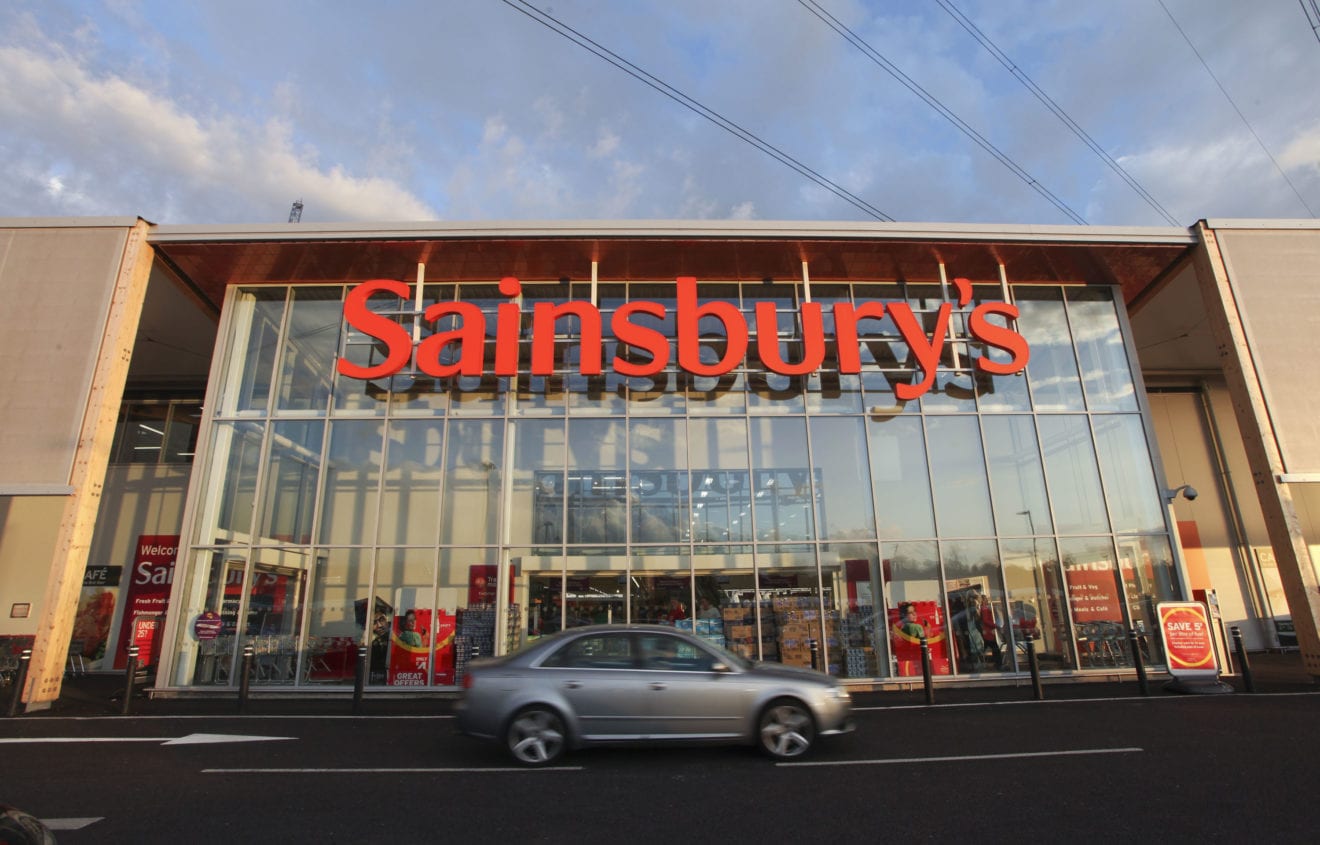
    Sainsbury’s taps into China’s love of British products through Tmall

    The move comes after the British retailer trialled the web marketplace for less than a year and claimed the test was a success. It will now sell over 100 own-label products across four categories—British breakfast, drinks, organic and baby—on Tmall, and has plans to add further ranges later this year.

    With online Chinese sales dominated by key promotional sales events, Sainsbury’s was the only international retailer to be given a “Super Brand Day” on Tmall during the annual 8.8 Tmall Global Shopping Festival on August 8.

    “Many customers want to replicate tastes and occasions that they have enjoyed or heard about through international travel. Products to make a British breakfast and English afternoon tea have therefore proved hits,” said John Rogers, chief financial officer of Sainsbury’s,

    Rogers added that granola, tea, shortbread and UHT milk have been among the sales channel’s top-selling lines to date.

    Our trial with Tmall has enabled us to learn a lot about China’s huge digital market, including the importance of sales events such as Singles’ Day and 8.8,” he added..

    Alibaba’s expertise in the rapidly growing Chinese digital consumer market will be a huge asset to us as we grow and develop our business in China.”

    Amee Chande, Alibaba’s managing director in Britain and Ireland, said that a famous British brand like Sainsbury’s was “a key addition to our ecosystem” as it built brand awareness, directly engaged a new audience and met the evolving food demands of Chinese consumers.

    Our collaboration is introducing the large and growing Chinese consumer class to a new range of products to enhance their daily lives,” said Chande.


  • Hawaiki launches marine route survey for trans-Pacific cable

    Hawaiki launches marine route survey for trans-Pacific cable

    Hawaiki Cable and subsea cable provider TE SubCom have launched a marine route survey for the planned cable linking Australia and New Zealand with Hawaii and the mainland US.

    Construction of the 14,000km cable system is currently scheduled for completion in mid-2018. As well as the main route, the system will have options to expand to several South Pacific islands.

    Once complete, the Hawaiki Cable will deliver more than 30Tbps of capacity, making it the highest cross-sectional capacity link between the US and Australia/New Zealand.

    Hawaiki has already signed on AWS, Vodafone, REANZ and American Samoa Telecom as anchor customers for the new carrier-neutral cable system.

    “Each stage of this groundbreaking project is important, but after very carefully planning our trans-pacific route and conducting an extensive survey of each landing site, we are extremely pleased to launch the marine route survey, which will give us data necessary to safely and properly deploy the system in the coming months,” Hawaiki CEO Remi Galasso said.

    “The team is doing a great job; we are on time and on budget. We are confident that with our trusted supplier, TE SubCom, our cable will be delivered as planned in mid-2018, less than two years from now.”

  • India’s spectrum mega-auction set for Sept 29

    India’s spectrum mega-auction set for Sept 29

    India’s Department of Telecom has set the date for India’s largest spectrum auction to date, announcing that bidding will commence on September 29.

    The massive auction will be preceded by a pre-bid auction on Saturday. The government has also pledged to make the spectrum available to the winners within 30 days of receiving an upfront payment.

    In total more than 2,300 MHz of spectrum divided into 126 blocks will be auctioned next month. Analysts expect bidding to reach as high as $14.8 billion, while the government believes bidding could reach up to $83 billion.

    But operators have been less than enthusiastic, with Airtel’s CEO recently announcing that the company sees no “great need” for more spectrum, and Telenor revealing that its Indian subsidiary will sit out of the auction.

    Specturum in the 700-MHz, 800-MHz, 900-MHz, 1800-MHz, 2100-MHz and 2300-MHz bands will be put on the block.

    Winners of spectrum in the three lower bands will be required to pay at least 25% of their total bid within 10 days of the auction concluding, while the other bands will require a 50% down-payment.

  • Companies expect Olympics to strain their networks

    Companies expect Olympics to strain their networks

    The vast majority of companies (85%) plan to more closely monitor the performance of their applications and networks, including Wi-Fi, because of potential strain due to employees accessing Olympic content.

    A survey conducted by Riverbed Technology revealed that only 2% stated that they were very unlikely to monitor any differently during this the Olympics.

    The network strain in office is likely to be prevalent in Singapore, with national broadcaster Mediacorp only being able to air delayed telecasts of the Olympics due to broadcasting rights.

    “The time zone difference mean that finals will be aired during working hours, and with no live telecast in Singapore, sports fans are likely to turn to live streaming to cheer on Team Singapore – on company networks. IT organizations need to come together and prepare for the significant increase in network traffic that will occur as a result of employees streaming and accessing online content,” said Bjorn Engelhardt, SVP, Riverbed, Asia Pacific and Japan.

    Companies expected employees to access Olympic content using the company’s networks, including Wi-Fi, most frequently via their desktops and laptops (48%); followed by smartphones (34%); and then tablets or other non-smartphone devices (18%).

    The reason for monitoring employees’ access to Olympic content could potentially be linked to companies being unable to quickly pinpoint and resolve performance issues of critical business applications:  Less than half of the companies surveyed, 43%, were very confident that their organizations could safeguard critical applications during high network traffic events such as the Olympics, while 12% were not confident that their companies could handle the added strain and traffic.

    In one of the most revealing statistics, companies were asked if they’ve had an issue, even once, with their networks, including Wi-Fi, specifically because employees were accessing content during a popular event such as the Olympics. The majority of companies responded yes (69%), with 30% of these same companies saying that they have experienced more than one episode of issues. The survey also found that the majority (70%) of companies said they would limit or probably limit employees from accessing Olympic content through company networks, including Wi-Fi, in some way, with 24% saying they will definitely limit content and 46% saying they would probably limit content.

    “The results of the survey highlight how popular events such as the Olympics and the impact of BYOD are affecting companies and the need for greater visibility to safeguard networks and business critical applications. IT must take a proactive approach to managing application performance with end-to-end visibility across the network from the server to the end user,” said Engelhardt.

  • Opera ramps up video multitasking for computers

    Opera ramps up video multitasking for computers

    Opera has updated its software for computers, revamping the video pop out feature to enable users to continue watching while working, playing or doing research — in the browser or any other program.

    The “picture in picture” feature now lets users pop out video from even more websites, including Vimeo, and play/pause with a single click. There is also an option to disable the feature, for those who do not need it.

    Users can simply go to a favorite video page, such as YouTube, and run a video. They will see an icon in the middle of the top border of the video. By clicking on it, they can pop out the video and continue watching it even while using other programs on their computer.

    Opera took a deeper look into how people multitask while watching with the video pop out feature in different geographies. The results of this research show the geography of online video preferences around the globe.

    Results are based on aggregated data coming from users of Opera 38 for computers. Data on the individual level or about video content is not collected.

    The top-10 countries for video pop out usage span four different continents, clearly showing that the online video boom is a global phenomenon. It’s also interesting to see that people in some countries – such as Italy, UK and Germany – multitask with video more on weekends, while others, such as China, spend more time watching pop out videos during working days.

    videopopout-infographic-630

  • AsiaSat, Digital Magic to create UHD content

    AsiaSat, Digital Magic to create UHD content

    Asia Satellite Telecommunications (AsiaSat) is collaborating with Digital Magic, a provider of advanced imaging solutions to co-produce UltraHD (UHD) content for AsiaSat’s UHD channel 4K-SAT, on AsiaSat 4.

    The co-production includes a knowledge-based UHD mini-series on satellite communications to provide an easy-to-understand introduction to topics such as how a satellite works, how it serves people and how it is used in broadcasting high quality content.

    “Compelling content is the key to drive UHD viewership. Creating original content is the first step of our collaboration with Digital Magic,” said Sabrina Cubbon, VP of marketing and global accounts of AsiaSat.

    “Digital Magic is an industry renowned content producer in UHD and VR. We look forward to developing more together for our audience in Asia,” said Cubbon.

    Percy Fung, production director of Digital Magic said initial content viewing among youth has suggested that this is a meaningful attempt to broaden public interest and knowledge in space and communications.

    “We are delighted to partner with AsiaSat, Asia’s UHD satellite broadcasting pioneer to create original, insightful content to educate and inform our viewers in the region,” said Fung.

    AsiaSat’s 4K-SAT channel is currently broadcasting a variety of full UHD content. Major TV operators in the Asia-Pacific have access to it via AsiaSat 4.

  • Singtel Group cues video tilt for regions

    Singtel Group cues video tilt for regions

    Singtel Group has launched “The 5-Min Video Challenge” a joint initiative by associates within the group, comprising Singtel, Optus, AIS, Airtel, Globe and Telkomsel.

    Winning content will be distributed and made accessible to over 600 million customers across the group.

    The short five-minute format is ideal for audiences accustomed to viewing content on mobile devices.

    “A pan-regional competition makes a lot of sense as the power of content is its ability to transcend geographical and language barriers,” said Mark Chong, CEO, International, at Singtel. “Our customers will be able to enjoy access to a rich variety of original content created by the most talented content-makers from the region.”

    The competition will be conducted at two levels – local and regional. Each associate will first invite aspiring or experienced local filmmakers to submit five-minute entries based on the theme “Connecting Lives”.

    The entries will be judged on criteria such as originality of content, storytelling and cinematography. Winning entries from the respective associates’ markets will then be judged at a regional level.

    The grand winner and runner-up will be announced at the grand finals, which will be held in Bangkok, on November 21. Cash prizes of $30,000 and $15,000 will be awarded to the grand winner and runner-up respectively.

    The regional winners will also get the opportunity to promote their videos on each associate’s mobile and video platforms to customers in the group’s markets across Asia, Africa and Australia.

  • BlackBerry launches BlackBerry Hub+ for Android

    BlackBerry launches BlackBerry Hub+ for Android

    BlackBerry has launched a software licensing program for its Mobility Solutions business. The vendor has introduced the BlackBerry Hub+ for Android 6.0 Marshmallow smartphones.

    The company’s Mobility Solutions unit manages the BlackBerry smartphone business and development of device software offerings that includes making BlackBerry 10 software features accessible on other platforms.

    BlackBerry Hub+ for Android is a suite of applications that includes the BlackBerry Hub, calendar, contacts, notes, tasks, device search, launcher and password keeper applications for Android smartphones.

    Key features include a unified inbox (Hub), calendar, Password Keeper, Contacts, Tasks, Device Search, Notes, and Launcher.

    The vendor is offering the hub as a free trial on any Android device running 6.0 Marshmallow, and will subsequrently offer the applications for free under an ad-supported model or ad-free for 99 cents per month with the addition of new features.

    “An important initiative of the Mobility Solutions unit is a software strategy that combines BlackBerry’s strength in security, engineering savvy and device experience. The result – the ability to extend the best of BlackBerry’s secure communications and productivity features to any Android M consumer, enterprise or government customer,” said Ralph Pini, Chief Operating Officer and General Manager, Mobility Solutions, BlackBerry.

    “Our customers have always raved about the unique experience of our proprietary productivity apps such as the BlackBerry Hub, calendar and contacts, amongst others. I’m excited that we’re now able to offer these amazing features to all Android users that demand the most out of their smartphones.”

  • Illegal, unlicensed and completely unregulated … so why is Airbnb booming in Hong Kong?

    Illegal, unlicensed and completely unregulated … so why is Airbnb booming in Hong Kong?

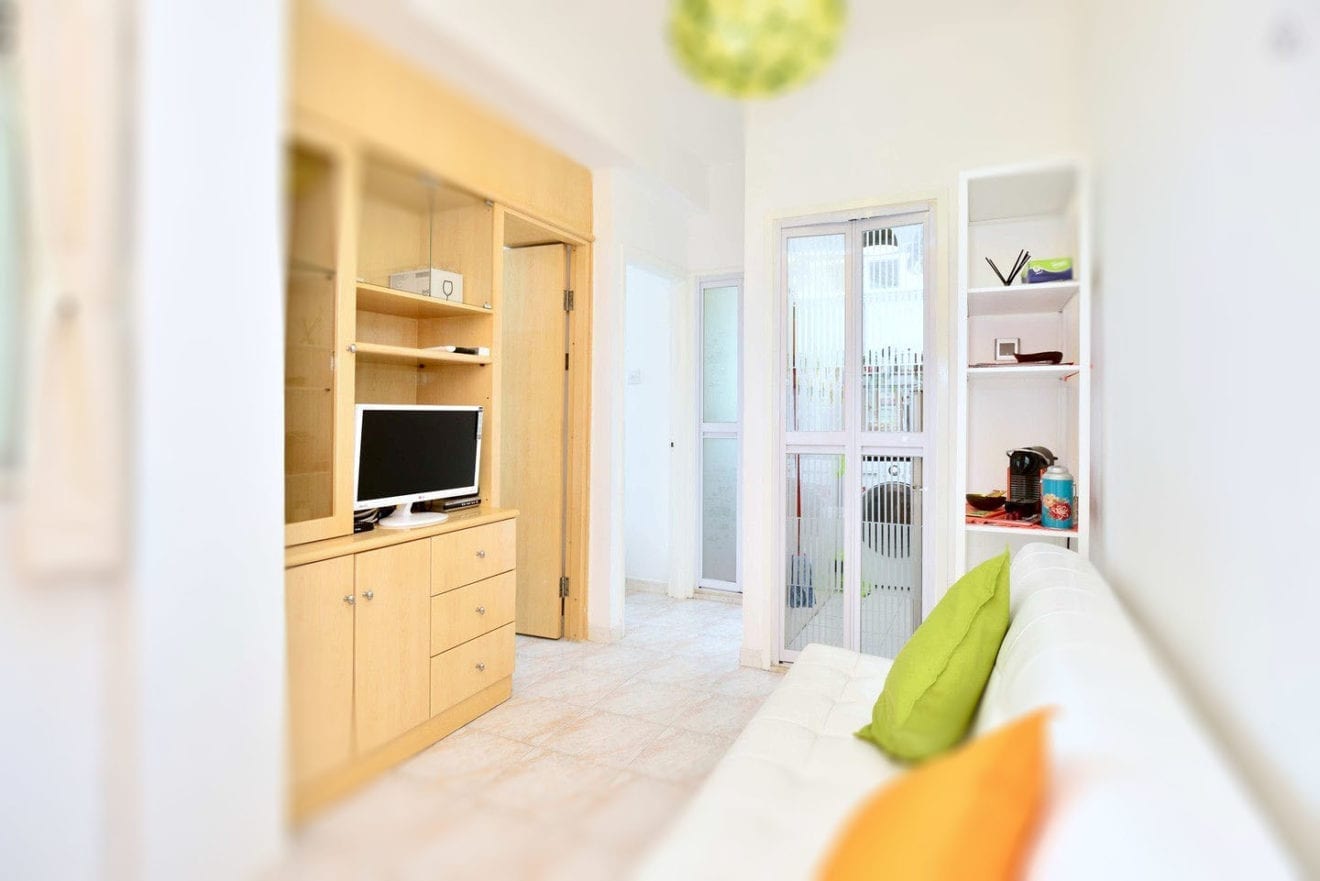
    Cushions with cartoon dogs on, neatly rolled towels and fresh flowers are the small details that mean the most for Airbnb guests and hosts.

    For one host in Hong Kong, those personal touches are replicated across 52 listings, including at least 31 flats in one building near Lan Kwai Fong.

    Taking up three quarters of the flats in one building on Glenealy, the Airbnb apartments share a common rooftop and range in price from around HK$500 per night to more than HK$2,200 for a four-bedroom flat.

    The flats, which do not appear on the Home Affairs Department’s list of licensed guest houses, are among a growing number of short-term rental properties being rented illegally in Hong Kong.

    Airbnb listings in the city have grown by 59 per cent since September to 6,124 rooms or apartments available for rent at the beginning of June, according to data compiled by Murray Cox, the founder of Inside Airbnb and a data activist.

    Cox found 60.5 per cent of listings were from hosts with more than one room or property listed on the site, suggesting these are commercial operations rather than individuals renting a spare room.

    “The main metric that stands out for Hong Kong is the large number of hosts that have multiple listings,” Cox said. “Cities such as London, New York or Berlin, which have introduced regulations that prohibit commercial Airbnb use of residential properties, generally focus their enforcement efforts first on commercial hosts with many listings.”

    Luxury ‘superyacht’ for HK$58,000 a night: Inside Hong Kong’s most expensive Airbnb

    The highest number of listings can be found in Central and the Western district, as well as Yau Tsim Mong – the area including Tsim Sha Tsui, Yau Ma Tei and Mong Kok – with 1,474 and 2,519 respectively, according to data by Cox. The average rental per night across the city is HK$785.

    When the we called the telephone number for the Lan Kwai Fong Airbnb host given by a person at the property, the woman answering denied she owned the flats. She said she rented other Airbnb flats without a licence, but the government had forced her to stop renting some of those near the University of Hong Kong.

    Airbnb was founded in 2007 in San Francisco by two roommates who were struggling to pay their rent and decided to rent out air beds in the living room to attendees of a design conference. The company is now seeking financial investments, based on the company’s potential valuation of US$30 billion.

    Airbnb here to stay in Hong Kong as the sharing economy takes flight

    The site has faced opposition from regulators in cities from San Francisco, Berlin and London as well as from campaigners that say properties that would normally be let on a long-term basis are being rented by landlords for short stays affecting the supply of housing.

    Regulation has moved to include provision for Airbnb properties in some cities. Laws introduced last year in London allow home owners to rent their properties for up to 90 days a year without any form of registration, but opposition remains even in the service’s home city.

    Premises that offer sleeping accommodation for a fee for any period less than 28 days must be licensed, according to Hong Kong’s Hotel and Guesthouse Accommodation Ordinance.

    The maximum penalty for operating an unlicensed guest house is a HK$200,000 fine and two year’s imprisonment. There is also a fine of HK$20,000 for each day the offence continues.

    Enforcement is carried out by the Office of the Licensing Authority under the Home Affairs Department, and a spokeswoman said the office now has a dedicated team to browse the internet for suspected unlicensed guest houses.

    Last year the Office secured 132 convictions relating to unlicensed guest houses, some of which had been rented over the internet.

    Airbnb told us it “encourages hosts to comply with locally set rules and regulations in Hong Kong.”

    The company did not share the number of listings in the city and said Inside Airbnb data had flaws such as the price per night as this was based on an average of available listings rather than what has been booked or what guests are paying.

    I don’t think this is something you should do for too long. It’s not legal … I’m very surprised that we’ve lasted that long

    Airbnb landlord S

    Airbnb also said there was no reliable way to scrape data for the average income for a host each month or the average number of nights booked. The company did not supply the accurate data from its own internal sources.

    Flats or rooms available on Airbnb in Hong Kong range from small, functional rooms in Mong Kok to penthouses with harbour views and houseboats moored in Discovery Bay.

    While the Inside Airbnb data revealed hosts with as many as 80 listings and at least 20 with 22 or more listings, there are hosts in Hong Kong who rent just one flat or one room.

    S, who asked not to use her full name, is a 33-year-old French woman working in retail in Hong Kong, who rents her 500 square foot apartment in Sheung Wan for around HK$1,000 a night fitting Airbnb guests around visits from family.

    She said she has been renting the flat, which she and her husband own and previously lived in, since July last year and has seen 90 per cent occupancy . On average the flat brings in HK$30,000 a month, she said.

    Eight tips for using Airbnb and similar travel websites safely

    While S knows Airbnb is illegal, she feels the company protects her and her guests if there is any damage or dispute. If the laws were changed to allow short-term rentals, she said she would be happy to be taxed if she could still rent through Airbnb.

    Maintaining the flat and organising bookings is time consuming, S said, as she likes to provide a good service to her guests, but she does not see it as a long term plan.

    “I don’t think this is something you should do for too long. It’s not legal. I might rent it out on a permanent basis,” she said. “I’m very surprised that we’ve lasted that long.”

    Another Airbnb host, who asked to be referred to as Mary, rents out her spare room in the two-bedroom flat she shares with her boyfriend in Sheung Wan for 15 days each month to offset the rent.

    Mary lets the room for HK$500 to HK$600 a night and has made between HK$6,000 to HK$7,000 each month since late last year.

    She said her landlord does not know about the couple using Airbnb, but she is not concerned about the legality of Airbnb, even after a friend was evicted by their landlord for using the service.

    Most of the guests from mainland China are respectful, Mary said, although the couple did once come home late to find chaos in their living room.

    “We just opened the door and found stuff all over the living room. The luggage, some bath towels on the sofa, a bra hanging on my room door,” she said.

    “They were quite surprised to see us. So we kindly asked them to maybe put the stuff in their room.”

  • Exhibition industry contributes $6.8 billion to Hong Kong’s economy

    Exhibition industry contributes $6.8 billion to Hong Kong’s economy

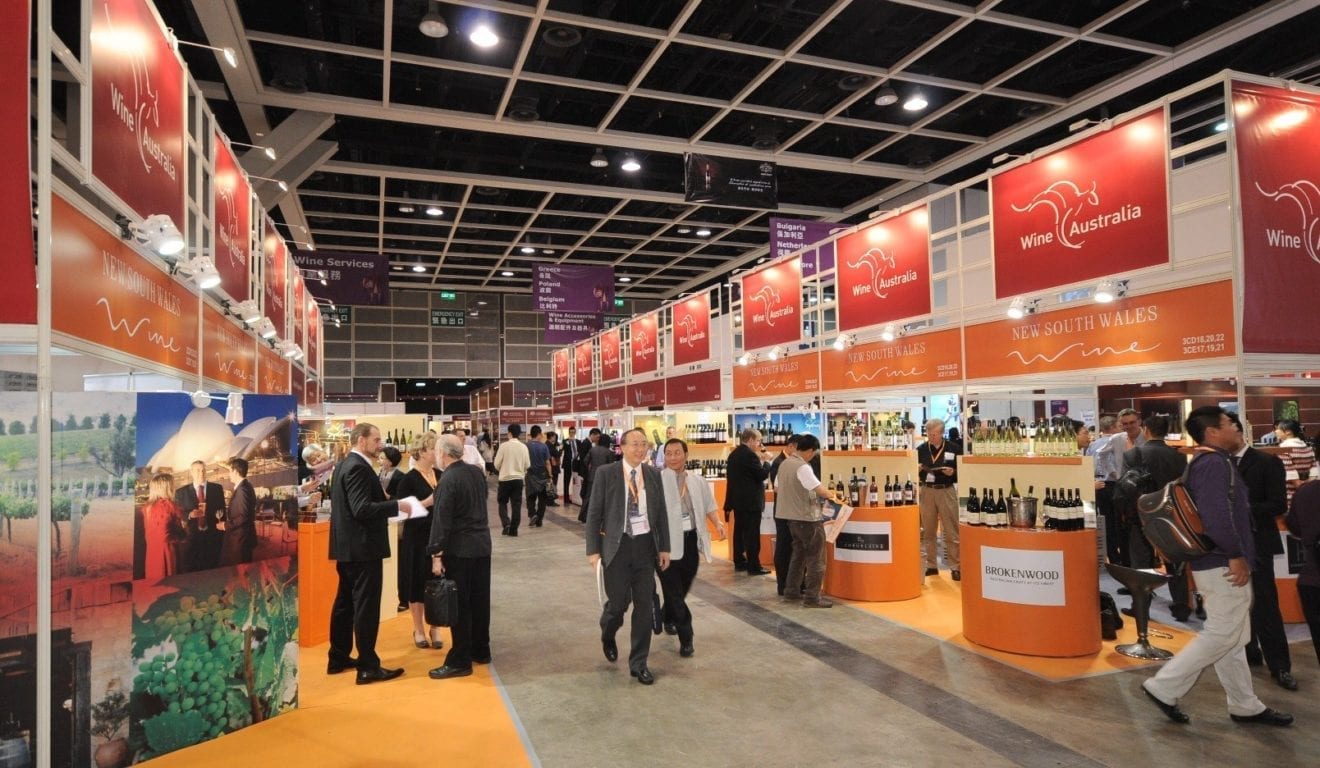
    Findings from the latest Economic Impact Study on the contribution of Hong Kong’s exhibition industry to the economy in 2014, released today, contained encouraging news for the industry and for Hong Kong. Overall, the study reveals that the exhibition industry contributed an impressive HK$52.9 billion (US$6.8 billion) directly and indirectly to Hong Kong’s economy in terms of expenditure, equivalent to 2.3% of the city’s total GDP for the calendar year 2014. This represents strong positive growth by comparison with the figures from the previous Economic Impact Study, covering 2012.

    At HK$52.9 billion (US$6.8 billion), the expenditure effects of the exhibition industry in 2014 were up by 29% from 2012, at a CAGR of 13.9%. A significant part of this was contributed by the direct spending of international exhibitors and exhibition visitors, who according to the study tend to spend 61% more per visit than the average overnight tourist visitor to Hong Kong, with their spending focused in the retail, hotel and F&B sectors.

    The Study, commissioned by the Hong Kong Exhibition & Convention Industry Association (HKECIA), also shows that apart from direct economic benefits in terms of expenditure, the exhibition industry also provided equivalent of around 83,500 full-time jobs in the exhibition industry and other service and supporting sectors including hotel, F&B, retail, stand design and construction, and logistics and freight forwarding.

    In 2014, the fiscal benefits (i.e. benefits arising from various government taxes associated with exhibition activities and participants) contributed by the exhibition industry amounted to HK$2.1 billion (US$269.9 million).

    Commenting on the findings, Chairman of the HKECIA, Mr Stuart Bailey said, “We welcome this Study and the results because, once again, it highlights just how important our industry is for Hong Kong. The study shows in great detail the many ways in which exhibitions fuel Hong Kong’s wider economy – for example by spinning off economic benefits and extensive workforce to supporting industries, and attracting high-spending international business visitors to the city. The Study also reveals that overseas exhibition exhibitors and visitors continue to spend more than international overnight tourists. We should put efforts in making them visit the exhibitions in Hong Kong regularly.”

    Mr Bailey continued, “To continue providing Hong Kong with benefits at this level, our exhibition industry needs to remain attractive, efficient and competitive. We must continually be looking for ways of differentiating ourselves from regional competitors, in terms of things like providing premium exhibition space, ample capacity, and exceptional value-added services. I hope our policymakers will take the findings of this Study into account as they plan for the infrastructure and facilities that Hong Kong needs in the years to come.”

    This is the sixth in a series of Economic Impact Studies, which have been carried out biennially since 2004. It was once again conducted by KPMG Advisory (Hong Kong) Limited, a respected independent research consultancy.

    KEY FINDINGS OF THE ECONOMIC IMPACT STUDY 2014:

    Economic impact of Hong Kong’s exhibition industry in 2014 and 2012

    Area Benefits (2014) Benefits (2012) Compound Annual Growth Rate (CAGR)

    Expenditure effects HK$52.9 billion
    (US$6.8 billion) HK$40.8 billion (US$5.2 billion) 13.9%

    Fiscal impact HK$2.1 billion
    (US$269.9 million) HK$1.4 billion
    (US$179.9 million) 20%

    Employment 83,500 FTE 69,600 FTE 9.6%

    Expenditure effects continue to grow due to growing visitor number and expenditure

    Hong Kong’s exhibition industry contributed expenditure effects of around HK$52.9 billion (US$6.8 billion) to the Hong Kong economy in 2014, up by 29% from 2012, representing a CAGR of 13.9%. This was equivalent to 2.3% of Hong Kong’s GDP, up from 2.0% in 2012.

    – HK$52.9 billion (US$6.8 billion) – up by 29% from 2012, representing a CAGR of 13.9%.

    – Direct expenditure covers expenditure by Visitor Personal (exhibition visitors) and Business Related (exhibition organisers and exhibitors) and amounts to HK$26.5 billion (US$3.4 billion).

    – Visitor expenditure remains the largest expenditure segment at HK$16.1 billion (US$2.1 billion) in 2014, representing a CAGR of 22.0% from 2012. It is because of a significant increase in the number of visitors from outside Hong Kong in 2014 and an increase of the average spending by visitors.

    – Visitor personal expenditure spilt between international and domestic spending is around 93% to 7% (the spilt was 92% to 8% in 2012).

    – Retail, hotel and F&B sectors were the largest recipients of director visitor expenditure, accounting for 67% of the total visitor personal expenditure.

    – Business-related (exhibition organisers and exhibitors) expenditure amounts to HK$10.4 billion (US$1.3 billion) in 2014.

    Fiscal impact grows with increased visitor and business spending
    The tax take enjoyed by the Hong Kong Government in 2014 as a result of exhibition activities is estimated at around HK$2.1 billion (US$269.9 million), based on the total expenditure effects of HK$52.9 billion (US$6.8 billion).

    Derived from three taxes:

    – Profits tax: HK$961 million (US$123.5 million)
    – Salary tax: HK$1.0 billion (US$128.5 million)
    – Airport tax: HK$88 million (US$11.3 million)

    Equivalent of 83,500 full time jobs provided by the exhibition industry

    Full-Time Equivalent (FTE) employment amounted to around 83,500 in 2014, representing a CAGR of 6.5%, up from 69,600 in 2012.

    – Around 3,400 FTEs, or 4%, were directly employed by exhibition organisers and venues.

    – Remaining 96%, or 80,100 FTE jobs was provided across various supporting sectors. Amongst this group, around 57% of the FTE jobs created came from retail, hotel and F&B. Other supporting industries such as international transport, stand contractors, advertising and others accounted for the remaining 43%.

    International exhibition visitors and exhibitors contributed more than overnight tourists

    The report showed that international exhibition visitors and exhibitors spent on average 61% more than overnight tourists.

    – International exhibition visitors spent an average HK$12,776 (US$1,642) per visit; international exhibitors spent an average HK$12,829 (US$1,649) per visit; compared to overnight tourists spent an average of HK$7,960 (US$1,023) per visit.

  • Chinese retail real estate crushed

    Chinese retail real estate crushed

    One of the under discussed aspects of rising real estate prices is the attendant rising rents amid a brick-and-mortar retail slowdown. In 2015, the top 100 chain stores saw sales growth of only 4.3 percent.

    Locally, in Beijing the smaller mom-and-pop retail shops as well as national chains are being forced out by high rents, as rental agreements expire and the minimum increases are at least 100 percent. Mix in shifting consumer behavior, particularly the popularity of online shopping, and it is a brutal environment for the least efficient retailers.

    A reporter for the Beijing Evening News heads to Xinjiekou Beida Street to see the impact on the ground.

    Yesterday afternoon, just the beginning of autumn (Liqiu August 7-22) of Beijing is still hot. From Jishuitan subway station out along Xinjiekou North Main Street South a rough count shows about ten small stores at least half with the words “sale”, “clearance” and even more than one “contract expiration” two or three family has to pull the shutter doors, completely closed shop closed state. The old familiar clothes shop has been replaced by a shop selling steamed buns and meat patties. A clothing store retreated from higher rental shops along the street to the alley inside, to attract customers it has a “Grand Sale” promotion red sign hanging.

    Contact by telephone sublease front of the store, correspondent to turn to a store owner. He told reporters that although the lease is to expire in April next year, but because of the difficult business environment, ready to move up, “mainly rents are too high.” The owner said, Xinjiekou traffic here also, but his rented storefront upper and lower rent would more than 1.5 million yuan a year, an average of 129,000 yuan a month, plus the prior renovation costs, operation stress is too great. Now the shop is handbags sale, sell a single inexpensive earn more than twenty yuan, the most expensive also more than fifty yuan. Even under the most expensive 50 yuan terms, without considering other costs, the shop must to sell 2580 each month to pay the rent. The boss said, in order to share the rent pressure, a lot of shops in this street are sharing the rent two- and three-ways.

    Chain stores are feeling the pressure as well:

    In fact, more than street shops closed tide appears, district located in Daphne, Metersbonwe, Ning [ -0.73% ] , Jeanswest and other brand shoes and apparel shops are also rapidly reduced stores. According to Daphne released the first half of 2016, a profit warning report shows only the first half of this year, Daphne net off store 450, including 400 direct sales stores and 50 franchise stores. Once all the rage Metersbonwe business situation is not optimistic about 2013 sales stores and franchise also has nearly 5000, the end of 2015 has been remaining 3700, store sales decreased by about a quarter. Jeanswest in the past 4 years has closed 1012 stores, at the end of 2015 had only 2249 retail stores.

    In the micro-channel circle of friends spread a worldwide brick-and-mortar retail death list, it is revealing physical retail bleak. According to this list were killed in the first half 2016, a second-tier cities major retail companies closed shop more than eighty percent. China Chain hundred reports China Chain Store & Franchise Association released statistics also show that in 2015 the chain of hundred sales volume of 2.1 trillion yuan, an increase of only 4.3%, the lowest ever one. Department stores even have negative growth of -0.7%.

    China Chain Store & Franchise Association, the relevant responsible person said, “This year the store is really a life and death to the moment”, but specialty stores, convenience stores have achieved double-digit growth.

    Entity is not fully closed shop because of the impact of the electricity supplier, there are real weak economic growth, labor costs, rental costs, taxes, weak profits and other reasons. In the late 1990s, chains began a large expansion, rental contracts generally expired in 10 to 15 years, these contracts are now expiring and the rent is at least doubling, some low-margin supermarkets, department stores have been unable to renew the lease.

    Another issue is the failure to embrace changes in the market:

    Beijing Zhi future starting from Consulting Group founder Li pointed out that the impact of the electricity supplier, rent increases, etc. are one of the most direct reason. But more than the rent, labor, electricity providers more powerful impact, and is continuing under the influence of these factors, changes in consumer spending habits occurred. More important reason is consumer behavior, consciousness, the pursuit of consumer convenience, reliance on technology and the like. On the other hand, traditional commercial aspects of the transition moves more slowly. Department stores these years has been to break, suffer not found the right ways, not kept pace with changes in consumers.

    Li Zhi said that from the domestic and international experience, the current transformation of department stores there are two main directions. On the one hand is to break through the high-end direction, shrinking front, the focus is more on the line, service requirements are relatively high business forms; in the other direction is toward a more pluralistic, more inclusive development, to provide similar shopping mall such a large, integrated leisure experience scenes business forms.


  • Aeon to accelerate Myanmar supermarket business

    Aeon to accelerate Myanmar supermarket business

    Aeon will open new supermarkets in Myanmar at a faster clip over the next five years, according to business plans announced Monday, with shopping centers also under consideration.

    The Japanese retail group recently established supermarket chain Aeon Orange, a joint venture with Creation Myanmar Group of Companies. The 14 supermarkets purchased from CMGC will be renovated, and the first new Aeon Orange store is to open within the year. Openings will rise to 10 new stores annually after five years.

    The Aeon Orange markets will be roughly 1,000 sq. meters. But for urban areas, smaller stores of 100 sq. meters to 500 sq. meters will open on an experimental basis. The supermarket operator will source items by tapping CMGC’s more than 600 business partners and Aeon’s procurement system established in Thailand.

    Aeon President Motoya Okada also said that “opening up shopping centers is vital” for the future, expressing interest in capitalizing on the company’s biggest strengths.

    “We cannot delay in such a high-potential market,” Okada said, hinting at plans to open a large-scale shopping center in Myanmar like those Aeon operates in Japan and other countries. The company will keep a close eye on changes to restrictions for foreign investment.

    Aeon’s international business segment slumped during the year ended in February with an operating loss of 2.4 billion yen ($23.4 million). A slowdown in Malaysia, one of Aeon’s largest overseas markets, is deemed responsible and increased the urgency to develop a profitable new market.

  • SingPost eCommerce growth, investment shape results

    SingPost eCommerce growth, investment shape results

    SingPost eCommerce delivered soaring sales growth – and expenses – in the last quarter.

    Revenue in the three months to June 30 grew a robust 30.9 per cent to S$333.4 million, buoyed by continued expansion of cross-border eCommerce-related activities, and the inclusion of contributions from new subsidiaries.

    But net profit attributable to equity holders declined 23.0 per cent to $35.9 million, due largely to one-off gains from the divestments of Novation Solutions and DataPost HK in the corresponding period last year. Underlying net profit, which excludes one-off items, was down 11.2 per cent, due to investments in business transformation.

    Interim group CEO Mervyn Lim said the company continued to invest in its business transformation and that will take time to contribute materially to earnings.

    “We are focused on executing our strategy to create value from our acquisitions and build an integrated global eCommerce logistics ecosystem. SingPost’s strategy to protect the postal core and grow its eCommerce logistics network remains on track.”

    eCommerce-related revenues from across the postal, logistics and eCommerce segments more than doubled from $73.1 million to $164.1 million and now make up 49.3 per cent of group revenue – up from 28.7 per cent last year.

    “The sharp increase reflects continued expansion in cross-border eCommerce-related activities across the group, as well as the inclusion of new US subsidiaries TradeGlobal and Jagged Peak,” the company reported.

    “Correspondingly, overseas revenues rose to make up 50.2 per cent of group revenue, up from 37.8 per cent last year. Increased cross-border eCommerce-related activities led postal revenues to a 1.5 per cent rise, despite the deconsolidation of subsidiaries divested during the previous financial year.

    International mail revenue was up 30.3 per cent to $65.5 million, while domestic mail revenue declined 4.3 per cent to $64.0 million due to lower volumes.

    Logistics revenue rose 11.9 per cent to $156.7 million, with steady organic growth at Quantium Solutions and CouriersPlease, as well as the inclusion of a new subsidiary under Famous Holdings.

    Revenue growth for the eCommerce segment was due mainly to the consolidation of new US subsidiaries, TradeGlobal from November 2015 and Jagged Peak from March 2016.

    Operating losses from the segment increased from $1.9 million to $3.5 million as contributions from the newly acquired US subsidiaries were offset by continued investments in eCommerce IT and operational capabilities, as well as marketing and sales efforts in the US to build scale. Beyond these direct contributions, the eCommerce segment was an important driver of warehousing, freight, last mile delivery and customer care services for the logistics segment.

    Rental and property-related income decreased 8.6 per cent to $9.7 million due to the loss of retail rental income from the redevelopment of SPC retail mall, which is due for completion by mid-2017.