Author: Mei Ling Tan

  • Carousell raises $35m for expansion

    Carousell raises $35m for expansion

    Singapore-based online marketplace Carousell has raised US$35 million in a funding round led by Rakuten Ventures.

    Other investors in the Series B funding round included Golden Gate Ventures, Sequoia India and 500 Startups.

    Founded in 2012, the Carousell app lets people buy and sell a variety of items including beauty products, fashion, lifestyle gadgets, furniture and home appliances. Sellers upload photos of items they wish to sell while buyers use the chat function to buy.

    Carousell will use the new funds to speed its growth into new markets, strengthen its product and engineering capabilities and build a “world-class” team, says co-founder/CEO Quek Siu Rui. The company has just hired former AirBNB Southeast Asia MD Chai Jia Jih to oversee its international expansion.

    So far Carousell has raised about $41.8 million, and is available in 13 major Asian cities including Jakarta, Kuala Lumpur, Singapore, Taipei and, most recently, Hong Kong.

    Its marketplace had more than 35 million listings globally as of the second quarter this year, with Quek claiming it has gathers 70 listings a minute.

    To stand out from its competition, Carousell puts emphasis on speed. Quek says it takes as little as 30 seconds to post a listing on the marketplace, and users can communicate within the app, eliminating the need for messaging apps or emails.

  • Asia leads Burger King sales growth

    Asia leads Burger King sales growth

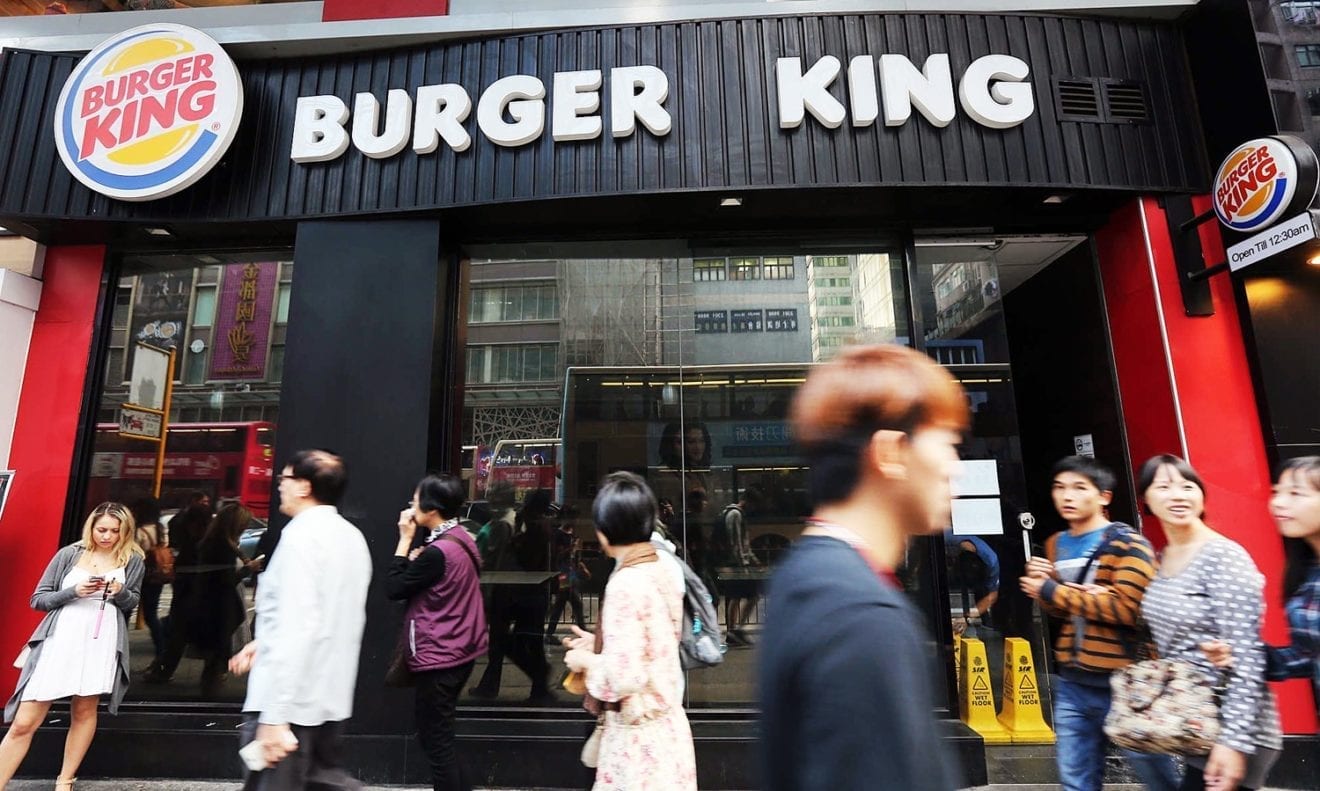
    Burger King sales are growing faster in Asia than in any other part of the world, reports parent Restaurant Brands.

    Sales in Asia rose 5.3 per cent, according to the company’s second quarter earnings data released overnight. Latin America sales rose 4.9 per cent. The performance in those two markets was enough to offset a 0.8 per cent decline in same-restaurant sales across the US and Canada, resulting in flat global systemwide sales growth.

    The success in Asia comes at a time when rivals Yum Brands (parent of KFC and Pizza Hut) and McDonald’s are struggling to maintain growth in Asia, where both companies are trying to sell long-term franchise rights.

    It also partly explains why Restaurant Brands this week announced a priority of expanding its Tim Hortons coffee cafe brand into Asia, with the Philippines the first stop.

    The Asia and Latin American figures were high points in a result best described as “adequate”.

    However, Neil Saunders, CEO of Conlumino, observes that although the headline result of a 0.2 per cent decline in overall revenue looks somewhat gloomy, this is mostly the consequence of a strong US dollar and weak Canadian dollar, which especially affected revenues from Canadian-based Tim Hortons.

    “The underlying numbers are slightly better, with both divisions in positive territory on a comparable sales basis and system-wide sales up by 0.6 per cent even after the impact of exchange rate fluctuations.”

    Saunders says the loss of sales momentum from previous quarters is in line with recent numbers from rivals like McDonald’s and Yum.

    “This trend is being driven, primarily, by a slowdown in spending on eating out by American consumers.  The softness in the US market is disappointing given the initially positive reaction to menu changes and the introduction [by Burger King] of hot dogs. It underlines the fact that menu change and innovation is not now something that can be done periodically: fast food players need to see this as a constant process that has to be supported by ongoing promotions and marketing activity.”

    Saunders believes McDonald’s continues to hold a slight edge over Burger King, and is doing more to shake up its traditional business model to maintain consumer interest and drive growth.

    “All that noted, the one saving grace for Burger King is good cost control which allowed [pre-tax earnings] to grow by 3.7 per cent this quarter.

    “Overall, Restaurant Brands continues to make progress; but with spend tightening and competition intensifying it now needs to up the pace of innovation if it is to grow further,” concluded Saunders.

  • Time Warner signs up for Hulu joint venture

    Time Warner signs up for Hulu joint venture

    Time Warner will become a 10% owner of Hulu, joining The Walt Disney Company, 21st Century Fox, and Comcast in the joint venture.

    Turner’s entertainment, sports, news and kids networks including TNT, TBS, CNN, Cartoon Network, Adult Swim, truTV, Boomerang and Turner Classic Movies will be available live and on-demand on Hulu’s new live-streaming service, which is slated to launch early next year.

    With no set-up costs or installation, Hulu’s new service will offer an intuitive and personalized interface, and instant access to live and on-demand content, across hundreds of living room and mobile devices.

    Hulu will continue its current offering of ad-supported and ad-free subscription video on demand products to complement both traditional pay TV packages as well as the new streaming service.

    Also, the company said it remained focused on acquiring iconic and award-winning programming like Empire, Homeland, Seinfeld, Curious George, South Park and Fear The Walking Dead, as well as creating original programming that builds upon its success with shows such as The Mindy Project, The Path, Difficult People, 11.22.63 and the Golden Globe-nominated Casual.

    “Our investment in Hulu underscores Time Warner’s commitment to supporting and developing new platforms for the delivery of high-quality content and great consumer experiences to audiences around the globe,” said Jeff Bewkes, chairman and CEO of Time Warner.

  • China’s LeEco acquires US-based Vizio for $2b

    China’s LeEco acquires US-based Vizio for $2b

    LeEco entered into a definitive agreement to acquire Vizio for $2 billion, with the latter’s hardware and software businesses to be operated as a wholly owned subsidiary.

    Meanwhile, Vizio’s data business, Inscape, will spin out and operate as a separate, privately owned company.

    “LeEco believes in breakthrough technologies, a complete ecosystem and disruptive pricing,” said Yueting Jia, chairman and CEO of LeEco. “Acquiring Vizio is an important step in our globalization strategy and building our North American presence.”

    The acquisition benefits both companies with Vizio offering LeEco a steady install base of users and a brand that is distributed throughout major North American retail channels.

    Commenting on the transaction, which is expected to close during the fourth quarter of 2016, research firm IHS Technology said the biggest challenge for LeEco will be convincing Vizio’s US retail customers that it will be business as usual during the integration, with no loss of product quality/supply, account service or supply chain discipline.

    IHS said the acquisition will help LeEco and Vizio to optimize their supply chain resources. While TV supply chain relationship for both LeEco and Vizio will likely stay unchanged for the next few years, TV manufacturers that supply products exclusively to Vizio or LeEco may have more opportunities as long as they are cost competitive.

    Also, the acquisition is also likely to impact their competitors, should LeEco decide to apply its current business model in China to North America and other markets.

    The Chinese company focuses on the growth of the paid content subscription, while it sells TV hardware at below manufacturing cost or even provides it for free during promotional periods.

  • Modern Avenue Group cancels Italian store deal

    Modern Avenue Group cancels Italian store deal

    Chinese distributor Modern Avenue Group (formerly Canudilo) has decided not to proceed with its purchase of the luxury Excelsior Milano department store.

    Modern Avenue, which owns sport couture brand Dirk Bikkembergs, has not given a reason for its change of heart.

    A purchase price of €21.3 million (US$23.7 million) was announced at the end of June for the store, launched in 2012 by Italian group Coin. The deal was to have been finalised this month. With a specific selection of high-end fashion, Excelsior Milano is overseen by Antonia Giacinti, who owns the new boutique collective Antonia.

    The Antonia brand was confirmed last month under an agreement with Modern Avenue, with a view to open five franchise stores over the next four years. The first Antonia store will debut next month.

  • MobiFone builds 300Gbps packet-optical backbone

    MobiFone builds 300Gbps packet-optical backbone

    MobiFone is leveraging Ciena technology to build the Vietnamese operator’s first high-capacity converged packet-optical  network.

    Currently provisioned with 300Gbps, the network spans more than 1,400 kilometers across the country from Hanoi to Ho Chi Minh City.

    This will help MobiFone provide high-speed mobile broadband services to businesses and consumers in more than 25 local provinces.

    With the network, MobiFone will be able to easily scale and automatically adapt network capabilities.

    Additionally, the network will use Ciena’s intelligent control plane technology to ensure survivability even in the case of multiple fiber cuts.

    ELCOM, a Ciena BizConnect channel partner, provided deployment services for this project.

    “Ciena’s cutting-edge optical platforms enable us to have a state-of-art backbone system. Demand for high-speed fixed and mobile data services, video content and the move to the cloud mean that network services in Vietnam have never been more important,” said Le Nam Tra, chairman of MobiFone.

    “With Ciena supporting the next evolution of the MobiFone backbone we can provide the scale and reach our consumer and business customers need for regional and international connectivity,” said the chairman.

  • NZ’s UFB network now reaches over 1m premises

    NZ’s UFB network now reaches over 1m premises

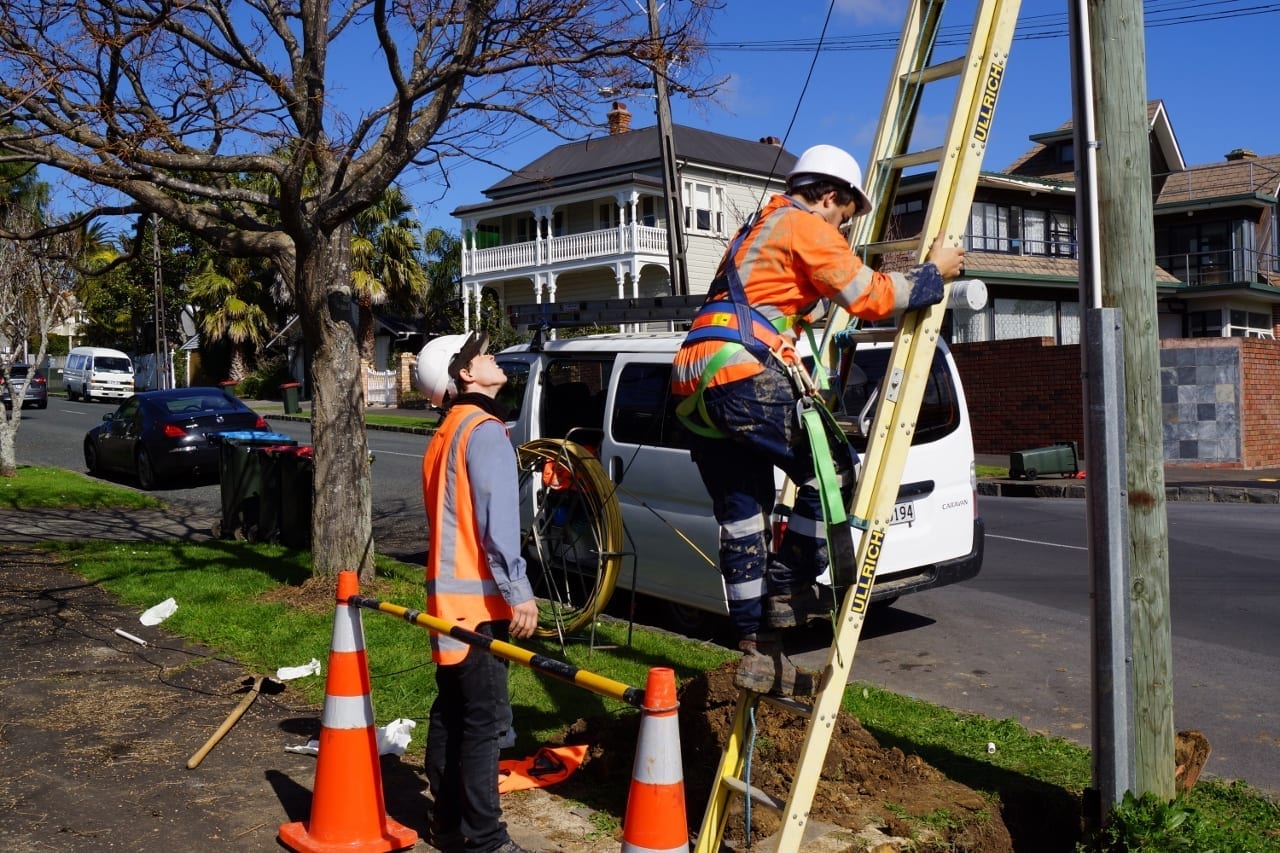
    More than one million premises in New Zealand, including households, businesses, schools, and hospitals, are now connected to the government’s Ultrafast Broadband (UFB) network.

    “This means 2.4 million New Zealanders are now able to connect to UFB, which is an outstanding achievement this far into the build,” said Communications Minister Amy Adams as she released the latest quarterly report on the UFB and the Rural Broadband Initiative (RBI) programs.

    The report noted that in the last quarter, approximately 240,000 users were connected to UFB, up 22.4% on last quarter. The uptake nationwide is at 23.9%, which covers 19 of 33 towns and cities.

    “There are now more than 830 new households and businesses connected to fiber every working day – more than one every minute – as New Zealanders realize the benefits of the government’s investment in high-speed broadband,” Adams said.

    “Internet connectivity has become an essential part of the day to day life, and access to faster broadband opens up opportunities across business, health, education and within the local community,” she added.

    The first phase of the UFB program aims to connect 75% of New Zealanders with fiber to the premise by end 2019. The network is capable of peak speeds of at least 100Mbps.

    Meanwhile, the government’s Rural Broadband Initiative (RBI) has also been completed and now benefiting 300,000 homes and businesses.

    The government has invested $300 million investment into the program to improve rural access to broadband connections.

    Adams said prior to the RBI build, only 20% of rural lines were capable of speeds around 5Mbps. With the completion of the first phase of the project, this has been increased to 90% of rural New Zealand households and businesses, with speeds well in excess of the 5Mbps threshold.

    The minister also reported that all New Zealand state and state-integrated schools are now able to connect under RBI or UFB, or the Remote Schools Broadband Initiative. Around 39 rural hospitals and integrated family, centers are able to access peak speeds of 100 Mbps under the RBI.

  • TrueMove to be ordered to set up Pokemon no-go zones

    TrueMove to be ordered to set up Pokemon no-go zones

    Thailand’s telecom regulator has summoned Pokemon master license holder True for urgent meetings today (9 August) and will order True to communicate with the franchise holder to set up Pokemon no-go zones.

    Dtac has confirmed it has also been summoned to give evidence about Pokemon to the NBTC. It is understood that AIS will also be present.

    NBTC secretary-general Takorn Tantasit further said that Pokemon have been appearing in inappropriate places such as hospitals, monasteries and government offices and this has led to chaos as players enter to try and catch them.

    Takorn said that Pokemon Go poses a threat to national security and has led to traffic mayhem.

    Royal Thai Police deputy spokesperson Pol Col Krisana Patanacharoen has called Pokemon Go a national security risk with people entering secure government facilities to hunt down Pokemon. He also said that anyone caught playing the game while driving will be prosecuted and fined.

    The only voice calling for reason came from Education Minister General Daopong Rattanasuwan. General Daopong said he would begin his own Pokemon Journey and play the game before passing judgement though he said it was unlikely he would order a ban on the game.

    “If you do not play Pokemon Go yourself, you will not understand the game. I have heard it is good for exercise,” the general said, referring to the distances of up to 10 km trainers have to walk in order to hatch a Pokemon egg.

    Earlier the Culture Minister Vira Rojpojchanarat came out against Pokemon in religious and historic sites as inappropriate and Election Commissioner Somchai Srisutthiyakorn said it was illegal to enter polling stations to catch Pokemon.

    On the other hand, the Sports and Tourism permanent secretary Pongpanu Svetarundra welcomed Pokemon Go and said that they would place Pokemon and Pokestops at key historic sites to promote tourism. The election commission also warned that catching Pokemon in polling stations is illegal.

    ICT Minister Uttama Savanayana has not made a formal comment for or against Pokemon, but he has spent the day re-tweeting news about Pokemon no-go signs across the globe which suggests he is also anti-Pokemon.

    What is clear is that none of the people in power in Thailand have any clue about how the actual game mechanics work. Nor has anyone clarified what rights, if any, True’s Pokemon license gives it over Niantic Labs’ Pokemon Go.

    NBTC secretary-general Takorn compounded his act of total cluelessness by saying that the game needed to be adapted to Thailand as Thai pavements are narrower than in Japan.

    Takorn clearly believes that Nintendo of Japan created Pokemon Go and placed the Pokestops. California-based Niantic, until recently a Google subsidiary, developed the game and the Pokestops are simply re-used sites from its other augmented-reality game, Ingress the vast majority of which are user-submitted.

    True is the master license holder of the Pokemon franchise in Thailand granted by the Pokemon Company back in December 2014. This includes merchandise and TV rights for TrueVisions, but not the right for a game which was made clear when they first held a press conference about the partnership.

    However the telco has recently said the license includes the rights to Pokemon Go, according to True’s head of content Peerathon Kasemsri. True CEO Supachai Chearavanont said there would be special in-game items for TrueMove subscribers and perhaps even a unique Thai Pokemon. None of that has happened.

    When Pokemon go was launched in Thailand through the Apple and Google stores, all telcos had equal access to the game.

    For its part, TrueMove is running a big Pokemon Go promotion campaign under a slogan, “True home of Pokemon” but other than offering an e-book and a Pokemon-branded data package for trainers (which is a simple 5 GB data package that is in any way special or tied to Pokemon Go), nothing exclusive has been launched yet to tap into its Pokemon franchise master license.

  • Globe to provide free Wi-Fi in LRT1 stations

    Globe to provide free Wi-Fi in LRT1 stations

    The Philippines’ Globe Telecom has agreed to provide free Wi-Fi services in all 20 stations of metro Manila’s Light Rail Transit System-Line 1 (LRT1).

    The company has agreed to provide Wi-Fi services to the roughly 400,000 daily LRT-1 passengers as well as Light Rail Manila Corp (LRMC) employees.

    Globe will also provide a fiber network extending the length of the system, covering all LRT-1 stations and LRMC’s depot in Pasay City, and deploy cell sites in each station to improve wireless connectivity.

    Globe Network Technical Group’s SVP for program governance Joel Agustin said the company will use its newly-acquired spectrum in the 700-MHz, 1800-MHz and 2600-MHz bands to provide the capacity required to handle the massive mobile traffic volumes at the stations.

    “As the purveyor of the Filipino digital lifestyle, we, at Globe recognize customer demand for constant connectivity even as they are on the go,” he said. “We are confident that the deployment of free Wi-Fi services in all LRT stations will bring better communication or even improve work productivity for our customers.”

    The operator separately announced that data traffic through the Globe Telecom network grew 35% year-on-year in the first half of 2016 to 151 petabtyes.

    Mobile data revenues surged 46% over the same period to 17.8 billion pesos ($3.66 billion), the operator revealed in its recent results. This comprised 39% of total mobile revenues, up from 27% in 1H15.

  • Idea Q1 profit slumps 36.1%

    Idea Q1 profit slumps 36.1%

    India’s Idea Cellular has reported a steep 36.1% decline in net profit for its fiscal first quarter to 4.97 billion rupees ($74.4 million), as spectrum and investment costs weighed down the operator’s bottom line.

    But Idea, the nation’s third largest mobile operator, also revealed that its efforts to cut down on promotional offers helped revenue grow 7.9% to 94.86 billion rupees.

    The operator lost around 700,000 mobile subscribers during the quarter, taking its total to 183.2 million, and voice MOUs declined by 1.1% sequentially to 199.3 billion.

    By contrast, due to its high investments in the mobile data segment, Idea reported its highest ever net mobile data user additions of 5 million.

    The operator also recorded mobile data volume growth of 13.2% to 93.1 petabytes, while mobile data revenue grew by 4.1% to contribute 20.6% of total service revenue.

    Over the period, the company added 5,296 4G sites, taking its total to nearly 20,000. The operator’s 4G network now covers a total population of over 150 million across nearly 2,000 towns and villages. The company ended June with over 1.8 million active 4G subscribers.

    Overall 2G, 3G and 4G mobile data penetration has reached 49 million, and Idea reported a blended mobile data ARPU for the quarter of 142 rupees.

    Idea’s capex for the quarter meanwhile reached 10.8 billion rupees, in line with the operator’s projected capex budget for the full financial year of between 65 billion and 70 billion rupees.

  • Pokemon no-go in Thailand

    Pokemon no-go in Thailand

    Thailand’s Culture Minister has warned people against playing Pokemon Go, especially in religious and historic sites while the Tourism and Sports ministry is seeking to use the game to promote the very same.

    Culture Minister Veera Rojpojanarat said Pokemon Go had many potential dangers and players should not spend too much time on it, spend too much money or put themselves in danger.

    “As for entering Buddhist Monasteries or historic sites to catch the [Pokemon] dolls [sic], I know Thai people have the common sense to know what is proper and what it is not,” he said.

    This is in contrast to the Tourism and Sports Ministry which has jumped on board the Pokemon Go bandwagon, though it does seem to lack knowledge on how the game works.

    Last week, Pongpanu Svetarundra, permanent secretary of the Ministry of Sports and Tourism, announced that rare types of Pokemon would be placed at tourist destinations that the ministry wanted to promote.

    He also said that Pokestops (in game places that give out items when within 40 meters) would be placed at famous tourist destinations to attract Gen-Y trainers/travellers.

    Meanwhile the Election Commission of Thailand has warned Pokemon Trainers against attempting to catch Pokemon in polling stations as Thailand went to the polls yesterday in a referendum where they overwhelmingly approved a new military-entrenched constitution.

    Election Commissioner Somchai Srisutthiyakorn said it was illegal to enter polling stations to catch Pokemon. Again in a case of not knowing how the game mechanics work, Somchai said, “in occasions that rare Pokemons emerge in any polling station, please stop playing it near these stations.”

    A trainer can attempt to catch a wild pokemon if it appears within a range of about 100m without having to actually go to the point where it appears on the map.

    Elsewhere Islamic leaders in Kuala Lumpur said today that Muslims should avoid playing Pokemon Go because the popular mobile game was harmful and could “lead to gambling.”

    Mufti of Federal Territories Zulkifli Mohamad al-Bakri, in a statement on Friday (Aug 5) said that the ruling was made at the Federal Territories Islamic Legal Consultative Committee meeting on Aug 1.

    “After studying the opinions of religious scholars and the fatwa (edict) issued, we agreed that the edict has a basis and that Pokemon Go and all the Pokemon characters should be avoided as it can bring harm.

    “The game promoted a search for power and deities with certain powers which could lead to gambling,” he said. Iran has also banned Pokemon Go, but on security grounds.

  • Kate Spade figures reveal slowing growth

    Kate Spade figures reveal slowing growth

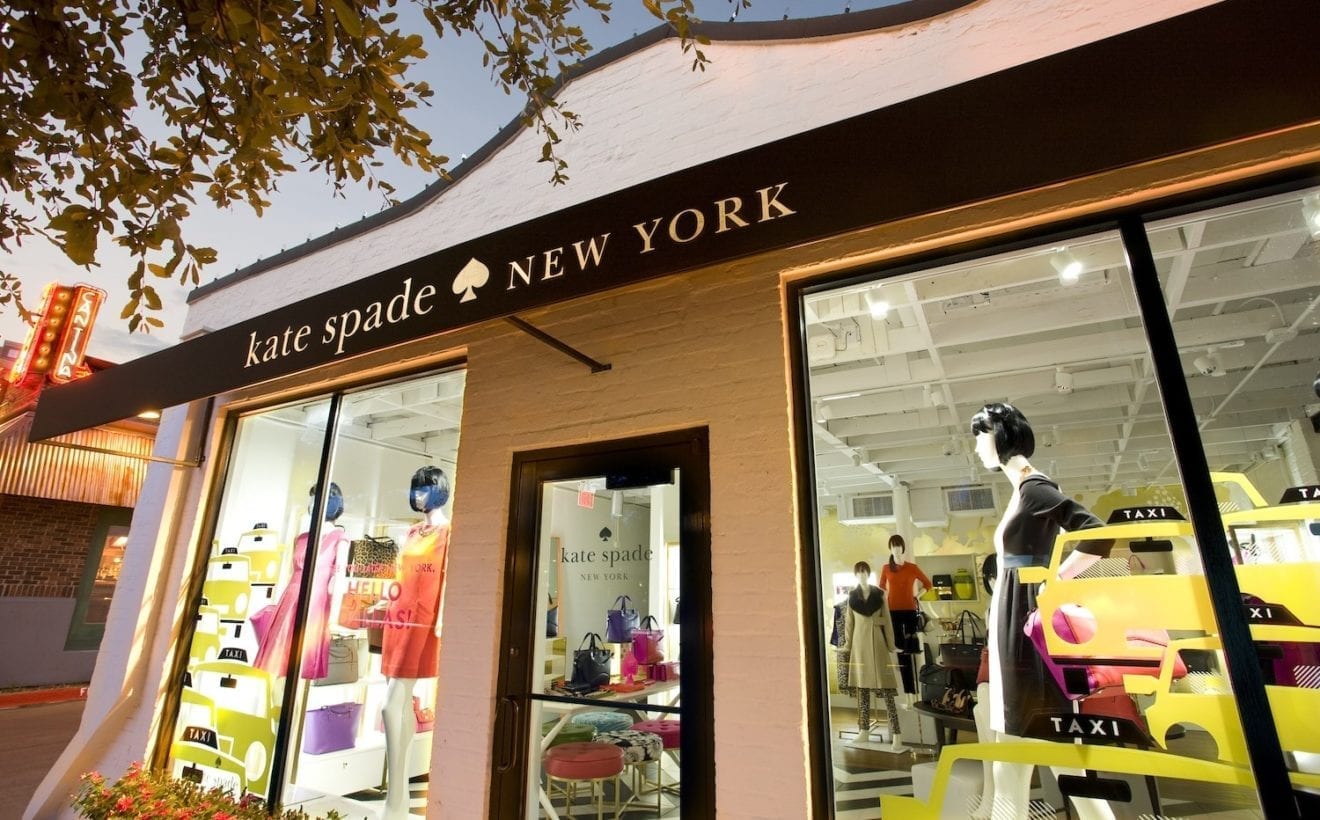
    While the latest Kate Spade figures are respectable, there is a clear slowdown in the pace of growth compared to last quarter.

    This is most noticeable in the direct-to-consumer segment, where comparable revenue rose by a fairly meagre 4 per cent, compared to the 19 per cent uplift posted during the first quarter. Although it is not unreasonable to expect growth to moderate from its heady pace, the expectation of Kate Spade’s management team was that this would not happen quite so soon.

    It is notable that the slowdown is mostly confined to North America, with international sales growth advancing steadily from last quarter’s 3.2 per cent growth rate. Kate Spade has suggested that much of this is tourist related with reduced international visitor footfall at key stores in New York, and lower spending from those that do visit thanks to the strong dollar.

    There is some truth in this, but it does not completely explain away the very slim growth rate in the direct segment – which is now running at just 1 per cent on a comparable basis once eCommerce has been excluded.

    There are three other factors at play which negatively affected growth.

    The first of these is the comeback of competitors like Coach, which thanks to brand repositioning and lower discounting are now attracting more customers. While there is only a partial overlap between Coach and Kate Spade, Conlumino customer data suggests that shopper sharing between the two brands has increased over recent months.

    The second factor is an increase in consumer uncertainty, especially among younger female shoppers. Such softness in Kate Spade’s target market likely reduced both the volume and value of purchasing over the period. This had a slight knock-on effect in terms of discounting which affected margins over the quarter.

    Thirdly, although Kate Spade’s marketing is still achieving cut through with campaigns like Miss Adventure, the impact seemed to weaken over the summer. This likely had a negative impact in terms of visiting and purchasing.

    Given that all of these trends are things that will not suddenly disappear, the danger for Kate Spade is that it is now entering a period of weaker sales growth: something it has reflected in its guidance. That said, slower sales uplifts are not necessarily indicative of a group in trouble. Indeed, Kate Spade will still grow and will do so at a pace that is above overall market growth. It will also continue to deliver healthy profits, which at net income level are running at $38 million in the year to date, compared to a loss of $47 million over the same period last year.

    Kate Spade is still a company moving forward – even if it now does so with slightly less momentum.

    • Neil Saunders is, CEO of retail analyst Conlumino.
  • Vietnam retail sales growth slows

    Vietnam retail sales growth slows

    The growth rate of Vietnam retail sales is slowing, according to official data.

    The Vietnam General Statistics Office says retail trade and services revenue for the first half of 2016 was US$89.6 billion, 9.4 per cent higher than last year.

    But the rate of Vietnam retail sales growth is generally slower than that of the same period last year once inflation is excluded. The net increase would be 7.4 per cent compared to 8.3 per cent last year.

    Also, according to the records, retailing during the first quarter of 2016 was 7.9 per cent lower than last year; 8.3 per cent lower than for the first four months, and 7.8 per cent in the first five months.

    Analysts suggest a reason for the slowing growth could be linked to slowing accommodation bookings and tourist spending, which totalled US$11 billion (up 7.5 per cent). The decline was most evident in some Central provinces, and likely related to the mass death of fish in Nghe An and Ha Tinh.

    Retail sales of goods, on the other hand, were US$68.23 billion (76 per cent of total sales) and were 9.7 per cent higher than the period of January to July of last year.

    Food, household appliances and garments saw positive increases with 12.9 per cent, 10 per cent, and 12 per cent respectively.

    GSO director Nguyen Bich Lam said consumer concerns about food safety and environmental pollution partly affected the retail growth in accommodation and catering. Locals tended to have home-cooked meals and became more careful in spending their money on tourism services.

  • Lacoste Korea upgrades boutique

    Lacoste Korea upgrades boutique

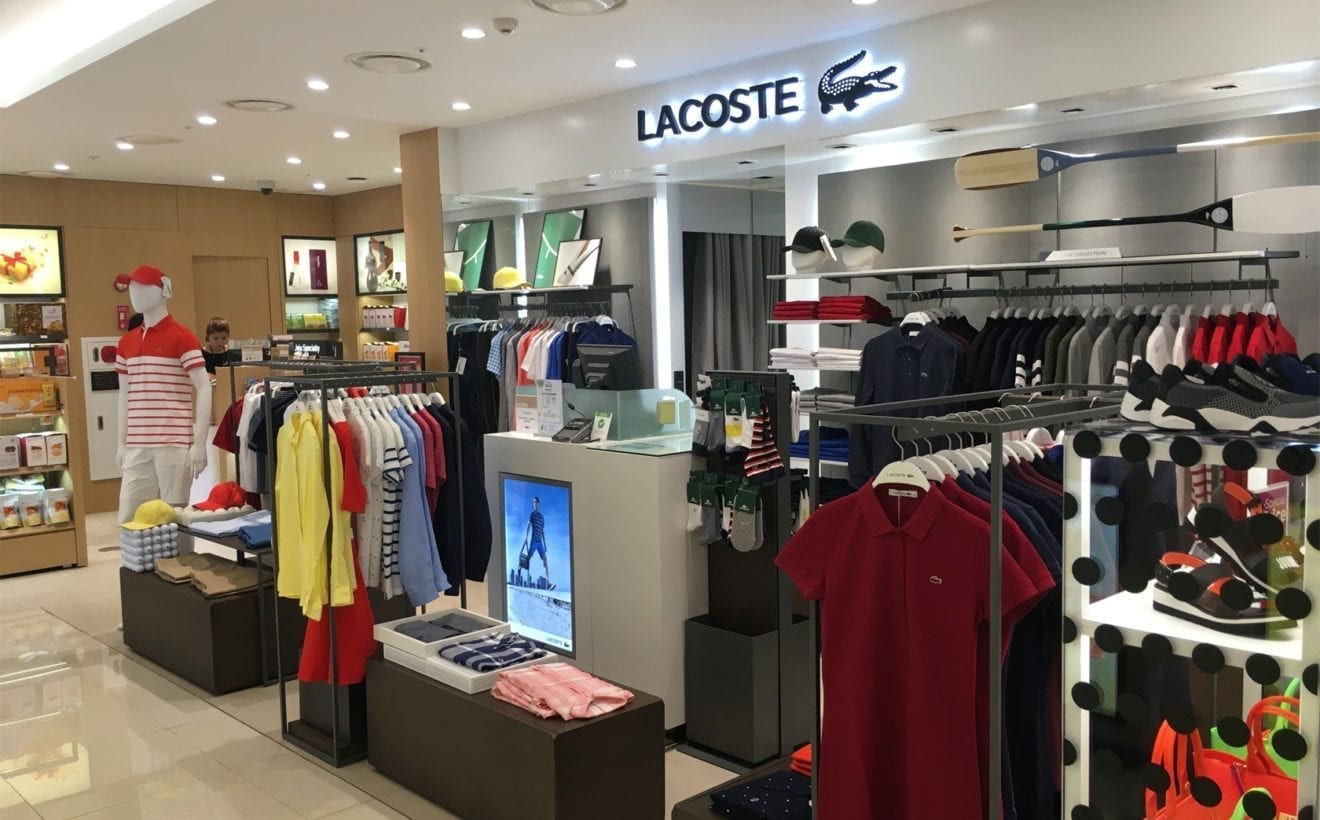
    Fashion apparel brand Lacoste Korea has renovated its boutique unit inside the Shilla Jeju Duty Free store, showcasing its “standard premium” concept.

    The retail space is on the fourth floor of the store on Jeju Island, close to Jeju International Airport. The store offers more than 300 brands.

    Lacoste says Korea is a key market for its travel-retail business.

  • New Look to expand China network

    New Look to expand China network

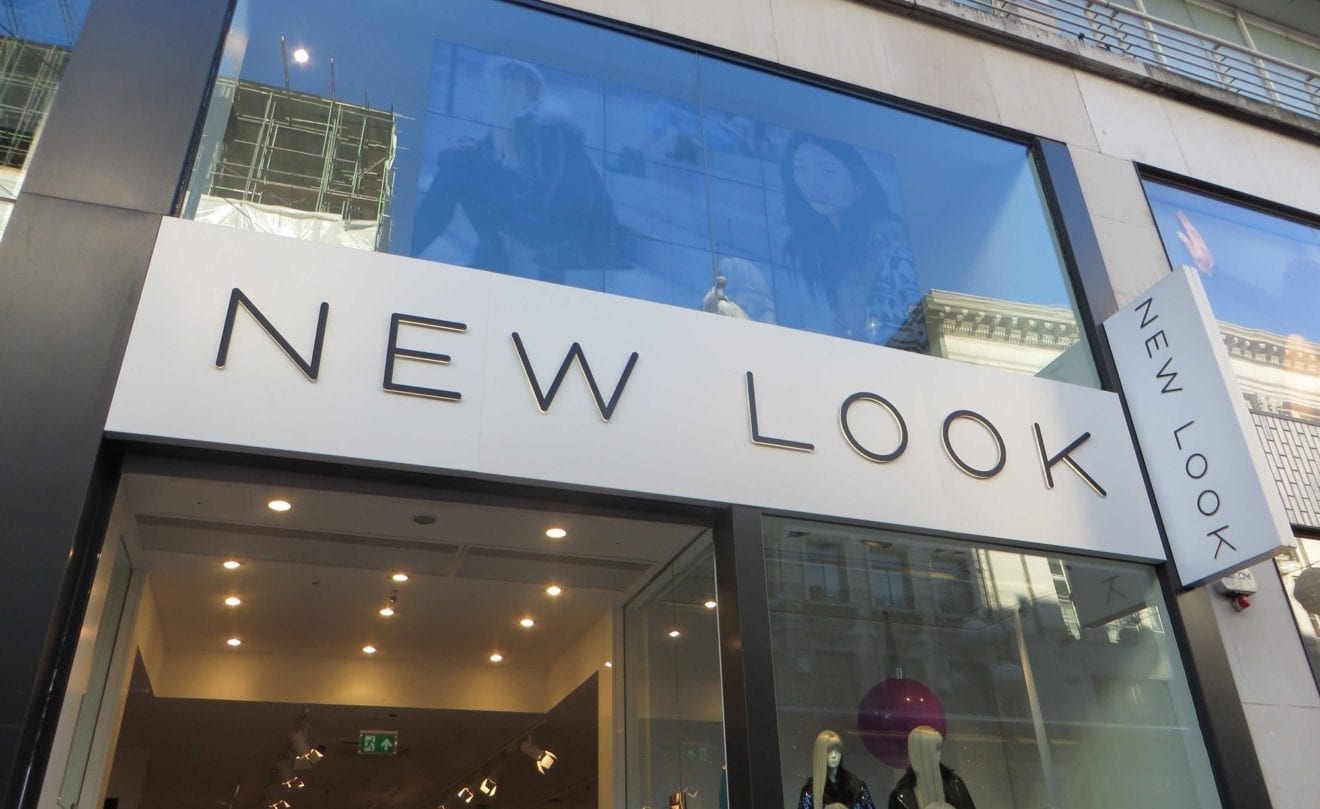
    Fast fashion retailer New Look is to expand its China store network.

    And while the UK retailer has modest aspirations in terms of store numbers – just 25 globally over five years – it is increasing its focus on menswear. Some of the new stores slated to open in China and France within the next 12 months will stock only men’s clothing.

    New Look is experiencing “exceptional growth” in China, since its debut there early in 2015, according to UK news channel Retail Gazette.

    The first standalone menswear store opened less than a year ago and customers of the previously womenswear brand have taken to its style and range.

    New Look has not broken down the figures by market as to where the new stores will open.