Author: Mei Ling Tan

  • South Korea suspends sales of most Volkswagen models

    South Korea suspends sales of most Volkswagen models

    South Korea on Tuesday suspended sales of most Volkswagen AG (VOWG_p.DE) models in a fresh blow to the German automaker as it struggles to overcome the global repercussions of its emissions-test cheating sandal and rebuild its tattered image.

    The government revoked certification for 80 model variants of VW, Audi and Bentley vehicles, and fined Volkswagen 17.8 billion won ($16.06 million) for allegedly forging documents on emissions or noise-level tests.

    The move could slam the brakes on sales for Europe’s biggest automaker in the Asian market, where its local unit had more than tripled revenue to 2.82 trillion won over the past five years before becoming mired in the emissions scandal.

    Volkswagen described the ruling as “most severe” and said it would consider a legal challenge.

    In all, 209,000 VW vehicles have been de-certified in South Korea, mainly over emissions-related problems, since November – or 68 percent of the vehicles the automaker had sold in the country since 2007, the environment ministry said.

    While South Korea is a relatively small market for Volkswagen, it is a major market for its luxury marques Audi and Bentley and one of the fastest-growing markets for all brands.

    It could take more than three months for the affected brands to be back on showroom floors, officials said.

    “It usually takes three months for vehicle certification, but this may take longer for Volkswagen, as we will take thorough steps,” environment ministry director Hong Dong-gon told reporters.

    Any delay in recalls previously ordered over emissions test manipulation could be met with an order for VW to exchange those vehicles for other models, Hong added.

    LEGAL ACTION

    In a letter to customers posted on its South Korean homepage, Volkswagen said it would consider requesting an “injunction of execution”.

    It also could take legal action against the government’s decision “if this will help recover our company’s business reputation and benefit our consumers, dealers and other partners,” it added.

    Volkswagen voluntarily halted sales of most of its models in South Korea from July 25, ahead of the government’s decision.

    The company reported a 12 percent drop in quarterly profit at its main passenger car division last week, showing the challenges it still faces since admitting in September to using software to falsify pollution tests on some diesel cars.

    In addition to billions of dollars in costs related to the scandal, it is also tangled in legal action in the United States, Germany, South Korea and elsewhere.

    South Korea has taken a particularly tough line, with prosecutors raiding Volkswagen’s Seoul offices and arresting an executive in June.

  • Indosat Ooredoo launches m-payment for retailers

    Indosat Ooredoo launches m-payment for retailers

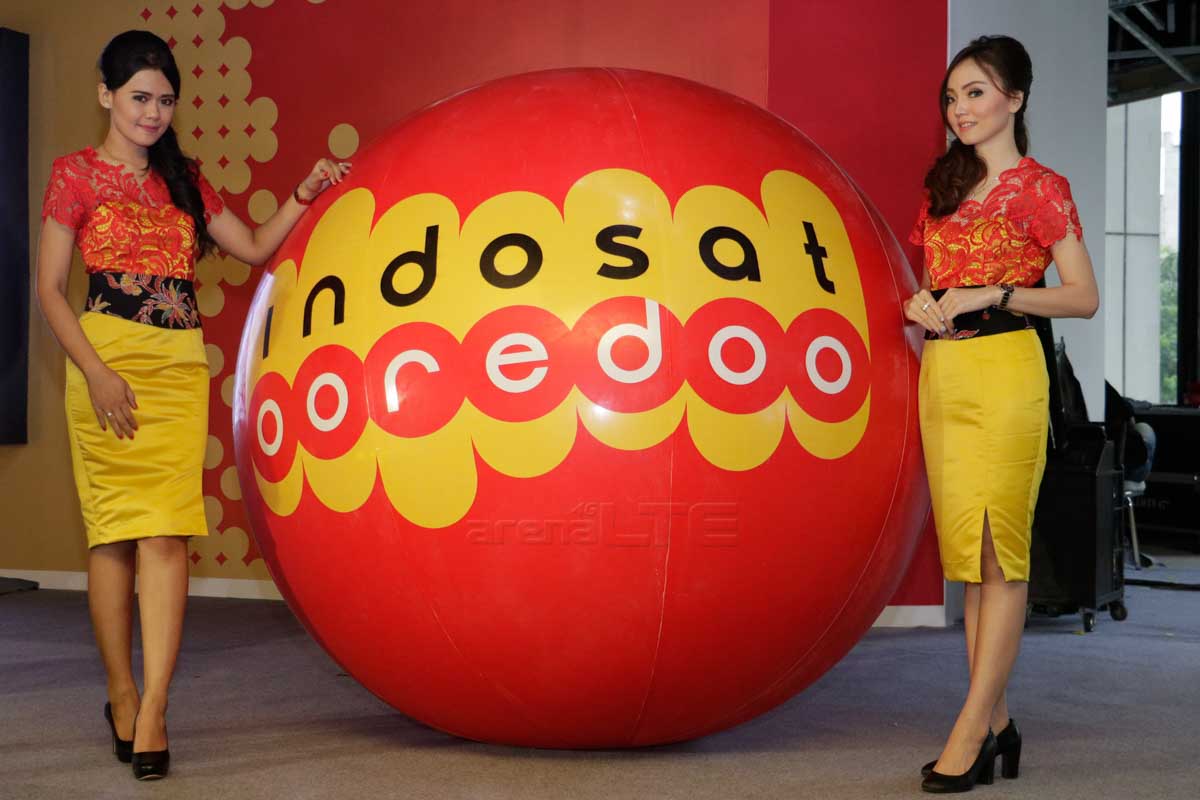
    Indonesia’s Indosat Ooredoo has launched a new mobile payment service for retailers, in collaboration with GoSwift International and banking chain BNI.

    The new D-Pay service will allow merchants to use their exsting mobile devices as multifunctional payment platforms, accepting payments based on Visa, MasterCard or JCB credit and debit cards, as well as eWallet services.

    D-Pay services for retailers come bundled with data, voice and SMS allocations from the operator.

    “D-Pay is the latest product from our Mobile Financial Business,” Indosat Ooredoo chief of new business and innovation officer Prashat Gokarn said.

    “In addition to our current products – electronic wallet, bill payments, eCommerce payments, domestic and international money transfer and branchless banking, D-Pay will help reduce cash collection and logistics costs for our eCommerce partners, which will in turn benefit customers with lower prices and assured deliveries.”

    He said the service is tailored for e-commerce companies, as well as SME retailers in need of alternative payment methods but unable to easily afford standard banking solutions, by allowing merchants who do not have access to traditional point of sale services to still accept card payments.

  • Globe, PLDT cleared to consolidate SMC case

    Globe, PLDT cleared to consolidate SMC case

    The Philippines’ Court of Appeals has approved an application from the nation’s two major operators to consolidate their legal challenge against the Philippine Competition Commission (PCC) over their acquisition of the telecoms assets of conglomerate San Miguel Corporation.

    Both Globe and PLDT have petitioned the court to compel the PCC declare the San Miguel transaction as “deemed approved.”

    The PCC is conducting a comprehensive review of the potential impact of the acquisition, which includes large allocations of spectrum, on competition and the public benefit.

    The regulatory body had been opposing efforts by the two operators to consolidate their petition into a single case.

    Globe general counsel Froilan Castelo said the court’s decision contradicts the PCC’s claim that the operators have been engaged in forum shopping.

    “Globe has followed the rules, and that motion to consolidate is just in accordance with Rule 31 of the Rules of Court,” he said.

    “This is only but fitting as all Globe’s actions on this matter are well within the bounds of the rules…  We are disappointed that it is the PCC itself that does not follow the rules – the rules of court when it opposes the consolidation of the cases; and their own rules.”

    Castelo also disputed the PCC’s claim that the operators have been uncooperative during the investigation process. He said Globe has cooperated fully with the government body, providing more information than required.

    “These submissions were done in good faith and went beyond what the PCC actually requires by their own rules.  In addition to these, Globe even sought a dialogue with the PCC to explain its position and answer any concern the PCC may have regarding the transaction,” he said.

  • Myanmar orders all SIMs registered by March

    Myanmar orders all SIMs registered by March

    Myanmar’s Directorate of Telecommunications has instructed the nation’s mobile operators to complete the registration of all SIMs by next March.

    The telecom regulator has revealed that any unregistered SIMs still operating by that time will be temporarily suspended.

    SIMs will need to be registered based on users’ national registration cards, student identity cards, drivers’ licenses or passports for foreign citizens, the report states, adding that the order is aimed at stimulating mobile banking and m-commerce in the nation.

    There are around 48 million SIM cards in Myanmar, a market where mobile penetration has increased by 35 percentage points over the past year to more than 89%.

    While there’s no data on how many of these are unregistered, the Directorate has stated that “many” SIM cards were sold to buyers who did not supply the required documents.

    With the order Myanmar is joining a growing number of APAC nations requiring SIM registration, including most recently Bangladesh.

    Thailand began cutting off unregistered SIMs last year, while Chinese regulators began ramping up efforts to crack down on unregistered SIMs.

  • Lenovo-­Motorola India seeks to open showrooms

    Lenovo-­Motorola India seeks to open showrooms

    The Lenovo-­Motorola India combine has applied for single-­brand retail licence to open company­- owned showrooms.

    This comes on the heels of the Chinese company’s mobile sales in India crossing the US$1 ­billion mark.
    Lenovo India’s director Sudhin Mathur says the turnover from mobile-phone sales in the year ended March 31 stood at $1.3 billion, nearly double the $700 ­million of the previous year.

    “Sales have been growing at a healthy pace and we expect to maintain a strong momentum.”

    According to industry tracker IDC, the Lenovo­-Motorola combine sold about 10 million units last year, accounting for a nearly 10 per cent share of the market.

    Mathur says smartphone industry sales in India are expected to grow by 30 per cent this
    year.

    The company’s units for India are being contract ­manufactured by Flextronics at Sriperumbudur. Lenovo is also looking at having its own phone plant in India.

    Mathur says eight or ­nine new models will be introduced in India over the coming months as the company beefs up its portfolio ahead of the festive season.

    Other companies to have applied for the single-­brand retail licence include Apple and Chinese company LeEco.

  • Expansion brings some cash for VinMart

    Expansion brings some cash for VinMart

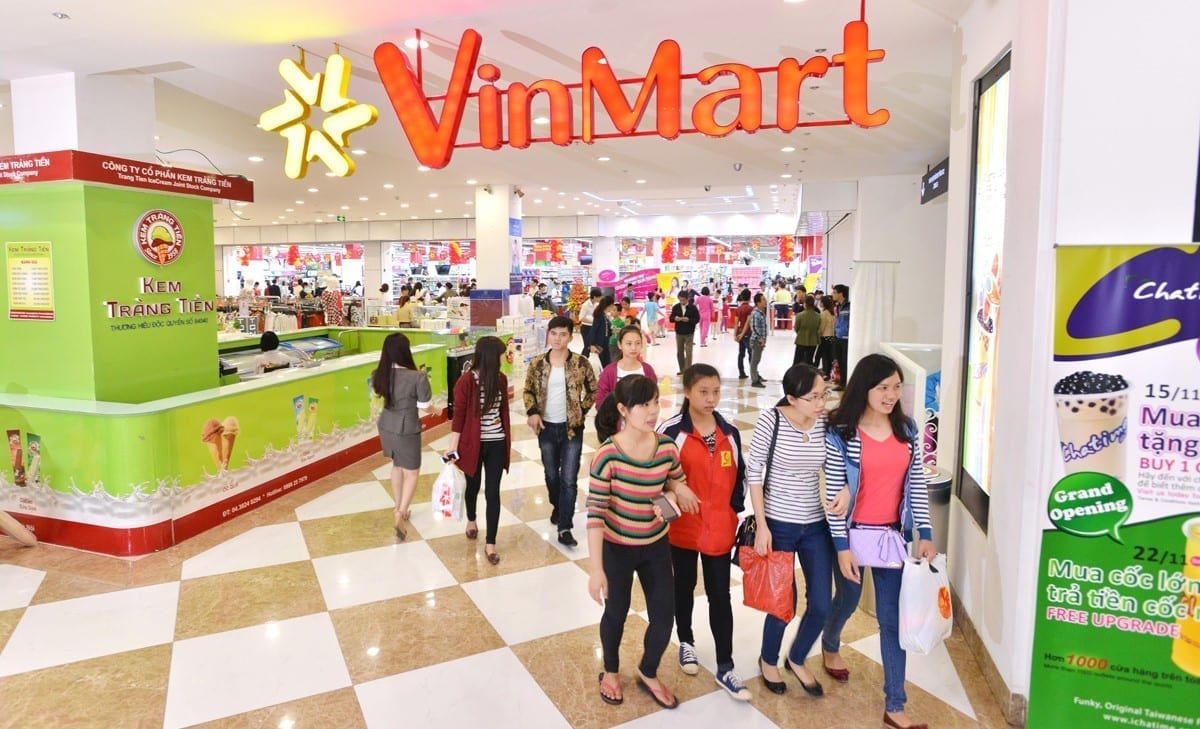
    Vietnamese supermarket chain VinMart has tripled its revenue in the second quarter of this year.

    Parent VinGroup says the group achieved VND2,465 billion (US$110.6 million) in sales of its supermarkets and convenience stores, a 226 per cent increase compared to the same period last year.

    One of the reasons for VinMart’s growth is the group’s strategy to bring its convenience stores VinMart+ to “every corner of Vietnam”, making it a part of consumers’ daily shopping routines.

    Up until July, after almost two years of operation, VinMart has 50 supermarkets and 830 convenience stores nationwide, which means the company has been opening three supermarkets a month and 46 c-stores.

    A standout of VinMart+ is the fresh food, distributed by green brand VinEco. The products are exclusive greenhouse vegetables, grown using Israeli technology.

    With this self-supply and self-control strategy, VinGroup has been creating a strong competitive strength in the market.

    Besides VinMart, its other divisions contributed to VinGroup’s profit in the quarter of VND 2,926 billion ($131.2 million): VinHomes, Vincom Retail, Vinpearl Land, Vinschool, Vinmec, and VinPro.

  • New way to sell bags for Christian Dior

    New way to sell bags for Christian Dior

    Christian Dior China has become the first luxury brand to sell top-end bags on messaging and social network WeChat.

    With an eye on Chinese Valentine’s Day (Qixi) on August 9, it offered its limited-edition Lady Dior bag on the platform this week. It was to be available until today, but sold out on Tuesday.

    As a special extra, consumers were able to drag online pictures of decorations on to the bag, so it could be tailored for their preferences.

    Buyers could pay through WeChat for the bag, priced at 28,000 yuan (US$4210).

    Other luxury brands, including Cartier, Longchamp and Montblanc have already launched online sales platforms on WeChat, providing special services and discounts.

    For the first half of this year, Dior’s net profits fell 30.2 per cent to €74 million ($82.8 million).

  • New Look to expand in China & France with new standalone menswear stores

    New Look to expand in China & France with new standalone menswear stores

    Fast fashion retailer New Look is taking advantage of its popularity in menswear by opening 25 new stores in the next five years – including a batch of standalone menswear stores in China and France over the next 12 months.

    While the store split between the UK and overseas is not yet known, the retailer currently going through exceptional growth in China where it has had like-for-like growth since entering the market at the start of 2015.

    New Look first launched standalone menswear stores almost a year ago and has quickly garnered a reputation as being a leader in the trend of standalone high street menswear stores.

    Online retailer Boohoo launched a standalone menswear site in April while Net-a-Porter recently revealed its own-brand menswear label.

    Department store chain Harvey Nichols also recently relaunched its menswear department, while fashion chain Jigsaw has announced plans to expand its menswear range over the next five years.


  • Starbucks Korea offering workers education

    Starbucks Korea offering workers education

    Starbucks Korea employees are being offered a chance to achieve their academic goals.

    The company has introduced a college achievement plan to enable employees (termed “partners”) to finish four-year college degrees. Already, 146 have enrolled at Hanyang Cyber University.

    “At the core of our success are our partners who deliver an unparalleled Starbucks experience, and we are pleased to help them achieve their academic dreams,” says CEO Seock-koo Lee. “The college achievement plan gives partners the chance to earn their degree without the financial burden.”

    starbucks scholar

    Hanyang Cyber University offers 36 majors ranging from liberal arts to business management. Barista training is also included. As all regular classes and tests are delivered online, students can focus on their jobs as well as their studies without having to attend a physical school.

    “The Starbucks mission of inspiring and nurturing the human spirit resonates with our goal of providing young talent with access to higher education for their pathway to success,” says the university’s office of admissions dean Seungyeon Han.

    Employees applying for the program need to provide their study plans and complete aptitude tests. Once admitted, they can choose any major, even if unrelated to their work.

    Starbucks Korea estimates that more than 1000 employees will be able to earn bachelor’s degrees by 2020. Along with the university, it plans to recruit up to 300 students each school year. Those who achieve a grade point average of B or higher will be entitled to a Starbucks scholarship covering full tuition.

    Employees who receive the scholarship are not obligated to work for Starbucks after graduation.

    The program is similar to the Starbucks college achievement plan in the US, introduced in 2014. It allows eligible employees to earn their bachelor’s degree with full tuition reimbursement through Arizona State University’s online degree program.

  • Bitcoin plunges after Hong Kong exchange hacked

    Bitcoin plunges after Hong Kong exchange hacked

    The digital currency Bitcoin plunged Wednesday after Bitfinex, an exchange based in Hong Kong, said it had been hacked and funds stolen.

    The exchange said it had halted trading, deposits and withdrawals while it investigated which users had been affected. Bitcoin’s trading value fell about 20 percent early Wednesday, local time in Hong Kong, but had recovered about half the loss by afternoon.

    Zane Tackett, Bitfinex’s director of community and product development, did not immediately respond to requests for comment. But he said in a posting on Reddit that 119,756 Bitcoins had been stolen.

    Before the hacking was made public, that number of Bitcoins would have been worth about $72 million. Now that the currency has slumped, the figure is closer to $65 million. The exchange, one of the world’s largest, said in a blog post that any outstanding settlements would be made at the price before the hacking.

    “As we account for individualized customer losses, we may need to settle open margin positions, associated financing, and/or collateral affected by the breach,” Bitfinex said in the post.

    Local Business

    It added that customers’ losses would be addressed later.

    Security breaches of this type have raised questions about the viability of Bitcoin. The most notable episode was the collapse in 2014 of Mt. Gox, an exchange based in Tokyo, in which hundreds of thousands of Bitcoins were stolen in a heist that experts and law enforcement officials are still trying to unravel. This past June, a hacker stole more than $50 million worth of Ether, another digital currency, from an experimental virtual currency project called the Decentralized Autonomous Organization.

    Jack Liu, chief strategy officer at OKCoin, a large digital currency exchange, said he was not concerned about the security of his company because it uses a different system. But he noted that there should be more discussion between exchanges over best practices.

    “We care about the health of the ecosystem,” he said, although he emphasized that nobody should be dictating how Bitcoins are secured. “Hackers are only getting better, and so adoption of the same solution may not be the safest for the industry.”

    Although some view Bitcoin as the future of finance, allowing for faster and cheaper transactions, the Bitcoin community has been rived with infighting over the development of the technology. The blockchain ledger, part of the coding that underlies the currency, has also gained more mainstream traction, as banks see an opportunity to use the technology to speed up trades.

    Bitfinex said the theft had been reported to law enforcement.

  • Is Nike golf equipment journey ending?

    Is Nike golf equipment journey ending?

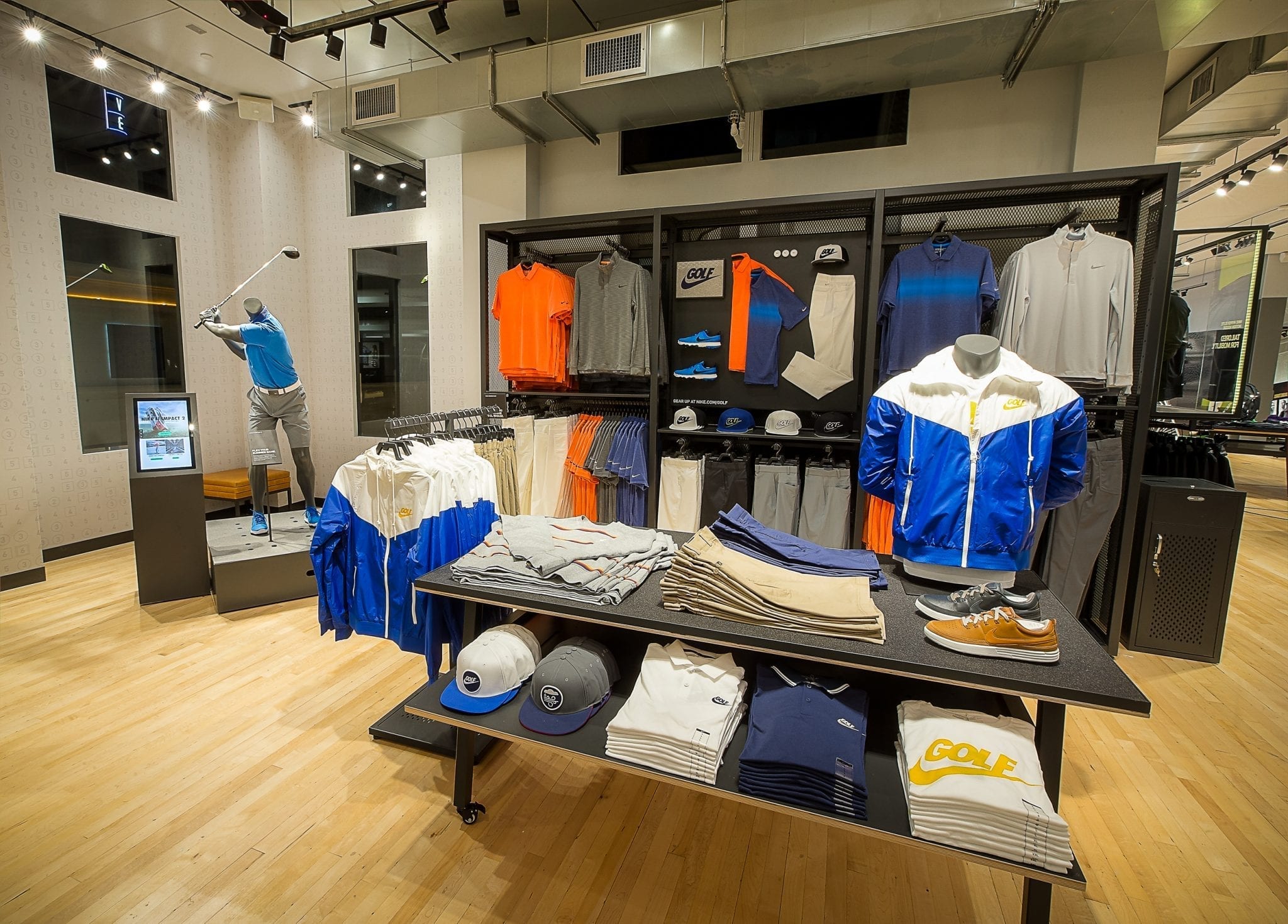
    Nike is phasing out its golf equipment business to focus on shoes and apparel.

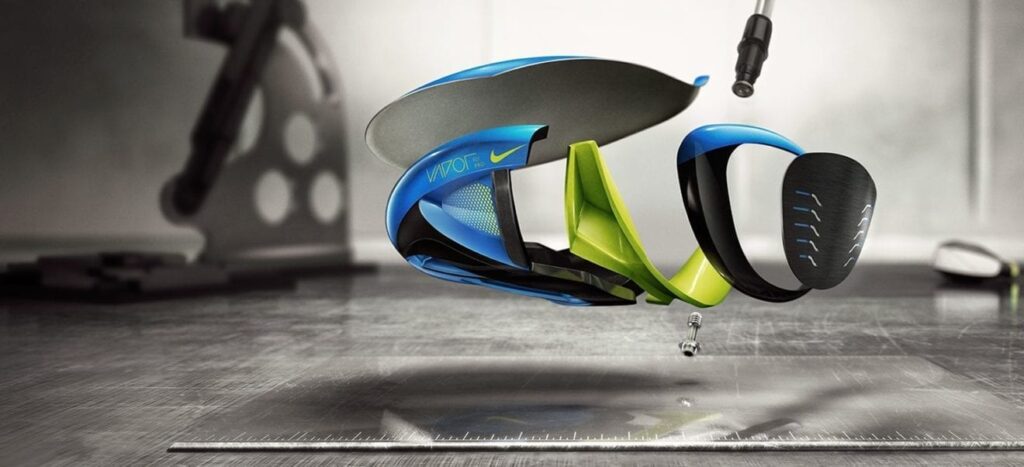
    The company has announced it is accelerating its footwear and apparel business and will transition out of Nike golf equipment range – including clubs, balls and bags.

    “We’re committed to being the undisputed leader in golf footwear and apparel,” says Trevor Edwards, president, Nike Brand. “We will achieve this by investing in performance innovation for athletes and delivering sustainable profitable growth for Nike Golf.”

    The global giant said it will continue to partner with more of the world’s best golfers as part of its changed golfing segment strategy.

    “Athletes like Tiger, Rory and Michelle drive tremendous energy for the game and inspire consumers worldwide,” says Daric Ashford, president of Nike Golf.nike golf

    “Over the past year the MM Fly Blade Polo, the Flyknit Chukka and Air Zoom 90 have all connected strongly with golfers. We’ll continue to ignite excitement with our athletes and deliver the best of Nike for the game.”

  • Shopping by mobile devices rises

    Shopping by mobile devices rises

    More shoppers are using smartphones and tablets to do business with Korean online retailers – both Koreans and foreigners.

    Chinese shoppers – particularly those who have visited Korea and fallen in love with its products – have been a particular boon to the online shopping business.

    According to Statistics Korea, online shopping transactions rose 18.8 percent in June compared to a year ago, hitting 5.18 trillion won ($4.64 billion). Mobile shopping via mobile devices surged 34.4 percent during the same period, and accounted for 51.2 percent of total online shopping, or 2.65 trillion won.

    “Mobile payment services have improved recently so more customers are using mobile devices compared to the past,” said an official from Statistics Korea.

    Mobile device transactions accounted for only 29 percent of all online transactions in April 2014. The figure topped 40 percent early last year and surpassed 50 percent in December. It continues to grow.

    Even though transactions rose from a year ago, they dropped from the previous month. Online shopping transactions dropped 0.3 percent in June compared to May and mobile shopping fell 2.2 percent during the same period.

    By sector, people purchased more cosmetics and travel services online, while the figure for food, including agricultural produce, livestock and fishery products fell.

    People spent 52.1 percent more on cosmetics in June compared to the previous year, and the figure for travel services increased by 42.3 percent.

    “The number of Chinese tourists visiting Korea rose in general, and they were interested in buying cosmetics at both brick-and-mortar stores and online retail shops,” an official at Statistics Korea said.

    According to Statistics Korea, Chinese tourists visiting Korea rose 201 percent from 223,000 in June 2015 to 671,000 in June 2016. The outbreak of Middle East respiratory syndrome (MERS) lowered the number of tourists last year. The first MERS fatality in Korea occurred on June 2, 2015.

    “More Chinese entered Korea and this also helped travel services transactions grow,” said an official at the agency.

    Statistics Korea surveyed a total of 983 online retailers for its data.

    Meanwhile, foreigners buying Korean goods rose 83 percent year-on-year in the second quarter of this year compared to the previous year, hitting 497.4 billion won.

    Koreans buying goods through foreign online retailers increased by 5 percent during the same period, recording 411.8 billion won.

    Chinese purchasing goods through Korean online retailers jumped 103.1 percent year on year in the second quarter of this year to record 373.2 billion won. The figure for Japan rose 72.1 percent and the European Union (EU) countries increased by 95.7 percent.

    “Cosmetics were the most popular products for foreigners and they accounted for 67 percent of total transactions by foreigners,” said Sohn Eun-rak, a director at the statistics agency.

    Americans purchasing goods through Korean retailers were the highest at 266.9 billion won in the second quarter, followed by the EU (79.2 billion won) and China (33.2 billion won)

    The most popular items that Koreans bought from foreign online retailers were clothes and fashion-related goods. Koreans bought 149.4 billion won worth of fashion related goods from foreign online retailers in the second quarter of this year, down 1.6 percent compared to the previous year.

    BY KIM YOUNG-NAM

  • High street brands replace luxury stores that exit HK prime space

    High street brands replace luxury stores that exit HK prime space

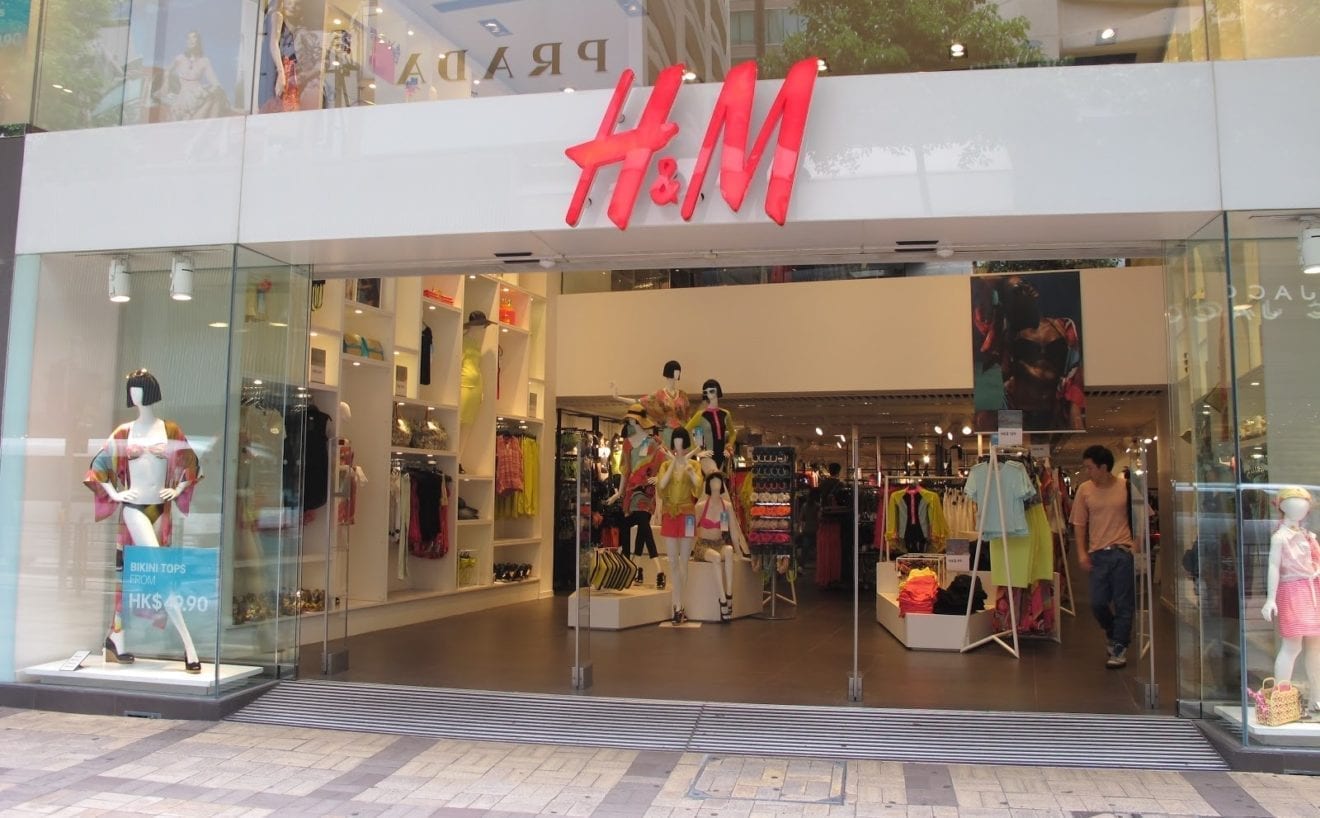
    From fast-fashion chain H&M to lifestyle brand Maison Kitsune and cosmetics firm Innisfree, mass-market retailers are setting up shop in premises previously occupied by luxury brands in Hong Kong’s prime shopping districts.

    Aided by falling rents in top locations, accessory, sport and lifestyle retailers are emerging as a new driving force of Hong Kong’s US$60-billion (S$80.4-billion) retail industry, part of a major makeover the city is going through amid a slump in retail sales.

    “This trend will continue,” said Mr Joe Lin, executive director at property consultant CBRE. “We are going to see more mass-market brands reappear in prime locations.”

    Weak sales of luxury goods drove Hong Kong to report a 16th straight monthly drop in retail sales on Tuesday.

    Sales of jewellery, watches and valuable gifts tumbled 21 per cent in January to May, driving a 10.8 per cent fall in overall retail sales, while cosmetics and medicines posted a 2.7 per cent sales decline and furniture and fixtures reported a 5.3 per cent drop, government data showed.

    Luxury retail in Hong Kong exploded over the past decade as increasingly wealthy Chinese flocked to the city to buy high-end Western brands, pushing out local jewellers and other shops that once dominated the high street.

    “Back in the day, we used to see only (jewellers) Chow Tai Fook, Luk Fook and pharmacies,” said Ms Cynthia Ng, director of retail services of Colliers International.

    “They (new retailers) are not necessarily local brands, but tend to be cheaper in pricing and younger… Not only does the adjusted rental fit their budget, but at the same time the craze and demand for fitness and sports are also helping them.”

    Still, mass-market brands might struggle to achieve the margins and profitability needed to justify prime rents in a weak retail environment, said Mr Kevin Lai, an economist at Daiwa Capital Markets in Hong Kong.

    “The luxury sector usually has much more value added,” Mr Lai added. “So these guys may not be able to do exactly the same.”

    Retail rents in Hong Kong’s core shopping districts, still among the world’s highest, are likely to fall another 5 to 8 per cent in the second half of this year, bringing the full-year correction to 10 to 15 per cent, said CBRE.

    Those declines are attracting new tenants to shops large and small.

    On Russell Street in the prime Causeway Bay shopping district, the 400 sq ft space that jewellery group Follie Follie occupied has been replaced by footwear outlet Joy & Mario, while Swatch Group’s Jaquet Droz luxury watch shop has gone to South Korean cosmetics brand Innisfree.

    Nearby, H&M opened a flagship store last year.

    “For us, best location is always key, and when opportunities arise, we look at the possibilities for opening new stores,” a spokesman for H&M in Stockholm said.

    Sports brand Adidas last year leased a 13,000 sq ft shop in the city for 22 per cent less than its former occupier, Coach, as the premier American brand closed its fourstorey flagship store in Central amid weak retail sentiment and a drop in tourist arrivals from China.

    Big shopping malls are renovating and offering attractive terms as vacancies grow, and stores on street level have also become more affordable.

    Swire Properties’ Pacific Place, where British fashion house Burberry will halve the size of its store by next year, is reshuffling its tenant mix, bringing in more food and beverage stores.

    Lifestyle store Homeless recently opened a store in CityPlaza shopping mall, after years of effort to secure a place in a prime shopping district, and is planning to relocate its shop in Tsim Sha Tsui this year to a location with much better traffic.

    Retail and property experts see the trend continuing as sales of luxury goods remain weak, despite steep discounts.

    “In the second half of May, many brands kicked off their summer sales much earlier than before, offering much higher discounts than they normally did,” Mr Thomson Cheng, chairman of Hong Kong Retail Management Association. “It failed to significantly boost sales. The situation is worrying.”

    In early June, French fashion house Chanel slashed prices by as much as 70 per cent on selected items, while Coach cut some prices by half, in line with moves by Burberry and French luxury group Kering’s Gucci.

    “The spending pattern of mainland tourists has changed and their consumption power is weakening,” Mr Cheng said.


  • Aeon Myanmar launched with acquisition

    Aeon Myanmar launched with acquisition

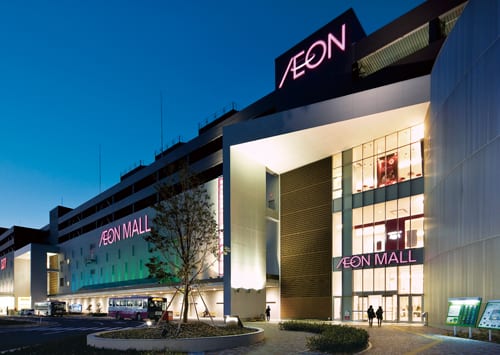
    Japanese grocery and mall giant Aeon is expanding its Asian footprint yet further, acquiring a 14-store supermarket chain in Myanmar.

    The Aeon Myanmar operation will be run by a new company, Aeon Orange, which has acquired the supermarket chain from Hypermarket Asia, one of the affiliate companies of Creation Myanmar Group.

    At the same time, the newly established company is preparing to open its first supermarket in Myanmar before year end.

    Aeon says that the economic liberalisation after transition to a civilian government, has seen

    Myanmar’s retail industry modernise, and the ranks of the nation’s middle class are growing.

    “With the population of 53 million people, the real economic growth rate in the country is 8.3 per cent – dramatic growth exceeding the average rate among five developed nations in ASEAN countries,” Aeon said in a statement.

    CMG’s 14 supermarkets are mainly in Yangon, Myanmar’s largest city, and it also holds more than 20 overseas brand sales licenses including Adidas and Mango operating some 130 stores.

    The launch of the Aeon Myanmar business follows successful forays into China, Thailand, Vietnam and Cambodia as the Japanese retailer looks for growth internationally to offset declining sales in its home market which is suffering from a falling population.

    “In order to develop business in a speedy manner in this fast growing Myanmar market, Aeon believes that cooperation with CMG is indispensable, as it has the retail business infrastructure in the country and is also familiar with the customer needs which differ from region to region,” the company said.

    Aeon will learn the customer needs in the region and the know-how of community-based

    product procurement, while offering Aeon’s private brand “Topvalu,” the global sourcing

    through utilising the group’s comprehensive multinational strength and quality control to assure “safety and security,” and bring logistics, IT, and human resource development to CMG.

  • Burgers and beers lead Hong Kong restaurant industry growth

    Burgers and beers lead Hong Kong restaurant industry growth

    Restaurant industry analysts remain sceptical about the sector’s growth prospects despite promising year-on-year figures.

    Census and Statistics Department figures show restaurant receipts in Hong Kong increased 3.1 per cent year on year, at the end of the second quarter 2016.

    Fast food and bars did the best while Chinese restaurants saw fewer diners and lower spending, according to the figures.

    Fast food receipts increased 6.4 per cent year on year, bar sales increased 4.3 per cent, other drinking venues’ sales increased 3.9 per cent and Chinese restaurants increased 1.7 per cent.

    But the upwards trend for the local restaurant industry could be short lived, according to Simon Wong Ka Wo from the Federation of Restaurant and Related trades.

    There will be a 2 to 3 per cent “slight decrease” in the restaurant sector in terms of its overall performance for the whole year, Wong forecast. He warned that some Hong Kong restaurants might have to “suffer a little bit” over coming months, but the industry will bounce back in the fourth quarter.

    “The increase seems a little bit surprising to me as the performance of the economy for the past six months does not seem so promising,” Wong said.

    “The major reason is people tend to spend more on some middle to low-end restaurants like McDonald’s instead of high-end ones due to the stagnant economy, contributing to the increase in overall value of total receipts.”

    The optimistic figures come against a backdrop of slowing retail trade, which registered an 8.9 per cent decrease year on year.

    Professor Terence Chong Tai-Leung from the Chinese University of Hong Kong said rising incomes could help the city rebound from the retail slump.

    “As you can see from the low unemployment rate and the increased average income figure recently, Hong Kong people still have large purchasing power,” he reasoned.