Author: Mei Ling Tan

  • China Telecom to turn Shenzhen into a Gigaband City

    China Telecom to turn Shenzhen into a Gigaband City

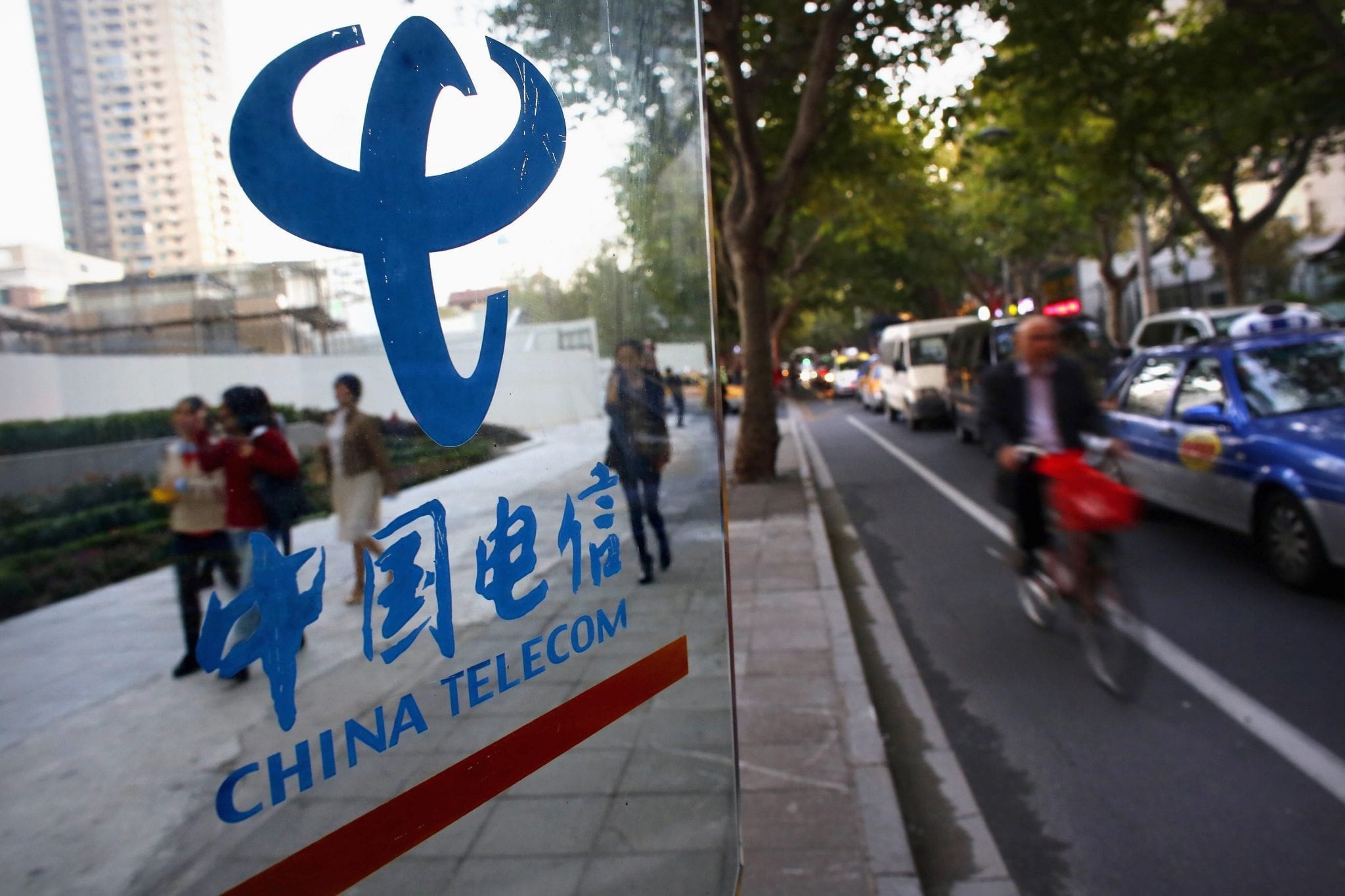
    China Telecom Shenzhen and Huawei have signed an agreement to deliver gigabit broadband connectivity to 900,000 homes in Shenzhen.

    The companies have entered a five-year deal that aims to transform Shenzhen into a “Gigaband City”, using next-generation optical line terminals and PONs to deliver 100% Gigabit coverage for communities in the city.

    Services will be available for residential users, governments and enterprises, and will be capable of enabling advanced services including 4K video and VR film streaming, Gigaband hotels and passive optical LANs.

    Based on the experience with the rollout, China Telecom and Huawei plan to jointly define the standards for a gigaband city, paving the way for future deployments.

    “China Telecom (Shenzhen) is dedicated to accelerating Shenzhen’s broadband network capabilities and together with Huawei we aim to rapidly transform into an ultrafast landscape,” the China Telecom subsidiary’s general manager commented.

    “This will enable Shenzhen to keep pace with consumer demand for new internet applications such as ultra-broadband (UBB) video, VR and AR, Gigaband campus, and smart homes. We believe a Gigaband city will also foster digital economy innovation in Shenzhen and establish Shenzhen as an oasis for inventors.”

    Announcing the agreement, the companies said this will mark the first time 1,000Mbps all-optical networks will be deployed on such a large scale.

  • Fortumo brings direct carrier billing to Indonesia

    Fortumo brings direct carrier billing to Indonesia

    Fortumo and Indonesia’s leading digital telco, Indosat Ooredoo, today announced the launch of direct carrier billing. The partnership will enable 69.8 million Indosat Ooredoo subscribers to make online payments by charging purchases to their mobile account without the need to use a credit card.

    “We are pleased to build this strategic collaboration with Fortumo, one that will bring more benefits to Indosat Ooredoo customers and allow transactions at a wider network of merchants. We look forward to continuing to provide innovation that brings more value to our customers as part of our goal to become a leading digital telco,” said Prashant Gokarn, chief of new business and innovation at Indosat Ooredoo.

    Fortumo’s direct carrier billing platform is used by leading app stores (Google Play, Windows Phone Store), digital media companies (Sony, HOOQ, Gaana) and gaming companies (EA Mobile, Gameloft, Kinguin, Rovio). To enable global carrier billing for these merchants, Fortumo has partnered with more than 350 mobile operators across the world.

    “Connecting with Fortumo gives mobile operators immediate access to additional revenue from all the segments of the digital industry. We are excited to partner with Indosat Ooredoo on carrier billing and look forward to growing revenue from carrier billing, the payment method with the widest coverage in Indonesia,” said Siddharth Sahi, vice president of business development and carrier relations at Fortumo.

  • AirAsia Stops Bandung-Pekanbaru Route

    AirAsia Stops Bandung-Pekanbaru Route

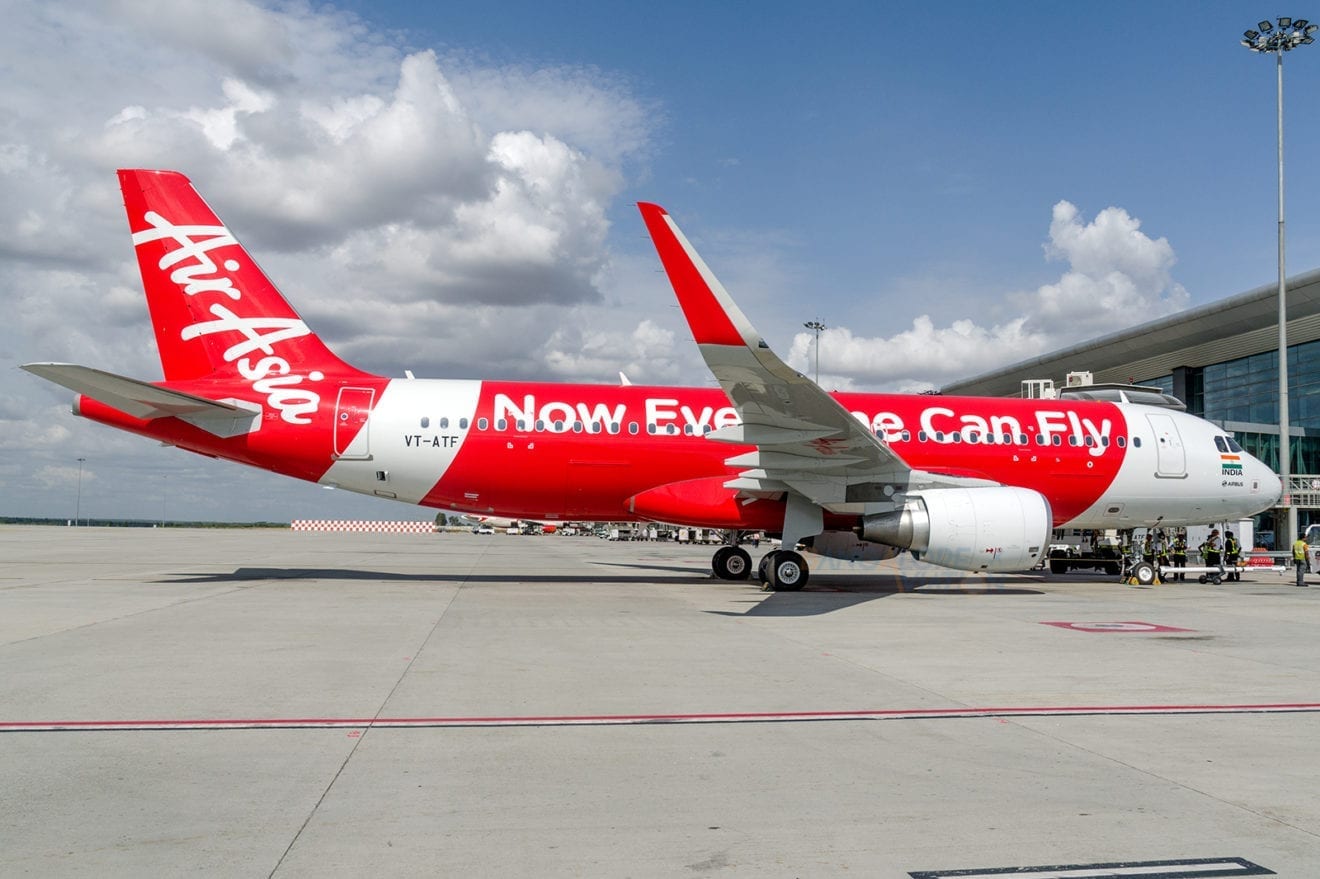
    AirAsia Indonesia has stopped its Bandung-Pekanbaru flight route starting on August 1, 2016, as a part of a network reconstruction effort.

    The official information has been conveyed to all the affected passengers via email.

    As the compensation, the company has informed the customers who have booked tickets for the route after July 30, that they can select one of the options offered by AirAsia as follows:

    1. Reschedule to Bandung-Pekanbaru (roundtrip) departing before August 1, 2016, without additional charges and subject to seat availability.

    2. Credit shell deposit in AirAsia worth the paid ticket/product price that can be used to purchase ticket or other AirAsia products. Credit shell is valid for six months (180 days) since the issuance date.

    3. Full refund worth of ticket/product that have been paid, in accordance with the payment mechanism.

    For further information and assistance, customers can contact: AirAsia Indonesia call center at 0804 1 333/ +6221 2927 0999, online form at www.airasia.com/id/en/e-form.page, AirAsia live chat (available via Ask AirAsia), and AirAsia Customer Service Center available in the airport.

    Passengers are advised to always update their email address and active mobile phone number (included with the country code) on their membership profile on AirAsia website to receive the latest information on flights.

  • Alodokter closes $2.5m round led by Golden Gate Ventures

    Alodokter closes $2.5m round led by Golden Gate Ventures

    All three are returning investors, having participated in its seed round in April 2015. Daniel Stan, former VP of Lazada Indonesia and head of its online marketing department, has been recruited to lead its international expansion.

    Founded by CEO Nathaniel Faibis in April 2014, Alodokter plans to use the proceeds from the investment to expand its business operations across Southeast Asia. Its current business model sees it generate revenue from premium advertising due to its work with health-related brands.

    “We see a strong trend among patients in South-East Asian towards digital health. They are looking more and more for health information online before and after going to the doctor and also for prevention purposes. We firmly believe that providing reliable and easy-to-understand health information helps families take better decisions about their health,” Fabias said.

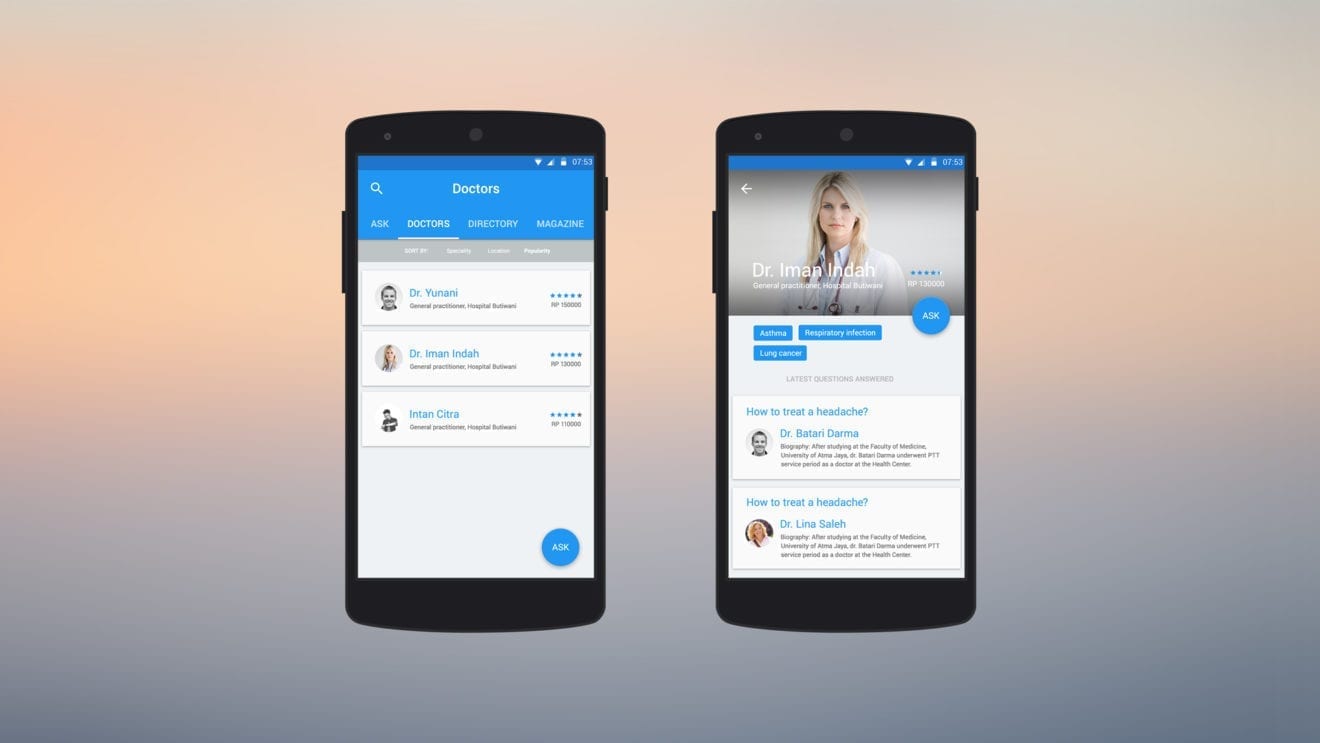
    Alodokter released a mobile app in March 2016, to complement a news portal discussing healthcare and wellness matters. The mobile app allows users to connect with and discuss their medical issues with a general practitioner (GP), reportedly combining artificial intelligence (AI) with real-time doctor-patient interaction.

    It claims that its news portal has grown from one million to eight million unique monthly visitors since closing its seed investment.

    Elaborating on their competitive edge, Faibis explained the focus on reliable health information being “in the DNA of the company” and a main focus contributing to its brand strength and credibility as a platform.

  • Bank Mandiri to grow Malaysian operations

    Bank Mandiri to grow Malaysian operations

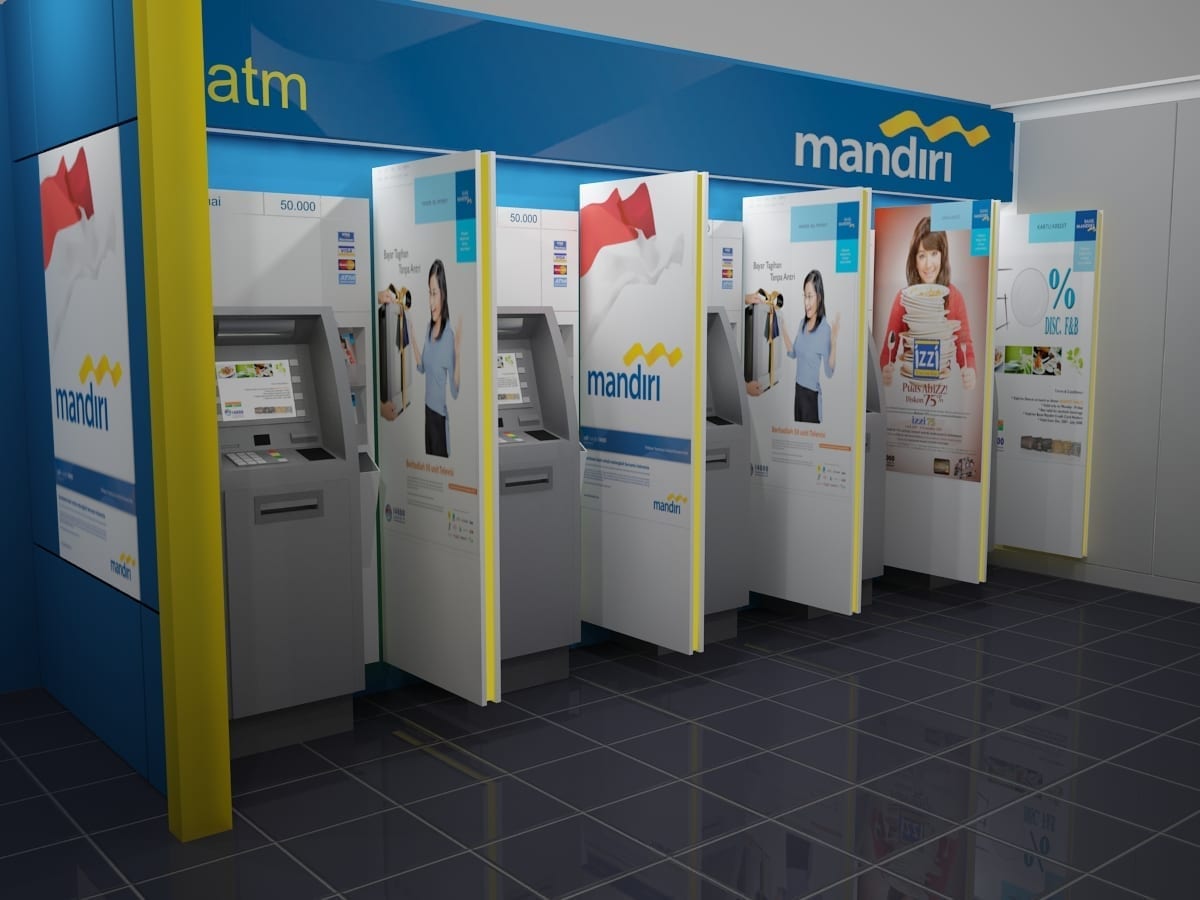
    PT Bank Mandiri Tbk, Indonesia’s largest bank by assets, could soon operate here with full banking rights.

    The move comes after financial authorities from Indonesia and Malaysia signed a bilateral agreement earlier this week, allowing greater access to lenders from both countries to fully operate in the respective jurisdictions.

    Bank Mandiri would pay RM100mil (US$24.6mil) to Malaysia’s central bank as soon as possible and meet the capital requirement of RM300mil by the end of this year so that it could operate soon after the permit is issued by Bank Negara.

    Bank Mandiri currently operates in Malaysia under the licence of remittance office. It has five remittance offices in the country that focus on revenue generated from Indonesians working here.

    Papers in Jakarta reported that the bank planned to immediately apply for a full licence in Malaysia, following the bilateral agreement.

    To recap, the Malaysian authorities had issued a commercial banking licence to five foreign banks, including Bank Mandiri, in 2009-2010 in line with the country’s liberalisation of the financial services sector. Apart form Bank Mandiri, the other recipients were Sumitomo Mitsui Banking Corp of Japan, National Bank of Abu Dhabi and BNP Paribas SA, France, and Mizuho Corporate Bank.

    However, Bank Mandiri’s expansion into the Malaysian market had met with little success because the requirements for the full banking status set by Bank Negara were “too restrictive”, reports had indicated. It was previously quoted as saying that Bank Negara had not responded to its requests for a degree of leeway.

    Foreign banks, under Bank Negara’s funding guidelines, must have a minimum capital, unimpaired by losses, of RM300mil.

    Based on earlier Indonesian news reports, Bank Mandiri was adamant that the amount be lowered to RM100mil.

    The reports also stated that Bank Mandiri was not too happy with the other conditions set by Bank Negara, which included the number of branches and automated teller machines allowed to be opened by foreign banks.

    A main complaint among Bank Mandiri and other Indonesian lenders wanting to open their branches in Malaysia is the “inequality of access” in the two markets. The Indonesian Government had been demanding Malaysia reciprocate the banking freedom its banks enjoy in Indonesia.

    Two Malaysian banks that had established a significant presence in Indonesia are CIMB Group Holdings Bhd and Malayan Banking Bhd (Maybank).

    CIMB Group owns 97.9% of PT Bank CIMB Niaga Tbk, which is Indonesia’s fifth-largest bank by assets. Maybank, meanwhile, operates in Indonesia via 80%-owned PT Bank Maybank Indonesia Tbk.

  • Indonesian growth beats forecasts

    Indonesian growth beats forecasts

    Indonesia’s second-quarter economic growth beat analysts’ expectations amid President Joko Widodo’s efforts to spur an economy struggling in the wake of a slowdown in China and low commodity prices.

    Gross domestic product increased 5.18 per cent from a year earlier, compared with a revised 4.91 per cent in the first three months, the statistics bureau said in Jakarta on Friday. That exceeded the 5 per cent median estimate in a Bloomberg survey of 24 economists.

    Widodo, known as Jokowi, oversaw a 36 per cent surge in government spending from the previous quarter as he seeks to lift growth from the slowest level since 2009. The president has embarked on an ambitious infrastructure program and launched a tax amnesty aimed at luring back billions of dollars of undeclared income back to Indonesia. The central bank has cut its benchmark rate by a percentage point this year in an attempt to revive lending.

    “The outlook for Indonesia’s economy has improved in recent months, raising hopes that the economy could be on the cusp of a sustained recovery,” said Gareth Leather, senior Asia economist at Capital Economics Ltd. in London. “In particular, the passage of a number of reforms including steps to open up more industries to foreign investment as well as tax incentives to encourage more labour-intensive industries to set up in Indonesia has helped boost sentiment.”

    Market reaction

    The Jakarta Composite Index extended gains after the figures were released, rising 1 per cent as of 9:57am in the city. The rupiah strengthened 0.1 per cent to 13,120 a dollar, according to prices from local banks. Indonesian sovereign bonds advanced, pushing the 10-year yield down two basis points to 6.89 per cent, Inter Dealer Market Association prices show.

    While the data exceeded economists’ expectations and the outlook has improved, the result still remained “considerably below” the 5.8 per cent average over the past decade, said Leather.

    On a quarterly basis, the economy grew 4.02 per cent from the previous three months.

    Government spending rose 6.28 per cent from a year earlier, while exports declined 2.73 per cent. Investment was up 5.06 per cent year-on-year while household consumption, which makes up more than half of the economy, rose 5.04 per cent.

    “They can really pause now for a while to see what impact of the fiscal decisions as well as the cuts they’ve announced so far are having,” said Charu Chanana, an economist with Forecast Pte Ltd. in Singapore “I think this buys them some time to hold on for now but easing still remains on the table.”

    The second quarter growth figures come after the central bank left rates on hold in July despite saying there was room for further easing if needed.

  • Lion Air Pilots to Sue Management

    Lion Air Pilots to Sue Management

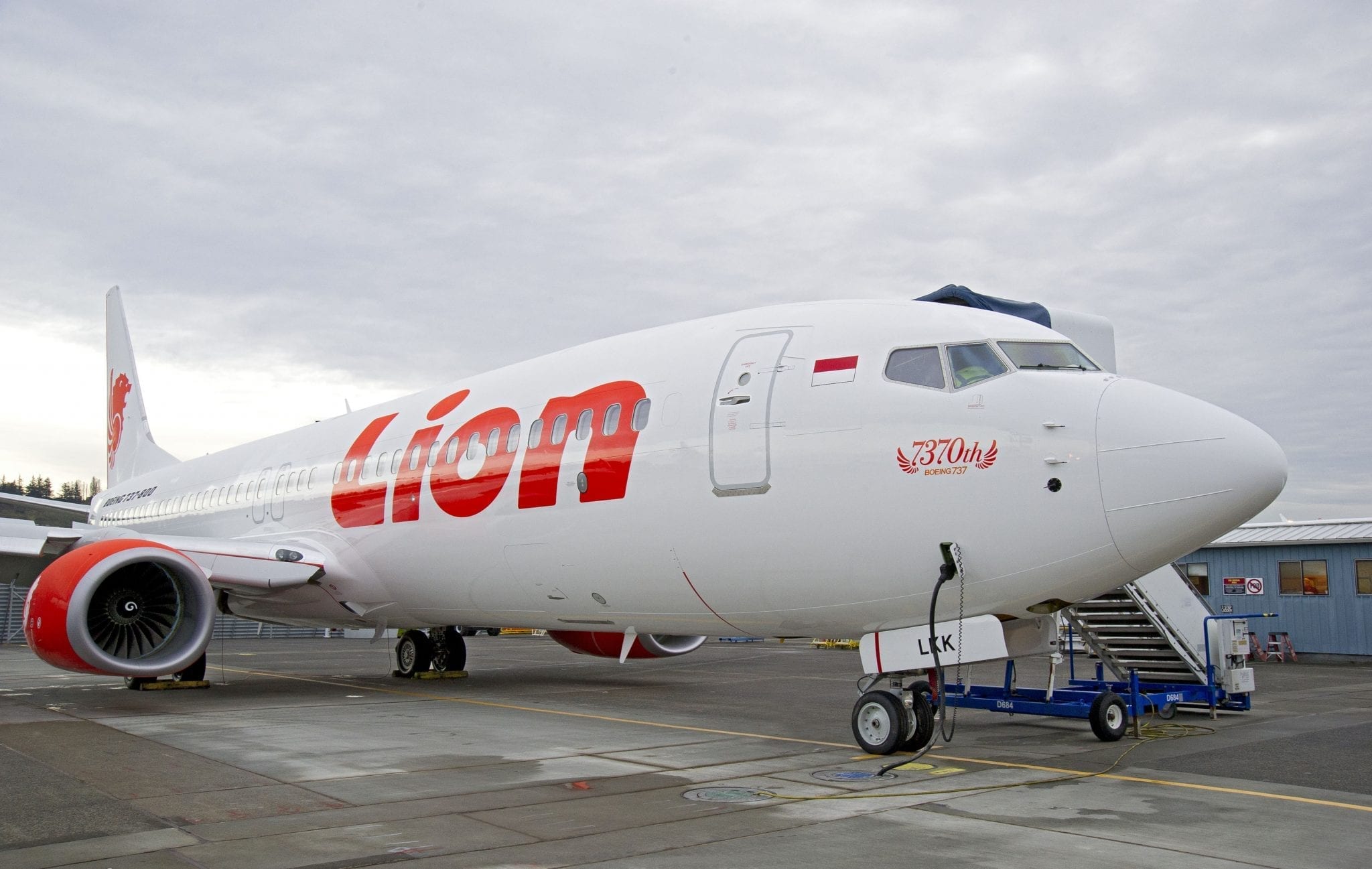
    Labor Union-Pilot Association of Lion Group (Serikat Pekerja Asosiasi Pilot Lion Air / SPAPLG) is planning to file a lawsuit against the management Indonesia’s low-cost airline Lion Air.

    SPAPLG Chief Eki Adriansjah said the move is made following the alleged union busting by the company’s management.

    “We will file a lawsuit against the management because of the union busting it has committed,” Eki said in Jakarta on Sunday (7/8).

    It is planned that lawsuit will be filed to the National Police’s Criminal Investigation Deparment on Tuesday next week, Eki said.

    He added that management also violates Law Number 21 of 2000 on Labor Union and said that SP-APLG had been formally registered at Tangerang Manpower Agency with the registration number 558.4/2529-HI/2016.

    Lion Air, however, does not recogzine the Union.

    On Wednesday (3/8), Lion Air President Director Edward Sirait annouced that the company does not recogzine the union labor within the company.

    Edward also said the pilots who claimed to become members of the union are ‘troublesome pilots who often make mistakes’.  Edward even called those pilots ‘swindlers’.

    The use of the company’s name without permits, he added, is an act of ‘forgery and fraud’.

    “They often violate regulations of the management; they don’t work according the schedules and they are now undergoing a training,” Edward said.

    Eki further said that the management’s rejection to the union has caused anxiety and surprises among the pilots.

    According to him, the establishment of a labor union does not need an approval from the company’s management but only needs a written notification to Lion Air management.

    “We sent a written notification to Lion Air management on a letter dated June 3, 2016,” he said.

  • Number of Indian tourists to Bali up 55.83 percent

    Number of Indian tourists to Bali up 55.83 percent

    The number of Indian tourists to Bali reached 92,731 people, during the first semester of 2016, up 55.83 percent from 59,509 people during last years same period.

    Data from the Central Bureau of Statistics (BPS) showed that the tourist arrivals from India recorded the highest increase among ten countries contributing the largest number of tourists to Bali.

    The Indian tourist arrivals constituted 4.08 percent of the total foreign tourist arrivals reaching 2.27 million in Bali during the first semester, up 18.59 percent from 1.91 million in the same period in the previous year.

    The Bali Provincial Tourism Office has set a target of attracting as many as 4.2 million foreign tourists this year.

    In 2015, Bali received 4.001 million people, 6.24 percent more than previous year when 3.76 million people had arrived.

  • AirAsia may launch sale of leasing arm, valued at RM4b

    AirAsia may launch sale of leasing arm, valued at RM4b

    AirAsia Bhd, Asia’s biggest budget airline, will kick off the sale of its leasing unit this month, seeking to cut debt with a deal that could value the business at about US$1bil (RM4.04bil), people familiar with the matter told Reuters.

    A successful deal would help group CEO Tan Sri Tony Fernandes, one of Asia’s best-known entrepreneurs, to bolster AirAsia’s finances and spur growth.

    At an overall valuation of US$1bil, the sale would be significant for a carrier with a market value of US$2bil (RM2.08bil).

    AirAsia is looking to sell a majority stake in the leasing unit, Asia Aviation Capital (AAC) but is also open to a full sale, sources said, adding that the final valuation could change depending on talks with potential buyers.

    They said AirAsia was considering paying a special dividend from the proceeds. The people declined to be identified because the discussions were confidential. AirAsia declined to comment.

    The carrier planned to tap potential suitors including the leasing units of China’s HNA Group, China Merchants Bank, and the aviation leasing company backed by Hong Kong billionaire Li Ka-shing for the sale, the people familiar with the matter said.

    China Merchants Bank, HNA Group and Li’s Cheung Kong Infrastructure Holdings Ltd did not respond requests for comments.

    Fernandes, who built up AirAsia into multi-billion dollar business from a two-plane operation in 2002, is cashing in on a booming leasing sector after AirAsia ordered hundreds of Airbus planes at bargain prices in recent years and emerged as one of Airbus’ biggest customers.

    AirAsia responded to a critical research report last year by Hong Kong-based GMT Research saying it stood by its accounts.

    “This is a landmark transaction if Tony manages to pull it off,” said Shukor Yusof, founder of Malaysian aviation consultancy Endau Analytics, adding that AirAsia could use the funds to invest in its businesses in India, Indonesia and Japan.

    Sources said AirAsia was expected to approach about a dozen suitors including infrastructure and pension funds to bid for the leasing company.

    “Aircraft are good US-dollar denominated, cross-border assets to own,” said Shukor.

    AirAsia has a fleet of some 170 jets operating across Thailand, the Philippines, India, Indonesia and Malaysia and competes with the likes of Indonesia’s Lion Group, Singapore Airlines, Qantas Airways, Malaysian Airlines and some of their budget affiliates.

    Deal making is picking up in the US$228bil global plane leasing sector, with Asian lessors grabbing a bigger share, buoyed by the growth in China.

    “This is a way to unlock the value of the aircraft orders while also managing AirAsia’s balance sheet,” said one person familiar with the matter.

    In a regulatory filing in May, AirAsia said it had received preliminary interest for AAC.

    AirAsia has hired Credit Suisse, BNP Paribas and RHB Bank to handle AAC’s sale and expected to complete it by early next year, the people familiar with the matter said.

    BNP Paribas and RHB Bank declined to comment, while Credit Suisse did not respond to Reuters requests for comments.

    Though AAC has only 55 planes, primarily leased to AirAsia affiliates outside Malaysia, it expects to get more aircraft from the airline and lease them to other airlines. — Reuters

  • Retail giants seek to cash in on hallyu

    Retail giants seek to cash in on hallyu

    The leading retailers in Korea are seeking to cash in on the global popularity of hallyu by sealing strategic tie-ups with entertainment companies to sell exclusive merchandise.

    Products bearing the images of popular K-pop artists and actors have largely been available only online. However, the success of a small store at Lotte Department Store’s Young Plaza in Myeong-dong, Seoul, appears to have caught the fancy of the retailer.

    The store dedicated to K-pop stars saw sales grow fivefold this year, half of which were accounted for by Chinese customers.

    This has prompted Lotte to join hands with YG Entertainment — home to some of the biggest K-pop acts such as Psy, Big Bang and 2NE1, as well as actors and actresses — to open a larger store on Aug. 12 where fans can now touch and try the goods before they pull out their credit cards.

    Big Bang.

    Lotte will offer officially endorsed celebrities goods available in over 100 categories, ranging from the mandatory clothing and stuffed toys to scented candles and cosmetics.

    Earlier in March, Korea’s top retail chain E-mart teamed up with SM Entertainment to introduce its private brand products bearing the name and face of its artists such as EXO Sonjjajang and Shiny Sparkling Water.

    Meanwhile, the two entertainment giants are also tapping into the restaurant business. SM is running tapas restaurant SMT Seoul in Cheongdam-dong, while YG opened YG Republique in Myeong-dong and Yeouido.

    By the end of this year, both will expand out of the country: SM will branch out into Tokyo and Los Angeles while YG will branch out in LA and Bangkok.


  • Tesla may open first dealership in Korea

    Tesla may open first dealership in Korea

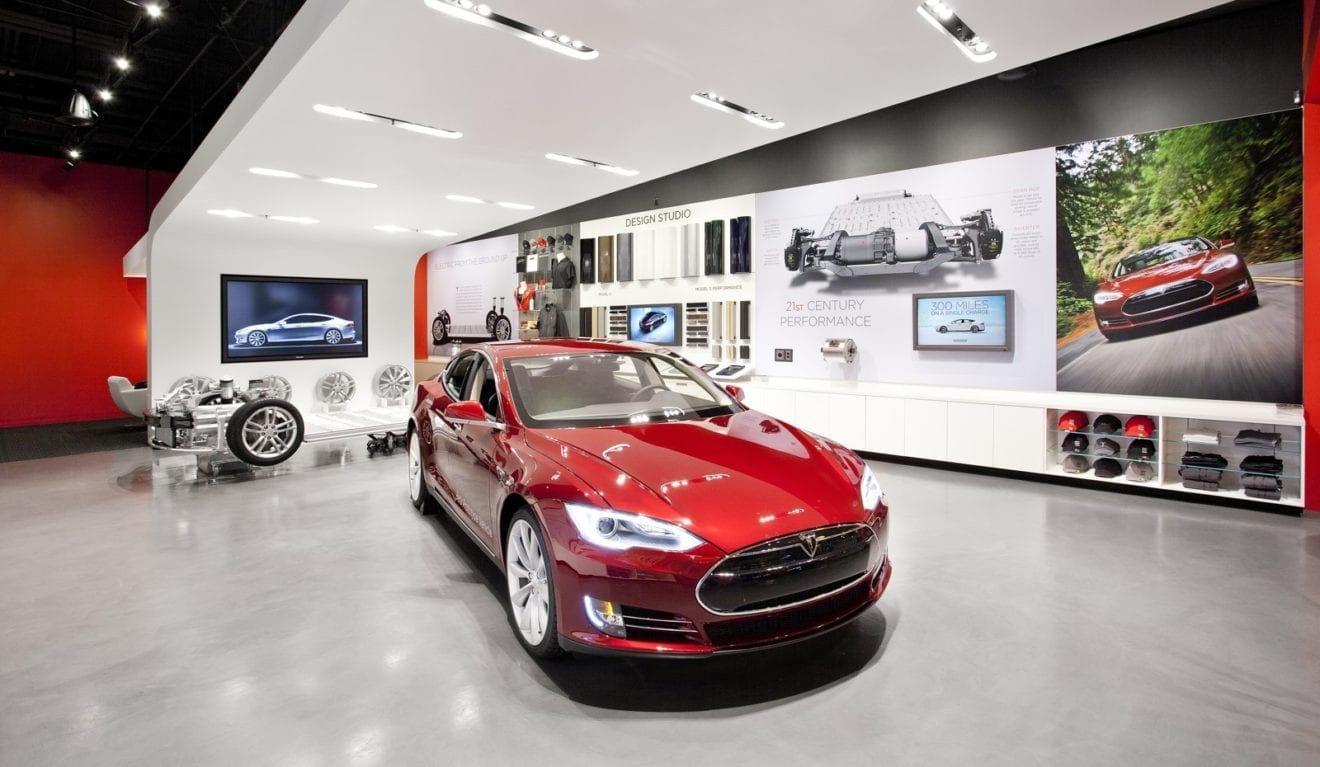
    Tesla Motors, the Silicon Valley-grown electric vehicle manufacturer, may open its first Korea dealership in a Shinsegae Group shopping complex within this year.

    “The talks are positive, for sure, but the final confirmation has yet to be reached,” said a Shinsegae Group spokesperson.

    “If the final confirmation is made, Shinsegae Property, which is pursuing the deal with Tesla, will give us notice,” he added.

    According to industry sources Thursday, if negotiations succeed, Tesla will open its first Korean dealership in Shinsegae’s Starfield Hanam shopping complex in Gyeonggi as early as November. The complex is a 30-minute drive from Seoul’s Gangnam District.

    Tesla CEO Elon Musk also confirmed Seoul as one of his next targets along with Taipei and Mexico City for the company’s high-end electric vehicles.

    “We are also accelerating store openings and plan to add a new retail location every four days on average during the remainder of Q3 and through Q4,” said Musk in an earnings report distributed Wednesday.

    “We are adding stores in new population-dense markets like Taipei, Seoul, and Mexico City, while also adding stores in our most mature markets like California,” he added.

    Scheduled to open early next month, Starfield Hanam is Shinsegae Group Vice Chairman Chung Yong-jin’s ambitious project to make a retail complex that includes not only shopping venues but all sorts of entertainment- and leisure-related facilities such as a waterpark, cinema and aquarium. Korea doesn’t have such a complex.

    In addition to offering some 750 retail brands, the complex will also house Asia’s first BMW dealership that handles both the original BMW and Mini vehicles. Luxury motorcycle brand Harley Davidson will have a store that displays not only vehicles but also its clothes and accessories lines.

    Since last December, Tesla has been gearing up to enter Korea by registering the corporate name Tesla Korea Limited and sending out job advertisements for car dealers and mechanics.

    Korea’s retail giants have been sending out feelers to the prestige car company, counting on its attractiveness to the general public.
    Lotte World Mall in Jamsil District, eastern Seoul was considered a candidate to house a Tesla shop, but the negotiation fell apart early this year.

    Opening an independent dealership in Gangnam District was raised as another possible choice and Tesla is still reported to be considering that option.

    Tesla is known for a unique way of directly operating and managing its branches, instead of franchising dealerships as most carmakers do.

    Its first New York showroom, which Musk located in the funky Red Hook neighborhood of Brooklyn earlier this year, symbolizes the concept. It shows that a Tesla shop is not exclusively for car shoppers but is open to anyone interested in futuristic car technology. That also explains why many Tesla dealerships are in U.S. shopping malls.

    “The quality of our new locations is also improving as many shopping malls now consider us the new standard for an anchor tenant based on the amount of foot traffic that we draw and our very high revenue per square foot,” said Musk in the earnings report released Wednesday.

    If Shinsegae’s negotiations with Tesla succeed, its shop in Starfield Hanam will operate as a display until the Korean government allows the luxury electric vehicles on Korean roads

    In the meantime, Tesla’s second quarter earnings announced on Wednesday fell short of analysts’ expectations. It posted a $293 million net loss in the second quarter, a more than 60 percent drop compared to last year’s Q2 operating loss of $184 million.


  • Shell Malaysia to open dozens of new stations to keep market lead

    Shell Malaysia to open dozens of new stations to keep market lead

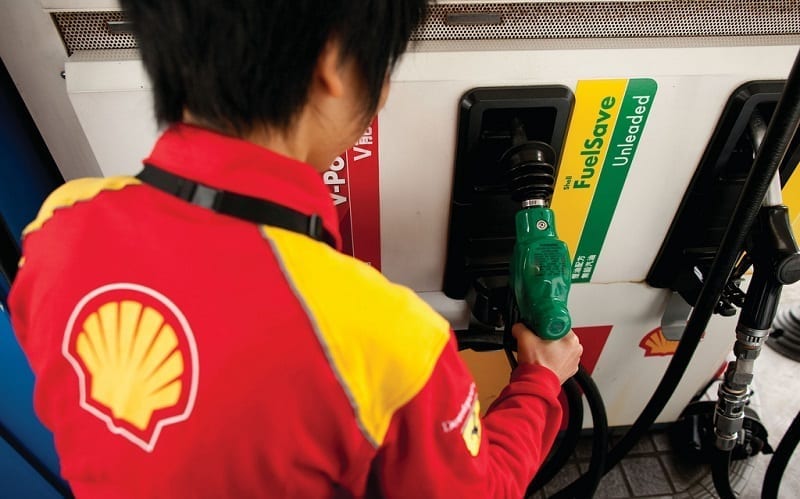
    Shell Malaysia Trading Sdn Bhd plans to open more than 20 new petrol stations to maintain its leadership in the retail fuel market in the country.

    About a third of these stations, according to theedgemarkets.com quoting Shell managing director Datuk Azman Ismail, have already been opened.

    Shell Malaysia is the number one fuel retailer in terms of market share and operates more than 900 stations nationwide.

    Apart from quantity, the company also strives to improve the quality of its services with the launch of ‘Welcome to Shell’ campaign, a three-year transformational program which aims to make the oil company the benchmark for hospitality on Malaysian roads.

  • Skoda Auto to invest Rs 100 crore in India

    Skoda Auto to invest Rs 100 crore in India

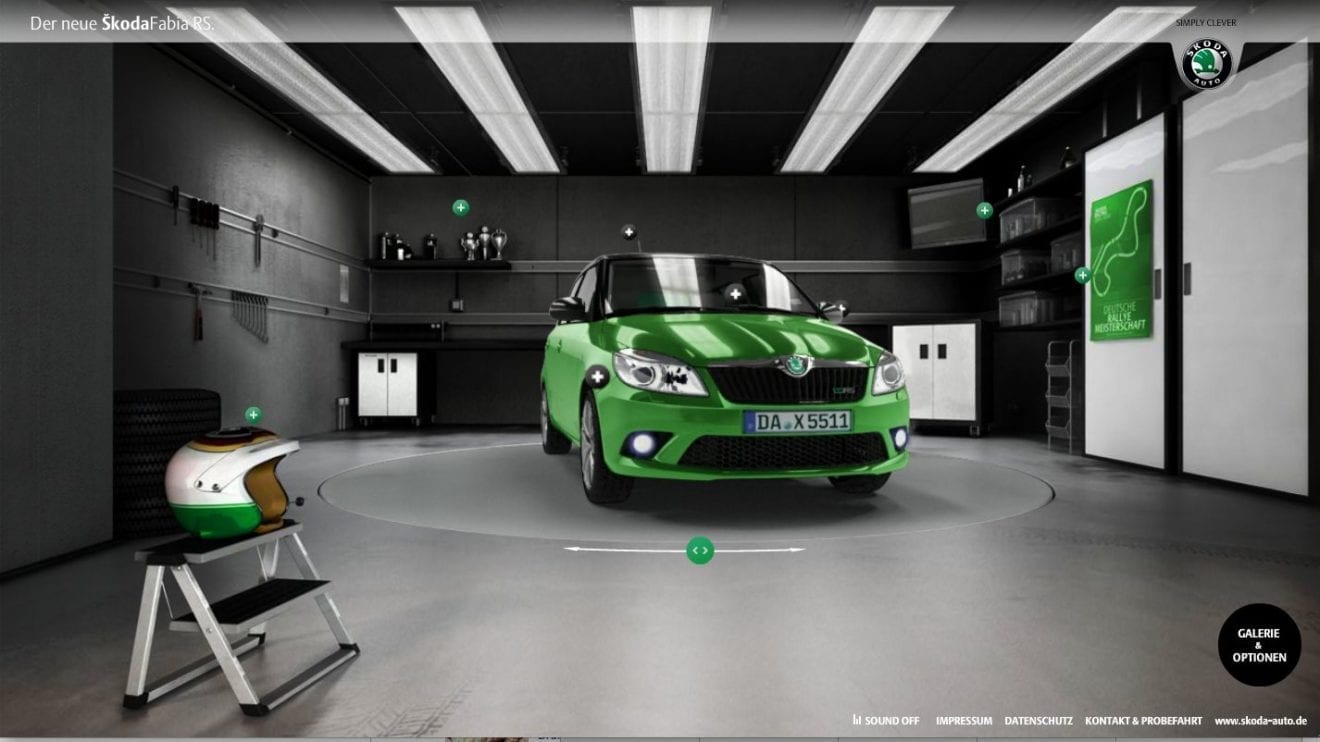
    Having consolidated operations in India in the last couple of years, Czech car maker, Skoda Auto is pursuing volumes from 2017.

    The company plans to invest Rs 100 crore in revamping the dealership network with new identity and introduce series of service initiatives to bring in transparency.

    The company is likely to end 2016 with 15,000 units in 2016 posting a flattish numbers, but with 4 new products planned for 2017, Skoda is eying 30% growth in volumes to over 20,000 units in 2017.

    According to people in the know, Skoda will be launching the face lifted Rapid, which has been significantly engineered locally, followed by premium SUV Kodiaq in the Toyota Fortuner category. The company is also likely to bring in a variant of Octavia in the coming 12-18 months.

    Sudhir Rao, MD of Skoda Auto said, the company is not going after the volumes game, but aims to position itself as a value luxury car maker positioned between volumes car maker and luxury car maker, with clear eye on segment leadership or be amongst the top three of segment the company participates in.

    “We are looking at higher volumes but not at the cost of profitability. We have gone a long way in improving our operational efficiency and ownership experience. We will aim for leadership in the segment we participate and we expect these segments to become main stream in near future,” added Rao.

    Skoda is also investing a lot on digitisation of the brand and the customer interface. The company will be launching the MySkoda app from 1st of September, which will increase the transparency with customers.

    The company will launch the industry first 4 year warranty of the car service.

    The company sells an average of 125 units of Superb in a month and has a segment share of 60% in premium saloon space and it sells about 200 units of Octavia per month with a segment share of 60%. Skoda sells another 1000 units of Rapid per month.

    The company expects the new models to bring in incremental volumes from 2017. With the existing portfolio, Skoda addresses just 20% of overall car market, but aims to grab more than half of Rs 10 lakh to Rs 40 lakh price bracket.

  • Dloky, new Local Promotion Social Medium for Retail

    Dloky, new Local Promotion Social Medium for Retail

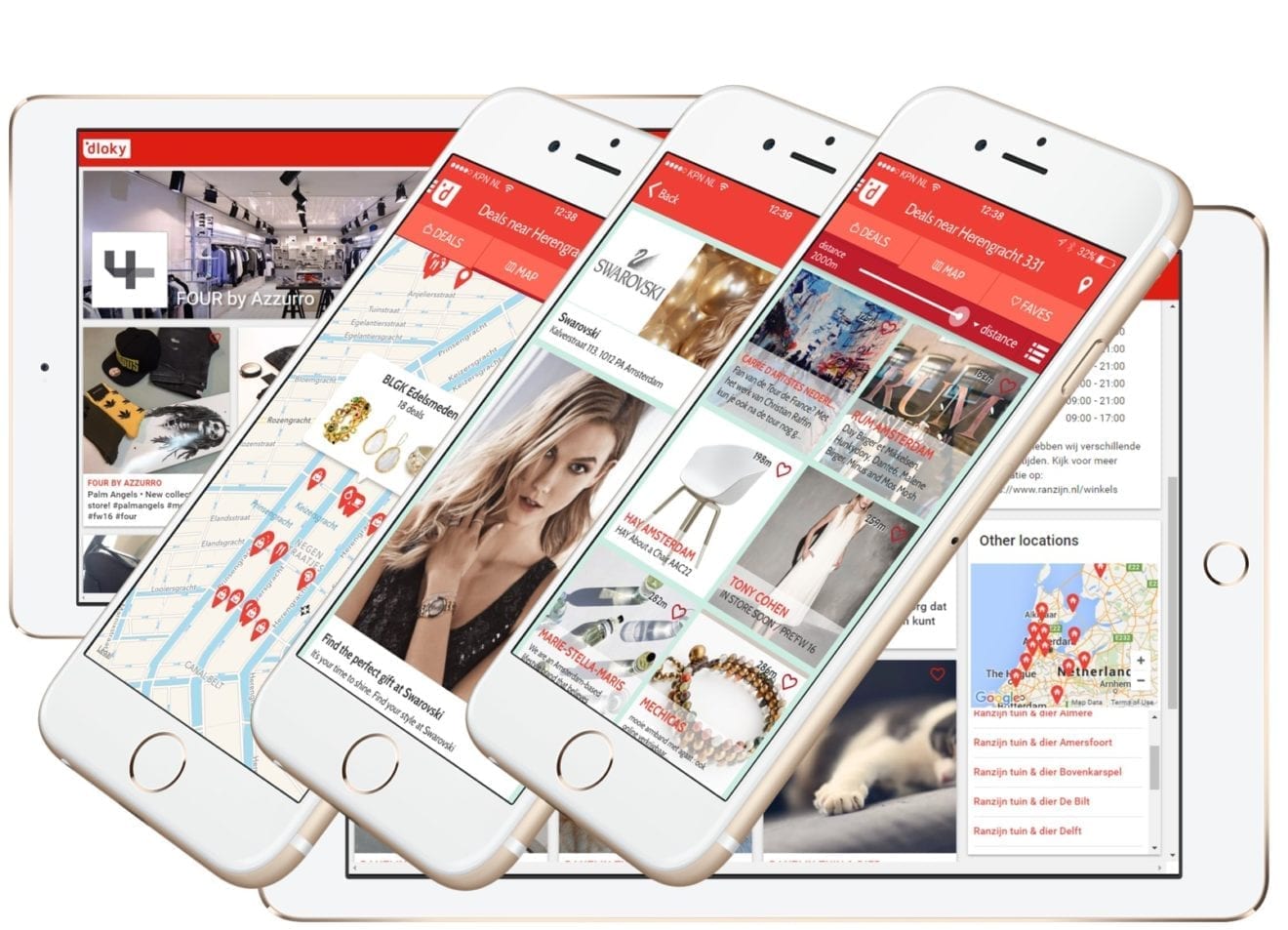
    Dloky is a new Social Media Network for Retail and Hospitality businesses worldwide based on GPS Proximity Marketing and Local Promotion. Dloky started in 2015 as mobile app for iOS and Android and recently the web platform was added.

    Mobile Advertising

    Users can customize their page by setting the search distance, selection of categories, businesses and saving promotions in favorites. Login is not required however possible to save settings over multiple devices and browsers.  

    Proximity Marketing

    Dloky is a free and worldwide open platform for Retail Businesses as well. Businesses can sign up, add and manage all their locations/stores and promotions. Dloky will import large numbers of locations, at no costs. Each store/location and promotion get a dedicated page and relevant URL. Promotions can be posted for all Retail locations combined or for a specific city or location. Accounts can be managed centrally or locally. Dloky is specifically tailored for complex Retail company structures. Many international locations, combinations of franchises, partly or fully owned stores, multiple Admins or multiple Retail Brands or Concepts etc. Apps and Website have the same structure and are linked through App indexing. Dloky plans to offer paid advertisements within relevant categories and locations on the longer term.

    Increase Traffic to physical Stores

    Goal of Dloky is to increase traffic to physical stores. Dloky started in the Netherlands in 2015 and more than 1000 Stores have signed-up such as Fashion; Azzurro, Oger, State of Art Cosmetics: Marie-Stella-Maris Book Stores; Boekenvoordeel Jewelry: Swarovski, BLGK Edelsmeden Galeries: Carré d’Artistes, GaleriesPR2 Shoes: vanHaren, Bristol  Home: Friday Next, HAY  Garden: Ranzijn, Sports, DIY, Beauty etc.

    SEO

    The web application is public and specifically designed for SEO. Each promotion gets an own relevant URL and link back to the Retailers website and web shop, creating relevant and effective backlinks. Retailers have full control on their local promotions. Dloky is currently widely used in the Netherlands by Retail as an alternative for unsolicited physical mail now that the Netherlands is starting to ban unsolicited mail because of environmental reasons.   

    Facebook-coupling

    Also small retailers with a single store love Dloky. With the very efficient Facebook coupling, the Dloky is setup in seconds. The Dloky page can sync with the Facebook page and Facebook posts can be copied automatically in Dloky. Therefor Dloky is a very nice addition to a Local Business Facebook page, post for your followers in Facebook and automatically for potential customers nearby in Dloky. 

  • Calvin Klein Announces the Appointment of Raf Simons As Chief Creative Officer

    Calvin Klein Announces the Appointment of Raf Simons As Chief Creative Officer

    Calvin Klein, Inc., a wholly owned subsidiary of PVH, today announced the appointment of Raf Simons as Chief Creative Officer of the brand, effective immediately.

    Mr. Simons will lead the creative strategy of the Calvin Klein brand globally across the Calvin Klein Collection, Calvin Klein Platinum, Calvin Klein, Calvin Klein Jeans, Calvin Klein Underwear and Calvin Klein Home brands. As part of his role as Chief Creative Officer, Mr. Simons will oversee all aspects of Design, Global Marketing and Communications, and Visual Creative Services. Mr. Simons’ first collections will debut for the Fall 2017 season.

    The appointment of Mr. Simons as Chief Creative Officer marks the implementation of Calvin Klein’s new global creative strategy, announced in April 2016, to unify all Calvin Klein brands under one creative vision. The strategy comes as part of a global evolution of the Calvin Klein brand, which began with the reacquisition of the Calvin Klein Jeans and Calvin Klein Underwear businesses in 2013. As Calvin Klein looks to grow the brand to $10 billion in global retail sales, this new leadership is intended to further strengthen the brand’s premium positioning worldwide and pave the way for future long-term global growth.

    The arrival of Raf Simons as Chief Creative Officer signifies a momentous new chapter for Calvin Klein,” said Steve Shiffman, CEO of Calvin Klein, Inc. “Not since Mr. Klein himself was at the company has it been led by one creative visionary, and I am confident that this decision will drive the Calvin Klein brand and have a significant impact on its future. Raf’s exceptional contributions have shaped and modernized fashion as we see it today and, under his direction, Calvin Klein will further solidify its position as a leading global lifestyle brand.”

    As part of the creative strategy for the apparel and accessories business, Calvin Klein also announced the hire of Pieter Mulier as Creative Director, reporting directly to Mr. Simons. Mr. Mulier will be responsible for executing Mr. Simons’ creative and design vision for men’s and women’s ready to wear, as well as the bridge and better apparel lines and accessories. He will also manage all men’s and women’s design teams within the Calvin Klein brand, under Mr. Simons’ leadership.

    Calvin Klein, a wholly owned subsidiary of PVH, is one of the leading fashion design and marketing studios in the world. It designs and markets women’s and men’s designer collection apparel and a range of other products that are manufactured and marketed through an extensive network of licensing agreements and other arrangements worldwide. Product lines under the various Calvin Klein brands include women’s dresses and suits, men’s dress furnishings and tailored clothing, men’s and women’s sportswear and bridge and collection apparel, golf apparel, jeanswear, underwear, fragrances, eyewear, women’s performance apparel, hosiery, socks, footwear, swimwear, jewelry, watches, outerwear, handbags, small leather goods, and home furnishings (including furniture).  

    With a heritage going back over 130 years, PVH Corp. has excelled at growing brands and businesses with rich American heritages, becoming one of the largest apparel companies in the world. We have over 30,000 associates operating in over 40 countries with over $8 billion in 2015 revenues. We own the iconic Calvin Klein, Tommy Hilfiger, Van Heusen, IZOD, ARROW, Speedo*, Warner’s and Olga brands and market a variety of goods under these and other nationally and internationally known owned and licensed brands.