Author: Mei Ling Tan

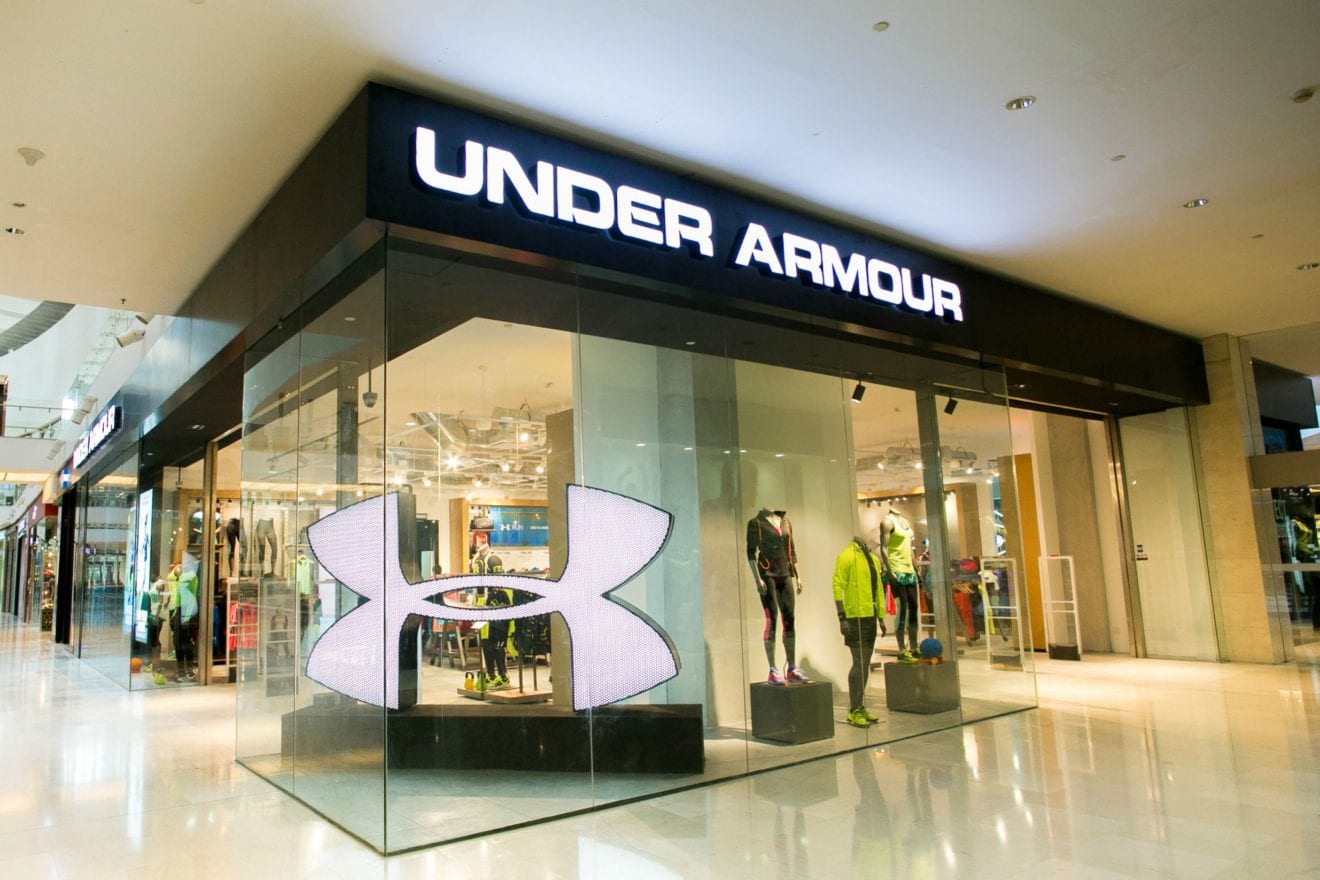
  • Under Armour China recruits star power

    Under Armour China recruits star power

    Star power is being used to connect fast-growing athleisure brand Under Armour with Chinese consumers.

    NBA All-Star Stephen Curry heads back to China next month for another promotional tour for sportswear brand Under Armour China (UA).

    As UA seeks to take market share away from rival Nike, the basketballer will be touring the greater China region, including Taiwan, from September 2 to 6.

    Under Armour CEO Kevin Plank plans to more than double the company’s annual revenue to $10 billion by 2020, identifying three key growth areas: channels, categories and geographies.

    “Our eCommerce in China has basically exploded for us,” he says, “so this is not just a bricks-and-mortar story.” He believes China may actually end up providing the script for the balance between digital and store sales.

    So far this year, UA has reported a 157 per cent increase over the same period last year from its eCommerce initiatives in China. In just 10 years, the company has grown its overseas business exponentially, to $454 million last year from $6 million in 2006.

    Probably trying to catch this wave, low-end Chinese sneaker manufacturer Tingfei Long Sporting Goods introduced its Uncle Martian apparel line in April with a logo similar to UA’s trademark intersecting arches. UA responded by saying it will pursue “all business and legal courses of action.”

    To thrive in China, brand recognition over knockoffs is key for UA, which is why it is sending spokesman Curry into play. Following his first tour two years ago, quarterly revenue in China grew three-fold (Nike had a 23 per cent gain).

    UA plans to open 120 stores in China, more than doubling its presence, by the end of this year. Adidas and Nike have between 8000 and 9000 stores in China already. Nike’s market share grew to 14.3 per cent last year from 11.2 per cent in 2011, while Adidas grew its market share to 13.8 per cent from 8.5 per cent over the same period, according to research company Euromonitor.

  • Scion of Metro store family facing drugs charges

    Scion of Metro store family facing drugs charges

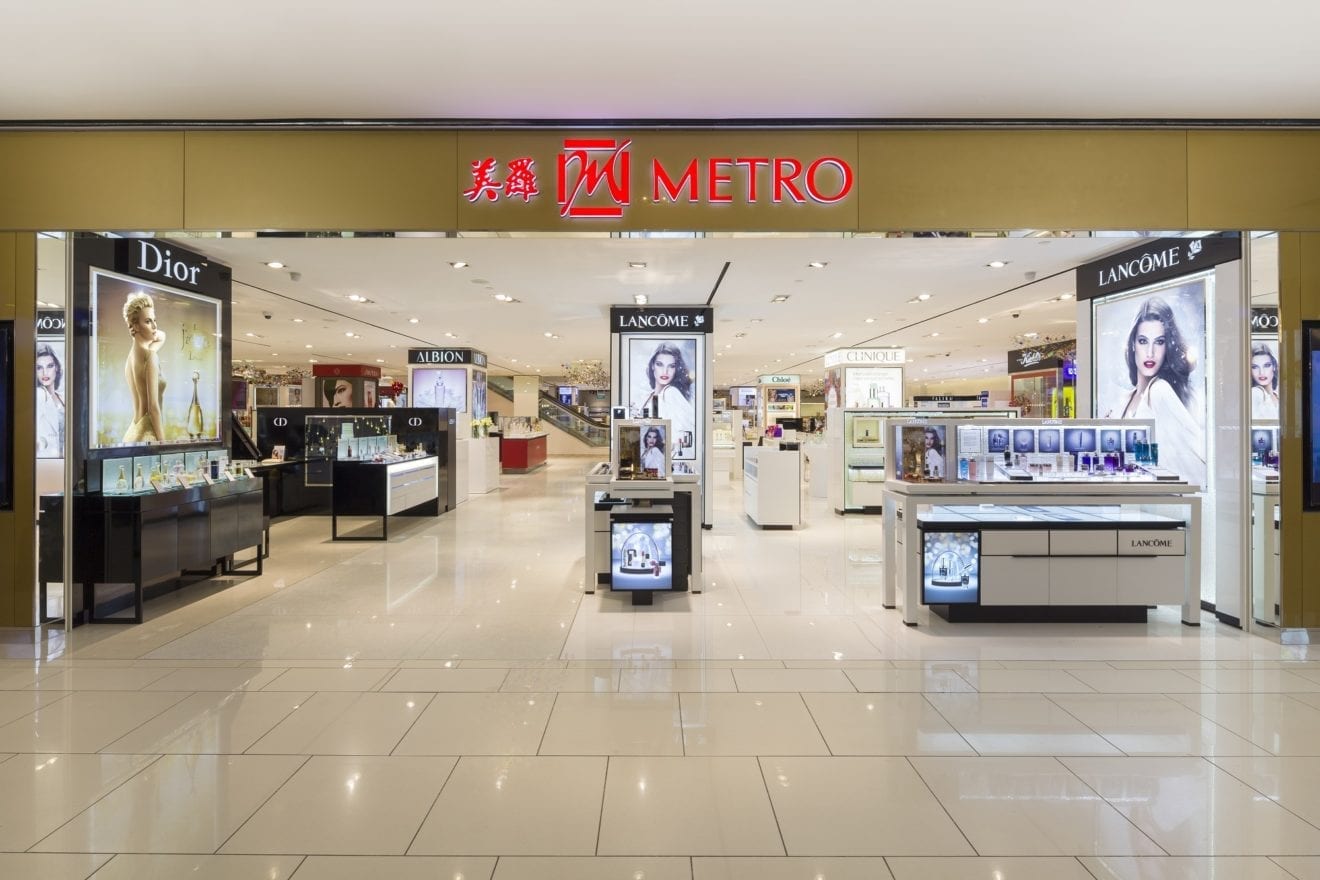
    A member of the family which founded Singapore’s iconic Metro department stores, Ong Jenn, is facing more than half a dozen charges related to the possession, consumption and trafficking of cannabis – which is a Class A controlled drug.

    Ong Jenn

    According to court documents obtained, the alleged offences happened in October 2014.

    For the amount of cannabis Ong has been accused of trafficking, he faces between five and 20 years’ jail and five to 15 strokes of the cane for each charge. For the possession and consumption of a controlled drug, the 41-year-old could be jailed for up to 10 years and/or fined up to S$20,000 per charge. His case has been scheduled for a pre-trial conference on Aug 19.

    Court documents detail how on or before Oct 30, 2014, Ong allegedly conspired with Mohamad Ismail Abdul Majid to traffic cannabis. On that date at about 4.20pm, along Jurong Port Road near bus stop B05, Mohamad Ismail was in possession of one block of “not less than 92.68 grams of… cannabis” and another block containing “385.1 grams of fragmented vegetable matter which was analysed and found to be cannabis mixture”.

    The charges allege that Mohamad Ismail had the two blocks so they could be delivered to Ong.

    At about 1.20pm the next day, in a car parked at Ngee Ann City, Ong was found in possession of a vaporiser, which is an inhalation device. According to the charge sheets, he allegedly intended to use the vaporiser to consume a Class A drug. Ong is also accused of consuming “11-nor-delta-9-tetrahydrocannabinol-9-carboxylic acid”, which is a component of marijuana.

    Authorities found Ong allegedly in possession of one block of cannabis weighing 75.32 grams and one block of cannabis mixture weighing 284.7 grams at a home in Bishopsgate at 2.10pm. He is accused of having these for the purpose of trafficking.

    Ong is represented by a team from law firm WongPartnership, including Senior Counsel Tan Chee Meng. Ong’s lawyers declined to comment as proceedings are ongoing.

    According to his LinkedIn profile, from 2003 until August this year Ong was a Business Development Manager at Metro Holdings, whose core businesses are retail, property development and investment. The retail interests include three Metro stores in Singapore. He’s also the founder of Tompang, a peer-to-peer retail platform operator.

    Metro’s latest annual report lists Ong as a “substantial shareholder” in Metro Holdings as at Jun 13. Ong is the son of the late Jopie Ong Hie Koan, who helmed Metro from 1973 until his death in February this year.

  • New Zalora CEO appointed

    New Zalora CEO appointed

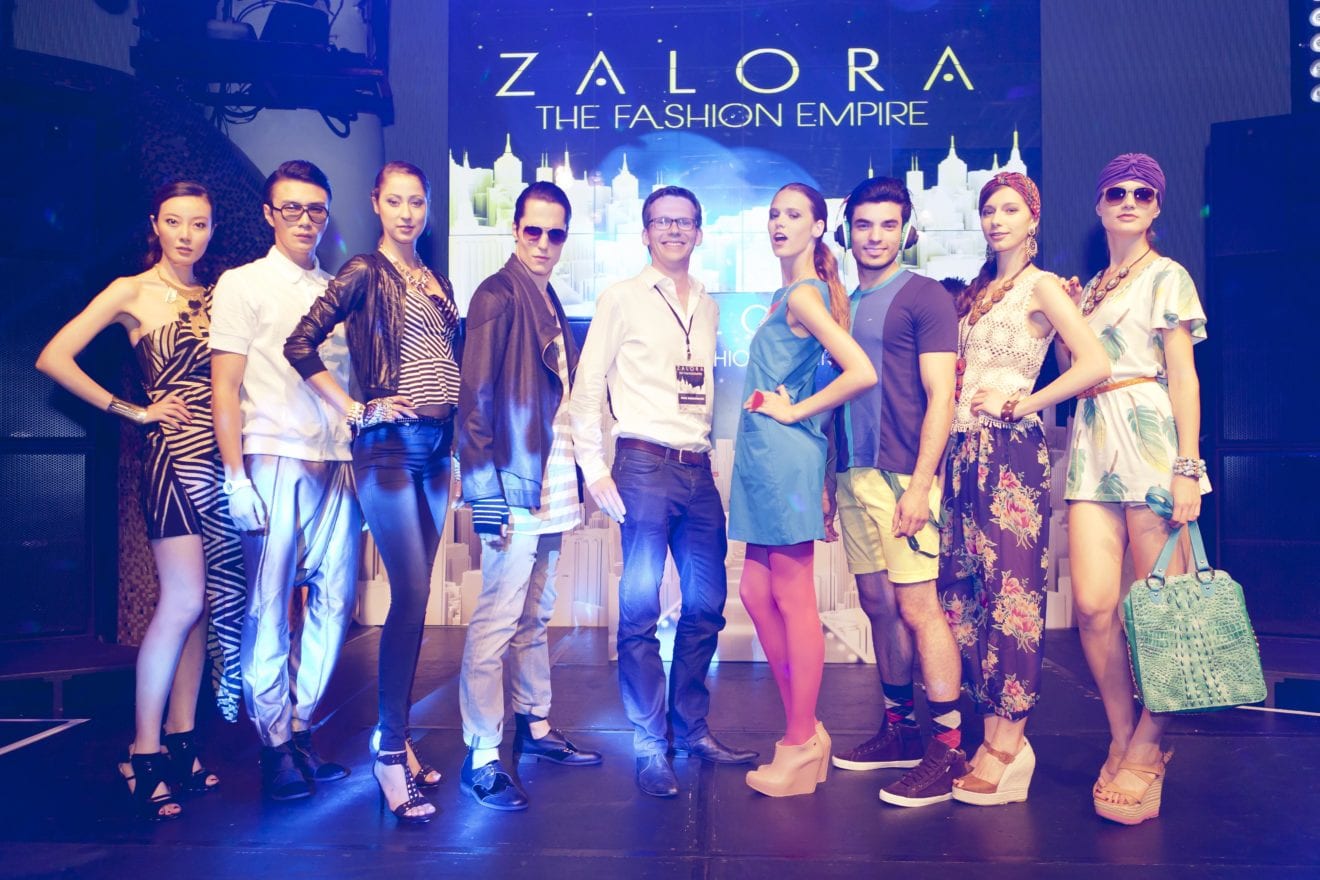
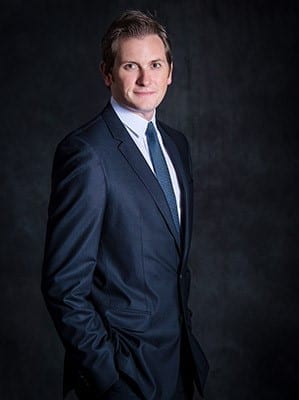
    Zalora has appointed a new CEO, Parker Gundersen, who joins the online fashion retailer from DFS Group, the travel retail subsidiary of  Louis Vuitton Moet Hennessy.

    The new Zalora CEO has more than 15 years of retail and leadership experience in key management positions across Asia, the Middle East and North America.

    parker G

    From 2011 to 2015, Parker served as GM for DFS Singapore, and recently held the position of VP for DFS North America, overseeing the company’s operations and business development function in the region. Prior to DFS, Parker worked in management consulting in the Strategy & Operations practice at Deloitte Consulting.

    Romain Voog, CEO of Global Fashion Group, said Gundersen’s experience in retail across Asia and his strong leadership skills will be instrumental in strengthening Zalora’s leadership in Southeast Asia’s e-fashion space.

    Parker holds degrees in economics and management from the University of St. Thomas and has an MBA from The Kellogg School of Management at Northwestern University.

  • Chinese tourists cancel trips to South Korea after THAAD

    Chinese tourists cancel trips to South Korea after THAAD

    Analysts warn of possible blow to tourism, retail industry

    A number of Chinese tourists are cancelling trips to South Korea in the wake of the country’s decision to deploy a missile defense system, a trend which experts say might lead to a blow to South Korea’s tourism industry if it continues, as the sector depends heavily on visitors from China.

    A Beijing while-collar worker surnamed Wang who planned to travel to South Korea in August told the Global Times that although she has already placed a non-refundable payment on a hotel, she was cancelling because of THAAD.

    “After all, there are still a number of travel destinations where I can go,” Wang said.

    Travel agencies in China and South Korea have also noticed the trend.

    Xu Xiaolei, manager of marketing at China’s CYTS Tours Holding Co, said that there have been a handful of clients who cancelled their bookings on a South Korea tour recently.

    “Also, compared with last year, the recruitment process for tours to South Korea during the Golden Week three-day holiday has been slow.” Xu told the Global Times on Monday.

    South Korean tourism industry officials, along with officials from travel agencies that specialize in hosting Chinese tourists in the country, have said that there are “a rising number of Chinese tourists cancelling reservations for August,” according to report on koreabizwire.com.

    The most recent cancellation was for the Chimaek festival, an annual celebration of fried chicken and beer that began on July 27 in Daegu, a city in southeastern South Korea.

    To attract Chinese tourists, the committee came up with a scheduled program in May and organized a train for incoming tourists from Seoul to Daegu, Korea JoongAng Daily reported on July 25.

    The number of Chinese tourists who signed up for the organized tour was 500 by early July, the report noted.

    But in the two weeks since South Korea announced the deployment of the Terminal High Altitude Area Defense (THAAD) anti-missile system, which has received intense backlash among the Chinese public, over 60 percent of the bookings have been cancelled, said the report. As a result, the committee has decided to offer a sightseeing bus instead of the originally planned train.

    Several days ago, Daegu’s 23-year-old sister city in China, Qingdao, East China’s Shandong Province, said it would not be participating in the festival due to “inappropriate timing,” the report noted, citing a Daegu city official.

    The Qingdao government also called off plans for a Daegu government exchange visit to the Qingdao Beer Festival, which started on July 29, amid public outcry to boycott South Korean products, the official said.

    Heavy reliance on Chinese tourists

    Recent years have witnessed a soaring number of Chinese tourists visiting South Korea.

    The number of Chinese arrivals grew 29.4 percent year-on-year to 3.82 million in the first six months of 2016, accounting for 48.8 percent of the country’s foreign visitors, the Korea Tourism Organization data showed.

    Wei Changren, CEO of Beijing-based Jinlu Consulting, told the Global Times on Monday that South Korea’s tourism and travel retail sector rely heavily on visitors from China.

    In the first half of 2016, an estimated 65 percent of the sales volume of Samsung Group’s Shilla Hotel and Resort, the country’s second largest duty free shop, was generated by Chinese visitors, up 45 percentage points over the same period last year.

    “About 70 percent of Chinese tourists travel to South Korea to shop. But average spending by Chinese tourists has decreased recently,” Zhu Zhengyu, an industry analyst with Enfodesk told the Global Times on Monday. “If the number of Chinese visitors continues to drop, the retail industry in South Korea will suffer.”

    Zhu’s opinion is echoed in a report published by Samsung Securities, which reveals that if the number of Chinese visitors shrinks by 1 percent, the operating profit of Shilla Hotel and Resort could fall by 2.6 percent.

    “Besides, considering the size of China’s economy and population, no other country can fill the vacancy if Chinese visitors go away,” Zhu said.
  • Another bad month for Hong Kong retail sales

    Another bad month for Hong Kong retail sales

    Hong Kong retail sales slumped 8.9 per cent year-on-year by value in June to HK$33.7 billion.

    That’s marginally higher than May’s fall of 8.3 per cent, but a slower rate than the 10.1 per cent of the first six months of this year. It marks the 16th consecutive month of year-on-year decline.

    A spokesperson from the Census and Statistics Department said the fact sales were still notably lower than the year-ago level, reflected the fall in visitor spending and more cautious consumer sentiment amid subpar economic conditions.

    “Nevertheless, on a seasonally adjusted basis, retail sales improved moderately in the second quarter compared to the first quarter.”

    The HKRMA said in a statement that most of its member companies anticipate the downward trend to continue, but slow in the remainder of 2016, “taking into account a lower base recorded in the second half of 2015”.

    While sales of consumer durable goods posted the biggest decline – 37.2 per cent – the larger jewellery, watches and valuable gifts category caused much of the damage, falling 20.4 per cent. Department store sales were down 10.5 per cent, electrical goods and cameras by 25.7 per cent and optical shops by 5.5 per cent. The decline in apparel sales appears to be largely over with the category down just 0.6 per cent.

    Supermarket sales rose 1.9 per cent, food,liquor and tobacco sales by 2.9 per cent and cosmetics and medicines by 5 per cent.

    “Looking ahead, the near-term retail sales performance will still depend on the performance of inbound tourism as well as the extent to which consumer sentiment will be affected by the lingering uncertainties about the economic outlook,” said the C&SD spokesman.

  • Burberry China buys out minor shareholder

    Burberry China buys out minor shareholder

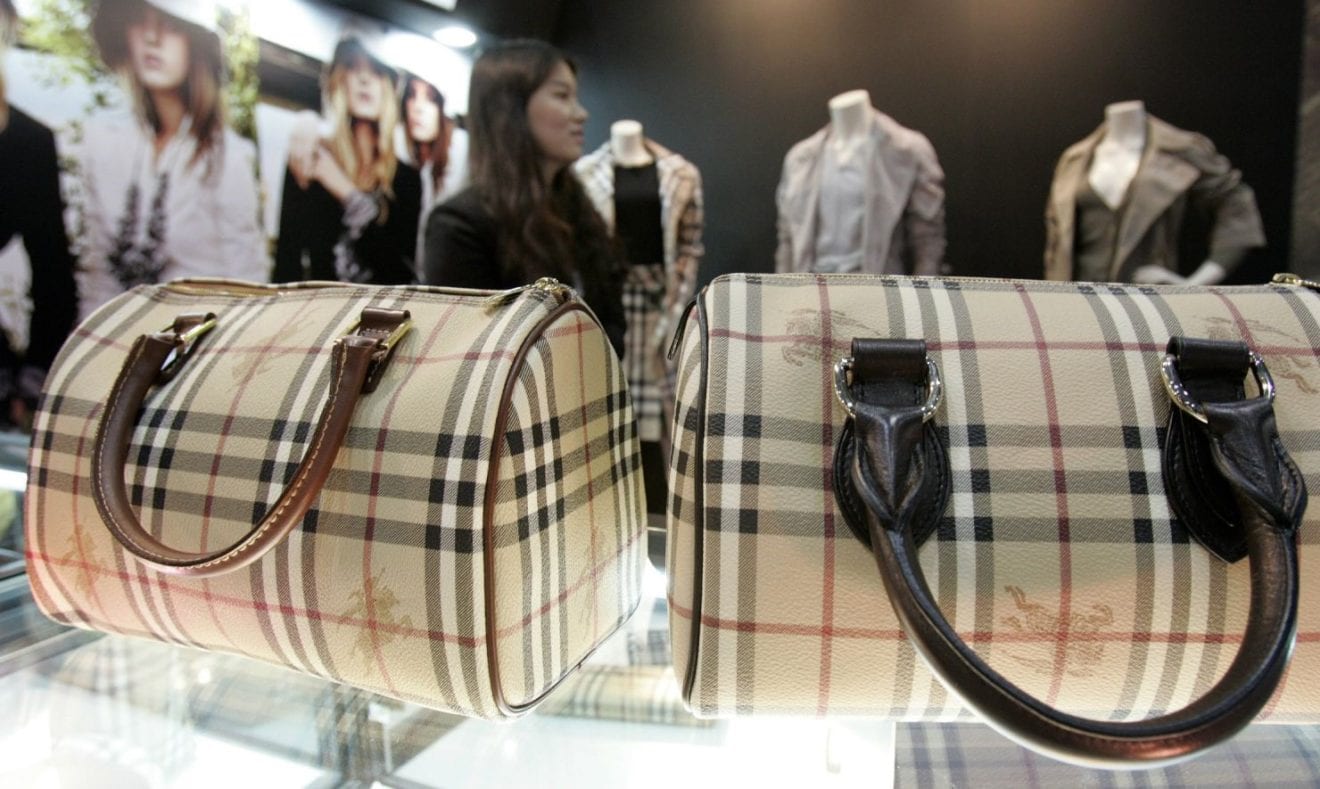
    Fashion brand Burberry China has spent £54 million (US$71.2 million) to take full control of its retail business, buying the 15 per cent interest held by Sparkle Roll Holdings.

    Headquartered in London, the 160-year-old label launched its foray in China in 2010. The mainland now accounts for about half the retail spend of Burberry’s Chinese customers. Last year it was relatively stable, but significantly lower footfall again was a challenge in Hong Kong, which accounts for 9 per cent of global retail/wholesale revenue.

    Burberry says it has been looking to cut costs to ensure its Hong Kong stores stay profitable, with its first-quarter trading showing improvement over the fourth quarter but comparable sales continuing their double-digit percentage decline, reports DigitalLook.

    Like-for-like sales on the mainland were broadly unchanged in the first quarter.

  • Duck Scarves spreads wings to mall

    Duck Scarves spreads wings to mall

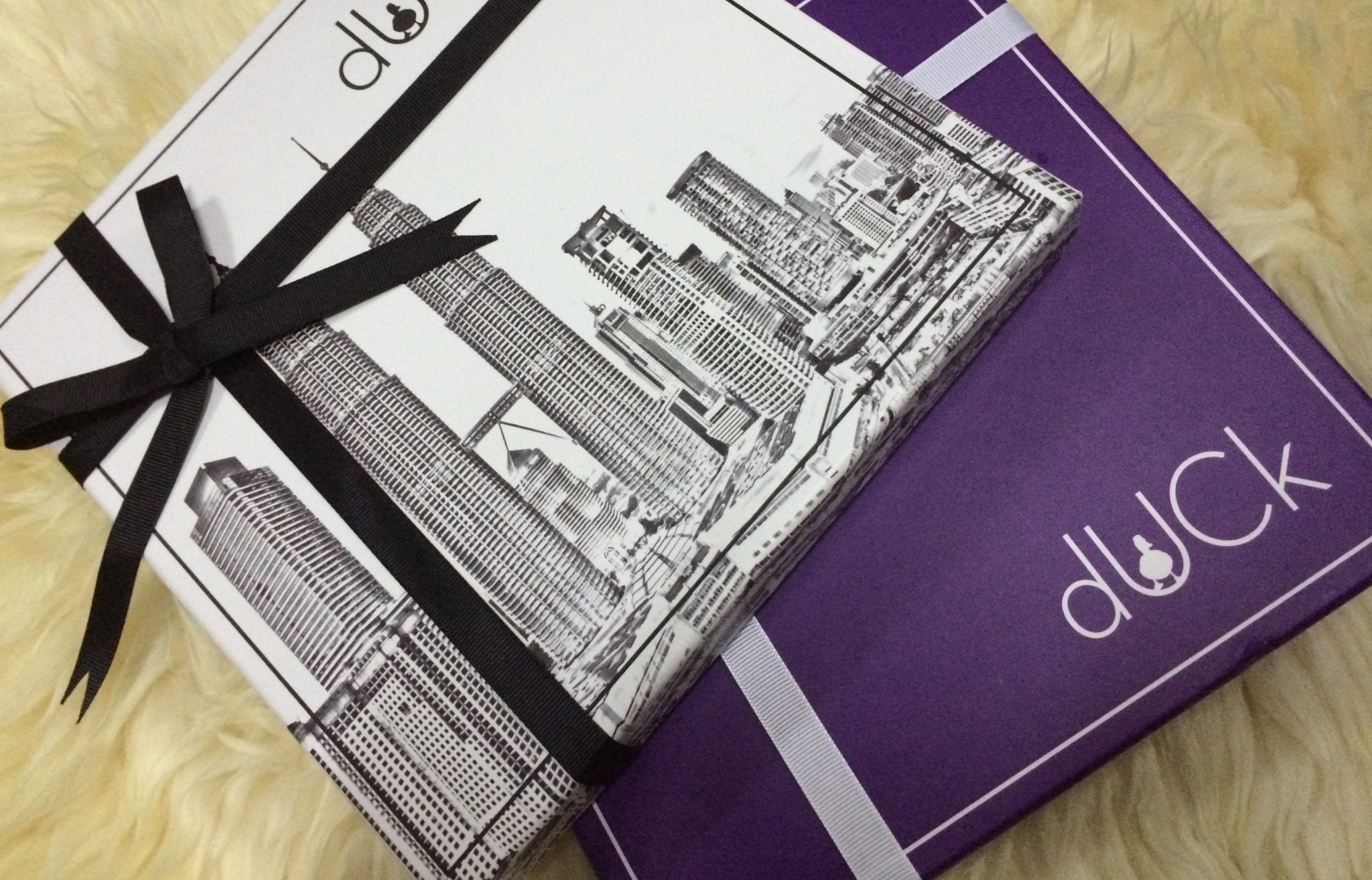
    Founded by Malaysian blogger and fashion entrepreneur Vivy Yusof, online fashion outlet Duck Scarves has come to ground, opening its first store, in Pavilion Kuala Lumpur.

    duck scarves

    Since launching in May 2014, Duck products have become known for their presentation and packaging, as well as design and quality. Each scarf comes with special hem detailing and a shiny Duck charm.

    Duck’s new store has a minimalist design with a spacious layout and ample light. Its grey and white palette is accented by purple, the brand’s main colour. It features a private fitting area.
    The Duck brand revolves around a character named D, and its evolution echoes her life and adventures.

  • Toyota, Daihatsu jointly debut new ‘green’ cars in Indonesia

    Toyota, Daihatsu jointly debut new ‘green’ cars in Indonesia

    Toyota Motor Corp. and Daihatsu Motor Co. jointly launched two different cars in Indonesia on Tuesday, a day after Toyota acquired all of Daihatsu’s shares.

    “It is a new relationship between Daihatsu and Toyota,” Daihatsu President Masanori Mitsui said during the launch in the industrial town of Karawang in West Java Province, where the cars are manufactured.

    Toyota launched the Calya, which means “perfect” in Sanskrit and will be sold at between $9,973 and $11,538, while Daihatsu launched the Sigra, which means “fast response” in the same language and will sell at between $8,153 and $11,461.

    The two companies earlier collaborated in producing the Avanza and Xenia in 2003, the Rush and Terios in 2006, and the Agya and Ayla in 2013.

    According to Mitsui, they have reached a huge achievement in production resulting from their cooperation.

    Toyota Managing Director Hiroyuki Fukui shared that view and said the collaboration will improve the companies’ performance amid tough global competition.

    The Calya and Sigra are multipurpose vehicles, which each can carry seven passengers. They are categorized into low-cost green car, a type of car highly encouraged by the Indonesian government.

    “Those kinds of cars in great demand, so we’re hoping for a positive response (from the market),” said Sudirman Maman Rusdi, president of PT Astra Daihatsu Motor, an Indonesian subsidiary of Toyota.

    According to him, his company has invested about 1.1 trillion rupiah (about $84.61 million) for the two cars’ production.

  • ‘Wonderful Indonesia’ campaign boosts tourism industry

    ‘Wonderful Indonesia’ campaign boosts tourism industry

    The government’s efforts to promote tourism in the archipelago with its Wonderful Indonesia campaign have had a positive impact, the president director of tour and travel company Panorama Sentrawisata said on Tuesday.

    Budi Tirtawisata said that in the first six months of this year, his company booked a 19 percent increase in gross revenue to Rp 2.38 trillion, from Rp 1.99 trillion in the same period last year, as more foreigners were drawn to Indonesia.

    “The government’s free visa policy is also contributing to growth in the tourism sector,” Budi told reporters at a press conference in Jakarta.

    Budi was upbeat the company’s business volume would increase, and possibly double, in the second half of 2016, compared to the first half, because more tourism activities were expected to take place in the period.

    “The peak season for tourist visits to Indonesia is during the summer, which occurs in the second half of the year,” Budi said, adding that more tourists would also visit the country during the Christmas holidays in December.

  • Indonesia capital’s airport to open new terminal next week

    Indonesia capital’s airport to open new terminal next week

    Air passenger numbers are soaring in Indonesia, the world’s biggest archipelago nation, as a growing middle class increasingly chooses to fly but ageing infrastructure is struggling to keep up.

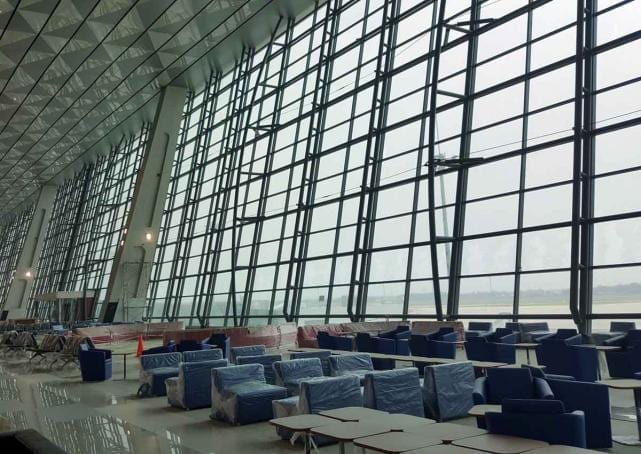
    The main airport serving the Indonesian capital Jakarta will next week open a new terminal to ease the burden on the country’s busiest aviation hub, the airport operator said Wednesday.

    The $380 million terminal at Soekarno-Hatta International Airport, which will start operations at about midnight Monday, will have a capacity of 25 million passengers a year once fully operational, said state-owned airport operator Angkasa Pura II.

    The other terminals are currently handling a total of about 60 million passengers a year, way over their capacity.

    The new Terminal 3 will start off handling only flights operated by Indonesian flag carrier Garuda, and it is hoped it will be fully operational by March next year.

    “This will be the biggest terminal in Indonesia,” Angkasa Pura II chief executive Djoko Murjatmodjo told AFP.

    It will eventually be connected to central Jakarta, about 30 kilometres (18 miles) away, by a rail link. There is currently no rail line between the airport and city centre, leaving passengers facing monster traffic jams to get into Jakarta at busy times.

    The terminal’s opening has been delayed for more than a month after the government ordered alterations following the discovery that an important part of the airport was not visible from the air traffic control tower.

    As well as ageing infrastructure, the Indonesian aviation sector also faces problems with safety and has suffered a string of deadly crashes in recent years.

  • ‘Bilateral agreement will give players greater banking access’

    ‘Bilateral agreement will give players greater banking access’

    Top Malaysian financial players with a presence in Indonesia lauded the bilateral agreement between Indonesia and Malaysia, saying it will pave the way for greater access to conventional and Islamic banking. CIMB Group chief executive officer Tengku Datuk Seri Zafrul Aziz said the agreement is positive for the banking industry of both countries. “It is an additional impetus for CIMB Group to expand its business in Indonesia, particularly in the Islamic and consumer segments, where there are a lot of growth opportunities, given Indonesia’s 260 million population.

    “We also view the agreement between Indonesia and Malaysia as an important step towards better Asean economic integration, paving the way for CIMB to continue delivering its universal banking proposition for customers in the region.” Bank Negara Malaysia and Otoritas Jasa Keuangan of Indonesia have signed the agreement which will provide more access and operational flexibility for Malaysian and Indonesian Qualified Asean Banks operating in the respective jurisdictions. The agreement permits the formation of three banking groups that meet stipulated criteria to be classified as one of the Qualified Asean Banks, which would be afforded equal treatment as local lenders.

    CIMB is eyeing further growth in its banking franchise. Its subsidiary, CIMB Niaga, is ranked as one of the top five banks in Indonesia by asset size, with a current customer base of 3.6 million. It recently posted strong first-half results. RHB Banking Group said a commercial banking presence in Indonesia remains a priority in its overseas expansion plan, adding that it will complement its existing business in the country. “From a merger and acquisition aspect, we will keep an opportunistic mind to ensure the right time, price and strategic fit into our overall group strategy to deliver better value to stakeholders,” said group chief strategy and transformation officer Christopher Loh. Islamic finance is a significant area of potential growth in the world’s most populous Muslim nation, he pointed out.

    “Malaysia, being at the forefront of Islamic finance, could provide expertise to grow this sector, which spells an opportunity for Indonesia as the government aims to deepen the country’s Islamic banking sector. ” RHB has about 14 branches across Indonesia dealing with securities and asset management business. Affin Hwang Capital banking analyst Loh Jia Ying said one more banking licence is available for Malaysian banks to expand into Indonesia, adding that it is also possible that the central bank of Indonesia may allow the Malaysian bank to acquire one of the Indonesian banks. On the impact of the agreement, he said it would be minimal in the near term for Maybank Indonesia, CIMB Niaga and the Indonesian banking sector.

    As for state-owned Bank Mandiri’s keen interest to expand in Malaysia, Loh said although the bank may have the advantage of familiarity for Indonesians here, its profitability may be limited if it focuses only on Indonesian workers, unless there is a significant change in their behavioural patterns. Bank Mandiri, the largest Indonesian bank by assets, currently has five remittance offices in Malaysia, and focuses on the revenue generated from Indonesians working here. It will also have to undertake significant work to generate more revenue from the Indonesian workers and will be limited by the smaller number of branches.

  • PLDT opens Philippines’ biggest data center

    PLDT opens Philippines’ biggest data center

    Philippine service provider PLDT has opened the country’s biggest data center at major business district Makati City.

    The new facility has been built to serve a wide range of organizations, particularly those handling vital data such as banks, business process outsourcing (BPO) firms, IT and content providers and government institutions.

    Set up by PLDT subsidiary ePLDT, the newest VITRO Data Center sits on a nearly two-hectare property with 3,600-rack capacity. It is equipped with systems and facilities to guarantee continuous operations, ensuring that businesses can utilize robust and scalable digital infrastructure, as well as world-class 24/7 technical support capabilities.

    “PLDT is investing heavily in our VITRO data centers as we believe that these facilities are one of the basic building blocks of the country’s digital economy. This data center will be a vital resource for companies as they ramp up their own digital services,” said PLDT Chairman and CEO Manuel V. Pangilinan.

    The new earthquake-resistant, purpose-built data center in Makati is built on solid ground without seismic faults within its proximity. In addition, special architectural techniques and materials planning were implemented to provide the data center with fire-rated concrete walls and flood-protected design.

    As a result, VITRO Makati is rated to withstand earthquakes up to intensity eight in the Richter scale. The data center is also compliant with global design standards.

    “’PLDT recognizes how vital it is for enterprises to ensure stable operations despite changes in the external environment. The need for scalable and secure hosting facilities to house and manage critical platforms is also growing in importance as the enterprise becomes more data-driven as a result of continuous digital transformation initiatives,” said PLDT executive vice president and ePLDT president and CEO Eric R. Alberto.

    To address the growing concern over digital security, VITRO Makati offers one of the most secure and impenetrable structures in the Philippines with an eight-layer security design, guaranteeing that data and applications will always be protected.

    Each major component of the facility is configured with redundant counterparts in place that seamlessly operate to anticipate adverse events, including power generators and  Uninterrupted Power Supply (UPS) units, among others.

    As part of the VITRO network of data centers, VITRO Makati also serves as a carrier-neutral Internet Exchange facility that provides numerous IP peering services, enabling access to local and international content.

    VITRO Makati is also a Nexcenter-certified facility, allowing its clients to use globally standardized Nexcenter services of world leader NTT Com at some 140 locations in 84 cities of 19 countries, in addition to NTT Com’s Arcstar Universal One private-network service, which is already available in the Philippines and which is largely used by the country’s BPO industry.

    “As the world becomes even more digitally connected, Filipino enterprises must leverage on new technologies to ensure the security and resilience of their operations. PLDT’s digital platforms can enable enterprises to take advantage of disruptive technologies, secure their operations, and promote growth in their businesses,” said Alberto.

    The PLDT Group now operates seven data centers all over the country with a total rack capacity of nearly 7,000 to serve the needs of small, medium, and large enterprises across various industries, including banking, financial services, outsourcing, telecoms, and gaming.

  • Sainsbury’s China doubling product range

    Sainsbury’s China doubling product range

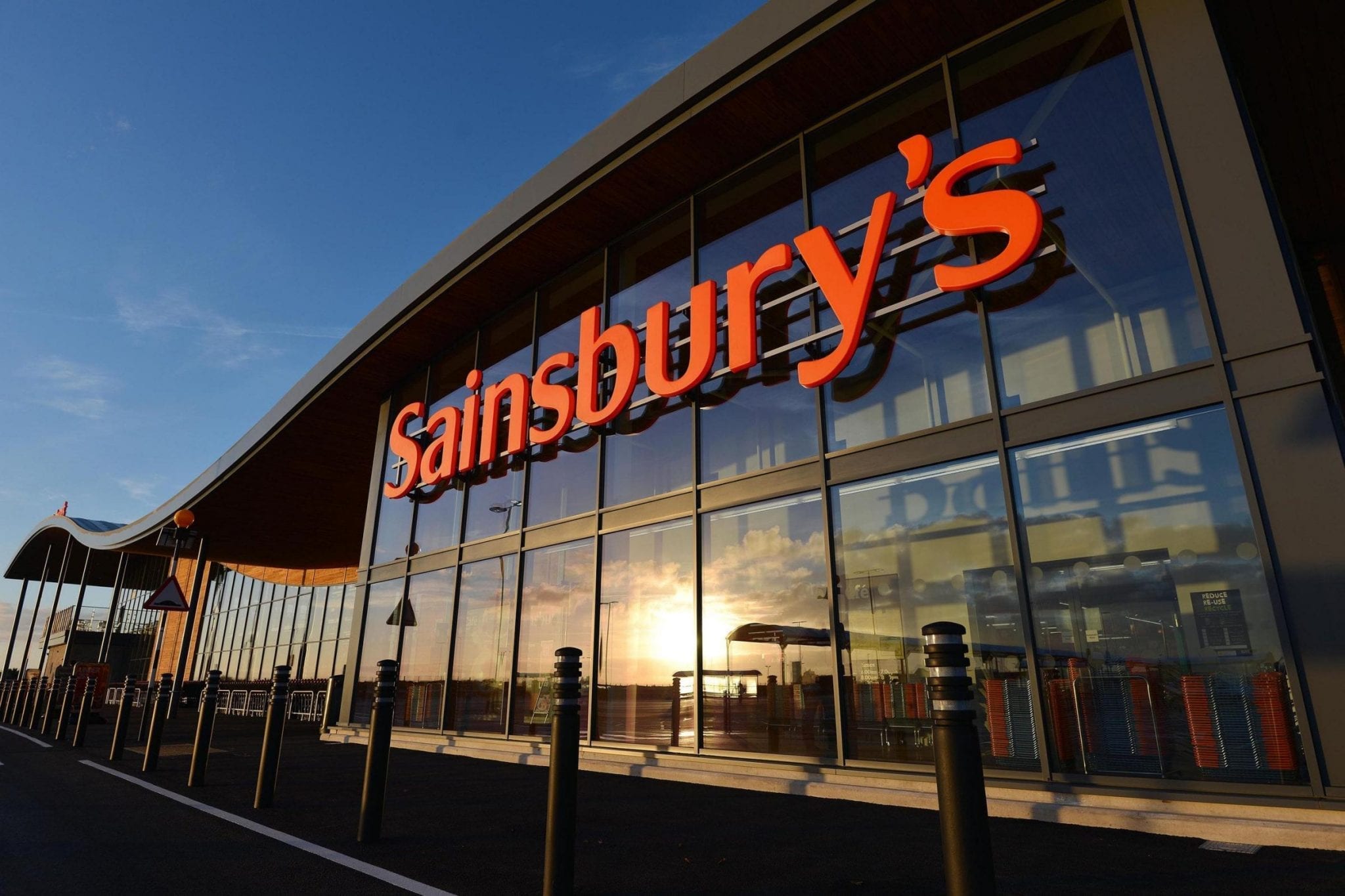
    With the success of its trial with Tmall Global, Sainsbury’s China is doubling its product range.

    Citing “increasing demand”, the British supermarket retailer is about to release 100 more items, such as tea bags, coffee and pasta.

    “Chinese online shoppers are increasingly demanding high-quality international products,” says Sainsbury’s CFO John Rogers.

    “Many customers also want to replicate tastes and occasions they have enjoyed or heard about through international travel. Products to make a British breakfast and English afternoon tea have therefore proved hits.”

    Sainsbury’s started with Tmall last September, joining such British retailers as Asos, Burberry and fellow grocer Waitrose, which sell products on Alibaba’s Royal Mail online outlet.

    Rogers says the trial with Tmall has taught the company much about China’s digital market, including the importance of sales.

  • Korean Government to Develop ‘Bojeong-dong Café Street’ in Indonesia

    Korean Government to Develop ‘Bojeong-dong Café Street’ in Indonesia

    The Small and Medium Business Administration (SMBA) announced its plans on August 3 to develop a small business K-town in Indonesia modeled after “Bojeong-dong Café Street” as a means of supporting the small business’ overseas expansion.

    The café street developed spontaneously from the mid 2000’s in the Bojeong-dong café street. Currently, total 126 stores are operating in the area of 22,000 ㎡, and small theme streets are developed in every eight alleys.

    Additionally, the SMBA announced its policy to co-operate K-culture and other by developing “small business K-town” in the peripheral region of Jakarta, around at the end of year 2018,

    For the policy, the SMBA proceeded a field investigation with Small Business Association, International Council for Small Business (ICBS Korea), Small Enterprise and Market Service (SEMAS), etc., and the Indonesian Government also has expressed a will to support the project.

    Joo Young-sup, administrator of the SMBA said, “The ultimate goal is to produce 1,000 successful similar cases until year 2020 by pushing ahead of the small business’ overseas expansion policy.”

    Categories: