Author: Mei Ling Tan

  • AXA, Alibaba, Ant Financial enter global partnership

    AXA, Alibaba, Ant Financial enter global partnership

    AXA, Alibaba and Ant Financial Services have agreed jointly explore opportunities to distribute AXA’s insurance products and services through Alibaba’s global e-commerce ecosystem.

    The deal is expected to benefit the businesses and consumers that transact via Alibaba’s marketplaces. The companies will work together to co-innovate and to develop value-added products and services to customers around the world and mutually support each other in developing and exploring new markets and segments.

    The first phase of the collaboration will see AXA develop various insurance products for users of AliExpress, Alibaba’s wholesale marketplaces and Ant Financial Services.

    AliExpress is a global retail marketplace targeted at consumers worldwide. AXA will develop and provide insurance products for AliExpress’ global customers, including extended warranties for repairs and/or damaged goods and enhanced online payment protection.

    On Alibaba’s wholesale marketplaces (Alibaba.com,1688.com), AXA will provide insurance products to small and medium businesses globally who are trading on these platforms.

    AXA will offer travel insurance products for Chinese travelers going overseas through Ant Financial Services, an Alibaba-affiliate.

    These insurance products and services will be developed by AXA’s local entities according to the customers’ local requirements.

    “Our collaboration with industry-leader AXA is a key part of Alibaba’s globalization strategy and our vision to enable small businesses and consumers alike to enjoy the convenience and benefits of e-commerce in a safe trading environment,” Alibaba Group president Michael Evans said.

    “As cross-border e-commerce grows rapidly, it is critical that we evolve our services and offerings to the businesses and consumers that conduct trade on our platforms. The collaboration between AXA and Alibaba will enable us to create new solutions and ultimately improve the overall customer experience.”
  • Strong quarter buoys Matahari Putra Prima

    Strong quarter buoys Matahari Putra Prima

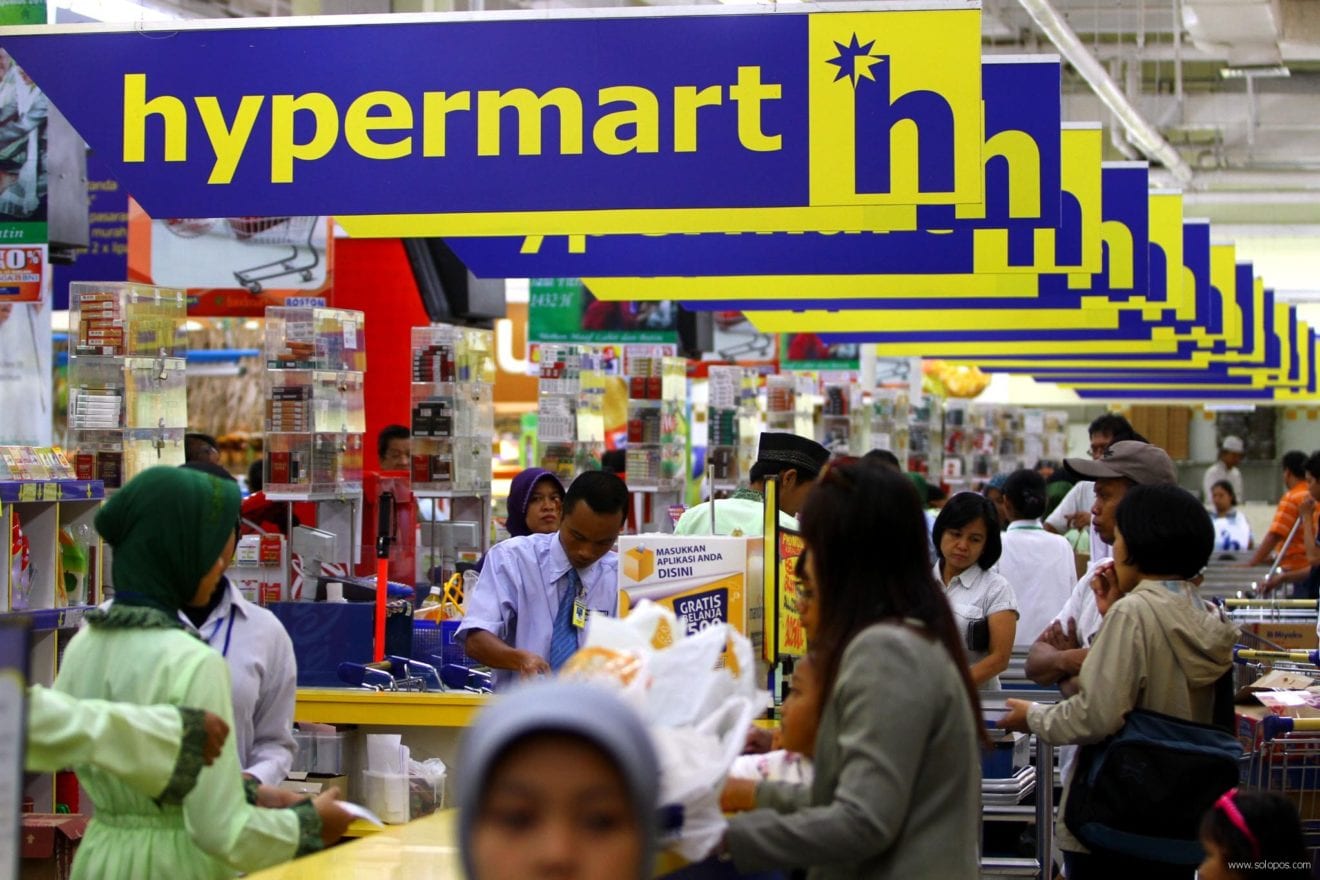
    A solid second quarter sent Matahari Putra Prima’s sales up 2.1 per cent in the first half to June 30.

    The Indonesian mixed format grocery retailer has reported net sales for the six months of Rp 7 trillion (US$560 million). Of that figure, 3.7 trillion was achieved in the second quarter, an increase of 6.5 per cent on the back of new store openings. Same store sales fell 0.3 per cent in the first half and rose 4.5 per cent in the second quarter.

    The company posted a net loss for the half of  20.7 billion ($1.66 million), after a healthy second quarter pared back a first quarter loss of 123 billion ($9.8 million).

    MPPA says its total sales growth improved from 2.1 per cent to 8.4 per cent during the first half, after the negative effects of poor economic conditions in Sumatera/Kalimantan and permanently closed stores are excluded.

    CEO Noel Trinder said second quarter sales were led by Lebaran (the two day Eid al-Fitr  holiday) and a strong performance in stores that have been renovated to the new generation G7 store format.

    “Aggressive inventory actions that negatively impacted earnings since the second half of 2015 have now finished, positioning MPPA well for future growth. We believe the resumption of growth which began in the second quarter will carry into the second half,” he said.

    “In addition, MPPA continues to exploit the future growth opportunity of new channels by increasing our shareholding in PT GEI, operator of MatahariMall.com, to 10 per cent in June.”

    As of June 30, MPPA operated 297 stores across Indonesia (112 Hypermart, 25 Foodmart, 106 Boston, 52 FMX and two SmartClub). During the first half MPPA closed three Hypermart stores (one permanently closed, one converted to Foodmart and one converted to SmartClub).

  • Indonesia joins Malaysian halal e-commerce

    Indonesia joins Malaysian halal e-commerce

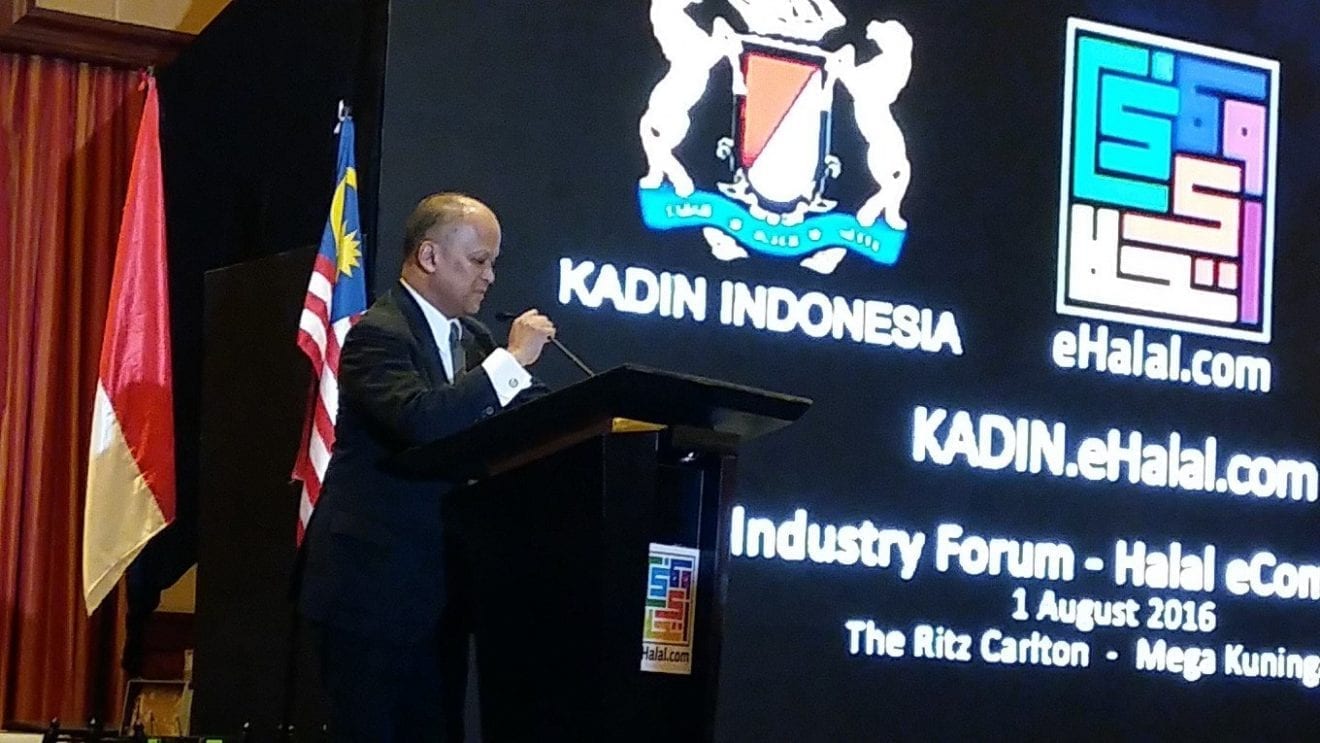
    The Indonesian Chamber of Commerce and Industry (Kadin) has joined Malaysia’s halal e-commerce website to tap into a larger international consumer base for local products, while at the same time giving local consumers easier access to imported halal products.

    The halal business sees a large market of 1.8 billion Muslims worldwide with a variety of products ranging from food, cosmetics, to pharmaceuticals. Markets for the halal business include the ASEAN region — led by countries such as Indonesia, Malaysia and Thailand, which have a large Muslim population — as well as the Middle East and North Africa.

    Now that Indonesian businesses have joined Malaysia’s e-Halal, a commerce directory portal of halal products not only from Malaysia but other countries such as China and India, Kadin chairman Roslan P. Roeslani said the country should not only be a market for halal products but also a producer and supplier.

    E-commerce platforms are becoming increasingly popular to showcase Indonesia’s potential, from big players to smaller enterprises, he added.

    Current trends show that the halal business and market will continue to grow. In 2014, the global halal market value reached US$2.3 trillion.

    “As long as there are Muslims in this world, the halal market will continue to thrive. We must see the business opportunity in this, while still upholding Islamic values,” Rosan said during an event to introduce e-Halal in Jakarta on Monday, adding that Indonesian products can be accessed through the official portal, kadin.ehalal.com.

    Malaysia’s halal industry is more developed and advanced than Indonesia’s, but the latter could still
    work to catch up and learn from Malaysia’s experiences. Indonesia’s potential is not only in food and beverage, Roslan explained, but also cosmetics, such as the popular Wardah, and fashion.

    E-Halal director Michael Teh said although most of its suppliers were Malaysian, it hoped to add Indonesian suppliers to its list from the cooperation with Kadin. E-Halal was launched in Malaysia in May and now has hundreds of products, from prawn crackers and baby food to fresh vegetables and bath salts.

    Michael said suppliers may join e-Halal for free, so long as their products are certified halal from the local issuing authority. From Indonesia, for example, products must receive halal certification from the Indonesian Ulema Council (MUI).

    “All our suppliers must be certified, and we will verify the certifications they upload. Our concept is to enable and safeguard halal suppliers to reach the world of e-commerce,” he said during the same occasion.

    Malaysian International Trade and Industry Ministry’s Halal Industry Development Corporation (HDC) CEO Dato Seri Jamil Bidin said Malaysia and Indonesia must cooperate in developing the halal industry, which holds large economic potential.

    “Amid the increasingly borderless global trade, it is important to seize opportunities and develop with sophisticated technology like e-halal,” Jamil said.

  • Globe lifts 1H16 profit by 3%

    Globe lifts 1H16 profit by 3%

    The Philippines’ Globe Telecom has reported a 3% year-on-year increase in net profit and an 11% increase in revenue for the first of the year despite heightened competitive intensity.

    The operator recorded net income of nearly 9 billion pesos ($191.4 million), on the back of revenue of 53.8 billion pesos. Mobile revenue also grew 3% year-on-year to 45.7 billion pesos.

    Globe’s prepaid brands drove revenue growth for the quarter, with TM revenues up 5% and Globe Prepaid revenues growing 3%. Postpaid revenues grew a more modest 2%.

    Mobile data service revenues swelled 46% year-on-year to 12.2 billion pesos, offsetting an 11% decline in mobile voice revenue and a 16% slump in SMS revenues. Mobile data comprised 39% of total mobile revenues for the half-year period, up from 27% a year earlier.

    Home broadband revenues meanwhile grew 49% year-on-year to 7 billion pesos, while total subscribers increased 38% over the same period to 1.14 million.

    Corporate data revenues were up 55% to 5.9 billion pesos, driven by strong demand among Philippine enterprises for data connectivity and other telecoms services.

    “We are proud that the company’s overall results in the first half remained robust amidst the heightened competitive intensity and the unique challenges and opportunities posed by increasing levels of smartphone penetration and mobile postpaid ownership in the market,” Globe president and CEO Ernest Cu commented.

    “We believe that with the aid of the additional frequencies that we have recently acquired, Globe Telecom’s leadership as the preferred brand for Filipinos’ digital lifestyle choices will be strengthened moving forward.”

    The operator recently committed to use its newly-acquired spectrum to achieve coverage of 95% of the Philippines’ municipalities and cities by end-2018.

  • Asia driving ‘significant’ growth in airport retail

    Asia driving ‘significant’ growth in airport retail

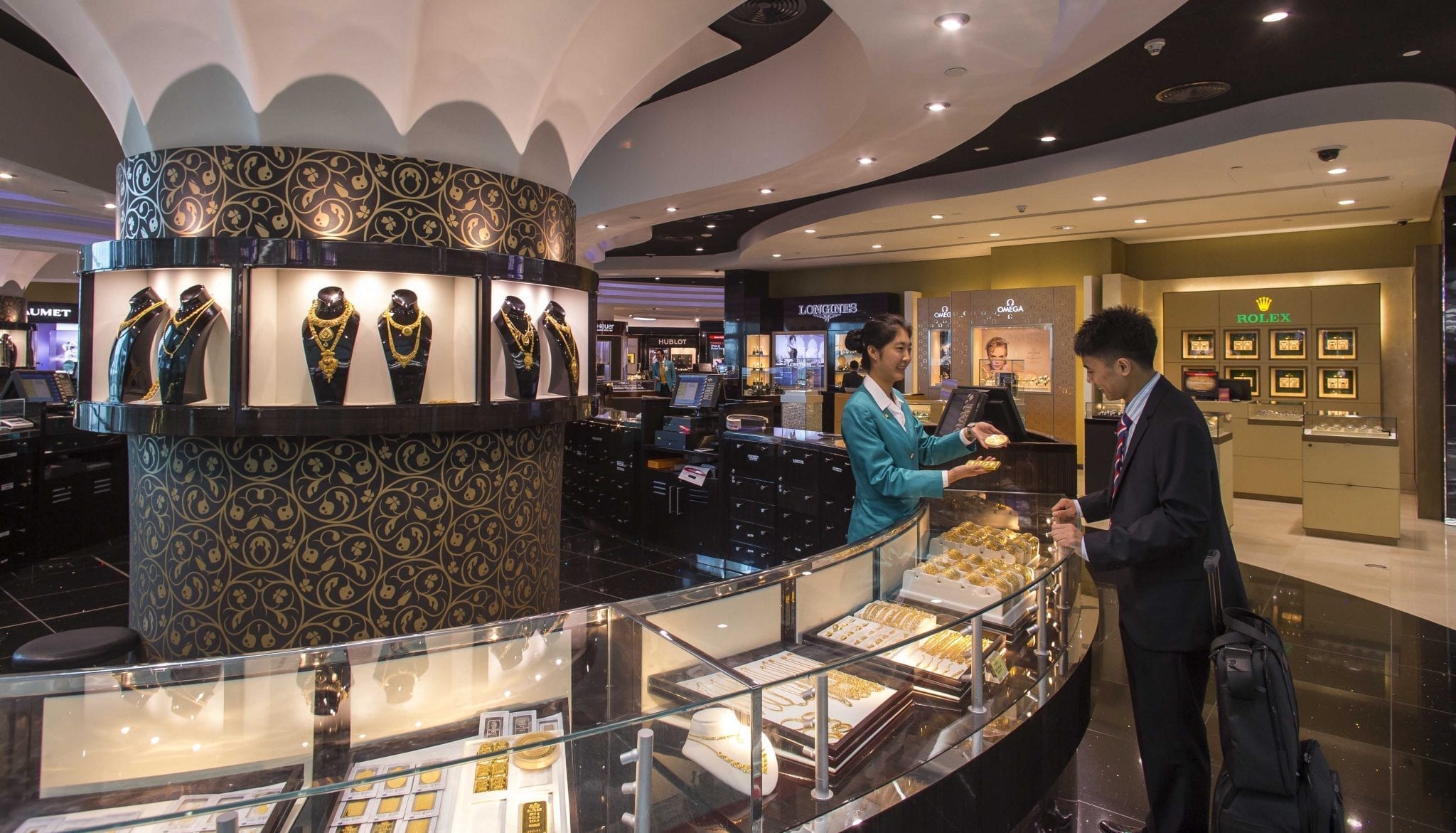
    Asia is driving “significant growth” in the global airport retail market, according to a new report from Credence Research.

    This is based on the increasing disposable income of middle-class families in emerging countries coupled with affordable travel options, says the report, Airport Retail Market – Growth, Share, Opportunities, Competitive Analysis, and Forecast 2016 – 2022.

    Emerging countries such as China and India are increasingly investing in new terminals and expanded retail areas.

    Widening budget options are boosting the number of travellers, particularly in Asia Pacific, says the report.

    Fashion and accessories is the largest product category in airport retail, accounting for more than half of revenue share. The segment can expect considerable growth, says the report.

    However, the fastest growth is expected in the F&B segment with rising sales for premium liquor products and the expansion of food chains.

    By store type the largest segment is the independent store and showroom. These are steadily growing in number with concessions being offered by airport authorities to local companies. The fastest growth is predicted in the duty-free stores segment, which is bolstered by more and more promotional activities.

    Asia Pacific is the largest regional market for airport retail, accounting for 40.5 per cent of revenue share last year. It is forecast to have the fastest growth, particularly in India, China, Australia and Southeast Asia countries.

    The report says the global airport retail industry is highly competitive with a strong multinational component. Major companies involved include Aer Rianta International, Autogrill, Dubai Duty Free, Dufry, Duty Free Shoppers, Heinemann, LS Travel Retail, Lotte Duty Free, Nuance Group, Shilla Duty Free and Stellar Partners.

  • Asian tourists boost Australian luxury retailing

    Asian tourists boost Australian luxury retailing

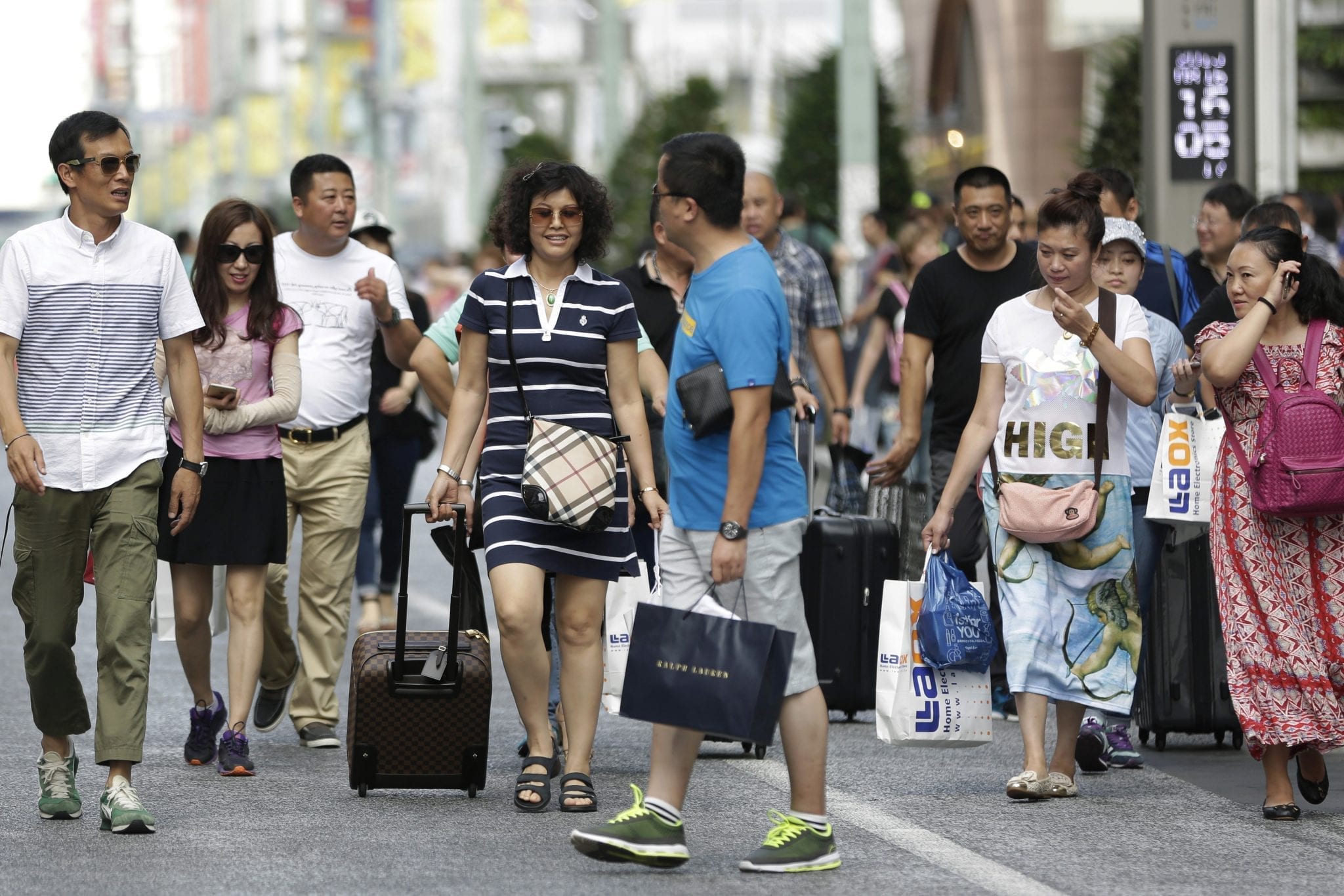
    International tourists, particularly from Asia, have been a major driver of strong revenue growth in Australian luxury retailing over the past five years.

    The latest Luxury Retailing in Australia report from business data company IbisWorld predicts that across the sector, which covers the sales of such goods as Swiss watches and designer handbags and clothing, revenue will reach AU$1.8 billion next year, an 11 per cent annual growth rate. For the ensuing five years, growth is anticipated to continue at the rate of 8.2 per cent a year to reach more than $2.7 billion.

    IbisWorld anticipates that about 30 per cent of industry revenue can be attributed to inbound tourists, especially from increasingly sophisticated markets in Asia.

    Its reports says these tourists have traditionally been drawn to heritage luxury labels and flagship stores, mainly because of the perceived prestige of brands like Chanel, Gucci and Louis Vuitton across Asia, particularly China.

    A gradual depreciation of the Australian dollar since mid-2013 has helped drive growth in inbound tourism, boosting demand for luxury goods.

  • Unicom warns to expect an 80% profit slump for H1

    Unicom warns to expect an 80% profit slump for H1

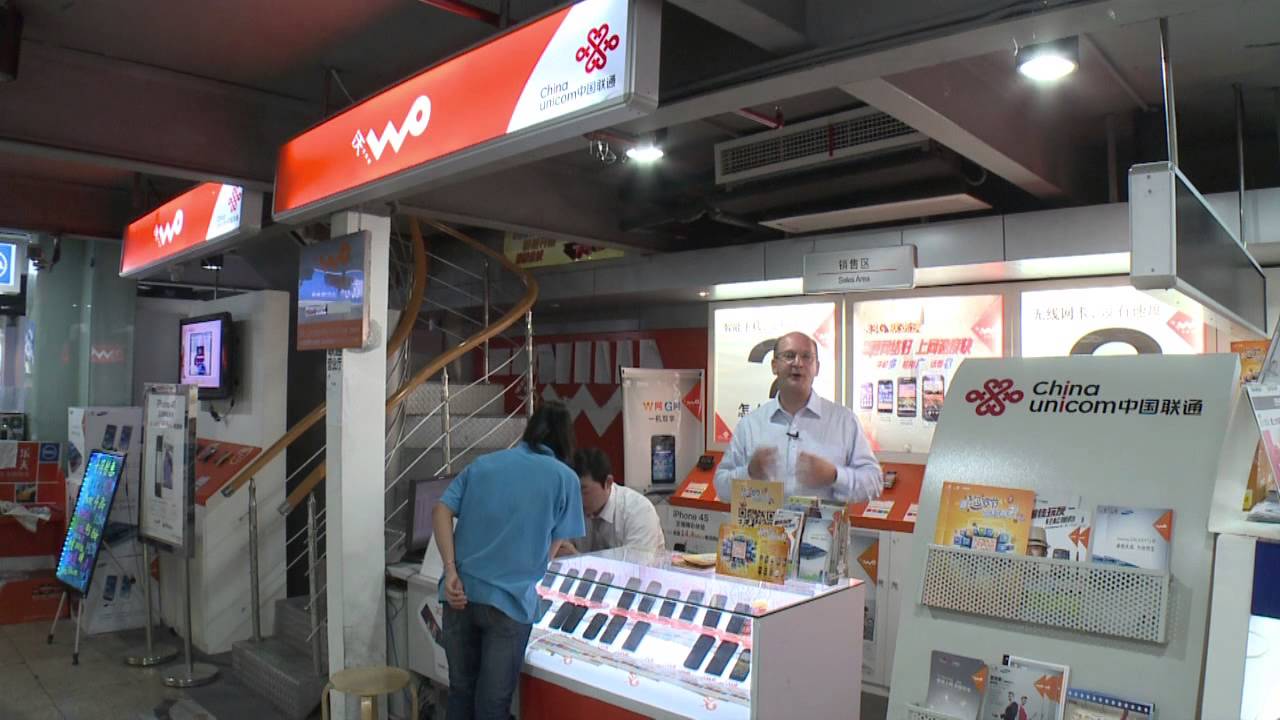
    China Unicom has warned it expects to report an 80% year-on-year slump in net profit for the first half of the year as a result of a surge in expenses.

    In a stock exchange filing, the operator said that selling and marketing expenses grew significantly during the six month period.

    New tower usage fees resulting in the outsourcing of tower assets to new joint venture China Tower, higher energy charges and property rentals also contributed to the growth of expenses.

    China Unicom reported a profit for 1H15 of 6.99 billion yuan, so the company is estimating a profit fo the period of around 1.4 billion yuan.

    The operator noted that this is nonetheless a significant improvement of the 3.36 billion loss – excluding the gain from the tower asset disposals – recorded during the second half of last year.

    The filing also states that Unicom’s mobile business has “achieved initial success in overcoming operational challenges.”

    As a result the company achieved a net addition of mobile subscribers of 8.39 million during the period. This compares favorably to the operator’s performance last year, when the company recorded net losses of customers for consecutive months.

  • SmarTone launches multi-device Wi-Fi calling

    SmarTone launches multi-device Wi-Fi calling

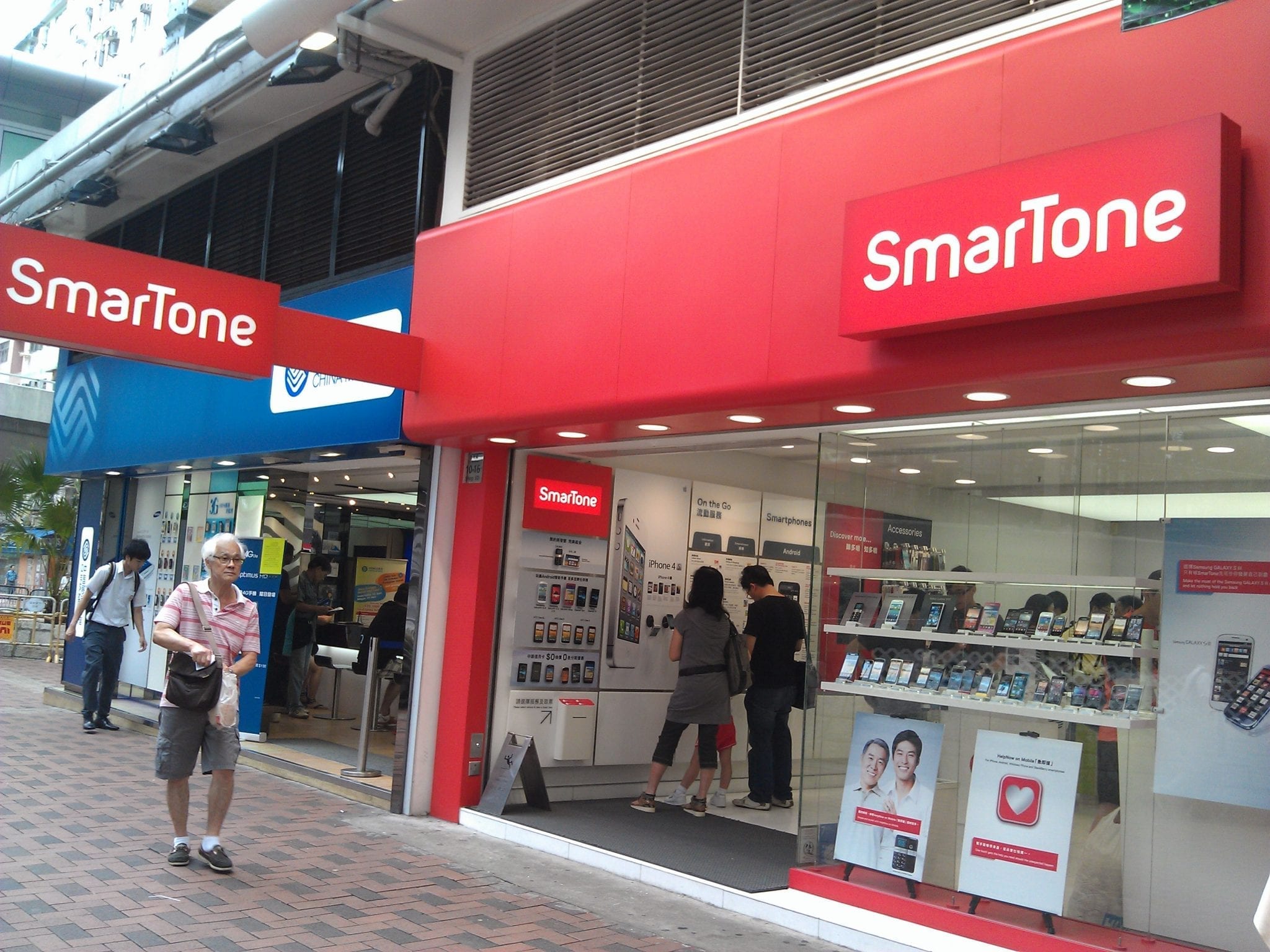
    Hong Kong’s SmarTone has introduced Wi-Fi calling for multiple devices using equipment provided by Ericsson.

    The new Wi-Fi calling service allows customers to pair up to five personal devices that lack SIM cards – including tablets, computers and smart watches – to enable operator voice calls via Wi-Fi connections.

    Devices can be located across different Wi-Fi access points, and calls can be seamlessly transferred to a user’s smartphones. The service also supports multiple simultaneous calls using the same number.

    Ericsson has adapted its existing Wi-Fi calling offering to support multi-device functionality. The company is offering an end-to-end platform comprising the evolved packet core, IMS, user data management and OSS/BSS.

    “SmarTone has always focused on delivering outstanding experience to our customers. With the trend of more and more customers using multiple devices nowadays, we offer Wi-Fi calling for multi-device service to our customers,” SmarTone CTO Stephen Chau said.

    “We believe the new capability to extend our voice service to devices without a SIM-card is adding genuine convenience to our customers.”

    A recent Ericsson ConsumerLab survey of basic Wi-Fi calling users in the US showed that four in five are very satisfied with the service. Around one in three international smartphone users are aware of the technology, Ericsson said, and of these seven in 10 find the prospect appealing.

  • YLKI Protests Indecent Bikini-brand Snack

    YLKI Protests Indecent Bikini-brand Snack

    Chairman of Executive Committee of the Indonesian Consumers Organization Foundation (YLKI) Tulus Abadi protested on a Bikini-brand snack product. Tulus said the brand sold in social media is considered as indecent.

    “That is a snack (fried noodle) product with a non-educational, even indecent, brand name”, Tulus said Wednesday, August 3, 2016.

    Recently, information of the Bikini snack circulates through chain messages. The product shows a woman’s body from shoulder to hip with just wearing a bikini. The worst part is the package has “remas aku” (squeeze me) slogan written on it.

    YLKI protested the circulation of the product and asked to recall the product from the market. Tulus requested the National Drug and Food Agency of Indonesia (BPOM) to reprove the manufacturer and demand to shut down any form of sales through social media.

    “Online selling, particularly via e-commerce Olx.com and Bukalapak.com, must be immediately stopped. Consumers must not purchase the product, especially the children,” said Tulus.

  • Cloud infra services up 52% year on year to $9.5b

    Cloud infra services up 52% year on year to $9.5b

    Worldwide cloud infrastructure services expenditure grew 52.3% year on year in Q2 2016, reflecting the ongoing adoption by businesses and expanding use of consumer-centric services, such as social media, gaming and video streaming.

    Amazon’s AWS remained the leading cloud infrastructure services provider, accounting for 30.4% of total spend, according to a new report from Canalys Research.

    Its early mover advantage, aggressive pricing, broad geographic coverage and wide range of service offerings are key factors behind its success. But it is under growing pressure from Microsoft Azure, Google Cloud Platform and IBM SoftLayer.

    Overall, these four providers represented 60.5% of total worldwide cloud infrastructure services spend.

    Daniel Lu, analyst at Canalys Research said, “The need for scalable and on-demand infrastructure is being driven by application testing, development and hosting; content delivery, big data and analytics; machine learning, IoT, disaster recovery and back-up; plus storage.”

    “But not every organization and every workload will migrate to the cloud. Cost is a major issue, but also compliance and regulations, security concerns, and application readiness are determining factors in cloud migration strategies. The adoption of hybrid cloud and on-premises solutions is prevalent as organizations seek to get the best of both worlds,” Lu noted.

    The total value of the cloud infrastructure services market was $9.5 billion in the second quarter of 2016.

    North America remained the largest market, representing 55.3% of the worldwide total, followed by EMEA at 24.7%, Asia Pacific at 15.9% and Latin America at 4.0%. For full-year 2016, Canalys predicts that the worldwide market will grow 50.3% to reach $37.8 billion.

  • Inditex Group to introduce m-payment in Sept

    Inditex Group to introduce m-payment in Sept

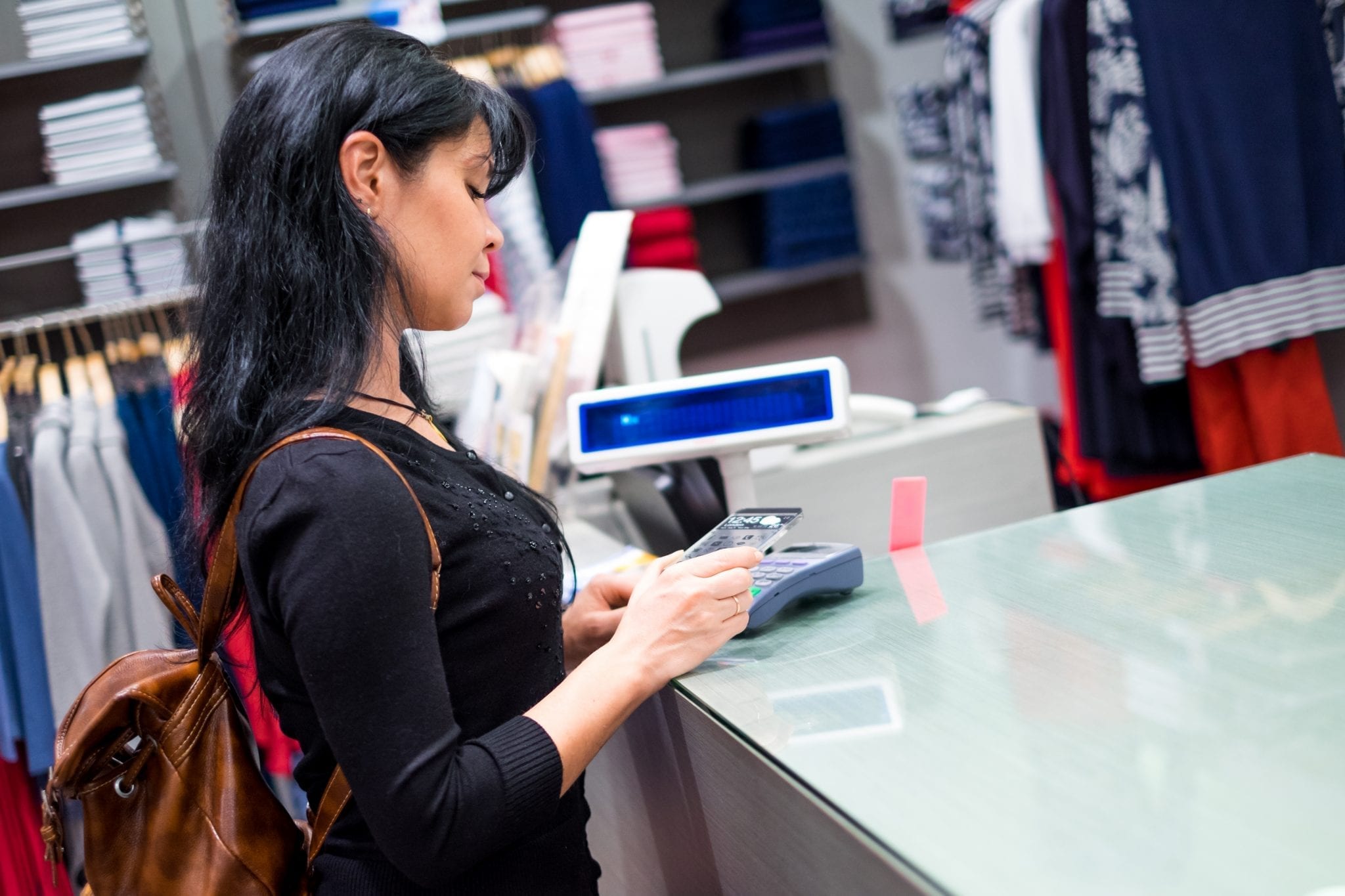
    Mobile payment is coming to stores belonging to fashion retailer Inditex Group in September, chairman and executive Pablo Isla announced recently during the company’s annual general meeting.

    Inditex has eight brands and more than 7,000 stores throughout the world. These brands include Zara, Pull&Bear, Massimo Dutti, Bershka, Stradivarius, Oysho, Zara Home and Uterqüe.

    Initially, the company’s in-house developed application, InWallet, will facilitate mobile payment at any of the group’s brands in Spain. The service will also allow all receipts to be issued electronically. Isla said the new service has been designed to enhance the shopping experience and aims to significantly simplify the purchase and returns process.

    Customers can activate the service directly from the online app and add the payment cards they want to use on the account in a safe and secure way.  The app has been developed entirely in-house by Inditex as part of the group’s efforts to continually upgrade technology to improve the overall customer experience.

    Isla also announced that the RFID technology rollout across all Zara stores is on track for completion by the end of this year and due to be rolled out in the rest of the group’s brands starting next year.

    Meanwhile, the Inditex chief has launched an ambitious recycling program that would collect customers’ unwanted clothing when shopping online.

    Under the plan, between 1,500 and 2,000 clothes collection containers will  be installed in several Spanish cities in collaboration with Caritas. Simultaneously, Zara will continue installing containers in the bricks and mortar stores, and in September all Zara stores in Spain will have a container for recycling.

    Caritas will sort the clothing to further the garment’s life through its distribution channels or allow for recycling for the development of new textile raw materials.  The pilot test will initially trial in Madrid with the aim of gradually introducing the scheme all over Spain.

    Inditex said it will donate €3.5 million ($3.9 million) over two years to this project, which will also encompass the modernization of Cáritas’s garment sorting and treatment plants.

  • Thailand’s Central declares $89.6 mln tax on Big C Vietnam deal

    Thailand’s Central declares $89.6 mln tax on Big C Vietnam deal

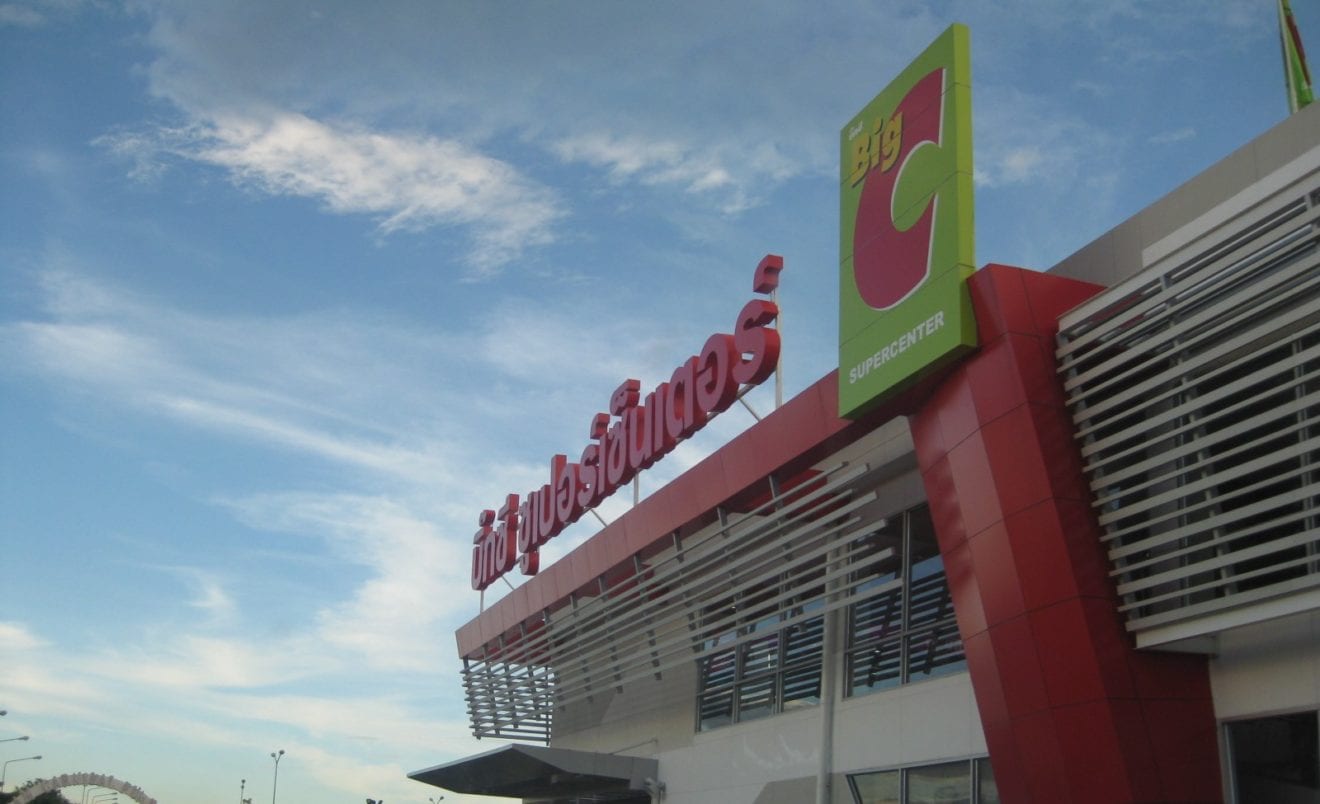
    Thai retail giant Central Group has declared around VND2 trillion (US$89.6 million) in tax on its acquisition of Vietnam’s biggest foreign-owned supermarket chain Big C, local media reported.

    Big C Vietnam, which declared the tax on behalf of its new owner, has paid VND380 billion ($17.03 million) of the amount, Tuoi Tre newspaper said on Monday, citing an unnamed source from the Ministry of Finance. The rest is expected to be collected later.

    The source did not comment on why the sum was much lower than the official estimate of VND3.6 trillion ($159 million) by the ministry’s General Department of Taxation.

    In June the department sent letters to Central Group and France’s Casino Group, the chain’s former owner, demanding them to pay tax on the $1.04 billion deal and threatening to block the ownership transfer.

    It reportedly said in the letters that the companies were far behind their tax obligation. According to the department, Vietnam’s laws stipulate that businesses have 10 days to pay taxes on the sale of their holdings after their negotiation is completed. The Big C deal was made public on April 29.

    At the end of last month, the tax authority reminded the companies of the tax again, saying they will be fined 0.05-0.07 percent per day for late payment.

    Big C is the largest foreign-owned retail chain in Vietnam with 33 supermarkets and 11 convenience stores. Many big players such as Vietnam’s largest retailer Co.op Mart, Japan’s Aeon, Thailand’s TCC and South Korea’s Lotte were interested when Casino announced its sale plan at the end of last year.

    Vietnamese electronics retailer Nguyen Kim, 49 percent owned by Central Group, also joined the Thai conglomerate in the acquisition of Big C. Their respective stakes have not been disclosed.

  • Thailand’s Dtac calls for frequency act amendments

    Thailand’s Dtac calls for frequency act amendments

    Dtac’s new chief corporate affairs officer Paradai Theerathada gave evidence at the National Legislative Assembly committee on the new National Broadcasting and Telecommunications Act.

    Paradai joined Dtac from TMB (formerly Thai Military Bank) on June 26.

    Dtac has called for an early auction clause with the new licence taking effect the day after the old licence expires.

    This would solve the problem of uncertainty for operators and users alike who fear that their SIMs may be rendered dead after an auction.

    Paradai pointed out that without a provision for an early auction, Thailand has ended up with extension after extension in the name of consumer protection that benefits nobody. An early auction would also mean that the state gets the licence fees earlier too.

    Dtac also calls for the law to enable spectrum trading. The current draft only allows for spectrum sharing and spectrum leasing. Paradai said that spectrum trading would allow a new entrant to enter the market without waiting for an auction and would allow for a graceful exit with the spectrum sold off if need be.

    Paradai said that spectrum trading would keep incumbents on their toes and lead to better service as a new entrant with a better business plan could enter the market at any time.

    He said that rules would need to be put into place to prevent someone bidding for spectrum to sell off with no intention of operating a business.

    Finally Dtac reiterated its call for a clear spectrum roadmap going forth.

    Thailand still has an acute shortage of spectrum. Of the 1960 MHz of spectrum the ITU has earmarked for data by 2020, Thailand only has 320 MHz available today. Paradai called for clear, five year plans, open to the public so that operators can plan their investments in advance.

  • Keppel Land opens mall in Ho Chi Minh City

    Keppel Land opens mall in Ho Chi Minh City

    Property firm Keppel Land opened a mall in Ho Chi Minh City yesterday as part of plans to increase its presence in Vietnam.

    The mall in Saigon Centre has 55,000 sq m of retail space and is already fully leased with over 400 international and local brands, the firm said.

    They include anchor tenant Takashimaya, the Japanese retail giant, which has taken up 15,000 sq m for its flagship store, its first outlet in the city.

    keppel land

    Takashimaya Singapore managing director Tatsuo Yano said: “This development has come about through years of cultivated retail experience between Japan and Singapore. We aim to create a store that will become a well-soughtafter shopping destination.”

    The mall is part of Saigon Centre’s phase two development, which also includes 195 luxury serviced apartments and a 37-storey prime office tower. Phase two – which will be completed at the end of next year – will cost US$255 million (S$341 million) to develop.

    Keppel Land, a subsidiary of Keppel Corporation, told The Straits Times that future phases could include a five-star hotel and more retail offerings.

    Phase one, which included 11 floors of Grade A office space and 89 luxury serviced apartments, was completed in 1996.

    Keppel Land said 97 per cent of the office space in phase one was leased, with DBS Bank, AIG, Reuters and Mitsubishi Corporation among the tenants.

    Both phases one and two of the project are jointly owned by Keppel Land, Toshin Development and Vietnamese partners Southern Waterborne and Transportation Corporation and Saigon Real Estate Corporation. Keppel Land holds a 45.3 per cent stake in the development.

    Since its first foray into Vietnam in the early 1990s, Keppel Land has 19 licensed projects across the country.

    The mall’s opening ceremony yesterday was attended was attended by over 300 guests, including Keppel Corporation chairman Lee Boon Yang.

    Keppel Land will also joint develop Empire City at a prime 14.6ha waterfront site in Ho Chi Minh City – a deal announced in March.

    The development will comprise premium residential units, office and retail properties as well as an 86-storey integrated mixed-use tower complex.

    Empire City – which is expected to commence construction later this year – is a joint venture project with Vietnamese companies Tien Phuoc Real Estate Joint Stock Company and Tran Thai Real Estate, as well as Hong Kong-based real estate private equity fund Gaw Capital Partners.

  • HTHKH 1H profit falls 26%

    HTHKH 1H profit falls 26%

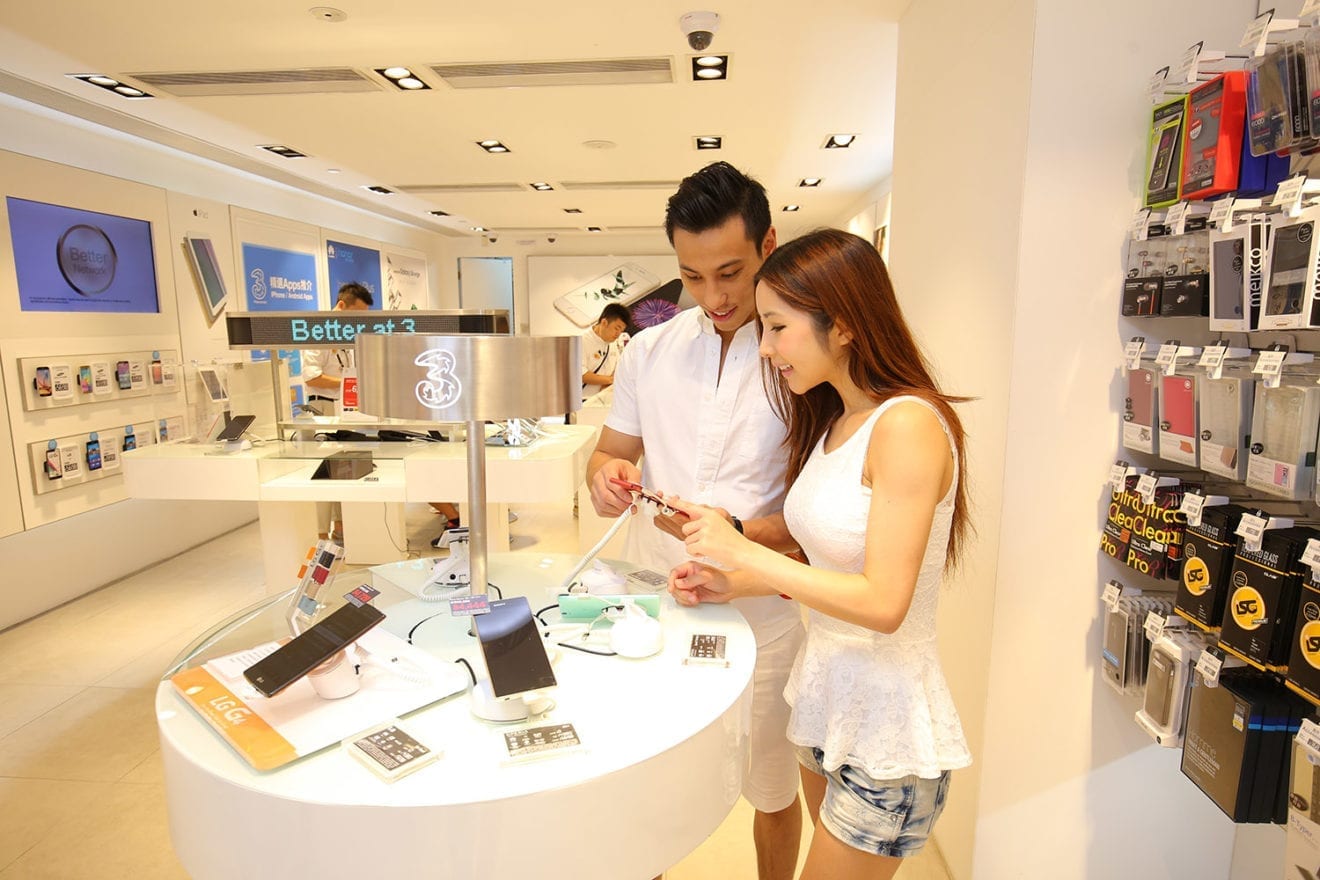
    Hutchison Telecommunications Hong Kong Holdings (HTHKH) has reported a 26% year-on-year decline in net profit for the first half of the year to HK$376 million ($48.5 million), due to weaker than expected smartphone sales.

    Total revenue fell 52% to HK$5.42 billion, with mobile revenue down a significant 62% to HK$3.47 billion.

    Hardware revenue shrank from HK$7.15 billion to HK$1.49 billion as a result of a lack of popular smartphones to sell during the period, the company said in its first-half report.

    Roaming revenue also declined 19%, or HK$87 million, contributing to a 6% decline in mobile net customer service revenue to HK$1.97 billion.

    HTHKH ended June with around 3.1 million customers in Hong Kong and Macau, including about 1.5 million postpaid customers. While the company’s postpaid base stayed largely flat compared to 2H15, churn was reduced to 1.3% from 1.9% over the same period.

    Blended local postpaid net ARPU grew 6% year-on-year to HK$168 as the launch of various new infotainment content and data plans resulted in the acquisition of more data centric customers.

    Fixed line service revenue for the half-year period meanwhile grew 4% year-on-year to HK$2.07 billion, due largely to an increase in revenue from the international and local carrier market. This was driven by growing data demand from OTT applications and IoT-related devices.

    Looking ahead, HTHKH chairman Canning Fok said the company is “planning ahead cautiously in the face of economic uncertainty locally and globally, after developing into a multi-play telecommunications service provider that launches a diversity of  products  and services to meet changing customer demand.”