Author: Mei Ling Tan

  • Revenues up, profit down for Shilla Duty Free

    Revenues up, profit down for Shilla Duty Free

    The Shilla Duty Free has posted a 29 per cent year-on-year rise in second-quarter revenues for its Korean downtown stores, rebounding from the MERS-ravaged tourism sector at the same time last year.

    Downtown store revenue climbed to KW538.2 billion (US$473.6 million) for the quarter, with growth outstripping the 23.5 per cent increase in the total Korean duty-free market, especially with higher competition after the government issued more licences last year.

    However, Korean airport sales fell 19.2 per cent to KW198 billion, driven by a downturn in Incheon International Airport revenues because of reduced floor space.

    Overseas duty-free revenues (mainly Singapore’s Changi Airport and Macau International Airport) rose by 16.3 per cent year-on-year to KW121.3 billion. However, Shilla posted a KW12.3 billion operating loss on its overseas stores, mainly because of the high cost of entry at Changi. This hit overall profits, which fell 51.4 per cent to KW15.4 billion. Even the Korean downtown business fell 39 per cent to KW27.7 billion.

    A factor in that decline has been the rocketing costs of commissions to Chinese travel retail agents – up from between 7 and 100 per cent to around 23 per cent, according to The Moodie Davitt Report.

    The Shilla Duty Free is the key revenue and profits contributor to parent Hotel Shilla, whose consolidated revenues rose 13 per cent year-on-year to KW954.1 billion, while operating profits fell 36.04 per cent to KW18.7 billion.

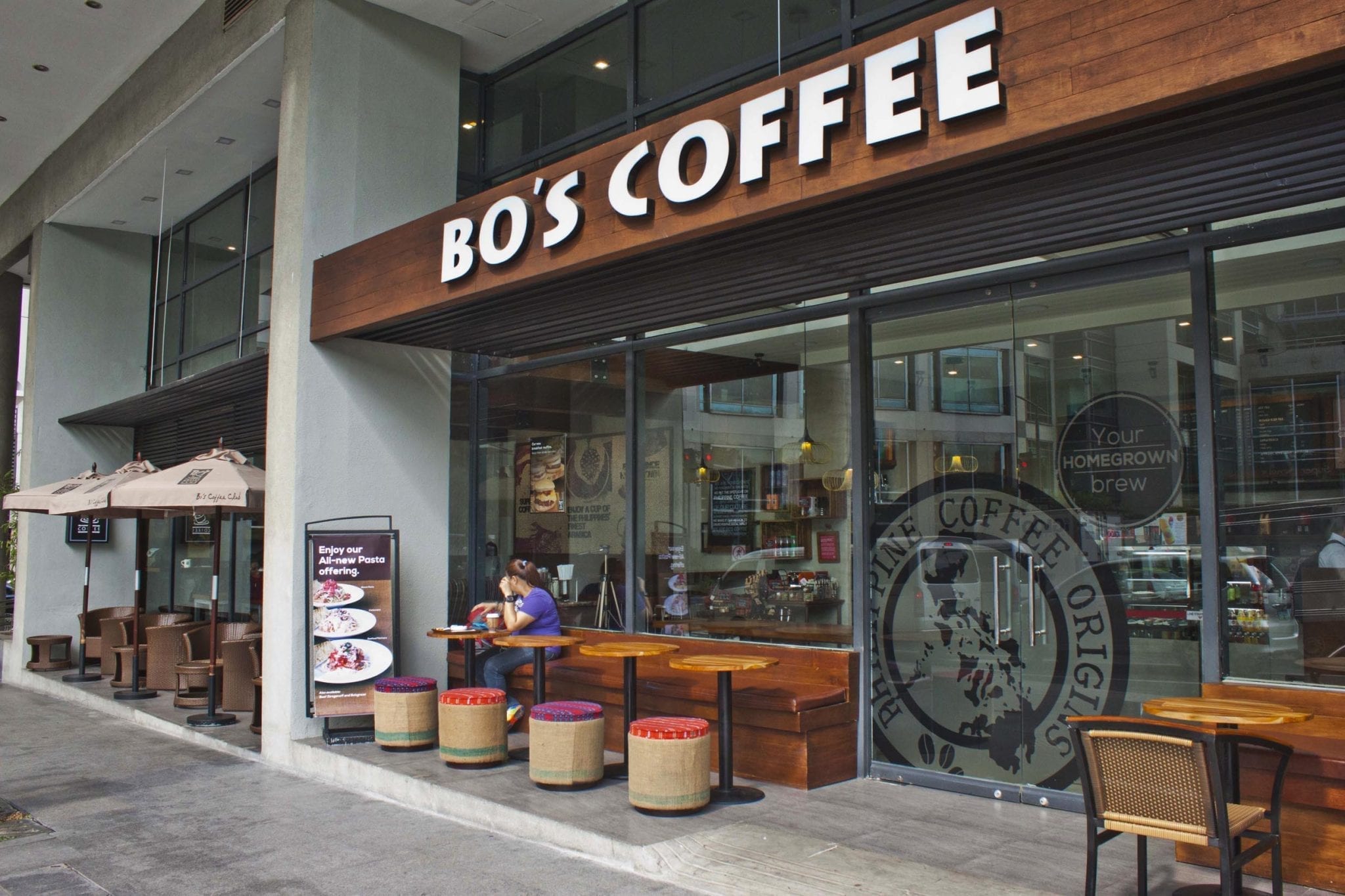
  • Bo’s Coffee Philippines eyes expansion abroad

    Bo’s Coffee Philippines eyes expansion abroad

    Bo’s Coffee Philippines is set to expand its network of 80 stores abroad.

    “We will be opening a franchise abroad by the end of this year. Further details of which will be announced in the fourth quarter of this year,” says CEO and founder Steve Benitez

    Celebrating its 20th anniversary this year, Bo’s Coffee aims to open 100 stores in the Philippines.

    Recently Benitez was named global difference maker and high-impact entrepreneur by Endeavor Philippines, as he aims to make the company succeed in the global market, “bringing with him his pride for coffee, culture and country”.

    Benitez, who studied coffee preparation through seminars and conferences in the US, Europe and Asia, first opened an espresso bar at Ayala Center Cebu in 1996. He called his first standalone store ‘Coffee Club’. He later changed it to ‘Bo’s Coffee Club’, named after an Italian-American called ‘Bo’ at an exhibit in New Orleans. Benitez said Bo’s passion for coffee and commitment to quality helped shape the company culture.

    In 2001 a Cebu flagship store opened at Ayala Food & Entertainment Center and the first franchise store opened at SM City Davao. Bo’s Coffee expanded into Visayas and Luzon in the succeeding years.

    “Bo’s Coffee’s premium Philippine Coffee Origins are carefully-handpicked, single-origin beans that reflect the proud tradition of coffee growing in the Philippines. Each cup honors its source and heritage. Each cup offers great-tasting coffee from the motherland, as unique as the place from where it comes from,” says Benitez.

    “In terms of food, we offer a diverse menu of Filipino flavours such as longganisa from Vigan, smoked bangus from Sarangani. Our diverse menu, from our all-day breakfast to our dessert line, all aim to provide comfort to our sentimental taste buds, and highlight the unique flavors the Philippines has to offer,” he adds.

  • Government fine watch shop over Aishwarya Rai photo

    Government fine watch shop over Aishwarya Rai photo

    The photograph below is from a Longines advertising campaign, and features arguably India’s most famous Bollywood star, Aishwarya Rai.

    Some might consider it elegant, others “hi-so” in certain parts of Southeast Asia. But in Malaysia, religious zealots have fined a non-Muslim watch retailer for displaying a poster in-store featuring this same Aishwarya Rai photo.

    According to Malaysian mainstream media, someone from the Kota Baru Municipal Council considered the photograph too “sexy” – an “offence” the beleaguered retailer has supposedly committed more than 10 times since the 1990s.

    Aishwarya-Rai-Longines

    Swee Cheong Watch & Pen Co owner Lee Kum Chuan’s latest bureaucratic punishment came to light when he went to obtain a business licence from the council to open a new store in Aeon Mall, his third outlet in Kota Baru.

    “When I went to MPKB to apply for a business permit for the new shop, I was told to settle the fines for the offence committed in KB Mall,” he told The Star in Kuala Lumpur.

    “I was hit with a total RM2000 (S$668) in fines, but the amount was reduced to RM400. I had to pay the sum before I could get the new permit,” he said.

    In a nation where family members of the Prime Minister are allegedly siphoning off hundreds of millions of dollars of state funds to spend on luxury goods, movie productions, condominiums and aircraft, prompting investigations in a dozen or so countries, law-enforcement officials consider it damaging to community standards for a fully dressed Bollywood actress to promote watches. At least that’s how it seems.

    Shop ‘raid’

    MPKB enforcement officers “raided” the new Swee Cheong Watch & Pen shop in Aeon Mall on Monday, ordering the “offensive” posters be removed from display.

    “The posters were supplied by our manufacturers,” Lee told The Star.

    The issue has sparked wider concerns about the application of a dual justice system in Malaysia in which hudud laws – and their applicable punishments – apply to Muslims, and more conventional laws apply to Chinese, Indian and other ethnicities. (In Malaysia, ethnic Malaysians are born Muslim and face physical punishment if they try to renounce their religion). Hudud is defined by Wikipedia as “an Islamic concept: punishments which under Islamic law (Shariah) are mandated and fixed by God”.

    Kelantan Malaysian Chinese Association secretary Datuk Lua Choon Hann says the harassment of the watch retailer follows the council taking action against hairdressers for attending clients of a different gender.

    “The government has proved yet again that its repeated claims that the hudud enactment will have no bearing on non-Muslims are nothing but mere fallacy,” he said in a statement this week.

    “Based on the summonses issued by local councils (in Kelantan), MCA wants to raise awareness of the motives to remove clauses in the Federal Constitution that protect the rights of non-Muslims and Muslims against punitive criminal actions based on religious precepts,” he said.

  • SKT, Nokia develop portable PS-LTE network

    SKT, Nokia develop portable PS-LTE network

    SK Telecom and Nokia have completed the development the first all-in one portable public safety LTE system for emergency first-responders.

    The system is compact enough to fit in a backpack, and comes with all the elements required for mobile communications, from a base station, switching system including an evolved packet core to push-to-talk technologies.

    It can be used to create an independent LTE communications network in the field for use by public safety and emergency services workers. The resulting network can be set up in less than three minutes, has a 5km coverage and can accommodate up to 400 users.

    SK Telecom and Nokia achieved the breakthrough of alleviating the need for PS-LTE systems to connect to a backhaul network by applying NFV technologies to the core networking elements. This has allowed the partners to fit the technology into a small rectangular-shaped server.

    The system can also support other communications services including group messaging for public service agencies.

    SK Telecom has announced it plans to trial the system within the year, and use the technology to expand the national disaster safety wireless network as well as its LTE-Maritime project in 2017.

    “The portable all-in-one PS-LTE system is a ground-breaking solution that enables communication among first responders by setting up an independent LTE network when regular communication networks are disrupted by disasters,” SK Telecom executive vice president and head of infrastructure Lee Jong-bong said.

    “SK Telecom will not only utilize the innovative system to build disaster safety wireless networks in Korea, but also plans to share its expertise and know-how with many other countries around the world.”

  • Lane Crawford harnesses power of sound for in-store oasis

    Lane Crawford harnesses power of sound for in-store oasis

    Chinese department store chain Lane Crawford is giving consumers a relaxing retreat from the bustle of Hong Kong.

    Within the retailer’s ifc mall flagship, a Sound Room has been set up for visitors to experience the sound’s power as a form of therapy. Increasingly, sales floor space is being used for more than just product displays, as retailers seek to create places for consumers to extend their time in-store.

    “I love Lane Crawford because they are always trying new things to differentiate themselves and create a luxurious and unique experience for their customers,” said Gustavo Gomez, senior advisor at Envirosell, New York.

    “They are in the business of delighting their patrons, and this new sound space does that,” he said. “This space not only provides something new that other retailers don’t have, but it is an experience in sensorial luxury.  In our modern cities, noise is a 24/7 phenomenon. Whether one perceives the daily noise or not, it has an influence on our mental function – it increases stress levels.

    “I don’t know if this was Lane Crawford’s intention, but some sound therapy before shopping can reduce the stress level of the shopper and possibly contribute to an increased likelihood to purchase. It has been shown that increase stress makes shoppers more price sensitive and more likely to comparison shop.

    “Lane Crawford’s sound room may help reduce stress and thus reduce price sensitivity. It would be interesting to see if those that use the sound room have different purchase patterns than those that don’t.It is also a great way to sell the high-end speakers.”

    Mr. Gomez is not affiliated with Lane Crawford, but agreed to comment as an industry expert.

    Lane Crawford did not respond before press deadline.

    Tone quality
    On Lane Crawford’s Web site, an article delves into sound’s effect on the mind and body, from health to well-being.

    The constant noise of traffic, including car horns and the rumble of cars, ignites primal responses to danger based on its similarities to screams and the sound of earthquakes. This causes a fight or flight effect, sending adrenaline coursing through the body many times a day and making consumers tired.

    Counteracting this, music that is slower than the heartbeat, at less than 60 beats per minute, can help create a sense of calm.

    lane crawford 2
    Inside Lane Crawford’s ifc mall store

    Accompanying the article is a soundtrack of twinkling tones embellished with chirping birds, allowing the reader to heal themselves.

    Responding to the rise in sound therapy, Lane Crawford has launched a Sound Room.

    Demonstrating the escape from sound, Lane Crawford filmed a short video.

    The text “Lane Crawford presents a journey of discovery through sound” appears over a series of scene-setting shots in which people crowd into subway cars and buses roam the streets of Hong Kong. Suddenly, the film zooms in on a man, who walks up to a pair of B&O Play headphones.

    As he puts them over his ears, he is suddenly transported to a plant-filled room painted green. The tranquil space boasts beanbag chairs, reading material and mood lighting.

    While sound waves surround his head, he can place himself on the beach or on a mountaintop.

    The Sound Room will be open until Aug. 29.

    “This addition once again makes Lane Crawford stand apart from the competition as an innovative retailer that cares about the whole customer and not only about the individual sale,” Mr. Gomez said. “Lane Crawford continues to be a place where one goes to indulge all the senses.

    “They are going beyond the touch and feel aspect of shopping and beyond background music while you shop,” he said. “One can now pamper oneself through hearing.”

    Experiential environments
    Other retailers have turned what would traditionally be selling space into places to engage consumers.

    British department store chain Selfridges is embracing literal retail theater with a celebration of the work of renowned playwright William Shakespeare.

    In honor of the 400th anniversary of the Bard’s death, the retailer is launching a multichannel campaign, “Shakespeare Refashioned,” updating some of his most popular plays through a fashion-forward filter. Through this celebration, beginning July 4, Selfridges is able to showcase its affection for the arts while highlighting its British heritage.

    Part of Selfridges’ effort includes the opening of an in-store theater, which will host a production and drama workshop classes.

    The luxury retail environment is undergoing critical changes, making it is essential for retailers to focus their attention on enhancing the in-store experience, according to a report by Unity Marketing.

    Affluent consumers increasingly prefer to shop online, and for traditional retailers to compete they will need to offer more specialized and personalized retail experiences. Furthermore, as affluents have been shown to have less interest in the accumulation of possessions, it is important for retailers to make stores more experiential and craft a rewarding experience for consumers.

    “Retail has been on the experiential route for a couple of years now,” Mr. Gomez said. “From in-store cafes to treasure hunts, from lighting and sound to concerts.

    “The key is to match the experience with the brand,” he said. “Many retailers are still missing that connection.

    “Lane Crawford seems to match their experience with their brand. Only time will tell if shoppers see the sound experience and something they want in-store. If it succeeds, it may become a permanent area of the store.”

  • Muji’s next bet is Southeast Asia, India with stores offering more than shopping

    Muji’s next bet is Southeast Asia, India with stores offering more than shopping

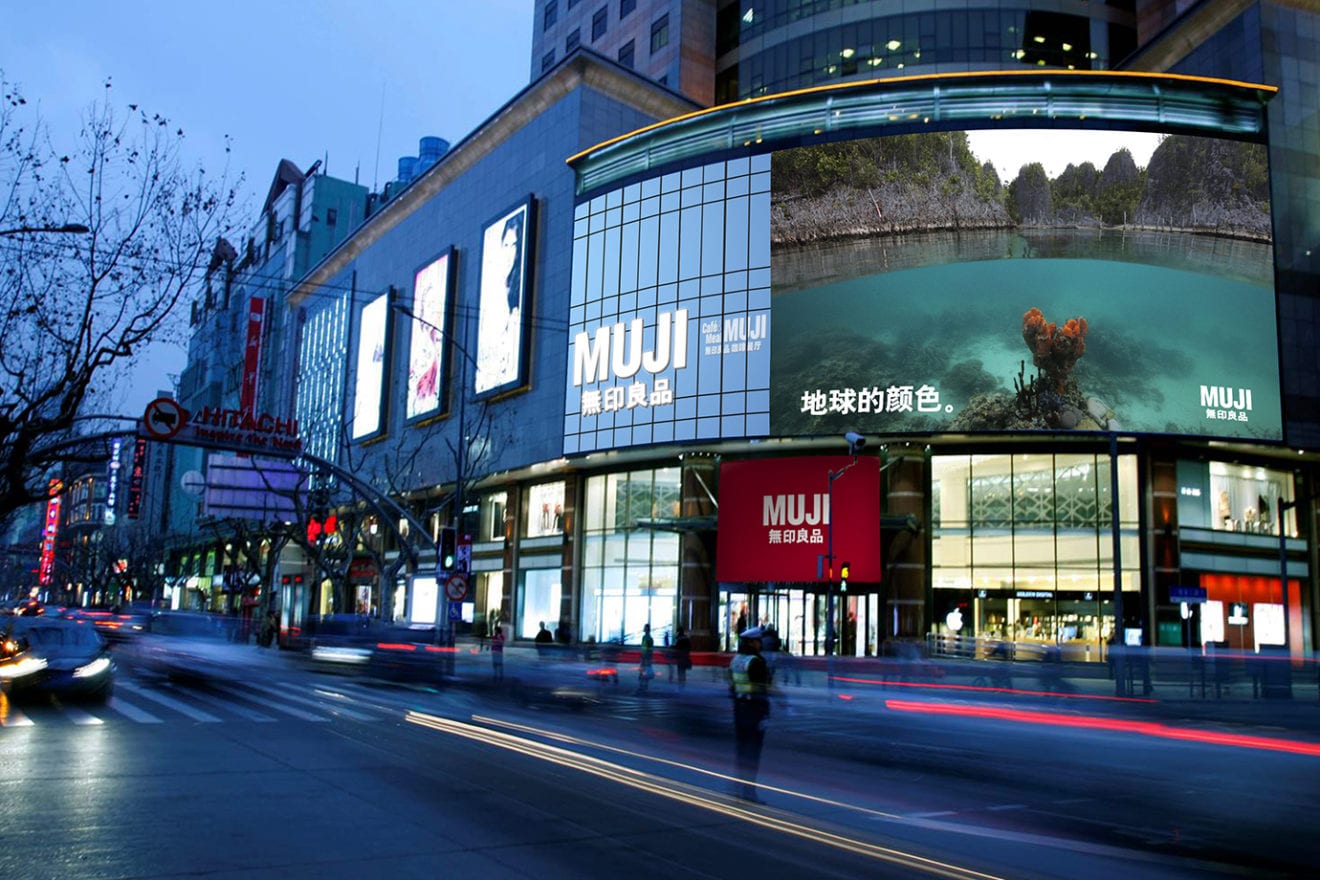
    Japan’s Ryohin Keikaku, operator of lifestyle retail store Muji, plans to introduce more in-store services and new concept stores in Southeast Asia, as consumers in the region gain more spending power and their spending habits become increasingly sophisticated.

    Satoru Matsuzaki, president of Ryohin Keikaku, told Nikkei Asian Review on Thursday that the company hopes to introduce “Muji Books” space, where curated books on themes such as fashion and interior design will be sold alongside Muji products, in its flagship outlet opening in Singapore next year.

    The new store will be the company’s largest outlet in Southeast Asia, and will serve as a showcase to introduce new in-store services in the region, such as home decor consultation, fashion styling and tasting events for new food products.

    The company just opened its 10th store in Singapore on Thursday. The 1,000 sq. meter outlet is the second in Singapore to house “Muji Cafe&Meal,” an eat-in space serving healthy meals and desserts. “We want to take this concept to other parts of Southeast Asia, such as Kuala Lumpur,” said Matsuzaki.

    The idea is to create a new retail experience to grasp the hearts of young consumers and gain a solid foothold in Southeast Asia’s retail scene. “Foreign brands come and go at a fast pace in Singapore,” Matsuzaki said.

    But he remained confident that there is a growing demand for Muji’s simple products as consumers in the region shift away from spending a fortune on luxury brands just to show off. “Consumers in this region are spending more on good-quality everyday items to enrich their everyday lives, and Muji can serve this need,” Matsuzaki said.

    Ryohin Keikaku’s Asia strategy has so far been centered around China, where the company plans to have 200 stores by the end of the year. While high-end brands are suffering from sluggish demand amid the economic slowdown, Muji stores in China have seen steady sales growth. The company has already has introduced Muji Books and cafes in China to cater to the changing consumer behavior.

    The company’s next bet is in Southeast Asia, where it runs a total of 38 stores in Singapore, Malaysia, Indonesia, Thailand and the Philippines. Southeast Asia’s store sales in the first six months of 2016 on an existing store basis logged double-digit growth year on year, faster than its growth rate in China. Stores in Singapore and Thailand are leading the pack.

    The company aims to open about two stores every year in each market in Southeast Asia, and is currently planning to enter Vietnam by the summer of 2017. A new store in Mumbai is set to open on Aug. 5, marking Muji’s first entry into India, followed by another store in Bangalore in September.

  • Hong Kong gets early taste of Hanwoo, Korean beef that rivals Kobe

    Hong Kong gets early taste of Hanwoo, Korean beef that rivals Kobe

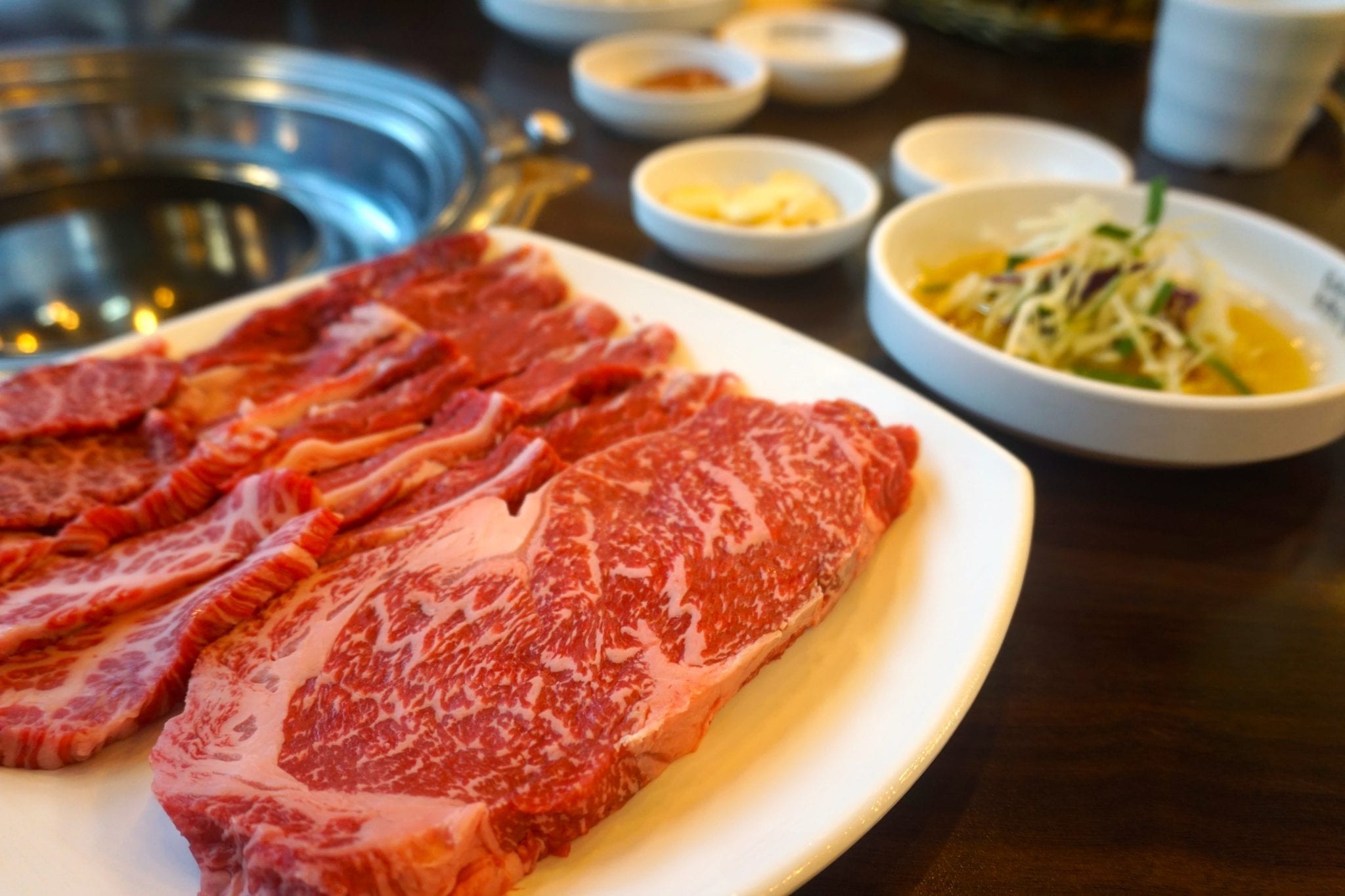
    Since late last year, premium Korean beef, called Hanwoo, has been making its way onto menus in some Hong Kong restaurants, as the city is one of the first places allowed to import it. Hanwoo refers to cattle indigenous to Korea which are raised only in the country, unlike wagyu (Japanese beef), which is bred in countries outside Japan, including Australia and the United States.

    One of its biggest fans is Korean-American chef Judy Joo, whose restaurant Jinjuu in Lan Kwai Fong was one of the first in Hong Kong to serve it.

    “It’s similar to Kobe beef and wagyu, and there are different types of Hanwoo, depending on which farm you go to,” she says. “It’s basically coveted for its high marbling. Wagyu and Hanwoo of the same grade look similar. But Hanwoo has a rich texture and is deeply marbled so it has a sweeter taste.”

    She has visited farms that raise Hanwoo cattle, and reports the animals are “raised like humans”. “Some farmers give them beer,” Joo adds.

    Each farmer has his own secret recipe for the cattle’s feed mixture, which for the most part is made up of barley and mixed grains. Joo says many farmers include fermented pine needles in the feed.

    “It’s a healthy way for the cattle to get probiotics so they don’t need hormones,” she explains. “It’s a more organic way to raise them, and they don’t need to inject as much medicine so they are more healthy.”

    In addition to the organic approach to feeding Hanwoo cattle, Joo says they are free-range, grazing on grass, though there isn’t much land for pasture, as 70 per cent of Korea’s geography is mountainous. Joo says the central and southern parts of Korea are where cattle farms are located, with each one typically raising about 40 cattle at a time.

    She says the best cuts of Hanwoo beef are rib-eye, fillet and sirloin, and adds it can be more expensive than wagyu. Her restaurant recently introduced steak boards featuring Hanwoo and USDA beef that diners can cook on sizzling hot stones. The 200-gram marinated sirloin bulgogi is HK$680 and is grade 9, the highest quality available.

    But when it comes to taste, the chef-owner says it’s about personal preference. “Hanwoo beef is very popular in Korea and people can’t get enough of it. You just need to try it.”

    Elite Fresh Food Company is the first firm in Hong Kong to import Hanwoo beef. Associate director Andrew Lee Chi-ho says the company was in talks with officials in Korea for more than two years before it was allowed to bring the first shipment into Hong Kong last December.

    “It’s a very special breed because it takes a long time to get consistent cattle,” he explains. “It takes five to 10 generations, 15 to 30 years, to get consistent marbling, flavour and good structure.”

    Lee says until recently Korean beef was rarely exported because there is so much demand for it domestically. As a result, Hong Kong importers like himself have to pay a premium to buy Hanwoo beef.

    We can only get the parts that don’t sell well in Korea … But this works out for the Hong Kong market because those cuts are popular here

    Andrew Lee

    “We can only get the parts that don’t sell well in Korea [where they prefer short ribs], like rib-eye and sirloin. But this works out for the Hong Kong market because those cuts are popular here.”

    He says the cost of Hanwoo beef is about the same as Japanese-raised wagyu, selling at about HK$240 per 100 grams retail. When it comes to taste, Lee also seems partial to Korean beef.

    “They are two different products. Wagyu has highly intense marbling that is very fatty and melts in the mouth, but is oily and lacks a strong beef flavour. Hanwoo is very tender, has good marbling and has more beef flavour. It also has a wider application for other cuisines because of this,” Lee explains.

    For example, steaks are usually grilled to medium rare or medium for optimum taste. But Lee claims Hanwoo beef can even be cooked well done and it still tastes good. “Wagyu beef has a ratio of 70 per cent fat and 30 per cent meat, whereas with Hanwoo it’s about 50-50 or 60-40. American beef is more lean, with a maximum of 15 to 20 per cent fat.”

    Lee reports Elite Fresh Food’s first shipment of Hanwoo beef to Hong Kong totalled 700kg. Now it ships twice a month, bringing in 1.5 tonnes to 1.7 tonnes a month. It’s not a lot when you compare it to the seven to nine tonnes of wagyu the company imports each month.

    The Steak House Winebar + Grill at the InterContinental Hong Kong recently featured Hanwoo beef on its menu. Restaurant manager Franco Leung Wai-keung agrees with Lee’s assessment of Korean beef, saying that when the rib-eye or striploin is chargrilled, the fat drips off and tastes less oily than wagyu.

    “It’s in between wagyu [grade] A5 and US beef, but they don’t have as strong a beef taste as Hanwoo,” he says.

    Leung says overall feedback during a recent two-month promotion was mostly positive. He says the restaurant is already planning to put the premium Korean beef back on the menu soon.

    “They taste the quality,” he reports, adding Hanwoo is best complemented with more acidic Italian or Spanish wines.

    At the nearby Oyster & Wine Bar at the Sheraton Hong Kong Hotel & Towers, chef de cuisine Oscar Chow Kwok-ho says he first tried Hanwoo on a trip to Korea two years ago during a cooking competition.

    Chow says locals took him to a store that served the premium beef and he was deeply impressed by the taste and texture. He finally managed to get Hanwoo on the menu in February, and diners can have a starter of Hanwoo beef carpaccio, then a main course of either chargrilled sirloin or rib-eye.

    He reports that his guests enjoyed the Korean beef, as it is rare in the Hong Kong market. He says the price in the restaurant is reasonable when compared to other premium beef (HK$1,100 for Hanwoo versus HK$1,300 for wagyu).

    Six places in Hong Kong to get your hands on Hanwoo beef

    Oyster & Wine Bar

    18/F, Sheraton Hong Kong Hotel & Towers, 20 Nathan Road, Tsim Sha Tsui, tel: 2369 1111 ext 3145

    Mr Steak Café

    Shop 702, 7/F, New Town Plaza Phase 1, 18 Sha Tin Centre Street, Sha Tin, tel: 2691 6263

    Shop G03A, Maritime Square, 33 Tsing King Road, Tsing Yi, tel: 2449 9945

    Myung Ga

    Shop 2702, 27/F, iSquare, 63 Nathan Road, Tsim Sha Tsui, tel: 2369 1177

    Shop 1, 13/F, World Trade Centre, 280 Gloucester Road, Causeway Bay, tel: 2882 5056

    Jinjuu

    UG/F, California Tower, 32 D’Aguilar Street, Lan Kwai Fong, tel: 3755 4868
     

  • Tim Hortons plans expansion into Southeast Asia starting with the Philippines

    Tim Hortons plans expansion into Southeast Asia starting with the Philippines

    People craving a jolt of caffeine in the Philippines may soon be able to order a double-double at their local Tim Hortons.

    Restaurant Brands International, the multinational owner and operator of Tim Hortons and Burger King, said Thursday it has partnered with a group of investors to establish a master franchise joint venture company to sell the fast-food chain’s coffee and doughnuts in the Southeast Asian country.

    RBI chose the Philippines for its first stop in Southeast Asia because the country has a strong economy and a fast-growing quick-service market, said CEO Daniel Schwartz.

    The Philippines also boasts “a population that has an affinity for coffee and baked goods,” Schwartz added, including those of Tim Hortons’s, the company determined after months of market research.

    RBI didn’t say how many shops it plans to open in the Philippines. But chief financial officer Joshua Kobza said, “We aim to be a leader in the market.”

    Kobza hinted Tim Hortons would aim to match the level of some of its rivals in the local market — many of which boast hundreds of restaurants in the country, he said.

    The stores will serve many of the same staples as Canadian locations, like Timbits and iced capps, as well as some surprises, he added.

    “You’ll have a mix of the kind of products that we know and love here in Canada and some new products.”

    But details about any new offerings likely won’t be divulged until the first Philippines location opens, which Kobza and Schwartz said will open as soon as possible.

    RBI views Tim Hortons’z expansion to the Philippines as a gateway into other markets within the sub-region and other parts of the continent, noted Schwartz.

    Since Tim Hortons and Burger King merged into RBI in late 2014, the company’s been focused on taking the master franchise joint venture model that’s proved successful for Burger King and applying it to help Tim Hortons grow globally.

    “We think it’s a great opportunity,” Schwartz said.

    More international expansion announcements are expected from the company in the future, but all Schwartz will say is, “Stay tuned.”

    The restaurant chain has 4,438 restaurants, not including its 411 limited-service kiosks, as of March 31, 2016, the company’s latest quarterly report said.

    According to Tim Hortons’s 2015 annual report (when it had 25 fewer locations), the majority of those stores are in Canada, with 14.7 per cent in the U.S. and 2.6 per cent in the Middle East.

  • JCB Launches New Website

    JCB Launches New Website

    JCB , the only international payments brand based in Japan, is pleased to announce that it will launch a new JCB global website on August 3 2016.

    The website has a portal function to link to a wide range of other JCB websites in many countries/territories, and is a new and easy-to-navigate website that offers comprehensive information about JCB corporate, products and services. At the same time as this release, some more new regional websites will also be released for countries and regions where JCB cards are issued, Vietnam, Hong Kong, Indonesia and Russia, in addition to the existing websites for China, Taiwan, Korea, the Philippines and Europe. We will provide attractive contents for all JCB customers.

    Also the JCB global website uses a top level domain*, “.jcb,” based on our concept of universal design that does not rely on languages or countries/territories. This domain is easy to understand and remember for customers, and can only be used by JCB, reducing the risk of counterfeiting or spoofing, and allowing customers to use the websites more safely.

  • DoCoMo grows Q1 profit by 38.1%

    DoCoMo grows Q1 profit by 38.1%

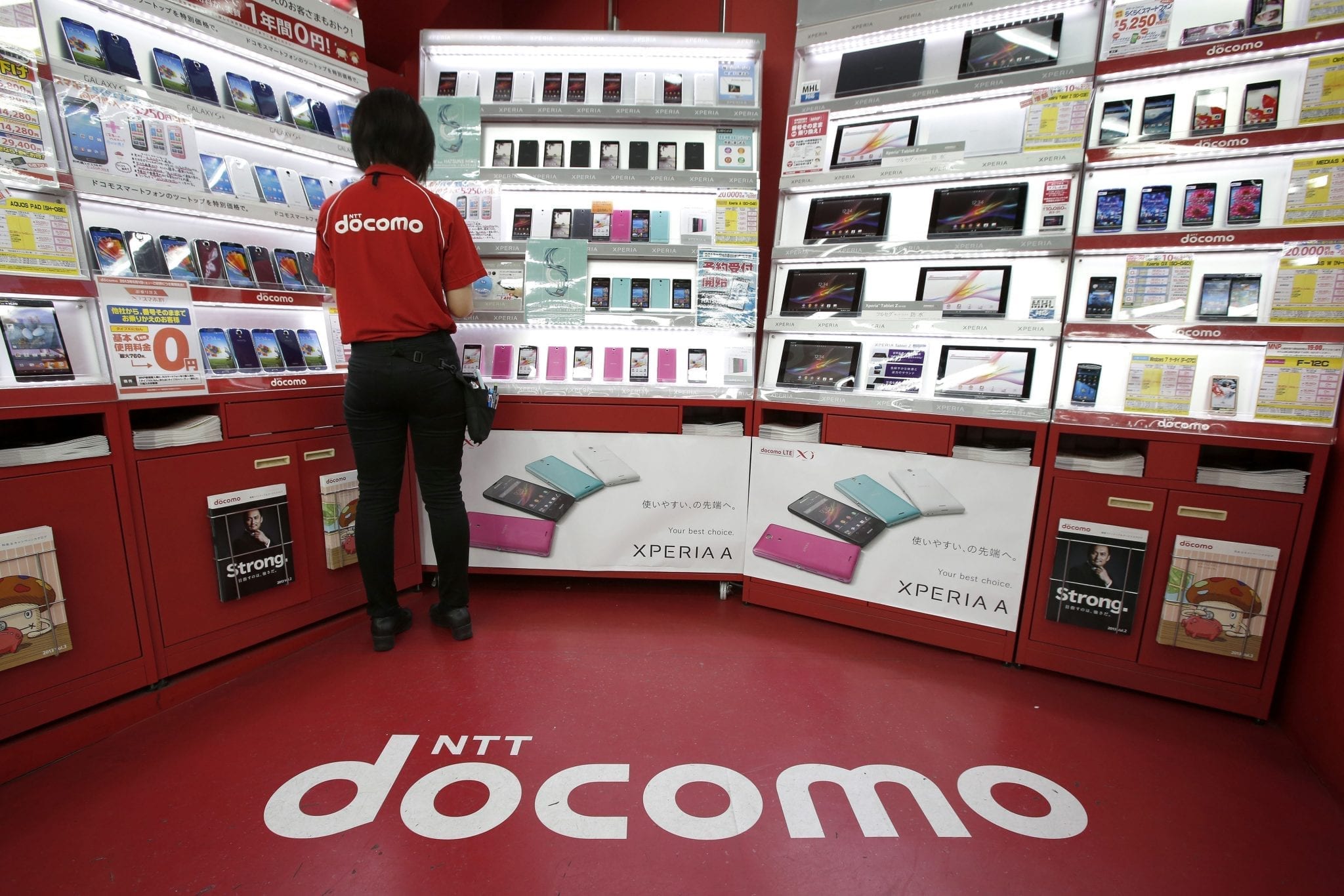
    Japan’s NTT DoCoMo grew its net profit for the June quarter by 38.1% year-on-year as the operator made progress adapting to an evolving business environment.

    The operator reported a net income for its fiscal first quarter of 206.9 billion yen ($2.01 billion), on the back of a 31.8% increase in operating revenues to 1.08 trillion yen.

    Operating revenues from the operator’s core telecoms business grew 1.9% to 878.6 billion yen despite a decrease in equipment sales revenues.

    The company ended the quarter with 71.6 million mobile customers, registering new LTE subscriptions of 2.4 million.

    During the quarter, DoCoMo expanded the coverage of its Premium 4G branded LTE-Advanced network to 1,203 cities across Japan and 30,900 base stations, and added the 3.5-GHz carrier to further improve network quality.

    DoCoMo’s quarterly report states that “the environment surrounding our business has changed significantly,” with competition intensifying as a result of the market entry of MVNOs and the government’s pro-competition policy.

    “In addition, technical advancements in the areas of cloud services, IoT, big data and artificial intelligence (AI), etc., and new policy developments such as the full liberalization of the electricity

    retail market, brought about active competition and collaboration with new players from other industries, accelerating competition in new markets that transcend the conventional boundaries of telecommunications business.”

    In response to this, DoCoMo aims to use the current financial year to make “a vibrant leap toward further growth,” concentrating on reinforcing its core telecommunications business while expanding into “smart life” and other areas, the operator said.

  • Airtel sees no “great need” for more spectrum

    Airtel sees no “great need” for more spectrum

    Bharti Airtel’s CEO Gopal Vittal has suggested that the operator’s participation in India’s upcoming massive spectrum auction may be limited.

    Vittal told attendees to an earnings call that the operator is “in a very solid position” with its current specturum holding, and does not “see great need of spectrum” at this point in time.

    Vittal did note that the operator needs some spectrum to “fill a few gaps here and there.” But Airtel has historically been one of the major bidders in previous allocations, and his comments suggest that this is unlikely to be the case with the upcoming auction.

    The government has announced plans to auction off more than 2,300 MHz of airwaves across seven frequency bands, ranging from 700-MHz to 2,500-MHz, and recently approved the reserve prices for the bands.

    Based on the reserve prices the government expects to raise up to $83 billion, but analysts expect bidding to fall far below these lofty expectations.

    At least one operator has already decided not to take part due to the proposed prices, with Norway’s Telenor revealing plans to sit out as it evaluates whether to remain in the market.

  • Australia regulates retail access to high-speed networks

    Australia regulates retail access to high-speed networks

    Australian competition regulator ACCC has decided to require most operators of high-speed broadband networks to grant wholesale access to rival providers.

    Fiber and VDSL network services with a downstream data rate of over 25Mbps have been declared, meaning network owners must provide wholesale access on request.

    Where commercial terms cannot be agreed upon, the wholesale access must be provided at a regulated rate of between A$22.14 and A$27 per port per month, or A$17.50 to A$29.27 per Mbps per month.

    Exceptions apply for high-speed broadband services in metro areas, where competition is already effective, and for network operators with fewer than 20,000 customers. There is also a moratorium for specific networks in some areas that need to be reconfigured to support wholesale provision.

    “This is an acknowledgment that all superfast broadband networks – regardless of their size – display natural monopoly characteristics. What this access declaration does is provide retailers with the opportunity to enter superfast broadband markets, and in turn increase competition,” ACCC Chairman Rod Sims said.

    “This decision will also help to simplify and clarify the existing regulations that apply to superfast broadband services, allowing all retail providers to compete on their relative merits, regardless of the technology used, when the network was constructed, or who operates it.”

    In practice, the move also means that competing commercial high-speed broadband networks to the wholesale only National Broadband Network (NBN) will have to compete on a similar footing.

    This is in line with regulations designed to prevent retail providers from cherry-picking by concentrating their deployments only on the most profitable areas, in contrast to the NBN which needs to provide universal access.

  • Australia’s Megaport expands to Europe

    Australia’s Megaport expands to Europe

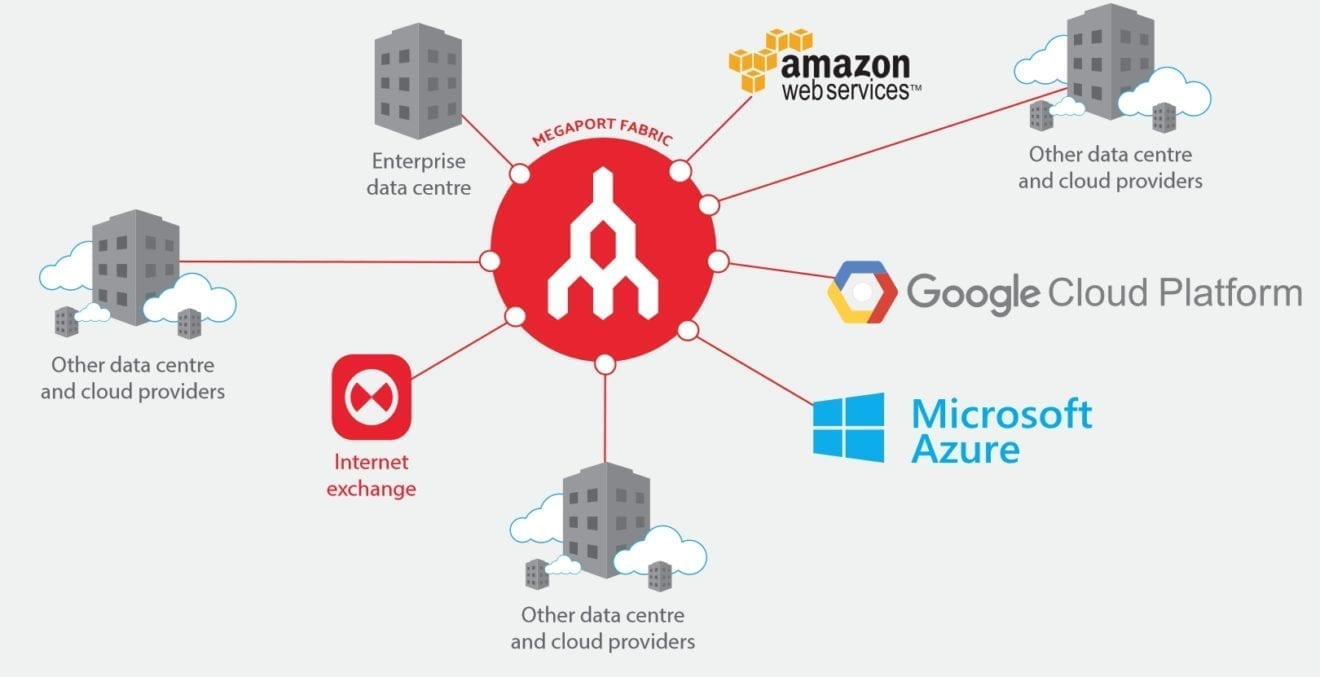
    Australian interconnection upstart Megaport has long been planning to invade Europe this year.  Today they not only formally launched their elastic interconnection platform on the continent, but they revealed two acquisitions that let them hit the ground running in a big way.

    Megaport has signed an agreement to buy Berlin-based Peering GmbH, Germany’s second largest IX provider. ECIX serves some 180 customers across 30 PoPs in Germany, giving Megaport immediate depth in the continent’s biggest market. The deal is expected to close in early August.

    Megaport’s other M&A move gives them an immediate presence in eastern Europe via the acquisition of Bulgarian-based OM-NIX Group AD.

    As one might infer from the IX part of their name, OM-NIX also specializes in interconnection, with extensive reach in Eastern Europe and especially the Balkans. Beyond the ECIX footprint, the deal adds another 18 locations to Megaport’s reach in Europe.

    Put those together with 9 other locations they have been developing organically, and Megaport’s European launch will span 57 locations in 19 cities in 13 countries. The acquisitions cost them some A$3.1 million ($2.3 million) and bring in annualized revenue of A$4.5 million.

    Over the past year, Megaport has expanded its interconnection footprint in markets throughout North America. The buildout has been quite rapid, and the move into Europe accelerates it even further.

    While the next phase is likely more adding revenue on top of the infrastructure they have built out, I have to wonder if they won’t keep going east. It wouldn’t take much to add a PoP or two in the Middle East and India on their way back around the globe to Singapore and Australia.

  • Apple makes significant progress on its first retail store in Singapore

    Apple makes significant progress on its first retail store in Singapore

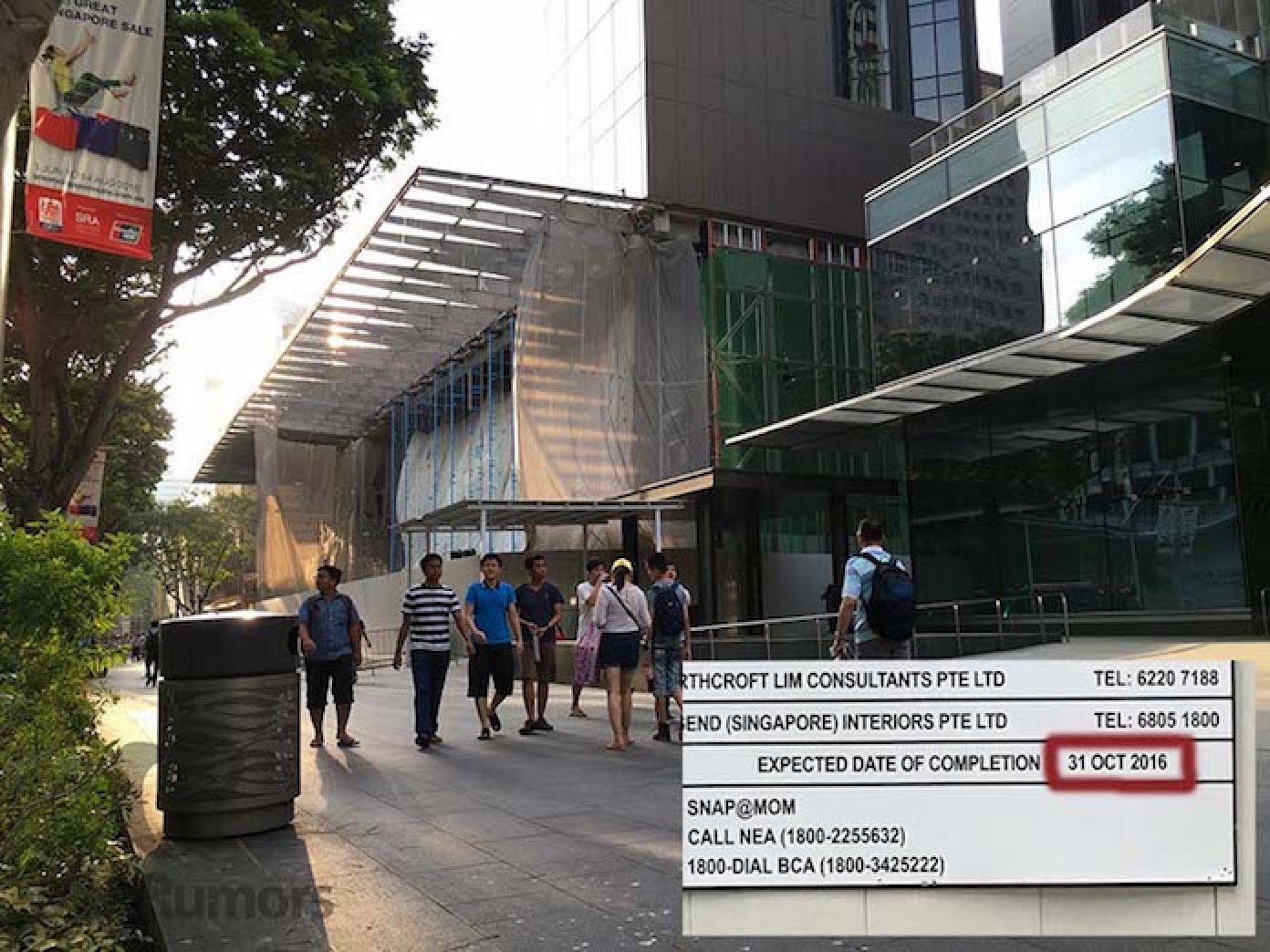
    Apple’s first retail store in Singapore appears to be progressing nicely, with new photos obtained by MacRumors proving that the construction of the store’s glass facade and canopy is now well underway. Apple confirmed in November 2015 that its first-ever store in the Southeast Asia city-state will be powered by hundred percent renewable energy, but did not provide a timeframe for the opening.

    The store location has been under renovation since earlier this year.

    Apple Store coming to Singapore

    The outlet is located in Singapore’s four-story Knightsbridge luxury shopping center.

    Fitness chain Pure Fitness and four other stores inside the Knightsbridge center are set to close next month to make way for an Apple store. In November 2015, Apple posted job listings seeking various positions for the Singaporean store as the company’s retail boss Angela Ahrendts told TechCrunch the following:

    We have more than 900 incredible employees working in our Singapore contact center and are thrilled to begin hiring the team that will open our first Apple Store in Singapore—an incredible international city and shopping destination. We can’t wait to deliver the service, education and entertainment that is loved by Apple customers around the world.

    “The project allegedly has an expected completion date of October 31, 2016, suggesting that the store could open as early as November,” notes the article.

    Apple store Singapore construction

    As per Reuters in November 2015, solar energy developer Sunseap Group will provide Apple with 100 percent renewable electricity from its solar energy systems built atop more than 800 buildings in Singapore, made possible through financing from Apple.

    “The deal will make Apple the first company in Singapore to run exclusively on renewable energy and marks a significant step in its bid to power 100 percent of its facilities and operations worldwide with clean fuel,” as per Reuters.

    Apple’s retail push in Latin America

    As reported, Apple’s retail push in Latin America has just begun with its first store in Mexico City’s Via Santa Fe now being constructed and additional outlets being planned in Guadalajara and Monterrey.

    Apple Stores may be also coming to Chile, Peru and Argentina, as per sources.

    Source: MacRumors

  • How the new Sephora flagship store at Ion Orchard lure shoppers back to brick-and-mortar …

    How the new Sephora flagship store at Ion Orchard lure shoppers back to brick-and-mortar …

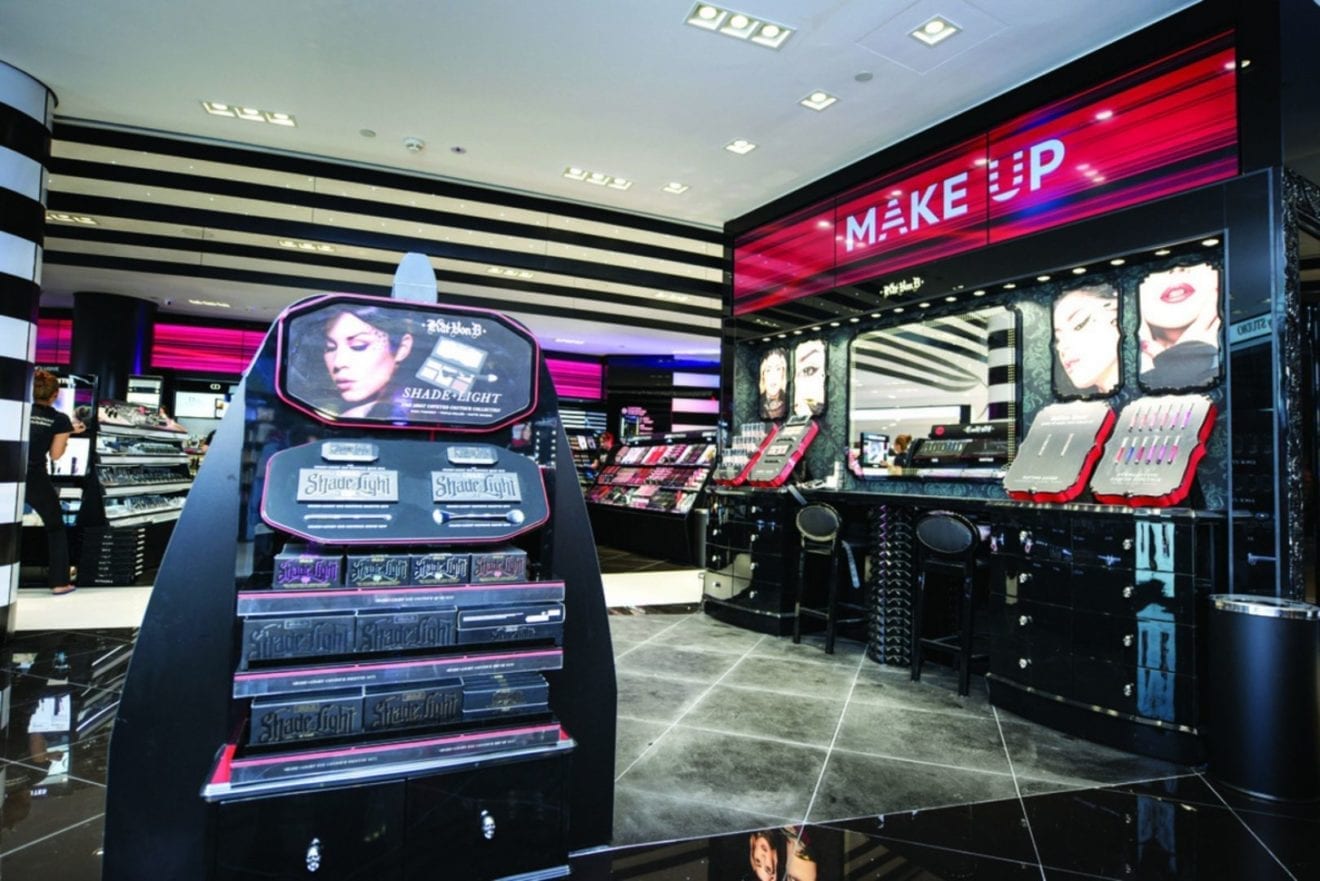
    French multi-brand beauty retail giant Sephora opened its new local flagship store at Ion Orchard to much fanfare last Friday. The store sprawls across 10,000sqf on basement 2, and features a refreshed store concept from its previous premises on level 1, incorporating a boutique-within-a-boutique concept and better lighting.

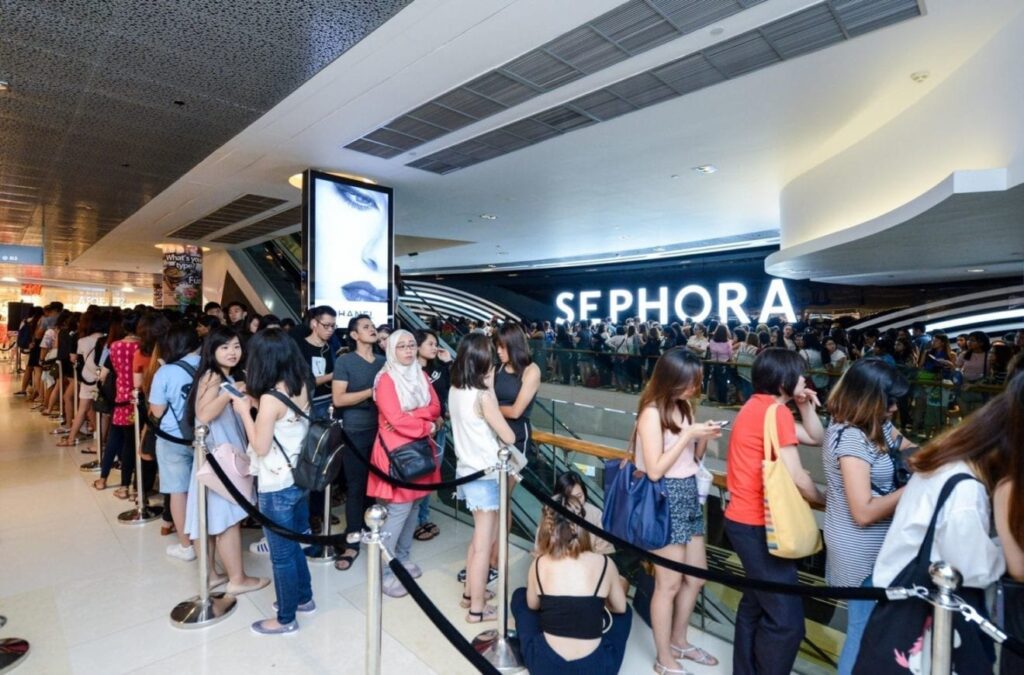
    The queue to be among the first paying customers to enter the store at noon on July 22 started forming at 9.30pm the night before, and there were 1,000 people waiting outside by the time the store was opened. Sephora vouchers of S$100, S$50 and S$10 were handed out to the first 500 people in the queue, while limited-edition gift packs were given to the next 500.

    Among those in the pre-opening queue was 21-year-old sales associate Catherine Low, who had joined the snaking line at 6.15am on opening day. “I decided to join the queue to be among the first in line because I have been lusting after Kat Von D products for a long time and now I can finally purchase it in stores here,” she said. “When I got in I made a beeline for the Kat Von D Everlasting Liquid Lipstick in Lolita. This shade is really popular and I was afraid it would be sold out”.

    The flagship store boasts a global-first for Sephora — a Kat Von D store-in-store that carries the full range of the cosmetics brand that was founded by the celebrity Los Angeles-based tattoo artist, who shot to fame on reality television show LA Ink. Close to 4,000 products from the Kat Von D range were sold on launch day, with the sales of the brand’s popular Everlasting Liquid Lipsticks accounting for half of the sales.

    Kat Von D currently takes pole position at Sephora in Malaysia, Thailand and Singapore since it was launched on Sephora’s local e-commerce site on July 7 and in the retail stores in Malaysia and Thailand on July 16. It has racked up over six figures in sales in these three countries to date.

    The experiential element

    What Sephora nailed was creating a retail environment shoppers are excited to be in. “Sephora Ion Orchard has always been one of the top 10 (outlets), not just in Asia, but in the world, so it was the natural choice to launch the first Kat Von D Shop-in-Shop together with Sephora Ion Orchard’s new home to provide a more vibrant and electrifying retail experience for her many fans,” said Mathieu Sidokpohou, Sephora’s managing director of South-east Asia.

    sephora

    Other highlights at the store include professional cosmetics brand Make Up For Ever’s “sushi bar” concept counter, which features a conveyor belt where shoppers can pick up bento boxes of makeup items, exclusive-to-store brands Cover FX and Zoeva and a Made-in-Sephora gondola featuring house-brand products.

    These in-store highlights, together with the prime positioning of the store, which is a stone’s throw from Orchard MRT Station, is set to further strengthen Sephora Ion Orchard’s position as one of the top-grossing beauty retail spots in Singapore and the region. The anticipated footfall at the flagship Sephora store also presents beauty retailers with an opportunity to create a buzz around big campaigns and launches before products are rolled out to the rest of the island. The store is the first in Asia to carry all 100 lipstick and 50 lip pencil shades of cult US cosmetics brand Urban Decay’s highly hyped 10th anniversary collection.

    The beauty retailers spoke to welcome the added experiential retail elements at the store. “The new design layout of two main aisles instead of just one allows more visibility for brands from different categories and allows customers more interaction with the brands, which translates to a refreshing customer experience,” said Chen Jingwen, Nudestix’s brand manager for South-east Asia, which is one of the beauty brands that are exclusively available at Sephora outlets here.

    Avid Sephora customer and 98.7FM DJ Sonia Chew agreed: “I love the new store for the vast amount of brands they have and it’s also got a much edgier and fresher feel to it with plenty of corners to explore in the store — and to discover more goodies to buy! Sephora attracts the true-blue beauty junkies, and I always feel like I have a secret bond with the people who shop there.”

    Naturally, the management of Ion Orchard is pleased with the response as Sephora’s relocation is part of the mall’s strategy to keep the retail scene healthy. “The relocation of Sephora is part of our ongoing efforts to refresh our tenant mix with new and established brands that have their flagship presence at Ion Orchard, and to enhance the existing beauty cluster,” said Chris Chong, chief executive of Orchard Turn Developments, adding that this move had been in the works since last year. “Ion Orchard houses many international brands whose stores at Ion Orchard rank among their top 10 globally for size and sales. Sephora counts as one of these. We have been working with Sephora to delight our shoppers with high-profile celebrity appearances by Sandara Park, David Gandy and Kat Von D, and will continue to partner them in such activities and mall campaigns.”