Author: Mei Ling Tan

  • Mydin hypermarket chain founder dies at 88

    Mydin hypermarket chain founder dies at 88

    Mydin hypermarket chain founder Mydin Mohamed Ghulam Hussein died of old age at a private hospital in Kuala Lumpur today.

    His son, who is also Mydin Mohamed Holdings Bhd managing director, Ameer Ali Mydin, 60, said his 88-year-old father had died at 5.06pm.

    “My father was taken to hospital due to vomiting after he returned from (Mydin) outlet in (Jalan) Masjid India shortly after Zohor prayer time,” he said.

    He said the body would be buried after Zohor prayer on Wednesday at the Bukit Kiara Muslim Cemetery, after the return of his youngest son who is currently living in the United States.

    Born in Penang in 1928, Mydin Mohamed is survived by his wife Rowshan Bai, 80, and seven children.

    Ameer Ali said his father established the company in Kota Baru, Kelantan in 1957.

    “He was a highly disciplined person and punctual when dealing with others especially in business.

    “He often reminded his children to earn money in a ‘halal’ manner by running an honest business,” said the third child of the deceased.


  • Singtel, Ericsson complete SEA’s first 5G demo

    Singtel, Ericsson complete SEA’s first 5G demo

    Singtel and Ericsson have completed the first live demonstration of 5G prototype technology, achieving a peak throughput of 27.5Gbps.

    The demonstration used Ericsson’s 5G radio prototypes to showcase the capabilities offered by the new networking technology, which also included demonstrating a latency as low as 2ms.

    At the demonstration, Singtel and Ericsson also showcased the world’s first end-to-end low latency live video streaming over 5G.

    Ericsson and Singel signed an MoU last year to collaborate on testing technology candidates for the 5G standard. Last week, the companies completed a live trial of pre-standard License Assisted Access (LAA) technology over Singtel’s 4G network.

    Singtel group CTO Tay Soo Meng said the collaboration is aimed at ensuring the operator’s customers have access to the latest mobile technologies.

    “We strive to upgrade our networks with cutting-edge enhancements, constantly offering our customers all the possibilities that technology brings. Singapore is at the forefront of the most connected cities in the world and now we want to take it to the next level,” he said.

    “5G is very important to the Singtel Group as it will support advanced communication needs. To ensure the Group continues our technology leadership in the mobile communications domain, we are exploring, studying and trialling pre-5G technologies with Ericsson.”

    The operator is preparing for the anticipated standardization of 5G in 2020 by deploying key pre-5G technologies including carrier aggregation, 256QAM and NB-IoT.

  • Would you ever take investment advise from an app?

    Would you ever take investment advise from an app?

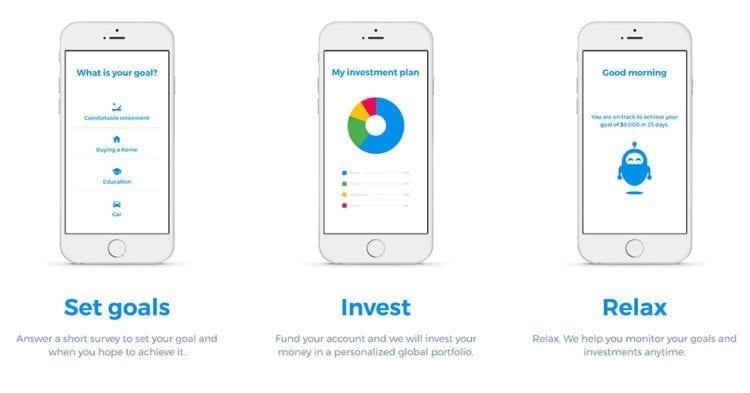
    Fintech firm 8 Securities said on Monday it plans to launch Hong Kong’s first so-called robo-investment advisor app in the next quarter, which it is calling “Chloe”, but experts remained divided on whether such an idea will every catch on in the city.

    Asia, and especially Hong Kong, is seen as lagging other international markets on the adoption of robo-advisors.

    Assets held by such robo-advisors in Hong Kong are expected to expand exponentially to US$20.6 billion by 2020 from the current US$400 million, according to a Boston-based research firm Aite Group’s latest robo-advisor forecast.

    The apps are powered by artificial intelligence and machine-learning technologies developed in-house, and effectively learn day by day as a system’s user base and database grows, matching products to customers with different financial needs.

    That’s very different, of course, to what is offered by around 450 local brokers in Hong Kong, who have traded for decades, by offering personalised services based on close relationships, to hold onto clients.

    Mathias Helleu, 8 Securities’ executive chairman and co-founder, expects the Chloe app’s popularity to grow fast thanks to higher mobile penetration and lower entrance levels for users.

    “Chloe users will have the freedom to deposit or withdraw money from their portfolio anytime and with no penalty,” said Helleu. “The minimum investment amount with Chloe will be under HK$1,000.”

    In the West, the fledging robo-advisor industry is growing fast.

    By the end of 2015, US robo-advisor services had US$53 billion in assets under management, up from US$2 billion in 2013, according to statistics from the Aite Group. Key players include both startups such as FutureAdvisor, Bettermont and WealthFront, and big industry names, such as Bank of America Merrill Lynch.

    I do not expect robo-advisor apps to prove attractive in mature markets like Hong Kong. Here, retail investors consider their brokers or wealth managers more reliable

    Benny Mau, chairman of Hong Kong Securities Association

    However, that number of managed assets is still small compared with the US$20 trillion total investable assets by US retail investors.

    Traditional Hong Kong brokers, however, questioned on Monday whether local retail investors, many of whom still like going to bank branches or brokers shops to buy and discuss their investments, will ever use such an app.

    Benny Mau, chairman of Hong Kong Securities Association, the industry body, said: “I do not expect robo-advisor apps to prove attractive in mature markets like Hong Kong. Here, retail investors consider their brokers or wealth managers more reliable [than robo-advisors].”

    chloe app

    Mau also added Hong Kong investors are more rational than in other developing markets and a lot more cautious and selective as to which investment services they use.

    However, he did concede some young investors could find the service appealing.

    But Brett McGonegal, chief executive of Capital Link International, said robo-advisors are sweeping the investment world as they represent the pioneering wave of the fintech revolution.

    “This is critical in addressing the needs of a new investing group around the world — that’s millennials. “Platforms that blend human contact with technology will prove to be very successful amongst the new generation that often feel more comfortable communicating over electronic means rather than face to face,” McGonegal said.

    Jenny Lau, a recent graduate whose basic monthly salary is HK$21,000, said she would try her hand at Chloe because it has no penalty and is convenient to operate on her mobile phone.

    “The minimum investment of under HK$1,000 is no big deal for me,” she added.

    “But it will just be to satisfy my curiosity and I do not expect any high investment returns. I’ll not use it for my life saving goals.”

  • Nippon Express, Alibaba to team up in China-bound shipping

    Nippon Express, Alibaba to team up in China-bound shipping

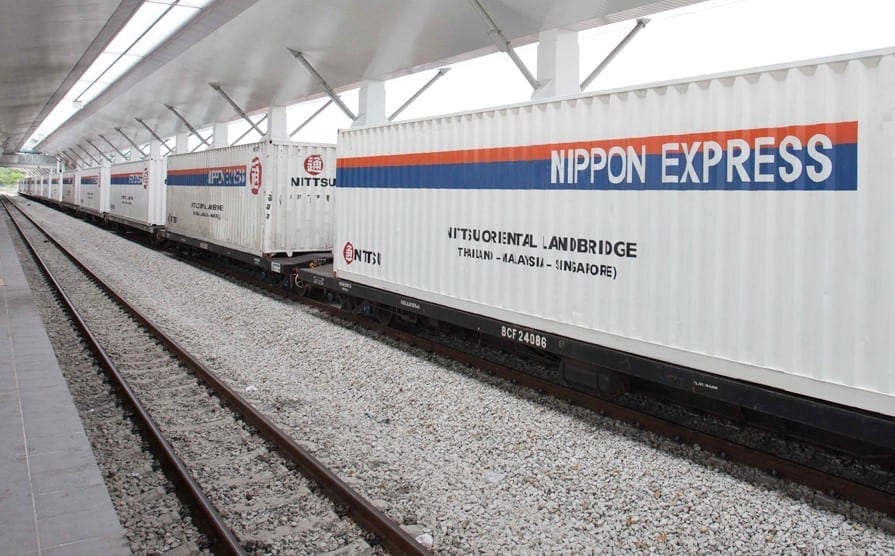
    Nippon Express will work with e-commerce giant Alibaba Group Holding to ship Japanese goods to China for around 30% less than current prevailing rates.

    The Japanese shipper will transport goods from companies doing business on Alibaba’s TMall.com platform to China, while an Alibaba affiliate will handle home delivery. Goods can either be flown across the sea when ordered or shipped by surface in advance and stored in warehouses.

    Nippon Express is Japan’s largest business-to-business and international shipper, enabling it to hold down costs by purchasing space on ships and aircraft in bulk. In teaming up with TMall, which controls 60% of China’s online retail market, the shipper aims to handle half of all online purchases headed there from Japan.

    Currently, Japan Post ships 90% of online purchases traveling to China via airmail with its express-mail service. But a fee hike of around 30% in June to 1,400 yen ($13.68) for packages up to 500 grams has raised headwinds to the service’s use. Nippon Express will keep fees for similar items around 1,000 yen, aiming to pick up customers put off by the increase. Both services take four to six days for delivery in China.

    Nippon Express and Alibaba will also take on the complex business of dealing with customs for companies on TMall. China updated rules on cross-border e-commerce in April and now requires such information as what is being shipped, prices and logistics to be submitted electronically. Nippon Express will be the first Japanese logistics company to create a digital link with Alibaba allowing this data to be combined and submitted in one neat package.

    China’s cross-border e-commerce retail market is expected to grow roughly twelvefold from 2014 levels to $245 billion in 2020, according to U.S. professional services company Accenture.

    A number of Japanese companies are competing to offer better and cheaper shipping options to China, creating new chances for even smaller businesses here to access that enormous market. Yamato Holdings inked a partnership in April with companies including JD.com, TMall’s smaller rival, to offer international shipping and home delivery. ANA Holdings plans to offer a service handling everything from customs procedures to delivery starting in September.

    Such Japanese products as cosmetics and household goods have gained a sterling reputation for safety and quality in China. Consumers there are on track to buy 2.33 trillion yen ($22.8 billion) in goods from Japan online in 2019, according to the Japanese trade ministry. This is roughly triple the 2015 level.

    E-commerce is growing more important to Japanese companies as a source of continuous demand from China. This stands in contrast to consumption by Chinese tourists in Japan, who have been spending less per capita of late.


  • Security on cloud still a major challenge for global firms, says study

    Security on cloud still a major challenge for global firms, says study

    Despite the continued importance of cloud computing resources to organizations, companies are not adopting appropriate governance and security measures to protect sensitive data in the cloud.

    This is just one of the findings of a Ponemon Institute study titled “The 2016 Global Cloud Data Security Study,” commissioned by digital security firm Gemalto.

    The study surveyed more than 3,400 IT and IT security practitioners worldwide to gain a better understanding of key trends in data governance and security practices for cloud-based services.

    According to 73% of respondents, cloud-based services and platforms are considered important to their organization’s operations and 81% said they will be more so over the next two years. In fact, 36% of respondents said their companies’ total IT and data processing needs were met using cloud resources today and that they expected this to increase to 45% over the next two years.

    Although cloud-based resources are becoming more important to companies’ IT operations and business strategies, 54% of respondents did not agree their companies have a proactive approach to managing security and complying with privacy and data protection regulations in cloud environments. This is despite the fact that 65% of respondents said their organizations are committed to protecting confidential or sensitive information in the cloud. Furthermore, 56% did not agree their organization is careful about sharing sensitive information in the cloud with third parties such as business partners, contractors and vendors.
    Larry Ponemon, chairman and founder of Ponemon Institute, said, “Cloud security continues to be a challenge for companies, especially in dealing with the complexity of privacy and data protection regulations.”

    “To ensure compliance, it is important for companies to consider deploying such technologies as encryption, tokenization or other cryptographic solutions to secure sensitive data transferred and stored in the cloud,” Ponemon said.

    Jason Hart, VP and CTO for Data Protection at Gemalto, said, “Organizations have embraced the cloud with its benefits of cost and flexibility but they are still struggling with maintaining control of their data and compliance in virtual environments.”

    “It’s quite obvious security measures are not keeping pace because the cloud challenges traditional approaches of protecting data when it was just stored on the network. It is an issue that can only be solved with a data-centric approach in which IT organizations can uniformly protect customer and corporate information across the dozens of cloud-based services their employees and internal departments rely every day,” Hart said.
    More customer information is being stored in the cloud and is considered the data most at risk.
    According to the survey, customer information, emails, consumer data, employee records and payment information are the types of data most often stored in the cloud. Since 2014, the storage of customer information in the cloud has increased the most, from 53% in 2014 to 62% of respondents saying their company was doing this today.

  • Millennials driving force behind Taobao Marketplace

    Millennials driving force behind Taobao Marketplace

    Millennials are the driving force behind Taobao Marketplace, with more than 70 percent of buyers in their 20s and 30s, according to Chris Tung, chief marketing officer at Alibaba Group.

    “As users continue to engage with the platform in more meaningful ways, we are fostering next-generation consumption features, such as virtual reality, to transcend the overall user experience,” he said in a media statement during the Taobao Maker Festival held recently at the Shanghai World Expo Exhibition Center.

    The festival celebrates Taobao merchants by showcasing creative ideas and designs to the world, including gadgets, fashion and high-tech products. The festivities also include various performances by artists, music groups and celebrities from across Asia.

    Created in 2003 as an online shopping destination for Chinese consumers, Taobao Marketplace has evolved into an interactive lifestyle platform driven by a young consumer population who wants to do more than just shop.

    “It is a destination for innovators, entrepreneurs and creatives to showcase and experiment amongst a community of 423 million Chinese consumers on our China retail marketplaces that come to Mobile Taobao to explore, discover and be entertained,” explained Daniel Zhang, chief executive officer of Alibaba Group.

    In 2010, Alibaba Group launched the Mobile Taobao app to transition its flagship C2C shopping platform to more a interactive platform to explore opportunities in mobile commerce.

    Today, the Taobao platform supports millions of entrepreneurs across China with user engagement across e-commerce, digital media, travel, social and local services. On average , it has around 150 million daily active users on Mobile Taobao. Users launch the Taobao app an average of seven times per day and spend more than 20 minutes each day on the app. They browse an average of 19 products during a 24-hour period,

    Moreover, mobile Taobao users post more than 20 million reviews and comments every day.

    “We hope the Taobao Maker Festival will inspire young makers to continue innovating and reaching the world through the Taobao ecosystem,” Tung said.

  • Vietnam real estate giant opens five-star hotel in Myanmar

    Vietnam real estate giant opens five-star hotel in Myanmar

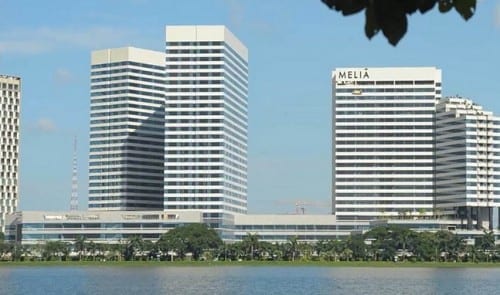
    Vietnamese realty group Hoang Anh Gia Lai on Sunday put into operation a five-star hotel in Yangon, Myanmar.

    The hotel is housed in the group’s Myanmar Center, located some eight kilometers from downtown Yangon, on Kaba Aye Pagoda Road in Bahan Township.

    Hoang Anh Gia Lai (HAGL) Group is one of the leading real estate companies in Vietnam that focuses on the development of residential and commercial real estate in many principal economic centers, including Ho Chi Minh City and Da Nang City.

    The company has been expanding regionally with real estate projects in Laos, Thailand and Myanmar.

    Myanmar Center is a modern architectural ensemble made up of offices, retail spaces, residential units and a five-star hotel, with a total investment of US$440 million, Vo Truong Son, general director of HAGL Group, said at the inauguration ceremony.

    The project is divided into two phases, the first of which consists of two grade-A office towers, one retail podium and a five-star hotel, while the second comprises two additional grade-A office towers and five residential blocks.

    Operated by hotel chain Meliá Hotels International, one of Spain’s largest operators of hotel and holiday resorts, the five-star Meliá Yangon inaugurated on Sunday has 430 suites and a 2,000 square meter conference area.

    melia hotel

    Vietnamese Deputy Prime Minister Vu Duc Dam and senior officials of Myanmar, Laos, and Cambodia also attended the inaugural ceremony.

    According to Myanmarese Minister of Hotels and Tourism U Htay Aung, HAGL’s Myanmar Center is the largest foreign-invested real estate project in the country at the moment.

  • Robinsons Retail buys stake in De Oro Pacific

    Robinsons Retail buys stake in De Oro Pacific

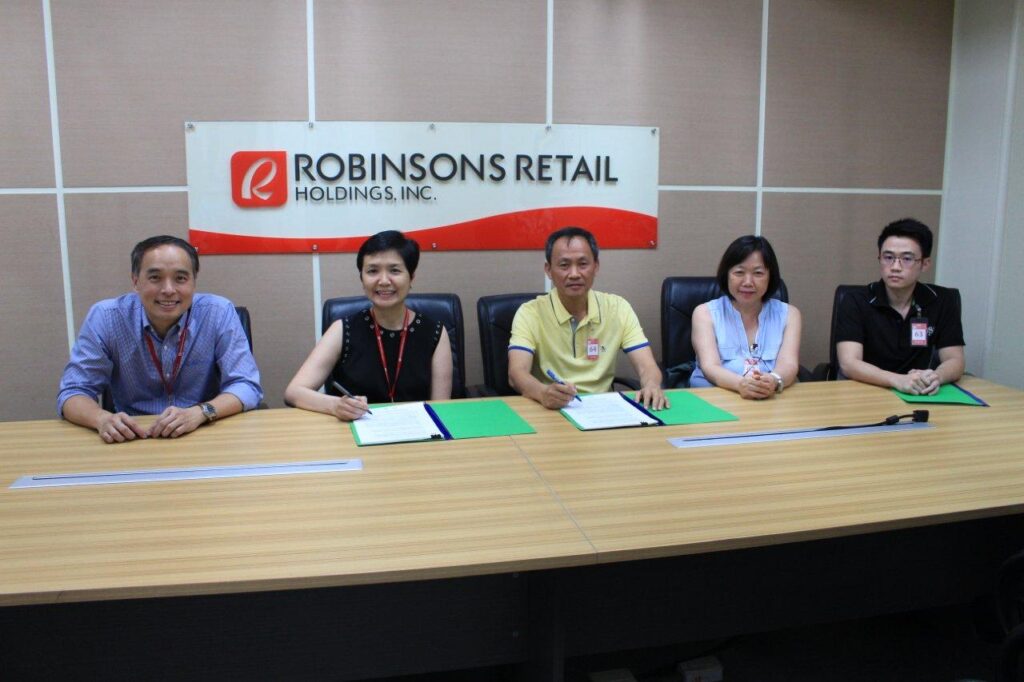
    Robinsons Retail Holdings Incorporated has acquired a majority stake in De Oro Pacific Home Plus Depot, a big box builders hardware depot with 3-store chain in Northern Mindanao.

    The Gokongwei-led firm told the Philippine Stock Exchange that its subsidiary RHI Builders and Contractors Depot Corporation’s acquisition will add to its big box hardware portfolio.

    contract-signing-

    De Oro Pacific Home Plus Depot started operating in 1993. The stores are located in Cagayan de Oro and Iligan City with combined gross floor area of approximately 9,400 square meters.

    The company also operates a 3,000-square-meter warehouse in Cagayan do Oro that supports the 3 De Oro Pacific Home Plus Depot stores.

    “The purchase of De Oro Pacific Home Plus Depot stores demonstrates the bullish stance of Robinsons Retail group in the do-it-yourself (DIY) business which is currently rising to the sustained growth of the construction sector driven by the huge backlog in residential building,” the company said.

    In June 2014, Robinsons Retail acquired RHI Builders and Contractors Depot, owner and operator of 17-big box hardware chain AM Builders Home Depot based in the Visayas.

    All stores have been renamed Robinsons Builders.

    As of end June 2016, Robinsons Retail operates 152 mall-based DIY hardware stores, including 132 Handyman Do It Best stores, 19 True Value stores, and two True Home stores.

    Robinsons Retail is one of the leading multi-format retail groups in the Philippines and enjoys market leading positions across all its business segments.

    It currently operates 10 retail formats under 6 business segments, including department stores, supermarkets, home improvement stores, convenience stores, drug stores, and specialty stores.

    For 2016, the group earlier said it plans to spend P5 billion in capital expenditures, up from P3.14 billion actual spending in 2015, as it plans to roll out more stores this year.

    The retail firm is also targeting same-store-sales growth of 2% to 3% and gross profit margin increase of between 10 to 20 basis points.

    As of end 2015, Robinsons Retail operates 1,506 stores with total gross floor area of 974,000 square meters.

  • NTT Com to launch MVNE platform in HK

    NTT Com to launch MVNE platform in HK

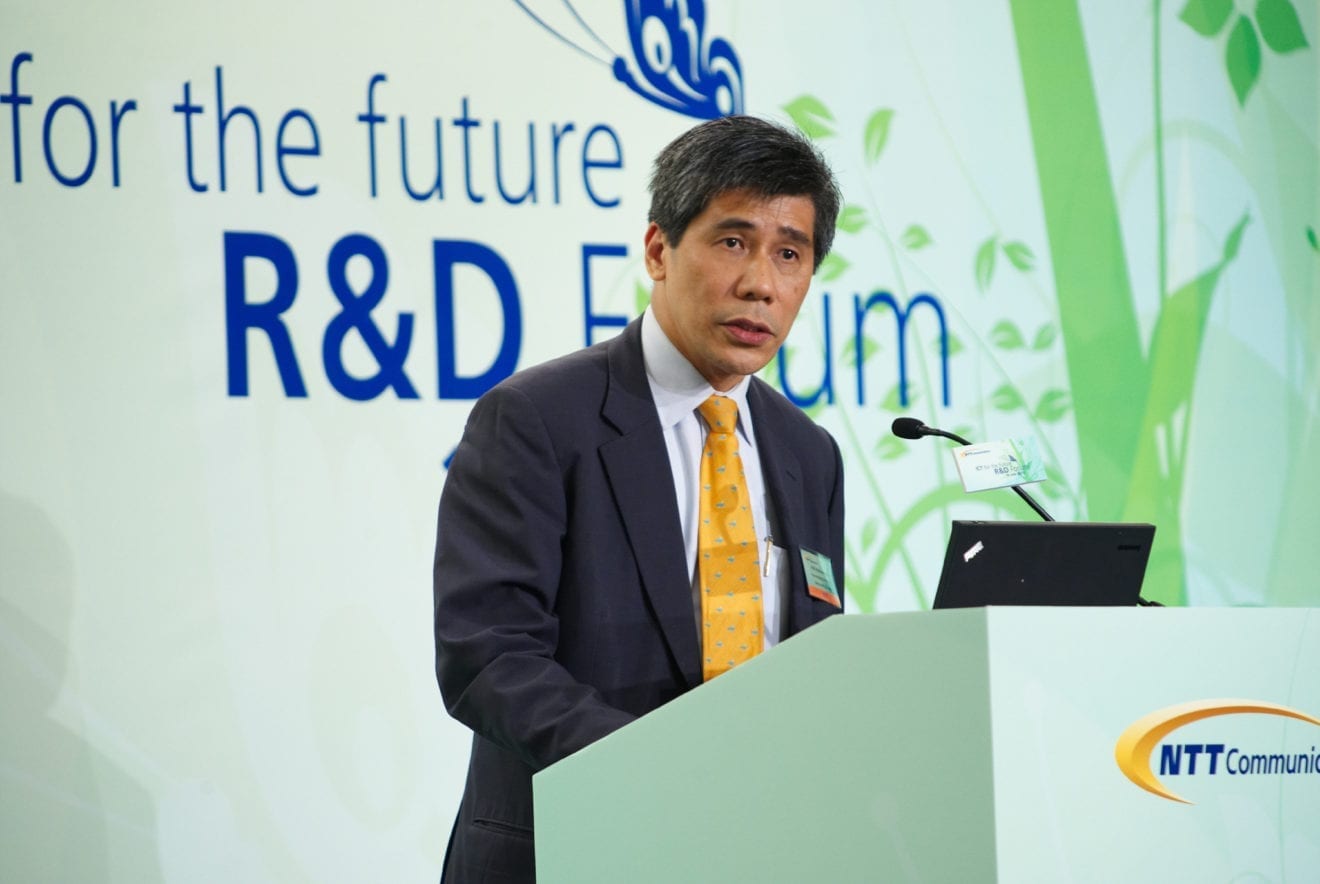
    NTT Com and fellow NTT Group member Dimension Data have teamed up to launch Hong Kong’s first mobile virtual network enabler (MVNE) platform.

    The service will allow MVNOs access to the infrastructure required to deliver 3G and 4G data services in the city. The platform will manage all mobile data connections, policy control, billing and signaling.

    NTT Com’s platform will use NFV architecture to ensure it will be scalable to future demand, and will be able to provide a quick turnaround by removing the requirement for functions to run on expensive proprietary hardware. The NFV approach was proposed by Dimension Data.

    NTT Com Asia CTO Taylor Man said Dimension Data is an ideal partner for the project.

    “Delivering a MNVE solution requires heavy upfront investment in specialized equipment, and high scalability and agility is required to cater to customer demand time,” he said.

    “It is crucial to find a partner that could work hand in hand with us to provide the required infrastructure to deliver on our MVNE ambitions. We believe that partnering with our group company Dimension Data would be an ideal option.”

    ICT product and service provider Dimension Data became a wholly-owned subsidiary of the NTT Group in 2010.

  • Krispy Kreme snapped up by retail giant

    Krispy Kreme snapped up by retail giant

    Corporate retailer JAB Holdings has successfully concluded its purchase of Krispy Kreme Doughnuts, a deal first mooted in May.

    As a result, share-trading on the NYSE has ceased as the ‘sweet treat’ maker becomes part of a global retail portfolio of retailers as diverse as Coty and Jimmy Choo.

    Privately-owned JAB Holdings’ portfolio includes controlling stakes in Bally, Belstaff, Peet’s Coffee & Tea, Espresso House in Scandinavia, Jacobs Douwe Egberts (JDE), the largest pure-play FMCG coffee company in the world, and a minority stake in Reckitt Benckiser.

    Under the terms of the latest transaction, Krispy Kreme shareholders will receive US$21 per share in cash.

    Krispy Kreme, founded in 1937, today boasts more than 1100 shops in more than 26 countries around the world.

  • ‘Modest’ growth for Dairy Farm International

    ‘Modest’ growth for Dairy Farm International

    Pan-Asia retailer Dairy Farm International Holdings reports “modest” sales growth for the six months ended June 30.

    Underlying profit was slightly ahead as higher contributions from food, home furnishings, restaurants and China hypermarket Yonghui offset a lower contribution from the group’s health and beauty division. The group is seeing the benefits from investments made last year.

    Sales for the period, excluding associates and joint ventures, were down 1 per cent but up 2 per cent at constant exchange rates. Sales were impacted by the closure of underperforming stores in Indonesia and Singapore.

    The operating profit was stable at US$197 million, compared with $201 million in the first half of last year.

    Under pressure

    In the food division, sales within supermarkets and hypermarkets were up 2 per cent despite deflationary pressures.

    In Hong Kong, sales increased modestly but profits were impacted by higher rental and labour costs. In Indonesia and Singapore, profitability improved despite reduced sales following store closures. Sales were flat but profits lower in Malaysia, while the Philippines had good sales growth and improved profitability.

    Convenience stores in Hong Kong and Macau performed satisfactorily in a difficult trading environment, while overall sales in Singapore were flat because of the cutback in stores yet sales were positive and profits higher.

    Store expansion continued in mainland China, and there was good sales and profits growth.

    In the health and beauty division, sales improved in Hong Kong but Macau and Malaysia were behind with lower profitability.

    Like-for-like sales were positive in China, and in Indonesia “encouraging” improvements were made in sales and profits following a store rationalisation program.

    In the Philippines, good progress continues to be made on the integration of Rose Pharmacy.

    In home furnishings, Ikea performed well, producing growth in both sales and profits in its three markets. Store expansion opportunities are being pursued.

    Still expanding

    In the restaurant division, Maxim’s maintained its impressive track record with higher sales and profits in China and Hong Kong. The group is growing its presence on the mainland and continues to expand its Starbucks network in Cambodia and Vietnam.

    Yonghui reported 18 per cent revenue growth in the first half.

    In February, PT Hero agreed to sell its remaining Starmart stores in Indonesia. The transfer of the stores is expected to be completed in the fourth quarter.

    In March, the group refinanced short-term borrowings of $900 million, to be used in part to invest a further $191 million in Yonghui. This will maintain the group’s 19.99 per cent interest following the placement by Yonghui of a 10 per cent shareholding to JD.com.

    In April, Maxim’s acquired the Cova patisserie and restaurant franchise in Hong Kong, which has 10 outlets. Maxim’s also opened its first The Cheesecake Factory in Shanghai Disney Town.

    At the end of June, Dairy Farm, including Yonghui, had about 6500 outlets across all formats and employed 180,000-plus people.

    “While sales and profit performance in the first half have been encouraging in a challenging
    trading environment, the outlook remains uncertain with consumer confidence fragile in most
    Markets,” says chairman Ben Keswick.

    Incorporated in Bermuda, Dairy Farm International Holdings has its primary listing on the London Stock Exchange with secondary listings in Bermuda and Singapore. The group’s businesses are managed from Hong Kong by Dairy Farm Management Services through its regional offices. Dairy Farm is a member of the Jardine Matheson Group.

  • Globe targets 95% mobile coverage by end-2018

    Globe targets 95% mobile coverage by end-2018

    The Philippines’ Globe Telecom has laid out a plan to extend mobile coverage to 95% of the nation’s municipalities and cities by end-2018.

    The operator has submitted a proposal with regulator NTC to use the spectrum due to be acquired through the co-purchase of conglomerate San Miguel Corporation’s telecoms assets, including its valuable 700-MHz spectrum, to help achieve its coverage target.

    Under the plan, Globe will deploy around 4,500 SDN-enabled base stations and upgrade the capacity of its existing equipment to improve the customer experience.

    By the end of the year, Globe plans to upgrade around 30% of its network nationwide, or around 2,200 existing cell sites, to support the new spectrum.

    With the submission the operator is implicitly making the case for being allowed to proceed with the purchase of the SMC telco assets.

    Antitrust body PCC plans to conduct a full investigation into the buyout, and the chief of the new Department of Information and Communications Technology recently ordered a spectrum audit as a result of the deal.

    Globe has also committed to providing ultrafast broadband in 2 million households by 2020, and plans to invest $2 billion for its fixed broadband expansion program.

  • Maxis to offer Vodafone IoT services

    Maxis to offer Vodafone IoT services

    Malaysia’s largest operator Maxis has arranged to offer Vodafone’s IoT services for its business customers.

    The operator will offer a service combining its high speed data network with Vodafone’s IoT platform to help assist business customers looking to implement IoT services in their operations.

    The IoT offerings have been designed with multiple layers of security between IoT devices and applications, and to be scalable to support the constantly increasing number of connected devices.

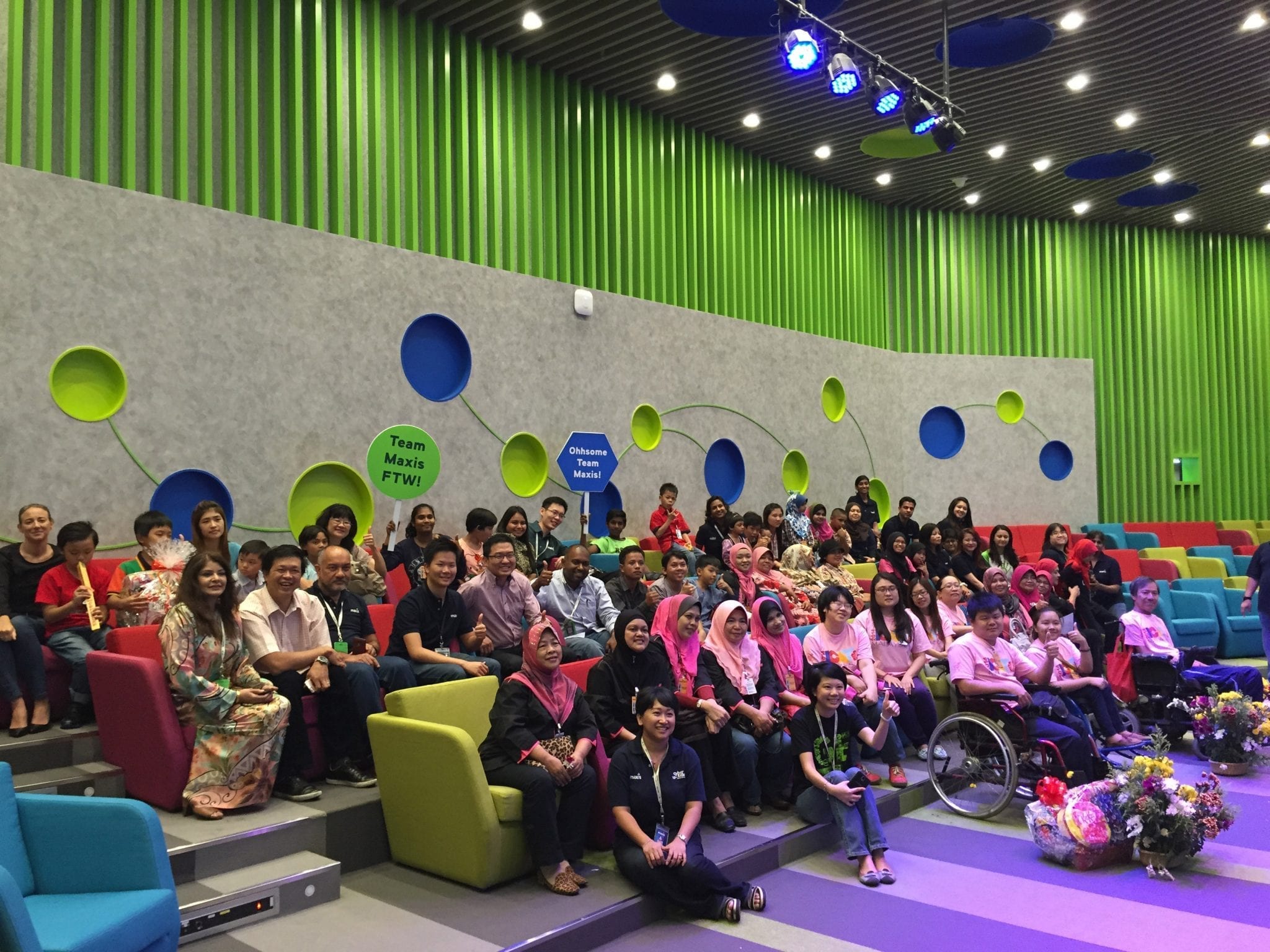
    At a recent media event, Maxis showcased potential applications for the IoT in key sectors including automotive, retail, logistics, banking and financial, smart cities and manufacturing.

    “The exponential growth of data and how people use them has had a huge impact on how businesses operate,” Maxis head of marketing and products Shanti Jusnita Johari said.

    “Through our agreement with Vodafone, which brings with it a global standard of service, unrivalled IoT experience and highly ranked by analysts, we are equipping businesses in Malaysia with more than just connectivity through our advanced data network, but a suite of IoT solutions to digitalize and transform their operations.”

  • Takashimaya Vietnam opens doors

    Takashimaya Vietnam opens doors

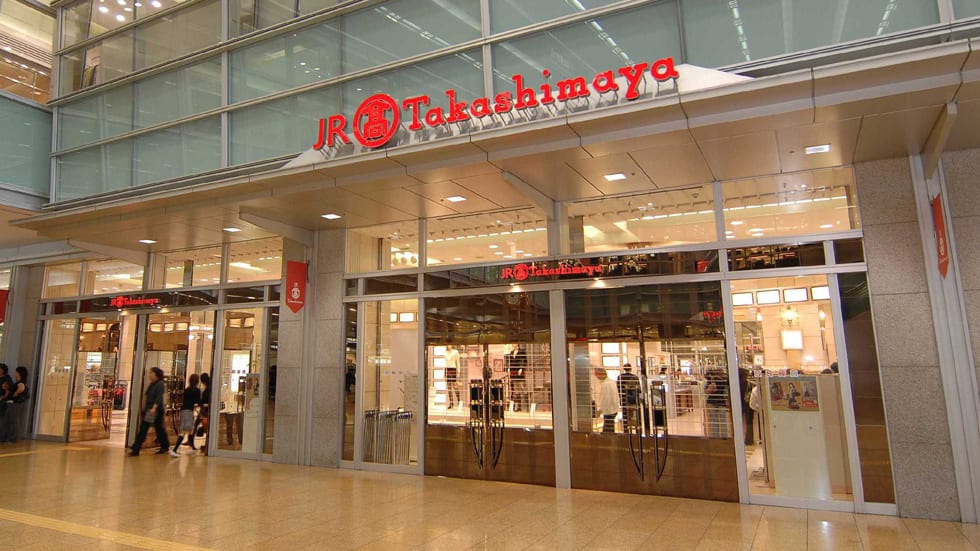
    Three years after the Japanese luxury department store chain announced plans to enter Saigon, Takashimaya Vietnam opened its doors at the weekend.

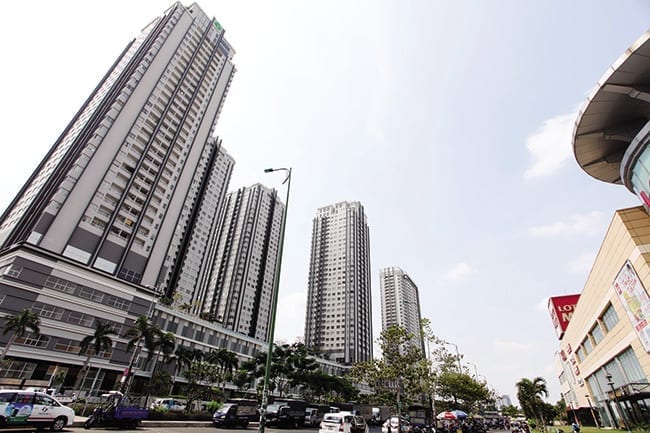
    As the anchor tenant of  downtown Ho Chi Minh City’s Saigon Center, Takashimaya takes up a whole five floors making it by far the nation’s largest department store – and likely its most expensive.

    The first impression that the department store makes is its spacious interior. Concessions to brands have been arranged to leave unusually wide aisles – ensuring the store was comfortable even on its crowded grand opening day.

    Takashimaya Vietnam - interior

     The central atrium of the expanded Saigon Center featuring Takashimaya’s first Vietnam store.

    The first floor of Takashimaya houses the food maison, most of which is filled by Japanese F&B brands such as Minamoto Kitchoan, Gyumaru, Azabu Sabo, Yamazaki and Suizan. Some tea brands make their way into that space, including Vietnam’s own Phuc Long, Singapore’s TWG tea, and B Tea.

    Targeting the high class consumers in Saigon and Vietnam, Takashimaya has chosen carefully the brands to appear in their stores, including luxury brands coming to Vietnam the first time, complemented by the high level of customer service Takashimaya offers elsewhere in the world.

    Takashimaya Vietnam

    The second floor is exclusively for ladies with international fashion names such as Banana Republic, Bebe, Bonia, Braun Buffel; footwear from Clarks, Geox, Cole Haan; bags from Carlo Rino, Cromia; and Furla with its first flagship in Vietnam after years being distributed by Ha Vang company.

    The rest space is occupied by cosmetics brands, including Korean labels Skinfood, which marked the store’s opening with a special event ‘Makeup Style for Your Summer’.

    Takashimaya Vietnam - Skinfood

    “We offer free makeup and manicure for our customers for two days. Besides, when they buy our products, they will receive a gift set,” said Kieu Oanh, senior PR & marketing executive of Skinfood Vietnam.

    For women, the excitement continues on the next level of Takashimaya: a heaven of luxury cosmetics, jewelleries and fragrances. Christian Dior is prominently located at the front, with rival Lancome opposite. Lancome also opened its own ‘Lancome Cafe’ – a style boutique, where women can take free makeup lessons and receive gifts for the best ‘artwork’.

    Takashimaya Vietnam - Lancome

    Other brands include Bobbi Brown, Shiseido, Estee Lauder, Swarovski, and Mac.

    Takashimaya Vietnam - Yves Rocher

    The next floor features international fashion and cosmetics brands including Diane von Furstenberg, Hugo, Versace and Paul & Shark, along with restaurants and cafes. This level has a rest space with some chairs for visitors arranged around a huge grey pillar.

    Takashimaya Vietnam - Diane von Furstenberg

    Local luxury multibrand retailer Runway comes back after closing its store in Vincom Center in March. As usual, it has a large space in the center, gathering all women’s favourite brands with modern and elegant designs.

    Takashimaya Vietnam - Runway

     The new Runway store replaces the local multi-label luxury brand’s previous space at Vincom. 

    Another highlight is the ready-to-launch space of women handbags Kate Spade New York. That outlet is expected to open soon.

    Takashimaya Vietnam - Kate Spade

    Coming soon: Kate Spade.

    The last level of Takashimaya is filled with men’s fashion and casual wear and children’s clothing and toys. Tommy Hilfiger has the largest outlet here, opposite the first authentic Fred Perry store.


    With more than 180 years of experience and US$290 million investment, it is expected that Takashimaya will not only take Vietnamese shopping to a higher level but also mark a turning point for economic development and quality retail in Vietnam.
  • Gome Electrical Appliances in transformation

    Gome Electrical Appliances in transformation

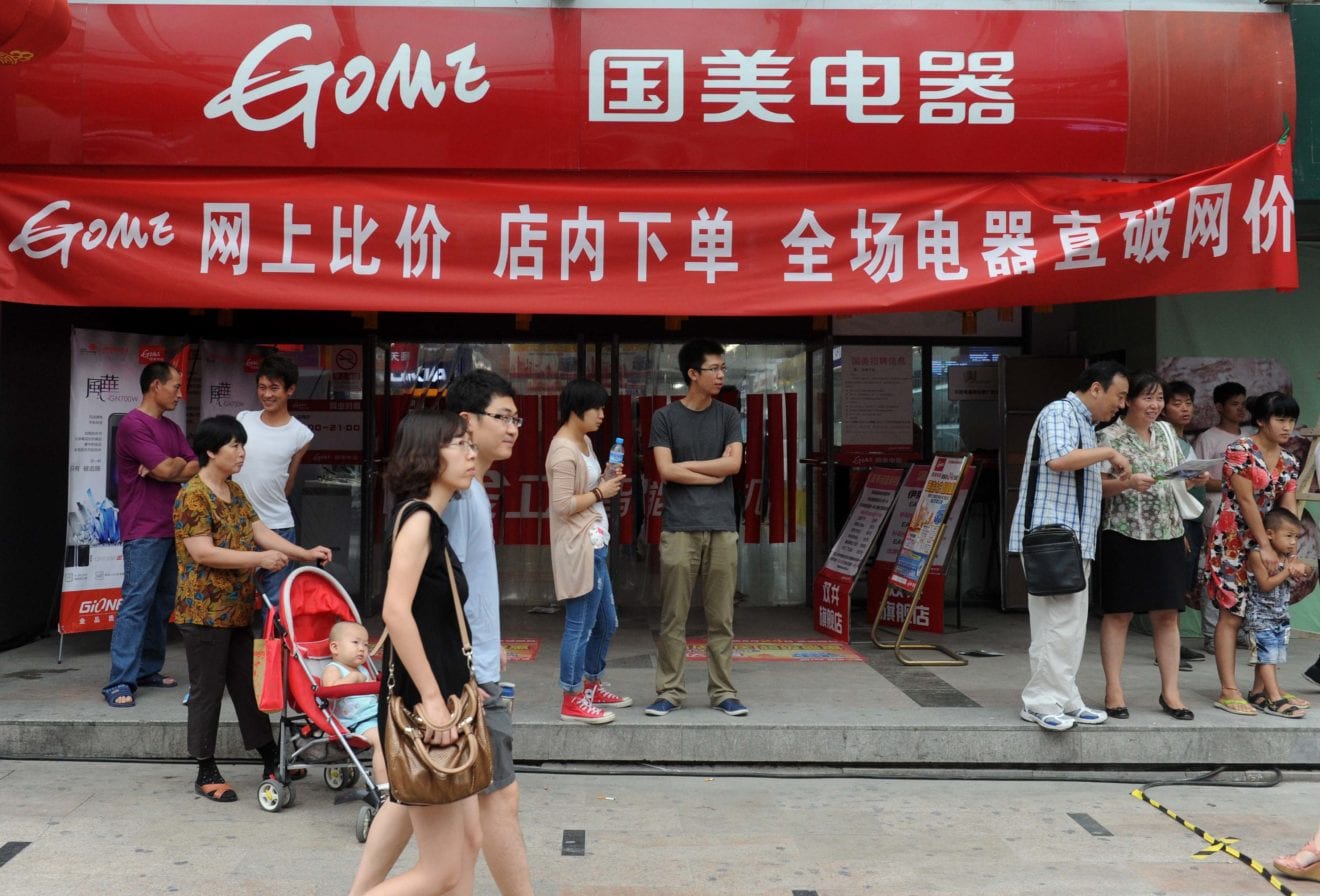
    A drop in profit resulting from the implementation of a strategic transformation plan is predicted by Gome Electrical Appliances Holding for its latest six months.

    The group says it expects its results will improve once the “Omni-Channel, New Scenario, Strong Linkage” strategic transformation has been completed.

    Based on a preliminary review of the latest management accounts of the group (including the data of Artway development and its subsidiaries), its total gross merchandise volume (GMV) for both online and offline is expected to grow by more than 15 per cent, with that of the eCommerce business expected to more than double.

    Sales revenue during the period is expected to grow by about 10 per cent, with a more than 60 per cent boost in revenue from the B2C sector of its online business. Revenue from offline stores is expected to grow by about 5 per cent.

    As some of the group’s major stores were under renovation, sales revenue is expected to decrease fall about 10 per cent.

    “The consolidated gross profit margin was lowered as a result of the continuing high-speed growth of the eCommerce business and the transformation of stores in the first-tier market,” says the group. This is expected to be about 16 per cent.