Author: Mei Ling Tan
-

Vietnam coffee-sales steady; buyers await Indonesia arrivals
Vietnam’s coffee sales may pick up if prices maintain their recent uptrend, but buyers are likely to await the upcoming harvest in Indonesia for better deals on fresh arrivals, traders said on Tuesday.Coffee exports this month from the world’s biggest robusta producer are forecast to be in a wide range of 120,000 to 160,000 tonnes (2.0 million and 2.67 million 60-kg bags), versus an estimated 160,000 tonnes in April, traders said.The ICE July robusta contract has risen nearly 4 percent so far this month to $1,649 a tonne, and Vietnamese robusta prices also gained 2.4 percent in domestic markets during the same period.Robusta prices on Tuesday rose to 35,400-35,500 dong ($1.59) per kg in Daklak, Vietnam’s biggest growing province, from 34,800-34,900 dong a week ago, and 34,600 dong at the end of April.Prices eased slightly from 35,600-35,900 dong per kg on Monday, of which 35,900 dong was the highest level since Nov. 12, 2015, according to Reuters data.“The trend is that prices are rising and if it stays that way, more selling is expected this month,” said Phan Hung Anh, deputy director of export firm Anh Minh in Daklak.Traders said buying demand has been steadily declining, given that Vietnam has supplied a significant volume of coffee to the world so far in the current 2015/2016 season.The country exported an estimated 976,200 tonnes between October 2015 and last month, up 27.4 percent from a year ago, based on government statistics.“Buyers are waiting to see Indonesia’s crop arrivals, and prices of the fresh beans (there) may become more attractive,” Anh said.As futures prices edge up, premiums of Vietnamese robusta grade 2, 5 percent black and broken eased to $30-$40 a tonne to the July contract this week, from premiums of $50-$55 a week ago.The coffee crop harvest in Vietnam’s rival – Indonesia – is expected to pick up pace in June, about a month later than usual, due to El Nino-related dry weather.Indonesia’s 2016/2017 coffee output is forecast to drop around 9 percent as compared with last year to 9.65 million bags, while Vietnam’s output could edge up 3 percent to 29.14 million bags, BMI Research, a Fitch Group company, said in a report in late April. -

SK Telecom signs MOU with Telkom Indonesia
SK Telecom today announced that it signed a Memorandum of Understanding (MOU) with Telkom Indonesia (PT Telekomunikasi Indonesia), the largest telecommunications services company in Indonesia, to cooperate in new business areas including IoT, media and smart products/Lifeware.
The MOU signing ceremony took place at Telkom headquarters located in Jakarta, Indonesia on May 12, 2016, and was attended by Lee Eung-sang, Executive Vice President and Head of Global Business Division of SK Telecom, and Indra Utoyo, Chief Innovation Strategy Officer of Telkom.
Under the MOU, the two companies will work together to develop new business opportunities in the areas of smart city and IoT services. To this end, SK Telecom plans to introduce to Telkom its IoT platform ThingPlug and share its knowhow in deployment and operation of LoRa networks with the aim to jointly develop IoT technologies and services that are tailored to the Indonesian market/customers. Building on this, the two companies will also discuss the idea of building a joint venture for their IoT business within the next two years.
SK Telecom and Telkom also agreed to collaborate in the development of cloud-based TV services/solutions for Telkom customers by utilizing SK Telecom’s media solution ‘Cloud Streaming.’
Furthermore, the two companies agreed to work together to introduce SK Telecom’s laser pico projector ‘UO Smart Beam Laser’ to the Indonesian market. Going forward, SK Telecom plans to join hands with PINS, Telkom’s distribution subsidiary, to launch more UO-branded products – including UO Smart Beam 2 (pico projector) and UO Linkage (portable Hi-Fi audio) – in Indonesia.
“Through the MOU, SK Telecom will work closely with Telkom to develop mutually-beneficial business opportunities in diverse areas including IoT, smart city and media,” said Lee Eung-sang, Executive Vice President and Head of Global Business Division of SK Telecom. “Building on this partnership, the two companies will continue to make joint efforts to expand their presence beyond the Indonesian market.”
-

XL Axiata to form JV with Indosat Ooredoo
Indonesia’s XL Axiata has revealed it will enter a joint venture with Indosat Ooredoo to provide consultancy services in future network collaboration between the two operators.
The JV, PT One Indonesia Synergy, will be 50-50 owned by the two companies.
In a statement to the Bursa Malaysia, XL parent Axiata Group said it is expected that the joint venture will “provide consultancy services in future network collaboration. The transaction parties are in the process of jointly exploring the possibility of entering into such a collaboration.”
XL Axiata and Indosat Ooredoo agreed in January to share 4G infrastructure in several cities as a possible first step towards the long-discussed plans to form such a network sharing agreement.
Indonesia’s telecom ministry has also been pressuring the nation’s ten mobile operators to merge or jointly deploy networksto address crowding in the market, although this mainly applies to the smaller mobile operators struggling to compete with Indosat, XL and rival Telkomsel.
The stock market statement adds that the forming of the JV is not expected to have a material impact on the group’s financial results for the current year.
-

DFS and Luxottica seek differentiation with Ray-Ban concept in Hong Kong
Luxottica says the opening of its Ray-Ban shop-in-shop at Hong Kong International is part of a strategy to differentiate the sunglasses offer in travel retail.
The company worked with DFS Group to open the first of its kind shop-in-shop in Asian travel retail at the airport’s Midfield Concourse.
The 15sq m concept features the largest range of Ray-Ban products at any airport in Asia, the companies said. There are dedicated areas for different segments in the Ray-Ban range, including Icons, Tech and Lifestyle, as well as a section for Ray-Ban Kids.
Shoppers are also being given the opportunity to experience the benefits of polarised lenses through Ray-Ban’s Polarised Tester technology.
“Ray-Ban has the brand equity, range and product innovation to sustain a dedicated shop-in-shop,” said Luxottica Head of Global Channels Francis Gros. “At a major global hub airport like Hong Kong, with a large multi-site retail footprint, it’s important to differentiate the sunglasses offer, and our new Ray-Ban shop-in-shop is part of this strategy.
“DFS constantly strives to offer shoppers something exceptional and new and they have been very supportive of our vision to make travel retail the expert channel for sunglasses.”
DFS Group Director Merchandising for Sunglasses, Fashion Jewelry, and Watches Jason Blejwas commented: “Sunglasses continues to be a strong category for DFS and we are committed to bringing our customers the products they love in an engaging and enticing environment.”


-

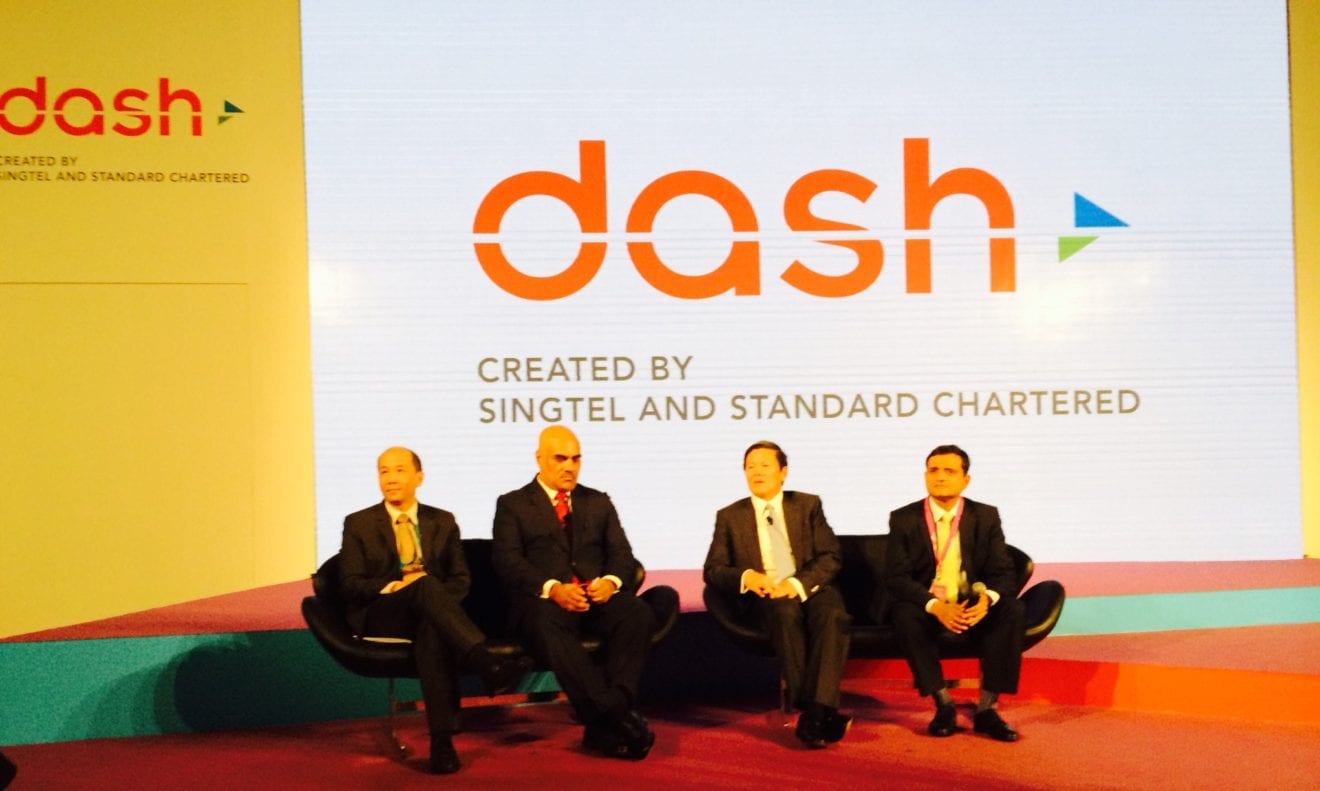
Singtel enhances Dash mobile wallet
Singtel has added new functionality to its mobile wallet app Singtel Dash in a bid to claim a larger slice of the mobile payments pie.
Singtel Dash was first launched in 2014 as a collaboration between Singtel and Standard Chartered Bank in Singapore. The carrier-agnostic service is open to all users in Singapore with an iOS or Android mobile device.
New features added to Singtel Dash include the addition of savings accounts from five additional banks (Citibank, DBS, OCBC, POSB and UOB) as Dash wallet funding sources. Previously, Dash wallets could only be funded via a Standard Chartered Bank savings account or through post-paid Singtel users’ carrier bills. This is a move aimed at expanding Dash’s existing user base.
The telco has also added a foreign remittance service to Dash so funds from users’ Dash wallets can be remitted to four countries: China, India, Indonesia and the Philippines. This function enables Dash users in Singapore to transfer funds to payees in these countries holding accounts from supported banks.
This function was made possible through Singtel’s collaboration with remittance partners in the four countries, and may be viewed as an extension of Singtel’s current mRemit service.
Dash users can also transfer funds to users of GCash in the Philippines. GCash is the mobile wallet product offered by the Philippines’ Globe Telecom, of which Singtel owns a controlling stake. Foreign remittance payees will be able to receive funds immediately.
Singtel has meanwhile upgraded its backend system to better support the use of Dash for taxi ride payments. Previously, customers needed to enter a taxi’s license number in order to complete a payment transaction. A new cloud-based solution developed by Singtel has now automated this process.
-

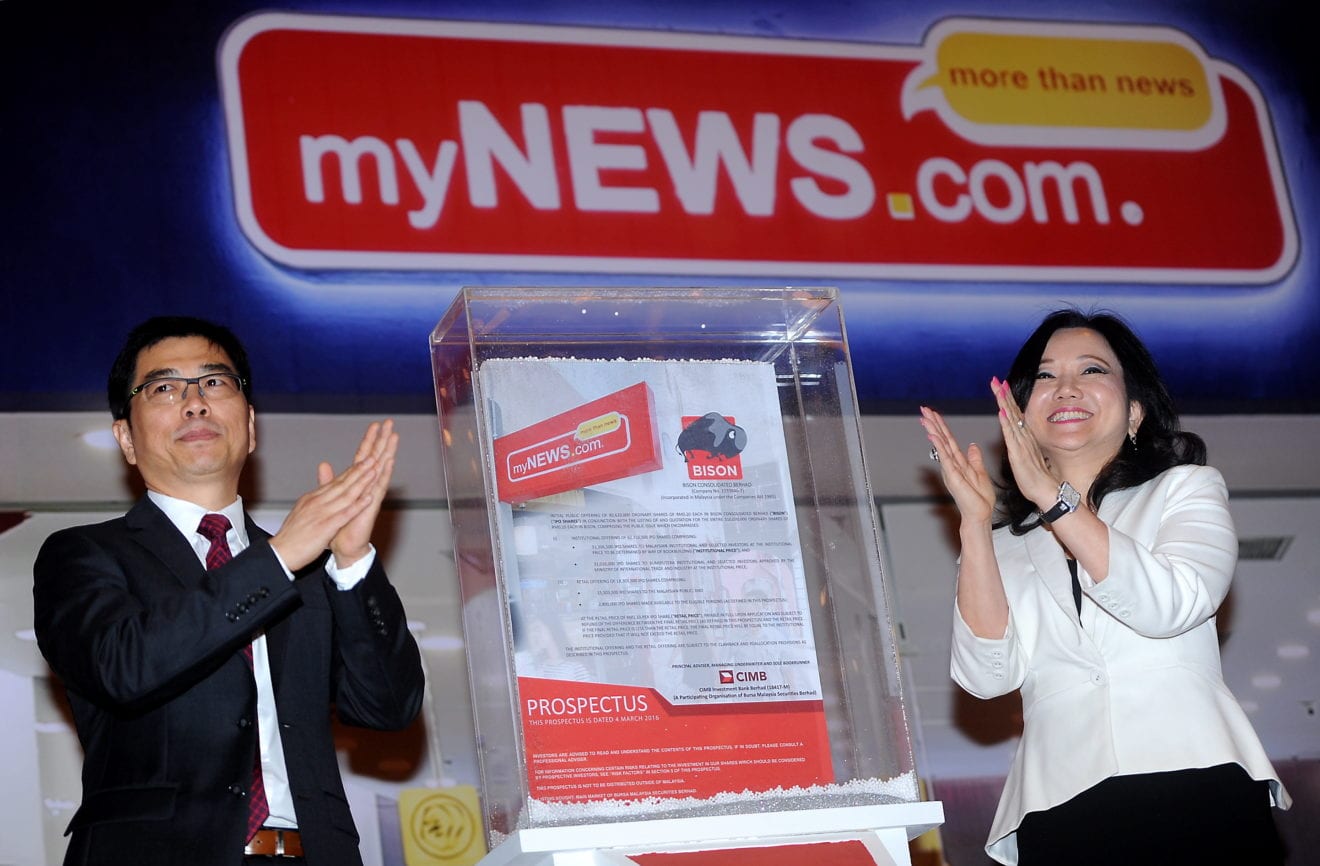
Bison expands to Myanmar with 2 outlets at airport
Bison Consolidated Bhd is expanding its myNEWS.com press and convenience retail brand to Myanmar via a management agreement (MA) with Singapore-based SMI Retail Pte Ltd.
In a filing with Bursa Malaysia yesterday, Bison said its wholly owned subsidiary Bison Stores Sdn Bhd has signed the MA with SMI Retail, a wholly owned subsidiary of Singapore-listed Singapore Myanmar Investco Limited.
SMI Retail intends to establish two myNEWS.com outlets at the new terminal of Yangon International Airport and has agreed to enter into the MA to appoint Bison Stores as the independent contractor to provide management services and advisory support.
Under the MA, Bison Stores agrees to grant SMI Retail a revocable, non-exclusive, non-transferable license to the proprietary business format and retail management and control system developed by Bison Store.
The MA is valid for five years and is renewable for a further five years upon mutual agreement. SMI Retail’s right to use the Intellectual Property Right is derived solely from the MA.
If required, SMI Retail will provide assistance in obtaining registration of any trademarks or other intellectual property rights need in Myanmar.
SMI Retail will also pay Bison Stores a minimum monthly management fee or a percentage of the gross revenue of the business, whichever is higher. All salaries, remuneration, related expenses and costs of secondment of the outlet management and support staff will also be borne by SMI Retail.
The MA is subject to approval of any other relevant authorities or any other third parties with respect to the implementation of the MA, if required.
-

Bringing back Orchard Road buzz
Orchard Road is meant to be Singapore’s premier shopping belt, but you wouldn’t know it if you strolled into many of the malls along the 2.2km stretch these days.
The vacancy rate in malls within the Orchard planning area hit a five-year high in the first quarter at 8.8 per cent . Islandwide, vacancy rates are 7.3 per cent. In contrast, vacancies in malls outside the city area are 6.4 per cent.
To be sure, the retail scene is in trouble nationwide. Retailers’ takings fell 3.2 per cent in February against the same month a year ago. Stripping out motor vehicles, retail sales dropped by a heftier 9.6 per cent.
But it is Orchard Road that appears worst hit, thanks to a softening global economy that has crimped tourism growth. The number of visitors to Singapore was up by 0.9 per cent at 15.2 million last year, but their overall spending fell 6.8 per cent to $22 billion – the first drop in tourism receipts in six years, since the global financial crisis.
What ails Orchard Road malls is that many lack a unique positioning and feature similar tenants.
DIFFERENT FORTUNES
To be fair, some malls are doing well on that stretch, with the highest concentration of shoppers centred on the section from ION Orchard to Ngee Ann City.

ST ILLUSTRATION: MANNY FRANCISCOThese two malls, along with Paragon, continue to draw shoppers with their mix of shops partly due to their luxury brands that are not easily found elsewhere except at the Marina Bay Sands mall.
Analysts say these three malls in Orchard Road remain popular among prospective tenants, with healthy leasing enquiries. At ION Orchard, for example, American jeweller Tiffany & Co recently opened a store across two levels.
Older strata-titled malls in the area, such as Far East Plaza and Lucky Plaza, struggle to keep up with the times. Shop units in these properties are owned by individuals, and renovation works can be carried out only if the majority of owners agree.
But even newer malls such as Orchard Gateway and Orchard Central have been disappointingly quiet.
A visit to Orchard Central shows that most of the space on levels two and three is hidden by hoardings.
Landlord Far East Organization said the mall, which opened in 2009, is undergoing changes to its tenant mix and “enhancement works are also well under way… for improved shopper experience, better accessibility and visibility”.
Another mall, 268 Orchard Road, which opened last year, had only three tenants, The Straits Times reported last month. Security guards posted on the ground floor stopped us from going to the rest of the mall this week, saying there are no stores open on the upper floors and permission was needed from the management to visit. Ngee Ann Development owns the mall.
One problem facing Orchard Road was the rapid surge in supply of retail space in 2014. Of the 2.33 million sq ft net new supply of retail space islandwide that year, 355,000 sq ft were in the Orchard area, consultancy Colliers International noted. This was more than three times higher than the 97,000 sq ft in 2013.
The increase in Orchard Road retail space also came at a time when shiny new malls were springing up across the city and in suburban centres. The net new supply of retail space nationwide was 1.28 million sq ft in 2013.
Analysts say Singapore is “over-shopped” – too many malls for such a small country.
In fact, RHB Research Institute Singapore said in an August report that Singapore has the highest concentration of retail space per capita in South-east Asia: 1.08 sq m or 11.6 sq ft of retail space per capita, compared with 0.8 sq m per individual for Bangkok and 0.71 sq m for Kuala Lumpur. But that is lower than Hong Kong’s 1.5 sq m (16.2 sq ft) as at end-2015, said consultancy JLL.
‘COOKIE-CUTTER’ MALLS
Retail experts say that when shoppers have so much choice, malls need to have differentiated offerings to stand out. Yet many malls feature mainstream brands that shoppers can find elsewhere.
Brands like H&M, Forever 21, Uniqlo and Cotton On are popular. Dr Seshan Ramaswami, associate professor of marketing education at Singapore Management University, said: “The massive scale and scope of (H&M and Uniqlo’s) business across the world allow them to have relatively lower variable costs for their offerings.”
Such brands may appeal to the value-conscious shopper. But they are available in neighbouring countries, and are no longer novel to tourists.
“I think our malls here lack identity, they don’t have a unique story to tell. If they all have similar stores, then they are replaceable – why go to one mall when you can get the same thing in another?” Singapore Polytechnic marketing and retail lecturer Amos Tan said.
Countering this view, Australian retail chain Cotton On Group says it customises its product range according to the shopper profile of the mall. The company has 74 stores in Singapore across various brands such as Cotton On, Cotton On Body, Cotton On Kids, Rubi Shoes, Typo and Factorie. Of these, 11 are in Orchard Road.
LANDLORDS
Landlords have a big role to play in shaping the retail scene, experts say.
For example, landlords may prefer to rent out shop space to mass-market, reliable brand names that can pay the rent.
Associate Professor Prem Shamdasani from the Department of Marketing at the NUS Business School said: “Most malls are under Reits (real estate investment trusts), so they will fall back on the bread-and-butter tenants, which are more established, so as to ensure sustainable yields for the mall.”
This results in the cookie-cutter look of many malls. Retailers say landlords are often inflexible in rental negotiations, compounding their troubles.
The Emporium Group founder Sylvia Lim said some landlords are as “hard as rock” when it comes to rent negotiation. The fashion retailer has two permanent stores – at Tanglin Mall and 112 Katong – and a pop-up store at Millenia Walk.
She was hoping to convert the pop-up store into a permanent one, but was told she had to pay 20 to 50 per cent more rent.
“It’s about lending a helping hand. Maybe for the next six months, we will help you with a bit of rental, just for a period of time – none. Even in this market, they won’t budge,” Ms Lim said.
Landlords should also be more involved and proactive in driving advertising and promotion campaigns, say retailers.
One positive example is Australian property company Lendlease, which rolled out Tring 313, a location-based app that informs shoppers of promotions by tenants at 313@Somerset.
THE X FACTOR
What will get shoppers back spending in Orchard Road malls?
Retail experts say shopping has to be more than a transaction; it has to be an occasion, one that provides a unique experience – call it the X-factor – to the consumer.
Frasers Centrepoint, which oversees The Centrepoint – formerly a popular haunt but now with large sections of vacant space from basement one to level three, largely due to ongoing upgrading works – is working on delivering a “holistic shopping experience” when refurbishment is done in the fourth quarter. Mr Christopher Tang, chief executive of commercial and Greater China business at Frasers Centrepoint, said: “These experiences should not only integrate shopping, but also other lifestyle aspects.”
New tenants at the mall will include Din Tai Fung, Crystal Jade Kitchen, Mak’s Noodles, Honolulu Cafe and Song Fa Bak Kut Teh, and supermarket Cold Storage with a new store concept.
To keep retail offerings different and relevant, having more home- grown brands will help, as will what’s called a “destination store”.
An example of a destination store is the Apple Store, expected to open soon at Knightsbridge in Orchard Road. “It will change the streetscape. If you look at the Apple Store in Tokyo or Hong Kong, they are all very strong crowd-pullers, it will be a game changer for that vicinity,” said Mr Desmond Sim, CBRE head of research for Singapore and South-east Asia.
Dr Ramaswami said retailers can better leverage technology to track consumer profile, “so that a salesperson can perhaps recognise a customer profile the minute she enters the store… and then use sales strategies based on that customer’s online and offline shopping profiles to suggest merchandise, offer special discounts or cross-sell”.
Then there is Orchard Road itself.
Its last major revamp was in 2009, when the sidewalks were spruced up and widened – a $40 million undertaking. It might be timely to consider improving underground connectivity and making the area more pedestrian-friendly.
“The multi-lane busy traffic makes the street unwelcoming and intimidating for pedestrians at street level. Pedestrianising at least some parts of Orchard Road can be a way forward in order to better connect both sides of Orchard Road,” suggested Ms Anthea To, senior associate director of research and advisory at Colliers International.
The hot, humid weather and the lack of shade when it rains are cited as other factors why the Orchard Road belt is losing its lustre.
What’s needed are more initiatives like the one organised by the Orchard Road Business Association with the support of Singapore Tourism Board, the monthly Pedestrian Night on the first Saturday of the month, an initiative that ended in February.
To be fair, retail stores worldwide are facing similar challenges.
What could help bring some magic back to Orchard Road malls is having more interesting retail spaces, customised service and more interesting brands, including home-grown ones. These will require both landlords and retailers to be bolder in experimenting with different shop mixes.
-

South Korea’s jobless rate falls to 3.9 pct in April
South Korea’s jobless rate fell in April as more people were hired in the accommodation and retail sectors, but the unemployment rate for young people still remained high, a government report showed Wednesday.
The unemployment rate sank to 3.9 percent in April, from 4.3 percent in March. The seasonally adjusted jobless rate also dropped to 3.7 percent from 3.8 percent over the cited period.
But job creation decreased from the previous month. The number of employed people stood at 26.2 million last month, up 252,000 from a year earlier. It is lower than the previous month’s 300,000 gain.
The unemployment rate for young people, aged between 15 and 29, reached 10.9 percent last month, slightly down from 11.8 percent in March. It marked the highest number for the month of April.
-

Princess of Thailand’s Sirivannavari to Debut Pop-up at La Rinascente
Sirivannavari, the women’s label founded by Sirivannavari Nariratana, the Princess of Thailand, is debuting a pop-up shop at Milanese department store La Rinascente.

Opening from May 18 to June 14, this will be located on the store’s fourth floor dedicated to women’s wear.
The pop-up shop will carry the latest collection of the luxury Thai label, which was founded in 2005. For spring, Nariratana, who studied fashion at Paris’ École de la Chambre Syndicale de la Couture Parisienne, was inspired by the Versailles Castle to design a lineup incorporating a range of art references from the Romantic and Impressionistic periods. The collection is focused on the combination of rich graphics and details with sculptural shapes. It includes a tulip dress; a blazer with rounded shoulders; a gown with a bodice embroidered with 3-D flowers, as well as a bolero jacket showing gooseberry-like embellishments.
Sirivannavari operates a flagship at Bangkok’s Siam Paragon shopping mall.
-

South Korea April dept store sales seen surging, discount store sales bounce
South Korea’s top department stores scored a second month of sales growth in April, preliminary government data showed on Tuesday, backing recent surveys showing consumers are feeling better about the economy.
Combined sales at department stores run by Hyundai Department Store, Lotte Shopping and Shinsegae Co were seen up 8.0 percent on-year in April, according to data from the finance ministry.
That would be much stronger growth than a 0.3 percent rise in March and mark the fastest gain since January this year.
The data also showed sales at discount stores last month likely rebounded to be up 0.2 percent in annual terms from a 4.6 percent drop in March.
Domestic consumption is showing broad improvement supported by consumer spending although exports continue to fall, the finance ministry said in the statement. It also added the pace of recovery in the private sector was still weak, noting that offshore risks persist as global growth remains sluggish.
The trade ministry will release finalised figures later this month.
-

Korea to control e-cigars in anti-smoking policy
The South Korean government announced a package of anti-smoking measures on Tuesday that would affect electronic cigarettes as well.
It will also push for the revision of health-related laws to tighten control on ads for cigarettes, especially near schools, under the plan unveiled jointly by the Ministry of Health and Welfare and the Ministry of Strategy and Finance.
The smoking rate among South Koreans, aged 19 or older, dropped to 39.3 percent last year from 43.1 percent in 2014. It marks the first time that South Korea’s smoking rate fell below 40 percent.
The decrease is apparently attributable to sharp hikes in tobacco prices here from 2,500 won ($2.13) per pack to 4,500 won early last year.
The government, however, made it clear that it’s not enough.
It stressed that “aggressive non-price policy” is needed to attain the goal of reducing the rate to 29 percent by 2020.
The health ministry is alarmed by the rapid spread of e-cigarettes despite controversy over safety and effectiveness as a way to kick the habit.
The ratio of e-cigarette usage among male adults jumped to 7.1 percent in 2015 from 4.4 percent a year earlier. Nine out of every 10 e-cigarette users also smoked, leading to an increase in nicotine intake.
“E-cigarettes, chewing tobacco and other new types of tobacco exist in a gray area in terms of regulations under relevant legislation,” the ministry said.
It plans to strengthen regulations on those products, including taxation, ads, sales and warning images, to the level of traditional cigarettes.
The sale of smaller packets, containing less than 20 cigarettes each, will be banned, as it may affect teenagers’ purchase and dent the efficacy of price hikes.
Tobacco ads will be prohibited in retail stores within 50 meters of elementary, junior high and high schools across the nation. The ministry added it would then seek to expand the range in stages.
It also plans to renew its push to place graphic images of the damage done to internal organs by smoking on the upper part of cigarette packets.
Deliberately hiding the images on shelves will be outlawed under the initiative that requires the National Assembly’s approval.
-

Line Thailand expansion plans include business
Mobile platform Line Thailand has announced bold plans, targeting business uses.
Part of Korea’s Naver internet service company, Line sees Thailand as its second-largest strategic market following Japan.
Line Thailand MD Ariya Banomyong says the company aims to boost its presence not just as a mobile messenger but as a smart portal providing innovative and “useful” services.
Banomyong says many businesses are wondering how to access customers seeking specific answers, and that ultimately Line would be more than just a message service. Already the company has launched a mobile delivery agent service, Line Man, and established a joint venture with Bangkok’s mass transportation business BTS, Rabbit Line Pay, which supersedes the Line Pay mobile payment business started last June.
“I believe we definitely need to dominate the mobile food-delivery business because street foods are a very important part of Thai life,” says Banomyong. “Before Line Man, only a few restaurants offered a delivery service.”
Banomyong aims to start localised services that can be adopted in major Line markets like Korea and Japan. “The Thai subsidiary will boost co-operation with startups here to seek new business opportunities.”
Line services launched in Thailand in 2012, so far attracting 33 million subscribers – nearly half the country’s population. Line has added such services as official accounts, sponsored stickers and a content creators’ B2B market.
For the offline-to-online sector, the company has started Line Shop, Line Gift Shop and Line At, an official account service for small- and medium-sized enterprises (SMEs).
“Only about 500,000 out of 2.8 million SMEs in Thailand are online,” says Banomyong. ”To offer them a broader online environment, we provide a simple yet effective platform with lower costs.”
In December, the company also started the television content-streaming service Line TV in collaboration with media groups such as GMM. Its Line Music service has recorded more than 7 million cumulative downloads.
-

Hong Kong mars Estee Lauder Asia result
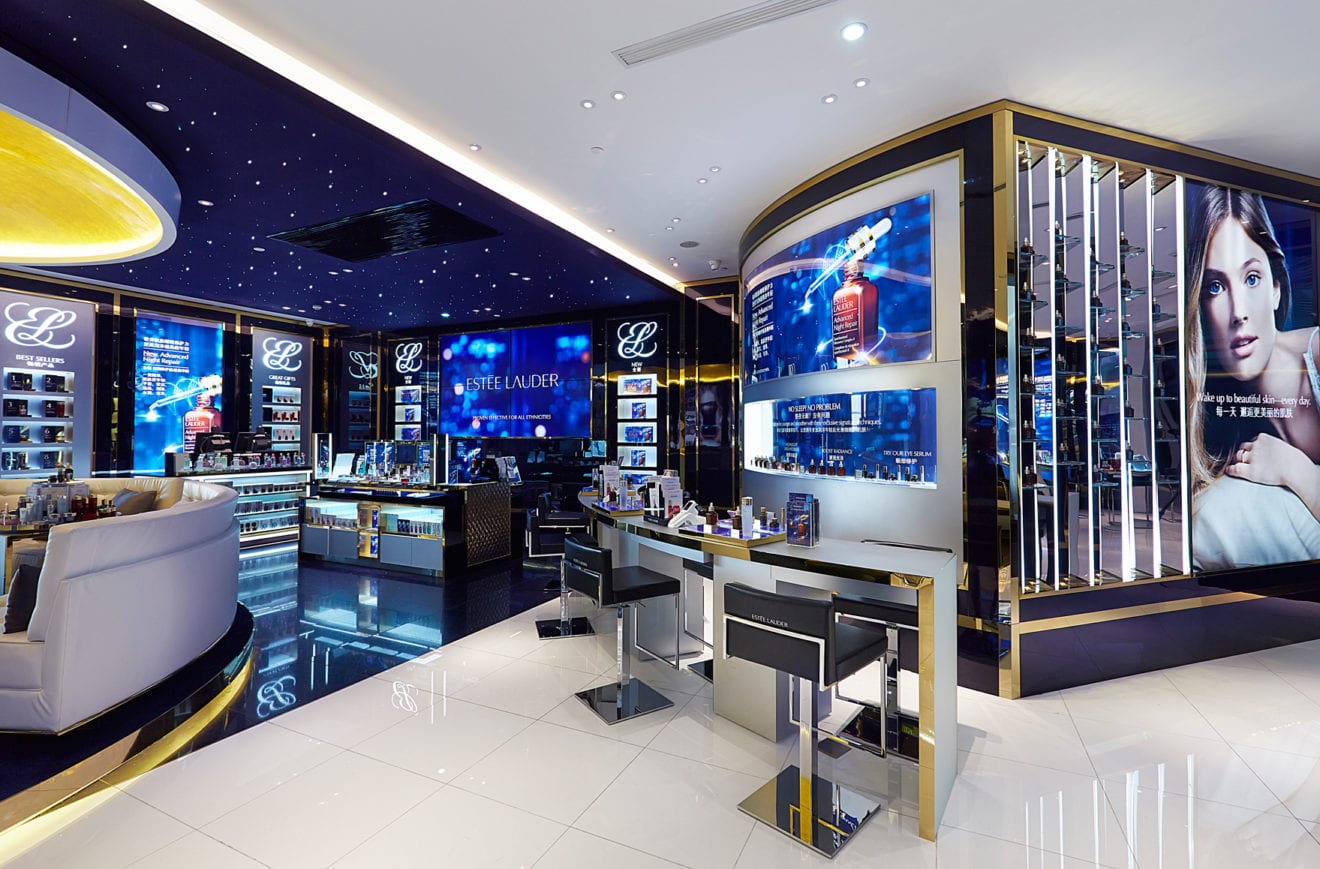
Beauty giant Estee Lauder says its Asian sales rose in every country except Hong Kong in the last quarter.
Estee Lauder Asia achieved double-digit growth in Korea, Japan, Australia and Taiwan and achieved “solid” constant currency sales gains in China and Thailand.
“The higher sales in China reflected sales gains in most brands due to continued distribution expansion and increased online activity,” the company said in an earnings statement.
“In Hong Kong, the reduction in tourism from China continues to negatively impact business, particularly for the Estee Lauder, Clinique and La Mer brands. The company remains cautious of the near-term slower growth there.”
Foreign currency translation unfavorably impacted reported sales by 5 per cent with the largest impact affecting China, Korea and Australia.
In Asia-Pacific, operating income decreased, with lower results reported primarily in Hong Kong and China.
“The lower results in Hong Kong were primarily due to the lower sales, and in China were attributable to increased marketing, selling and store operations costs. These lower results were partially offset by higher operating income in Japan and Singapore,” the company said.
In its outlook for the full 2016 year, now nine months complete, Estee Lauder said it expects the global prestige beauty market to continue to generate solid growth.
“However, volatility and economic challenges are expected to continue to negatively impact Hong Kong and some emerging markets challenged by weak currencies. The company’s growth has outpaced global prestige beauty and is expected to continue growing faster than the industry, demonstrating the company’s ability to successfully navigate volatility. The company expects to increase targeted investment spending in the fiscal 2016 fourth quarter compared with the prior year, behind areas with good momentum or with opportunities for share gains, as well as in capabilities to sustain future growth.”
Globally, net sales for the company’s third quarter to March 31 totalled US$2.66 billion, a 3 per cent increase compared over the $2.58 billion in the prior-year quarter. Net earnings were $265.6 million, down on the $272.1 million of last year.
Meanwhile, Estee Lauder has revealed plans to save between $200 million and $300 million a year through a series of job cuts, retraining and restructuring initiatives.
-

BreadTalk Myanmar franchise deal sealed
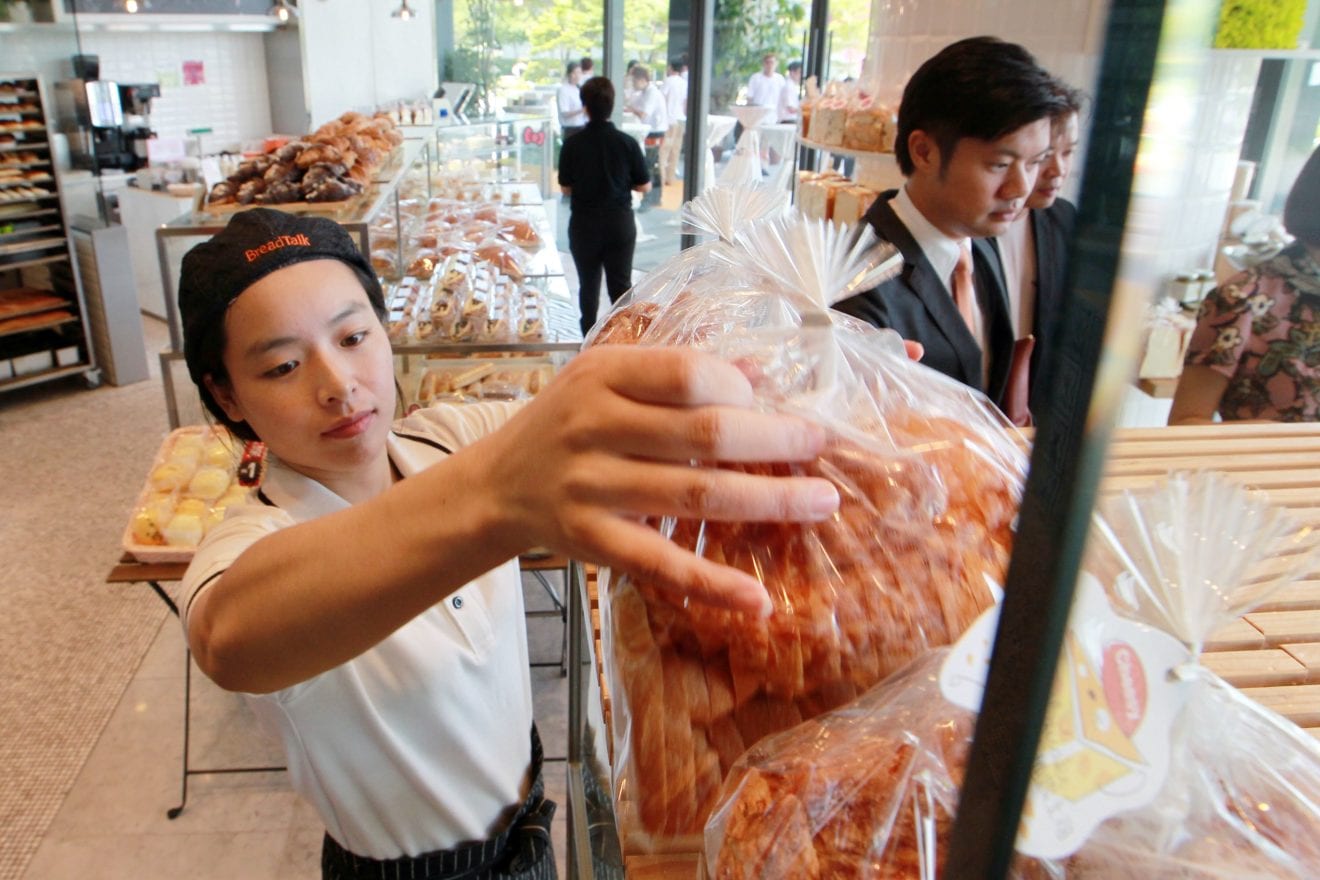
Singapore bakery giant BreadTalk is moving into Myanmar, signing a master franchise agreement with Myanmar Bakery.
The first BreadTalk Myanmar outlet is expected to open in Yangon early next year in a shopping centre owned by the Shwe Taung Group. Myanmar Bakery is part of the conglomerate, which has an extensive real estate interests. BreadTalk is the group’s first F&B venture.
“With a growing middle class and rising retail consumption, there are immense growth opportunities in Myanmar,” says BreadTalk bakery division CEO Tan Aik Peng. “The Singapore team is working closely with the Shwe Taung Group to understand the market.”
He says the company is confident it will introduce a “new lifestyle of bread appreciation” to Myanmar.
BreadTalk has nearly 800 outlets across Singapore, China, Hong Kong, Indonesia, Vietnam and Thailand.
The Shwe Taung group of companies is involved in real estate, construction and engineering, infrastructure, hotels, entertainment, trading and investment. It also runs the Junction Centre group of shopping centres, which includes malls in Yangon and Naypyitaw.
The group is also behind the upcoming Junction City, an integrated development in downtown Yangon to comprise a lifestyle shopping mall, an office tower and a five-star hotel, scheduled to open early next year.