Author: Mei Ling Tan

  • HMV closes iconic Hong Kong flagship store in Central

    HMV closes iconic Hong Kong flagship store in Central

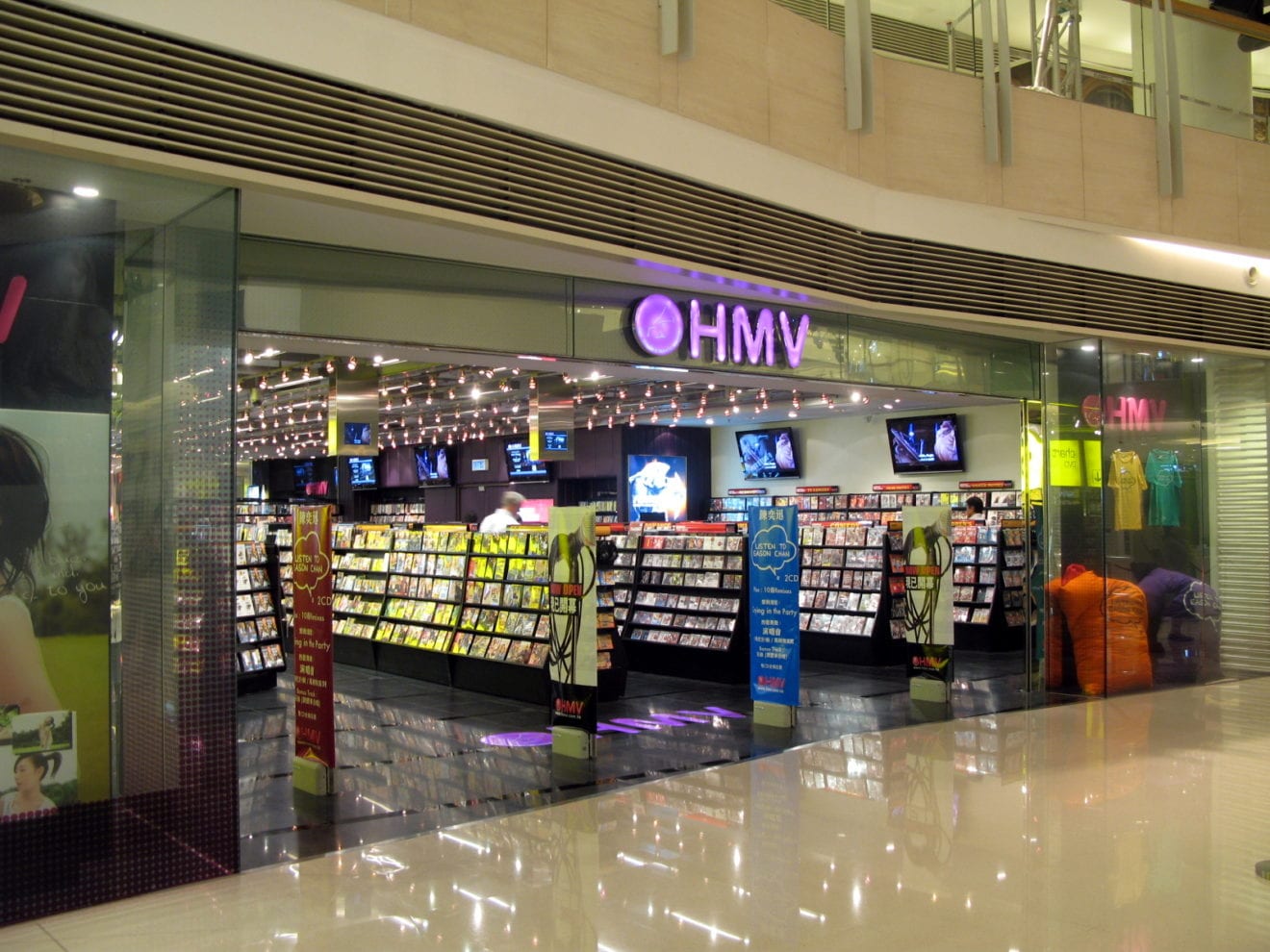
    Hong Kong’s largest music and DVD retailer HMV quietly closed its iconic flagship store in Central last month in a move to lower rental costs, as the city faces its steepest retail downturn since the Asian Financial Crisis.

    The closure will be followed by the opening of a new shop this September, just one block away from the old outlet in Entertainment Building on Queen’s Road Central, which will cost the entertainment retailer roughly HK$250,000 less in rent each month.

    A sign outside the recently-vacated Central store, which was HMV’s second-largest in the city, read:

    “We are closing on 16 April … Exciting new HMV Central opening in September 2016.”

    The new shop, located in the basement of Manning House, Central, will be only about 77 per cent of the size of the former, and will cost slightly more than HK$1 million a month in rent, according to Michael Chik, managing director of agency Sheraton Valuers.

    He said the rent HMV paid for the two-storey store at Entertainment Building was close to HK$100 per square foot, or HK$1.25 million a month. HMV had leased the space on the third and fourth level since 2011.

    “It was a pity,” Gilbert Ho, managing partner at AID, said.

    But he said the decision was not made due to poor sales. In fact, sales at the former Central store had increased by 15 per cent compared to the previous year, Ho said.

    “This doesn’t mean we want the landlord to pocket the money,” he said.

    Ho said it was easier for the company to find a more visible place with a lower rent given the current market situation. “Why not?” he asked.

    A staff member at Onshine Securities, landlord of Entertainment Building, said the company was still seeking a new tenant to replace HMV.

    The new tenant would pay about HK$1.5 million per month for the space, but famous luxury brands, such as Gucci and LV, could enjoy a deeper discount, the staff member added.

    When the British retailer HMV, founded in 1922, went into administration in January 2013, AID Partners brought its operations in Hong Kong and Singapore. The buyout firm sold 81.63 per cent stake at HMV to China 3D Digital for HK$408 million in March this year. AID is the single largest shareholder of the new owner.

    HMV, which currently operates four local outlets, opened its first Hong Kong store in Causeway Bay in 1994. The British brand has had a long bitter battle with the city’s rising rents in the past a few years, closing its Whampoa Garden store and a Causeway Bay store in 2015.

  • Will Reits save or kill Singapore’s shopping malls?

    Will Reits save or kill Singapore’s shopping malls?

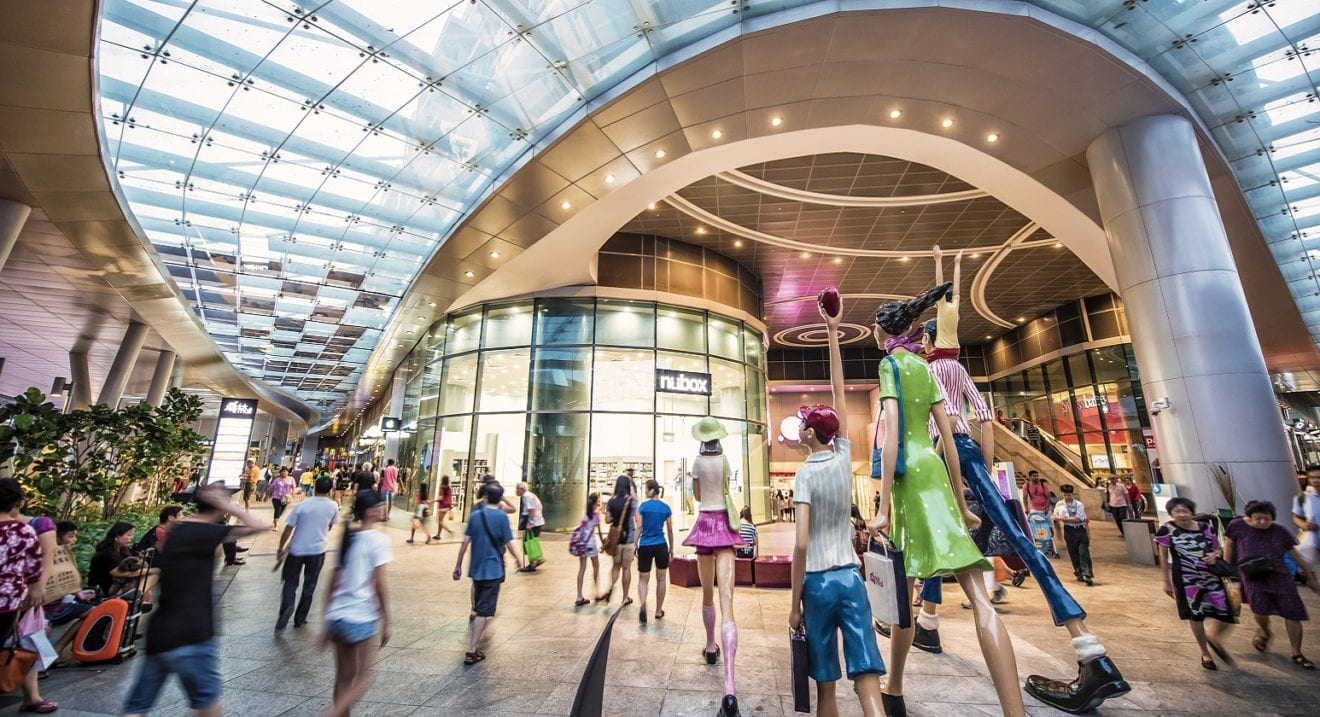
    REAL Estate Investment Trusts (Reits) were once hailed as the saviours of Singapore’s shopping malls. The theory was that single-owner malls would never match malls run by Reits. And at first, that seemed obvious. After all, compare malls like Sim Lim Square and Ming Arcade (single-owner) to Plaza Singapura and Bugis Junction (run by CapitaLand). The latter command higher rents, are more actively promoted, and don’t expose you to at least seven different diseases when you sit on the toilet bowl. But in a recent Business Times report, there’s a hint that the opinion has changed:

    How are Reits turning into the villain of retail?

    In a recent Business Times report, a number of people were consulted on the reasons for Singapore’s struggling retail scene. With a vacancy rate of 8.8 per cent in the Orchard area, it’s become a hot button topic. Most of the responses covered the oft-repeated reasons: a decline in tourism, the rise of online shopping, economic uncertainty, and so forth. But some responses, such as these, stood out:

    The decline of mainstream retail can be explained by Reits, lack of transparency and online retailing. Most of the retail space in Singapore is owned by Reits whose singular objective is to maximise profits in the short to mid-term.” – Paul Lim, Chief Executive Officer, Secura Group Ltd.

    Also:

    The biggest problem is that investing in real estate is still considered to be a relatively easy way of making money…Together with Reits, this inevitably leads to an oversupply of retail space. That there is now much empty retail space is partly self-created by players in the real estate industry.”  – Lim Soon Hock, Managing Director, PLAN-B ICAG Pte. Ltd.

    Putting the blame on Reits is not a recent development. In fact, we already heard grumbling back in 2014. During the Budget Debate that year, Worker’s Party Non-Constituency Member of Parliament Yee Jenn Jong brought up the issue. He was addressing the perception that Small and Medium Enterprises (SMEs) were being pressured out of business by Reits, which constantly seek to raise rental rates.

    In order to understand the conflict, we need to grasp the basic idea behind retail Reits.

    The role of Reits

    It’s hard to find common ground here. Depending on who you ask, Reits are either the great hope for Singapore’s malls, or abusive landlords who beat their tenants like stepchildren in a fairy tale.

    The point of a retail Reits is to let investors play landlord, without actually buying property themselves. When you buy units in a Reit, you pool your money with other investors to buy retail space (e.g. Malls like Funan Centre). You, along with other shareholders, get dividends based on the rental income that the Reit is able to collect. The more profitable the Reit’s malls are, the more money you make.

    Retail Reits use property managers to decide which malls to buy, and undertake Asset Enhancement Initiatives (AEI) to make the mall more attractive. This is why malls run by Reits are all shiny and clean, and why they constantly have the best Christmas decorations, New Year promotions, Valentine’s events, etc.

    In theory, this means Reits are good for malls. Now I’m not going to name and shame, but we all know there are malls in Singapore that look like post-war Stalingrad. Run down, with entire floors of vacant shops, and the sole decoration being a Christmas tree the security guard put up in 1978.

    Reits mean active asset management, and state of the art malls that are built to pull shoppers. That should be a good thing; the better a mall looks, the more business its shops will get. But then, there’s also…

    The dark side of Reits

    One reason Reits are so attractive is that they’ve been great passive investments (at least, until recently.) By law, Singapore Reits have to pay out 90 per cent of their profits as dividends. They need to publish quarterly reports that detail foot traffic, the profitability of various malls, and the expenses and returns on AEI.

    This places a lot of pressure on the Reits managers. They need to constantly weed out less profitable tenants, and they’re compelled to keep rental rates high. Not only does their bonus depend on it, they have shareholders to answer to. Picture how that affects the insides of a mall:

    Supermarkets take up too much floor space, and generate fewer dollars per square foot. Boom, your favourite Giant or Cold Storage is closed. Now it’s replaced with a dozen smaller shops, all selling branded crap that costs four times your annual income.

    Bookstores don’t make as much money as before. Well we all love literacy, but they can’t cope with the 20 per cent rental rate hike next month. So they’re gone too, replaced with equally short-lived stores. (The new stores will stick around until the next rental rate hike, which is perpetually around the corner.)

    Love little fashion boutiques? Well you’d better blow half your pay cheque in there, before a chain like Uniqlo or Desigual comes along and offers way more money for the space.

    Retail Reits, you see, are relentless, profit-generating machines. And it’s increasingly common to hear complaints that SMEs are driven out of brick and mortar stores by their rent raising antics. Pretty soon, every mall will be a bland mix of the same giant brands, and Din Tai Fung (which apparently wants to be in every mall on the planet).

    Who’s right?

    So far, the situation is unclear. On the one hand, Reits may have the expertise and muscle to bring back the crowds, even in the face of declining tourism and economic struggles. On the other, Reits’ insatiable appetite for rental income may be the very cause of malls dying.

    At present, all we’re hearing are desultory remarks by the occasional business owner or retail space expert. That’s because there are bigger issues to contend with, such as adapting to the online shopping market. That’s a common enemy that both Reits and brick and mortar stores face.

    But as the situation gets worse, ready your popcorn. The accusations and yelling will eventually go into full swing.
  • Bangkok 18th most attractive retail city

    Bangkok 18th most attractive retail city

    Bangkok ranks 18th in terms of international retailer attractiveness, just ahead of Las Vegas, in a new report from real estate consultant JLL. “The Destination Retail 2016” report also revealed that Asia boasts five out of the 10 most appealing destinations for international retailers globally.

    According to JLL’s report, which for the first time provides a global ranking of 140 cities by their appeal to cross-border retailers, Hong Kong is second only to London in popularity. Also among the top 10 are Shanghai, Singapore, Beijing and Tokyo.

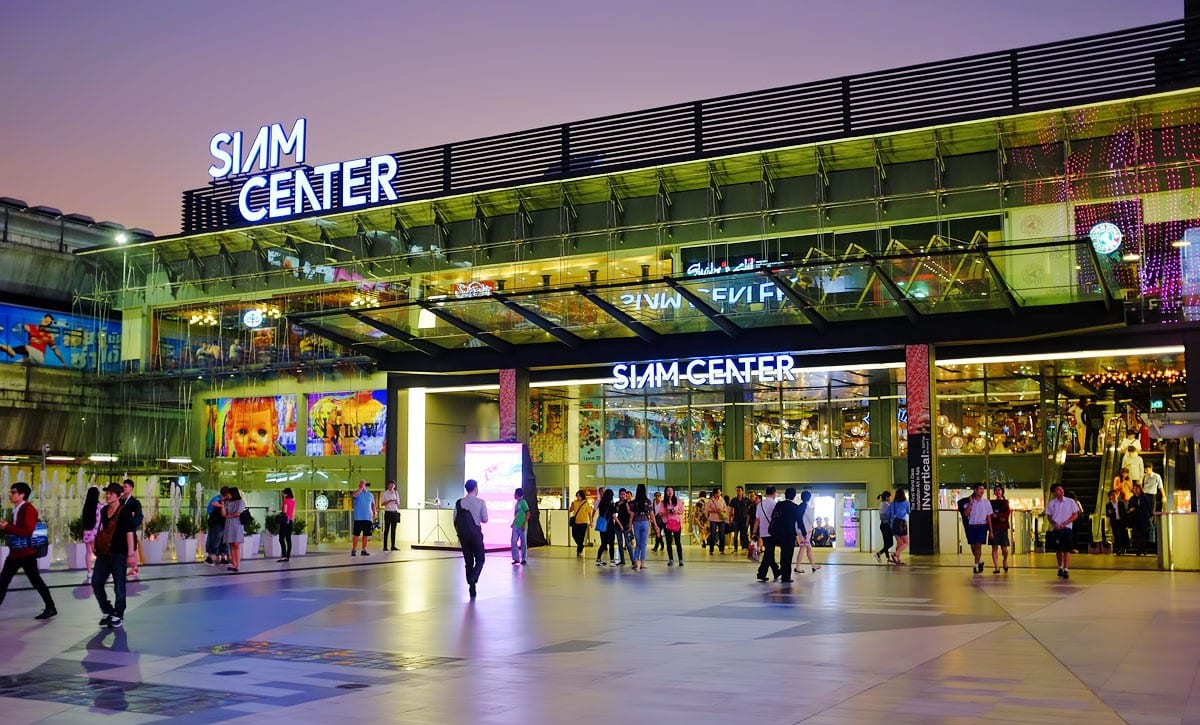
    Boosted by rising income levels and growing tourism numbers from across the world, Bangkok has attracted many international brands, such as H&M, Zara Home, Pull & Bear and Victoria’s Secret. Recently, retailers such as Dior Homme, Pierre Herme, A Bathing Ape and Tiffany & Co have started trading in the city. The Ratchaprasong area is Bangkok’s retail centre and attracts many locals as well as tourists, thanks to its central location and adjacent skytrain. It houses 11 shopping centres, including Siam Paragon, CentralWorld and Siam Square One.

    The recently completed EmQuartier, Central Westgate and CentralFestival EastVille, all outside the city centre, are providing new attractive opportunities to international retailers.

    Bangkok’s retail landscape continues to diversify, with renovations at Siam Discovery and several suburban CentralPlaza retail stores, the opening of HaHa Market and the continued success of Asiatique The Riverfront, a combined shopping centre and night bazaar.

    Cities in Asia-Pacific are the most appealing destinations for luxury retailers to set up shop. Seven Asia-Pacific cities are among the global top 10: Hong Kong, Tokyo, Shanghai, Singapore, Beijing, Osaka and Taipei.

    “Hong Kong remains Asia’s leading luxury shopping destination with many retailers using it as a springboard for expansion into China,” said James Assersohn, retail director for Asia-Pacific at JLL. “While there has been a noticeable slowdown in luxury sales due to China’s slowing economy and the government’s anti-corruption crackdown,Hong Kong continues to attract many high-spending Chinese tourists,” he said.

    More broadly, the dominance of Asian cities in the index highlights the attractiveness of the region to retailers, thanks to its burgeoning middle-class and growing levels of affluence, said Mr Assersohn.

    Tokyo, which takes fourth place globally, has seen a revival in luxury retailer’s demand for high quality real estate as a result of an improving economic climate and rising tourism numbers. The yen, which has devalued by nearly 30% since 2012, has made Japan a magnet for retail tourism across the region. International visitors to Japan rose 47% in 2015 with the largest contingent from China. A weaker yen is also encouraging Japanese to make the most of their luxury purchasing power at home.

    Shanghai, meanwhile, at number six in the ranking, is catching up fast on Hong Kong to become one of Asia’s leading luxury retail destinations and remains China’s premier shopping destination.

    “Thanks to a diverse economy and wealthy consumer base, Shanghai has become a favourite place for international brands to test the Chinese market and gain brand exposure,” said Mr Assersohn.

    (Original article from BangkokPost)

  • Gas Malaysia Q1 earnings beat CIMB Research forecast

    Gas Malaysia Q1 earnings beat CIMB Research forecast

    Gas Malaysia’s 1Q16 net profit, which rose 10% on-year to RM31mil (US$8mil), was at 29% of CIMB Equities Research’s full-year forecast and 24% of consensus.

    The research house said on Thursday the higher earnings were due to lower tax rate and lower losses from its joint venture. Its tax rate fell from 25% in 1Q15 to 21% during the quarter as it reversed some of its deferred tax liabilities.

    “We gather from the company that its tax rates should normalise closer to the statutory rate of 24% in the coming quarters. As for the joint venture, its losses narrowed from RM1.7mil in 1Q15 to RM100,000 in 1Q16. We believe this was due to lower start-up cost during the quarter,” it said.

    CIMB Research raised its FY16-18F EPS by 1%-4% to reflect the lower tax rate. However, it maintained its sum-of-parts based target price of RM1.80, which is 21.7% below the last traded price of RM2.30, and also its reduce call due to its expensive valuation.

    “We prefer Tenaga for its lower price-to-earnings (P/E) and more exciting earnings growth prospects,” it said.

    The incentive-based regulation (IBR) that regulates Gas Malaysia’s tariff and earnings was implemented on Jan 1, 2016. 1Q16 results are the first set of quarterly results reported by Gas Malaysia under the IBR.

    To recap, Gas Malaysia had previously revealed that the allowable WACC for its pipeline assets was set at 8% under the IBR, though it was still consulting with the regulator for a higher rate of return. CIMB Research assumed an allowable WACC of 8% in its earnings forecasts.

    “Although Gas Malaysia’s 1Q16 earnings beat our expectation, we are keeping our assumption as the outperformance was due mainly to the lower tax rate. Gas Malaysia’s 1Q16 EBITDA met our expectation as it accounted for 26% of our full-year forecast,” it said.

    CIMB Research also said there is no guarantee that Gas Malaysia will be allowed to earn the retail margin. A
    lower-than-expected margin approved, if at all, may de-rate the stock. Also, Gas Malaysia trades at 26 times CY16F P/E, higher than PetGas’s 23 times and Tenaga’s 11 times.

    “The latter two, especially Tenaga (Add, TP: RM16.40), provide cheaper exposure to the utilities sector. For exposure to the gas infrastructure sector, we prefer PetGas (Hold, TP: RM22.30) for its stronger earnings resiliency,” it said.

  • China still driving Alibaba sales

    China still driving Alibaba sales

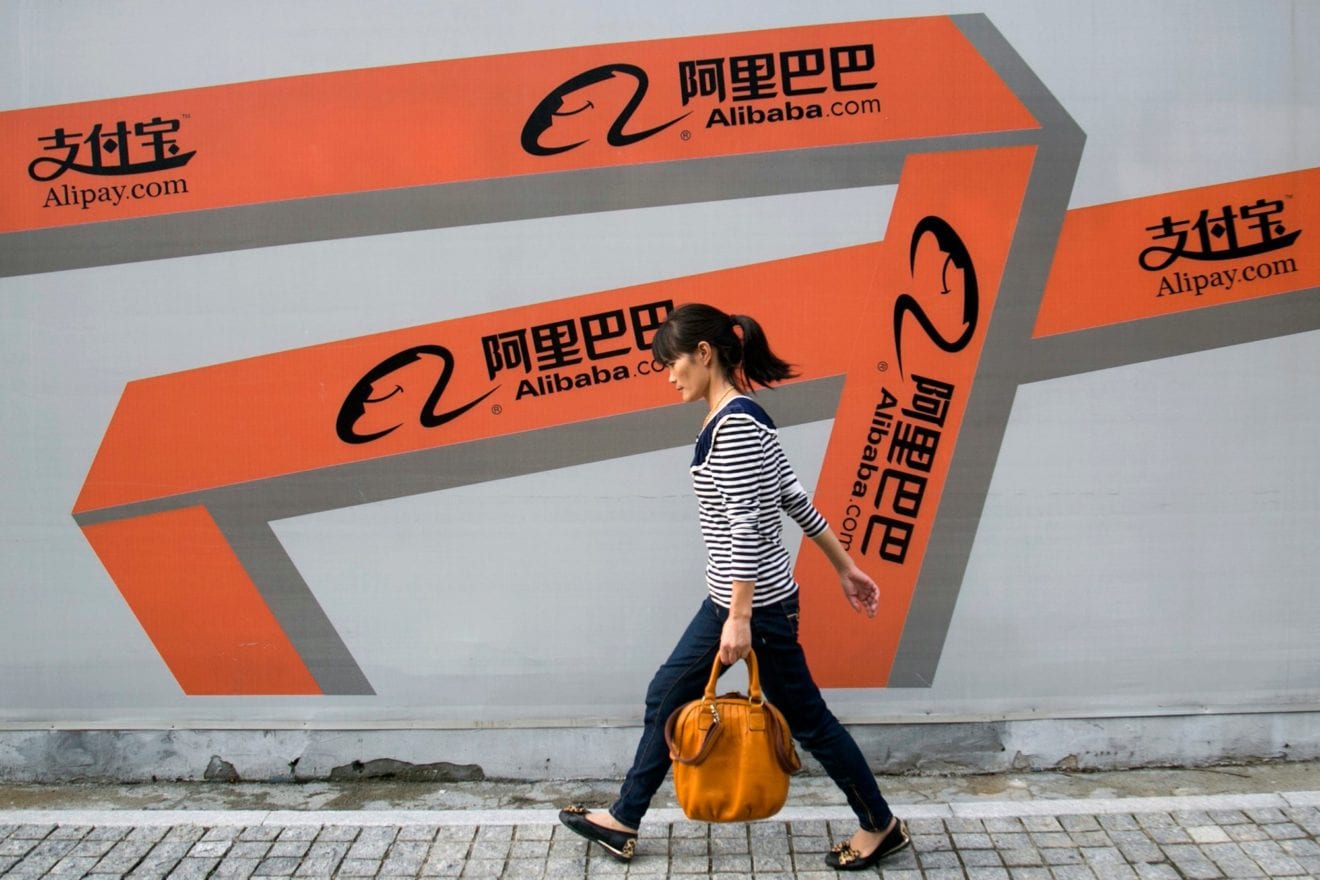
    In posting its strongest revenue growth for the past four quarters, Alibaba has rounded off its fiscal year on a positive note.

    Although growth at the international division picked up strongly, it is China that has underpinned the group’s success.

    Alibaba sales jumped 39 per cent to 24.2 billion yuan (US$3.7 billion) in the three months ended March. Net income rose 85 per cent to 5.3 billion yuan.

    Despite the more challenging economic headwinds in China, Alibaba’s revenue from its various retail platforms in the country surged by 41 per cent over the quarter. Part of this is down to the growing audience, with active buyers across the various marketplaces growing by 16 per cent to an astonishing 423 million customers. Mobile platforms also saw growth with the number of monthly active users rising by 17 per cent to just over 410 million.

    This uplift was boosted by the rise in average revenue per buyer which increased by almost 11 per cent over the same period in the prior year. For mobile users the increase was even sharper, up by just under 109 per cent on the prior year.

    Much of this success can be attributed to three main factors:

    The first is reach. Here, Alibaba’s investment is allowing it to reach large swathes of the Chinese population – including in rural areas through its Rural Taobao platform – in a way that other eCommerce firms struggle to do. That it now has a presence in over 14,000 rural villages is a major advantage when it comes to growing its user base.

    The second factor is customer engagement and understanding. While many of its platforms are based around eCommerce, they are much more than just distribution systems. Taobao, for example, has a strong community element where consumers can look for news, understand trends, and interact with brands. This helps to drive up activity and user engagement which, in turn, aids sales conversion.

    The third factor is the group’s continued success with Western brands expanding into China. Arguably Alibaba is now the Chinese partner of choice for foreign firms, both because of its distribution network and its capability in providing intelligence and insight into consumer trends and habits. This ability to attract Western brands has made Tmall the destination for many Chinese shoppers. It is notable that in March alone, more than 100 new international brands joined the Tmall Global platform.

    As successful as Alibaba is in China, it has found international more challenging. However, the group is now taking a more selective approach to expansion, focusing on embryonic or underdeveloped eCommerce markets where its expertise can drive growth. The stake acquired in Lazada, an eCommerce platform in Southeast Asia, is typical of this strategy. Expect more such investments over the coming year.

    Despite its dominance in China, Alibaba’s growth prospects remain good – especially as it builds its content and entertainment business, and expands into services like cloud computing.

  • Apple China loses trademark fight

    Apple China loses trademark fight

    A small firm that sells handbags and other leather goods has won a trademark fight with US tech giant Apple China.

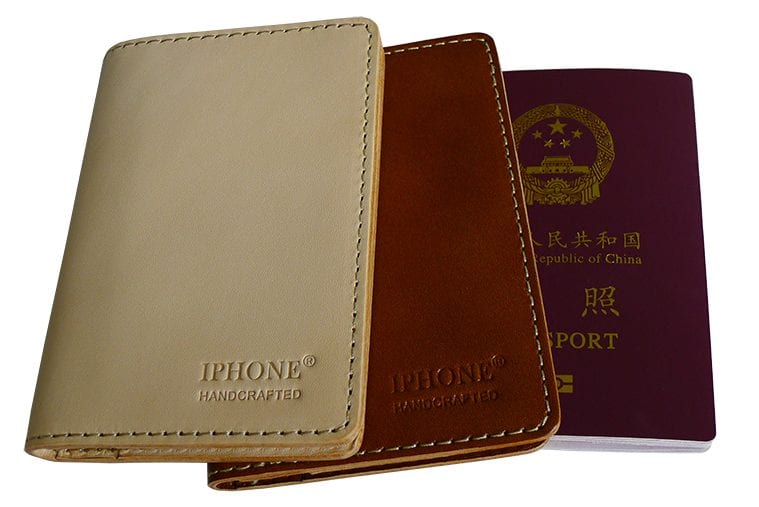
    A Beijing court has ruled that Xintong Tiandi Technology can keep using the name Iphone for its leather products, the official Legal Daily newspaper reports. The company registered the trademark in 2010.

    Apple filed a trademark bid for the name for electronic goods in 2002, but this was not approved until 2013.

    “Apple is disappointed the Beijing Higher People’s Court chose to allow Xintong to use the iPhone mark for leather goods when we have prevailed in several other cases against Xintong,” says an Apple spokesman. “We intend to request a retrial… and will continue to vigorously protect our trademark rights.”

    The Chinese firm’s products include leather phone cases, and its leather goods are branded “IPHONE” with a registered trademark symbol.

    iPhone leather China 1

    Apple first brought the case against the company to the Chinese trademark authority in 2012. When that failed, Apple filed a lawsuit in a lower Beijing court. That also ruled against Apple, which then appealed to the higher court.

    In its ruling, the higher court said Apple could not prove it was a well-known brand in China before Xintong Tiandi filed its trademark application in 2007 (Apple iPhones first went on sale in China in 2009).

    Meanwhile, Apple’s latest results show a 13 per cent drop in revenue on slower iPhone sales. Sales in China, its second-biggest market, plunged by 26 per cent.

    Apple also faces other difficulties in China. In March, Beijing passed a law requiring all content shown in China to be stored on servers based on the Chinese Mainland. As a result, Apple’s iBooks and iTunes services were shut down in China. Apple is hoping access to the services will be restored soon.

    Billionaire investor Carl Icahn has just sold all his shares in Apple over concerns about the technology firm’s prospects in China.

  • Christian Dada Singapore opens flagship

    Christian Dada Singapore opens flagship

    Japanese fashion label Christian Dada has opened its first flagship store in Singapore at the 268 Orchard Road mall.

    Fumiko Takahama Architects designed the interior of the 1700 sqft (157.9 sqm) Christian Dada Singapore boutique, inspired by the Japanese karesansui garden (rock garden). Sheets of black perforated metal are folded, origami-style, to resemble rocks.

    Christian Dada Orchard road

    Founded in 2010 by designer Masanori Morikawa, the Christian Dada label is known for its deconstructed designs. He uses traditional Japanese silk-weaving techniques and the 8th- century yuzen dyeing method, commonly done by hand and used for kimonos and coats.

    Prices range from S$70 (US$51.42) for a bandana to $4620 for a jacket with rabbit-fur collar.

  • Chow Tai Fook casino interests expand

    Chow Tai Fook casino interests expand

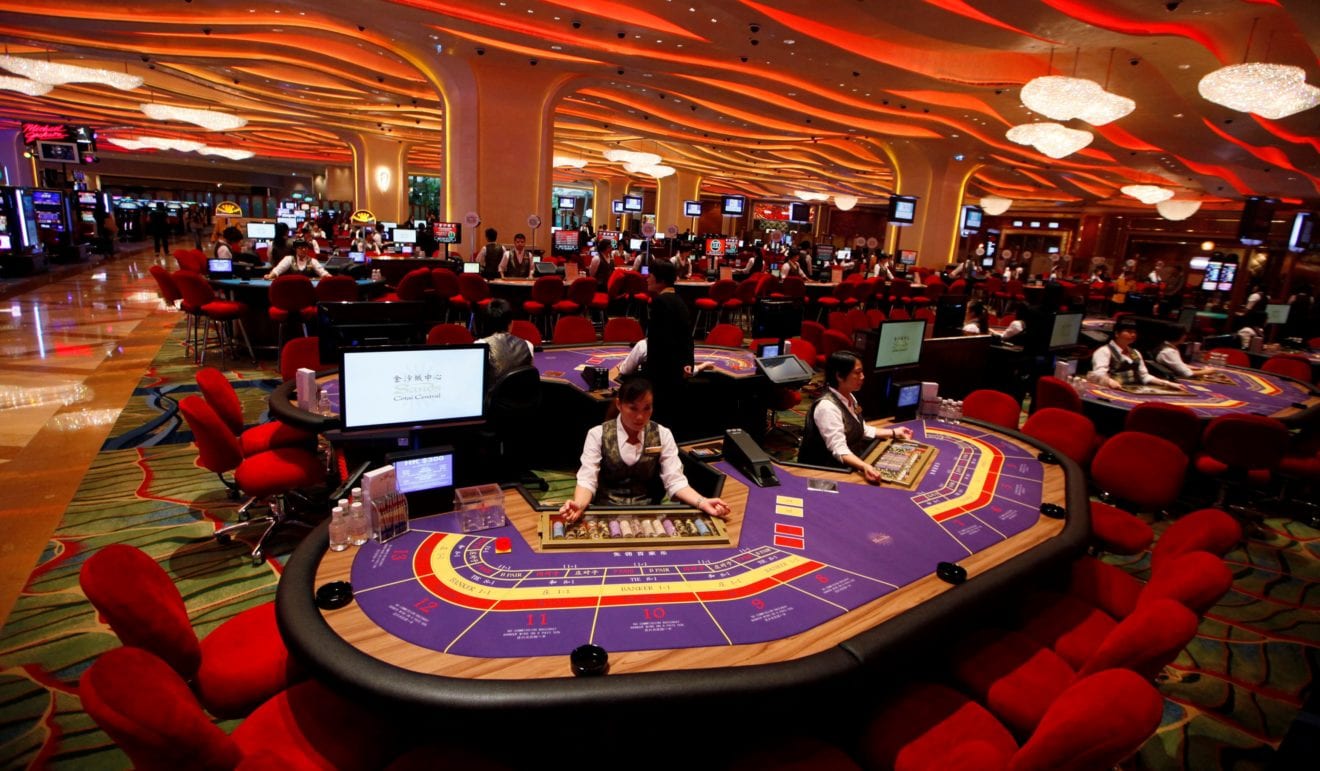
    Hong Kong jewellery retailer Chow Tai Fook Enterprises is diversifying into gaming, and is lead partner in a three-way joint venture developing Vietnam’s second integrated resort casino.

    After a prolonged delay, work has started on the $4 billion project’s first phase, in the UNESCO heritage city of Hoi An in Quan Nam province.

    Also involved in the Nam Hoi An Casino Resort are Vietnamese investment banking firm VinaCapital and Macau junket company SunCity Group. Chow Tai Fook acquired VinaCapital’s majority holding last September, although VinaCapital has announced it will boost its stake from 22.5 to 32 per cent, and also has a major stake in SunCity.

    Chow Tai Fook casino interests in Vietnam, through its New World Development unit, already include two large hotels in Ho Chi Minh City, the New World and the Renaissance Riverside. Three hotels will be included in the Hoi An development.

    Including resorts, an amusement park, golf course, premium villas and apartments, the first phase of the Hoi An project will cost about $500 million and should be completed early 2019. It covers 160ha. The only other integrated resort in Vietnam offering high-end gaming for international tourists is the larger Ho Tram Strip resort near Vung Tau, a beach settlement near Ho Chi Minh City.

    While the Nam Hoi An resort was licensed in 2010, VinaCapital’s original JV partner Genting Malaysia dropped out of the project two years later after deciding that the government’s demand for a minimum US$4 billion investment threshold was too steep considering the property’s gaming options would not be available to local residents.

    Chow Tai Fook, meanwhile, has been aggressively seeking out diversification via casino projects. The company has a stake in The Star Entertainment Group’s $3 billion resort casino project in Brisbane, and in November the Korea Herald reported that Chow Tai Fook had signed a letter of intent to invest $1.6 billion in creating a casino resort at Incheon, near Seoul.

    Chow Tai Fook is a privately held conglomerate controlled by the family of Hong Kong businessman Cheng Yu Tung, Hong Kong’s fourth-richest person who is a longstanding business partner of Stanley Ho Hung Sun, a founder of Macau casino investor SJM Holdings. For the Vietnam project, Chow Tai Fook is working through its entity Gold Yield Enterprises.

    Reuters has quoted industry analysts as saying that Vietnam is within easy reach of wealthy Chinese who provide the lion’s share of gaming revenue in Asia.

  • Gucci America follows Michael Kors out of IACC

    Gucci America follows Michael Kors out of IACC

    Gucci America has become the second brand to quit the International Anti-Counterfeiting Coalition(IACC) since the US-based group allowed Chinese eCommerce giant Alibaba to become a member last month.

    Describing Alibaba as “our most dangerous and damaging adversary”, Michael Kors left the IACC just after the Washington, DC group let Alibaba on board.

    Gucci, along with other Kering Group brands like Balenciaga, is suing Alibaba in New York, accusing it of knowingly encouraging and profiting from the sale of counterfeit goods on its eCommerce platforms. Alibaba has dismissed the suit as “wasteful litigation”.

    “The IACC stands by its decision and is committed to lean into the future and lead a coalition of the willing,” IACC president Robert Barchiesi says. “Whether it’s payment processors or online marketplaces, the choice is clear, they must be an integral part of the solution.”

    Alibaba’s membership is in a special category without voting rights, originally created when eBay asked to join the coalition, which it has not done as yet.

    Alibaba says its membership will allow it to work more closely and effectively with brands to enforce intellectual property rights.
    There are more than 250 members of the IACC including Apple, Chanel and Cisco Systems.

    Meanwhile, Alibaba Group boss Jack Ma has been confirmed as the IACC’s spring conference speaker.

  • Seoul underground mall planned in giant transit zone

    Seoul underground mall planned in giant transit zone

    A massive Seoul underground mall is planned as part of a transit zone that will match Coex Mall in size.

    One whole level of the development will feature retail and restaurants.

    Comprising six underground floors, the Gangnam district complex in the south of the city will cover 160,000 sqm.

    If Seoul manages to connect the complex with Coex Mall and a new shopping mall now being built by Hyundai Motor Group, the three areas will encompass a total 420,000 sqm.

    City officials say that about 1.7 trillion won ($1.5 billion) will be allocated for the project, which is expected to serve more than 580,000 commuters daily. The funding will include private investment.

    20160502-225917-907Thread00_595.indd

    Seoul will come up with a master plan by the end of this month, wrap up administrative procedures by the end of this year and open public bidding for an architectural design early next year.

    More than 50 metres deep, the sixth level will service six different rail lines, from subway to KTX bullet trains. Also, 90 bus routes will pass through the area, with the transit centre on the second level.

    Because of a new high-speed train line, it will take only five minutes to travel from the complex to Seoul City Hall, now a one-hour journey.

    Several Great Train Express (GTX) lines will pass through the underground transit zone, connecting Seoul with neighbouring cities in Gyeonggi.

    City terminal services for Incheon International Airport, now provided at Coex, will probably be moved to the second basement floor of the new complex.

  • Index Living Mall sets plan for Asean market

    Index Living Mall sets plan for Asean market

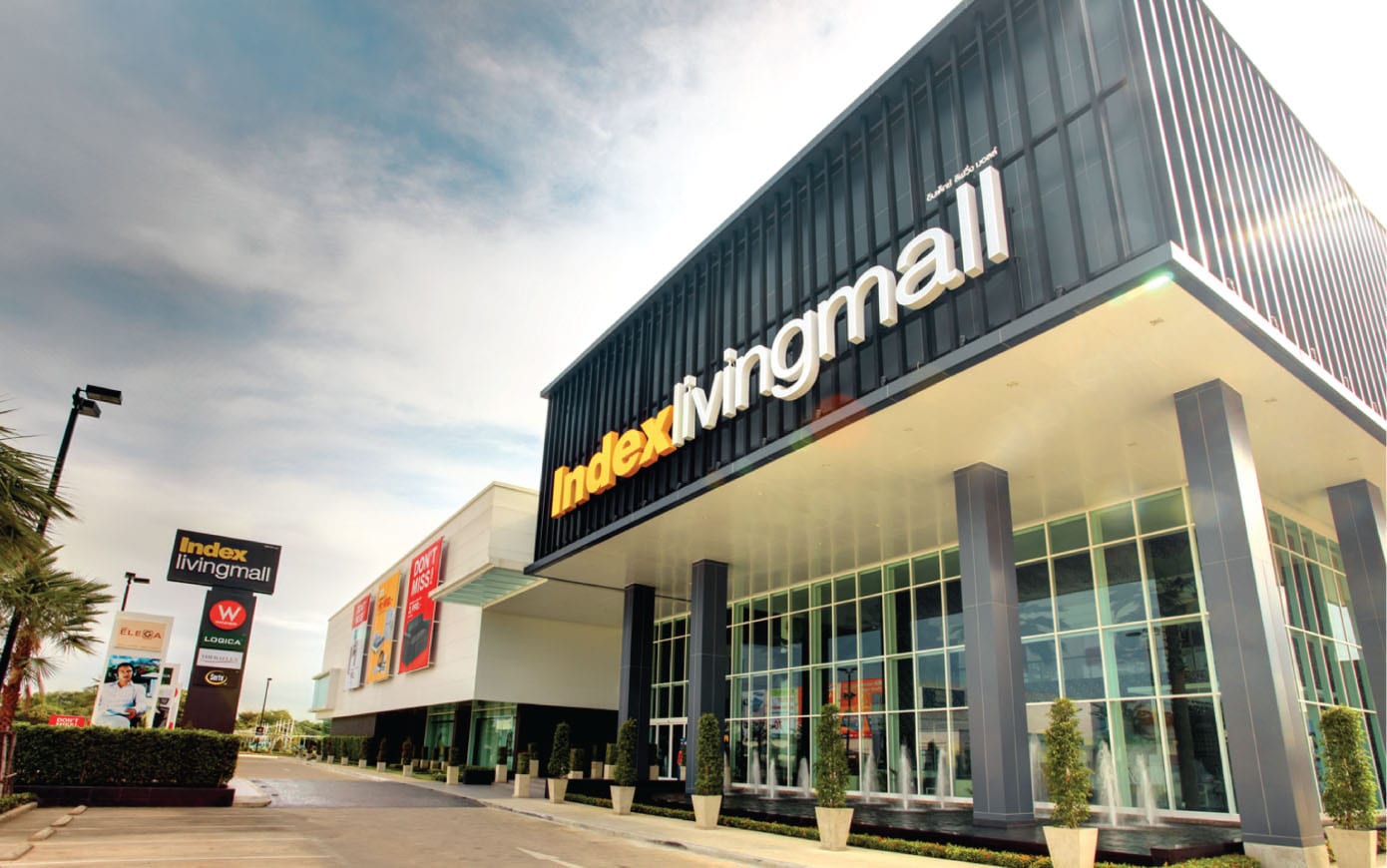
    Thai home-furnishings manufacturer and retailer Index Living Mall has set a strategic plan to open at least one store in a new Asean market every year.

    The company expects the sales contribution from Asean countries to increase significantly from the 6 to 7 per cent estimated for this year to 10 per cent within three years.

    MD Kridchanok Patamasatayasonthi says the expansion is in line with its vision to be the No. 1 player in Southeast Asia in terms of brand awareness in its segment.

    In Thailand, Index Living Mall opened a branch in Nakhon Pathom in February with 7500 sqm of retail space, and another store will open in Chachoengsao next month covering 5500 sqm.

    “We also plan to open another store in Bangkok next January,” says Kridchanokshe.
    Index Living Mall has also opened stores in Malaysia and Vietnam.

    Malaysia’s first store is in IOI City Mall in Putrajaya, followed by another outlet at Aeon Mall in Shah Alam in March, and at Aeon Mall in Kota Bahru last month. The expansion in Malaysia is through a joint venture with Japan’s Aeon Group, and the fourth store will open in Johor Bahru next year.

    In Vietnam, where the brand has had a presence for four years, the company has appointed a new local franchisee to expand its network. The first Index Living Mall in Vietnam under the new partnership, at Vincom Mega Mall in Ho Chi Minh City, opened in January, followed last month by a store at Hanoi’s Vincom Mega Mall.

    “We are negotiating with a potential joint-venture partner in the Philippines and a potential franchisee in Indonesia for partnership deals expected to be finalised next year,” says Kridchanok.

    Index Living Mall posted THB2.5 billion (US$71.242 million) in sales revenue in the first quarter of this year, a 10 per cent increase compared with the same period last year. The company targets THB10 billion in sales this year, up 10 per cent over 2015.

    It has also opened a concept store at Don Mueang International Airport, Sky Living by Index Living Mall – 400 sqm of retail space showcasing its products and accessories.

    After the renovation of the airport’s Terminal 2 to accommodate the growing number of domestic passengers, Index Living Mall aims to create direct customer experiences by providing a premier passenger lounge designed around a variety of room settings, as well as a Kids’ Zone.

    The first Index Living Mall store opened more than 20 years ago, and there are now 26 retail locations throughout Thailand.

  • New stores boost Max’s Group Philippines

    New stores boost Max’s Group Philippines

    Max’s Group Philippines has opened nine stores mainly across star brands Max’s Restaurant, Pancake House, Yellow Cab Pizza and Krispy Kreme in the first quarter of 2016.

    These expansions include three international outlets – Max’s Restaurant in Qatar, Yellow Cab Pizza in UAE and a Sizzlin’ Steak concept store in California.

    Max’s Group Inc reported a net income of P162.3 million for the first quarter 2016, up 8 per cent compared to P150.6 million for first quarter 2015.

    “The numbers are in line with our estimates. We are now starting to realize the revenue impact of new stores that came onboard in the latter part of 2015. By recalibrating our design and build plan, we expect a leveled and systematic rollout of stores for the entire year,” said Robert Trota, president and CEO of Max’s Group Inc.

    Topline growth was at 12 per cent to P2.7 billion from P2.4 billion. Restaurant sales increased 13 per cent to P2.3 billion from P2.1 billion driven by steady same store sales growth and new store openings for the period.

  • Furla prepares for IPO

    Furla prepares for IPO

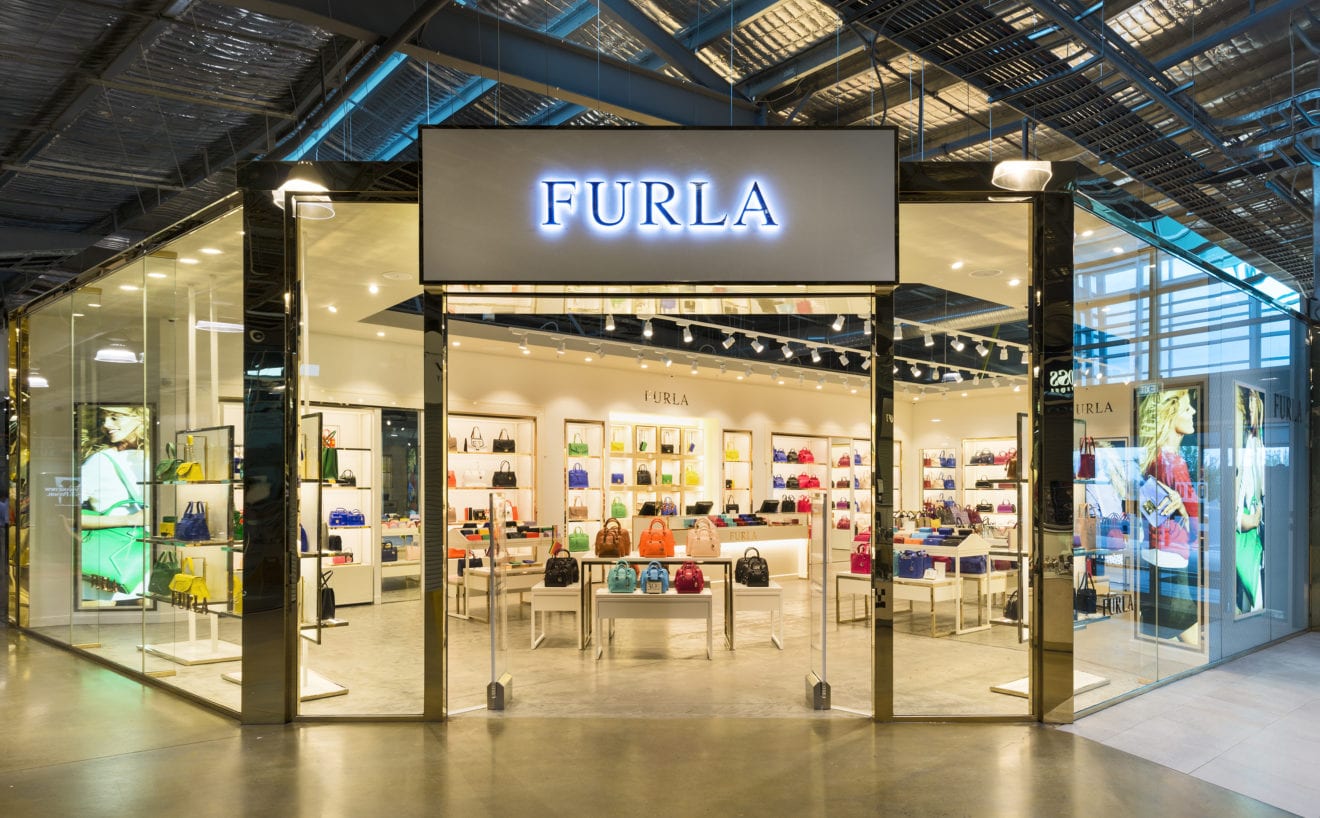
    Italian luxury goods brand Furla has taken its first steps towards a public share offer.

    After extensive negotiations, the shareholders of Furla have reached an agreement with TIP – Tamburi Investment Partners – over the issue of a bond which will later be converted into shares in the company’s future IPO.

    Giovanna Furlanetto, president of Furla says he is “very happy with the step that the company has taken, opening up to the contribution of highly-qualified and ethical professionals, in order to become stronger and more competitive globally to pursue the future growth its heritage deserves”.

    Giovanni Tamburi, TIP president and CEO, said his company was proud to be linked with “one of the most prestigious Italian entrepreneurial excellences, a brand recognised worldwide, which has decided to undertake its IPO with us to further accelerate its already remarkable growth, both in terms of sales and of profitability”.

    No timing has been revealed as yet for the IPO.


  • Singapore’s DBS offers 7% rate on digital bank accounts

    Singapore’s DBS offers 7% rate on digital bank accounts

    Singapore’s DBS Bank aims to be a disruptor in India even as it awaits the RBI’s nod to upgrade its branch to a subsidiary which will have unrestricted access to the country. The bank is offering digital bank accounts with zero balance requirements, 7% interest rate on savings and unlimited access to ATMs. These accounts can be opened by anyone with a smartphone, an Aadhaar card and a PAN card.

    Speaking to TOI, Piyush Gupta, CEO, DBS, said, “We are trying to be a disruptor. There is no question for us that this channel allows us to expand into retail consumer business and provide a different kind of banking, which is a much bigger scale than the typical niche banking done in the past.” The bank has set a deposit target of Rs 50,000 crore in five years and Rs 10,000 crore of retail loans.

    The reason why DBS is going full steam in India even as other multinationals are being cautious on retail is that DBS is primarily an Asian bank. Also, the bank sees India as ideally positioned for this kind of disruption.

    “We are creating the Digibank in India as a global first because the digital infrastructure in India is better than anywhere else. The whole India infrastructure – the JAM (Jan-Dhan, Aadhaar and mobile) trinity – and the India stack is under-appreciated.” The India stack refers to four government initiatives – the biometric authentication, digital records, cashless transactions and digital consents where acceptance can be acknowledged without a ‘wet’ signature.

    A DBS Digibank account can be opened by downloading an app and providing a fingerprint authentication at any one of the 500 designated Cafe Coffee Day outlets across the country. The bank is in talks to have more centres for biometric authentication.

  • Indonesia to apply e-planning, e-budgeting systems by 2018

    Indonesia to apply e-planning, e-budgeting systems by 2018

    The government will apply e-planning and e-budgeting systems by 2018, according to National Development Planning Minister Sofyan Djalil.

    “We will improve the process while drafting the Government Working Plan 2017. This is an initial step in the process of applying e-budgeting and e-planning systems,” Minister Djalil, who is concurrently chairman of the National Development Planning Board, said here, Wednesday.

    The implementation of the National Development Planning Congress 2016 is also being streamlined to make it more effective by taking into account the aspirations of the regions, he emphasized.

    Starting this year, the ministry will, in stages, hold discussions with the regional governments to optimally prepare the Government Working Plan 2018.

    The government will change the planning system from “money follow functions” to “money follow programs.”

    “The money follow functions” system had resulted in the creation of several duplicate programs, he pointed out.

    “The Government Working Plan 2017 will implement the money follow programs,” the minister stated.

    He also shed light on the allocation of special funds for infrastructure development in various regions.

    By following the presidential instructions in certain provinces, the funds will be utilized to develop special economic zones, boost the tourism industry, and realize food sovereignty.

    The Government Working Plan 2017 will also include the promotion of mental revolution, legal enforcement, and disciplinary measures to ensure balanced physical and non-physical development.