Author: Mei Ling Tan

  • Furla Stays Focused on China Expansion While Luxury Scales Back

    Furla Stays Focused on China Expansion While Luxury Scales Back

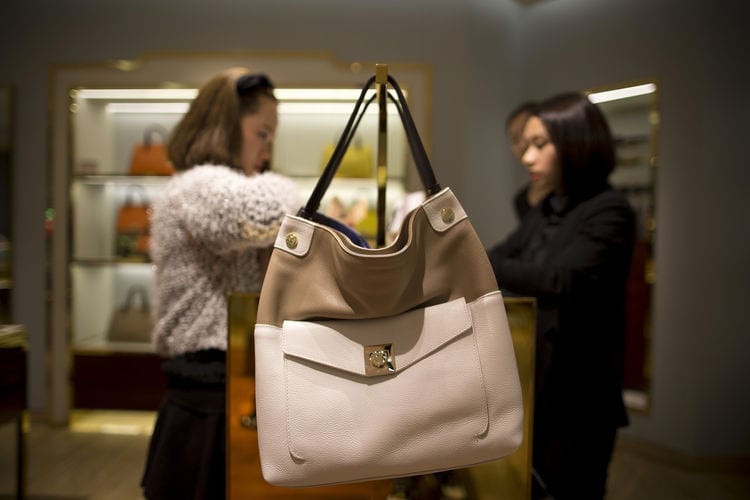
    If there’s one clear example of “accessible luxury” making strides in China’s retail industry, it’s Furla. The Italian fashion house has been in the midst of a rapid evolution, going from being known globally as a playful, youthful handbag brand to capturing China’s growing middle class with a new lifestyle-centric range of products. They’re doing something right—Furla, which recently announced it will go public in 2017, posted a 126 percent global sales increase in the past five years up to 2015, the highest since its founding in 1927. Sales were up 30 percent at 339 million euros and net profit was up 41 percent last year from 2014. China sales grew 75 percent in the same five-year period, and outgoing CEO Eraldo Poletto, who will be leaving in June for Ferragamo, says he expects China to soon become Furla’s main market.

    To capitalize on this opportunity, Furla has major plans for China in 2016. Currently, there are 44 Furla boutiques in 18 cities in China, including two new flagship openings in Hong Kong and Macau last year, but the focus for the next couple of years is expansion in “fast-developing” first- and second-tier cities in the mainland, such as Chengdu, Hangzhou, Chongqing, Shenyang, and Tianjin. Of particular note, the company is preparing to reveal its flagship store in Shanghai CITIC Square this month. Creating an e-commerce platform in China is another huge priority for the company before the year ends.

    Still, Poletto says Furla is keeping in mind the need to remain exclusive in order to remain appealing to their customer in China. Tighter household budgets may be making affordable luxury more appealing to middle-class consumers, but according Poletto, the key to Furla’s success is more complicated than the brand’s price point.

    “The definition of luxury is not to be expensive, but to be unique,” he says. “Over-expansion violates this rule, this is why many brands currently are facing difficulties and have to downsize their boutique quantity.”

    Furla’s impressive performance for 2015 was also driven by the company’s new product categories, and it’s their delivery of these as part of an Italian lifestyle brand that helps them “be successful and outstanding in the worldwide downturn,” Poletto says. This year, Furla introduced a menswear collection and women’s shoes, and continued its eyewear collaboration with De Rigo. Furla is also now partnering with Ratti for textiles, and Morellato for watches, as part of a well-rounded lifestyle selection with the modern Chinese consumer in mind that “brings Furla to a new era.”

    “The Chinese customer will always be our first priority in all global projects,” Poletto says. “We consider China to be the biggest market in the next five years, so what we’re doing now is finding an easier and more comfortable way for the Chinese customer to experience the typical Italian lifestyle, which is one of the most high-quality ways of life.”

    A screenshot of Furla's global online game for customizing a Metropolis bag.

    A screenshot of Furla’s global online game for customizing a Metropolis bag.

    Furla is also catering to the Chinese consumers’ interest in acquiring bespoke goods. It will soon be offering a made-to-order service at Shanghai CITIC Square, where customers can design their “exclusive Furla dream bag.” Already, Furla fans around the world can choose from a colorfully designed selection of leather covers to dress up their bag in tune with their personality, but now, in China, customers can also customize the stitching, edges, hardware, and custom tags on the Metropolis or the IT BAG Artesia—still at accessible price points, although this varies depending on the materials. In keeping with their Italy-focused philosophy, Chinese consumers get their bags in 12 weeks—they’re made in Italy, after all.

  • Overall Singapore retail sales down 1.4% in March

    Overall Singapore retail sales down 1.4% in March

    Due to a drop in car deals.

    Retail sales in Singapore contracted by 1.4% month-on-month in March, following a 4.8% drop in car sales.

    Excluding motor vehicle deals, retail sales contracted by 0.6%.

    On a year-on-year basis, overall sales rose by 5.1%. Excluding motor vehicles, sales dropped by 2.2%.

    The total retail sales value in March 2016 was estimated at $3.7 billion, compared to $3.5 billion in March 2015.


  • Ayala Mall: Manila’s 250000 Sqm Shopping Centre

    Ayala Mall: Manila’s 250000 Sqm Shopping Centre

    Developed and owned by Ayala Malls, a real-estate subsidiary of Ayala Land, which is an affiliate of Ayala Corporation, one of the oldest and most prominent family owned conglomerates in the Philippines. The firm is widely credited for spearheading the Central Business District in Manila in addition to championing education and the arts across the country.

    Greenbelt-5

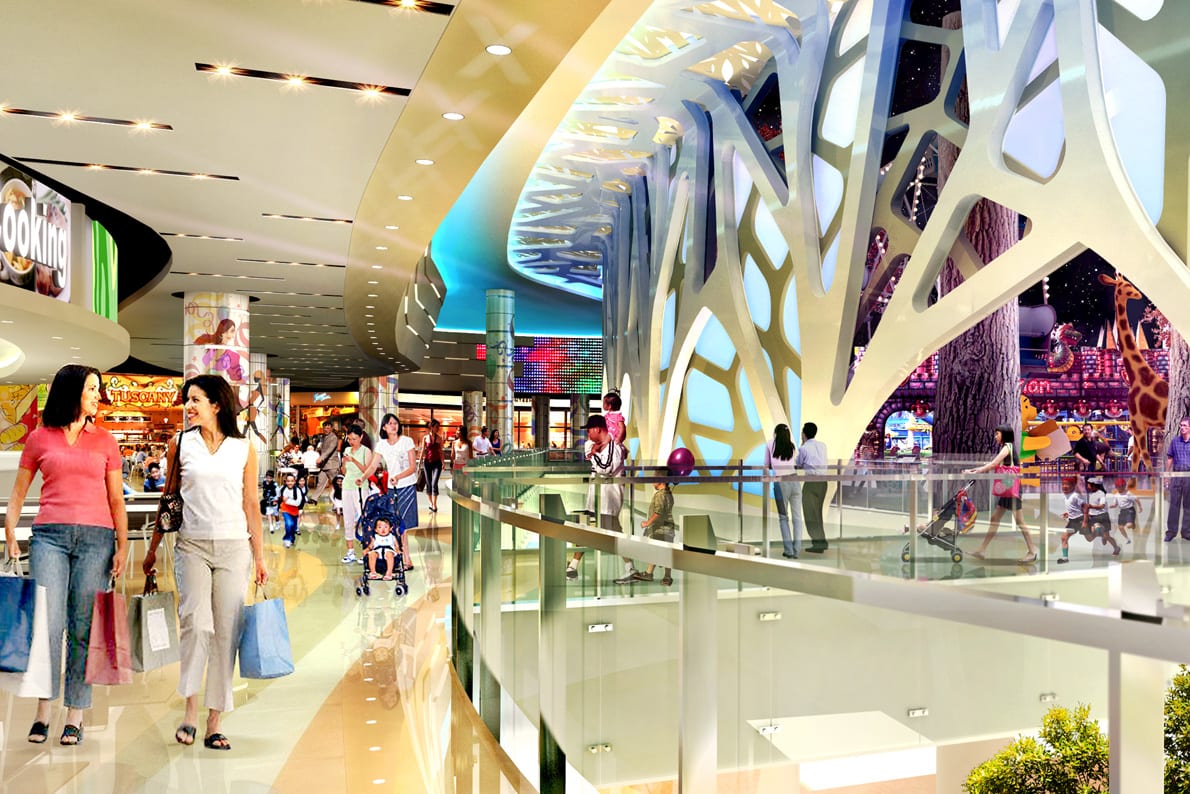
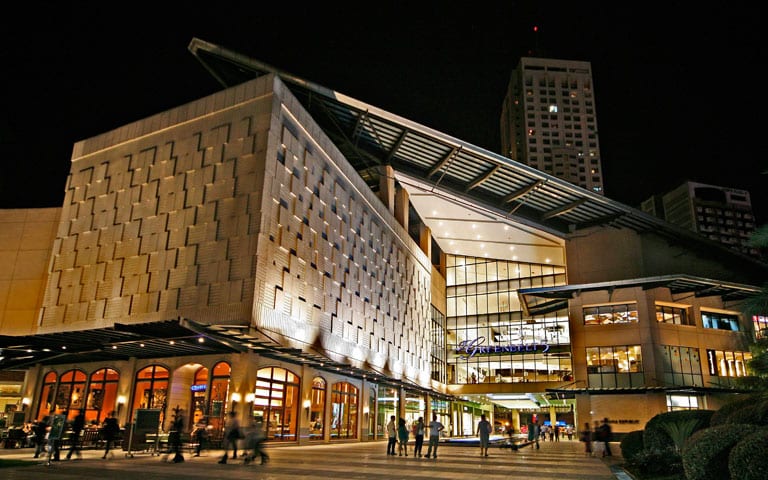
    Sitting on an expansive and prime area squared by Makati Avenue, Paseo de Roxas, Arnaiz Road and Legazpi Street is the Greenbelt Mall, a complex of five buildings captures and complements the sub-tropical conditions in Manila with each building exhibiting its own style of architecture.

    The mall is centred around an eponymous ‘greenbelt’ of lush, tropical gardens that provide much needed respite from the heat for thousands of people each day. Included within greenbelt is a Chapel, ponds, and walking tracks.

    Greenbelt Mall 3

    Greenbelt Mall 2

    Each Greenbelt structure offers a different retail and tenancy mix.

    Greenbelt 1 houses smaller food and retail tenancies, along with a focus on electronics and home appliances and, of course, car parking.

    Greenbelt 2 is comprised of fine dining restaurants, while Greenbelt 3 houses high-end retail stores and coffee shops. Elevated walkways connect Greenbelt 3 and 4 to Landmark and Glorietta, with the Greenbelt cinemas located in Greenbelt 3.

    Greenbelt 4, whilst smaller in comparison to its sister buildings, is home to a range of global luxury retail stores, including Coach, Burberry, and Ralph Lauren.

    Greenbelt has become a premium fashion and lifestyle centre, a distinct mix of foreign popular and luxury fashion brands as well as the best of Filipino fashion and home designers.

     Greenbelt Mall Map

  • South Korea’s Overseas Direct Investment Topped US$10 Billion in Q1

    South Korea’s Overseas Direct Investment Topped US$10 Billion in Q1

    The Ministry of Strategy & Finance announced on May 12 that South Korean enterprises’ and individuals’ overseas direct investment increased by 29.5% from a year ago to US$10.3 billion in the first quarter of this year, breaking the US$10 billion mark for the first time in four years.

    The amount has continued to increase since early last year. It rose by 32.8% from US$34.44 billion to US$45.74 billion between 2010 and 2011 and then fell 13.3% to US$39.65 billion and 10.1% to US$35.64 billion in 2012 and 2013, respectively. However, it rebounzded to US$40.23 billion last year after edging down by 1.8% to US$35 billion in 2014.

    The overseas direct investment by the banking and insurance sector increased by 96.3% year on year to US$4.02 billion in the first quarter of this year. During the same period, that by the manufacturing sector totaled US$2.76 billion with a year-on-year growth rate of 33.6%. Meanwhile, that by the mining sector fell 13.8% and that by wholesale and retail dropped by 42.3%.

    The amount of the investment in Asia soared by 64.3% to US$2.95 billion to take up 28.6% of the total. That in Latin America jumped by 75.4% to US$2.35 billion. In contrast, that in North America declined by 10.9% to US$2.73 billion while that in Oceania dropped by 30%. By country, those in China and Vietnam increased by 93% and 36.3%, respectively. On the contrary, those in the United States and Canada fell 8.2% and 60.9%.


  • Zara India cuts prices as rival arrives

    Zara India cuts prices as rival arrives

    To be more affordable for the market, Zara India has cut its merchandise prices by 10 to 12 per cent.

    The Spanish fashion brand took this move to coincide with the entry of rival H&M into India, reports the Business Standard.

    Established in India for six years in a joint venture with Tata’s Trent, Zara has 16 stores and is planning to open more. H&M has three stores after arriving late last year.

    Though it has become the fastest fashion brand to achieve $100 million revenues, Zara has seen a slowdown in sales growth. Its prices are reportedly 30 per cent higher than H&M. It has 7013 stores internationally, while H&M has about 3900 in 61 markets.

    Both brands are in malls in India’s National Capital Region, such as Select City Walk in Delhi and Mall of India in Noida. In Mumbai, H&M is planning to open a store next to Zara in High St Phoenix and in Phoenix Market City, Kurla, where Zara also has a store.

    Zara’s sales in India were down from 43 per cent in 2014 to 23 per cent last year, according to the Trent annual report.

  • Brooks Brothers Thailand opens Bangkok flagship

    Brooks Brothers Thailand opens Bangkok flagship

    Classic American menswear retailer Brooks Brothers has opened a flagship store at Bangkok’s Gaysorn Shopping Centre, to be followed by more outlets in the city.

    The new Brooks Brothers Thailand store’s interior features a finished wood floor, with shelves stocking garments of various checks, plaids, gingham and stripes. Brooks Brothers produced seersucker as early as the 1950s, and the Bangkok store displays a mannequin in a seersucker suit.

    Brooks Brothers, a private company owned by an Italian billionaire, launched in the US in 1818 and is the oldest retailer in the US. It speaks of personal wealth and achievement. Brooks Brothers suits were featured in the television drama Mad Men.

  • Sabang Festival expected to attract 30,000 tourists

    Sabang Festival expected to attract 30,000 tourists

    The Third Sabang Festival is expected to attract 30 thousand tourists to visit Weh Island, Head of Sabang Culture and Tourism Zulfi Purnawati has stated. The festival will be held from May 21 to 25.

    “In 2015, as many as 20 thousand tourists visited Sabang during the festival, and this year we have targeted 30 thousand tourists,” Zulfi Purnawati said here Saturday.

    During the Sabang Fair, the exhibition of appropriate technology will be also conducted.

    “As a result, some 23 contingents from the district/city will participate in the event. We are optimistic that 30 thousand tourists will visit Sabang,” Purnawati remarked.

    The implementation of the fair was intended to promote tourism in Sabang as well other destinations in Aceh district.

    Purnawati expected the contingent to utilize the annual event as part of its efforts to promote tourist destinations across Aceh.

    Delegations from North and West Sumatra will also attend the festival.

    Meanwhile, entrepreneurs in some ASEAN countries have expressed readiness to attend the festival.

    Secretary Administration of Sabang Sofyan Adam, who is also the executive chairman of the festival, said that all contingents should confirm their participation.

    “The committee has launched the enrollment drive and all contingents should report to the committee. We have also coordinated with the Sabang branch of state-owned ferry operator PT ASDP Indonesia to help with the implementation of the festival,” Adam remarked.

    Earlier, the Ministry of Tourism (kemenpar) of The Republic of Indonesia stated that the success of tourism really depends on the presence or absence of comfort and hospitality of the community towards tourists at the location.

    “The comfort of a tourist is the main factor which should be of concern to a region while developing the concept of tourism. It is not just a discourse,” Directorate General, Based on Media, Design, Science and Technology in the Tourism Ministry, Harry Waluyo said here Monday.

    He stated this when opening a training course on human resources improvement for tourism at the Dharmas Indonesia University in Pulau Punjung.

    The first impression for a tourist during his or her first visit depends on the service from the local community, and that is why one needs human resources with good manners, according to him.

    “Do not let illegal fees damage tourism, that is the weakness of our community all this time while welcoming tourists,” he said.

    “Develop tourism which other regions do not have, so that there will be a main attraction for tourists,” he explained.

  • Lotte to expand investment in Indonesia

    Lotte to expand investment in Indonesia

    Lotte Group Chairman Shin Dong-bin will meet Indonesian President Joko “Jokowi” Widodo during his three-day state visit to Korea which began Sunday.

    According to a Lotte official, Sunday, Shin and Widodo will have a meeting at Lotte Hotel in central Seoul today, to discuss advancements of the group’s investment and business in the country.

    President Widodo is expected to promise full support for the group’s advance into the country.

    Lotte Group is currently operating a Lotte Department Store with two duty-free stores and 41 Lotte Marts as well as Angel-in-us cafes and Lotteria fast food restaurants in Indonesia.

    Especially, Lotte Shopping Avenue that opened in the capital city of Jakarta in 2013 has reportedly gained huge popularity among Indonesians. Lotte Shopping Avenue is a shopping complex consisting of the group’s affiliates such as its department store, duty-free store and Lotteria.

    In 2010, Lotte Group’s petrochemical unit Lotte Chemicals entered the Indonesian market by acquiring Southeast Asia’s leading petrochemical company Titan Chemicals.

    Lotte Group also signed a memorandum of understanding with the country’s largest conglomerate Salim Group in a bid to enter Indonesia’s e-commerce market. The two groups are expected to establish a joint corporation by the end of this year and launch the service next year.

    President Widodo is also expected to have a summit with President Park Geun-hye on the same day and meet other Korean businessmen. He is accompanied by Coordinating Minister for Economic Affairs Darmin Nasution and Trade Minister Thomas Lembong.

    Foreign Minister Retno Marsudi and Head of the Investment Coordinating Board Franky Sibarani came ahead of their president.

    Widodo met with the Indonesian community in Korea at the Indonesian Embassy on Sunday morning.

    Indonesia is now one of the world’s top ten manufacturing countries and a core member state of the Association of South East Asian Nations (ASEAN) where over 2,200 Korean firms are conducting business.

    Korea is reportedly the fifth-largest investor in Indonesia, with total investments reaching $1.2 billion while trade between the two countries peaked at $30 billion in 2011.

  • Ikea may take over BHS sites

    Ikea may take over BHS sites

    Swedish furniture and homewares retailer Ikea is reportedly planning to take over the leases of an undisclosed number of BHS sites in the UK.

    Such a move would mark a strategic change of direction for Ikea, propelling it onto High St rather than its traditional trading space of big barns in destination centres outside city CBDs.

    The Times newspaper has reported that Ikea has held talks with the administrators of BHS and says if a buyer cannot be found for the entire BHS business it will act.

    An Ikea UK and Ireland spokesman, Daniel Lundholm, said: “I can confirm that we have not and will not be bidding to buy the BHS business out of administration. However, we are exploring a number of potential locations across the UK for more order and collection points.”

    Ikea has 18 stores in the UK.

    Meanwhile, the Daily Mail has reported that BHS’s former owner Retail Acquisitions, run by twice-bankrupt ex-racing driver Dominic Chappell, burnt through more than £100million in 13 months at the company after buying it from Sir Philip Green for £1. The firm’s management battled to block ‘inappropriate’ spending but the company is now in administration putting 11,000 jobs at risk while the Pension Protection Fund is overseeing a £571 million pension deficit.

    BHS, founded in 1928, collapsed last month.

  • Pertamina cuts Pertamax gasoline prices

    Pertamina cuts Pertamax gasoline prices

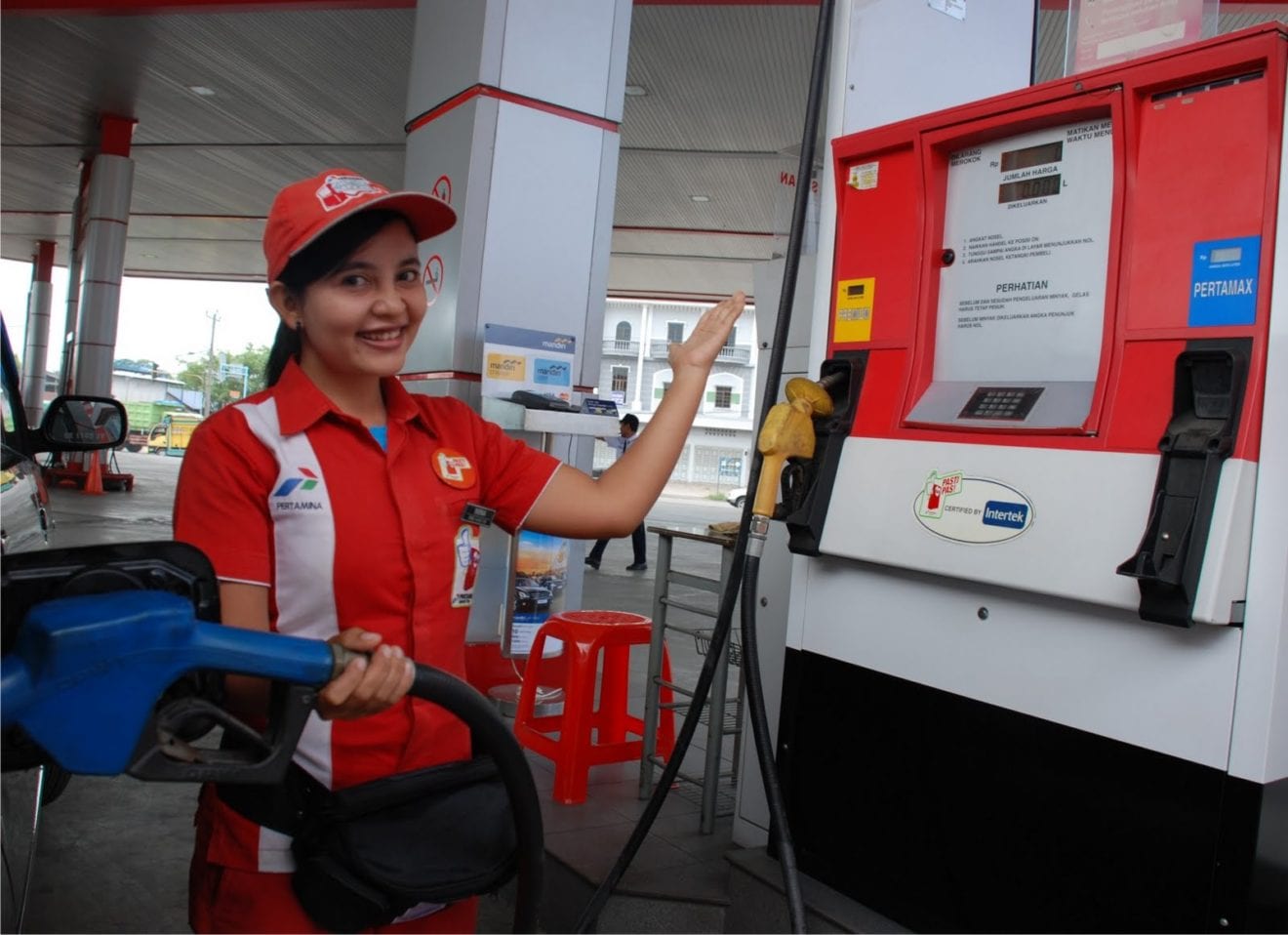
    State-owned oil and gas company Pertamina has lowered the prices of Pertamax gasoline by Rp200-Rp300 per liter effective as of 00:00 on Sunday, 2016.

    Corporate Communication Vice President of Pertamina Wianda Pusponegoro said in written statement here on Sunday that the lowering of the prices was a periodical corporate decision made to follow the trend of the world crude prices.

    “The prices of Pertamax were lowered by Rp200 per liter for Java, Madura and Bali islands and by Rp300 per liter for other regions,” she said.

    She cited Jakarta and its surroundings as an example where Pertamax price was lowered from Rp7,550 per liter to Rp7,350 per liter. In Surabaya, East Java, the price was lowered from Rp7,650 to Rp7,450 per liter.

    In East Kalimantan, on the other hand, the price of Pertamax was cut by Rp300 per liter from Rp8,000 per liter to Rp7,700 per liter.

    The price of Pertamax Plus in West Nusa Tenggara, Java and Bali was cut by Rp200 per liter and by Rp300 per liter in other regions.

    However, the price of Pertamax Dex was lowered by Rp300 per liter in all regions. The Price of Dexlite gasoline was set at Rp6,650 per liter.

    Pertamina also cut the price of Pertalite gasoline by Rp200 per liter in all regions.

    “The price of Pertalite in Papua which was initially sold at Rp7,300 per liter is lowered to Rp7,100 per liter,” she said.

    The prices of diesel oil/bio-diesel oil were also reduced by Rp300 per liter.

    In Jakarta and Banten, the prices of fuels of these types went down from Rp6,950 per liter to Rp6,650 per liter.

    “Besides the decline in the world oil prices, the lowering by Pertamina of the gasoline prices was also a form of the companys appreciation to consumers,” Wianda Pusponegoro said.

    She said Pertamina will continue to monitor tightly the availability of stocks at gasoline refueling stations considering that the decline in the price of gasoline often increases consumption.

  • Demand for North Sumatra`s rubber shrinking

    Demand for North Sumatra`s rubber shrinking

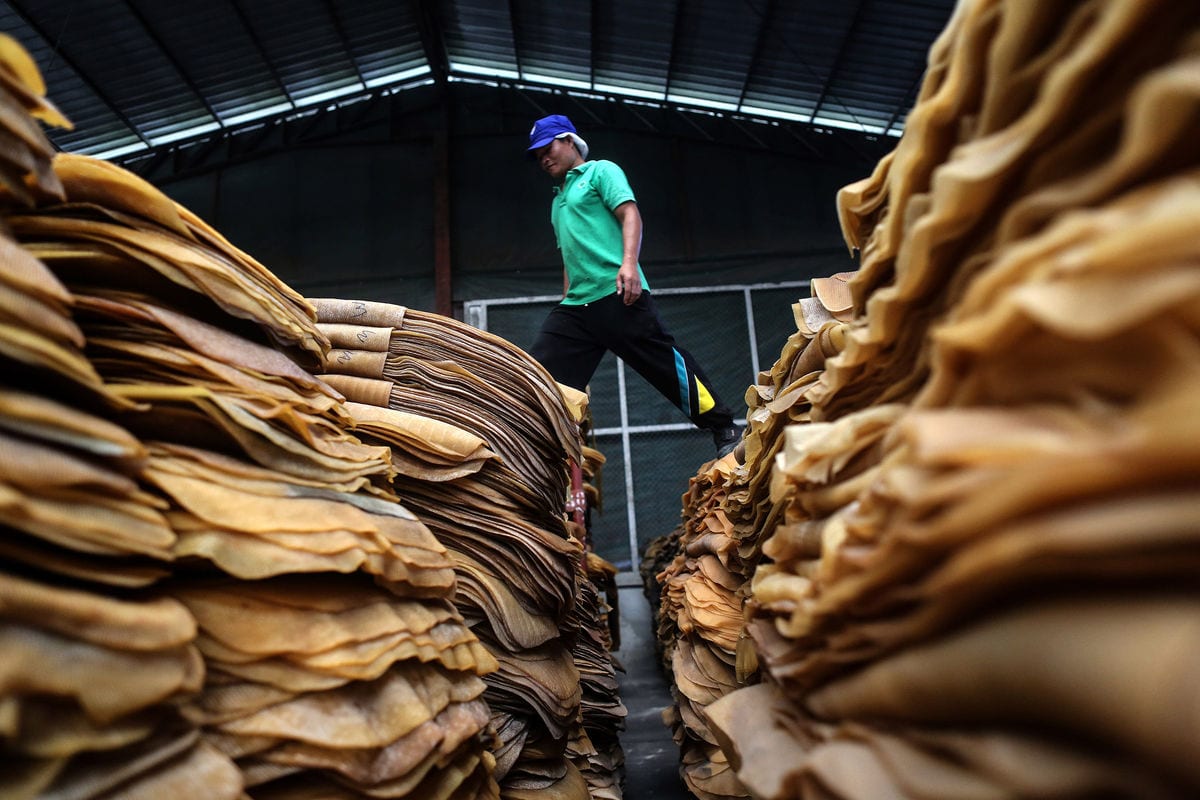
    North Sumatras exports of natural rubber has continued to shrink, down 8.23 percent in volume to 137,826 tons in the first four months of the year from 150,194 tons in the same period in 2015.

    “The decline in exports was on weak demand and as a result of an agreement by worlds largest producers to cut exports,” executive director of the North Sumatra branch of the Indonesian Association of Rubber Companies (Gapkindo) Edy Irwansyah said here on Sunday.

    Thailand, Indonesia and Malaysia which are grouped in the rubber cartel International Tripartite Rubber Council (ITRC), had decided to cut exports in a bid to drive up the commodity price.

    The three Asean countries, which account for around 80 percent of the worlds production of natural rubber decided to cut exports by 615,000 tons to be shared proportionally by the three ASEAN countries. Indonesia is to cut exports by 238,736 tons.

    The ITRC said it was optimistic the export cuts would drive rubber market to recovery after six years of being in deep slump.

    The price of natural rubber has remained low to follow the oil price fall.

    Edy said the export volume would likely fall lower not only because of the ITRC agreement but also because of weaker demand.

    The price of the commodity on May 13 was US$1.4 per kg for delivery in July down from US$1.417 for Junes delivery.

    The price of latex in North Sumatra has also dropped to around Rp13,477 per kg Rp13,477 – Rp14,201 per kg.

    However, reports said earlier that the price of rubber in othyer areas of the country had been picking up .

    In Lebak regency of Banten , the price rose in the fourth week of April reaching Rp21,500 poer kg of slab.

    “I think the price rise would encourage the rubber farmers,” said Rulyy Yanrila, head of the marketing section of the district Forestry and Plantation Office.

    The increase in price would at least help cover the production cost, Rulyy Yanrila said .

    Many rubber farmers have been on the brink of bankruptcy after years of slump, he said, adding some farmers already stopped tapping as the result was not worth the work.

    Jayadi (55),a rubber farmer in the village of Leuwidamar, said rubber production declined over the past several weeks as most of the rubber trees have been too old and on poor maintenance.

    In Kalimantan, Chairman of the South and Central Kalimantan branch of the Indonesian Association of Rubber Companies (Gapkindo)Andreas Winata said the price of natural rubber from that region has increased to Rp16,000 per kilogram from Rp12,000 earlier.

    Andreas said the cut in exports apparently has caused panic in international market on shortage in supply, resulting in surge in price. In addition, supplies from other countries also declined on long drought, he said.

  • Bank Mandiri chalks up Rp3.8 trillion in Q1 net profit

    Bank Mandiri chalks up Rp3.8 trillion in Q1 net profit

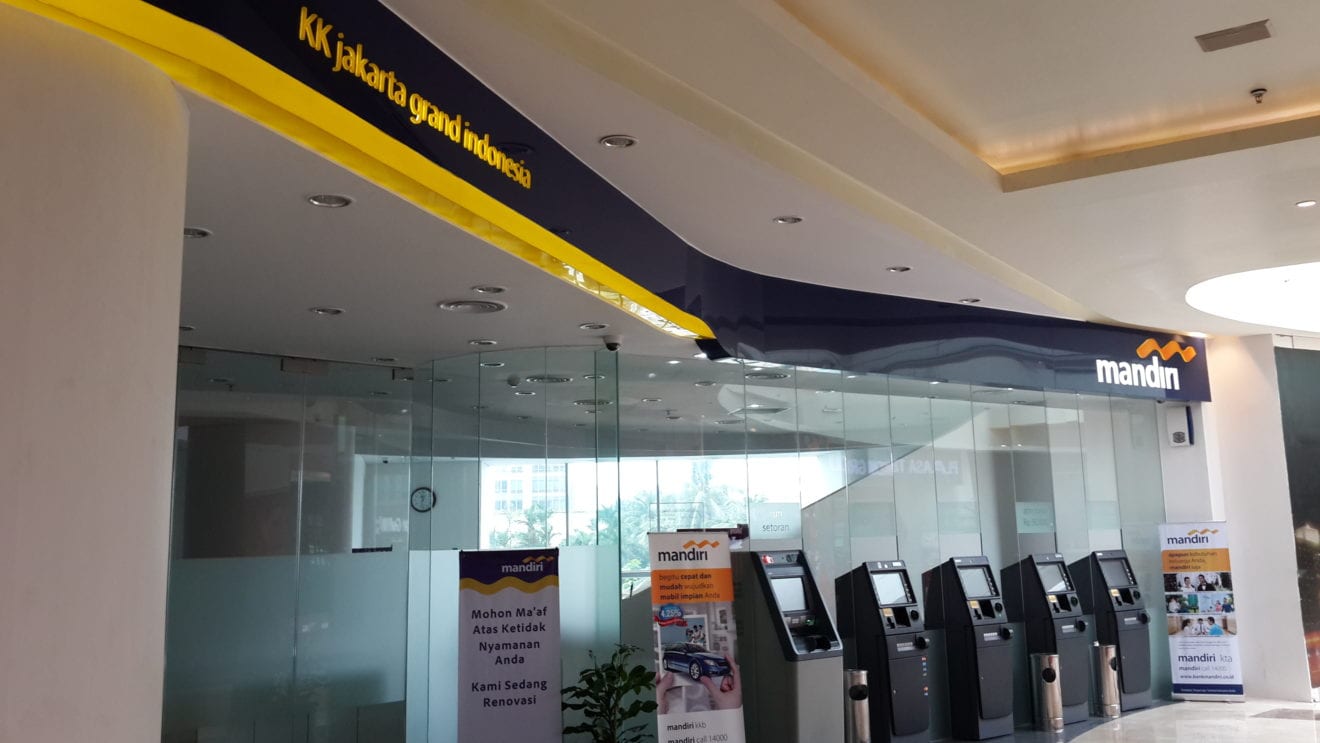
    The state-owned lender Bank Mandiri reported Rp3.8 trillion in net profit in the first quarter of 2016 thanks to increases in net interest income and fee-based income.

    The countrys largest bank in asset recorded a 19.1 percent in increase in net premium and net interest income to Rp13. trillion and 8 percent rise in fee-based income to Rp4.2 trillion.

    President Director of the bank Kartika Wirjoatmodjo said the increase in net interest income and fee-based jacked up operating income that surged 16.3 percent on-year to Rp17.2 trillion.

    The increase in income contributed to 15.9 percent growth in operating profit to Rp9.3 trillion, Kartika said here on Sunday.

    “Productivity of assets, liability and transaction business have been well managed amid the domestic and global economic slowdown,” he said.

    The liquidity of the bank was marked with the increase in third party funds held by the bank to Rp655.1 trillion in the first three mo9nths of the year, he said.

    Around 62 percent or Rp406.5 trillion of the third party funds were in giro and savings . Savings dominated the cheap fund growing Rp18.2 trillion to Rp248.8 trillion.

    Its outstanding credits totaled Rp574.7 trillion by the end of the first quarter of the year, and 85.7 percent of the credits were categorized as productive credits, Kartika said.

    Infrastructure credits totaled Rp46.42 trillion and credits for micro, small and medium enterprises (UMKM) reached Rp74.6 trillion.

    Its people credit facility called KUR reached Rp3.7 trillion or 28 percent of the whole years target of Rp13 trillion with 466,000 recipients in the first quarter of the year.

    Earlier a bank director Tardi said the target set for this year is more than quadrupling the target of only Rp3.2 trillion in 2015.

    The bank has established more small branch offices in the regions to facilitate disbursement of KURs for micro, small and medium enterprises.

    The small branch office would bring the bank closer to small depositors, Tardi said.

    In 2016, Bank Mandiri hopes to increase the number of its small branch offices to around 400 units all over the country.

    By April 2016, at least 26 new units have been in operation and by September the remaining 374 units are expected to be ready for operation.

    With the additional branch offices, the bank hopes to expand its market among the small and medium enterprises, which have proved more resistant to economic crisis.

    The small and medium enterprises provide a potential market for banking business in the country, banking observers have said.

    Currently, Bank Mandiri has 3,021 outlets including 600 units of kiosk all over the country.

    Bank Mandiri also has 17,000 agents for financial services without office for inclusive finance in various areas in the country.

    They include 8,759 individual agents and the rest institutional agents .

    In 2015, the bank reported a better-than-expected net profit but its bad loans crept up partly due to its exposure to the commodities sector.

    The bank posted a net profit of Rp20.3 trillion in 2015, or about 2 percent higher than in 2014.

    Its outstanding credits surged 12.4 percent to Rp595.5 trillion.

    Growth in net profit was the smallest in a decade, as the bank stepped up provisions. But the lenders 2015 profit was still higher than the average forecast of Rp19.59 trillion.

    Its gross non-performing loans (NPL) rose to 2.60 percent of total loans by the end of 2015, from 2.15 percent in the previous year.

    Gross NPL is predicted to be around 2.5 percent to 3 percent in 2016, Kartika has said.

  • Pos Indonesia to expand storage facilities

    Pos Indonesia to expand storage facilities

    State postal service firm PT Pos Indonesia plans to expand its warehouse facilities from 3 hectares to 3 hectares to improve its logistics services.

    The land acquisition and development is estimated to cost US$250 million to $300 million.

    PT Pos Indonesia president director Gilarsi Wahju Setijono did not say how the firm would finance the land procurement, but did say the company was in talks with other state-owned enterprises ( SOEs ) for asset swaps. The company has many assets in strategic locations that it could exchange for larger plots of land in other locations.

    “We are asking them to exchange their plots, such as at the airport or seaport with our assets in strategic places,” Gilarsi said.

    Despite having assets in strategic places, PT Pos is struggling with increasing expenditure that is eating away at its profits. It posted Rp 16 billion ( US$ 1.2 million ) in profit last year.

    “Our revenue increased a bit from Rp 4.3 trillion ( US$ 324 million ) in 2014 to Rp 4.6 trillion ( US$ 326 million ) in 2015, but our expenditure increased more than our revenue,” Gilarsi said.

    PT Pos is currently conducting restructuring in its logistics business. The company will also revive its financial services business, such as offering money transfers and utilizing postmen as payment agents in the next four years.

    “Sixty percent of the Indonesia population do not use online banking. We’ve got many branches and will employ our postmen as payment agents,” he said.

  • Indonesian Culinary Fair 2016 to be held in Japan

    Indonesian Culinary Fair 2016 to be held in Japan

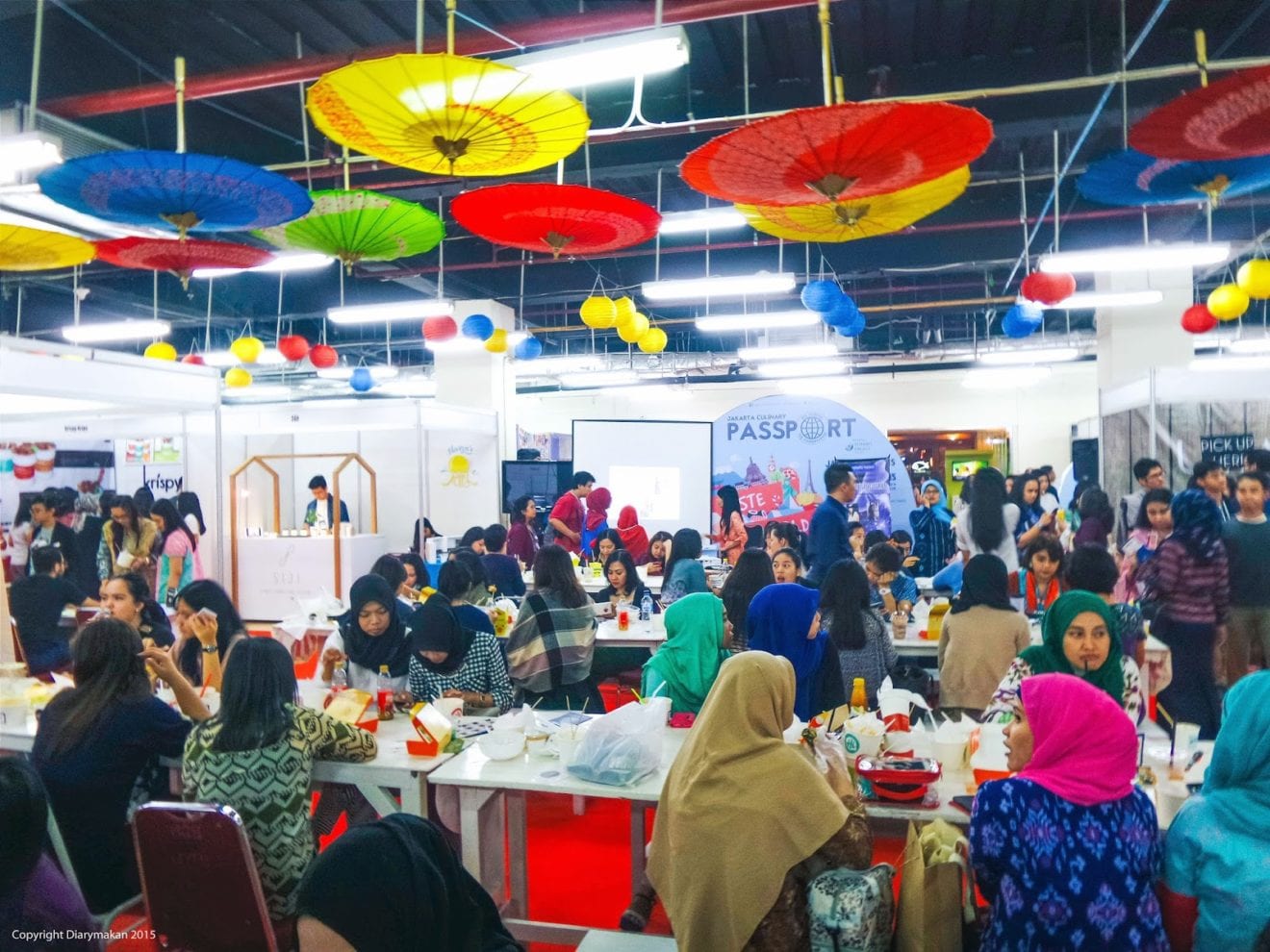
    The Indonesian Culinary Fair 2016, dubbed “The Taste of Indonesia,” will be organized at the Shinagawa Prince Hotel, Tokyo, from May 16 to June 16.

    The organization of the culinary promotion event was in line with the governments policy to intensify culinary diplomacy, Tourism Minister Arief Yahya stated here, Friday.

    The promotion event has been organized to achieve three targets. The short-term target is to introduce Indonesias diverse flavors and tastes, as well as to promote the countrys culinary delicacies.

    The mid-term target is to encourage restaurants and hotels in Japan to offer Indonesian dishes as well as to attract more Japanese tourists to visit Indonesia.

    The long-term target is to send Indonesian chefs to work in restaurants and hotels in Japan and to introduce halal food cooking techniques as well as Indonesian dishes in Japans culinary schools.

    Japan ranks fifth in the list of major countries contributing tourists to Indonesia, according to Deputy Minister in charge of International Tourism Marketing Development of the Tourism Ministry I Gde Pitana.

    During the culinary fair, various Indonesian traditional arts, such as Sasando, will be performed.

    The Japanese government has promoted international cuisines, including halal food, to attract foreign tourists from Muslim majority countries, among others.

    Japan has set a target to attract 30 million foreign tourists by 2020. Six to eight million, or 20 percent of the 30 million tourists, are expected to be Muslims.

    “This is an opportunity for Indonesia to promote its various culinary delicacies and food products, including spices,” Pitana affirmed.

    Last month, the “Wonderful Indonesia” Restaurant was opened in Anhui Province, China, to offer typical culinary delicacies from the archipelago as part of the efforts to promote the countrys tourism and culture.

    Situated in the densely populated area of Hefei in Anhui Province, the Wonderful Indonesia Restaurant was inaugurated by Minister Yahya.

    “There is a growing trend of using culinary diplomacy to support tourism, and almost all television stations are also highlighting this aspect as one of their flagship programs,” Yahya remarked.

  • UberJEK Launched in Jakarta

    UberJEK Launched in Jakarta

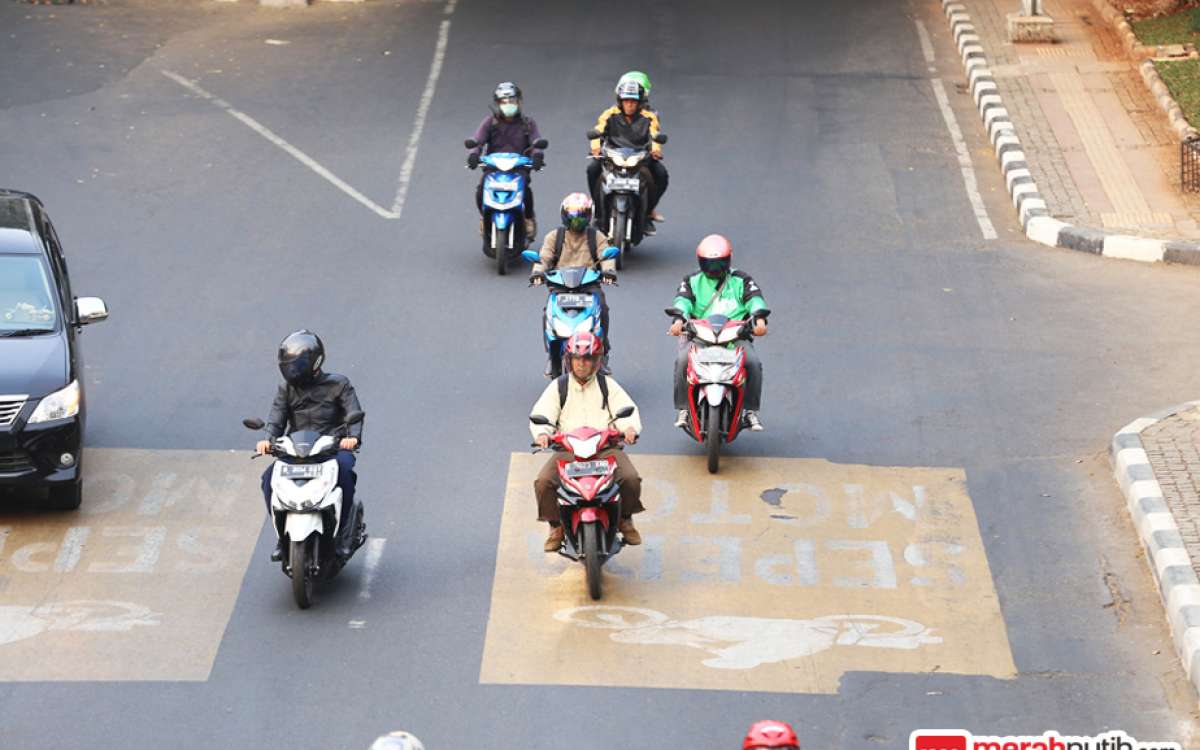
    UberJek, an app-based transport service, has officially started operation on Sunday, May 15. Aris Wahyudi, UberJEK’s co-founder, claims cheaper tariffs compared to its competitors.

    “Our tariff is different from those of the competitors. Our tariff will continue to drop from the first kilometer,” Aris said after UberJEK launch at Euro Management Indonesia, Sunday, May 15, 2016.

    He illustrated that on kilometer 1-5, the tariff is Rp2,500 per kilometer; on kilometer 6-10, it’s Rp2,000; above 11 kilometers, customers will be charged for Rp1,500 per kilometer.

    He added, other benefit of using UberJEK is no minimum tariff set for short distance travels. Thus, customers wanting to travel within 1 kilometer can pay Rp2,500. “We do not set a minimum distance, unlike our competitors. The benefit of using UberJEK is in short distance travels.”

    To attract customers, in addition to cheaper tariffs, UberJEK also entices its customers with giveaways. It is part of the promotional strategy to introduce UberJEK to the market. UberJEk claims to have earmarked seven million smartphones as giveaways for customers.

    UberJEK was founded by Aris and three other Indonesian businessmen in late October 2015. Aris said UberJEK services can now be enjoyed in 30 cities in Indonesia with a total of 2,200 drivers.