Author: Mei Ling Tan

  • Fast Food Aid Tokyo seeking for long term house

    Fast Food Aid Tokyo seeking for long term house

    After a short-term trial, a pioneering pill-store pop-up called Fast Food Aid is seeking a longer-term home in Harajuku, Japan.

    Billed as the “world’s first supplement shop for fast foods”, it offered free tablets to replace nutrients missing from convenience foods like hamburgers, pizza and ramen.

    Fast Food Aid Pop-up Japan 1

    All customers needed to do was trade in the receipt from their latest fast-food purchase. The pills come along with professional advice about the health issues associated with such foods.

    Fast Food Aid Pop-up Japan 8

    With the aim of educating people and discouraging them from choosing non-nutritional meals, the shop was designed by creative director Ikkyu and Junya Sato of design studio Kaibutsu on behalf of Dohtonbori, a restaurant that sells organic, healthy fast food, reports Dezeen.

    Fast Food Aid Pop-up Japan 6

    “This shop doesn’t look like other pharmacies, but the truth is it’s an educational supplement shop,” says Ikkyu. “We opened this shop in Harajuku, where there are a lot of young people who have bad eating habits.

    Fast Food Aid Pop-up Japan 4

    Fast Food Aid Pop-up Japan 3

    “Once they get in, they are surprised with the the supplements they have to intake and understand how bad their eating habit is.”

    The shop’s window featured pill pots lined in rows beneath an illuminated sign reading “For FREE”. Inside, long shelves with more containers are mounted against wire fencing along the side walls.

    Fast Food Aid Pop-up Japan

    The designers aimed to make the space feel as clinical, combining a street fell with a “mad laboratory” atmosphere.
  • Parkson revenue falls

    Parkson revenue falls

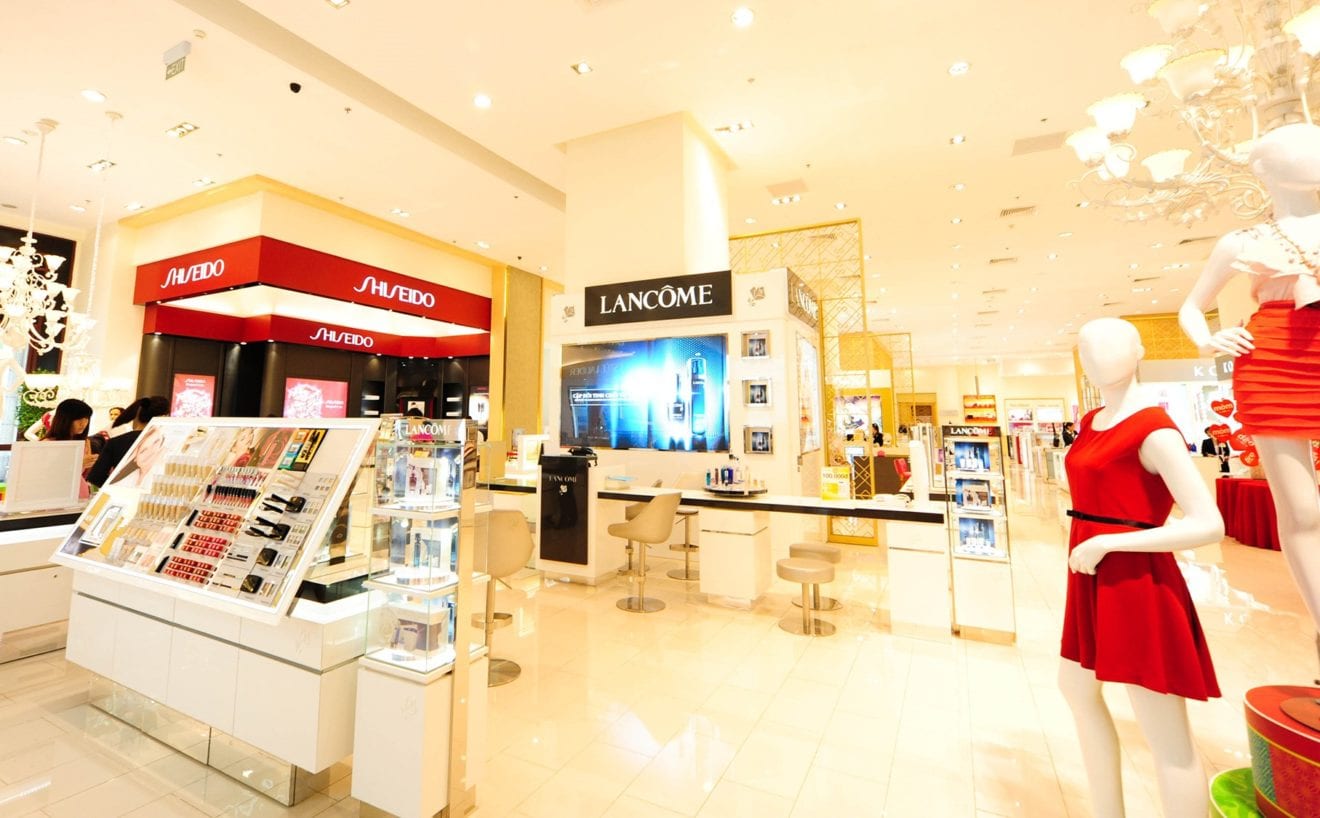
    Despite contributions from new outlets, Parkson Retail Asia’s department stores have seen third-quarter group revenue fall by 15.6 per cent to S$98.4 million (US$71.5 million), with a 14.4 per cent drop to S$294.6 million for the nine months of its current financial year.

    The Parkson revenue decline reflects same-store revenues falling in Malaysia and Vietnam, plus the weakness of the Malaysian ringgit resulting in lower figures because of the reporting currency being Singapore dollars.

    A pre-tax loss of $7.5 million was recorded by the group for the third quarter, with factors including provision made on loans to managed stores of $4.9 million, and initial losses associated with new stores.

    Same-store sales growth in Malaysia fell 17.4 per cent in the third quarter, but figures for the corresponding quarter last year were bolstered by sales before the introduction of a Goods & Services Tax (GST) on April 1 2015. Also, consumer confidence was below the 100-point threshold for the seventh consecutive year, as reported by the Malaysian Institute of Economic Research.

    Vietnam same-store sales fell 8.2 per cent for the quarter, with a difficult and increasingly crowded retail environment, the company said. For the nine months, a pre-tax loss of $4.9 million has been recorded.

    Sales were flat in Indonesia, edging up just 0.1 per cent. However, the company says consumer sentiment is robust with Bank Indonesia reporting the consumer confidence threshold at 111.1 points, a little down on the 119.1 points at the same time last year. For the nine months, a $3.2 million pre-tax loss was recorded.

    In Myanmar, Parkson same-store sales fell 7.6 per cent, affected by supplier uncertainty about plans to close the FMI Centre, where the store is located, for re-development. However, a new location has been secured, with the new store expected to open by March.

  • Go karts part of mix at new Taroko Park mall

    Go karts part of mix at new Taroko Park mall

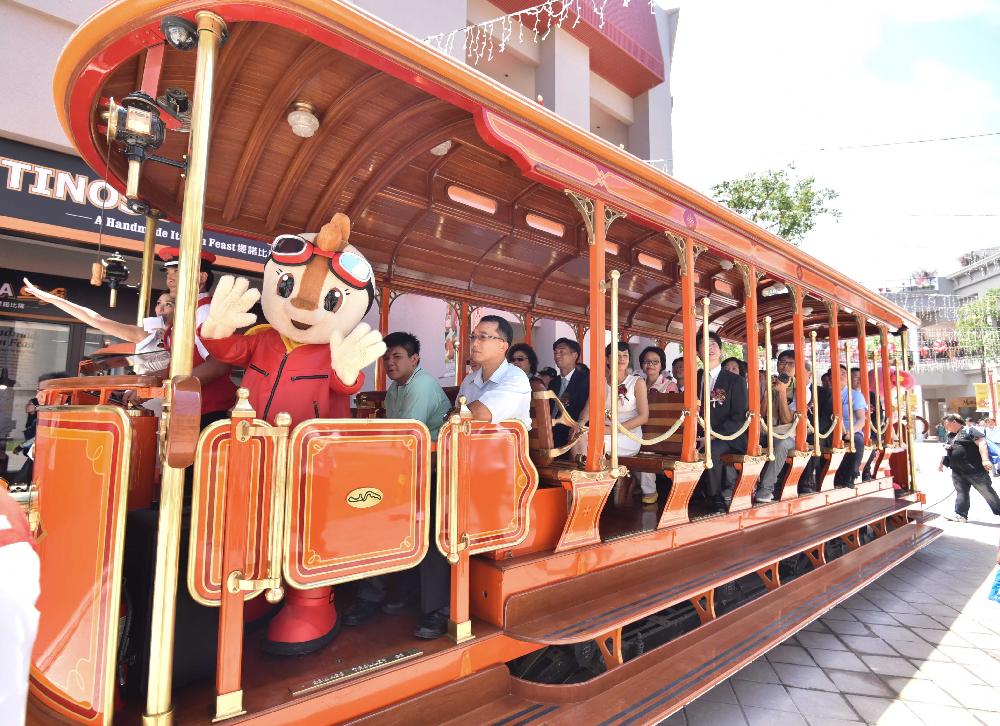
    A carousel and a go-kart racing track are attractions at the new Taroko Park shopping centre in Kaohsiung, in the south of Taiwan.

    It is owned by Taipei-based developer Taroko Development, which aims to generate NT$5 billion (US$154.24 million) in sales in the first year.

    o_1airo3a6n1vmhrcc1eh0tj1tkmv

    Unlike its peers, the company says Taroko Park will gain 61 per cent of its revenue from recreation and dining attractions, with department store sales making up the rest. It aims to provide a fun-filled shopping experience with several sports and entertainment attractions, such as the carousel in the front plaza, and the go-kart track which is a miniature of Japan’s Suzuka circuit. The company believes it sets a precedent for Asia.

    Taroko Development spent about NT$5.3 billion on the mall, which has attracted 220 international fashion and sportswear brands. There is also a shop selling official merchandise of the Lamigo Monkeys professional baseball team.

    o_1airo315g12dfotq1ceusn18dpo

    Developed as a joint build-operate-transfer project for Kaohsiung Rapid Transit and the Kaohsiung City Government, the shopping centre is near the Caoya Station, south of the city’s airport. Taroko Development’s lease with KRTC is 25 years, and is to be extended for another 10 years with the original landowner, the city government, with a guarantee of priority right of renewal for two more 10-year contracts, the company says.

    An aim of the mall is to create job opportunities and attract tourists.

    “Taroko Park’s entertainment and shopping offerings are expected to attract 12 million visitors annually,” says Taroko Development chairman Jeff Tsai. He says the mall is also expected to generate about 5000 jobs as well as boost metro system users by 6 million.

    Kaohsiung mayor Chen Chu made her way to the opening ceremony for the mall via the metro.
    A subsidiary of Taroko Textile, Taroko Development has been determined to enter the shopping-centre industry since its establishment in 2011. It moved into retail last year when it took over the Mode Mall in Taichung from Fubon Life Insurance.

    Taroko has also announced tentative plans to launch a shopping mall in Hsinchu county by the third quarter of next year.

  • Elections help boost Jollibee sales

    Elections help boost Jollibee sales

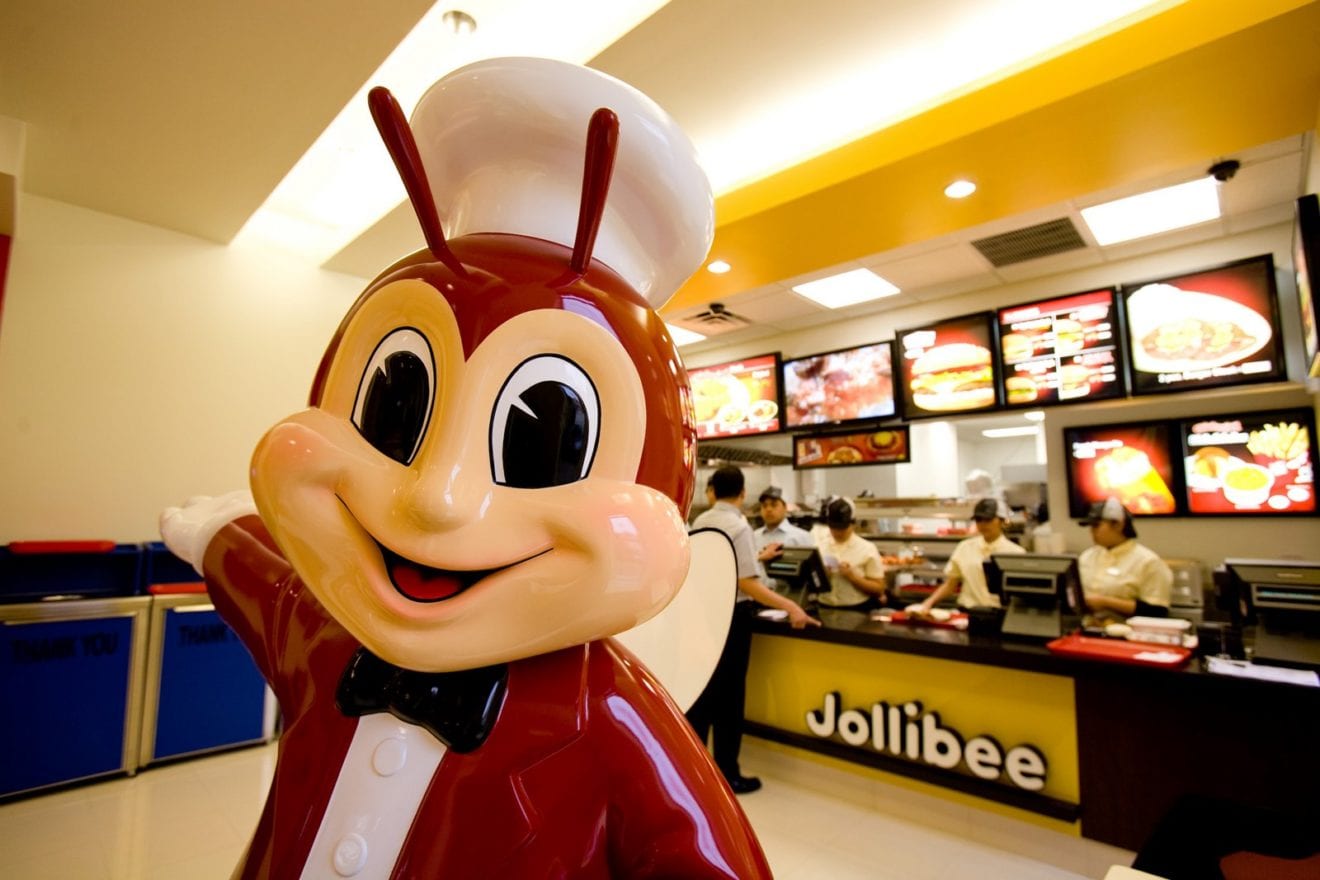
    Jollibee sales grew 14.8 per cent year-on-year to P34.4 billion (US$737.7 million) in the first quarter of 2016, with help from election-related spending and low inflation.

    The systemwide sales come from company-owned and franchised stores of Jollibee Foods Corp – the largest foodservice network in the Philippines.

    Jollibee Vietnam sales almost doubled, leading Southeast Asia and the Middle East 32.2 per cent growth in the same period.

    Jollibee China grew at a slower rate of 1.9 per cent as Yonghe King, JFC’s biggest brand in China faced pressure from recovering competing brands.

    JFC attributes the strong same store sales growth to election-related consumer spending and low inflation rate in the country that averaged 1 per cent in the first quarter, which made consumer products more affordable with rising household income.

    JFC says its sales were also boosted by continuous product improvement, new products, marketing campaigns and improved restaurant design.

    Meanwhile, the foreign business reported a 10.5 per cent growth in systemwide sales for the quarter versus the same period a year ago. The US business grew by 17.4 per cent year-on-year.

    As of March 31 2016, JFC was operating 2493 outlets in the country and 650 store abroad.

  • Lazada opens m-commerce tech hub in Thailand

    Lazada opens m-commerce tech hub in Thailand

    Southeast Asian e-commerce company Lazada Group has opened a tech hub in Bangkok, Thailand to drive strategic mobile development initiatives.

    The Lazada Tech Hub in Thailand will focus on advancing the design and engineering of Lazada’s mobile shopping and selling sites and apps for Southeast Asia.

    With almost 30 million app downloads and more than 60% of its GMV represented by mobile sales by the end of December 2015, Lazada Group has been investing in m-commerce through new app and mobile site initiatives.

    In the next few months, Lazada Tech Hub aims to hire more than 50 staff, including iOS and Android developers, Go Programming Language developers, and Quality Assurance automation engineers. The tech hub team will operate from EmQuartier in Central Business District Bangkok.

    Lazada Group opened its first tech hub in Ho Chi Minh, Vietnam in November 2012. A second tech hub was opened in Moscow, Russia in February 2015. Together, the three tech hubs are dedicated to driving product engineering and technology infrastructure.

    “Mobile innovation is a discipline any serious online player must build, and having the best talent is critical to designing products and solutions that are not only intuitive but improve the quality of experience and life for our consumers and sellers,” Lazada CTO for operations Ifor Evans said.

    “We believe that Thailand attracts a highly-skilled talent pool. And, as the leading shopping and selling destination, Lazada is both enviably-positioned and committed to raising the bar for mobile and tech development in the region.”

  • Ooredoo Maldives readies fixed broadband services with Alepo

    Ooredoo Maldives readies fixed broadband services with Alepo

    Ooredoo Maldives has selected Alepo to provide a fixed broadband charging and customer care solution for its nationwide fixed broadband network.

    The introduction of fixed broadband services — realized by a new fiber optic submarine cable — is expected to strengthen Ooredoo Maldives’ positioning as the most advanced fixed mobile service provider in the SAARC region.

    In its selection of Alepo, Ooredoo Maldives cited the company’s strong presence in the SAARC region, owing to its multiple recent projects in Afghanistan, Bangladesh, Bhutan, and Sri Lanka.

    “Alepo gives us confidence in the successful delivery, monetization, and customer experience of Ooredoo Maldives’ new fixed broadband services,” said Vikram Sinha, CEO at Ooredoo Maldives.

    To support Ooredoo Maldives’ fixed broadband business, Alepo will deploy its signature B/OSS framework, Alepo Service Enabler (SE).

    The carrier-class platform brings together convergent charging and billing, CRM, web self-care and mobile self-care, real-time analytics and business intelligence, in a single software environment.

    With Alepo SE, Oordeoo Maldives expects to be able to fully monetize and manage its data services, take data offers to market quickly, and ensure a convenient and modern customer experience.

    “Ooredoo Maldvies continues to set new technological precedents for communications service providers in the region,” said Vani Manian, technical Alepo’s director of Asia Pacific.

  • Company founded to revive Nokia mobile brand

    Company founded to revive Nokia mobile brand

    A new company has been established to revive the Nokia handset and tablet brand. The company, HMD Global, has lined up deals with Microsoft and Nokia to fulfil this goal.

    Nokia has agreed to grant the new company an exclusive global license to create Nokia-branded phones and tablets for the next ten years.

    In return, Nokia will receive royalty payments for all sales of Nokia-branded devices covering both brand and IP rights.

    Microsoft has meanwhile conditionally agreed to sell its feature phone business to HMD and Foxconn’s FIH Mobile for $350 million. With the deal, HMD will also acquire related design rights from Microsoft. This transaction is expected to close in the second half of the year.

    FIH is acquiring assets from Microsoft including device manufacturing, sales and distribution. HMD and FIH then plan to collaborate to build a global business for Nokia-branded mobile devices.

    With the moves HMD will become the sole global licensee for all Nokia-branded mobile devices, and plans to produce a full range of feature phones, smartphones and tablets. The new company plans to invest over $500 million in the next five years to support its foray into the market.

    After the Microsoft transaction closes, HMD Global will be led by Arto Nummela, a former Nokia executive who is currently the head of Microsoft’s mobile devices business for APAC and MEA, as well as Microsoft’s global feature phones business.

    Fellow former Microsoft executive Florian Seiche, now SVP for Europe sales and marketing at Microsoft Mobile, will also join the company as president.

    “Branding has become a critical differentiator in mobile phones, which is why our business model is centered on the unique asset of the Nokia brand and our extensive experience in sales and marketing,” Nummella said.

    “We will work with world class providers in manufacturing and distribution to move quickly and deliver what customers want.”

  • Parkway Parade retail mall closed ’till further notice’ after fire

    Parkway Parade retail mall closed ’till further notice’ after fire

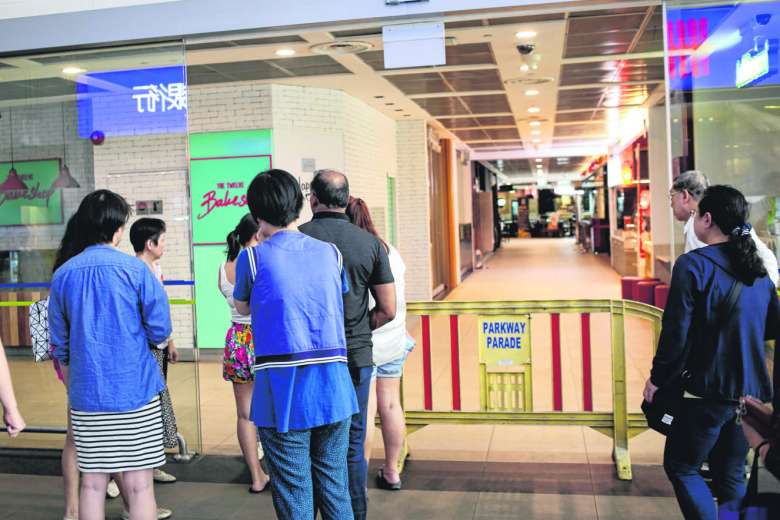
    Parkway Parade shopping mall, one of the most popular in the east, will remain closed until further notice, after a fire broke out in a store late on last Sunday night.

    While the retail mall remains closed as the management continues checks and rectification works, the office tower and banks on level one will be open today, as they were yesterday, said Parkway Parade.

    Apologising for the inconvenience, the mall added that its carpark will also be closed today until further notice. The mall did not give a reason for the closure.

    The Straits Times understands that the fire broke out in Fox Kids and Baby, a clothing store on the second floor of the Marine Parade mall.

    The Singapore Civil Defence Force (SCDF) said it was alerted to the fire close to midnight. Upon arrival, officers located the blaze in a storeroom, entered by force and put out the flames with a water jet.

    There were no reported injuries and no evacuation was conducted.

    A spokesman for Wing Tai, which distributes the Fox brand here, said it is looking into what happened.

    A burnt smell lingered in the air inside the mall at about noon yesterday. Workers in safety helmets were seen coming out of the building.

    Staff at the entrance told arriving shoppers that the mall was closed for the day. More than 50 people were seen outside an entrance. Some said they had been waiting for hours for more information.

    One of them, Madam Jenny Ong, 52, who works at a second-floor outlet, said she arrived at 10am. She was told about the fire and that the mall would reopen at noon. She and two others who work on the same floor found out about the closure only when they returned two hours later.

    She said: “I was worried that it was my shop, a children’s clothing shop on the second level.”

    Madam Margaret Chia, 68, a part-time retail assistant at department store Isetan, said: “We received a call in the morning telling us not to come, but we came anyway… We are worried, we heard that the store had been drenched.”

    A 40-year-old housewife, who declined to be named, said the mall was dark and the stores were closed when she arrived in the morning to buy groceries. She said: “People had been waiting for hours. They should have told us it was not going to open (by noon).”

  • Siam Discovery ready to offer new experiences

    Siam Discovery ready to offer new experiences

    Siam Discovery will open its doors on May 28 and will become Thailand’s largest lifestyle speciality store. The 40,000-square-metre complex will also be the Kingdom’s “Biggest Arena of Lifestyle Experiments” in retail space.

    Mayuree Chaipromprasith, senior vice president for business promotion at Siam Piwat, said that with the facelift the new Siam Discovery complex would serve individual shoppers who are curious and want to try new things as well as discover new experiences.

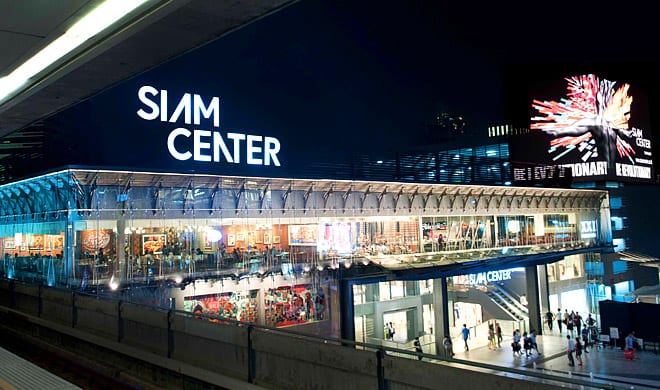
    “Both Siam Paragon, Siam Center, and the latest new Siam Paragon will have their own unique positioning, and will not cannibalise each another,” said Mayuree.

    She said Siam Paragon offers high-end fashion brands, while Siam Center will serve people who look for trendy fashion products made by local Thai designers. Siam Discovery, however, will provide hybrid lifestyle products, a combination of imported luxury and local brands.

    “The three shopping complexes will share the core values of Siam Piwat, which are: understanding [shoppers and tenants]; trustworthy; missionary; daring [with new innovations that break the rules]; and a commitment to excellence,” said Mayuree.

    She said the new Siam Discovery will offer lifestyle experiments for individual consumers in their areas of interest. The complex will create hybrid experiences in retail space, which will break all retailing rules.

    Charnchai Cherdchuwong-thanakorn, senior executive vice president for retail business development at Siam Piwat, |said the company will spend Bt300 million on the grand opening event and opening promotions of Siam Discovery, which aim to make Bangkok the retail hub of the Asean Economic Community (AEC) and the world’s favourite shopping destination.

    “The new Siam Discovery marks the introduction to Thailand of a new retail concept – a hybrid retail destination spread across 40,000 square metres. We expect to double |our sales per square metre with the new concept as well as |reinforce our reputation as a thought-leader in Thailand’s retail sector, creating unprecedented destinations that compete with the best of the world’s destinations,” he said.

    Charnchai said that highlight brands or stores at the new Siam Discovery centre will be divided into five different categories: everyday products; trend products; innovative products and services; sustainable products; and collaborations and Absolute Siam products.

    “We expect the new Siam Discovery complex to draw approximately 100,000 shoppers a day in the first 12 months, of which 65 per cent will be Thais and the rest 35 per cent foreigners,” Charnchai said.

  • Macau Legend buys troubled casino in Laos

    Macau Legend buys troubled casino in Laos

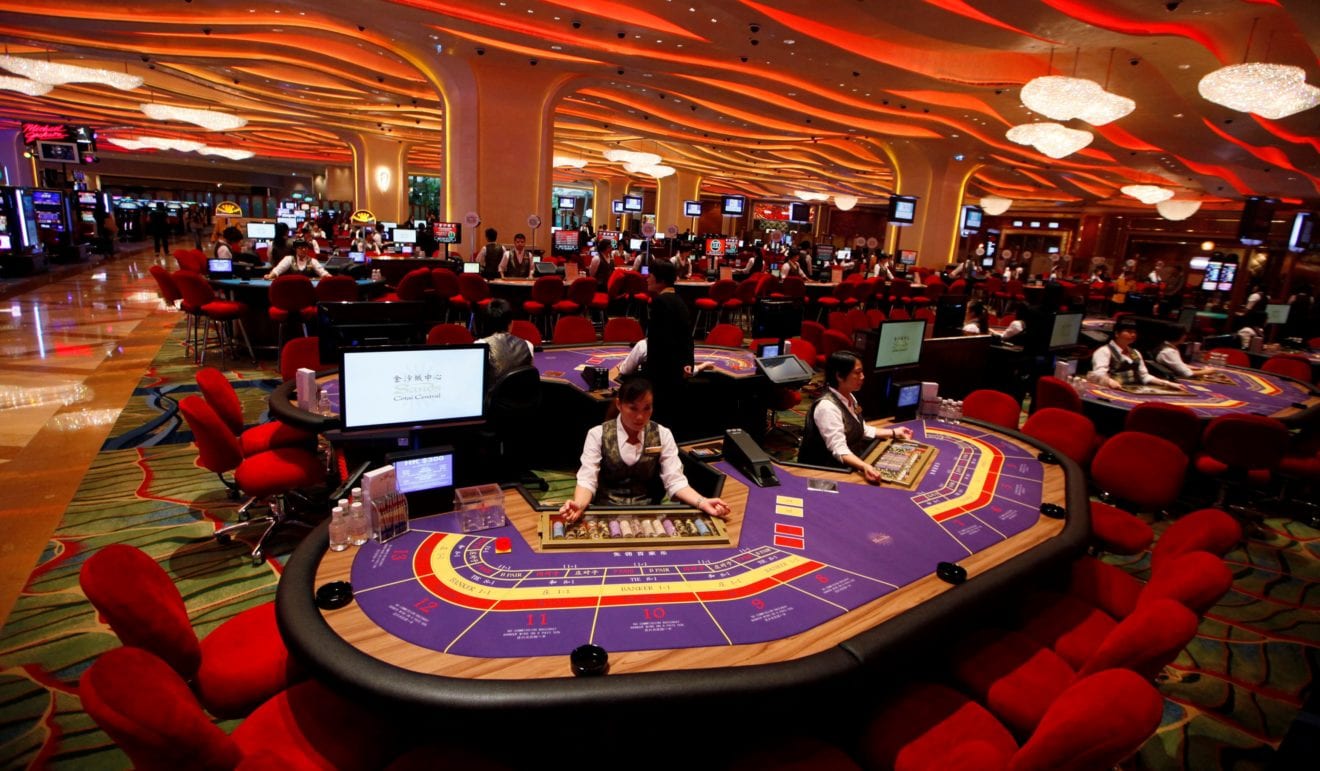
    Macau Legend Development Limited announced via press release on May 13 that it had entered into a USD42 million (approximately HKD326 million) project development agreement (PDA) with a company wholly-owned by the Ministry of Finance of the Lao People’s Democratic Republic, to purchase the Savan Vegas Hotel and Entertainment Complex, a full-service casino, hotel and resort located in Laos’ Savannakhet Province.

    However, the apparently very advantageous and profitable business might be tainted for David Chow’s company, as the Savan Vegas Hotel and Entertainment Complex is involved in a series of serious disputes and legal actions that are directly connected to its owners.

    In another statement on May 5, Lao Holdings N.V., the parent company of Sanum Investments Limited, stated that it has filed three legal actions against Laotian authorities for violating the 2014 settlement agreement reached by both parties, stipulating the sale of the Savan Vegas Hotel and Casino, and other assets, for maximum value to the benefit of all parties.

    David Chow

    David Chow

    According to the same statement, “these actions have been taken in direct response to the expropriation and planned sale of Sanum’s gaming and hotel complex located in Savannkhet, Laos,” that has now reportedly gained the involvement of the Macau company as the buyer.

    “All of the actions taken by the Lao Government over the past two years have been a blatant attempt not only to avoid, but systematically obliterate its legal obligation to work with us in good faith,” said Jody Jordahl, President of Sanum Investments in the same statement.

    However, none of these actions and lawsuits have been reported or identified in the note sent by the Macau Legend to the Hong Kong Stock Exchange as potential risks for the business.

    The Savan Vegas Hotel and Entertainment Complex occupies 50 hectares of land, which currently features gaming facilities with 92 tables and 493 slot machines; a 476 room hotel and convention center, restaurants, bars and other dining, recreational and retail shopping facilities.

    The PDA announced that Macau Legend has an initial term of 50 years which may be extended for an additional period up to another 49 years.

    Regarding the business agreement, the co-chairman, executive director and CEO of Macau Legend, David Chow, said: “We have been looking to invest in and develop integrated resort projects outside of Macau.” He thanked the support of the Lao PDR Government, for their trust in the company to turn the Savan Vegas project into a regional entertainment hub in Southeast Asia.

  • Do recent acquisitions signal investor confidence?

    Do recent acquisitions signal investor confidence?

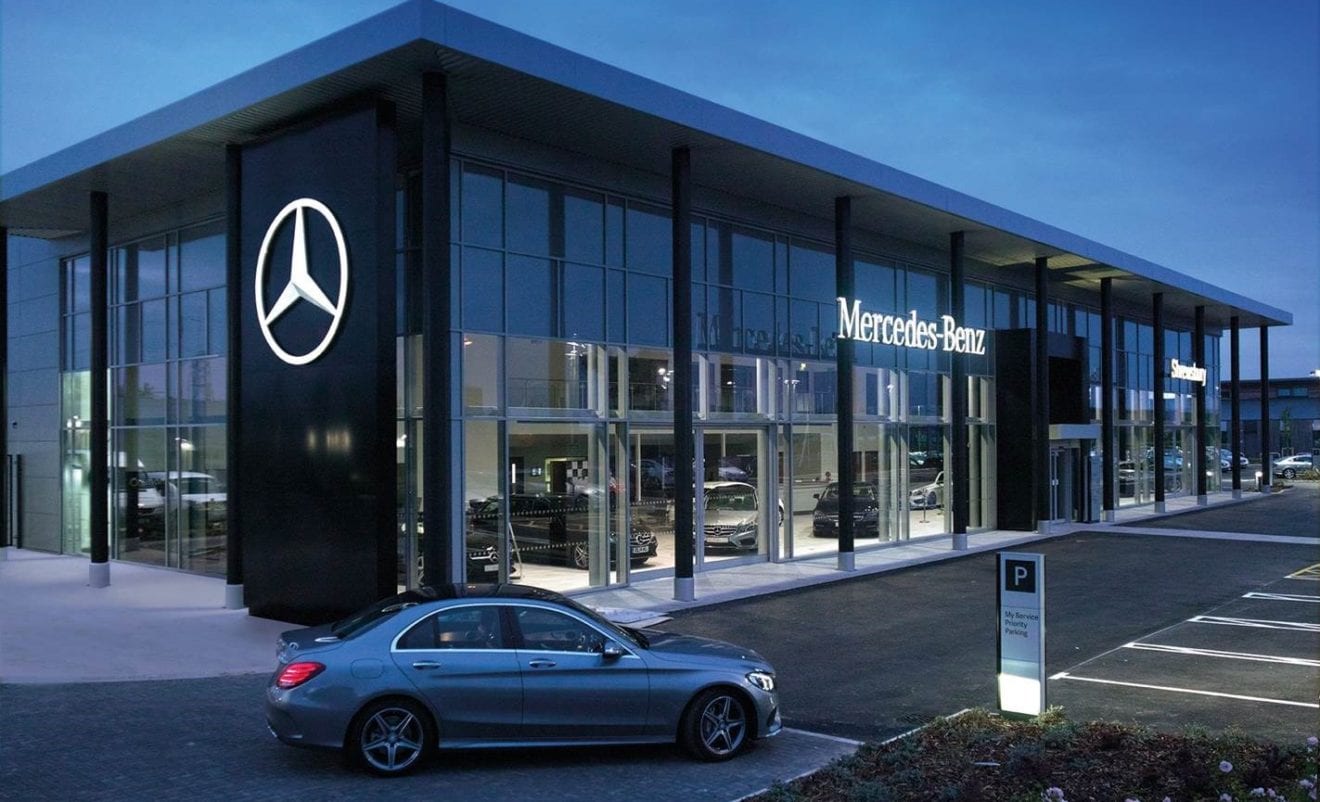
    News of Mercedes-Benz Retail selling its Manchester and Birmingham businesses to Hong-Kong auto retailer Lei Shing Hong could be seen as proof that the UK auto retail sector is worth investing in. This comes despite the underperforming share prices of some PLCs in the market, financial jitters surrounding the forthcoming EU vote and the general state of the domestic economy.

    And while the Mercedes deal was something of a surprise, the acquisition wasn’t an isolated one. With Wessex Garages also being snapped up by a Far East business recently – this time Japanese auto group VT Holdings – clearly there’s value in investing in UK PLC.

    However, the money is from the Far East, not the EU or homegrown. It begs the question: do these investors know something we don’t? With industry in general in flux thanks in the part to issues over the forthcoming EU referendum, stagnant interest rates, a downturn in construction activities and consumer confidence, uncertainty has become the new normal. Granted, some of this depressed mood could be short term but no one knows for sure.

    Still, it could be that these canny investors have decided to look past June 23 and set their sights on the long term. With projections of another strong year in terms of new car registrations and positive light commercial sales, these deals could be the start of a long and prosperous adventure.

  • Jokowi holds business meetings with Lotte & Posco during South Korea visit

    President Joko “Jokowi” Widodo held closed-door meetings with two major South Korean firms on Monday as part of the government’s efforts to explore new business opportunities.

    President Jokowi held the separate meetings with South Korean conglomerate Lotte Group and giant steel producer Posco on the second day of his visit to South Korea.

    In the first meeting with Lotte Jokowi was accompanied by Coordinating Economic Minister Darmin Nasution, Trade Minister Thomas Lembong, Foreign Minister Retno LP Marsudi, Creative Economy Agency ( Bekraf ) chairman Triawan Munaf, Investment Coordination Board ( BKPM ) chairman Franky Sibarani, National Economy and Industry Committee ( KEIN ) chairman Sutrisno Bachir and Presidential chief of staff Teten Masduki.

    Lotte was represented by the Lotte Group chairman Shin Dong-bin, Lotte Group president Hwang Kag-gyu, Lotte Group executive managing director Lim Byung-yun, Lotte Chemical president and chief executive officer Huh Soo Young, Lotte Mart president and CEO Kim Jong-in and Lotte Engineering president and CEO Kim Chee-hyun.

    Lotte runs a number of businesses in Indonesia, including some in the retail and petrochemical sectors.

    Jokowi then held a meeting with Posco where he met CEO Kwon Oh-joon, Posco president Kim Jin-il, executive vice president Kwak Jeong-shik, Posco senior vice president Lim Seung-kyu and Posco Indonesia Inti president Kim Jhi-yong.

    Steelmaker Posco has previously collaborated with Indonesia’s steel maker PT Krakatau Steel, with the two firms establishing a joint venture company, PT Krakatau Posco, in 2010.

    No details of the meetings have emerged yet.

    Jokowi is also scheduled to meet South Korean President Park Geun-hye on Monday to discuss billateral issues including trade and investment.

    South Korea is the fifth-largest foreign investor in Indonesia, Southeast Asia’s largest economy, according to data from BKPM having realized US$1.21 billion worth of investment projects in 2015.

  • iQor Philippines on Pace for Record Expansion in 2016

    iQor Philippines on Pace for Record Expansion in 2016

    iQor, a global provider of integrated customer and product support services, today announced that the company has embarked on a significant expansion initiative that will add over 175,000 square feet of additional contact center space across the Philippines. Upon completion, the company will add an additional 3,150 high-tech training and production workstations.

    “The Philippines is a tremendous market for us. As one of the first movers, we’ve continued to invest in the region and have been able to continue to raise the bar in performance,” says Gary Praznik, iQor’s COO, Retail and Consumer Services. “Our growth can be traced directly back to the hard work and dedication of our entire Philippines family.”

    “Recognition of who we are and what we offer is really resonating with clients, employees, their family and friends,” adds Saurabh Bhaskar, iQor SVP of Operations, Philippines. “One of the most attractive opportunities within our company is our customer service leadership training. Recently, iQor was recognized by HR.com as having the top Call Center Leadership Training Program for 2016. Joining iQor means you have direct access to the best Call Center Leadership Training in the industry. For those interested in Customer Interactions such as customer care, social media support and collections, there is no better place to work and improve your career.”

    iQor opened its Philippines Operation in 2005. Recent expansion sites include; SM Mall Clark (2016), Robinsons Mall Dasmarinas (2015) and SM Mall Dasmarinas (2014). Today, iQor Philippines has over 12,000 employees across the region supporting a variety of customer interactions including; customer care, social media, collections and technical support. iQor Product Support Services division has helped expand relationships into the world’s top consumer electronics, retail and telecom companies.

    There has never been a better time to join iQor!


  • The rise of mCommerce in Malaysia

    The rise of mCommerce in Malaysia

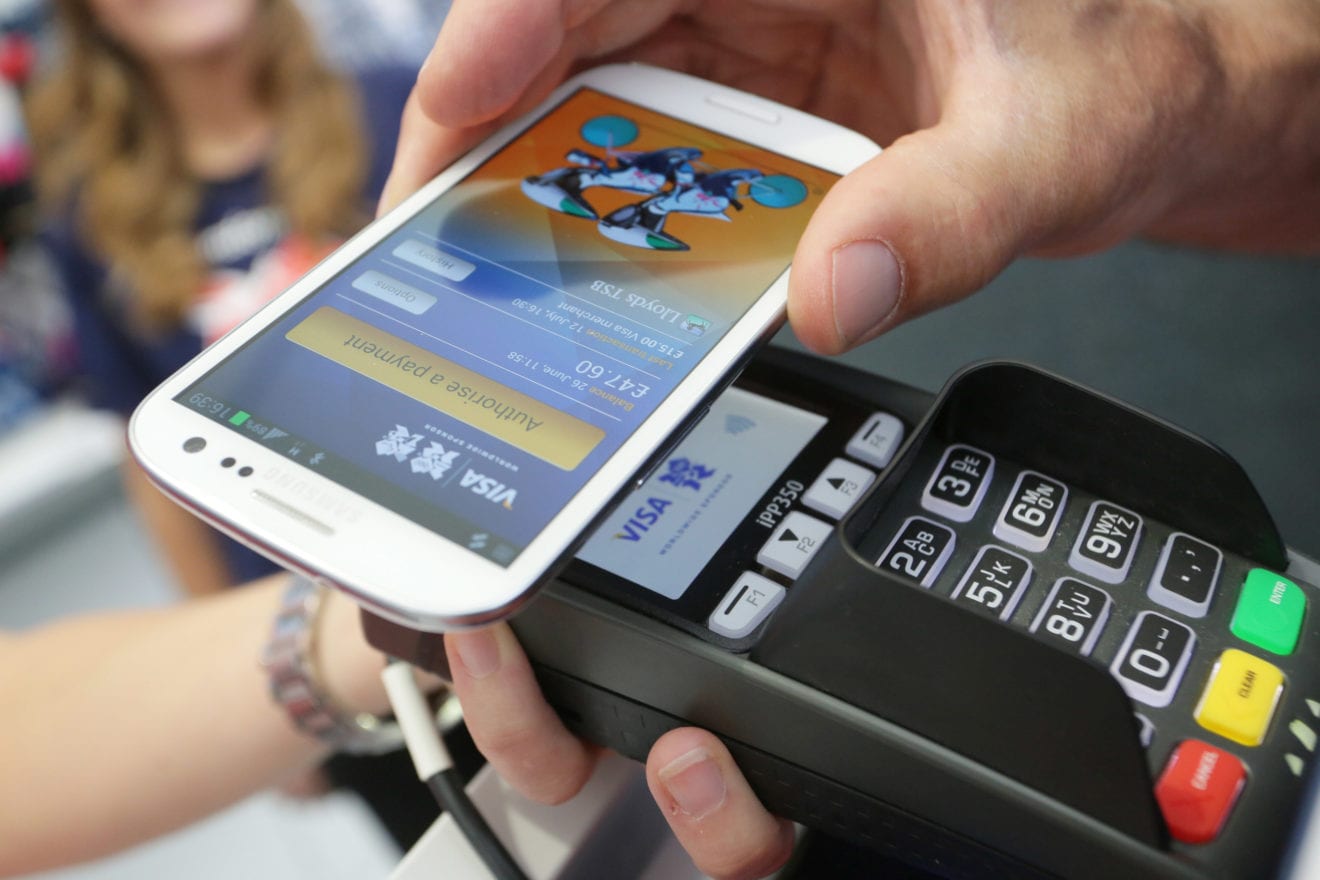
    Online payment gateway provider iPay88 has seen a sharp rise in mobile traffic with its total online payment transactions representing close to 70% of the Malaysian market.

    Chan Kok Long, executive director of iPay88 said this was refelctive of the growth of mCommerce in the market.

    In year 2015, iPay88 recorded that 3.7 million online shoppers who made purchases through its systems used mobile devices. A year ago it was only 2.0 million.

    It is also seeing a rise in merchants actively promoting mobile purchases in 2016 following the mCommerce waves. In the last few years, the percentage of mobile traffic have also increased substantially, with the number being 27% in 2014, to 38.4% in 2015, up until 48.6% in 2016 so far.

    In the first quarter of 2016 alone, 1.6 million shoppers have purchased through their mobile devices on iPay88, the company said.

    With the rising number of mobile device users increasing, the mCommerce trend is predicted to follow suit. Mobile penetration has reached 136% in 2015, with 47% of Malaysians using their smartphones to online shop.

    Statistia, one of the leading statistics companies on the Internet projects the value of retail goods purchased via mobile to exceed USD$1 billion in 2018. Paypal has also cited that 28% of the 4.9 billion payments it processed in 2015 were from mobile devices.

    A survey on mobile shopping last year ranked Malaysia third in terms of mobile shopping growth rate in Asia, at over 20%, from 25.4% in 2012 to 45.6% in 2014. Many popular international online stores including Amazon, Apple, Walmart and Google Play have recorded an increasing number of consumers purchasing on their mobile.

    In Malaysia, 35% of the purchases on smartphones go to ticketing, while 29% goes to marketplace/group buying, but airline tickets are the most commonly purchased items on Malaysian tablets.

    Additionally, the rise of new platforms such as Uber and Grabcar that leverage on mobile booking and transactions also contribute to the rise of popularity in mobile usage and purchasing.

    “No doubt the availability of cheap smart phones and laptops have made the Internet accessible to a whole new demographic. The advent of tablets and smart watches has also broadened the spectrum of Internet usage,” Chan said.

  • Hong Kongs economic growth decelerates in Q1, risks to growth remain on downside in near term

    Hong Kongs economic growth decelerates in Q1, risks to growth remain on downside in near term

    Hong Kong registered GDP growth of 0.8% y/y in the first quarter of 2016, lower than consensus forecast. However, in quarter-on-quarter terms, the economic growth shrank 0.4%, as compared with 0.2% growth registered in the fourth quarter of 2015. The first quarter’s report suggests that the Hong Kong economy expanded at its slowest pace since 2012. The country’s trade performance is being quite impacted by the weak global demand. Hong Kong’s imports and exports both contracted sharply.

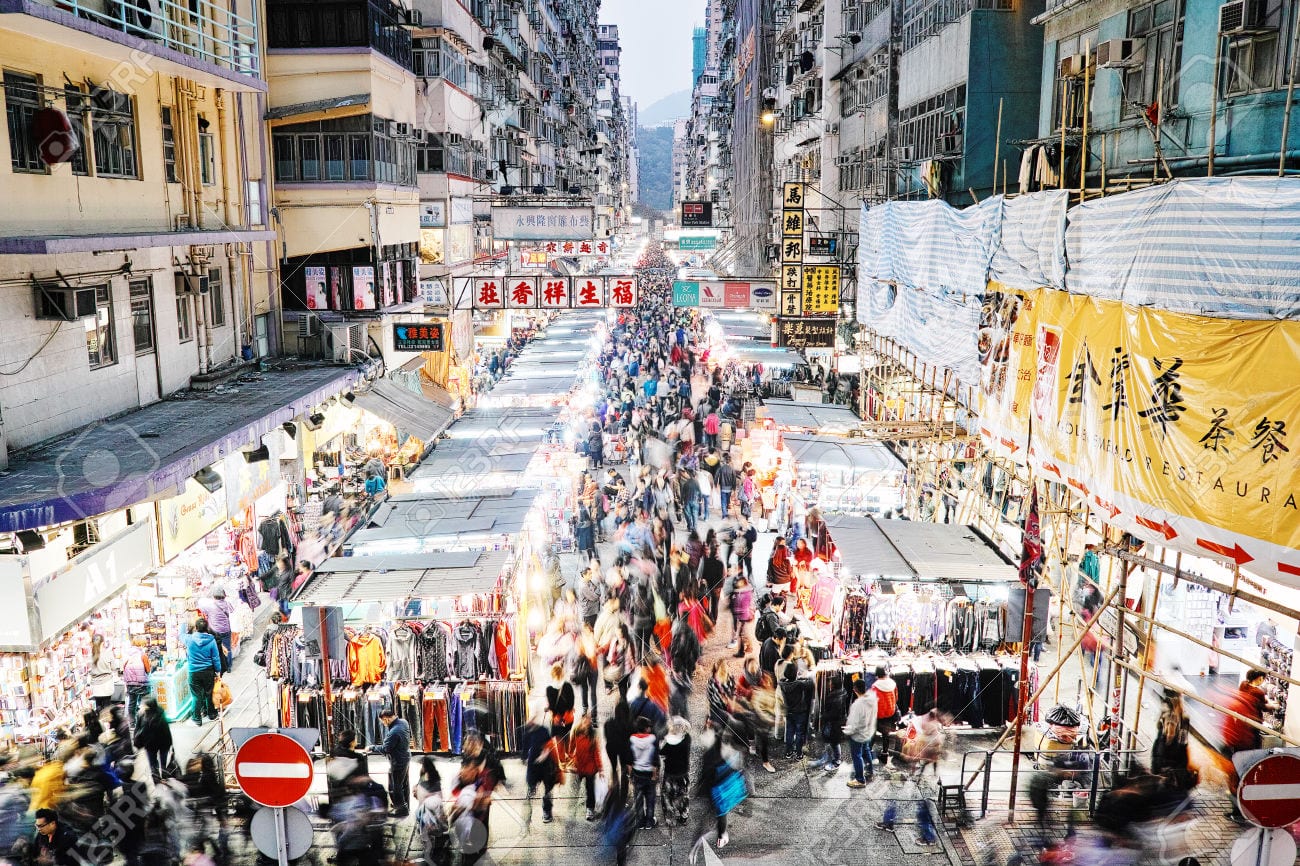
    Services exports weakened amid the deceleration of tourist arrivals and subdued spending by visitor. Hong Kong’s retail performance has been weighed on by major declines in tourist arrivals along with the relative strength of the HKD. Hong Kong’s retail sales continue to be in contraction for more than a year.

    The volatility in the global financial market has also impacted the country’s economic confidence and has been a drag on domestic demand. Private consumption expenditure grew marginally 1.1% y/y in the first quarter of 2016, as compared with the growth of 2.7% registered in the fourth quarter of 2015. Meanwhile, the property market weakened as transactions eased and prices fell.

    Hong Kong’s investment growth subtracted 2.3 percentage points from the headline GDP growth. It dropped 10.1% y/y, as compared to a contraction of 9.4% y/y in the previous quarter. Even if the relief measures stated in the 2016-2017 budget will give certain support to the economy, the risks to the economic growth continue to be tilted on the downside in the near term, noted HSBC in a research report.

    The economic growth is expected to be helped by the rapid growth in the US and stabilization in the Mainland economy in the coming quarter. The Hong Kong government has retained its growth and inflation forecast for 2016. It projects the economy to expand between 1% and 2%, whereas consumer price inflation is likely to be 2.3% this year.

    “We forecast overall GDP growth to slow to 1.5% in 2016, down from 2.4% in 2015”, added HSBC.