Author: Mei Ling Tan

  • Online Travel Booking Grows in China, But Traditional Agents Still Dominate

    Online Travel Booking Grows in China, But Traditional Agents Still Dominate

    Chinese travelers still trust and use traditional travel agencies more than online booking sites in 2016. But the percentage of online travel agency penetration in China reached a record high level last year.

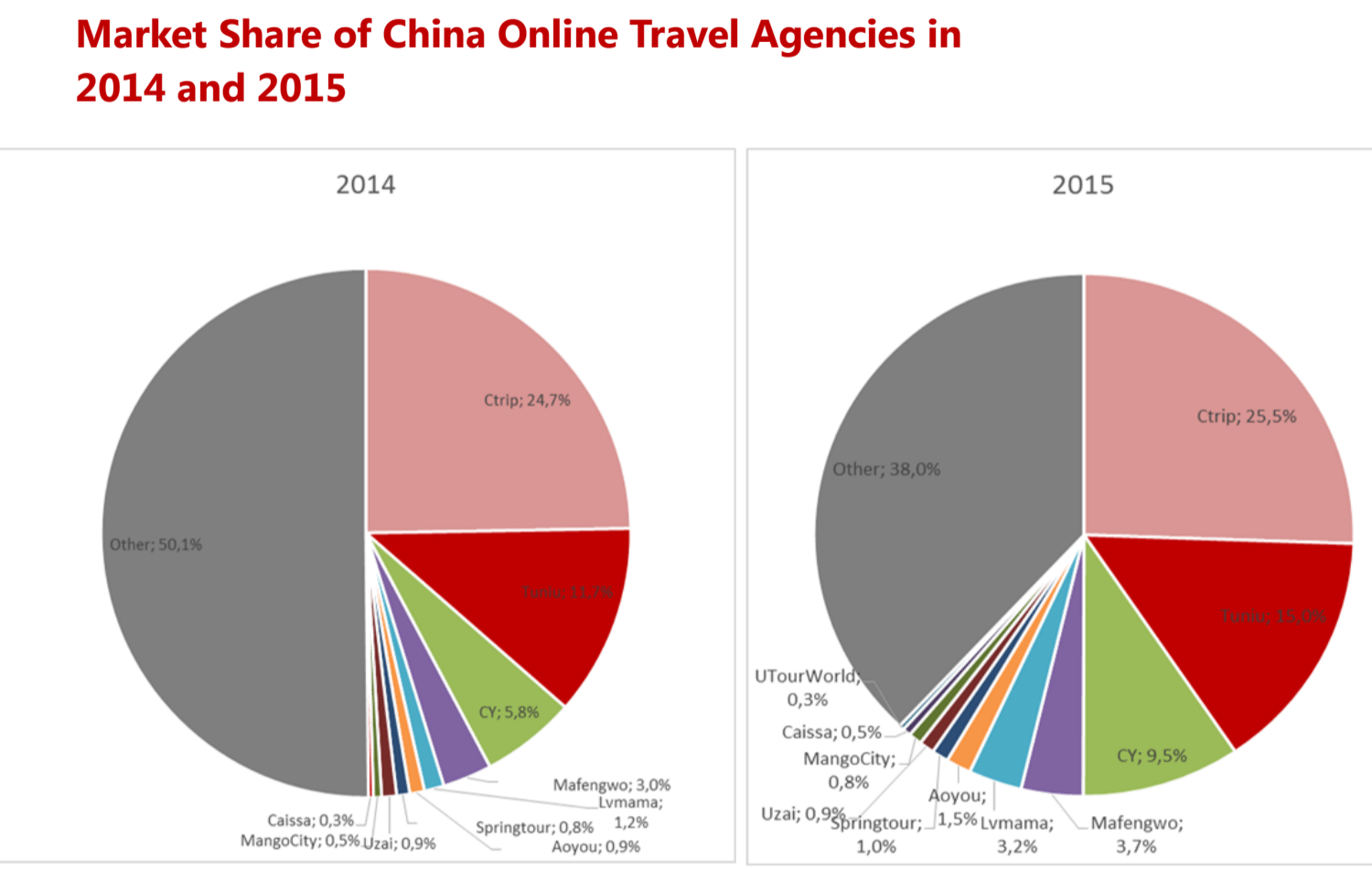
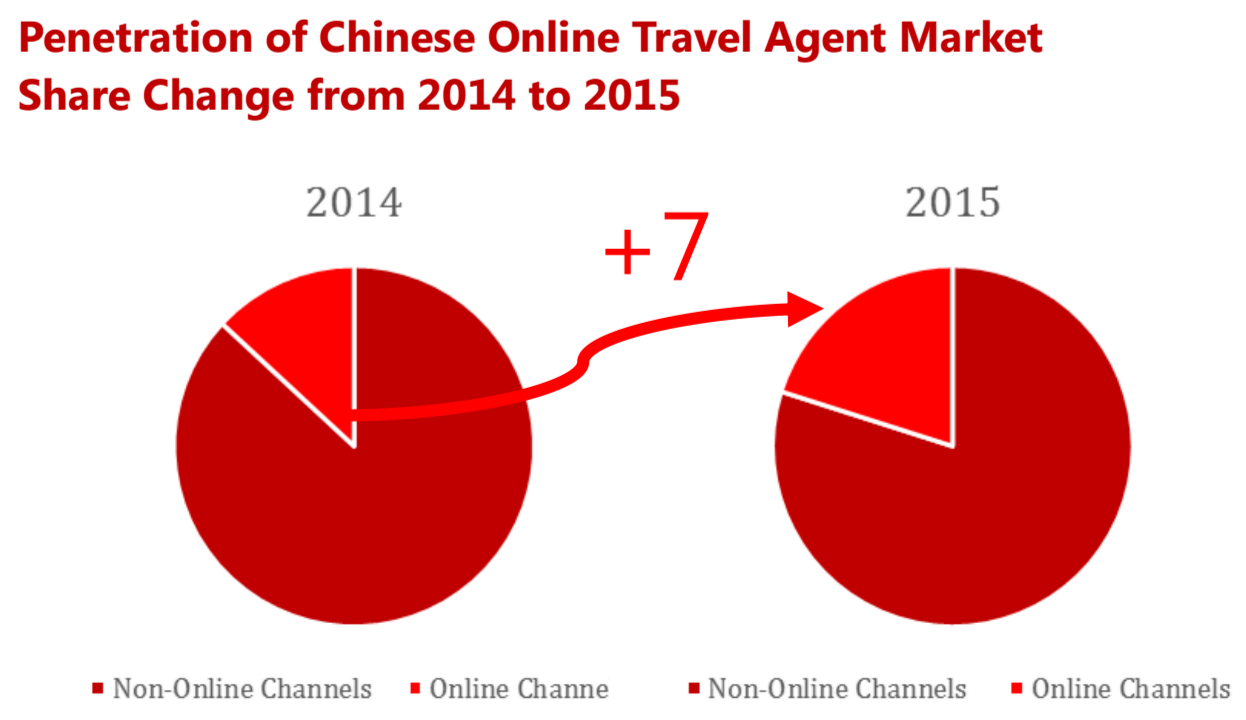
    According to a Chinese outbound market report from the Chinese Outbound Tourism Research Institute (COTRI), 20 percent of the 120 million Chinese outbound travelers booked travel using an online travel agency in 2015. That’s a seven percent increase over 2014 and the strongest indicator that booking sites continue to be more accepted throughout China.

    Chinese consumers felt less pressure from pricing wars late last year when Ctrip took a stake in Qunar and began working together, a powerful alliance among two of China’s largest booking sites. That’s likely one factor swaying more consumers towards booking sites, COTRI said.

    Still, 80 percent of Chinese travelers booked offline and used one of the more than 27,000 brick and mortar travel agents in China last year. The number of travel agencies in China has increased by 50 percent since 2006 and shows little signs of slowing, and COTRI projects Chinese outbound travelers will spend nearly $80 billion at travel agents this year.

    Chinese consumers spent about $56 billion at travel agencies in 2015. They also booked $11 billion worth of travel through online travel agencies last year, a 70 percent increase over 2014.

    While offline travel agents in China have closer relationships to consumers than their foreign counterparts have with markets elsewhere, they also have competition besides the growing popularity of Chinese booking sites like Ctrip and Qunar.

    “In China, the line between retail travel agents and tour operators (also known as tourism wholesalers in other countries) is somewhat blurred. It is not uncommon for tourism wholesalers to not only create tour packages, but to also sell directly to customers through newspaper advertisements, websites and even their own retail shops,” the report states.

    Chinese travel agencies can contact and work with inbound tour operators directly without wholesalers, “which can be attributed to the mind-set of disliking intermediaries. In cases when a travel agency does not have enough customers for a specific trip, for example, it will pass on its customers to a larger wholesaler and gain from the associated commission,” according to the report.

    Many Chinese travel agencies operate illegally, which Wolfgang Arlt, director of COTRI, says is one of the greyest areas in the Chinese tourism industry. Around 10 percent of these travel agents have obtained outbound tour operation licenses in their own names, which allow them to sell various kinds of travel, and the rest use a license or sub-license from another company.

    Online travel agencies in China face barriers that offline travel agents don’t worry about. More than half of Chinese citizens (668 million people) don’t use the Internet. China’s Communist Party also exerts a lot of control over the web which leads most consumers to feel they can trust a brick and mortar travel agent more than an online one.

    And when traveling internationally for the first time–which describes a large swath of world’s largest outbound market–Chinese consumers often prefer to speak with a travel agent in person, the report points out.

    “In Chinese travel media, the exposure and discussion of online travel agencies can be compared to that of Hollywood stars. Almost every day, the industry’s e-newsletters and reports provide news on Chinese online travel agencies’ volatile relationships (price wars and partnerships), weight gains and losses (share sales and acquirements) and red carpet highlights (obtaining capital investment),” the report states.
    Screen Shot 2016-05-17 at 3.21.08 PM

    chinese travelers

    Source: Chinese Outbound Tourism Research Institute
  • Shoe manufacturer Le Saunda down at heel for fiscal year

    Shoe manufacturer Le Saunda down at heel for fiscal year

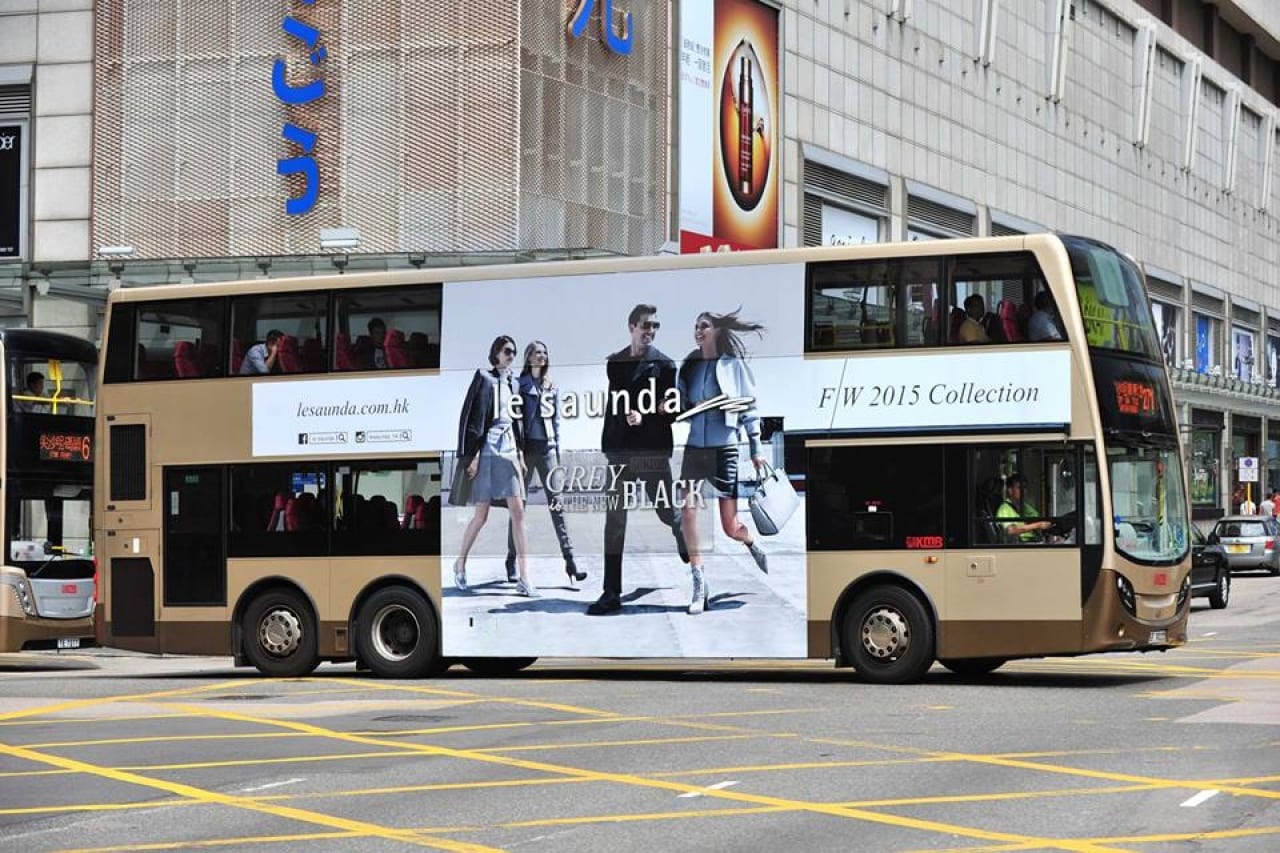
    Le Saunda Holdings Limited – a company primarily engaged in the manufacture and retail of Le Saunda ladies and men’s shoes, CNE footwear (an O2O brand) and Linea Rosa high-fashion footwear brand – announced a consolidated profit of RMB122.1 million (MOP149.42 million) for the fiscal year ending February 2016, in a filing on the Hong Kong Stock Exchange. This represents a 35.5 per cent year-on-year drop for the fiscal year compared to 2014/2015’s RMB189.3 million.

    The group has a total of 896 stores, located mostly in Mainland China, with 12 operating in Hong Kong and Macau.
    Sales in Hong Kong and Macau plunged 29.2 per cent year-on-year, at RMB110.7 million as compared to the RMB156.4 million seen in the previous fiscal year, causing a change in the Hong Kong and Macau business units ‘from profitable to making loss’ – a loss of RMB10.596 million – notes the filing. Over the fiscal year eight stores in the two SARs were phased out, noting that ‘after the shop rental in Hong Kong adjusts back to a normal level, the opportunities of opening new stores would appear again.’

    The group note opines that it is ‘the pattern of consumers’ behaviour that has been changing,’ despite the fact that ‘urban disposable income is actually on the rise […] ongoing weakness is noted in consumer spending.’

    For the fiscal year in question the group’s total revenue decreased by 3.7 per cent year-on-year to RMB1.621 billion. For the Macau segment total revenue amounted to MOP16.52 million, a 47.4 per cent drop compared to the MOP31.41 million registered in the previous fiscal year.

    A total drop of 0.9 per cent was seen in the group’s retail sales in Mainland China, amounting to RMB1.51 billion, which was noted as ‘better than the overall decline in the Group’s revenue,’ in the filing, attributable to a ‘stable loyal customer base brought by the Group’s reputation of products with “sophisticated styles with top quality”,’ as well as ‘consistent moves to close underperforming stores and open new ones to drive sales,’ complimented by the ‘launch of popular casual designs with elements favoured by young people to meet the market demands . . . [and] . . . a higher ratio of repeat purchases benefiting from innovative marketing approaches on both online and offline channels to facilitate close interaction with VIP customers.’

    Future predictions note that ‘the Group anticipates the lacklustre sentiments prevailing in the retail market will last for one to two years’ and that ‘retailers will still face enormous challenges ahead.’ To conquer this, the group will focus on: ‘formal footwear for the medium to high-end market’ as well as focusing on the product mix to ‘explore the young-line products with unique functional and fashionable items’. La Saunda also seeks to transform itself from a vertically integrated offline retailer to ‘an omni-channel operator which is highly data-oriented,’ as well as to ‘introduce a new retail model with swift O2O deployment,’ notes the filing.

    The group employs 5,286 people, of whom 150 are based in Hong Kong and Macau.

  • Jakarta shopping centers lack inter-connectivity

    Jakarta shopping centers lack inter-connectivity

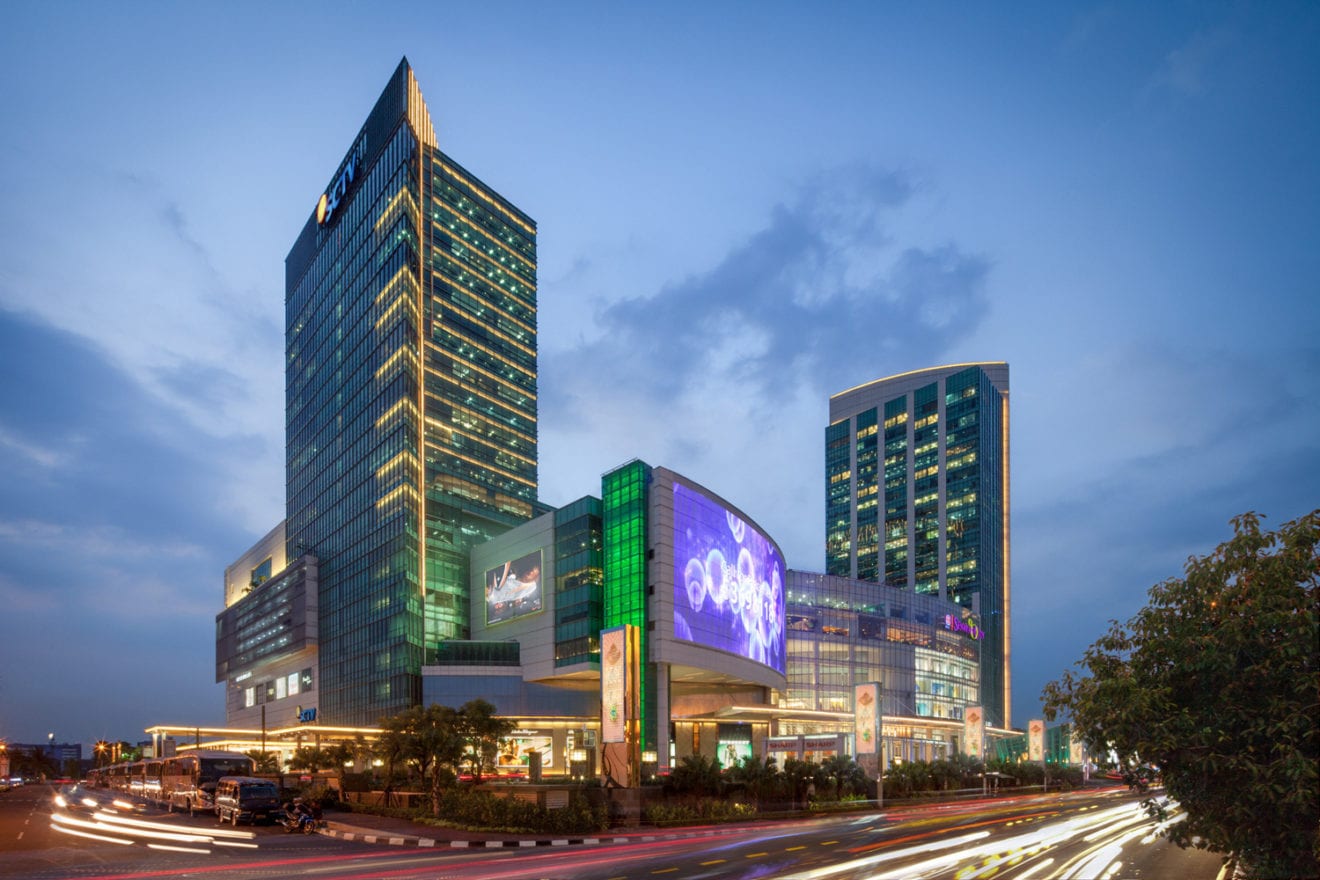
    Jakarta may have hundreds of shopping malls, but the city has a long way to go to compete with global shopping destinations like Singapore or Hong Kong, as its malls lack interconnection.

    Property consultant firm Savills Indonesia head researcher Anton Sitorus said recently that malls and shopping centers lacked interconnection as they had been developed in scattered locations all over
    the city, explaining that such conditions were unfavorable for the retail sector.

    Anton said the city had a number of traditional shopping districts like Tanah Abang in Central Jakarta and Mangga Dua in West Jakarta, Anton agreed.

    “However, modern retailers are scattered in many places. Even if some malls are next to each other, the developers have not considered connecting them,” he said.

    Anton said inter-connectivity was one of the main factors required to create an iconic shopping district and boost the market, citing the 1.9 kilometer Orchard Road shopping belt in Singapore as a prime example of a successful interconnected shopping district.

    “15.1 million foreigners visited Singapore in 2014, 41 percent of them visited Orchard Road,” he said.

    He emphasized that other well known shopping belts in the world such as the Avenue des Champs-Élysées in Paris and Fifth Avenue in New York also boast interconnection between shopping centers.

    Anton said a consortium of developers in Jakarta had attempted to create a similar concept on Jl. Satrio in South Jakarta. “However, because of the economic crisis in 1998, the plan was canceled,” he said, adding that since then developers had only built free-standing malls. “The initial Jl. Satrio concept had sidewalks along which shoppers could easily walk between various shopping malls,” he said.

    Most shopping malls in Jakarta do not provide pedestrian facilities as the management prioritize cars. Even when the distance between malls is less than 500 meters, there is no walkway connection.

    The Jakarta administration is currently mulling over plans to widen the sidewalk on Jl. MH Thamrin, Central Jakarta, but the road is mostly occupied by office buildings, not shopping malls.

    Anton said that if the city hoped to develop its retail sectors, it would be necessary to have shopping belts. “It is a good strategy. Retail will be the first sector to revive after the economic slowdown,” he said, adding that the sector also showed good resistance during times of crisis.

    Anton said resilience was the result of various factors, including purchasing power in society, government domestic business incentives, the significant wealth of individuals as well as growing middle class.

    “Although the economy is slowing, Jakartans keep shopping. Malls are packed during weekends and when there are bazaars or fairs scheduled,” he said.

    Currently, there are almost 200 malls located throughout the capital. Shopping tax return company Global Blue revealed in January that Indonesians have been listed among the top four global shoppers, behind Chinese, Middle Eastern and Russians consumers.

    The top five destination countries for shopping were listed as the UK, France, Italy, Japan and Singapore.

    Rosaline Stella Lie, Savills retail senior director, said Indonesian consumers had high purchasing power but emphasized that the price of luxury goods in Indonesia were not competitive.

    “Therefore, the rich love shopping abroad,” she said.

    Rosaline said although the luxury tax was slashed for branded items, the price had remained high due to other costs like import duty.

    Rosaline said the price should be competitive so high-end brands would be eager to open outlets in Jakarta. “More shopping districts will be developed but most of them will be in Greater Jakarta due to the city administration moratorium [2012],” she said.

    She added that shopping districts should be located downtown, near the central business district, as the area offered easy access.

  • 3 Things Investors Should Know About Singapore Post Limited Now

    3 Things Investors Should Know About Singapore Post Limited Now

    Singapore Post Limited is a postal and logistics services company. Its business is currently organised into three major segments: Mail, Logistics, and Retail & eCommerce.

    Here are three things about the company investors may want to know:

    1. Latest results

    Singapore Post had released its fourth-quarter and full-year results just last week. For the fiscal year ended 31 March 2016 (fiscal 2016), the company’s revenue had jumped by 25% to S$1.15 billion while the profit attributable to shareholders had grown by 58% to S$249 million.

    Singapore Post’s top-line had benefitted from new acquisitions and organic growth in its Logistics and Retail & eCommerce segments. The even faster profit growth meanwhile, had come on the back of one-off divestment gains. If that were stripped away, the company’s underlying net profit in fiscal 2016 would have been 4.1% lower than in the previous year.

    It’s worth noting too that Singapore Post’s cash flow performance had deteriorated from fiscal 2015, with both operating cash flow and free cash flow falling.

    2. Dividend history

    Singapore Post has had a long history of paying an annual dividend, which goes back all the way to fiscal 2003, the year it got listed. In fiscal 2003, Singapore Post paid a dividend of S$0.042 per share and has been paying an annual dividend ever since.

    The company’s dividend in fiscal 2016 is S$0.07 per share, which gives it a yield of 4.6% at its current share price of S$1.535.

    Singapore Post total dividend per share
    Source: Singapore Post

    3. Valuation

    Singapore Post is currently trading at a price-to-earnings ratio of 14. For perspective, the company’s valuation had reached a peak of 31 in the last five years.  In addition, the PE of 14 is also near the lower end of Singapore Post’s valuation range over the last five years.

  • Shinsegae opens new duty-free shop in central Seoul with 600 brands

    Shinsegae opens new duty-free shop in central Seoul with 600 brands

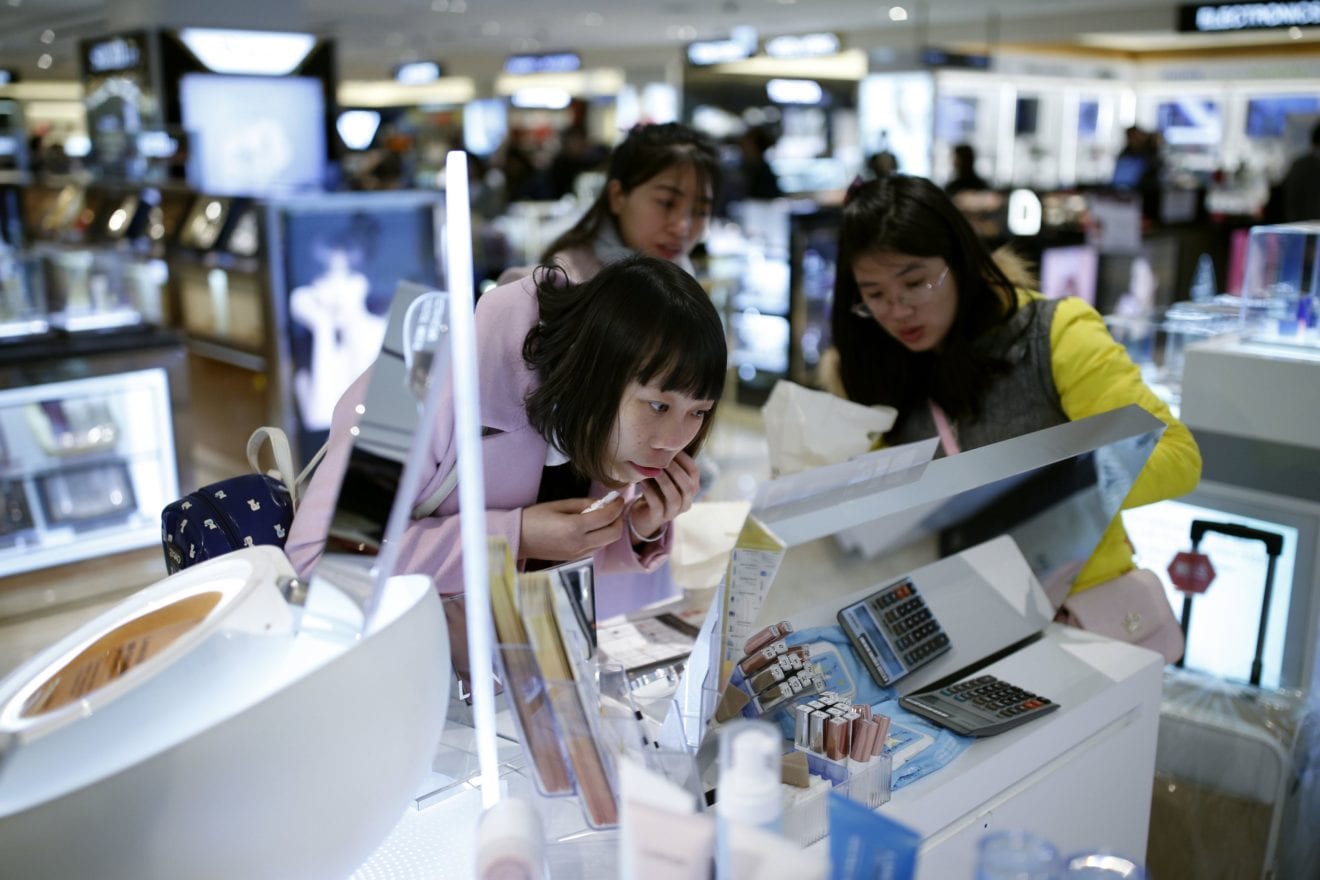
    South Korea’s retail giant Shinsegae Group opened its duty free outlet on Wednesday in downtown Seoul, about six months upon successfully winning a license on a duty -free retail business after repeated failed attempts over the last two decades. Shinsegae Duty Free shop is located in Shinsegae Group’s flagship department store in Myeong-dong, one of the most bustling shopping and tourist streets in central Seoul.

    According to Shinsegae, its duty-free stores occupy floors 8-12 at Shinsegae Department Store with a sales area of 13,884 square meters. Shinsegae pledged to turn the downtown area as world-class tourist attractions by making its duty-free outlet a Korea’s touristic landmark. The company said Shinsegae Duty Free at Myeong-dong is offering special areas dedicated for Korean pop culture and worldly renowned artworks as well as top international brands.

    Shoppers will find about 600 brands from all over the world, including Gucci, Saint Laurent and Bottega Veneta, at Shinsegae’s tax-exempt outlet. Also, about 70 luxury wrist watch labels such as Audemars Piguet, Vacheron Constantin, Jaeger-LeCoultre and Omega opened their shops at the store, while four other high-end jewelry brands Cartier, Bulgari, Tiffany & Co. and Van Cleef & Arpels are to join the others in the second half of this year.

    A series of luxury brands also plan to make their first debut in the Korean duty free market – Moncler, J.Lindeberg, Emporio Armani and MCM’s sunglass collection. The famous fashion labels Chanel, Hermes and Louis Vuitton are in discussion with the duty free retailer to open corners at the new duty-free shop, aiming for the fall/winter 2016 season. In addition, more than 200 cosmetic brands joined the tax-free outlet, according to the company.

    To ensure foreign customers’ return, it reserved a special venue for foreign tourists at the new duty free store. There are separate zones for Korean cosmetic brands, as well as movie and animation character shops. Korea’s traditional craftworks by artisans will also be available to lure foreign visitors.

    In November last year when the group was granted a license to operate duty free shop, Shinsegae said it aimed to rake in 1.5 trillion won ($1.26 billion) in sales from its duty-free shop operations within the first year of opening and 10 trillion won in five years by 2020.ths upon successfully …

  • Hotel Lotte IPO expected to become S. Korea’s biggest offering

    Hotel Lotte IPO expected to become S. Korea’s biggest offering

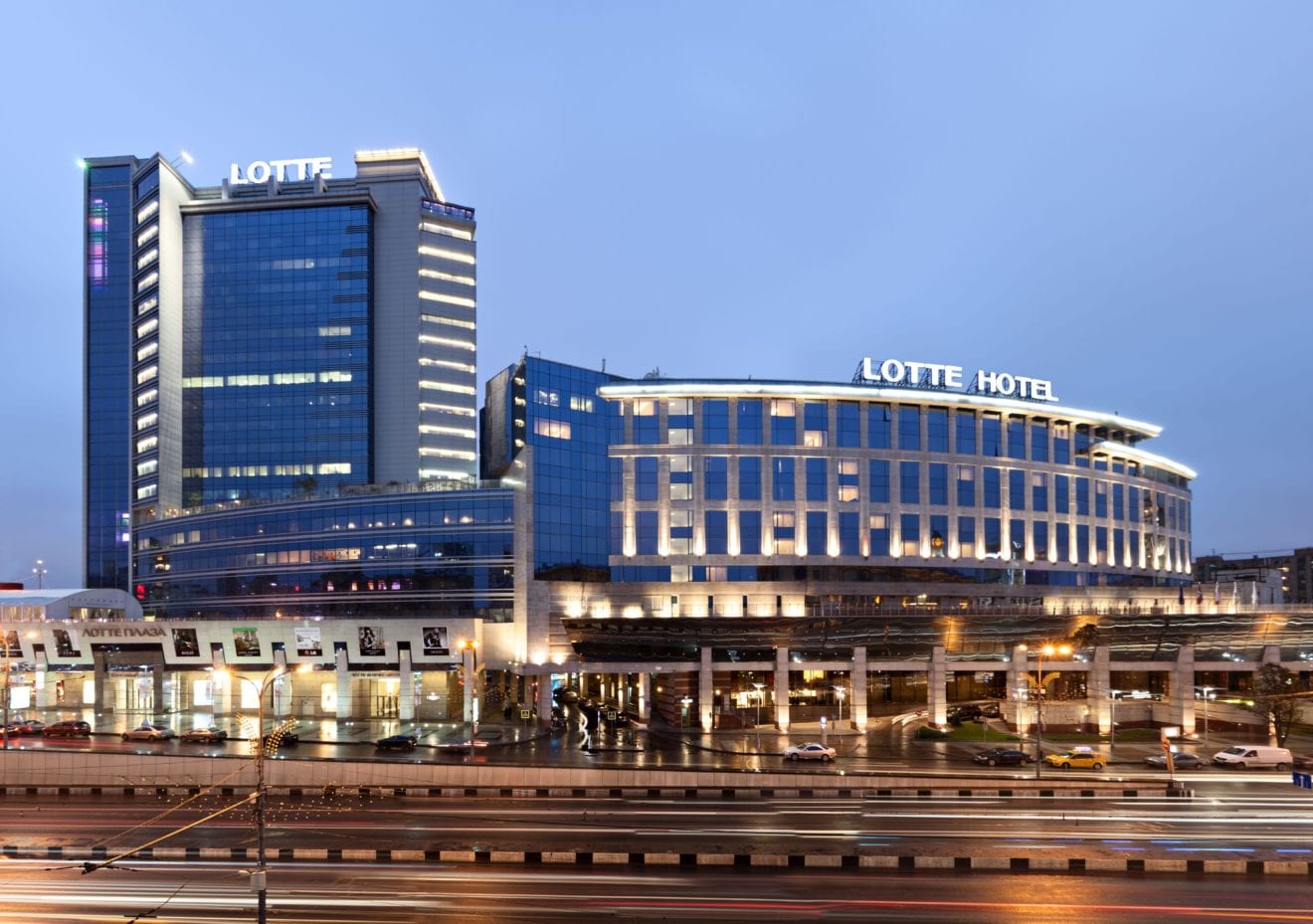
    South Korean retail giant Lotte Group’s hotel unit said Thursday it will go public on the KOSPI market on June 29, which is expected to fetch over 5 trillion won (US$4.19 billion) to mark as the nation’s largest-ever initial public offering (IPO).

    Hotel Lotte Co. said in a regulatory filing that it will offer 47.85 million shares at a range between 97,000 won to 120,000 won per share.

    The offering is estimated to be around 4.6 trillion to 5.7 trillion won, and its medium range of price would surpass the record amount of 4.9 trillion sale by Samsung Life Insurance Co. in 2010. 

    Hotel Lotte, the world’s No. 3 duty-free operator, said it will use the fund to step up its duty-free business, hotel chain and theme park to offer comprehensive options to travelers.

    “Hotel Lotte will use the IPO fund to invest in expansion of duty-free stores at home and abroad to become the world’s largest duty-free operator,” the company said in a statement.

    The duty-free business is the company’s key source of income, accounting for 86 percent of its total sales.

    Starting from next month, Hotel Lotte plans to hold a series of deal roadshows in major cities, including New York, London, Singapore and Hong Kong, according to company officials.

    The listing of Hotel Lotte is one of the reform pledges that Lotte Group Chairman Shin Dong-bin has made as part of efforts to improve corporate image after a bitter family feud for control of the retail-focused conglomerate, which has sprawling businesses both in South Korea and Japan.

    The prolonged family feud has virtually come to an end as the founder’s second son and incumbent chief won shareholder support in March to tighten his grip on the nation’s fifth-largest conglomerate.

    On Thursday, Lotte founder Shin Kyuk-ho, who was undergoing a mental competence evaluation to prevent a legal guardian appointment, abruptly rejected the procedure and left Seoul National University in just three days of hospitalization.

    In December, the 94-year-old founder’s younger sister requested a Seoul court to name her as his legal guardian, claiming her aging brother was no longer capable of making consistent decisions.

    As a result, the aged tycoon was unseated from board seats at major affiliates during a shareholders’ meeting in March.

    Experts say Shin’s early discharge from the hospital has raised the likelihood of his sister becoming his legal guardian.

    “The case of dementia requires at least two weeks of hospitalization for examination. His discharge from hospital in just three days means that officials could not proceed with normal procedure,” Lee Hyun-kon, the lawyer for Shin’s younger sister, said. “The possibility of (the court’s) appointment of a legal guardian for Shin has risen as he could not prove that there’s no problem with his mental health.”

    Dong-joo has claimed he is his father’s hand-picked successor, but Dong-bin argued that his father is unable to make reasonable judgments due to mental health problems.

  • Takeover bid of $196m. for Eu Yan Sang

    Takeover bid of $196m. for Eu Yan Sang

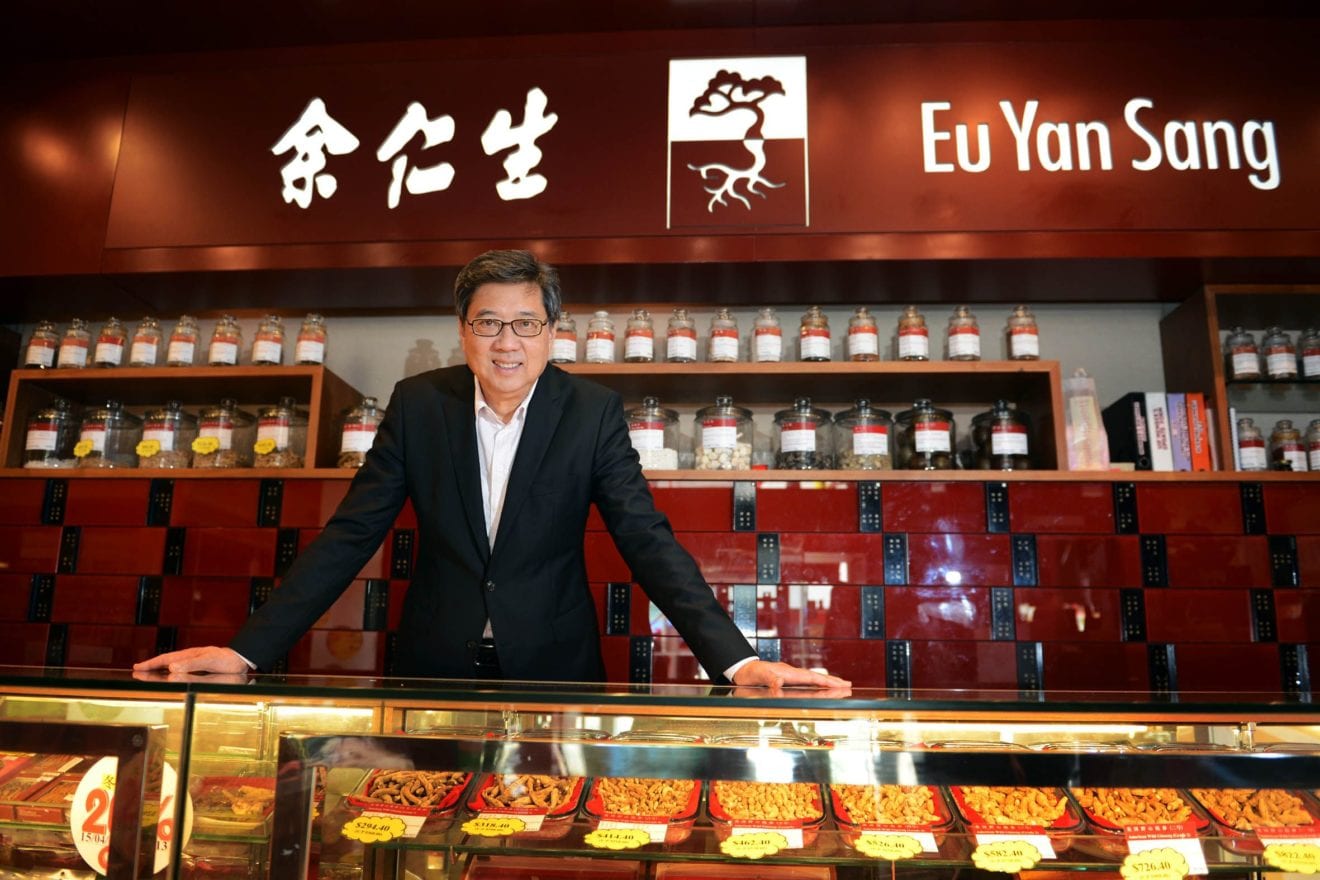
    A takeover bid for Singapore-based Eu Yan Sang has valued the traditional Chinese medicine retailer at about S$269 million (US$196 million).

    A consortium comprising Singapore state investment company Temasek Holdings’ unit Blanca, Tower Capital TCM Holdings and some members of the founding Eu family have made the final offer of 60c Singapore a share.

    About 63.2 per cent of shareholders have committed to accept the offer, including members of the Eu family, Aberdeen Asset Management Asia and First State Investment Management (UK), says Eu Yan Sang.

    Tower Capital founder Danny Koh says the consortium’s offer is attractive “considering the company’s recent financial performance and the current challenging environment”.

    Eu Yan Sang launched in Malaysia in 1879, expanding to more than 250 outlets in China, Hong Kong, Macau and Australia.

    Its third-quarter net income slumped to S$286,000 from S$5.45 million a year earlier, and its slide became evident in August when it lost US$3.6 million.

  • Baidu Wallet launches Southeast Asia foray

    Baidu Wallet launches Southeast Asia foray

    China’s Baidu Wallet has launched its mobile payment service in Thailand, on the eve of the traditional Thai new-year celebration Songkran.

    Part of the Baidu search-engine group, the digital payment service is now connected to more than 400 merchants in four Thai cities – Bangkok, Chiang Mai, Pattaya and Phuket. It covers restaurants, shopping malls and spas.

    Baidu Wallet is also set to launch in South Korea and Japan, with plans to also expand into Hong Kong, Macau and Taiwan.

    Baidu Wallet’s smartphone app means Chinese travellers can avoid the bother of exchanging currency. They need only scan the QR codes of partnered merchants and enter the amount of Thai baht they need. The app converts the figure to yuan based on real-time exchange rates.

    China has the highest adoption rate in the world for technology-enabled payment systems, according to a new survey by market data company Nielsen. With information from 13,000 respondents across 26 countries, the survey shows that 86 per cent of Chinese respondents paid for online purchases over a six-month period, while the global average rate was half that at 43 per cent.

    A report by consultancy iResearch shows that China’s mobile payment transactions reached $373.2 billion in the third quarter of last year, a 64 per cent increase year-on-year.

    China has been the biggest source of international tourists since 2012, says the Tourism Authority of Thailand. There were 7.9 million Chinese tourists last year – 27 per cent of total international arrivals.

    Chinese travellers spent 6400 baht (US$180) a day each on average, with most tourists spending 5690 baht.

    A report from Forrester Research says the rapid growth of smartphones is driving an eCommerce boom across Southeast Asia, the world’s third-largest digital marketplace after China and India. This boom is being paralleled by strong payment growth via mobile. Companies are boosting their investments in online and mobile platforms such as Carousell in Singapore and Tarad in Thailand, where 35 per cent of purchases are made via a mobile device.

    Alipay, from Alibaba, has introduced an online shopping service Thailand duty-free shop King Power, and the WeChat app payment option launched in Thailand at the beginning of this year.

  • Wasedaya Shirt brand returns, but not in Japan

    Wasedaya Shirt brand returns, but not in Japan

    A Japanese businessman has revived the established Japanese shirt brand Wasedaya Shirt – in Vietnam.

    His first outlet is in the Aeon Mall Long Bien in Hanoi, run by Japanese retail giant Aeon and its subsidiary Aeon Mall.

    Founded in 1903, the Osaka-based company provided custom-made shirts to Japanese consumers for more than a century. The founder was a graduate of  Waseda University in Tokyo.

    However, the tailored shirts gave way to low-priced shirts, and in 1998 the company became a subsidiary of a major Japanese shirt company. Wasedaya Shirt went out of business in 2009, but trading house Itochu acquired the brand and is behind the Vietnam comeback with its textile subsidiary Prominent (Vietnam).

    “I’d like Vietnamese customers to know more about Japan’s high-quality shirts,” says Hiroshi Morita, who as president of Prominent decided to revive the label.

    Its shirts are made from fine Japanese fabrics at a factory in Japan, and carry a price tag of 1.2 million dong ($54) each. Contemporary features have been added, such as photocatalyst-based deodorant and anti-bacterial technology in collars and cuffs to suit the humid climate in Vietnam.

    Itochu set up a capital and business agreement with Vietnam Kowil Fashion last year, which has helped Wasedaya Shirt obtain data about Vietnamese body shapes and preferences.

    A second Wasedaya Shirt has been opened in Ho Chi Minh City, and Morita hopes to expand its sales network to other parts of the country as well as Cambodia – and is thinking about reimporting the shirts to Japan.

  • Globe urges govt to establish Department of ICT

    Globe urges govt to establish Department of ICT

    The Philippines’ Globe Telecom is encouraging the government to establish a new Department of ICT to help improve the state of local internet services and the nation’s digital readiness.

    Globe general counsel Froilan Castelo urged outgoing president Benigno Aquino to sign the bill that would create the new department before he leaves office next month.

    “The Philippines is in urgent need of an agency that will drive the country’s ICT development and help steer the country to realize its full potential as a digital economy where homes, businesses and individuals have access to fast and reliable data connectivity,” Castelo said.

    “We are hopeful that enhancing ICT development in the country by creating the DICT would enable more business organizations to work more efficiently, maximize productivity and contribute to sustaining the country’s economic growth.”

    Castelo said a policy framework for ICT development is sorely needed to help develop the nation’s internet infrastructure.

    Globe, for example, has faced regulatory hurdles inhibiting it from building more cell sites as part of its latest nationwide infrastructure program.

    The proposed bill would abolish the Information and Communications Technology Office, National Computer Center, National Computer Institute, Telecommunications Office, National Telecommunications Training Institute and all communications units of the current Department of Transportation and Communications.

    The functions of these departments would instead be taken up by the new DICT, which would also take responsibility for telecom regulator NTC, the National Privacy Commission and the Cybercrime Investigation and Coordination Center.

  • Telstra hit with two more outages

    Telstra hit with two more outages

    Australian operator Telstra has been hit with two more network outages in the span of three days, weeks after committing to invest to improve its network resilience.

    On Friday, Telstra confirmed it was aware of an unplanned service disruption affecting NBN voice and data as well as ADSL customers.

    Telstra said the issue its engineers have identified is “extremely complex, but in simple terms there was a fault with the device that manages the interaction between our network and all of the different types of customer modems.”

    While the bulk of restoration efforts occurred two and a half hours after the company announced the incident, it took until late Sunday afternoon to resolve residual issues and fully restore services.

    But on Sunday customers were reporting another outage affecting Telstra’s mobile and broadband networks in Sydney, Melbourne,Brisbane and Perth.

    Some customers reporting issues may still have been affected by the residual problems from the Friday outage, the report states. But the mobile outage, which affected data services for some customers, appears unrelated.

    Telstra has been struggling with a spate of network outages over the past few months. The operator recently committed A$50 million ($36.2 million) towards addressing the issue by installing new monitoring equipment and improving its capacity to handle numerous simultaneous re-registrations.

  • Siam Discovery about to launch ‘retail revolution’

    Siam Discovery about to launch ‘retail revolution’

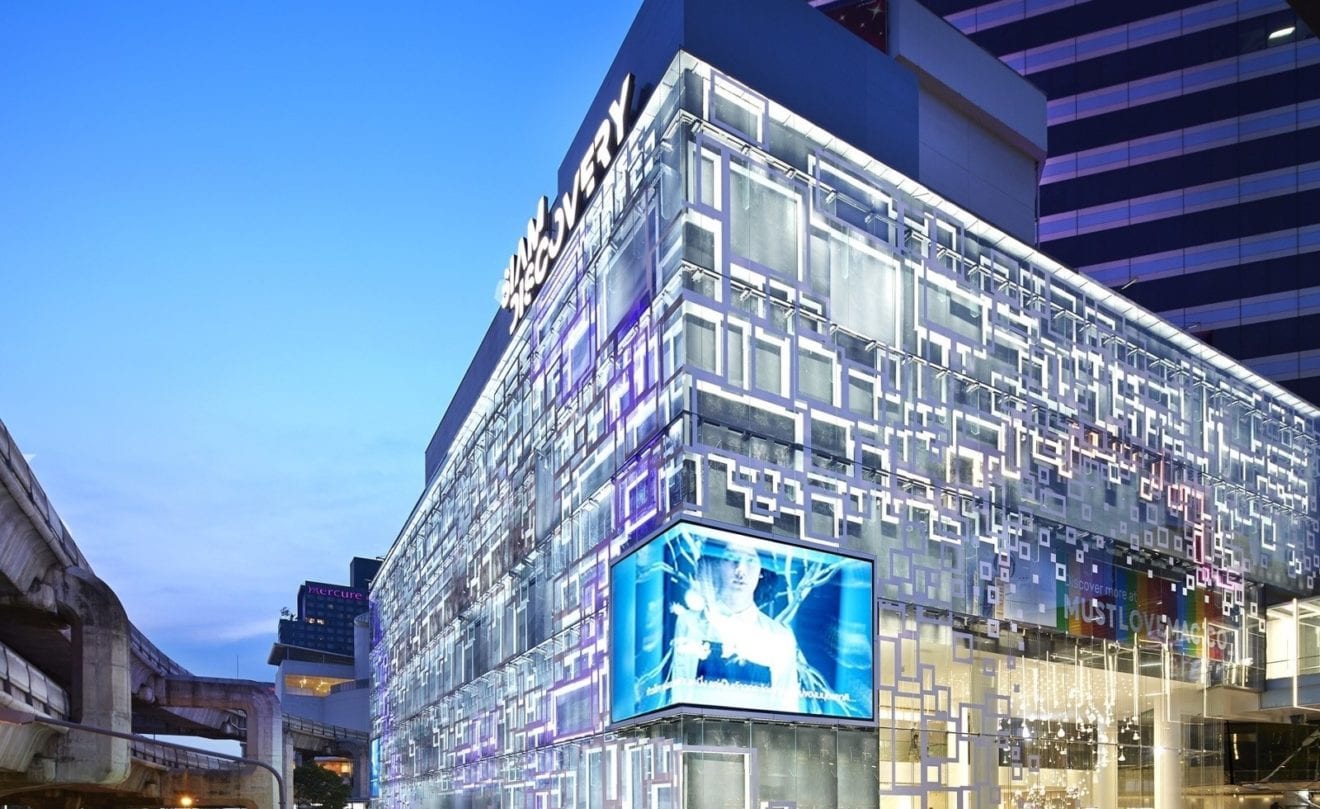
    After a Bht 4000 million (US$113 million) overhaul, Siam Discovery will re-open in Bangkok this month as a self-described “hybrid retail development”.

    As well as Thailand’s largest lifestyle speciality store, the complex will feature an “arena of lifestyle experiments”.

    Opening on May 28, the complex is owned and run by Siam Piwat, which also has Siam Paragon, Siam Center, Paradise Park and, in a joint venture, IconSiam. This new development will be sub-branded The Exploratorium, and introduce what CEO Chadatip Chutrakul describes as a “revolutionary new retail concept”.

    This concept is spread across 50,000 sqm, and senior executive vice-president Charnchai Cherdchuwongthanakorn says the company expects to double its sales per square metre as well as reinforce Siam Piwat’s reputation as a thought-leader in Thailand’s retail sector.

    Siam Discovery – The Exploratorium will encourage visitors to experiment and discover what they like. Without the constraints of a particular brand or school of design, products are brought together under a single universal concept that puts customers at the centre, says the company.

    Charnchai says that in its first year the eight-level complex is expected to draw 100,000 visitors a day, with a mix of 65 per Thais and 35 per cent tourists. Before the renovation the centre had 750,000 visitors a day.

    There are many firsts and concept stores in the centre…

    • In a partnership with the Department of Export Promotion, Siam Discovery will feature award-winning designers in the Objects of Desire Store.
    • Nike will launch its only concept store for Southeast Asia, including a personalised embroidery service.
    • Designer Issey Miyake which have its first concept store outside of Japan, called the World of Issey Miyake and offering products for men for the first time in Thailand.
    • Home decorative brands like Hay, Kartell and Tom Dixon and Kartell will open their first concept stores in Thailand, and artists Lisa Larson and Yayoi Kusama will make their Thailand debut.
    • As well featuring designs from Tokyo Fashion Week, Siam Discovery will highlight Asian designers with brands such as Beautiful People, Discord by Yoji Yamamoto, Dressed Undressed, Factotum and Yoshio Kubo being introduced to Thailand.
    • As a world first, music magazine Billboard will have a cafe with a food-and-drink corner catered by Dean & Deluca and a live radio show.
    • An innovative retail service developed by Siam Discovery will offer customers a personal stylist and a private dressing room.
    • Tokyo Bike will offer cycling products and equipment as well as a customised bicycle fitting service and a test-ride space.
    • Starbucks Coffee will feature a coffee drip for hard-core coffee fans, plus furniture made from recycled coffee grounds.

    Siam Piwat is spending Bht 300 million on the grand opening. But first, 500 members of the public will be able to experience the space first by entering an online draw. Also before the opening, a 7m-tall “Discovery Man” will go on a promotional roadshow throughout Bangkok.

    A Discovery Man exhibition at the opening of Siam Discovery is being curated by Japanese designer Oki Sato, who was chief advisor for the building’s design and interior.

    A highlight during the grand opening period will be Social Discovery, an interactive exhibition that is a collaboration between Siam Discovery and creative designer Black Egg. It will combine storytelling with digital technology to create an experience themed “When Obsession Becomes Identity”.

  • SSI Group profit dives

    SSI Group profit dives

    SSI Group saw its profit slashed by more than half – or 54.5 per cent – to P122 million (US$2.6 million) in the first quarter, from the same period a year ago.

    The Philippines’ largest specialty store retailer recorded a 7 per cent increase in revenues to P4.3 billion in the first quarter of 2016 – outperforming forecasts after the group added Mont Blanc to its brand portfolio and increased its network by 29 stores, SSI said.

    “SSI posted better-than-expected sales growth during the first quarter of the year as we leveraged on the strength of our brand portfolio and our store network,” said SSI president Anthony Huang.

    In the first quarter, SSI was operating 117 brands and 775 specialty stores covering more than 146,000 sqm, a 6 per cent year-on-year increase in the company’s retail footprint.

    “Through the rest of the year, we will continue to focus on top line growth and on maximizing the efficiencies of our store network,” said Huang.

  • Myanmar signs up for Crystal Jade restaurants

    Myanmar signs up for Crystal Jade restaurants

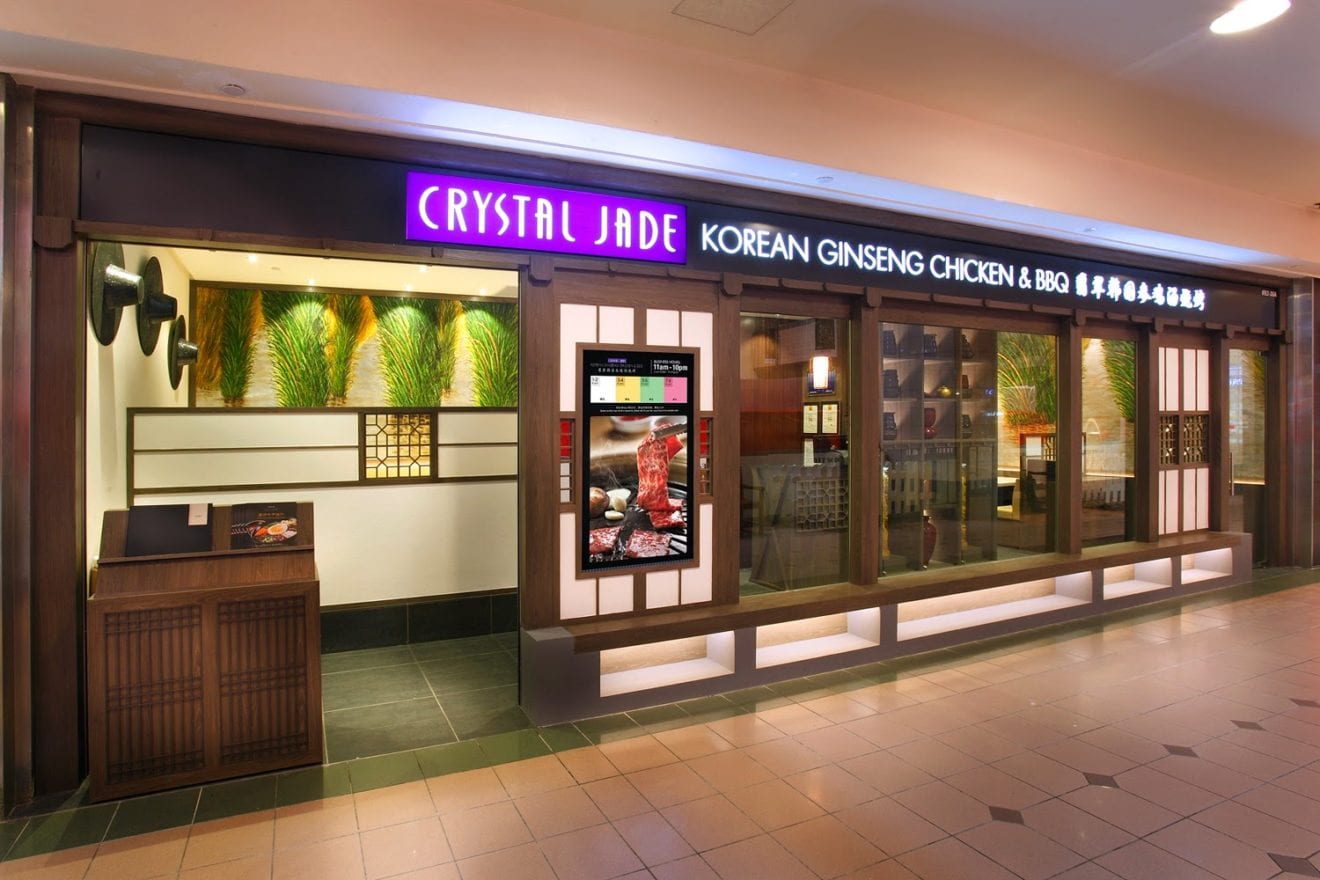
    Crystal Jade restaurants are headed to Myanmar after a franchise agreement signed between Singapore Myanmar Investco (SMI) and Crystal Jade Management Vietnam.

    Crystal Jade Group has more than 100 outlets in 20 cities in the Asia Pacific region and the US.

    Under the terms of the agreement, SMI will have the exclusive right to develop, manage and run the Crystal Jade Kitchen, Crystal Jade Palace Restaurant and Crystal Jade La Mian Xiao Long Bao restaurants in Myanmar for 10 years, with the option to extend for a further 10 years.

    The first Crystal Jade Kitchen outlet is expected to open in the third quarter of this year at the new Yangon International Airport Terminal 2, while a Crystal Jade Palace restaurant is expected to launch at the Sedona Hotel Yangon later in the year.

    Further ahead, the group expects to open another two Crystal Jade Kitchen restaurants in 2017 and in 2018.

    SMI manages the duty-free retail space in the new Yangon terminal.

  • Retail changes hit Vietnamese labels

    Retail changes hit Vietnamese labels

    After acquiring supermarket chains in Vietnam, Thai retail groups have started strengthening the distribution of products from Thailand to the detriment of Vietnamese labels.

    Central Group and BCJ Group now have more than 50 supermarkets and convenience stores in Vietnam, and VietnamNet reports that more than half of the retail market share in Vietnam is now in Thai hands.

    Metro wholesale supermarkets, which have changed from German to Thai ownership, now feature Thai products in a special area by the main entrance, including household appliances, clothing, processed food and cosmetics.

    VietnamNet says the volume of Vietnamese goods in supermarkets and shopping malls has dropped two-thirds, being replaced by Thai products.

    Vietnamese manufacturers have complained about the volume of their products being cut back after Metro changed hands. Vietnamese goods have reportedly also been replaced at other retail chains, including Big C and B’s Mart.

    Saigon Food general director Le Thi Thanh Lam says that foreign-owned retail chains always demand high discount rates from suppliers.

    Vietnam High-quality Product Association chairperson Vu Kim Hanh says Thai goods will become a major rival for Vietnamese.