Author: Mei Ling Tan

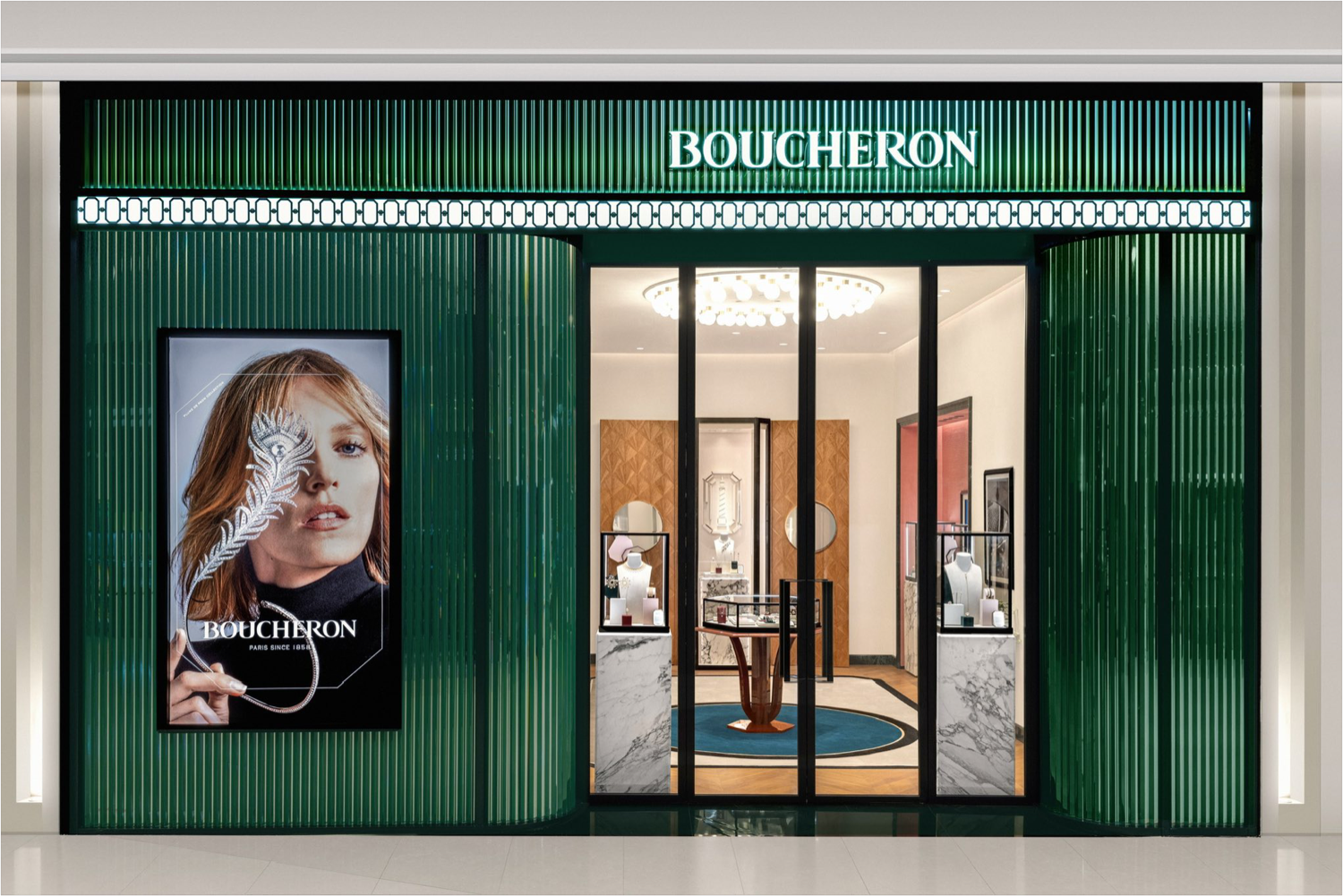
  • Boucheron opens boutique in Bangkok’s Siam Paragon

    Boucheron opens boutique in Bangkok’s Siam Paragon

    Boucheron Launches New Boutique in Bangkok’s Siam Paragon

    Boucheron, a high-end jewellery designer, has revealed their brand-new boutique, conveniently situated in the Siam Paragon, a prominent shopping destination in Bangkok.

    Boutique’s Prime Location

    The boutique finds its home on the bustling ground floor of the shopping centre, nestled among a variety of other high-end fashion and accessory brands.

    Inspired Design Elements

    The aesthetic design of the Boucheron boutique incorporates aspects inspired by the brand’s flagship store in Place Vendome, Paris and the architectural beauty of traditional Thai temples.

    Uniquely Designed In-House

    The boutique, designed by its own team, boasts a front door comprising of bright glass prisms which sport the brand’s signature green hue, arranged in a grosgrain pattern. The walls, adorned with a white wash finish, are aesthetically punctuated with a variety of colours and motifs. The flooring, a parquet design, is tastefully covered with large rugs showcasing graphic patterns.

    Exquisite Furnishings

    Artfully selected furniture, including marble-columned displays and marble-top counters, are tastefully paired with luxurious fabrics and traditional Thai wooden cabinets.

    Exclusive VIP Room

    The boutique’s VIP room is a vision of luxury, with walls adorned with fabric panels, timber slats, and decorative cabochons. Colourful seating, a brass coffee table, and beautifully appointed photographs by French artist Yves-Vincent Davroux complete the elegant setting.

    Questions & Answers

    What is the inspiration behind the design of the new Boucheron boutique?
    The design of the new Boucheron boutique is inspired by the brand’s flagship store in Place Vendome, Paris and the architectural beauty of traditional Thai temples.

    What are the unique elements of the boutique’s design?
    The boutique’s unique design elements include its signature green glass prism front door, whitewashed walls with contrasting colours and motifs, parquet flooring with large graphic rugs, and curated marble and wood furnishings.

    What features does the VIP room offer?
    The VIP room features walls adorned with fabric panels, timber slats, and decorative cabochons, colourful seating, a brass coffee table, and photographs by French artist Yves-Vincent Davroux.

  • Miniso Unveils Largest Melbourne Store, Showcasing Exclusive Collections And Broad Product Range

    Miniso Unveils Largest Melbourne Store, Showcasing Exclusive Collections And Broad Product Range

    Chinese consumer goods retailer, Miniso, recently revealed its latest store in Melbourne, situated within the bustling Highpoint shopping complex, marking the brand’s largest outlet in the city.

    Prime Location & Product Variety

    Occupying a prime location on the second level of the shopping center, in close proximity to the food court, Miniso’s latest store is set to draw high volumes of potential customers. The store offers an expansive range of products, including stuffed toys, stationery, beauty products, lifestyle necessities, and electronic accessories.

    Signature Collections & Exclusive Series

    The Melbourne flagship store showcases Miniso’s signature vinyl plush series, which features well-loved Disney characters, such as Winnie the Pooh and Mickey Mouse. Shoppers will also be able to find the exclusive Ufufy Fruit Collection, which is only available at the Highpoint shopping center outlet.

    Grand Opening

    The grand opening of the flagship store was a lively event, attracting many spectators. The festivities included a guest appearance by renowned Australian personality, Tahan Lew-Fatt, as well as live performances by local Kpop and Lion dance groups. The event was hosted by MC Ben McMahon and included a range of promotional activities.

    The Melbourne store marks the tenth Miniso outlet to launch in Australia since March, and the company has plans to unveil more stores throughout the remainder of the year.

    Questions & Answers

    What products does the new Miniso flagship store offer?
    The store offers a wide range of products, including plush toys, stationery, beauty products, lifestyle essentials, and electronic accessories.

    What unique features does the Melbourne flagship store have?
    The Melbourne flagship store houses Miniso’s signature vinyl plush series, with beloved Disney characters. It also offers the exclusive Ufufy Fruit Collection, only available at this location.

    How many Miniso stores are there currently in Australia?
    There are currently ten Miniso stores in Australia, with plans to open more throughout the year.

  • Sean Hill Appointed As New CEO Of De Bijenkorf: A New Chapter For Central Group

    Sean Hill Appointed As New CEO Of De Bijenkorf: A New Chapter For Central Group

    Central Group has announced the appointment of Sean Hill as the new chief executive for the Dutch department store, De Bijenkorf. Hill, a member of the fourth generation of the Chirathivat family, will begin his new role effective immediately.

    Sean Hill’s Background

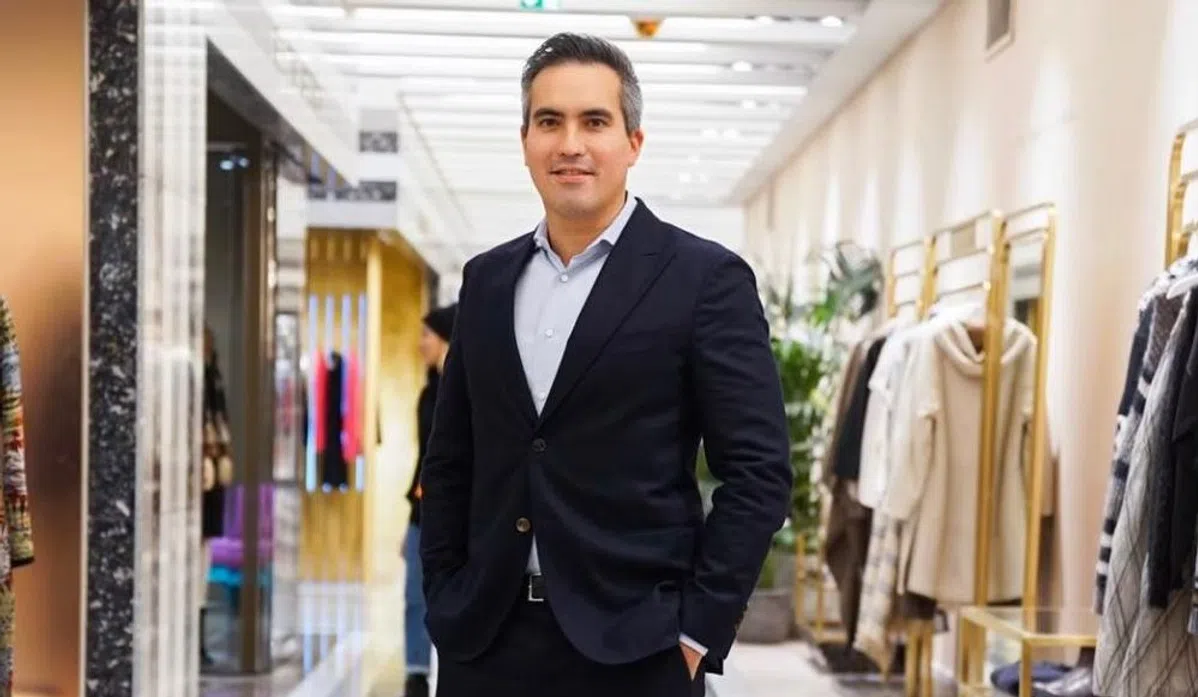
    A scion of the Chirathivat family, Hill is the eldest grandson of Central Group’s co-founder Samrit Chirathivat. He brings to his new role over 15 years of comprehensive retail experience. His previous positions span several countries and include roles such as retail expansion manager at Rinascente in Italy, and Chief Operating Officer of Germany’s KaDeWe Group. Most recently, Hill served as Managing Director of Central Group Europe, where he was responsible for overseeing investments, managing store development, and handling commercial real estate.

    Upon his appointment, Hill expressed his gratitude and optimism, stating, “It is an honor to build on the foundation laid by the team and the customer-first approach that defines De Bijenkorf. I see many opportunities to develop the business further.”

    Central Group’s Stake in Selfridges

    De Bijenkorf is a part of the Selfridges Group, where Central Group has recently become a shareholder. The corporation’s European operations include Selfridges in the UK, Brown Thomas and Arnotts in Ireland, KaDeWe, Oberpollinger, and Alsterhaus in Germany, Illum in Denmark, Globus in Switzerland, and of course, De Bijenkorf in the Netherlands.

    Questions & Answers

    Who is the new chief executive of De Bijenkorf?
    Sean Hill, a fourth-generation member of the Chirathivat family, has been appointed as the new chief executive of De Bijenkorf.

    What is Sean Hill’s previous experience in the retail sector?
    Hill brings with him over 15 years of experience in the retail sector. His previous roles include retail expansion manager at Rinascente in Italy, COO of Germany’s KaDeWe Group, and MD of Central Group Europe.

    Which other retail stores are part of the Selfridges Group?
    Apart from De Bijenkorf in the Netherlands, the Selfridges Group includes Selfridges in the UK, Brown Thomas and Arnotts in Ireland, KaDeWe, Oberpollinger, and Alsterhaus in Germany, Illum in Denmark, and Globus in Switzerland.

  • Singapore’s Retail Sector: May’s Stability And Varied Industry Performances

    Singapore’s Retail Sector: May’s Stability And Varied Industry Performances

    Singapore’s Retail Sector in May

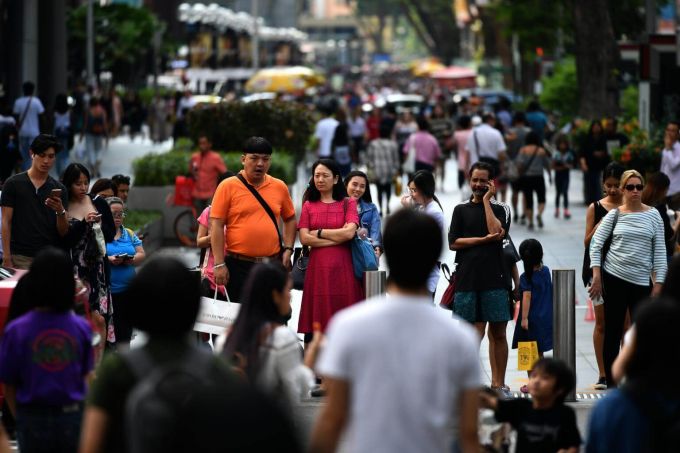
    In May, Singapore’s retail sector, excluding sales of motor vehicles, saw a stable performance. This follows a 0.8% growth in April and an increase of 0.7% in March. The data was gathered and released by the Department of Statistics. The total retail sales amounted to SG$3.6 billion (US$2.8 billion), with online sales contributing 14.5%.

    On a seasonally adjusted basis, however, there was a 0.6% decrease in retail sales in May compared to April.

    Performance across Industries

    Different sectors within the retail industry showed varied performances. The computer and telecommunications equipment industry saw the most significant growth. Sales in this sector rose by 9.2% compared to the same period in the previous year. Supermarkets and hypermarkets followed suit, recording a 7.2% increase.

    On the other hand, petrol service stations, as well as the clothing and footwear sector, reported declines. Sales dropped by 9.4% in petrol service stations and by 5.3% in the apparel and footwear industry.

    Food & Beverage Services

    The food and beverage (F&B) services sector also saw a rise in sales. In May, F&B sales increased by 1.4%, following a 1.3% increase in April. The total sales value for F&B services was about SG$1 billion. Online sales accounted for 25.2% of this figure.

    Questions & Answers

    What was the overall performance of Singapore’s retail sector in May?
    The retail sector in Singapore, excluding motor vehicles, remained stable in May after recording a growth of 0.8% in April and 0.7% in March.

    Which sectors within the retail industry showed the most growth?
    The computer and telecommunications equipment sector saw the most growth, with a 9.2% year-on-year increase. This was closely followed by supermarkets and hypermarkets, which reported a 7.2% rise in sales.

    How did the food and beverage services perform in May?
    The food and beverage services sector saw a 1.4% increase in sales in May, extending the growth of 1.3% recorded in April. The total sales value was estimated at SG$1 billion, with 25.2% of sales coming from online.

  • Guess Jeans Expands Global Footprint With Flagship Store Launch In Tokyo’s Jingūmae District

    Guess Jeans Expands Global Footprint With Flagship Store Launch In Tokyo’s Jingūmae District

    Guess Jeans makes its debut in Japan with a flagship store

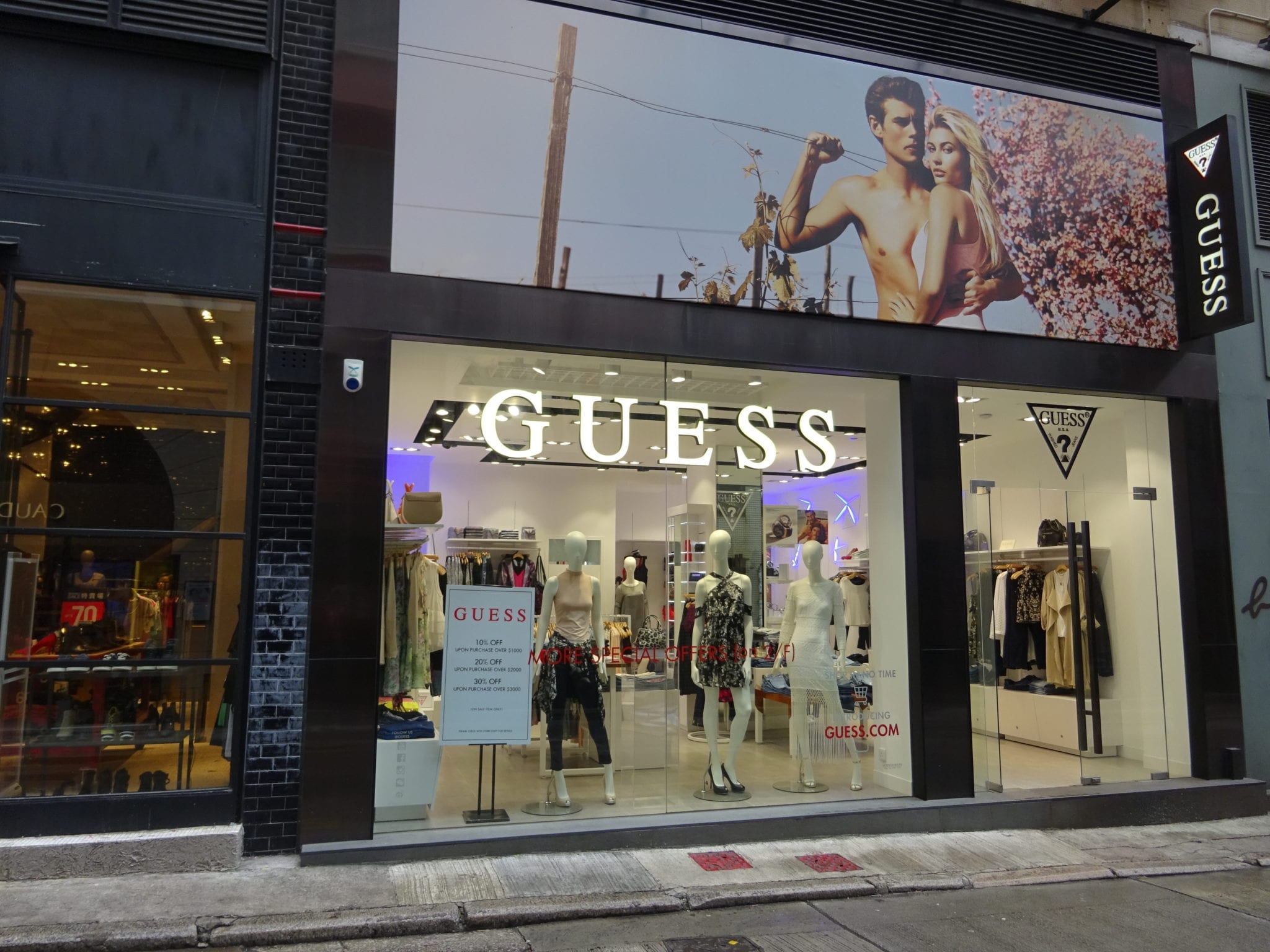
    American clothing brand Guess Jeans has launched its first retail store in Tokyo, Japan’s Jingūmae district, marking its latest step in its global expansion strategy.

    The four-level establishment boasts a minimalist aesthetic with concrete interiors and a selection of greenery arranged in locally made ceramic pots. This design approach is a fusion of Japanese simplicity and the relaxed, sun-soaked vibe of California.

    Nicolai Marciano, the Chief New Business Development Officer at Guess, expressed that the flagship store in Tokyo marks more than just an addition to the brand’s retail outlets. He stated, “This space acts as a platform that allows the brand to interact directly with the new generation of creative talent in the region.”

    Traveling exhibition celebrates Guess Jeans’ 40-year Legacy

    In celebration of the store’s grand opening, Guess Jeans has initiated a traveling exhibition in Tokyo titled “Guess Jeans: The Next 40 Years of Denim.” The exhibit incorporates a live Airwash Lab and a customization zone where visitors can engrave their personal designs onto denim tote bags. Notable Japanese creators such as Ryota Daimon and A Love Movement have participated in the development of the exhibition.

    Guess Airwash is an innovative production technique, developed in partnership with Spanish technology company Jeanologia. This unique process utilizes air, light, and nanobubbles to substitute traditional stonewashing approaches, reducing water consumption by up to 80 per cent and eliminating the use of harmful chemicals.

    Exclusive pop-up shop curated by Japanese artist Verdy

    A special feature of the flagship store is an exclusive pop-up shop located in the basement, curated by renowned Japanese artist Verdy. Titled “Guess Jeans Gift Shop with Friends,” the space features exclusive merchandise created in collaboration with fourteen local brands. Among the special items on offer are limited-edition pieces from brands such as TTTMSW, The Flwrs, Blackmean, and Masu.

    Questions & Answers

    Where is Guess Jeans’ new store located?
    The new Guess Jeans store is located in the Jingūmae district of Tokyo, Japan.

    What special features does the new Guess Jeans store offer?
    The store features minimalist concrete interiors and curated greenery in locally crafted ceramic vessels. It also hosts a traveling exhibition and an exclusive pop-up shop curated by Japanese artist Verdy.

    What is the purpose of the Guess Airwash technique?
    The Guess Airwash technique is an innovative production process that significantly reduces water consumption and eliminates the use of harmful chemicals in denim production.

  • Louis Vuitton Korea Customer Data Breach: No Financial Details Compromised, Other Luxury Brands Under Investigation

    Louis Vuitton Korea Customer Data Breach: No Financial Details Compromised, Other Luxury Brands Under Investigation

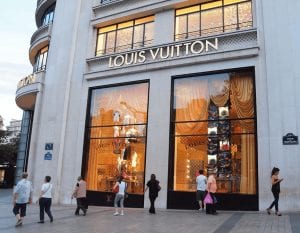
    In June, Louis Vuitton Korea experienced a systems breach that resulted in the exposure of certain customer data, including contact information. However, the company’s South Korean division clarified last Friday that the breach did not compromise customers’ financial details.

    Unauthorized Access to Company System

    Regrettably, an unauthorized third party gained temporary access to the company’s system, leading to the leak of some client information. The company released a statement in response to the incident, expressing their concern and regret over the breach.

    The organization first became aware of the breach on Wednesday and promptly alerted the relevant government authorities. Additional measures are now in place to contain the situation and enhance the existing system security.

    Government Investigations Into Other Luxury Brands

    In related news, the South Korean divisions of two other major luxury brands are currently facing government investigations. Christian Dior Couture and Tiffany, both part of the world’s largest luxury group, are under investigation for customer data leaks they reported earlier in the year. The investigations were initiated by the Personal Information Protection Commission, South Korea’s main authority for data protection.

    Questions & Answers

    What type of data was leaked in the Louis Vuitton Korea’s system breach?
    Client contact information was exposed in the breach. However, no financial information was compromised.

    Who is investigating the data leaks at Christian Dior Couture and Tiffany?
    The Personal Information Protection Commission in South Korea is conducting the investigations into these two luxury brands’ reported data leaks.

    What measures has Louis Vuitton Korea taken in response to the breach?
    Following the breach, Louis Vuitton Korea took action to contain the situation and augment its system security. They also alerted the relevant government authorities about the breach.

  • Armani Group’s Revenues Dip 5% In 2024: Prioritizes Quality Over Profit Amid Market Challenges

    Armani Group’s Revenues Dip 5% In 2024: Prioritizes Quality Over Profit Amid Market Challenges

    The Armani Group, a renowned Italian fashion enterprise, saw a 5% decrease in its revenue for the fiscal year 2024. The company attributes this decline to a dip in customer expenditure and a lackluster performance in the Asia Pacific region.

    Financial Performance Insight

    The fiscal year ended with total sales hitting US$2.65 billion. However, the year saw a decrease in net cash and equivalents, which fell from $1.09 billion to $656 million. The company also reported Earnings Before Interest and Taxes (EBIT) of $77 million, and a pre-tax profit of $86 million.

    The luxury fashion brand maintained a positive outlook despite the dip in revenue. It highlighted the year’s favorable results as evidence of robust and vigilant management, thereby attesting to the strength and stability of the group.

    Regional Performance Analysis

    In terms of geographic performance, Europe maintained its position as the group’s most substantial market, accounting for 49% of the total annual revenue. The Americas followed, contributing 22% to the total revenue. However, the company saw a decrease in revenue from the Asia Pacific region, which accounted for 19% of the total revenue. This decline was primarily attributed to a slump in demand from China.

    Investments and Business Strategy

    Despite experiencing a dip in revenue, the group showed a commitment to growth as it doubled its yearly investment to nearly US$383 million. This figure marked a significant increase from the previous year’s investment of $194 million. The company allocated these funds primarily towards refurbishing stores and bringing e-commerce procedures in-house.

    Giuseppe Marsocci, the Deputy Managing Director and Chief Commercial Officer, stated that the company maintains a conservative pricing strategy, with increases remaining under inflation rates. He emphasized the group’s decision to prioritize product quality and customer experience, even if it meant compromising short-term profit margins. Marsocci expressed confidence that this strategy would enhance the company’s competitiveness when the market rebounds.

    Questions & Answers

    What factors contributed to the Armani Group’s 5% revenue decline in fiscal 2024?
    The company attributes the decline in revenue to a decrease in consumer spending and a weak performance in the Asia Pacific region.

    How did the company respond to this decrease in revenue?
    Despite the decline in revenue, Armani Group chose to double its annual investment to US$383 million, focusing on store renovations and the internalization of e-commerce operations.

    What is Armani Group’s pricing strategy, and how does it plan to stay competitive in the future?
    Armani Group maintains a restrained pricing approach, with increases below inflation levels. The company prioritizes product quality and customer experience over short-term profits, believing this strategy will enhance competitiveness when the market returns to growth.

  • DITO Enhances Fixed Wireless Broadband to Propel 5G Expansion Efforts

    DITO Enhances Fixed Wireless Broadband to Propel 5G Expansion Efforts

    Amid the bustling telecommunications landscape, DITO Telecommunity is set on a trajectory of robust growth within its broadband sector, confidently paving the way for future investments in cutting-edge 5G technology. During a recent media briefing in Taguig City, DITO’s President and CEO, Ernesto (Eric) Alberto, underscored the potential of their fixed wireless access (FWA) service, saying, “Today, we have a capacity of about 3.6 million FWA subscribers, and we’re barely scratching the surface with 250,000. So there’s a lot of room.”

    Ambitious Subscriber Goals on the Horizon

    With a keen eye on the future, the company has set ambitious goals to ramp up its FWA subscriber base to between 1.5 million and 2 million by 2026. Alberto noted a shift in consumer behavior post-pandemic: “We’re seeing that the market, particularly after the pandemic, has become social media active. They’re now purchasing online, and we’re seeing that traction, plus the reception for our services, is now moving faster in conversion. So, we can be a little bit more ambitious.” This optimism is infectious and mirrors the fast-paced changes unfolding across the retail landscape in Asia.

    Reinvestment Plans Fuel Growth Strategy

    DITO is consistently bringing in new users at an impressive rate of 1,200 per day, and the company intends to reinvest revenues from its FWA service to bolster its 5G network. Alberto illustrated the promise of the technology, stating, “Wireless broadband eliminates the need for expensive and time-consuming installations and repairs, allowing us to reach areas that fiber cannot serve.”

    Addressing Broadband Access Gaps

    Supporting this vision, Adel Tamano, DITO’s Chief Revenue Officer, highlighted a startling statistic: only 8 to 9 million households in the country currently enjoy broadband access, with quality of service often described as “highly inconsistent.” DITO is striving to change that narrative, with about 50% of its subscribers already receiving 5G-ready connectivity. Since its inception in March 2021, the company has rapidly gained traction, amassing over 13 million mobile subscribers, as it challenges the telecom duopoly of Globe Telecom and PLDT. With an eye towards profitability by 2028, DITO is not just a player; it’s positioning itself as a formidable contender in the rapidly evolving telecommunications market.

    Questions & Answers

    What is DITO Telecommunity’s goal for its FWA subscriber base by 2026?
    DITO aims to increase its FWA subscriber base to between 1.5 million and 2 million by 2026 as it capitalizes on evolving consumer behavior.

    How does DITO plan to maintain its growth momentum?
    The company plans to reinvest revenues generated from its FWA service into expanding its 5G network, addressing broadband access challenges.

    What is DITO’s current user growth rate?
    DITO is adding approximately 1,200 new users each day, showcasing the demand for its services in the competitive telecom market.

  • Deutsche Bank Revamps Wealth Management Division for a Dynamic Future in Financial Services

    Deutsche Bank Revamps Wealth Management Division for a Dynamic Future in Financial Services

    Deutsche Bank’s Bold Move to Elevate Wealth Management

    Deutsche Bank is shaking up its wealth management operations in Germany with a strategic reorganization aimed at harnessing growth and capitalizing on lucrative markets. By merging its teams serving affluent and high-net-worth clients, the bank is setting the stage for increased revenue generation within its Wealth Management division.

    The latest restructuring initiative, announced on Monday, is designed to streamline leadership and navigate the complexities of wealth management across Germany. The approach mirrors the bank’s model for corporate clients, creating a regionally structured framework that targets specific client needs.

    As part of this overhaul, Deutsche Bank is enlisting fresh talent from competitors, including notable hires like Nasim Amini. Amini, who previously worked at HypoVereinsbank, will take charge of the Southern Region starting in January. He brings a wealth of experience from a career that includes 22 years at Commerzbank.

    Also joining the team is Naveed Arshad, who comes from private bank Hauck Aufhäuser Lampe. Arshad will focus on catering to wealth management clients seeking innovative digital solutions, tapping into the growing trend towards tech-driven financial services.

    Adding to this dynamic team, Lisa-Marie Wöhrle returns to Deutsche Bank from UBS to spearhead a new unit dedicated to advising wealthy families on retirement and inheritance planning. Wöhrle’s rich history with Deutsche Bank includes a stint as Executive Director at UBS, where she showcased her expertise in wealth planning.

    This newly minted expert team aims to assist clients throughout Germany in managing complex family wealth, crafting retirement strategies, and designing wealth transfer solutions like foundations and executorships. Wöhrle will report to Corrado Palmieri, Head of Advisory & Sales Wealth Management Germany, who is eager to leverage her insights for the benefit of clients.

    “With this new team, we are reinforcing our commitment to holistic advisory services,” said Raffael Gasser, Head of Wealth Management Germany. “We’re offering our clients solutions for one of their most pressing needs: navigating wealth transfer to the next generation.”

    Gasser himself joined Deutsche Bank from UBS not long ago, enriching the firm with his experience managing wealth for private clients in Northern Europe. His arrival marks a strategic shift, as Deutsche Bank aims to bolster its Wealth Management operations to reduce dependency on traditional interest income streams.

    Currently, the bank oversees €632 billion in its private client business, including wealth management and retail banking—still trailing behind heavyweights like UBS and Morgan Stanley, each boasting over one trillion U.S. dollars in assets. Gasser is determined to change that, stating, “With our strategy, we are laying the foundation to grow above the market and gain further market share – positioning ourselves as the undisputed number one in wealth management in Germany.”

    Questions & Answers

    How is Deutsche Bank restructuring its wealth management division?
    Deutsche Bank aims to streamline its wealth management operations by merging teams focused on affluent and high-net-worth clients, thus enhancing leadership and revenue potential.

    What roles have been filled by new hires in this reorganization?
    New hires include Nasim Amini as Head of the Southern Region and Naveed Arshad, who will focus on digital solutions for wealth management clients. Lisa-Marie Wöhrle will lead a new unit for family wealth planning.

    What is the strategic goal behind Deutsche Bank’s restructuring?
    The bank seeks to strengthen its Wealth Management operations to reduce reliance on interest income, aiming to create a more robust and competitive presence in the market amidst competitors managing significantly larger assets.

  • Union Bank of the Philippines Welcomes Five New Senior Officers to Strengthen Leadership Team

    Union Bank of the Philippines Welcomes Five New Senior Officers to Strengthen Leadership Team

    The retail landscape in Asia is witnessing a transformative shift as brands increasingly adopt hybrid shopping models in response to changing consumer preferences. As physical and digital shopping environments converge, retailers are finding innovative ways to enhance customer engagement and streamline their operations.

    Navigating the Hybrid Shopping Wave

    With the pandemic forcing a rethink of traditional shopping habits, many retailers are now enhancing their omnichannel strategies. This trend is particularly evident in Southeast Asia, where the integration of e-commerce and brick-and-mortar shopping experiences has taken center stage. Retailers are employing an assortment of tactics, from click-and-collect services to interactive in-store technologies that provide a seamless transition between online and offline shopping.

    Embracing Technology for Enhanced Customer Experience

    Technology has become a cornerstone in this hybrid shopping revolution, with a growing number of retailers leveraging data analytics and artificial intelligence to personalize the shopping journey. Stores are not merely spaces for transactions anymore; they’re evolving into experience centers where customers can immerse themselves in brands. Picture this: a mall filled with interactive kiosks and virtual reality displays, transforming mundane shopping trips into mini-adventures.

    Changing Consumer Behaviors and Expectations

    As consumer behaviors evolve, so do expectations. Shoppers now seek instant gratification and convenience, a demand that has prompted retailers to rethink their supply chains and operational processes. This includes offering faster delivery options and more flexible return policies. Additionally, as sustainability rises to the forefront of consumer consciousness, retailers are increasingly focusing on eco-friendly practices, from sourcing sustainable materials to reducing waste in their operations.

    Challenges Ahead: Striking the Right Balance

    While the hybrid model offers numerous benefits, it also presents challenges. Retailers must find the right balance between online and offline experiences to ensure they meet consumer expectations without straining resources. The challenge is akin to juggling flaming torches while riding a unicycle—challenging yet thrilling for those who dare to embrace it.

    Innovative Collaborations Driving Growth

    Innovative partnerships are becoming increasingly essential in this evolving landscape. Collaborations between technology companies and retailers are paving the way for enhanced shopping experiences, whether through advanced payment solutions, logistics support, or customer insights. As retail transforms into a more interconnected ecosystem, brands that forge strategic alliances are likely to enjoy a competitive edge.

    A Bright Future for Asian Retail

    As we move forward, the hybrid shopping model is expected to define the future of retail across Asia. With brands making strides towards integrating technology and prioritizing sustainability, the next chapter in retail promises not just growth but a reimagining of what shopping can be.

    This new era invites not only retailers to adapt but also inspires consumers to engage with brands in more meaningful ways than ever before.

    Questions & Answers

    What is driving the hybrid shopping model in Asia?
    Changing consumer preferences, combined with the impact of the pandemic, are compelling retailers to create seamless experiences that meld online and offline shopping.

    How are retailers leveraging technology to enhance customer experiences?
    Many retailers are incorporating data analytics and AI to personalize shopping journeys, while also creating immersive in-store environments through interactive technologies.

    What challenges do retailers face in implementing a hybrid model?
    Retailers must carefully balance their resources to deliver satisfying online and offline experiences while navigating the complexities of modern consumer expectations.

  • Singapore’s Luxury Market Expected to Soar to $10.9B in 2023, Thanks to 242,000 Millionaires

    Singapore’s Luxury Market Expected to Soar to $10.9B in 2023, Thanks to 242,000 Millionaires

    Singapore’s luxury retail market is poised for a remarkable rebound, with projections indicating a 7% growth from last year, according to Bloomberg, which cites data from analytics firm Euromonitor International. This upward trend could lead the city-state back to its pre-pandemic luxury sales peak of S$14.7 billion by 2026. Notably, in the previous year, Singapore’s luxury sales growth was only second to Japan among countries monitored by the firm.

    New Players in the Spotlight

    As consumer demand escalates across various luxury segments, brands are increasingly enhancing their presence in Singapore’s bustling market. French jeweler Van Cleef & Arpels opened an exhibition space, Les Jardins Secrets, at the Raffles Singapore hotel last February, a move that garnered attention, as reported by the Financial Times. Similarly, luxury watchmaker Audemars Piguet launched AP House, its first flagship in Southeast Asia, also at Raffles, which has been decorated to resemble a lavish apartment and even features the brand’s inaugural café, merging Swiss cuisine with local inspirations.

    A Beauty Boom

    In a parallel move, Raffles City mall has been aggressively courting the luxury beauty market by organizing substantial pop-up events that showcase 21 coveted brands, including Chanel, Dior, and Gucci this year. The charm of the mall is that, despite Singapore’s compact size—just 280 square miles with a population of around six million—it ranked third in luxury store openings last year among 32 Asia-Pacific cities, excluding mainland China, as revealed by real estate firm Savills.

    A Hub for the Affluent

    Singapore’s appeal to affluent individuals and luxury brands lies in its stability and welcoming business policies, factors that have facilitated the city’s evolution into one of the wealthiest nations globally. The World’s Wealthiest Cities Report 2025 by consultancy Henley & Partners places Singapore as the fourth wealthiest city worldwide, boasting 242,400 millionaire residents, including 333 centi-millionaires and 30 billionaires. Over the past five years, median household employment income has steadily increased, further complemented by a rise in tourism spending.

    Shopping Spree on the Rise

    International visitors brought S$3.9 billion to the local retail sector from January to September 2024, representing a 5% boost from the previous year, according to The Straits Times. These dynamics have crafted the city-state into a beacon for high-end brands seeking a strong foothold and a launchpad into the Southeast Asian market, especially as China’s economic slowdown casts shadows over the global luxury landscape. Jonathan Siboni, founder and CEO of consultancy Luxurynsight, articulated this, stating, “Singapore has proved to be a very stable place for wealthy people,” dubbing it “an oasis in the desert” for luxury markets.

    Challenges on the Horizon

    Nonetheless, this luxury boom may encounter hurdles soon. Henley & Partners projects that Singapore will see a net inflow of 1,600 millionaires in 2025—a figure that is less than half of the previous year’s estimate—even as record numbers of wealthy individuals are expected to relocate globally, as reported by The Business Times. Furthermore, although Singapore ranked fifth among global alpha cities for new luxury store openings, a recent Savills report warns that limited real estate options might stifle future growth and expansion for these luxury brands. “The available real estate for luxury brands remains limited, which could somewhat inhibit the growth and expansion of luxury brands in the city in the near future,” noted Sulian Tan-Wijaya, Savills Singapore’s executive director of Retail & Lifestyle, according to Singapore Business Review.

    Local Enthusiasm for Luxury

    Currently, the luxury marketing wave resonates well with local consumers. Among them is 22-year-old Chloe Liem, an avid collector of exquisite jewelry from established houses like Van Cleef & Arpels and Cartier. “Even though I know luxury items are crazily marked up, I recognize I’m paying for the experience and feeling of the brand,” Liem explained. “I feel confident splurging on these items because I enjoy it.” While some may call it indulgence, to Liem, it’s simply an investment in joy—a sentiment that highlights the emotional connection consumers have with luxury goods.

    Questions & Answers

    What is driving Singapore’s growth in the luxury retail market?
    Growing consumer demand, international tourism spending, and strategic brand expansions are key factors propelling Singapore’s luxury retail growth.

    How does Singapore’s luxury market compare to other Asian cities?
    Singapore is ahead of regional rivals such as Japan, China, and South Korea, ranking third in luxury store openings in the Asia-Pacific, excluding mainland China.

    Are there challenges facing Singapore’s luxury market?
    Yes, projections indicate a decline in the net inflow of millionaires in 2025, and limitations in available real estate for luxury brands could restrict future expansion.

  • Flash Coffee Welcomes New CEO to Drive Exciting Expansion Plans in Indonesia

    Flash Coffee Welcomes New CEO to Drive Exciting Expansion Plans in Indonesia

    Flash Coffee is gearing up for a new chapter in its growth story with the appointment of Bardon Matthew as its new chief executive officer. The company is making a strategic pivot towards Indonesia, singularly focusing on this market in an effort to enhance its turnaround and growth trajectory.

    Navigating the F&B Landscape

    With a robust track record spanning over two decades in Southeast Asia’s food and beverage sector, Matthew’s goals are explicit: to scale the business profitably and strengthen operational efficiencies. His leadership comes on the heels of pivotal strategic updates, including a decisive commitment to achieving disciplined, store-level profitability, which subsequently helped secure a fresh $3 million funding round.

    A Journey from Barista to CEO

    Matthew’s journey is as rich as the coffees Flash serves. Starting as a barista, he climbed the ranks through various esteemed establishments including Starbucks, J.Co Donuts & Coffee, Maxx Coffee, and Krispy Kreme. Most recently, he spearheaded a 230-store network at Fore Coffee during an impressive growth phase. His wealth of experience has equipped him with the insights and strategies needed to navigate the complexities of the industry.

    Bold Expansion Plans

    “I don’t believe in the status quo,” Matthew states emphatically. “With the right teams and systems, we can build for long-term success. I’m excited to scale Flash Coffee in my home market.” The ambitious plan includes scaling to over 500 stores by the end of 2025, with an immediate target of 80 locations, branching out to two new cities beyond Jakarta and Bandung. By 2026, Flash Coffee aims to have established 130 stores across Indonesia, marking an extraordinary leap on the regional retail scene.

    Will Coffee Shops Rule the Streets?

    As Flash Coffee ramps up its operations, one can’t help but wonder if the aroma of coffee will soon become an inseparable part of Indonesia’s bustling streets.

    Questions & Answers

    What are Bardon Matthew’s main goals as the new CEO of Flash Coffee?
    His primary objectives include scaling the business profitably, enhancing operational strength, and leading the company’s growth in Indonesia.

    How many stores does Flash Coffee plan to open in Indonesia?
    Flash Coffee aims to expand to over 500 stores across Indonesia, with an initial goal of 80 stores by the end of 2025.

    What is Bardon Matthew’s background in the food and beverage industry?
    Matthew has over 20 years of experience, having held leadership positions at various notable brands including Starbucks and Krispy Kreme, and most recently managed a 230-store network at Fore Coffee.

  • Dollar Dips in Value Against Vietnamese Dong: What It Means for Retailers

    Dollar Dips in Value Against Vietnamese Dong: What It Means for Retailers

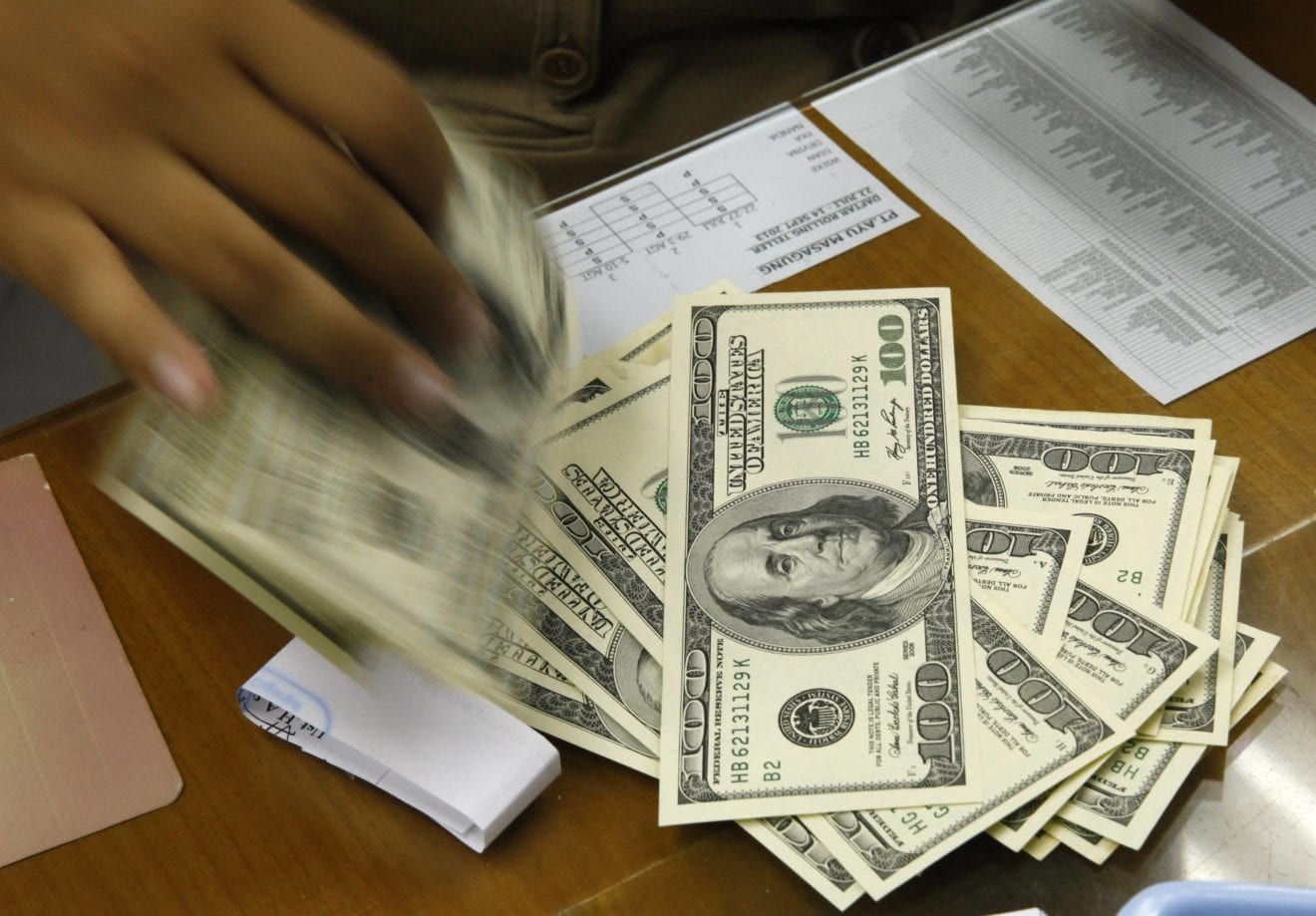
    The U.S. dollar weakened against the Vietnamese dong on Monday morning, continuing its downward trend while remaining at multi-year lows against both the euro and the Swiss franc.

    Vietcombank set the dollar’s exchange rate at VND26,320, marking a slight decrease of 0.11% from the previous weekend. In the informal market, the U.S. currency slid by 0.08% to VND26,500.

    The State Bank of Vietnam’s reference rate also dropped by 0.01%, now sitting at VND25,113.

    On a global scale, the dollar is teetering near its lowest value since 2021 against the euro and its weakest since 2015 compared to the Swiss franc, with traders nervously awaiting any trade developments as the countdown to President Donald Trump’s tariff deadline continues, according to Reuters.

    In Asian markets, the dollar depreciated 0.1% to 0.7944 Swiss francs, inching closer to the July 1 low of 0.7869 franc—its weakest level since January 2015. Interestingly, it did manage a modest uptick to 144.73 yen.

    The euro experienced a small dip of 0.1% to $1.1773, closely trailing the July 1 peak of $1.1829, which was the highest it has been since September 2021. Meanwhile, sterling fell 0.2% to $1.3628, yet it remained near its July 1 pinnacle at $1.3787, marking its strongest showing since October 2021.

    Despite these fluctuations, the dollar index—a gauge that compares the U.S. currency against six major counterparts—rose 0.1% to 97.058, staying above Tuesday’s near three-and-a-half-year low of 96.373.

    “Market volatility seems unavoidable once the pause ends and new tariff levels are unveiled,” warned James Kniveton, a senior corporate FX dealer at Convera, in a note to clients. However, he noted that “the impact may be more muted this time,” explaining that current proposals are not as unexpected as previous announcements, which often exceeded market anticipations.

    Questions & Answers

    How did the U.S. dollar perform against the Vietnamese dong on Monday?
    The U.S. dollar weakened against the Vietnamese dong, with Vietcombank setting the exchange rate at VND26,320, down 0.11% from the weekend.

    What recent trends have been observed in the global currency markets?
    Globally, the dollar is at multi-year lows against the euro and the Swiss franc, raising concerns among traders as they await developments related to trade tariffs.

    What insights did a senior FX dealer share regarding potential market impacts?
    James Kniveton, a senior corporate FX dealer, indicated that while market volatility is likely when new tariffs are announced, the impact could be less significant than in previous instances due to the anticipated nature of current proposals.

  • YTL Debuts 4G MOCN Site in Penang, Boosting Mobile Connectivity Along the Coastline

    YTL Debuts 4G MOCN Site in Penang, Boosting Mobile Connectivity Along the Coastline

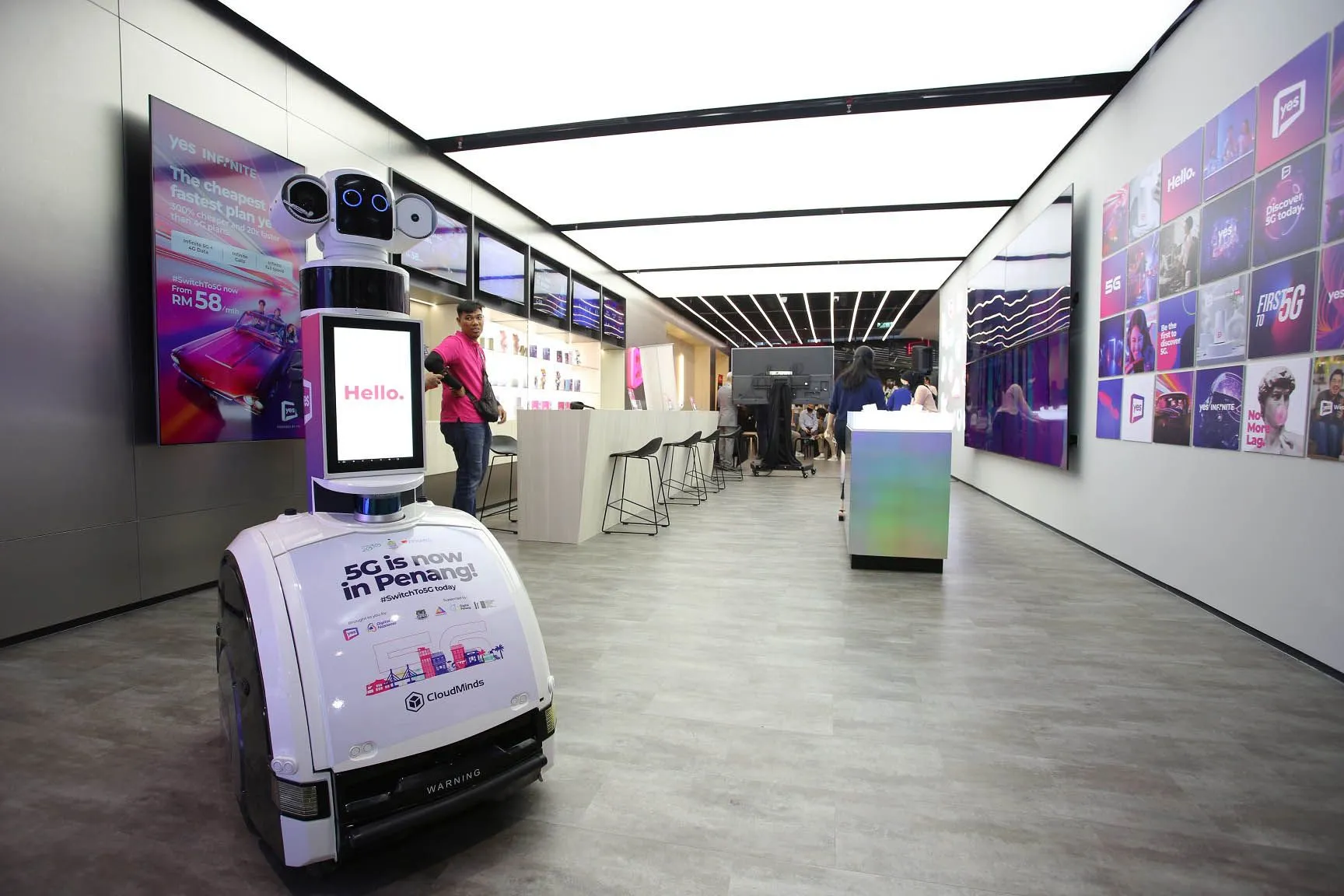
    In a significant step towards enhancing mobile connectivity in Malaysia, YTL Communications has launched a fully functional multi-operator core network (MOCN) 4G base station in Gertak Sanggul, a picturesque coastal suburb of George Town. This initiative aligns with the government’s ambitious plan to promote infrastructure sharing and ensure comprehensive mobile coverage along key roadways.

    The new facility, powered by ZTE’s advanced radio equipment, was developed in collaboration with infrastructure partner Konsortium Jaringan Selangor (KJS), which remarkably completed the deployment within a month. This rapid execution is particularly impressive given the site’s challenging coastal engineering conditions, including sandy, unstable soil and the looming threat of saltwater corrosion.

    Bridging Connectivity Gaps

    This MOCN base station is not just a technological achievement; it’s a lifeline for over 500 residents and 350 daily commuters in the area. Previously, underserved fishing communities struggled with unreliable mobile service. Now, they can access crucial connectivity as they go about their lives and work.

    “By using Yes network equipment and spectrum to host all of Malaysia’s major mobile telcos, we have demonstrated that this innovative network infrastructure sharing approach can effectively enhance coverage nationwide for the benefit of the Rakyat,” said Wing K. Lee, CEO of YTL Communications, during the launch event. It’s safe to say that the days of hanging up on dead zones may soon become a thing of the past—not that anyone misses those awkward silences.

    Driving Digital Inclusion

    This project is part of the Malaysian government’s “Di Mana Ada Jalan, Di Situ Ada Internet” (Where There’s A Road, There’s Internet) campaign, aimed at eradicating mobile coverage gaps in the country. Under the broader Network Infrastructure Sharing Framework (NISF), Communications Minister Fahmi Fadzil revealed that telcos are required to adopt a “6-Way 4G MOCN” model to expedite equitable connectivity for all.

    Fadzil, who was present for the launch, highlighted that the Malaysian Communications and Multimedia Commission (MCMC) is actively collaborating with the Malaysian Highway Authority (Lembaga Lebuhraya Malaysia, LLM) to pinpoint around 50 kilometers of roadways still lacking mobile coverage. “There are several key locations currently under discussion, and my hope is that these can be included in Phase Two of the National Digital Network Plan (JENDELA), as many of these areas will likely require new tower construction,” he added.

    Questions & Answers

    What is the significance of the new MOCN base station in Gertak Sanggul?
    The MOCN base station enhances mobile connectivity for over 500 residents and 350 daily commuters, addressing previous coverage gaps that affected underserved fishing communities.

    How does the “Di Mana Ada Jalan, Di Situ Ada Internet” campaign work?
    This government initiative aims to eliminate mobile coverage gaps by requiring telecommunications companies to implement a “6-Way 4G MOCN” model, improving connectivity nationwide.

    What are the future plans for mobile coverage in Malaysia?
    The Malaysian Communications and Multimedia Commission is working with the Malaysian Highway Authority to identify additional roadways lacking coverage, with hopes to address these gaps in Phase Two of the National Digital Network Plan.

  • Makara Capital Sets Ambitious Goal to Mobilize $7B for Strategic Investments in Vietnam

    Makara Capital Sets Ambitious Goal to Mobilize $7B for Strategic Investments in Vietnam

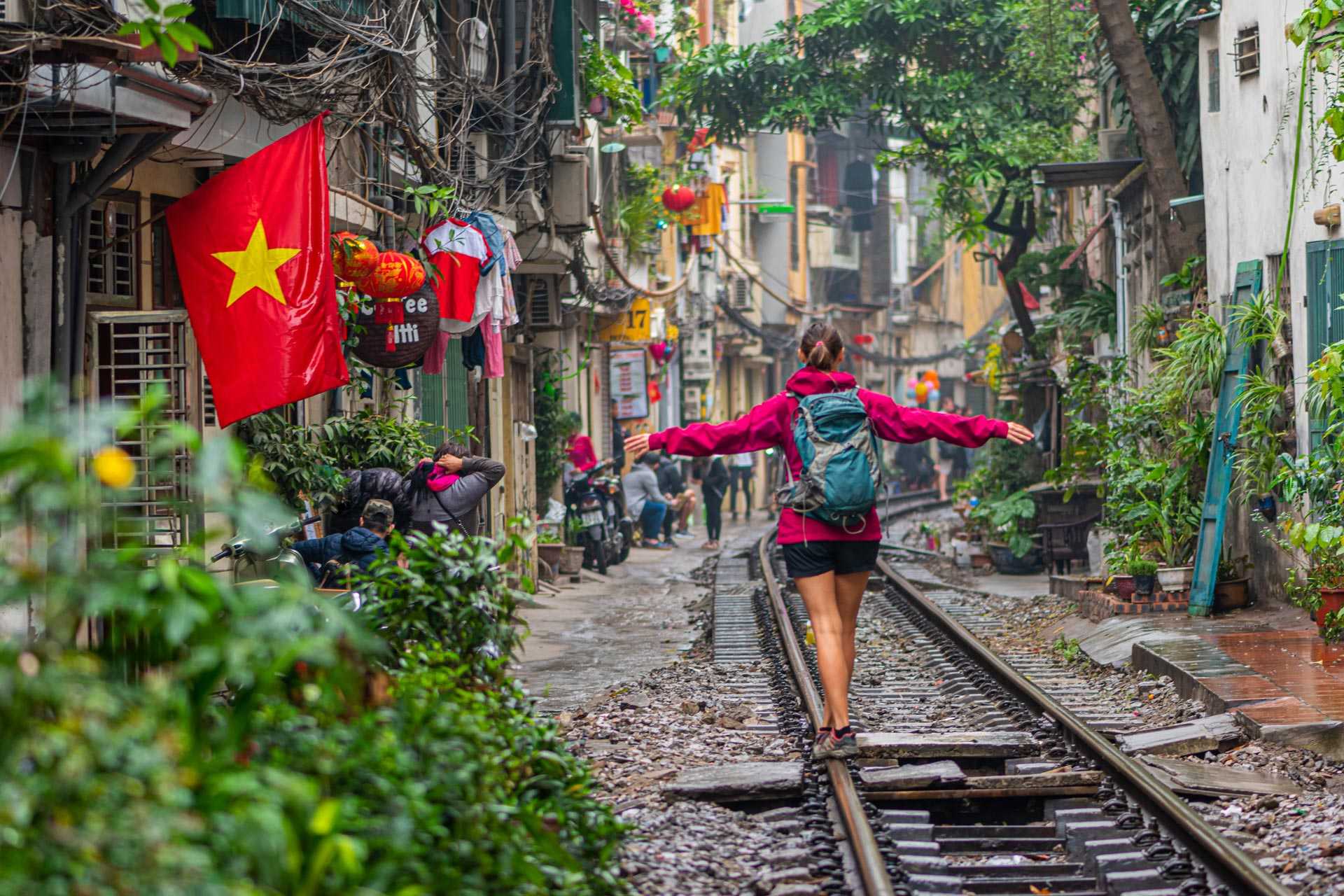
    In a significant meeting held in Hanoi on Wednesday, Ali Ijaz Ahmad, chairman and CEO of Makara Capital Partners, expressed strong interest in expanding the firm’s footprint in Vietnam. Joined by other company executives, Ahmad highlighted the group’s substantial presence in Singapore in areas such as fund and asset management, financial structuring, and advisory services.

    Vietnam: A Promising Investment Landscape

    Demonstrating due diligence, the leaders outlined their comprehensive analysis of the Vietnamese market, underscoring their confidence in the country’s strategic development trajectory and long-term growth ambitions. Their enthusiasm mirrors Vietnam’s reputation as a burgeoning hub for investment in Southeast Asia.

    Strategic Projects in the Pipeline

    Makara Capital Partners is currently championing an investment initiative to establish a biopharmaceutical industrial park in the northern province of Hung Yen. Moreover, the company is engaging with Vietnamese authorities to explore collaborations in energy, infrastructure, and banking restructuring, as well as contributing to the development of a global financial center in the country.

    Such ambitious ventures could potentially mobilize between US$5 and $7 billion in investments, showcasing the firm’s commitment to driving economic growth in Vietnam.

    A Call to Action

    Prime Minister Pham Minh Chinh encouraged Makara Capital Partners to expedite its investment decisions and scale up operations within Vietnam’s priority sectors. He emphasized the philosophy of “working together, benefiting together, winning together, and sharing joy and happiness.”

    Reiterating the Vietnamese government’s commitment to facilitating successful investments, Chinh assured that the country will protect the legitimate rights and interests of investors, grounded in principles such as regulatory transparency, market alignment, and international standards.

    Aligning Interests for Sustainable Development

    Chinh warmly welcomed Makara Capital’s ambitions in biopharmaceuticals and finance, aligning them with Vietnam’s goals for rapid, green, and sustainable development. He provided insights into the nation’s socio-economic strategies and highlighted ongoing efforts in institutional reform, infrastructure expansion, and human resource enhancement.

    Vietnam is embarking on a transformative journey, restructuring its administrative framework and implementing key resolutions aimed at fostering swift and sustainable growth. The nation has set its sights on achieving a GDP growth of at least 8% this year, with aspirations for double-digit growth in the years to follow, all while aiming to transform into a high-income developed country by 2045. A tall order? Perhaps. But in Vietnam, the potential often exceeds the challenge.

    Questions & Answers

    What investment projects is Makara Capital Partners pursuing in Vietnam?
    Makara Capital is focused on developing a biopharmaceutical industrial park in Hung Yen, while also exploring opportunities in energy, infrastructure, and banking restructuring.

    What is the expected investment range from Makara Capital in Vietnam?
    The initiatives being discussed could mobilize between US$5 and $7 billion in total investments.

    What are Vietnam’s economic growth targets for the coming years?
    Vietnam aims for a GDP growth of at least 8% this year, with a vision for double-digit expansion in subsequent years, striving to become a high-income developed nation by 2045.