Author: Mei Ling Tan

  • Dollar Soars to New Heights Against Vietnamese Dong, Impacting Retail Landscape

    Dollar Soars to New Heights Against Vietnamese Dong, Impacting Retail Landscape

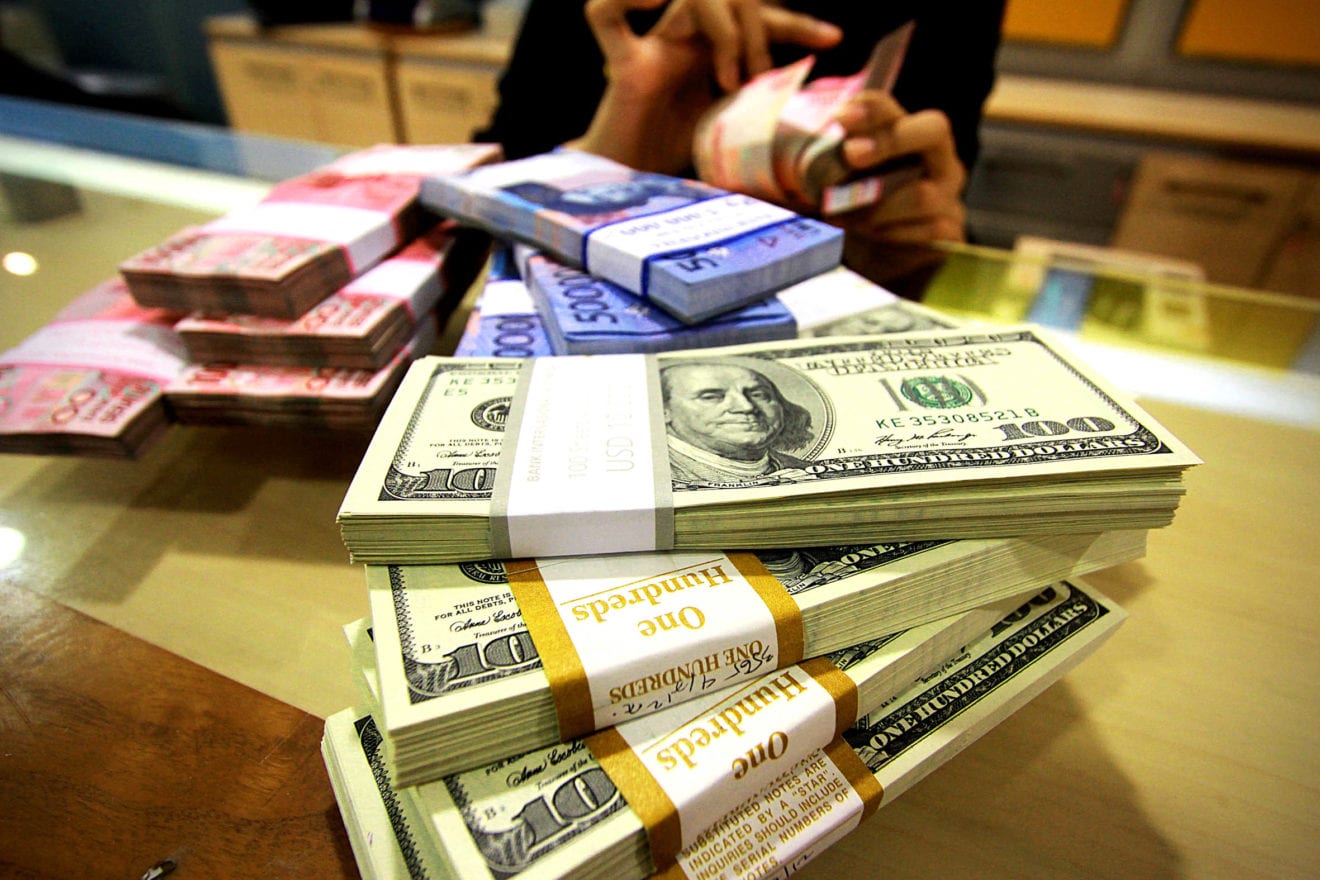
    The U.S. dollar has reached a striking new high against the Vietnamese dong, even as it maintains a steady presence in global markets this Friday morning.

    At Vietcombank, the dollar is selling at VND26,370, reflecting a modest increase of 0.09%. Meanwhile, the State Bank of Vietnam has raised its reference rate by 4.09% to VND25,116. In the black market, the dollar has climbed by 0.19%, now costing VND26,520.

    On the global stage, the dollar has sustained its gains after President Donald Trump successfully pushed his signature tax cut bill through its final legislative challenge. This development has intensified pressure on nations to secure favorable trade agreements with the U.S., as reported by Reuters.

    Despite these developments, the dollar index—which gauges the greenback against a basket of major currencies—has experienced its worst first half since 1973. Trump’s tumultuous tariff strategies have raised alarms about the U.S. economy and the stability of Treasury securities, leaving the gauge relatively unchanged at 97.056 after a 0.4% rise on Thursday. The euro has seen a slight uptick of 0.1% to $1.1765.

    Hirofumi Suzuki, chief currency strategist at SMBC, noted, “The U.S. labor market is gradually slowing down, but the lack of sudden shifts is reassuring. I personally predict that the tariff discussions will not yield favorable outcomes, which could lead to continued weakness for the dollar and strengthen the yen.” While the future remains uncertain, one thing is clear: the currency dance is as captivating as ever—who knew economics could rival a blockbuster thriller?

    Questions & Answers

    How has the U.S. dollar performed against the Vietnamese dong recently?
    The U.S. dollar has recently reached a new high against the Vietnamese dong, selling at VND26,370 with a 0.09% increase at Vietcombank, and VND26,520 in the black market.

    What factors are influencing the dollar’s stability on the global stage?
    The stability of the dollar globally can be attributed to President Trump’s tax cut bill gaining approval, which has pressured countries to negotiate trade agreements with the U.S.

    What predictions are experts making regarding the future of the dollar and yen?
    Experts, including SMBC strategist Hirofumi Suzuki, predict that the ongoing tariff negotiations may not favor the dollar, potentially leading to continued weakness against the yen.

  • Vietnam’s Durian Exports Plummet for Fifth Month Amidst Ongoing Challenges in China Market

    Vietnam’s Durian Exports Plummet for Fifth Month Amidst Ongoing Challenges in China Market

    Vietnam’s durian export market has experienced a staggering decline, plummeting 58% year-on-year in the first five months of 2023, with total revenue dropping to $386 million. Once celebrated as the golden fruit of the nation, durian’s dominance in Vietnam’s fruit and vegetable exports has sharply decreased, with its share sliding from 35% at the start of the year to a mere 17%, as reported by Vietnam Customs.

    China’s Demand Takes a Nosedive

    Strikingly, exports to China—the primary destination for Vietnamese durians—fell to $278 million, marking a drastic 67% reduction compared to the same period last year. This downturn is particularly concerning given that durian is a crucial pillar of Vietnam’s agricultural economy, which saw overall exports of fruits and vegetables dip by 13.5% to $2.3 billion.

    Stricter Screening Hurdles for Exporters

    Exporters are now grappling with heightened scrutiny as China tightens its import regulations. “China has intensified checks for heavy metal residues, plant quarantine, and fraudulent growing area codes, making customs clearance more challenging,” stated Dang Phuc Nguyen, general secretary of the Vietnam Fruit and Vegetable Association. Due to these new standards, many businesses are opting for smaller shipments rather than risking large contracts fraught with spoilage fears. Some have even halted exports altogether, shifting their focus to documentation and compliance efforts.

    Innovative Solutions Proposed for Compliance

    To navigate these tumultuous waters, Nguyen has suggested the establishment of mini testing laboratories for banned substances at farm sites, similar to initiatives taken in Thailand. “Fruits should be tested at farms and given compliance certificates. They then can be verified by China-approved labs before being exported,” he emphasized, pointing to the potential for more efficient customs processing.

    Meanwhile, Hoan Vu Inspection—a company authorized by China for quality testing—has urged better management of illegal fertilizers and the formulation of clearer cultivation guidelines. Efforts must also be made to remediate soil contaminated with heavy metals to promote sustainable farming practices.

    Cross-Border Cooperation for Future Success

    During a meeting on May 28 between officials from Vietnam’s Ministry of Agriculture and Environment and China’s General Administration of Customs, both sides agreed to extend working hours at customs and deploy additional personnel at border checkpoints to ease congestion. In a sign of optimism, China has increased its list of approved sources by adding 829 growing areas and 131 packing facilities in Vietnam for durian exports.

    Vietnam’s Agriculture Minister Do Duc Duy hailed this development as “a significant technical step and encouragement for businesses and farmers.” Additionally, Vietnam has proposed several key measures, including amending food safety policies to facilitate trade, accelerating customs clearance, and approving more laboratories equipped to test for cadmium and other harmful substances. A detailed report outlining Vietnam’s dedication to reinforcing the production, processing, and export supply chain has been submitted, signaling a commitment to restoring the glory of its beloved durian.

    Questions & Answers

    What factors contributed to the decline in Vietnam’s durian exports?
    The decline is primarily attributed to stricter import regulations and enhanced screening measures imposed by China, which accounts for a significant portion of Vietnam’s durian market.

    What solutions are being proposed to improve durian exports?
    There are calls for establishing mini testing labs for banned substances at growing sites and providing compliance certificates for fruits, allowing for smoother customs processes.

    How is the Vietnam government responding to the export challenges?
    Vietnam’s government is enhancing cross-border cooperation with China, extending customs working hours, and amending food safety policies to facilitate trade and improve export logistics.

  • Vietnam Gold Bullion Dips Unexpectedly, Contrasts with Global Market Trends

    Vietnam Gold Bullion Dips Unexpectedly, Contrasts with Global Market Trends

    In a surprising twist, Vietnam’s gold prices have dipped despite a global rally in bullion values this Friday morning.

    Vietnamese Gold Prices Diverge from Global Trends

    The Saigon Jewelry Company reported a 0.33% decrease in the price of gold bars, bringing the cost to VND120.9 million (approximately US$4,617.23) per tael. Meanwhile, the price for gold rings held steady at VND117.4 million per tael. For context, one tael is equivalent to 37.5 grams or 1.2 ounces.

    Despite the recent downturn, gold prices in Vietnam have soared by 43.5% since the start of the year, showcasing a remarkable year for the precious metal.

    Global Gold Market Sees Gains Amid Fiscal Concerns

    Globally, gold prices saw a boost this Friday, signaling a strong performance and poised for weekly gains. Investors appeared wary, flocking to safe-haven assets amid worries following the approval of U.S. President Donald Trump’s tax-cut and spending bill in Congress, which raised red flags about fiscal stability, according to reports by Reuters.

    Spot gold rose 0.4% to $3,340.79 per ounce, and the bullion market enjoyed an uptick of over 2% for the week. Historically, non-yielding bullion tends to thrive in low-interest-rate environments, making it a preferred choice for cautious investors.

    Questions & Answers

    What caused the drop in Vietnam’s gold prices despite global gains?
    The decline in Vietnam’s gold prices, despite an overall rise in global bullion values, appears to be a local market anomaly, influenced by unique domestic factors.

    How much have gold prices in Vietnam increased since the start of the year?
    Gold prices in Vietnam have surged by an impressive 43.5% since the beginning of the year, marking a significant rally for this precious metal.

    What factors are driving the global increase in gold prices?
    Global gold prices are climbing as investors turn to safe-haven assets amid fiscal uncertainties, especially in response to political shifts, such as the recent U.S. tax and spending policy changes.

  • Singapore Sees Surge in Fraud Losses Amid Rising APP Scam Threats

    Singapore Sees Surge in Fraud Losses Amid Rising APP Scam Threats

    Cybercriminal strategies increasingly shift in Singapore, revealing vulnerabilities amidst a surge in human-led attacks.

    In a striking revelation, the LexisNexis Risk Solutions Cybercrime Report APAC 2025 underscores a significant shift in the cyber threat landscape in Singapore. While the overall volume of automated bot attacks witnessed a 27% decline, human-initiated cyberattacks skyrocketed by 30% year-on-year, reflecting a meticulous targeting by cybercriminals.

    Singapore’s financial services sector found itself at the epicenter of this alarming trend, grappling with a 13% rise in attack rates—three times the nation’s average growth. The report highlights, “Singapore’s financial services sector was hit especially hard, showing a 13% increase in attack rate—three times the country’s overall attack rate growth.”

    Last year also saw fraud losses reaching unprecedented levels, with tactics shifting from third-party account takeovers to authorized push payment (APP) fraud, suggesting a sophisticated evolution in criminal strategies.

    Across the broader Asia Pacific region, human-initiated cyberattacks surged by 61% year-on-year, notably reversing last year’s downturn and outpacing global trends. This spike comes even as online transaction volume increased by 16%, leading to a 37% rise in attack rates fueled by more complex fraud techniques and the swift expansion of cross-border criminal operations.

    In an intriguing twist, while automated bot activity dropped by 15%, the communications, mobile, and media sector experienced the steepest increase in fraud, with attack rates soaring by 87% and bot volumes climbing by 59%. The financial services sector also remains a prime target, noting a 54% rise in attack rates alongside a 40% increase in bot activity.

    Mobile transactions continue to dominate the APAC market, accounting for 86% of all consumer interactions and 50% of fraudulent activities. While volumes of mobile attacks declined by 7%, the platform remains a hotbed for cybercriminals due to its widespread use and accessibility.

    In contrast, desktop-based fraud persists as a significant challenge, with attack rates surpassing the global average at 5.5%. LexisNexis attributes these figures to persistent vulnerabilities in traditional web interfaces and user behaviors that present easier targets on desktop platforms.

    The predominant form of fraud in the region remains third-party account takeover, constituting 66.3% of all detected fraud. This is closely followed by first-party fraud at 6.3% and buyer fraud at 4.9%. As cybercriminals fine-tune their approaches, a vigilant defense becomes crucial.

    Questions & Answers

    What factors are contributing to the rise of human-initiated cyberattacks in Singapore?
    Cybercriminals are adapting their tactics with increasing precision, targeting the lucrative financial services sector, which reported a significant increase in attacks, alongside broader trends across the Asia Pacific region.

    How does mobile fraud compare to desktop-based fraud in the Asia Pacific?
    Mobile fraud remains a major focus for cybercriminals, accounting for 50% of all fraudulent activities, although desktop-based fraud has attack rates more than double the global average.

    What are the most common forms of fraud identified in the report?
    The report highlights that third-party account takeover is the most prevalent form of fraud, making up 66.3% of all detected incidents, followed by first-party fraud and buyer fraud.

  • Vietnam Launches Innovative National Data Center to Drive Digital Governance Revolution

    Vietnam Launches Innovative National Data Center to Drive Digital Governance Revolution

    Vietnam has taken a significant step forward in its digital evolution with the launch of its National Data Center (NDC), a pivotal initiative aimed at enhancing the nation’s digital infrastructure and governance. This launch comes in the wake of the 2025 Data Law, which is set to transform how the government handles, safeguards, and leverages data across its public sector.

    Centralized Data Hub for Innovation and Governance

    The NDC, overseen by the Ministry of Public Security in accordance with Decree No. 165/2025/ND-CP enacted on June 30, 2025, marks a new era for Vietnam’s data management capabilities. This development follows the approval of the Data Law during the 8th session of the 15th National Assembly in November 2024, officially implemented as of July 1.

    Positioned as Vietnam’s core data repository, the NDC will provide the necessary infrastructure, services, and security framework for storing, processing, and analyzing both national and government-related data. This initiative is poised to enhance decision-making, promote transparency, and stimulate socio-economic growth across the country.

    A Cutting-Edge Infrastructure to Meet Diverse Needs

    Equipped with advanced cloud computing capabilities, the NDC will feature specialized zones designed to cater to the varied requirements of different government agencies. These zones will support high-performance computing (HPC) and sophisticated data analytics, enabling predictive modeling and robust policy planning grounded in insights extracted from the consolidated national database. One might even say it’s a little like giving the bureaucratic process a turbo boost!

    Broadening the Scope Beyond Administration

    The impact of the NDC won’t be limited to governmental functions. It will also foster applied mathematics research, aid national development strategies, and inspire the creation of innovative, data-driven services and products. This initiative promises to pave the way for a new wave of innovation, enhancing the data landscape in Vietnam.

    Opening Up Data for Greater Transparency

    A standout feature of the NDC is the National Data Portal, which acts as a digital gateway for government agencies to publish open data and share datasets, consequently enhancing public access to crucial information. The portal is anticipated to improve transparency and spark innovation by making important datasets available not just to citizens but also to developers and businesses.

    A Comprehensive Service Framework

    The NDC will offer a range of essential services encompassing infrastructure support, including server hosting and power systems, along with vital cybersecurity measures and data protection protocols. Agencies and organizations will need to evaluate their data requirements and submit formal requests to the center, detailing necessary system dimensions, infrastructure needs, and staffing plans. The NDC will handle everything from risk management to ensuring data security and formulating readiness plans for emergency responses.

    Questions & Answers

    What is the primary purpose of the National Data Center in Vietnam?
    The NDC aims to centralize data management for the government, enhancing transparency, improving decision-making, and fostering socio-economic growth by providing a robust infrastructure for data storage, processing, and analysis.

    How will the National Data Portal benefit the public?
    The National Data Portal is designed to make key government datasets accessible to citizens, developers, and businesses, thereby promoting transparency and encouraging innovation through open data.

    What types of services will the NDC provide to government agencies?
    The NDC will offer a variety of services including infrastructure support, cybersecurity measures, technical deployment for national databases, and comprehensive data protection strategies.

  • The Age Flip: How Thailand’s Gambling Scene Got a Gen Z Makeover

    The Age Flip: How Thailand’s Gambling Scene Got a Gen Z Makeover

    For decades, gambling in Thailand existed in a murky middle ground—widely practiced, yet technically illegal outside of state-sanctioned lotteries and horse racing. Its image was mostly tied to older generations: uncles passing around underground betting slips during football season or retirees making hushed trips to border casinos. But something dramatic has shifted.

    In the past five years, Thailand’s gambling culture has undergone a quiet but undeniable generational handover. The old cash-based rituals are being replaced with seamless apps, live-streamed baccarat tables, and Telegram betting tips. Today, it’s Gen Z and younger Millennials steering the market, and they’re doing it with a smartphone in hand—not a wad of bills under the table.

    Much of this shift has been driven by platforms like ufabet, which offer quick access to everything from sports betting to card games, all wrapped in sleek UX and smart integrations. These platforms have figured out something traditional bookies never could: to win the new generation, you don’t just offer odds—you offer an experience.

    Photo by Drew Rae from Pexels

    From Secrecy to Screens: Breaking Down the Cultural Taboo

    For years, gambling was a guilty secret in Thai households. It was often associated with addiction, criminality, and family tension. But the stigma, once enforced by whispers and parental scolding, is fading fast—and not just because the laws haven’t caught up.

    Younger Thais were raised online. They’ve grown up buying concert tickets through Instagram links, banking with QR codes, and investing in crypto. To them, placing a bet through an app doesn’t feel deviant—it feels digital. The moral panic surrounding gambling has, for this demographic, been neutralized by UX design and social proof.

    What was once frowned upon as a vice is now folded into lifestyle. Betting pools are shared like playlists. Odds are compared like sneaker prices. And memes about bad beats or lucky streaks flood Thai Twitter after big football matches. It’s not that the rules changed—it’s that the context did.

    Why Gen Z Trusts Online Platforms More Than Physical Ones

    Oddly enough, trust is a big part of this shift. Traditional gambling settings—like informal underground dens or trips across the Cambodian border—never inspired much confidence. There was no transparency, no customer service, and certainly no guarantees.

    Digital platforms, by contrast, are structured, slick, and reviewable. They show odds in real time. They offer histories of past bets. There are FAQ sections and mobile support teams. Some even offer provably fair algorithms. For Gen Z, that level of structure feels safer—not just financially, but socially.

    The anonymity of online gambling also removes a major psychological barrier. There’s no shame in tapping your screen while on the BTS Skytrain. There’s no awkwardness, no judgment. You’re not entering a shady venue—you’re just opening another app, like you would for food delivery or online shopping.

    How Influencers and Livestreams Made Betting Trendy

    A big part of the digital gambling glow-up came from social media. Thai influencers began sharing stories of football parlay wins or cheeky baccarat bets. At first, it was subtle—a screenshot here, a Telegram channel link there. But over time, the conversation went mainstream.

    Now, you’ve got young streamers live-dealing baccarat hands from their bedrooms and Discord groups buzzing with real-time picks. It’s no longer taboo—it’s clout. Betting wins are part of highlight reels, and followers flock to influencers who “read the odds like a script.”

    Even the platforms themselves play into this. Many offer bonuses tied to referrals or giveaways on Twitter and TikTok. They understand the algorithm better than any casino executive ever did. This has allowed online gambling to seep into Thai youth culture not through rebellion, but through relatability.

    The Mobile-First Design That Captured Attention

    Let’s not underestimate the importance of design. Older betting formats required multiple steps: calling a bookie, wiring money, or walking into a backroom. Online platforms flipped that script with clean, intuitive interfaces that feel native to anyone who grew up playing mobile games.

    Gen Z users are digital natives. They expect one-click registration, instant fund transfers, and push notifications. Anything less feels like lag. Betting apps that mimic game interfaces—complete with sounds, colors, and levels—have a leg up because they turn gambling into something familiar.

    Add to that 24/7 access, live odds, and sports streaming, and you’ve got an entertainment package, not just a betting tool. This is how younger audiences engage: not in high-stakes binge sessions, but in micro-moments between daily tasks.

    Gamification Over Grit: How the Psychology Has Shifted

    Another key difference? It’s not just about the money anymore. For older generations, gambling was a financial endeavor. For today’s youth, it’s also about status, streaks, and strategy. Gamification—the use of points, streaks, levels, and badges—has made betting feel more like competition than compulsion.

    This has completely reframed the emotional pull. It’s less about chasing losses and more about building momentum. You’ll find betting communities on Reddit and Telegram where users share betting tactics like they’re video game walkthroughs. Winning is cool, sure—but so is learning “the meta.”

    This mental shift has also led to healthier patterns in some users. Because they treat it like play, many younger bettors set smaller stakes, walk away easier, and often cash out just for the flex. It’s betting as bragging rights, not escape.

    What Legacy Operators Got Wrong—and Still Don’t Get

    Thailand’s traditional gambling infrastructure, from illicit dens to offshore casinos, never stood a chance with younger players. These setups were analog, inconvenient, and outdated. They didn’t cater to mobile users, offered no social features, and certainly didn’t care about UX.

    Many legacy operators—those who used to thrive on underground football betting—are scrambling to build online presences. But they’re years behind. They focus on odds and volume, when younger users care more about interface, trust, and vibe.

    Even physical casinos that operate near the border can’t compete. Sure, they offer poker and roulette, but they don’t offer TikTok-worthy moments or Discord clout. For younger Thais, gambling isn’t a destination. It’s a scrollable, shareable, optimized-on-mobile experience.

    The Legal Gray Zone: What Happens Next?

    Here’s the twist—this entire generational flip is happening in a legal fog. Thailand still bans most forms of gambling, yet online betting platforms continue to flourish thanks to offshore operations and decentralized payment systems.

    That puts regulators in an awkward spot. The old enforcement model—raiding backrooms and seizing paper ledgers—doesn’t apply to digital platforms hosted overseas. And Gen Z users aren’t carrying stacks of cash; they’re wiring credits through wallets and e-payment gateways that often bypass scrutiny.

    There’s growing pressure to update the laws, both for consumer protection and potential taxation. But regulation moves slowly, especially when lawmakers themselves are still catching up on what online gambling even looks like in 2025.

    What This Means for Retail, Tech, and Culture

    The generational gambling shift isn’t just a quirky trend—it’s a sign of broader consumer change. Younger Thais are spending differently. They value speed, customization, and user-first design across all digital experiences. This affects how they bank, shop, and even invest.

    Retail platforms, app developers, and entertainment companies should take note. The success of online gambling platforms shows just how deeply Gen Z craves responsive, social, mobile-first services. And they’re willing to spend if those services respect their digital fluency.

    For the gambling industry, the path forward is clear. Ignore Gen Z and you lose the future. Adapt to their expectations—and their habits—and you tap into a thriving, loyal user base that’s redefining what entertainment looks like.

    Photo by Anna Shvets from Pexels

    Final Thoughts

    Thailand’s online gambling market didn’t just grow—it evolved. What used to be a hushed habit among older men is now a casual, even trendy pastime for younger players. Powered by mobile tech, social media, and smart design, this generational pivot has changed not just how people bet—but who bets at all.

    For regulators, the question is whether to clamp down or catch up. For legacy operators, the clock is ticking. And for digital-first platforms that understand youth culture, the message is simple: deal the cards, but make it quick, clickable, and worth sharing.

     

  • Unilever’s Omo Introduces ‘Wonder Wash’: Revolutionary 15-minute Cold Wash Detergent

    Unilever’s Omo Introduces ‘Wonder Wash’: Revolutionary 15-minute Cold Wash Detergent

    Omo, a renowned brand from Unilever, has introduced Wonder Wash, a novel liquid detergent series specifically formulated for quick, cold wash cycles. This product is designed to provide a comprehensive clean in an exceptionally short time—just 15 minutes—even at a low temperature of 20°C.

    The innovative design of Wonder Wash makes use of a unique “Pro-S Technology”. This proprietary technology brings together cleaning agents with odour eliminators and fragrance enhancers for a superior laundry experience.

    Wonder Wash offers two distinct variants catered to different laundry needs: Speed Clean, which is perfect for day-to-day wear, and Odour Refresh, designed specifically for sports and active wear.

    Commenting on the launch, Kate Westgate, the Head of Marketing – Homecare at Unilever Australia, said, “With the introduction of Wonder Wash, we aim to provide a detergent that aligns with the swift pace of contemporary laundry routines.”

    The marketing strategy for Wonder Wash includes a national campaign featuring brand ambassador Usain Bolt. This campaign spans across television, digital platforms, social media, and outdoor channels to reach a wider audience.

    Wonder Wash is now available for purchase at a recommended retail price of $21 for a 1.18-litre bottle and $32 for a 1.94-litre bottle. Consumers can find this product at Woolworths, Coles, and independent retailers across the country.

    Questions & Answers

    What is Wonder Wash?
    Wonder Wash is a new liquid detergent range from Omo, a brand by Unilever. It is designed to provide a thorough clean in as little as 15 minutes, even at temperatures as low as 20°C.

    What are the different variants in the Wonder Wash range?
    Wonder Wash offers two distinct variants: Speed Clean for everyday wear and Odour Refresh for sports and active wear.

    Where can customers purchase Wonder Wash?
    Wonder Wash is available at Woolworths, Coles, and independent retailers nationwide.

  • Hong Kong’s Dining Industry Struggles: Super Star Seafood Restaurant Closes, Leaving 50 Employees Jobless

    Hong Kong’s Dining Industry Struggles: Super Star Seafood Restaurant Closes, Leaving 50 Employees Jobless

    The vibrant culinary scene in Hong Kong has taken another hit as Super Star Seafood Restaurant announced its closure this week. The notice, posted at the restaurant’s last remaining outlet in the Moko shopping centre, highlights the troubling landscape for the city’s dining industry. “In recent years, the catering industry in Hong Kong has been facing structural challenges,” it noted.

    According to a report by the South China Morning Post, the closure announcement cited a continuation of weak local consumer sentiment, coupled with profound shifts in tourist spending behaviors that have adversely impacted business. The restaurant described its struggle to negotiate rent adjustments or suspensions with landlords, ultimately leading to an impasse.

    This abrupt closure leaves approximately 50 employees in a state of uncertainty as they grapple with the aftermath. Many were informed just hours before the shutdown, around 11 p.m. the night prior. These workers are now collaborating with the Federation of Hong Kong and Kowloon Labour Unions to seek resolutions regarding their employment status. Experts predict that the number of affected employees may rise as more details emerge.

    Compounding their woes, the restaurant reportedly owes about HKD6 million in outstanding payments, including one and a half months of back wages, unclaimed annual leave, and termination payments for numerous workers. Among them, 15 employees meet the required tenure for potential severance payments.

    Founded in 1989, the Super Star Group was once a powerhouse in Hong Kong’s dining scene, operating 16 branches at its peak. However, the Moko branch had become the final outpost of a brand that once boasted widespread popularity. The closure reflects a broader trend in the region, where a significant number of establishments have shuttered their doors in recent months due to high rents and dwindling consumer spending.

    On the heels of Super Star’s announcement, the Four Point Gold Restaurant chain declared its own closure of one of its two remaining locations. Their statement resonated with the echoes of many in the industry: “Can’t stand up to times, can’t stand up to the current market.” Last month, King Parrot Group, another stalwart in the dining business, closed nine of its eateries and reportedly owed staff over HKD1 million in unpaid wages and benefits, further underlining the urgent issues plaguing Hong Kong’s restaurant sector.

    Questions & Answers

    What factors led to the closure of Super Star Seafood Restaurant?
    The restaurant faced structural challenges within Hong Kong’s catering industry, including weak consumer demand and changing tourist spending habits, which ultimately impacted its viability.

    How are the affected employees handling the situation?
    About 50 employees are seeking assistance from the Federation of Hong Kong and Kowloon Labour Unions to navigate their employment issues, as they deal with unresolved wages and potential severance payouts.

    What does the closure of Super Star Seafood Restaurant signify for the local dining scene?
    This closure reflects a troubling trend in Hong Kong’s restaurant industry, where ongoing challenges like high rental costs and reduced consumer expenditures are driving many beloved eateries to shutter their doors.

  • Ribena Reveals Bold New Brand Identity: Striking Balance Between Heritage And Modernity

    Ribena Reveals Bold New Brand Identity: Striking Balance Between Heritage And Modernity

    Iconic beverage label Ribena has recently introduced a new brand identity, developed with help from the renowned creative team at Elmwood. With the aim of maintaining the brand’s familiarity while enhancing its shelf appeal, the revamped identity features a bold new logo while retaining key elements of its heritage.

    A New Twist to An Old Favorite

    The updated visual identity for Ribena features a reimagined logo where the traditional blackcurrant-colored wordmark is replaced by a bolder red hue. The curvature in the old lettering has been transformed into a more streamlined and clean baseline. The alterations also extend to the letterforms, which have been molded to look more “plump and juicy”, further emphasizing the brand’s fruity image.

    Striking the Balance Between The Old And The New

    Charlotte Distefano, Elmwood’s Creative Director, explained that their mission was to strike a balance between ‘familiar difference’. They observed that despite customers’ love for Ribena’s taste, the brand was often overlooked on store shelves. Therefore, the goal was to create a design that was immediately recognisable as Ribena, whilst boosting brand visibility and establishing a consistent look and feel.

    The Blend of Heritage and Modernity

    Key, heritage-linked elements, such as Ribena’s blackcurrants, have been retained in the rebranding, but are now subtly positioned in the background. A fresh “juicy droplet icon” has been introduced beneath the fruit, complemented by a vibrant purple backdrop and gold accents to further augment the brand’s aesthetic appeal.

    Elmwood confirmed that in trials, the refreshed packaging showed significant improvements across measures such as purchase intent, recall, and perceived taste, while still being easily identifiable as Ribena. Ribena, a company established in 1938, is currently held by Suntory Beverage & Food GB&I.

    Questions & Answers

    What are the key changes in Ribena’s new logo?
    The former blackcurrant-hued wordmark has been replaced by a bolder red logo and the curved old lettering has been simplified into a cleaner, straight baseline.

    What was the goal of Ribena’s redesign?
    The aim was to create an instantly recognisable yet distinctive design that enhanced the brand’s visibility and created a consistent look and feel.

    How has the reaction been to the new packaging?
    The new design performed well in trials, showing improvements in purchase intent, recall, and perceived taste, while maintaining its recognisability as Ribena.

  • Unprecedented Heatwave Hits Matcha Production: Global Demand Soars Amid Price Surge

    Unprecedented Heatwave Hits Matcha Production: Global Demand Soars Amid Price Surge

    Devotees of the highly coveted matcha green tea may need to dig a little deeper into their pockets as a result of unprecedented temperatures in Japan causing a considerable decrease in matcha production. This comes amid a worldwide surge in demand for the popular drink, resulting in significant supply strain and skyrocketing prices, according to farmers and industry insiders.

    Impact of Climate on Matcha Production

    The Kyoto region, a major contributor to Japan’s matcha production, experienced severe heatwaves last summer. The region accounted for roughly one-fourth of Japan’s total production of tencha – the tea leaves used in the production of matcha – which faced crippling damage due to the extreme heat. The poor yield from the recent April-May harvest is a direct result of Japan’s hottest year on record.

    Masahiro Yoshida, who belongs to a family of farmers that has been in the tea business for six generations, reported a significant decrease in his yield. This year, he was only able to harvest 1.5 tons of tencha, a reduction of 25% compared to his usual harvest of two tons.

    “The heatwave last year was so severe that it damaged the tea bushes, significantly reducing the number of tea leaves we could harvest,” Yoshida stated.

    Global Demand for Matcha

    Global interest in matcha has seen a sharp increase in recent years, fueled by health-conscious millennials and Gen Z consumers. Trendy cafes worldwide now offer matcha-infused products ranging from lattes and smoothies to desserts.

    The finely ground tea is highly favored for its rich antioxidant content and higher caffeine levels compared to other green teas. Its popularity received a significant boost last fall due to increased social media attention, resulting in purchase limits being imposed by some wholesalers.

    Tealife, a Singapore-based wholesaler, founder Yuki Ishii confirmed that matcha demand from his customers increased tenfold last year and continues to rise, despite dwindling supplies from Japan.

    The Future of Matcha Production

    Japan’s tencha production reached 5336 tons in 2024, reflecting an increase of almost 2.7 times over the previous decade as more farmers shifted their production towards this crop. However, the Japanese Tea Production Association anticipates a decrease in matcha output this year.

    Marc Falzon, who sources tea from Uji farmers for his New Jersey-based milling company, expressed disappointment with the current situation. He noted that while many hoped for a more abundant harvest this year to alleviate some of the shortages, it doesn’t seem likely.

    Despite a 25% increase in the export value of Japan’s green tea, including matcha, which amounted to 36.4 billion yen (US$252 million) in 2024, the shortfall continues. Tencha prices have escalated to record highs, with a May auction in Kyoto reaching 8235 yen per kilogram, a 170% increase from the previous year.

    While Japanese producers are making efforts to increase matcha production, the newly planted fields will not be ready for harvest for another five years, according to Falzon. As such, he anticipates even more significant price increases in the near future.

    Questions & Answers

    Why has there been a decrease in matcha production?
    Record temperatures and severe heatwaves in Japan, particularly in the Kyoto region, have significantly impacted matcha production, leading to weak yields.

    What factors have contributed to the surge in global demand for matcha?
    The global demand for matcha has increased due to health-conscious millennials and Gen Z buyers. Also, increased social media attention and the introduction of matcha-infused products in cafes worldwide have contributed to its popularity.

    What are the implications of the current matcha shortage?
    The shortage of matcha has led to record-high prices and imposed purchase limits by some wholesalers. Despite attempts to increase production, the issue is unlikely to be resolved in the near future, given that newly planted fields require five years to harvest.

  • Umall Acquires Asian Grocer Online: A Strategic Leap In Multicultural Grocery Sector

    Umall Acquires Asian Grocer Online: A Strategic Leap In Multicultural Grocery Sector

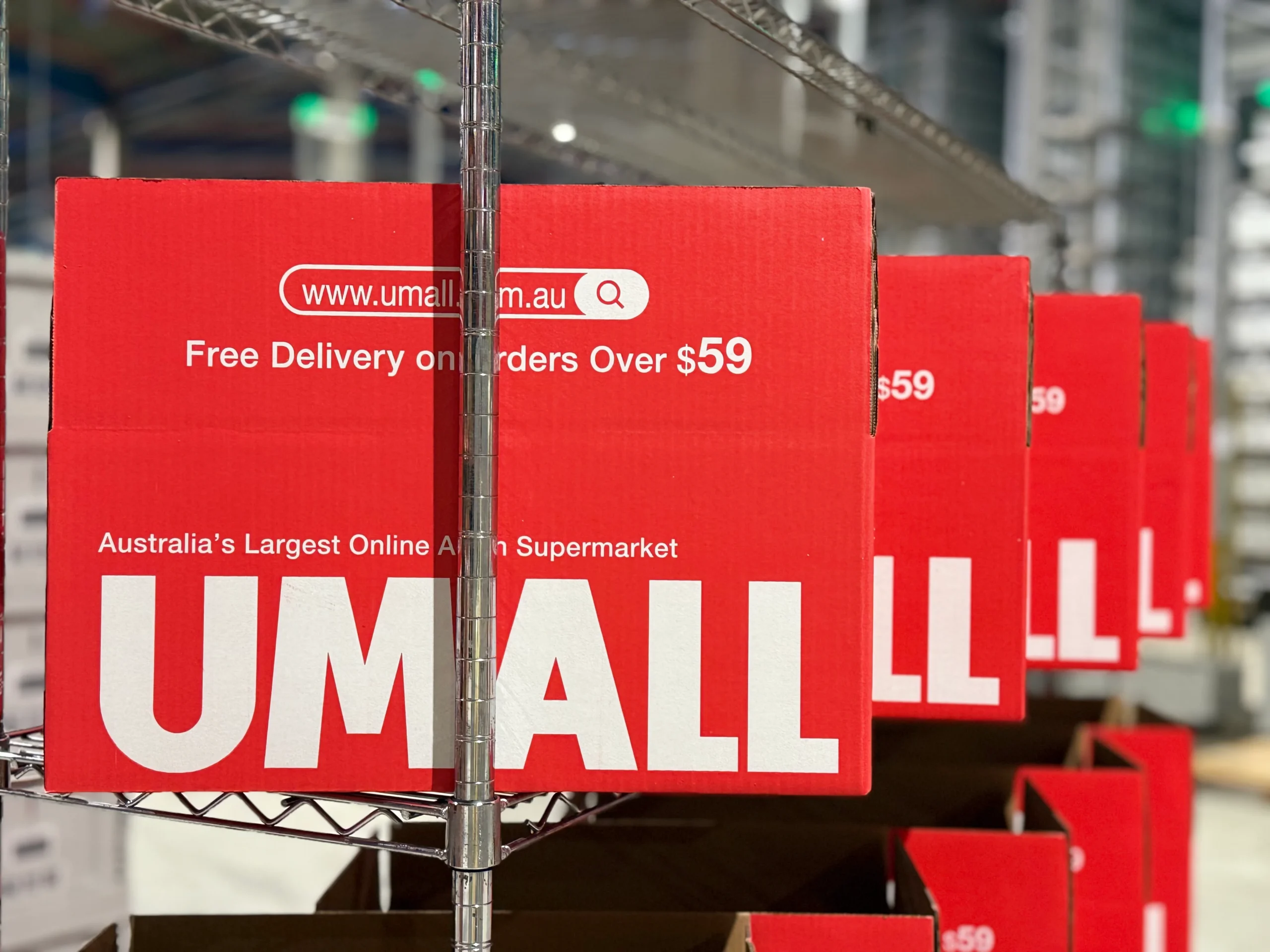
    Umall, an Australian e-commerce platform, recently announced its acquisition of Asian Grocer Online (AGO) in a bid to expand its presence in the multicultural grocery sector.

    Strategic Acquisition

    This acquisition represents a significant development in Umall’s ongoing expansion efforts. The company refers to this move as a “key milestone” in its growth trajectory. As part of this acquisition, AGO’s website is currently unavailable due to system enhancements. However, the company is working towards launching a fully refurbished, unified platform that combines the strengths of both brands.

    Expanding Reach

    With the integration of AGO’s category expertise and dedicated customer base, Umall aims to solidify its leadership position in the multicultural grocery space. The company intends to broaden its reach across Australia, providing a more diverse range of products to its customers.

    New Online Asian Supermarket

    The acquisition of AGO comes on the heels of Umall’s recent launch of a new online Asian supermarket. This venture seeks to provide a broader array of culturally diverse products, all delivered straight to customers’ homes.

    Investments in Technology

    Umall attributes much of its rapid growth to its significant investments in advanced technologies such as AI, automation, and robotics. The company maintains that these technologies have enabled it to provide faster, fresher, and more efficient service in comparison to traditional retailers.

    Questions & Answers

    What does Umall’s acquisition of AGO indicate?
    This acquisition suggests Umall’s strategic plan to extend its influence in the multicultural grocery sector and solidify its leadership position.

    What is the plan following the acquisition?
    The current plan is to launch a fully revamped, unified platform that leverages the strengths of both Umall and AGO. This integrated platform aims to provide a wider array of culturally diverse products.

    What has contributed to Umall’s rapid growth?
    Umall attributes a significant part of its rapid expansion to its substantial investments in AI, automation, and robotics. These technologies, according to the company, allow it to provide faster and more efficient service than traditional retailers.

  • Haigh’s Chocolates Launches Luxurious Hot Chocolate Cube In Celebration Of World Chocolate Day

    Haigh’s Chocolates Launches Luxurious Hot Chocolate Cube In Celebration Of World Chocolate Day

    Haigh’s Chocolates, a renowned confectionery company, recently introduced a limited-edition product called the Hot Chocolate Cube. This new offering was launched in celebration of World Chocolate Day, which is observed annually on July 7th.

    The Ultimate Indulgence

    Characterized as the epitome of luxury, the Hot Chocolate Cube is constructed with a marshmallow centre encased in a layer of rich, dark chocolate ganache. This delicious concoction is then enveloped in a smooth milk chocolate casing. This carefully crafted combination of flavors provides an indulgent treat for chocolate enthusiasts.

    The company suggests two ways to enjoy this delectable product. One can either melt it in warm milk, creating a delightful hot chocolate beverage, or simply devour it as it is, appreciating its unique combination of textures and flavors.

    Availability and Pricing

    The Hot Chocolate Cube from Haigh’s Chocolates is retailed at $14.50 for a pack of four. It can be found in all Haigh’s stores, which are dotted across various Australian locations including Adelaide, Melbourne, Sydney, and Canberra.

    Questions & Answers

    How is the Hot Chocolate Cube from Haigh’s Chocolates designed?
    – The Hot Chocolate Cube is a marshmallow cube layered with dark chocolate ganache and wrapped in milk chocolate.

    How can the Hot Chocolate Cube be enjoyed?
    – It can be melted in warm milk to make a hot chocolate or consumed directly as a treat.

    Where can the Hot Chocolate Cube be purchased?
    – The product is available in all Haigh’s stores across Adelaide, Melbourne, Sydney, and Canberra in Australia.

  • Del Monte Foods Files For Chapter 11 Bankruptcy To Facilitate Business Sale

    Del Monte Foods Files For Chapter 11 Bankruptcy To Facilitate Business Sale

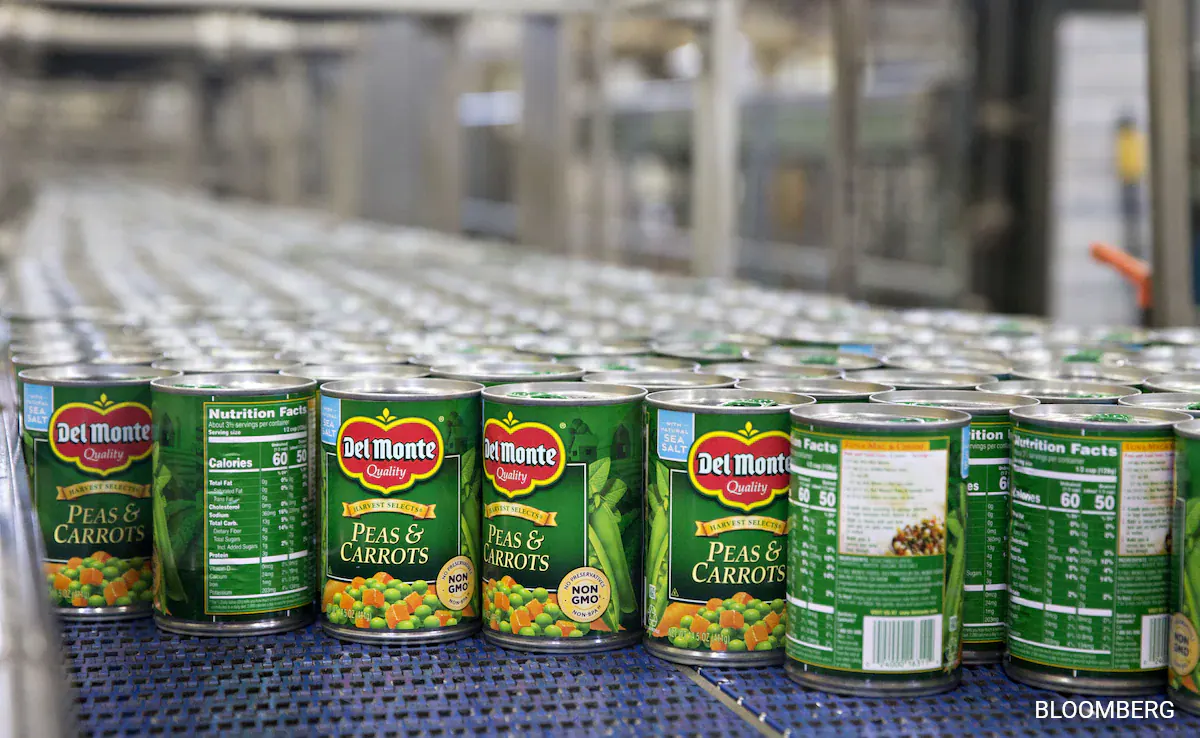
    Del Monte Foods, a renowned food production company, has recently applied for Chapter 11 bankruptcy protection within the United States. This move comes as a part of the company’s strategy to facilitate a successful sale of its business operations.

    Restructuring Support Agreement

    In order to conduct a comprehensive sale of all or most of its assets, Del Monte Foods has settled on a restructuring support agreement (RSA) with several of its lenders. Furthermore, to maintain sufficient liquidity throughout this transition, the company has secured a staggering $912.5 million in debtor-in-possession financing.

    Despite the ongoing bankruptcy proceedings, the company intends to keep its business operations running normally and without any interruptions.

    A Necessary Step Towards a Brighter Future

    The company’s President and CEO, Greg Longstreet, has acknowledged the challenging circumstances that have been accentuated by a rapidly changing macroeconomic environment. Longstreet stated, “After thoroughly evaluating all possible options, we concluded that a court-supervised sale process is the most effective method to expedite our turnaround and establish a stronger and more resilient Del Monte Foods.”

    He further added that the company, with a renovated capital structure, improved financial position, and new ownership, will be better equipped to ensure long-term success.

    A Rich Heritage

    Founded in 1886, Del Monte Foods boasts a vast portfolio including the canned fruits and vegetables brand Del Monte, the broth and stock business College Inn, and tea brands like Joyba. It should be noted, however, that certain non-US subsidiaries of the company are not part of the Chapter 11 proceedings and continue to operate as regular.

    Clarification on Affiliations

    In a recent development, Fresh Del Monte Produce Inc, which is listed on the NYSE, clarified that it has no financial or operational ties with Del Monte Foods. The two companies are entirely separate entities, with no shared ownership, governance, or operations.

    While both companies have rights to the Del Monte name due to historic licensing arrangements, they operate under unique ownership and cater to different geographical markets.

    Questions & Answers

    What is the purpose of Del Monte Foods filing for Chapter 11 bankruptcy?
    The company has filed for bankruptcy to facilitate a successful sale of its business.

    How will Del Monte Foods maintain operations during the bankruptcy proceedings?
    The company has secured $912.5 million in debtor-in-possession financing to ensure sufficient liquidity throughout the process.

    Are Fresh Del Monte Produce Inc and Del Monte Foods affiliated?
    No, the two companies are entirely separate entities, with no shared ownership, governance, or operations.

  • Edgewell Faces Legal Action Over Alleged ‘greenwashing’ Of Sunscreen Products

    Edgewell Faces Legal Action Over Alleged ‘greenwashing’ Of Sunscreen Products

    Edgewell Personal Care Australia, the firm behind the well-known Banana Boat and Hawaiian Tropic sunscreens, is embroiled in a legal dispute with the Australian Competition and Consumer Commission (ACCC). The ACCC claims that the company misled consumers by inaccurately promoting their products as “reef-friendly.”

    Legal Action Initiated

    The ACCC has initiated a court case in the Federal Court against Edgewell Personal Care Australia and its American parent company, Edgewell PCC. The consumer protection organization alleges that more than 90 of Edgewell’s sunscreen products were falsely marketed as reef safe from August 2020 through December 2024. The promotion was done through various channels, including websites, social media, retail catalogs, and product packaging. Some of the promotional materials even featured images of coral reefs alongside the claims.

    Misleading Claims

    Despite the fact that the products do not contain oxybenzone and octinoxate, two chemicals banned in areas like Hawaii due to their proven toxicity to coral reefs, they contain other ingredients. These include octocrylene, homosalate, 4-MBC, and avobenzene, which are either known or suspected to be harmful to marine ecosystems.

    According to the ACCC, Edgewell was aware of scientific research indicating these potential environmental hazards but did not conduct independent testing to verify these findings. Even though “reef-friendly” labels were removed from the company’s US product line around 2020, the misleading claim continued in the Australian market until late 2024.

    “Greenwashing” Accusations

    ACCC Deputy Chair, Catriona Lowe, referred to Edgewell’s actions as “greenwashing,” suggesting that the company’s misleading marketing could have influenced consumer purchasing decisions.

    “The company’s behavior has potentially misled a significant number of consumers,” Lowe said. “The sunscreen products were distributed across Australia over a four-year period, available in large stores and online platforms.”

    Lowe added that companies should not hesitate to promote their product’s environmental credentials but they must ensure they can back up such claims with reputable third-party certification or reliable scientific evidence.

    The ACCC now seeks penalties, declarations, injunctions, and legal fees in its court case against Edgewell.

    Questions & Answers

    What are the ACCC’s allegations against Edgewell Personal Care Australia?

    The Australian Competition and Consumer Commission alleges that Edgewell falsely marketed its sunscreen products as “reef-friendly” when they contain ingredients that are potentially harmful to marine life.

    What chemicals are in question in Edgewell’s sunscreen products?

    The chemicals that are known or suspected to be harmful to marine life in Edgewell’s sunscreen products include octocrylene, homosalate, 4-MBC, and avobenzene.

    What action is the ACCC seeking against Edgewell?

    The ACCC is seeking penalties, declarations, injunctions, and legal costs from Edgewell in their case against the company.

  • Australia’s Big Four Banks Face Billions in Fossil Fuel Exposure – What It Means for Investors

    Australia’s Big Four Banks Face Billions in Fossil Fuel Exposure – What It Means for Investors

    Australia’s major banks, while reducing their project finance to fossil fuel companies, still maintain significant exposures in the billions, according to recent findings from the Institute for Energy Economics and Financial Analysis (IEEFA). The big four—Australia and New Zealand Banking Group (ANZ), Commonwealth Bank of Australia (CBA), National Australia Bank (NAB), and Westpac—continue to overlook a critical environmental risk: methane emissions during fossil fuel production.

    Overlooked Methane Risks in Fossil Fuels

    Anne-Louise Knight, IEEFA’s lead coal analyst for Australia, highlighted how these banks, despite recognizing methane risks in other sectors, tend to ignore them when it comes to their coal or oil and gas clients. This oversight is particularly alarming given that methane is responsible for approximately 30% of the post-industrial increase in global temperatures.

    Missing Methane Reporting

    According to Knight, none of the major banks differentiate methane emissions from carbon dioxide emissions in their reporting. Some institutions appear to rely on outdated International Energy Agency (IEA) scenarios regarding net-zero emissions when devising their plans. Alarmingly, none of the banks have committed to phasing out financial support for metallurgical coal mining, a sector known for its higher methane intensity compared to thermal coal.

    Calls for Action on Emissions

    IEEFA strongly advocates for the mandatory submission of climate transition plans by all fossil fuel clients and urges banks to integrate methane emissions into their accounting practices. Independent verification of self-reported methane emissions from clients in methane-heavy industries should also become a standard requirement.

    “Australia’s major banks have made substantial progress in tackling climate-related financial risks and establishing decarbonization goals,” Knight stated. “However, the credibility and effectiveness of these measures are undermined by critical shortcomings, particularly the inconsistent focus on methane emissions.”

    As the climate crisis mounts, one wonders: can Australia’s banks really afford to keep their heads in the sand over methane emissions, or will they wake up and smell the… well, gas?

    Questions & Answers

    What are the main findings of the IEEFA regarding Australia’s major banks and methane emissions?
    IEEFA’s findings indicate that while the big four banks in Australia have cut back on financing fossil fuel companies, they continue to have massive exposures. They also largely ignore the risks associated with methane emissions from these sectors.

    How has methane contributed to climate change according to the IEEFA?
    Methane is responsible for around 30% of the post-industrial increase in global temperatures, making it a significant concern in the context of fossil fuel production.

    What measures does the IEEFA recommend for banks to improve their environmental accountability?
    IEEFA recommends that banks should require submissions of climate transition plans from all fossil fuel clients, incorporate methane emissions into their accounting, and necessitate independent verification of self-reported methane levels.