Author: Mei Ling Tan

  • Uniqlo Seeks Advantage from US-Vietnam Tariff Agreement to Boost Market Position

    Uniqlo Seeks Advantage from US-Vietnam Tariff Agreement to Boost Market Position

    In a significant shift for the retail landscape, tariff reductions between the U.S. and Vietnam are set to ease the financial pressure on companies like Uniqlo, the popular casualwear brand that heavily relies on Vietnamese manufacturing. This move comes at a crucial time as global supply chains continue to navigate the challenges posed by rising tariffs.

    Tariffs Take a Tumble

    Speaking on Wednesday, U.S. President Donald Trump announced that the previously proposed 46% tariff on imports from Vietnam would be slashed to a more manageable 20%. This news has been met with optimism from various sectors, particularly in retail, where the costs of sourcing apparel can make or break profit margins. While the Vietnamese government has yet to reveal details on the agreed tariff levels, the reduction is undoubtedly a welcome gift for Uniqlo, which has built a robust supply chain in Vietnam.

    Impact on Supply Chains

    This tariff cut is expected to bolster Uniqlo’s operations as it continues to harness the efficiency and productivity of Vietnamese manufacturers. With Vietnam already being a linchpin in Uniqlo’s supply chain strategy, these new developments may allow the retailer to further reduce costs and potentially pass on savings to consumers. In an age when customers are more price-conscious than ever, this could prove to be a savvy move.

    A Surprising Twist in Trade Relations

    The ongoing trade dynamics between these two nations have undergone numerous twists and turns, making this reduction a somewhat unexpected yet delightful surprise. Retail brands aiming for a competitive edge will likely keep a close eye on these changes, translating these potential savings into strategic business decisions.

    Looking Ahead

    As retailers like Uniqlo brace for a changing tide in tariffs, stakeholders are watching how this newfound flexibility will influence pricing strategies and market competitiveness in Asia. The ramifications of these tariff modifications extend beyond simple numbers, hinting at a broader narrative of increasing collaboration between the U.S. and Vietnam in the retail sector.

    Questions & Answers

    How will the reduced tariff affect Uniqlo’s pricing strategy?
    The tariff reduction is likely to allow Uniqlo to lower costs associated with its supply chain, which could enable the brand to offer more competitive pricing to customers.

    What prompted the U.S. to lower the tariff on Vietnamese imports?
    The decision comes amid ongoing negotiations and assessments of trade relationships, reflecting a need for a more balanced approach in tariffs that supports both nations’ economic interests.

    What broader implications could this tariff reduction have?
    This reduction could foster stronger trade relations between the U.S. and Vietnam, setting a precedent for further cooperation in the retail sector and beyond, potentially encouraging additional U.S. investments in Vietnam.

  • Singapore’s Private Home Price Growth Cools in Q2: What It Means for Buyers and Sellers

    Singapore’s Private Home Price Growth Cools in Q2: What It Means for Buyers and Sellers

    In a gradual shift, private home prices in Singapore edged up by a modest 0.5% during the second quarter of 2025, marking a slowdown from the more robust 0.8% growth seen in the previous quarter. According to the Urban Redevelopment Authority (URA) and the Housing and Development Board (HDB), this slower pace reflects a more sustainable trend in the housing market.

    Market Dynamics: Weaker Sales and Cooling Measures

    A recent report by PropNex highlights the impact of weaker sales and a limited number of new launches on private residential property prices, while also noting that the robust supply of new flats and various cooling measures have put pressure on the prices of HDB resale flats. Notably, in Q2 2025, a flat in Queenstown achieved a record-high resale price, contributing to a new quarterly peak for properties sold at over $1 million.

    Landed Homes Lead the Charge

    The growth in home prices was predominantly fueled by the landed private homes segment, where prices increased by 0.7% quarter-over-quarter. Despite this rise, transactions in this segment saw a significant dip of about 17.5%, with only 410 units sold during Q2. Interestingly, the average unit price per land area jumped by 1.2%, thanks largely to the semi-detached and terrace house markets—but who would have thought a slice of land could fetch such a premium?

    Non-Landed Homes and Regional Performance

    For non-landed private homes, prices rose by 0.5% quarter-over-quarter, showing a clear deceleration from the 1.0% growth in the first quarter. The Rest of Central Region (RCR) witnessed its first price decline in six quarters, with a notable drop of 1.1%. Meanwhile, the Core Central Region (CCR) and Outside Central Region (OCR) defied the trend, seeing respective price increases of 2.3% and 0.9% in the same period.

    New Launches: A Mixed Bag

    New launches during this quarter were predominantly centered in the RCR, with projects such as One Marina Gardens and Bloomsbury Residences hitting the market. One Marina Gardens stood out, selling 462 units at an average price of approximately $2,951 per square foot, while Bloomsbury Residences moved 151 units at about $2,477 per square foot.

    On Track for Growth

    PropNex estimates that developers sold at least 1,153 new units (excluding executive condos) in Q2 2025, bringing the total for the first half of the year to an impressive 4,528 units—a significant increase from the 1,889 transactions in the same period last year. As we look to the upcoming quarter, the expectation is clear: new private home sales are likely to gain momentum with a robust assortment of launches on the horizon. Meanwhile, the resale market reflects a strong activity level, with 2,949 transactions recorded in Q2, slightly surpassing the 1H 2024 figures.

    Questions & Answers

    What is the current trend in Singapore’s property market?
    Private home prices are experiencing a modest increase of 0.5% in Q2 2025, indicating a shift towards more sustainable growth.

    How have recent cooling measures affected resale flat prices?
    The introduction of cooling measures and an ample supply of new flats have exerted downward pressure on HDB resale flat prices.

    What impact did new launches have on private home sales this quarter?
    New launches significantly boosted private home sales, with developers recording 1,153 new units sold in Q2 2025, highlighting a compelling demand in the market.

  • France Slaps Shein with $47M Fine Over Deceptive Business Practices: What This Means for Retail

    France Slaps Shein with $47M Fine Over Deceptive Business Practices: What This Means for Retail

    In a notable crackdown on misleading retail practices, France’s antitrust authority has levied a hefty fine of 40 million euros (approximately $47.17 million) against fast-fashion giant Shein. The company, founded in China, has been scrutinized for alleged deceptive business strategies, including misleading discount promotions, as a result of a nearly year-long investigation.

    The French Competition, Consumer Affairs, and Fraud Prevention Agency reported that Infinite Style E-Commerce (ISEL), the entity that oversees Shein’s sales, misled customers by manipulating discount information. The company has accepted the fine and the findings of the agency.

    Discount Dilemmas and Regulatory Repercussions

    As per French law, the reference price for discounts must reflect the lowest price offered by a retailer in the 30 days leading up to a promotion. However, Shein ran afoul of these regulations by neglecting to consider prior pricing or, rather creatively, inflating prices before applying discounts. The agency’s findings suggest that Shein effectively “deceived consumers about the authenticity of discounts they could benefit from,” a revelation that casts a shadow over the retailer’s credibility.

    Results of the Investigation: Numbers That Speak

    The investigation examined a vast array of products on Shein’s French website from October 2022 to August 2023, and what it uncovered was startling: 57% of the advertised deals were found not to be offering any true price reduction, while 19% reflected discounts that were less beneficial than presented, and 11% represented actual price hikes disguised as discounts. It seems that Shein’s pricing tactics were about as transparent as a foggy window.

    Shein Responds: A Commitment to Compliance

    In light of the allegations, Shein has stated that ISEL was made aware of the breaches concerning reference pricing and environmental regulations as early as March last year. Following this notification, corrective measures were implemented within a mere two months. Shein emphasized that all the issues identified had been rectified over a year ago and reaffirmed its commitment to adhering to French regulations.

    Questions & Answers

    What specifically led to Shein’s fine in France?
    The French antitrust agency fined Shein for misleading customers about discount authenticity, particularly by failing to adhere to regulations around discount references.

    How did the investigation assess the validity of Shein’s discounts?
    The investigation revealed that a significant portion of Shein’s advertised deals—57%—did not offer real savings, and many promotions were deceptive, some even involving price increases.

    What steps did Shein take in response to the allegations?
    Shein indicated that upon being informed of the regulatory breaches, it implemented corrective actions swiftly, declaring that all issues had been addressed more than a year ago.

  • Oh!Some Launches Vibrant Flagship Store in Ho Chi Minh City, Celebrating Its Debut in Vietnam!

    Oh!Some Launches Vibrant Flagship Store in Ho Chi Minh City, Celebrating Its Debut in Vietnam!

    Oh!Some has recently unveiled a striking flagship store in Ho Chi Minh City, spanning a generous 2,000 square meters. This new outlet elevates the brand’s footprint in Southeast Asia, showcasing a modern shopping experience tailored to attract today’s discerning consumers.

    A Creative Wonderland Awaits

    The flagship at Vincom Center Dong Khoi is more than just a retail location; it is a beautifully designed space that encourages leisurely exploration. With a thoughtfully conceived open-concept layout, shoppers can wander through various sections, discovering everything from premium stationery to trendy toys, and an exciting array of beauty products. Oh!Some aims to infuse daily life with creativity and joy, making it the ideal destination for those looking to combine practicality with style.

    Bringing Disney Magic to Life

    A highlight of this new flagship is Oh!Some’s exclusive partnership with Disney, which is set to launch in 2024. Already, customers are excited about collections inspired by their favorite characters, like the Winnie the Pooh picnic collection and a seaside-themed Stitch collection. These exclusive offerings not only appeal to Disney enthusiasts but also to those who love to express their style.

    Four Themed Zones for Unique Shopping

    The flagship store introduces four innovative themed zones: anime collectibles, travel essentials, gifting solutions, and DIY craft kits. Anime aficionados can find sought-after merchandise from series like “Haikyu!!” and “Attack on Titan.” Meanwhile, travel essentials feature compact beauty kits and practical accessories to suit fast-paced lifestyles. The gifting solutions and DIY craft kits offer personalized options, making shopping feel like an escapade rather than a chore — and who doesn’t enjoy treasure hunts?

    Curated Offerings for Trend-Savvy Shoppers

    Carefully curated for Vietnam’s youthful, trend-savvy consumers, Oh!Some’s product assortment includes popular snacks from Korea and Japan, viral beauty products, and everyday essentials designed with style in mind. Whether it’s a quirky accessory or a practical gadget, every item is selected to reflect freshness and relevance, ensuring shoppers can always find something exciting.

    With over 110 offline stores spanning Singapore, Indonesia, Malaysia, Cambodia, and Vietnam, Oh!Some is quickly cementing its status in the global retail landscape. In Vietnam alone, five of its seven stores are strategically located in Vincom malls, ensuring optimal visibility and customer engagement. The brand’s ambitious plans signal a commitment to becoming a household name on a global scale.

    A Symbol of Commitment

    The Vincom Center Dong Khoi flagship store represents a significant milestone in Oh!Some’s growth in Vietnam. “This is not just our seventh store; it’s a testament to our long-term commitment to this market,” said an Oh!Some representative.

    Nestled in the busy Le Thanh Ton–Dong Khoi area, the Vincom Center is a vibrant hub, connecting local and international audiences and enhancing brand visibility. As Oh!Some collaborates with Vincom to reshape Vietnam’s retail landscape, both brands benefit from a strong synergy that resonates with Gen Z and Millennials seeking enriching lifestyle experiences.

    Oh!Some’s fresh approach balances the allure of premium lifestyle products with accessibility, making it an attractive option for the modern consumer eager for a meaningful shopping experience.

    The flagship store not only showcases Oh!Some’s extensive range of products but also positions itself as a center for future innovations, community events, and creative interactions. With ongoing plans for exclusive membership activities—such as family experiences, themed workshops, and vibrant pop-up events—Oh!Some is transforming the shopping environment into a lively hub of creativity and connection.

    To stay updated on collections and events, customers are encouraged to engage with Oh!Some’s lively presence on Instagram and Facebook at Ohsome Vietnam, where the latest trends await their discovery.

    As Oh!Some embarks on this exciting journey, their flagship store at Vincom Center Dong Khoi promises a vibrant, creative, and joyful lifestyle experience for consumers ready to embrace what the future holds.

    Questions & Answers

    What makes Oh!Some’s flagship store unique?
    Its open-concept design encourages relaxed browsing, featuring themed zones for specialties like anime collectibles and DIY crafts, creating an engaging shopping experience that blends physical discovery with the thrill of online shopping.

    How does Oh!Some cater to local tastes in Vietnam?
    Oh!Some curates its product selection with Vietnam’s dynamic youth in mind, offering popular imported snacks, trendy beauty products, and lifestyle items that resonate with the cultural zeitgeist.

    What are the brand’s future plans for community engagement?
    Oh!Some plans to implement exclusive offline membership activities ranging from interactive workshops to themed family experiences, aiming to establish its store as a vibrant community space beyond traditional retail.

  • Kuala Lumpur’s Prime Residential Market Set for Exciting Growth Ahead

    Kuala Lumpur’s Prime Residential Market Set for Exciting Growth Ahead

    Two projects were completed and another two were launched in Q1.

    Prime Residential Sector on the Rise

    Kuala Lumpur’s prime residential sector is gearing up for significant expansion, buoyed by a post-pandemic recovery, supportive government initiatives aimed at bolstering homeownership, and innovative financing options like green home programmes. These factors are not just catching the eye of locals—they’re also enticing foreign investors eager to tap into a market poised for growth.

    A recent report by JLL underscores this promising outlook. “Ongoing infrastructure developments are expected to enhance the appeal of suburban areas and transit-oriented developments, while the city’s affordability compared to other Asian markets should continue to drive investment, despite global economic challenges,” the report revealed. It paints a picture of a landscape ripe with opportunity.

    Dynamic Growth Despite Market Concerns

    As Kuala Lumpur shakes off the remnants of the pandemic, its prime residential sector is seeing a remarkable resurgence, characterized by rising sales and property values. However, experts urge a tempered enthusiasm, noting that concerns about potential market overheating necessitate cautious optimism for the medium term.

    Newly launched and ongoing projects are witnessing robust interest, with take-up rates fluctuating between 30% to 50%. Soft-launch schemes have also experienced promising booking levels, highlighting a healthy appetite in the market that just might surprise those who thought buyers had soured on the idea of investing.

    New Developments Take Center Stage

    This quarter saw the completion of two substantial residential developments, Allevia and Sunway Belfield, which together contributed 1,624 units to the market. Simultaneously, two new projects, CloutHaus Residence and Hanaz Suites, have been introduced, adding 955 units to the mix. The infusion of these developments speaks volumes about the resilience and sustained interest in Kuala Lumpur’s real estate.

    Favorable Conditions for Investors

    The attractiveness of the prime residential market continues to hold firm, with stable rates and competitive pricing serving as a magnet for investors even amid global economic uncertainties. Bank Negara Malaysia has kept the Overnight Policy Rate steady at 3.00% since May 2023, fostering a conducive atmosphere for borrowing. This policy has made mortgages more accessible and affordable, further stimulating demand for property investment.

    Despite pervasive global inflationary pressures, Kuala Lumpur’s prime residential market remains appealing, characterized by property prices that are among the most affordable in Asia. This affordability continues to attract both local and foreign investors looking to navigate the choppy waters of today’s economic landscape.

    Questions & Answers

    What factors are driving growth in Kuala Lumpur’s residential sector?
    Post-pandemic recovery, government initiatives supporting homeownership, and innovative financing options, such as green home programmes, are key motivators behind the growth.

    How have the recent projects performed in the market?
    Newly launched and ongoing projects boast solid take-up rates ranging from 30% to 50%, indicating a healthy appetite among buyers.

    What makes Kuala Lumpur’s prime residential market appealing to investors?
    Stable pricing and competitive rates, in conjunction with accessibility to affordable mortgages thanks to a maintained Overnight Policy Rate, make Kuala Lumpur an attractive proposition for investors in comparison to other Asian markets.

  • UOB and Frasers Thailand Forge Partnership to Boost Investments Across Thailand, Vietnam, and Indonesia

    UOB and Frasers Thailand Forge Partnership to Boost Investments Across Thailand, Vietnam, and Indonesia

    UOB Thailand has taken a significant step towards enhancing investment in Southeast Asia by signing a memorandum of understanding (MOU) with Frasers Property Industrial Thailand. This partnership aims to facilitate foreign direct investments (FDIs) across Thailand, Vietnam, and Indonesia, a move that could redefine the industrial landscape in these rapidly developing economies.

    Driving Industrial Growth Across the Region

    The collaboration will focus on supporting industrial investments, promoting trade, and providing financial solutions tailored for businesses looking to expand in these three nations. UOB Thailand plans to deliver a range of financial services, including regulatory advisory, project financing, trade facilities, and treasury services, ensuring that companies have the resources needed to navigate this dynamic market.

    Unlocking Opportunities for Investors

    On the other hand, Frasers Property Industrial Thailand, a key player within Frasers Property (Thailand) Public Company Limited (FPT), will leverage its expertise to assist businesses in the industrial sector. This includes guidance on local policies, regulations, and identifying lucrative investment opportunities. With an impressive portfolio of over 3.48 million square meters of industrial facilities in Thailand, FPT is well-positioned to offer the kind of insights that new entrants desperately need.

    A Broader Vision for Southeast Asia

    Interestingly, FPT is not just anchored in Thailand; it also manages substantial industrial spaces in Vietnam and Indonesia, with 140,000 square meters and 150,000 square meters, respectively. This regional presence underscores a more extensive vision of interconnected growth, appealing to investors eager to capitalize on the booming economic landscape of Southeast Asia.

    A Surge in Foreign Investments

    The timing couldn’t be better, as FDIs into Southeast Asia reached a staggering $225 billion in 2024, marking a substantial $20 billion increase from 2023, according to the UNCTAD’s World Investment Report 2025. This upward trend highlights the region’s growing appeal as a hub for international business, reflecting investors’ confidence in remarkable growth potential.

    Questions & Answers

    What is the purpose of the MOU between UOB Thailand and Frasers Property Industrial Thailand?
    The MOU aims to facilitate foreign direct investments in Thailand, Vietnam, and Indonesia by supporting industrial investments, promoting trade, and offering financial solutions for businesses looking to expand in these markets.

    What types of financial services will UOB Thailand provide through this partnership?
    UOB Thailand will offer regulatory advisory, project financing, trade facilities, and treasury services to support businesses in their investment journey.

    How does Frasers Property Industrial Thailand support investors in the industrial space?
    Frasers Property Industrial Thailand provides guidance on local policies and regulations, alongside helping businesses identify investment opportunities in the industrial sector.

  • Vontobel Welcomes New Head of Human Resources to Drive Talent and Innovation Forward

    Vontobel Welcomes New Head of Human Resources to Drive Talent and Innovation Forward

    The Winds of Change at Vontobel: New HR Leadership Steps In

    In a strategic move reflecting its commitment to innovative leadership, Vontobel has announced the appointment of Annette Nanzer as its new Head of Human Resources, effective September 1, 2025. Nanzer replaces Caroline Knoeri, who departed the bank earlier this year, leaving behind a mantle that Nanzer is poised to embrace.

    Nanzer arrives at Vontobel with a wealth of experience that spans various international leadership roles, particularly in human resources and consulting. Her background highlights a strong focus on driving digital and organizational transformations — a skill set that could be pivotal as the banking sector navigates an increasingly complex landscape.

    Before joining Vontobel, she held the position of Head of Human Resources at Zuger Kantonalbank. Her career also boasts an impressive roster of prior stints with major firms such as Bristol Myers Squibb, Partners Group, Swisscard AECS, and McKinsey. Armed with a Master’s degree in Economics and Business Administration from the University of Bern, Nanzer’s qualifications underscore her readiness for this vital role.

    As Vontobel sets its sights on enhancing organizational effectiveness, one can only wonder if her leadership will spark as much transformation as a splash of color on a blank canvas — and possibly bring an unexpected twist to the bank’s HR strategy.

    Questions & Answers

    What is the significance of Annette Nanzer’s appointment at Vontobel?
    Nanzer’s appointment signifies Vontobel’s focus on innovative leadership and expertise in digital and organizational transformation within the evolving banking landscape.

    What previous roles has Annette Nanzer held before joining Vontobel?
    Before Vontobel, Nanzer served as the Head of Human Resources at Zuger Kantonalbank and held leadership roles at Bristol Myers Squibb, Partners Group, Swisscard AECS, and McKinsey.

    How does Nanzer’s academic background support her new position?
    Nanzer holds a Master’s degree in Economics and Business Administration from the University of Bern, providing her with a strong analytical foundation to navigate the complexities of HR within a financial institution.

  • 9Pay Streamlines Payment Solutions, Easing Transactions for Foreign Businesses in Vietnam

    9Pay Streamlines Payment Solutions, Easing Transactions for Foreign Businesses in Vietnam

    Vietnam is rapidly positioning itself as a go-to destination for foreign direct investment (FDI), yet many international businesses are still grappling with the complexities of payment operations. Issues such as local collections, disbursements, and cross-border payments present formidable barriers. Here, licensed domestic payment intermediaries like 9Pay are stepping up to address these hurdles.

    As reported by the Ministry of Planning and Investment, Vietnam’s registered FDI soared to nearly $18.4 billion by the end of May 2025, representing a remarkable 51.2% year-over-year increase. However, this surge doesn’t necessarily translate to a smoother operating environment, particularly for foreign firms entering the Vietnamese market for the first time.

    Despite holding legal registration and investment licenses, many FDI companies face significant challenges with domestic payment collection, local payment channel integration, and processing cross-border transfers. According to 9Pay, an intermediary licensed by the State Bank of Vietnam, three main factors contribute to these ongoing issues.

    Complex Procedures Hinder Profit Repatriation

    Repatriating profits or making payments to overseas service providers is a complicated affair in Vietnam. The EuroCham Q1 2025 Business Confidence Index shows that over 70% of European businesses report “little or no improvement” in administrative procedures. Companies find that outbound payments often take much longer than expected due to stringent documentation requirements, encompassing invoices, contracts, financial statements, and tax approvals. To add another layer of complexity, foreign exchange regulations demand strict compliance with commercial banks, which can be notably inflexible.

    Struggling to Access Local Payment Solutions

    While over 90% of domestic transactions are conducted via digital channels—bank transfers, QR codes, and e-wallets—foreign companies in sectors like e-commerce and logistics are often hamstrung by language barriers and unclear regulations. The absence of end-to-end service providers only compounds their difficulties.

    Endless Barriers to Opening Corporate Accounts

    To set up a corporate bank account, businesses must navigate a minefield of documentation, including investment certificates, capital contribution paperwork, rental agreements, and tax codes, with the entire process taking anywhere from three to six weeks. For those without a Vietnamese legal entity or local representative office, this requirement can be especially daunting. Currency volatility and the costs associated with foreign exchange only add to the challenges businesses face.

    In this evolving landscape, licensed payment intermediaries like 9Pay are crucial to developing Vietnam’s digital financial infrastructure. Positioned as a strategic partner for international companies across sectors such as e-commerce, fintech, and education, 9Pay aims to bridge the gap between Vietnam’s domestic market and global businesses.

    9Pay: More than Just a Payment Processor

    “We are more than just a payment solution provider; we are financial and legal partners who understand the intricacies of the Vietnamese market,” asserts Nguyen Quang Thinh, CEO of 9Pay. This initiative helps foreign enterprises navigate everything from payment integration to cash flow optimization, all while ensuring compliance with local regulations tailored to the specific needs of each business.

    With an expansive digital financial ecosystem, 9Pay enables businesses to accept payments via popular Vietnamese methods, including bank transfers, QR codes, e-wallets, and domestic cards. Remarkably, it’s one of the few intermediaries in Vietnam able to handle high transaction volumes swiftly and securely, making it a go-to solution for e-commerce platforms.

    Empowering Foreign Enterprises

    Further amplifying its services, the 9Pay e-wallet offers a user-friendly personal payment system that equips Vietnamese users with the tools to deposit, withdraw, pay bills, and seamlessly transact with businesses. By processing sales revenue, refunds, and payments to partners with impressive speed and accuracy, 9Pay removes some of the stress from the equation.

    Thanks to robust technology infrastructure and 24/7 customer support, 9Pay assists partners in managing cash flow needs efficiently, enhancing operational effectiveness while minimizing financial strain. The company’s ability to tap into synchronized data allows it to accurately predict emerging client needs, making it a preferred choice among banks and partners.

    Operating under the esteemed PCI DSS (level 1) security certification, 9Pay collaborates with over 50 domestic banks and e-wallets. Its impressive partner roster includes major financial organizations like MasterCard, VISA, and various prominent Vietnamese banks, positions it as a heavyweight in the payment intermediary arena.

    Future Ambitions and Market Positioning

    In an increasingly complex regulatory landscape, 9Pay offers foreign companies not just advanced technology but also the expertise to navigate Vietnam’s intricate legal and tax frameworks. As such, international firms can minimize legal risks while optimizing their operations.

    “Our goal is to standardize payment records, helping businesses navigate these complexities effortlessly,” adds Thinh. Businesses simply need to coordinate with 9Pay to manage all transactions, eliminating the need to juggle multiple banks or service providers while ensuring full legal compliance.

    By 2027, 9Pay aims to establish itself as Vietnam’s leading digital finance platform for foreign investors, providing comprehensive solutions that span payment technology, cash flow management, tax compliance assistance, and operational efficiency boosts. The focus will be particularly strong on sectors like cross-border e-commerce and digital services, which are witnessing high transaction volumes.

    Currently, 9Pay supports over 1,000 foreign enterprises, chiefly from Singapore, South Korea, China, Hong Kong, and the EU, with ambitions to double this number within three years. In 2025, the company targets an annual revenue growth of 30% from its FDI clients as demand for cash flow management surges.

    As global supply chains undergo significant adjustments in the aftermath of the pandemic, Vietnam emerges as a pivotal nexus for international business. To effectively capitalize on this dynamic landscape, foreign firms need proficient, legally compliant, and locally attuned financial platforms. With a partner like 9Pay, they can unlock operational efficiency and regulatory assurance amid the intricacies of Vietnam’s business environment.

    Founded in 2018, 9Pay Joint Stock Company is a licensed intermediary by the State Bank of Vietnam, delivering a suite of comprehensive financial solutions, including e-wallet services, payment gateways, and the innovative TingTing Payment Sound Box.
    Questions & Answers

    What challenges do foreign direct investment firms face in Vietnam?
    Foreign businesses often struggle with complicated administrative procedures, lengthy documentation for profit repatriation, and integration with local payment solutions due to language barriers and unclear regulations.

    How does 9Pay aid foreign businesses operating in Vietnam?
    9Pay functions as both a financial partner and a payment intermediary, providing tailored solutions that simplify payment integration, enhance cash flow management, and ensure compliance with local regulations.

    What are 9Pay’s future goals in the financial services sector?
    9Pay aims to become Vietnam’s leading digital finance platform for FDI firms by 2027, expanding its offerings to include comprehensive payment solutions and aiming for annual revenue growth of 30% from its foreign clients.

  • Standard Chartered Engages in Legal Clash Over $2.7 Billion Fraud Allegations in 1MDB Scandal

    Standard Chartered Engages in Legal Clash Over $2.7 Billion Fraud Allegations in 1MDB Scandal

    Standard Chartered Bank is firmly pushing back against allegations that it played a role in facilitating fraudulent activities linked to the infamous 1Malaysia Development Berhad (1MDB) scandal, which has continued to reverberate through financial headlines nearly a decade later. At the heart of the controversy is a lawsuit filed by liquidators seeking $2.7 billion, asserting that the bank was complicit in laundering ill-gotten gains from the sovereign wealth fund.

    Liability or Misunderstanding? Standard Chartered Defends Itself

    In a spirited defense, Standard Chartered categorically rejected the claims, stating, “We consider these claims to be without merit, and Standard Chartered will vigorously defend them.” According to a report from Reuters, the liquidators allege that the bank allowed for over 100 intrabank transactions from 2009 to 2013, which allegedly helped mask the misappropriation of funds totaling billions.

    The Players Involved: A Web of Allegations

    This legal battle is unraveling in the High Court of Singapore, led by liquidators from financial services firm Kroll. However, Standard Chartered insists that the entities behind the claims are not legitimate. The bank pointed out that these liquidators have acknowledged the companies involved were mere shell entities, with ties to high-profile fugitives such as Low Taek Jho and his associate Eric Tan. “These companies did not engage in any legitimate business and acted as conduits for misappropriated funds,” Standard Chartered added, emphasizing its distancing from the sordid events that unfolded.

    Facing the Music: What Lies Ahead for Standard Chartered

    In an increasingly complex saga of financial misappropriation, Standard Chartered’s determined rebuttal illustrates the challenges banks face when drawn into legal disputes involving deeply entrenched corruption. As the case unfolds, one can’t help but wonder: in the world of high-stakes finance, can any good ever come from a scandal as convoluted as this? The answer may lie in the courtroom.

    Questions & Answers

    What are the main allegations against Standard Chartered Bank?
    Liquidators are accusing Standard Chartered of facilitating over 100 transfers that helped launder funds linked to the 1MDB scandal, with claims totaling $2.7 billion.

    How has Standard Chartered responded to these allegations?
    Standard Chartered has vehemently rejected the allegations, asserting they are “without merit” and that the entities making the claims are fraudulent shell companies not engaged in legitimate business.

    What is the next step in this legal dispute?
    The lawsuit is currently being argued in the High Court of Singapore, where Standard Chartered intends to defend itself vigorously against the claims made by the liquidators.

  •  6 Ways Pallet Jacks Help Retailers Increase Their Stocking Efficiency

     6 Ways Pallet Jacks Help Retailers Increase Their Stocking Efficiency

    Retailers today are under more pressure than ever to operate with speed, accuracy, and efficiency, especially when it comes to stocking. With growing customer expectations and the rapid rise of e-commerce, businesses must move goods quickly and keep shelves replenished to remain competitive.

    In Singapore, for instance, the e-commerce and logistics sector made up 44% of occupied warehouse space in 2019—an indication of how significantly demand has increased for faster, more efficient inventory movement and fulfilment.

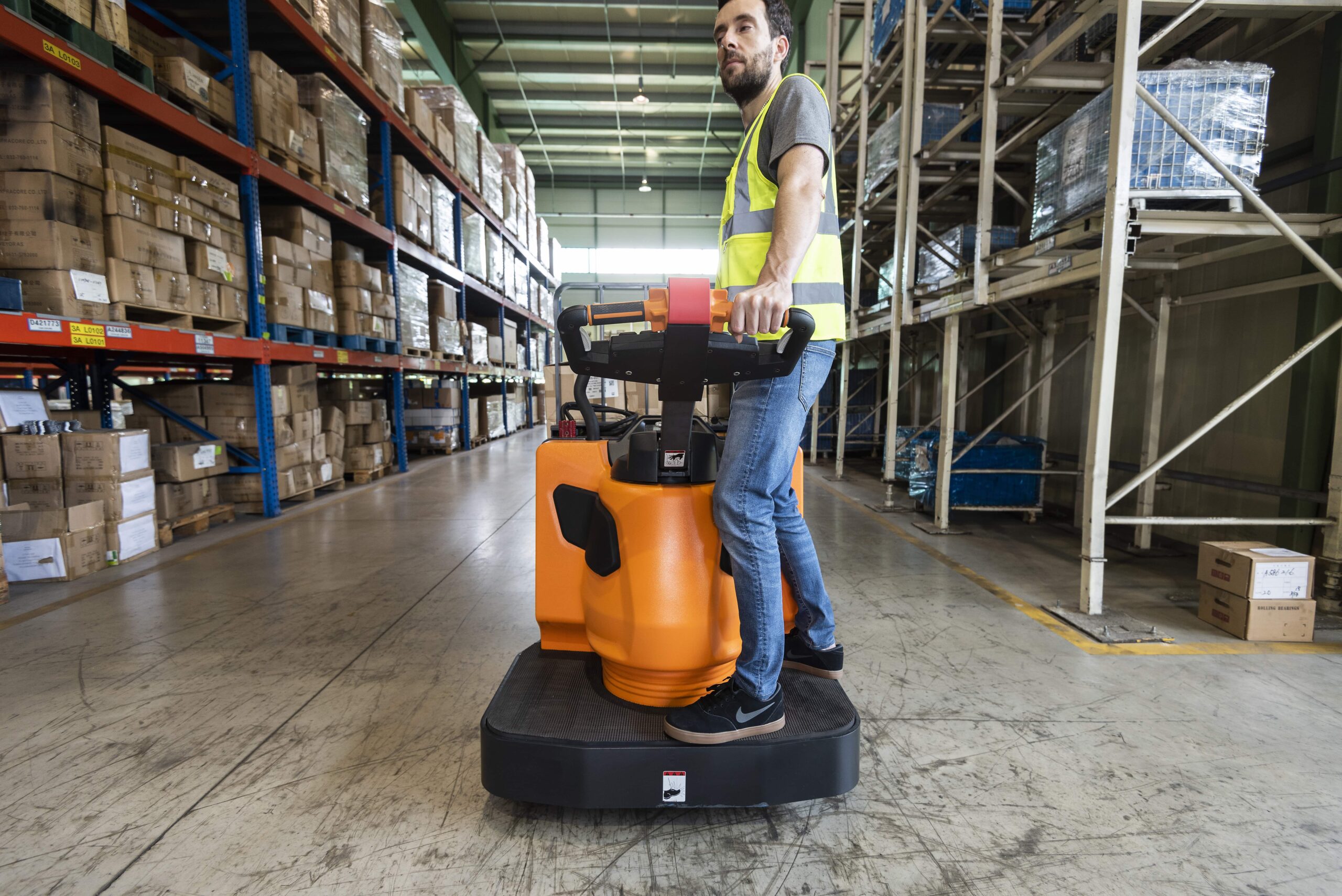
    One simple yet powerful tool that can make a big difference in this area is the pallet jack. This practical piece of equipment helps staff move heavy goods quickly, safely, and with minimal effort. Easy to use and low-maintenance, a pallet jack can greatly improve how stock is handled and organised. Let’s take a closer look at how pallet jacks can boost the stocking efficiency of retailers, helping them keep their restocking efforts efficient and consistent:

    1) Fast Movement of Bulk Items

    Pallet jacks allow staff to move large quantities of stock at once, significantly reducing the time needed to restock shelves or reorganise storage areas. Instead of handling items individually or relying on smaller trolleys, staff can transport entire pallets or heavy containers in a single trip. This is especially useful for fast-moving consumer goods or promotional stock that requires frequent replenishment.

    This added speed directly contributes to stocking efficiency by minimising downtime between deliveries and shelf availability. During peak hours or tight overnight restocking windows, the ability to move products in bulk helps ensure that shelves stay stocked and customer demand is met without delay. It also frees up staff for other operational tasks, boosting overall productivity.

    2) Minimised Physical Strain on Staff

    Heavy lifting and repetitive manual handling can take a toll on retail workers, leading to fatigue, a slower work pace, and even injuries. Pallet jacks help reduce this strain by enabling staff to move heavy loads with minimal physical effort.

    Because the pallet jacks better protect staff from overexertion, retailers are also able to lower the risk of sick days and injury-related downtime. This contributes to a more consistent workforce and ensures that restocking tasks can be carried out smoothly, without unnecessary interruptions. A healthier, more energised team is also better equipped to maintain a steady pace, particularly during demanding overnight shifts or busy sales periods.

    3) Easy Manoeuvrability in Tight Retail Spaces

    Retail environments often feature narrow aisles, crowded stockrooms, and high foot traffic areas, all of which can make moving stock a challenge. Pallet jacks, however, are compact and agile, allowing staff to navigate these tight spaces with ease and minimal disruption. Thanks to the equipment’s precise steering, employees can move goods efficiently, even when working in confined backroom areas.

    This manoeuvrability enables staff to carry out restocking tasks without blocking pathways or needing to shift other items out of the way. With fewer obstacles and smoother movement, team members can maintain a consistent pace throughout their shift.

    4) Efficient Unloading from Delivery Bays

    When new inventory arrives, time is of the essence. It’s a good thing pallet jacks enable staff to quickly unload trucks and move products directly to storage or display areas. This streamlined process helps prevent congestion at receiving bays and minimises delays—especially crucial in high-turnover retail settings where freshness and timing matter.

    Faster unloading also means restocking can begin sooner, ensuring that new products reach the shelves without unnecessary delay. For retailers, this leads to shorter lead times, better stock rotation, and improved customer satisfaction, all contributing to a more responsive and efficient in-store supply chain.

    5) Improved Organisation of Stock Areas

    Well-organised stockrooms are essential for efficient retail operations, and pallet jacks make it easier to arrange goods in ways that allow faster retrieval and more effective use of space. Staff can quickly reposition pallets, rotate stock in line with first in, first out (FIFO) practices, or create clear pathways for easier access without having to manually lift or carry heavy items.

    Improved organisation makes restocking a smoother, more systematic process. Team members can locate items more quickly, reduce unnecessary handling, and maintain better visibility of inventory levels. This not only speeds up restocking but also supports better inventory control and fewer stock discrepancies, which help retailers maintain accuracy and efficiency.

    6) Seamless Integration into Daily Store Routines

    Pallet jacks are simple to operate and don’t take long to learn, which makes them easy to incorporate into everyday retail routines. Both new hires and experienced staff can use them confidently with minimal training, which should help reduce onboarding time while still allowing teams to remain flexible and responsive to changing priorities.

    Thanks to their ease of use, pallet jacks can be quickly deployed whenever restocking is needed. This adaptability helps retailers maintain momentum throughout the day and ensures that shelves remain well-stocked and presentable, even during peak periods and extended hours.

    All in all, pallet jacks provide a straightforward yet highly effective solution for retailers looking to enhance stocking efficiency. They’ll enable faster, safer movement of goods and allow teams to stay productive and responsive to customer demand. As a result, pallet jacks are certainly a smart investment for retailers who want to keep their shelves stocked, support their staff, and oversee seamless daily operations.

  • DEAL Mining Cloud Mining Platform: Earn Passive Crypto Income Up to $8,900 Daily

    DEAL Mining Cloud Mining Platform: Earn Passive Crypto Income Up to $8,900 Daily

    Start secure, zero-hardware crypto mining with DEAL Mining — the global platform redefining digital asset generation for everyone.

    Why Cloud Mining Is the Future of Crypto Wealth Building

    According to the Cambridge Centre for Alternative Finance, global Bitcoin mining electricity consumption will exceed 100 TWh in 2024 — and continues to rise. This shift highlights the growing demand for energy-efficient, accessible mining solutions. DEAL Mining answers that call by offering a fully cloud-based platform that eliminates the traditional barriers to entry.

    With over 1.68 million users worldwide, DEAL Mining is not only democratizing mining but also making it profitable and secure — even for beginners.

    What Is DEAL Mining?

    Founded in 2016, DEAL Mining is a leading cloud mining service provider offering secure, high-performance computing power for mining Bitcoin (BTC), Ethereum (ETH), Dogecoin (DOGE), Solana (SOL), XRP, and more.

    Rather than purchasing physical hardware, users can rent hash power directly from the platform and start earning daily passive income in minutes.

    Cloud Mining vs. Traditional Mining: A Smarter Alternative

    Feature Traditional Mining DEAL Mining Cloud Mining
    Hardware Required Yes (expensive ASICs, maintenance) No equipment needed
    Technical Knowledge Required (networking, setup, cooling) Beginner-friendly, one-click operation
    Initial Costs High ($3,000–$10,000) Low-cost plans starting from $100
    Risk Level High (electricity, market fluctuation) Fixed contracts with controlled risk
    Returns Timeline Long (months to ROI) Daily payouts from day one

    How to Start Cloud Mining with DEAL Mining

    1. Register a Free Account: Visit dealmining.com and sign up.
      2. Select a Contract: Choose from flexible plans suited to your budget and crypto preference.
      3. Start Mining Instantly: Activate your contract and watch your balance grow daily.

    Exclusive Platform Benefits

    – $15 Free Mining Bonus for all new users (including $0.60 daily check-in reward)
    – Referral Rebate Program: Earn up to 4.5% commission for every invite
    – Supports 10+ Major Cryptocurrencies: BTC, ETH, DOGE, LTC, USDT, SOL, XRP, BNB, USDC, BCH
    – AI-Optimized Mining Algorithm for maximum yield
    – 24/7 Customer Support and 100% uptime guarantee
    – Double Security with McAfee® and Cloudflare®

    Mining plan and estimated return example

    Mining Plan Investment ($) Profit ($) Contract Days Daily Profit ($)
    M30s++ (BTC) 100 8 2 4.0
    A1326-109T (DOGE) 500 30 5 6.0
    M60 (BTC) 1000 126 10 12.6
    S21 Pro (DOGE) 3500 924 20 46.2
    M63S+ (BTC) 6000 2184 26 84.0
    S19 XP+ Hyd 10000 4805 31 155.0
    S21 XP+ Hyd 15000 8910 36 247.5

    For more contract details, please visit the official website https://DEALMining.com/

    Why Now? The Crypto Mining Opportunity Is Growing

    With the SEC’s recent approval of multi-asset crypto ETFs and global institutional adoption surging, crypto infrastructure is entering a golden era. Cloud mining is the most accessible and least risky way to capitalize on this trend.

    Whether you’re a crypto beginner or a seasoned investor, DEAL Mining offers a turnkey solution to grow your portfolio passively.

    Contact & Access

    Official Website: https://dealmining.com
    Email: info@dealmining.com
    App Download

  • Korean Retail Giant E-mart Invests $150m For Philippine Expansion: Aims To Enhance Local Shopping Experience

    Korean Retail Giant E-mart Invests $150m For Philippine Expansion: Aims To Enhance Local Shopping Experience

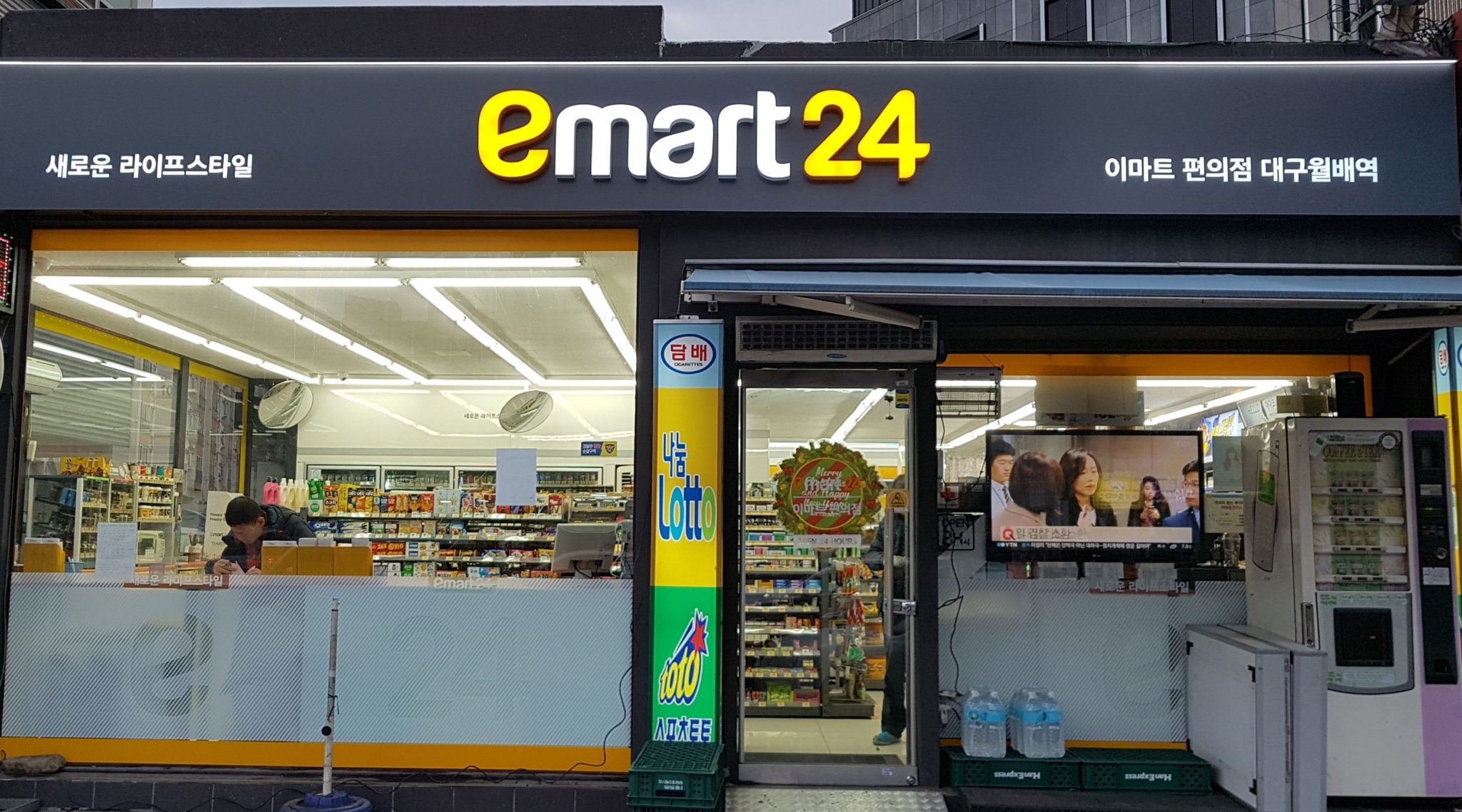
    In a bold move to capture a growing market, Korean discount department store chain E-Mart has announced its ambitious expansion into the Philippines. With a combined investment of approximately $150 million, E-Mart is set to open five new stores across the archipelago over the next few years, targeting the burgeoning middle class and their increasing appetite for affordable yet quality retail experiences.

    Targeting the Filipino Market with Strategic Stores

    Initially, E-Mart plans to establish its presence in major urban centers such as Metro Manila and Cebu, locations brimming with potential customers eager for diverse shopping options. Local market analysis suggests that Filipino consumers are increasingly drawn to retail environments that offer both value and variety — a niche that E-Mart aims to fill with its unique blend of products, from groceries to electronics.

    The decision to invest in the Philippines is not just a stroke of luck; it’s rooted in the company’s successful South Korean model. This version of a “hypermarket” approach has won hearts back home, where E-Mart has over 150 locations. The Philippine economy has shown resilience, making it ripe for the chain’s budget-friendly offerings and expansive range of home goods.

    Creating a Dazzling Retail Experience

    But expanding into a vibrant market like the Philippines involves more than just placing stores. E-Mart has committed to tailoring its shopping experience for Filipino customers, incorporating local products alongside its beloved Korean offerings. This strategy not only caters to local tastes but also fosters a sense of community, turning shopping into a delightful cultural exchange rather than a mere transaction. Imagine snatching up your favorite local snack right next to an imported Korean delicacy—talk about a shopping thrill!

    To bolster its brand awareness, E-Mart is launching an engaging marketing campaign that traverses traditional advertising to digital platforms, ensuring maximum reach among potential customers. Employing social media strategies and local influencers will further elevate its profile, especially among younger, tech-savvy shoppers who dominate the market.

    Facing Challenges with Optimism

    While the Philippines offers a promising landscape for retail growth, E-Mart’s entry will not be without challenges. Navigating bureaucratic hurdles and building a reliable supply chain in a new environment will require deft planning and local insights. However, the chain’s leadership remains undeterred, viewing these obstacles as mere stepping stones toward establishing a lasting legacy in the Filipino retail space. “We are excited to connect with Filipino consumers and be part of their daily lives,” the company stated in a recent press release.

    Looking Ahead: What’s Next for E-Mart?

    The anticipated openings are expected to create a buzz in the local markets, potentially leading to not just retail growth but also new job opportunities for the local workforce. As E-Mart lays the groundwork for its future, the attention will be on how well it integrates into the Filipino retail landscape and meets the expectations of its new customer base. For now, all eyes will be on the first store launch, which promises to deliver both value and innovation, as well as a much-needed upgrade to the local shopping scene.

    Questions & Answers

    What is E-Mart’s investment plan in the Philippines?
    E-Mart plans to invest approximately $150 million to establish five new stores in the Philippines over the next few years.

    Which locations are targeted for E-Mart’s new stores?
    The first E-Mart stores are set to open in major urban centers, particularly in Metro Manila and Cebu, to attract a large customer base.

    How does E-Mart plan to engage with the local market?
    E-Mart aims to tailor its offerings by incorporating local products alongside Korean goods and is launching a comprehensive marketing campaign that includes social media outreach.

  • Electric or Manual Pallet Jack? How to Make the Right Choice for Your Facility

    Electric or Manual Pallet Jack? How to Make the Right Choice for Your Facility

    Whether you’re managing a small storeroom or a big and busy warehouse, a pallet jack is one of those tools you just can’t do without. It helps you move stock around quickly and safely, keeping your daily operations running smoothly. But when it’s time to choose between a manual pallet jack and an electric one, things can get a little tricky.

    After all, your decision doesn’t depend solely on the price or what looks good in a brochure. You also need to consider your team’s physical abilities, how fast-paced your work is, and how your space is set up. Let’s break down the main differences between manual and electric pallet jacks and figure out which one makes the most sense for your facility.

    Start with the Basics

    Manual and electric pallet jacks do the same basic job of lifting and moving pallets, but they do it in very different ways. For one, manual pallet jacks are powered by the operator. You pump a handle to lift the load, then push or pull it to where it needs to go. They’re simple, robust, and don’t require batteries or motors.

    Electric pallet jacks, on the other hand, run on batteries. They have a motor that does the heavy lifting and the moving. Some even come with ride-on platforms, which are ideal for covering longer distances. These powered trucks reduce physical strain and help speed up the workflow, especially in busy environments.

    Consider Load Size and Frequency

    One of the biggest differences between manual and electric jacks is how much they can handle. Manual pallet jacks usually carry loads between 2,000 and 5,500 pounds (around 900 to 2,500 kilograms). That’s more than adequate for smaller businesses or shops where you’re only moving a few pallets an hour.

    However, if your team is moving heavy loads frequently, manual jacks can become an issue. After all, repeatedly pushing heavy pallets can lead to fatigue or even injury. In such cases, electric pallet jacks are a smarter choice. They manage the heavy lifting from 3,300 pounds (1500 kilograms) to upwards of 9,000 pounds (4,000 kilograms) with ease, making everything more efficient.

    Also, consider the types of goods you’re handling. Manual jacks typically come in more or less the same sizes, while ones often offer more diversity and flexibility with fork dimensions or lift heights, making them more suitable for bulkier or heavier items.

    Match the Tool to Your Team

    Your team’s physical abilities and experience are also important. Manual jacks are easy to learn how to operate and don’t require very specific training, but they do require a certain level of physical strength and stamina to operate effectively. That’s ideal if you employ part-time or seasonal staff who need to get up to speed quickly. Electric jacks, in contrast, require proper training and certification, especially in Singapore, where workplace safety regulations are strict. While that means more time and cost upfront, the long-term benefits are worth it. Once trained, your team can work more comfortably and safely, especially older staff or those performing repetitive tasks.

    Look at Your Facility’s Layout

    The size and layout of your facility should significantly influence your decision. Manual jacks are extremely manoeuvrable and perfect for confined areas such as narrow aisles, crowded storerooms, or back-of-house retail spaces. They turn easily and take up minimal space.

    Electric jacks, meanwhile, excel in larger spaces, like expansive warehouses or loading bays. They move faster and help reduce fatigue over longer distances. Some newer models are more compact and can even handle tighter corners, so they’re also suitable for mixed-use environments.

    Factor in Maintenance

    One major advantage of manual pallet jacks is their low maintenance requirements. With no motors or electronics, they’re easy to repair, and parts are inexpensive and readily available. In contrast, electric jacks require more upkeep. You’ll need to monitor the battery, service the motor, and possibly run software diagnostics, depending on the model. It’s also important to designate someone to oversee battery health and proper charging practices. After all, regular maintenance helps prevent costly breakdowns in the future.

    Budget for the Long Term

    Manual pallet jacks are certainly cheaper upfront. They’re a solid option if you’re working with a limited budget or only need them occasionally. However, if you’re thinking long-term, electric jacks may offer better value. They cost more initially but increase efficiency, reduce physical strain, and help prevent injury-related downtime. In a busy warehouse, those benefits can quickly outweigh the initial investment.

    So, What’s the Right Choice?

    It all depends on what your business needs most.

    • Go with manual pallet jacks if your space is compact, your loads are light, or you have a rotating workforce that needs quick training.
    • Choose electric pallet jacks if you handle heavier loads, cover longer distances, or require your team to operate at a consistently high pace.

    And remember, you don’t always have to pick just one. A hybrid setup could offer the best of both worlds. Use manual jacks for quick, light tasks and electric ones for heavier or longer hauls. So, before making a final decision, walk through your facility. Observe how your team moves goods, identify any pain points, and consult with your staff. After all, the right pallet jack setup won’t just boost productivity. It will also make your facility safer and easier to manage.

  • Nam Long Launches Construction of 671 Innovative EHomes for Social Housing in Can Tho

    Nam Long Launches Construction of 671 Innovative EHomes for Social Housing in Can Tho

    Nam Long Group has officially commenced the next chapter of its EHomeS social housing initiative in Can Tho City, reinforcing its commitment to social responsibility and sustainable growth on June 25.

    The groundbreaking ceremony for 671 new apartments attracted attention, bringing together local government officials, representatives from the Can Tho Department of Construction, and key players in the project, including project developer Nam Long and general contractor Nam Khang.

    A Vision Aligned with Government Goals

    In line with government initiatives, Nam Long’s ambitious plan includes developing 60,000 social housing units by 2030, with Can Tho positioned as a crucial hub. The EHomeS brand embodies affordable living principles through its 3S model — saving, smart, social — and aims to address the pressing housing needs of diverse segments of Vietnam’s population. To date, EHomeS has successfully rolled out approximately 5,000 apartments that are now home to satisfied residents.

    Major Investments Drive Progress

    Nam Long’s investment in the EHomeS project encompasses 1,788 units in Can Tho, with 1,117 already completed and handed over, all meeting regulatory standards from the Department of Construction. The latest development phase includes four apartment blocks, totaling 671 units, slated for completion by the fourth quarter of 2026.

    Community Living with Urban Amenities

    These new apartments will be part of the 43.8-hectare Nam Long II Central Lake integrated township, promising residents access to urban amenities like a central lakeside park, sports facilities, and recreational spaces. Perhaps even more enticing, the development prioritizes sustainable lifestyles by regularly hosting community programs aimed at enhancing residents’ quality of life — a unique advantage that sets EHomeS Can Tho apart from typical social housing projects.

    Commitment to Long-Term Development

    With 33 years under its belt, Nam Long has firmly established itself in Can Tho, undertaking significant urban projects such as the 23-hectare Nam Long Can Tho 1 launched in 2002, the 16-hectare Nam Long Hong Phat inaugurated in 2016, and the extensive Nam Long II Central Lake. The ongoing development emphasizes Nam Long’s steadfast commitment to the Can Tho market and its contribution to the broader real estate landscape, aligning seamlessly with the national housing strategy and reflecting the company’s mission to foster enriching living environments and community-centered spaces.

    Questions & Answers

    What is the purpose of Nam Long’s EHomeS project?

    The EHomeS project aims to provide affordable housing in response to Vietnam’s pressing housing needs, aligning with government initiatives to construct 60,000 social housing units by 2030.

    How many units are being constructed in the latest phase of EHomeS?

    The latest phase of the EHomeS project involves the construction of 671 new apartments, set to be completed by the fourth quarter of 2026.

    What distinguishes EHomeS Can Tho from other social housing projects?

    EHomeS Can Tho stands out by offering a strong community focus, with amenities and programs designed to improve residents’ quality of life, alongside sustainable urban features that many similar projects lack.

  • Hong Kong Retains Title of World’s Most Expensive City for Homebuyers, Surpassing Zurich and Singapore

    Hong Kong Retains Title of World’s Most Expensive City for Homebuyers, Surpassing Zurich and Singapore

    The latest report from the Deutsche Bank Research Institute reveals a significant dip in the average price of city-center apartments in Hong Kong, which now stands at US$25,946 per square meter, a sharp decline from $31,943 in 2020. This shift positions Hong Kong as the city with the highest home purchase prices globally, a fact that piques interest amid its challenging housing market dynamics.

    Singapore and Zurich Close Behind

    Trailing Hong Kong are Zurich and Singapore, with average prices of $23,938 and $22,955 per square meter, respectively. However, the report highlights that these financial powerhouses often rank lower in quality of life, largely due to exorbitant housing costs. In fact, Hong Kong finds itself ranked 48th globally in terms of livability, an ironic twist for a city with such soaring property values.

    The Rental Landscape: New York Takes the Crown

    In the rental arena, New York steals the spotlight, boasting an average price of $8,388 per month for a three-bedroom apartment. Hong Kong, meanwhile, places seventh in this category, with average rents at $4,807 per month—not too shabby, yet still overshadowed by cities like Singapore, Boston, London, San Francisco, and Zurich, according to the South China Morning Post.

    Super-Prime Properties Still Shine

    In an earlier report, The Wealth Report 2025 from property consultancy Knight Frank affirmed Hong Kong’s status as a top contender for super-prime property transactions, recording a remarkable 166 sales valued at $10 million or more last year. This appeal stems from the city’s robust financial infrastructure, strategic placement, and a penchant for ultra-luxury real estate. The report noted that the finite supply of prime properties combined with a consistent global thirst for these trophy assets keeps the super-prime market a central feature of Hong Kong’s investment landscape. It’s said that with a budget of $1 million, buyers can snag just 22 square meters of luxury in Hong Kong, while the same sum gets them 32 square meters in Singapore—a stark reminder of the differences in affordability across the region.

    Questions & Answers

    How has the average price of apartments in Hong Kong changed since 2020?
    The average price of city-center apartments in Hong Kong has dropped from $31,943 per square meter in 2020 to $25,946 in the latest report.

    Which city has the highest rental rates for three-bedroom apartments?
    New York takes the lead with average rental prices of $8,388 per month for three-bedroom apartments, while Hong Kong ranks seventh at $4,807 per month.

    What factors contribute to Hong Kong’s appeal in the super-prime property market?
    Hong Kong’s attraction lies in its robust financial infrastructure, strategic location, limited supply of prime properties, and a sustained global appetite for high-value real estate.