Author: Mei Ling Tan

  • Set Sail for Style: Louis Vuitton Unveils Cruise Ship-Inspired Store in Shanghai

    Set Sail for Style: Louis Vuitton Unveils Cruise Ship-Inspired Store in Shanghai

    Louis Vuitton’s latest venture into retail has set sail in the heart of Shanghai with a striking cruise ship-themed concept store that is stirring excitement among both shoppers and social media enthusiasts. With its whimsical design, the three-story venue has quickly established itself as a go-to hotspot for those looking to capture the perfect Instagram moment.

    An Immersive Shopping Experience

    This innovative store offers more than just a place to browse and buy. It incorporates an expansive sales area, a chic café, and curated exhibits that delve into the rich culture and history of Louis Vuitton. It’s a retail experience that invites customers not only to shop but to engage with the brand in a fun and educational way—like taking a cinematic journey without ever leaving the building!

    A Blend of Retail and Art

    As guests wander through the store, they encounter a stunning array of merchandise, art installations, and interactive displays that celebrate the brand’s legacy. This is more than just retail therapy; it’s a celebration of the craftsmanship and artistry that define the Louis Vuitton name. The store cleverly marries the allure of luxury fashion with an engaging narrative experience, captivating the interests of a diverse clientele.

    Strategic Location Fuels Popularity

    Situated in a bustling area of Shanghai, the store is perfectly positioned to attract both tourists and locals, making it a prime destination on the city’s retail map. The balance of luxury and accessibility is evident as chatter fills the café and excited voices exclaim over creatively designed displays. It appears that luxury shopping has found a new rhythm that resonates with the modern consumer’s desire for memorable experiences.

    Questions & Answers

    What makes the Louis Vuitton store unique compared to traditional retail locations?
    The Louis Vuitton store in Shanghai stands out with its cruise ship theme and immersive experience, blending retail with art and education about the brand’s heritage.

    How does the store enhance customer engagement beyond shopping?
    The store features exhibits showcasing Louis Vuitton’s culture, interactive displays, and a café, transforming the shopping experience into a multi-faceted engagement with the brand.

    Why is the location significant for the store’s success?
    Located in a bustling part of Shanghai, the store attracts both tourists and locals, creating a vibrant atmosphere that drives foot traffic and enhances its appeal as a social hotspot.

  • Fed Eases ‘Reputational Risk’ Oversight, Boosting Opportunities for Crypto Firms to Thrive

    Fed Eases ‘Reputational Risk’ Oversight, Boosting Opportunities for Crypto Firms to Thrive

    The US Federal Reserve has announced a significant change in its supervisory approach by instructing its regulators to no longer weigh “reputational risk” when overseeing banks. This shift comes as a response to arguments from the cryptocurrency sector, which claimed that such considerations had led to unjust exclusions and banking challenges for crypto firms.

    Industries labeled as high-risk often find it hard to maintain banking relationships, a situation that escalated during what some have termed “Operation Chokepoint 2.0.” Over 30 technology and crypto firms were denied access to banking services in the US, leaving many scrambling for financial support.

    In a statement released on Monday, the Federal Reserve Board indicated that it is currently revising its supervisory materials to remove references to reputational risk. Instead, they will focus on more specific discussions centered on financial risk. Additionally, the board will enhance training for examiners to ensure uniform implementation across all banks it supervises, while collaborating with other federal banking agencies to foster consistent regulatory practices.

    Risk Management Remains Paramount

    Despite this pivotal change, the Federal Reserve has underscored the necessity for banks to maintain robust risk management protocols that align with existing laws and regulations. This new direction will not alter how banks supervised by the Federal Reserve incorporate reputational risk into their own management strategies.

    The Federal Reserve defines reputational risk as the potential backlash from negative publicity regarding an institution’s business practices — whether the claims are substantiated or not — which can lead to loss of clientele, expensive lawsuits, or decreased revenues.

    A Turning Point for Banks and Crypto

    Notable reactions to this development have emerged, with US Senator Cynthia Lummis remarking that aggressive reputational risk policies “assassinated American Bitcoin & digital asset businesses.” She characterized this shift as a victory, but added, “there is still more work to be done.”

    Rob Nichols, president and CEO of the American Bankers Association, also expressed his approval, stating that the adjustment would render the supervision process more transparent and consistent. “We believe banks should make decisions based on prudent risk management and free market principles, not the subjective views of regulators,” he added, making a case for more autonomy in banking operations.

    Nonetheless, critics caution that discarding reputational risk may obscure crucial non-financial factors, jeopardize bank stability, and weaken regulatory oversight, potentially leading to riskier banking practices. It’s a balancing act not unlike walking a tightrope.

    Regulatory Shifts in the Crypto Space

    This adjustment at the Federal Reserve is part of a broader trend, as other regulatory bodies in the US are also easing crypto-related restrictions this year. In May, the US Office of the Comptroller of the Currency confirmed that banks could engage in crypto trading on behalf of customers and outsource certain crypto functions to third parties. Additionally, in March, the US Federal Deposit Insurance Corporation clarified that banks under its supervision could participate in crypto activities without prior approval, signaling a thaw in the regulatory landscape that could energize the crypto market.

    Questions & Answers

    What does the Federal Reserve’s change mean for crypto firms?
    The change will allow banks to assess lending relationships with crypto firms without the burden of reputational risk, potentially making it easier for these companies to access banking services.

    How did US Senator Cynthia Lummis respond to the news?
    Senator Lummis declared it a win for the crypto sector, highlighting that aggressive reputational risk policies had detrimental effects on American Bitcoin and digital asset businesses.

    What are the potential downsides of removing reputational risk considerations?
    Critics warn that eliminating reputational risk might overlook important non-financial issues and weaken regulatory oversight, which could result in riskier banking practices.

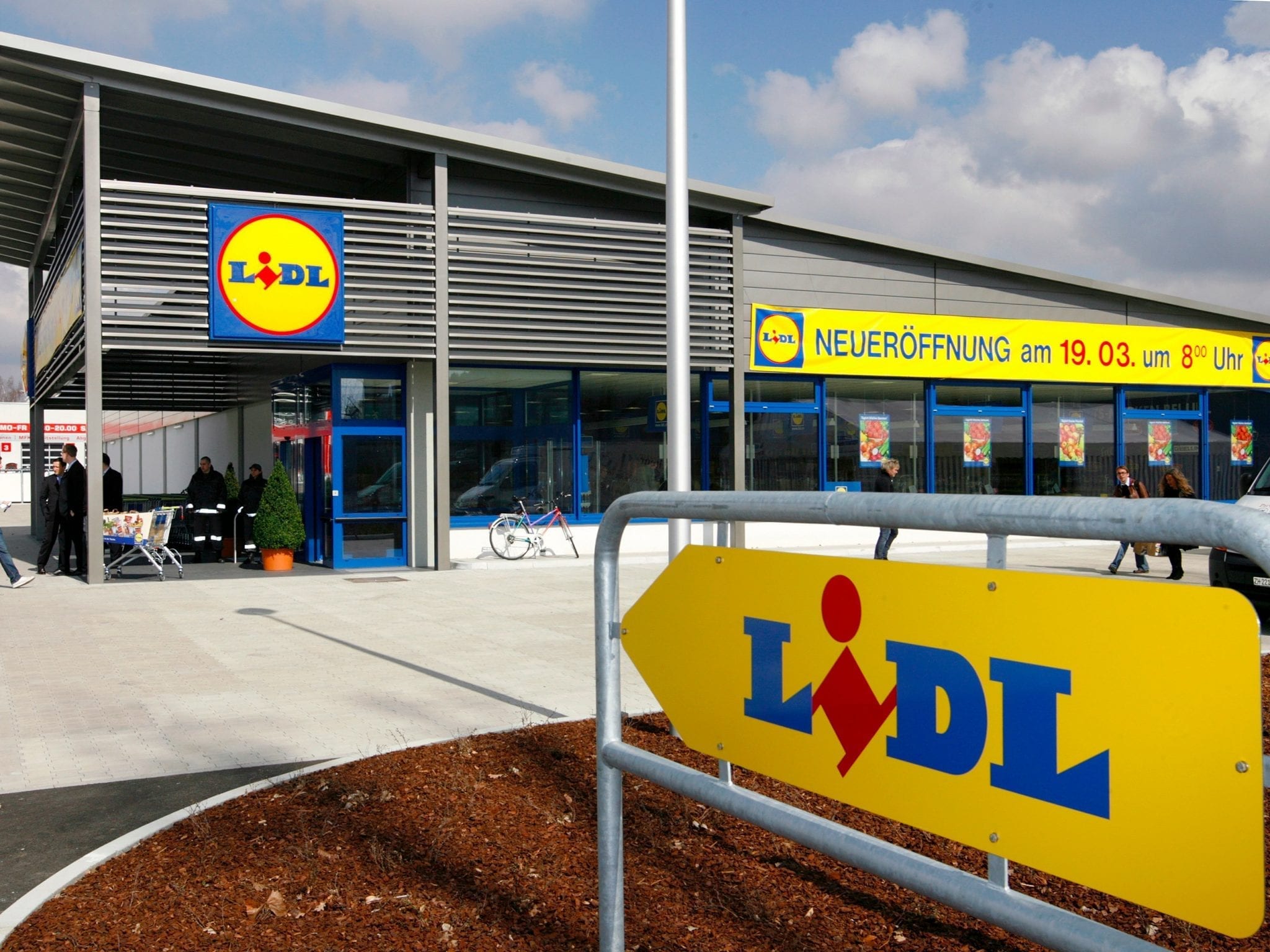
  • Lidl Expands Supply Chain Strategy by Tapping into Vietnam and Malaysia Markets

    Lidl Expands Supply Chain Strategy by Tapping into Vietnam and Malaysia Markets

    In a strategic move to bolster its supply chains amidst global uncertainties, Lidl, one of Europe’s largest supermarket chains, is setting its sights on sourcing more products from Vietnam and Malaysia. This shift marks a significant step in the company’s ongoing efforts to diversify its supply chain and mitigate risks associated with reliance on traditional markets.

    Part of Germany’s influential Schwarz Group, Lidl’s expansion strategy includes an impressive milestone: the establishment of its Tailwind Shipping Lines in 2022. This venture was launched in the wake of the COVID-19 pandemic, designed to streamline logistics and enhance control over its supply chain operations, specifically from regions such as China, Bangladesh, and Sri Lanka to its European stores. In a surprising twist, Tailwind has quickly risen to become Germany’s second-largest shipping company, boasting a fleet of nine container ships.

    As Lidl navigates these turbulent waters of the global marketplace, its focus on Vietnam and Malaysia not only reflects a pragmatic response to supply chain vulnerabilities but also highlights the increasing importance of Southeast Asia in global retail sourcing. The company’s proactive strategy serves as a case study for others in the industry, showcasing how adaptability is crucial for thriving in an ever-evolving economic landscape.

    Questions & Answers

    What motivated Lidl to increase sourcing from Vietnam and Malaysia?
    Lidl aims to diversify its supply chains amid global uncertainties, minimizing reliance on traditional markets, especially after disruptions caused by the COVID-19 pandemic.

    What is Tailwind Shipping Lines, and why is it significant for Lidl?
    Tailwind Shipping Lines, launched by Lidl’s parent company Schwarz Group, allows for tighter control over logistics and has quickly become Germany’s second-largest shipping firm, enhancing the efficiency of getting goods to Lidl stores.

    How does Lidl’s strategy reflect broader trends in global retail?
    Lidl’s move underscores the growing importance of Southeast Asia for retail sourcing, highlighting the need for companies to adapt quickly to supply chain challenges in a rapidly changing economic environment.

  • Dollar Surges to New Peak Against Dong: What It Means for Retail and Consumers

    Dollar Surges to New Peak Against Dong: What It Means for Retail and Consumers

    On Wednesday morning, the U.S. dollar surged to an all-time high against the Vietnamese dong, intensifying its ascent while remaining at a three-and-a-half-year low against other major currencies.

    The Vietcombank sold the greenback at VND26,323, reflecting a modest increase of 0.05% from the previous record of VND26,310 set on June 24. However, on the black market, the dollar retreated by 0.26% from Tuesday, trading at around VND26,440.

    Since the beginning of the year, the U.S. dollar has appreciated by 3.02% against the dong, showcasing its growing strength in the local financial landscape.

    This week, the State Bank of Vietnam responded by raising its reference rate by 0.05% to VND25,070, aiming to stabilize the currency’s value.

    Globally, while the dollar soared against the dong, it faced challenges, hovering near its weakest levels since February 2022 against major counterparts. Market players are digesting dovish remarks from Federal Reserve Chair Jerome Powell and deliberating the potential implications of President Donald Trump’s spending bill, according to reports from Reuters.

    Notably, the dollar index, which gauges its performance against six major currencies, crept slightly upward to 96.677, yet remained close to its earlier low of 96.373. The greenback stabilized at 0.7906 Swiss franc, recovering slightly from a dip to 0.7873 franc during the previous session.

    The euro held steady at $1.1802, lingering near its overnight high of $1.1829, while sterling edged up to $1.37435, inching closer to Tuesday’s peak of $1.3787, a level not seen since October 2021. The dollar regained some ground against the yen, rising by 0.1% to 143.59 yen after a 0.4% decline in the previous session.

    Questions & Answers

    What does the recent increase in the dollar’s value against the Vietnamese dong indicate?
    The rise signifies a growing strength of the U.S. dollar in Vietnam’s financial landscape, influenced by global market dynamics and local currency policy adjustments.

    How has the State Bank of Vietnam responded to the dollar’s surge?
    To combat the dollar’s increasing value, the State Bank raised its reference rate by 0.05% to VND25,070, aiming to stabilize the local currency.

    What are the implications of Federal Reserve Chair Jerome Powell’s remarks for the dollar?
    Powell’s dovish hints suggest a more cautious approach to interest rate hikes, impacting global perceptions of the dollar’s strength among traders worldwide.

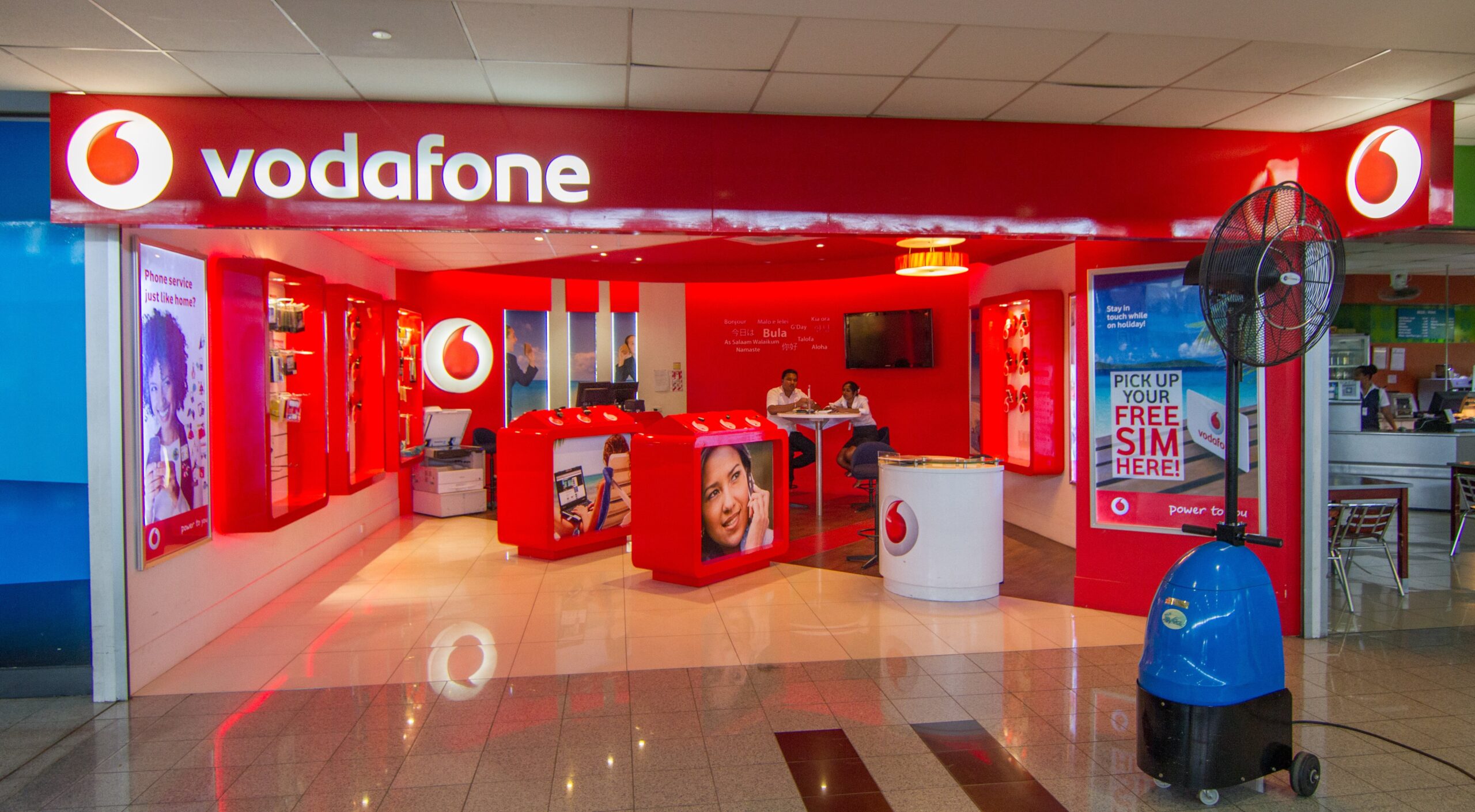
  • Vodafone Idea Expands 5G Network to 23 New Cities – What It Means for Customers!

    Vodafone Idea Expands 5G Network to 23 New Cities – What It Means for Customers!

    Vodafone Idea (Vi) is on an ambitious path to strengthen its 5G network, announcing plans to expand services to 23 additional cities across India. The targeted cities for this rollout include prominent locations like Ahmedabad, Agra, Aurangabad, Kozhikode, Cochin, Dehradun, Indore, Jaipur, Kolkata, and many more, demonstrating the company’s commitment to improving connectivity in both urban and semi-urban areas.

    Building on Recent Success

    This latest announcement follows the successful launch of 5G services in major hubs such as Mumbai, Delhi-NCR, Bengaluru, Chandigarh, and Patna, marking a significant step in Vi’s strategy to cover 17 key regions where it holds 5G spectrum rights.

    Innovation Through Collaboration

    To enhance its network capabilities, Vodafone Idea is not just resting on its laurels. The company is leveraging artificial intelligence (AI) through self-organizing networks (SON) and is teaming up with industry giants including Nokia, Ericsson, and Samsung. This collaboration aims to boost both its 4G and 5G infrastructures, aptly showcasing how partnerships can supercharge technological advancements in the sector.

    CTO’s Vision for the Future

    Jagbir Singh, CTO of Vodafone Idea, expressed his enthusiasm for the ongoing rollout. “Our 5G rollout is progressing steadily in a phased manner, and we’re excited to bring next-gen connectivity to more users. At the same time, we’re strengthening our 4G network to ensure a seamless experience for our users. With enhanced indoor coverage, increased capacity, and 84% population coverage with our 4G network, we remain focused on delivering superior digital experiences to Vi users,” he noted. It’s a promise that not only aims to keep users connected but also to enhance their overall digital experience — because who wouldn’t want to binge-watch their favorite shows in superfast 5G?

    Questions & Answers

    What cities will see the expansion of Vodafone Idea’s 5G network?
    Vodafone Idea plans to expand its 5G network to 23 cities, including Ahmedabad, Agra, Aurangabad, Kozhikode, and Kolkata, among others.

    What technology does Vodafone Idea employ to enhance its networks?
    The company is utilizing AI-based self-organizing networks (SON) and collaborating with Nokia, Ericsson, and Samsung to bolster both its 4G and 5G networks.

    What is the current coverage of Vodafone Idea’s 4G network?
    Vodafone Idea boasts an impressive 84% population coverage with its 4G network, aiming to provide a seamless experience for its users.

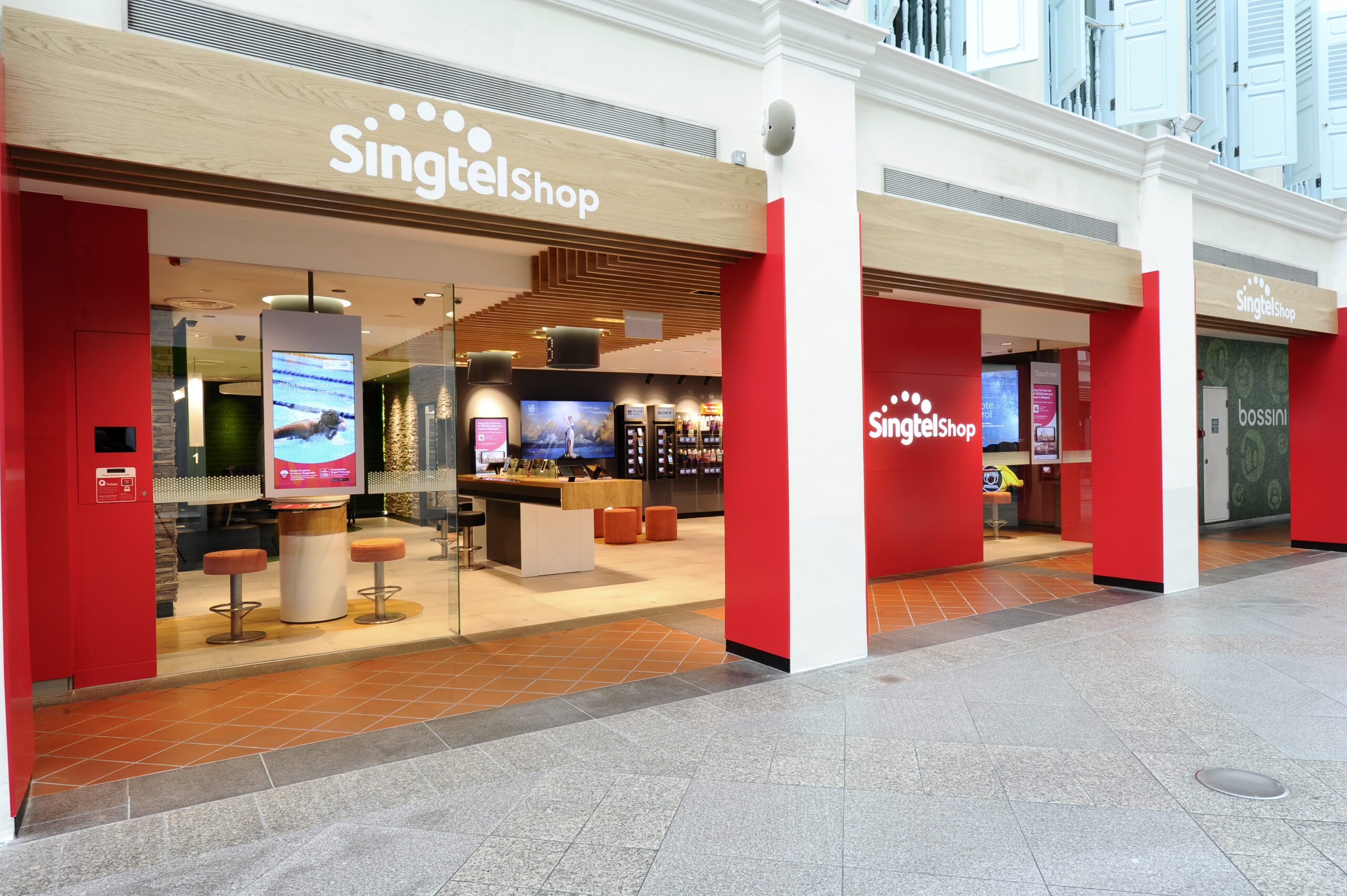
  • Singtel CEO Earns $6.4M as Company’s Performance Soars, Highlighting Strong Growth in Telecom Sector

    Singtel CEO Earns $6.4M as Company’s Performance Soars, Highlighting Strong Growth in Telecom Sector


    In the latest financial report, telecommunications titan Singtel announced that its CEO, Yuen Kuan Moon, received a total compensation of SGD 8.2 million (approximately US$6.4 million) for the fiscal year ending March 31, 2025, marking a notable 16% increase from the previous year.

    The surge in Yuen’s remuneration reflects a remarkable corporate performance, with Singtel’s net profit skyrocketing by over 400% to SGD 4.02 billion. This impressive growth owes much to a one-time windfall of SGD 1.3 billion from the partial sale of its Comcentre headquarters, as reported by *The Straits Times*.

    Thriving Under Pressure

    Such stellar results are in line with the Singtel28 plan, a strategic initiative introduced by Yuen in 2024, designed to enhance operational efficiency while capitalizing on burgeoning growth trends. The plan focuses on delivering long-term value to shareholders, transforming Singtel into a leaner, more dynamic entity amidst the fast-changing telecommunications landscape.

    Breaking Down the Earnings

    Yuen’s sizable remuneration package comprised a salary of SGD 1.3 million, benefits totaling SGD 77,808, a cash bonus of SGD 2.2 million, along with an impressive SGD 4.6 million in share awards, as detailed by *Singapore Business Review*.

    A Transformative Leader

    Singtel commended Yuen for spearheading one of the organization’s most strategic transformations, repositioning it for growth amid a backdrop of rapid digitalization and industry disruption. His strategic reset, initiated at the start of his leadership, has fundamentally reshaped the group’s focus toward connectivity, digital services, and infrastructure.

    Paving the Way for the Future

    Yuen, who stepped into the role of group CEO in 2021 after overseeing Singtel’s Singapore consumer business since 2012, has played a pivotal role in the integration of consumer and enterprise sectors across Singapore and Australia. Under his stewardship, the company has expanded its digital services portfolio with NCS and launched Nxera, a regional data center venture poised to enhance its capabilities in a digital-first world.

    Questions & Answers

    How has Yuen Kuan Moon’s leadership affected Singtel’s performance?
    Yuen has driven significant changes in Singtel’s operations, leading to a net profit increase of over 400% and the successful implementation of the Singtel28 plan, aimed at long-term shareholder value.

    What does the compensation package for Yuen Kuan Moon reflect?
    The SGD 8.2 million compensation package reflects not just an increase in salary, but also a recognition of the company’s robust financial performance and Yuen’s strategic initiatives during a transformative period for Singtel.

    What key initiatives has Yuen implemented since becoming CEO?
    Since his appointment, Yuen has integrated consumer and enterprise services across markets, strengthened digital offerings through NCS, and launched Nxera to expand data center operations, positioning Singtel at the forefront of a rapidly evolving telecommunications sector.

  • Japanese Telecom Leaders Join Forces to Establish Innovative Disaster Relief Network

    Japanese Telecom Leaders Join Forces to Establish Innovative Disaster Relief Network

    In a landmark move for disaster management, Japan’s eight major telecommunications giants—Nippon Telegraph and Telephone Corporation, NTT East, NTT West, NTT DOCOMO, NTT DOCOMO BUSINESS (collectively known as the NTT Group), KDDI Corporation, SoftBank Corp., and Rakuten Mobile—are set to launch an innovative information-sharing system in July 2025. This collaborative effort, part of the ambitious Connect to Change project, aims to enhance communication support in the aftermath of large-scale disasters.

    The Power of Collaboration in Crisis Situations

    The initiative builds on a framework established on December 1, 2024, created to streamline the restoration of communication networks during emergencies. Historically, when natural disasters struck, telecommunications providers operated largely in silos, leading to redundant efforts and uneven service distribution. This new system promises to revolutionize how major carriers respond, ensuring more equitable and timely aid to communities in distress.

    A New Era of Connectivity: What to Expect

    Scheduled to roll out in mid-2025, the system introduces several vital features aimed at bolstering disaster response. It will facilitate the sharing of essential information about evacuation centers, including the availability of free Wi-Fi and charging stations. In a twist of innovation, easily accessible contact details for each carrier’s disaster support services will ensure that no question goes unanswered when urgency is at its peak.

    Moreover, local governments and telecom companies will showcase this system during disaster prevention drills, helping to raise awareness among residents about preparedness strategies. It’s like a techie safety net, ensuring that everyone knows where to find help when reality goes awry.

    Inclusive Access: A Safety Network for All

    The collaborative approach will allow anyone in evacuation centers to access crucial communication and charging services, irrespective of their mobile carrier. This inclusivity is a game changer, ensuring that even those caught in challenging circumstances can remain connected and informed.

    Strengthening Ties for a Safer Future

    Looking ahead, the companies involved are committed to deepening their collaboration by assigning specific responsibilities to support designated evacuation centers. This enhanced coordination will expedite and fortify the response efforts in regions hit hard by disasters, reflecting a unified dedication to building a more resilient and sustainable society in Japan.

    Questions & Answers

    What is the purpose of the new information-sharing system among Japan’s telecom companies?
    The system aims to improve disaster response by facilitating communication and resource-sharing during emergencies, ensuring that affected communities receive timely and equitable support.

    When is the information-sharing system expected to launch?
    The system is set to begin operations in July 2025, following the establishment of a collaborative framework initiated in December 2024.

    How will the new system benefit evacuees during disasters?
    It will provide access to essential communication services and charging stations in evacuation centers, allowing individuals to stay connected, regardless of their telecommunications provider.

  • Ferrari Unveils Ambitious Plans for Next Showstopper Model in Exciting New Era!

    Ferrari Unveils Ambitious Plans for Next Showstopper Model in Exciting New Era!

    New Model: Ferrari’s Enchanting Amalfi Steals the Spotlight

    Ferrari’s latest masterpiece, the Amalfi, made its debut in an extraordinary unveiling in Maranello, where an air of palpable excitement filled the room. With journalists present under strict embargo, the event showcased a car designed not just for speed, but to captivate the senses. And for those longing for a touch of nostalgia, the Amalfi brings back the iconic start button—much to the relief of fans who missed it in the Roma.

    The Amalfi, a front-mid-mounted V8 coupé, aims to enchant rather than overwhelm. With a formidable 640 horsepower and a top speed of 320 km/h, it’s the kind of car that impresses with its capability, yet remains inviting for those seeking a less aggressive take on Ferrari’s renowned automotive artistry.

    Learning from Success: A Shift in Ferrari’s Strategy

    Ferrari’s approach has already demonstrated success with its Roma model. Launched in 2019 and available since 2020, the Roma has effectively attracted a new clientele with its blend of elegance and modernity. The Swiss market offers a telling illustration of this trend, where the Roma has surpassed the more provocative F8 in popularity, with a total of 413 registrations since its introduction.

    Interestingly, the Roma appeals particularly to those drawn to a more lifestyle-oriented Ferrari. Swiss registration statistics show that while the 812 remains a powerhouse with 482 registrations, the more understated Roma has proven that demand exists for a Ferrari that prioritizes beauty and daily usability over sheer performance. It’s like finding that perfect balance between a coffee shop ambiance and high-octane racing fuel—who knew elegance could fuel such fervor?

    The Amalfi: Designed to Delight

    Starting at approximately 240,000 euros, the Amalfi positions itself competitively against models like the Porsche 911 Carrera GTS and Aston Martin DB12. Its pricing, combined with elegant design and friendly demeanor, may entice first-time buyers who may be ready to say “yes” to Ferrari. Remarkably, around half of the clientele for these new models consists of individuals new to the brand.

    Equipped with innovative features such as a brake-by-wire system and an active rear wing that generates up to 110 kg of downforce at high speeds, the technical prowess of the Amalfi is impressive. However, its true allure lies within, where Ferrari has opted to reintegrate beloved physical controls—like the start button—into the driving experience.

    The Human Touch in a Digital Age

    This shift aims to cater to those who crave a tangible connection with their vehicles. Ferrari’s marketing chief, Enrico Galliera, noted during the unveiling, “It’s an admission that drivers are human—and humans love to feel.” The car’s interior not only reflects this philosophy but also retains the Roma’s minimalist elegance while adding a sharper, sculptural look. A redesigned center tunnel enhances a sense of space, complemented by three main displays, including a striking 10.25-inch central screen for modern convenience.

    For those who desire an indulgent experience, amenities like ventilated massage seats and a premium Burmester audio system promise to transform every drive into a memorable journey—whether coasting along the coastal roads of Italy or tackling the dynamic bends of Alpine passes.

    The Amalfi’s name is inspired by Italy’s iconic coastal region, symbolizing what Ferrari hopes to convey: an open invitation to experience “La Dolce Vita” on four wheels. It’s an enticing call to immerse oneself in the exceptional world of Ferrari.

    Questions & Answers

    What is the main appeal of the Ferrari Amalfi?
    The Amalfi is designed to enchant rather than overwhelm, featuring a blend of beauty, functionality, and authentic Ferrari performance that prioritizes everyday usability.

    How has the Roma influenced Ferrari’s market strategy?
    The Roma has successfully attracted a new customer base with its contemporary design, proving that there’s a significant demand for Ferraris that emphasize elegance over raw aggression.

    What notable features does the Amalfi bring back?
    The Amalfi reintroduces the beloved physical start button, reflecting Ferrari’s commitment to providing a tactile and engaging driving experience in a digital age.

  • Road to Batik 2025: Sparking the Future of Digital Innovation in Retail

    Road to Batik 2025: Sparking the Future of Digital Innovation in Retail

    The Bali Annual Telkom International Conference (BATIC) is set to make waves with its landmark 10th edition, taking place from August 26th to 29th, 2025, at the upscale Bali International Convention Center within the luxurious Westin Resort in Nusa Dua. This year’s theme, ‘Igniting Tomorrow’s Digital Evolution’, encapsulates the industry’s transition from traditional infrastructure to fostering intelligent, inclusive, and sustainable digital ecosystems.

    Where Innovation Meets Connection

    Building on the momentum of last year’s gathering, BATIC 2025 promises to be a nexus for global tech leaders, digital disruptors, and groundbreaking infrastructure innovators, collectively exploring the exciting frontiers of digital evolution. Attendees can expect a rich tapestry of forward-looking keynotes, dynamic panel discussions, and interactive sessions designed to reimagine how digital infrastructure plays a pivotal role in an increasingly hyperconnected world.

    Expanding Horizons: Beyond Just Connectivity

    This year’s agenda ventures beyond mere cables and cloud services, placing a spotlight on how connectivity serves as a catalyst for innovation across various industries. Key themes include ‘Laying the Digital Foundation,’ which will delve into the essential role of robust and secure networks in enhancing artificial intelligence (AI) capabilities, streamlining advanced messaging, and elevating next-generation digital experiences. Additionally, ‘Next-Gen Infrastructure: Enabling the Tech Revolution’ will unite top industry minds to discuss the transformative power of next-gen networks in reshaping global connectivity. Not to be overlooked, ‘Unveiling Technology in Shaping Today’s World’ will center on AI, immersive technologies, and other disruptive innovations, promising insights that might just spark the next big idea.

    The Premier Forum for Shaping Digital Futures

    BATIC 2025 will not just be another conference; it’s poised to be the premier platform for dialogue and collaboration in the digital sphere. With its inclusive and engaging environment, the event encourages industry leaders to forge connections, build partnerships, and ultimately shape the future of global connectivity. It’s the place where ideas will flow as freely as the island’s famous cocktails—or at least that’s the hope!

    Questions & Answers

    What is the main theme for BATIC 2025?
    The main theme for BATIC 2025 is ‘Igniting Tomorrow’s Digital Evolution,’ focusing on enabling intelligent, inclusive, and sustainable digital ecosystems.

    Who can attendees expect to meet at BATIC 2025?
    Attendees will have the opportunity to connect with global tech leaders, digital disruptors, and infrastructure innovators, all of whom will explore new phases of digital evolution.

    What are some key topics that will be discussed at the event?
    Key topics will include the critical role of robust networks in AI, the transformation of global connectivity through next-gen infrastructure, and innovations in immersive technology.

  • Japanese Telecom Giants Join Forces to Launch Innovative Disaster Relief Network

    Japanese Telecom Giants Join Forces to Launch Innovative Disaster Relief Network

    Japan’s leading telecommunications giants—Nippon Telegraph and Telephone Corporation, NTT East, NTT West, NTT DOCOMO, NTT DOCOMO BUSINESS (together known as the NTT Group), KDDI Corporation, SoftBank Corp., and Rakuten Mobile—have unveiled plans for a groundbreaking information-sharing system set to launch in July 2025. This initiative, branded the Connect to Change project, aims to enhance disaster response strategies across the nation.

    Strengthening Emergency Communication

    In times of natural disasters, telecommunications serve as a lifeline, especially at evacuation centers. Historically, each provider has approached disaster response independently, which sometimes led to redundancies and uneven service coverage across regions. The new system seeks to resolve these issues by fostering collaboration among carriers, allowing them to share vital resources and information. This coordinated effort promises a more effective and equitable response to those in need during emergencies.

    A Clearer Path to Connection

    Scheduled to be fully operational by July 2025, the information-sharing infrastructure will boast a variety of essential features. It will enable carriers to disseminate information related to evacuation centers, including the availability of free Wi-Fi and charging stations. Users will also find easy access to contact details for disaster support services across all networks. Additionally, both telecom companies and local governments will showcase this system during disaster preparedness drills, emphasizing community awareness and proactive measures.

    A Community-Centric Approach

    One of the standout features of this initiative is its inclusivity. Regardless of their carrier, individuals in evacuation centers will have access to communication and charging services, ensuring that vital information remains accessible to all during crises. This thoughtful measure underscores the commitment of these telecommunications companies to keep communities linked, particularly in trying times.

    Scaling Up Collaborative Efforts

    Looking ahead, the eight major players in Japan’s telecommunications sector intend to further strengthen their partnership by designating specific responsibilities for various evacuation centers. This collaborative approach is geared towards speeding up response efforts and bolstering support in areas affected by disasters. Ultimately, this initiative not only demonstrates a commitment to enhanced communication but also reflects a broader ambition to cultivate a more resilient and sustainable society—something Japan, with its frequent natural calamities, desperately needs. It turns out, when it rains, it pours, but it’s nice to know that connectivity will stay afloat!

    Questions & Answers

    What is the Connect to Change project?
    The Connect to Change project is a collaborative initiative by Japan’s major telecommunications companies aimed at enhancing disaster response and communication during emergencies, scheduled to launch in July 2025.

    How will the information-sharing system improve disaster response?
    By allowing carriers to coordinate and share information regarding evacuation centers and available services, the system will reduce redundancy and ensure more equitable and timely support reaches affected individuals.

    What kind of services will be offered at evacuation centers?
    Evacuation centers will provide access to communication services, such as free Wi-Fi and charging stations, available to anyone, regardless of their service provider, ensuring vital information can be accessed during emergencies.

  • Ant Unveils Innovative AI Travel Companion Integrated into Mobile Wallets for Seamless Adventures

    Ant Unveils Innovative AI Travel Companion Integrated into Mobile Wallets for Seamless Adventures

    Retailing giants in Asia are grappling with the delicate balance of managing supply chain disruptions and keeping pace with ever-changing consumer expectations. As economies rebound from the impacts of the pandemic, retailers are re-evaluating their strategies to navigate an increasingly competitive landscape.

    Adapting to Shifting Consumer Behaviors

    According to recent reports, consumer preferences in Asia are shifting dramatically. In a bid to cater to the growing demand for seamless shopping experiences, retailers are investing heavily in technology. From advanced inventory management systems to mobile payment solutions, the focus is on creating frictionless interactions both online and in-store. “Consumers want convenience; they want it now. If we can’t deliver that, we risk losing their business,” said Mei Chen, a retail analyst in Shanghai.

    Sustainable Practices Take Center Stage

    Another notable trend is the rise of sustainable retail practices. As climate awareness increases among shoppers, brands across Asia are stepping up their efforts to incorporate eco-friendly practices. From sourcing sustainable materials to implementing recycling initiatives, companies such as Tokyo-based Uniqlo are leading the charge toward a greener future. In a surprising twist, some brands are even rewarding consumers for returning items for recycling, turning sustainability into a rewarding experience.

    The E-commerce Boom Continues

    The pandemic may have accelerated the e-commerce boom, but it seems to be here to stay. Data shows that online shopping is now a staple for many consumers in Asia, leading traditional retailers to rethink their brick-and-mortar approaches. As digital giants like Alibaba and JD.com continue to thrive, smaller retailers are also recognizing the need for a robust online presence. “It’s almost as if the physical store has transformed into a showcase, while e-commerce does the heavy lifting,” noted Raj Patel, an analyst based in Mumbai.

    Collaborative Strategies on the Rise

    In a surprising twist on competition, retailers are increasingly collaborating to enhance their offerings. Partnerships between tech firms and retail giants are blossoming, helping both parties tap into new consumer bases. For instance, the collaboration between a leading grocery chain and a digital health startup has resulted in combined rewards programs that benefit customers on multiple fronts. “We’re no longer just competing with one another; we’re finding new ways to grow collectively,” remarked Jaspreet Kaur, head of retail strategy at a major conglomerate in Bangalore.

    Embracing Omnichannel Retailing

    The omnichannel retail strategy has become a buzzword, with companies integrating various platforms to enhance customer experience. This strategy not only streamlines operations but also fosters greater brand loyalty. Retailers are realizing that today’s consumers often blend their shopping experiences, moving seamlessly between online and offline environments. “You can’t just be a one-trick pony anymore,” said Chao Wei, a representative for a major electronics retailer in Beijing.

    Looking Ahead

    As Asia’s retail landscape continues to evolve, industry leaders face the challenge of maintaining relevance while adapting to new paradigms. Those who embrace innovation, prioritize sustainability, and harness collaboration stand to thrive in a dynamic market. With consumer expectations at an all-time high, the race to keep up is not just a sprint; it’s a marathon, filled with opportunities and surprises for those willing to take the leap.

    Questions & Answers

    What strategies are retailers in Asia adopting to meet consumer expectations?
    Retailers are investing in technology for seamless shopping experiences, emphasizing convenience, and focusing on eco-friendly practices to appeal to sustainability-conscious consumers.

    How has e-commerce affected traditional retail in Asia?
    The e-commerce boom has led traditional retailers to adapt their business models, often transforming physical stores into showrooms while boosting their online presence to reach customers more effectively.

    What is the significance of collaboration among retailers in the current market?
    Collaboration allows retailers to leverage each other’s strengths, expand consumer reach, and provide innovative solutions that benefit both businesses and customers, making the retail landscape more dynamic.

  • Bitcoin Suisse Reports Record Revenue Surge, Multi-Million Profit, and Bold International Growth Plans

    Bitcoin Suisse Reports Record Revenue Surge, Multi-Million Profit, and Bold International Growth Plans

    Bitcoin Suisse Turns Profit and Eyes Global Markets

    Bitcoin Suisse is on the rebound, marking a significant turnaround in its financial fortunes and gearing up for international expansion. At its recent Annual General Meeting held in late June, the Zug-based crypto broker proudly announced a remarkable net profit of 16 million francs for the fiscal year 2024. This recovery comes on the heels of a 13 million franc loss in 2023, with revenues soaring by 56 percent compared to the previous year.

    Over the last year, Bitcoin Suisse has intensified its efforts to solidify its status as a leader in the global crypto financial services sector. The firm has embraced technological advancements, accelerating automation and optimizing workflows to enhance operational efficiency. Additionally, they have integrated advanced data analytics tools to elevate the client experience. Notably, Bitcoin Suisse became the first Swiss crypto service provider to support the Babylon Bitcoin Staking protocol, expanding Bitcoin’s staking capabilities further. Who knew staking could be hip?

    Global Aspirations: Middle East Entry

    2024 has been a pivotal year for Bitcoin Suisse as it embarks on international expansion. The company established a new subsidiary, BTCS (Middle East) Ltd., which received in-principle approval from the Financial Services Regulatory Authority (FSRA) of the Abu Dhabi Global Market (ADGM) this May. This crucial step sets the stage for obtaining full licensing, allowing Bitcoin Suisse to diversify its offerings and provide regulated crypto financial services in the Middle East. These services will include trading virtual assets, dealing in crypto securities and derivatives, along with local custody solutions.

    “Our strategic focus on international growth and client-centric innovation is stronger than ever,” asserted CEO and co-founder Andrej Majcen during the AGM, displaying a renewed confidence in the company’s direction.

    Boardroom Shake-Up Introduces Fresh Perspectives

    In addition to its financial successes, Bitcoin Suisse also announced a shift in its board of directors. Giles Keating has stepped down, making way for Guenther Dobrauz-Saldapenna, who brings a wealth of experience from his leadership role in PwC’s global Crypto Practice. Dobrauz-Saldapenna is also a co-founder and partner at Exelixis Capital, a Swiss investment firm specializing in venture capital, and leads the Dobrauz-Saldapenna family office.

    The current board now consists of:

    Marco Menotti, Chairman of the Board; Luzius Meisser; Gabriela Hauser-Spühler; Philipp Rösler; Ani Banerjee; and newly appointed Guenther Dobrauz-Saldapenna.

    Questions & Answers

    What financial recovery did Bitcoin Suisse achieve in 2024?
    Bitcoin Suisse reported a net profit of 16 million francs for the year 2024, rebounding from a loss of 13 million francs in 2023.

    What steps has Bitcoin Suisse taken to expand internationally?
    The company established a subsidiary in the Middle East, BTCS (Middle East) Ltd., which has received in-principle approval from the FSRA of the Abu Dhabi Global Market, paving the way for offering regulated crypto financial services.

    Who joined Bitcoin Suisse’s board of directors recently?
    Guenther Dobrauz-Saldapenna joined the board following the departure of Giles Keating, bringing extensive expertise in crypto and venture capital to the organization.

  • UBS Announces Early Redemption of Bond and AT1 Instrument: What It Means for Investors

    UBS Announces Early Redemption of Bond and AT1 Instrument: What It Means for Investors

    UBS Streamlines Funding with Early Bond and Tier 1 Capital Redemption

    In a strategic maneuver aimed at refining its funding structure, UBS is set to redeem both a bond and an Additional Tier 1 (AT1) instrument ahead of schedule. The Swiss banking titan has announced optional redemption dates that position it to manage its capital more effectively.

    Utilizing its call option, UBS will redeem Fixed Rate/Floating Rate Senior Callable Notes amounting to USD 1.5 billion on July 15, 2025, a full year ahead of the original maturity date. These notes carry a notable coupon of 6.373 percent. Investors will have until July 11, 2025, to trade the securities, which were issued by the bank in 2022. Impressively, the bond is identified under ISIN: US225401AY40 (144A) and USH3698DDR29 (Reg S).

    In a related development, UBS will also redeem its Tier 1 Capital Notes issued in 2015, valued at USD 1.575 billion and featuring a coupon of 6.875 percent. This redemption is scheduled for August 7, 2025, with the last trading day set for August 5. Such proactive measures highlight a growing trend among financial institutions to optimize their capital positions amid an evolving economic landscape.

    According to UBS’s first-quarter report, the bank holds USD 162 billion in outstanding long-term capital market obligations. Of this total, a striking 53 percent is on track to mature within the next three years, signaling a critical juncture in the bank’s financial strategy.

    It seems like UBS is acting with the agility of a seasoned chess player, always thinking two moves ahead. This careful planning not only reflects prudence but also sets a notable example in the ever-competitive financial sector.

    Questions & Answers

    What prompted UBS to redeem its bonds and AT1 instruments early?
    UBS aims to enhance its funding structure and optimize its capital management, which is reflected in its decision to redeem these financial instruments ahead of their maturity dates.

    What are the specifics of the bonds being redeemed by UBS?
    UBS will redeem USD 1.5 billion in Fixed Rate/Floating Rate Senior Callable Notes with a coupon of 6.373 percent on July 15, 2025, and USD 1.575 billion in Tier 1 Capital Notes with a coupon of 6.875 percent on August 7, 2025.

    How much of UBS’s long-term obligations are set to mature soon?
    As of the end of April, approximately 53 percent of UBS’s USD 162 billion in outstanding long-term capital market obligations is scheduled to mature within the next three years.

  • Royaloak Furniture Expands Horizons: Launches Three Exciting Stores in the UAE Market!

    Royaloak Furniture Expands Horizons: Launches Three Exciting Stores in the UAE Market!

    As retail dynamics continue to evolve across Asia, innovation and adaptability remain at the forefront of success. In a recent development, a wave of retail businesses is harnessing the power of artificial intelligence (AI) to enhance customer experience and streamline operations. The retail landscape is not just about selling products anymore; it’s about creating memorable experiences that keep consumers returning for more.

    AI Reshaping Customer Engagement

    Artificial intelligence is being integrated into a variety of retail functions, from personalized shopping recommendations to chatbots that provide instant customer service. Leading brands are now leveraging machine learning algorithms to analyze consumer behavior, enabling them to tailor promotions and product placements to individual preferences. This impressive shift raises the question: when did shopping become so personalized that it feels like each customer has their own personal shopper?

    Streamlining Operations

    Moreover, AI is revolutionizing back-end operations, optimizing inventory management, and enhancing supply chain efficiency. Retailers are using predictive analytics to foresee demand trends, ensuring that shelves are stocked with the right products at the right time. This not only minimizes waste but also maximizes profitability.

    Success Stories Across Asia

    In Japan, convenience store chain Seven & I Holdings has implemented AI-driven systems to manage inventory more effectively, while Chinese e-commerce giant Alibaba employs sophisticated algorithms to refine its marketing strategies. Such initiatives are setting benchmarks for other retail businesses, showcasing the tangible benefits of embracing technology in an ever-competitive market.

    The Human Touch

    While technology takes center stage, the importance of human interaction shouldn’t be overshadowed. Retailers are finding the delicate balance between cutting-edge tech and personal touches that make shopping enjoyable and engaging. As the saying goes, “You can’t spell ‘retail’ without ‘tail’,” and those savvy enough to blend both elements stand to thrive.

    Looking Ahead

    As we venture further into the digital age, the relationship between AI and retail will only deepen. The future may see even more creative applications of technology, from augmented reality shopping experiences to AI-driven fashion design. The possibilities are as vast as the Asian markets themselves, tantalizing both retailers and consumers alike.

    Questions & Answers

    How is AI impacting customer engagement in retail?
    AI enhances customer engagement by providing personalized shopping experiences through recommendations and real-time assistance, making consumers feel valued.

    What operational benefits does AI offer to retailers?
    Retailers benefit from AI through better inventory management and supply chain optimization, allowing for more accurate demand forecasting and resource allocation.

    Can human interaction still play a significant role in retail despite the rise of technology?
    Yes, a human touch remains essential; blending technology with personal interactions creates a more enjoyable shopping experience, fostering customer loyalty.

  • Miniso Unveils Innovative Miniso Space Concept, Making Its Debut in China!

    Miniso Unveils Innovative Miniso Space Concept, Making Its Debut in China!

    Global lifestyle brand Miniso has unveiled its inaugural Miniso Space at Deji Plaza in Nanjing, a significant step in its retail evolution that promises an immersive, IP-driven shopping experience. Nestled within one of China’s most prestigious luxury malls, this innovative store format emphasizes a fresh approach to consumer engagement.

    A Creative Fusion of Retail and Entertainment

    Maximizing its footprint, nearly the entire space is dedicated to vibrant collaborations with beloved global intellectual properties such as Disney, Harry Potter, Chiikawa, and Sanrio, among others. Notably, the store also showcases the exclusive debut of the WAKUKU limited-edition collection—definitely the kind of surprise that can make even a seasoned shopper do a double-take.

    With around 30 unique IPs on display, the Miniso Space stands out as one of the brand’s most content-rich offerings to date. Designed to transcend conventional shopping, this venue merges retail with exhibitions and interactive zones, crafting an immersive environment that artfully intertwines entertainment with consumerism.

    Aiming for the Upscale Consumer

    The Miniso Space isn’t merely a store; it’s an experience tailored for luxury mall visitors who crave a premium, trend-focused adventure. This aligns seamlessly with Miniso’s “Joy Philosophy,” aiming to enhance the shopping experience while making it distinctly enjoyable.

    This launch follows the brand’s recent successes with flagship stores in Madrid and Jakarta earlier in 2024, both of which spotlighted IP collaborations and expansive store layouts that cater to evolving consumer tastes. As Miniso continues to push the envelope, it raises the bar for retail innovation in Asia and beyond.

    Questions & Answers

    What makes Miniso Space different from regular stores?
    Miniso Space integrates retail, exhibitions, and interactive zones, creating a unique, immersive shopping experience focused on popular global IP collaborations.

    Which IP collaborations are featured in the Miniso Space?
    The store showcases around 30 collaborations with brands such as Disney, Harry Potter, Chiikawa, and Sanrio, along with an exclusive WAKUKU limited-edition collection.

    How does Miniso’s “Joy Philosophy” shape the shopping experience?
    Miniso’s “Joy Philosophy” emphasizes creating a fun, premium shopping experience that enhances customer satisfaction and engagement, especially suited for luxury mall visitors.