
Author: Mei Ling Tan

  • Philippine Thrift Banks Surge to $19.5 Billion in Assets, Marking 6% Growth in 2024

    Philippine Thrift Banks Surge to $19.5 Billion in Assets, Marking 6% Growth in 2024

    The Philippine thrift banking sector revealed strong performance indicators as it reported total assets reaching $19.5 billion (PHP1.1 trillion) by the end of 2024, marking a 6% increase from the previous year. The data, released by the Chamber of Thrift Banks (CTB) in July 2025, spotlighted significant growth in lending activities, with core loan portfolios expanding by an impressive 14.7% to $13.8 billion (PHP777.28 billion).

    Deposits on the Rise

    Meanwhile, deposit liabilities in the sector also saw an upswing of 4.7%, reaching $14.67 billion (PHP826 billion). This growth reflects a resilient demand for thrift banking services, even as the economy faces various challenges. The sector’s capital base remains robust at $3.08 billion (PHP174 billion), boasting a capital adequacy ratio of 17.88%, comfortably above the regulatory benchmarks.

    A Commitment to Progress

    “We are pleased to report that the Chamber of Thrift Banks has continued to demonstrate remarkable growth and adaptability through the years,” stated CTB President Mary Jane Perreras. Under her leadership, the CTB is advocating for crucial regulatory adjustments, including a proposed reduction of the Minimum Liquidity Ratio from 20% to 16%, to better align with the realities of thrift banks.

    Digital Innovation Takes Center Stage

    Perreras noted that many member banks have successfully enhanced their digital infrastructure and adopted advanced cybersecurity protocols. “In today’s interconnected financial landscape, offering digital literacy programs is essential to protecting consumers,” she asserted. Collaborations with fintech firms and low-code platform providers have allowed thrift banks to introduce customized digital services with greater efficiency—a move that has infused new energy into traditional banking practices.

    Looking Ahead

    As the sector looks to the future, the CTB remains focused on promoting sound risk management, operational excellence, and sustainable growth. “Our goal is to strengthen the thrift banking sector’s contribution to inclusive economic development, ensuring our members remain key providers of financial access in communities across the country,” Perreras emphasized, hinting at a vision where thrift banks not only survive but thrive in the evolving market landscape.

    Questions & Answers

    What growth rate did Philippine thrift banks achieve in lending activities?
    Philippine thrift banks recorded a significant growth rate of 14.7% in core loan portfolios, totaling $13.8 billion (PHP777.28 billion).

    What initiatives is the CTB pursuing for regulatory changes?
    The Chamber of Thrift Banks is advocating for a reduction in the Minimum Liquidity Ratio from 20% to 16% to better reflect the operational realities of thrift banks.

    How are thrift banks enhancing their services in the digital age?
    Many member banks are upgrading their digital infrastructure, adopting cybersecurity measures, and collaborating with fintech firms to offer customized digital services, thus improving consumer protection and service efficiency.
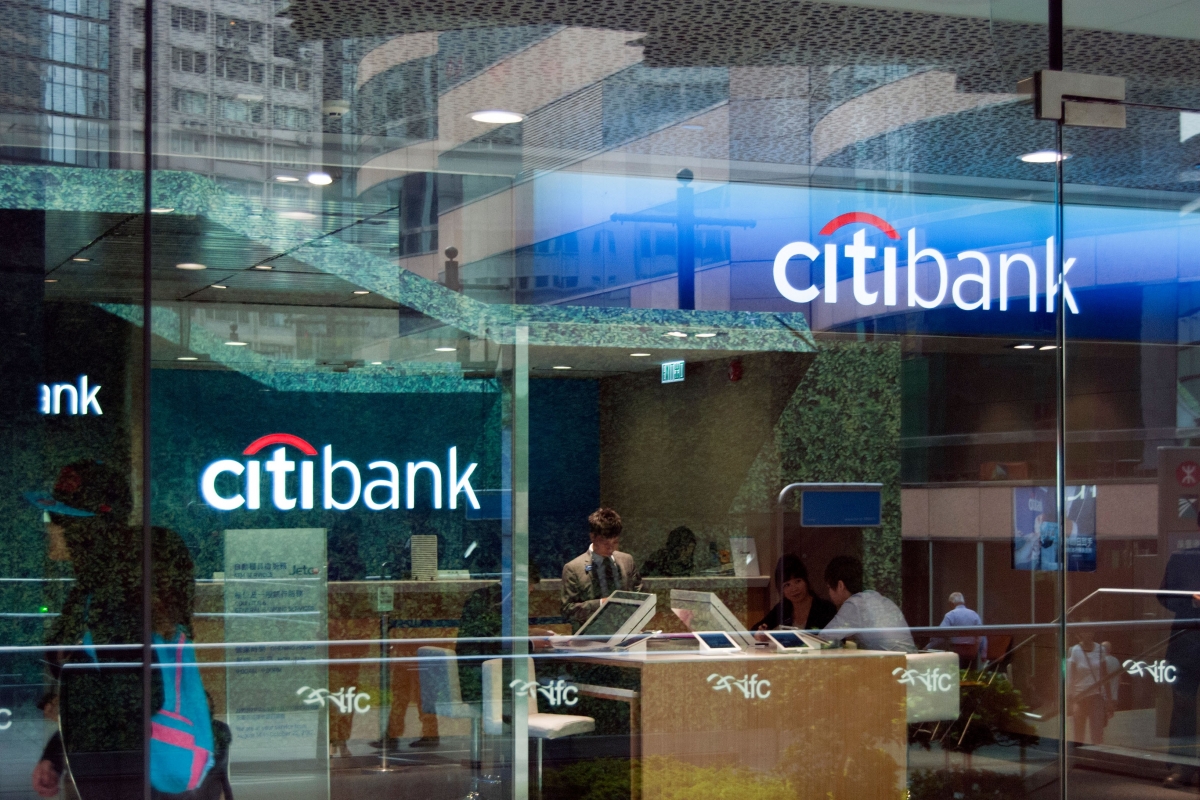

  • Citi Welcomes Nomura’s Senior MD as New Co-Head of Investment Banking in Japan

    Citi Welcomes Nomura’s Senior MD as New Co-Head of Investment Banking in Japan

    Citi has tapped Akira Kiyota and Taiji Nagasaka as co-heads of investment banking for Japan, an appointment that took effect on October 1, 2025. This strategic move signals Citi’s commitment to bolstering its operations in one of Asia’s most significant financial markets.

    Bringing Extensive Experience to the Table

    Kiyota joins the ranks of Citi after an impressive tenure at Nomura, where he served as a senior managing director and global head of mergers and acquisitions since 2022. With over three decades of experience in investment banking, Kiyota specializes in mergers and acquisitions as well as in healthcare and consumer coverage, providing valuable insights to clients globally. His prior roles include stints at J.P. Morgan Securities and Sanwa Bank, solidifying his reputation as a heavyweight in the industry.

    Nagasaka’s Deep Roots in the Market

    On the other hand, Nagasaka brings a wealth of knowledge from his current position as managing director and head of Investment Banking products and equity capital markets for Citi in Japan. With over 20 years of experience in advising clients on capital markets transactions and M&A, Nagasaka has been instrumental in navigating the complexities of the Japanese market. He joined Citi in 2022 from Mizuho Securities, where he headed equity capital markets, further sharpening his credentials in an increasingly competitive landscape. It’s safe to say that together, Kiyota and Nagasaka carry enough experience to write a chapter on Japanese investment banking.

    A New Leadership Structure

    The duo will report to Jan Metzger, who oversees investment banking for Japan, Asia North & Australia, as well as Asia South, alongside Robert Nakamura, Citi’s Country Officer and banking head for Japan. This change marks a pivotal moment for Citi as it aligns its leadership structure with its growth ambitions in Asia.

    Expansion of Vice Chair Role

    In a related development, Masuo Fukuda, the vice chair of Citi Japan and head of investment banking, will transition to a new position as Vice Chair for Japan and Asia North investment banking, while also retaining his existing responsibilities. This dual role underscores Citi’s strategy to enhance its leadership footprint in the region.

    Questions & Answers

    What positions have been created at Citi for the investment banking sector in Japan?
    Citi has appointed Akira Kiyota and Taiji Nagasaka as co-heads of investment banking for Japan, effective October 1, 2025.

    What prior experience does Akira Kiyota bring to his new role?
    Kiyota has over 30 years of experience in investment banking, previously serving as global head of mergers and acquisitions at Nomura, and has worked at J.P. Morgan Securities and Sanwa Bank.

    Who will Kiyota and Nagasaka report to in their new roles?
    They will report to Jan Metzger, head of investment banking for Japan, Asia North & Australia, and Robert Nakamura, Citi Country Officer and banking head for Japan.

  • Former HSBC Executive Makes Bold Moves In Hong Kong’s Sluggish Real Estate Market

    Former HSBC Executive Makes Bold Moves In Hong Kong’s Sluggish Real Estate Market

    In a surprising twist for Hong Kong’s real estate landscape, Peter Wong, the former HSBC executive, has been actively investing in the city’s housing market over the past three months. According to Bloomberg, these acquisitions were facilitated through Lion Rock, a local firm where Wong serves as the sole director.

    Luxury Living in Hong Kong’s Prime District

    The most recent transaction, finalized earlier this month, involved the purchase of two connected units within the prestigious Hong Kong Parkview. The deal, valued at an impressive HK$121.5 million, encompasses a generous 4,616 square feet of living space, which translates to a substantial HK$27,080 per square foot ($37,130 per square meter), as detailed by the South China Morning Post. This upscale complex, nestled in the city’s Southern District, continues to attract high-profile buyers even amid market fluctuations.

    A Smart Investment in a Sluggish Market

    Wong’s investment strategy seems particularly bold, considering that just a few months earlier, he had splurged HK$109 million for two adjacent units in another tower of the same development. This flurry of activity occurs against the backdrop of a sluggish Hong Kong housing market, which has grappled with a nearly 30% decline in prices since peaking in 2021. Factors contributing to this downturn include rising mortgage rates, a shift in professional demographics as many expatriates chose to depart the city, and a broader economic malaise, as reported by Reuters. However, signs of life are beginning to emerge; private home prices have actually ticked upwards for two consecutive months in April and May, offering a glimmer of hope for potential recovery.

    Legacy and Influence

    Peter Wong, 73, is not only a seasoned businessman but also holds a prestigious title as the non-executive chairman of HSBC’s Asian entity. His position affords him access to the grand Taipan House, a historic mansion situated on Victoria Peak, once reserved for the bank’s top executive and previous chairmen. The property has been under Wong’s stewardship since 2011, after being acquired in 1983 for the role of HSBC’s top executive.

    Following in Father’s Footsteps

    Interestingly, Peter’s son, Jeremy Wong, is also making waves in the business world; his LinkedIn profile indicates his current role at HSBC, along with a directorship at Energy World, a local enterprise that includes his mother, Camay Wong, and Peter Wong. This family affair in business adds a personal touch to the unfolding story of Hong Kong’s real estate investment landscape.

    Questions & Answers

    What inspired Peter Wong’s recent real estate purchases in Hong Kong?
    Peter Wong’s investments are likely driven by his confidence in the recovering Hong Kong housing market, despite its recent downturn. The strategic acquisitions at this time suggest he sees significant potential as signs of price increases emerge.

    How has the Hong Kong housing market changed recently?
    After enduring a considerable price decline of nearly 30% since 2021, the Hong Kong housing market has shown positive trends with home prices increasing for the last two months, indicating a potential rebound.

    What roles do Peter Wong’s family members play in the business?
    Peter Wong’s son, Jeremy, is active at HSBC and serves on the board of Energy World, a venture that includes both his parents. This family collaboration highlights their ongoing influence in Hong Kong’s business sector.

  • UBS Subsidiary Faces Setback with Loss of Esteemed Banking Mandate

    UBS Subsidiary Faces Setback with Loss of Esteemed Banking Mandate

    Revamping Leasing: Porsche Shifts Focus to Internal Management

    Porsche Switzerland is making a significant pivot in its leasing strategy. In a recent announcement, the iconic sports car manufacturer revealed that it will no longer rely on Bank-now—a subsidiary integrated into UBS following its acquisition of Credit Suisse—for its leasing operations. Instead, Porsche Financial Services Schweiz (PFSCH) will take the reins and manage leasing directly, aided by the operational support of Amag Leasing as an outsourcing partner.

    The End of an Era: Goodbye to Bank-now for Leasing

    For over a decade, Bank-now has held the reins of Porsche’s leasing activities in Switzerland. The specialist in consumer credit and leasing joined UBS after the historic takeover of Credit Suisse, marking a notable partnership since 2008. This recent restructuring reflects a strategic decision by Porsche to bring leasing operations in-house, allowing the company to have more control over key aspects of the value chain. The goal is to enhance flexibility in addressing customer demands and the needs of its dealers amid a rapidly changing automotive landscape.

    Embracing the Future with New Offerings

    The shift allows Porsche to respond more dynamically to evolving market trends driven by the rise of electric vehicles and the increasing importance of digital solutions. “With this strategic realignment, we are strengthening our resilience in an increasingly demanding market environment,” stated Dino Minutolo, Managing Director of PFSCH, underscoring the proactive approach to meet the challenges ahead. Expect a fresh array of tailored financing models to hit the market soon—imagine financing your dream Porsche with a swipe on an app!

    Gaining Independence: A New Chapter

    This newfound autonomy paves the way for Porsche to engage in independent product design while ensuring a closer relationship with its dealers. To facilitate the transition, Porsche will count on Amag Leasing’s expertise for back-office functions and contract processing, allowing them to focus on strategic development and customer service enhancement.

    Bank-now Faces New Challenges

    As Porsche moves forward with PFSCH, Bank-now experiences a notable loss of a high-profile client. The bank chose not to comment on how this change might impact its financial metrics. “Beyond our annual report, Bank-now does not provide information on current business developments,” a representative shared, suggesting that all is not lost as the bank continues working with various strategic partners in vehicle financing.

    The Bigger Picture: Bank-now’s Stability

    While Porsche has opted for a new direction, Bank-now reassured stakeholders regarding its collaborative ties with brand-independent garages and extensive dealer networks. The volume of Porsche’s previous leasing business remains a well-guarded secret, as both parties are tight-lipped about the specifics of their financial dealings.

    On a more positive note for UBS Switzerland, Porsche Financial Services’ credit card business, which underwent restructuring last year, still maintains ties with the bank. So, while one door closes, another remains open.

    Financial Health: Bank-now’s Robust Position

    Looking ahead, Bank-now displayed commendable health in its financial reports for the 2024 fiscal year, boasting total assets exceeding CHF 5 billion, equity of CHF 416.3 million, and an operating profit of CHF 39.5 million. With a CHF 73 million dividend distribution to UBS Switzerland, the bank appears to be on steady ground, even as it navigates this noteworthy client transition.

    Questions & Answers

    What prompted Porsche to transition its leasing operations away from Bank-now?
    Porsche decided to take control of its leasing operations to enhance flexibility and better respond to changing customer needs and market dynamics, particularly in the wake of electric mobility and digitalization.

    How does this restructuring affect Bank-now?
    Losing Porsche as a client represents a significant shift for Bank-now. However, the bank continues to collaborate with various strategic partners in vehicle financing, aiming to offset this loss.

    What financial condition is Bank-now currently in?
    Bank-now has reported strong financial health, with more than CHF 5 billion in total assets and a dividend distribution of CHF 73 million to UBS Switzerland, demonstrating its resilience despite recent changes.

  • Cybercriminals Target Organizations with Phony App to Steal Data and Demand Ransoms

    Cybercriminals Target Organizations with Phony App to Steal Data and Demand Ransoms

    In a worrying trend, hackers are escalating their tactics by targeting organizations across Europe and the Americas, employing social engineering to install a modified version of a legitimate data import tool. This seemingly innocuous application opens the door for attackers to steal sensitive information, gain access to cloud services, and navigate through networks, escalating their assaults and demands for extortion.

    Cybercriminals Craft Deceptive Strategies

    Tracking this malicious activity is the threat group known as UNC6040, which makes use of voice phishing, or vishing, to trick unsuspecting employees into downloading the malicious app. Designed to closely imitate a familiar enterprise tool, this rogue application secures an alarming level of access to corporate environments. Once in, it enables the exfiltration of critical data and compromises system integrity with ease.

    Consequences and Scope of the Attack

    The Google Threat Intelligence Group has reported that approximately 20 organizations have fallen victim to these attacks, some enduring confirmed data breaches that threaten their operational security. This ongoing operation is linked to a cybercriminal ecosystem referred to as ‘The Com,’ which engages in various illegal activities, underscoring the complex and interconnected nature of modern cybersecurity threats.

    The Human Element in Cybersecurity

    Experts warn that the root of this threat lies not in software vulnerabilities but in the effectiveness of social engineering tactics. This serves as a crucial reminder of the importance of heightened employee awareness and the implementation of robust controls over app authorization. It turns out that even the most sophisticated cybersecurity measures can be bypassed with a simple phone call — it’s a lesson every organization should take to heart.

    Questions & Answers

    What tactics are hackers using in these attacks?
    Hackers are using voice phishing to deceive employees into downloading a malicious version of a legitimate data import tool, allowing unauthorized access to sensitive data.

    How many organizations have been affected by these cyber attacks?
    Approximately 20 organizations have been affected, with some experiencing confirmed data breaches as a result.

    What steps should organizations take to mitigate such attacks?
    Organizations should focus on improving employee awareness regarding social engineering tactics and enforce stricter controls on app authorization to prevent unauthorized access.

  • Harley-Davidson Faces $1.4M Fine in Japan for Unfair Dealer Quotas – What This Means for Retailers

    Harley-Davidson Faces $1.4M Fine in Japan for Unfair Dealer Quotas – What This Means for Retailers


    Japan’s antitrust authority is set to impose a significant penalty on Harley-Davidson’s local subsidiary, amounting to JPY200 million (approximately US$1.38 million), for placing unreasonable sales quotas on its dealers.

    The Japan Fair Trade Commission (JFTC) is expected to accompany the fine with a cease-and-desist order aimed at curtailing any future violations. Sources close to the matter indicated that Harley-Davidson has already been informed of the commission’s plans and that their official decision will follow the company’s forthcoming response, as reported by Nikkei.

    According to these sources, Harley-Davidson has been accused of imposing unrealistic sales targets on numerous dealers, terms that could not be met through typical sales efforts. In a move resembling a scene from a high-stakes game of poker, the company reportedly warned dealers that failure to hit these lofty goals could result in the termination of their dealership agreements.

    This contentious practice has allegedly been in place since at least January 2023, if not earlier. Many dealers felt trapped in a bind, forced to purchase motorcycles themselves and subsequently sell them as “registered but unused vehicles,” which are typically resold at lower prices than brand new models.

    Having invested in store renovations and other startup costs to sell these motorcycles, dealers found themselves with little choice but to comply with Harley-Davidson’s demands.

    Under Japan’s antimonopoly law, the abuse of a superior bargaining position to enforce unfair business terms is strictly prohibited. If the JFTC confirms a violation, it can both issue a cease-and-desist order and impose a surcharge of 1% on sales linked to such illicit practices.

    Harley-Davidson, established in 1903 and renowned for its heavyweight motorcycles, sold 151,200 units globally last year, marking a 7% decline compared to 2023 — the second consecutive year of falling sales figures.

    Questions & Answers

    What led to Harley-Davidson being fined in Japan?
    The JFTC found that the motorcycle giant imposed unreasonable sales quotas on its dealers, coupled with threats of contract termination if these targets were not met.

    How has this fine affected Harley-Davidson’s reputation in Japan?
    This incident may tarnish Harley-Davidson’s reputation as a reputable manufacturer, raising serious concerns about its business practices and dealer relationships in the region.

    What measures can dealers take in light of this situation?
    Dealers facing similar pressures may seek legal assistance or report unfair practices to the JFTC, utilizing antimonopoly laws to protect their interests.

  • Raiffeisen Reports: Immigration Key to Sustaining GDP Growth Momentum

    Raiffeisen Reports: Immigration Key to Sustaining GDP Growth Momentum

    Swiss Economy’s Growth Weighed Down by Global Concerns

    The Swiss economy’s growth appears to be buoyed more by immigration trends than by domestic productivity, according to Raiffeisen’s latest semi-annual economic forecast. The report highlights that challenges in the global economy, particularly from the U.S. and EU, are casting a shadow over Switzerland’s economic outlook.

    As trade relations with the U.S.—Switzerland’s second-largest trading partner—remain precarious, Raiffeisen’s economists caution that the impact of potential tariffs looms large. Negotiations have been sluggish, with possible tariffs on the Swiss pharmaceutical industry still on the table. “The market underestimates that Trump is focused on increasing tariff revenues, not on reciprocal tariffs,” warned Chief Economist Fredy Hasenmaile, during a web call.

    Hasenmaile projected that regardless of the severity of any final tariff measures, the pervasive uncertainty is stifling the industry, predicting a loss of momentum in the latter half of the year.

    Economic Activity Dips Following Early Surge

    Switzerland experienced a paradoxical first half of the year, driven initially by pre-emptive purchases but ultimately leading to a significant downturn. After a robust boost in the first quarter, economic activity fell to its lowest level in over 15 months.

    Raiffeisen now forecasts GDP growth of 1.1 percent for the current year and 1.0 percent for the next, a considerable drop from earlier projections made in December 2024, which had assessed a 1.3 percent growth for 2025. “The return to potential growth of around 1.5 percent is further delayed,” Hasenmaile noted, positioning Raiffeisen on the conservative end of economic forecasts.

    Mixed Signals in Industrial Performance

    The outlook for Swiss industry is bleak, with purchasing manager indices indicating poor business conditions. Domestically focused small and medium enterprises (SMEs) are faring better, continuing on a growth trajectory. Conversely, export-driven firms are witnessing dwindling demand, particularly from Germany, with only 20 percent anticipating any improvement.

    The service sector, which had seen sustained positive momentum for nearly a year, has now dipped below the growth threshold in the purchasing managers’ index, indicating rising concerns.

    Real Wage Growth Fuels Consumer Spending

    Despite the uncertain industrial backdrop, Swiss consumer spending remains robust, bolstered by wage increases and low inflation contributing to real wage growth. Yet, signs of a cooling labor market are increasingly evident.

    Employment Landscape Slows

    The labor market mirrors the economy’s mixed expectations, with the KOF employment indicator showing signs of weakness. Surveys reflect a dip in hiring intentions, hinting at slower employment growth and a seasonally adjusted uptick in unemployment. “So far, the industrial downturn has hardly affected the service sector,” Hasenmaile pointed out, “but even the previously resilient domestic market could encounter challenges as the year progresses.”

    Negative Interest Rates Unlikely in Switzerland

    As uncertainties around tariffs persist, they have become a significant hindrance to Switzerland’s return to potential growth, raising the proverbial elephant in the room. Hasenmaile commented on the Swiss National Bank’s (SNB) interest rates, stating, “Zero is not negative,” and he does not foresee the SNB pushing rates back into negative territory soon.

    Global Influence on Interest Rate Policy

    The robust Swiss franc plays a critical role in shaping interest rate policy conditions. The current strength of the dollar has also lent a hand to the eurozone. While further rate cuts are anticipated in the eurozone and the U.S., where more flexibility exists, Hasenmaile believes the European Central Bank is likely to keep rates steady in July.

    Population Growth Fuels Economic Activity

    Two consecutive years of moderate economic growth could potentially lead to a decline in per capita economic output in Switzerland. With the economy largely expanding due to population growth rather than productivity, maintaining pace with demographic changes remains a crucial factor. Hasenmaile predicts a population growth rate of 0.9 percent for 2025, falling slightly to 0.8 percent the following year. “Net immigration depends heavily on the domestic labor market and developments in the EU,” he concluded.

    Regional Disparities in Growth

    Raiffeisen’s analysis reveals significant regional disparities within Switzerland. While sectors driven by population growth—such as retail, education, and healthcare—are thriving, autonomous sectors like industry and IT services are either stagnating or contracting in many regions. Zurich stands out, accounting for over 40 percent of autonomous growth, particularly in IT and consulting services. Central Switzerland and parts of western Switzerland, like Nyon and Rolle–Saint-Prex, are resisting the tide of deindustrialization and showing dynamic growth, although the overall contribution to growth from autonomous sectors has diminished.

    Questions & Answers

    What factors are currently impacting Swiss economic growth?
    Key factors include global economic uncertainties, particularly concerning trade relations with the U.S., and substantial net immigration which has bolstered growth.

    How is the industrial sector performing in Switzerland?
    The industrial sector faces challenges, with many companies reporting poor business conditions and declining demand, especially from export markets like Germany.

    What is the outlook for interest rates in Switzerland?
    The Swiss National Bank is not expected to move interest rates into negative territory, as existing economic conditions do not warrant such a drastic measure.

  • Fuel Prices Drop as Value-Added Tax Reduction Sparks Savings for Consumers!

    Fuel Prices Drop as Value-Added Tax Reduction Sparks Savings for Consumers!

    Retail fuel prices have seen a reduction as a result of a newly implemented National Assembly resolution on value-added tax.

    Starting Tuesday, the maximum retail price of biofuel E5 RON92 is now set at VND20,530 (approximately US$0.79) per liter, marking a 1.82% decrease from the previous day. It’s a welcome change for consumers now primarily relying on their fuel budgets for summer road trips.

    The price of RON95 fuel has also been adjusted, now capped at VND21,116, reflecting the same reduction of 1.82%. Meanwhile, diesel will be selling for no more than VND19,349 per liter, down 1.95%. The price of mazut has been decreased by 1.82%, bringing it to VND16,955 per kilogram.

    Questions & Answers

    What prompted the recent reduction in fuel prices?
    The reduction is a direct result of a newly enacted National Assembly resolution that lowered value-added tax.

    How much have prices decreased for different types of fuel?
    The maximum retail price for E5 RON92 biofuel dropped by 1.82%, while RON95 remained at the same percentage decrease. Diesel saw a 1.95% reduction, and mazut also decreased by 1.82%.

    When did the new fuel prices take effect?
    The new retail fuel prices took effect on Tuesday following the announcement from the National Assembly.

  • Tokyo’s Average Asking Rents Experience a 0.5% Decline: What It Means for Renters and Landlords

    Tokyo’s Average Asking Rents Experience a 0.5% Decline: What It Means for Renters and Landlords

    The latest findings from Savills, based on a semi-annual survey by the Japan Real Estate Institute (JREI) and BAC Urban Projects, paint a promising picture for retail in Tokyo. Average asking rents for first-floor (1F) units have increased by 3.0% quarter-on-quarter, despite a slight decline of 0.5% year-on-year. Meanwhile, non-1F units have seen a more significant rise, with rents up 4.3% on a quarterly basis and 2.8% on an annual one. This overall performance highlights the resilience of Tokyo’s prime retail markets, fueled by robust growth in inbound tourism, which has tightened the availability of sought-after retail spaces in tourist-heavy areas.

    A Surge in Sales Fueled by Tourists

    The Japan Department Stores Association recently reported staggering figures for 2024, indicating that nationwide department store sales soared to JPY5.8 trillion—an increase of 6.8% year-on-year. Duty-free sales also experienced a remarkable upswing, climbing 85.9% year-on-year to a hefty JPY648.7 billion, largely driven by tourists splurging on luxury goods. As Japan continues to solidify its status as a favored travel destination, the number of inbound visitors reached nearly 37 million in 2024, with projections suggesting this will exceed 40 million in 2025. Talk about a shopping spree!

    Tourist Spending Hits New Heights

    Expenditure per inbound tourist has been on the rise as well, reaching an impressive JPY227,000 per traveler in 2024—a staggering 43% increase compared to pre-pandemic levels in 2019. The total spending by foreign tourists hit a remarkable JPY8.1 trillion, reflecting a 53% growth over 2023, albeit still hovering around just 1.5% of Japan’s GDP, according to the Japan Tourism Agency (JTA).

    A Notable Return of Chinese Tourists

    The numbers indicate a promising trend for the industry, with inbound tourists already surpassing 10 million in the first quarter of 2025—up about 23% from the same period in 2024. The resurgence of Chinese visitors is particularly striking, with 2.4 million arrivals recorded in Q1/2025, marking a 78% increase year-on-year. This rebound can be partly attributed to the recently relaxed visa application process for Chinese nationals, opening the floodgates for eager shoppers.

    Expo 2025 to Amplify Tourist Interest

    The successful launch of the Expo 2025 in Osaka is set to draw an estimated 28 million attendees, further bolstering inbound tourism. Meanwhile, domestic spending remains robust, buoyed by ongoing strong wage growth, creating a favorable environment for retail. As shoppers eye both domestic and luxury items, the future of Japan’s retail market promises to sparkle with potential.

    Questions & Answers

    What factors are contributing to the growth of rental prices for retail spaces in Tokyo?
    The increase in rental prices is primarily driven by strong inbound tourism, which boosts demand for retail spaces in prime locations, as well as a sense of scarcity in high-traffic areas.

    How has spending by inbound tourists changed in recent years?
    Inbound tourist expenditure has skyrocketed, reaching nearly JPY227,000 per traveler in 2024, marking a 43% increase compared to 2019, with total spending reaching JPY8.1 trillion, a 53% rise from 2023.

    What impact is Expo 2025 expected to have on Japan’s retail market?
    Expo 2025 in Osaka is projected to attract 28 million attendees, further enhancing inbound tourism and, consequently, retail spending, creating a positive outlook for the market.

  • Asia’s Retail Revolution: Sustainability, Tech Innovation And Community Engagement Shape Future Strategies

    Asia’s Retail Revolution: Sustainability, Tech Innovation And Community Engagement Shape Future Strategies

    The retail landscape in Asia is witnessing seismic shifts as brands pivot to embrace sustainability and social responsibility at the heart of their strategies. Against this backdrop, leading retail players are not just tailoring products to meet consumer demand but are also weaving narratives that resonate deeply with a socially conscious audience.

    Shifting Consumer Expectations Drive Change

    As consumers across Asia become increasingly aware of environmental issues, their shopping preferences are evolving. A recent survey revealed that over 60% of shoppers are willing to pay more for sustainable products, underscoring a significant shift in purchasing behavior. Brands that adapt to these changing tides are finding new opportunities to connect with their audiences in meaningful ways. Funny enough, it seems that being eco-friendly is the new black in retail fashion!

    This transformation is particularly evident in sectors like fashion, electronics, and food. Retailers are investing in eco-friendly packaging, ethically sourced materials, and carbon-neutral logistics. For instance, major fashion chains are introducing lines featuring organic cotton and recycled polyester, while tech companies are innovating with energy-efficient products that minimize environmental impact.

    Innovations in Retail: The Role of Technology

    In addition to sustainable practices, technological innovation is reshaping the retail experience. From augmented reality shopping experiences to AI-driven personalization, technology is enabling brands to enhance customer engagement. Interactive in-store displays and mobile apps that offer tailored recommendations based on previous purchases are becoming the norm rather than the exception.

    Moreover, the rise of e-commerce has spurred traditional retailers to rethink their strategies, blending online and offline elements. Click-and-collect services and virtual try-on technology are examples of how retailers are adapting to the digitally-savvy consumer. This integration is critical, given that online shopping is projected to account for over 25% of total retail sales in Asia by 2025.

    The Importance of Community Engagement

    Community engagement is increasingly becoming a focal point for brands aiming to foster loyalty and trust. Retailers are connecting with local communities through initiatives such as charity partnerships, local sourcing, and transparent supply chains. By highlighting their role in the community, brands not only boost their image but also create a loyal customer base that feels invested in their mission.

    Chinese cosmetic giant L’Oréal has successfully leveraged this strategy by supporting local artisans through its product lines while also encouraging sustainable beauty practices. This not only amplifies their brand values but also galvanizes consumers to make more informed choices.

    Looking Ahead: The Future of Retail in Asia

    As we look to the future, the confluence of sustainability, technology, and community engagement paints a promising picture for the retail industry in Asia. Companies that can navigate these currents will thrive in an increasingly competitive landscape. In a world where every purchase tells a story, retailers are challenged to ensure that their narratives align with the values of the consumers they aim to serve.

    To put it simply, the era of conscious consumption is here, and it’s transforming the way retailers operate across Asia. Getting ahead of the curve could be the difference between becoming a market leader or getting lost in the crowd.

    Questions & Answers

    What percentage of consumers are willing to pay more for sustainable products?
    Over 60% of consumers in Asia expressed a willingness to pay a premium for sustainable products, highlighting the growing importance of eco-friendly options in purchasing decisions.

    How is technology impacting the retail landscape in Asia?
    Technology is enhancing customer engagement through innovations like augmented reality shopping, AI-driven personalization, and seamless integration between online and offline retail experiences.

    What role does community engagement play in modern retail strategies?
    Community engagement helps retailers foster loyalty and trust, often through local partnerships and transparent practices that resonate with socially conscious consumers.

  • Malaysia’s Private Sector Loans Surge 5.4% in May, Boosting Economic Confidence

    Malaysia’s Private Sector Loans Surge 5.4% in May, Boosting Economic Confidence

    Asia’s retail landscape is brimming with innovation, and nowhere is this more evident than in the rise of omnichannel strategies among major players. As consumers in the region demand seamless shopping experiences that integrate both online and physical interactions, retailers are stepping up to meet these expectations with creativity and precision.

    Transforming Customer Experience

    Leading the charge is JD.com, which is redefining the shopping experience through cutting-edge technology. In a recent initiative, the e-commerce giant has begun experimenting with augmented reality (AR), allowing customers to visualize products in their own space before making a purchase. This playful and immersive approach not only enhances engagement but also boosts buyer confidence—a win-win in today’s competitive market.

    Revamping Traditional Outlets

    Meanwhile, traditional retailers aren’t sitting on the sidelines. With the pandemic having propelled a shift towards digital shopping, brands like 7-Eleven are redesigning their brick-and-mortar stores to cater to a hybrid shopping model. These new outlets emphasize convenience, featuring smart kiosks and dedicated pickup areas for online orders, making the in-store experience just as appealing as e-commerce. It’s not just a store; it’s an experience!

    Personalization at the Forefront

    In a world awash with choices, personalization has emerged as a powerful driver of customer loyalty. Retailers like Sephora have leaned into this trend by harnessing data analytics to offer tailored product recommendations. This level of customization not only enhances the shopping experience but also cultivates a connection between the customer and the brand, ensuring that shoppers feel seen and valued.

    Innovative Strategies in Payment Solutions

    Asia’s retail sector is also witnessing a revolution in payment solutions. The proliferation of mobile wallets, particularly in markets like China and Southeast Asia, is reshaping the way transactions are conducted. Companies such as Alibaba and Grab are leading the charge, enabling seamless transactions that often bypass traditional banking systems altogether. It’s as if cash is making a quiet exit, and digital currencies are gleefully taking center stage.

    Looking Ahead: Sustainability Matters

    As the spotlight on sustainability grows ever brighter, retailers are taking action. Brands are investing in eco-friendly practices and products to appeal to a more environmentally conscious consumer base. The challenge lies not only in meeting these expectations but also in communicating their sustainability efforts effectively. Retailers that navigate this tricky terrain will likely lead the pack in the years to come, as consumers increasingly prioritize ethics in their purchasing decisions.

    Questions & Answers

    How is JD.com using technology to enhance customer experience?
    JD.com is integrating augmented reality into its shopping platform, allowing customers to visualize products in their own environments before purchasing, thereby boosting engagement and buyer confidence.

    What changes are traditional retailers making to adapt to the rise of e-commerce?
    Traditional retailers like 7-Eleven are redesigning their stores to support hybrid shopping models, featuring smart kiosks and dedicated pickup areas for online orders to enhance convenience for customers.

    Why is personalization important in retail today?
    Personalization is crucial as it helps forge a deeper connection between the customer and the brand. Retailers like Sephora leverage data analytics to provide tailored product recommendations, enhancing customer loyalty.

  • Bank Australia’s Merger with Qudos: A Strategic Move to Enhance Competitive Edge in Retail Banking

    Bank Australia’s Merger with Qudos: A Strategic Move to Enhance Competitive Edge in Retail Banking

    Bank Australia (BAL) has strengthened its foothold in the competitive banking landscape with its recent merger with Qudos Bank. The two entities joined forces on 1 July 2025, with Qudos transferring all its assets and liabilities to BAL, which will now operate under both the Bank Australia and Qudos Bank brands. This merger is seen as a significant step toward enhancing BAL’s capital position, which is projected to remain robust.

    Upcoming Australian Unity Bank Acquisition

    In an additional strategic move, BAL is set to acquire the assets and liabilities of Australian Unity Bank in fiscal 2026. Overall, these ventures are estimated to impact BAL’s risk-adjusted capital (RAC) ratio, which S&P Global Ratings predicts will decline to between 16.2% and 16.7% in fiscal years 2026 and 2027.

    Healthy Growth Amid Challenges

    S&P has expressed confidence in BAL’s stability, indicating the newly merged entity is unlikely to experience disruptions to its core activities. The agency believes that underlying loan growth will remain slightly above the average for the Australian banking sector. The RAC ratio serves as a critical metric for assessing a bank’s resilience against economic volatility.

    Navigating Integration Risks

    Of course, with growth comes challenges, particularly in the form of integration risks associated with the Qudos merger. S&P points out that as BAL works to consolidate systems, it must also contend with the financial strain posed by merger-related costs. The bank is anticipated to act as a price taker in the competitive Australian lending and deposit markets, facing pressure from larger regional and major banks.

    Following the merger, BAL will carve out a modest market presence, holding around 0.4% of Australia’s residential lending market. However, S&P remains optimistic, stating that the merger is unlikely to significantly raise the underlying risk in BAL’s consolidated lending and funding portfolios. The agency forecasts the bank’s credit losses to remain impressively low at approximately 0.05% of customer loans, which is below the systemwide average. This indicates a well-capitalized future for BAL, with expectations that its RAC ratio will stabilize between 16.2% and 16.7% until 2027.

    A Bright Future Ahead

    In a landscape marked by change, Bank Australia is poised to navigate its mergers while maintaining stability, a feat that may surprise even the most seasoned industry watchers.

    Questions & Answers

    What impact will the merger with Qudos Bank have on BAL’s capital position?
    The merger is expected to boost BAL’s competitive standing while maintaining a strong capital position, estimated to remain between 16.2% and 16.7% in the coming fiscal years.

    What challenges does BAL face post-merger?
    BAL must address integration risks associated with consolidating systems and manage costs related to the merger while remaining competitive in the Australian lending market.

    How does BAL’s market share compare after the merger?
    After the merger, BAL will hold about 0.4% of Australia’s residential lending market, a modest share that suggests it remains a small player amidst larger regional banks.

  • Vietjet Celebrates 7/7 with Up to 77% Off All Flights and New Vietnam–China Routes

    Vietjet Celebrates 7/7 with Up to 77% Off All Flights and New Vietnam–China Routes

    This summer, Vietjet is turning up the heat with its exciting 7/7 double-day promotion, offering millions of discounted tickets with up to 77% off (excluding taxes and fees), applicable across the airline’s entire Vietnam domestic and international network. With this promotion, Singapore travellers can now enjoy great deals when flying into Vietnam to explore popular destinations such as Hanoi, Da Nang, Ho Chi Minh City, and Phu Quoc. The airline also marks its continued international growth with two new routes from Hanoi to Chengdu and Xi’an, launching in the first week of July.

    For one day only, from 01:00 to 24:00 (GMT+8) on 7 July 2025, guests booking Eco tickets at www.vietjetair.com or via the Vietjet Air mobile app using the promo code SUPERSALE77 will enjoy incredible savings of up to 77% (excluding taxes and fees). The offer is valid for travel between 11 August 2025 and 28 March 2026 (terms and conditions apply), across all Vietjet’s routes.     

    To meet the soaring travel demand this summer, Vietjet has added over 600,000 additional seats across its growing network of more than 145 domestic and international routes. The airline connects travellers to top destinations in Vietnam, Australia, India, China, South Korea, Japan, Southeast Asia, and beyond.     

    As part of its global expansion strategy, Vietjet is set to launch two new direct routes from Hanoi, connecting to Chengdu on 1 July and Xi’an on 6 July. These new services strengthen Vietjet’s presence across Asia, enhancing access to major cultural and economic hubs while reinforcing the airline’s commitment to regional connectivity and international growth.     

    Passengers can look forward to a comfortable flying experience aboard Vietjet’s modern, fuel-efficient fleet, supported by a professional and friendly crew. Onboard offerings include a variety of delicious hot meals and in-flight specialties such as Pho, Banh Mi, and international cuisines—plus unique cultural performances at 10,000 meters.     

    A whole new world. A whole new summer. Fly Vietjet and make your next adventure unforgettable!

    Vietjet’s Singapore – Vietnam flight schedule: 

    • Singapore – Hanoi – Singapore: VJ916/VJ915: 1 return flight/day 
    • Singapore – Da Nang – Singapore: VJ970/VJ973: 1 return flight/day 
    • Singapore – Ho Chi Minh City – Singapore: VJ812/VJ813, VJ814/VJ811, VJ816/VJ815: 3 return flights/day 
    • Singapore – Phu Quoc – Singapore: VJ984/VJ983: 1 return flight/day
  • Gold Bar Prices Surge as Global Market Rates Rebound – What It Means for Investors

    Gold Bar Prices Surge as Global Market Rates Rebound – What It Means for Investors

    Vietnam gold bar prices rose on Monday afternoon as global bullion rates recovered from a one-month low. On Monday, the price of gold bars from the Saigon Jewelry Company increased by 0.25%, reaching VND119.5 million (approximately US$4,578.98) per tael, while the gold ring price held steady at VND115.7 million. For reference, a tael weighs about 37.5 grams or 1.2 ounces.

    A Global Recovery in Sight

    Internationally, gold prices made a comeback, buoyed by a weakening dollar. Earlier in the day, gold had dipped to its lowest point since May 29, prompted by easing tensions in U.S.-China trade relations that reduced the demand for safe-haven assets while heightening risk appetites, according to Reuters.

    Market Insights and Investor Sentiment

    Spot gold climbed by 0.5% to reach $3,290 per ounce after its earlier dip, with U.S. gold futures also rising by 0.4% to $3,301. Tim Waterer, Chief Market Analyst at KCM Trade, highlighted that the market sentiment has shifted away from a “doom and gloom” perspective regarding tariff discussions and geopolitical tensions in the Middle East, resulting in a decline in gold’s safe-haven appeal.

    Key Price Levels to Watch

    “The dollar continues to be under pressure, which is preventing a steep decline in gold prices,” Waterer noted. “The $3,250 threshold is pivotal for gold, as a breach of this level could lead to a swift plunge toward $3,200.” It seems the gold market is not ready to don its “doom and gloom” costume just yet, but the balance is precarious.

    Questions & Answers

    What was the price increase for gold bars in Vietnam on Monday?
    The price of gold bars from the Saigon Jewelry Company rose by 0.25% to VND119.5 million (approximately US$4,578.98) per tael.

    What contributed to the rise in global gold prices?
    Global gold prices increased due to a weaker dollar and improved investor sentiment following easing U.S.-China trade tensions, which dampened the demand for safe-haven assets.

    What key price level should investors watch for gold?
    Investors should monitor the $3,250 level, as a breach of this threshold could trigger a more significant decline toward the $3,200 mark.

  • AIS Unveils Nation’s First Homegrown Hyperscale Cloud Platform, Pioneering the Future of Digital Services

    AIS Unveils Nation’s First Homegrown Hyperscale Cloud Platform, Pioneering the Future of Digital Services

    Thailand is making waves in the digital landscape with AIS Business unveiling the country’s first hyperscale cloud infrastructure, entirely operated by a Thai company. This bold move comes as demand for artificial intelligence (AI)-ready platforms surges, underscoring an important step toward achieving digital sovereignty.

    Empowering Thailand’s Digital Future

    Dubbed ‘AIS Cloud powered by Oracle Cloud Infrastructure,’ this ambitious initiative involves an investment of THB 4 billion dedicated to locally governed data centers. As concerns over data security and compliance grow, this infrastructure aims to provide peace of mind in a rapidly changing digital environment.

    Phupa Akavipat, Chief Enterprise Business Officer at AIS, emphasized the importance of localized AI capabilities for Thailand’s future. “We firmly believe that Thailand must have its own AI capabilities to ensure long-term technological sovereignty and resilience. Digital infrastructure owned and operated by Thais is the cornerstone of national development in the digital era,” he stated, illustrating the initiative’s strategic importance.

    On-the-Ground Benefits Beyond Technology

    AIS Cloud promises a range of localized benefits, including Thai-language contracts and the ability to conduct transactions in Thai baht, effectively mitigating concerns surrounding currency fluctuations. Moreover, the platform is designed for high scalability, making it well-suited for handling large workloads while supporting cutting-edge technologies like machine learning (ML) and big data analytics. It’s as though the cloud just got a Thai twist!

    Government Support Fuels Innovation

    The launch has garnered strong endorsements from the Thai government, with Dr. Passakon Prathombutr of the Digital Economy Promotion Agency (DEPA) announcing that AIS Business has achieved the prestigious dSURE 3-Star certification. This accolade marks the highest national standard for cloud services, ensuring secure, local data storage without cross-border transfers—an essential alignment with Thailand’s digital economy ambitions.

    Wisit Wisitsora-at, Permanent Secretary of the Ministry of Digital Economy and Society, hailed AIS Cloud as a crucial element in the national cloud policy. He highlighted the vital collaboration between government and industry to enhance the country’s digital infrastructure, bolster the talent pool, and update regulatory frameworks.

    Questions & Answers

    What is the primary goal of AIS Cloud powered by Oracle Cloud Infrastructure?
    The primary goal is to establish a robust, secure cloud infrastructure that supports Thailand’s digital sovereignty and AI capabilities, allowing for localized control over data and compliance.

    How does AIS Cloud cater to the specific needs of Thai users?
    The platform offers Thai-language contracts, transactions in Thai baht, and local expert support, ensuring that services are tailored to the needs of Thai businesses and consumers.

    What significance does the dSURE 3-Star certification hold for AIS Cloud?
    Achieving the dSURE 3-Star certification means AIS Cloud meets the highest national standards for security and data management, assuring users of safe, localized data storage without cross-border transfers.