Author: Mei Ling Tan

  • AEON Credit Service Reports Impressive 31.3% Profit Surge to US$13.9 Million in Q1!

    AEON Credit Service Reports Impressive 31.3% Profit Surge to US$13.9 Million in Q1!

    AEON Credit Service (Asia) Company Limited has announced promising financial results for the three-month period ending May 31, 2025, showcasing its resilience and strategic focus in a competitive market. The company recorded a revenue of HK$442.2 million (approximately US$56.33 million), reflecting a 3.7% increase year-on-year. This growth was primarily fueled by enhanced interest income and a steady rise in revolving credit card and personal loan receivables, underscoring the firm’s robust lending framework.

    Moreover, AEON Credit’s after-tax profit reached HK$109.3 million (US$13.92 million), marking a 31.3% surge compared to the same period last year. With earnings per share climbing to 26.11 HK cents, up from 19.88 HK cents, the company is clearly on a bullish trajectory, toasting to a fruitful quarter.

    Operational Profits and Strategic Enhancements

    Operating profit before impairment losses saw an impressive increase of 8.7%, rising to HK$229.7 million. Concurrently, the company’s cost-to-income ratio improved, dropping to 44.6% from 47.3% the previous year, signaling efficient management and cost control.

    To navigate the intricacies of credit exposure, AEON Credit has bolstered its credit assessment model. This strategic move allows the company to better manage higher-risk advances and receivables, ensuring that growth is sustainable and backed by robust risk management.

    Marketing Innovation and Customer Engagement

    The financial institution is also reaping the rewards of its focused marketing efforts. By employing targeted marketing and innovative digital advertising campaigns, AEON Credit has stimulated spending and maintained momentum in its credit card segment, even as personal loan sales faced a decline.

    Looking towards the future, AEON Credit is betting on its “AEON HK” mobile app as a cornerstone for acquiring new customers for both credit card and personal loan services. Moreover, the company is in the process of developing a new rewards platform tailored to its customers in Hong Kong, promising a more convenient way to redeem premium points and e-coupons. It seems the customer experience is set to take flight, with rewards that will surely keep clients engaged and coming back for more — because who doesn’t love a little extra something on their shopping spree?

    Questions & Answers

    How did AEON Credit perform financially in Q1 FY2024/25?
    AEON Credit reported a revenue of HK$442.2 million, a 3.7% YoY increase, while profit after tax surged by 31.3% to HK$109.3 million.

    What factors contributed to AEON Credit’s revenue growth?
    The growth was primarily driven by higher interest income and an increase in revolving credit card and personal loan receivables.

    What future initiatives is AEON Credit undertaking to enhance customer engagement?
    AEON Credit plans to leverage its “AEON HK” mobile app for new customer acquisitions and is developing a rewards platform for easier premium point and e-coupon redemptions.

  • EdgePoint Philippines’ CEO Champions Digital Infrastructure Growth, Empowering Retail Innovation in the Nation

    EdgePoint Philippines’ CEO Champions Digital Infrastructure Growth, Empowering Retail Innovation in the Nation

    In the rapidly evolving digital landscape of Southeast Asia, EdgePoint Philippines is making significant strides to close the connectivity gap that has hindered many underserved communities. With the rise of digital demand, the company is ambitiously rolling out next-generation infrastructure and leveraging innovative shared models along with advanced technologies like 5G.

    Accelerating Growth in the Philippines

    During an exclusive interview with Telecom Review Asia, CEO William Walters elaborated on EdgePoint’s strategic approach to infrastructure in emerging markets. Since its entry into the Philippine market in 2022, EdgePoint has quickly established itself as the country’s fourth-largest independent tower company, boasting over 3,000 active sites and partnerships with more than 3,300 tenants, including built-to-suit projects. Though primarily based in Luzon, the company has also expanded its operations into the Visayas region, enhancing digital connectivity across the archipelago.

    “Our growth strategy revolves around key partnerships, particularly with a major cellular operator like Smart PLDT,” Walters explained. “Through this collaboration, we focus on organic site development and co-location offerings.” The co-location model not only minimizes costs for mobile network operators (MNOs) but also boosts deployment speed and network efficiency. With the enactment of the common tower policy in 2020, EdgePoint is seizing the moment to further drive scalable development, enabling MNOs to share tower assets effectively.

    Building a 5G-Ready Future

    Walters underscored the vital role of 5G in transforming connectivity and emphasized EdgePoint’s commitment to creating robust infrastructure capable of supporting this leap forward. “Digital infrastructure providers like us are crucial in the 5G landscape; we supply the physical sites and connectivity solutions needed for efficient deployment,” he stated, showcasing the company’s proactive involvement in filling infrastructure gaps.

    Utilizing data analytics to pinpoint areas with high unmet demand, EdgePoint collaborates closely with both customers and local authorities to optimize network enhancements. Remote Monitoring Systems, powered by strategic partnerships, bolster real-time visibility and maintenance, enhancing operational efficiency while reducing costs.

    Connecting Communities: A Priority Initiative

    EdgePoint’s commitment extends beyond infrastructure; the company aims to tackle the pressing issue of the digital divide. “Bridging this gap is not just an obligation; it’s an opportunity,” noted Walters, commenting on the unique challenges posed by the Philippines’ geography.

    The Connectivity for Communities (CFC) program is a testament to EdgePoint’s philosophy. Having established 12 digital classrooms that benefit over 6,500 students across Southeast Asia—three of which are located in the Philippines—the initiative facilitates access to online learning, healthcare, and employment opportunities. With plans to double this outreach by year’s end, EdgePoint is determined to empower marginalized groups through reliable internet access and digital literacy.

    Moreover, the company has released a white paper advocating for policy reforms to address connectivity challenges across the region, stressing the need for robust telecommunications infrastructure and increased government financing for rural connectivity.

    Local Insights Fueling Regional Strategy

    As EdgePoint expands across Southeast Asia, it remains focused on tailoring its approach to meet the unique needs of each local market. “Sustainable growth is about understanding the specific dynamics at play,” Walters asserted. The company prioritizes hiring local teams who have valuable insights into customer preferences and regulatory frameworks, ensuring that operations are both effective and culturally relevant.

    “For instance, in the Philippines, the demand for renewable energy solutions is critical, and we are already deploying 24 solar hybrid sites to meet this need,” he added. By combining local understanding with regional expertise, EdgePoint can create a meaningful impact beyond mere network coverage.

    Questions & Answers

    What distinguishes EdgePoint’s growth strategy in the Philippine market?
    EdgePoint’s growth strategy is anchored in strategic partnerships, particularly with cellular operators like Smart PLDT, focusing on the development of organic sites and co-location opportunities that enhance operational efficiency.

    How is EdgePoint addressing the digital divide in underserved communities?
    Through initiatives like the Connectivity for Communities program, EdgePoint is providing reliable internet access and digital literacy tools to underserved populations, significantly impacting thousands of students and their communities.

    What role do local teams play in EdgePoint’s operations across Southeast Asia?
    Local teams are crucial in EdgePoint’s strategy, as their insights into regulatory landscapes and customer preferences ensure that the company effectively tailors its solutions to address the unique challenges of each market.

  • XS.com Review 2025: A Reliable Broker with a Wide Range of Trading Accounts

    XS.com Review 2025: A Reliable Broker with a Wide Range of Trading Accounts

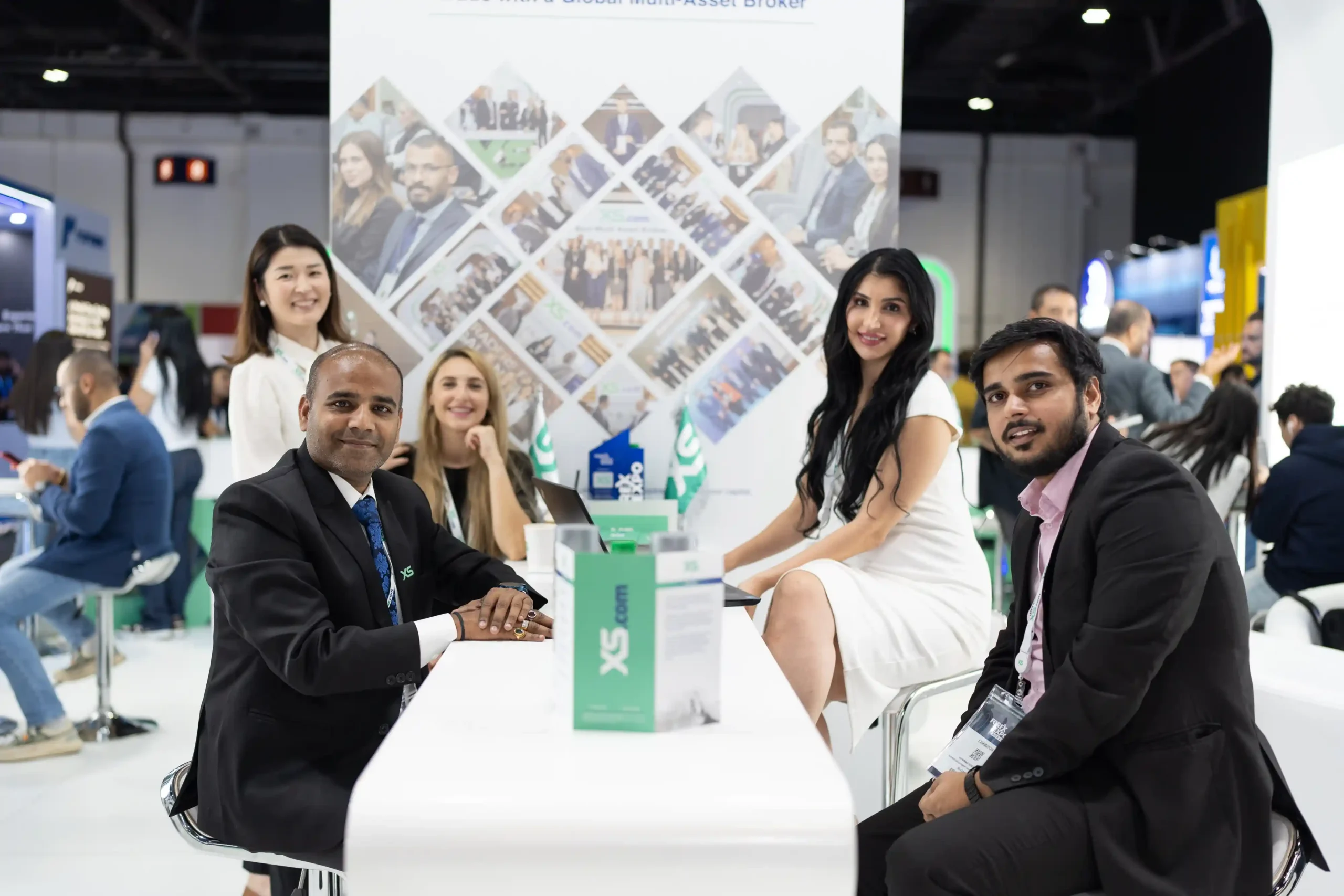
    XS broker offers global stock exchange investment services as you wish. It supports trading through leading platforms that come with features that every trader is looking for. In this article, we will have a review of XS. For traders who are looking for a better broker for you, pros, cons, reliability, and answers to frequently asked questions about XS. Let’s continue reading in this article.

    Is trading with XS broker really good?

    Many traders may have questions about XS brokers, whether it’s about reliability or other benefits. We can tell you that XS is really good! It has also received many XS.com awards.

    In addition to the license and internet security that this website has been verified by many security organizations, there are many outstanding features that make XS better than other brokers. Features include free trader protection insurance, leverage over 1:2000, or the XS Mastercard.

    Other outstanding features that XS offers in particular include Islamic accounts that do not charge overnight trading fees. This is something that the broker itself protects against religious conflicts. It also offers an affiliate program that allows you to easily increase your income. Along with trading

    Is XS.com a reliable broker?

    XS is a broker that has expanded its services worldwide. Starting from Australia in 2010, it has been licensed in many countries around the world, making it one of the brokers trusted by traders worldwide. The regulatory licenses from financial authorities are:

    • ASIC Australia, license number is 374409
    • LFSA Malaysia, license number is MB/21/0081
    • FSA Seychelles, license number is SD089
    • CySEC Cyprus, license number is 412/22
    • FSCA South Africa, license number is 53199

    In addition, XS uses advanced password access, two-step verification or security checks from relevant agencies to prevent third-party access to your account. There is protection against phishing and other threats from malware.

    What can be traded with XS.com broker?

    XS Broker is a platform that offers a wide range of stock exchange trading services, such as:

    • Forex: Trade over 50 currency pairs, such as EUR/USD, GBP/JPY, AUD/USD, with low spreads and leverage up to 1:2000
    • Shares: Trade shares of leading companies from the US, UK, Europe and Hong Kong, such as Apple, Amazon, Alibaba, via CFDs
    • Indices: Trade leading stock indices, such as Dow Jones (US30), NASDAQ (US100), S&P 500 (US500), FTSE 100 (UK100), DAX (DE40) and Nikkei 225 (JP225), among others
    • Metals: Trade precious metals, such as gold (XAU/USD), silver (XAG/USD), platinum and palladium
    • Commodities (Commodities): Trade commodities such as crude oil (WTI, UKOIL), coffee (COFFEE), sugar (SUGAR), corn (CORN), cotton (COTTON), soybean (SOYBEAN), cocoa (COCOA) and wheat (WHEAT)
    • Energy (Energy): Trade energies such as crude oil (WTI, UKOIL) and natural gas (Natural Gas)
    • Futures (Futures): Trade CFDs on futures contracts on various assets such as commodities, currencies, indices and more
    • Cryptocurrency (Cryptocurrency): Trade CFDs on cryptocurrencies such as Bitcoin (BTC), Ethereum (ETH) and more


    XS.com Account Types

    XS broker offers a wide range of account types to suit all levels of traders. Whether you are a beginner or a pro, you can choose the one that suits your trading style.

    Preferred Account

    Suitable for all levels of traders

    • Cent Account
      • Minimum deposit $5
      • No commission
      • Average spread of 1.1 pips on EURUSD
      • Minimum trade of 0.01 lot
      • Works on MT5 platform
    • Standard Account
      • Minimum deposit of $5
      • No commission
      • Average spread of 1.1 pips on EURUSD
      • Minimum trade of 0.01 lot
      • Works on both MT4 and MT5 platforms
    • Micro Account
      • Minimum deposit of $5
      • No commission
      • Average spread of 1.1 pips on EURUSD
      • Minimum trade of 0.01 lot
      • Works on MT5 platform


    Professional Account

    Suitable for more experienced traders

    • Elite Account
      • Minimum deposit of $1,000
      • Commission of $3 per lot
      • Average spread as low as 0.1 pips on EURUSD
      • Minimum trade of 0.01 lot
      • Works on both MT4 and MT5 platforms
    • Pro Account
      • Minimum deposit of $1,000
      • No commission
      • Average spread of 0.7 pips on EURUSD
      • Minimum trade of 0.01 lot
      • Available on both MT4 and MT5 platforms
    • VIP Account
      • Minimum deposit of $1,000
      • Commission of $3 per lot
      • Average spread as low as 0.1 pips on EURUSD
      • Minimum trade of 0.01 lot
      • Available on MT5 platform


    Partners Special Account

    Suitable for partner collaboration

    • Extra Account
      • Minimum deposit of $5
      • No commission
      • Average spread of 2.1 pips on EURUSD
      • Minimum trade of 0.01 lot
      • Available on both MT4 and MT5 platforms
    • Classic Account
      • Minimum deposit of $5
      • No commission
      • Average spread of 1.6 pips on EURUSD
      • Minimum trade of 0.01 lot
      • Available on both MT4 and MT5 platforms

    Traders who are not ready to invest real money or beginners who do not have experience can register for a demo account on XS.com to practice and test various strategies. In addition, You can also choose to trade to win cash prizes.

    Deposit and withdraw with XS broker conveniently and quickly

    XS has a convenient deposit and withdrawal method so that you can make transactions efficiently and easily. Supports multiple currencies, perfectly meeting the needs of traders

    Deposit method

    Depositing XS with brokers can be done through many channels, such as:

    • Bank transfer
    • Deposit via credit/debit card
    • Deposit via e-Wallets
    • Deposit via cryptocurrency
    • Deposit via QR Code

    Withdrawal method

    XS withdrawal has a convenient process. You can withdraw money through the same channels as deposits, as follows:

    • Bank transfer withdrawal
    • Withdrawal via e-Wallets
    • Credit/debit card withdrawal

    Why is XS the choice of Thai traders?

    The XS broker has many outstanding features that help make your trading more efficient. It definitely has an advantage over other brokers. Let’s see. What you shouldn’t miss

    XS Prepaid Mastercard 

    The XS Mastercard can be conveniently transferred from the XS platform directly to your card account. In addition to the Mastercard, you can easily download the mobile application. You can make various transactions, such as online payments, ATM withdrawals, POS transactions, and more, as desired.

    Islamic account without swaps

    XS broker has an investor insurance coverage from Lloyd’s of London worth up to $ 5,000,000. Therefore, traders can definitely trust trading with XS. This insurance covers problems such as fraud, negligence, or other financial risks.

    Summary – XS Broker Review

    XS is a global broker that provides trading services for a variety of assets, such as Forex, indices, stocks, commodities, and cryptocurrencies. It has been licensed in many countries. Supports instant QR code transactions, convenient, fast Supports MT4 and MT5 platforms Contact XS.com customer support 24 hours a day High security standards Try trading through XS.com reviews

    Frequently Asked Questions

    1. Can XS trade BTC?

    Yes, XS.com broker offers cryptocurrency trading, including Bitcoin (BTC) via CFD, which can be traded 24 hours a day (except for market holidays) on the MT4 and MT5 platforms.

    1. Is XS a scam?

    No, because XS brokers are licensed by reliable international regulatory agencies such as ASIC (Australia), CySEC (Cyprus), and FSA (Seychelles), it is considered reliable and safe.

    1. How much is the minimum to open an XS trading account?

    The minimum deposit starts at only $5 for Cent, Standard, and Micro accounts, depending on the account type chosen. If it is a professional account, such as Pro or VIP, there will be a higher minimum, such as $1,000.

    1. Who owns XS?

    XS.com is operated under the management of Mohamad K. Ibrahim, XS Group, which has offices and licenses in many countries. First started operating in 2010 in Australia

    1. What is XS Introducing Broker (IB)?

    XS IB or Introducing Broker is a person who introduces new clients to XS.com and will receive a commission or reward based on the trading volume of the referred clients. It is a partner program for those who want to earn income from referrals.

    1. How many years has XS been open?

    XS.com has been operating since 2010, has over 15 years of experience in the financial market and has been continuously expanding its services worldwide.
     

  • Kolmar Korea Takes the Global Stage with Its Expansive Line of Natural K-Beauty Products

    Kolmar Korea Takes the Global Stage with Its Expansive Line of Natural K-Beauty Products

    In a bold move that underscores its commitment to innovation, Kolmar Korea is cementing its foothold in the global skincare arena by harnessing the power of traditional Korean ingredients. The rising tide of consumer interest in natural, ingredient-centric beauty products has given Kolmar the perfect platform to showcase its pioneering creations.

    Global Success Forged by Tradition

    Among its standout products is the Mung Bean pH-Balanced Cleansing Foam, developed in collaboration with skincare brand Beplain. This remarkable cleanser taps into a 1,000-year-old tradition of using mung beans for skin care and has witnessed staggering global sales, surpassing 10 million units. Its popularity has soared not just in South Korea, but also in the United States, France, China, and Vietnam, proving that ancient wisdom can indeed ride the wave of contemporary beauty trends.

    Deep Clean with a Local Touch

    Another flagship offering is Kolmar’s Relief Mud Mask, crafted with over 30% Boryeong mud and ultra-fine particles designed to deliver a deep cleanse. This product reflects Kolmar’s dedication to merging local resources with scientific advancement, ensuring a skincare experience that is both effective and uniquely Korean. One could say that Kolmar is digging deep—literally and figuratively—into the beauty pot!

    Commitment to Innovation and Research

    Behind Kolmar’s burgeoning success lies a robust focus on research and development, with more than 30% of its workforce dedicated to this crucial area. The company allocates an impressive 6% of its annual revenue to R&D efforts. Recent innovations include demonstrating the anti-aging properties of Spiraea Salicifolia and the potential for Sophora flavescens to prevent hair loss. These groundbreaking studies exemplify Kolmar’s mission to merge nature with science in the pursuit of beauty.

    Bringing Nature’s Fragrance to Consumers

    In addition to skincare, Kolmar is keen on commercializing the mesmerizing scents of Korean flora. By introducing fragrances from plants like the Rose of Sharon and lotus, the company aims to enhance sensory appeal in its product lineup. It’s an exciting endeavor that not only showcases Korea’s rich botanical heritage but also tantalizes the olfactory senses of consumers worldwide.

    Questions & Answers

    How has Kolmar Korea integrated traditional ingredients into its products?
    Kolmar Korea leverages centuries of traditional practices by incorporating ingredients like mung beans in their cleansing foam, which has garnered massive global popularity.

    What significant investments is Kolmar making in its future?
    The company invests 6% of its annual revenue in research and development, focusing on innovative products and new ingredient discoveries.

    What makes Kolmar’s Relief Mud Mask unique?
    It contains over 30% Boryeong mud and ultra-fine particles, designed for deep cleansing that reflects a blend of local resources and scientific research.

  • IKEA Unveils Global Price Reductions on Restaurant Menus for Savvy Shoppers Everywhere!

    IKEA Unveils Global Price Reductions on Restaurant Menus for Savvy Shoppers Everywhere!

    In a striking move that underlines its ambition to reshape the retail landscape in Asia, IKEA has announced plans to establish a significant new presence in South Korea. Following the successful unveiling of its first store in 2004, the Swedish furniture giant is set to expand its footprint with an innovative concept store slated to open in Seoul’s bustling Yeongdeungpo district by the end of next year. This development highlights IKEA’s commitment to adapting its offerings to align closely with local consumer preferences while maintaining its core brand ethos.

    A Shift Towards Urban Convenience

    The new store will feature an extensive range of IKEA’s popular product lines, as well as access to online shopping services. Set to occupy a prominent space, this store will focus on urban convenience, catering to the growing demand for home goods among city dwellers who favor accessibility and efficiency in shopping. Not just a shopping destination, this outlet aims to serve as a community hub, hosting workshops and events that engage local customers and bolster brand loyalty.

    Creating a Local Touch

    IKEA has been keen on incorporating local elements into its designs and product offerings. This latest venture will showcase products that resonate with South Korean tastes, ensuring that the store feels tailor-made for its environment. The emphasis will be on creating functional, stylish living spaces that reflect the unique aesthetics of the region. Perhaps we can expect a few surprises that may even spark fresh trends in home décor, but time will tell!

    Expanding Horizons amid a Competitive Market

    The announcement comes amidst a highly competitive retail climate in South Korea, where local and international brands vie for consumer attention. With online shopping gaining traction, IKEA’s approach to hybrid shopping—melding physical and digital experiences—could attract a diverse range of customers, from tech-savvy millennials to time-starved parents. As the famed brand leverages its years of experience in creating iconic and sustainable home furnishings, the spotlight is on whether this new venture can capture the imagination of a discerning South Korean market.

    Looking Ahead

    The potential for growth in South Korea is evidenced not only by IKEA’s ambitions but by the broader global expansion strategy of major retailers that seek to tap into emerging market trends. Analysts suggest that this strategic move might not only solidify IKEA’s foothold in Asia but also enhance its reputation as a versatile and customer-centric brand. As South Koreans increasingly prioritize home aesthetics, this store could create a significant shift in how they approach home furnishings.

    Questions & Answers

    What is the primary focus of IKEA’s new store in South Korea?
    The store aims to provide urban convenience, emphasizing a blend of online shopping options and engaging community activities that resonate with local consumers.

    How will IKEA tailor its offerings for the South Korean market?
    IKEA plans to incorporate local elements into its product lines, ensuring that the store’s offerings align with the unique tastes and preferences of South Korean customers.

    What can customers expect from the new store’s design and experience?
    Customers can look forward to a space designed to reflect stylish and functional living, incorporating interactive elements like workshops and events to enhance the shopping experience.

  • Report: Thailand’s Emerging Virtual Banks Face Steep Challenges Against Established Players

    Report: Thailand’s Emerging Virtual Banks Face Steep Challenges Against Established Players

    Despite the buzz surrounding the rise of virtual banks, Thailand’s existing financial institutions appear to retain a safe buffer against potential disruption, at least in the near term. Moody’s Ratings recently indicated that the new entrants, set to launch in 2026, will navigate a landscape defined by regulatory restrictions that could curtail their growth over the next three to five years.

    Regulatory Framework Shapes Future Operations

    The Bank of Thailand’s (BOT) licensing framework will require these virtual banks to gradually increase their capital from THB5 billion ($153 million) to at least THB10 billion ($306 million) during their formative years. This regulatory structure aims to foster stability in the financial sector as these banks target segments that traditional institutions often overlook.

    Filling the Gaps in Financial Services

    These digital newcomers will primarily focus on lending to underserved populations, including lower-income retail clients, self-employed individuals, and small businesses. By catering to these niche customer groups, they may actually act as a shield for incumbent banks, delaying any immediate threats and allowing these traditional players time to adapt.

    Meet the New Players in Thailand’s Banking Scene

    Thailand’s Ministry of Finance has officially green-lighted three applicants to establish virtual banks, following rigorous evaluations alongside the BOT. The selected players include ACM Holding Company, part of the Charoen Pokphand Group, a consortium of Krung Thai Bank, PTT Oil, and Advanced Info Service, and another consortium including SCB X, KakaoBank, and WeTechnology, backed by WeBank.

    Leveraging Partnerships for Competitive Edge

    What these virtual banks lack in physical branches, they more than make up for in strategic partnerships. As Moody’s points out, the SCBX consortium stands to gain significantly from the operational experiences of KakaoBank and WeBank in South Korea and China, respectively. Simultaneously, the KTB consortium could leverage the market dominance of AIS and PTT Oil, major players in telecommunications and energy.

    A Competitive Arena Awaits

    Competition in this space is expected to be fierce, with incumbent banks not resting on their laurels. Many have stepped up their digital offerings, diversifying into areas like micro-financing and wealth management, though these segments currently contribute modestly to their overall revenue. “It’s not just about getting on the digital bandwagon; it’s about driving the innovation that sets new entrants apart,” Moody’s asserted.

    Challenges on the Horizon

    The launch of PromptPay, Thailand’s real-time retail payment system, has already transformed the speed of fund transfers and payments, adding further pressure on these new virtual banks to innovate. Compounding the challenge is Thailand’s high household debt and stagnant economic growth, a tougher landscape compared to the more favorable conditions faced by virtual banks in other Southeast Asian markets.

    As Thailand readies for an evolution in its banking system, both incumbents and new players will need to navigate a rapidly shifting terrain filled with opportunities and obstacles alike. One thing is certain: the quest for customer loyalty is about to get more exciting.

    Questions & Answers

    What regulatory hurdles will virtual banks face in Thailand?
    Virtual banks in Thailand will be required to increase their capital from THB5 billion to at least THB10 billion and will operate under certain restrictions for 3-5 years.

    Who are the major players in the new virtual banking landscape?
    The three approved virtual banks are ACM Holding Company (part of CP Group), a consortium including Krung Thai Bank and PTT Oil, and another consortium featuring SCB X, KakaoBank, and WeTechnology.

    How will existing banks respond to the rise of virtual banks?
    Incumbent banks are enhancing their digital offerings and expanding into micro-financing and wealth management to maintain their competitive edge against new entrants.

  • Alibaba’s Metaverse Mall: Revolutionizing Online Shopping Experience In 2024

    Alibaba’s Metaverse Mall: Revolutionizing Online Shopping Experience In 2024

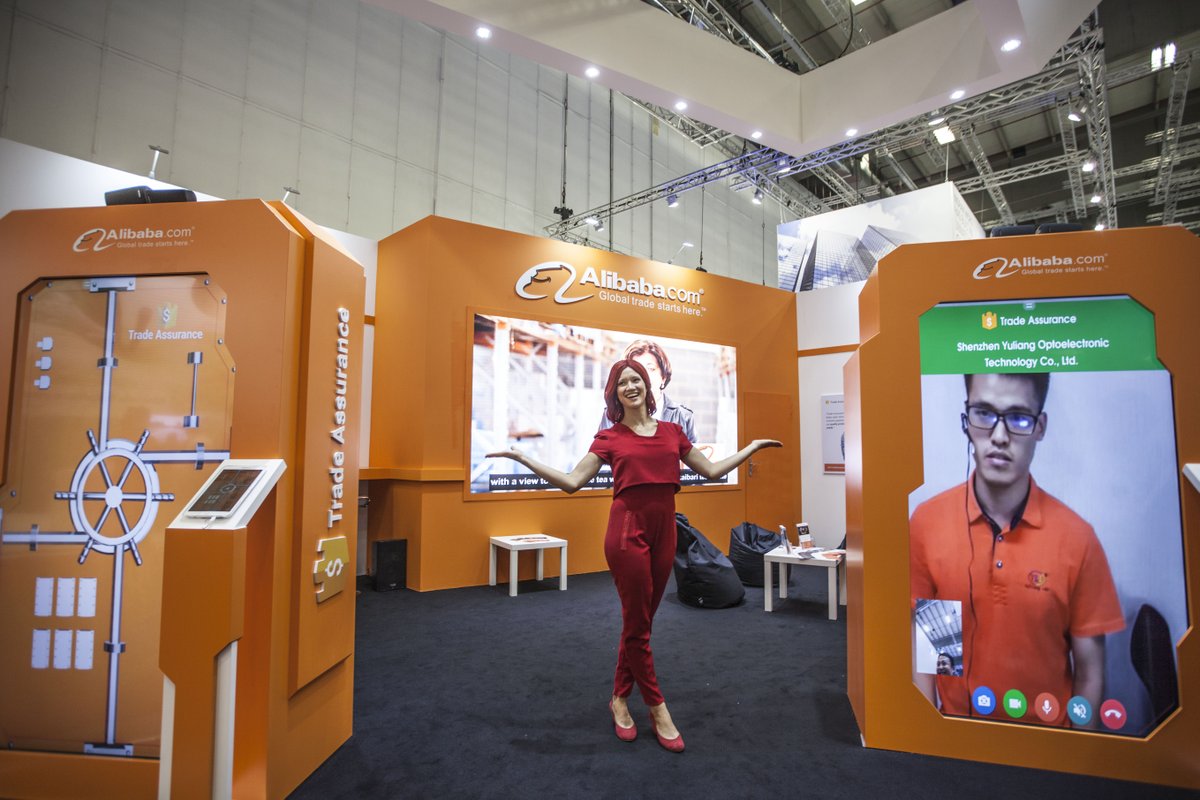
    Chinese e-commerce giant Alibaba is diving headfirst into the metaverse, with plans to unveil a new digital marketplace that promises to change the shopping experience for its users. The ambitious project, called “Metaverse Mall,” aims to create an immersive shopping environment that blends virtual reality with online retail, allowing shoppers to browse and interact with products in a three-dimensional space.

    Metaverse Mall is set to launch in the first quarter of 2024, and initial reports suggest it will offer a myriad of features designed to enhance consumer engagement. Users will not only be able to view products from all angles but will also have the ability to interact with virtual sales assistants and participate in gamified shopping experiences. Imagine picking out a pair of shoes and having a virtual avatar model them for you—an enticing prospect for fashion enthusiasts!

    The move into the metaverse aligns with Alibaba’s ongoing efforts to adapt to changing consumer behaviors and preferences, especially among younger shoppers who are increasingly interested in digital experiences. Analysts suggest that this new venture is not merely a gimmick; it could be a pivotal strategy for capturing a larger share of the online retail market as competition intensifies across the Asia-Pacific region.

    “The metaverse is where the future of shopping is headed,” said industry expert Dr. Mei Chen. “Alibaba’s initiative could set a precedent that others will follow, and it has the potential to redefine how brands interact with their consumers.”

    In a landscape where online shopping has become a staple—especially after the pandemic—Alibaba’s innovative stride into the metaverse may shift the focus from traditional e-commerce to a more immersive experience that keeps customers engaged longer. Offering interactive layouts and themed shopping environments, the Metaverse Mall could turn routine errands into virtual adventures.

    And it doesn’t stop there; early previews hint at seasonal events and product launches that will make shopping feel less like a transaction and more like an experience—who wouldn’t want to attend a virtual concert while completing their holiday shopping?

    While Alibaba is forging ahead, it’s not alone in this frontier. Competing retailers across Asia are closely watching the development, with some already experimenting with augmented reality and digital storefronts. The race to capture the metaverse shopping experience is heating up, and shoppers can expect a plethora of options soon.

    As Alibaba embarks on this significant leap into the virtual space, the retail world will be keenly observing how this transformative approach impacts the consumer landscape and whether it will indeed revolutionize shopping as we know it.

    Questions & Answers

    What is Alibaba’s new initiative in the metaverse?
    Alibaba is set to launch “Metaverse Mall,” a digital marketplace that combines virtual reality with online shopping to create an immersive experience for users.

    When is Metaverse Mall expected to launch?
    The Metaverse Mall is slated to launch in the first quarter of 2024.

    How might this venture impact the retail landscape?
    This initiative could redefine shopping by offering interactive experiences and engaging consumers in ways traditional e-commerce does not, setting a new standard that competitors will likely follow.

  • Hong Kong Edges Out Singapore to Claim Title of Asia’s Most International City

    Hong Kong Edges Out Singapore to Claim Title of Asia’s Most International City

    In a recent release from the Hong Kong General Chamber of Commerce, the Asian Cities Internationality Index has revealed its latest rankings, ultimately declaring Hong Kong the leading city in Asia with a score of 73.7 out of 100. The dynamic city narrowly edged out Singapore, which secured a score of 73.5, making the competition as tight as a pair of shoes on a bustling Hong Kong street.

    Evaluating 11 major cities in the region, the index utilized 113 indicators across seven categories: business and economy, quality of life, infrastructure and connectivity, innovation and ideas, human capital diversity, cultural interaction, and the governmental and legal frameworks that support business operations. This comprehensive analysis also drew insights from a survey completed by 1,107 senior business executives situated in the assessed locales, ensuring a well-rounded perspective.

    Hong Kong’s recognition as a top-tier global financial hub shines through the report. Praised for its successful hosting of international events and a living environment characterized by safety, stability, and freedom, the chamber’s press release highlighted these factors as key to its ascendance in the rankings. In contrast, Singapore’s strengths were noted in its multicultural milieu and its adeptness at attracting and nurturing diverse talent.

    Despite this triumph, Hong Kong’s performance in the innovation and ideas category raised some eyebrows, where it ranked fourth behind Shanghai, Singapore, and Seoul. Patrick Yeung Wai-tim, the chamber’s CEO, acknowledged this shortcoming, pointing to an ongoing challenge in the commercial viability of scientific research. “Hong Kong’s own enterprises still invest a relatively low proportion of their operational costs in scientific research and development,” he commented, as reported by the South China Morning Post.

    Tokyo secured the third position in the rankings, followed closely by Seoul, Shanghai, and Bangkok, while Kuala Lumpur, Taipei, Jakarta, Ho Chi Minh City, and Mumbai completed the list in that sequence, according to the Macao News. Each city’s unique strengths play into the larger narrative of Asia’s evolving retail landscape, reminding us that while the skyline may gleam, innovation remains the true lifeblood of progress.

    Questions & Answers

    How did Hong Kong perform in the innovation and ideas category?
    Hong Kong ranked fourth in the innovation and ideas category, trailing behind Shanghai, Singapore, and Seoul, which raised concerns among experts regarding its commercialization of scientific research.

    What factors contributed to Hong Kong’s top ranking in the index?
    The city’s strong performance in the business and economy category, coupled with its status as a global financial hub and a safe, stable living environment, were key factors that contributed to its high score.

    Which cities rounded out the top six in the rankings?
    The top six cities included Tokyo in third place, followed by Seoul, Shanghai, and Bangkok, while Kuala Lumpur, Taipei, Jakarta, Ho Chi Minh City, and Mumbai followed in succession.

  • AIS Unveils Groundbreaking Homegrown Hyperscale Cloud Platform, Revolutionizing Digital Infrastructure in Thailand

    AIS Unveils Groundbreaking Homegrown Hyperscale Cloud Platform, Revolutionizing Digital Infrastructure in Thailand

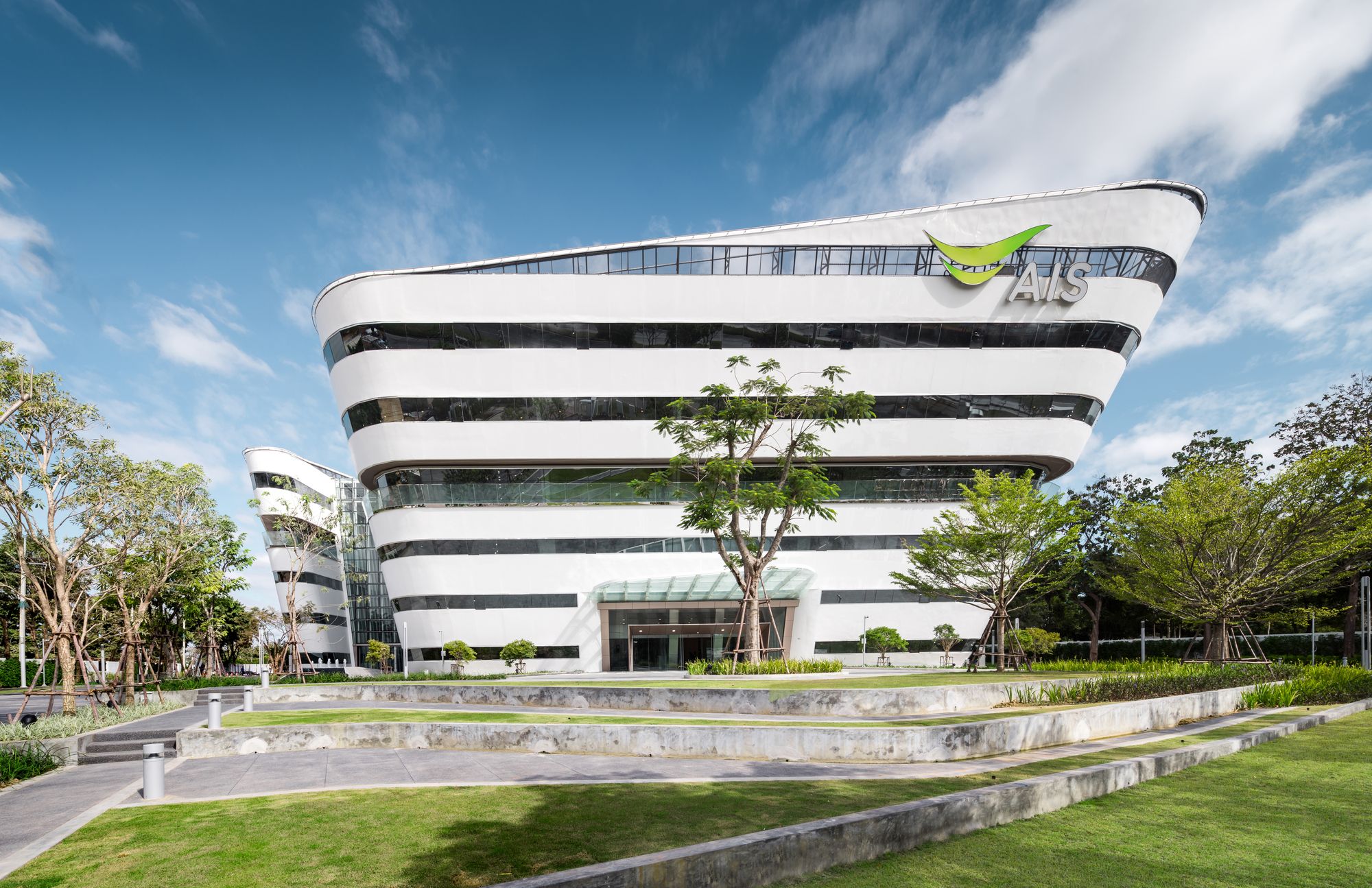
    Thailand is making waves in the tech world with the launch of its first hyperscale cloud infrastructure, developed entirely by a homegrown company. This bold step from AIS Business comes at a crucial time, as the demand for artificial intelligence (AI)-ready platforms continues to surge. The service, named ‘AIS Cloud powered by Oracle Cloud Infrastructure,’ is backed by a robust initial investment of THB 4 billion, aimed at establishing locally governed data centers across the nation.

    Building Digital Sovereignty

    In an age where digital identity is as valuable as gold, Phupa Akavipat, Chief Enterprise Business Officer at AIS, emphasized the necessity of nurturing Thailand’s own AI capabilities. “We firmly believe that Thailand must have its own AI capabilities to ensure long-term technological sovereignty and resilience,” he stated. Akavipat sees the new infrastructure as a cornerstone for national development, reinforcing Thailand’s place in the global digital landscape.

    A Localized Cloud Experience

    AIS Cloud is designed with local users in mind, offering Thai-language contracts and transactions in Thai baht, allowing businesses to sidestep potential currency fluctuations. It also promises enhanced support, featuring Thai-speaking experts ready to assist. The platform boasts advanced capabilities like auto-scaling for heavy workloads and full compatibility with emerging technologies such as machine learning (ML) and big data analytics, making it an appealing option for local enterprises eager to innovate.

    Government Backing and Certification

    The launch has garnered significant support from the Thai government. Dr. Passakon Prathombutr of the Digital Economy Promotion Agency (DEPA) highlighted a landmark achievement, announcing that AIS Business is the first Thai provider to receive the prestigious dSURE 3-Star certification. This accolade, the highest national standard for cloud services, guarantees secure, local data storage without cross-border transfers, aligning perfectly with Thailand’s ambitions for a thriving digital economy.

    Enhancing National Cloud Policy

    Wisit Wisitsora-at, Permanent Secretary of the Ministry of Digital Economy and Society, expressed strong endorsement for the initiative, identifying it as a key element of the national cloud policy. He stressed that collaboration between government and industry is vital for enhancing the country’s digital infrastructure and developing a skilled talent pool that meets modern demands. In a landscape often fraught with uncertainty, this partnership could be the secret ingredient to a brighter digital future for Thailand.

    Questions & Answers

    What is the significance of AIS Cloud in Thailand’s tech landscape?
    AIS Cloud represents a crucial advancement toward digital sovereignty, providing Thailand with independent AI capabilities and enhancing the country’s overall technological infrastructure.

    How does AIS Cloud address the needs of local businesses?
    The platform offers features like Thai-language contracts and transaction support in Thai baht, catering specifically to local companies and helping them navigate currency fluctuations.

    What role does the government play in supporting AIS Cloud’s launch?
    The Thai government has actively backed the initiative, with notable officials endorsing the project as a cornerstone of national digital policy and emphasizing the need for collaboration between the public and private sectors.

  • Starlink Poised for Final Approval to Launch in India, Revolutionizing Connectivity!

    Starlink Poised for Final Approval to Launch in India, Revolutionizing Connectivity!

    Elon Musk’s satellite internet venture, Starlink, is on the verge of a breakthrough in India, nearing the final regulatory stamp of approval needed to commence operations. The Indian National Space Promotion and Authorization Centre (IN-SPACe) has issued a draft agreement, which awaits Starlink’s signature before granting formal authorization.

    Competition Heats Up in the Satellite Arena

    This pivotal step places Starlink in the same competitive league as established players like Eutelsat OneWeb and Jio Satellite, both of which are already licensed to provide satellite communication (SATCOM) services throughout the country. Recently, Starlink secured its Global Mobile Personal Communication by Satellite (GMPCS) licence, becoming the third entity authorized to offer SATCOM services in India.

    Awaiting Ground Infrastructure Before Launch

    However, don’t expect Starlink to flip the switch immediately. The company needs to develop ground infrastructure, including satellite gateways and a control center, along with proving its compliance with security protocols — a non-negotiable step for all SATCOM operators. To date, neither OneWeb nor Jio Satellite has ticked this important box, with both providers recently having their trial spectrum extended by six months for ongoing testing.

    Security Concerns and Regulatory Requirements

    Concerns have been raised by security agencies regarding the unregulated use of Starlink terminals in border regions. In March, the Ministry of Home Affairs directed the Department of Telecommunications (DoT) to probe Starlink’s hesitance in sharing essential operational data. Compliance with Indian regulations mandates that all SATCOM traffic be routed through Indian gateways, with monitoring of transmissions and the establishment of buffer zones along international borders.

    Pricing Rules Could Shape Industry Dynamics

    Meanwhile, the DoT is finalizing pricing schemes for satellite spectrum, with the Telecom Regulatory Authority of India (TRAI) suggesting a five-year administrative allocation that includes an annual fee of 4% of adjusted gross revenue (AGR). Urban users might have to pay ₹500 per year, but those in rural areas could find themselves exempt from these fees — a move that may well tantalize new subscribers.

    Starlink’s Vision for Connectivity

    Communications Minister Jyotiraditya Scindia recently engaged with SpaceX officials to explore partnerships in satellite technology. Should all approvals come through, Starlink could become a transformative player in enhancing internet connectivity across India, particularly in areas where access is limited. As the demand for reliable internet continues to grow, the prospect of Starlink bringing connectivity to the remotest corners of India is certainly one to keep an eye on.

    Questions & Answers

    What key regulatory step is Starlink approaching in India?
    Starlink is close to receiving the final regulatory approval required to commence its satellite internet operations in India, pending the signing of a draft agreement by IN-SPACe.

    What infrastructure must Starlink develop before launching its services?
    Before launching, Starlink needs to establish its ground infrastructure, which includes satellite gateways and a control center, and demonstrate compliance with security requirements.

    How is the pricing structure for satellite spectrum being determined in India?
    The DoT is finalizing pricing rules that include an annual fee of 4% of adjusted gross revenue for providers, with urban users potentially paying ₹500 annually while rural users may be exempt.

  • Globe Business Calls on Enterprises to Steer Innovation and Embrace Disruption in Today’s Market

    Globe Business Calls on Enterprises to Steer Innovation and Embrace Disruption in Today’s Market

    Globe Business, the enterprise arm of Globe Telecom, gathered industry leaders and tech innovators at its G Summit 2025 with an uncompromising message: embrace disruption as an opportunity, not a threat. This year’s summit, themed ‘Disrupt,’ focused on the imperative for Philippine industries to adopt bold transformation strategies and weave disruption into their ongoing narratives.

    “Disruption is not a fleeting trend. At Globe Business, it’s a foundational belief that encourages us to think boldly, act swiftly, and foster meaningful connections with our customers,” said KD Dizon, Vice President and Head of Globe Business. The summit invited participants to reconsider not just their business models but their roles in shaping the future.

    The era of disruption demands proactive leadership. We can either wait for disruption to happen to us or be architects of disruption through bold, decisive action.

    Leaders from both international and local arenas delved into topics like redefining business models, data transformation, and the intricacies of AI-powered innovation. A standout feature of the event was the introduction of the Spectrum Code, an interactive tool that allowed participants to identify their core values surrounding digital leadership. Responses created a live “spectrum cloud,” illuminating each participant’s Core Spectrum Persona and directing them to tailored breakout sessions.

    The sessions, infused with insights from Globe’s technology partners including Google, ZScaler, Zimperium, Orca, Hexnode, Zoom, Versa Networks, Aruba, Ciena, Blackpanda, and Huawei, explored crucial themes such as cloud-first strategies, cybersecurity challenges, and innovation pathways for growth. It’s clear that collaboration is key—even tech companies know that great things happen in tandem.

    Participants also had the opportunity to engage with the Experience Labs, a hands-on demo arena showcasing the practical applications of Globe Business’s offerings. Live demonstrations illustrated how the company and its partners harness secure cloud operations, AI-driven productivity, and cyber defense, all bolstered by Globe’s robust connectivity infrastructure.

    Ultimately, G Summit 2025 underlined Globe Business’s commitment as a driving force in the realm of digital transformation. As enterprises navigate the increasingly intricate digital landscape, the call was clear: act with resolve and take the reins of innovation.

    “Disruption begins with leadership, not merely in title, but through the daily choices we make,” Dizon continued. “G Summit serves as our rallying cry for enterprises to stop waiting for change and to become catalysts for it. Together, we can lead with purpose and redefine the landscape of Philippine business.”

    Questions & Answers

    What was the main focus of G Summit 2025?
    The summit centered on urging Philippine industries to embrace disruption as a continuous strategy for transformation, encouraging proactive leadership.

    What was the Spectrum Code, and how did it enhance participants’ experiences?
    The Spectrum Code was an interactive tool that helped participants identify core values guiding their digital leadership, which informed their breakout session placements.

    How did Globe Business illustrate its offerings at the summit?
    Through the Experience Labs, Globe Business showcased live demonstrations of secure cloud operations, AI-driven productivity, and cyber defense solutions, emphasizing the importance of connectivity.

  • Krungsri and Schneider Electric Unite to Boost Energy Efficiency for Small and Medium Enterprises

    Krungsri and Schneider Electric Unite to Boost Energy Efficiency for Small and Medium Enterprises

    Driving Sustainable Energy Solutions in Thailand

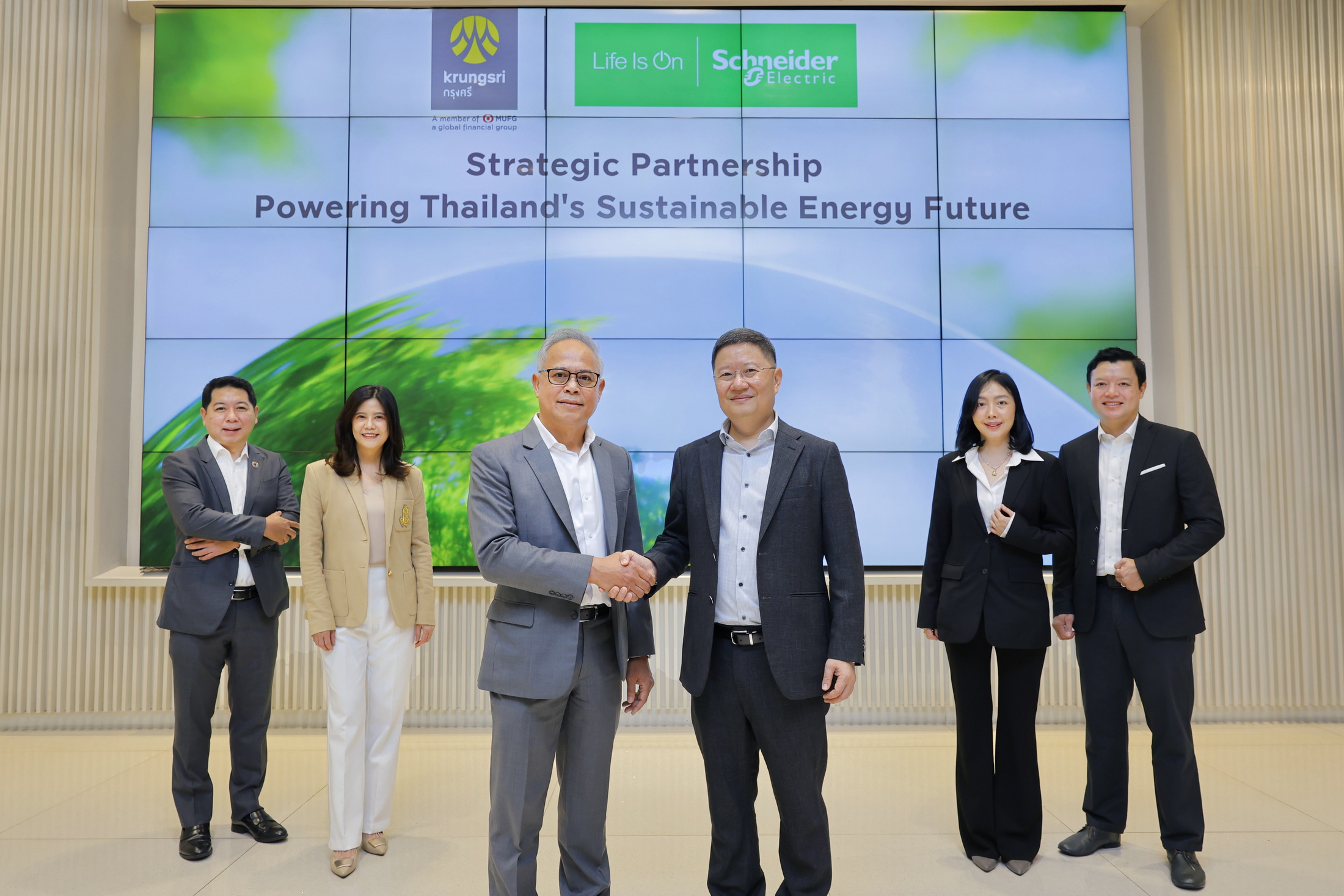
    In a progressive move to enhance energy efficiency in Thailand, Krungsri (Bank of Ayudhya) has joined forces with Schneider Electric. This partnership aims to empower the nation’s entrepreneurs, particularly small and medium enterprises (SMEs), to embrace cutting-edge energy technologies.

    By blending Schneider Electric’s renowned expertise in energy management and automation with Krungsri’s prowess in sustainable finance, the two organizations are set to tackle pressing energy and environmental challenges facing Thailand. “In our pursuit of becoming The Leading Sustainable and Regional Bank, we are committed to promoting ESG practices among Thai businesses,” stated Pairote Cheunkrut, Krungsri’s Chief Strategy Officer, in a press release.

    Focusing on the unique needs of SMEs, which can face electricity costs ranging from 10% to 30% based on their industry, Krungsri is determined to facilitate their transition to more sustainable operations. “We understand how crucial these shifts are for SMEs struggling with high energy expenses, and our initiative is designed to support them through these evolving energy landscapes,” added Cheunkrut.

    Collaboration will center around two vital areas: decarbonization and ecosystem development, as well as sustainable finance solutions. Notably, Krungsri plans to provide financial assistance that enables SMEs to invest in energy-efficient technologies. As a result, businesses can expect not only a reduction in carbon emissions but also improved long-term sustainability. After all, who wouldn’t want to turn their energy bills into a business opportunity?

    Questions & Answers

    How will Krungsri and Schneider Electric support SMEs in Thailand?
    They will combine their strengths to provide access to advanced energy technologies and financial solutions, helping SMEs transition to energy-efficient operations.

    What is the significance of decarbonization in this partnership?
    Decarbonization is a central focus as it addresses the urgent need to reduce carbon emissions, offering a pathway for businesses to operate more sustainably.

    What are the expected benefits for SMEs adapting to these energy solutions?
    SMEs can expect to reduce their electricity costs significantly, enhance their sustainability, and improve their business resilience through the adoption of energy-efficient technologies.

  • POP MART Connects with Southeast Asia’s Toy Collectors Through Lazada

    POP MART Connects with Southeast Asia’s Toy Collectors Through Lazada

    Southeast Asia’s blind box obsession is now mainstream, and POP MART is at the heart of it, fuelling demand with exclusive IPs, sought-after collectibles and even real-life fan events. The global designer toy brand, best known for turning characters like MOLLY, DIMOO, and SKULLPANDA into household names, is tapping on Lazada’s LazMall to connect with millions of fans across the region through surprise drops, unboxings, and community events.

    With LazMall, POP MART is now reaching fans in a more direct and hyper-personalised way. Since joining the platform in 2023, it has grown over fivefold to become one of LazMall’s fastest-growing toy brands, a testament to the region’s deep love for collectibles and character storytelling.

    From live-streamed unboxings to data-backed product launches, POP MART’s success reflects how digital discovery and fandom go hand-in-hand. The global blind box collectibles market is set to hit USD 38.4 billion by 203, a boom fuelled by Gen Z and millennial collectors seeking rarity, emotional connection, and a bit of playful nostalgia.

    “Whether it’s the thrill of the mystery or the joy of finding your favourite character, our collectors are looking for more than just toys — they’re seeking stories,” said a POP MART spokesperson. “With Lazada, we’re able to deliver those stories in a more seamless way.”

    Global Exclusives Launching in June

    This month, POP MART will release two globally limited figures — MOLLY and Zsiga, and also unveil the second-generation SKULLPANDA plush toys, adding a soft and huggable twist to its cult-favourite character lineup.

    These products will be available on Lazada’s LazMall from June 2025 onwards. POP MART will also increase its stock levels and scale up visibility on its LazMall storefront to meet fan demand.

    Where Community Meets Commerce

    On Lazada, POP MART fans don’t just shop, they discover and experience. Using AI-powered recommendations and region-specific insights, the brand curates its releases based on what collectors love most in each market. SKULLPANDA, for instance, has become a breakout favourite in Thailand, while DIMOO charms fans in Malaysia.

    Collectors also benefit from prompt deliveries, with 85% of orders in all key Southeast Asian cities like Bangkok and Manila guaranteed to arrive within 48 hours upon order confirmation. Collectibles are also delivered in custom shock-proof packaging to ensure they arrive in pristine, collector-worthy conditions, and the parcel can be tracked in real time on the Lazada app.

    POP MART collectibles are not just toys, they are a lifestyle and the epitome of luxury and exclusivity that has been fuelled by the energy of its fans and creators. More than one-third (34%) of its sales on Lazada now come from affiliate creators in Southeast Asia — livestreamers, toy reviewers, and content creators who bring the world of POP MART to life through their own lens. Their curated content, character deep-dives, and unboxing videos don’t just sell toys — they build community and elevate collecting into a shared lifestyle.

    Taking the Experience Offline

    Fans in Singapore can look forward to experiencing the magic in-person next month. On 27 July, Lazada X POP MART 5KM run will be happening in Singapore. Designed to be a vibrant, community-driven event that blends fitness, music, and fandom, POP MART will be hosting an exclusive booth at the event, creating a playground for pop culture lovers to meet iconic characters, explore exclusive new drops, and immerse themselves in the joyful surprise of the trend culture and brand stories.

    IRL experiences like this are part of POP MART’s strategy to connect more deeply with its community – both online and offline.

    “POP MART’s world is built on creativity and connection,” said Kaya Qin, Chief Business Officer at Lazada Group. “Through Lazada’s platform, brands like POP MART are able to inspire and engage a new generation of collectors with stories that extend beyond the digital channels.”

  • Malaysia Expands Durian Horizons: Introducing Premium Varieties Beyond the Beloved Musang King

    Malaysia Expands Durian Horizons: Introducing Premium Varieties Beyond the Beloved Musang King

    In a bid to elevate its status on the global stage, Malaysia is setting its sights on spotlighting premium durian cultivars, including the Black Thorn, Red Prawn, and Hajah Hasmah. According to Datuk Nor Sam Alwi, director-general of the country’s Department of Agriculture, these lesser-known varieties are undergoing evaluations for future certification and export readiness, focusing on their flavor profile, texture, shelf life, and suitability for long-distance shipping.

    China, the top consumer of durians globally, is particularly interested in these exclusive variants, with consumers willing to pay a premium for quality. To facilitate this ambitious plan, the Department of Agriculture is diligently working to register more local cultivars and perform vital agronomic assessments.

    On top of this, the department is ramping up efforts to ensure Malaysian farms meet the stringent import standards of their international buyers. This includes compliance with pest control measures, robust traceability systems, and comprehensive export certification schemes.

    Abdul Rashid Bahri, director-general of the Federal Agricultural Marketing Authority, pointed out that other elite varieties like IOI and D9 are also undergoing assessments to ensure they comply with the phytosanitary and quality standards expected by export markets, particularly China. Moreover, the agency is actively looking to expand durian exports to new territories, including the U.K., Canada, the UAE, Australia, and the Netherlands.

    The durian, often hailed as the “king of fruits,” garners a staggering array of commercially available cultivars—over 200 registered varieties in Malaysia alone. Musang King, long celebrated as the nation’s prized export, remains fiercely protected under Malaysian intellectual property laws, recently renewed for another decade.

    Yet, the landscape is shifting with the emergence of newer varieties like the pricey Tupai King, which have shaken up the traditional dominance of Musang King. Beyond these rising stars lies an even broader kaleidoscope of lesser-known durians, such as Hor Lor, Mas Hijau (Green Gold), and the D24 (Sultan).

    Consumer appetite for diverse flavors is surging, with many seeking out regional and distinctive kampung durians. The Malaysian Agricultural Research and Development Institute (MARDI) is capitalizing on this trend by developing new hybrid varieties that cater to both local tastes and international markets. A standout in this effort is the MDUR 88, a cross between D10 and D24, boasting a golden yellow hue and a creamy texture that draws favorable comparisons to Musang King.

    Promoted for export under the catchy moniker “MARDI Super 88,” this hybrid is seen as a potential game-changer. “Our hybrids, especially MDUR 88, possess the quality needed to compete internationally,” said MARDI representatives.

    In recent years, Malaysia’s durian production has surged, with expectations to reach nearly 570,000 tons this year, up from 390,635 tons in 2020. Currently, the nation has around 92,000 hectares devoted to the fruit, a significant increase from 70,000 in 2019.

    As the industry continues to expand, 2023 marks a pivotal year with Malaysia exporting 54,374 tons of durians worth RM1.51 billion (US$357 million), with China accounting for nearly half of this export volume. A notable milestone involved securing permission from Beijing to export fresh durians, a leap from the previous limitations of frozen shipments.

    Tan Sue Yee, CEO of Malaysian exporter Top Fruits, emphasizes the company’s shifting focus toward more premium varieties like D198, Golden Phoenix, and IOI. “Finding the right variety and the correct quantity is crucial for our export goals,” he stated, highlighting the balance between quality and demand.

    Adviser Lim Chin Khee from the Durian Academy applauds Malaysia’s pivot toward premium markets, asserting that the country is strategically leveraging its strengths. “Targeting high-end durians is the ideal path forward for us,” he remarked. “Indeed, charging more for superior quality is a wise move.”

    Questions & Answers

    What premium durian varieties is Malaysia focusing on for export?
    Malaysia is highlighting lesser-known cultivars such as Black Thorn, Red Prawn, and Hajah Hasmah, which are being evaluated for their export potential.

    How has durian production changed in Malaysia in recent years?
    Durian production in Malaysia is expected to rise to nearly 570,000 tons this year, up from 390,635 tons in 2020, reflecting a growing industry.

    What new market opportunities are being explored for Malaysian durians?
    Malaysia is looking to expand its durian exports to new markets such as the U.K., Canada, the UAE, Australia, and the Netherlands, in addition to strengthening its ties with existing markets.

  • ANZ’s Technology and Group Services Executive Announces Retirement, Marking a New Era for the Bank

    ANZ’s Technology and Group Services Executive Announces Retirement, Marking a New Era for the Bank

    In a rapidly evolving retail landscape, Asia continues to be a hotspot for innovation and consumer engagement. With burgeoning economies and a tech-savvy population, retailers are increasingly focused on strategies that captivate the modern shopper. Amidst this backdrop, a fresh wave of creativity is emerging, allowing brands to connect with consumers in unexpected ways that resonate deeply with their lifestyles.

    Changing Consumer Behavior and Retail Adaptation

    As shopping habits shift due to factors like digital transformation and changing demographics, retailers are adapting their approaches to meet evolving consumer needs. The rise of e-commerce has not only revolutionized how products are sold but has also challenged traditional brick-and-mortar strategies. Here, the importance of integrating technology into the shopping experience cannot be overstated. Retailers are leveraging data and analytics to personalize experiences, creating a seamless transition between online and offline worlds.

    The Power of Localized Strategies

    Asia’s diverse markets require retailers to adopt localized strategies to truly resonate with consumers. Companies are honing in on cultural nuances and preferences, whether it’s a brand that launches a limited-edition product reflecting local festivals or one that embraces regional tastes and traditions in its offerings. Such strategies not only enhance brand loyalty but also foster a sense of community, proving that sometimes thinking small is the key to large-scale success.

    Experiential Retail: The Leap Beyond Transactions

    As the retail experience evolves, many brands are realizing that it’s not just about the sale anymore—it’s about the experience. Retailers are crafting environments that go beyond transactions, turning stores into lifestyle hubs that encourage customer engagement and interaction. Imagine shopping in a space that feels more like a trendy cafe than a conventional store, where events and social gatherings thrive. This movement toward experiential retail is drawing in consumers, turning casual visitors into dedicated brand enthusiasts.

    Sustainability Takes Center Stage

    Environmental consciousness is no longer a mere add-on; it is now pivotal in shaping retail strategies across Asia. From sustainable sourcing to eco-friendly packaging, consumers increasingly seek brands that align with their values. Retailers are embracing sustainability not just as a responsibility but as a unique selling proposition, showcasing their commitment to the planet. It’s a refreshing shift in the industry, proving that being good to the Earth can also be good for business.

    Looking Ahead: The Future of Retail in Asia

    As we look towards the future, the Asian retail sector stands at a crossroads of tradition and innovation. With challenges come opportunities, and the ability to pivot and adapt will determine success in this dynamic market. Retailers who navigate these waters with agility and creativity are poised to thrive, continually engaging consumers in ways that surprise and delight. It’s a thrilling time to be part of the retail scene—after all, you never know when a shopping spree might turn into an unforgettable experience!

    Questions & Answers

    What strategies are retailers in Asia adopting to adapt to changing consumer behaviors?
    Retailers are increasingly utilizing data and analytics to personalize experiences and create seamless integration between online and offline shopping.

    How important is localization for brands operating in diverse Asian markets?
    Localization is critical, as brands that tailor their strategies to fit cultural nuances and preferences are more likely to foster brand loyalty and community engagement.

    What role does sustainability play in the future of retail in Asia?
    Sustainability has become a central focus for many brands as consumers actively seek out products and practices that align with their environmental values, making it a key competitive advantage.