Author: Mei Ling Tan

  • Bank Negara Indonesia Faces Ongoing NIM Challenges in Second Quarter: What Lies Ahead?

    Bank Negara Indonesia Faces Ongoing NIM Challenges in Second Quarter: What Lies Ahead?

    Over the past few years, the retail industry has endured a whirlwind of transformation, especially in Asia, where adaptation and resilience have been put to the test. Amid the ongoing evolution shaped by technological advancements and shifting consumer behaviors, companies are redefining their strategies to stay ahead in this dynamic sector.

    Embracing Technology: The Retail Revolution

    From mobile payments to virtual fitting rooms, technology is not just an addition to retail; it’s reshaping its very foundation. Asian consumers, known for their swift adoption of new digital tools, are now more empowered than ever. Retailers are responding with innovative solutions that enhance in-store and online experiences, appealing to an increasingly tech-savvy audience. Even traditional markets have found ways to digitize their operations, proving that innovation knows no bounds.

    Interestingly, amidst all this digital transformation, a few retailers are choosing to go old school—think cash transactions and handwritten receipts. It’s a reminder that sometimes, simplicity holds its own charm.

    The Luxury Segment’s New Frontier

    The luxury retail sector is experiencing rejuvenation as well, particularly in markets like China and Japan. High-end brands are tapping into the growing affluent middle class, curating exclusive experiences that blend both tradition and modernity. Events are no longer just about showcasing products; they’re immersive experiences that engage customers on an emotional level. Whether it’s a pop-up shop in a trendy Shanghai district or an exclusive virtual tasting in Tokyo, luxury retail is all about creating memorable moments.

    Sustainability Takes the Spotlight

    As environmentally conscious consumers on the rise, retailers are scrambling to adopt sustainable practices. Many are integrating eco-friendly materials into their products and adopting more transparent supply chains. In a climate where shoppers want to know the story behind their purchases, brands that prioritize sustainability aren’t just making a “greener” choice—they’re also amplifying their appeal. Embracing sustainability could spell the difference between staying relevant or fading into oblivion.

    The Future of Shopping: Omnichannel Strategies

    As the lines blur between online and offline shopping, retailers are leaning into omnichannel strategies more than ever. The seamless integration of physical and digital platforms is no longer a luxury but a necessity. Consumers expect a consistent experience whether they shop via mobile apps, websites, or brick-and-mortar stores. Retailers that fail to meet these expectations face the risk of losing their customer base to more agile competitors.

    While it’s easy to get caught up in forecasts and projections, the heart of retail is still about fostering connections. Whether it’s a brief chat with a store associate or classic customer service, businesses that understand this human element will stand the test of time.

    Questions & Answers

    What role does technology play in the transformation of retail in Asia?
    Technology is fundamentally reshaping retail by enhancing customer experiences through innovations such as mobile payments and virtual fitting rooms, reflecting the swift digital adoption among Asian consumers.

    How is the luxury retail sector adapting to modern consumer demands?
    Luxury retail is focusing on creating exclusive and immersive experiences that engage customers emotionally, appealing to a growing affluent middle class in markets like China and Japan.

    Why is sustainability becoming increasingly important for retailers?
    With the rise of environmentally conscious consumers, retailers are prioritizing sustainable practices and transparent supply chains, as these factors significantly enhance brand appeal and relevance in today’s market.


  • Xiaomi Opens Its First Offline Store in Korea: A New Era for Retail Enthusiasts!

    Xiaomi Opens Its First Offline Store in Korea: A New Era for Retail Enthusiasts!

    Retail giants across Asia are diving deep into the realm of experiential shopping, and the recent emergence of live-streaming commerce is reshaping the retail landscape. As consumer preferences evolve, companies are jostling to innovate and offer a more immersive shopping experience that transcends traditional retail boundaries.

    Live-Streaming Commerce: A Game Changer

    Powered by the meteoric rise of social media platforms, live-streaming commerce is captivating audiences and transforming how consumers shop. Countries like China are at the forefront of this trend, with live-streaming events racking up billions of dollars in sales within just hours. This format combines entertainment with commerce, allowing brands to showcase products while engaging viewers in real time. One moment shoppers are catching a glimpse of a trendy handbag, and the next they’re in on a lively Q&A about its features—not your average shopping experience!

    Asia’s Retail Arena: A Feast for Innovation

    Retailers throughout Asia are seizing this opportunity to enrich customer engagement. Brands are harnessing influencers and charismatic presenters to enhance the entertainment factor, driving traffic and sales through these events. For instance, in Hong Kong, a popular cosmetics brand recently hosted a live-streaming session that not only showcased new products but also featured well-known beauty experts, pulling in thousands of views and a considerable spike in sales.

    Bridging Online and Offline Experiences

    As online and offline retail environments blend, brands are increasingly focused on creating seamless shopping experiences. Retailers are integrating technology, such as augmented reality and AI, to offer personalized recommendations. Imagine trying on clothes virtually through your smartphone — a prospect that’s no longer just a futuristic concept but a reality for many retailers.

    The Impact on Supply Chains and Beyond

    However, this shift isn’t without its challenges. As retailers amplify their online strategies, supply chains must adapt to cope with the swift transitions between virtual engagement and real-world purchases. The pressure is on to optimize inventory and logistics to prevent the dreaded “out of stock” message from surfacing during high-demand live-streams.

    The interplay of technology and retail is indeed a delicate dance, and Asia is falling in step with aplomb. With shoppers eager for more engaging experiences, as they say, “the best is yet to come.”

    Questions & Answers

    What is live-streaming commerce?
    Live-streaming commerce combines entertainment and e-commerce, allowing brands to showcase products while engaging live with viewers, often resulting in immediate sales boosts.

    How are retailers in Asia adapting to this trend?
    Retailers in Asia are enhancing customer engagement by utilizing influencers, interactive features, and integrating technology like augmented reality to create richer shopping experiences.

    What challenges do retailers face with the growth of live-streaming?
    The rapid shift to online sales has put pressure on supply chains, requiring retailers to optimize logistics and inventory to meet heightened demand during live-stream events.

  • Google Teams Up with Gentle Monster to Unveil Innovative AI-Powered Smart Glasses

    Google Teams Up with Gentle Monster to Unveil Innovative AI-Powered Smart Glasses

    As Asia’s retail landscape continues to evolve, brands are increasingly turning to innovative strategies to capture consumer attention and drive sales. The latest trend highlights international pop-up stores, merging the excitement of limited-time offerings with immersive brand experiences. These transient spaces have been gaining traction across major Asian cities, allowing retailers to experiment with their concepts while maintaining a sense of urgency and exclusivity that consumers find irresistible.

    Pop-Ups Redefining Retail

    The rise of pop-up stores has given retailers a fresh avenue to interact with their target audiences in vibrant and engaging environments. For instance, in bustling urban centers like Tokyo and Shanghai, brands are setting up shop, often accompanied by high-profile collaborations with local artists, chefs, or influencers. This approach not only enhances the customer experience but also generates buzz on social media, drawing in crowds eager to connect with the brands they love.

    Mastering the Art of Engagement

    What makes a successful pop-up? According to experts, it’s all about creating memorable moments. From interactive installations to exclusive product launches, retailers are increasingly focusing on engaging consumers beyond mere transactions. Take, for example, a cosmetics brand that offers personalized consultations alongside complimentary experiences like high-tech skin assessments. These enticing interactions transform passive shoppers into enthusiastic brand advocates, reinforcing the idea that retail is about more than just buying goods—it’s about building relationships.

    The Asian Market’s Unique Pulse

    Asia’s diverse cultural landscape affords a unique opportunity for brands to tailor their pop-up strategies to local preferences. In South Korea, for instance, where trends can shift at the speed of light, brands are quick to adapt, often launching limited-edition items that speak directly to consumer desires. Meanwhile, in Southeast Asia, where street culture thrives, pop-ups are often set against the lively backdrop of local festivals or markets, integrating seamlessly into the community fabric. It’s a bit like a retail tango—where rhythm and location are key to keeping consumers coming back for more.

    A New Era of Sustainability

    Sustainability is another pivotal aspect shaping pop-up strategies in Asia. As consumers become more environmentally conscious, retailers have begun to craft pop-ups that emphasize eco-friendly practices. This includes using reclaimed materials for storefront construction or offering zero-waste products, which not only attract eco-aware shoppers but also reflect a brand’s commitment to social responsibility. In a market where customers increasingly demand transparency, this approach helps forge deeper connections, positioning brands as allies in the sustainability journey.

    Looking Ahead

    As we look to the future, the pop-up phenomenon is set to continually reshape Asia’s retail environment. What started as a temporary solution has morphed into a dynamic strategy essential for brands aiming to stay current and relevant. In a world where consumer loyalty is fragile and attention spans are short, retailers that embrace the thrill of temporary experiences are likely to secure a special place in the hearts—and shopping lists—of savvy Asian consumers.

    Questions & Answers

    What are the key benefits of pop-up shops for retailers?
    Pop-up shops allow retailers to engage consumers in new and exciting ways, create urgency with limited-time experiences, and experiment with different concepts without the long-term commitment of a permanent store.

    How do pop-ups differ across various Asian markets?
    Pop-ups are tailored to reflect local culture and preferences; for example, in South Korea, they often feature limited-edition items due to rapidly changing trends, while in Southeast Asia, they may integrate with local festivities, enhancing community engagement.

    What role does sustainability play in the pop-up trend?
    With a growing emphasis on environmental consciousness, many retailers are using pop-ups to showcase eco-friendly practices, from incorporating sustainable materials in their setups to offering zero-waste products, appealing to a more eco-aware consumer base.

  • Bangkok Sees Surge in Luxury Housing Demand, With 24,790 Units Sold in April!

    Bangkok Sees Surge in Luxury Housing Demand, With 24,790 Units Sold in April!

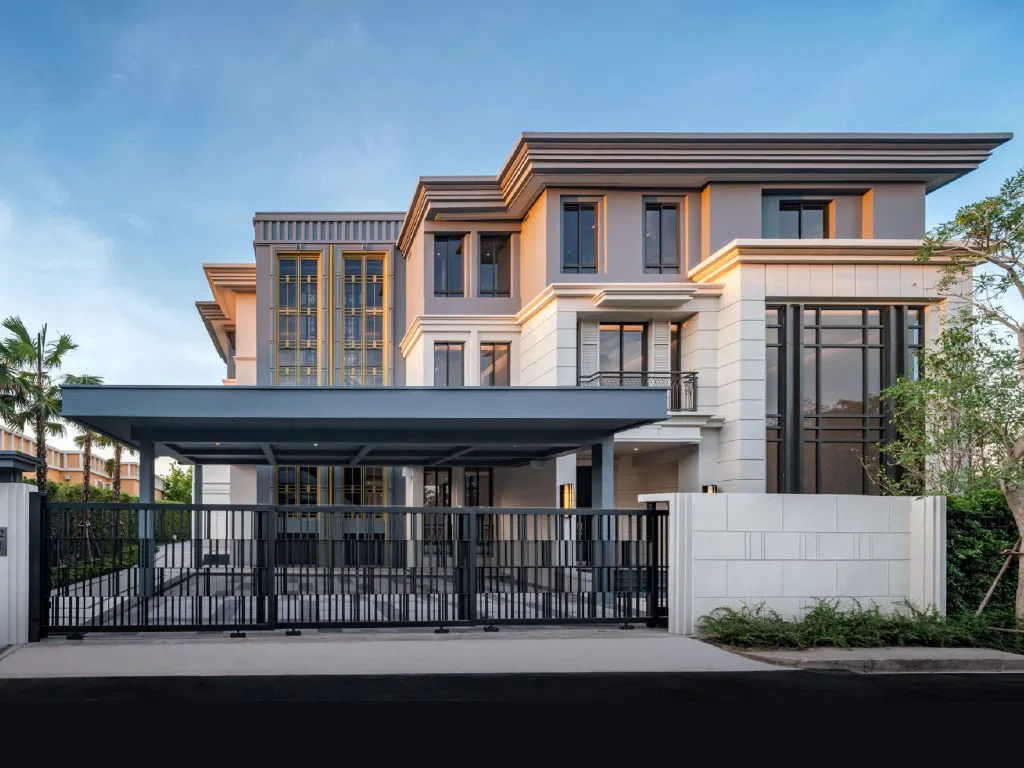
    The luxury housing market in Bangkok and its outskirts remains a beacon for high-potential buyers, with units priced at 10 million baht and above continuing to draw interest. A recent report by Knight Frank reveals that demand has surged, reaching nearly 24,790 units sold, translating to a noteworthy sales rate of 65.6%. This vibrant market clearly reflects the appetite of affluent individuals and senior executives for spacious, fully functional homes nestled in prime locations.

    Mid-to-Upper Luxury Appeal

    The report highlights that around 75% of total sales fall within the price segment of 10 to 40 million baht. This concentration underscores a clear trend toward mid-to-upper luxury housing, designed to entice High Net Worth Individuals (HNWIs) who are actively seeking upscale residences.

    Challenges Amid Economic Uncertainty

    Despite this robust demand, the outlook for luxury housing sales has encountered a bump in the road. Between 2024 and April 2025, sales are projected to range from only 1,000 to 1,500 units, a drop from the averages seen in prior years. Buyers appear to be exercising caution, taking their time to weigh purchasing decisions in light of ongoing economic uncertainties. Power isn’t the problem—purchasing decisions are just taking a leisurely stroll.

    Geographic Demand Distribution

    Analysis of accumulated luxury housing demand indicates that Eastern Bangkok has captured the lion’s share, accounting for 28% of the market. This area has become increasingly popular due to its connectivity to major expressways, the airport, and burgeoning business hubs, particularly around the Krungthep Kreetha–Rama IX corridor.

    Following closely are Western Bangkok and the Western Suburbs, which command 21% and 16% of the demand, respectively. Factors driving this interest include spacious living environments, competitive pricing, and the expansion of the electric train network. In stark contrast, the Downtown zone has witnessed a mere 4% of demand, largely attributable to limited land availability and exorbitant prices steering buyers towards more budget-friendly suburban options.

    Price Range Trends

    A closer look into price ranges reveals that demand stays robust between 10 and 30 million baht. Notably, homes priced between 10 and 20 million baht achieved remarkable sales, comprising 38% of total transactions in the latter half of the year. This trend illustrates buyers who, despite their financial clout, emphasize value for money. Typical buyers in this range are usually executives, entrepreneurs, or young families on the hunt for exceptional residences.

    Interestingly, while luxury homes exceeding 70 million baht are scarce, they boast an impressive sales rate of 84%, particularly in the 71–99 million baht range. This segment is sought after by ultra-affluent clientele desiring properties that cater to their distinct tastes in location, privacy, and status. These buyers, often disinclined to use mortgages, make choices driven by lifestyle aspirations rather than financial constraints.

    Questions & Answers

    What drives the demand for luxury housing in Bangkok?
    The demand is largely driven by affluent individuals and executives seeking spacious and well-located homes, with a significant portion of sales concentrated in the mid-to-upper luxury segment.

    How does economic uncertainty affect buyer behavior in the luxury market?
    Buyers are currently hesitant, taking longer to make purchasing decisions amid economic uncertainty, despite having strong purchasing power.

    Which areas in Bangkok are most popular among luxury homebuyers?
    Eastern Bangkok tops the demand chart, favored for its connectivity to expressways and emerging business centers, while Western Bangkok also shows strong buyer interest.

  • Singapore Sees 1.3% Rise in Industrial Leasing Volume for Q1: A Positive Trend Unfolds!

    Singapore Sees 1.3% Rise in Industrial Leasing Volume for Q1: A Positive Trend Unfolds!

    In a landscape marked by shifting economic climates, Singapore’s factory and warehouse segments maintained steady leasing activity in the first quarter of 2025. According to a recent report by Savills, the total number of tenancies soared to 2,902, reflecting a modest year-on-year increase of 1.3%. However, the data also reveals that businesses are treading carefully—adopting a “wait-and-see” approach as they reassess their real estate needs amid a more challenging business environment.

    Warehousing Holds Steady Amid Challenges

    “Companies are taking longer to make leasing decisions and are closely examining their space requirements,” the report indicated. Warehouse logistics emerged as the frontrunner in leasing performance, showcasing a 6.1% rise in tenancies compared to the previous year. In contrast, while demand for multiple-user factories remained robust with a 1.7% increase, the single-user factory segment experienced a significant decline, dropping 16.0% year-on-year.

    Shifts in Vacancy Rates Reveal Market Dynamics

    In a curious twist, the overall factory vacancy rate diminished despite the lackluster demand for factory space, thanks to a tightening supply chain. A notable reduction in the inventory of single-user factories led to a 0.6 percentage point drop in vacancies, leaving the rate at 11.4% in Q1. Meanwhile, multiple-user factory vacancies also dipped slightly to 8.7%, down from 9.0% in the previous quarter.

    On the flip side, warehouse space vacancies did see an uptick, rising by 1.0 percentage point to 9.5% in Q1. This increase stemmed from the completion of over 1.0 million square feet of new warehouse stock, including DB Schenker’s RedLion2 at 33 Greenwich Drive and a redeveloped logistics hub at 36 Tuas Road—a reminder that as one door closes, another one opens.

    Rental Trends Paint a Mixed Picture

    After a rental growth of 0.5% in the previous quarter, JTC’s rental index for all industrial properties continued its upward trajectory, persisting at the same rate in Q1 2025. Of particular note, JTC’s single-factory rental index experienced a more rapid increase of 0.8%, a contrast to its slower growth of 0.1% in the previous quarter. This elevation is attributed to the introduction of newly completed facilities featuring modern, high-tech specifications that demand premium rents.

    Despite the promising signs in single-user factory rentals, the overarching industrial rental growth remained subdued due to muted performance in both multiple-user factories and warehouses, which expanded by 0.3% and 0.6% respectively. In terms of market pricing, Savills noted a rebound in the monthly rents for prime multiple-user factories, which edged up to S$2.29 per square foot following a brief decline. However, with an anticipated influx of warehouse supply this year, landlords are adapting their strategies, leading to a 2.5% decrease in rents for prime warehouse and logistics properties, now at S$1.69 per square foot.

    Questions & Answers

    What is the overall trend in leasing activity for Singapore’s industrial properties?
    Leasing activity in Singapore’s industrial properties has shown modest growth, with a total of 2,902 tenancies recorded in Q1 2025, representing a 1.3% year-on-year increase, despite a cautious approach from businesses.

    Which segments saw the most demand in the first quarter?
    Warehouse logistics led the demand with a 6.1% increase in tenancies, while multiple-user factories also showed solid performance, growing by 1.7%. However, demand for single-user factories dropped sharply by 16.0% year-on-year.

    How have vacancy rates shifted in Q1 2025?
    The overall factory vacancy rate decreased to 11.4%, while multiple-user factory vacancies fell to 8.7%. Conversely, warehouse vacancies increased to 9.5%, partly due to the addition of over 1.0 million square feet of new warehouse stock.

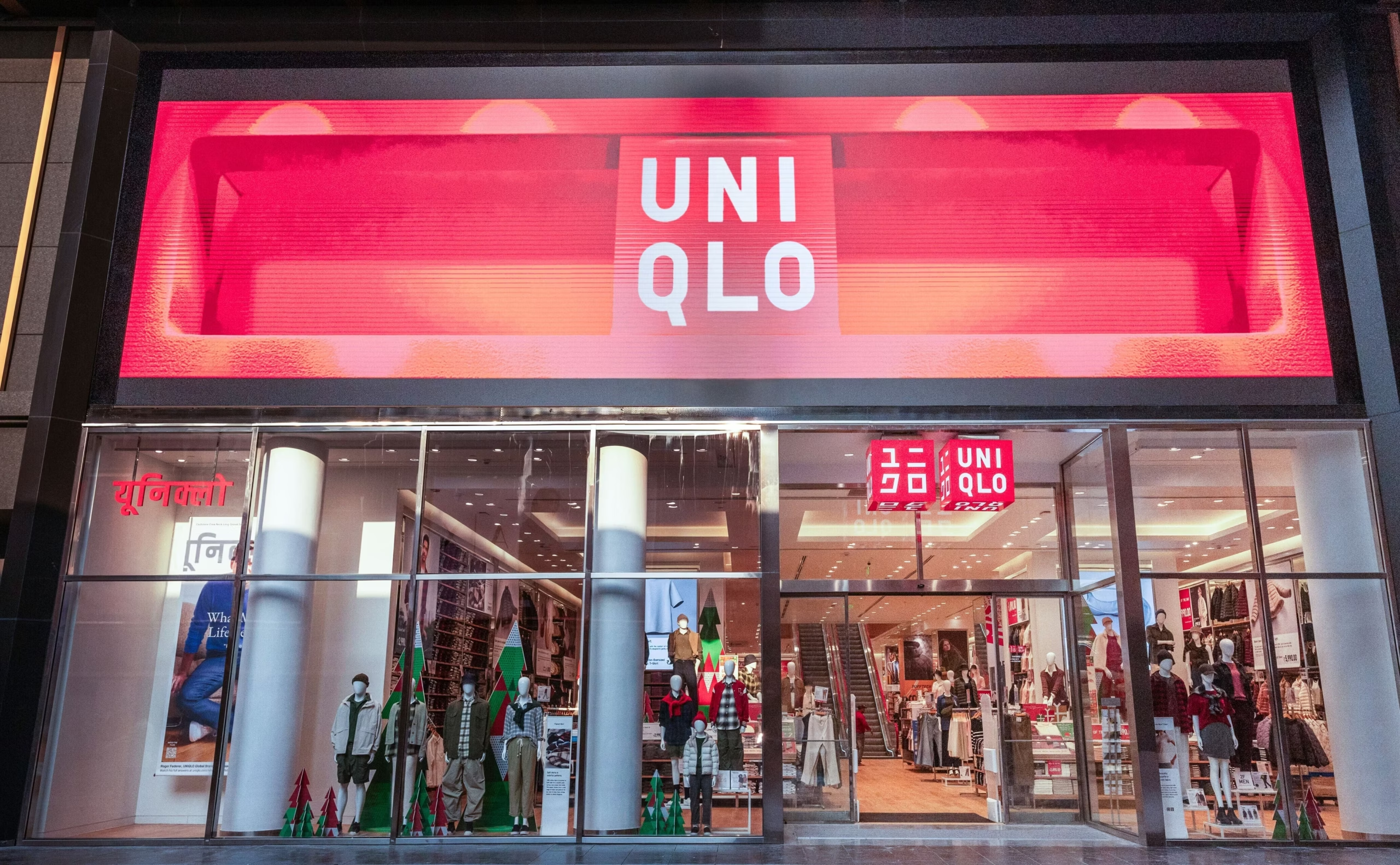
  • Uniqlo Set to Debut in South India with Exciting New Store in Bengaluru!

    Uniqlo Set to Debut in South India with Exciting New Store in Bengaluru!

    Retailers in Asia are facing a significant market shift as consumer spending trends evolve amid a changing economic landscape. With inflation and cautious consumer sentiment on the rise, businesses are strategizing to capture attention in an increasingly competitive environment.

    Adapting to Consumer Sentiment

    For many retailers, the focus is shifting from unconditional loyalty to a deeper understanding of consumer behavior. Brands are working tirelessly to adapt, employing data analytics to glean insights that go beyond the shopping cart. A recent survey revealed that 62% of consumers are now prioritizing value over brand allegiance, significantly impacting purchasing decisions across sectors.

    This newfound pragmatism has prompted retailers to reconsider promotional strategies, ensuring that discounts and offers align tightly with customer expectations. Some companies are even getting playful, testing quirky ad campaigns that resonate with younger audiences while remaining relatable—a refreshing departure from the usual marketing motifs.

    Investing in Sustainability

    Sustainability has taken a primary seat at the strategy table for numerous brands aiming to woo environmentally conscious shoppers. As greenwashing becomes a more serious issue, authentic commitment stands out. Retail giants are increasingly investing in sustainable supply chains and eco-friendly practices, with reports indicating a 25% uptick in consumer willingness to pay a premium for sustainable products.

    Brands like Uniqlo and Zara have rolled out extensive recycling programs, encouraging customers to return old garments while promoting a circular economy. The early adopters are seeing positive feedback, proving that a commitment to sustainability is not just a trend—it’s becoming a consumer expectation.

    Digital Transformation and E-Commerce Growth

    The pandemic hurled the retail sector into a digital renaissance, and now, e-commerce is not just a complementary channel but often the primary shopping avenue. Many brands are enhancing their online presence with immersive shopping experiences that merge practicality with engagement. Virtual try-ons and live-stream shopping events have become staples in the arsenal of savvy retailers, capturing the attention of a tech-savvy demographic yearning for connection.

    Moreover, social commerce is skyrocketing, with platforms like TikTok and Instagram evolving into marketplaces where sales can happen with a simple swipe. As the line between social interaction and shopping continues to blur, retailers are finding innovative ways to turn idle scrolling into spending.

    Understanding Regional Nuances

    It’s essential for retailers to recognize that Asia is not a monolith. Consumers in Southeast Asia have distinct tastes compared to their counterparts in East Asia, influenced by local cultures, economic conditions, and social dynamics. Brands that embrace these regional differences—by localizing products and marketing strategies—are often the ones that emerge victorious in this complex landscape.

    As retailers gear up for the future, the ability to blend tradition with innovation will be crucial. After all, in an age where consumer preferences can swing like a pendulum, agility may well be the most valuable asset.

    Questions & Answers

    How are retailers adapting to changing consumer sentiments in Asia?
    Retailers are focusing on understanding consumer behavior through data analytics and are shifting their promotional strategies to prioritize value, reflecting consumers’ increased price sensitivity.

    What role does sustainability play in modern retail strategies?
    Sustainability is becoming a key element for retailers, with many investing in eco-friendly practices and transparent supply chains to meet the expectations of environmentally conscious consumers.

    How is digital transformation impacting retail in Asia?
    Digital transformation has led to significant e-commerce growth, with brands enhancing online experiences through innovative technologies and social commerce, turning platforms into marketplaces.

  • Metrobank Appoints Renato De Borja, Jr. as New Leader of Financial and Control Sector

    Metrobank Appoints Renato De Borja, Jr. as New Leader of Financial and Control Sector

    Riding the wave of digital transformation, retailers across Asia are navigating a sea of change as they adapt to evolving consumer behaviors and market dynamics. The rise of e-commerce continues to reshape the retail landscape, compelling businesses to rethink their strategies and embrace innovative technologies.

    Asian Retailers Embrace E-commerce Evolution

    In recent years, e-commerce has surged in popularity, driven largely by the pandemic, which forced consumers to rely on online shopping for their everyday needs. According to a report from eMarketer, Asia-Pacific is expected to account for over 60% of global e-commerce sales by 2023, with giants like China leading the charge. This unparalleled growth has prompted traditional retailers to pivot and enhance their digital offerings or risk being swept away by agile competitors.

    Omni-channel Strategies Take Center Stage

    Retailers are increasingly adopting omni-channel retailing, integrating online and offline channels to create seamless shopping experiences. This shift not only caters to consumers’ preferences for convenience but also allows retailers to gather valuable data about customer behavior. Brands like Alibaba and Shopee are setting benchmarks for personalization, employing advanced algorithms to tailor recommendations, making shoppers feel as if they’ve struck gold with every purchase.

    Technological Adoption Fuels Retail Innovation

    Emerging technologies are at the heart of the retail revolution, with artificial intelligence, augmented reality, and blockchain becoming critical tools for growth. AI chatbots are now commonplace, providing 24/7 customer service that rivals even the most attentive sales associates. Meanwhile, augmented reality is enhancing the online shopping experience, allowing consumers to virtually try on clothes and accessories from the comfort of their own homes—a fitting measure of convenience in a fast-paced world.

    Local Heroes Emerge Amid Global Giants

    As much as multinational corporations like Amazon and Walmart dominate headlines, local players are carving out niches by catering to regional tastes and preferences. For instance, South Korea’s Coupang has gained immense popularity through its lightning-fast delivery service, while India’s Flipkart continues to adapt its offerings to resonate with the local populace. This nimbleness not only fosters loyalty but also emphasizes the importance of understanding local markets in a globalized economy.

    Environmental Concerns Reshape Consumer Choices

    Today’s consumers are not just focused on convenience; sustainability has emerged as a significant driving force behind purchasing decisions. Retailers in Asia are increasingly conscious of their environmental footprint and are responding with eco-friendly practices, from sustainable sourcing to reduced packaging. Companies that embrace green initiatives are not only attracting eco-conscious shoppers but also setting trends that challenge the traditional notions of retail.

    The Future is Bright, Yet Challenging

    As Asia’s retail arena evolves at breakneck speed, the future holds both promise and challenges. Companies must navigate the complexities of supply chain disruptions and the rapidly changing regulatory landscape. However, the potential to connect with consumers in innovative and meaningful ways has never been greater. For retailers, the key lies in being adaptable, understanding their audience, and not being afraid to pivot in a landscape where change is the only constant. And as the old saying goes, “If you can’t beat them, join them”—though in this case, one might add, “and then outsmart them.”

    Questions & Answers

    How is e-commerce expected to shape the future of retail in Asia?
    E-commerce is projected to dominate retail sales in Asia, accounting for over 60% of global online transactions by 2023, pushing traditional retailers to innovate or risk obsolescence.

    What role do local retailers play in the competitive landscape?
    Local retailers are uniquely positioned to cater to regional preferences, often outshining global giants by offering tailored experiences and understanding customer needs better.

    How are sustainability practices changing consumer behavior?
    Today’s consumers are increasingly prioritizing sustainability, driving retailers to adopt eco-friendly practices that not only appeal to this demographic but also set new standards in the market.

  • Manila Set to Unveil 2,680 New Hotel Rooms by 2025: Exciting Growth in Hospitality Awaits!

    Manila Set to Unveil 2,680 New Hotel Rooms by 2025: Exciting Growth in Hospitality Awaits!

    According to a recent report by Colliers, the Philippine hospitality sector is on the upswing, bolstered by significant infrastructure improvements and an influx of international visitors. In 2024, the country welcomed nearly 5.95 million tourists, a figure ensuring it’s still catching up to pre-pandemic expectations. Despite not hitting the ambitious tourist arrival targets, spending reached a record-breaking PHP 760 billion, making the Philippines a leader in Southeast Asia regarding per-visitor expenditures.

    Emerging Opportunities for Developers

    With an optimistic outlook for the future, Colliers advises developers to keep an eye on emerging destinations, particularly with the newly approved 99-year land lease law making strides through the legislative process. This development is poised to attract foreign brands and facilitate the creation of integrated leisure hubs, providing a fertile ground for investment.

    Foreign Brands Join Forces with Local Developers

    In a striking trend, foreign hotel brands are aggressively expanding by forming partnerships with local developers in both established and up-and-coming markets. Major players such as Dusit, Wyndham, Accor, Marriott, and The Ascott Group are leading the charge. The ongoing integration of land lease extensions and Real Estate Investment Trusts (REITs) is anticipated to further drive investment, especially in tourism-centric townships and convention facilities.

    Rising Occupancy Rates Amid Construction Delays

    Metro Manila has seen its hotel occupancy rates rise to 64% in the latter half of 2024, with Average Daily Rates (ADRs) climbing by 2.7% year-on-year. As we moved into the first quarter of 2025, demand for Meetings, Incentives, Conferences, and Exhibitions (MICE) facilities remained robust, particularly in the Makati Central Business District, Fort Bonifacio, and the Bay Area. Four- and five-star hotels particularly benefitted from this increased demand, reflecting the resurgence in business travel. Though room supply struggled due to construction delays, the market anticipates the addition of 2,680 new rooms in 2025, primarily located in Makati and the Bay Area. Interestingly, outside the capital, occupancy rates soared to between 70% and 80% in areas like Clark and Cebu.

    A Bright Outlook for the Future

    Colliers anticipates consistent occupancy levels and a modest ADR increase of 3% in 2025, driven by rising foreign arrivals and thriving MICE activity. Developers are encouraged to collaborate closely with airport infrastructure projects to pinpoint future growth corridors and capitalize on the evolving travel landscape.

    Questions & Answers

    How has tourist spending changed in the Philippines recently?
    In 2024, tourist spending in the Philippines hit a record PHP 760 billion, making the country a leader in Southeast Asia for per-visitor expenditure.

    What major trends are influencing hotel development in the Philippines?
    Foreign hotel brands are actively partnering with local developers in both established and emerging markets, with new land lease laws set to stimulate investment in integrated leisure hubs.

    What are the expected occupancy rates for Philippine hotels in 2025?
    Colliers is forecasting stable occupancy levels and a 3% increase in Average Daily Rates in 2025, fueled by increasing international arrivals and strong MICE demand.

  • Luxury Home Prices in Hong Kong Set to Decline by Up to 5% – What Buyers Should Know!

    Luxury Home Prices in Hong Kong Set to Decline by Up to 5% – What Buyers Should Know!

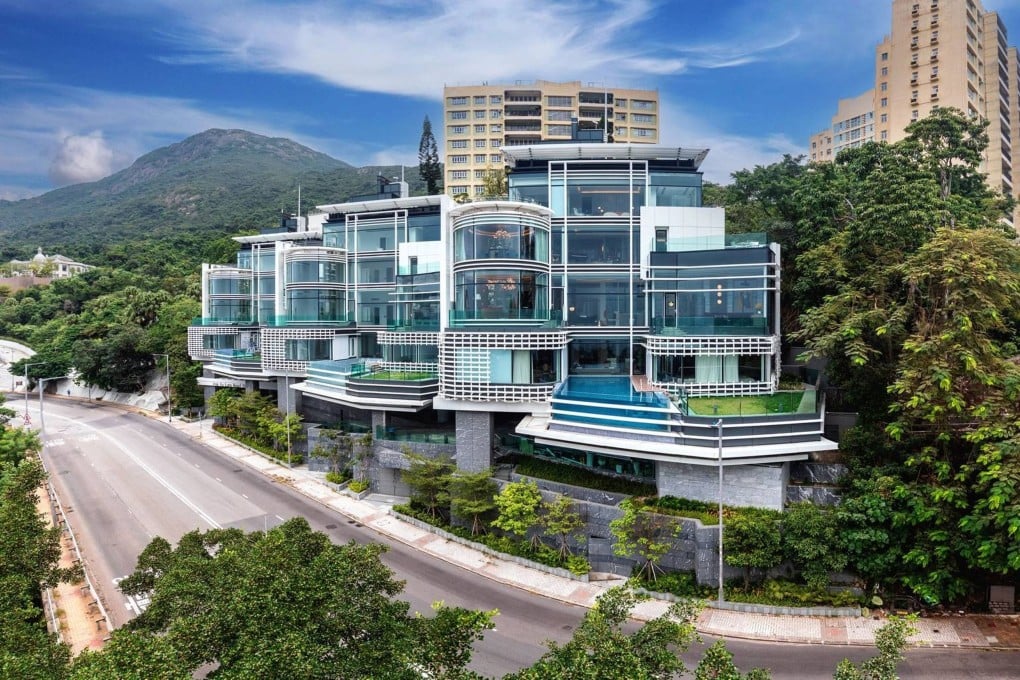
    In the first half of 2025, Hong Kong’s luxury property market has seen a surge in activity, primarily driven by an influx of distressed units sold at attractive prices. This situation has piqued the interest of affluent buyers, eager to seize the opportunity to acquire high-value properties at reduced rates. William Lau, Senior Director and Head of Residential Agency at Knight Frank, observed that this trend is temporarily stabilizing luxury prices, especially for homes valued between HK$20 million and HK$40 million. Lau predicts a modest decline of 0% to 5% in this segment while properties exceeding HK$40 million are likely to hold their ground.

    Leasing Market Shines in Hong Kong’s Luxury Sector

    Contrasting the sales market, leasing has taken center stage, bolstered by rising demand from the Top Talent Pass Scheme, which attracts skilled professionals to the city. The unique attributes and scarcity of luxury properties have further fortified the leasing sector’s resilience. Notably, demand is robust in Mid-Levels, particularly for apartment units measuring between 800 and 1,000 square feet—ideal for families seeking that coveted extra storage space.

    With a strong leasing pipeline, Knight Frank expects luxury rents to rise by a steady 0% to 3% throughout the year. As the market realigns amidst these dynamics, investors and tenants alike are keenly eyeing this resurgence, hoping to capitalize on the evolving landscape of Hong Kong’s high-end real estate.

    Questions & Answers

    What factors are driving the recent activity in Hong Kong’s luxury property market?
    The increase in distressed properties available for sale, often at reduced prices, has attracted cash-rich buyers, providing investment opportunities in high-value segments.

    What is the forecast for luxury home prices in Hong Kong over the next year?
    Prices for residential homes priced between HK$20 million and HK$40 million may see a decline of 0% to 5%, while properties valued above HK$40 million are expected to remain stable.

    How is the leasing market performing compared to the sales market?
    The luxury leasing market has outperformed the sales sector, driven by demand from initiatives like the Top Talent Pass Scheme, with expected rent increases of 0% to 3% this year.

  • Huawei Unveils Revolutionary AI Home Solutions at MWC Shanghai 2025: A New Era of Smart Living!

    Huawei Unveils Revolutionary AI Home Solutions at MWC Shanghai 2025: A New Era of Smart Living!

    At the recent MWC Shanghai 2025, Huawei unveiled its latest innovations in artificial intelligence (AI) for home systems, capturing the attention of industry leaders and tech enthusiasts alike. In a world increasingly shaped by digital interactions, Huawei emphasized the critical role of cloud and network collaboration, now elevated to include AI as an integral component in their deployment strategies.

    Redefining User Interaction with AI

    Huawei’s approach to AI-equipped home systems goes beyond mere interpretation; it centers on cultivating a nuanced understanding of individual users. The company aims to craft distinctive profiles that cater to the preferences of each household member. By recognizing vocal tones and tracking habits, Huawei’s AI systems can seamlessly integrate into daily lifestyles—a book lover doesn’t seek out the same recommendations as a movie buff, after all.

    While many operators endeavor to build proprietary cloud platforms, Huawei argues that true progress lies in collaboration with third-party cloud operating systems and external applications. Such cooperation is vital to ensure that AI home assistants are not just standalone entities but can interact with various external agents to provide optimal convenience.

    The ambition is to develop sophisticated level-three and level-four applications that enable cross-application collaboration. Huawei is leading this charge with the AI Home Hub, where an integrated AI agent operates directly on the device. A recent example of this is the Unibox TongTong from China Unicom, which utilizes in-app collaboration to streamline ride-hailing through AI Home Apps.

    Seamless Connectivity for Smart Homes

    In the quest for smarter living, fiber-to-the-room (FTTR) technology stands as a cornerstone for connecting diverse IoT devices—ranging from cameras to fridges—within homes, all while avoiding the chaos of multiple applications. Huawei’s AI Home Hub acts as a unifying system designed with user experience in mind.

    To accommodate the vast amount of data generated by these devices—terabytes containing movies, applications, and personal records—homes will require significant storage capability. This demands a massive volume of data points to train AI assistants effectively. Major telecom operators in China are stepping up, establishing AI-centric data centers equipped to handle this surge in demand.

    As internet speed plays a pivotal role in this evolution, broadband packages now typically provide speeds between 100 Mbps to 1,000 Mbps (or 1 Gbps), with entry-level options starting around 300 Mbps. Nonetheless, to power the next wave of interactive, AI-driven applications, networks must scale up to thousands of Mbps. Huawei suggests using shallow compression to enhance service quality, balancing bandwidth needs against latency concerns without introducing pricey hardware solutions.

    This remarkable connectivity wouldn’t flourish without support from China’s leading telecom giants—China Telecom, China Unicom, and China Mobile—whose extensive integration of fixed and mobile networks is reshaping user expectations.

    With multiplying use cases, including 2D/3D entertainment and versatile video streaming options, retaining subscribers hinges on developing an “open Harmony ecosystem” for diverse IoT appliances. HarmonyOS, Huawei’s next-generation platform, promises an improved connection across a myriad of smart devices, enhancing inter-device collaboration.

    Smart Living Made Easy

    Huawei’s AI Home system is more than just tech; it’s a glimpse into a smarter future. Take Sarah, the virtual personal assistant, who can intelligently schedule tasks and suggest meals based on a user’s fridge content. If the whole house isn’t interconnected, how effective can such innovations be?

    China Unicom’s AI assistant, designed for home use, dons a versatile skill set with 16 functions, including home security and exercise tracking—all controllable through voice commands. Even children can request suitable movie options, while the system taps into third-party content to streamline user experiences, proving that tech is truly for everyone.

    Moreover, built-in AI trainers can assess performance during workouts or yoga sessions and even serve as a personal tutor, enhancing educational journeys tailored to individual learning styles. The innovative 3D-Optical Sensing solution can also keep an eye on the elderly, achieving a remarkable recognition rate of 90% for monitoring movement.

    For telecom operators, the future here is lucrative as monetization extends beyond mere connectivity to encompass encompassing AI solutions. Huawei’s framework—integrating cloud, AI, network, and device capabilities—provides operators with the tools to deploy their own AI agents, reinforcing the necessity for complete connectivity in today’s ever-evolving scenarios. Together, they are shaping a smooth, intelligent “smart life” for consumers in Asia and beyond.

    Questions & Answers

    How does Huawei’s AI Home system enhance user experience?
    The AI Home system creates tailored user profiles through voice recognition and habit tracking, providing personalized recommendations and seamless integration across different household needs.

    What role does speed play in the effectiveness of smart home applications?
    As the complexity of smart applications increases, higher broadband speeds (up to 5,000 Mbps) become essential to minimize latency and support real-time, interactive functions.

    How are telecom operators adapting to the rise of AI-driven home solutions?
    Operators are establishing AI-focused data centers and adopting advanced connectivity solutions to enable large-scale deployment of AI technologies, enhancing user engagement and satisfaction.

  • Vietnam to Inspect Cooking Oil Producers After Uncovering Animal-Feed Oil Scandal

    Vietnam to Inspect Cooking Oil Producers After Uncovering Animal-Feed Oil Scandal

    In a proactive move to bolster food safety, Vietnam’s Industry Agency announced plans to conduct thorough inspections at oil production facilities, particularly focusing on smaller establishments that may lack adequate safety certification. This initiative aims to address growing concerns over substandard cooking oils entering the market.

    Following a significant crackdown on adulterated cooking oil, notably a case involving Nhat Minh Food Production and Import-Export Co., the Ministry of Industry and Trade is ramping up its market oversight. Reports revealed that authorities in northern Hung Yen Province discovered the company had unscrupulously imported seed oil meant for animal feed, rebranding it as “OFOOD” to pass it off as cooking oil. The mislabeling scam has reportedly led to the sale of tens of thousands of tons of this fake cooking oil, predominantly to industrial kitchens, restaurants, and food processing units.

    The deceptive seed oil lacks essential food safety and hygiene standards and is devoid of nutritional value, raising alarms about consumer safety. While the ministry acknowledged that Nhat Minh had submitted a self-declaration for its seed oil product, it also noted the absence of a food safety certificate, leading to further scrutiny. Intriguingly, despite the alarming findings, local authorities had not previously raised concerns regarding the company’s operations, making this revelation all the more startling.

    Now, the ministry is determined to investigate thoroughly, promising to safeguard the food industry and restore confidence among consumers. In a previous enforcement action, authorities seized 71,000 liters of illegitimate cooking oil and 40 tons of counterfeit monosodium glutamate (MSG) in Phu Tho, products that had infiltrated various sales channels, including social media and local markets within industrial zones. The trend of uncovering substandard and adulterated food products suggests a deeper issue within the food supply chain.

    The risks associated with consuming unsafe food extend beyond immediate health issues such as diarrhea and food poisoning. Long-term effects like liver and kidney damage, reproductive health disorders, and other complications from chemical or microbial contamination pose serious threats to public health, significantly straining healthcare resources.

    Vietnam’s cooking oil market, with an annual demand of 1.5 million tons, represents a substantial economic segment, valued at approximately VND30 trillion (US$1.15 billion). As scrutiny intensifies, the hope is that stronger regulations will ensure that consumers no longer have to play detective in their quest for safe food options.

    Questions & Answers

    What prompted the inspections of cooking oil production facilities in Vietnam?
    The inspections were initiated following a significant scandal involving Nhat Minh Food Production, which sold adulterated cooking oil labeled as safe despite being made from seed oil intended for animal feed.

    What health risks are associated with consuming substandard cooking oils?
    Consuming unsafe cooking oils can lead to immediate health issues like diarrhea and food poisoning, as well as long-term risks such as liver and kidney damage and reproductive health disorders due to contamination.

    How large is Vietnam’s cooking oil market?
    Vietnam’s cooking oil market has an annual demand of 1.5 million tons, translating into a market value of around VND30 trillion (US$1.15 billion).

  • Indosat’s SheHacks 2025: Empowering Women Through Innovative Digital Solutions

    Indosat’s SheHacks 2025: Empowering Women Through Innovative Digital Solutions

    Indosat Ooredoo Hutchison (Indosat) has launched SheHacks 2025, a comprehensive initiative designed to narrow the gender gap in digital skills and entrepreneurial opportunities for women across Indonesia. Since opening registration on April 25, 2025, the campaign has seen over 17,000 women signing up, with registrations remaining open until June 30. Participants include community leaders, entrepreneurs, and founders of micro, small, and medium enterprises (MSMEs) from various regions.

    Launching Innovation Among Women Entrepreneurs

    The program kicked off in Jayapura, featuring a two-day workshop called ‘SheHacks Innovate,’ which welcomed around 90 entrepreneurial women. Here, participants gained hands-on experience in critical areas such as digital branding, content marketing, app-based financial management, and business development strategies like the Business Model Canvas. This foundational training aims to equip women with the essential skills to thrive in today’s competitive digital landscape. Notably, the most promising participants from each city will advance to an elite mentoring phase, gaining valuable insights and resources.

    SheConnect Champion: Pitching for Progress

    Adding another layer to the initiative, SheHacks 2025 introduces ‘SheConnect Champion,’ a startup pitching competition taking place in Bandung, Aceh, and Banjarmasin. This exciting platform allows women tech founders to present their innovations to a panel of investors and professionals. Eleven contestants are in the running to be selected as part of the Top 12 MVPs, heralding a new wave of women-led digital enterprises in Indonesia — a refreshing reminder that women, often underestimated in tech spaces, can be the driving force behind groundbreaking ideas.

    Expanding Reach and Impact

    During June, SheHacks further intensified its efforts in digitally underserved regions, such as Ambon, Nias, Aceh, and Banjarmasin. The program is set to expand in July, aiming to connect with even more female entrepreneurs in Banyuwangi and Pamekasan. By mid-June, the initiative had already engaged 17,040 women in its ideation phase, supported 342 MVP-level participants, and identified 25 regional guides who will mentor others in their communities.

    With the June 30 registration deadline looming, Indosat is actively encouraging more Indonesian women to seize this opportunity to enhance their digital business skills. By investing in initiatives like SheHacks, Indosat reinforces its commitment to fostering a digitally inclusive environment in Indonesia. Over the past five years, the program has positively impacted over 34,000 women nationwide, inspiring innovation and driving social and economic change. Indosat’s vision of empowering Indonesia is evidenced by its dedication to providing relevant, inclusive digital solutions that sharpen the nation’s competitive edge in the global digital economy.

    Questions & Answers

    What is the primary aim of SheHacks 2025?
    SheHacks 2025 aims to bridge the gender gap in digital skills and entrepreneurship among Indonesian women, equipping them with essential tools for building competitive businesses.

    How many women have registered for the program so far?
    As of mid-June, more than 17,000 women have registered for SheHacks 2025, with sign-ups continuing until June 30.

    What types of training does the program offer?
    The program provides training in digital branding, content marketing, financial management, and business development, preparing participants to excel in the digital economy.

  • Singapore Airlines CEO Goh Choon Phong’s Pay Falls to $5.5M Even Amid Strong Profit Surge

    Singapore Airlines CEO Goh Choon Phong’s Pay Falls to $5.5M Even Amid Strong Profit Surge

    Singapore Airlines has revealed that it paid CEO Goh Choon Phong SGD7 million (US$5.5 million) for the financial year ending March 31, marking a 13.5% decrease from the prior year, despite notable growth in both profit and passenger numbers.

    CEO’s Compensation Package Highlights Increases Amid Overall Pay Drop

    Goh’s latest compensation package comprises a SGD1.5 million salary and SGD3.1 million in bonuses, both of which saw an upward trend, as reported by The Business Times. However, the value of shares awarded to him took a significant hit, plummeting by 46% to SGD2.3 million.

    Sky High Performance Amid External Challenges

    Despite grappling with geopolitical tensions, supply chain disruptions, and inflationary pressures, Singapore Airlines has managed to soar above the challenges. Chairman Peter Seah expressed optimism in a letter to shareholders, celebrating the airline’s robust performance. The company posted a 3.9% rise in net profit to SGD2.8 billion while also welcoming a record 39.4 million passengers aboard its flights.

    Generosity in Profit-Sharing for Employees

    In a gesture of appreciation, Singapore Airlines has maintained a substantial profit-sharing bonus for its employees, offering eligible staff a share equivalent to 7.45 months’ salary. This is slightly less than the record-breaking 7.94 months’ profit-sharing bonus from the previous year, which was the highest in the airline’s history. It’s clear that while Goh might be tightening his belt, the company continues to reward its dedicated workforce generously — which, let’s be honest, is a refreshing change in these turbulent times.

    Questions & Answers

    What major factors contributed to Singapore Airlines’ resilience over the last year?
    Geopolitical tensions, supply chain issues, and inflation posed significant challenges, yet Singapore Airlines achieved a 3.9% increase in net profit and carried a record number of passengers.

    How does Goh Choon Phong’s current compensation compare to previous years?
    Goh’s total compensation is down 13.5% from the previous year, primarily due to a steep drop in the value of awarded shares, despite increases in his salary and bonuses.

    What profit-sharing bonus did Singapore Airlines offer its employees this year?
    The airline provided eligible staff with a profit-sharing bonus equivalent to 7.45 months of salary, just shy of the all-time high of 7.94 months from the previous year.

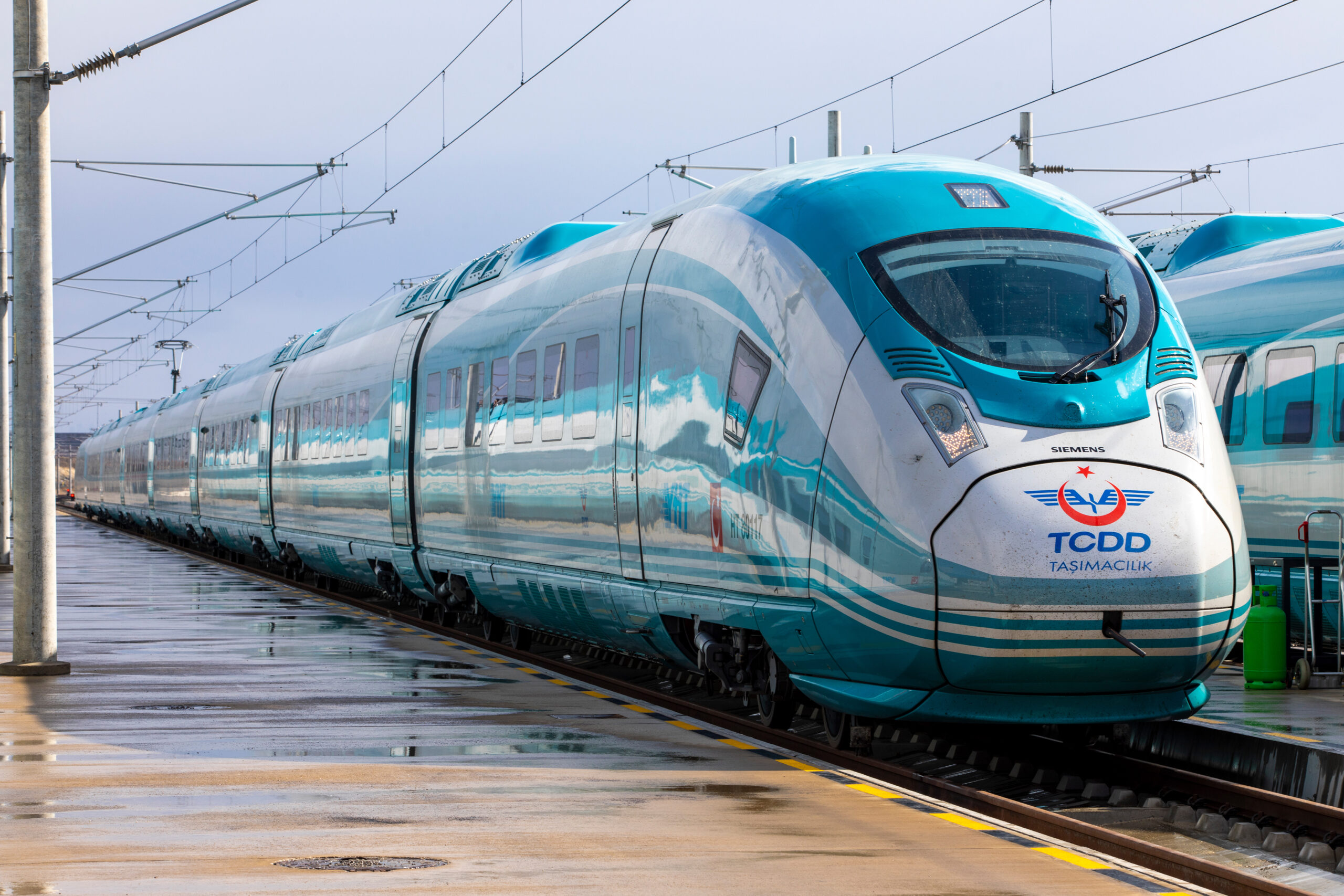
  • Siemens Plans Ambitious High-Speed Rail Project to Transform Vietnam’s Transportation Landscape

    Siemens Plans Ambitious High-Speed Rail Project to Transform Vietnam’s Transportation Landscape

    In a compelling dialogue at the 16th Annual Meeting of the New Champions, held by the World Economic Forum in Tianjin, China, Siemens’ Chief Technology Officer and Chief Strategy Officer, Peter Keotre, presented an ambitious invitation to Vietnam’s Prime Minister Pham Minh Chinh. The offer reflects Siemens’ ongoing commitment to strengthening its presence in the region.

    Siemens, which operates across sectors including industry, infrastructure, transportation, and healthcare, has distinguished itself in the arena of industrial AI. Last year, the company reported impressive revenues of EUR 75.9 billion (US$ 89 billion). Since establishing a foothold in Vietnam in 1993, Siemens has operated offices in Hanoi, Da Nang, and Ho Chi Minh City, alongside a manufacturing facility located in Binh Duong Province.

    Prime Minister Chinh lauded Siemens for its substantial global operations and meaningful contributions to Vietnam, expressing enthusiasm for the company’s intentions to escalate investments, particularly in critical infrastructure projects like the North-South high-speed rail. This project, which received National Assembly approval in November 2024, carries a hefty price tag of VND 1.7 quadrillion (US$ 67 billion) and will stretch 1,541 kilometers, linking Hanoi to Ho Chi Minh City through 20 provinces and cities.

    The North-South rail initiative isn’t drawing interest solely from Siemens; various foreign firms have also shown eagerness to participate. On the domestic front, major players like VinFast, backed by Vietnam’s wealthiest individual Pham Nhat Vuong, and automaker Thaco are also vying to invest.

    In addition to the high-speed rail, Vietnam is eyeing enhanced rail connections with China to streamline routes extending to Central Asia and Europe. Chinh has encouraged Siemens to collaborate with relevant ministries, agencies, and the Vietnam Railways Corporation to explore potential involvement in these transformative projects.

    Infrastructure development is a focal point for the Vietnamese government, viewed as a vital catalyst for economic growth. Chinh shared that public-private partnership models are being considered to attract investments in essential national initiatives encompassing transportation, energy, and digital infrastructure.

    His remarks underscored recent institutional reforms aimed at creating more open mechanisms and policies, expanding investment opportunities for businesses eager to be part of Vietnam’s progressive development narrative. With plans covering roads, railways, air transport, and maritime infrastructure, the government is laying the groundwork for a robust economic future, where even trains can hit the high speeds of innovation.

    Questions & Answers

    How is Siemens planning to deepen its investments in Vietnam?
    Siemens aims to enhance its investments primarily in infrastructure projects, with a keen focus on the North-South high-speed rail initiative that promises to revolutionize the country’s transportation landscape.

    What are the key features of the North-South high-speed rail project?
    The rail project, approved by the National Assembly in November 2024, will span 1,541 kilometers, connecting Hanoi to Ho Chi Minh City and traversing 20 provinces and cities, with a projected cost of VND 1.7 quadrillion (US$ 67 billion).

    How does Vietnam view infrastructure development?
    Vietnam considers infrastructure development as a crucial driver for economic growth and is exploring public-private partnerships as a means to attract investments into vital national projects, particularly in transportation and digital infrastructure.

  • Malaysia’s Digital Banks Struggle with Slower Loan Growth Amid Rising Costs

    Malaysia’s Digital Banks Struggle with Slower Loan Growth Amid Rising Costs

    Malaysia’s digital banking landscape is shifting, as the nation’s new players in the sector are reassessing their approaches to deposit gathering amidst challenges in lending growth, which has turned out to be more costly and sluggish than initially projected, according to a recent report from UOB Kay Hian (UOBKH).

    Digital Banks Adjust Strategies Amid Slower Growth

    As of now, three of the five licensed digital banks in the country—GXBank, Boost Bank, and AEON Bank—are operational, while Ryt Bank and KAF Digital Bank are still in the pilot phase. The slow scaling of lending activities has been a significant hurdle for these digital lenders. Their target market consists largely of underserved and unbanked Malaysians, who present unique operational and credit risks.

    UOBKH analyst Keith Wee Teck Keong highlighted the complications: “Many in this segment may lack the digital literacy to engage fully with app-based platforms, while their credit profiles may raise asset quality concerns,” he stated in a report dated June 24, 2025.

    The Ripple Effect on Deposits

    In light of these lending challenges, digital banks are likely to pull back on their deposit-gathering efforts. Wee pointed out that taking an overly aggressive stance in collecting deposits without a corresponding growth in lending could lead to negative carry. This scenario would see expensive deposits funneled into low-yielding money market instruments, squeezing profit margins.

    For conventional banks, this situation may present a silver lining, as the reduction in deposit competition could ease pressure within the broader banking ecosystem. Currently, none of the digital banks have reached profitability, and Wee notes that those that have begun operations estimate it could take over three years on average to reach breakeven.

    The Leaders of the New Wave

    Among the newcomers, GXBank Bhd stands out, boasting both the highest assets and customer deposits. As of September 2024, the bank reported total assets of MYR2.4 billion and deposits totaling MYR2.2 billion. EAON Bank trails with MYR711 million in assets and MYR339 million in deposits reported in November 2024, while Boost Bank has MYR819 million in assets and MYR573 million in deposits as of March 2025.

    Although these figures are promising, Wee cautions that the combined asset base of these three operational digital banks remains modest, representing less than 1% of Malaysia’s total banking sector assets, which were pegged at RM3.7 trillion as of late April 2025.

    Even under the regulatory cap of MYR3 billion per digital bank for their first 3-5 years, the cumulative MYR15 billion ceiling reflects just 0.4% of the industry’s total assets, leaving plenty of room for growth and opportunity for these nascent financial institutions.

    Questions & Answers

    What challenges are Malaysian digital banks facing?
    Digital banks in Malaysia are encountering significant hurdles in scaling their lending activities due to targeting underserved segments that often lack digital literacy and have questionable credit profiles.

    How have digital banks responded to lending growth challenges?
    In response to the costlier and slower growth in lending, digital banks are expected to temper their deposit-gathering strategies to avoid negative carry and maintain healthier profit margins.

    Which digital bank currently leads the market in assets and deposits?
    GXBank Bhd leads among operational digital banks in Malaysia, with total assets of MYR2.4 billion and deposits of MYR2.2 billion as of September 2024, showcasing a considerable market presence.