Author: Mei Ling Tan

  • Gold Hits Two-Week Low: What This Means for Investors and Retail Buyers

    Gold Hits Two-Week Low: What This Means for Investors and Retail Buyers

    A person holds gold bars in a jewelry shop in Hanoi. Photo by VnExpress/Ngoc Thanh

    In a noteworthy turn of events, Vietnam’s gold prices dropped sharply on Saturday, marking their lowest point since June 12 as the global gold market experienced a significant pullback.Saigon Jewelry Company reported a 0.42% decline in the price of gold bars, now valued at VND119.2 million (approximately US$4,567.92) per tael. Likewise, gold rings saw a 0.43% reduction, now priced at VND116 million per tael.

    Despite this recent dip, gold prices have soared by 42% since the start of the year. However, last Friday marked a crucial shift as gold fell by 2% globally, reaching a near one-month low. The decline followed a U.S.-China trade agreement that renewed risk appetite among investors, thus diminishing gold’s status as a safe haven.

    Spot gold prices eased by 1.5% to $3,277.17 per ounce, after an earlier drop of 2% that marked its lowest level since May 29. This decline represents a continued downturn for bullion, which has experienced a 2.8% drop over the past two weeks.

    “The waning geopolitical tensions have encouraged investors to take profits, driven by the increasingly optimistic outlook regarding relations with China and the evolving situation in the Middle East,” said Daniel Pavilonis, a senior market strategist at RJO Futures.

    The recent U.S.-China trade agreement, aimed at speeding up the shipment of rare earth metals to the United States, has been positively received by markets, leading to a rally in global shares.

    In the Middle East, the ceasefire agreement between Iran and Israel appears to be holding steady, despite a few minor incidents earlier on.

    Questions & Answers

    How much have gold prices fallen in Vietnam recently?
    Vietnam’s gold prices dropped to their lowest level since June 12, with gold bars declining by 0.42% to VND119.2 million per tael.

    What factors contributed to the global decline in gold prices?
    A new trade agreement between the U.S. and China, which has increased investor risk appetite, along with easing geopolitical tensions, has decreased gold’s appeal as a safe-haven asset.

    What is the overall trend for gold prices this year?
    Despite the recent drop, gold prices have surged by 42% since the beginning of the year, reflecting a strong performance before recent market shifts.

  • Krungsri Launches Exciting Corporate Banking Initiatives Across ASEAN Markets

    Krungsri Launches Exciting Corporate Banking Initiatives Across ASEAN Markets

    Bank of Ayudhya, known as Krungsri, is set to enhance its partnerships and consulting services geared towards high-potential industries, as it seeks to expand its corporate banking operations throughout ASEAN. With its eyes firmly on the future, the Thailand-based institution is prioritizing engagement with sectors that promise significant growth, including bio green technology, semiconductors, food innovation, and smart agriculture — all of which are pivotal for Thailand’s economic landscape in 2025.

    A Spotlight on Innovation and Collaboration

    The recent Japan-ASEAN Startup Business Matching Fair stands out as a key initiative underlining Krungsri’s strategic roadmap. This event saw participation from over 54 startups and showcased cutting-edge Japanese technologies focused on disaster prevention, culminating in an impressive 400 business connections made in just one day. Such endeavors reflect the bank’s commitment to bridging gaps and fostering collaboration within the region.

    Paving the Way for Tailored Financial Solutions

    As part of its ambition to deepen ties across ASEAN, Krungsri intends to roll out customized financial solutions for businesses, positioning itself as a valuable partner in their growth journeys. Moreover, the bank is unwavering in its dedication to achieving net-zero greenhouse gas emissions, emphasizing the importance of collaboration with public entities to facilitate knowledge sharing and elevate awareness around sustainable practices.

    Empowering Japanese Corporations

    Krusgri is particularly focused on supporting Japanese firms operating in Thailand, a community it serves robustly, covering over 70% of these businesses. The bank’s commitment is evident in its mission to empower these companies and help them realize sustainable growth metrics.

    Bunsei Okubo, head of Japanese corporate banking at Krungsri, echoed this ambition, stating, “Krungsri will remain a key driving force for Japanese corporations and support for the growth of the Thai economy, advancing innovation, nurturing growth, and fostering regional partnerships to support customer success. We are committed to being the first call business partner and Platformer for Society and Environment.”

    With plans for continuous development and collaboration, Krungsri stands ready to build the retail landscape of tomorrow, one innovative solution at a time. After all, in the fast-paced world of banking and retail, adaptability is as essential as a strong foundation.

    Questions & Answers

    What sectors is Krungsri focusing on for its expansion in ASEAN?
    Krungsri is concentrating on emerging sectors like bio green technology, semiconductors, food innovation, and smart agriculture as part of its strategy for growth in ASEAN by 2025.

    How does Krungsri plan to support Japanese companies in Thailand?
    The bank aims to empower Japanese firms by providing tailored financial solutions and helping them achieve sustainable growth, covering over 70% of Japanese businesses operating in Thailand.

    What commitment has Krungsri made regarding environmental sustainability?
    Krungsri is dedicated to achieving net-zero greenhouse gas emissions, focusing on collaboration with public sectors to enhance knowledge exchange and promote sustainable operational practices.

  • Vietravel Airlines Takes Flight: First Aircraft Acquisition Fuels Growth Following Tycoon Do Quang Hien’s Investment

    Vietravel Airlines Takes Flight: First Aircraft Acquisition Fuels Growth Following Tycoon Do Quang Hien’s Investment

    In a significant leap forward, Vietravel Airlines welcomed its first Airbus A321, registered as VN-A129, at Noi Bai International Airport on Saturday afternoon. This delivery marks a pivotal moment for the fledgling carrier, which is poised to add two more Airbus A320 aircraft to its fleet next month.

    Originally operated by U.S.-based Spirit Airlines, the newly acquired A321 received its airworthiness certificate on July 10, 2015. Its arrival comes six months after T&T Group, a consortium of businesses, became Vietravel Airlines’ strategic shareholders, further signaling a robust commitment to the airline’s development.

    A Commitment to Growth

    Ho Minh Tan, deputy director-general of the Civil Aviation Authority of Vietnam, highlighted that this investment is a testament to the conglomerate’s commitment to fortifying the airline’s operational capabilities. With the addition of this aircraft, Vietravel Airlines can regain control over its operations, which faced setbacks when its fleet dwindled to just one plane.

    New Horizons Ahead

    The airline is setting its sights on expanding its flight offerings, enhancing connectivity between Hanoi and Ho Chi Minh City with additional routes to popular domestic destinations such as Da Nang, Phu Quoc, and Quy Nhon. They are also eyeing international locations to broaden their operational scope.

    A Declaration of Strength

    Do Vinh Quang, chairman of Vietravel Airlines and part of a notable family legacy in the industry, stressed that the new plane symbolizes not just progress in fleet modernity but also a declaration of the company’s financial robustness and capability. To bolster its strategic ambitions, the airline is in negotiations with major aircraft manufacturers and international airlines, paving the way for comprehensive partnerships in the aviation sector.

    Capital to Fuel Ambitions

    Established in 2020 with a starting capital of VND700 billion (approximately US$26.8 million), Vietravel Airlines took to the skies for the first time in January 2021, marking its place as the sixth airline in Vietnam and the third privately owned carrier. Recently, shareholders approved a plan to escalate the charter capital to VND2.6 trillion in the first half of 2026, aided by financial backing from SHB Bank. This capital infusion is expected to enhance both fleet and operational capabilities, ultimately securing financial stability.

    Looking ahead, Vietravel Airlines is keen to leverage resources from T&T Group and another major stakeholder, Vietravel Corporation, to expand into the air cargo sector. They are also collaborating with T&T Group to develop subsidiary services such as ground handling, warehousing, and technical support—essential components to constructing a well-rounded aviation ecosystem.

    A Vision for the Future

    The airline aspires to become a comprehensive hub that integrates transportation, tourism, and innovative digital experiences. Aiming to emerge as one of the leading airlines in the region by 2035, Vietravel Airlines is not just about flights; it’s about elevating the entire travel experience.

    Questions & Answers

    How significant is the acquisition of the A321 for Vietravel Airlines?
    Acquiring the A321 represents a crucial step for Vietravel Airlines, enhancing its operational capacity and signaling stronger financial health, especially after challenges led to a reduced fleet size.

    What are the airline’s expansion plans following this acquisition?
    Vietravel Airlines plans to increase its domestic flight routes between major cities and explore international destinations while also expanding into the air cargo sector to diversify operations.

    What financial strategies are in place to support Vietravel Airlines’ growth?
    The airline plans to raise its charter capital to VND2.6 trillion with support from SHB Bank, facilitating fleet expansion and ensuring liquidity. They are also set to leverage partnerships for resource and service development.

  • Vietnamese Online Shopping Soars: Consumers Shell Out $16B, Leading Southeast Asia’s Retail Surge!

    Vietnamese Online Shopping Soars: Consumers Shell Out $16B, Leading Southeast Asia’s Retail Surge!

    Vietnamese consumers spent an estimated US$16 billion on online purchases via platforms such as Shopee, Lazada, and TikTok Shop in 2024, placing the country among the top three e-commerce markets in Southeast Asia.

    The recently unveiled Southeast Asia E-commerce 3.0 report from Momentum Works highlights a booming digital shopping landscape in the region, which saw a total gross merchandise value (GMV) of $128.4 billion in 2024—marking a 12% year-on-year increase. Remarkably, Southeast Asia processed an average of 43.6 million online orders daily, nearing the scale of the U.S. market, a fact that could make any retailer’s heart race.

    Shopee, Lazada, and TikTok Shop dominate the market, accounting for over 90% of all orders, while Vietnam joins the ranks of top five e-commerce powerhouses, alongside Thailand, which leads with $23.5 billion, Malaysia at $11.5 billion, the Philippines matching Vietnam at $16 billion, and Singapore standing at $4.9 billion. Thailand and Malaysia stand out for their impressive growth figures, with increases of 22% and 20%, respectively.

    Indonesia remains the titan of the region, boasting a staggering $56.5 billion in GMV and a commanding 44% market share. However, its growth has tempered to just 5%, a reflection of ongoing platform mergers that have caused a few hiccups.

    In Vietnam, e-commerce is predominantly led by three major platforms. Shopee significantly leads the charge with a 65% market share, translating to about $10.4 billion in GMV. TikTok Shop follows with a growing presence at 28% ($4.5 billion), while Lazada holds 6% ($1 billion) and Tiki trails with 1% ($200 million). This online tussle illustrates a dynamic market, indicative of a region that is rapidly evolving.

    Beyond these major players, other digital channels like brand websites, multi-brand retailers, and social media platforms, including WhatsApp, have contributed an impressive $16.8 billion to the region’s total e-commerce value.

    The report also indicates a noteworthy comeback for Chinese consumer brands in Southeast Asia. These businesses are returning with revitalized products and localized strategies aimed at seizing essential market segments, proving that what goes around comes around—especially in retail.

    Looking ahead, Momentum Works projects that Southeast Asia’s e-commerce sector could generate an additional $131 billion in transaction value by 2030 if companies effectively leverage artificial intelligence across sales, operations, logistics, and customer service.

    Questions & Answers

    How much did Vietnamese consumers spend on online shopping in 2024?
    Vietnamese consumers spent approximately US$16 billion on online purchases in 2024.

    Which platforms dominated e-commerce in Vietnam?
    Shopee, TikTok Shop, and Lazada were the dominant platforms, accounting for over 90% of the total order volume.

    What future growth is anticipated for Southeast Asia’s e-commerce sector?
    Momentum Works forecasts that the sector could generate an additional $131 billion in transaction value by 2030, driven by the adoption of artificial intelligence.

  • Celonis And Peech Unveil Innovative Solution To Curb Perishable Goods Loss In Retail Industry

    Celonis And Peech Unveil Innovative Solution To Curb Perishable Goods Loss In Retail Industry

    A new inventory management solution developed by Celonis and Peech has been launched to help retailers and consumer packaged goods companies reduce waste and revenue loss from perishable goods.

    The product, called the Celonis Inventory Lifecycle Optimisation app, is designed to enhance how businesses manage perishable items, including fresh produce and baked goods, by improving the effectiveness of price markdowns before products reach the end of their shelf life.

    Price adjustments for perishable goods are a key part of inventory management and have a direct impact on reducing unnecessary food waste. However, existing inventory management systems often lack mechanisms to track whether established markdown procedures are being correctly followed. This gap can lead to missed markdown opportunities, resulting in product disposal that diminishes stock and affects revenue.

    New inventory solution from Celonis and Peech enables retailers to reduce perishable goods losses

    Retailers and consumer packaged goods companies will be able to reduce product waste and lost revenue with the launch of a new solution co-developed by Process Mining leader Celonis and tech company Peech.

    The Celonis Inventory Lifestyle Optimisation app optimises the process of managing perishable inventory.

    Adjusting, or marking down, the price of products with a limited shelf life, such as fresh produce and baked goods, is a critical aspect of inventory management. It’s also critical for reducing food waste.

    Traditional inventory management systems can identify perishable products that are at risk of expiring, but they lack the ability to track adherence to standard markdown processes. Missed markdown opportunities can result in needless product disposal, which leads to inventory loss (or shrinkage) and negatively affects revenue.

    Dean Tarpley, Industry Principal for Retail & CPG at Celonis, said retail and CPG’s incredibly tight margins leave no room for operational inefficiencies.

    “The Inventory Lifecycle Optimisation app enables organisations to identify process improvement opportunities, take action to increase markdown adherence, and monitor the effectiveness of those efforts.”

    Anmol Gupta, Founder and CEO of Peech, said: “By bringing Celonis Process Intelligence to the inventory lifecycle process, we were able to create a solution that lets retailers and CPG companies answer the question, ‘Did we do everything possible to sell the inventory before it goes bad?’ whether it’s a loaf of bread on the grocery store shelf or cosmetics waiting for delivery in the warehouse.”

    A leading global retailer that is using the solution to minimise shrink in perishable inventory, has improved its sell-through rate by 2% leading to a projected $35 million in recaptured revenue.

    The company, which has more than $200 billion in annual revenue, found that its stores were not properly executing against defined processes for discounting limited shelf-life goods within bakery, meat, prepared foods, and other departments. Non-adherence was leading to lost sales opportunities, increased wastage, and compliance risks.

    Using the Inventory Lifecycle Optimisation app, regional managers are now able to identify products, stores, and departments falling behind regional benchmarks in program compliance. They can also get insights on a weekly basis to guide staff conversations for markdown process adherence improvement. The solution is being scaled across 4,000 stores and the company expects meaningful gains in process compliance.

    The app identifies and quantifies missed revenue opportunities by tracking markdown adherence and highlighting areas for improvement. It provides:

    • Increased visibility for data-driven improvements: Monitoring shrink prevention processes across all levels of the business, companies get in-depth insights to better identify and understand adherence improvement opportunities. Main View that tracks compliance and performance at the region, market, store, department, and even associate levels, enabling targeted process interventions.
    • Better tracking of intervention effectiveness: Companies can observe the impact of process changes over time, with a user-customised targeted view on the specific areas they care about most. Once interventions are made, a Monitoring View lets companies track the impact of their process improvements over time, in both relative rate and recaptured revenue contexts.
    • Customised reporting: Companies can use insights from the app to drive impactful process improvement conversations through built-in user-specific notifications. Customers can elect to have scheduled notifications that highlight the improvement of the stores, departments, etc. sent to managers and decision makers (via Celonis Action Flows).

    The app is the latest addition to the Celonis Platform Apps Program, enabling companies to quickly realise value with solutions built by ecosystem partners on the Celonis Process Intelligence Platform.


  • Pandora and Amazon Join Forces to Dismantle Major Counterfeit Jewelry Network in China

    Pandora and Amazon Join Forces to Dismantle Major Counterfeit Jewelry Network in China

    Pandora has made significant strides in the battle against counterfeit jewelry, successfully collaborating with Amazon to dismantle a sprawling network of fake products across Europe. This initiative culminated in a criminal conviction in China, marking a pivotal achievement for both companies in their commitment to combating counterfeiting.

    Investigation Sparks Action

    The investigation commenced in 2020 when Pandora’s Intellectual Property and Brand Protection team detected suspicious customs seizures. By partnering with Amazon’s Counterfeit Crimes Unit, they traced these counterfeit activities back to two China-based sellers orchestrating a large-scale operation.

    Raids and Convictions

    In a decisive move, Chinese authorities, with support from both Pandora and Amazon, conducted a raid that led to the seizure of thousands of counterfeit items. The two sellers were subsequently sentenced by a Shanghai court in March 2025 to five years in prison, accompanied by hefty fines. Justice, it seems, is best served with a side of bling.

    Remarkable Market Impact

    In 2024 alone, Pandora facilitated the removal of over 500,000 online listings touting fake products, a remarkable 215% increase from the previous year, fueled by the utilization of AI tools. The company also played a vital role in the global seizure of approximately 100,000 counterfeit items, a testament to its proactive approach in safeguarding its brand.

    Pandora’s Retail Strategy

    While Pandora does not sell its products on Amazon, it collaborates with the platform to eradicate the circulation of counterfeit goods. With a presence in over 2,700 stores worldwide and sales through its official website, pandora.net, the company remains dedicated to upholding brand integrity.

    Addressing a Global Challenge

    Counterfeiting poses an ongoing challenge worldwide, with the OECD estimating that fake goods represent a staggering 2.3% of global trade. In response, Pandora has pledged to continue its investments in enforcement and strategic partnerships to protect its brand and the interests of its customers.

    Questions & Answers

    What prompted the investigation into counterfeit Pandora products?
    The investigation was sparked by suspicious customs seizures identified by Pandora’s IP & Brand Protection team in 2020, leading to a collaboration with Amazon’s Counterfeit Crimes Unit.

    What were the outcomes of the raid conducted in China?
    The raid resulted in the seizure of thousands of counterfeit items, and the two sellers involved were sentenced to five years in prison along with significant fines.

    How has Pandora’s approach to combating counterfeiting evolved in recent years?
    Pandora has significantly increased its efforts by leveraging AI tools, leading to the removal of over 500,000 fake product listings in 2024, and is committed to ongoing investment in brand protection.

  • Sahabat-AI: Empowering Indonesia’s Multilingual Landscape with Innovative Solutions

    Sahabat-AI: Empowering Indonesia’s Multilingual Landscape with Innovative Solutions

    In a groundbreaking initiative that positions Indonesia at the vanguard of Southeast Asia’s artificial intelligence (AI) evolution, PT GoTo Gojek Tokopedia Tbk (GoTo Group) and Indosat Ooredoo Hutchison (Indosat) have officially launched an enhanced version of their open-source large language model (LLM), Sahabat-AI.

    Originally unveiled in November 2024 during Indosat’s Indonesia AI Day, Sahabat-AI has swiftly transitioned from a burgeoning project to an essential pillar of Indonesia’s digital transformation. This latest enhancement not only broadens Sahabat-AI’s capabilities but also strengthens its role as a reflection of Indonesia’s identity, cultural diversity, and aspirations within the AI sphere.

    The introduction of the new 70-billion parameter Sahabat-AI model is a remarkable leap from earlier versions, which were limited to 8 and 9 billion parameters and downloaded over 35,000 times from Hugging Face. This surge in interest highlights a growing hunger for locally-developed AI solutions, particularly those that are community-oriented. With its revamped architecture, the new chat service promises not only improved speed and accuracy but also a sharper intellect.

    Equipped with robust reasoning skills, Sahabat-AI can now tackle complex user inquiries with natural, insightful responses in a variety of languages. This includes five of Indonesia’s major local tongues: Bahasa Indonesia, Javanese, Sundanese, Balinese, and Bataknese, alongside several international languages.

    Bridging Language and Technology

    The multilingual capabilities of Sahabat-AI highlight an important crossroads of technology and culture in Indonesia, a nation rich with over 700 local dialects spread across its 17,000 islands. By incorporating Bahasa Indonesia into its ecosystem, Sahabat-AI aims to foster digital inclusivity, cultural significance, and national technological autonomy. With around 35 million native speakers and over 150 million who use it as a second language, Bahasa Indonesia serves as a vital unifying medium in this diverse country.

    This focus on Bahasa Indonesia helps dismantle linguistic barriers that previously excluded many from accessing AI-driven services, enabling a broad swath of the population to engage with advanced technology in their mother tongue.

    All training, storage, and deployment occur within Indonesia, utilizing Indosat’s sovereign AI infrastructure, GPU Merdeka. This not only reinforces national compliance but ensures user data stays within the country’s borders.

    The addition of Sundanese, spoken by approximately 39 million people, further enriches the cultural tapestry. By enabling Sahabat-AI to comprehend and reply in Sundanese, Indosat promotes regional equity and allows AI’s benefits to reach out into the heart of local communities. West Java, a densely populated economic hotspot, stands to gain tremendously as Sundanese speakers access AI tools in their native language, enhancing educational resources and entrepreneurial opportunities.

    Empowering Culture and Community

    Sahabat-AI provides a culturally attuned solution, especially for digitizing traditions and supporting tourism.

    By incorporating Balinese, Sahabat-AI can facilitate the digitization of traditional rituals and the preservation of temple manuscripts, while also developing voice-to-text applications that support multiple speech levels: Bali Alus, Madya, and Kasar.

    This technological leap is set to significantly boost cultural tourism by providing translations, guided tours, and interactive experiences for visitors embracing Balinese culture. As North Sumatra rises as a digital and ecotourism hub, particularly near Lake Toba, the inclusion of Bataknese ensures that local traditions and languages remain vibrant in the digital era. Sahabat-AI is poised to play a crucial role in digitizing traditional events and supplying real-time translation services to tourists, thereby enabling local communities to showcase their cultural heritage worldwide.

    Within educational environments and community spaces, Sahabat-AI acts as a bridge between age-old teachings and modern technological access, ensuring that the Balinese language not only survives but thrives in contemporary settings. Who knew the path to preserving a language could be paved with AI?

    Fortifying AI Infrastructure

    The backbone of Sahabat-AI is Indosat’s GPU Merdeka, a sovereign AI cloud infrastructure that assures data residency, regulatory compliance, and real-time capabilities for training and inference, all while safeguarding data within Indonesia. This is a key element of digital sovereignty, which has been emphasized by both government figures and corporate leaders.

    Vikram Sinha, President Director and CEO of Indosat, elaborated:

    “Through GPU Merdeka, our sovereign AI cloud, we’re establishing the digital foundation that guarantees AI innovation is not only advanced but also nationally secured, culturally relevant, and equitably accessible. Sahabat-AI is more than just a model; it’s a national asset powered by collaboration and designed for all Indonesians.”

    The local hosting and sovereign architecture of the model lay a robust groundwork for public sector integration. In an era when secure, domestically developed digital services are prioritized, Sahabat-AI sets a blueprint for AI-enabled governance, public health initiatives, language education, and localized content regulation.

    From a business perspective, GoTo Group is integrating Sahabat-AI into the GoPay app—one of Indonesia’s most widely utilized digital platforms—demonstrating the practical utility of AI in everyday life. Whether enhancing customer service or improving financial literacy, the chatbot transforms into a daily digital ally.

    Patrick Walujo, CEO of GoTo Group, reinforced this ambition. He remarked, “Its multilingual capability, paired with increased precision, allows Sahabat-AI to cater more effectively to the varied needs of individuals and businesses throughout Indonesia. It reflects our commitment to digital sovereignty and aligns with President Prabowo’s vision for technology that is both locally developed and hosted.”

    He further noted, “By collaborating with Indosat and a wide array of partners, we’ve crafted a platform that is smarter, faster, and more affordable. We’re making the Sahabat-AI chat service available via the GoPay app, ensuring millions can reap the rewards of this uniquely Indonesian LLM. It’s already making a tangible difference across the GoTo ecosystem, reducing costs, enhancing service quality, and deepening engagement.”

    Strengthening the National Agenda

    National leaders are also voicing their support for Sahabat-AI as a vital element of Indonesia’s future. Luhut Binsar Pandjaitan, Chairman of the National Economic Council, emphasized, “Data sovereignty isn’t merely a technical matter; it’s fundamental to our independence in this digital age. I commend GoTo and Indosat for spearheading the Sahabat-AI ecosystem and for fostering technological innovation rooted in our national identity. By crafting AI solutions that understands our uniquely diverse linguistic and cultural landscape, we are ensuring that digital transformation benefits all Indonesians.”

    With a focus on local languages, sovereign infrastructure, and open collaboration, GoTo and Indosat are championing a national agenda for any nation eager to leverage AI without compromising its unique cultural essence.


    Questions & Answers

    What is Sahabat-AI and why is it significant for Indonesia?
    Sahabat-AI is an open-source large language model developed by GoTo Group and Indosat. Its significance lies in its enhancement of digital inclusivity and cultural relevance, making AI services accessible to Indonesians in their native languages while ensuring compliance with local regulations.

    How does Sahabat-AI promote regional equity in Indonesia?
    By including local languages such as Sundanese and Bataknese in its repertoire, Sahabat-AI empowers speakers to engage with AI tools, thereby enhancing digital accessibility, educational opportunities, and boosting local entrepreneurship in regionally significant areas.

    In what ways will Sahabat-AI impact tourism in Indonesia?
    Sahabat-AI enhances tourism by digitizing traditional rituals, providing translations, and offering interactive experiences in local languages, which not only helps preserve cultural heritage but also allows local communities to connect with visitors and share their culture more effectively.

  • Rakuten, AWL, and Vissel Kobe Unveil Exciting New Edge AI Initiative

    Rakuten, AWL, and Vissel Kobe Unveil Exciting New Edge AI Initiative

    In a groundbreaking initiative, Rakuten Mobile, AWL, Inc., and Rakuten Vissel Kobe have joined forces under the auspices of the Ministry of Internal Affairs and Communications’ Regional Digital Transformation (DX) Promotion Package Project, managed by the Mitsubishi Research Institute. This collaboration officially kicked off this month with a joint demonstration in Kobe City, signaling a significant step in the integration of cutting-edge technology in Japan’s security landscape.

    Transforming Security with Edge AI

    This project will harness edge artificial intelligence (AI) technology to optimize communication loads in large venues, such as Noevir Stadium Kobe, home to the professional soccer team Vissel Kobe, a proud member of the Rakuten Group. By fusing AWL’s intelligent camera systems, Rakuten Mobile’s robust network infrastructure, and sophisticated AI algorithms, the initiative aims to create a more responsive security environment.

    Aiming for Smart Solutions Amidst Challenges

    The overarching goal is to tackle persistent challenges in the security sector, particularly labor shortages and rising personnel costs. While digital transformation and AI-driven automation offer promising solutions, employing cloud-based AI for surveillance in expansive arenas has proven complex. The sheer volume of video data transmission can overburden communication networks, leading to inflated operational costs and unveiling infrastructural limitations.

    Innovative Demonstrations to Test New Technologies

    This partnership is structured around three innovative demonstration areas. The first involves deploying far-edge devices at surveillance camera locations to conduct real-time risk assessments and analyze video feeds using AI-powered image recognition. These devices will compress video data dynamically into three formats—text, image, and video clip—based on the assessed risk levels and live network congestion feedback from edge servers. These servers will consolidate surveillance data, generating actionable reports for security personnel through a small-scale language model (SLM).

    The second demonstration will put AI’s image recognition capabilities to the test, evaluating its performance in identifying critical incidents such as falls and aggressive behaviors. This robust assessment aims to ensure the reliability of AI in various environmental conditions, with the ambition of developing versatile applications that can adapt to the security needs of different venues.

    In the final demonstration, the project aims to pioneer portable, environment-agnostic security solutions that minimize disruptions to existing communication infrastructures. By merging portable camera systems with integrated AI processing and mobile network technologies, the initiative seeks to create adaptable security applications for a spectrum of environments—from bustling event venues and amusement parks to transportation hubs and retail stores, potentially even in rural settings.

    Set to span from June 2025 to January 2026, this collaboration aims to significantly enhance the safety and security of communities across Japan, marking a bold stride in the practical applications of AI and innovative network solutions. After all, in the realm of technology, a secure future isn’t just closer—it’s right on the horizon.

    Questions & Answers

    How will this collaboration improve security in large venues?
    The collaboration aims to enhance security by utilizing edge AI to optimize communication loads and conduct real-time risk assessments, making surveillance systems more responsive and efficient.

    What are the three demonstration areas of the project?
    The project is structured around real-time risk assessment with intelligent cameras, evaluating AI’s reliability in recognizing critical incidents, and developing portable security solutions that reduce the impact on existing communications infrastructure.

    How long will the project run?
    The initiative is scheduled to run from June 2025 to January 2026, seeking to advance community safety through innovative AI applications.

  • Asia’s Retail Revolution: Technology, Sustainability, And Personalization Shape The Future

    Asia’s Retail Revolution: Technology, Sustainability, And Personalization Shape The Future

    In an era marked by rapid change in consumer behavior, Asia’s retail landscape is poised for significant evolution as technology and sustainability become pivotal themes. As retailers across the continent adapt to shifting demands and preferences, those embracing innovation are likely to find the greatest success.

    Innovative Retail Strategies Gain Momentum

    Leading retail giants in Asia are turning their attention to omnichannel strategies that seamlessly blend physical and digital shopping experiences. In countries like China and Japan, this integration is not merely about having an online presence; it’s about creating an ecosystem where customers can interact with brands effortlessly, whether they’re in-store, online, or even on social media platforms.

    One standout example is the growing popularity of live-stream shopping, which allows customers to make purchases in real time as influencers showcase products. This dynamic approach not only engages consumers but also cultivates a sense of community among shoppers. It’s as if a virtual bazaar has sprung up in the palm of everyone’s hand — lively, vibrant, and bustling with activity.

    Sustainability Takes Center Stage

    With environmental concerns escalating, retailers are increasingly emphasizing sustainability. Many are committing to eco-friendly practices, such as reducing packaging waste and sourcing products responsibly. Companies like Uniqlo and Muji are at the forefront of this movement, not only appealing to environmentally-conscious consumers but also setting new industry standards. Their initiatives demonstrate that sustainable practices can align with profitability, debunking the myth that going green is merely an expensive choice.

    Moreover, Asian consumers show a heightened awareness of sustainability issues, often opting to support brands that reflect their values. Retailers are taking note, crafting marketing strategies that highlight their commitment to social responsibility, ultimately fostering loyalty among discerning customers.

    Adapting to Consumer Trends

    Emphasizing personalization is another trend reshaping the retail narrative in Asia. Retailers are utilizing data analytics to tailor shopping experiences that resonate with individual customers. By understanding purchasing behaviors and preferences, brands can deliver targeted promotions and product recommendations, enhancing customer satisfaction.

    This personalized approach not only encourages repeat visits but also transforms shopping into a more curated experience. In a world flooded with choices, shoppers appreciate those who remember their preferences — it’s like a friend recommending a great new book. Suddenly, shopping feels more like an adventure rather than just a task.

    Embracing the Future of Retail

    As we look toward the future, it’s clear that the retail landscape in Asia will continue to evolve. The integration of technology, a strong focus on sustainability, and a commitment to personalization are setting the stage for a new era of retail. For brands willing to innovate and stay ahead of consumer trends, the potential rewards are immense.

    Questions & Answers

    How are retailers in Asia adapting to changing consumer behaviors?
    Retailers are increasingly adopting omnichannel strategies, blending physical and digital shopping experiences, along with utilizing live-stream shopping and personalization to engage contemporary consumers effectively.

    What role does sustainability play in the modern retail landscape?
    Sustainability is becoming a central theme, with many retailers committing to eco-friendly practices. Brands that prioritize sustainability are not only addressing consumer concerns but also gaining loyalty and setting new industry standards.

    How are retailers using technology to enhance the shopping experience?
    Tech is being leveraged for data analytics, allowing retailers to personalize shopping experiences. This means targeted promotions and tailored recommendations, turning shopping into a more personalized journey for consumers.

  • Vietnamese Shoppers Tackle the Challenge of Identifying Fake Products in a Complex Retail Landscape

    Vietnamese Shoppers Tackle the Challenge of Identifying Fake Products in a Complex Retail Landscape

    In early April, a 60-year-old woman in Hanoi visited the doctor, troubled by persistent joint pain that refused to ebb even under a regimen of various supplements. The diagnosis was disheartening: joint degeneration, osteoporosis, and herniated discs. Even more startling was the revelation that one of her supplements contained corticosteroids, potent anti-inflammatory medications known to weaken bones and contribute to adrenal insufficiency.

    In her quest for answers, Thuy turned to her child for help with research, only to uncover the troubling truth—many of her daily supplements had been flagged as counterfeits by local authorities. “I thought expensive medicines were good, but it turns out I have been buying fakes,” she lamented. A month later, her suspicion grew when she learned that another supplement, touted as a safeguard against osteoporosis, was part of a notorious counterfeit milk powder operation. “At this point, I suspect everything I have bought over the last five years is fake,” she confessed.

    Unmasking Counterfeit Operations

    Since early April, Vietnamese authorities have intensified their crackdown on counterfeit goods, unveiling a number of significant operations, including a fake medicine manufacturing ring in Thanh Hoa Province and a warehouse in Hanoi with counterfeit electronics valued at VND22 billion (US$842,270). A notorious milk powder scheme reportedly raked in nearly VND500 billion before authorities intervened.

    On June 7, officials dismantled a network producing counterfeit motor oils from reputable brands like Castrol, Motul, and Honda in Ho Chi Minh City. Two days later, a company in Phu Yen Province was implicated in selling 17 tons of fake coffee. The scale of the discovery is staggering: in the first quarter of 2025 alone, market management authorities conducted 6,192 raids, uncovering over 5,600 cases of counterfeit, smuggled, or substandard products.

    A Dismaying Discovery

    Thanh Truc, 29, visiting her parents in Nghe An Province, was shocked to find her hometown “full of fake products.” From toothpaste that tasted odd to body wash and shampoo that wouldn’t lather, each discovery felt like a betrayal. She even noted a shampoo labeled “Clean,” crafted to mislead consumers into thinking they were purchasing the reputable “Clear” brand.

    “These counterfeit products might not harm immediately, but over time, I cannot imagine the consequences,” she said, echoing a sentiment shared by many as counterfeit goods flood the market.

    E-commerce: A Hotbed for Counterfeit Goods

    Vu Van Trung, vice president of the Vietnam Consumer Protection Association, warns that online platforms have become a haven for counterfeiters. “The tactics employed are becoming increasingly sophisticated, taking advantage of e-commerce loopholes, especially through live-streamed sales on social media,” he explained. These platforms are easy to create, hard to monitor, and even simpler to erase once the counterfeit goods have been sold.

    The allure of counterfeit goods is further driven by significant profit margins. Nguyen Truong Son, president of the Vietnam Advertising Association, pointed out that while the fines for selling counterfeit products range between VND20-80 million, profits can soar into the billions, presenting a tempting risk for criminals.

    Consumers Take Control

    A survey conducted in 2021 by the Market Surveillance Agency revealed that 80% of consumers knowingly purchase fake goods due to their low price or a desire to have branded items that are otherwise unaffordable. April brought a particularly alarming account when Hai Long, 45, from Hai Phong, experienced seizures after taking what he believed were imported stroke prevention pills priced at VND1 million for ten. The discovery that these pills were counterfeit left his family in shock.

    In the wake of such incidents, Hai Long’s wife, Minh Ha, has become an activist for product integrity in her home, eschewing foreign drugs in favor of traditional remedies and devoting her supermarket trips to scrutinizing labels and scanning QR codes. “Living in a maze of real and fake goods, from vegetables to fish sauce and pills, I can no longer tell them apart. Now I have to protect my family on my own,” she stated, highlighting a growing trend towards self-advocacy among consumers.

    After discovering her counterfeit supplements, Thuy discarded everything and now faces daily pain while awaiting treatment. In response, her daughter Do Quyen, 25, has become proactive, committed to researching product authenticity and teaching her family to navigate the complexities of a market riddled with deception. This collective push for awareness is mirrored on social media, where posts offering advice on recognizing real versus fake products garner significant engagement.

    Experts suggest a proactive approach for consumers. Professor Nguyen Duy Thinh, a former lecturer at the Hanoi University of Science and Technology, recommends purchasing from authorized stores, supermarkets, and reputable pharmacies while remaining wary of unusually cheap products and dubious online tips. “Each individual’s action not only protects themselves but also helps protect the community,” Trung added, emphasizing the ripple effect of consumer vigilance in combating counterfeits.

    Questions & Answers

    What sparked Thuy’s realization about counterfeit products?
    Thuy’s diagnosis of serious health issues led her to research her supplements, revealing many were counterfeit.

    How are online platforms contributing to the counterfeiting problem in Vietnam?
    Counterfeiters exploit e-commerce loopholes, particularly through social media live-streaming, making it easier to sell fake goods.

    What proactive measures can consumers take to protect themselves?
    Experts advise purchasing from authorized outlets, scrutinizing labels and QR codes, and reporting suspected counterfeit goods to authorities.

  • Lychee Farmers Brace for Hardships as Prices Plummet Below $1 Per Kilogram

    Lychee Farmers Brace for Hardships as Prices Plummet Below $1 Per Kilogram

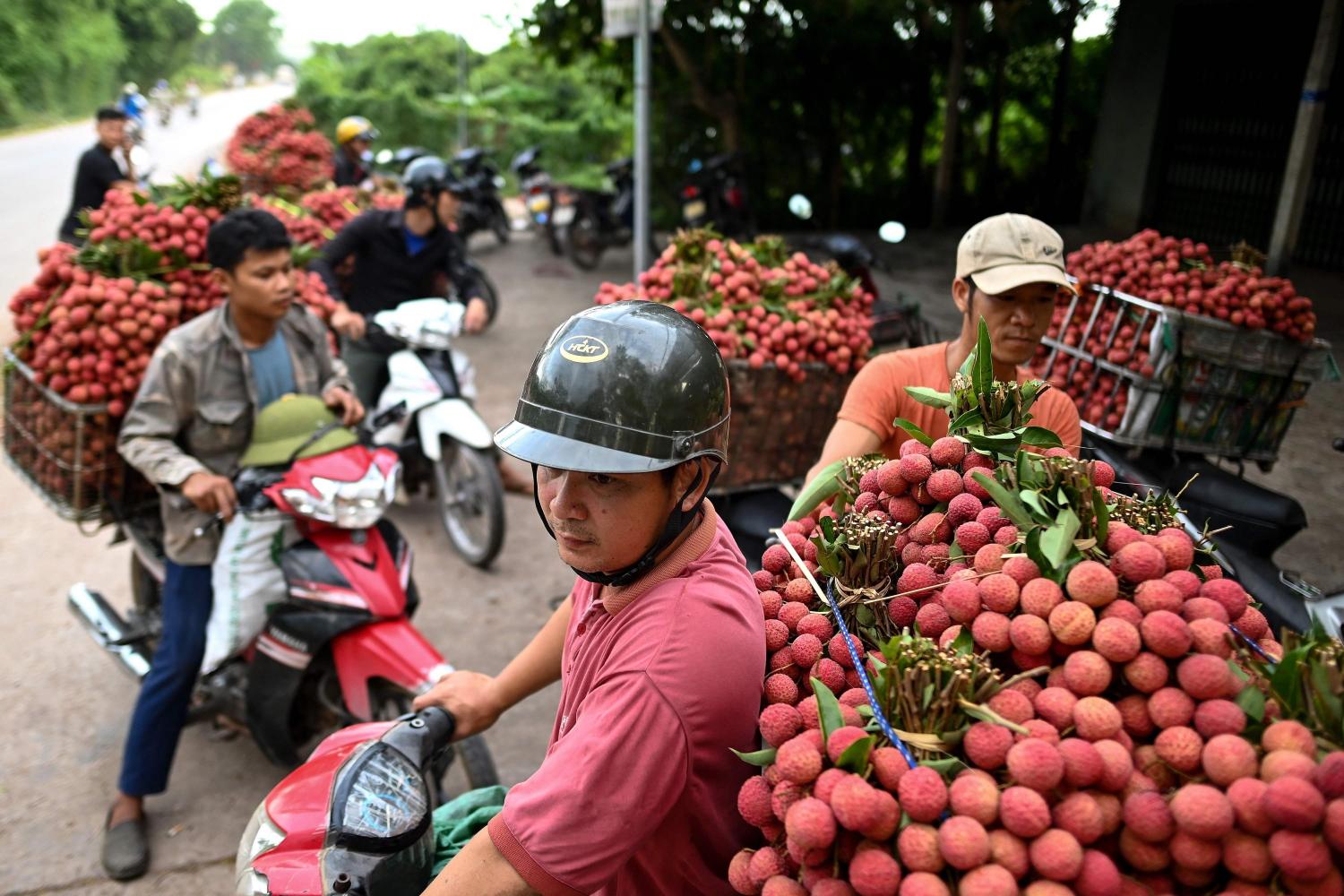
    Fruits from certified export orchards in Vietnam now command prices between VND25,000-30,000 per kilogram, a drop from VND35,000-40,000 at the season’s outset. Luc, a seasoned lychee farmer from Bac Giang Province’s Luc Ngan District—the country’s leading lychee producing region—revealed that prices have plummeted by a third compared to last year, putting his profit margins at risk.

    Despite producing high-quality lychees from his one-hectare orchard, Luc warns he may barely break even if market prices do not rebound. Growers report that the production cost for a kilogram of lychee, including packaging, hovers between VND8,000-12,000. In southern Vietnam, retail prices range from VND25,000-40,000 per kilogram, reflecting a nearly 30% dip from earlier this month and a staggering 50% drop compared to the same time last year.

    Giang, another farmer from Hai Duong Province’s Thanh Ha District, explains that an oversupply of lychees coupled with fierce competition from other tropical fruits has contributed to the current price slump. The situation has been exacerbated by a 26.6% year-on-year decline in lychee exports during the first four months of this year, with 17 markets pulling back on imports, notably the Netherlands and France, which reduced purchases by 84% and 40%, respectively. However, markets such as the U.S. and China have seen increases in demand, ranging from 25% to 116%.

    Transportation costs, propelled by ongoing tensions in the Middle East, have also played a significant role in suppressing imports. Competing with Vietnam, China has stepped up its own lychee exports, putting additional pressure on the market.

    This year, Vietnam’s lychee output is projected at about 250,000 tons—up 25% from 2022—with Bac Giang accounting for a substantial 165,000 tons. Yet, since the season launched, the province has managed to sell only 13,000 tons locally, with export figures remaining modest.

    In a move to ease the situation, the Bac Giang Department of Industry and Trade is advocating for processing initiatives, such as drying, juicing, or freezing the fruit, as a strategy to broaden sales channels. They launched a promotional program in both Hanoi and Ho Chi Minh City this week, aiming to boost the visibility and demand for this seasonal delicacy.

    Questions & Answers

    How has the lychee market in Vietnam changed this year?
    This year, Vietnam’s lychee market has experienced a significant downturn, with prices dropping by a third compared to last year, largely due to oversupply and competition from other fruits.

    What factors are affecting lychee exports from Vietnam?
    Lychee exports have fallen due to reduced demand from several markets, including notable decreases from the Netherlands and France, alongside rising transportation costs and increased competition from Chinese lychee exports.

    What steps is Bac Giang Province taking to improve lychee sales?
    Bac Giang Province is encouraging businesses to process lychee into products like dried fruit and juice to diversify sales channels, while also rolling out promotional programs in major cities like Hanoi and Ho Chi Minh City.

  • Singapore’s Millionaire Exodus Sees Dramatic Drop: Only 1,600 Expected to Migrate This Year, Report Reveals

    Singapore’s Millionaire Exodus Sees Dramatic Drop: Only 1,600 Expected to Migrate This Year, Report Reveals

    The latest Henley Private Wealth Migration Report for 2024 paints a revealing picture of high-net-worth migration trends, highlighting Singapore’s enduring allure despite a slight decline in millionaire inflow. The city-state is projected to welcome a fresh cohort of millionaires boasting a staggering $8.9 billion in wealth, solidifying its position as the sixth most popular destination for affluent migrants globally, behind the likes of the United Arab Emirates, the United States, Italy, Switzerland, and Saudi Arabia.

    Thailand: A Rising Star in Asia’s Millionaire Migration

    Shifting dynamics in Southeast Asia reveal that Thailand is emerging as a strong competitor to Singapore, particularly as its capital, Bangkok, experiences a surge in attraction from high-net-worth individuals hailing from China, Vietnam, and South Korea. The Thai capital’s appeal lies in its mix of international schools, an expanding financial services sector, and a flourishing luxury real estate market. This year alone, Thailand is expected to witness a net inflow of 450 million, marking it as a “rapidly emerging” safe haven in the region, according to the report.

    Challenges Facing Other Asian Countries

    However, not all Asian nations are basking in the glow of millionaire migration. South Korea is set to see a significant departure of 2,400 millionaires this year, more than doubling last year’s outflow amid ongoing economic and political volatility. Similarly, Vietnam is also grappling with a notable uptick in millionaire exits, with around 300 individuals expected to leave. In a global context, this trend is far from isolated; an unprecedented 142,000 millionaires are projected to relocate internationally in 2024.

    Global Insights and Shifts

    The UAE stands poised to maintain its status as the world’s foremost magnet for wealth, with an anticipated net inflow of 9,800 relocating millionaires. In stark contrast, the United Kingdom is forecast to witness the most significant outflow, with 16,500 millionaires expected to leave, followed closely by China, which looks set to lose 7,800 individuals. “For the first time in a decade of tracking, a European country leads the world in millionaire outflows,” remarked Juerg Steffen, CEO of Henley & Partners. This reflects not just shifting tax structures but a broader sentiment among the wealthy that greater opportunities, freedoms, and stability can be found in other global hotspots. The implications for Europe’s economic competitiveness and investment allure could be profound.

    Questions & Answers

    What factors are contributing to Singapore’s appeal for wealthy migrants?
    Singapore remains a top destination due to its robust economy, political stability, and high-quality education options, making it attractive for high-net-worth individuals looking for a safe place to live and invest.

    How is Thailand positioning itself in the race for millionaire inflows?
    Thailand is emerging as a competitor to Singapore by offering a strong real estate market, quality international schools, and an expanding financial services sector, particularly appealing to individuals from nearby countries.

    What are the broader implications of millionaire migration trends for Asia?
    The shifts in millionaire migration can significantly impact economic competitiveness, with countries like South Korea and Vietnam facing challenges while others like the UAE and Thailand benefit, reshaping the wealth landscape in Asia.

  • Lawmakers Approve $61B High-Speed Rail Boosted by Private Investment Opportunities

    Lawmakers Approve $61B High-Speed Rail Boosted by Private Investment Opportunities

    In a significant move for infrastructure development, the National Assembly of Vietnam has paved the way for private investment in the ambitious North-South high-speed rail project by approving two new development models: public-private partnerships and fully private funding. This decision, reached during a vote on Friday, grants the government the mandate to select both the investment model and the investors for this extensive initiative.

    Initially framed as a public sector endeavor, the project garnered renewed interest from the private sector following a recent resolution from the Politburo which emphasized the importance of advancing private enterprise in national development. This shift not only signals a move towards more flexible funding options but also invites major players to join in one of Vietnam’s largest infrastructure projects to date.

    Two prominent domestic conglomerates have stepped forward with proposals to construct the railway. VinSpeed, led by Vietnam’s wealthiest entrepreneur Pham Nhat Vuong, has committed to covering 20% of the estimated US$61 billion project cost while seeking to borrow the remaining $49 billion from the government. On the other hand, Thaco Group has put forth a similar proposal but intends to secure its financing through loans from both domestic and international financial institutions, with the government serving to guarantee these loans.

    What’s particularly intriguing is Thaco’s approach to maintaining local control; they plan to create a dedicated subsidiary to oversee the project, ensuring that a significant portion of the funding and management remains within Vietnam.

    The rail line, stretching an impressive 1,541 kilometers from Hanoi to Ho Chi Minh City and traversing 20 provinces and cities, is designed to facilitate speeds of up to 350 kilometers per hour. It will feature 23 passenger stations and five dedicated freight terminals, transforming travel and cargo transport across the region.

    The feasibility study for this landmark project is set to commence this year, with ambitious plans for completion by 2035, a timeline that keeps an eye firmly on future connectivity and economic growth.

    Questions & Answers

    What new investment models have been approved for the North-South high-speed rail project?
    The National Assembly has approved public-private partnerships and fully private investment options for the project.

    Who are the major domestic companies proposing to fund the railway?
    VinSpeed, owned by Pham Nhat Vuong, and Thaco Group are the two major conglomerates vying to invest in the railway project.

    What are the key features of the planned high-speed rail line?
    The rail line will span 1,541 kilometers, connect 20 provinces and cities, and operate at speeds of up to 350 kilometers per hour, with numerous passenger and freight stations along the route.

  • J.P. Morgan Expands Its Footprint in Switzerland, Enhancing Global Retail Opportunities

    J.P. Morgan Expands Its Footprint in Switzerland, Enhancing Global Retail Opportunities

    J.P. Morgan Reshapes Corporate Banking Landscape in Switzerland

    In a bold move that underscores its ambitions in Europe, J.P. Morgan is repositioning its Corporate Banking operations within the DACH region. Effective July 1, Lutz Karl, who has been at the helm of serving large corporate clients across the region, will make his way to Zurich. There, he will spearhead coverage for both Large and Mid Caps in Switzerland.

    This strategic shift was disclosed in an internal memo co-signed by Marcus Hiseman and Stefan Povaly, Co-Heads of Global Corporate Banking (GCB) for Europe, the Middle East, and Africa (EMEA). The details were later confirmed by J.P. Morgan, signaling a clear intent to strengthen its foothold in the Swiss financial landscape.

    Ambitious Growth Endeavors in Investment Banking

    The creation of this new leadership role in Switzerland emphasizes J.P. Morgan’s determination to bolster its corporate and investment banking capabilities—a narrative that has been echoed in previous reports by finews.com. With the goal of attracting an array of clients, from multinational giants to burgeoning mid-tier firms, the bank is clearly casting a wider net.

    Meanwhile, Bernhard Brinker, who has successfully navigated the Mid Cap segment in Germany and Austria, will expand his purview to also include oversight of the Large Cap segment along with other GCB functions. It seems that J.P. Morgan is ready to shake things up in a market ripe for competition.

    As the financial landscape evolves, echoes of opportunity ripple through banks such as J.P. Morgan, reminding industry players that change is often just the first step in a game that blends strategy with good fortune.

    Questions & Answers

    What is the significance of Lutz Karl’s relocation to Zurich?
    Lutz Karl’s move to Zurich reflects J.P. Morgan’s strategic shift to reinforce its Corporate Banking operations in Switzerland, aiming to enhance its presence in the region’s financial landscape.

    How does this repositioning align with J.P. Morgan’s broader goals?
    This reorganization aligns with J.P. Morgan’s aspirations to grow its corporate and investment banking sectors, allowing it to cater to a wider range of clients, from large corporations to mid-sized firms.

    Who will oversee the Large Cap segment in Germany and Austria?
    Bernhard Brinker, who has been leading the Mid Cap segment, will now expand his responsibilities to include the Large Cap segment and additional GCB business areas, further solidifying the bank’s leadership in the region.

  • Gold Prices Experience Slight Uptick, Signaling Market Resilience

    Gold Prices Experience Slight Uptick, Signaling Market Resilience

    Gold prices in Vietnam experienced a modest uptick Thursday morning, influenced by a slight rise in global gold rates amidst a weakening dollar. The Saigon Jewelry Company reported a 0.25% increase in gold bar prices, bringing them to VND119.8 million (approximately US$4,584.94) per tael. Meanwhile, gold rings climbed 0.34% to reach VND116.7 million per tael, contributing to a remarkable 42.3% surge in gold values since the year’s onset.

    Globally, gold prices edged upward on Thursday, buoyed by the declining dollar and increasing uncertainty following reports that U.S. President Donald Trump may have mulled replacing Federal Reserve Chair Jerome Powell as soon as September or October, according to Reuters.

    Spot gold rose by 0.2% to $3,339.20 per ounce, while U.S. gold futures increased 0.3% to $3,353.10. With the dollar slipping to its lowest level since March 2022, gold priced in dollars became more affordable for international investors, adding to its appeal.

    Typically, gold thrives during uncertain times and low-interest-rate conditions. Market analysts suggest that the prospect of a dovish Fed Chairman under Trump’s potential influence may further suppress the dollar’s strength. Tim Waterer, Chief Market Analyst at KCM Trade, noted, “Trump clearly wants a dovish Fed Chairman next time around, so the increased likelihood of an aggressive rate-cutting cycle is pinning down the USD.”

    For now, gold markets are in a holding pattern, awaiting fresh insights from upcoming U.S. macroeconomic data, including GDP and core PCE figures. Gold seems to be taking a breather, but that doesn’t mean investors are taking a nap — they are wide awake, scanning for the next clue!

    Questions & Answers

    What drove the recent increase in gold prices in Vietnam?
    The rise in gold prices in Vietnam can be attributed to a modest increase in global gold rates and a weakening dollar, which made gold more affordable for international buyers.

    How much have gold prices increased since the beginning of the year?
    Gold prices in Vietnam have surged by an impressive 42.3% since the start of the year, reflecting strong market demand and global economic conditions.

    What factors are influencing the current gold market trends?
    The gold market is currently influenced by uncertainties surrounding U.S. economic policies and potential changes within the Federal Reserve, alongside the typical behavior of bullion during low-interest-rate environments.