Author: Mei Ling Tan

  • Vietnam Airlines to Refund Passengers Amid Six-Month Closure of Vinh Airport for Major Expansion

    Vietnam Airlines to Refund Passengers Amid Six-Month Closure of Vinh Airport for Major Expansion

    Vietnam Airlines has announced ticket refunds for all flights affected by the closure of Vinh International Airport in Nghe An Province, which is undergoing a six-month expansion.

    Vinh Airport Set for Major Upgrades

    Commencing July 1, Vinh International Airport will shut its doors for a thorough six-month renovation. The state-owned airline confirmed in a statement that it will not only refund tickets for canceled flights but will also permit passengers to change their itineraries free of charge, alleviating some of the travel disruptions.

    Boosting Connectivity Amid Closure

    In a bid to maintain connectivity within northern and central Vietnam, Vietnam Airlines plans to enhance its service to other airports, including Noi Bai in Hanoi and Tho Xuan in Thanh Hoa Province. Travelers are likely to appreciate these adjustments, particularly during the busy holiday season when air travel traditionally surges.

    Vietjet Air’s Response to the Situation

    While Vietjet Air has not yet announced specific refund procedures, travel agents indicate that passengers will have the option to either hold onto their ticket value for up to 365 days—allowing them to fly to or from Vinh once the upgrades are complete—or to reroute to a different airport on their original travel date, adding an extra layer of flexibility.

    What’s on the Horizons for Vinh International Airport?

    The ambitious expansion project, estimated at VND1 trillion (approximately US$38 million), aims to significantly enhance airport facilities, including a revamped terminal, upgraded runways, improved taxiways, and expanded aircraft parking areas. As the saying goes, “good things come to those who wait,” and the anticipated upgrade promises to make air travel through Vinh much more efficient and enjoyable in the near future.

    Questions & Answers

    How long will Vinh International Airport be closed?
    The airport will be closed for six months starting July 1 for expansion and renovations.

    What are Vietnam Airlines’ options for affected passengers?
    Vietnam Airlines is offering ticket refunds and free itinerary changes for passengers whose flights are canceled due to the airport closure.

    How is Vietjet Air handling the situation?
    Vietjet Air has yet to provide specific refund details but is expected to offer passengers the choice to retain ticket value for up to a year or to switch flights to different airports on their original dates.
  • Thai Billionaire Charoen Sirivadhanabhakdi Passes ThaiBev Stake to His Five Children in Strategic Family Move

    Thai Billionaire Charoen Sirivadhanabhakdi Passes ThaiBev Stake to His Five Children in Strategic Family Move

    Charoen Sirivadhanabhakdi, Thailand’s third wealthiest individual, has transferred his 66% stake in Thai Beverage to his five children, but retains full decision-making authority over the drinks conglomerate. In a significant move announced via the Singapore Exchange on Monday, Charoen maintains “the authority to manage and make all decisions regarding the business and assets” of Thailand’s largest beverage company, Thai Beverage.

    This decision raises intriguing questions about the future of Charoen’s vast business empire, which is valued by Forbes at approximately $10.2 billion. As the succession plan unfolds, the spotlight will be on how these dynamics shape the company in the years to come.

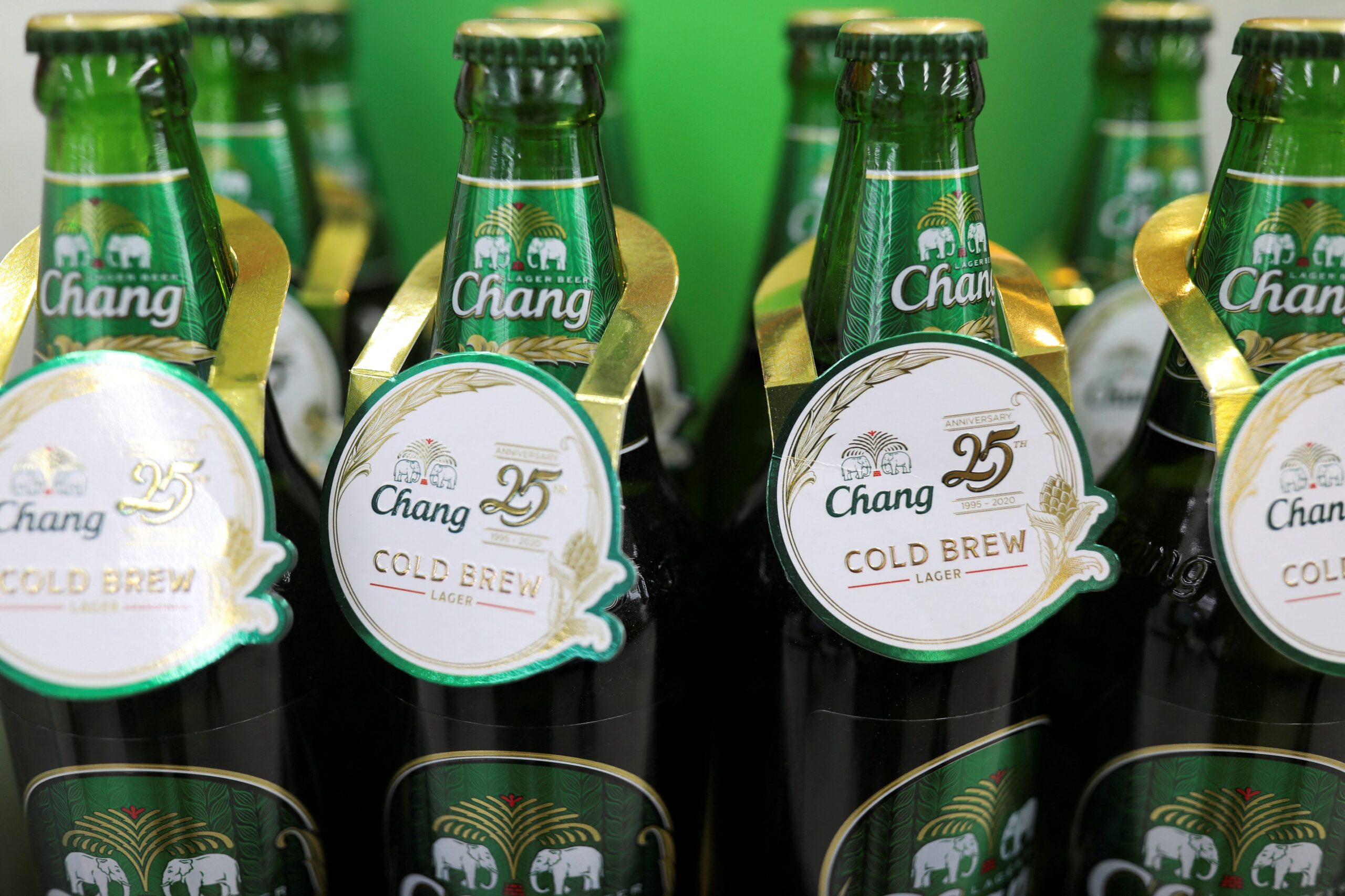
    Thai Beverage, famous for its Chang beer and distillation operations in Scotland, serves as a crucial foundation of Charoen’s wealth, also comprising the renowned Saigon Beer through its Vietnamese subsidiary, Sabeco.

    Among his heirs is Thapana Sirivadhanabhakdi, the elder son, who currently wears the dual hats of ThaiBev CEO and a key player in the company’s intricate labyrinth of operations.

    Last month, the elder Sirivadhanabhakdi facilitated a handover of ownership in several major listed firms to his five children, signaling a concerted effort towards a structured succession plan.

    The 81-year-old entrepreneur took a step back from active leadership, having stepped down as chairman of Singapore-based Fraser and Neave in January, followed by his retirement as chairman of Frasers Property in February. This gradual exit marks the beginning of a new era for his business ventures.

    Charoen, who embarked on his journey in the Thai beer market in 1995, has since extended his portfolio into real estate and hospitality, proving that he is indeed a master of diversification — talk about a man with a thirst for success!

    Questions & Answers

    What does Charoen’s transfer of stake mean for Thai Beverage?
    Charoen’s transfer of his 66% stake to his children indicates a shift towards succession planning, although he retains full management authority, ensuring stability during this transition.

    Who is Thapana Sirivadhanabhakdi and what is his role?
    Thapana is Charoen’s elder son and the current CEO of ThaiBev, positioned to take on greater responsibilities within the family business as succession progresses.

    How has Charoen impacted the beverage industry in Thailand?
    Charoen’s foray into the Thai beer market since 1995 laid the groundwork for his expansive beverage empire, making him a pivotal figure in Thailand’s beverage landscape and a key player in regional markets.

  • Japan’s SMBC Makes Strategic Move with Investment in Cutting-Edge Biotechnology Fund

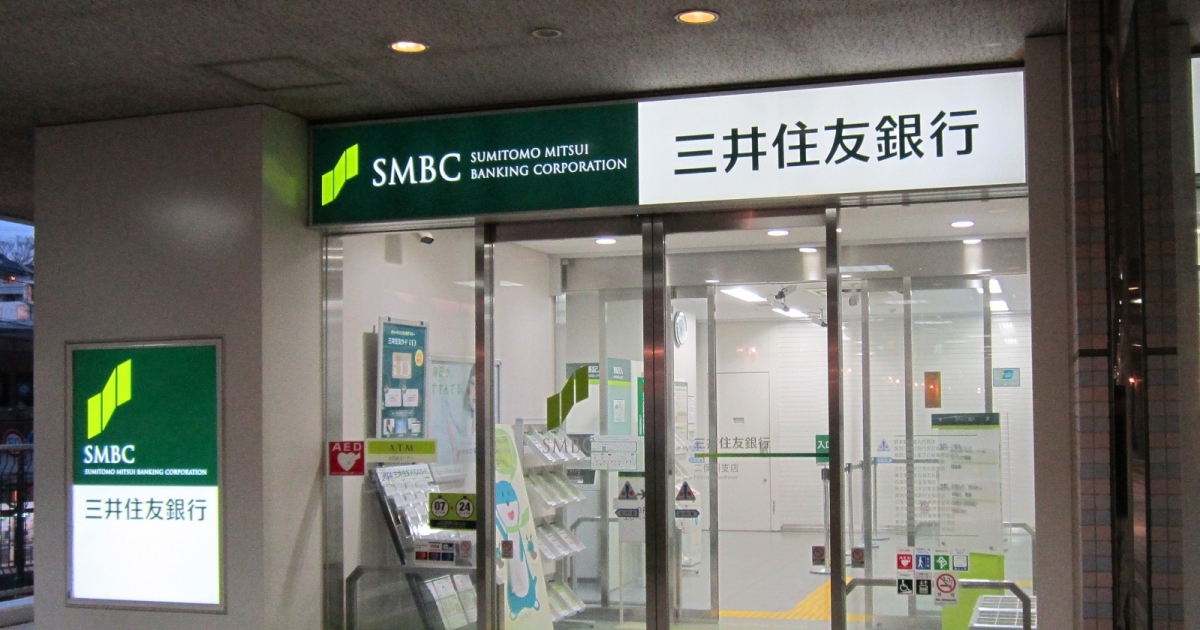
    Japan’s SMBC Makes Strategic Move with Investment in Cutting-Edge Biotechnology Fund

    Amid a shifting retail landscape, the integration of technology and innovative solutions is proving pivotal in enhancing customer experiences across Asia. From AI-driven inventory management to virtual fitting rooms, retailers in the region are increasingly leveraging technology to optimize operations and meet the evolving demands of consumers.

    The Technological Transformation of Retail

    As retailers globally scramble to adapt to a post-pandemic world, Asia is no exception, leading the charge with its rapid adoption of technological solutions. In China, for instance, AI algorithms are being employed to analyze consumer behavior and streamline inventory management. Brands are harnessing this data not only to predict trends but also to reduce waste—something akin to a retail fortune teller, albeit more data-driven. Meanwhile, in Japan, contactless payment systems have ascended to new heights of popularity, allowing shoppers to breeze through transactions with just a tap of their smartphones.

    Experiential Retail: The New Normal

    In a bid to cultivate deeper connections with consumers, Asian retailers are increasingly focusing on experiential shopping. Brands are creating immersive environments where shoppers can engage with products beyond traditional methods. For example, South Korean fashion retailers are transforming storefronts into live-action stages that host events, fashion shows, and art installations, turning mundane shopping trips into memorable experiences. This approach is not just enhancing customer satisfaction; it’s also fostering community and brand loyalty.

    Challenges Amidst the Innovation

    However, the journey toward innovation is not without its challenges. Retailers face hurdles such as cybersecurity risks, rising operational costs, and a need for continuous training and development for employees. Moreover, as competition intensifies, differentiating offerings in a saturated market becomes an uphill battle.

    Yet, the resilience of brands and their willingness to pivot creatively suggests a promising future. With every challenge comes an opportunity, and many retailers are finding unique ways to not merely survive but thrive.

    Green Retailing: The Next Frontier

    Sustainability is emerging as a defining force in the retail space. Brands across Asia are making notable strides in adopting sustainable practices, whether through eco-friendly packaging or ethical sourcing. This shift not only appeals to environmentally conscious consumers but also positions retailers as responsible corporate citizens in an era increasingly defined by environmental awareness.

    In a refreshing twist, some brands are even incorporating gamification techniques into sustainability efforts, turning recycling habits into competitive challenges. Who knew that environmental consciousness could be so engaging?

    Looking Ahead: The Future of Retail in Asia

    As Asia’s retail landscape continues to evolve, the focus on technology, experience, and sustainability will likely dominate discussions in the industry. The retailers that can blend these elements seamlessly will not only appeal to the current generation of shoppers but will also lay the groundwork for a robust retail future.

    The road ahead is bright for those willing to embrace innovation and adapt to consumer needs. With creativity and technology at the helm, retailers across Asia are set to define the next chapter of shopping.

    Questions & Answers

    What technological innovations are Asian retailers embracing?
    Asian retailers are increasingly adopting AI for inventory management, contactless payment systems, and virtual fitting rooms to enhance customer experiences and streamline operations.

    How are retailers enhancing the shopping experience beyond traditional methods?
    Many retailers in Asia are focusing on experiential shopping by creating immersive environments, from live events to artistic installations, that foster deeper connections with consumers.

    What role does sustainability play in the future of retail in Asia?
    Sustainability is becoming a pivotal concern for Asian retailers, leading them to adopt eco-friendly practices and explore gamification techniques that engage consumers in eco-friendly behaviors.

  • Gold Prices Dip Slightly: What This Means for Investors and Shoppers Alike

    Gold Prices Dip Slightly: What This Means for Investors and Shoppers Alike

    Vietnam’s gold prices dipped on Tuesday afternoon, reflecting a downward trend in global rates as geopolitical tensions eased.

    Market Shifts: Vietnamese Gold Prices Reflect Global Trends

    On Tuesday, the price of gold bars at the Saigon Jewelry Company decreased by 0.17% to VND119.5 million (approximately US$4,569.09) per tael. Meanwhile, the price of gold rings showed stability at VND116.5 million per tael. Notably, gold prices in Vietnam have surged by an impressive 41.9% since the start of this year, a testament to the metal’s allure in the market.

    Global Influences: Easing Tensions Affecting Gold Demand

    Globally, gold prices suffered a drop of over 1%, reaching a near two-week low on Tuesday amid an improved appetite for risk following the announcement of a ceasefire to end a 12-day conflict between Iran and Israel. This reduction in geopolitical worries appears to have dampened the demand for gold as a safe-haven asset. Spot gold was down 1.4% at $3,319.84 an ounce, marking its lowest point since June 11.

    Expert Insights: What Lies Ahead for Gold Prices?

    Ilya Spivak, head of global macro at Tastylive, shared insights on the market’s trajectory, stating, “It seems like there’s a good bit of geopolitical risk that’s exiting the market here in the near term after signs of de-escalation between the U.S. and Iran.” However, he also cautioned that while the long-term outlook for gold prices remains bullish, a short-term correction may be in store should the U.S. Federal Reserve’s Jerome Powell reassure markets that interest rates might not see significant cuts this year. Gold generally flourishes in lower interest rate environments, making these developments crucial for investors aiming to navigate this evolving landscape.

    Questions & Answers

    How much have gold prices in Vietnam changed since the beginning of the year?
    Gold prices in Vietnam have increased by 41.9% since the start of 2023.

    What has influenced the recent dip in global gold prices?
    The recent drop in global gold prices can be attributed to reduced geopolitical tensions, particularly following the ceasefire in the Iran-Israel conflict.

    What is the outlook for gold prices according to experts?
    Experts suggest that while the long-term trend for gold prices remains positive, there may be a short-term correction if the U.S. Federal Reserve signals fewer rate cuts.

  • Global Toy Market Set to Soar to $446 Billion by 2032: What’s Driving the Boom?

    Global Toy Market Set to Soar to $446 Billion by 2032: What’s Driving the Boom?

    STEM Demand and Technological Integration Drive Global Toy Market Growth

    The global toy market is on a remarkable trajectory, with projections showing growth from $316.14 billion in 2024 to a whopping $445.97 billion by 2032. This surge represents a compound annual growth rate (CAGR) of 4.33%, according to a recent report from Credence Research Inc. What’s the secret sauce behind this momentum? It’s a delightful mix of rising demand for educational toys, the allure of digital features, and the increasing accessibility of online retail.

    Modern parents are gravitating towards STEM-compliant toys that enhance learning and foster development, providing children not just with playthings, but pathways to knowledge. As if toys weren’t delightful enough, the integration of cutting-edge technology—think artificial intelligence, augmented reality, and app-connected devices—is redefining playtime. Children are no longer just engaging with their toys; they’re embarking on interactive journeys that blend education with entertainment.

    E-commerce is proving to be a powerful engine for growth, broadening the market’s reach and offering a seamless shopping experience. Meanwhile, licensing agreements with beloved entertainment franchises continue to create a boom in demand for character-based products, because let’s face it, who could say no to toys that come with a sprinkle of nostalgia?

    With the world becoming increasingly eco-conscious, sustainability is also taking a front seat. Parents and consumers are opting for recyclable and eco-friendly choices, leading manufacturers to rethink their approaches. However, it’s not all smooth sailing; the industry faces headwinds. The lure of screen-based entertainment is diverting children’s attention from traditional toys, while more stringent safety regulations are driving up production costs.

    Furthermore, economic uncertainty, rising tariffs, and evolving age preferences are exerting additional pressure on manufacturers. As the toy industry anticipates the future, navigating these challenges will be crucial to sustaining growth in a rapidly shifting landscape.

    Questions & Answers

    What are the primary drivers of growth in the global toy market?
    The growth is largely fueled by the increasing demand for educational toys, tech integration, online retail access, and sustainability trends among consumers.

    How is technology influencing children’s interaction with toys?
    Technology, through AI, augmented reality, and app-connected devices, is transforming the way children play, enhancing their engagement with toys by adding layers of interactivity.

    What challenges does the toy industry currently face?
    The industry is grappling with competition from screen-based entertainment, rising production costs due to stricter safety regulations, economic uncertainty, and changing consumer preferences.

  • India’s Banks Set to Thrive Amidst Margin Challenges and Rising Costs

    India’s Banks Set to Thrive Amidst Margin Challenges and Rising Costs

    According to Fitch Ratings, India’s banking sector is on a promising trajectory, poised for growth bolstered by enhanced asset quality, robust capital reserves, and a stable profitability outlook. As banks maneuver through the financial landscape, analysts suggest that credit metrics will largely hold steady into fiscal year 2026, although earnings could be impacted by cyclical pressures on margins and credit costs.

    Slowdown or Steady Forward March?

    Currently, the sector is experiencing its slowest loan growth in four years, hovering at just 10.6%. Lending to non-bank financial institutions (NBFIs) and unsecured retail customers has particularly softened, a shift attributed to stricter regulatory oversight and challenging funding conditions. However, optimism remains. Fitch projects a rebound in loan growth to between 12% and 13% in FY2026, fueled by an accommodating monetary policy and gradually easing funding constraints.

    Deposits and Ratios: The Balancing Act

    Despite this optimistic outlook, banks must enhance their deposit mobilization to sustain the nearly 120 basis points improvement in loan-to-deposit (LDR) ratios they have achieved. A notable decrease in the impaired loans ratio, falling by 60 basis points to 2.2% in FY2025, indicates a positive shift. Bad loans saw a decline of 12%, further painting a brighter picture for the sector as a whole.

    A Brave New Banking Era?

    Fitch emphasizes that the impaired-loan ratios and credit costs for most banks have likely hit their lowest point. There remains potential for gains as some banks might improve their standings through write-offs of legacy bad loans, which would further shrink the outstanding bad loan stock. In Fitch’s eyes, the Indian banking sector’s strong performance is not merely a flash in the pan; expectations are set for sustained progress, contingent on banks maintaining solid core financial metrics that enhance their resilience against economic fluctuations.

    Questions & Answers

    What does Fitch Ratings predict for India’s banking sector in FY2026?
    Fitch Ratings forecasts a rebound in loan growth to 12% to 13% in FY2026, supported by an accommodative monetary policy and improved funding conditions, while projecting that credit metrics will remain stable.

    Why is the current loan growth considered the slowest in four years?
    The current loan growth rate of 10.6% is primarily due to tighter regulatory scrutiny and tougher funding conditions impacting lending, particularly to NBFIs and unsecured retail customers.

    What improvements have been observed regarding banks’ impaired loans?
    The impaired loans ratio has fallen by 60 basis points to 2.2% in FY2025, accompanied by a 12% reduction in bad loans, indicating a trend towards better asset quality in the banking sector.

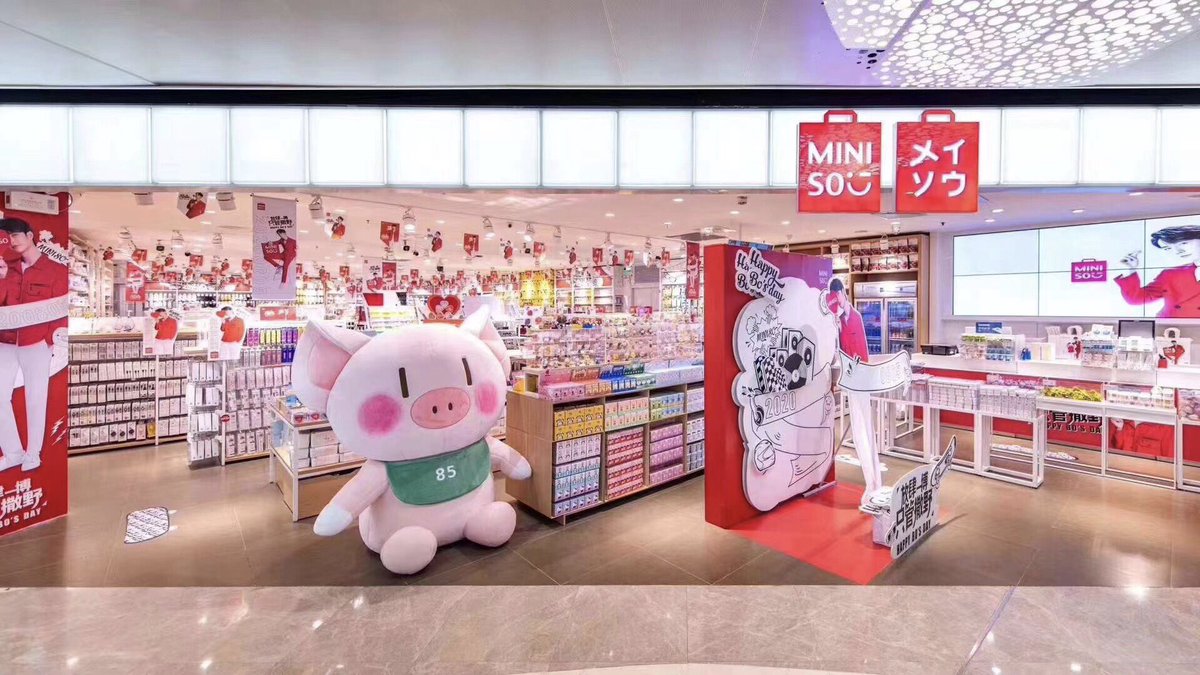
  • MINISO Chairman Sheds Light on 2023 Collar Transaction: Key Insights Unveiled!

    MINISO Chairman Sheds Light on 2023 Collar Transaction: Key Insights Unveiled!

    As the retail landscape in Asia continues to evolve, consumer preferences are shifting dramatically, blending traditional shopping habits with the rapid adoption of digital technologies. A recent report from China’s National Bureau of Statistics highlights these changes, illustrating a landscape where online shopping has cemented itself as a cornerstone of modern retail.

    Online Shopping Gains Ground

    In 2022, e-commerce sales in China surpassed a staggering 13.7 trillion yuan, a growth surge of over 10% compared to the previous year. This remarkable statistic showcases not only the resilience of online retail during the pandemic but also hints at a deeper integration into the daily lives of consumers. From fashion to electronics, virtual shopping has transitioned from a convenience to a necessity for many. It’s as if consumers realized that their couch could double as a front-row seat to the best sales in town!

    Transformation of the Physical Retail Experience

    Physical retail isn’t expected to fade away, but it is undergoing a significant transformation. Brands are increasingly prioritizing experiential retail, emphasizing personalized and immersive shopping experiences. Retailers are incorporating technology into brick-and-mortar stores, blending engaging displays with interactive elements. For example, augmented reality (AR) apps allow customers to visualize products in their own homes before making a purchase, striking a perfect balance between the tangible and virtual worlds.

    The Rise of Sustainability

    Another trend reshaping the retail environment is the growing emphasis on sustainability. Consumers are becoming more environmentally conscious, often favoring brands that prioritize eco-friendly practices. From packaging to sourcing, businesses are responding by adopting greener methods and materials. With fashion retailers like Uniqlo and Zara leading the way in sustainable collections, it is evident that a “buy less, choose better” mentality is taking hold in the marketplace.

    Challenges Ahead for Retailers

    While the outlook may seem promising, retailers face significant hurdles. Supply chain disruptions and inflationary pressures are compelling companies to reassess their pricing strategies and inventory management. As the cost of materials rises, brands must navigate these challenges while keeping consumer trust intact. The balance between maintaining profitability and offering competitive prices will be crucial in the forthcoming months.

    In a world where retail dynamics are constantly shifting, those who adapt wisely to these changes will undoubtedly emerge stronger. As Asia’s retail scene continues to innovate, it’s a canvas splashed with opportunities as vivid as the neon lights of a bustling marketplace.

    Questions & Answers

    How has online shopping impacted traditional retail in Asia?
    Online shopping has fueled significant growth in e-commerce sales, becoming a fundamental part of consumers’ shopping habits while pushing traditional retailers to adapt through experiential approaches.

    What role does sustainability play in today’s retail landscape?
    Sustainability is becoming increasingly crucial for retailers, as consumers prefer brands that demonstrate eco-friendly practices and a commitment to reducing environmental impact.

    What challenges do retailers face in the current market?
    Retailers are grappling with supply chain disruptions and rising costs, which necessitate smarter pricing and inventory strategies to maintain competitiveness and consumer trust.

  • Alibaba Unites Food Delivery and Travel Divisions to Propel ‘Instant Retail’ Initiative Forward

    Alibaba Unites Food Delivery and Travel Divisions to Propel ‘Instant Retail’ Initiative Forward

    In a significant shift within its operational strategy, Alibaba Group has announced plans to merge its food delivery service Ele.me and online travel platform Fliggy into its China e-commerce business segment. This development, revealed by CEO Eddie Wu in an internal letter to employees on Monday, reflects a rollback of the company’s previously ambitious restructuring initiatives, signaling a keen focus on enhancing the efficiency of order fulfillment.

    A Strategic Upgrade in Focus

    “This marks a strategic upgrade as we transition from an e-commerce platform to a broader consumer platform,” Wu articulated, as reported by Nikkei Asia. This pivot is aligned with the e-commerce giant’s commitment to streamline operations and adapt to rapidly changing market dynamics. The integration of Ele.me and Fliggy into the core e-commerce unit is expected to foster a more cohesive approach to consumer services, tapping into the growing demand for integrated shopping experiences among Chinese consumers.

    Wu’s announcement comes as Alibaba navigates a competitive landscape marked by shifting consumer behaviors and economic uncertainties. The decision to streamline operations comes not just as an internal strategy, but as a necessary move to remain agile in a sector that demands quick adaptations and seamless customer service.

    The Bigger Picture of Consumer Demand

    As the company looks to redefine its role in the marketplace, the consolidation of these platforms underscores Alibaba’s recognition of the evolving consumer landscape. In recent years, the appetite for quick delivery and comprehensive service options has surged, making it essential for the e-commerce behemoth to integrate more responsive solutions into its repertoire.

    In a retail universe where customer expectations are as high as a skyscraper and competition often feels like a sprint, Alibaba is positioning itself to not just keep pace, but to set the tempo.

    Questions & Answers

    What prompted Alibaba to merge Ele.me and Fliggy?
    The decision stems from a strategic shift aimed at enhancing efficiency and better responding to the changing dynamics of consumer demand in the e-commerce market.

    How does this merger align with Alibaba’s broader goals?
    This merger reflects Alibaba’s transition from a traditional e-commerce platform to a more comprehensive consumer service provider, reinforcing its commitment to seamless customer experiences.

    What impact could this merger have on consumers?
    Consumers can expect a more integrated service offering from Alibaba, with improved order fulfillment and a potentially wider range of services available at their fingertips.

  • Indonesia’s Fixed Communication Services Market Projected to Reach $3.7 Billion by 2029—A Growing Opportunity!

    Indonesia’s Fixed Communication Services Market Projected to Reach $3.7 Billion by 2029—A Growing Opportunity!

    Indonesia’s fixed communication services market is poised for significant growth, projected to reach USD 3.7 billion by 2029, up from USD 3 billion in 2024, according to insights from GlobalData, a leading data and analytics firm. This upward trajectory is set against the backdrop of the Indonesian government’s concerted efforts to expand high-speed internet access across the archipelago.

    Broadband Boom in the Archipelago

    The nation’s expansion of fixed broadband services is expected to be the primary engine for this growth, with an anticipated compound annual growth rate (CAGR) of 4.3%. With aspirations for internet speeds reaching up to 100 Mbps at affordable prices, the government is not just aiming for wider connectivity but also striving for digital inclusivity and transformative national goals.

    Voice Services Face Challenges

    Conversely, fixed voice services are on a downward trend, forecasted to decline at a CAGR of 1.3%. This is mainly due to a diminishing number of circuit-switched subscriptions and decreasing average revenue per user (ARPU) as consumers increasingly turn to over-the-top (OTT) and app-based communication platforms. Even the most robust services can’t escape the irresistible lure of free messaging apps — it seems love is indeed digital.

    Fiber Takes the Lead

    In 2024, fiber lines were responsible for an impressive 83.1% of all fixed broadband connections and are projected to maintain their dominance through 2029. Neha Mishra, a Telecom Analyst at GlobalData, attributes this trend to the surging demand for dependable and high-speed broadband, further amplified by government initiatives for a nationwide fiber rollout.

    Competition Fuels Innovation

    As service providers venture deeper into underserved territories, competition is expected to escalate, characterized by service differentiation through bundled offerings, network reliability, and enhanced customer experience. Operators that make astute investments in infrastructure and innovate their pricing strategies will be most effectively positioned to reap long-term benefits in this evolving digital landscape. With everyone vying for a slice of the digital pie, the stakes have never been higher.

    Questions & Answers

    What is driving the growth of Indonesia’s fixed communication services market?
    The growth is primarily fueled by the expanding fixed broadband segment, which is expected to grow at a CAGR of 4.3% as the government pushes for high-speed internet access.

    How are fixed voice services performing in Indonesia?
    Fixed voice services are predicted to decline at a CAGR of 1.3%, largely due to a decrease in circuit-switched subscriptions as users shift to OTT and app-based communication.

    What technology is dominant in Indonesia’s fixed broadband sector?
    Fiber lines dominated the market in 2024, accounting for about 83.1% of all fixed broadband connections, and are expected to remain the top technology through 2029.

  • Tiffany & Co. Opens Luxurious New Store In Hong Kong, Merging Vintage Design With Contemporary Craftsmanship

    Tiffany & Co. Opens Luxurious New Store In Hong Kong, Merging Vintage Design With Contemporary Craftsmanship

    Tiffany & Co., the renowned luxury jewelry retailer, has unveiled its latest retail space on Canton Road, Hong Kong. The store design harmoniously fuses vintage design elements with contemporary craftsmanship, as a tribute to the brand’s illustrious history.

    Store Design and Features

    Covering 2325 square feet, this new retail outlet presents a unique facade. It is embellished with a mosaic of azure tiles that take inspiration from the mosaic artistry of Louis Comfort Tiffany from the early 20th century.

    The store’s interior greets visitors with a centrepiece installation, the “Bird on a Rock”. This iconic piece, introduced by Jean Schlumberger in 1965, remains a potent symbol of the Tiffany brand after nearly six decades.

    The interior design of the store seamlessly marries opulence with heritage. This is evident in the custom wall coverings, enriched with textured and gilded metal leaf finishes. Furthermore, the store is adorned with champagne gold leaf accents throughout, adding to its exclusive ambiance.

    Customer Experience

    The store also houses a private salon, aimed at providing an intimate experience for its valued customers. The salon features a wallpaper with a soft pink orchid motif, providing a soothing, elegant atmosphere. The room is lit by handmade plaster lamps and furnished with a cream quartzite-inset coffee table. Also, handwoven fabric upholstery enhances the aesthetics of the salon, providing an inviting and comfortable environment for customers.

    Questions & Answers

    Where is Tiffany & Co.’s newest store located?
    The latest Tiffany & Co. store has been opened on Canton Road in Hong Kong.

    What is the design inspiration for the new store?
    The store’s design takes inspiration from the early 20th-century mosaic work of Louis Comfort Tiffany, seamlessly blending heritage design elements with modern craftsmanship.

    What unique features does the store offer to customers?
    The store offers a unique customer experience with a private salon that features a soft pink orchid motif in its wallpaper, handmade plaster lamps, a cream quartzite-inset coffee table, and handwoven fabric upholstery.

  • Telkomsel Unveils Enhanced 5G Network Expansion in Batam: A Boost for Connectivity!

    Telkomsel Unveils Enhanced 5G Network Expansion in Batam: A Boost for Connectivity!

    Telkomsel is making waves in Batam, Indonesia, with its latest expansion of 5G network infrastructure, enhancing high-speed connectivity in bustling residential and commercial districts such as Harbour Bay, Nagoya, Batam Center, Engku Putri, and Hang Nadim Airport. This initiative, executed in collaboration with long-time partner Ericsson, has increased the number of Telkomsel’s 5G base transceiver stations (BTS) in Batam City to an impressive 112.

    Indra Mardiatna, Telkomsel’s Network Director, describes this upgrade as a pivotal move aimed at delivering seamless 5G coverage while stimulating economic growth and fostering digital transformation in the region.

    A Strategic Location for Digital Investment

    Batam’s close proximity to Singapore and its status within the Indonesia-Malaysia-Singapore Growth Triangle free trade zone have positioned it as a burgeoning hub for digital investment. Since its designation as a special economic zone (SEZ) in 2021, Nongsa Digital Park has emerged as a magnet for businesses, serving as a key data center and innovation center.

    Powering Smart Manufacturing with 5G

    Telkomsel’s expanded infrastructure is designed to support both public and private 5G applications. A standout project involves powering Pegatron Group’s smart factory in Batam with a private 5G standalone (5G SA) network. By utilizing 1,200 Telkomsel Internet of Things (IoT) SIM cards, the facility connects thousands of machines and sensors in real time, facilitating predictive maintenance, performance monitoring, and remote production control, all delivered with ultra-low latency. Talk about a machine’s dream!

    With this network expansion, Telkomsel reinforces its “Hyper 5G” services, crucial for bolstering the island’s rising manufacturing sector. The operator emphasizes its dedication to enhancing productivity, operational efficiency, and competitiveness among industrial players, aligning with Indonesia’s broader Industry 4.0 vision.

    Speed and Performance Upgrades

    Thanks to the newly deployed BTS units, Telkomsel subscribers in Batam can now enjoy download speeds surpassing 610 Mbps—four times faster than 4G—upload speeds eclipsing 100 Mbps, and a latency as low as 14 milliseconds. These enhancements cater to high-demand applications like ultra-HD video streaming, cloud gaming, real-time communication, and AI-enabled enterprise tools.

    AI-Enhanced Performance Management

    Currently, 23% of Telkomsel’s subscriber base in Batam uses 5G-compatible devices, with an average monthly data consumption of 24 GB per user. To further optimize performance, Telkomsel has seamlessly integrated artificial intelligence into its network management system. This AI framework automatically detects disruptions and dynamically adjusts the network in real time, resulting in improved reliability, efficiency, and overall customer experience.

    Beyond Batam, Telkomsel has launched 5G services in Denpasar-Badung, Jabodetabek, Surabaya, and Makassar, with ambitious plans to expand into major Sumatran cities including Medan, Pekanbaru, Padang, and Palembang. Currently, the operator boasts over 3,000 5G BTS units across 56 cities in Indonesia.

    Questions & Answers

    What is the significance of Telkomsel’s expansion in Batam?
    The expansion enhances connectivity in key areas, bolstering economic growth and supporting digital transformation, particularly vital for the island’s manufacturing sector.

    How does Telkomsel’s network support industrial applications?
    The 5G infrastructure underpins private applications, exemplified by powering Pegatron Group’s smart factory, connecting thousands of devices for efficient production processes.

    What are the key performance metrics of the new 5G network?
    Subscribers can expect download speeds exceeding 610 Mbps, upload speeds above 100 Mbps, and latency as low as 14 milliseconds, enhancing experiences across various high-demand applications.

  • Malaysia Sets Sights on Foreign Films to Boost Employment and Attract Tourists

    Malaysia Sets Sights on Foreign Films to Boost Employment and Attract Tourists

    The exciting new TV series “Lord of the Flies,” produced by Sony Pictures and the BBC, marks another high-profile project under the Film in Malaysia Incentive, as shared by Datuk Azmir Saifuddin Mutalib, the CEO of the National Film Development Corporation. Filming took place in picturesque Langkawi, Kedah, late last year, according to reports from the state-owned media outlet Bernama.

    This production attracted over 30 young actors from abroad, alongside their parents and tutors, necessitating the rental of a major hotel in Langkawi for nearly five months. “In accordance with Fimi’s requirements, a substantial number of local crew members were also employed,” Azmir noted.

    Strengthening Local Talent

    The National Film Development Corporation is proactively addressing the increasing demand for local talent. By providing film production training to those in the tourism sector, the goal is to boost the local crew quota for foreign projects from 30% to 40% next year. “This initiative will not only create more job opportunities for Malaysians but will also fast-track skills development, exposing local talent to international production standards,” Azmir elaborated.

    Since its inception in 2013, the Film in Malaysia Incentive has approved a total of 128 projects—76 local and 52 international—with post-production subsidies surpassing MYR419 million (around US$100 million) and direct investments hitting MYR2.71 billion. Notably, Michael Bay’s Netflix action thriller “6 Underground” was the first to receive the 30% subsidy for visual effects, incorporating around 90 shots from a Malaysian-based company, as highlighted by Screen Daily.

    Emphasizing Competitive Edge

    Despite the intense competition from regional players like Singapore, Thailand, Indonesia, and the Philippines, Azmir remains confident in Malaysia’s unique advantages, including a skilled English-speaking workforce, economic stability, and an efficient permit approval process. “Malaysia offers attractive locations, cost-efficiency, and a production-friendly environment. We are building a comprehensive ecosystem—from talent training and modern tech utilization to post-production,” he stated.

    As part of a strategic initiative, there are plans to collaborate with Tourism Malaysia to use film as a means of marketing the country to potential tourists. “This partnership will not only promote Malaysia as a filming destination but also showcase our tourism offerings to global audiences through films shot here,” Azmir added.

    In an exciting recent development, Malaysia’s Skop Productions has joined hands with Hong Kong’s Mandarin Motion Pictures, renowned for the esteemed “Ip Man” franchise, signing a Memorandum of Understanding to strengthen their filmmaking collaboration. Azmir expressed that this partnership aims to expand markets, foster technology and skills transfer, and further enhance Malaysia’s reputation as a world-class filming location.

    With the waves of creativity rolling in, it seems Malaysia is not just aiming for the silver screen, but is set to shine brightly on it!

    Questions & Answers

    What is the main goal of the Film in Malaysia Incentive?
    The primary aim of the Film in Malaysia Incentive is to boost local talent and attract international productions, creating job opportunities and enhancing skill development within the film industry.

    How does the initiative plan to market Malaysia as a filming destination?
    By partnering with Tourism Malaysia, the initiative intends to showcase the country’s filming locations and tourism offerings through movies shot in Malaysia, thus attracting more tourists.

    What recent partnerships have been formed in the Malaysian film industry?
    Recently, Skop Productions from Malaysia and Hong Kong’s Mandarin Motion Pictures signed an MOU to strengthen their collaboration in filmmaking, enhancing Malaysia’s brand as a premier destination for film production.

  • Alibaba And JD Revolutionize E-commerce In Asia: A Leap Towards Digital Shopping And Smart Logistics

    Alibaba And JD Revolutionize E-commerce In Asia: A Leap Towards Digital Shopping And Smart Logistics

    The retail landscape in Asia is witnessing a bustling surge as major players like Alibaba and JD.com continue to innovate the e-commerce experience. Recently, the two giants sparked excitement among consumers and investors alike with their ambitious plans to enhance digital shopping and logistics. As countries across the region increasingly embrace online retail, these companies are determined to capture larger shares of the market.

    Alibaba’s Expanding Footprint

    Alibaba is not simply resting on its laurels; the company is constantly fine-tuning its platform to create a more immersive shopping experience. With initiatives ranging from augmented reality features to AI-driven recommendations, the tech titan is ensuring that it stays relevant in a fast-evolving consumer environment. Moreover, its investment in advanced delivery networks promises faster and more efficient service, which is a boon for the ever-demanding shoppers in Asia.

    JD.com Sets New Standards

    Meanwhile, JD.com is breaking new ground with an impressive rollout of smart logistics. With an eye on technological advancements, the company is leveraging drones and self-driving vehicles to streamline deliveries, setting a new benchmark for efficiency. This commitment to innovation not only enhances customer satisfaction but also positions JD.com as a leader in redefining China’s logistics landscape.

    The Competitive Spirit Fuels Growth

    The intense rivalry between these giants feeds into the broader ecosystem, prompting smaller retailers to adapt as well. The competition is driving improvements across all levels of the retail sector, encouraging businesses to experiment with online strategies, bolster their digital presence, and enhance customer engagement. As competition heats up, consumers are the ultimate winners, enjoying better prices and more options than ever before.

    In this dynamic atmosphere, Asia’s retail sector is transforming at lightning speed, creating a thrilling narrative for both companies and consumers alike. Will you be ready for the retail revolution?

    Questions & Answers

    What are Alibaba’s recent initiatives to enhance the shopping experience?
    Alibaba is leveraging augmented reality features and AI-driven recommendations to create a more immersive shopping platform, while also improving its delivery networks for efficiency.

    How is JD.com innovating in logistics?
    JD.com is pioneering the use of drones and self-driving vehicles to streamline delivery processes, which significantly enhances efficiency and sets industry benchmarks.

    How does competition between these giants impact smaller retailers?
    The fierce rivalry encourages smaller retailers to innovate and improve their digital presence, leading to better options and pricing for consumers, ultimately benefiting the retail landscape as a whole.

  • Kowloon Office Rental Market Set for 9% to 11% Decline in 2023: What’s Driving the Shift?

    Kowloon Office Rental Market Set for 9% to 11% Decline in 2023: What’s Driving the Shift?

    As the office market in Kowloon grapples with a substantial oversupply, the atmosphere has become increasingly cautious among tenants. Steve Ng, Executive Director and Head of Kowloon Office Strategy & Solutions at Knight Frank, pointed out that the first half of the year has been particularly challenging, with more than 6.7 million square feet of new and existing inventory flooding the market.

    Stagnation Reigns in Kowloon

    “Demand remains scattered, with only a handful of significant transactions occurring,” Ng remarked, highlighting a widespread sentiment of hesitation among tenants opting for a “wait-and-see” approach. As a result, the marketplace appears stagnant, with little sign of a turnaround.

    Declining Rents and Rising Vacancies

    In June 2025, Kowloon office rents experienced a year-on-year decline of 3.6%, dropping to less than HK$1 per square foot. This figure hints at a broader trend of weakness within the market. The office vacancy rate has increased modestly by 1.2%, affirming a lack of confidence in a potential recovery. Tenant sentiments reveal a prevailing wariness and anticipation of further drops, signaling that any signs of recovery might still be far off.

    Trade Pressures Loom Large

    Many tenants in Kowloon are entrenched in supply chain industries such as manufacturing, trading, and logistics. Despite a temporary pause in the US tariff conflict, ongoing trade pressures continue to rattle these sectors, leading to sustained weak demand for office space. With an oversupply that shows no signs of abating, we project a further decline in office rents in Kowloon, expecting a drop of 9% to 11% in 2025. Perhaps it’s time to think about converting those empty spaces into trendy pop-up shops or art galleries—there’s always a silver lining!

    Questions & Answers

    What challenges is the Kowloon office market currently facing?
    The market is dealing with an oversupply of over 6.7 million square feet and weak tenant demand, leading to a stagnant atmosphere and only a few significant transactions.

    How much have Kowloon office rents declined?
    As of June 2025, rents have fallen by 3.6% year on year, landing at less than HK$1 per square foot.

    What factors contribute to the expected rent decline in Kowloon?
    The combination of a supply glut and ongoing trade pressures in key industries will likely result in a projected rent drop of 9% to 11% by 2025.

  • Singapore Set to Welcome 1.2M Sq Ft of Exciting New Retail Space by 2028

    Singapore Set to Welcome 1.2M Sq Ft of Exciting New Retail Space by 2028

    As Asian retail continues to evolve at a rapid pace, recent data reveals a fascinating landscape reflecting both resilience and transformation. As of October 2023, retail in the region is showing signs of recovery post-pandemic, driven by an increase in consumer spending and innovative shopping experiences. With a blend of traditional brick-and-mortar stores and dynamic online shopping platforms, retailers are adapting to meet the demands of an ever-shifting market.

    Rising Consumer Confidence Fuels Growth

    In recent months, consumer confidence has surged, with many customers eager to return to shopping both online and in-store. E-commerce sales are soaring, thanks to an uptick in mobile shopping and personalized online experiences that cater to individual preferences. Retailers are harnessing data analytics to fine-tune their offerings, ensuring that they remain relevant in consumers’ eyes.

    Embracing Sustainability and Innovation

    Sustainability is no longer just a buzzword; it’s a crucial element shaping the retail sector. Brands across Asia are recognizing the importance of eco-friendly practices, incorporating sustainable materials and ethical production methods into their supply chains. Innovative brands are not just finding ways to reduce waste but are also engaging with their customers through transparent communication about their sustainability efforts.

    Technological Integration Transforms Shopping Experience

    The integration of cutting-edge technology is revolutionizing how consumers shop. From augmented reality fitting rooms to AI-driven customer service chatbots, retailers are creating seamless, engaging experiences that resonate with tech-savvy shoppers. This transformation is not just about efficiency; it’s about creating memorable experiences that keep customers coming back for more.

    In this dynamic environment, retailers that truly listen to their customers and embrace change are the ones poised to thrive. As the market landscape continues to shift, one thing is clear: the future of retail in Asia is bright, vibrant, and full of possibilities—much like a neon-lit street market after dark.

    Questions & Answers

    **What factors are driving the current growth in Asian retail?**
    Increased consumer confidence and robust e-commerce sales, alongside a blend of physical and online shopping experiences.

    How are retailers addressing sustainability today?
    Many brands are adopting eco-friendly practices, utilizing sustainable materials, and being transparent about their production methods.

    What role does technology play in the retail transformation?
    Technology enhances the shopping experience through innovations like augmented reality and AI, creating engaging and memorable interactions for consumers.