Author: Mei Ling Tan

  • Yum China Unveils ‘Q-Smart’: The AI Assistant Transforming Restaurant Operations Efficiently

    Yum China Unveils ‘Q-Smart’: The AI Assistant Transforming Restaurant Operations Efficiently

    Yum China Holdings, Inc. has unveiled Q-Smart, a hands-free, AI-powered assistant aimed at streamlining daily operations for restaurant managers. This innovative tool employs voice interaction via wearable devices, such as smartwatches and wireless earphones, enabling managers to effortlessly tackle tasks like scheduling, inventory management, and food safety checks—no screens or hands required.

    Q-Smart responds to natural language commands and offers real-time support, drawing from Yum China’s extensive operational knowledge base. Currently being piloted in selected KFC outlets, the assistant helps monitor inventory against sales forecasts, notifies managers about reordering supplies, and guides them through equipment checks—all through simple voice interactions.

    This launch is a key element of Yum China’s ambitious digital transformation strategy. Since 2015, the company has implemented digital payment systems, developed a customer app, introduced AI decision-making tools, and embraced Generative AI solutions, boasting over 540 million digital members as of March 2025.

    The Q-Smart was officially announced during Yum China’s inaugural AI Day in Shanghai, where CEO Joey Wat also introduced a $13.9 million (100 million yuan) Frontline Innovation Fund to foster tech initiatives driven by employees. Adding to the excitement, an All-Staff Hackathon saw participation from nearly 200 teams spread across 30 markets—who wouldn’t want to pitch their tech ideas in a room buzzing with creativity?

    Questions & Answers

    What is Q-Smart and how does it work?
    Q-Smart is an AI-powered assistant that uses voice interaction through wearable devices to assist restaurant managers in managing day-to-day operations without the need for screens or manual tasks.

    Where is Q-Smart currently being piloted?
    The assistant is currently being tested in select KFC stores, where it aids in inventory monitoring, supply reordering, and issue resolution.

    What are some components of Yum China’s digital transformation?
    Yum China’s digital transformation includes the rollout of digital payments, a customer app, AI decision tools, and Generative AI solutions, which collectively have helped grow its digital membership to over 540 million by March 2025.

  • Thai Banks Anticipate 9% Earnings Decline in Q2 Amid Rising Credit Costs

    Thai Banks Anticipate 9% Earnings Decline in Q2 Amid Rising Credit Costs

    Thailand’s banking sector is bracing for a challenging second quarter in 2025, with expectations of a 9% year-on-year drop in earnings driven by rising credit costs and diminished pre-provisioning operating profits. According to UOB Kay Hian (UOBKH), the banks under its analysis are likely to report a combined net profit of about $1.47 billion (THB 48.6 billion), reflecting a notable decline of 9% year-over-year and 17% quarter-on-quarter.

    Credit Costs on the Rise

    Analyst Thanawat Thangchadakorn highlighted that excluding provision expenses, pre-provisioning operating profit is projected to experience a decline of 9% year-on-year and 11% quarter-on-quarter. The anticipated uptick in credit costs during Q2 compared to Q1 is expected to range from 11 to 151 basis points.

    Individual Bank Insights

    Among individual lenders, Kiatnakin Phatra (KKP) is forecasted to see an increase in credit costs, largely due to the uneven recovery in the automotive market. Meanwhile, SCB X is also predicted to report heightened credit costs as a precautionary measure in provisioning.

    Additionally, Tisco Financial Group is expected to follow suit with rising credit costs, having previously set a 2025 target of 100 basis points for credit expenses. Banks are advised to adopt a more cautious lending approach to preserve asset quality, as emphasized by Thangchadakorn.

    With the banking landscape evolving, who knows? Perhaps we’ll see a renaissance in creative financial products that actually excite consumers!

    Questions & Answers

    What is the projected profit decline for Thailand’s banking sector in Q2 2025?
    The banking sector is expected to experience a 9% year-on-year decline in earnings, resulting in a combined net profit of approximately $1.47 billion.

    Which banks are expected to increase their credit costs?
    Kiatnakin Phatra, SCB X, and Tisco Financial Group are all anticipated to report higher credit costs due to various market conditions and cautious provisioning strategies.

    How are banks expected to adjust their lending practices?
    Banks are likely to adopt a more cautious approach to lending in order to maintain strong asset quality amidst rising credit costs.

  • Singapore Durian Prices to Fall 30% as Malaysia Celebrates Peak Harvest Season!

    Singapore Durian Prices to Fall 30% as Malaysia Celebrates Peak Harvest Season!

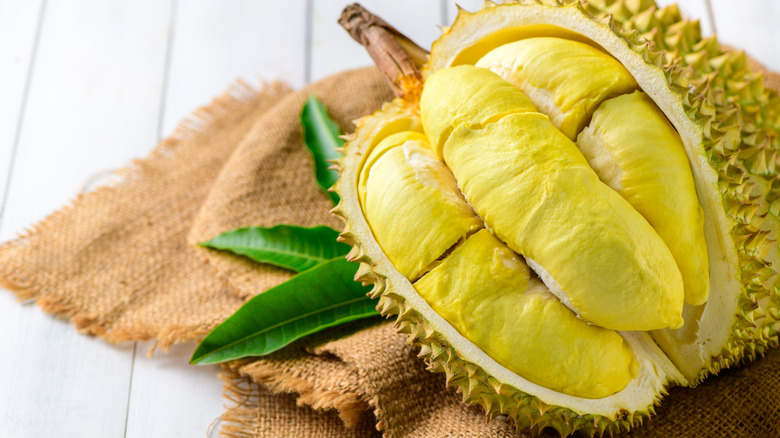
    Durian enthusiasts are buzzing with excitement as the season unfolds, although the peak harvest is a tad late this year. Sam Ho, owner of Uncle Sam Durian at Clementi Market & Food Centre, anticipates a prime durian bonanza starting in July, which is expected to lead to a drop in prices. “Right now, we’re at the beginning of the season, and because the harvest is small, prices will be a bit higher,” he commented in a recent interview.

    Ho sells fruits sourced from his own farm in Malaysia’s Pahang state, renowned for its Musang King durians. He predicted that this year’s supply is gearing up to outshine last year’s figures, even if the best bounty arrives a bit later than expected.

    Durians on the Move

    Singapore imports around 85% of its durians from Malaysia, with daily shipments during peak season sometimes exceeding 100,000 kilograms, as highlighted by Bloomberg. However, this season’s start has faced delays due to heavy rainfall affecting the blooming process earlier in the year.

    “Typically, the season kicks off in late April, but we are only just beginning to see the initial batches of durians,” stated Eric Yeap, a durian grower managing seven orchards across 53.4 hectares in Penang, in an early May interview.

    Despite the slow start, the recent hot and dry weather in Pahang has been favorable for durian blossoms, according to reports. Alvin Yap, president of the Pahang Fruit Farmers’ Association, is optimistic about a fruitful July and August ahead.

    With three waves of harvest expected, Pahang should deliver a wealth of durians come next month, particularly the beloved Musang King variety. However, Austin Quak of Rolling Durian warns that while prices may trend downwards, unpredictable weather could still impact the harvest outlook.

    Sweet Promotions for Durian Lovers

    As the peak season draws near, several businesses are rolling out promotions to delight durian fans in Singapore. FairPrice, the largest supermarket chain in the city, recently launched a limited-time offer featuring kampung durians at just S$1.95 (US$1.52) each, available from June 13 to 15 and June 20 to 22.

    In addition to these supermarket deals, The Bay Restaurant at Resorts World Sentosa is set to unveil a premium durian buffet on July 11, inviting enthusiasts to indulge in an all-you-can-eat experience for S$268 per person.

    For those willing to venture across the border, a durian carnival at Sunway Big Box Retail Park in Johor Bahru promises a delightful buffet sourced from one of Johor’s largest orchards, priced at RM98 (US$23) per person. It’s a perfect excuse to savor the famed fruit while enjoying a festive atmosphere!

    Questions & Answers

    What is causing the late start to the durian season this year?
    Heavy rainfall earlier in the year disrupted the blooming process, pushing back the typical start time of the season.

    When can we expect the peak harvest of durians?
    The peak harvest is anticipated in July and August, with abundant supplies particularly of the Musang King variety.

    Are there any exciting durian promotions happening in Singapore?
    Yes! FairPrice offers kampung durians for S$1.95 each, and The Bay Restaurant is launching a premium durian buffet for S$268 per person starting July 11.

  • Vietravel Airlines Set to Double Charter Capital to $99 Million, Fueling Growth and Expansion Plans

    Vietravel Airlines Set to Double Charter Capital to $99 Million, Fueling Growth and Expansion Plans

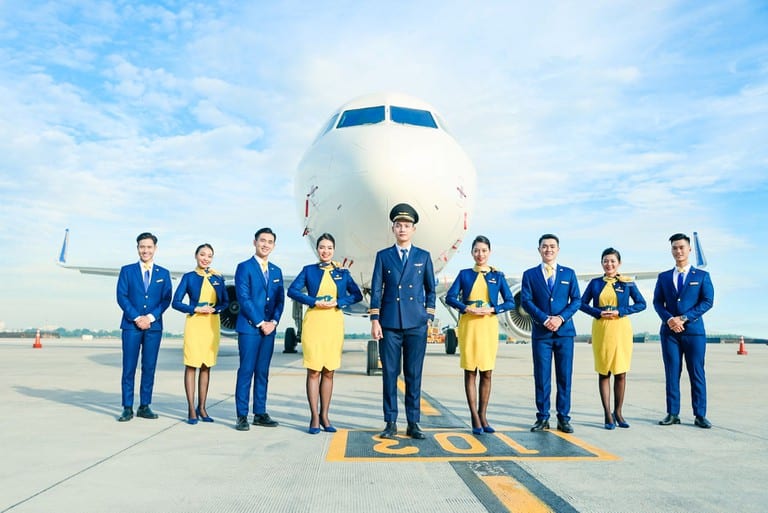
    Vietravel Airlines is embarking on an ambitious journey to double its charter capital to VND2.6 trillion (approximately US$99 million) in the first half of next year, buoyed by what they describe as “financial support” from SHB Bank.

    Shareholders Back Bold Financial Move

    In a decisive move, shareholders greenlit the capital increase during last week’s annual general meeting, aimed at bolstering the airline’s financial foundation for an expanded fleet and network. However, details remain under wraps regarding whether SHB will assume the role of lender or investor.

    A Vision for Growth

    Chairman Do Vinh Quang expressed confidence in the airline’s growth trajectory, stating that the partnership with SHB will play a pivotal role in reaching their ambitious targets. He noted that the bank’s robust financial capabilities and experience would enhance Vietravel Airlines’ efforts to grow its fleet, invest in cutting-edge technology, and elevate service quality.

    Building an Integrated Aviation Ecosystem

    Vietravel Airlines envisions creating a synchronized aviation ecosystem that marries transportation, tourism, and digital innovation, all underpinned by the support of its parent company, T&T Group, and the associated Vietravel Group. The airline, which launched operations in January 2021, emerged as Vietnam’s sixth carrier and third privately-owned airline with an initial capital of VND700 billion. T&T Group, a diversified conglomerate active in finance, real estate, and construction, currently holds a commanding 75% stake in the airline.

    With grand aspirations and a solid backing, the sky is truly the limit for Vietravel Airlines—who knows, they might even start a trend where airplanes serve gourmet meals from the region they’re flying over!

    Questions & Answers

    What is Vietravel Airlines’ new charter capital amount?
    The airline plans to double its charter capital to VND2.6 trillion (approximately US$99 million) in the first half of next year.

    When did Vietravel Airlines commence operations?
    The airline began flying in January 2021, establishing itself as Vietnam’s sixth carrier.

    What is the main goal of the capital increase?
    The aim is to strengthen financial capacity to expand the airline’s fleet and network while enhancing service quality through partnerships.

  • Chongqing Rural Commercial Bank Poised for Stability and Growth Through 2026

    Chongqing Rural Commercial Bank Poised for Stability and Growth Through 2026

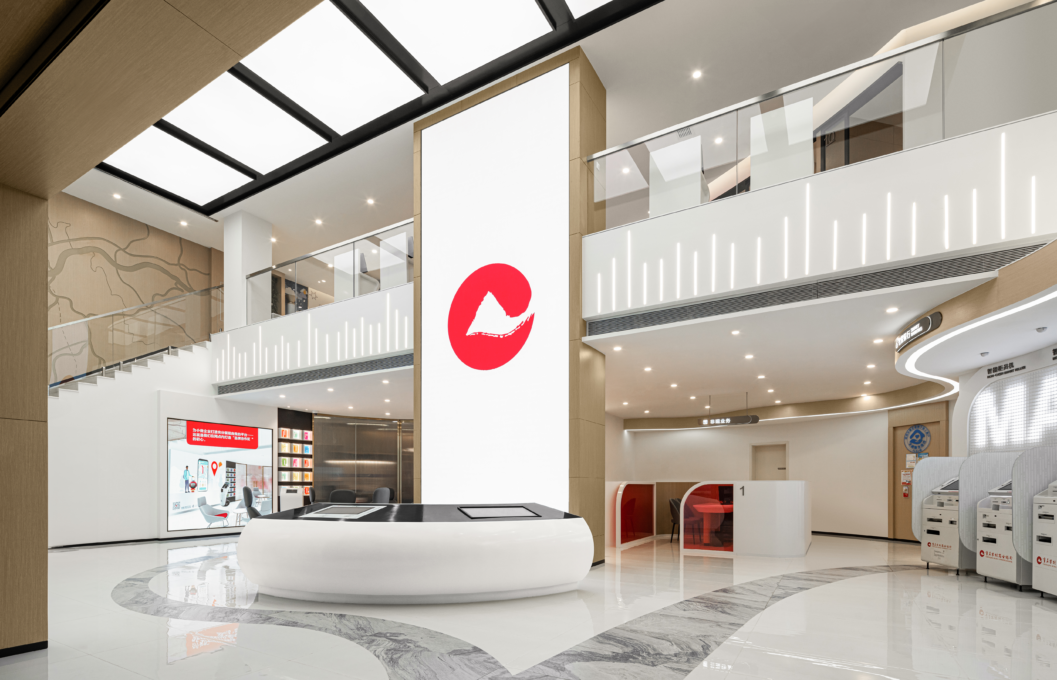
    Chongqing Rural Commercial Bank (CQRCB) is poised to maintain a stable financial profile over the next 12 to 18 months, with solid asset quality, robust capitalisation, healthy profitability, and ample liquidity. According to Moody’s Ratings published in June 2025, the bank is well-equipped to navigate potential challenges, receiving government support if necessary.

    Resilience Amid Risks

    While CQRCB boasts a strong capital position and a solid base of retail deposits, the emergence of new nonperforming loans (NPLs) poses a risk to its asset quality. The bank faces unseasoned risks as it finances the nation’s economic transition. Still, Moody’s predicts that the bank’s asset quality won’t significantly decline in the coming months, bolstered by the substantial buffers CQRCB has cultivated. As of December 31, 2024, the bank’s loan loss reserves covered an impressive 363.4% of its NPLs, providing an additional layer of security.

    Capitalisation and Profitability in the Spotlight

    The institution’s capitalisation will likely remain strong, with its Tangible Common Equity to Risk-Weighted Assets ratio expected to stay above 12%. This performance outshines many of its medium-sized peers in China, according to the ratings agency. Profitability is also on track to stabilise around the 2024 level of 0.8%, a reassuring sign for stakeholders.

    Adequate Liquidity and Funding

    While net interest margin (NIM) contraction is progressing slowly, CQRCB’s liquidity remains robust. With liquid banking assets exceeding 40% of tangible banking assets, the bank comfortably covers its market funds. Customer deposits serve as a crucial funding source, accounting for 68.2% of its total liabilities as of December 31, 2024, with retail deposits making up a whopping 85.8% of total deposits.

    In this sophisticated economic landscape, CQRCB continues to showcase its resilience, much like a seasoned acrobat navigating a tightrope. The bank’s proactive strategies and substantial reserves place it in a promising position, ready to tackle whatever comes next.

    Questions & Answers

    How is CQRCB expected to manage its asset quality in the coming months? CQRCB is anticipated to maintain stable asset quality due to strong buffers, despite risks from new nonperforming loans arising during economic transitions.

    What does Moody’s predict for CQRCB’s capitalisation and profitability? Moody’s forecasts robust capitalisation levels above 12% and stable profitability around 0.8% for the bank over the next 12-18 months.

    How does CQRCB fund its operations? The bank relies heavily on customer deposits, which make up 68.2% of its total liabilities, with retail deposits comprising a substantial 85.8% of total deposits.

  • Bangkok’s Luxury Housing Market: Discover the Stunning Growth Since 2019!

    Bangkok’s Luxury Housing Market: Discover the Stunning Growth Since 2019!

    The residential landscape for luxury housing in Thailand is witnessing a remarkable transformation. A recent report by Knight Frank reveals that the number of luxury properties valued at 10 million baht and above has surged from 12,349 units in 2019 to an impressive 37,775 units today. This growth trajectory is set to continue, particularly from the latter half of 2024 through April 2025, reflecting an enduring demand for upscale homes in the market.

    Market Trends Indicate a Shift Towards Mid-Luxury

    The report highlights an intriguing trend: over the recent period, houses priced between 10 and 30 million baht made up a whopping 78% of new supply, with the 10 to 20 million baht segment alone capturing 48%. This strategic focus by developers on the mid-luxury market speaks to an increasing awareness of buyer sensitivities to interest rates and economic fluctuations.

    The Niche of Ultra Luxury

    On the other end of the spectrum, homes priced above 70 million baht accounted for less than 5% of new offerings. This stark contrast underscores the ultra-luxury market’s status as a specialized niche, necessitating bespoke strategies and access to premium locations to truly flourish.

    Where is the Luxury Housing Supply?

    When we zoom in on geographical distribution, Eastern Bangkok emerges as a leader, claiming 26% of the total luxury housing supply. Developers are drawn to this area, attracted by its proximity to expressways, Suvarnabhumi Airport, and burgeoning commercial hubs like Rama IX – Krungthep Kreetha – Lat Krabang. Following closely are the Western Suburb and Western Bangkok, which together account for 41% of the market—ideal spots for expansive low-rise developments showcasing comprehensive infrastructure.

    In stark contrast, the Downtown zone, with a mere 3% share, reflects the challenges posed by limited land availability and soaring costs, prompting developers to pivot towards more suburban options. Interestingly, the Southern and Northern Suburb areas represent the least supply, together making up less than 2%, signaling that these locales are currently off the luxury housing radar.

    In a city where skyscrapers often steal the limelight, it turns out that spacious low-rise developments are quietly stealing the show!

    Questions & Answers

    What does the recent Knight Frank report reveal about luxury housing in Thailand?
    The report shows that the supply of luxury housing priced at 10 million baht and above has grown significantly, from 12,349 units in 2019 to 37,775 units today, indicating robust long-term demand.

    Which segments of the market are developers focusing on?
    Developers are increasingly targeting the mid-luxury segment, particularly houses priced between 10 and 30 million baht, which accounted for 78% of new supply during the analyzed period.

    Where are the most sought-after areas for luxury properties?
    Eastern Bangkok stands out with 26% of the luxury housing supply, while the Downtown zone only captures a modest 3%, reflecting developmental shifts towards suburban locales.

  • CITIC Bank International Demonstrates Resilience with Strong Capital and Liquidity, Analysts Confirm

    CITIC Bank International Demonstrates Resilience with Strong Capital and Liquidity, Analysts Confirm

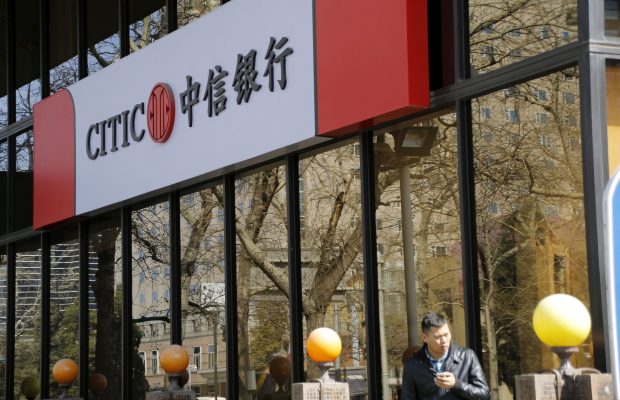
    China CITIC Bank International is showcasing a robust ability to weather the ongoing challenges in Hong Kong’s sluggish property market, as reported by Moody’s. The bank is expected to uphold its solid asset quality, strong capital base, and excellent liquidity throughout the next 12 to 18 months.

    Property Development Exposure

    At the close of 2024, the bank’s exposure to property development and investment in Hong Kong represented 13% of its total gross loans. Fortunately, these loans are considered low-risk due to the strong profiles of the borrowers and conservative loan-to-value ratios. This strategic positioning could provide breathability in unavoidable market fluctuations.

    Improved Loan Metrics

    Moody’s highlights that the bank has actively reduced its exposure to mainland Chinese developers, which has been bolstered by enhanced provisioning. The impaired loan ratio also showed improvement, dropping from 2.3% in 2023 to 2.1% in 2024.

    Solid Capitalization and Liquidity

    Capitalization remains robust, backed by moderate internal capital generation alongside controlled growth in risk-weighted assets. With a liquidity coverage ratio of 200% in Q1 2025—well above the regulatory minimum of 100%—the bank’s liquidity position appears to be nothing short of impressive, like an Olympic gymnast.

    Deposit Growth and Profitability Outlook

    Total deposits for the bank surged by 9% in 2024, with current and savings account deposits climbing to 27% of total deposits, up from 25% the previous year. However, profitability in 2025 may face headwinds as the narrowing net interest margin (NIM)—which slipped slightly to 1.79% in 2024—will likely exert pressure on earnings. Nevertheless, the bank expects some relief from increased fee and commission income.

    Financial Resilience and Future Prospects

    While CITIC Bank International leans moderately on wholesale funding, its overall liquidity framework indicates resiliency. Steady deposit growth complemented by high-quality liquid assets has fortified the bank’s financial health. The bank continues to rely significantly on its parent company, CITIC Bank, and Moody’s foresees continued indirect support from the Chinese government, albeit not universally across all liability classes.

    An analysis of Loss Given Failure reveals a low to moderate risk across most liabilities. However, the recent redemption of US$500 million in Tier 2 subordinated debt has heightened the potential severity of losses for some instruments.

    Questions & Answers

    What percentage of gross loans does the bank have exposed to property development in Hong Kong?
    At the end of 2024, China CITIC Bank International’s exposure to property development and investment in Hong Kong accounted for 13% of its gross loans.

    How did the bank’s impaired loan ratio change in 2024?
    The impaired loan ratio improved to 2.1% in 2024, a decrease from the 2.3% reported in the previous year.

    What is the outlook for the bank’s profitability in 2025?
    Profitability is anticipated to be pressured in 2025 due to a narrowing net interest margin, although increased fee and commission income may provide some relief.

  • India Pursues Trump Tariff Agreement Following UK Trade Pact Breakthrough

    India Pursues Trump Tariff Agreement Following UK Trade Pact Breakthrough

    Starting July 9, U.S. President Donald Trump’s vast array of global trade tariffs is set to roll out, posing serious implications for economies and businesses worldwide.

    In a race against time, India is working diligently to forge an agreement that could shield its exports from a hefty 26% tariff imposed on goods shipped to its largest market. However, unlike many nations navigating these choppy waters, New Delhi has a fresh strategy in place: the recently announced free trade agreement (FTA) with the U.K. This deal not only highlights India’s proactive stance but also mandates some tough choices as it seeks to solidify its trading relationships.

    With the clock ticking down to the implementation of these tariffs, all eyes are on how India can maneuver its way through the evolving trade landscape. Meanwhile, business owners and consumers alike watch anxiously, wondering how these changes will ripple through their wallets and shopping carts.

    Questions & Answers

    Questions & Answers

    What are the main implications of the U.S. tariffs for India?
    The tariffs could impose a 26% levy on Indian goods, significantly increasing costs for exporters and potentially leading to a drop in trade volumes.

    How is India responding to the impending tariffs?
    India is actively seeking trade agreements and has recently announced a free trade agreement with the U.K. as part of its strategy to mitigate the impacts of U.S. tariffs.

    What does the future hold for India’s trade relationships?
    The path ahead is uncertain, but with proactive measures like the FTA with the U.K., India is positioning itself to adapt and thrive in the changing global trade landscape.

  • Sa Sa International Faces Sales And Profit Downturn Amid Economic Uncertainties

    Sa Sa International Faces Sales And Profit Downturn Amid Economic Uncertainties

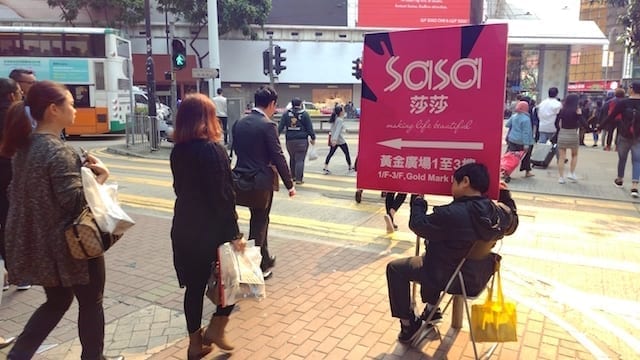
    Sa Sa International, a prominent beauty retailer, has recently disclosed a decrease in both sales and profits for its most recent fiscal year. This downturn is attributed to unfavorable market conditions in Hong Kong and Macau, the principal markets for the company.

    Sales Decrease

    Sa Sa International’s financial reports demonstrate a marked decrease in turnover, with a dip of 9.7% to HK$3.9 billion (US$497 million) for the fiscal year which ended on March 31. This decline is due largely to the continuous outbound travel of Hong Kong and Macau residents to Mainland China and other foreign countries.

    This expatriation, in tandem with a robust US dollar and an increase in economic uncertainties caused by trade tariffs, has led to more cautious spending by those visiting Hong Kong and Macau. The primary markets for the group are indeed Hong Kong and Macau, which represent more than 75% of the company’s total sales.

    In these markets specifically, turnover experienced a decline of 12.3%, and 10.5% in Mainland China, but conversely, a 14.7% increase was observed in Southeast Asia.

    Profit Decline

    The company has also reported a significant decline in profits for the year, with a slide of 64.8% to HK$77 million, aligning with the company board’s previous projections in April. Brick-and-mortar sales decreased by 11.9%, though some improvement was noted in the latter half of the fiscal year. However, online sales saw a modest increase of 1.2%, largely thanks to the growth of third-party e-commerce platforms in the Southeast Asian market.

    As the year concluded, the group maintained 84 stores in Hong Kong and Macau, 18 in Mainland China, and 72 in Southeast Asia.

    Future Plans

    Sa Sa International’s management team has expressed their intent to closely monitor market trends and make adjustments to their portfolio as necessary. Their primary objective is to facilitate growth in both sales and gross profit, while at the same time, maintaining a stable gross profit margin. Their aim is to develop a sustainable model to boost profitability.

    In the first quarter ending June 15, the group witnessed a 4.5% increase in turnover, with growth recorded in all markets, except for Mainland China.

    Questions & Answers

    What are the primary markets for Sa Sa International?
    Hong Kong and Macau are the primary markets for Sa Sa International, accounting for more than 75% of the company’s total sales.

    What caused the recent downturn for Sa Sa International?
    This downturn is due largely to the continuous outbound travel of Hong Kong and Macau residents to Mainland China and other foreign countries, coupled with a robust US dollar and increasing economic uncertainties.

    What is Sa Sa International’s plan moving forward?
    The company plans to closely monitor market trends and make adjustments to their portfolio as necessary. Their primary objective is to facilitate growth in both sales and gross profit while maintaining a stable gross profit margin.

  • Seoul Bankruptcy Court Approves Homeplus Sale To Repay Debt, Protect Jobs

    Seoul Bankruptcy Court Approves Homeplus Sale To Repay Debt, Protect Jobs

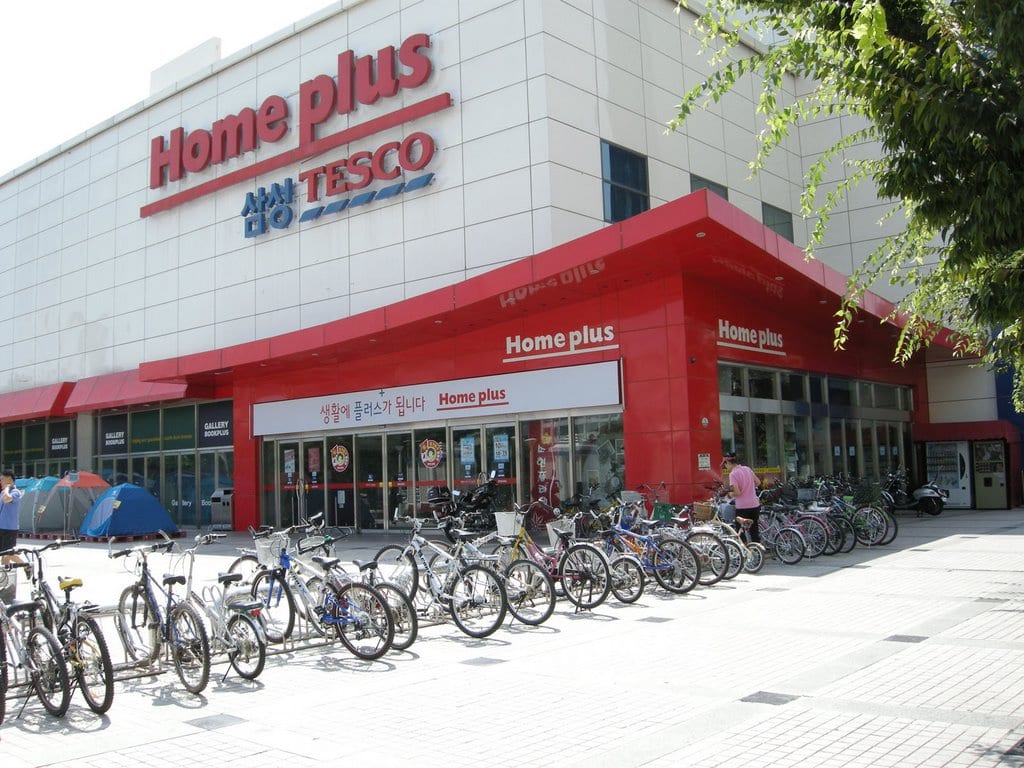
    The Seoul Bankruptcy Court has given the green light to the sale of South Korean grocery retailer, Homeplus. The decision was driven by a need to generate capital for debt repayment and to safeguard jobs within the company.

    Earlier this year, MBK Partners, the private equity firm that owns Homeplus, sought court intervention for the restructuring of the company. This marked a significant reversal in fortunes for a deal that originally cost US$6.1 billion over ten years ago.

    A representative from MBK announced on Friday that the firm is fully supportive of the successful sale of Homeplus. They also revealed plans to negate 2.5 trillion won (US$1.83 billion) worth of common shares they hold in the company as part of the sale.

    The court has mandated the appointment of accounting firm Samil PricewaterhouseCoopers to oversee the sale. This process is expected to take two to three months, according to a court statement.

    The sale is seen as a pivotal move to raise funds for the company, repay debts to creditors, and secure the employment of Homeplus workers. Simultaneously, the court believes this strategy will safeguard partner firms by averting bankruptcy.

    Questions & Answers

    Why is Homeplus being sold?
    The sale of Homeplus was approved by the Seoul Bankruptcy Court to generate funds to repay debts and to ensure job security for the company’s employees.

    Who is managing the sale of Homeplus?
    The court has appointed the accounting firm Samil PricewaterhouseCoopers to manage the sale of Homeplus.

    What role does MBK Partners play in the sale of Homeplus?
    MBK Partners, the private equity firm that currently owns Homeplus, has expressed full support for the sale. They plan to write off 2.5 trillion won ($1.83 billion) of common shares they hold in the company as part of the sale.

  • Thailand Unveils Three Winning Bids for Exciting New Virtual Banks!

    Thailand Unveils Three Winning Bids for Exciting New Virtual Banks!

    In a significant move for Thailand’s financial landscape, the Bank of Thailand (BOT) has approved three applicants to launch virtual banks. This recent development heralds a new era of banking innovation as the country shifts towards digitalization.

    Meet the New Players in Thailand’s Banking Scene

    The approved entities include AMC Holding Company Limited; a consortium made up of Krung Thai Bank, Advanced Info Service, and PTT Oil and Retail Business Public Company Limited; and another group featuring SCB X, WeTechnology Limited, and Kakaobank Corp.

    Leading the charge is SCB X, the parent company of Siam Commercial Bank (SCB), the oldest bank in Thailand. Alongside them, KakaoBank, a thriving digital bank from South Korea, and WeTechnology, the Hong Kong arm of WeBank—the first digital bank in China—are set to make waves.

    Partnerships That Spark Change

    The consortium formed by Krung Thai Bank—a state-owned institution—teams up with Advanced Info Service, Thailand’s largest mobile operator, and PTT Oil, a key state-owned oil and gas player. This diverse mix signals a push towards integrating financial services with existing consumer bases and technology.

    Countdown to Launch: June 2026

    The clock is ticking for these virtual banks, which must commence operations within one year following the Thai Finance Minister’s approval on June 19, 2025. The BOT emphasizes that these companies need to structure themselves as public limited entities and successfully undergo assessments to qualify for their banking licenses.

    Setting a New Standard in Banking

    As part of their qualification process, the BOT and the Ministry of Finance will evaluate each applicant’s business strategy and capacity to introduce “new value propositions” to financial services. The aim is clear: enhance existing processes and deliver improved service via digital channels—the bank of the future is just around the corner!

    So, who’s excited about virtual banks in Thailand? These innovative players are sure to shake up the status quo in banking. Who knows, maybe your next transaction will involve a banking chatbot powered by AI!

    Questions & Answers

    What is the deadline for the new virtual banks to begin operations? They are required to start business operations by June 2026.

    Who are the approved applicants for virtual banking in Thailand? The BOT has approved AMC Holding Company Limited, a consortium including Krung Thai Bank, Advanced Info Service, and PTT Oil, as well as a group consisting of SCB X, WeTechnology Limited, and Kakaobank Corp.

    What must applicants demonstrate to qualify for a virtual bank license? Applicants must showcase their business plans and ability to deliver innovative financial services that improve efficiency through digital channels.

  • Unlocking Opportunities: Countries Welcoming Vietnamese Graduates for Work Experience Abroad

    Unlocking Opportunities: Countries Welcoming Vietnamese Graduates for Work Experience Abroad

    Across the globe, countries recognize the importance of attracting international talent, especially in sectors like science and technology. While many offer opportunities for post-graduate work permits, specific requirements often loom—those related to age or the institution from which applicants graduated.

    Asian Countries Leading the Charge

    In a strategic move to enhance its appeal, Malaysia’s Education Malaysia Global Services recently included Vietnam and several Southeast Asian nations in the Graduate Pass program, which allows a one-year stay for graduates. Unveiled in late 2023, this initiative is a cornerstone of Malaysia’s visa liberalization plan aimed at drawing in tourists and savvy international students alike.

    Thailand is not one to be outdone; the country launched the Non-ED Plus visa in late 2024. This exciting new addition permits international students at the bachelor’s level or higher to linger for an extra year post-graduation to hunt for work, according to the Office of the Prime Minister.

    Singapore offers a more flexible approach. Here, students can apply for either a work holiday pass or an internship work permit through the Ministry of Manpower, allowing them to extend their stay for six months.

    Meanwhile, in South Korea, the Ministry of Justice has hatched fresh policies to reel in talent. As of late 2024, the duration of the job-seeking visa (D-10-1) has been expanded by an additional year, meaning many can now stay for up to three years. Students can also enjoy an extended internship period of up to one year — a real boon for those eager to get their feet wet!

    However, aspiring job seekers in popular study hotspots like China and Japan may find the waters murkier. As reported by Thanh Nien newspaper, Japan’s policies are restrictive. Graduates without a job offer must switch to another visa category, securing a maximum stay of 12 months and a recommendation from their institution to continue the job hunt.

    The United States Offers Hope

    In the U.S., the Optional Practical Training program comes as a lifeline, allowing students to work for one year in jobs directly related to their field of study. For STEM graduates, this can be extended by two additional years, offering a taste of American work culture.

    International students with an F-1 visa can apply for this program up to a year before graduation. However, navigating the process can be tricky, as employers must file the necessary paperwork for the visa, which could prove challenging for those lacking strong professional networks.

    Australia and New Zealand: Expanding Horizons

    In Australia, the ground is fertile for Vietnamese students wishing to work post-graduation. With two streams available—post-vocational education work and post-higher education work—students can stay and work for 18 months to three years. But be aware: tightening regulations mean that doctoral graduates have to settle for a three-year limit, while applied master’s graduates can stay for two years.

    Over in New Zealand, students have the golden opportunity to apply for a Post-Study Work visa, which lets them work for up to three years after their studies.

    The United Kingdom and Europe: The Quest for Opportunity

    British students from Vietnam are eyeing the Graduate Route visa, permitting a stay of two to three years post-graduation. However, brace yourselves! The U.K. government has proposed knocking this down to 18 months, pending parliamentary approval—a potential twist in the tale.

    In Germany, students can extend their residence permits for up to 18 months following graduation, supported by an open job policy. German universities encourage graduates to explore various employment opportunities, regardless of whether they align with their field of study.

    Last but not least, in Canada, Vietnamese graduates are eligible for a Post-Graduation Work Permit of up to three years, with specific conditions for vocational program graduates that require them to secure roles in one of the 989 long-term in-demand occupations. New regulations now also require proof of English or French proficiency, adding another layer to the application process.

    With such diverse approaches to post-graduate work permits, the global landscape for international students remains vibrant and full of possibilities—for those willing to navigate the complexities. After all, who knows what adventures await just around the corner?

    Questions & Answers

    What is the Graduate Pass program in Malaysia?
    The Graduate Pass program allows international students, including those from Vietnam, to stay in Malaysia for up to one year post-graduation, aimed at enhancing the country’s appeal to global talent.

    How does the U.S. Optional Practical Training work for international students?
    The Optional Practical Training program permits international students on F-1 visas to work for one year in their field of study, with potential extensions for STEM graduates, allowing for a total of three years of work.

    What are the post-graduation work opportunities like in Australia for Vietnamese students?
    Australian Vietnamese graduates can choose from two streams of post-graduation work visas, which range from 18 months to three years, although stricter regulations have recently been introduced.
  • Maison Ladurée returns to Philippines with first Southeast Asia flagship

    Maison Ladurée returns to Philippines with first Southeast Asia flagship

    Maison Ladurée, the luxury patisserie based in France, is poised to launch its first flagship store in Southeast Asia, specifically in the Philippines. The move marks an important milestone for the brand as it expands its international presence.

    Flagship Store Location

    The store, christened Ladurée Tropical, will be located at BGC High Street, in Manila. The concept behind its name and design has been meticulously crafted to cater to the Philippine market, a strategic approach to ensure that the brand resonates with local customers.

    Ladurée made its first foray into the Philippines in 2015, when it opened a flagship store in 8 Rockwell, Makati. However, in 2019, the store had to close its doors as a result of the global pandemic.

    The Vision For Ladurée Philippines

    Karan Gopwani, CEO of Gastronova, the company helmimg Ladurée’s revival in the Philippines, said that the goal is to create a uniquely Filipino Ladurée experience. “Our vision is to make Ladurée feel as though it was born in the Philippines rather than imported into it,” he explained.

    The new venue will house both the Ladurée Café, for casual coffee experiences, and the Salon de Thé, which features full-service dining. Gopwani stated that this dual offering was a calculated bold move that goes beyond anything previously attempted.

    A Blend of French and Filipino Flavors

    The menu, masterminded by executive chef Katrina Torres, will be a blend of French cuisine crafted specifically for Ladurée and signature items from its Paris menu. This delightful fusion combines the brand’s famed pastries with savory dishes tailored to local tastes, featuring ingredients from the Philippines.

    Torres expressed enthusiasm about this culinary fusion, saying, “Our aim is to create a blend that beautifully complements both local tastes and the classic elegance of Ladurée.”

    Questions & Answers

    When is Maison Ladurée planning to launch its first flagship store in Southeast Asia?
    Maison Ladurée is planning to launch its first flagship store in Southeast Asia this month.

    What will the new Maison Ladurée store in the Philippines offer?
    The new store will house both a Ladurée Café, for casual coffee experiences, and a Salon de Thé, which features full-service dining. The menu will feature a blend of French and Filipino dishes.

    Who is responsible for the culinary offerings at the new Ladurée store?
    The menu at the new Ladurée store has been masterminded by executive chef Katrina Torres. It will offer a culinary fusion that complements both local tastes and the classic elegance of Ladurée.

  • Amazon To Inject $233m Into India Operations: Aims For Infrastructure Expansion And Enhanced Delivery Safety

    Amazon To Inject $233m Into India Operations: Aims For Infrastructure Expansion And Enhanced Delivery Safety

    By 2025, Amazon is planning to inject more than 20 billion rupees (equivalent to US$233 million) into its operations in India. This significant investment will be used to enhance and widen the scope of its operational infrastructure, as well as devise innovative technology for its product fulfillment networks and augment delivery safety procedures.

    The Aim of the Investment

    This substantial financial commitment comes in continuation of Amazon’s previous investments aimed at constructing a comprehensive operations network that can cater to all serviceable postal codes within the nation.

    A key player in the Indian e-commerce market, Amazon competes with other heavyweights such as Walmart’s Flipkart and Reliance Retail, owned by billionaire Mukesh Ambani. The corporation had previously announced that by 2030, its total investment in the Indian market would reach $26 billion, however, the specifics regarding this allocation were not disclosed.

    Investment Implementation

    The new funding will be allocated toward the establishment of new sites and modernization of existing facilities across its fulfillment and delivery network to enhance processing speed and capacity.

    In addition to infrastructural developments, Amazon also has plans to incorporate technology that will ensure the safety of its delivery associates. This includes implementing systems that will notify associates of unsafe speeds and enable the equitable distribution of delivery routes.

    Investing in Employee Welfare

    Part of the funding will also be directed toward initiatives designed to improve the health and financial stability of Amazon’s employees. This showcases the company’s commitment to not just expand its market presence, but also to enhance the welfare of its workforce.

    Earlier this year, it was announced that Amazon’s cloud services provider, Amazon Web Services, was earmarked to invest approximately US$8.2 billion in India.

    Questions & Answers

    What is the purpose of Amazon’s planned investment in India?
    The investment is intended to expand and modernize Amazon’s operational infrastructure, develop new technology for its product fulfilment networks, and boost delivery safety.

    How will Amazon’s new investment benefit its delivery associates?
    Amazon plans to implement technology that will alert delivery associates about unsafe speeds and ensure fair distribution of delivery routes, enhancing their safety and work experience.

    What commitment has Amazon made towards the welfare of its employees?
    Amazon has pledged to allocate a portion of its new investment to initiatives aimed at improving the health and financial well-being of its employees in India.

  • Over 2,000 Demand Free Tap Water at Singapore Restaurants, Igniting Vital Health Discussion

    Over 2,000 Demand Free Tap Water at Singapore Restaurants, Igniting Vital Health Discussion

    The recent Change.org petition calling on the Singaporean government to ensure public access to free tap water at eateries is gaining traction. Launched in late May, its visibility surged following a Facebook post by Gerald Giam, a member of the Singapore parliament, which highlighted the issue’s importance and potential health implications.

    Giam passionately pointed out, “Some eateries charge as much for water as they do for sugary drinks. This unintentionally nudges consumers toward less healthy options, increasing the risk of obesity and diabetes.” The petition reminds us of the alarming trend where many outlets across Singapore have begun charging for a basic commodity, tapping into economic pressures and beverage sales strategies. A 2018 survey conducted at VivoCity found that over half of the surveyed outlets charged anywhere from 30 cents to S$1 (23 to 78 US cents) for a glass of water. Furthermore, a report by The Straits Times documented a troubling climb in the number of eateries charging for tap water—from 5% in 2013 to around 10% in 2015.

    Yee Yucai, the petition’s organizer and consultant at the Singapore General Hospital, drew upon a personal experience to voice his frustration. At a recently visited buffet costing about S$60 per person, water was not provided without an additional S$5 for beverages. “That’s going too far,” Yee lamented, highlighting how food and beverage (F&B) establishments are pushing diners toward buying profit-generating drinks instead of offering complimentary water, despite ongoing governmental campaigns to curb sugar consumption.

    Customers have certainly taken notice of this trend. Student Koh Liang Lin reflected, “If water is chargeable at the restaurant, it will push me to top up a dollar more to get a canned drink.” Such sentiments have been echoed in the past by a human resource manager who expressed reluctance at paying for water, considering it “super not worth it.”

    What Are Businesses Saying?

    While many dining establishments do not charge for tap water or have ceased the practice due to customer complaints, the reality for F&B operators is more complicated. Daniel Sia, the chef-owner of Nasi lemak restaurant The Coconut Club, acknowledged the financial burdens involved in providing free tap water. “Utilities cost money, and offering that service often leads to a drop in beverage sales, which is an opportunity cost,” he explained. Anonymous sources from various cafés indicated that, in a tight economy, every cent counts. One owner candidly remarked that they charge 50 cents for free-flow tap water as their profit margins can be precarious.

    Additionally, certain establishments invest in filtration systems that can set them back between S$1,000 and S$3,000 monthly. While offering complimentary drinks may seem minor, the cumulative operational costs—cleaning, service, and utilities—rapidly accumulate. A Korean restaurant operator noted, “Bigger restaurant groups may absorb the cost, but for small businesses like ours, utilities are just a fraction of many overheads.”

    ‘A Basic Service’

    The debate over mandating eateries to provide free tap water resurfaced in parliament in 2021 but was dismissed due to the financial burdens on businesses. Giam suggested a compromise, proposing that eateries be allowed to charge for tap water but at lower rates than sugary beverages, to encourage healthier consumer choices. Conversely, Yee contended that the financial impact of providing free tap water is “very minimal,” based on calculations showing that offering water could only amount to about 0.13 cents per customer. For Yee, providing free water should be seen as an essential service that fosters public health.

    As diners navigate the waters (pun intended) of dining out amidst these changes, one can wonder: is there a better way for businesses to balance profit margins while providing a basic need? Perhaps it’s time restaurants reevaluate their drink strategies in favor of health and goodwill.

    Questions & Answers

    What is the main goal of the Change.org petition?
    The petition seeks to urge the Singaporean government to ensure that eateries provide free tap water to promote healthier food and beverage choices, reducing reliance on sugary drinks.

    How have some businesses responded to offering free tap water?
    While many have stopped charging for water, some F&B operators argue that the costs of providing it affect their already thin profit margins, leading them to charge nominal fees instead.

    What does the public think about the trend of charging for tap water?
    Many consumers are frustrated by the trend, feeling that charging for water nudges them toward purchasing less healthy options and that access to water should be a basic service in dining establishments.