Author: Mei Ling Tan

  • Oh!some Unveils Largest Flagship Store In Vietnam: A New Era Of Experience-driven Retail

    Oh!some Unveils Largest Flagship Store In Vietnam: A New Era Of Experience-driven Retail

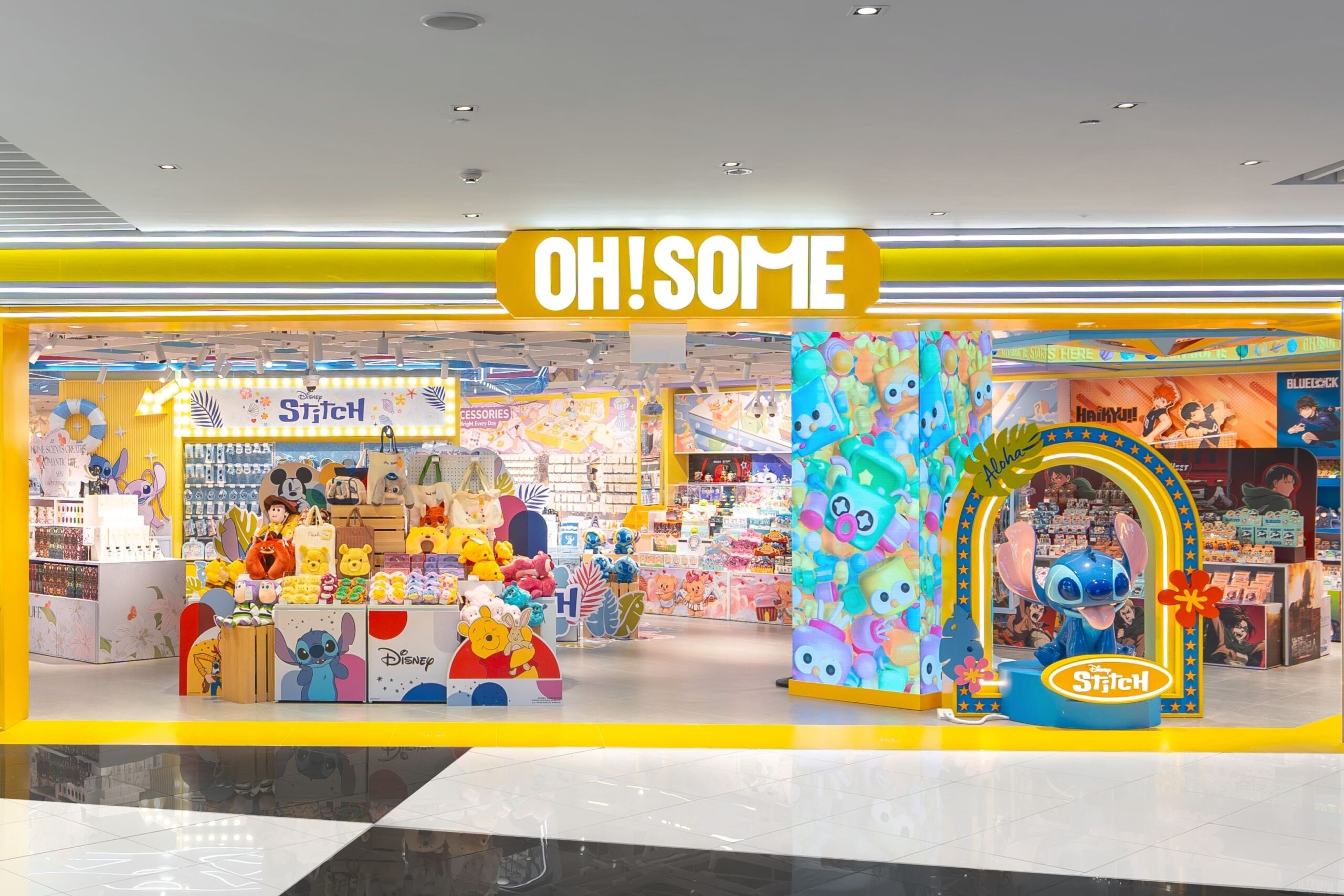
    Oh!Some, a leading lifestyle and retail brand, has recently launched its most extensive flagship store yet in Vietnam. Spanning a grand total of 2000 square meters, the store is conveniently situated at the Vincom Center Dong Khoi in the bustling epicenter of Ho Chi Minh City.

    Signature Aesthetic

    The store stands out with its vibrant yellow theme, accentuated by candy-colored interiors. With eye-catching installations primed for photo opportunities, open zones dedicated to browsing, and thoughtfully presented product displays, the store certainly has a unique appeal.

    An Oh!Some representative underscored the brand’s intentions, stating, “We envisage shopping as a broader experience than simply making transactions. Our ultimate aim is to stir creativity and infuse joy into everyday life.”

    Offline Expansion Strategy

    The launch of this flagship store represents a significant step forward in Oh!Some’s offline expansion endeavors. The strategy essentially revolves around transforming traditional brick-and-mortar retail into immersive, experience-driven environments.

    New Themed Sections

    The store doesn’t just stock Oh!Some’s core range of Korean and Japanese beauty products. It now also boasts four novel themed sections: merchandise inspired by anime, travel must-haves, DIY craft kit essentials, and comprehensive solutions for gifting. Furthermore, the store spotlights several exclusive IP collaborations.

    This venture marks Oh!Some’s seventh store in Vietnam. Since its inception in April, the brand has experienced rapid growth, with stores now operating throughout Ho Chi Minh City and Hanoi.

    Questions & Answers

    What is the concept behind Oh!Some’s new flagship store?
    The store is designed to make shopping an immersive, enjoyable experience rather than just a transaction. It features unique aesthetic elements and curated displays for a creative and joyful shopping environment.

    What new sections have been introduced in the store?
    Four new themed sections have been added: anime merchandise, travel essentials, DIY craft kits, and gifting solutions.

    What is the significance of this new store for Oh!Some?
    The new flagship store marks a key milestone in Oh!Some’s offline expansion strategy. It signifies a transition towards creating experience-led environments in physical retail, and it’s also the brand’s largest store in Vietnam to date.

  • Cosme Unveils Largest Flagship Store In Nagoya, Bolsters Presence In Japan’s Tokai Region

    Cosme Unveils Largest Flagship Store In Nagoya, Bolsters Presence In Japan’s Tokai Region

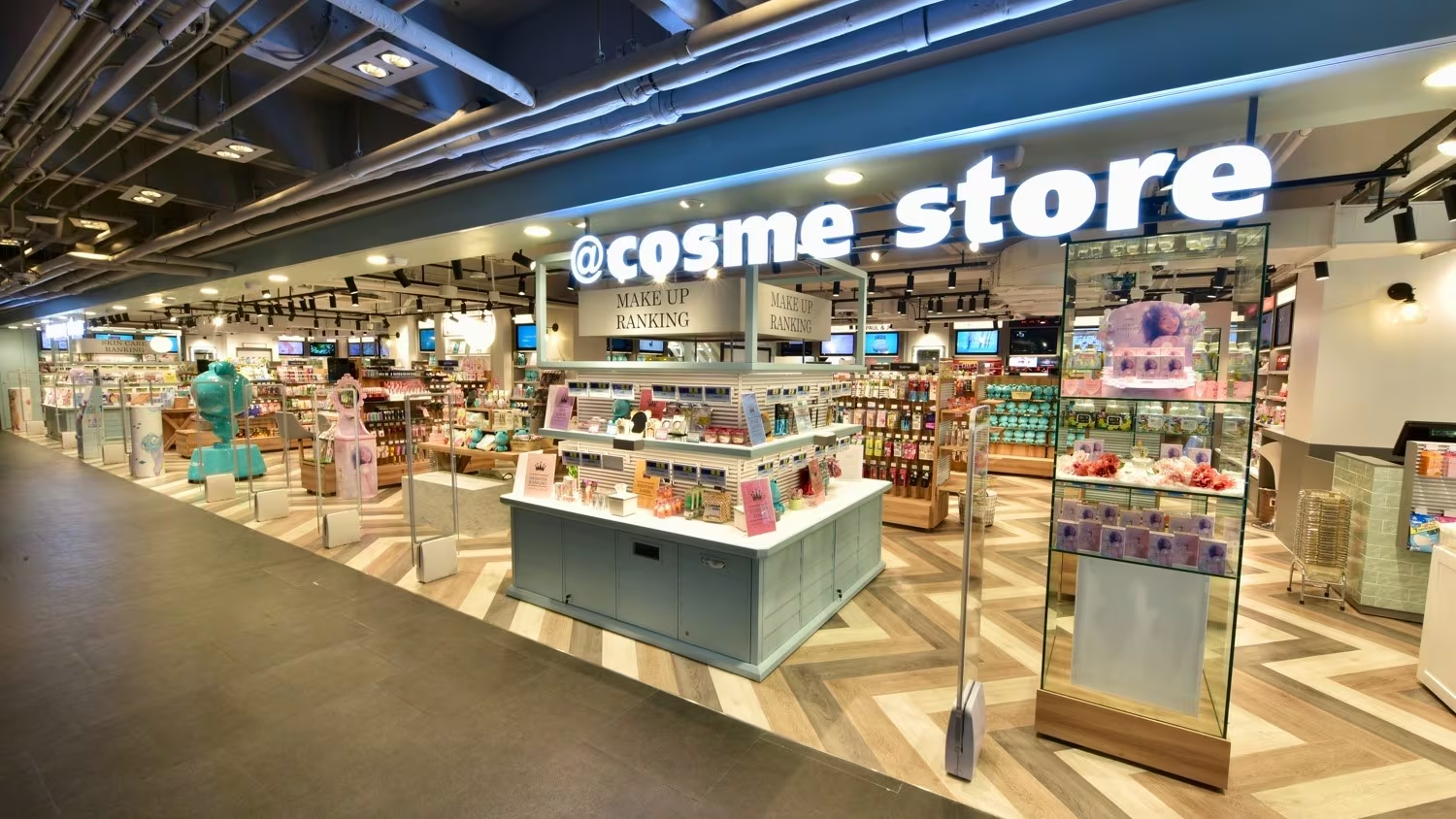
    The Japanese cosmetics label, Cosme, has recently announced the opening of its largest flagship store yet, located in Nagoya. This marks the third prominent store opening for the brand, following the successful launches in Osaka and Tokyo. The addition of this new location bolsters Cosme’s footprint in the Tokai region.

    Perfectly situated on the fifth floor of the Takashimaya Gate Tower Mall, the expansive 810-square-meter store houses an extensive range of products. Customers can browse through offerings from nearly 500 brands, with popular names such as Gucci Beauty, Dior, and Cle de Peau Beaute taking pride of place.

    One of the unique features of this new location is the ‘Sale Ranking Tower.’ This dedicated area houses award-winning and best-selling products from Cosme’s selection, providing consumers with an easy way to identify and purchase top-rated cosmetics. The store also offers a variety of limited-edition mini-sized products from multiple sectors such as skincare, makeup, and hair care.

    In addition to its wide product range, the Nagoya flagship provides an interactive area called the ‘Sample Gacha.’ Here, customers can try out product samples from 15 different brands, including Innisfree, Excel, and Fancl, offering a hands-on experience for shoppers before they commit to a purchase.

    The Nagoya store launch follows Cosme’s recent reopening of its Tokyo flagship, which had undergone a significant makeover in March.

    Questions & Answers

    What is Cosme and what does it sell?
    Cosme is a Japanese cosmetics label that sells a wide variety of products from nearly 500 brands. Its offerings include makeup, skincare, and hair care products.

    Where is Cosme’s largest flagship store located?
    Cosme’s largest flagship store is located in Nagoya, on the fifth floor of the Takashimaya Gate Tower Mall.

    What is the ‘Sale Ranking Tower’ in the Nagoya store?
    The ‘Sale Ranking Tower’ is a unique feature in the Nagoya store that showcases award-winning and best-selling products.

  • Gamification in Retail: What Brands Can Learn from Mobile Games

    Gamification in Retail: What Brands Can Learn from Mobile Games

    Gamification in Retail: What Brands Can Learn from Mobile Games

    Gamification means turning everyday things into a game. It grabs people’s attention and makes them want to stick around. Retail is always on the lookout for fresh ways to keep customers interested, and games are one of the smartest tricks out there. Shopping today isn’t just about buying, it’s about catching people’s eye, making the process fun, and building loyalty. And if you want to see how it’s done right, look at mobile games. 

    Why Mobile Games Are the Perfect Example

    Mobile games have become super popular everywhere. They’re always close because your phone is always with you. You can start a game in a second and get right into it. Every move gives you instant rewards. And the best part, games turn boring moments into small wins and achievements. Today, more and more people choose real money poker online instead of classic games at the table. The same goes for bigger games. Even huge hits like Genshin Impact or Call of Duty Mobile are played on phones, in the subway, on a break, anywhere. No need to wait for the evening in front of a computer. Games should be ready to play right now.

    That’s why mobile games are one of the best ways to grab people’s attention. They’re easy, fun, and always there. And they build habits, people keep coming back. And don’t forget about rewards. People play real money poker online but still get the same thrill as playing at a real poker table. Poker keeps players hooked because of a few simple tricks:

    • Rewards. Win a hand, get a prize;
    • Progress. The more you play, the higher your level;
    • Daily challenges. Play often, get bonuses.
    • Competitions. Players fight for top spots and big prizes.

    These tricks are equally effective in retail. Every purchase can be part of the game. Every shopper is a player in a contest. It brings that same excitement you get from real money poker. That’s how a buyer turns into a player and wants to come back again and again.

    How Brands Can Use Gamification in Retail 

    Gamification works both in stores and online. The goal is to make shopping more fun and interactive. Here’s how:

    1. Games in stores:
      • Treasure hunts: Find three special products, get a discount.
      • Interactive screens or AR with hidden prizes.
    2. Online games:
      • Spin the wheel after buying something.
      • Daily bonuses for visiting the website.
      • Collect cards for discounts or gifts.
      • “Complete the collection, win a prize.”
    3. Social features:
      • Invite a friend, get a bonus.
      • Shopper leaderboards compete for special rewards.
      • Share bonuses with friends.

    The key here is to keep it simple. Game mechanics should be clear from the first click. That’s why mobile games work so well, they get people involved right away.

    Great Examples of Gamification in Retail

    Some brands are already doing this really well:

    • Starbucks Rewards. Collect stars, get free stuff.
    • Nike Run Club. Join challenges, earn achievements, share your progress.
    • Sephora Beauty Insider. Earn points for shopping, get special gifts.

    But there’s way more potential here. Real money poker shows that when people feel the thrill of playing for real rewards, they keep coming back. It’s the same with shopping, when every purchase feels like a win, people want more.

    What Retail Can Learn from Mobile Games

    Mobile games have figured out how to keep people’s attention. They build habits, create emotions, and make people want to return. That’s exactly what retail needs. Time to move from talking to doing. Let’s see what brands can borrow from mobile games:

    • Always something new. Mobile games always drop fresh levels, challenges, and deals. Retail should do the same. New games every week, new prizes, new challenges. Customers should find something fun every time they visit the store or website;
    • Make it personal. The game should fit the customer. If someone always buys cosmetics, they should get challenges in that category. Just like in real money poker, beginners get easy tournaments, pros go for the big prizes;
    • Create emotions. Don’t just sell a product. Make people feel like they’ve done something fun. Like: “Congrats! You’re the top electronics shopper this week!” Emotions sell better than discounts.

    Retail isn’t just about selling, it should feel like playing. When shopping turns into a game, people show up not just for the products but for the fun of it. 

    Mistakes to Avoid in Retail Gamification

    Gamification isn’t magic. It’s easy to mess up if you don’t think it through. Here’s what to watch for:

    • Too complicated. If the game’s hard to figure out, people give up fast. Real money poker keeps it easy for beginners; retail should do the same;
    • No personal touch. If everyone gets the same offer, they’ll lose interest. The whole point is to make it fresh and different;
    • Ignoring feedback. Brands need to listen to customers. Reading reviews and adjusting is a must.

    Today, selling is about winning people’s attention. And mobile games already know how to keep it. Retail can borrow these tricks to turn shopping into an adventure. It’s not hard, simple games, fun bonuses, social features, and personal touches. 

    Shoppers can feel like players in real money poker. They get the fun, the excitement, and the chance to win. The result? Happy customers, more sales, a stronger brand. Now’s the time to turn shopping into a game. 

  • Ride-hailing platform Emddi raises $2 mln

    Ride-hailing platform Emddi raises $2 mln

    Vietnamese ride-hailing platform Emddi has raised $2 million at online fundraising event Virtual Investment Day hosted by venture capitalist ThinkZone Ventures.

    The fund will be used to invest in human resources and expand its market share, Emddi spokesperson said.

    The company had completed last year its Series A funding round, led by ThinkZone Venture. The amount of investment raised was undisclosed.

    It also reached a cooperation agreement with ride-hailing firm Be Group and Vietnam Taxi Alliance in April as part of efforts to increase its market share.

    Emddi is a ride-hailing application developed in 2016 by scientists of Vietnam National University’s Centre for Information Technology. It provides a ride-hailing platform for transporting companies, allowing them to set their own prices and types of services. The platform receives ride requests from both ride-hailing orders on the application and phone calls to the transporting firms’ switchboard.

    It allows customers to access the services of various transporting firms with one application.

    Emddi currently operates in over 40 cities and provinces in Vietnam and Laos with 30,000 drivers. It provides car-hailing services and two additional services in Hanoi – ride-hailing service to airports and round-trip transport between Hanoi and other provinces.

    The application allows cashless payment through e-wallets like VNPay, MoMo, Viettel Pay and Mobile Banking.

    It plans to expand to motorbike-hailing service once its car-hailing has developed its market position, said its representative Le Van Nam. It is currently focusing on car-hailing since it does not have enough resources, he added.

    Emddi expects Vietnam’s ride-hailing industry to grow by 16 percent to $4 billion in the next five years.

  • Border Authorities Seize 450 Counterfeit Rolex Watches Smuggled from China

    Border Authorities Seize 450 Counterfeit Rolex Watches Smuggled from China

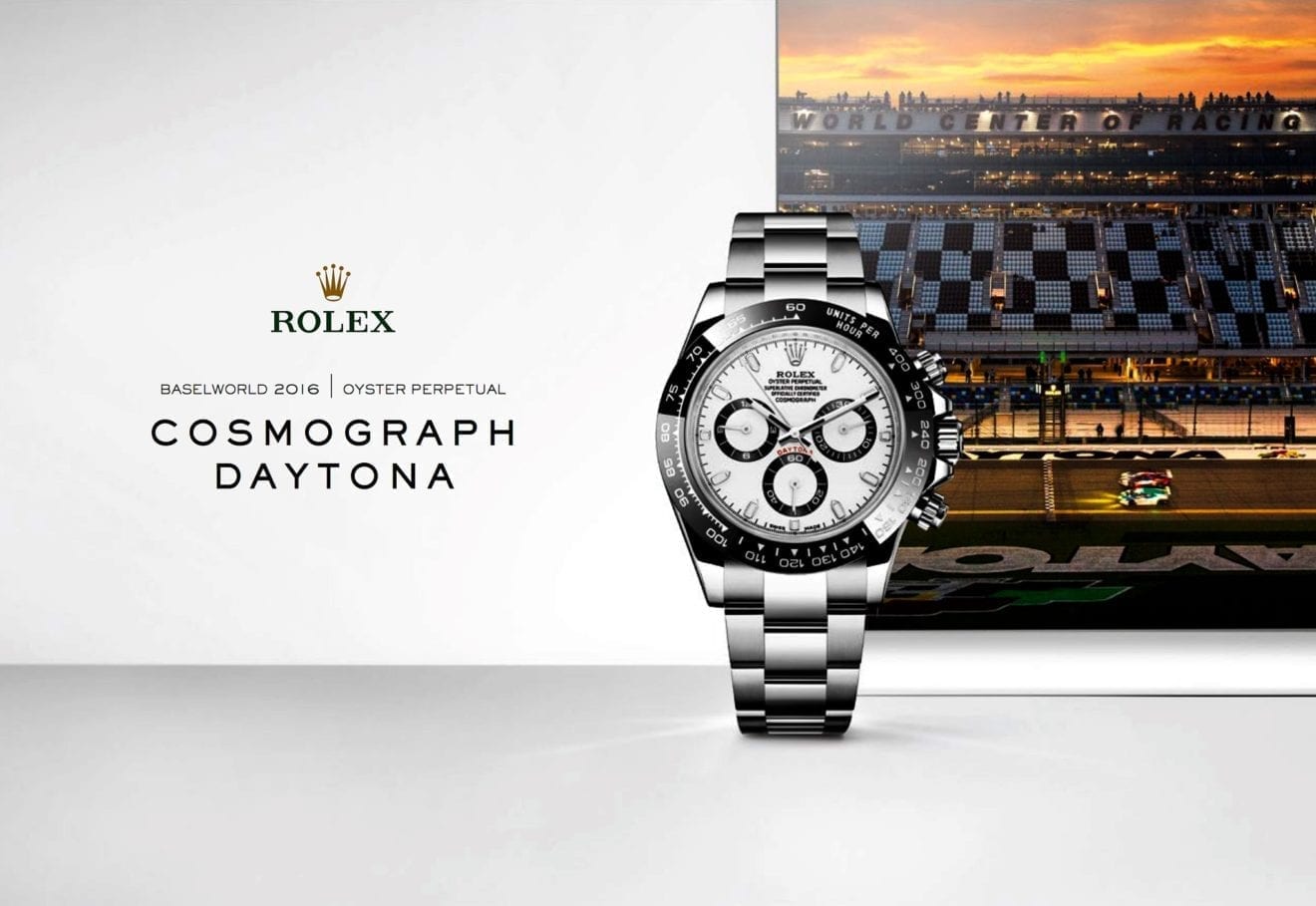
    A customs department anti-smuggling task force seized 450 fake Rolex watches during an inspection Tuesday at Tra Linh in Cao Bang Province on the Chinese border.

    In an impressive show of vigilance, customs officials intercepted the counterfeit luxury watches packed in a container that claimed to hold 24 tons of various consumer goods.

    .Alongside the counterfeit Rolexes, officers discovered a trove of undeclared merchandise including cosmetics, lighters, power banks, bras, and car lights, each packaged more mysteriously than a magician’s best trick.

    The business behind the shipping was unable to furnish any documentation proving legal ownership of the watches, further raising suspicions. A representative from Rolex estimated that if these watches had been real, their value would have soared to approximately VND45 billion (US$1.7 million). The investigation is ongoing, hinting at a deeper web of intrigue.

    This seizure marks a notable uptick in smuggling incidents at the border, with officials reporting five similar cases within the first half of June. Among the contraband were over 5,700 counterfeit clothing items, bags, and athletic shoes donning well-known names like Tommy Hilfiger, Celine, Nike, Louis Vuitton, Lacoste, Adidas, and New Balance, according to Tuoi Tre newspaper.

    Authorities also came across numerous undeclared goods falsely labeled as made in Vietnam, showing a clear pattern of misrepresentation.

    As part of a wider crackdown over the past month, market authorities nationwide have intensified their efforts against smuggling, commercial fraud, and counterfeit goods. Since May 15, they have uncovered over 3,100 violations, imposing fines totaling more than VND32 billion. Notably, violations of intellectual property rights accounted for around 52% of these cases, leading to fines of VND16 billion, while smuggling accounted for 648 cases and over VND6 billion in fines.

    With the battle against fake goods heating up, one wonders if the next luxury watch in your collection might just be a “watch out!” moment.

    Questions & Answers

    What was seized at the border this week?
    450 counterfeit Rolex watches were intercepted during a customs inspection.

    What other goods were found with the counterfeit watches?
    Numerous undeclared items were discovered, including cosmetics, lighters, power banks, bras, and car lights.

    How have authorities responded to smuggling and counterfeit goods recently?
    Authorities nationwide have ramped up efforts against smuggling and fake goods, uncovering over 3,100 cases of violations and imposing fines exceeding VND32 billion since mid-May.

  • Amazon Extends Prime Day To Four Days: New Features Introduced For Personalized Shopping Experience

    Amazon Extends Prime Day To Four Days: New Features Introduced For Personalized Shopping Experience

    Amazon is expanding its yearly Prime Day event from two to four days, providing exclusive offers to Prime members from July 8 to July 14 in 22 markets worldwide. Notable markets include the United States, United Kingdom, Canada, Germany, Australia, Singapore, and Japan.

    Length of Prime Day in Different Markets

    While the duration of Prime Day has been extended in most markets, it has been shortened by two days in Singapore, where the event lasted for six days in the previous year.

    Jamil Ghani, Vice President for Amazon Prime, emphasized that the extended sales period allows Prime members more opportunities to access deals across a variety of categories. These include fashion, pantry essentials, home improvement, personal care, toys, school supplies, and premium goods.

    “Prime Day is dedicated to celebrating our members by offering them remarkable savings and expedient delivery,” Ghani remarked. He further announced that this year’s event would also feature exclusive deals like fuel discounts.

    New Features and Personalized Experience

    Amazon is introducing a new feature named ‘Today’s Big Deals.’ These daily themed offers will start at midnight, and special deals will be released every five minutes during selected periods throughout the event.

    Moreover, Amazon aims to leverage its AI capabilities to provide a more personalized shopping experience. Prime members can utilize Amazon’s AI shopping assistant, Rufus, to investigate product categories and identify relevant deals. Other tools, including ‘Interests’ and ‘Buy Again’ lists, enable users to monitor discounts on items they have previously purchased or frequently viewed.

    Prime Day’s Global Reach

    Prime Day will commence on July 8 in numerous countries including Australia, Austria, Belgium, Canada, Colombia, France, Germany, Italy, Ireland, Japan, Luxembourg, the Netherlands, Poland, Portugal, Singapore, Spain, Sweden, Turkey, the United States, and the United Kingdom. Prime members in Brazil, Egypt, India, Mexico, Saudi Arabia, and the United Arab Emirates will have the chance to shop Prime Day deals later this summer.

    Questions & Answers

    When will Amazon Prime Day take place in 2022?
    Amazon Prime Day will take place from July 8 to July 14.

    What are the new features introduced by Amazon for Prime Day 2022?
    Amazon has introduced ‘Today’s Big Deals,’ a feature that provides themed offers daily, and Rufus, an AI shopping assistant to help members find relevant deals.

    Which countries will have the opportunity to shop Prime Day deals later this summer?
    Prime members in Brazil, Egypt, India, Mexico, Saudi Arabia, and the United Arab Emirates will have the opportunity to shop Prime Day deals later this summer.

  • Trade Vulnerabilities: South Korea, Taiwan, and Thailand Banks Brace for Deteriorating Economic Outlook

    Trade Vulnerabilities: South Korea, Taiwan, and Thailand Banks Brace for Deteriorating Economic Outlook

    The banking sectors across South Korea, Taiwan, Thailand, Hong Kong, and China are bracing for challenging times ahead, with a deteriorating outlook for 2025 driven by increased trade tensions and tariff impacts that are expected to hamper loan growth and profits. This mounting concern reflects the shared vulnerabilities linked to their high export exposure and significant sales to the United States, according to Fitch Ratings.

    Changing Fortunes for South Korea, Taiwan, and Thailand

    In a recent analysis, Fitch Ratings downgraded the outlook for South Korea, Taiwan, and Thailand from neutral to deteriorating. The implications are clear: banks in these regions may grapple with weakened loan growth, deteriorating asset quality, and diminishing profitability as tariffs escalate. With their economies closely tied to exports, the ripple effects are anticipated to be significant.

    Vietnam: A Unique Scenario

    Contrastingly, Vietnam’s banking sector outlook transitioned from improving to neutral, yet it holds the distinction of having the highest level of export exposure to the U.S. within the Asia-Pacific region. Factors such as a potential reduction in lending rates and prospects for loan relief could provide a cushion against the adverse impacts on lending yields and provisioning. “Vietnam’s softer economic outlook may lead to higher credit costs, but it is expected to still experience solid profit growth this year,” Fitch noted.

    Looking ahead, a projected loan growth quota of 16% for 2025 suggests that, even in a tight environment, non-performing loan rates may only rise moderately. Furthermore, Vietnamese authorities may encourage banks to lower lending rates to stimulate economic activity amid the rising tariff scenario, which could affect their net interest margins.

    Challenges in China and Hong Kong

    For both China and Hong Kong, the outlook remains grim as they retain a “deteriorating” status heading into 2025. Fitch highlights that Hong Kong is expected to experience the steepest rise in non-performing loans across the region, primarily due to ongoing struggles in the property sector. “Both systems are facing subdued loan demand compared to historical levels,” Fitch commented, underscoring the strain on their financial landscapes.

    The situation in China reflects a similar pattern, with government policies likely to constrain profitability as banks confront asset quality challenges stemming from a faltering economy and property sector difficulties.

    Not only are these banks navigating a complex landscape, but they must also do so with a sense of urgency as conditions evolve. After all, a financial ripple effect rarely stays localized; it often sets off waves that can reach far and wide.

    Questions & Answers

    What has led to the deterioration of the banking outlook in certain Asian countries? The outlook for South Korea, Taiwan, and Thailand has shifted to deteriorating due to the impact of rising tariffs and trade tensions with the U.S., which are expected to weaken loan growth and profitability.

    Is Vietnam’s banking sector in distress like others in the region? While Vietnam has a high level of export exposure to the U.S., its outlook has only shifted to neutral, with potential measures like reduced lending rates and loan relief helping to buffer against economic pressures.

    What challenges do banks in China and Hong Kong face? Both regions are experiencing a deteriorating outlook characterized by rising non-performing loans and subdued loan demand, exacerbated by issues in the property sector and overarching economic weakness.

  • Dollar Dips Against Dong in Black Market Trade: What This Means for Retail Investors

    Dollar Dips Against Dong in Black Market Trade: What This Means for Retail Investors

    The U.S. dollar slipped slightly against the Vietnamese dong on the black market this past Saturday, presenting a modest change in the currency landscape.

    Black Market Dynamics

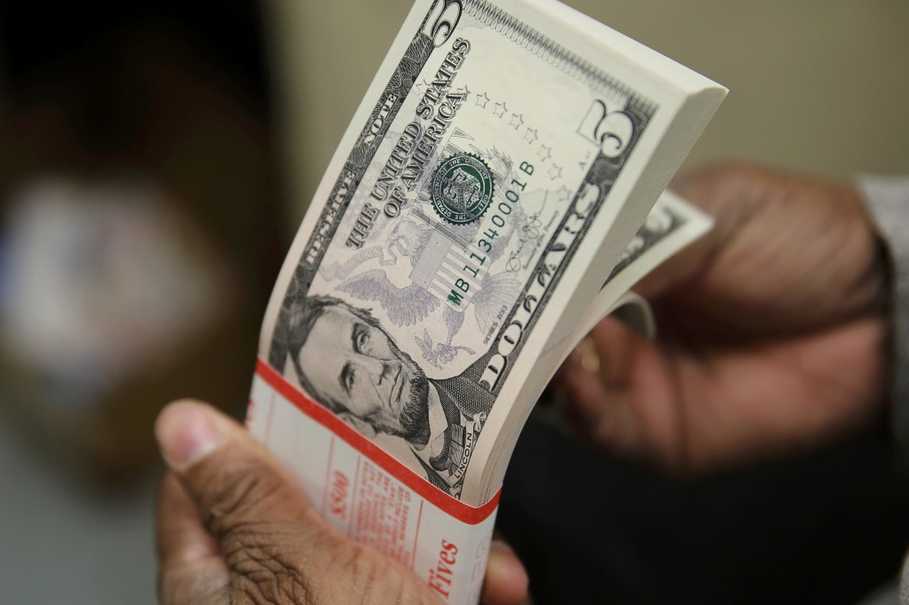
    Unofficial exchange points listed the dollar at VND26,395, marking a slight decline of 0.06% from the previous Friday. Meanwhile, the established rate at Vietcombank held steady at VND26,282. The State Bank of Vietnam’s reference rate remained unchanged at VND25,031.

    Global Insights

    In broader market trends, the U.S. dollar climbed to a three-week high against the ever-cautious yen and made gains against the Swiss franc on Friday. This uptick comes amid a noticeable easing of tensions in the Middle East, as Iran has expressed support for ongoing diplomatic discussions with Europe regarding the conflict with Israel, according to reports.

    The dollar index, which gauges the U.S. currency against a basket of six others, is on track to rise by 0.6% this week. However, it remained stable on the day after a Federal Reserve governor signaled that interest rate cuts could be on the horizon, potentially as early as July, in light of recent inflation data.

    On a side note, the Swiss franc held steady at 0.8166 per dollar but is facing its most significant weekly drop since mid-April, following the Swiss National Bank’s decision to lower interest rates to 0%. Who knew that currency fluctuations could be so dramatic?

    Questions & Answers

    What was the value of the U.S. dollar against the Vietnamese dong on Saturday?
    The dollar was traded at VND26,395 on the black market, reflecting a slight decrease from Friday.

    What is the current exchange rate at Vietcombank?
    Vietcombank maintained a dollar exchange rate of VND26,282.

    How is the U.S. dollar performing globally?
    Globally, the dollar has reached a three-week high against the yen and has gained ground against the Swiss franc amidst easing Middle Eastern tensions, while the dollar index is set to rise by 0.6% this week.

  • Asian Retail Giants Adopt Sustainable, Tech-driven Strategies For Enhanced Customer Experience

    Asian Retail Giants Adopt Sustainable, Tech-driven Strategies For Enhanced Customer Experience

    The retail landscape in Asia is shifting, and major players are making bold moves to stay ahead of the curve. With a focus on sustainability, technology, and customer experience, companies are exploring innovative strategies to meet evolving consumer demands.

    Embracing Sustainability

    As eco-conscious consumers increasingly influence buying habits, retailers are ramping up their commitment to sustainability. Leading brands are adopting greener practices, from eco-friendly packaging to ethical sourcing. Companies like Unilever and P&G are reshaping their business models to prioritize environmental responsibility, proving that profitability and sustainability can indeed go hand in hand.

    Technology as a Game Changer

    Digital transformation is sweeping through the retail sector, with companies harnessing technology to enhance customer engagement. Brands are increasingly investing in artificial intelligence, augmented reality, and omnichannel solutions. For instance, shops equipped with interactive displays allow customers to experience products before buying, while AI-driven analytics offer insights to refine marketing strategies, making shopping both fun and efficient.

    Enhancing Customer Experience

    Today’s consumers crave memorable shopping experiences. Retailers are responding by creating immersive environments that foster emotional connections. Whether it’s through personalized services or experiential retail spaces, the emphasis is now on crafting moments that resonate with customers. Innovations range from in-store events featuring local artists to virtual reality experiences that transform how consumers interact with brands.

    Even amidst these shifts, competition remains fierce. Retailers must continuously adapt their approaches to keep pace with trends and maintain customer loyalty. After all, in a world where everything from shopping to socializing is evolving, standing still simply won’t cut it.

    Questions & Answers

    What are some signs that retailers are prioritizing sustainability?
    Major brands are making significant changes such as adopting eco-friendly materials, reducing waste, and highlighting transparency in sourcing practices.

    How is technology impacting the retail industry?
    Technology is revolutionizing retail by introducing smart tools that enhance the shopping experience, such as AI for personalized recommendations and interactive displays.

    What is the ultimate goal of creating memorable customer experiences?
    By crafting engaging and emotional shopping moments, retailers aim to build lasting loyalty and differentiate themselves in a highly competitive market.

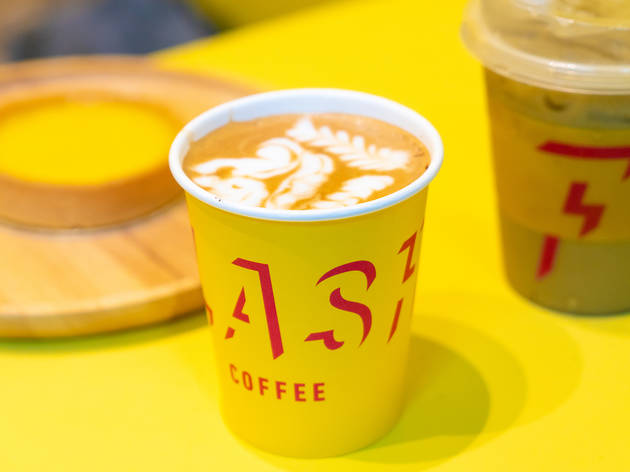
  • Flash Coffee Raises $3M to Propel Indonesian Expansion Efforts

    Flash Coffee Raises $3M to Propel Indonesian Expansion Efforts

    Flash Coffee Secures $3 Million in Funding to Accelerate Expansion in Indonesia

    Investment Fuels Ambitious Growth Strategy

    Flash Coffee has successfully raised $3 million in a recent funding round, spearheaded by TA Ventures and supported by White Star Capital. This investment comes on the heels of a robust performance, showcasing the coffee brand’s resilience and promising revenue potential.

    Strong Performance Underpins Brand’s Expansion Plans

    After a remarkable year, Flash Coffee reported an impressive average store-level EBITDA of 22%, with new stores achieving an extraordinary 36% EBITDA—figures that surpass industry expectations. With these promising metrics in hand, the company is set to expand its footprint to 70 stores across Indonesia by 2025, in addition to venturing into two new cities.

    “Our strategy has prioritized solidifying our foundation—profitable stores, enhanced team dynamics, enriching menus, and spaces that resonate with modern Indonesian aesthetics,” remarked Jakob Angele, Executive Chairman of Flash Coffee.

    Innovative Store Concept Enhances Consumer Experience

    As part of its growth strategy, Flash Coffee is introducing a redesigned store concept that features natural textures, local materials, and abundant greenery. The brand’s fresh logo and the slogan “Kebanggaan Indonesia” (Proudly Indonesian) emphasize its deep connection to Indonesian culture and heritage.

    “Today’s Indonesian consumer is cross-generational, actively seeking experiences that are both meaningful and personal,” noted Richard Armstrong, Venture Partner at TA Ventures. This insight aligns with the brand’s ongoing commitment to adapt to evolving consumer trends.

    Implications for the Retail Sector

    Flash Coffee’s ambitious expansion and strategic pivot toward personalized consumer experiences signal significant shifts within the retail sector. As competition intensifies, brands must stay attuned to consumer preferences, balancing profitability with enriching visitor experiences. This funding reflects not just the brand’s ambition but also the growing consumer demand for quality and authenticity in the coffee retail space.

  • FedEx report: Micro-business boom in APAC

    FedEx report: Micro-business boom in APAC

    Micro-multinational businesses in the Asia Pacific are experiencing a business boom, according to new FedEx research.

    Its study shows that 63 per cent of these businesses are achieving annual revenue growth, a success rate achieved by only half of small- to medium-size enterprises (SMEs).

    A previous study last year revealed the greater potential for business growth among SMEs that export goods to overseas markets compared to those that do not. Taken together, the two studies underscore the business benefits of export markets generally, either through simple exports or, like the micro-multinationals in the latest study, by establishing a more direct presence.

    Conducted in September by Harris Interactive for FedEx Express, the study examined trends and characteristics among micro-multinationals, a subset of SMEs that either set up with a presence in multiple markets, or leverage online business platforms and the increased openness of the global economy to expand into overseas markets.

    Another key finding was that APAC micro-multinationals have a marked preference for markets within the region. Other APAC markets make up six of the top eight overseas markets targeted by APAC micro-multinationals, with China topping the list of markets with a micro-multinational presence.

    “We’ve long believed that businesses don’t need to be big to be global, and this study confirms that small businesses that have established a presence in other markets are seeing this strategy pay off substantially,” says FedEx Express Asia Pacific president Karen Reddington.

    “Asia Pacific micro-multinationals have overwhelmingly chosen to set up in other Asia Pacific markets, strengthening regional interconnectivity and driving growth in the intra-Asia trade corridor, the world’s fastest-growing international trade lane. This will translate into job creation, a more efficient pipeline for goods and services and, ultimately, economic growth across the region.”

    As well as accelerated growth opportunities, APAC micro-multinationals believe their presence in multiple markets provides other advantages unavailable to SMEs in a single market. These include access to lower-cost workers (46 per cent), lower overheads (37 per cent) and the availability of different skill sets (36 per cent).

    Also, 63 per cent of micro-multinationals say that running a business in multiple markets is easier than it would have been even five years ago, while 19 per cent do not even believe this would have been possible for them then.

    Harris Interactive used a mix of telephone and online interviews to survey 595 senior decision-makers in micro-multinational companies (companies with 1-249 employees based in more than one country). The research covered 12 global markets across four regions.

  • Körber buys majority stake in DMLogic

    Körber buys majority stake in DMLogic

    The international technology Group Körber concluded the acquisition of the US American company DMLogic on June 30, 2017. With its takeover of the software specialists´ majority shares, the Group is pushing ahead with the internationalization of its Business Area Logistics Systems.

    DMLogic is a specialized supplier of logistics software products, with its headquarters in Pittsburgh, Pennsylvania, USA. The company is also active at other sites in Eindhoven, the Netherlands, and Sydney, Australia. Most of its customers are from the pharmaceutical and automotive industries as well as the trading sector. With its software solutions the company supports customers in designing their warehouse management more efficiently and productively. From the design to the implementation and ongoing support, DMLogic operates as a complete supplier. With STEPLogic, the logistics software specialist has a software development platform that allows customers to develop new processes and apps for the warehouse management systems.

  • Citi Names Asia Clean Energy Head

    Citi Names Asia Clean Energy Head

    Based in Hong Kong, the newly created role will support the bank’s clients with their transition to cleaner energy.

    Citi has appointed William Pang as head of natural resources and clean energy transition (NRCET) investment banking Asia, effective immediately, the U.S. lender announced in a statement on Tuesday.

    Pang joined Citi in 2015, and has over 18 years of investment banking and legal experience, including at HSBC, Lexicon Partners, Macquarie Group and Clifford Chance.

    In his new role, Pang will work closely with the global leaders of NRCET and the leaders of the relevant sectors – chemicals, energy, power and clean energy transition. He is currently head of power and infrastructure investment banking for Asia, and will concurrently hold this role, the announcement said. He will report regionally to Jan Metzger, Asia Pacific head of banking, capital markets and advisory and globally to NRCET co-heads Stephen Trauber and Sandip Sen.

    In 2019, Citi met its $100 billion environmental finance goal four years early. In April 2021, it announced a $500 billion environmental finance goal and $1 trillion sustainable finance goal, all by 2030. Circular economy and sustainable agriculture and land use are among the new criteria for its $500 billion goal.

    The drive toward low and net-zero carbon solutions will facilitate the formation and growth of many new companies and will require significant capital investment. It will also facilitate the formation and growth of many new companies requiring significant capital investment, Metzger said.

  • Card Payments Lead the Way as South Koreans Embrace Convenient Transactions

    Card Payments Lead the Way as South Koreans Embrace Convenient Transactions

    As the retail landscape in Asia continues to evolve at a rapid pace, the spotlight shines on innovative marketing strategies and the power of community engagement. Major players in the retail sector are embracing the digital age, maximizing their reach through targeted advertising, both online and offline. The potential for collaboration is endless, and businesses are beginning to understand the importance of crafting campaigns that resonate with their audience on multiple platforms.

    Reimagining Advertising in Retail

    In today’s vibrant market, retailers are not just sellers; they are storytellers, weaving narratives that captivate customers and build loyalty. An effective advertising campaign can make all the difference, and the right partnership can amplify these efforts. By combining print and digital strategies, brands can engage with their customers like never before, creating a seamless experience that bridges the gap between traditional and modern marketing.

    Creating Memorable Events

    Organizing engaging events—whether in-person or virtual—has never been more crucial. Retailers are discovering that the right event can spark creativity and collaboration. By bringing together industry leaders and innovators, brands can forge valuable connections and explore potential partnerships. These gatherings are more than just networking opportunities; they are platforms for inspiration and breakthroughs that could spark the next big trend in retail.

    Awards That Shine a Spotlight

    Recognition plays a vital role in motivating businesses to reach new heights. Retail awards not only celebrate achievements but serve as a benchmark of excellence within the industry. Participating in or sponsoring these awards can elevate a brand’s profile and foster a sense of community among peers. It’s a chance to showcase what sets a company apart—think of it as the retail equivalent of the Academy Awards!

    With the retail environment constantly shifting, staying ahead of the curve is essential. As businesses strive to innovate and connect authentically with their customers, there has never been a better time to invest in meaningful partnerships and campaigns that elevate the retail experience. After all, in the world of retail, it’s not just about selling products; it’s about creating memories and building relationships.

    Questions & Answers

    What are the key benefits of combining print and digital advertising?
    Combining print and digital advertising allows brands to reach a wider audience, engage customers in diverse ways, and create a cohesive brand narrative across multiple platforms.

    Why are events important for retailers?
    Events foster networking opportunities, stimulate creativity, and enable brands to connect directly with customers and industry leaders, paving the way for future collaborations.

    How do awards influence retail companies?
    Awards provide recognition, boosting morale and motivation within a company, while also enhancing its reputation in the industry and attracting potential partnerships.

    Isn’t it exciting to think about how retailers will continue to revolutionize their approach in an ever-changing marketplace?

  • Uniqlo Unveils Ambitious Expansion Plan Amid Rising Demand In Asia

    Uniqlo Unveils Ambitious Expansion Plan Amid Rising Demand In Asia

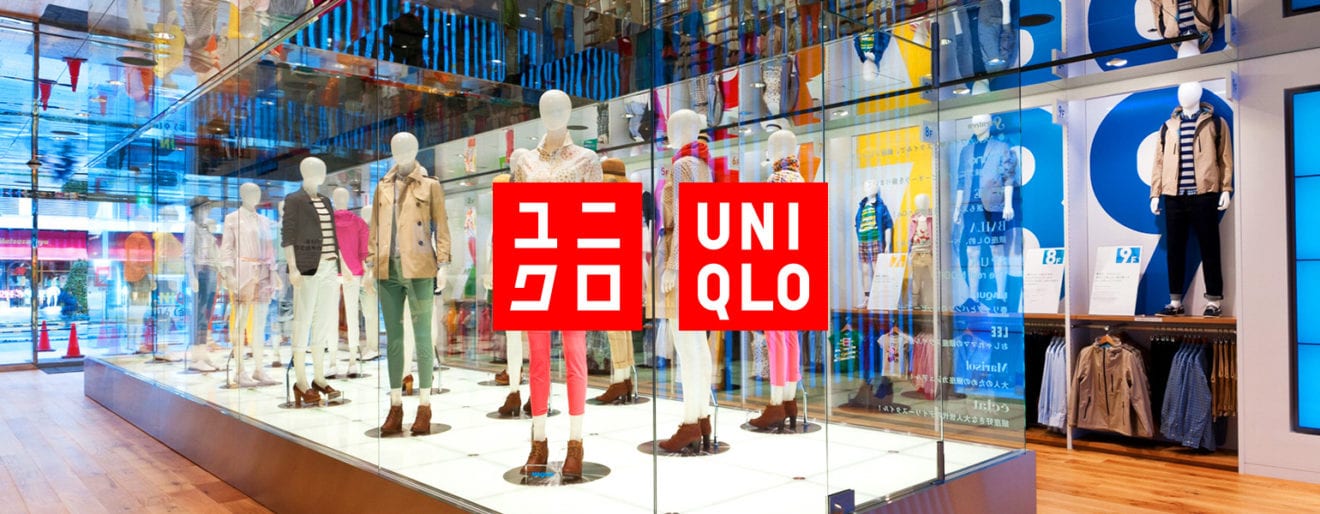
    In a recent shake-up within the retail sector, the iconic Japanese fashion retailer, Uniqlo, has confirmed plans to expand its presence in Asia, unveiling an ambitious strategy to open 50 new stores across key markets in the region over the next year. This move comes as the company seeks to capitalize on the rising demand for affordable yet trendy apparel among Asia’s rapidly growing middle class.

    Accelerated Growth Amid Global Challenges

    Despite facing headwinds from global supply chain constraints and the lingering effects of the pandemic, Uniqlo’s executives remain optimistic. In a statement, the company highlighted its commitment to sustainable practices and innovative product offerings, which are expected to be central to its new store openings. As the world becomes increasingly eco-conscious, Uniqlo plans to leverage its reputation for quality and affordability to attract a loyal customer base.

    A Unique Brand Experience

    What sets Uniqlo apart from its competitors is its philosophy of “LifeWear”—a commitment to creating functional, everyday clothing that seamlessly blends style with comfort. The company is not just about selling clothes; it’s about crafting an experience that resonates with consumers’ lifestyles. With its latest initiatives, Uniqlo intends to enhance its in-store environment, incorporating technology that allows customers to engage with the brand in more meaningful ways. Imagine scanning a QR code and instantly discovering outfit inspirations!

    Responding to Consumer Trends

    The surge in online shopping during the pandemic has prompted Uniqlo to bolster its digital presence, complementing its physical stores. With a robust e-commerce strategy in place, the retailer is ensuring that its customers can enjoy a seamless shopping experience, whether online or in-store. In fact, with investments in AI and personalized marketing, shoppers may even find themselves greeted by name on their next visit. Talk about a warm welcome!

    Looking Ahead

    As the retail landscape evolves, Uniqlo’s expansion plans embody its belief in the resilience of brick-and-mortar stores, especially in vibrant markets like Asia, which brims with lifestyle enthusiasts eager to explore new fashion trends. The excitement around this expansion is palpable, and as many have noted, maybe it’s time to make some room in your closet!

    Questions & Answers

    What regions will Uniqlo focus on for its new stores?
    Uniqlo is concentrating on expanding in key markets across Asia, tapping into the growing demand for affordable fashion.

    How is Uniqlo adapting to changes in consumer behavior?
    The retailer is enhancing its digital presence and integrating technology into its shopping experience, allowing customers to engage with the brand more actively.

    What is the core philosophy behind Uniqlo’s product offerings?
    Uniqlo’s philosophy, known as “LifeWear,” emphasizes creating functional, everyday clothing that combines style and comfort, catering to the lifestyle of contemporary consumers.