Author: Mei Ling Tan

  • Cafe Deco Pizzeria Refreshes its Elements Branch with a More Expansive Ambience and Convivial Menu

    Cafe Deco Pizzeria Refreshes its Elements Branch with a More Expansive Ambience and Convivial Menu

    CAFE DECO PIZZERIA, the home of deliciously thin, light and crispy pizza and eclectic pan-European dishes, unveils a fresh and inviting new look at ELEMENTS in West Kowloon. The popular casual-dining venue managed by Cafe Deco Group offers a sleeker, more contemporary Italian vibe and additional seating for those seeking the house-signature thin-crust pizzas that have delighted locals and visitors for two generations. This revitalised space continues the legacy of Cafe Deco at the Peak, renowned for its stone-oven pizzas in the 1990s.

    Spanning more than 2,100 sq. ft, the pizzeria now accommodates 118 diners in welcoming contemporary interiors with calming neutral tones and wood accents. Pizzas are made to order with premium Caputo ‘00’ Pizzeria Flour, sun-ripened seasonal tomatoes and textured mozzarella from Italy, and baked in a state-of-the-art Wood Stone oven that reaches perfect temperatures for enhanced flavours and a crispy finish.

    In addition to its delectable pizzas, the menu features flavourful comfort food, taking diners on a journey from Italy to Europe and beyond. With tempting starters, nourishing soups, hearty main courses, and decadent desserts, complemented by an everyday happy hour, it is the perfect haven for family gatherings and get-togethers with friends.

    To mark its reimagined space, CAFE DECO PIZZERIA introduces new delicacies that are set to become firm favourites with lively diners looking to share. Trio Pork BBQ Pizza (HK$188) is an ideal summer meaty feast featuring sausage, ham, bacon and an elevated barbecue sauce that evokes the sizzle of country-park family outings. New starters include delectable Baked Garlic Flat Bread (HK$68), moreish Truffle Fries (HK$88) and Squash & Parmesan Croquettes (HK$98), a cheesy treat with pumpkin and lemon aioli. Japan’s savoury pancake brings a new twist to the street-food-inspired Okonomiyaki Corn Ribs (HK$98), dressed with bonito, sesame and seaweed.

    New mains include Grilled Togarashi Spring Chicken (HK$228), featuring tender half chicken with chilli-pepper togarashi seasoning, served with baby carrot, kale, orange and red onion. Blue Mussel (500g, HK$198) showcases sweet Australian mussels in a creamy herb sauce, perfect with garlicky toast. The dessert menu now offers four tempting options at HK$78 each, starring all-time favourites Fresh Strawberry, Mascarpone Cream and Banoffee Delice.

    Smoked Tuna Belly with Free Range Egg (HK$198) is the headlining pizza of the house, with gorgeous gooey, yolky egg highlighting a rich topping of tuna, shiitake, salmon roe, edamame, sakura shrimp and teriyaki eggplant paste. A premium surf and turf offering of M6 Wagyu Beef & Prawn (HK$208) with asparagus and capsicum; and Seafood Supreme (HK$198) embracing fresh seaside aromas and flavours of scallop, shrimp, crab meat, cuttlefish and mussel are other must-order pizzas.

    Beef Tartare (HK$168) with truffle cream on a toasted baguette; Roasted Octopus (HK$168); Garlic Prawn (HK$128) with a chilli kick served with sourdough; and House Spiced Chicken Wing (HK$108) stand out among the appetiser selections.

    Chef’s pasta recommendations include Tiger Prawn Linguine (HK$198) in a rich lobster cream sauce, the classic Linguine Alle Vongole (HK$178) with clams, white wine butter sauce, chilli and parsley, and Italian Sausage Rigatoni (HK$172) with pancetta, tomato cream, parmesan and a healthy crunch of kale and pea. The beloved Braised Pork Belly & Pumpkin Risotto (HK$178) features generous chunks of pork belly and roasted pumpkin, with kale, hazelnut and pumpkin seeds.

    Carnivores will enjoy the juicy USDA Black Angus Ribeye Steak (300g, HK$388) served with fries, roasted wild mushrooms and garlic herb butter; Slow-cooked Pork Rack (HK$248) is paired with tangy braised red wine cabbage, silky potato purée and caramelised apple; and an attractive Wagyu Beef Burger (HK$182) has all the expected accompaniments.

    Delicious new arrivals and house specials are available in Combo Sets for sharing on Saturday, Sunday and public holidays – choose 1 snack, appetiser and main for 2 people at HK$458, or 2 of each for HK$928 for 4 diners. Coffee or tea is included, with upgrades to speciality drinks for HK$18 each or HK$30 for a glass of house wine, Prosecco or a cocktail or mocktail. Dinner Sets are priced at HK$598 for 2 and HK$1,198 for 4, offering great value for weekday indulgence after 6:00 p.m. (excluding public holidays). Lunch Sets, served from 12 noon to 3:00 p.m., start at HK$128 per person and comprise a starter and a main, with dessert at 50% off.

    The beverage menu has been refreshed, featuring vibrant cocktails and mocktails ideal for summer. Priced at HK$82 each, premium cocktails are crafted in-house, including the tropical The Enchanted Garden with white rum, peach liqueur, coconut water, butterfly pea tea and lemon juice. The Darker Secret combines gin with hibiscus and lemon, while The Belly Button mixes vodka, apple juice, lemon juice and kiwi.

    Mocktails (HK$72 each) are equally imaginative, such as Bed of Roses, a blend of jasmine tea, butterfly pea tea and coconut water with a milky head and edible petals. Tuscan Afternoon combines green grape pulp and cranberry juice with lemon and rosemary, while Mango & Orange Nojito boasts fresh fruits and mint leaves. Happy Hour enlivens each day with rotating promotions.

    Gelato Milkshakes (HK$78) are house signatures made with premium Bonne Nature gelato, featuring rich Valrhona chocolate and flavourful Adamance fruit purées. Topped with cream and colourful accents, flavours include Chocolate with Guanaja 70%, Strawberry using wild strawberry purée, and White Chocolate Lotus Biscoff combining Dulcey 35% and caramelised biscuit.

  • Sichuan Rouge to Open Soon in Midtown, Causeway Bay Celebrating a Spectrum of Regional Flavours

    Sichuan Rouge to Open Soon in Midtown, Causeway Bay Celebrating a Spectrum of Regional Flavours

    Sichuan Rouge, a vibrant new culinary gem, is set to open in early July 2025 at Soundwill Plaza II, Midtown, Causeway Bay. Helmed by renowned Sichuan chef Hu Taiqing and homegrown veteran Kenny Chan, the restaurant aims to showcase the true essence of affordable, fine Sichuan cuisine. With authentic ingredients sourced from Sichuan province and Chongqing, the team will challenge the notion that Sichuan food is solely about numbing spiciness, or mala, presenting instead a rich and complex array of flavours.

    Spanning ​​more than 1,000 sq. ft, Sichuan Rouge’s interior design is inspired by the glamorous nightlife hotspot of Shek Tong Tsui in 1930s’ Hong Kong. Taking its lead from antique Chinese hard-wood cabinets and traditional Sichuan architecture, the space is dressed with dark wood-grained tables and chairs, a wooden archway and beams bedecked with Chinese lanterns, ornate carved window frames and old-fashioned neon signs – transporting diners back to an era of rich sentimentality. The main colour palette of deep, decadent reds extends from wall panels hand-painted with floral motifs to crimson velvet upholstered seating. Soft orange-red wall lighting reflects the vivid, lively essence of Sichuan cuisine.

    The main dining room seats a total of 76 people, with diners also invited outside to the terrace of its sister restaurant, modern Hong Kong hot-pot destination A Smoking Affair, to experience a unique Sichuan-style happy hour with beautiful views of Victoria Harbour.

    Lauded as a Culinary Master of China, Chef Hu Taiqing is an iconic figure in Sichuan gastronomy, known for his contemporary flair and crowd-pleasing hotpot brands. In a glittering career spanning more than 30 years, he has won numerous honours, including the ‘Gold Award’ in the 7th China Hotel Industry Professional Skill Competition – Sichuan District, and the ‘King of Chef’ award in the very first edition of a competition for famed chefs and restaurants in China. Chef Hu regularly serves as a guest lecturer and competition judge and appears on television food shows in mainland China, further consolidating his elevated status in the industry.

    Known locally as the walking dictionary of contemporary Sichuan cuisine, Chef Kenny Chan hails from a family of culinary artists who once operated a Sichuan bean-paste factory in Hong Kong. In his nearly 60 years as a chef, he has led the kitchens of many former top-rated Sichuan restaurants, including the Michelin-recommended Yunyan, Lumiere Sichuan Bistro + Bar, Sze Chuen Lau in Wanchai, and the World Trade Center Club. Among the culinary highlights of his distinguished career has been cooking for global political and business celebrities and hosting banquets for visiting British royal family members such as the Prince of Wales and the Duke of Edinburgh.

    Revered for its “hundred dishes and hundreds of flavours”, the complexity of Sichuan cuisine stems from the clever and careful use of local spices – an art of seasoning perfected over more than 3,000 years. There are 24 classic Sichuan flavour profiles, each imbued with the wisdom of the region’s Ba-Shu food culture, and achieved through precise matching of key ingredients. At the heart of the cuisine are the three peppers – the palate-numbing Sichuan pepper, hot and spicy chilli pepper, and pepper – and the golden trio of spring onion, ginger and garlic.

    Sichuan Rouge is committed to revealing the region’s authentic but less well-known flavour essences, while layering the menu with the creativity of its master chefs and an integration of Chinese and Western cultures. A bouquet of more than 40 spices and herbs imported from Sichuan and Chongqing infuses a feast of appetisers, soups, classic hot dishes, authentic rice and noodle preparations, and desserts, all showcasing the wonderful diversity of Sichuan flavours.

    Among must-try appetisers are Razor Clam with Sichuan Peppercorn, combining the plumpest razor clams with a refined sauce delivering spicy and numbing flavours; and the popular Chengdu street food of Sliced Beef and Ox Tripe in Chilli Sauce, whose secret recipe of red chilli oil with a splash of Baoning black vinegar has the perfect ratio of spiciness and sourness. Other highlights include the melt-in-the-mouth Deep-Fried Sliced Beef with Sichuan Peppercorn and Rock Salt; Chilled South African Abalone with Hangzhou Chilli; Young Pigeon with Pepper, and more.

    The menu is grounded in an array of home-style main dishes including the invitingly spicy Smoked Eel Wrapped with Fried Pork Intestine, which embodies the craftsmanship of the chefs. Smoked boneless local white eels are stuffed with chitlins marinated in fermented chilli bean paste, then diced and garnished with fried chillies. Featuring abalone and prawns, Duck Blood in Chilli Sauce is a luxurious take on a street-food tradition, while Mapo Tofu with Lobster pairs a lobster weighing approximately one catty with tender, silky tofu doused in hot red oil, resulting in spicy, fresh aromas and a delightful lingering aftertaste. 

    Rich in flavour and texture, Sautéed Prawn with Chilli Sauce is crispy on the outside and tender on the inside. Savoury and mellow on the palate,Twice-Cooked Pork with Black Bean and Soybean Paste is packed with Sichuan farm flavours. Sichuan Style Boiled Hand Cut Beef is similarly authentic, the meat imparting soft, spicy freshness as it ignites the taste buds.

    “Since ancient times, the Sichuan Basin has been called the ‘Land of Abundance’, thanks to its vast fertile land. Chilli peppers were not introduced to China until the late Ming Dynasty, so traditional Sichuan cooking featured milder and more nuanced flavours compared to the bright red, spicy profile widely known today,” says Chef Kenny Chan. “Chef Hu and I are excited to bring diners the original, diverse flavours of this glorious cuisine – a regional treasure that is in urgent need of rediscovery.”

    “Chef Chan and I have carefully curated a menu of many classic Sichuan dishes beloved for their variety of flavours. We hope gourmets from all around the world will come to Sichuan Rouge to appreciate the true essence of Sichuan cuisine and understand that its richness is not limited to numbing spices,” says Chef Hu Taiqing.

    Located on the 27th floor of Soundwill Plaza II, Midtown, 1-29 Tang Lung Street, Causeway Bay, Hong Kong, Sichuan Rouge will celebrate its soft opening in early July 2025. Initially, à la carte dishes will be served during the operating hours of 12 noon to 11 pm daily, with the launch of a dedicated lunch menu to follow in early August 2025.

  • Transforming Old Smartphones into Micro Data Centers: A Smart Solution for Cities and Oceans

    Transforming Old Smartphones into Micro Data Centers: A Smart Solution for Cities and Oceans

    In a groundbreaking initiative, researchers from the University of Tartu Institute of Computer Science have developed an innovative and sustainable approach to tackling electronic waste by transforming outdated smartphones into miniature data centers. This method not only provides an eco-friendly alternative but also reimagines the potential use of these often-discarded devices.

    A Surprising Data Solution to E-Waste

    With over 1.2 billion smartphones produced each year—most of which are tossed aside within just a few years—this new solution offers a cost-effective and practical alternative to both landfills and the energy-intensive processes of traditional recycling. By removing the original batteries and utilizing external power sources, the researchers have significantly reduced environmental risks while ensuring that the devices can operate continuously.

    Innovative Prototyping and Testing

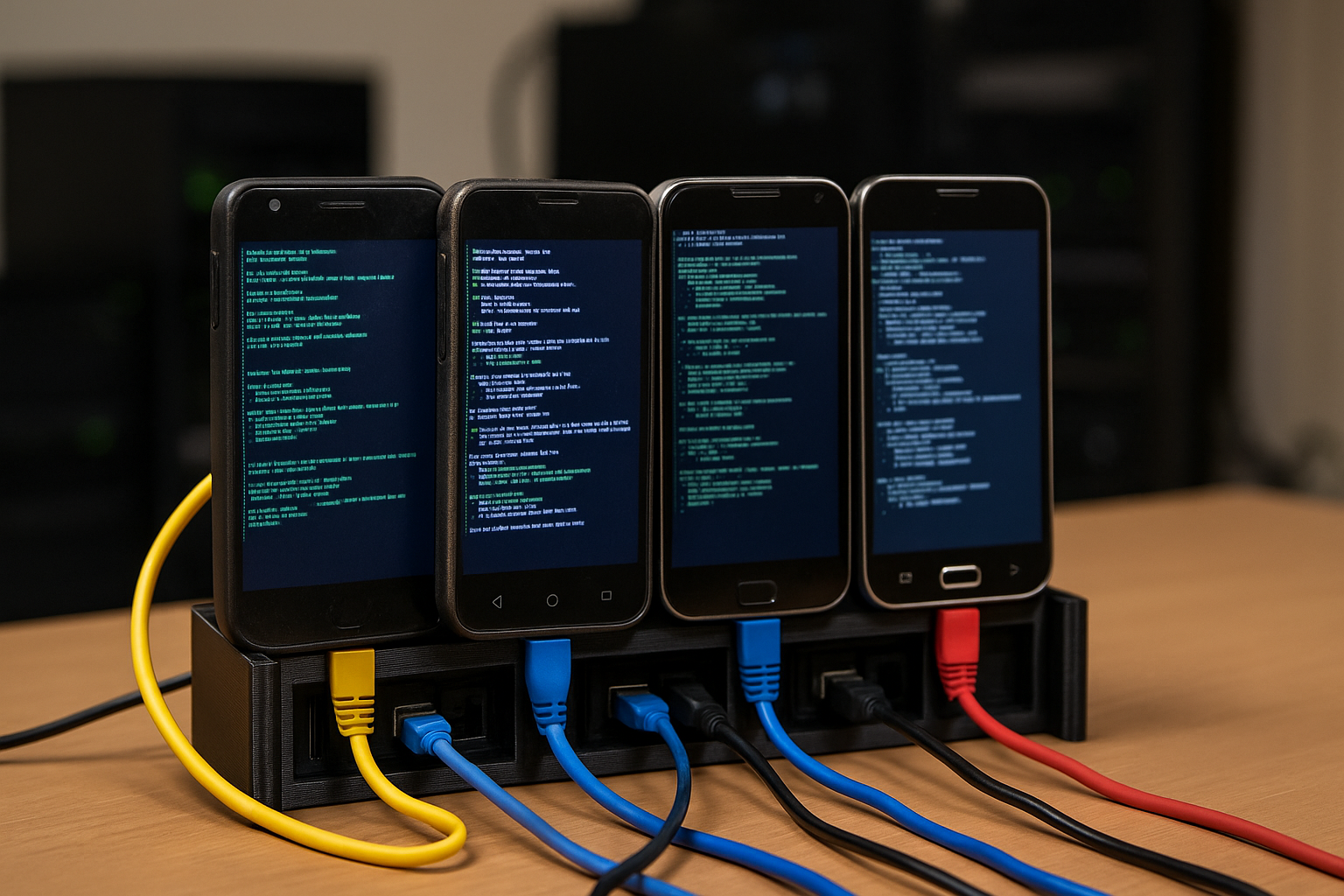
    The project features a prototype composed of four interconnected smartphones encased in 3D-printed housings. Remarkably, these devices have been tested in a variety of challenging conditions, including underwater scenarios, where they autonomously gathered and processed data on marine life. It’s a testament to the surprising resilience and adaptability of technology that many might consider obsolete.

    Affordable and Scalable for Future Cities

    Each repurposed smartphone comes at a modest cost of approximately EUR 8, presenting an affordable option for smart city infrastructures and environmental monitoring systems. This initiative not only facilitates a significant reduction in electronic waste but also emphasizes the immense potential of older devices in fostering sustainable, decentralized networks for data processing. Imagine a future where your old smartphone could help monitor river pollution or track wildlife in real-time—what a twist on the planned obsolescence narrative!

    Questions & Answers

    How does repurposing smartphones contribute to reducing electronic waste?
    Repurposing smartphones minimizes the volume of discarded electronics that typically end up in landfills, while also providing an eco-friendly alternative to energy-intensive recycling.

    What are the costs associated with transforming smartphones into data centers?
    The conversion of each smartphone into a miniature data center costs about EUR 8, making it an accessible option for various applications in smart city projects.

    What are some practical applications for these repurposed devices?
    These converted smartphones can be used for environmental monitoring, such as tracking marine life data or monitoring air quality, integrating seamlessly into modern smart city infrastructures.

  • Revolutionary New Chip Boosts AI Network Efficiency with Lightning-Fast 102.4-Tbps Speed

    Revolutionary New Chip Boosts AI Network Efficiency with Lightning-Fast 102.4-Tbps Speed

    In a bold step toward revolutionizing the realm of artificial intelligence, Broadcom has unveiled the Tomahawk 6, a state-of-the-art Ethernet switch chip boasting an impressive bandwidth of 102.4 Tbps. This innovation is set to become a cornerstone of large-scale AI workloads, unlocking the potential for organizations to harness the power of expansive AI clusters.

    A New Era for AI Infrastructure

    What sets the Tomahawk 6 apart is its capability to support over a million auxiliary processing units (XPUs) in sprawling scale-out architectures, effectively doubling the bandwidth available compared to previous offerings. This leap in technology is more than just numbers; it paves the way for unprecedented computational power in AI applications.

    Advanced Features for Seamless Performance

    The chip comes equipped with advanced features, including 100 Gbps and 200 Gbps SerDes, co-packaged optics, and enhanced routing software designed for real-time congestion management. Not one to shy away from energy efficiency, Tomahawk 6 integrates long-reach passive copper support, reducing power consumption while also minimizing latency through sophisticated telemetry and adaptive routing systems.

    Simplifying Connectivity with Open Standards

    One of the key advantages of the Tomahawk 6 is its compatibility with standard Ethernet networks and multiple network topologies, simplifying the scaling process without the need for proprietary systems. Its adherence to open standards, such as those championed by the Ultra Ethernet Consortium and the newly established Scale Up Ethernet (SUE) Framework, signifies a strong commitment to fostering a more accessible technology landscape.

    Meeting the Demands of Generative AI

    As the demand for generative AI (GenAI) training, inference, and fine-tuning continues to surge, the Tomahawk 6 positions itself as a critical player in meeting these challenges. Broadcom has already lined up several large-scale deployments, with plans that include configurations featuring over 100,000 AI accelerators operating in production environments. This chip doesn’t just represent a technological upgrade; it embodies a significant shift in how industries may approach AI scalability.

    Questions & Answers

    How does Tomahawk 6 improve AI cluster performance?
    With its ability to support more than a million XPUs and deliver 102.4 Tbps bandwidth, Tomahawk 6 significantly enhances the performance and scalability of AI clusters.

    What advanced features does the Tomahawk 6 include?
    The chip features 100 Gbps and 200 Gbps SerDes, co-packaged optics, and advanced routing software for real-time congestion control, all designed to optimize performance while minimizing latency.

    Why is compatibility with open standards important?
    Being compatible with standard Ethernet networks and open standards ensures that the Tomahawk 6 can be easily integrated into existing infrastructure, allowing for flexible scaling and widespread adoption without being locked into proprietary solutions.

  • Hong Kong Sees 42% Dip in Q1 Commercial Property Investment: What’s Driving the Shift?

    Hong Kong Sees 42% Dip in Q1 Commercial Property Investment: What’s Driving the Shift?

    Transaction values in Hong Kong’s commercial property market plummeted to HK$4 billion during the first quarter of 2025, according to the latest report by Savills. This reflects a staggering 42% decline compared to the previous year and amounts to just one-tenth of the total transaction volume for 2024. As the stock market began to show signs of recovery and the impact of interest rate cuts lessened, investment sentiment within the commercial sector has remained tepid.

    Positive Trends Amid the Decline

    Despite the overall downturn, there was a noteworthy reduction in distressed sales during this period. The ratio of distressed transactions dropped to 40%, amounting to HK$1.8 billion for deals over HK$50 million. For context, these figures contrast sharply with the previous quarter, which recorded a rate of 49% and a total transaction value of HK$6.3 billion.

    High-Profile Transactions Mark the Quarter

    Among the most significant deals of early 2025 was the sale of nine office floors and select retail units at One Exchange Square, sold to the Hong Kong Exchange for HK$6.3 billion in April. This acquisition will serve as HKEX’s permanent headquarters, showcasing a remarkable average price of HK$32,000 per square foot—70% higher than recent stratified Grade A office transactions, all while featuring floor efficiency estimates of about 80%.

    This strategic move also involves extensive renovations, with Hongkong Land planning to upgrade the reception lobby and provide direct access to the HKEX Connect Hall. Public-facing areas, including the rooftop, will feature HKEX-branded signage, with total refurbishment costs potentially soaring to HK$400 million. With such ambitious updates, it seems the Hong Kong Exchange is setting itself up not just for business but for a grand presence as well.

    End Users Capitalizing on Opportunities

    In another significant transaction, the Airport Authority purchased the Winland 800 Hotel in Tsing Yi for HK$765 million, translating to HK$960,000 per room, for their own use. Meanwhile, the English Schools Foundation secured two office floors totaling 40,380 square feet for about HK$300 million, equating to approximately HK$7,429 per square foot, also intended for self-use.

    The founder of Meitu made headlines as well by acquiring Park Aura in Tin Hau for HK$650 million, planning to dedicate part of the space to AI, IT, and crypto-related ventures. Meanwhile, religious institutions are also taking advantage of declining prices, with a Buddha religious institution purchasing a retail podium on the second floor of Amber Commercial Building for an impressive HK$108.5 million, or merely HK$5,000 per square foot, further emphasizing the opportunity-filled terrain of the commercial sector.

    Market Challenges and Future Outlook

    Despite these transactions, the overall fundamentals of the office and retail sectors remain weak, with rents decreasing by 1.6% and 3.6%, respectively, during Q1 2025. Rising vacancies and an influx of new supply continue to dampen investor enthusiasm, leading many to adopt a cautious investment approach, typically seeking initial yields of 6% or higher.

    As investors gaze into the future, the trajectory of interest rate movements and lending policies from banks will be pivotal in shaping the investment landscape. If the current low levels of HIBOR hold true, and further rate cuts are on the horizon, distressed sales may decline over the next few months. However, this could also spur local investors to divest non-distressed commercial assets proactively, preparing for any anticipated shifts in interest rates.

    The broad approach of banks will significantly affect how willing investors are to offload commercial assets and the level of interest from potential new entrants into the market. With a cocktail of caution and ambition, the commercial real estate scene in Hong Kong remains one to watch closely.

    Questions & Answers

    What was the total transaction value in Hong Kong’s commercial market for Q1 2025?
    The total transaction value was HK$4 billion, reflecting a 42% decline year-over-year.

    Which entity made a significant acquisition at One Exchange Square?
    The Hong Kong Exchange acquired nine office floors and retail units for HK$6.3 billion, marking a notable transaction early in the year.

    How have rental rates in the office and retail sectors changed recently?
    Rental rates have decreased by 1.6% in the office sector and 3.6% in the retail sector during Q1 2025.

  • EdgePoint Philippines’ CEO Fuels Digital Infrastructure Expansion Across the Nation

    EdgePoint Philippines’ CEO Fuels Digital Infrastructure Expansion Across the Nation

    In a region where digital demand is skyrocketing, EdgePoint Philippines is stepping up its efforts to roll out next-generation infrastructure that promises to close connectivity gaps across the country. Leveraging shared infrastructure models alongside advanced technologies like 5G, the company is redefining the telecommunications landscape and empowering service providers to scale their operations effectively while serving underserved communities and enterprises.

    In an exclusive discussion with Telecom Review Asia, William Walters, the Chief Executive Officer of EdgePoint Philippines, unpacked the company’s ambitious infrastructure strategy for emerging markets. He emphasized how the firm is rapidly fostering digital connectivity through co-location partnerships and 5G-compliant solutions.

    Rapid Growth and Strategic Partnerships in the Philippines

    Since its entry into the Philippine market in 2022, EdgePoint has quickly ascended to become the fourth-largest independent tower company in the country. Today, it operates 3,000 active sites, including over 150 customized build-to-suit structures, and boasts a tenant count exceeding 3,300. While its focus has predominantly been in Luzon, the company has also made significant strides in Visayas, enhancing connectivity across these regions.

    “Our strategy revolves around forming strategic partnerships with established cellular operators, like Smart PLDT, to facilitate the rollout of organic sites and co-location,” Walters explained. “Co-location stands out as a crucial element, enabling mobile network operators to cut costs and bolster their coverage through shared infrastructure at designated locations.”

    The Philippines’ common tower policy, introduced in 2020, has proved a pivotal driver of scalable infrastructure development, enabling multiple mobile network operators to optimize shared assets.

    “With the current tower-to-population ratio being one tower for every 3,500 people, our mission is laser-focused on addressing this gap through a combination of strategic tower construction and co-location solutions,” Walters added.

    Advancing 5G Connectivity Through Collaboration

    Partnerships play a significant role in EdgePoint’s quest to propel 5G forward. As the demand for more robust infrastructure mounts, the company finds itself uniquely positioned to meet the soaring calls for network densification.

    “To address the needs of tomorrow, we focus on identifying gaps and collaborating with key stakeholders to create solutions,” he noted. “Our engagement with customers and local authorities is continuous, and we leverage data analytics to uncover high demand areas, allowing us to prioritize infrastructure enhancements where they are needed most.”

    A particularly creative approach involves augmenting their Remote Monitoring Systems with specialized expertise, facilitating real-time operations and maintenance across their widespread infrastructure. This move not only trims operational costs but enhances efficiency and responsiveness as well.

    Moreover, through the Connectivity for Communities (CFC) program, EdgePoint partners with local NGOs to better connect underserved regions, aiming to equip schools and communities with digitally enabled facilities.

    Bridging the Digital Divide: A Commitment to Community Development

    For EdgePoint, bridging the digital divide isn’t just a project; it’s a core value. Walters outlined that the company’s vision extends beyond mere infrastructure: “We believe everyone should have reliable connectivity. The Philippines, with its unique geographical challenges, presents both challenges and opportunities for achieving digital equity, a significant catalyst for social and economic development.”

    The CFC initiative has positively impacted over 6,500 students by establishing twelve digital classrooms in collaboration with local organizations, facilitating access to online education, healthcare services, and more. Notably, three of these classrooms are in the Philippines, with plans to double that number by year-end.

    “We know that infrastructure alone isn’t enough; that’s why we released a white paper earlier this year proposing essential policy reforms for advancing digital equity in Southeast Asia,” Walters explained, highlighting the necessity of collaborative approaches among industry stakeholders and policymakers.

    Scaling Operations with Local Insight

    As EdgePoint continues its expansion across Southeast Asia, the company is keen on striking a balance between scaling operations and adapting to the nuanced demands of each local market. “We believe sustainable growth is built on understanding the unique dynamics of each region,” Walters asserted.

    This philosophy is evident in their approach to staffing. Strong local teams bring invaluable insights into regulatory landscapes and customer preferences, while regional resources help ensure timely, effective deployment.

    For instance, tower designs and energy solutions are tailored to local needs, an urgent necessity in the Philippines where renewable energy is essential. Currently, EdgePoint boasts 24 solar hybrid sites across the archipelago.

    “We actively collaborate with regulators, local authorities, and industry partners to align our efforts with national digital goals, ensuring we create a meaningful impact that goes beyond mere network coverage,” Walters concluded. Perhaps, in this interconnected world, the true victory lies in empowering communities—one digital classroom at a time.

    Questions & Answers

    How has EdgePoint positioned itself in the Philippines since its entry?
    EdgePoint has quickly risen to become the fourth-largest independent tower company in the Philippines, operating 3,000 active sites and expanding its footprint in both Luzon and Visayas since entering the market in 2022.

    What role does co-location play in EdgePoint’s strategy?
    Co-location allows mobile network operators to share infrastructure at designated sites, reducing costs and improving coverage, which is a central part of EdgePoint’s infrastructure strategy.

    How is EdgePoint addressing the digital divide in underserved communities?
    Through its Connectivity for Communities program, EdgePoint is establishing digital classrooms and providing connectivity and digital tools to underserved areas, positively impacting over 6,500 students and enhancing their access to education and essential services.

  • Singapore Hits Record High in Renewable Energy Consumption

    Singapore Hits Record High in Renewable Energy Consumption

    In May, Singapore saw an unprecedented increase in the proportion of renewable energy in its power generation mix, according to recent market data analysis. This considerable achievement is attributed to the country’s efforts to scale up solar power production and import more renewable electricity.

    The National Electricity Market’s data indicated a significant upward trend in Singapore’s domestic solar generation, recording its fastest growth since March of the previous year. The rise in imported renewable energy for the third month in a row, reaching its highest level in over two years, also played a crucial role. These factors led to a record-breaking 2.58% of Singapore’s power mix being from renewable sources.

    Reducing reliance on fossil fuels in the region has become achievable through cross-border electricity trading, particularly as the demand for electricity from data centers continues to rise. Despite its limited potential for renewable energy due to its size and geography, Singapore has set ambitious aims. By 2035, the country hopes to source about one-third of its power needs, or 6GW, from clean electricity imports. Currently, natural gas-fired power plants make up approximately 95% of the nation’s generation capacity.

    From January to May, Singapore imported a substantial 122.7 million kWh of clean electricity, accounting for 0.52% of total power generation. This contrasts with the same period in the previous year, during which Singapore did not import electricity and only began small-scale imports in the last quarter.

    In May, the rising importation of electricity continued to replace some fossil fuel-based power generation, marking the third straight month of growth in import share. The overall electricity output in Singapore rose by 0.4% in the first five months of the year.

    Currently, Singapore is involved in two cross-border power purchase agreements, namely the 200MW Laos-Thailand-Malaysia-Singapore (LTMS) project and a 50MW pilot Energy Exchange Malaysia project with the Malaysian state utility company, Tenaga Nasional.

    Singapore’s Energy Market Authority (EMA) Chief Executive, Puah Kok Keong, noted in October that the extension terms for the LTMS project were still in negotiation as Singapore awaited Thailand’s finalization of transmission fee details under the agreement.

    Questions & Answers

    What has led to the rise in the share of renewable energy in Singapore’s power mix?
    The significant increase in the share of renewable energy in Singapore’s power mix is due to the country’s efforts to scale up solar power production and import more renewable electricity.

    What is Singapore’s aim for clean electricity imports by 2035?
    By 2035, Singapore aims to source about one-third of its power needs, equivalent to 6GW, from clean electricity imports.

    How are imports affecting Singapore’s reliance on fossil fuel-based power generation?
    The country has seen a continuing trend of replacing some fossil fuel-based power generation with imported electricity, leading to an increased share of renewable energy in their power generation mix.

  • Centara’s Newest Maldives Oasis Introduces Sanctuary of Indulgence and Serenity

    Centara’s Newest Maldives Oasis Introduces Sanctuary of Indulgence and Serenity

    Centara Hotels & Resorts, Thailand’s leading hotel operator, has officially opened Centara Grand Lagoon Maldives, welcoming guests to a secluded haven where gracious Thai hospitality meets Maldivian allure. Nestled within The Atollia by Centara Hotels & Resorts, this sophisticated retreat marks Centara’s fourth distinctive property in the Maldives.

    To celebrate its grand opening, Centara presents the Grand Island Indulgence: Exclusive Introductory Offer. Available for bookings until 30 June 2025 for stays until 15 October 2025, this luxurious experiential package offers more time to unwind with complimentary nights, along with meal plan upgrades, champagne, and a relaxing couples’ massage. Guests will also enjoy exclusive access to The Club lounge and a choice of captivating ocean excursions, with additional privileges for CentaraThe1 members.

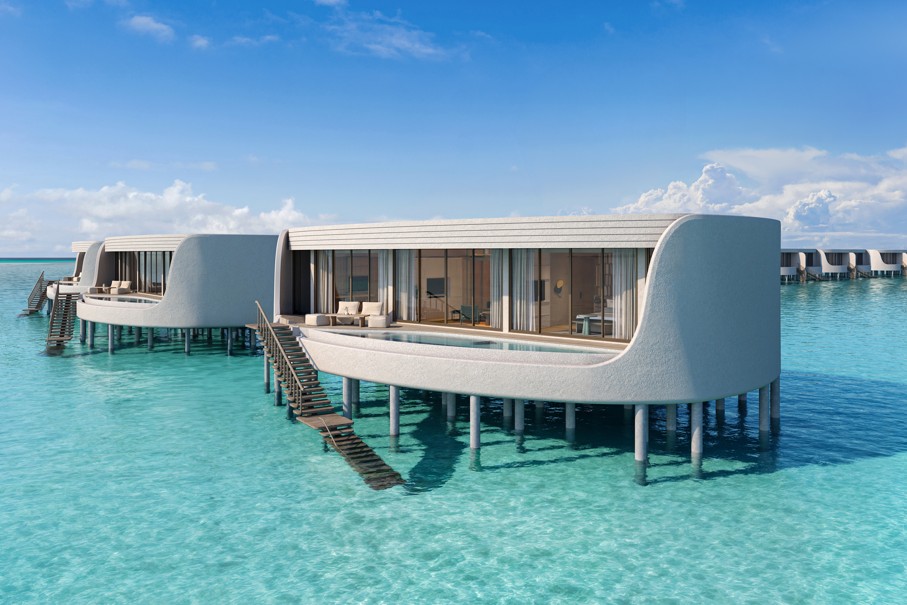
    The resort introduces 142 elegantly designed beachfront and overwater villas and residences ranging from 78 to 290 square metres. With direct access to a private stretch of beach or a serene slice of the ocean, guests can enjoy as much connection or seclusion as they desire.

    Each accommodation is crafted to complement the island’s natural charm, featuring a private pool, Jacuzzi, or both, with select villas offering connecting options for families and groups. The Grand Two Bedroom Beach Pool Villa, Three-Bedroom Sunset Beach Pool Residence, Grand Two Bedroom Overwater Pool Villa, and Three-Bedroom Sunset Overwater Pool Residence, provide the ultimate in spacious living, including indoor and outdoor lounging and dining areas, and even a fully equipped kitchenette, from which the resort’s chefs will happily serve in-villa tipples and culinary experiences for private romantic or family dining, or group entertaining.

    Centara Grand Lagoon Maldives invites guests on a gastronomic journey across its diverse dining venues. The Gallery serves as a vibrant all-day dining hub, featuring live tandoor and teppan grills. Bluefin brings a sophisticated Mediterranean beach club atmosphere, with fresh seafood and live music, while Coco Drift, the resort’s swim-up bar, offers laidback cocktails and light bites. Sunset Social presents a premier champagne bar set over shimmering waters, while The Club offers exclusive fine dining, featuring raw bars, expertly paired tapas and wines, and intimate buffet setups.

    “We are thrilled to officially welcome guests to Centara Grand Lagoon Maldives,” said Andrew Jansson, Cluster General Manager of Centara Grand Lagoon Maldives & Centara Mirage Lagoon Maldives. “From our picturesque beachfront and overwater villas to our exquisite dining and wellness journeys, our team has worked tirelessly to ensure every aspect of this magnificent property exceeds expectations. We look forward to offering travellers stays that embody both Centara’s signature warm hospitality and the beauty of this Maldivian paradise.”

    Thirayuth Chirathivat, Chief Executive Officer of Centara Hotels & Resorts, commented, “The launch of Centara Grand Lagoon Maldives is a testament to our commitment to providing extraordinary guest experiences in the world’s most sought-after destinations. This resort not only completes our visionary multi-island project, The Atollia by Centara Hotels & Resorts, but also strengthens Centara’s position as a leader in the hospitality industry.”

    Just a short speedboat ride from Malé International Airport, Centara Grand Lagoon Maldives is designed for both indulgence and discovery. Embark on transformative wellness journeys at Spa Cenvaree Retreat, an oasis of holistic well-being where immersive spa experiences rejuvenate mind, body, and spirit; explore our vibrant underwater life, or enjoy family fun at the diverse children’s clubs for both teenagers and little ones.

    The opening of Centara Grand Lagoon Maldives also signifies the completion of The Atollia by Centara Hotels & Resorts, a visionary project set to redefine experiential travel in this breathtaking destination. As part of this exclusive multi-island destination, Centara Grand Lagoon Maldives blends sophisticated tranquility with immersive experiences, catering to discerning travellers seeking a refined escape while also granting guests unprecedented access to the thrilling water attractions and vibrant facilities of neighbouring Centara Mirage Lagoon Maldives.

  • Mizuho Bank Launches Streaming FX Prices on SGX, Elevating Currency Trading Experience

    Mizuho Bank Launches Streaming FX Prices on SGX, Elevating Currency Trading Experience

    Aiming to capture the attention of consumers in Asia, the global retail giant Walmart recently unveiled its plans for an ambitious expansion across the region. Speaking at a press conference in Tokyo, company executives detailed their strategy to enhance the shopping experience with a focus on sustainability, technology, and local partnerships.

    Bold Moves: Walmart’s Commitment to Asia

    Walmart’s strategy in Asia hinges on a harmonious blend of innovation and community engagement. The retail titan plans to invest over $1 billion in green initiatives by 2025, reflecting its commitment to tackling climate change while appealing to increasingly environmentally-conscious shoppers. “We are not just in the business of selling products,” Walmart’s Asia CEO emphasized. “We are here to create better experiences for our customers while also being good stewards of our planet.” This bold commitment is expected to resonate well with consumers across the region, who are eager for sustainable shopping options.

    Tech-Savvy Shopping: Elevating Customer Experience

    The integration of technology into the shopping experience is another cornerstone of Walmart’s Asian expansion. Plans include the rollout of advanced mobile payment systems and AI-driven inventory management, aimed at streamlining customer interactions both in-store and online. Imagine walking into a Walmart store and having your personalized shopping list instantly curated by an app that knows your preferences—sounds like something out of a sci-fi movie, right? But that’s the future they are aiming for.

    Local Partnerships: A Recipe for Success

    In a strategic pivot that highlights the importance of community, Walmart will forge partnerships with local businesses to boost its supply chain and foster economic growth in the regions where it operates. By teaming up with local producers and artisans, Walmart hopes to offer fresh and unique products that resonate with local tastes and preferences. This local-first approach is designed not only to enhance its product offerings but also to build brand loyalty among customers.

    Staying Ahead in the Retail Race

    As competition in the retail space intensifies, Walmart’s proactive measures position it well against rivals like Alibaba and regional players who have dominated the e-commerce landscape. By blending advanced technology with a focus on sustainability and local partnerships, Walmart appears determined to capture market share in Asia’s dynamic and diverse retail environment. The question remains: will this formula be enough to entice the discerning Asian consumer and maintain growth amid fierce competition?

    Questions & Answers

    What is Walmart’s financial commitment toward sustainability in Asia?
    Walmart plans to invest over $1 billion in sustainability initiatives by 2025, reflecting their dedication to environmental stewardship.

    How will technology play a role in Walmart’s expansion strategy?
    The company plans to introduce advanced mobile payment systems and AI-driven inventory management to enhance the customer shopping experience.

    Why is Walmart focusing on local partnerships in Asia?
    By collaborating with local businesses, Walmart aims to boost its supply chain while offering products that resonate with local tastes, fostering brand loyalty among consumers.

  • Swiss Craftsmanship Meets Hollywood: IWC Schaffhausen Stars In F1 The Movie 2025

    Swiss Craftsmanship Meets Hollywood: IWC Schaffhausen Stars In F1 The Movie 2025

    Swiss Timepieces Take the Spotlight in Cinematic Showcase

    As the lights dimmed and excitement filled the air, the Arthouse Le Paris cinema in Zurich played host to the premiere of F1 The Movie 2025. The event was not merely a celebration of film but a showcase for IWC Schaffhausen, the prestigious watchmaker, proudly standing as the official partner of the fictional racing team APXGP. This film, steeped in racing drama, brings Swiss craftsmanship to the forefront, and the atmosphere crackled with anticipation.

    Directed by the talented Joseph Kosinski, known for his work on the blockbuster Top Gun: Maverick, filming began in 2023. IWC has a well-established connection to Kosinski; after all, Tom Cruise donned an IWC timepiece in his previous high-flying adventure.

    What sets this production apart is its groundbreaking technique of in-camera filming, where cameras are mounted directly in the race cars, presenting viewers with an authentic cockpit experience that blurs the lines between cinema and real-life racing action.

    Star Power Behind the Wheel

    The ensemble cast features heavyweights like Brad Pitt in the role of Sonny Hayes, and Damson Idris as Joshua Pearce. Their performances go beyond mere acting; many scenes were shot during actual driving maneuvers, lending an exhilarating authenticity to the film. The result is a visual spectacle that often convinces viewers they are trackside at a live Grand Prix rather than seated comfortably in a cinema.

    In a twist of fate worthy of a Hollywood script, these two characters embody contrasting philosophies and generations in the fast-paced world of racing—an ideal backdrop for the IWC watches they wear.

    Watches that Tell a Story

    Representing the old guard, Pitt’s character wears the Ingenieur SL, distinguished by its green dial and designed by the legendary Gérard Genta. Initially overlooked and later discontinued, this watch has rebounded into the hearts of collectors—a testament to resilience and underrated talent.

    In an unexpectedly poetic turn, Sonny Hayes, after an ill-fated career marred by a serious accident, finds an unexpected shot at redemption with the help of his beloved watch. Both Hayes and the Ingenieur SL share the narrative of undervalued potential and the struggle for recognition, a resonant theme that echoes throughout the film.

    A Modern Marvel for a New Generation

    In contrast, Joshua Pearce, played by Idris, is a young, ambitious risk-taker representing the new generation of racers. He sports the Pilot’s Watch Performance Chronograph 41, an exclusive model developed just for the film, released in two limited stainless steel editions. Its design mirrors the APXGP race car’s aesthetics, perfectly encapsulating themes of innovation, speed, and modernity.

    A Prelude to a Timeless Tale

    The audience’s experience was further enriched by a YouTube short titled The Most Brilliant Failure, which set an emotional context for the story. This narrative intertwined the journeys of both Sonny Hayes and Gérard Genta. Both men, visionaries in their fields, faced early challenges in gaining recognition—Hayes as an exceptional driver and Genta as an artistic watchmaker.

    Genta’s humility, poignantly expressed in the short when he says, “I am an artist, a painter. What do I know about watches?”, resonates deeply with Hayes’ quiet resilience in the film’s final moments. Their stories remind us that greatness often lies not in boastful declarations but in quiet determination and unyielding creativity.

    Questions & Answers

    What unique filming technique was used in F1 The Movie 2025?
    The film utilized in-camera technology, embedding cameras directly into the race cars to create authentic cockpit perspectives for viewers.

    How do the watches worn by the characters symbolize their journeys?
    The Ingenieur SL worn by Sonny Hayes represents undervalued talent and resilience, while the Pilot’s Watch Performance Chronograph 41 worn by Joshua Pearce embodies ambition and dynamism in modern racing.

    What emotional context did the YouTube short provide for the film?
    The short, titled The Most Brilliant Failure, highlights the parallel journeys of Sonny Hayes and Gérard Genta, emphasizing themes of unrecognized brilliance and eventual redemption.

  • CommBank Launches AI Bots to Combat Scams and Enhance Customer Security

    CommBank Launches AI Bots to Combat Scams and Enhance Customer Security

    The Commonwealth Bank of Australia (CBA) is leveraging the power of artificial intelligence to combat the rising tide of scams targeting unsuspecting Australians. In an innovative move, the bank has deployed “a fleet of thousands of AI-powered bot profiles” specifically designed to engage with scammers, gather crucial intelligence, and disrupt their illicit operations.

    AI Bots on the Frontlines Against Scams

    This impressive initiative comes from Apate.ai, a cyber-intelligence firm that evolved from Macquarie University. Each day, Apate.ai unleashes thousands of these smart conversational bots to thwart scammers who rely on text messages and voice calls to deceive their victims. The launch of this bot network follows a successful pilot program from late 2024, showcasing the potential of AI in consumer protection.

    A Honeypot System for Scammers

    At the core of Apate.ai’s operations is an innovative “honeypot” system, explained Dali Kaafar, the company’s CEO and founder. In collaboration with telecommunications partners, the firm maintains an expansive and ever-growing array of dedicated phone numbers that are specifically designed to attract scammers. “When a scammer dials or messages one of these numbers, they actually engage in conversations with one of our AI-powered bots and not a person,” Kaafar elaborated, emphasizing the ingenious trap set for fraudsters.

    The Evolution of Retail security

    The integration of such technology marks a significant step not just in banking but across the entirety of retail, as businesses grapple with the constant threat posed by scammers. While traditional methods of fraud prevention still have their place, the adoption of advanced AI technologies offers a fresh line of defense, transforming the way retailers and banks protect their customers and maintain their trust.

    With creativity and intelligence, CBA and Apate.ai are setting a precedent that may very well redefine how industries combat financial fraud in the digital age. In a world where scams are becoming as common as avocado toast on brunch menus, it pays to have sophisticated tools in your corner.

    Questions & Answers

    How is Commonwealth Bank using AI to combat scams?
    The Commonwealth Bank of Australia is utilizing a network of thousands of AI-powered bots to engage with scammers, gathering intelligence and disrupting their operations.

    What technology underpins Apate.ai’s scam-fighting strategy?
    Apate.ai’s approach is based on a “honeypot” system that employs dedicated phone numbers designed to attract scammers and engage them in conversations with AI bots.

    Why is the integration of AI significant for the retail industry?
    The use of AI in combating scams represents a revolutionary step for the retail industry, as businesses increasingly adopt advanced technologies to protect consumers and safeguard trust.

  • Crypto-Bank Snags Former Credit Suisse Executive to Strengthen Leadership Team

    Crypto-Bank Snags Former Credit Suisse Executive to Strengthen Leadership Team

    Amina Bank Welcomes Credit Suisse Veteran Alessandro Manfron

    Amina Bank has appointed Alessandro Manfron as the chief of staff to the chief client officer for the EMEA region, a move that marks a significant shift in his career. Announcing his new role on LinkedIn, Manfron confirmed he began this position this month, reporting directly to Markus Menzl, the chief client officer EMEA.

    A Wealth of Experience

    Manfron brings over 20 years of experience from Credit Suisse-UBS, where he held diverse leadership roles. His recent position was as the team head of USG Evolution and an executive director at UBS in Zurich. Before this, he directed high net worth individual segment development at Credit Suisse, where he played pivotal roles such as chief of staff for premium clients and head of business management for premium clientele.

    It’s safe to say that his journey in finance has been anything but mundane, offering him a treasure trove of insights into wealth management that he’ll now channel into the burgeoning realm of crypto banking.

    Embracing a New Challenge in Crypto

    Reflecting on this transition, Manfron expressed his enthusiasm: “After 20 years at Credit Suisse and UBS, it’s time to start a new chapter. I’m excited to join Amina Bank, a regulated Swiss crypto bank, as Chief of Staff to the Chief Client Officer EMEA. I truly look forward to merging my background in UHNWI and SFO wealth management with the innovation and energy of crypto banking.”

    Broadening Horizons

    Interestingly, Manfron’s move to Amina isn’t the only shift in his professional landscape—he has also recently accepted a position on the advisory board of TheBiTechnologies, a private equity and venture capital firm. This speaks volumes about his commitment to staying at the forefront of financial innovation.

    Questions & Answers

    What motivated Alessandro Manfron to leave Credit Suisse for Amina Bank?
    Manfron was eager to embark on a new chapter in his career, attracted by the potential of crypto banking and the opportunity to apply his extensive experience in wealth management.

    What roles did Manfron hold at Credit Suisse?
    Over his two-decade tenure, he occupied various leadership positions, including head of UHNWI segment development and chief of staff for premium clients.

    What other venture is Manfron involved in aside from Amina Bank?
    In addition to his role at Amina, he has joined the advisory board of TheBiTechnologies, indicating his interest in private equity and venture capital.

  • DBS Unveils Exclusive Deals and Rebates for Cardholders at 680+ Retail Outlets!

    DBS Unveils Exclusive Deals and Rebates for Cardholders at 680+ Retail Outlets!

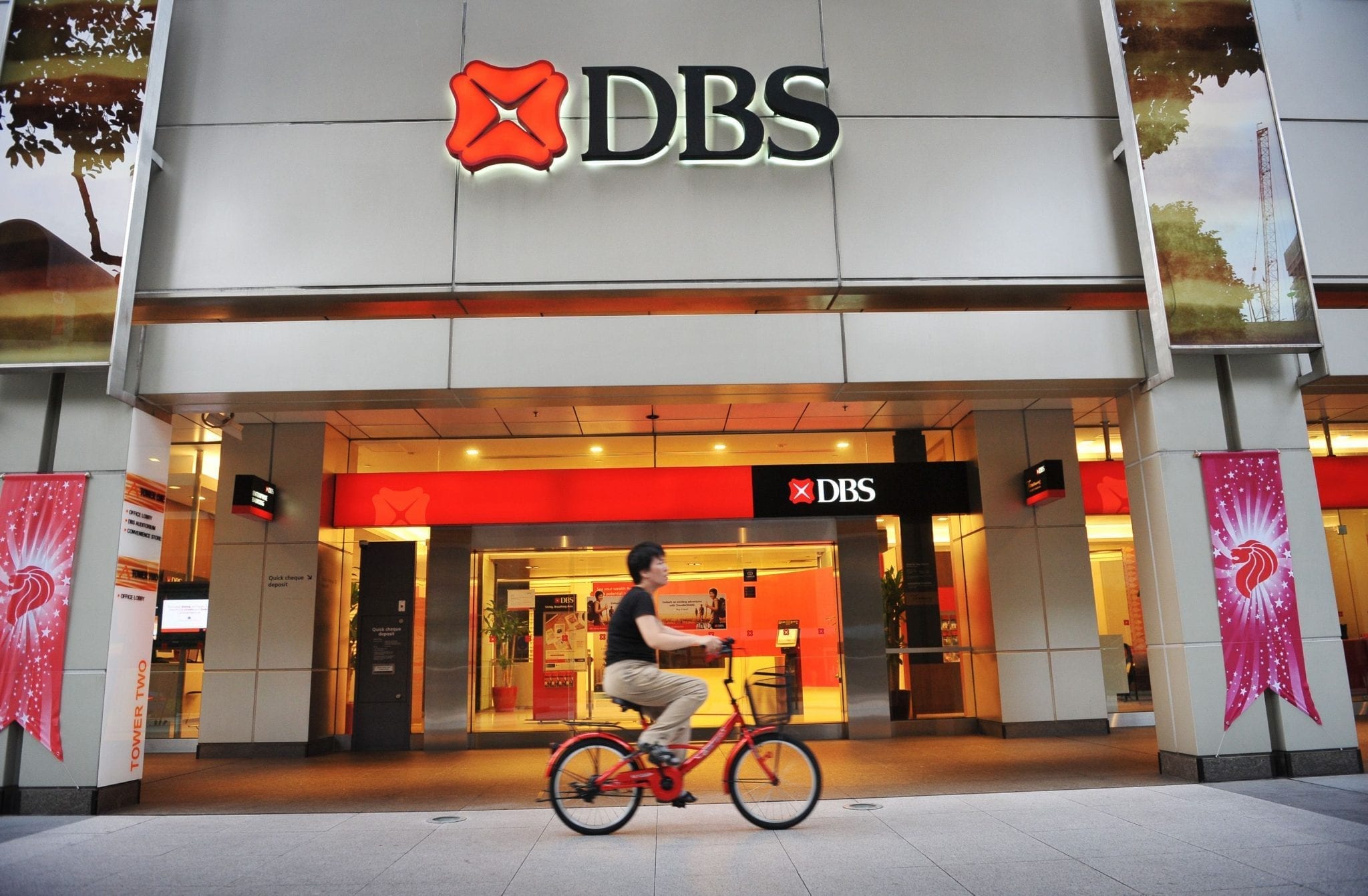
    DBS Bank is stepping up its game in the competitive retail landscape of Asia by teaming up with prominent players like Cold Storage, CS Fresh, Giant, Guardian, and 7-Eleven, among others. This collaborative effort aims to deliver enticing spending privileges to its cardholders at over 680 retail outlets across the region.

    Exclusive Deals for DBS/POSB Cardholders

    As announced in a press release on July 1, 2025, DBS and POSB cardholders can look forward to a year-round array of exclusive deals and savings with these well-known brands. Holders of the DBS yuu card can benefit from cash rebates of up to 18%, while PAssion POSB debit cardholders will enjoy up to 9% in cash rebates, alongside enticing one-for-one deals.

    Delicious Discounts in July to September

    From July through September 2025, all DBS and POSB cardholders will enjoy a slew of special grocery promotions, including a chance to save up to S$12 at Cold Storage and S$6 at Giant, provided they meet the minimum spend requirement. Fridays just got a bit sweeter, too, with cardholders receiving S$6 off Guardian vouchers for return visits and an attractive 10% discount at 7-Eleven outlets. It’s almost like grocery shopping is becoming a sport—who doesn’t love a good discount sprint?

    Unique Weekly Promotions Await

    DBS has promised that cardholders will encounter unique weekly promotions across all participating outlets during this two-month period, adding an element of surprise to the shopping experience. Chan Sow Han, head of payments and platforms at DBS Singapore, emphasized that the bank’s extensive retail partnerships enable it to provide unmatched value. “This collaboration demonstrates our deep understanding of customer priorities and our commitment to addressing cost-of-living concerns through meaningful partnerships,” Chan stated, highlighting the bank’s proactive approach in these challenging economic times.

    Questions & Answers

    What types of benefits do DBS and POSB cardholders receive through this collaboration?
    Cardholders can enjoy exclusive savings, cash rebates of up to 18% for DBS yuu cardholders, and up to 9% for PAssion POSB debit cardholders, along with various promotional deals throughout the year.

    What are some specific promotions available to cardholders from July to September 2025?
    During this period, cardholders can save up to S$12 at Cold Storage, S$6 at Giant, as well as receive S$6 off Guardian vouchers and 10% discounts at 7-Eleven on Fridays.

    How does DBS Bank demonstrate its understanding of customer needs?
    By leveraging its partnerships with major retailers, DBS Bank aims to alleviate cost-of-living concerns for its customers, showcasing a commitment to deliver value through thoughtful promotional programs.

  • Transforming the Cloud: How Data Centers Propel Adoption Across Indonesia and Malaysia

    Transforming the Cloud: How Data Centers Propel Adoption Across Indonesia and Malaysia

    As the digital landscape accelerates across Asia, data centers are emerging as the backbone of telecom cloud adoption. These facilities are not just brick-and-mortar structures; they act as critical nodes where telecommunications companies converge, interlinking with various cloud and IT providers to enhance service delivery.

    Cloud Demand Soars in Indonesia and Malaysia

    In Indonesia, the cloud market is poised for impressive growth, expected to swell from USD 2.44 billion in 2025 to USD 4.80 billion by 2030, achieving a compound annual growth rate (CAGR) of 14.52%. An intriguing twist? A staggering 52% of businesses report improved operational efficiency post-cloud adoption, prompting 73% of those yet to embrace cloud solutions to plan their leap within the next two years.

    Meanwhile, in Malaysia, public cloud revenue is set to rise to USD 2.82 billion by 2025, propelled by an anticipated CAGR of 30% through 2030. Malaysian enterprises have already transitioned 48% of their application portfolios to public cloud services, with plans to boost this figure to 64% by 2025.

    Malaysia’s MYDIGITAL strategy is further fueling demand for data centers, which currently operates at about 800 megawatts, a number forecasted to quadruple by 2030. Johor is swiftly evolving as a digital corridor, thanks to its affordable land, substantial space, and improved connectivity. Upcoming data center initiatives in Greater Kuala Lumpur are set to fortify the nation’s cloud capabilities, reinforcing essential infrastructure.

    In a notable development, the newly established “Malaysia West” cloud region will enhance core services such as Azure and Microsoft 365, heralding a significant leap in local cloud performance. This strategic expansion aligns perfectly with Malaysia’s aspirations to become a leading data hub in the region, while the Cloud-First Policy further catalyzes public sector cloud adoption.

    Strategically Placing Cloud Regions for Impact

    The need for low-latency and cloud-native infrastructure is on the rise, and data centers serve as the foundation for deploying virtualized network functions (VNFs), 5G cores, edge computing nodes, and AI-driven services. Currently, Indonesia is home to around 80 operational colocation facilities, predominantly gathered in Jakarta, the nation’s bustling capital. The market thrives on wholesale colocation, a solution well-suited to facilitate large-scale cloud and AI deployments.

    Key players in the field, such as DCI Indonesia, Telkom Indonesia, NTT DATA, and ST Telemedia Global Data Centres, have made substantial investments in data centers. Additionally, major global cloud providers like Amazon Web Services, Microsoft, and Google Cloud are expanding their presence in Jakarta, reinforcing the nation’s strategic significance in the cloud ecosystem.

    In a groundbreaking commitment, Microsoft has announced a USD 2.2 billion investment to create its inaugural cloud region in Malaysia by Q2 2025, which will include the construction of three hyperscale data centers in Greater Kuala Lumpur and Johor.

    This robust ecosystem is drawing in an influx of new digital infrastructure players, with Equinix, Google, and Bridge Data Centres rapidly establishing or growing their operations across Johor, Selangor, and Cyberjaya, which have emerged as pivotal data center hubs, thanks to their land availability and fiber access.

    How Data Centers Supercharge Telco Cloud Services

    The modern telecommunications landscape demands infrastructure that can pivot swiftly. Rather than sinking capital into physical assets with lengthy setup times, telcos can harness data center services for immediate virtual resource deployment.

    Within a data center environment, virtual routers, firewalls, and software-defined wide area network (SD-WAN) nodes can be operational in mere hours. Utilizing telco cloud points of presence (PoPs) allows on-demand services like SD-WAN and content delivery networks to thrive with ultra-low latency, enhancing performance across various regions.

    Data centers serve as vital interconnection hubs, facilitating smooth access to leading cloud service providers such as AWS and Azure. This connectivity enables telcos to integrate hybrid services, deploy AI-driven applications, and manage IoT initiatives efficiently.

    Interestingly, although Equinix’s Singapore campus is not located in Indonesia or Malaysia, it significantly supports both countries’ data infrastructure. With robust connections to 14 submarine cables and over 255 cloud service providers, it positions Southeast Asia for low-latency, high-performance services. Its Jakarta facility is optimized for high-density power and liquid cooling, particularly catering to machine learning workloads.

    Charting the Future of Cloud in Southeast Asia

    Fostering digital transformation, Indonesia and Malaysia are rapidly solidifying their reputations as powerhouses in the data center landscape. Their evolving infrastructures are not just keeping pace with increasing data volumes but are also vital for advanced cloud capabilities that can elevate digital economies across the region.

    The burgeoning investments underline a regional shift toward cloud-focused infrastructures that enhance connectivity, attract global interest, and transform the industrial landscape across Asia.

    Questions & Answers

    What is driving cloud growth in Indonesia and Malaysia?
    The expanding cloud markets in both countries are fueled by rising operational efficiencies among businesses that adopt cloud technologies, along with strong governmental initiatives like Malaysia’s MYDIGITAL strategy.

    How significant is Microsoft’s investment in Malaysia’s cloud infrastructure?
    Microsoft’s USD 2.2 billion investment is a game-changer, as it will establish the company’s first cloud region in Malaysia, constructing three hyperscale data centers that will bolster local cloud services.

    Why are colocation facilities preferred in Indonesia?
    Wholesale colocation facilities are favored for their scalability, enabling support for large-scale cloud and AI deployments, which are essential in modern telecommunications.

  • Chart of the Week: Hong Kong’s Credit and Charge Card Market Set to Hit $132.4 Billion!

    Chart of the Week: Hong Kong’s Credit and Charge Card Market Set to Hit $132.4 Billion!

    Banks in Hong Kong are stepping up their game with exciting new offerings like mobile virtual cards and dual-currency payment options. As a reflection of this growing competitiveness, the credit and charge card payments market is projected to expand by 6% to reach an impressive $132.4 billion (HK$1 trillion) by 2025, according to insights from data and analytics firm GlobalData.

    Currently, credit and charge cards account for a staggering 77% of all card payments in Hong Kong. This remarkable uptick in consumer spending is driven by a rapidly evolving payment infrastructure, an increasing number of merchant acceptances, and enticing benefits tailored for customers.

    With 27,252 point-of-sale (POS) terminals per million inhabitants, Hong Kong proudly outpaces Japan, Thailand, and Indonesia in this regard. As banks roll out innovative schemes, the appetite for adopting digital payment solutions is only expected to grow.

    Revolutionary Offerings Fuel Market Growth

    In June 2025, HSBC partnered with Mastercard to introduce the city’s pioneering mobile virtual corporate card, specifically designed for commercial clients. This avant-garde solution allows businesses to instantaneously issue virtual cards through a user-friendly portal. For added convenience, these cards can be linked to compatible digital wallets for immediate use through the Mastercard In Control Pay mobile app. Users enjoy the flexibility to activate or deactivate their virtual cards at any time and from any location — because why not take control of your finances while sipping a coffee at your favorite café?

    First Dual-Currency Card Takes Center Stage

    In a related development, the Bank of China Hong Kong (BOCHK) collaborated with UnionPay International to launch a dual-currency BOC Go credit card. This innovative card enables holders to make purchases in both Chinese yuan and Hong Kong dollars, blurring the lines of currency accessibility.

    Transaction Growth Points to Consumer Confidence

    Recent data from the Hong Kong Monetary Authority (HKMA) reveals that in the first quarter of 2025, the total value of credit card transactions surged by 8.4% year-on-year to reach $34.9 billion (HK$274.1 billion). Delving deeper, of this sum, $23.7 billion (HK$186.1 billion) stemmed from retail spending within Hong Kong. Overseas retail spending accounted for $10.06 billion (HK$79 billion), with cash advances making up $1.15 billion (HK$9 billion).

    Flexible Repayment Options to Enhance User Experience

    Recognizing the importance of managing risk, banks are enhancing credit card user experience by introducing flexible repayment options. For instance, Citibank’s Merchant Instalment Plan allows consumers to convert purchases of HKD2,000 ($256) or more at over 600 participating merchants into manageable monthly installments. Similarly, Standard Chartered offers customers the ability to convert purchases of HKD500 ($64) and above into payments spread over three to 60 months, fostering greater financial ease.

    Questions & Answers

    What is the projected growth rate of Hong Kong’s credit and charge card payments market by 2025?
    The market is expected to grow by 6%, reaching $132.4 billion (HK$1 trillion) by 2025.

    How are banks encouraging the adoption of new payment solutions?
    Banks are introducing innovative products like mobile virtual corporate cards and dual-currency credit cards, alongside flexible repayment options to enhance user convenience.

    What percentage of all card payments in Hong Kong currently comprises credit and charge cards?
    Credit and charge cards account for a significant 77% of all card payments in Hong Kong.