Author: Mei Ling Tan

  • Ikea’s impressive year: sales rising for furniture giant

    Ikea’s impressive year: sales rising for furniture giant

    Ikea has announced impressive growth in sales across the globe, achieving £23bn in the year at the end of August. Sales were up by 5% on the previous year in comparable sales.

    The furniture giant has 328 stores across 28 countries, and estimates that they enjoyed 771m visits in its most recent financial year.

    Ikea’s President and Chief Executive Pete Agnefjall said: “We are growing in almost all our markets and we are happy about last year’s sales development.”

    At the forefront of the company’s growth is its China market. Increased mass migration to the major cities in the world’s most populous country has created a stable and huge customer base. China is home to eight of Ikea’s ten largest stores, including two in the city of Beijing: a city of 10m people.

    “The Chinese middleclass continues developing and in pace with its growth an interest for our product rises too. We have more visitors in our department stores now and we have opened three new stores in China during the year (2015). We are going to open three new stores the next year too…”

    Russia, the Swedish retailer’s second fastest growing market, enjoys 14 ‘Mega shopping centres’: a chain of 14 complexes from St Petersburg to Novosibirsk. Russia, like China, has proved a problem for many other retailers.

    Sales in Germany and North America were also positive, and the company also enjoyed “positive progress” in Southern Europe.

    Andy Street, MD at John Lewis, announced last month that the department store chain is gunning for Ikea’s position as the UK’s largest furniture retailer, with aims to surpass the company in the next four years. Retail consultancy firm Conlumino estimates that Ikea will have 6% of the UK market for homeware, furniture and flooring sales in 2015, whilst John Lewis will have 5.8%.

    Ikea can certainly enjoy its success for now, however. Unlike its rival, John Lewis’s most recent financial report was decidedly negative.

    A more detailed financial report for Ikea will be released in December 2015.

  • Starbucks execs optimistic on mobile ordering and China

    Starbucks execs optimistic on mobile ordering and China

    Starbucks is investing heavily in ‘mobile order and pay’, with plans to roll out the feature across the US by the end of this month, CFO Scott Maw said at the Goldman Sachs retailing conference on Thursday.

    Previously, the coffee giant had set itself the end of the year as a deadline to finish implementing the service nationwide, with the Android version poised for release a little earlier.

    “We have a winner, and it’s running ahead of our expectations,” Maw told analysts and investors at an investment conference in New York.

    The mobile ordering and pay feature was introduced last year and is gaining traction. In June Starbucks announced it will spend £30m on a technological revamp of its UK business and Starbucks’ UK MD Mark Fox told Retail Gazette that mobile has played a valuable role in the retailer’s success. Last year, the Seattle based chain process over $2bn in mobile transactions.

    Next year, the app will add suggestions for orders based on consumer data.

    Starbucks has recognised the power of e-commerce and is wielding it to allow for its next revolution: delivery.

    Supposedly, the hazelnut latte maker hasn’t been hampered by the economic stagnancy in China,

    the company “is not seeing any material impact on profitability or revenue,” Maw said. “The number of transactions that we’re seeing is good,” and this quarter’s results are “going to stack up really well in China,” he added.

  • MANGO opens its largest store in Asia at Wisma Atria shopping centre in Singapore

    MANGO opens its largest store in Asia at Wisma Atria shopping centre in Singapore

    MANGO has opened its largest store in Singapore. The capital of Singapore is the location for the store which, with over 1,200m2 distributed on a single floor, becomes the company’s largest store in the region.

    The store, located in the busy Wisma Atria shopping centre, stocks the firm’s different brands (MANGO, MANGO Man and MANGO Kids) and represents the fifteenth MANGO store in Singapore since it arrived in the capital in 1995.

    Toni Batlló, MANGO’s Director of International Expansion, declared: This opening represents a challenge for the company and a commitment towards the Asian market. The new store also strengthens our brand image in the country and consolidates the firm’s different brands. This is a market with plenty of potential and the new flagship store confirms MANGO’s commitment to continue growing and to extending our expansion plan.

    MANGO opened its first store on Barcelona’s Passeig de Gràcia in 1984, and now has over 2,700 stores in 108 countries. MANGO closed the 2014 financial year with a Consolidated Group turnover for the MANGO-MNG Holding of 2.017 billion euros, representing a 9% increase on 2013, and an EBITDA of 223 million euros.

  • Jakarta’s motorcycle startup game has another contender in the form of Wheel Line

    Jakarta’s motorcycle startup game has another contender in the form of Wheel Line

    With the evident popularity of Jakarta’s motorcycle startups like Go-Jek and HandyMantis, it’s fair to say that the city’s transport and delivery nervous system has potential to be rewired. Now, those two firms see another competitor in the form of Wheel Line.

    Wheel Line is an on-demand courier and transportation company that utilizes motorcycle taxis, or “o-jeks” as they’re called in the archipelago. The company is brand new compared to its competitor Go-Jek, which has been around for a few years already, as it just launched in early January.

    “I have a wine business that requires delivery to our customers which are located in diverse part of Jakarta, Depok, Tangerang, and Bekasi, and I found it hard to find a reliable courier service that can be trusted with the goods,” explains Wheel Line’s founder Chris Wibawa as he recalls the startup’s inception. “What is awesome about Wheel Line is that we stand by our motto, to deliver within two hours and also, we handle one order at a time to ensure care and precision.”

    Wibawa says one strength his company has is that, at this stage, Wheel Line can pay close attention to each individual customer. The startup also offers customizable orders that can include additional requests. For example, a customer could order several different items in a single delivery parcel. These can also include things like delicate objects and perishable foods, not unlike the offerings of Wheel Line’s competitor HandyMantis.

    Wheel Line charges customers based on the delivery zone they’re located in. According to Wibawa, there are eight zones. The first zone costs Rp 30,000 (US$2.30) and the price goes up to Rp 120,000 (US$9.25). The zones are calculated based on a radial distance from Wheel Line’s office in Muara Karang.

    Wibawa didn’t comment on the details of his startup’s revenue, but he did say:

    This market still has a lot of room to explore and expand…We provide A to Z services for our customers, not only in delivering goods or merchandise but also buying movie tickets, exchanging invoices, and more.

    Currently, Wheel Line does not have a mobile app, as it simply takes orders via email and telephone. The same goes for its running mate HandyMantis. This is something the startup will need to create if it hopes to stay competitive with Go-Jek, a company that already has apps for Android and iOS, and claims more than 2,500 drivers.

    Currently, Wheel Line is a fully bootstrapped operation and all marketing to date has been done through word-of mouth. However, Wibawa says he is open to hear about opportunities and potential partnerships. “For now we have a centralized process which is effective since it allows us to supervise more closely and provide the best service to our customers,” says Wibawa.

  • Jakarta’s HappyFresh gets $12M more in the bag to boost grocery delivery in Asia

    Jakarta’s HappyFresh gets $12M more in the bag to boost grocery delivery in Asia

    Indonesia-based grocery delivery app HappyFresh announced today it raised US$12 million in a series A funding round led by Vertex Ventures, the venture arm of Temasek Holdings and Sinar Mas Digital Ventures (SMDV), the venture arm of Indonesia’s Sinar Mas Group. Other participating investors include Asia Venture Group, Beenext, Ardent Capital, 500 Startups, and Cherry Ventures.

    After launching its next-hour online grocery delivery service in March in Indonesia and Malaysia, HappyFresh decided to expand to Thailand and Taiwan.

    “We are very happy to partner with Vertex […] and SMDV […] We are looking forward to benefitting from their strong networks to further expand our footprint across Southeast Asia,” says HappyFresh CEO and co-founder Markus Bihler. “We will continue to invest in enhancing our product and service […] building HappyFresh into the region’s leading food tech group.”

    HappyFresh is an early mover in the food marketplace industry in Southeast Asia. Established in October 2014, the firm has partnered with well-known supermarkets, including Ranch Market and Farmer’s Market. The company employs personal shoppers who choose products in-store. HappyFresh claims its on-demand logistics network allows for next-hour delivery. The company is headquartered in Jakarta with operations in Malaysia, Indonesia, Thailand, and Taiwan. The founding team includes Markus Bihler, Benjamin Koellmann, and Fajar Budiprasetyo.

    Koellmann a Manila launch is slated for October, while HappyFresh is also exploring other Indonesian cities for expansion, like Surabaya. Koellmann and his partners have also created HappyRecipe, a spinoff of the startup’s core offering. HappyRecipe lets users read blog posts to get inspired about cooking. It also offers up various ready-made recipes, which users can follow to purchase specific ingredients and prepare dishes at home.

    “We have very strong and experienced local managing directors who run each market with a local team, and they are supported by our headquarters here in Indonesia,” says Koellmann. “Data science and customer insights are at the core of our DNA.”

    HappyFresh faces many competitors in Asia including Go-Jek in Indonesia with its Go-Food service, as well as names like Indonesian meal-kit delivery service Black Garlic, as well as Tesco Lotus and Tops Shop Online in Thailand. Singapore-based RedMart and Indonesia’s Sukamart can also be seen as a regional contenders.

    “This is a business model which clearly benefits the supermarkets and the consumers. Its capital efficient model allows it to scale easily and very quickly,” says Joo Hock Chua, managing director of Vertex, who will join the board of HappyFresh. “Markus and his team are experienced entrepreneurs and they have demonstrated strong execution capability. Vertex is happy to lead this round of investment. We will bring our experience and global network to help HappyFresh.”

  • Dell To Drop $125 Billion In Cold Hard Cash On China To Expands Research And Development

    Dell To Drop $125 Billion In Cold Hard Cash On China To Expands Research And Development

    Michael Dell is no longer beholden to shareholders after taking the computer company he founded private two years ago. As such, he’s free to invest more than $125 billion in China over the next five years as part of his “In China, For China” 4.0 strategy announced today without having to worry about how it might affect the company’s stock price.

    The massive investment will continue to expand and enhance Dell’s research and development team in China, Dell’s second largest market for PC sales. It will also contribute some $175 million to imports and exports, which in turn will sustain more than 1 million jobs in the country.

    “China and the United States are among the countries where the information industry is developing the fastest, resulting in the most vibrant enterprises,” said Mr. Dell. “The Internet is the new engine for China’s future economic growth and has unlimited potential. Being an innovative and efficient technology company, Dell will embrace the principle of ‘In China, for China’ and closely integrate Dell China strategies with national policies in order to support Chinese technological innovation, economic development and industrial transformation.”

    Dell currently employs nearly 2,000 senior engineers in China. In addition to expanding its R&D team in the country, the investment will help to further develop a R&D center for end-to-end solutions specifically intended to serve the Chinese market.

    The PC maker has a major retail presence in China with almost 11,700 stores cover 97 percent of the market. That includes over 100 retail stores for Alienware, the gaming brand that was once a standalone boutique builder.

  • Shrinking 7-Eleven Singapore turns to meals

    Shrinking 7-Eleven Singapore turns to meals

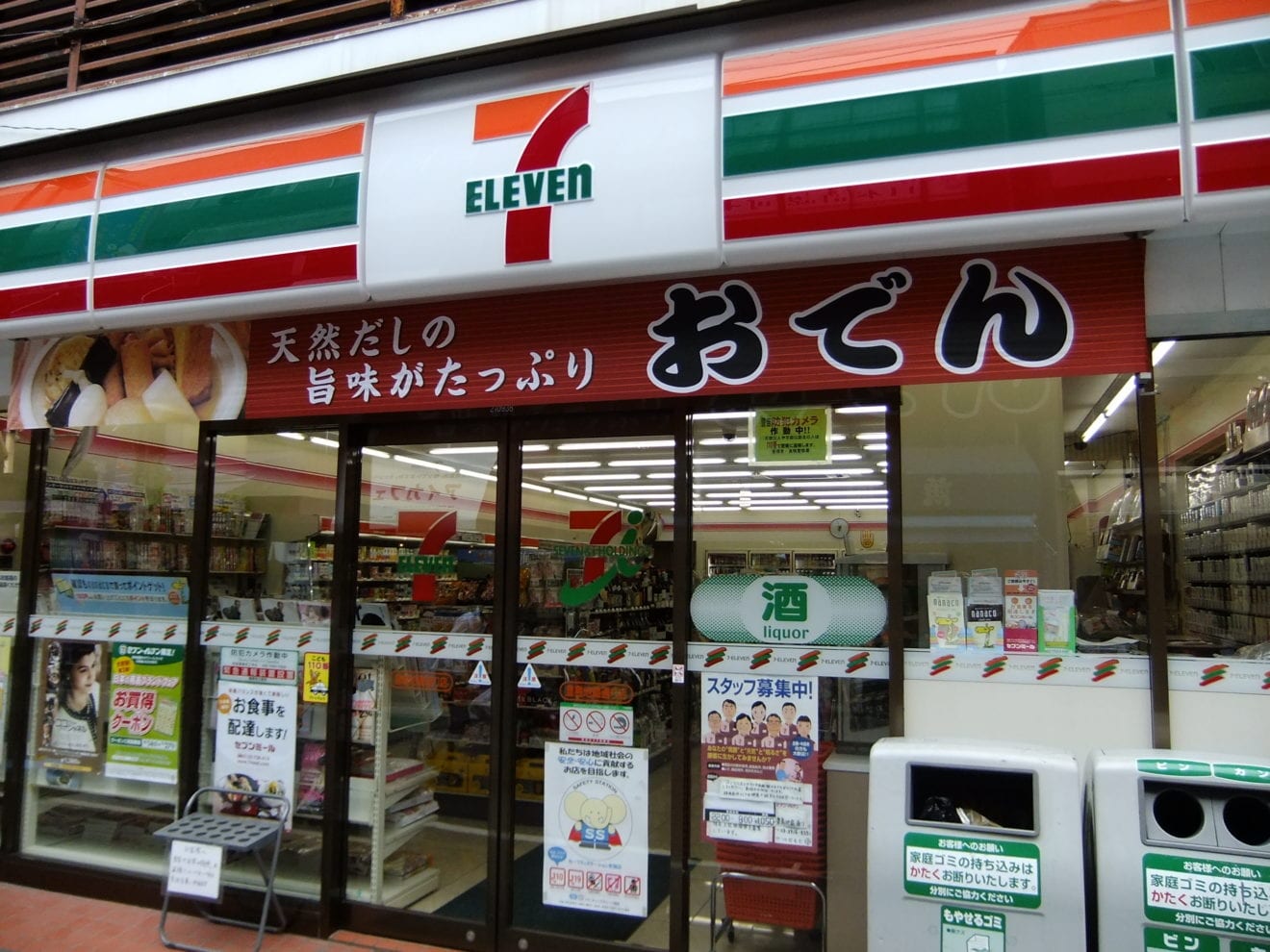
    7-Eleven Singapore is preparing to launch a range of ready to eat meals across its 500-strong store network, in what CEO David Goh says is the core pillar of its ‘change in direction’ business plan.

    The Singapore convenience store network, operated by Hong Kong-based Dairy Farm International, has trialled a chicken and rice meal in two stores as the first step in what will eventually be a full scale roll-out of ready to eat foods.

    About 100 stores will get the new range by the end of this month, the remainder by the end of November.

    The company hopes a fresh meals focus will lead a turnaround in the business, which closed about 60 stores over the last two years. Squeezed by the tight labour market and tough new liquor sales laws, the company is searching for new categories to drive growth and restore profitability for franchisees.

    “In the last few years, we have closed more stores than we (have) opened,” Goh said in an interview with Today.

    “This has now stabilised. Having consolidated and redeployed resources, we may be opening as many, if not more, stores than we closed over the next couple of years.”

    Goh said the chicken rice meal was developed after staff searched for and taste tested the best chicken rice dishes in the city. The goal was to create a meal which looked and tasted better than meals available at coffeeshops and hawker centres.

    In Japan, ready to eat meals are a key category in 7-Eleven stores, which sell sushi, noodles and bento boxes to time-poor Japanese consumers.

  • Lulu to open first hypermarket in Indonesia this year

    Lulu to open first hypermarket in Indonesia this year

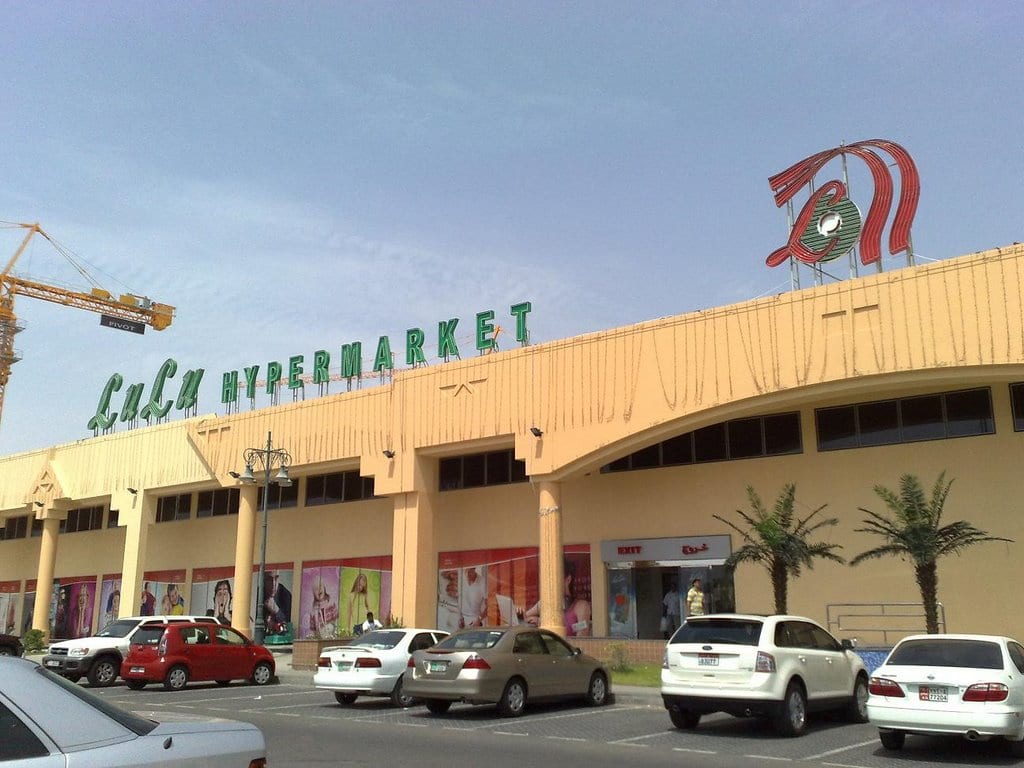
    The UAE-based Lulu Group will mark its first retail push in Indonesia by opening its first hypermarket in the capital city of Jakarta by this year end.

    The announcement came during the visit of President of Indonesia, Joko Widodo (popularly known as Jokowi), to Abu Dhabi. He visited the Lulu Hypermarket at Khalidiyah Mall in Abu Dhabi, along with a high-level delegation.

    The Indonesian President is on a five-day state visits to three Middle East countries — Saudi Arabia, United Arab Emirates and Qatar.

    “With an initial investment of $300 million in the first phase, we plan to open 15 hypermarkets by the end of 2017 and a central logistics and warehousing facility in Jakarta. These projects are likely to generate more than 5,000 job opportunities for Indonesians,” said Yusuffali MA, managing director of Lulu Group.

    The group expects to invest a total of $500 million in Indonesia over the next five years.

    “The fact that we are going to Indonesia with our Halal Hypermarket concept, is giving us the encouragement to look for a wider market segment there,” added Yusuffali.

    Apart from Jakarta, Lulu intends to open hypermarkets in Bandung, Solo, Semarang, Surabaya and Yogyakarta.

    “We also plan to set up contract farming to ensure continuous supply of high quality products and to support the Indonesian agriculture sector,” said Yusuffali.

    The Indonesian President was welcomed at the hypermarket by Yusuffali; Saifee Rupawala, CEO; Salim M A, director; Rajmohan Nair, director – Lulu Far East operations, and a large number of Indonesian expatriates.

    President Jokowi and the accompanying delegation were taken on a guided tour of the hypermarket by Yusuffali and team who briefed him about specialties of the retail store.

    The president later urged Yusuff Ali to export more products from villages and towns in Indonesia.

    The Lulu chain currently operates 117 stores across the UAE, Oman, Bahrain, Kuwait, Qatar, Saudi Arabia, Yemen, Egypt and India. -TradeArabia News Service

  • Indonesia Motorbike Export Soars; Could Overtake Thailand

    Indonesia Motorbike Export Soars; Could Overtake Thailand

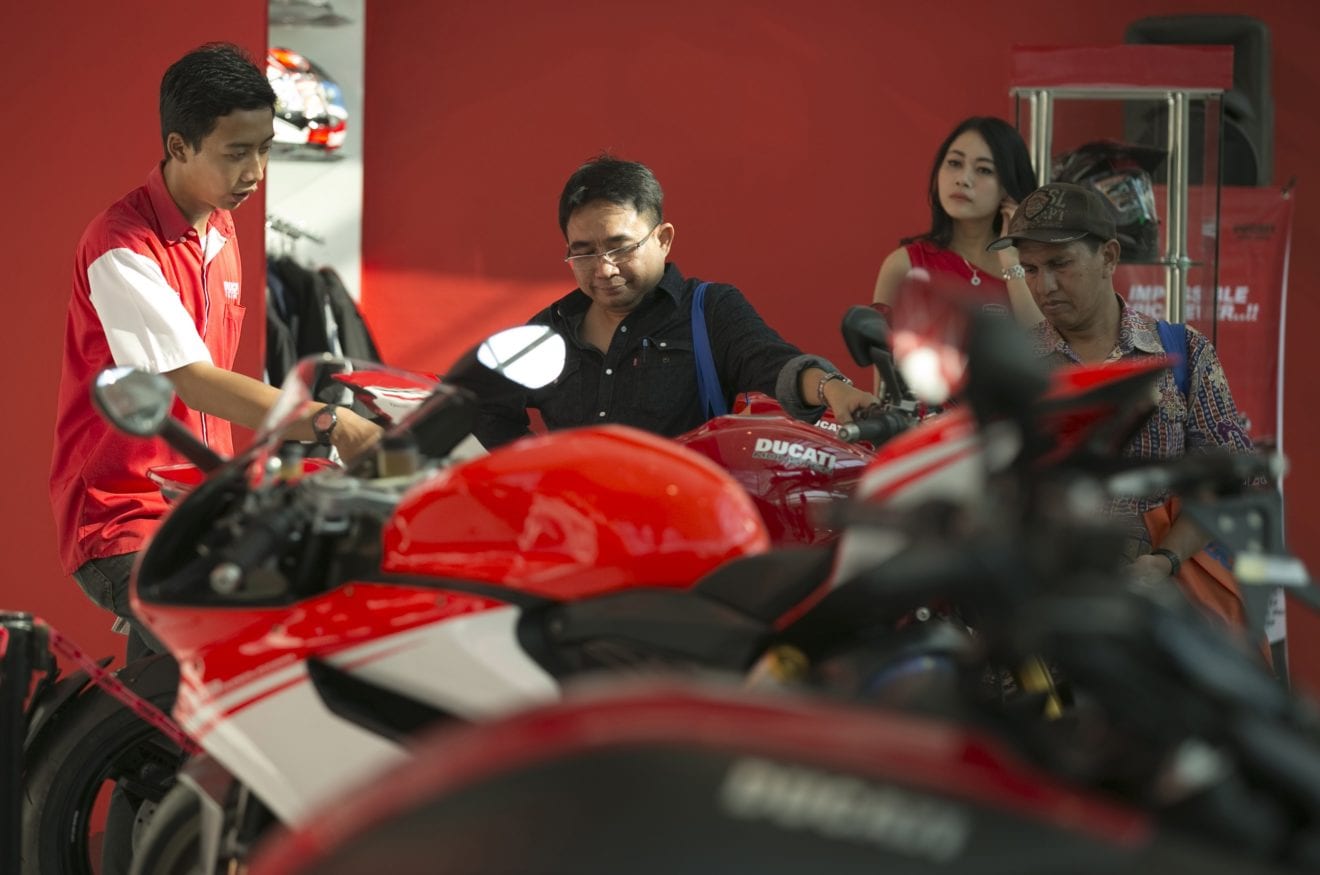
    Indonesia is seeing a surge in motorcycle exports. From January to August 2015, the export volume reached 123,790 units, soaring from only 9,000 units in the same period last year.

    Meanwhile in 2013, the export volume of motorcycle reached 27,135 units, the Indonesian Motorcycle Industry Association (AISI) said.

    This year’s export volume as per August accounts for 2.85 percent of the total sales, which amounted to of 4.34 million units.

    AISI Chairman Gunadi Sindhuwinata said ahead that if the national motorcycle industry can keep up with the growth rat—with each brand maintaining their export commitment, Indonesia could overtake Thailand’s achievement. Thailand currently has a balanced market between exports and domestic sales at 50:50.

    “In the future, Indonesia could overtake Thailand’s exports [ratio] that has reached 50:50,” he told on Sunday, September 9.

  • “In Style – Hong Kong” Promotion Opens in Jakarta

    “In Style – Hong Kong” Promotion Opens in Jakarta

    The mega “In Style – Hong Kong” campaign kicked off in Jakarta today with the launch of a citywide promotion at the Grand Indonesia Shopping Town mall, showcasing a range of Hong Kong fashion, food and lifestyle attractions until 20 September.

    Organised by the Hong Kong Trade Development Council (HKTDC), “In Style – Hong Kong” also includes a Hong Kong branded product expo (17-19 September) for trade buyers and a services symposium (17 September) featuring business insights, networking, business matching and consultation services. An invitation-only gala dinner will be held on 17 September for 500 members of the business community.

    The multilayered promotion aims to enhance the already strong trade links between Hong Kong and Indonesia. Hong Kong is consistently rated as the world’s freest economy by the United States-based Heritage Foundation while Indonesia is the world’s fourth-most populous nation. In 2014, bilateral trade between Hong Kong and Indonesia reached US$5.16 billion.

    “In Style – Hong Kong” is an expansion of the successful Lifestyle Expos held by the HKTDC in Jakarta over the past three years, whereby Hong Kong’s innovative and quality products were featured to Indonesian buyers. This year’s event will highlight ways Indonesian companies can partner with Hong Kong to capitalise on the new business opportunities in Asia, especially China. It also showcases Hong Kong’s unique, vibrant lifestyle trends to local consumers through the citywide promotion.

    Citywide promotion – connecting with Indonesian consumers

    The centerpiece of the citywide promotion is a Hong Kong galleria at the Skybridge in Grand Indonesia Shopping Town (14-20 September), spotlighting Hong Kong fashion, food and lifestyle products. Some of these offerings were showcased at two product parades during today’s on-site press conference.

    A unique combination of Indonesian batik and Hong Kong design will also be on display at the Skybridge from 18-20 September. Under the title of “Batik Crossover”, and sponsored by leading Indonesian textile and garment company Sritex, this innovative programme features six batik fashion collections by renowned Hong Kong designers; Lulu Cheung, Walter Kong and Jessica Lau, Walter Ma, Aries Sin, Harrison Wong and Cecilia Yau.

    The citywide promotion also includes retail and gourmet specials at venues across Jakarta. A “Hong Kong Gourmet” campaign, with a webpage featuring more than 10 Hong Kong-style restaurants in Jakarta, has been launched on OpenRice Indonesia’s portal. The “OpenSnap Photo Competition” (www.opensnap.com/hktdc) is also being organised to encourage patrons to dine at participating restaurants.

    Indonesian-operated bistro chain Hong Kong Cafe is offering a three-course gourmet menu created by Hong Kong celebrity chef Walter Kei for “In Style – Hong Kong”. Dim sum specialist Tim Ho Wan is offering complimentary desserts while traditional Hong Kong-style milk tea is also available at the Chatime Indonesia takeaway beverage chain. The tea is brewed using blended tea leaves from Hong Kong beverage company Kampery.

    Meanwhile, a “Hong Kong Lifestyle Products” promotion is underway in Jakarta, with Hong Kong fashion brands such as G2000, Giordano and Staccato offering discounts and other consumer incentives.

    Main events to open 17 September

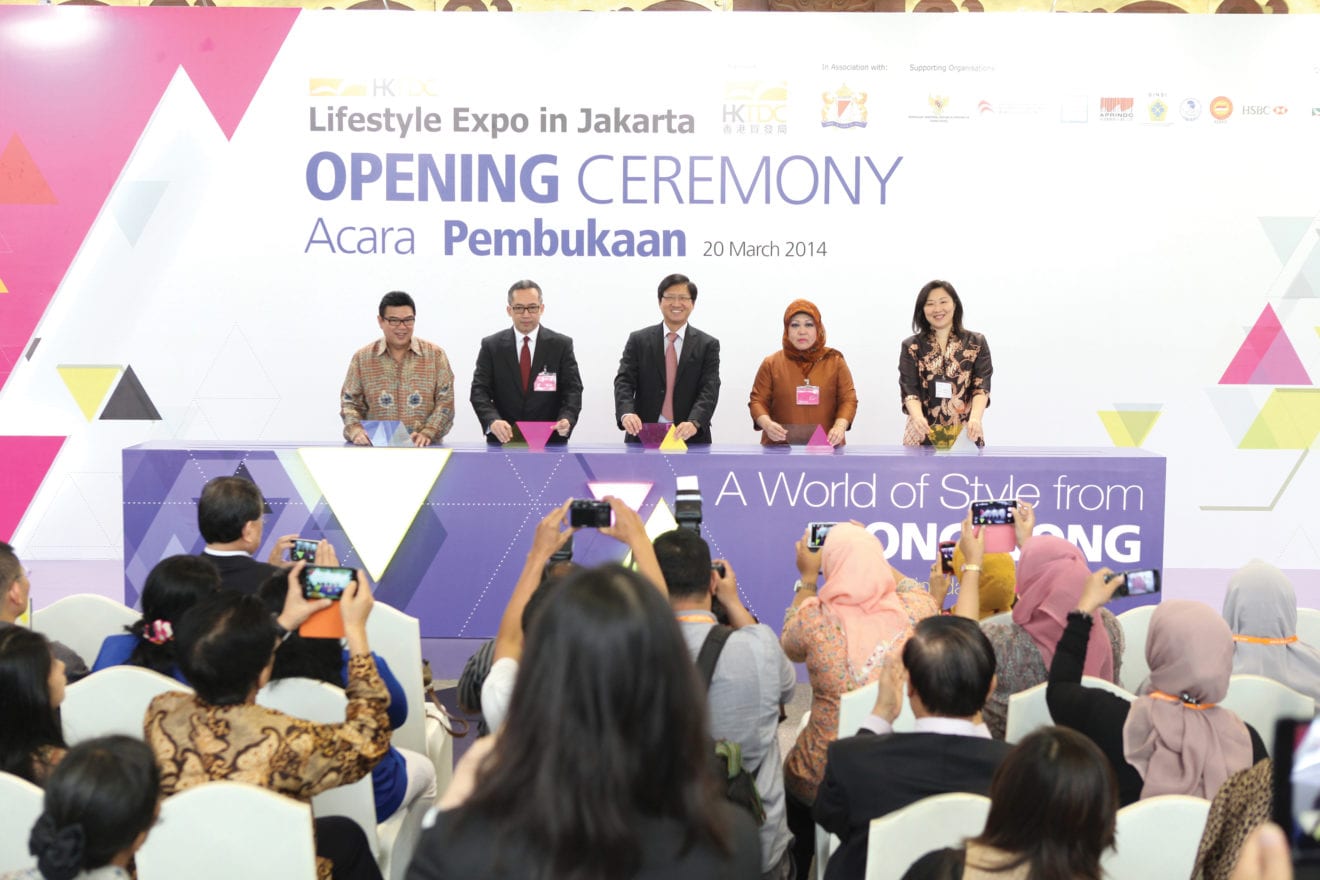
    The Chief Executive of the Hong Kong Special Administrative Region (HKSAR), Mr C Y Leung and Vice President of the Republic of Indonesia Mr H M Jusuf Kalla are expected to be guests of honour at the Opening Ceremony of the “In Style – Hong Kong” expo and symposium on 17 September.

    The expo is expected to attract about 10,000 trade buyers, importers, distributors, retailers, brand agents, franchisees, department stores and specialist vendors. It will be held at the Jakarta Convention Center from 17 to 19 September, presenting myriad opportunities for buyers to source the hottest styles and trends from Hong Kong.

    More than 190 participating companies will feature Hong Kong lifestyle products in four major themed zones as well as a display of award-winning pieces. The four themed zones are; fashion and fashion accessories (including Bossini, Cocomojo and Mastermind), jewellery and watches (including Chow Tai Fook, TSL Jewellery, Memorigin, Cosi Moda, Saga, Edwin and Charles Hubert), gifts and houseware (including Lexington, PO: Selected, Biba Toys, Kid Galaxy and Kinox), and consumer electronics (including Goodway, Gold Peak and SAS Lighting). Meanwhile, the Hong Kong Design Award Display Zone, titled “Fame – In Style” will showcase a range of award-winning products to highlight Hong Kong’s creative and design capabilities, while buyers can place low-volume orders of five to 1,000 pieces at the hktdc.com Small Orders display.

    Symposium provides global business insights

    The day-long symposium will be held at the Jakarta Convention Center for an expected 1,000 participants, mainly Indonesian businesspeople. It will feature a main symposium and five thematic sessions highlighting ways Hong Kong services, including financial services, legal and arbitration, design and branding services, digital marketing and ICT services, can help Indonesian companies expand their business in Asia, and especially the Chinese mainland.

    Distinguished speakers at the symposium include the Secretary for Justice of the HKSAR, Mr Rimsky Yuen SC; Armando Tolomelli, CEO, Prada Asia Pacific; Y K Pang, Director, Jardine Matheson Holdings Ltd; Royce Yuen, Founder & CEO, New Brand New Ltd; Kent Wong, Managing Director, Chow Tai Fook Jewellery Group Ltd; Peter Lo, Chief Country Officer, Deutsche Bank AG Hong Kong; Tommy Li, Creative Director, Tommy Li Design Workshop Ltd; Peter Mack, Executive Director, Marketing, Landor Hong Kong; and Jason Chiu, CEO, Cherrypicks.

    The symposium will also feature a mini-exhibition where 18 Hong Kong services providers and trade organisations will provide on-site business consultations. The CreateSmart Initiative*, administered by Create Hong Kong of the HKSAR Government, sponsors the participation of some of these exhibitors from various creative sectors in the symposium and their market visit in Jakarta on 18 September.

  • Pedder Red Launches E-Commerce Site

    Pedder Red Launches E-Commerce Site

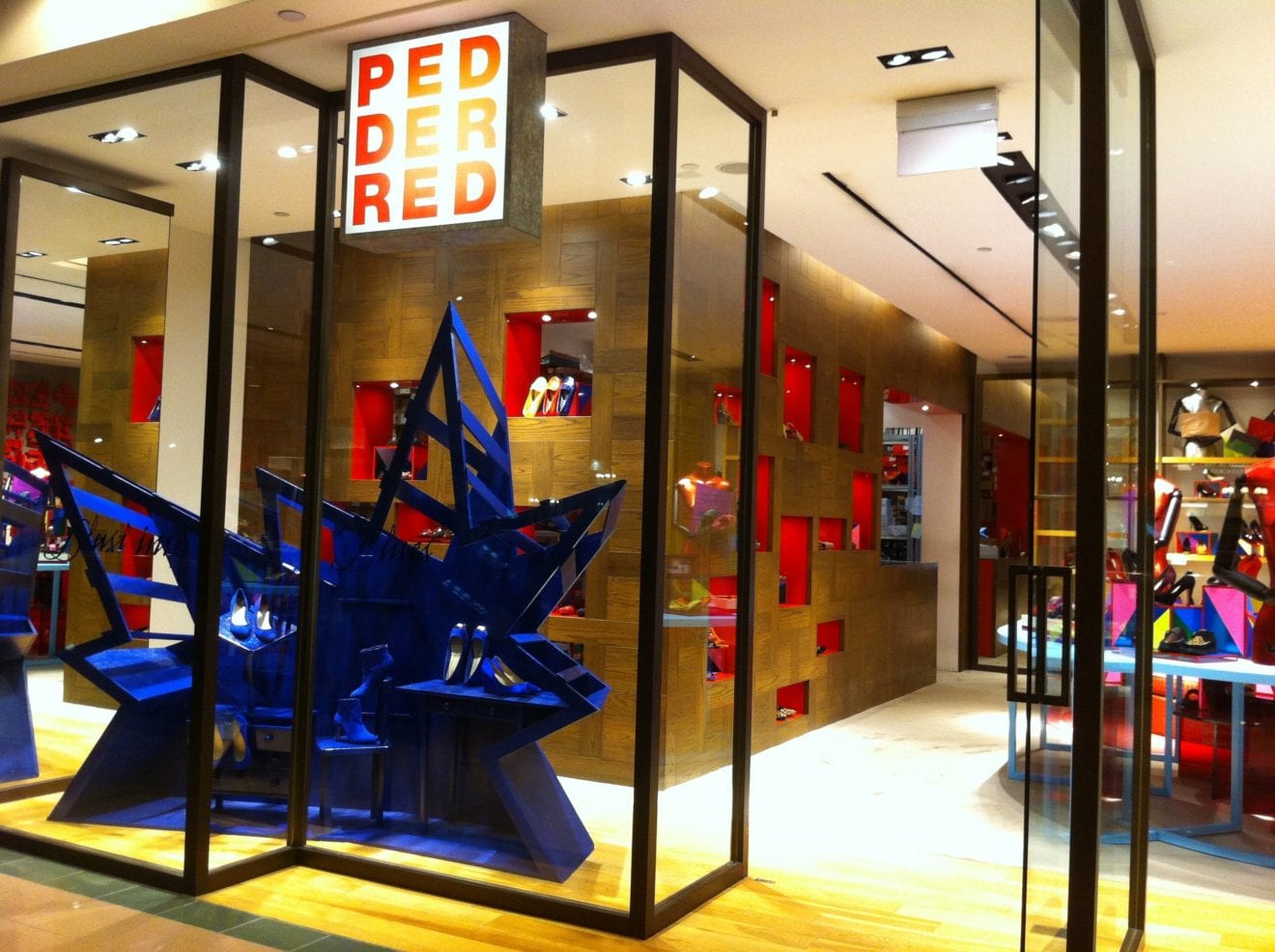
    Pedder Red, Pedder Group’s in-house private-label that specialises in contemporary shoe fashion, is proud to announce the launch of its e-commerce site, pedderred.com, offering free shipping & returns to customers in Hong Kong, Macau and Singapore.

    The site will carry all Pedder Red releases including more than 70 styles of edgy pumps, popular skater slip-ons, stylish booties and handbags. The “TRENDS” section will display a frequently refreshed, curated selection of popular and best-selling items; while the “SHOE WANTED” section highlights the season must-haves. Pedderred.com also offers online-only pre-ordering on key items and special promotions.

     The online store launches with Pedder Red’s Autumn/Winter 2015 collection titled “Who Cares”. Celebrating modern femininity with a salute to the rebellious, carefree attitude and style of street fashion, the collection includes exquisitely designed shoes using materials such as studs, zippers, crystals, neoprene and tweed as well as modern and chic prints like leopard and plaid.

    “Pedder Red fans can now shop anytime, anywhere,” said Peter Harris, President of the Pedder Group. “It is with great enthusiasm that we launch pedderred.com, extending our brand access from our store network to the wider world of omni-channel retailing, connecting to our existing and new audiences, continuously growing the Pedder Red community of shoe lovers.”

  • New iPhone ‘will boost Hong Kong’s retail sales’ with mainland China demand a plus

    New iPhone ‘will boost Hong Kong’s retail sales’ with mainland China demand a plus

    Previous iPhone launches have seen long queues in the city, as traders snap up the latest model weeks or months before it is sold across the border. The iPhone 6S will be offered in both markets on September 25, but prices are likely to be 15 per cent lower here, and with limited supply and strong demand, resellers still hope to cash in.

    ANZ senior economist Raymond Yeung said sales of the phone “will give an obvious short-term boost to retail sales and help top-line retail sales in September and October”.

    Lo Lau, owner of a Mong Kok smartphone shop, expected the new phone – with official prices starting at HK$6,388 – to fetch HK$11,000 to HK$20,000 at resale. A street trader said he planned to charge a minimum of HK$12,000 for a 16GB iPhone 6S Plus, the cheapest of the new Apple range.

    Demand for the iPhone has driven record profits for Apple in the past. Speaking at the unveiling of the new model, chief executive Tim Cook said the iPhone market in China had grown 75 per cent year-on-year, compared with 35 per cent globally.

    China is Apple’s second-largest market after the Americas, bringing in US$13.2 billion in the latest quarter, up 112 per cent on the same period last year.

    While ANZ’s Yeung thought the iPhone would have a positive effect on Hong Kong’s retail sector, he warned the overall outlook remained weak. A reduction in tourism and domestic consumption has dragged down sales, while a strong Hong Kong dollar, pegged to the US dollar, has reduced the spending power of overseas visitors, ANZ says.

    At the Apple store in Causeway Bay yesterday, some shoppers who still formed long lines to buy the current generation of iPhones expressed excitement about the new model.

    “I was using the [iPhone] 5, so I need to upgrade to the new one. At least my phone has some resell value, so I can go ahead and trade,” said Joseph Tsang Ka-ho, 40, who was visiting the store to learn more about the 6S.

    But 26-year-old Terry Lam King-wai was less impressed.

    “There’s not much difference between the old and the new iPhone 6S. The appearance is the same, but with a new colour,” he said. “I’ll probably wait for the next generation.”


  • Chinese couples spend big in Korea

    Chinese couples spend big in Korea

    Korea is becoming a major destination for young Chinese couples looking to splurge on expensive items for their upcoming marriages.

    Chen Yi, 34, and Chai Xuefang, 30, who recently visited Seoul from Shandong province, China, are typical of the growing number of couples who are sparing no expense to make their big day special.

    The two bought two Vacheron Constantin wristwatches worth 100 million won ($84,350) each at the Hyundai Department Store in Apgujeong, southern Seoul. They also bought a two-carat diamond ring for 60 million won.

    “A lots of Koreans are preparing for their weddings at Cheongdam-dong [near Apgujeong in the posh Gangnam District],” said soon-to-be-wed Chai. “We plan to get wedding consulting [here in Seoul] exclusively for Chinese people.”

    Another Chinese couple, Yang Xiaoliang, 30, and his fiance Xu Jingjing, 27, last month bought a 10 million won Thom Browne suit for men and two Rolex wristwatches for the couple worth 150 million won each at the same Hyundai Department Store in Apgujeong. They purchased the items ahead of a wedding photo shoot at a studio in Cheongdam-dong.

    The Korean retail and hotel industry is taking notice of the growing number of Chinese couples who are spending big in Seoul to prepare for their weddings.

    They have become major customers who are spending large on high-end wedding gifts, including jewelry, wristwatches and designer suits and dresses. Majors stores are already catering to the growing demand.

    Hyundai Department Store’s Apgujeong branch plans to provide a wedding consulting program exclusively for Chinese couples, and have already enhanced other services for young Chinese customers. Since last month, they have provided a free delivery service where electronic appliances and furniture purchased by Chinese couples can be dropped off at their front door in China. The service has a limit of 30 kilograms (66 pounds) per person.

    Lotte Duty Free recently started a service where items purchased at its shops can be delivered from the Chinese airport to their homes.

    “We get a lot of inquires from Chinese tourists who come to Gangnam [District] to get wedding consulting,” said Lee Hyun-sook, a foreigner-exclusive concierge at Hyundai Department Store. “They shop after asking every detail, such as which brand Koreans most prefer for their own wedding gifts.”

    China Union Pay credit card purchases made by Chinese on imported brands such as Tiffany’s and Cartier soared 91.3 percent in the first eight months of this year compared to the same period last year at Hyundai Department Store. Purchases on furniture, electronic appliances and household goods saw a huge growth of 134.1
    percent.

    Shinsegae Group is widening its marketing strategy to attract soon-to-wed Chinese couples in its department stores and other major affiliates, including its discount store E-Mart and its hotel business Westin Chosun.

    Shinsegae Group invited two couples from Shenyang and Tianjin to Seoul, where they will get a wedding photo taken at the Cheongnam-dong studio that took wedding pictures for famous Korean actresses Jun Ji-hyun. They will also get the chance to experience a traditional Korean wedding ceremony at the Westin Chosun Hotel and shopping at E-Mart and the retail group’s other outlets. The cost is 15 million won per person.

    “We plan to secure the lead in grabbing Chinese couples visiting Korea to get wedding services during the most popular wedding seasons for the Chinese, which starts this month and leads up to the end of the year,” said Shinsegae CEO Jang Jae-young.

    Wedding gifts, including high-end wristwatches, jewelry and designer bags, accounted for 60 percent of all sales made by Chinese tourists at Shinsegae Department Store during China’s May Day, from April 25 to May 3.

    Hotels are also recognizing the growing trend.

    Plaza Hotel last month introduced a wedding package where a hopeful groom can make a proposal at the hotel’s restaurant.

    The package includes a studio wedding photo shoot that comes with makeup from a company that many Korean female celebrities like Han Ye-seul and Han Hyo-joo frequently use. The price tag on the three-day package is 7 million won including flight tickets.

    Lotte Hotel is offering a package targeted at Chinese customers that includes not only the wedding photo and makeup but also a proposal ceremony and spa. The cost for the three-day program is 11.8 million won.


  • Alibaba feels China pain as it trims sales forecasts

    Alibaba feels China pain as it trims sales forecasts

    E-commerce giant Alibaba has succumbed to the crisis gripping the Chinese economy a year after the company became the world’s biggest float.

    Founder and former English teacher Jack Ma became an overnight billionaire when Alibaba launched on the New York Stock Exchange in September 2014, as the firm raised a record-breaking $25 billion (£16.3 billion) in a float valuing the company at $186 billion.

    Alibaba is the biggest player in the Chinese e-commerce market — where spending is set to hit $1 trillion by 2019 — accounting for 80% of online sales in China.

    The firm is also among the top picks of UK retail investors, according to fund manager Hargreaves Lansdown.

    But the company admitted today that a weakening Chinese economy has taken its toll on business, as it slashed forecasts for the total value of transactions it expects to take place in the current quarter.

    This will now be “mid-single digits lower” than the giant’s initial estimates for the quarter.

    Alibaba’s head of investor relations, Jane Penner, said consumers were still willing and able to spend but that the company had been seeing a “negative impact of the magnitude of the spending”. Average order values are also lower, Penner added.

    What is Alibaba?

    The latest fears over the e-commerce giant come a month after it reported its slowest growth in transactions for more than three years.

    Shares in the company are now below their $68 float price after a near-5% slump overnight to $60.91. The stock has halved since the end of May, when Alibaba’s shares hit $119 — valuing the company at a staggering $300 billion.

    The latest bad news out of China comes hard on the heels of a dramatic slump in imports — fuelling fears of a hard landing for the world’s second biggest economy — and a month of turmoil in global stock markets following Beijing’s sudden devaluation of the yuan.

    China also cut its official growth estimates for 2015 this week. China has also cut interest rates five times since November and intervened directly to stem plunging stock markets.

    Rathbones investment director Jane Sydenham said: “Investors are beginning to adjust to what was initially quite a shock in terms of the renminbi devaluation, share repurchases — normally those kind of activities on the part of central banks signal something really quite serious.

    “It’s taken some time for investors to adjust to the fact that clearly, growth is slowing, perhaps more than we’d thought.”

    Despite the gloom from Alibaba, shares rallied in China for the second day running on hopes of more government stimulus.

    Asian markets rose on Wednesday

    Shanghai’s main market gained 2.3% after the finance ministry set out plans to boost infrastructure spending and speed up reform of its tax system to support the economy.

    Japan’s Nikkei also saw its biggest single gain in seven years — rising 7.7% — as markers rallied on comments from prime minister Shinzo Abe raising hopes of a corporate tax cut and a new trans-Pacific trade deal.

  • GSS shoppers spent $2b using MasterCard this year

    GSS shoppers spent $2b using MasterCard this year

    Despite slowing tourism growth and competition from online re- tailers, shoppers shelled out a five-year high of $2.12 billion using their MasterCard cards at the Great Singapore Sale (GSS) this year.

    The amount spent during the eight-week event, held from May 30 to July 26, was a 2.2 per cent increase from last year, the credit card company said on Monday.

    The number of transactions made during the sale between its cardholders and Singapore merchants also rose by 7.3 per cent to hit more than 14.5 million.

    The growth was fuelled mainly by tourists, who spent 15.3 per cent more and used their cards 21.8 per cent more than they did last year.

    This was despite falling tourist numbers. According to Singapore Tourism Board figures, visitor arrivals from January to June this year were 7.26 million, down 3.4 per cent from the same period last year.

    In contrast, Singapore-based cardholders spent slightly less than they did last year – $1.41 billion, down from last year’s $1.46 billion – although transaction numbers grew 2.6 per cent to 10.5 million.

    Nonetheless, these cardholders made up two-thirds of the amount spent in all by MasterCard users.

    Singapore Polytechnic senior retail lecturer Sarah Lim said the sale, now in its 22nd year, may have lost its shine among Singaporeans.

    “Some retailers hold sales throughout the year. So to locals, GSS may not be something special,” she said. “But to tourists, the GSS is quite established and is something they look forward to, so their objective is to spend when they are here.”

    The top five countries where most of the shoppers came from remained the same as those last year. Australia, Malaysia and China retained the top three positions, while Indonesia overtook Japan to take the fourth spot.

    Of the five, those from Indonesia spent the most at department stores, while the rest splurged at restaurants and eating places.

    Local online merchants were not left out, with Singapore-based cardholders spending $303.5 million online during the sales period, a 5.6 per cent increase from last year.

    Rakuten, which held a one-week sales campaign during the GSS, saw revenue rise by over 350 per cent, while site traffic was up by nearly 90 per cent. “Rakuten is definitely keen to participate in next year’s Great Singapore Sale,” said Mr Masaya Ueno, general manager of Rakuten Singapore online shopping.

    The growth in spending shows that the annual GSS remains attractive to tourists, said MasterCard Singapore group head and general manager Deborah Heng, adding: “What’s interesting is that, this year, we are seeing dining places emerge consistently as a top spend category for visitors, an indication that fine dining may be growing in appeal for travellers to Singapore.”

    Said Ms Jannie Chan, president of the Singapore Retailers Association, which organises the GSS: “With its well-established branding, the GSS has remained an essential pillar in driving spending and generating a positive impact on our economy.”

    Filipino accountant Charmaine Garcia, 37, who visits Singapore twice a year, said she looks forward to the GSS for its good deals. “I like to shop for shoes, clothes and bags and, during the sale, there are discounts not just on the old stock, but on the newer range of items, too.”