Author: Mei Ling Tan

  • K-beauty brand Hera uses DFS as testbed

    K-beauty brand Hera uses DFS as testbed

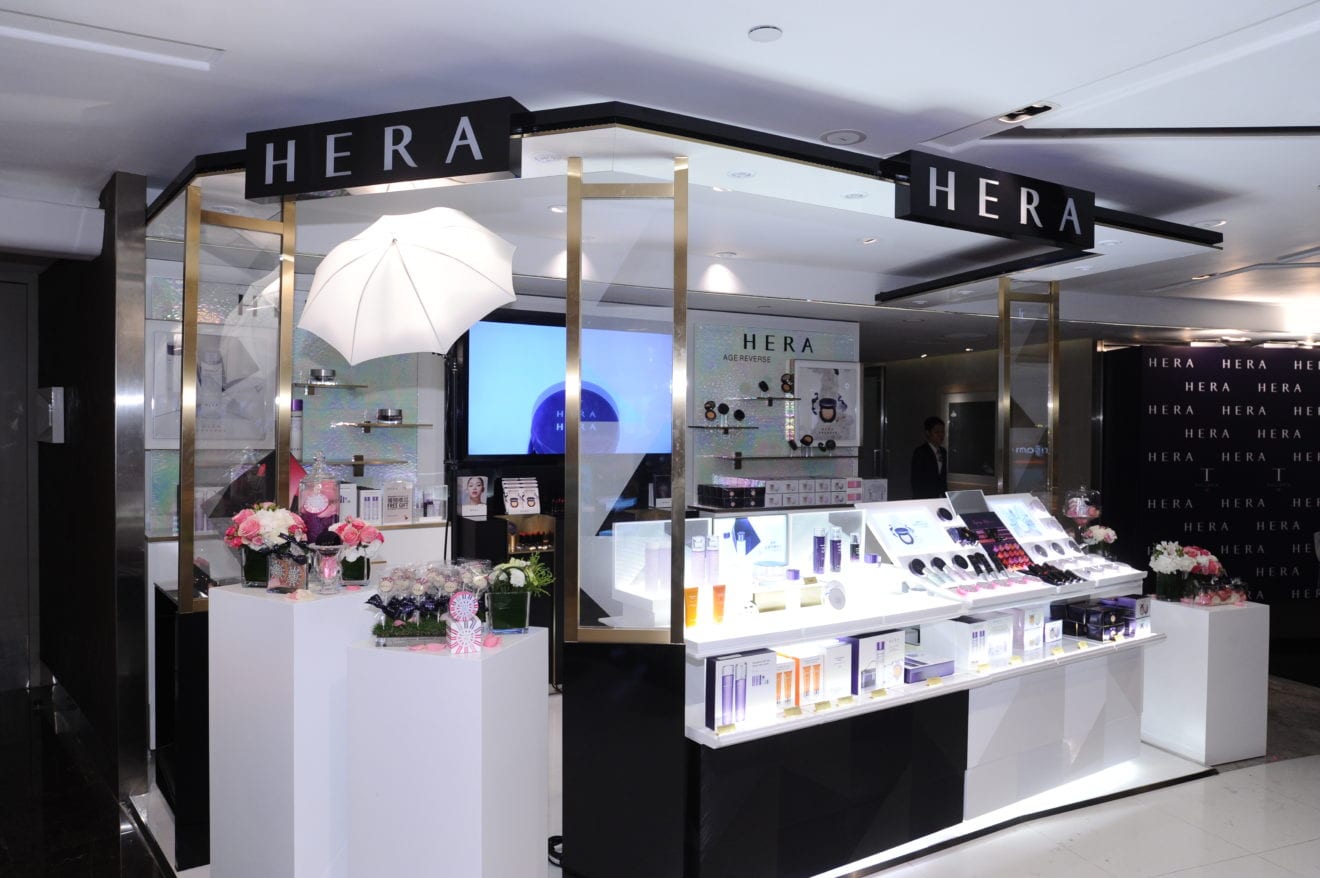
    Luxury duty free and travel retailer, DFS Group, has opened pop-up stores in Hong Kong for the K-beauty brand Hera which the latter is using as a testbed for the global market.

    The T Galleria by DFS on Canton Road houses four pop-ups, with a launch in early August in the presence of Hong Kong actress Charmaine Sheh and Korean movie star Park Eun Hye. Hera’s head make-up artist, Jinsu Lee, was on hand to share beauty tips to achieve the signature K-beauty Seoulista look.

    BRIDGE TO ASIAN MARKETS

    Hong Kong is the largest cosmetics market in Asia and Hera’s first-ever pop-ups are expected to be a bridge to other Asian countries. The DFS units  bestselling fan-favourites, including the Olympia Le-Tan UV Mist Cushion, UV Mist Cushion and Age Reverse Cushion.

    Hera is known in Korea for cutting-edge technology and is popular with women looking to emulate increasingly popular K-beauty styles seen in K-pop music and K-drama TV shows.

    Jinsu Lee will offer Seoulista make-up demonstrations as well as touch-up services to customers with the stores are in place. All four pop-ups will offer a limited supply of product kits to customers with a minimum purchase.

  • UAE retail look to local consumers as Chinese and Russian tourists drop

    UAE retail look to local consumers as Chinese and Russian tourists drop

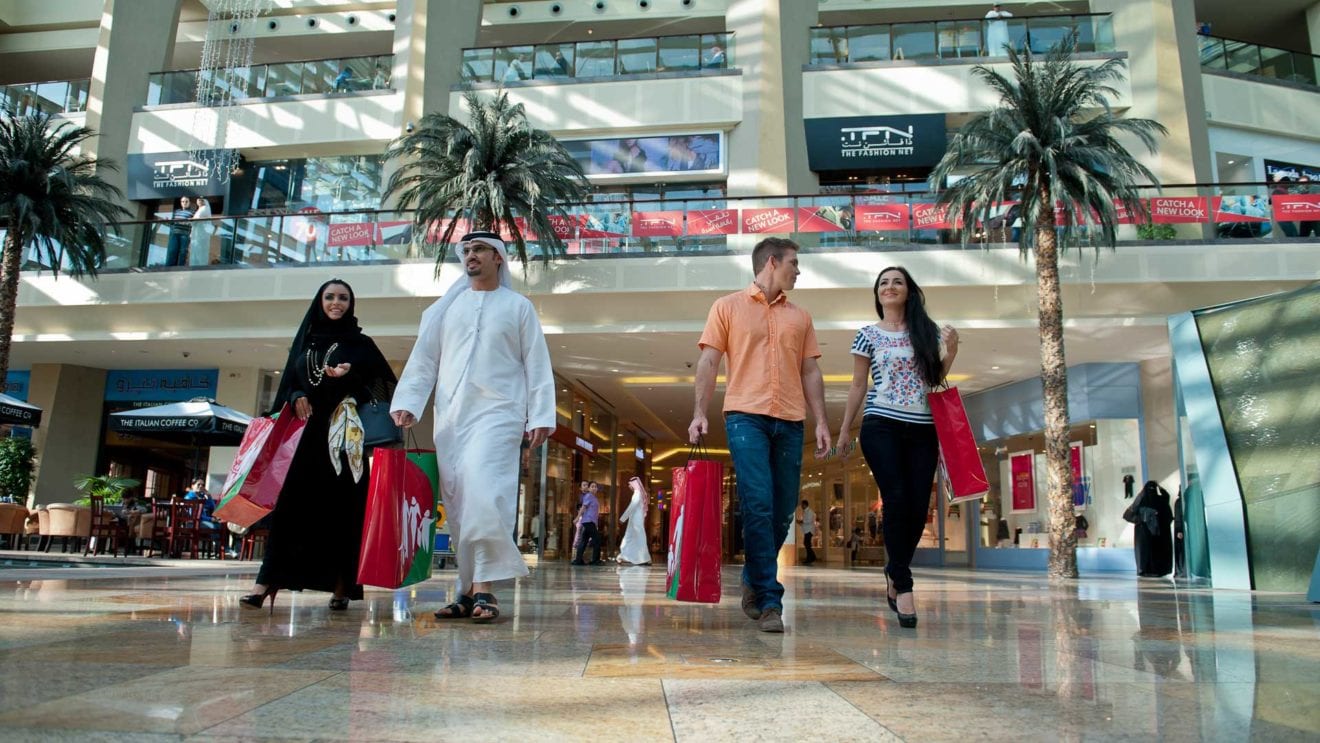
    Spending by Russian and Chinese tourists traveling to the UAE has declined recently and it is hurting not just the luxury shops in Dubai’s sprawling malls but other businesses as well.

    Nasir Mansoor, who manages vehicle rental service company Fast Rent A Car in Dubai, said that this year has been very challenging for them because the number of customers from the two countries has dropped significantly.

    During the peak period, around seven or ten Fast cars would be taken out for a drive by Russian tourists, while Chinese visitors would fill ten tourist buses a week. These days, the rental company is able to rent out, on average, only one car to a Russian customer, while Chinese tourists have dropped to two busloads a week.

    “The Russian tourists play a vital role in [our] car rental [business]. In the past six months, we have seen a noticeable decline in Russian customers who would benefit mostly from our daily and weekly rental services,” Mansoor told Gulf News.

    “Chinese tourists used to bring in business of up to ten bus tours weekly, while today, that number would approximately stand at around two tour trips,” he added.

    The national currency in Russia has been showing its weakness since last year, losing half of its value against the US dollar. The decline has made traveling abroad more expensive for Russians who earn in roubles. At the same time, the economic slowdown in China, coupled with the recent devaluation of the yuan, is not playing well with outbound tourism.

    According to Network International, overall credit or debit card spending by Russian and Chinese shoppers in the UAE dropped by 30 per cent and 22 per cent, respectively, during Ramadan compared to the same period last year. Jones Lang LaSalle noted in its latest report that retail sales in the UAE have slowed down, particularly in the luxury segment, as tourist spending from Russia has declined.

    More visitors are still traveling to the UAE, but arrivals from Russia and the Commonwealth of Independent States (CIS) has been weak. The number of Russian passengers arriving in Dubai dropped by 31.7 per cent in March, while those entering via Abu Dhabi declined by 10 per cent in June.

    Dubai Airports attributed the downtrend to the “continuing economic and social concerns in the region, with most major cities including Moscow, Kiev and St Petersburg recording fewer passengers.”

    “[This is] due to the factor that the rouble’s value has gone down in Russia and there is an economic downturn in China due to export slowdown,” noted Karan Patel, marketing manager for Middle East at 2GIS UAE, a map service comprising detailed business listings and public transport guide.

    The app developer provides map downloads to visitors in the UAE and used to attract huge customer traffic from Russian and Chinese travelers. Recently, however,  “application downloads” are on a decline, owing to the slump in tourist numbers.

    Russian and Chinese foot traffic is also declining at Shoexpress shops in the UAE. Jithan Harichand, the company’s retail operations manager, said that, given the rising cost of living in the UAE, domestic spending isn’t enough to make up for the drop in tourist spending.

    “The past year has been tough economically across the Middle East, Europe, especially Russia and China, thus tourism [has slowed down]. Tourists tend to spend cash in value retailers, thus with the [downtrend], we are dependent on UAE residents,” said Harichand.

    “[But] with inflation in UAE, residents have limited disposable income to spend locally.”

    Anuraag Sinha, managing director of Liali Jewellery in Dubai, said they used to get a lot of business from Russian tourists,  but with the decline in visitor numbers,  sales at their outlets in premium locations have slowed down.

    “The actual drop in the sales value in our sector is high because the tourists that have replaced some of the Russian and other high-spending tourists are not spending as much as the Russians did,” Sinha said.

    “While our stores in certain five and seven-star locations and resorts have suffered, our overall sales have grown as our main focus has been on brand building.”
     

  • Store’s e-receipts pay off with cash-saving extras

    Store’s e-receipts pay off with cash-saving extras

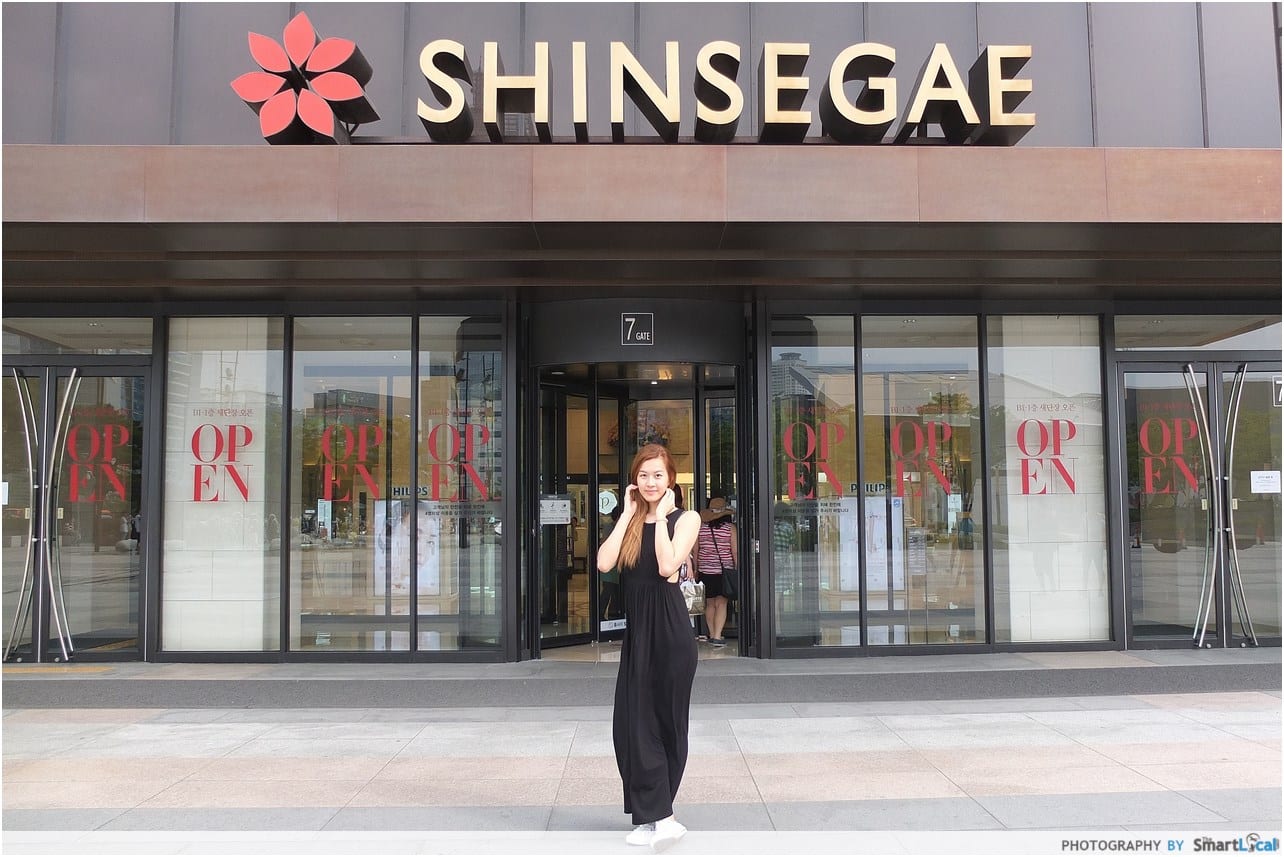
    Shinsegae Department Store is set to launch a new smartphone app that offers online and offline shoppers e-receipts with extras.

    While the electronic receipt app avoids the hassle of scraps of paper receipts, it can also provide discount coupons and make it easier for customers to park cars.

    Scheduled to launch on Friday, the retailer said the app will help it engage with customers and potentially learn consumer shopping habits from the digital records, and make exchanges or returns easier.

    Retailers outside of Korea have already adopted e-receipts, but local shops have been slow to utilize the system.

    Global marketing company Epsilon International said the e-receipt is “an innovative communications vehicle for retailers that offer limitless marketing possibilities, providing deeper insight into consumer shopping habits, which can lead to more targeted advertising mailers, promotions and emails.”

    On top of offering e-receipts, the platform will provide information about different sales events and discount coupons, the department store chain said.

    The Shinsegae app will also help the store’s parking service. If a customer registers a car number, they can check the length of time they have spent in the parking lot.

    In the Gangnam and Incheon branch, customers can confirm their parking locations on the app and also get their parking ticket validated for free parking.

    The company said that users are allowed to log in with cell phone numbers instead of having to create IDs and passwords.

    Starting in September, users of the app can also receive a list of bestselling products. In addition to the new features – an upgrade to the old app which gave basic store information – Shinsegae said it will add other services to the platform.

    The retailer also unveiled a pickup service that allows online users to pick up their orders at Shinsegae Department Store.

    The new service is part of “omni-channel retailing” which is used by retail giant Amazon, which is a marketing strategy aimed at bridging the gap between online and offline stores.

    “The boundary between online and offline shopping is getting blurry,” said Hong Jeong-pyo, director at the marketing strategy division at Shinsegae. “Shinsegae launched the services that combine the advantages of online and offline shopping.”

    The release is the latest digital service offered by Shinsegae. The group introduced a new mobile payment system called SSG Pay, where consumers can pay with the app at Shinsegae affiliates, including Shinsegae Department Store and E-Mart, WithMe convenience stores, Starbucks, Premium Outlet and SSG.com.


  • Hong Kong’s unemployment rate rises slightly

    Hong Kong’s unemployment rate rises slightly

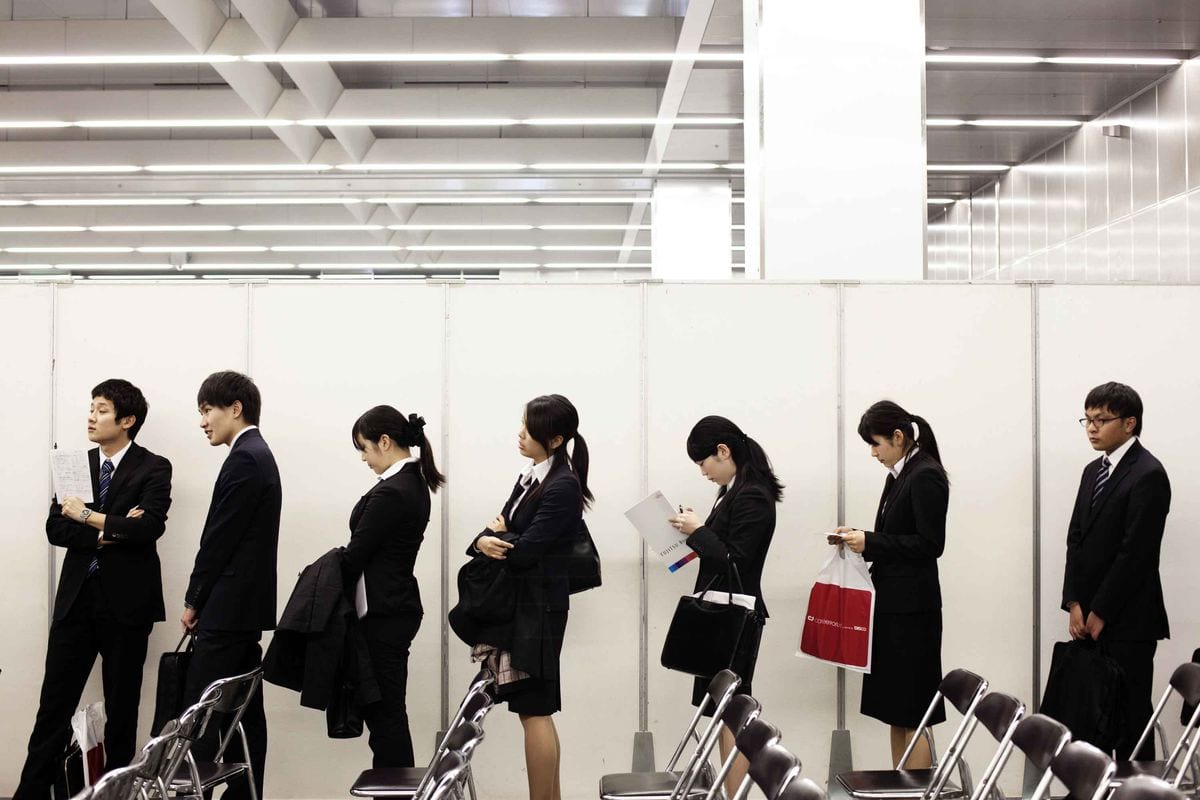
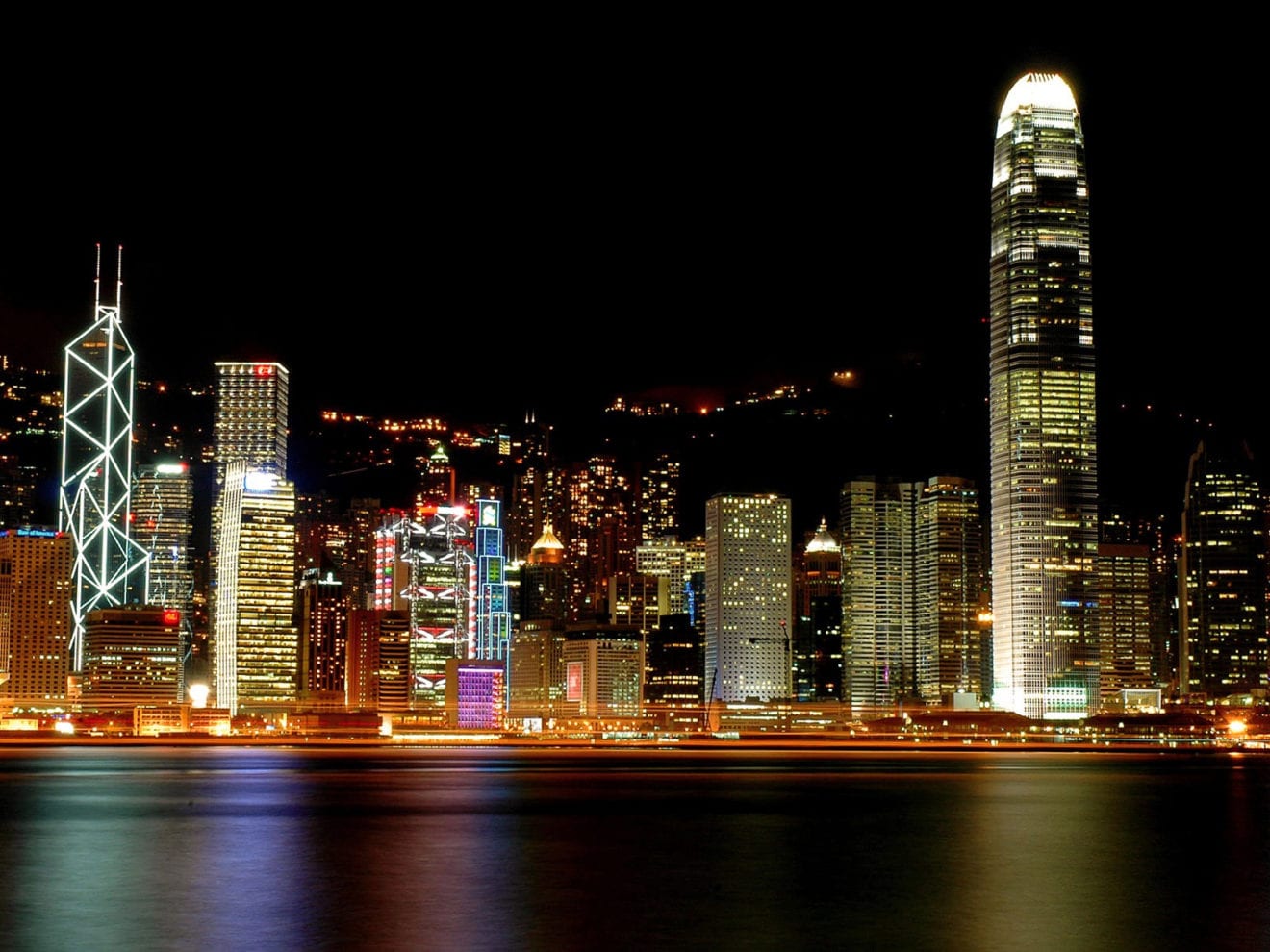
    Fall in the number of tourists and depreciation in RMB has led to a slight increase in Hong Kong’s unemployment figures.

    According to the latest labour force statistics released by Census and Statistics Department yesterday, the city-stat’s unemployment rate increased from 3.2% in April – June 2015 to 3.3% in May – July 2015.

    The underemployment rate remained, however, unchanged at 1.4% in the two periods.

    Commenting on the latest unemployment figures, the Secretary for Labour and Welfare, Matthew Cheung Kin Chung, said an unemployment rate of 3.3% is still at a low level but with a unsteady global financial market and decrease in number of tourist, the situation may get worse.

    The hospitality and retail industries were identified as sectors contributing to this latest rise in unemployment rate.

    The hospitality sector’s unemployment rate stood at 4.4% – a 1.4% year on increase, while the retail sector saw a 0.1 % increase in unemployment compared to  April – June 2015.

    Unemployment rate in the retail sector stood at 4.1%.

    Shedding light into the matter, managing director of AMAC Human Resources Consultants Limited Alexa Chow Yee Ping said the retail sector is currently on hiring freeze.

    “Resigned staff will not be replaced, it will be a quiet market until Christmas,” she said.

    The insurance industry was also found to have recorded a 0.4% increase in unemployment rate to 1.9% in July.

    Roy Cheung Wai Leung from the Hong Kong Insurance Practitioners General Union said high office rent has out insurance companies under a lot of pressure to cut manpower.

    “Take Kwun Tong for example, the rent of Grade-A offices in the area has increased from HK$11 per square feet five years ago to $25 now.  Many companies need to save cost and lay off agents with underwhelming sales performance,” he said.

    Economics academic professor Terence Chong  executive director, institute of global economics and finance  at The Chinese University of Hong Kong had a more positive view.

    He said the end of European debt crisis implies less fluctuation in the stock market.

    “The Hong Kong-Shenzhen stock through train which will take place soon will be a boost to the economy although I expect the employment market to remain weak in the forth quarter, the unemployment rate should go no higher than 3.5%,” he said.

  • EcoWaste Coalition calls for crackdown on fake cosmetics in the Philippines

    EcoWaste Coalition calls for crackdown on fake cosmetics in the Philippines

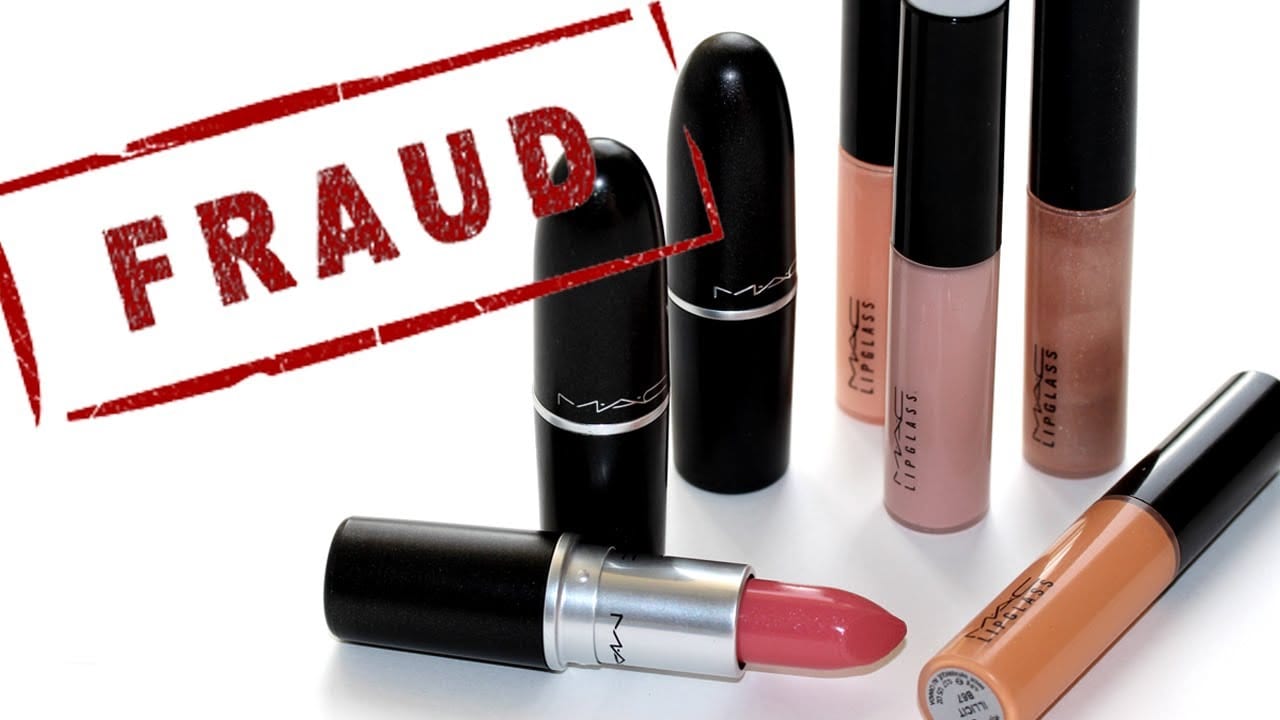
    The call comes after the watchdog found seven beauty and herbal vendors at the Guadalupe Commercial Complex selling cosmetics that had been banned by the Food and Drug Administration.

    Beauty brands Erna, Jiaoli and S’zitang were among the skin whitening creams found to have dangerously high levels of mercury.

    To curb this illegal trade of dangerous products that had no FDA notification, we request the Makati government seize the unregistered items, issue formal warning against non-compliant vendors and/or shut retail outlets engaged in such illicit business,” says Ecowaste project coordinator Thony Dizo.

    In-organic mercury in face cream is absorbed following application to the skin and toxic levels in the body can develop gradually with prolonged use.

    The signs and symptoms of mild to moderate toxicity due to exposure in skin lightening products may include nervousness and irritability, difficulty with concentration, headache, tremors, memory loss, depression, insomnia, weight loss, fatigue, numbness or tingling in hands, feet, or around the lips.

    Nanotech tracker to change how the industry tackles counterfeit goods

    Sydney-based YPB Group announced last year that it had bought tracer patents developed by China’s Dalian Maritime University to pair with its own scanners to determine counterfeit goods.

    The Australian company claims the cheap tool will initially change how the industry will tackle fake goods from China.

     The nanotech tracer is invisible to the naked eye and can only be read by a YPB-developed scanner that costs about $35. The material can be applied to any product and costs less than 50¢.

    According to John Houston, chief executive YPB Group; “Only two people in the world know the tracer formula.” 

    PB Group also acquired Brand Reporter, a US-based start-up that developed a platform for companies to identify and track counterfeit products in the supply chain and at retail points.

    The tracer can be put into fibers, plastics and inks to determine a product’s authenticity,” Mr Houston said.

  • Estee Lauder travel-retail revenue falls

    Estee Lauder travel-retail revenue falls

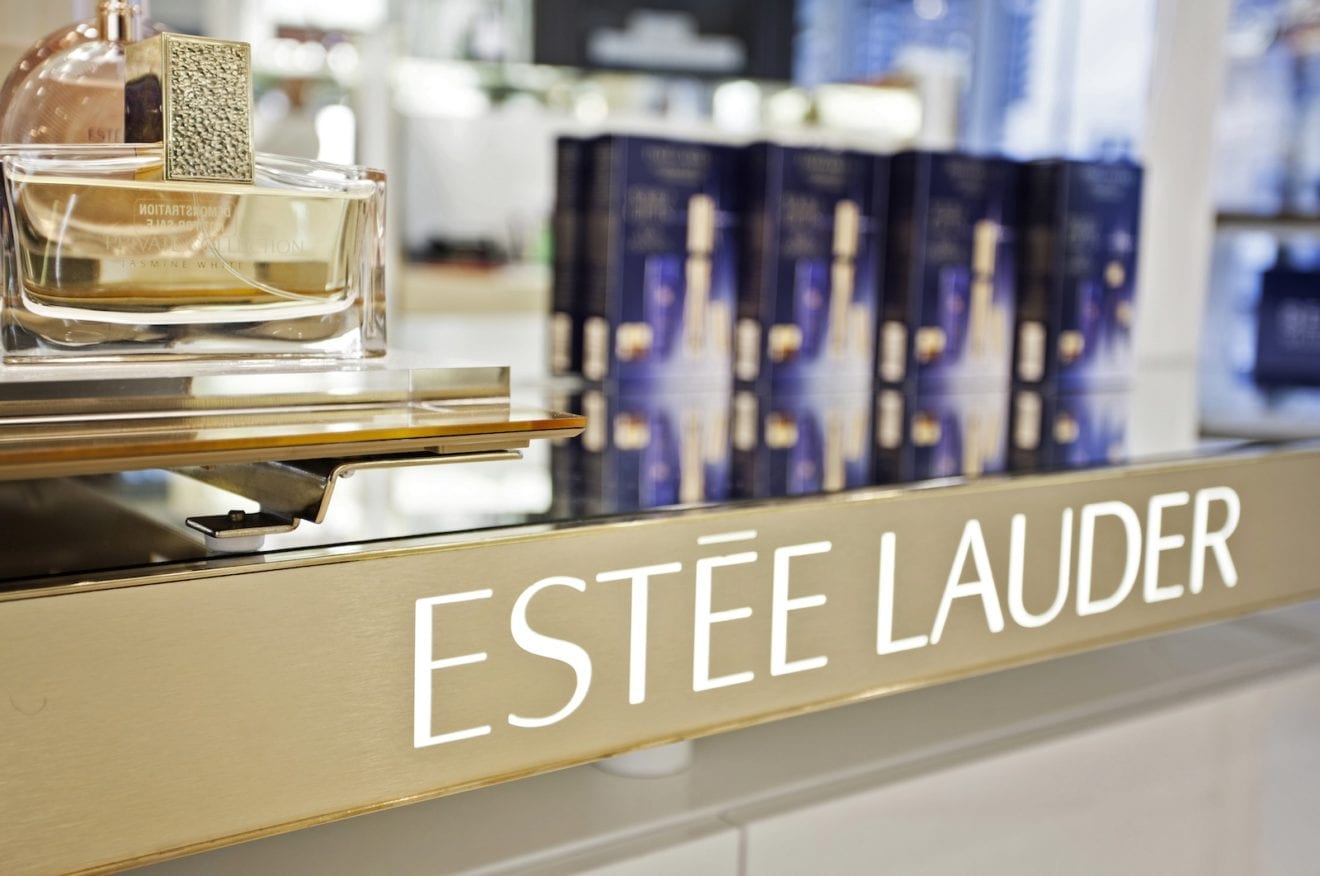
    Cosmetics-giant Estée Lauder Companies reported a decline in travel-retail sales in fiscal year 2015 (ended June 30, 2015), despite an increase in global airline traffic and expanded distribution in the channel.

    The company said that a stronger dollar and the outbreak of Middle East Respiratory Syndrome (MERS), which killed nearly 40 people in South Korea this year, contributed to decline, with travel-retail sales falling by 4% in the last quarter of fiscal year 2015.

    Over 55,000 tourists had cancelled trips to South Korea by the mid-June, according to the World Economic Forum.

    Slower retail growth in Hong Kong and China, as well as a decline in spending by Russian and Brazilian travellers are also expected to impact sales revenue into the 2016 fiscal year.

    The news came as the company also forecasted below-estimated earnings across the whole business for the coming fiscal year, and announced that net sales in the fiscal year ending in June went down to $10.78bn, a 1.7% decrease from $10.97bn the previous year. The company said it missed its 7% growth target because of accelerated sales orders in Latin America and the use of constant currencies to calculate international profits.

    For the three months ended June 30, 2015, the company reported net sales of $2.52bn, compared with $2.73bn the previous year. Skincare products were chiefly affected, with overall sales falling by 16% in Q4.

    However, expanded distribution, including in travel-retail, also helped lift some labels’ revenues. While sales for heritage-brands Estée Lauder and Clinique slumped, the conglomerate’s current global-marketing focus has been on growth for youthful or luxury brands like Smashbox and Tom Ford. Along with Aveda hair-care product, these brands’ expanding travel-retail channels were reported by Estée Lauder Co. to have resulted in year-on-year revenue growth that has helped offset some of this year’s losses.

    The company has said that by adjusting to factors like constant currencies and accelerated orders in the fiscal year 2014, strong underlying growth in the company becomes apparent.

    President and CEO Fabrizio Freda said in the company’s report for the fiscal year 2015 (Q4 and full year): “Together with our powerful brand portfolio and financial discipline we finished our fiscal year with a strong Q4, generating 7% constant currency sales growth, after adjusting for the accelerated sales orders we reported in fiscal 2014.

    He added “For the full year, our adjusted 6% local currency sales growth met our expectations, and we exceeded our earnings per share forecast …Our sales grew at a faster rate than global prestige beauty, due to the success of our multiple engines of growth. Standout performances generated double-digit sales gains in most of our makeup and luxury brands and the online, specialty-multi and freestanding store channels.

    “In fiscal 2016, we expect constant currency net sales growth of 6% to 8% and double-digit earnings per share growth, after adjusting for the accelerated sales orders.”

    Reuters reported on Monday that Estée Lauder Cos Inc shares fell by up to 5.3% to $82.8 per share yesterday, but the value rose to $84.48 today (still down from $90 reported at the beginning of this month). Estée Lauder is currently expanding its travel-retail offering, focusing on colourful, clean brands like Mac and Smashbox, as well as its successful London brand Jo Malone.

  • Wal-Mart says heavy e-commerce investments put a crimp on earnings

    Wal-Mart says heavy e-commerce investments put a crimp on earnings

    The retailer’s global online sales increased 16% in Q2, excluding the impact of the stronger U.S. dollar.

    Wal-Mart Stores Inc. says its heavy investment in e-commerce infrastructure is paying off, with online sales growing by double-digit percentages, but that it hit a rough patch in international online sales and that the spending is weighing on its earnings.

    The retail giant, No. 3 in the Internet Retailer 2015 Top 500 Guide, said Tuesday its global online sales, excluding the impact of the strengthening dollar, grew 16% in the second quarter. But investments in e-commerce are estimated to lower full-year earnings per share by between 6 cents and 9 cents, company officials said. With 3.23 billion shares outstanding, that suggests Wal-Mart will spend between $190 million and $295 million on e-commerce this year.

    “The highlight was solid growth in the Walmart.com and SamsClub.com U.S. businesses, while international was soft, due to economic challenges in several of our key markets,” chief financial officer Charles Holley said on the company’s earnings call. The international results led Wal-Mart to revise its e-commerce sales growth forecast for 2105 to the mid to high teens from the previous mid-20s range.

    Wal-Mart also said its e-commerce investments, meant to vie with Amazon.com and other online retailers, are vital given the competitive environment.

    “We’re pleased that the investments we’ve made are helping to improve our business,” CEO Doug McMillon told analysts during the company’s earnings conference call, according to a transcript from Seeking Alpha. “Even if it’s not as fast as we would like, the fundamentals of serving our customers are consistently improving. In this case, our desired changes require investments, which are pressuring earnings this year.”

    Also in the quarter, the retailer opened two automated online fulfillment centers in the U.S., each bigger than 20 football fields, and two more are coming this quarter, said Holley. The centers will serve customers this holiday season and serve as the cornerstones of Wal-Mart’s fulfillment network, he says.

    On the call, Wal-Mart executives discussed its deal, announced last month, to acquire the remaining 49% it did not already own in Yihaodian, a Chinese online grocery retailer that’s been expanding into other categories and is No. 7 in the Internet Retailer 2015 China 500 Guide. Wal-Mart spent $760 million in the quarter to acquire the remaining 49% of Yihaodian, the online retail site in China with 100 million registered users.

    “Our primary goal is to continue to accelerate Yihaodian’s core e-commerce business and maintain strong local Chinese expertise,” Neil Ashe, CEO of Wal-Mart Global e-Commerce, told analysts. “Now that we are the sole owners, we will be expanding our leadership team from within the Yihaodian business, from within Wal-Mart and from the e-commerce industry in China. We will also leverage Walmart’s global reach and scale to better benefit Yihaodian, including global sourcing. China is an exciting, dynamic, large and competitive market. We are excited about our long-term opportunity in China.”

    For the quarter ended July 31, Wal-Mart reported:

    • Net sales of $120.229 billion, relatively flat from $120.125 billion.
    • Wal-Mart did not report online sales but said e-commerce sales increased 16% globally when adjusting for the strengthening dollar, which is reducing the dollar value of sales outside the United States. The total value of purchases on Wal-Mart’s e-commerce sites in 11 countries increased 18% on a constant-currency basis. That includes sales by outside merchants selling on Walmart.com and other sites that offer goods from other retailers.
    • Net income of $3.475 billion, down 15.1% from $4.093 billion in the same period in 2014
    • A decline in operating income in the retailer’s three primary divisions. At Wal-Mart U.S. it was $4.819 billion, down 8.2%; at Wal-Mart International it was $1.277 billion, down 14.2%; and at Sam’s Club it was $428 million, down 13.4%.
  • ZTE Supports Smartfren Launch 4G LTE-Advanced Service in Indonesia

    ZTE Supports Smartfren Launch 4G LTE-Advanced Service in Indonesia

    ZTE Corporation (0763.HK / 000063.SZ), a major international provider of telecommunications, enterprise and consumer technology solutions for the Mobile Internet, is pleased to help PT Smartfren Telecom launch 4G LTE-Advanced network in Indonesia, giving users access to the highest-performance mobile broadband services.

    The new 4G LTE-Advanced, which supports both the FDD-LTE and TDD-LTE standards, was launched commercially by Smartfren in Jakarta on 19 August, and coverage areas already include the 22 major cities of Indonesia. The new network deploys ZTE’s market-leading 4G LTE solutions including eNB (evolved node B), Cloud Radio and eHRPD to deliver the best user experience to subscribers.

    “The nationwide launch of our 4G LTE-Advanced service follows successful trials and the June launch of our Andromax range of LTE Smartphone and portable WiFi devices. We believe that 4G LTE-Advanced technology will open many opportunities for our customers and further accelerate the Information and Communication Technology Industry as a backbone for Indonesian economic growth. 4G LTE-Advanced will enable our customers to enjoy improved multimedia streaming, online games, cloud storage and video conferencing. Smartfren is committed to bring the best of 4G LTE technology to Indonesia to deliver not only higher speeds but a more stable and reliable 4G LTE experience,” said Smartfren Chief Executive Officer Paul Hodges.

    “Smartfren just launched the widest LTE Advanced Service in Indonesia. We leverage both TDD and FDD technologies to get best of both technologies: high capacity and throughput on TDD at 2300 MHz and large coverage with FDD at 850 Mhz. With this combination, we can offer the best broadband experience. We have chosen ZTE for this deployment due to our long time relationship and their leadership with TDD networks,” said Smartfren Chief Technology Officer Christian Daigneault.

    “We are glad to partner with Smartfren to roll out their 4G LTE Advanced network in Indonesia,” said Shi Lirong, President of ZTE Corporation, “We are fully committed to delivering a state-of-the-art LTE ecosystem, which will help Smartfren offer the best mobile broadband services to their customers. This alliance has allowed ZTE to further cement our position as the partner of choice for telecom operators in the country in developing and maintaining their LTE ecosystem. This partnership also fits into our long term vision of developing a sustainable LTE network in Indonesia.”

    With ZTE’s powerful Universal Subscriber Profile Platform (USPP), Policy and Charging Rules Function (PCRF), and Online Charging System (OCS) products, the core NEs of both CDMA and LTE networks are highly integrated to provide a unified user database and policy control and charging policies, allowing the LTE network to be deployed rapidly, facilitating maintenance and operation of 3G and 4G networks in the future, and lowering operational costs. Smartfren can take advantage of the sophisticated OCS system to launch flexible tariff packages in the market to attract upscale users with an urgent need for mobile broadband services.

    By the end of June, ZTE has concluded 185 4G LTE/EPC commercial contracts globally, partnering with the world’s biggest operators including Bharti Airtel, China Mobile, China Telecom, Hutchison, Softbank, Telenor, TeliaSonera, Vodafone, VimpelCom, MTN and Telefonica.

  • Hong Kong pop-up mall aims to ease tensions over mainland shoppers

    Hong Kong pop-up mall aims to ease tensions over mainland shoppers

    From London’s trendy Shoreditch to a downtown revitalisation project in Las Vegas, pop-up shopping malls have become all the rage among urbanites keen to sample craft beer and buy designer sneakers.

    But, in Hong Kong, plans for the first temporary mall are designed to assuage popular anger with visiting shoppers from mainland China — derided by locals as “locusts” — rather than cater to the whims of hipsters.

    As political tensions between Hong Kong and Beijing have risen, the semi-autonomous Chinese territory has seen a growing backlash against the thousands of “parallel traders” who come from the mainland every day in search of cheap baby milk, jewellery and other goods they can sell back home for a profit.

    Now two of Hong Kong’s biggest property developers have teamed up with lawmakers to turn a car park near the Chinese border into a mall made out of shipping containers that is meant to serve mainland visitors attracted by the city’s low-tax shopping.

    Wong Ting-kwong, one of the legislative council members promoting the project, said it would “reduce the nuisance brought by excessive mainland tourists and relieve the traffic inside the city”.

    Mr Wong is a member of the main pro-Beijing political party in Hong Kong, which has frequently come under attack for failing to defend residents’ interests in the face of pressure from the central government in China.

    He hopes that the mall, which will be about the size of two football pitches, according to a recently submitted planning application, will open for business early next year.

    The land for the pop-up mall is jointly owned by Henderson Land and Sun Hung Kai Properties, which are controlled respectively by Hong Kong billionaires Lee Shau-kee and the Kwok brothers.

    SHKP said that if the plan was approved by the government, they would lease the land for a nominal HK$1 ($0.13) per square metre to a charitable foundation, which would run the pop-up mall on a non-profit basis for two years.

    After that period, the developers expect to remove the shipping containers and start construction of a permanent mall on the same site.

    The initiative has succeeded in grabbing the headlines in Hong Kong, but those who have organised protests against mainland shoppers are far from convinced it will solve their problem.

    Ray Wong, a member of HK Indigenous, a group that campaigns against mainland Chinese influence in Hong Kong, said that while the pop-up mall could alleviate some pressures, it could also disturb local residents if it generated too much traffic.

    “I think the root of the problem is that mainlanders don’t trust Chinese goods so they have to turn to Hong Kong for guaranteed quality,” he said.

  • Pertamina, Lamborghini`s joint research unveils new lubricant

    Pertamina, Lamborghini`s joint research unveils new lubricant

    The Indonesian state-owned oil and gas enterprise, Pertamina Lubricants, has collaborated with the Lamborghini automotive company to conduct research on lubricants for and high-tech and superfast vehicles.

    “Pertamina Lubricants is committed to continuing innovation in developing its products to meet the needs of the automotive industry in Indonesia and the world. This is supported by research and development facilities, as well as production facilities owned by Pertamina,” the President Director of Pertamina Lubricants, Gigih W.H. Irianto said on Tuesday.

    Pertamina has been conducting joint research with Lamborghini for special lubricant products. The research has produced lubricants, such as Fastron Platinum SAE OW-40 for upscale cars, and Fastron Platinum Racing SAE 10W-60 for sports cars.

    The lubricant testing was carried out in Italy. The Fastron Racing Platinum lubricant has been tested and has obtained specific approval from Lamborghini.

    Irianto added that the reliability of Pertamina lubricants, which have received recognition from Lamborghini, was proven by the election of Pertamina as a technical partner of Automobili Lamborghini for motorsport named the Lamborghini Super Trofeo and the Lamborghini GT3.

    “Pertamina Fastron is trusted and has been named as the official lubricant in every super Trofeo race and is fully supported by the Lamborghini GT3 team, which competes in world championships. This cooperation will continue for the 2015 to 2019 period,” he said.

    Pertamina Fastron has also been adopted as the official lubricant at 129 Lamborghini dealerships worldwide.

    “This flagship product has strengthened Pertamina lubricants existence in the international super car arena,” Irianto remarked.

    Pertamina Lubricants created the Fastron lubricant with nanotechnology. It is a high-quality synthetic lubricant that protects the engine, while providing reliability and optimal speed.

    The state-owned enterprise has also launched three other new lubricant variants, namely Fastron Gold 5W-40 and Fastron Gold 0W-20, for modern and advanced engine technology vehicles. Another variant is Fastron Techno 10W-30, which has been designed for daily use and fuel efficiency.

  • Shilla launches Miu Miu global travel-retail first in Singapore

    Shilla launches Miu Miu global travel-retail first in Singapore

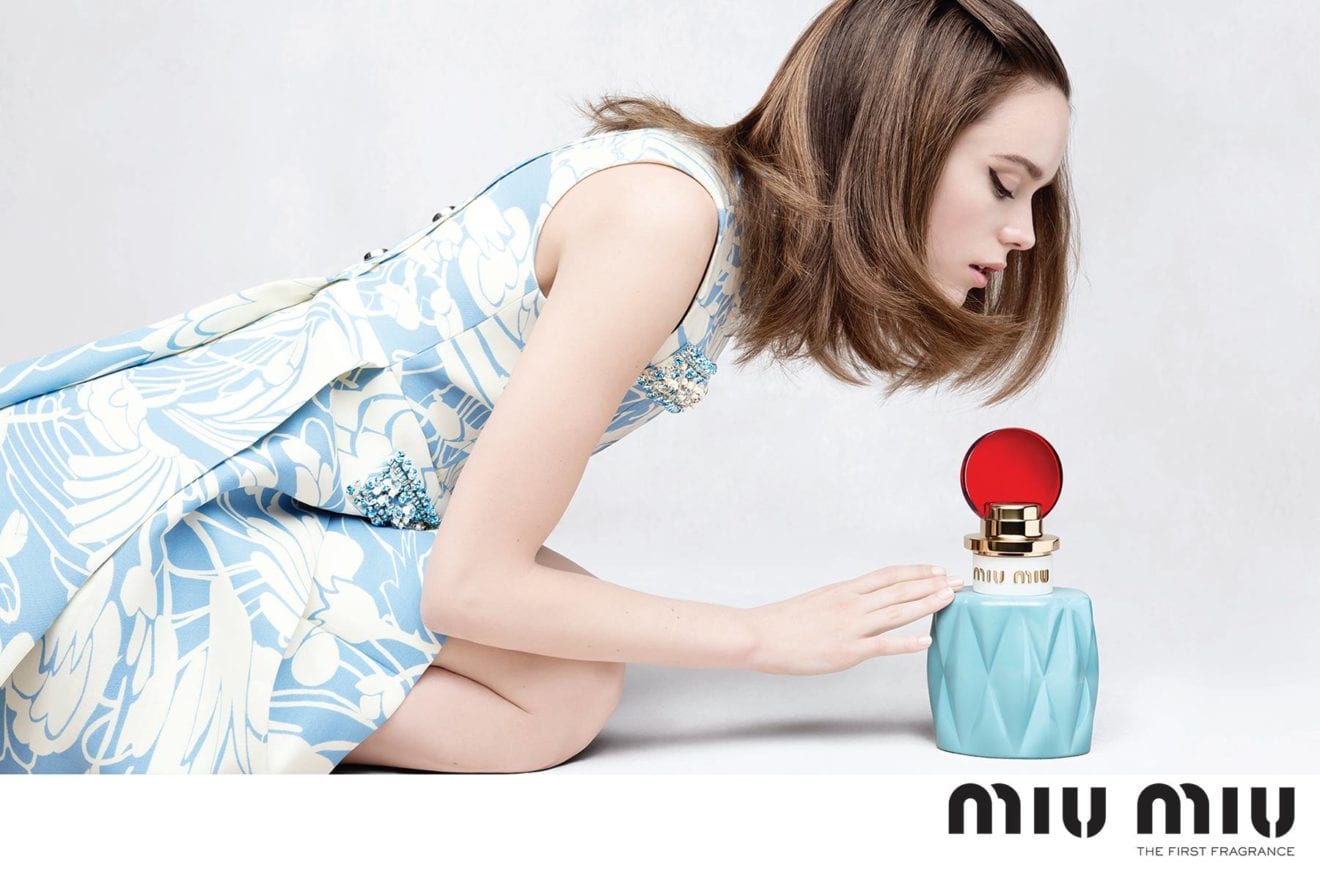
    The Shilla Duty Free has launched the global travel-retail first Miu Miu fragrance at Singapore Changi International airport.

    The global travel-retail exclusive launch from August 1-31 is part of the The Shilla Duty Free’s commitment to continuously present unique and coveted travel exclusives, and to provide world-class shopping experiences to its consumers, according to the retailer.

    Strong partnerships with key brands have resulted in a series of global launches in the form of brand outposts in Changi airport. Similarly, for the launch of Miu Miu’s signature fragrance, a special outpost has been set up beside the terminal one perfumes and cosmetics central store in the transit departure area from August 12 to September 6. Travellers can be among the first to experience the Miu Miu fragrance as have bottles personalised with their initials at the Miu Miu outpost.

    According to the retailer, perfumer Daniel Andrier creates a scent beginning with an elegant, sensual floral, lily of the valley, composed of real jasmine, real rose absolute, and synthetic green notes. The bottle is also described as simultaneously traditional and pop.

    Miu Miu Eau de Parfum (50ml and 100ml) retails at S$113 and S$152 ($80 and $108). Miu Miu Body Lotion (200ml) retails at S$58 ($41).

  • ThaiBev consolidates all beers into Chang Classic to shake up market

    ThaiBev consolidates all beers into Chang Classic to shake up market

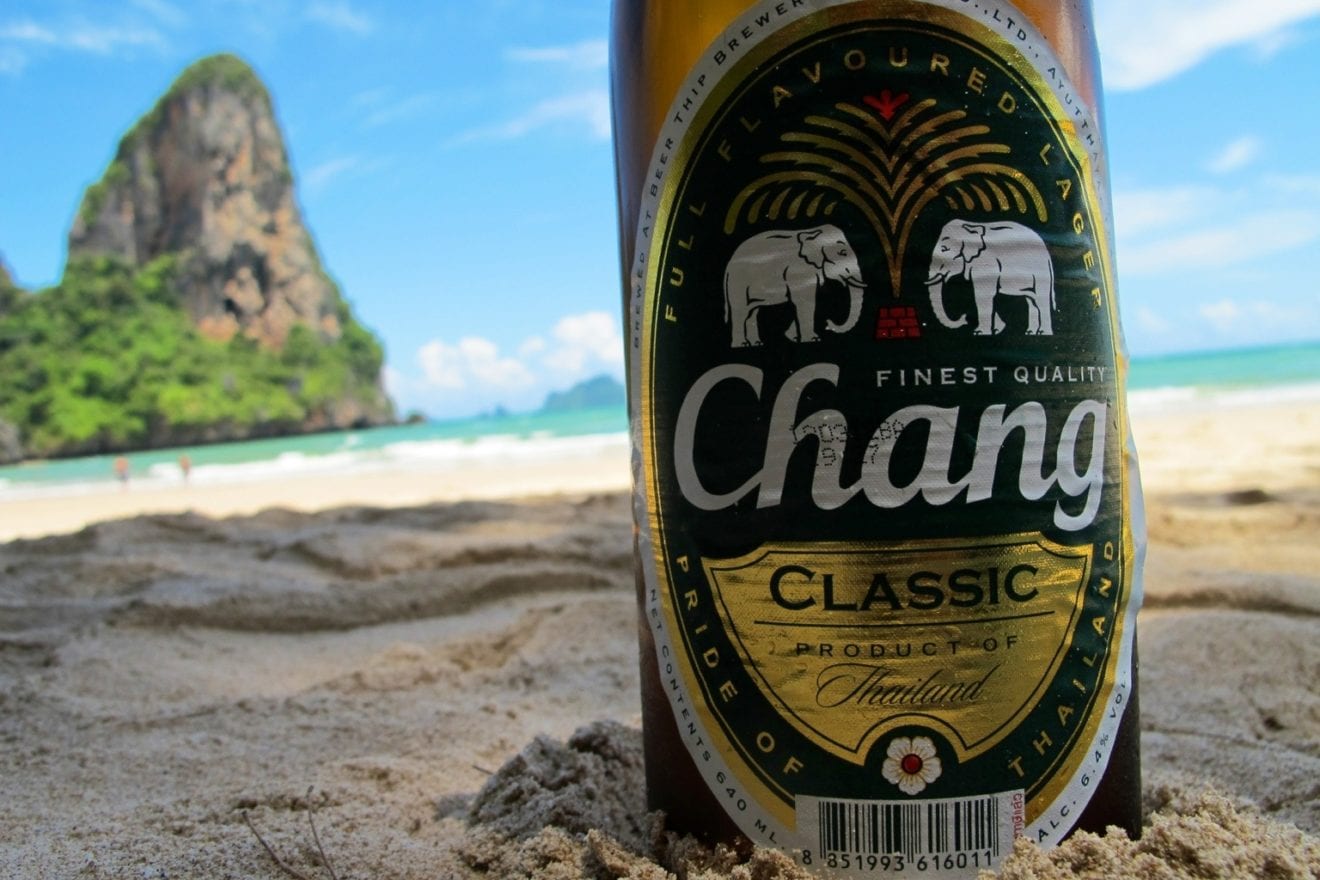
    Thai Beverage (ThaiBev) has consolidated all its beers under the Chang Classic brand in line with its vision to become a “sustainable leader” in the beer and non-alcoholic beverages market in Asean by 2020.

    “We are able to make a perfect liquid for consumers. So, we would like to contribute a single-minded focus actually on one single brand,” Edmond Neo Kim Soon, chief executive officer for beer in Thailand at Chang International Co, said late Wednesday.

    As part of the group’s 2020 vision presented by Thapana Sirivadhan-abhakdi, president and CEO of ThaiBev, to more than 2,000 Chang dealers on Wednesday evening on the occasion of the twentieth anniversary of Chang beer in Thailand, the company aims to increase Chang’s share of the local beer market from about 30 per cent to 45-50 per cent, making it the market leader.

    The company has already given up the distribution of several beer products – Chang Light, Chang Export and Chang Draught.

    The Chang Classic brand will be used for both the domestic market and export markets around the world.

    “We have also launched the new look Chang Classic bottle, with a more elegant and very nice contour and good hand-feel. The new Chang Classic will be easy to drink with only a 5.5-degree alcohol level, down from 6 degrees previously.

    “The new beer is in line with the company’s strategy to deliver products that meet customer needs,” Soon said. The bottle’s colour has also been changed from amber to green to attract more premium and younger drinkers of 20-35 years of age, down from 25-44 previously. The new Chang Classic bottles come in two sizes – 320cc and 620cc – at prices of about Bt34-Bt37 and Bt53-Bt55, depending on the retail outlet.

    Thailand’s beer market is looking to expand 3-4 per cent to about 18 million hectolitres this year after dropping sharply by about 5 per cent last year.

    “We want to grow faster than the overall beer market in Thailand,” he said, adding that the companyhas launched new marketing activities and have been able to increase market share substantially in the past six months. Our market share is as high as 30 per cent currently.

    Thailand is one of the very important markets for Chang. The company will focus on various issues, including those involving image and products, to strengthen its core business.

    “We have a significant presence in many markets in Asean, comprising Thailand, Myanmar, Singapore and Malaysia. We are launching our Chang beer in Cambodia and also looking at the rest of Asean,” he said.

    Vichate Tantiwanich, senior vice president for corporate affairs at ThaiBev, said the company was fully prepared to expand its presence in Asean. The company’s largest brewery in Kamphaeng Phet province is now running at only 50 per cent of capacity.


  • Taiwanese embrace E-Land concept

    Taiwanese embrace E-Land concept

    South Korean retailer E-Land says its first full scale store in Taiwan’s capital Taipei drew 80,000 shoppers in its first week.

    Collectively, they spent US$843,000 in the week-long trial opening.

    E-Land opened its first Taiwanese boutique as a concession inside the Taipei 101 skyscraper last September. That helped build brand awareness in the city.

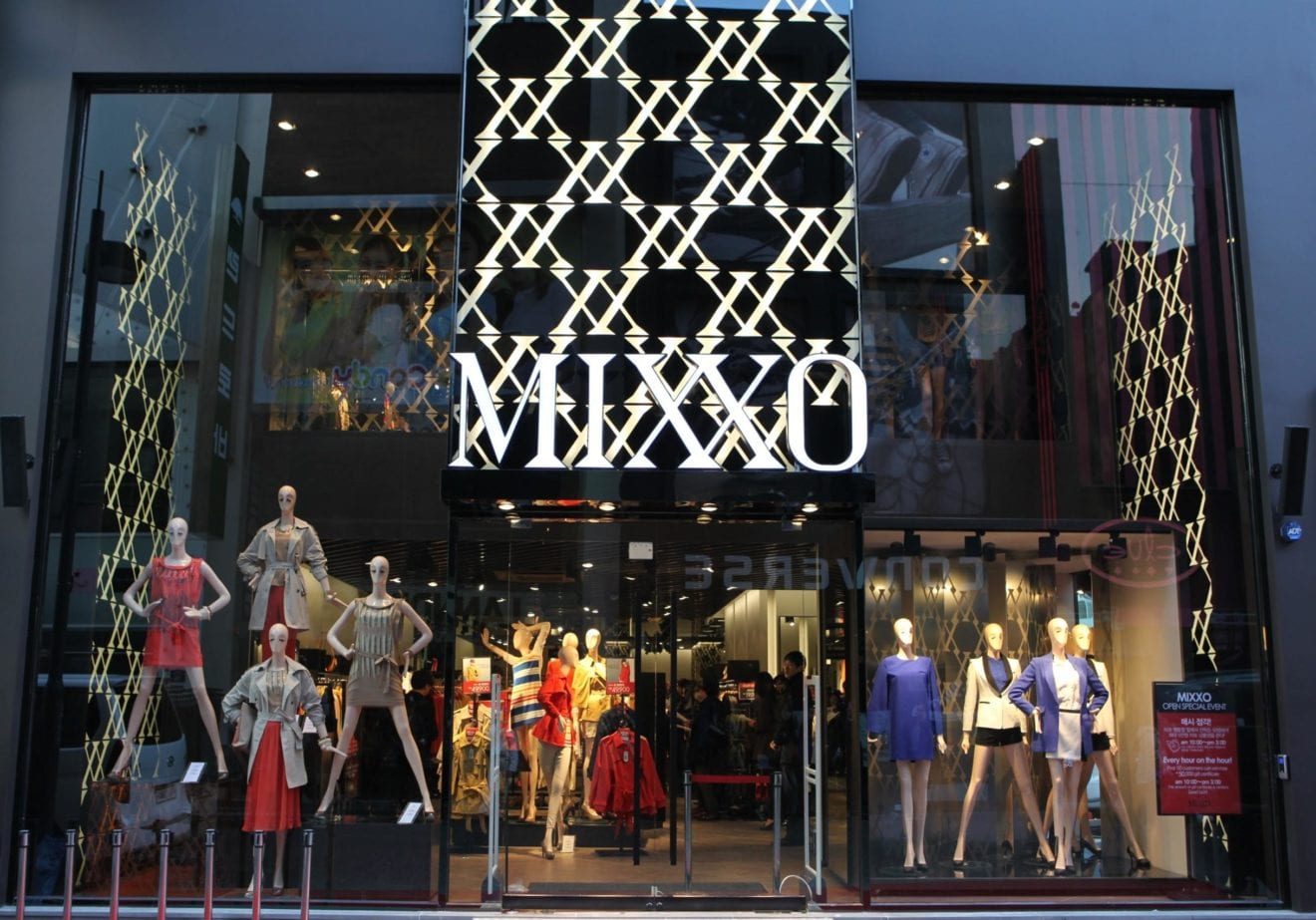
    Now the company has opened its first standalone store, in a shopping district in eastern Taipei, selling clothes and accessories under E-Land’s Mixxo and Spao labels. The 2800 sqm store also features its Lugo cafe concept

    “The response was very enthusiastic,” E-Land Group executive director Yoon Kyung-Hoon told theChosun Ilbo Daily newspaper.

    E-Land made its Greater China debut in 2013 opening stores on the China Mainland and followed in Hong Kong last year.

  • Marimekko Asia continues expansion

    Marimekko Asia continues expansion

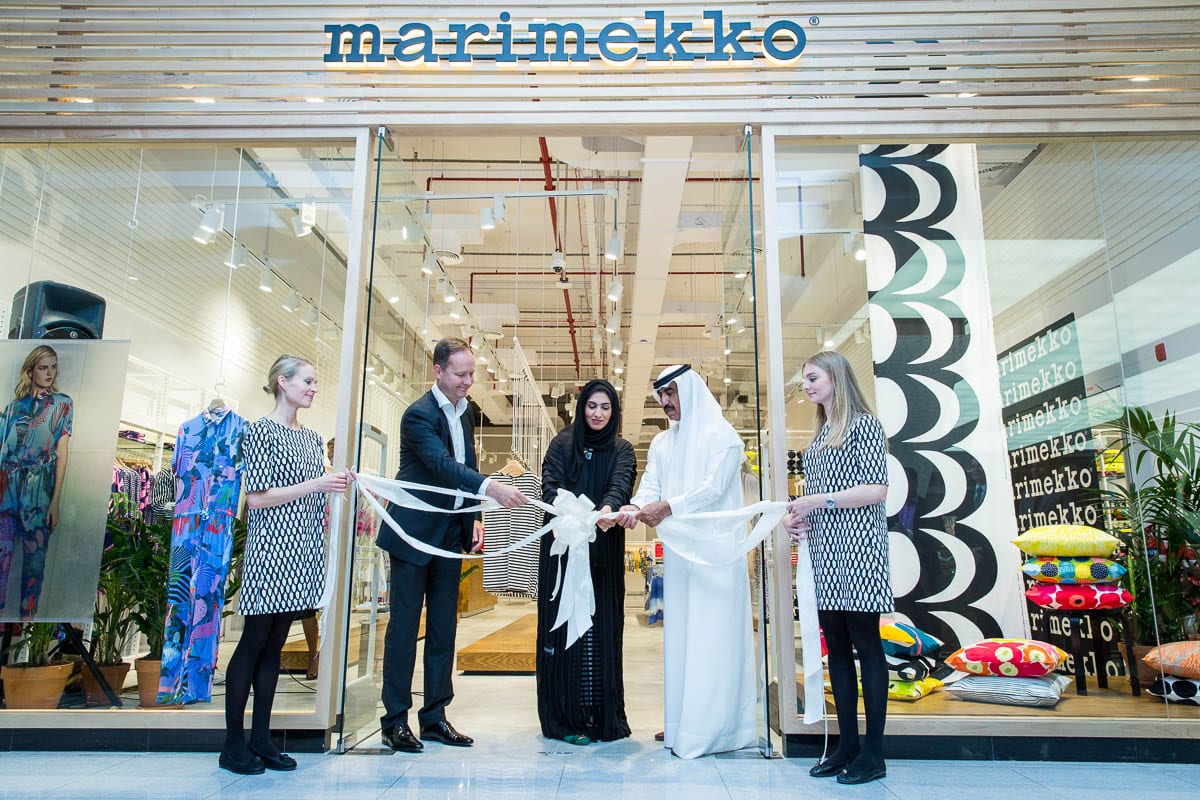
    Finnish homewares retailer Marimekko says it will stick to its Asia and Middle East expansion program despite declining profits.

    “We continue our expansion in line with our internationalisation strategy, particularly in the Asia-Pacific region,” said Marimekko president Tiina Alahuhta-Kasko.

    “This year, new markets have opened up in Bangkok and Singapore as well as Dubai in the Middle East. Deliveries to Japan and the rest of Asia were on a good level in the second quarter, although sales for the whole year are forecast to be lower than in 2014.”

    Marimekko has reported a net sales growth of six per cent globally in the six months to June 30, to euro 43.6 million, driven by new stores and the development of discount outlet stores and an online shop in Finland, together with the stronger US dollar.

    Besides building its Marimekko Asia operations, the company is focusing on its eCommecre offer.

    “The development of digital business is an important part of the current stage in our strategy,” explained Alahuhta-Kasko.

    “The trend in our online sales has continued to be positive and we will continue to focus on enhancing the customer experience to make it even more inspiring and more seamless between our online and offline stores. As part of this process, we are also updating our store and service concept.”

  • Uniqlo Malaysia plans seven new stores

    Uniqlo Malaysia plans seven new stores

    Japanese retail giant Fast Retailing is planning to open seven new Uniqlo Malaysia stores.

    Two of the stores are planned for Sabah and Sarawak in eastern Malaysia and will mark the brand’s first foray into the eastern region after establishing a strong network of stores in central Malaysia.

    The seven stores will begin trading between September and November this year.

    Uniqlo said they will be located in the Klang Valley (The Curve), Perak (Aeon Klebang), Kedah (Aman Sentral), Sabah (Imago KK Times Square and Suria Sabah) and Sarawak (The Spring Mall and Vivacity Megamall).

    “The new store openings mark Uniqlo Malaysia’s first entry into East Malaysia, as it looks to provide more Malaysians with high quality, comfortable and stylish clothing at affordable prices,” the company said in a statement.

    Uniqlo Malaysia currently has 25 stores located within the Klang Valley, Johor, Malacca, Pahang and Penang.

    “We are excited with the upcoming new store openings, as it means more Malaysians will be able to purchase and experience our product offerings,” said Uniqlo Malaysia’s co-COO Jocelyn Ng.

    “We remain committed to provide the best shopping experience and make our innovative products, such as Airism and Heattech, more accessible to the communities in these locations.”