Author: Mei Ling Tan

  • Korean banks back Samsung Pay

    Korean banks back Samsung Pay

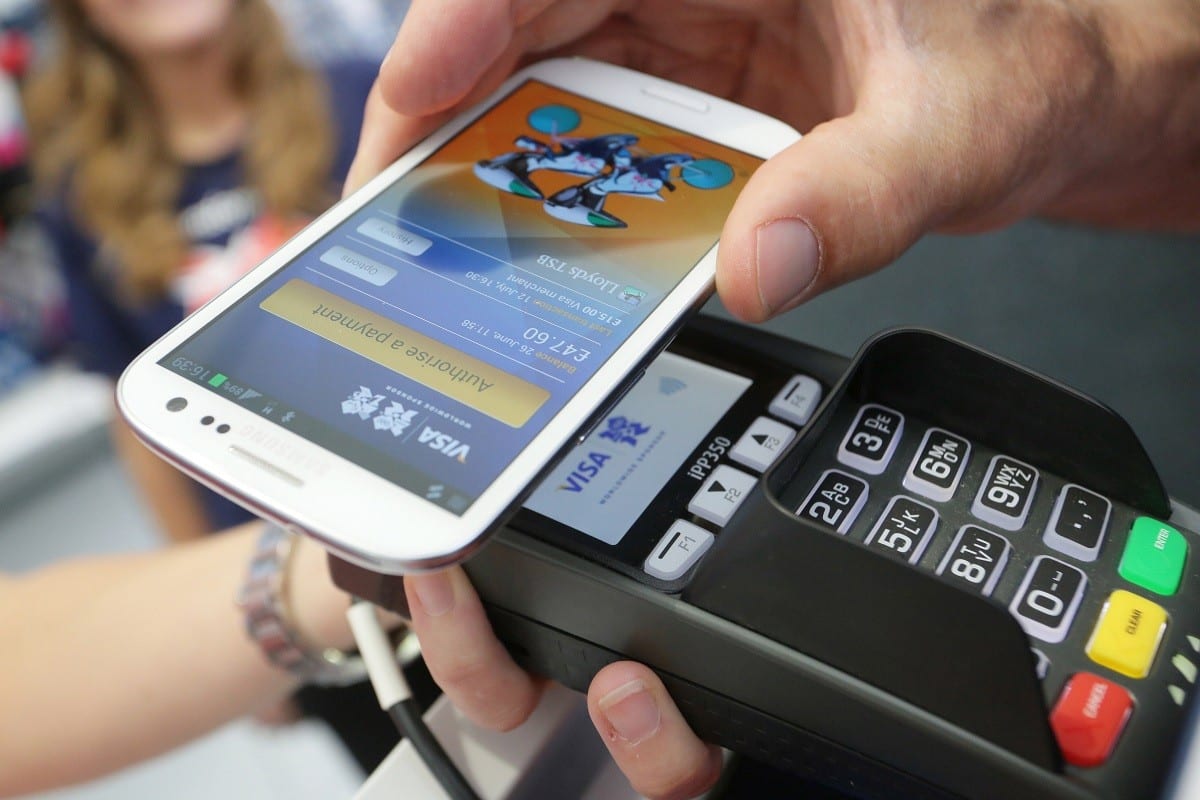
    South Korean tech giant Samsung Electronics says the country’s 10 credit card companies have agreed to support its new mobile payment system, slated for launch today, Thursday.

    Korea will be the first market in which the Samsung Pay service is launched. It supports not only the near field communication (NFC) technology like its rivals but also magnetic secure transmission (MST) and bar code technologies.

    The MST technology is significant as it is compatible with conventional credit card devices, and therefore, it can be used in a larger number of shops compared with Apple Pay. Samsung’s progress was made possible as it had bought US mobile technology firm LoopPay, which has patent rights related to MST.

    Samsung Pay is available through the Galaxy Note 5 and the Galaxy S6 Edge+ that were showcased last week, and software upgrades will be provided to the users of the two smartphones.

    The service will officially reach the United States on September 28.

  • Teabox has the World’s first tea subscription service

    Teabox has the World’s first tea subscription service

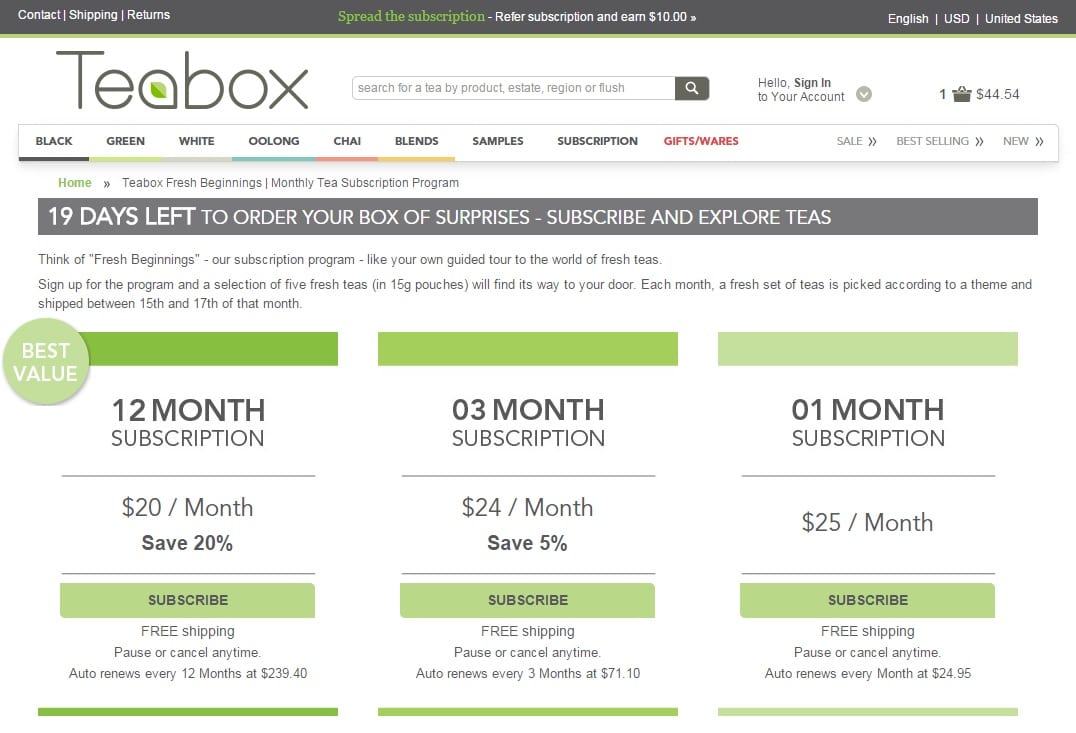
    Indian online tea retailer Teabox the global eCommerce tea company, has launched the world’s first ‘Personalized Tea Subscription Service’.

    The program is powered by Teabox’s patent-pending ‘machine-learning technology’ that it says personalises and matches every individual’s tastes to a selection of teas.

    The Teabox subscription program allows tea drinkers to choose the kinds of tea they would enjoy by breaking down their ‘perfect cup’ into 75 different attributes, such as aroma, astringency,

    strength and body, into objective components which are matched to user preferences, habits and taste characteristics.

    When consumers sign up to the plan, Teabox has them take a quick five-question quiz online, the results of which are analysed by Teabox’s ‘prediction engine’ software.

    “Each user is assigned a ‘signature’ tea based on their responses. The machine ­learning algorithms look for patterns to identify a selection of teas best suited to go with this signature profile,” the company says.

    “And as the users repeat and share their experiences with our prediction engine, it improves its discerning capabilities thereby improving its understanding of a user’s choices and matches our teas to them better. This feedback loop enables a reinforced learning behavior of the system allowing it to fine tune itself to specific taste profiles as we go further,” said Teabox founder and CEO, Kaushal Dugar.

    “When it comes to taste preferences, there are no universals. One’s taste preferences are unique and theirs alone,” he said. “But the descriptions of teas, like wines, can be subjective. We understand this, and that’s why our prediction engine has been developed to break down subjective words like “floral,” “sweet” and “astringent” into over 75 quantifiable attributes.

    “This, coupled with the habits and preferences of our customers enables us to pick out teas perfectly suited to their palate – making our subscription program the most personalised tea experience out there.”

    Teabox ships a package of tea based on the user’s habits and preferences each month. The teas come from the company’s broad selection of tea gardens and suppliers and the company promises fresh teas.

    Teas are delivered within five days of ordering and subscription packages are priced from US$9.99 to $39.99 a month.

    Founded in 2012, Teabox sources fresh teas from 200 growers in Darjeeling, Assam and Nilgiri to the entire world. In two years, Teabox has delivered over 30 million cups’ worth of tea to customers in 80 countries.

    The company is backed by Jafco Asia, Accel Partners, Keystone Group and Dragonee Investment Group.

  • SM Malls embrace future style

    SM Malls embrace future style

    On her first visit to SM Aura in Taguig, Michelle Dabuet, 38, an IT project manager, noticed that it had an “odd” shape.

    “It’s clean and classy and not like the other SM malls that are boxed-shape,” Dabuet noted.

    Gail Dacquel-Perez, 39, and a mother of three also distinctly remembers the fragrance that accosted her upon entering the mall, as well as the cleanliness and the look and feel of a bigger “Podium” mall, one of SM’s earliest upscale shopping malls in Ortigas.

    Noticeably, SM malls today have undergone a major transformation to cater to a new breed of shoppers.

    The sleek designs, open spaces, and iconic edifices in the newest SM malls are attracting shoppers who have become more aware and appreciative of style, fashion and global trends.

    Architect Fides Garcia-Hsu of SM’s Engineering, Design and Development shared that SM, in general, has taken into account two kinds of customers in retail which are also reflected in the design of its malls. Those that are focused and those who act on impulse.

    Focused buyers go to the mall with the intention of buying and carrying the right amount of money to achieve their objectives. Impulse buyers are those who visit the mall with no original intention of buying but will do so if something appeals to them or continue to window shop.

    “Both types are important for SM and that’s why zoning is equally important for us. We try to achieve the right tenant mix to cater to both types,” Hsu said.

    Take Mall of Asia, SM’s premier mall in Pasay as an example. The Hypermarket and THE SM Store are located on both north and south car parks. The Entertainment Mall which houses cinemas and various dining establishments are at the seafront side while the Cyberzone is on another floor. The Food and Beverage units are along the pedestrian streets.

    SM North EDSA, which has undergone several renovations and upgrades in the last few years, follows a similar zoning pattern which aims to provide a more convenient shopping experience while also allowing equal exposure to majority if not all the mall tenants.

    Hsu shared that SM patriarch Henry Sy, Sr. or Tatang (father) as he is fondly called, has provided the direction for the design of SM malls and is, in a way, the first architect of the SM malls.

    SM malls usually follow a straight or H-path which makes it convenient for shoppers to find their way from point A to point B, said Hsu.

    “Tatang  also taught us how to plan the space. He told us that every inch is valuable,” she said

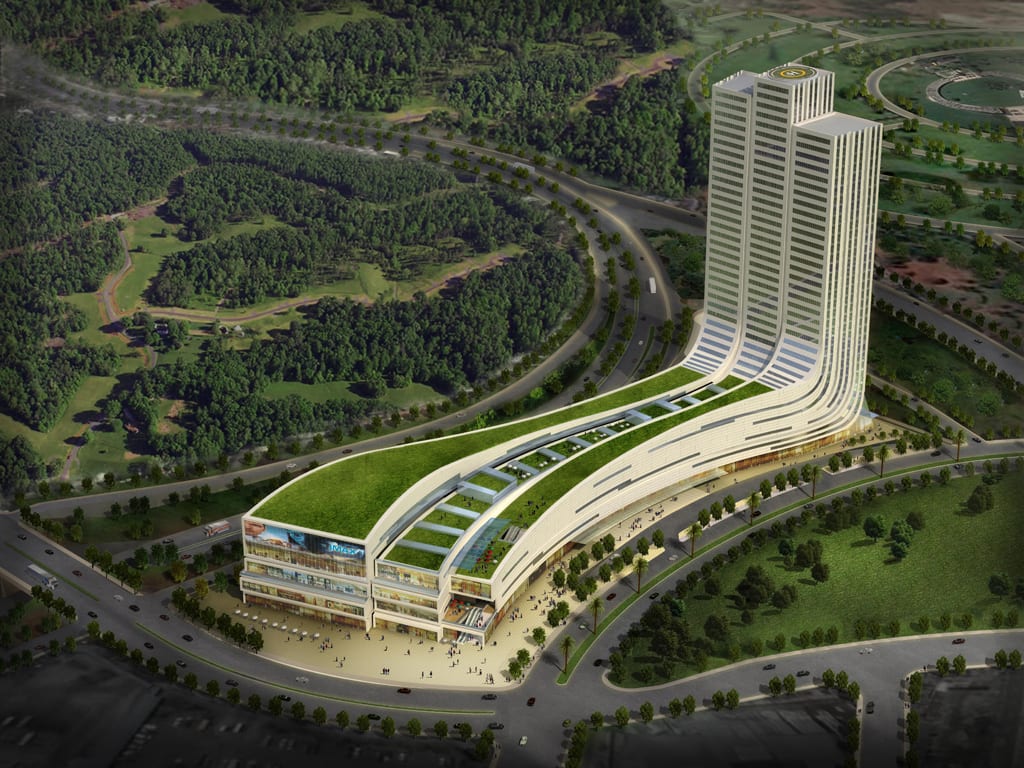
    In recent years, SM malls have transcended the boxy look to develop into bolder and more artistic designs. SM Aura in Taguig, which was designed by Miami-based Arquitectonica drew inspiration from the elements – much like a tree melding with its roots or a waterfall cascading into a river. It also aims to be one of the first civic centers to be certified Gold under the US Green Building Council Leadership in Energy and Environmental Design (LEED) program.

    The 470,000 sqm SM Seaside City in Cebu, which promises to be a regional landmark in the Visayas, meanwhile takes inspiration from the legendary nautilus shell. The mall, which will feature a steel cube sculpture and a 148-meter tower with a viewing deck that has a breathtaking 360-degree view of Cebu, is expected to cater to various segments of the market.

    These new designs are a huge departure from the original designs of SM malls. Interestingly, the old design mirrored the shopping preferences of the era. In the 1980s, Filipinos mainly  flocked to the box-type SM malls, usually rising three storeys, for their basic needs, for convenience and for novelty while others just wanted to bask in the air conditioning to get away from the scorching heat that a tropical country like the Philippines is known for.

    The straightforward design also appeared to echo both the personality and the vision of Sy who was known to many as a “no-nonsense”, straightforward man.

    “Every mall has a touch of Tatang (as Sy is fondly called by family, friends and employees). He is always involved in the design. His direction was to make it (mall design) simple, straightforward, convenient and efficient for shoppers,” Hsu said.

    Sy was inspired by his travels to the US where he saw malls starting to proliferate, or a series of retail stores and major stores put under one space with a common pathway. The desire to offer this emerging retail concept to Filipinos was strong, says SM Prime Chairman Henry Sy, Jr , the eldest son of Sy.

    “My father saw the US model. Being in the retail business, he was attentive to the needs of the people and what will make things convenient for them here in the Philippines. When he built the first SM mall on North EDSA, what he had in mind was the real estate play and that everything should be under one roof,” Henry Jr. said.

    Many thought that the opening of SM North EDSA, with a gross floor area of 125,000 sqm then, was ill-timed in 1985, with the country plunged into political upheaval.  But Filipinos quickly latched on to the new concept, much also to the surprise of the Sy family.  The first mall opened with SM’s own brand of supermarket and department store as many businesses were fearful then to open in uncharted waters such as in North EDSA.  Cinemas in the mall were also a novelty and as more tenants warmed up to “SM City”, the new business venture flourished and was soon replicated across the country at a rate of three to four malls a year.

    The next wave: sustainable malls

    Hsu said environmental sustainability has become the paramount consideration at present and for years to come in terms of mall development.

    “SM will continue to incorporate sustainable features in its malls. Rain harvesting, water recycling and expansive skylights to provide sufficient daylighting, the use of solar panels to provide adequate percentage of the mall’s power requirement, the use of high performance IGU (insulating glass units), deck landscaping and a host of other measures will be looked into and integrated into the planning,” Hsu said.

    SM Marikina which is within the Marikina River watershed and situated in a flood prone area was built on concrete stilts to elevate the structure. The mall was constructed 20 metres farther than the suggested 90-meter distance from the center of the Marikina river.

    SM Center Muntinlupa was also enhanced to be more resilient in light of two fault exposures in the area. It stands with a five-meter buffer zone to minimise the impact of earthquakes and other disasters such as the rupturing of both sides of the fault.

    SM City Masinag in Antipolo has fully revolutionised the company’s approach to sustainable and disaster resilient design. It incorporates a 3 million gallon holding tank to reduce the impact of super typhoons that plague the area. The tank has the capacity to hold water volume generated from constant rainfall of a storm similar to Typhoon Ondoy (Ketsana) for over three hours.

    Other unique sustainable features of SM malls include high windows above eye level that use natural light to illuminate company facilities; the use of LED and CFL light bulbs to further reduce electricity consumption; environmentally-friendly materials and technology for all heating and cooling processes; water-efficient fixtures systems to reduce potable water consumption such as waterless urinals and faucet aerators; and prudently-selected construction materials that minimise the impact of certain structures, promote healthier indoor environments and enhance performance of all company facilities.

    Roof gardens are also incorporated in the malls which make both commercial and environmental sense. These not only cool the mall, but also draw people upwards, thereby providing better footfall to tenants on the higher floors; retain water during heavy rainfall and reduce flooding; reduce heat transfer to the local environment by absorbing heat through trees, plants and fauna. “The roof gardens we design for SM make a solid contribution to disaster resilience that should be considered countrywide,” Arquitectonica MD Asia Peter Brannan said.

    “As builders, we know that the most iconic monuments depend on a great foundation. Our approach to sustainability works the same way. By designing green, we are not only making a commitment to revolutionising the retail industry, but we are also creating a solid foundation for future stewards of the environment to build on,” SM Prime President Hans Sy had said.

    Indeed, today’s shoppers are exposed to international trends through frequent travels, unafraid to risk resources for experience, always on the prowl for what’s “trending” or “viral” in terms of venues, “eats”, technology and are constantly in search of new advocacies to champion.

    “The Philippines is currently one of the fastest growing economies in the world; that will inevitably result in rising disposable incomes and a much more sophisticated consumer. They will want a better environment, a better workplace, and a better home. Both designers and developers will have to respond to that, and constantly strive to improve the quality of their product. Doing business as usual will simply leave you behind in this fast-moving, interconnected world,”Arquitectonica’s Brannan said.

    This new generation of shoppers now view malls as destinations. More than just a place to hang out with friends or family, they now demand the best quality experience, the best food, the best product, the best service. And as shoppers evolve, SM malls too will adapt to ensure that there is a preferred destination for all.
  • China business confidence soars

    China business confidence soars

    Confidence among executives at China’s largest companies bounced back to a one-year high in August, implying that the fall in July was driven by temporary factors related to stock market volatility.

    According to the latest MNI China Business Sentiment Survey, a gauge of current business sentiment, China business confidence surged back into expansion, rising 17 per cent to 57.1 in August – a big leap from 48.8 in July.

    Discounting last month’s plunge, which looks to have been driven more by animal spirits than a tangible lull in activity, sentiment has been increasing since May alongside the stabilisation in official data, said MNI Indicators in a statement.

    “However, it’s still too early to tell whether the latest improvement will be sustained over the following months or if it was a normal bounce after a very weak outcome in the month before.”

    Firms also revised up their expectations for the future, with the Future Expectations Indicator up 12.6 per cent to 60.9 in August, the highest reading since the same month a year earlier.

    Both Production and New Orders picked up strongly in August following a setback in July, leaving both at the highest so far this year. Companies expected increased activity to continue over the next three months, with the Future Expectations Indicators for both measures regaining the ground lost in the previous month.

    In a further sign of increased demand, both Input Prices and Prices Received rose in August, with the latter jumping just above the 50 breakeven level after 12 months in contraction. The hike in Prices Received is an indication that CPI inflation may continue to push higher over the coming months.

    The sharp devaluation of the yuan following the PBOC’s introduction of new guidelines for the exchange rate fix came just before the survey period ended and will therefore not be fully captured until the September survey. The August survey showed most companies were dissatisfied with the impact of the exchange rate on their business with the Effect of the Yuan Exchange Rate Indicator dipping below 50 for the first time in five months.

    “Last month we noted that the impact of the stock market turmoil on business confidence would be difficult to gauge. For now businesses have shrugged it off, with key activity measures in the August survey increasing sharply and the stimulus policies of the authorities seemingly having a significant positive impact,” said Philip Uglow, chief economist with MNI Indicators.

    MNI China Business Sentiment is a monthly poll of Chinese business executives at companies listed on either the Shanghai or Shenzhen stock exchanges. Companies are a mix of manufacturing and service sector firms.

  • Malaysian online shopping habits evolve

    Malaysian online shopping habits evolve

    More men are shopping online in Malaysia than ever before. And nearly half of the nation’s online shoppers are doing so on mobile devices.

    Those are two of the key findings of online marketplace 11street’s Online Shopping Index for 2015.

    The split between men and women in the nation’s online shopping community is now 48:52, according to the study based on the four week  Ramadhan and Raya period from June 22 to July 19.

    11street said gross merchandise value (GMV) more than doubled during the Ramadhan and Raya period and in just a few months, 11street has achieved various milestones including a rank of 40 on Alexa

    Hoseok Kim, 11street CEO, says Malaysia is one of the top leading countries in the world when it comes to smartphone Internet access with the number of connected devices per person used by Malaysians which stood at 1.2 devices.

    “As online shopping becomes part of the Malaysian lifestyle, smartphones will play a vital role in enabling shoppers to grab good products and offers online at anytime, anywhere,” said Kim.

    The 11street Online Shopping Index shows that contrary to the popular belief that fashion and electronics are the most sought after categories, Malaysians shop in diverse categories including health & beauty, kids & baby, home & living, grocery, services such as e-vouchers and more. Also, popular items that customers mostly searched during Ramadhan include baby car seats, Tupperware, Bluetooth earphones, and skincare.

    The index found that customers bought from either two or more product categories within a single transaction and that is expected to increase over the next few years.

    By gender, women mostly purchased mobile, tablets, beauty, health and personal products as well as baby and kids items. Men shopped for electronics, sports and leisure items – and kids & baby, especially gear such as baby car seats.

    11street currently carries more than 700,000 products making it one of the largest online marketplaces in Malaysia.

  • Chinese shoppers feel safer online

    Consumers across Southeast Asia and Greater China feel safer paying in a brick and mortar environment as opposed to online; sole exception is China

    According to the inaugural MasterCard Safety and Security Index, consumers across Southeast Asia and Greater China cited identity theft and ATM-related fraud as the top two security concerns when it comes to electronic payments.

    Some 42 per cent of consumers in Southeast Asia (Indonesia, Malaysia, Philippines, Singapore Thailand, and Vietnam) were most concerned with ATM-related fraud such as a stolen card, card cloning or skimming. In the Greater China markets (China, Hong Kong and Taiwan), this figure was 31 per cent.

    But the biggest surprise was in confidence in shopping online. The Index showed that in general, consumers across Southeast Asia, and the markets of Taiwan and Hong Kong still feel safer paying in a bricks and mortar environment than buying online. China differed, being the only market where consumers felt paying online was safer than in a physical store; even more so than in Singapore.

    Almost every consumer polled in the Greater China markets had made an online payment in the past year. Consumers in China (62 per cent) particularly favored the use of digital wallets in online electronic payments over those in Hong Kong (14 per cent) and Taiwan (29 per cent).

    Consumers across Southeast Asia (35 per cent) and Greater China (32 per cent) were almost as equally concerned about identity theft in relation to data breaches. This includes personal data such as bank details, personal IDs, addresses, and signatures that are stolen or compromised through websites. In both regions however, it appears that these concerns do not directly stem from consumers’ own personal experiences but rather, as a result of the perceived severity of fraud based on what was reported in the media.

    MasterCard chart1

    Meanwhile, the Index also reinforced that banks continue to play a critical role in ensuring payment safety and security for consumers in Southeast Asia. This is both, because of the high levels of trust consumers place in banks as well as the reliance that consumers have on banks to help them resolve issues that crop up in this area.  Banks are often the first line of defense and recourse for the affected consumer – nearly half of all consumers in Southeast Asia who experienced ATM fraud first approached their card-issuing banks for advice.

    “The fact that most cardholders have a primary relationship with their banks, has an obvious and deep-rooted correlation to their sentiment, around who they trust most when it comes to ensuring the safety and security of electronic payments,” said Ari Sarker, oo-president, Asia/Pacific, with MasterCard.

    “This was emphatically reflected in the feedback from all the markets in Southeast Asia and Greater China. However, in Singapore in particular, in addition to banks, consumers also placed significant trust in the government, which is a natural outcome given the country’s strong regulatory environment and overall reputation around safety and security.”

    None of the respondents surveyed in Southeast Asia placed any trust in local websites, suggesting that there is still a lot of work to be done by local eCommerce merchants to ensure that they meet global security standards for payments and build consumer confidence on this front.

    In Greater China, aside from banks and governments, merchants were also seen to have a growing responsibility in ensuring payment safety and security, with 28 per cent of consumers in these markets going to merchants as their first recourse in seeking resolution for payment safety and security issues. Furthermore, merchants in these markets were instrumental in solving 40 per cent of all online electronic payment disputes.

    These and other key findings of the MasterCard Safety and Security Index will be discussed at the MasterCard Global Risk Leadership conference in Singapore on August 26 – 27. The 20th edition of this conference will gather global payment risk leaders to share best practices in fighting fraud together, as an industry. The conference demonstrates MasterCard’s commitment in helping partners and customers fight fraud using the latest tools, processes, and technologies so there is no one weak link in the payments ecosystem.

    The survey was carried out across in six markets in Southeast Asia (Indonesia, Malaysia, Philippines, Singapore, Thailand, and Vietnam) as well as three markets in Greater China (China, Hong Kong, and Taiwan). A total of 6600 consumers and 100 merchants were polled online and face-to-face between January and May 2015 on questions relating to the payments security landscape, payments in brick and mortar and online, safety and security payment concerns and experience with payment fraud, among others.

  • RedMart Singapore raises $26.7m

    RedMart Singapore raises $26.7m

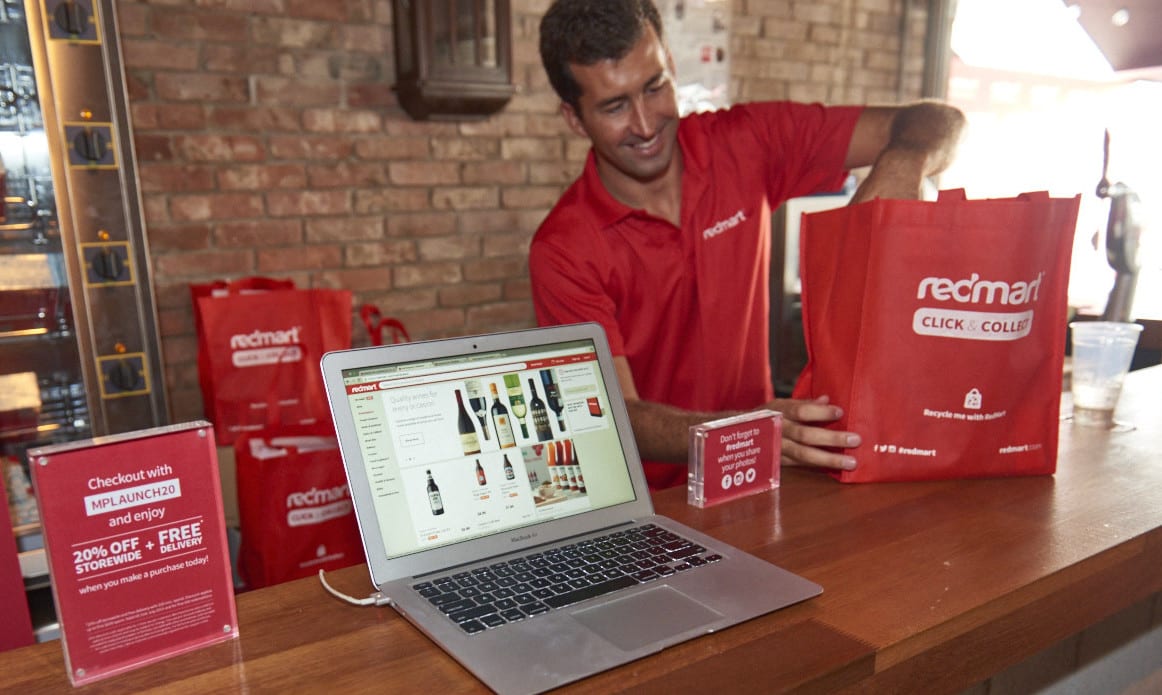
    Singapore online grocer RedMart has raised more capital and appointed a former Amazon executive to drive regional expansion.

    RedMart Singapore has previously indicated an interest in expanding into Vietnam, Thailand, Manila, Hong Kong, Indonesia, Malaysia and Taiwan – but it has not disclosed which markets it sees as a priority with its newly secured funds.

    RedMart has secured US$26.7 million in a round of funding tapping existing shareholders Garena, Softbank Ventures Korea, Visionnaire Ventures and Facebook co-founder Eduardo Saverin. It has also attracted a new investor – Far East Ventures, part of Singapore property developer Far East Organization which is diversifying its investment portfolio eyeing startups and tech ventures.

    The funds will be used to expand into regional markets outside Singapore, a move to be led by new recruit Colin Bryar, a former VP of US eCommerce giant Amazon.

    RedMart Singapore increased sales to US$9.43 million in 2014, but massive investment in infrastructure saw its losses balloon to $29.4 million – a not uncommon scenario of eCommerce startups.

    Bryan will oversee engineering, marketing and operations, taken over from co-founder Vikram Rupani, who takes on the title of President of RedMart.

  • Major Cineplex plans Laos rollout

    Major Cineplex plans Laos rollout

    Thai cinema chain Major Cineplex plans to have 30 screens in Laos within three years.

    Major Cineplex has entered the Laos market in a 60:40 joint venture with local partner Platinum Cineplex.

    With a population of 7 million, a growing economy and young population, the Thai company believes it offers strong opportunity to expand its business outside Thailand.

    “Laos is a growing area for the movie business with its young population,” Major Cineplex chairman Vicha Poolvaraluck said in an interview with The Nation this week.

    “The country is [also] attracting foreign investors, particularly from China, to erect a number of new projects including shopping malls, hotels and business centres.”

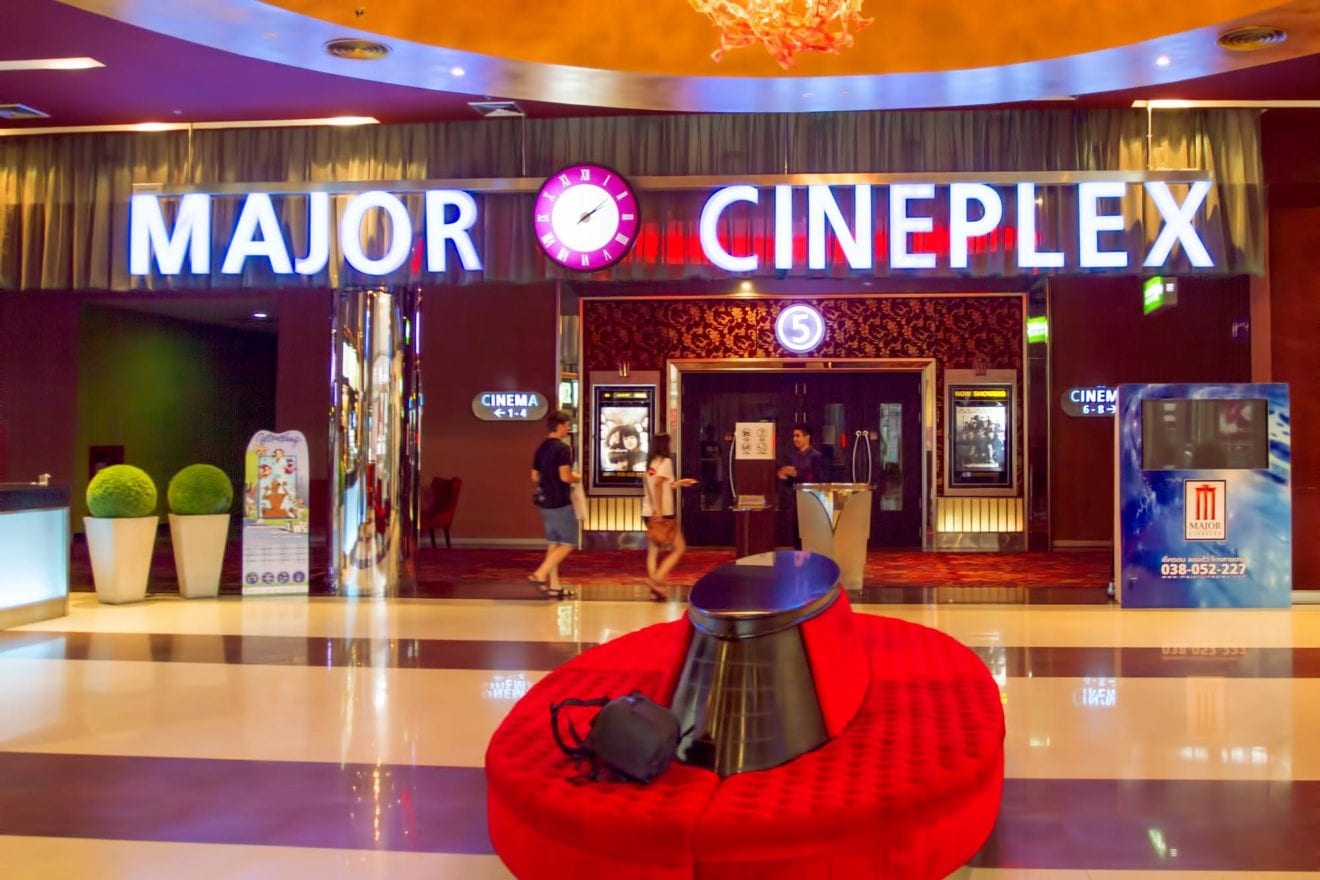
    Major Cineplex typically operates its multiplex cinemas as anchors of modern shopping malls. It has just opened its first five screen, 1148 seat facility in Vientiane Center an upmarket shopping centre developed in a partnership including China’s Huawei

    Vicha said his company expects to sell at least 500,000 tickets within the first year of operation.

    “Forty per cent of Vientiane’s 700,000 residents are aged between 10 to 35 years,” he added.

    Major Cineplex will open three more cinemas in Vientiane by 2018, one in the planned World Trade Centre and another in a development planned by Thai investors.

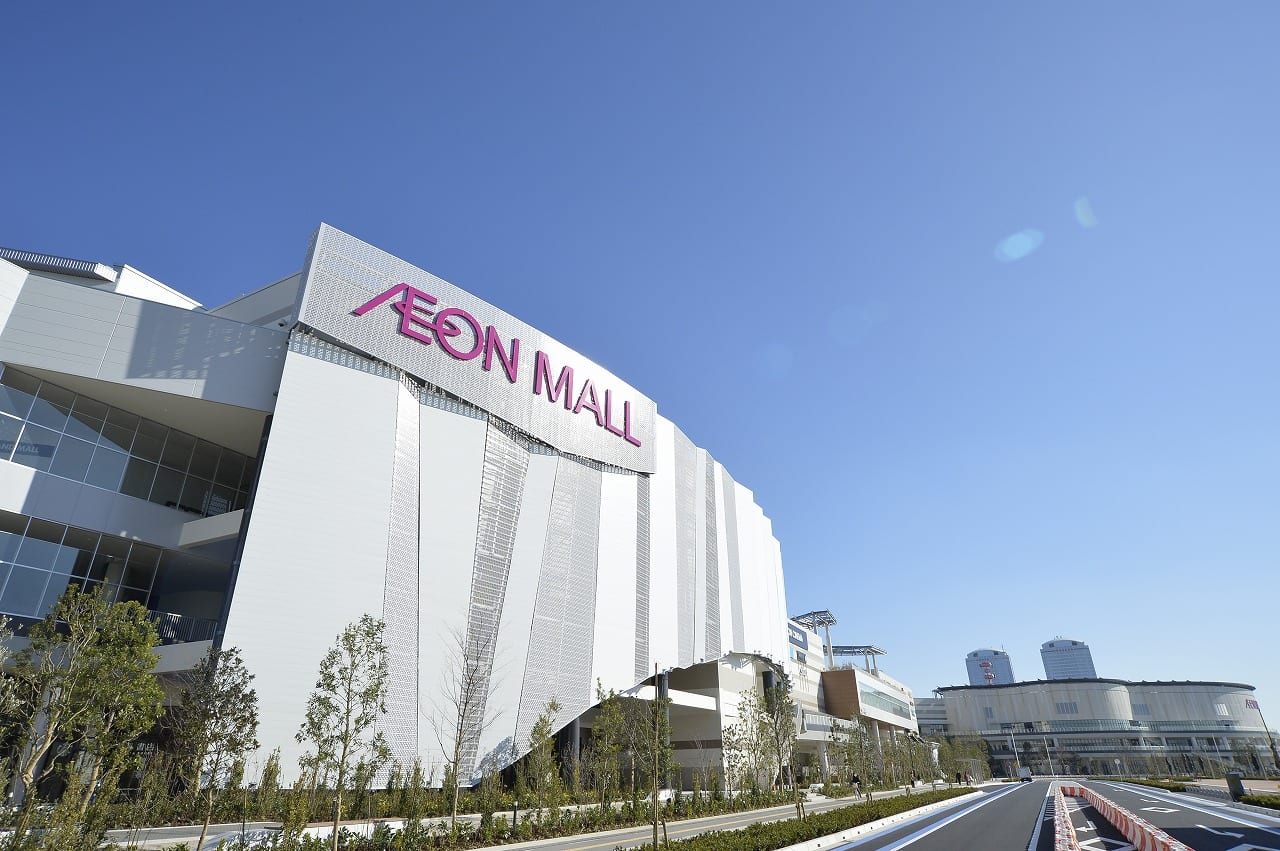
    Vicha says his company is also eyeing opportunities in Cambodia, Myanmar and Vietnam. It currently operates just one cinema outside Thailand – in the year old Aeon Mall in Phnom Penh, also in partnership with Platinum.

    He told The Nation he expects to have 100 screens outside Thailand by 2020, creating 10 per cent of the company’s revenue.

  • Defining the ‘perfect store’

    Defining the ‘perfect store’

    The ultimate goal of the “perfect store” is to enhance a customer’s shopping experience to maximise your sales opportunities.

    Many consumer goods companies operate on a one “perfect” size fits all principle. But we know treating all stores the same does not work. There are marked differences that exist not only by region, but also by market, channel and retailer.

    A better way to define your “perfect store” is to acknowledge that every store is different and break your business down to the individual store level defining in-store objectives by store.

    Consider factors like:

    1. What is the perfect assortment for this store?
    1. What are the perfect pricing and promotion strategies for this store?
    1. What is the perfect location for your product in this store?
    1. What are the perfect displays for this store?
    1. How to take the perfect order in this store?

    To understand what “perfect” translates to in each case, use information like point of sale, distribution and inventory data to help you define the specific goals around assortment, price and promotion and placement. The use of shopper insight data, consumer demographics and spend data and scan sales data will also help provide a rich understanding of what the perfect store looks like.

    For example:

    Company A has a large seasonal promotion upcoming with major TV and supporting media advertising.

    Company A negotiates with a major grocery chain with tight control over store ranging a certain promotional position and in store plan.

    o Store A has a very high scan sales for this type of product. Perfection in Store A means convincing the store to place two additional touch points through a large secondary floor display along with an upgraded aisle end position, and ensuring the manager has enough additional stock available to refill the display and prevent stock outs.

    o Store B has low scan sales for this type of product. Perfection in Store B means ensuring the upcoming promotion will be implemented correctly, avoiding any downgrading of position or placement Company A also looks for incremental opportunities in other types of retail outlets (independent retail, pharmacy, HORECA, route trade or others).

    o Store C has high sales potential for this type of product (for example based on consumer demographics in surrounding areas), and uses distributors to get products into store. Perfection in Store C is the same as Store A, however securing additional facings on shelf to increase product visibility during and after the promotional period is required. Plus taking a turn in order that is sent back to the retailer’s distributor for fulfilment to avoid stock outs.

    o Store D trades directly with Company A. Perfection in Store D means aligning the store to Company A’s view on the ideal product assortment on shelf and the ideal position, while ensuring that the perfect amount of stock is ordered based on ordering history and upcoming promotion expectations.

    Finally, whose responsibility is it to define the perfect store and set the goals?

    To succeed it must be the senior leadership team. Company leaders need to be engaged at the outset. It is easy to view this as an execution task rather than a strategic one – however it is both. The Perfect store has to be a pillar for your brand(s) and considered one of the company’s strategic goals. Then it can be brought to life through in-store execution.

    Using the right processes, tools and technology will help; so make sure this is part of your discussions. The end goal is well worth it – winning over your competitors, at the shelf, every time.

  • LG Electronics opens Middle East stores

    LG Electronics opens Middle East stores

    South Korea’s LG Electronics is making a strong push into the Middle East, opening premium brand shops in the area.

    The company is deliberately positioning its brand at the higher end of the market to differentiate it from lower cost brands.

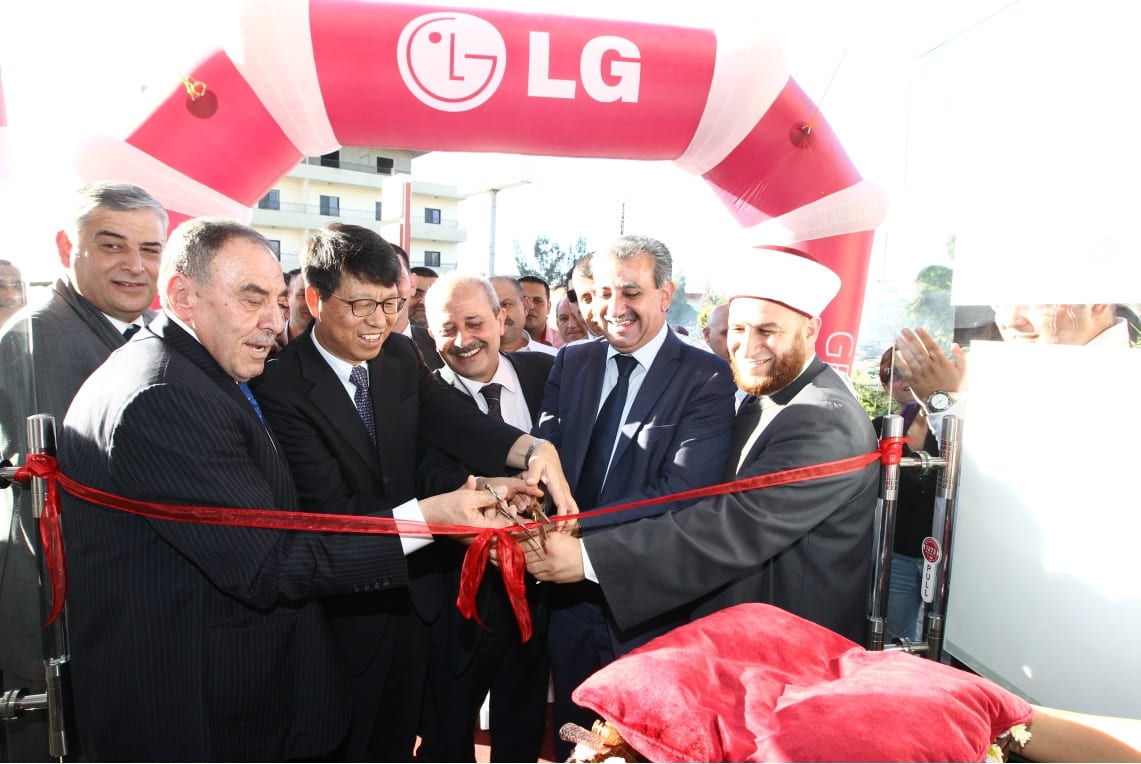
    LG says it has opened a premium brand shop in Jordan on Mecca Street, the premium home electronics business district. The shop is the third premium brand outlet to open in the region this year after Tehran in Iran and Beirut in Lebanon.

    The Jordan store is the largest of the brand’s shops in the area. The exterior of the store is made of glass, allowing potential customers to look inside. A video pillar that shows a moving image on an LED screen is set on the outside of the building.

    The latest premium products from LG electronics, such as a 65-inch ultra all-red TV, 105-inch curved surface ultra HD TV, double magic space refrigerator, and premium smartphones are exhibited. Consumers can actually use the devices and learn about their features in the convenience room.

    LG Electronics is planning to expand its premium brand shops to other major countries in Africa and the Middle East.

    “We will strengthen our leadership in the premium market through the premium brand shops that maximise convenience in living,” a company spokesman said.

  • Lotte.com launches China app

    Lotte.com launches China app

    South Korea’s Lotte.com has launched a Chinese mobile shopping mall service known as ‘china.lotte.com’ to meet demands of consumers chasing the ‘Korean Wave’.

    Growing numbers of Chinese are buying goods online from offshore sources – a practice referred to as ‘Haitao’ locally. And Korean goods – especially in the beauty and fashion categories – are enormously popular among the younger demographic.

    China.lotte.com, launched Wednesday (August 19) is’ exclusively focused on customers from Greater China. After global.lotte.com launched in February last year, Lotte spent a whole year preparing for the Chinese version of the site.

    More than 10,000 lines have been selected for China.lotte.com and another 5000 local Chinese lines are being added progressively.

    Chinese customers can shop using regular payment services including Alipay, UnionPay, Tenpay, PayPal and local Chinese credit cards.

    Lotte.com’s global business team manager Hwang Hyun Jung says China.lotte.com considered even minute details to meet the expectations of the rapidly growing Chinese overseas shopping market.

    “Through meticulous translations and user tests via Chinese supporters, this service is mainly composed of local-friendly user interface,” she said.

    Lotte.com has attracted “hundreds of thousands followers and supporters” via Weibo during the last six months in preparation for the launch.

    The company is also promising to work with Korean small businesses to help expose their brands and products to Chinese consumers via the portal.

  • Aeon Hong Kong to invest in new stores

    Aeon Hong Kong to invest in new stores

    Aeon Hong Kong is ramping up its store network expansion in the territory and the mainland.

    The Japanese retailer’s locally listed subsidiary has set aside HK$420 million to build new stores and refurbish existing ones, MD Christine Chan Pui Man said in announcing the company’s half year result. The cash – vastly more than the $51 million spent in the first half of this year – will be spent during the second half of 2015 and in 2016.

    Chan said despite a “stagnant” retail industry in both China and Hong Kong, the group improved its sales by 2.4 per cent to $4.499 billion in the six months to June 30, largely from stable growth in the mainland. Gross margin rose from 30.6 per cent to 31.1 per cent due to merchandise enhancement, boosting the core business profit by 20.8 per cent to $43.7 million.

    In the first half of this year Aeon Hong Kong opened four new stores – two in Tsuen Wan, one in Sai Ying Pun and another in Sham Shui Po, giving it a network of 46 on June 30.

    Revenue from the group’s Hong Kong operations was maintained at HK$1.87 billion, down marginally on a year ago, but profit fell from $44.7 million to $23.6 million.

    On the mainland, revenue rose by 6.8 per cent to $2.626 billion and the segment results achieved a turnaround with profit of $20.2 million compared with a loss of $8.4 million last year. Aeon now has 29 stores in south China, no more than at the end of last year.

    With a focus on now expanding the network, Aeon Hong Kong believes the mainland will become a major growth driver of the group.

    “In spite of the unstable macroeconomic environment and the volatile stock market, the PRC is still one of the economies with the largest potential for further business growth,” Chan said.

    In the second half of 2015, a new store will open in Zhongshan and in the first half of 2016, one will open in Panyu and two in Guangzhou and Shenzhen respectively in the second half.

  • National Gallery Singapore to get new food, retail concept

    National Gallery Singapore to get new food, retail concept

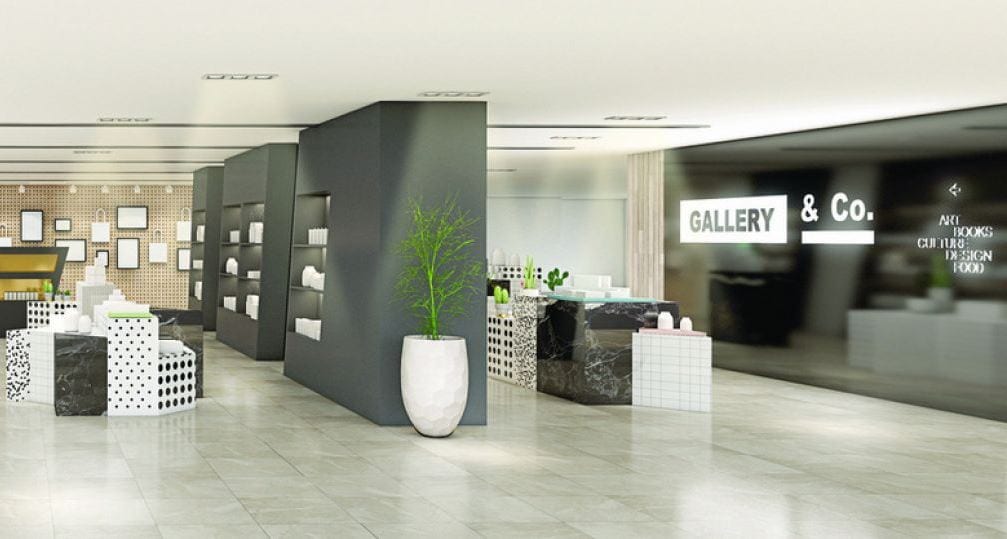
    New retail business ‘& Co’ has partnered with the National Gallery Singapore to create a food and beverage and retail concept called Gallery & Co.

    Inspired by Southeast Asian art and culture, Gallery & Co fuses art and design into a curated retail experience featuring specially designed products for the museum, books, design collectibles and prints, amongst others, as well as a quick-service, casual dining venue (comprising a café and cafeteria). The new space, to open in November, spans the entire frontage of the City Hall Wing on the ground floor, overlooking the historically significant Padang.

    The partners of & Co. are local industry heavyweights Loh Lik Peng (Unlisted Collection), Yah-Leng Yu and Arthur Chin (Foreign Policy Design), along with Alwyn Chong (Luxasia). This new venture combines their diverse experience and depth of expertise, creating a unique platform for cross-disciplinary projects spanning retail, F&B, art, design and culture.

    Leading the culinary direction at Gallery & Co. will be Lik Peng, while Yah-Leng and Arthur oversee the branding, space and product design. Alwyn heads & Co’s retail strategy, forming a dream team with Yah-Leng to direct & Co’s merchandising vision, curate brands and identify exciting collaborations exclusive to Gallery & Co.

    “This collaboration creates a seamless experience for visitors as they extend their art journey into Gallery & Co to shop, read and dine,” said Chong Siak Ching, CEO of the National Gallery Singapore.

    “We are delighted that & Co responded to our brief with a pitch that reflects our unique visitor experience philosophy. We welcome visitors to explore Gallery & Co when it opens, and be among the first to immerse in an experience that is unique to National Gallery Singapore.”

    With Chef Sufian Zain of Restaurant Ember as consultant chef, the cafeteria’s menu will feature the distinctive flavours of Southeast Asia, reinterpreted with his signature pared down style. The café offers cakes, coffee and sweets from choice local purveyors and artisans, a perfect respite between exhibition hopping and a gathering place for friends.

    “At Gallery & Co, we want to dispel the elitist stigma associated with art,” said Arthur Chin.

    “Being the first-ever museum shop in the world to house a bookstore, F&B establishments and retail in one continuous space, we hope to create a dynamic visitor experience that not only bookends a visit to the National Gallery Singapore, but is also a destination in its own right. By curating and purveying products that provoke curiosity and inspire, we hope to make art accessible to everyone.”

  • Marks & Spencer Vietnam opens second store

    Marks & Spencer Vietnam opens second store

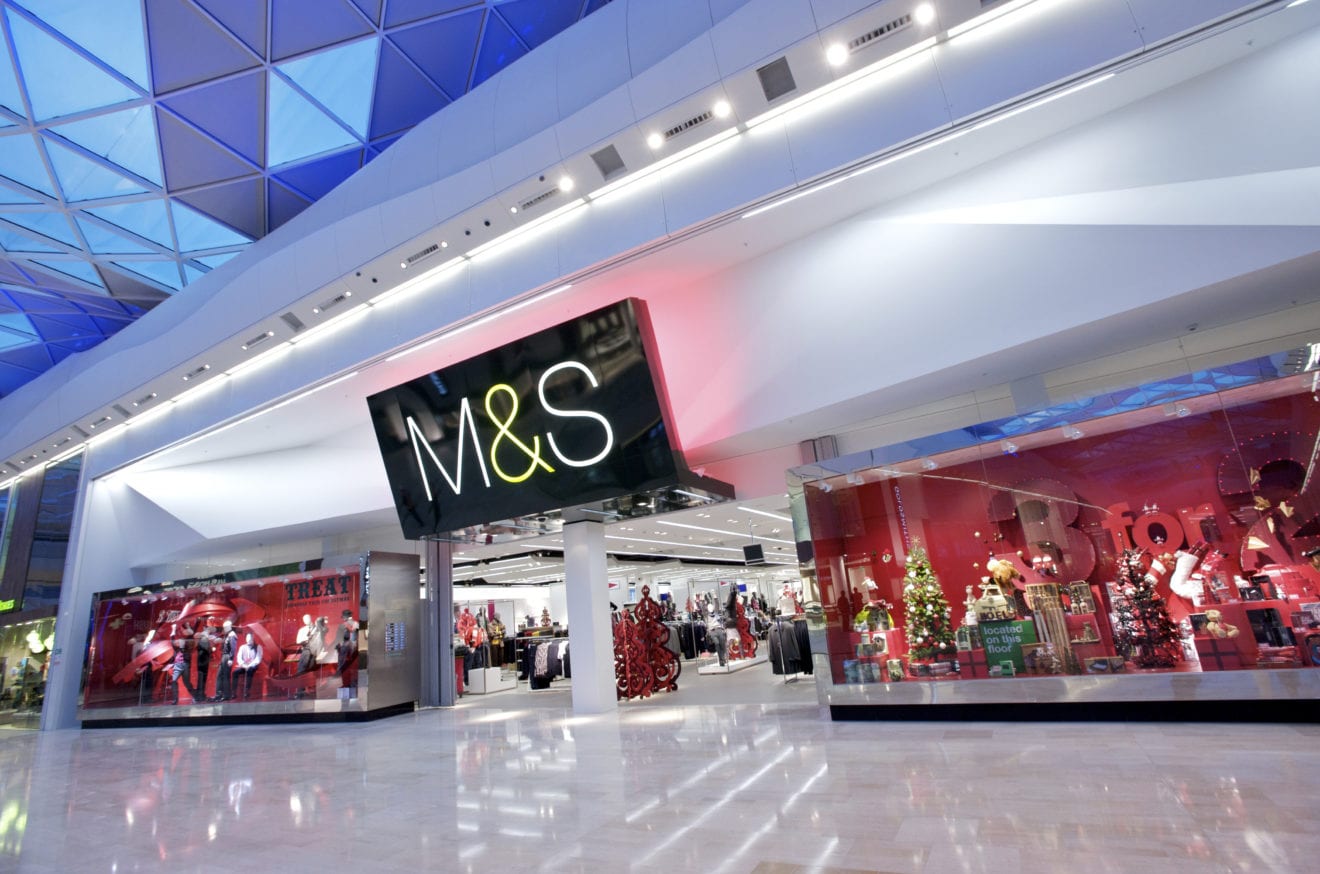
    UK-based department store retailer Marks & Spencer has opened a second store in Vietnam’s largest city, Ho Chi Minh.

    Marks & Spencer Vietnam plans to have 20 stores trading in the country by 2020, focused on selling womenswear and menswear.

    The new store is at Crescent Mall in Ho Chi Minh City’s District 7, a four year old mall which also hosts a newly opened Robins Department store.

    It is operated by Marks & Spencer’s long-term franchise partner, Thailand-based Central Retail Corporation, a member of Central Group, which also owns Robins.

    The first Marks & Spencer Vietnam store opened in a 1200 sqm space in the Vincom Center in downtown Ho Chi Minh City last year, the site previously occupied by UK rival Debenhams.

    M&S now has over 800 stores in the UK and more than 460 international stores across 56 markets in Europe, the Middle East and Asia.

  • Honda BR-V prototype debuts at Gaikindo in Indonesia

    Honda BR-V prototype debuts at Gaikindo in Indonesia

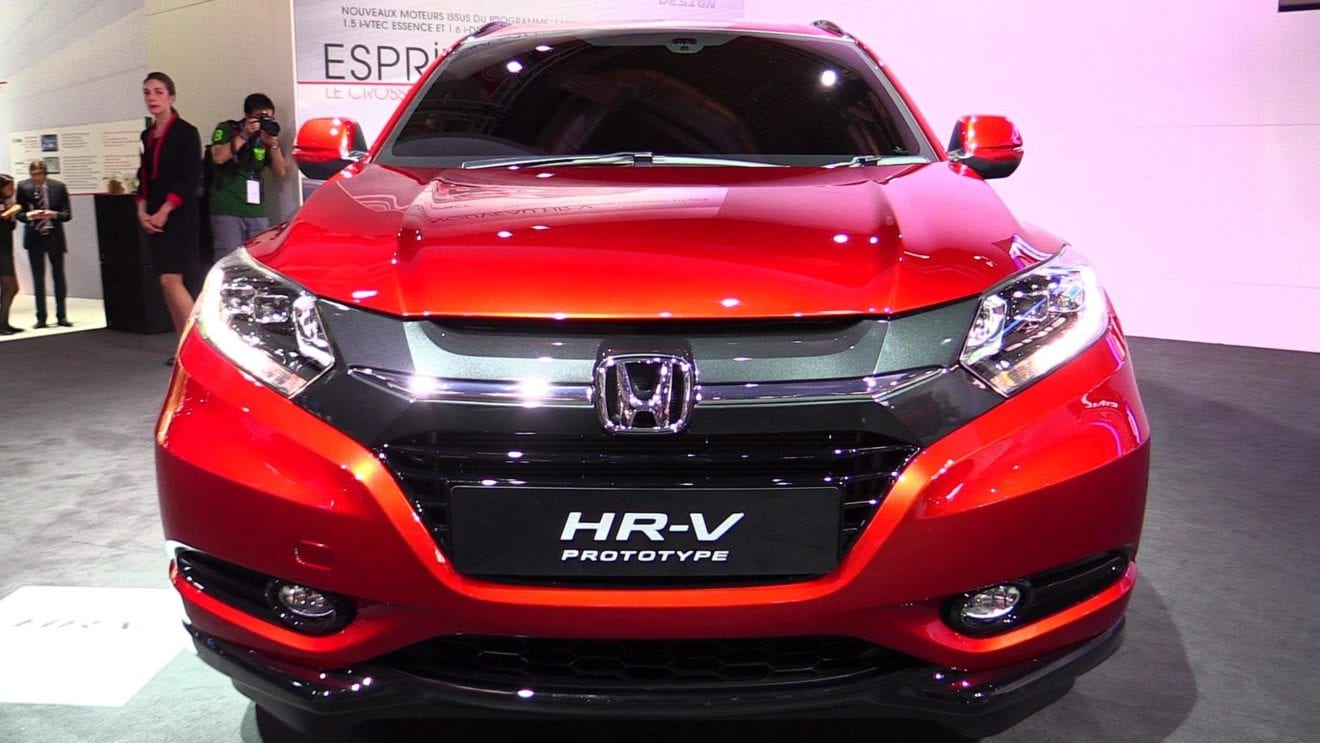
    Japanese automotive major Honda has unveiled its Honda BR-V Prototype, powered by a 1.5 liter i-VTEC engine with 6-speed manual transmission or a continuously variable transmission (CVT), at GAIKINDO Indonesia International Auto Show (GIIAS) 2015.

    honda

    Stated to blend the appearance of an SUV with the spacious cabin of an MPV, the new vehicle will first hit the stores in Indonesia next year at a price range between $16,432 and $18,932.

    Production of the vehicle will begin at the firm’s facility at Karawang, Indonesia, in January.

    Honda Motor regional operation (Asia and Oceania) COO Noriaki Abe said: “Honda started business in Indonesia in 1971, and the importance of this country for Honda’s auto business has been increasing year by year.

    “With the all-new 7-seat BR-V and the rest of the Honda line-up, we will continue to offer exciting products and the joy of driving to our customers in Indonesia.”

    With the exterior sporting high ground clearance, big roof rails for all grades, LED connected tail light design in C-character and new 16-inch aluminum wheels, the interior flaunts a spacious and comfortable cabin with additional knee room and head room.

    PT Honda Prospect Motor president director Tomoki Uchida said: “Honda BR-V was developed to fulfill the needs of Indonesian customers. We believe Honda BR-V will be greatly received by customers in Indonesia and become the main attraction in this year’s motor show.”