Author: Mei Ling Tan

  • Malaysia’s Axiata Boosted by Overseas Business

    Malaysia’s Axiata Boosted by Overseas Business

    Malaysia’s Axiata says profits rose sharply in the second quarter, thanks to contributions from various overseas interests, and claims to have seen improvements in the markets of Malaysia and Indonesia, where it has been struggling amid fierce competition.

    Through its various subsidiaries and affiliates, Axiata Group Berhad serves about 260 million mobile subscribers in Asia, making it one of the region’s biggest operators by customer numbers.

    Axiata reported a 34.2% year-on-year increase in profits after taxation and minority interests, to 611 million Malaysian ringgits ($147.9 million), following strong contributions from subsidiaries in Sri Lanka, Cambodia and India.

    Difficulties in Malaysia and Indonesia triggered a 0.5% dip in revenues over the same period, to MYR4.7 billion ($1.14 billion), but the operator said that Malaysia’s Celcom Malaysia had grown its customer base for the first time since the third quarter last year and that Indonesia’s XL was also making good progress.

    Nevertheless, Dato’ Sri Jamaludin Ibrahim, Axiata’s president and CEO, said there is still work ahead before the operator could feel satisfied with its performance.

    “While Celcom’s IT transformation issues are generally resolved and we are making significant progress in regaining some goodwill that was lost last year, there is still more to be done,” he said in a company statement.

    Axiata blamed declines in the voice and text-messaging businesses for a dip in Celcom’s service revenue but also claimed to have added another 61,000 customers to its subscriber base in the quarter.

    Having launched a series of new pre- and post-paid tariffs, the operator said it is now “regaining market confidence.”

    Axiata serves about 12.3 million customers in Malaysia, down from 13.4 million in the second quarter of 2014, but still generates about 38% of its revenues in the country.

    Celcom believes that upgrades to its IT systems will help it to compete more effectively against rivals including Maxis Communications Bhd. and DiGi Telecommunications Sdn Bhd. , which appear to have been eating into its market share in recent quarters.

    A similar transformation program is under way at XL in Indonesia, where subscriber losses have been even more dramatic over the last year.

    Currently Indonesia’s third-biggest mobile operator, XL revealed that customer numbers fell to about 46 million in the second quarter from as many as 62.9 million in the same period last year.

    In local currency terms, revenues have dropped from 6.1 trillion Indonesian rupiahs ($439 million) to IDR5.6 trillion ($403 million) over the same period.

    XL says its current strategy is to focus on serving heavier-spending customers. It has booked a sharp increase in average revenue per user over the past year — up to IDR32,000 ($2.3) per month from IDR26,000 ($1.87) in the second quarter of 2014 — despite the overall sales decline.

    Axiata’s performance in the much smaller markets of Sri Lanka and Cambodia stood in sharp contrast to the setbacks at home and in Indonesia.

    Sri Lanka’s Dialog grew revenues to 17.7 billion Sri Lankan rupees ($130 million), from SLR16.7 billion ($120 million) in the second quarter of 2014, and saw its customer base balloon from 9.3 million to 10.1 million subscribers over the same period.

    In Cambodia, meanwhile, Axiata revealed that revenues have grown from MYR270 million ($65.4 million) in the first six months of 2014 to MYR420 million ($101.7 million) in the same period this year.

    Axiata was also boosted by the performance of Idea Cellular Ltd. , one of India’s biggest mobile operators, in which it owns a stake of about 20%.

    In its results presentation, the operator indicated that Idea contributed MYR102 million ($24.5 million) to its profit before taxation and minority interests in the second quarter — about a sixth of the total figure.

    Fueled by growth in India’s burgeoning mobile data market, Idea reported a 14% year-on-year increase in revenues in the April-to-June quarter.
  • Shinhan Card to buy Indonesia’s Salim Group unit

    Shinhan Card to buy Indonesia’s Salim Group unit

    Shinhan Card will acquire a controlling stake in an Indonesian financial company as part of its expansion strategy into emerging markets, the credit card company said Thursday.

    “We will sign a deal next week in Jakarta to buy a 50 percent stake plus a share in Swadharma Indotama Finance from Indonesia’s Salim Group for a bit more than 10 billion won ($8.4 million),” a Shinhan Card spokesman said.

    Shinhan Card plans to hold a board meeting on Aug. 21 to approve the acquisition, with a signing ceremony scheduled on Aug. 26. It aims to launch a joint venture with a new name in Indonesia in November after receiving approval from financial authorities in the two countries in September, the company said.

    Shinhan’s local venture partner will be the existing shareholders who own the remaining stake in Swadharma Indotama Finance, the spokesman explained.

    The exact acquisition price will be decided at Shinhan Card’s board meeting next week, he said.

    “The acquisition is aimed at maximizing synergies between Shinhan Card’s 30 years of credit card business know-how and Salim Group’s nationwide retail networks,” the statement said.

    Salim Group’s businesses include telecommunications, automobiles, leasing, mining energy and foods. Salim Food is Indonesia’s largest food manufacturing company, it said.

    On top of strengthening Swadharma Indotama Finance’s existing businesses, Shinhan Card will seek an approval in Indonesia to enter the local credit card market late next year, the spokesman said.

    If everything goes as planned, Shinhan Card will be the first Korean credit card firm to sell its products and services to Indonesian customers. In fact, it is risky for a credit card company to begin business in foreign countries without accumulated customer data, it said.

    “We will beef up our overseas operations by making a presence in Indonesia following our recent advance to Kazakhstan. Particularly, we will focus on the credit card business in Indonesia in coming years,” Shinhan Card Chief Executive and President Wi Sung-ho said in the statement.

    In July, Shinhan Card opened its first overseas business entity, Shinhan Finance, in Almaty, Kazakhstan, initially to handle auto financing. It plans to sell small loans to individuals from September and introduce lease products from 2017, the spokesman said.

    In Kazakhstan, only banks are allowed to get into the credit card business. So Shinhan Card has to acquire a local bank if it wants to jump into the local credit card market, he said.

    Shinhan Card said it will continue to enter other emerging markets in Southeast Asia based on its experiences in Vietnam, Kazakhstan and Malaysia.

    In the January-June period, Shinhan Card posted a net profit of 352 billion won, up 11 percent from 318 billion won a year earlier, according to a regulatory filing.

  • Wing Tai shrugs off negative sentiment

    Wing Tai shrugs off negative sentiment

    Malaysian apparel retailer and property investor Wing Tai says it remains confident that the nation’s retail sector will bounce back in the wake of the GST-driven retail sales downturn.

    The company has reported a 41.8 per cent slump in profit in the three months immediately following the April 1 introduction of Malaysia’s modest six per cent goods and services tax on considerably sales revenue which more than halved – from RM146.6 million to 66.5 million.

    While the fall in revenue was more attributable to the property division rather than its retail interests, the company noted its retail profit margins were affected by higher import costs due to the weakening ringgit and subdued consumer spending.

    “While the retail (division) outlook is expected to be challenging in 2015 with weak ringgit and soft consumer spending, the retail division will continue to streamline its operations to enhance its performance,” Wing Tai said in its earnings statement.

    “In consideration of the prevailing market conditions and barring any unforeseen circumstances, the group expects to remain profitable for the next financial year,” it said.

  • Jollibee opens 3000th store

    Jollibee opens 3000th store

    Philippines-based fast food chain operator Jollibee Foods has surpassed the 3000 store milestone as it reports a 7.4 per cent increase in net income for the first half of 2015, to P2.7 billion (US$58.5 million).

    Sales rose 9.5 per cent, but increased cost of raw materials squeezed profit growth.

    Having reached the 3000 store milestone, the company has no plans to slow its growth.

    “We are on track to open at least 200 new stores in one year in the Philippines, the first time we will able to do so,” said JFC CEO Ernesto Tanmantiong said in a statement.

    “Historically, we were opening 100 new stores per year in the country. We look forward to opening 300 new stores worldwide this year, also a first in our history, with 100 abroad, the bulk of which will be in the People’s Republic of China,” he added.

    “We look forward to JFC’s resurgence to double-digit sales growth in the quarters and years ahead.”

    CFO Ysmael V. Baysa said the group hopes to achieve double-digit growth in 2016 due to the network expansion and improved margins.

    “Raw materials prices are [now] declining, however their benefits on profit margins have been offset by high levels of inventories of materials with still high prices. We deliberately increased our inventories in the Philippines starting in 2014 as a safety measure during a major new system implementation, and as a way of dealing with the logistics and delivery challenges in the country,” Baysa said.

    Jollibee has 2374 outlets in the Philippines and 627 overseas – 3001 in total.

  • Courts Asia fortunes improve

    Courts Asia fortunes improve

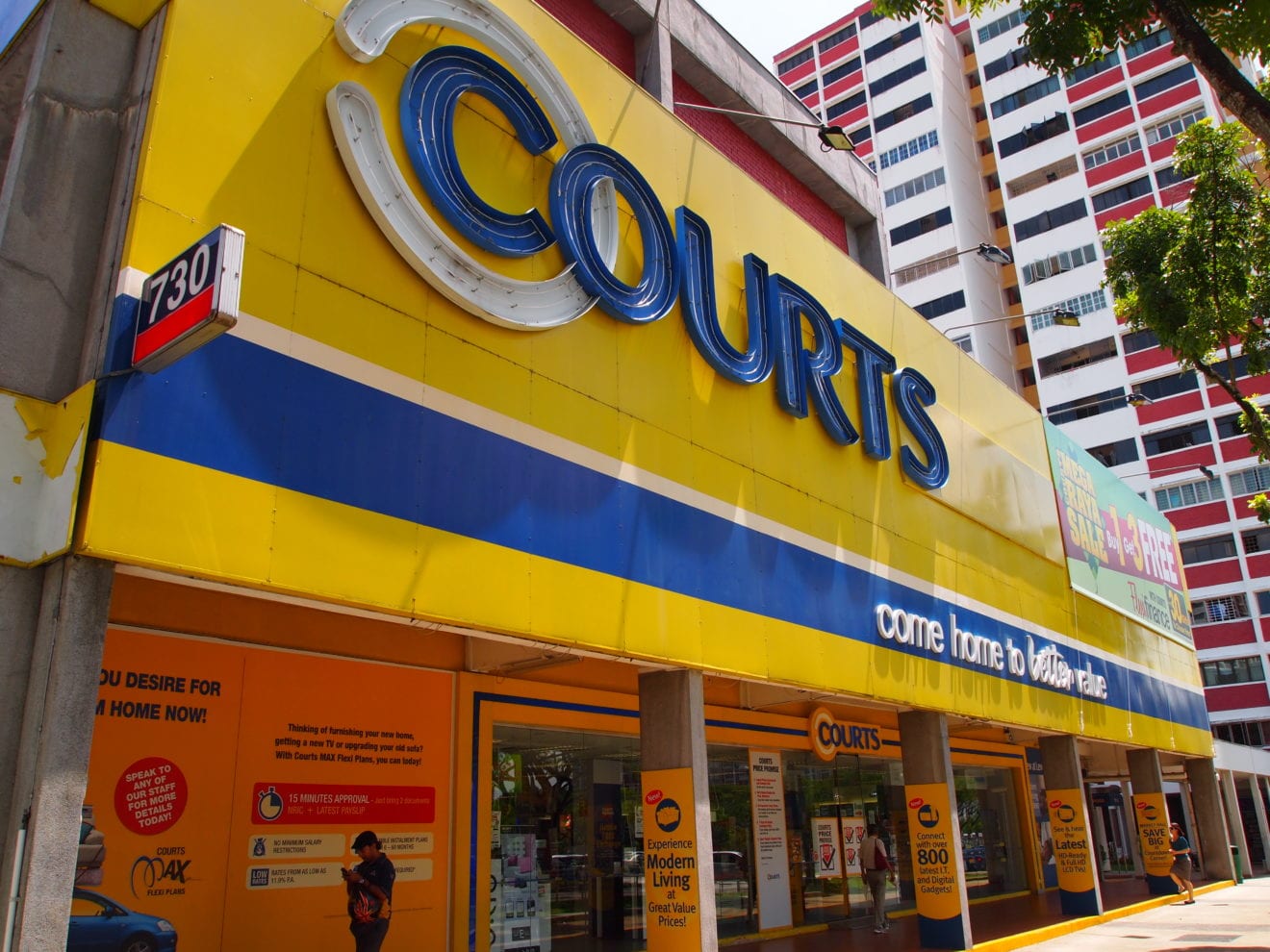
    Strong sales in Malaysia and Indonesia have buffered electronics and furniture retailer Courts Asia from Singapore’s retail downturn.

    The company has reported a 19 per cent increase in quarterly profit, to S$6 million in the three months to June.

    “Our Malaysia business has seen improving profitability with the success of our credit campaign, whilst the Singapore business is still being impacted by the soft retail environment,” group CEO Terry O’Connor said in the earnings statement.

    The Malaysian success will no doubt surprise shareholders and retail analysts given the nation experienced a sharp downturn in retail sales when the goods and service tax was imposed on April 1.

    “For Malaysia, we remain cautiously optimistic on the medium-term outlook. With the Goods and Services Tax implementation underway for several months now, we expect consumption habits to normalise over the next three to four quarters, though the recent weakening of the ringgit may pose some short-term challenges,” he added.

    The ringgit has slumped from 3.5 to USD1 to 4 in less than six months.

    Malaysia accounts for 35 per cent of Courts’ sales, its Singapore home market 63 per cent.

    Indonesia, accounting for the remaining two per cent, is Courts’ newest market. It has three stores operational now with a fourth due to open by December.

    Looking forwards, O’Connor said he expected consumer sentiment in Singapore to remain subdued over the short term.

  • China lingerie boom pays off for Cosmo

    China lingerie boom pays off for Cosmo

    Chinese women are splurging more on their underwear, producing rich results for Cosmo Group.

    Cosmo, China’s largest branded intimate wear business in total retail sales and store numbers, says sales revenue soared 27.2 per cent in the six months to June 30. Profit rose 40.7 per cent.

    The company says while it continues to focus on the affordable end of the market, it is expanding its range and reach in the high end of the market, to capture the increasing discretionary spending of China’s rising middle class.

    “The increase in the national per capita disposable income of China… and the increase in retail sales of China’s intimate wear industry in the past three years, according to Frost & Sullivan, entails enormous business potential for the group,” the company said in its earnings statement on Monday.

    “It is believed the group’s strategy of offering consumers with products of high quality standards at affordable prices has effectively rendered it one of the most popular intimate wear brands among the Chinese consumers.”

    For the six months to June 30, Cosmo recorded revenue of RMB2.207 billion and profit attributable to shareholders of RMB 270.35 million.

    In March of this year, Cosmo bought the lingerie brands Ordifen, Rubii and Ilsee, which aided its expansion into high-end intimate wear distribution channels in China, including department stores and shopping malls in tiers one and two cities.

    As at June 30, there were 578 retail outlets of the acquired brands – 344 franchised and 234 self-managed. The majority of these  are located in the shopping malls and department stores in tiers one and two cities in China.

    Immediately after the acquisition, the group launched several initiatives to realise the synergies of the integration and consolidation of the new brands into the group’s operation, including improving its retail capability, strengthening marketing, enhancing logistics, research and development and re-negotiation with suppliers for more favorable terms.

    “The group will improve the performance of the retail outlets on an on-going basis and will also consider establishing new retail outlets in places with high growth potential.”

    At the time of acquisition the new brand portfolio was trading at a loss. Cosmo says the business is already profitable.

  • Bleak result for Isetan Singapore

    Bleak result for Isetan Singapore

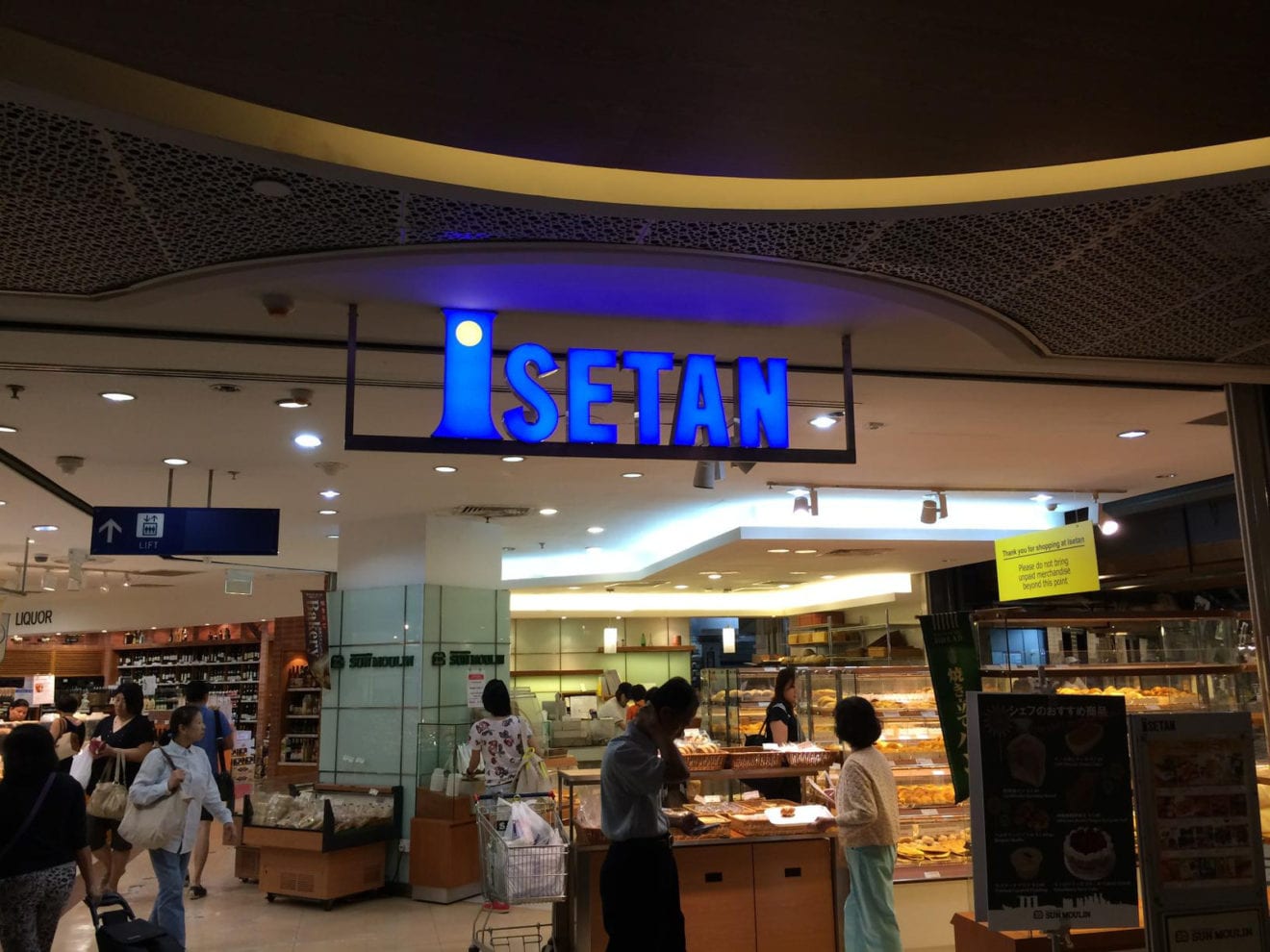
    Japanese department store operator Isetan has reported mounting losses in Singapore as sales fall and rents rise.

    Group sales for the three months to June 30 were $71.467 million, a decrease of $10.819 million or 13.15 per cent over the same quarter a year ago. Isetan said the decrease was largely due to the closure of its Isetan Orchard store at the end of March to prepare the store space for subletting, and a slowdown in sales in all of its stores (except Isetan Jurong East) “due to an environment of slower economic growth and stiff competition amongst retailers”.

    In the second quarter the company incurred a loss after tax of $5.847 million, compared to a loss of $1.214 million in 2014.

    Higher rent at Isetan Scotts, affected both the store’s result and was the main reason for the overall increase in the rent outgoings.

    “At Isetan Orchard, the process of finding tenants and converting the space for renting out is ongoing,” the company said in a statement.

    “In this respect, there was no rental income from this store during Q2.”

    “At Isetan Jurong East, although the store is experiencing sales growth, it is not contributing to profits yet. The general slowdown in sales was also a drag on the results of the Group for Q2.”

    Its other stores are at Katong, Tampines and Serangoon Central.

  • Korea on sale

    Korea on sale

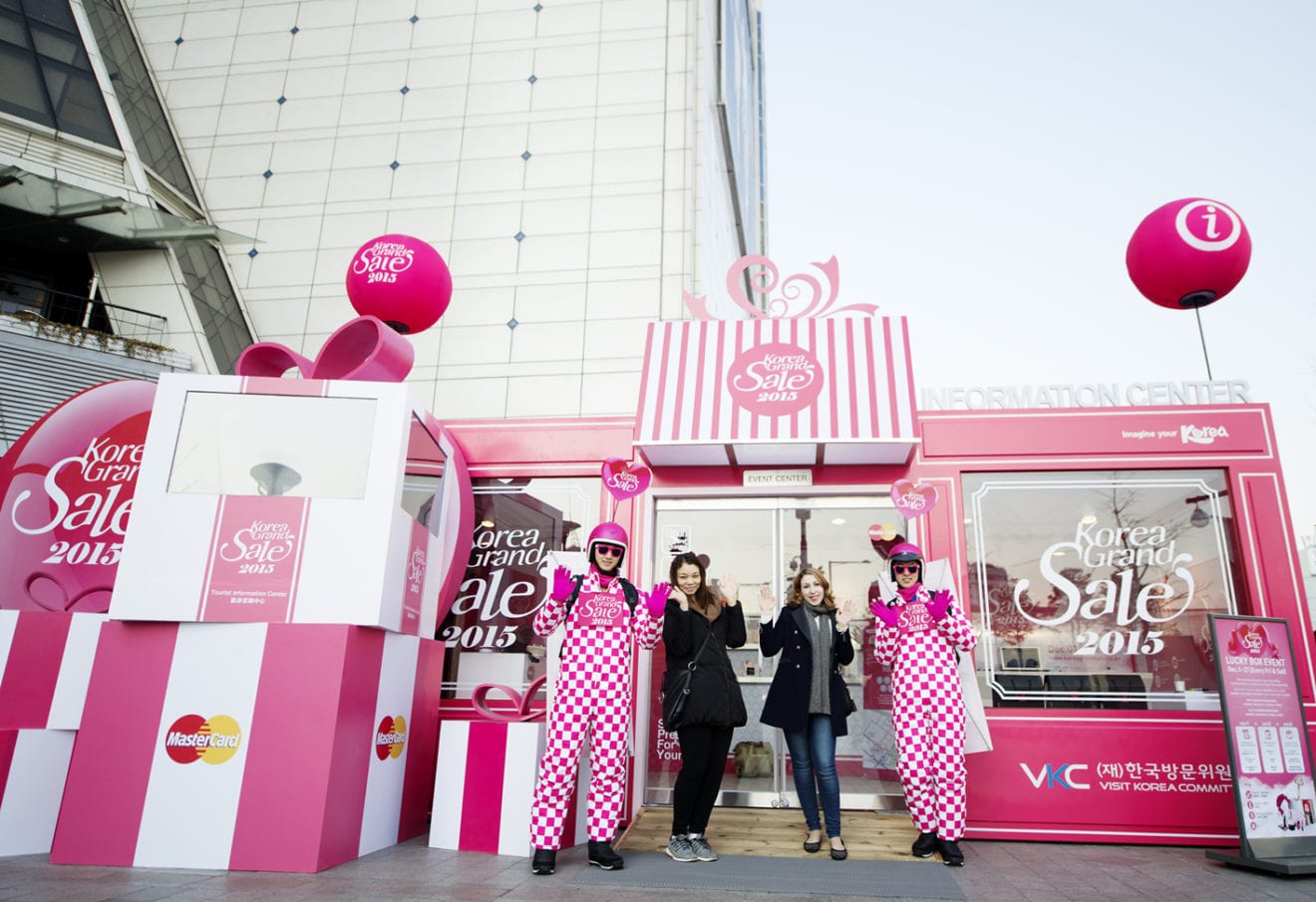
    In a bid to revitalise the national tourist market and domestic economy, withering in the wake of the Middle East Respiratory Syndrome (MERS) outbreak, Korea will go on sale.

    Branded the ‘Korea Grand Sale’, the 10 week long promotion will run from August 14 to October 31.
    Officials say that the sale will be the largest in scale since the event started.

    “We advanced the date of the Grand Sale, which usually took place in winter, out of desperation. We hope the sale can continue to bring tourists back to Korea instead of ending as a one-time event.”

    Criticised for offering discounts only to foreigners, officials said they are persuading participating companies to give discounts to local consumers as well.

    “Businesses in traditional markets and some convenience stores are showing positive responses towards the idea.”

    Benefits such as discounts for transportation and free WiFi modem rental services will be provided. In addition, the Korea Grand Sale Event Center located at Doota Square in Dongdaemun will provide translation services, information about tourism, beverages and special events.

    Han Kyung-ah, the executive secretary of the Visit Korea Committee, explained the intentions of the Korea on sale event: “We intend to attract tourists headed to Hong Kong and Japan towards Korea by providing abundant benefits.”

    Various promotions introducing Hallyu content and traditional culture will also occur.

  • Ever-Glory sales slide

    Ever-Glory sales slide

    Chinese fashion retailer Ever-Glory International says its sales fell 11.6 per cent in the three months to June 30.

    Total sales for the quarter were US$75.7 million, the slide primarily due to a 6.8 per cent decrease in its retail business to $45.9 million and an 18.1 per cent decrease in its wholesale operation to 29.8 million.

    Ever-Glory had 1204 retail stores as at June 30, 49 more than at the same time last year.

    Total gross profit for the quarter increased 2.4 per cent to $30 million.

    Based in Nanjing, China, Ever-Glory retails branded womens fashion apparel through its own store network under the brands La Go Go, Velwin, Sea To Sky and Idole in China.

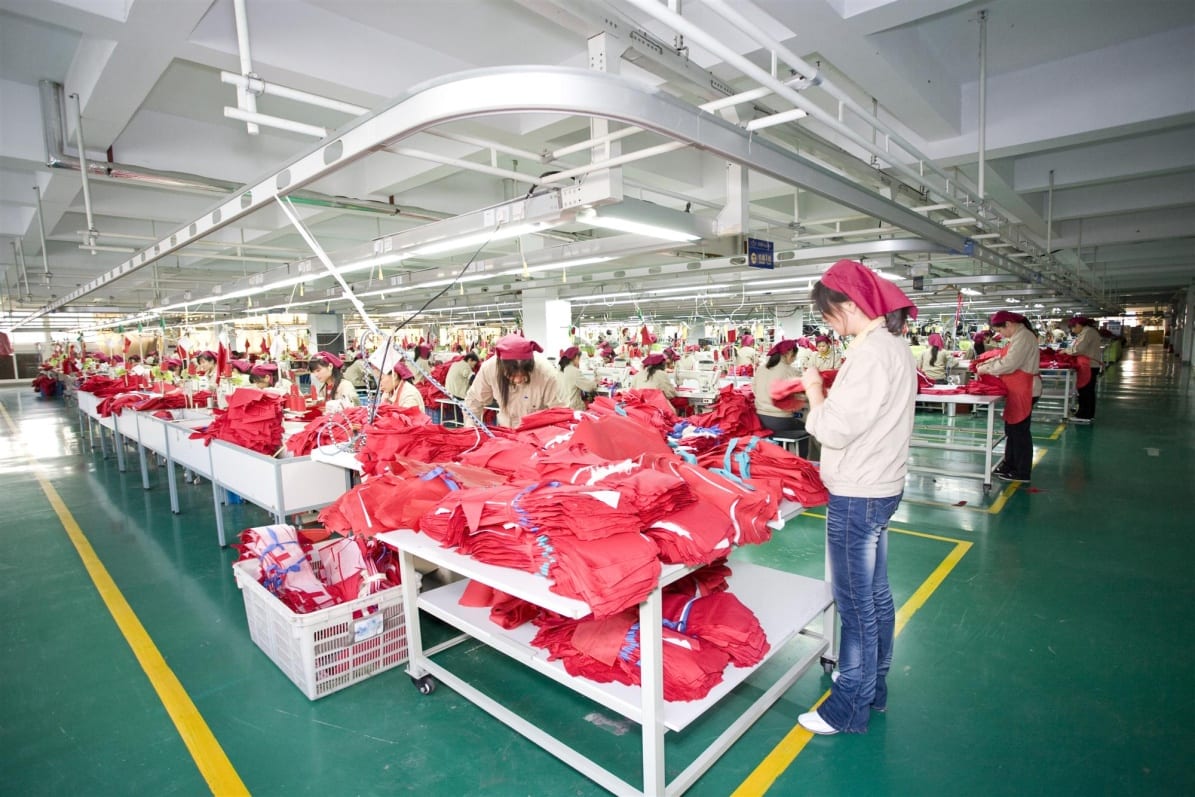
    Ever-Glory is also a leading global apparel supply chain solution provider with a focus on middle-to-high end casual wear, outerwear, and sportswear brands. Ever-Glory services well-known international brands and retail stores by providing supply chain management, fabric development and design, sampling, sourcing, quality control, manufacturing, logistics, customs clearance and distribution etc.

  • Bulgari Macau’s new generation boutique

    Bulgari Macau’s new generation boutique

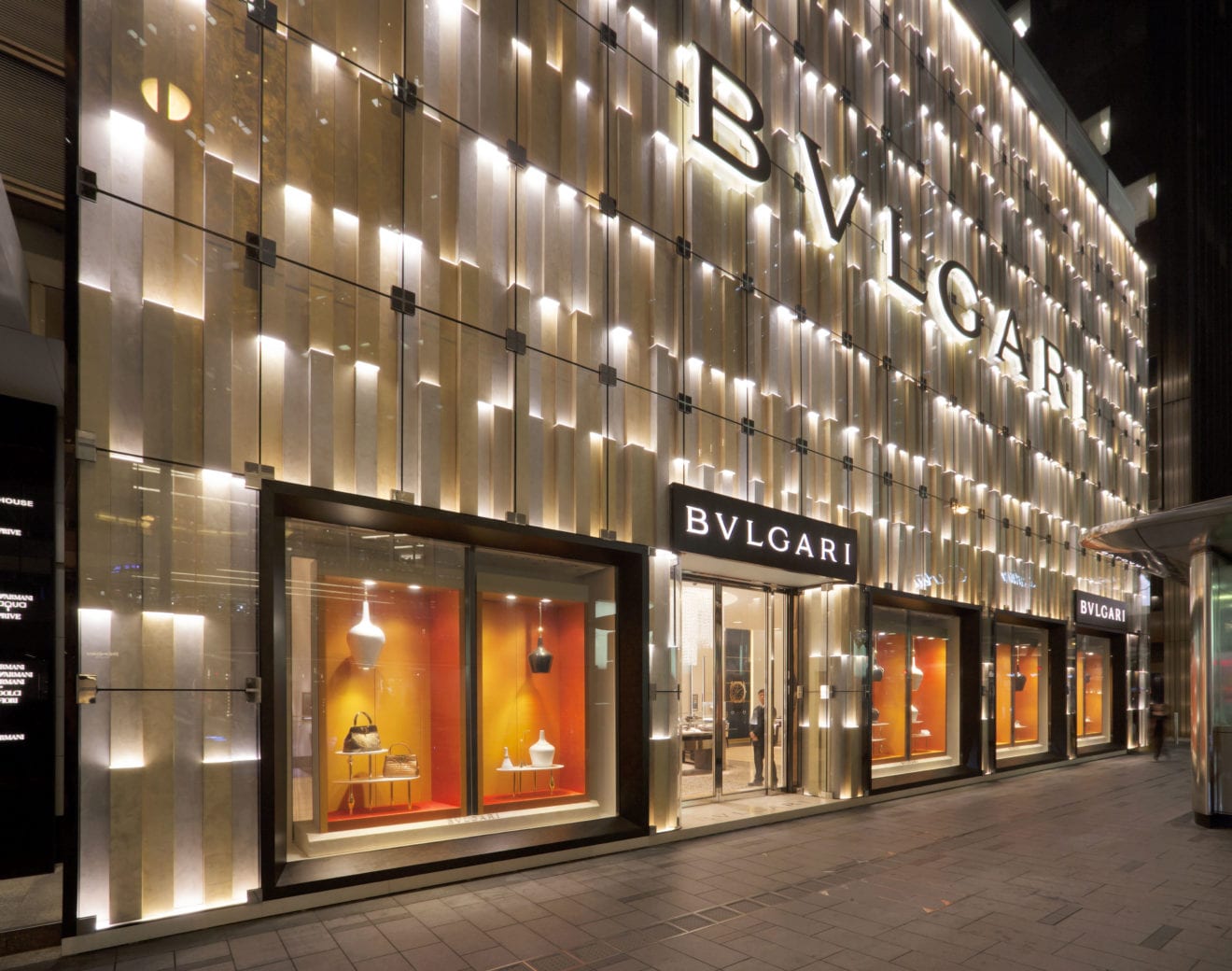
    Bulgari Macau’s new luxury boutique at the Galaxy features the new architectural design concept developed by Peter Marion.

    Following the renovation of the Via Condotti flagship in Rome, the new architectural design concept is being rolled out by the LVMH brand in the most prominent locations worldwide, mirroring the brand’s signature architectural elements and expressing its Mediterranean origins and Roman traditions with a classic Italian approach to modernity.

    The Galaxy Macau store, which began trading in July, is thus one of the first in the world to carry the new image.

    Bulgari says the dominant idea is expressed by “a classic geometry open to modern interpretation, in a continuous interplay between innovation and tradition”.

    The 290 sqm space encompasses the brand’s design key elements, such as the three institutional giant windows alternate with three Condotti showcases and the Condotti eight point star, still present in the original historical flagship in Rome Condotti 10.

    The boutique also houses some furniture selected by Peter Marino himself and conceived by the Italian designers who have had link with the Bulgari heritage, such as the product counters by Carlo Scarpa, the sales tables by Franco Albini, or the central Eros marble table by Angelo Mangiarotti.

    The brand touch is also provided throughout the areas transformed into a Bulgari art-gallery: walls are decorated with Vintage most famous endorsements of celebrities who have been truly fan or ambassadors of the brand’s Italian exciting lifestyle.

    The boutique features an exclusive Bridal, Men, Accessories and VIP area, where the most precious creations can be viewed in total privacy.

    Bulgari Galaxy Macau is located at Shop G094 on the ground floor.

  • Paradigm Mall to be new JB retail hub

    Paradigm Mall to be new JB retail hub

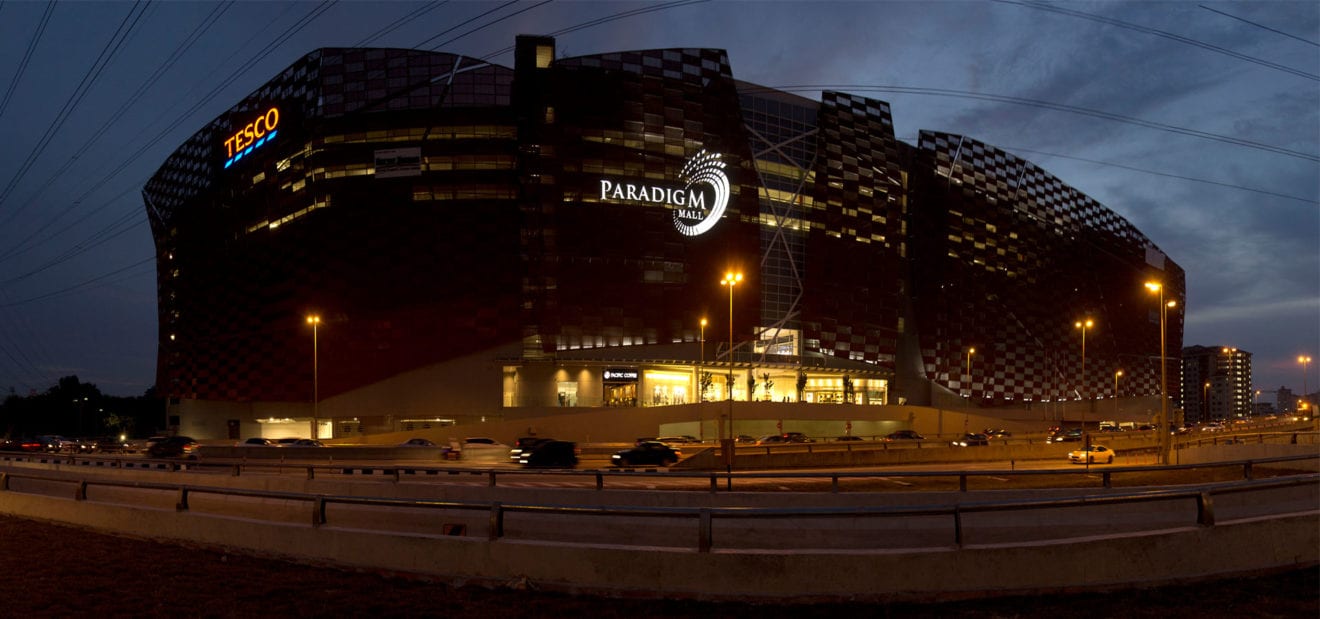
    A new shopping centre announced for Malaysia’s southern city Johor Baru, will be the largest mall in town when it opens in late 2016.

    Paradigm Mall was launched by Malaysia’s Tourism and Culture Minister Datuk Seri Mohd Nazri Aziz. It will be developed by WCT Holdings Berhard.

    The six story, 600,000 sqm mall will house a 16 screen multiplex cinema, an indoor rock climbing facility and an ice skating rink, alongside a large line-up of local and international brands inlcuding department store Sogo and the Village Grocer supermarket.

    Aziz described Johor Baru – a short drive across the border from Singapore – as “untapped potential” suggesting the new mall could help attract Singaporean shoppers to the city.

    “Johor Baru is among the top five shopping areas for foreign tourists, and I hope to work with integrated developments such as Paradigm Mall to promote Malaysia internationally,” he said at a launch function.

    The new mall will also incorporate a four-star hotel and serviced residences.

  • Starbucks tests smart smartphone case

    Starbucks tests smart smartphone case

    Starbucks Japan is involved in a unique trial which allows customers to order and pay for their coffee with a swipe of their phone.

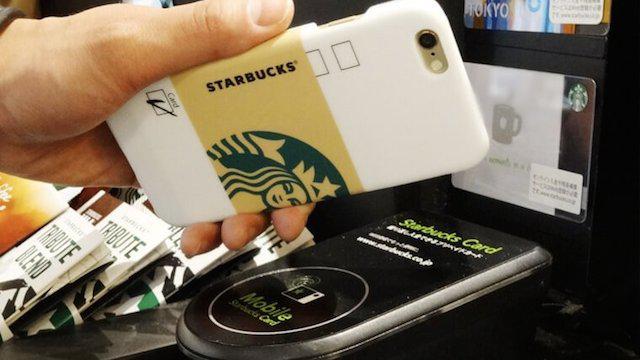
    The concept uses a branded smartphone case which is preloaded with the customer’s preferences.

    Trend monitoring website Springwise.com reports the Starbucks Touch phone case was developed in collaboration with Japanese clothing brand Uniform Experiment, and can currently be used in two Starbucks branches in Japan.

    The case – made for iPhone 6 – is designed to resemble a Starbucks coffee cup and features the brand’s iconic logo. It works like a prepaid Starbucks loyalty card, letting customers make cashless coffee purchases. It also enables users to save their preferred store and favorite beverage via a companion app. Upon arrival, customers simply launch the app and place their order, settling up by touching their phone case on the contactless payment device.

    The Starbucks Touch is available online for JPY 3000, or about US$25.

  • SSI Group enters travel retail arena

    SSI Group enters travel retail arena

    Philippines specialty store operator SSI Group has made its first foray into the travel retail sector.

    SSI, through a subsidiary SKL International, has bought a 50 per cent stake in Landmark Management Services which marks its debut in the increasingly lucrative travel retailing category.

    The stake was acquired from duty free distributor Prime and the Regent Asia Group.

    “We are very happy to be part of the development of the travel retail industry. We believe that with SSI’s retailing experience and Landmark’s deep understanding of the unique shopping requirements of travelers, we can expand our market to cover tourists and business travelers,” SSI President Anthony Huang said in a statement.

    Landmark operates duty free and travel retail fashion stores at the Philippines’ larger airports as well as at Fiesta Mall in downtown Manila, under a concession from Duty Free Philippines.

    SSI Group ended last year with 723 specialty stores and 134,000 sqm of retail trading area and was planning to open a further 130 this year, outside this week’s acquisition. The company’s brand portfolio includes Marks and Spencer, Gucci, Burberry, Hermès, Prada, Salvatore Ferragamo, Lacoste, Michael Kors, Kate Spade, Gap, Bershka, Aeropostale, Samsonite, Nine West and Payless Shoe Source.

  • London retailers revel in Chinese influx

    London retailers revel in Chinese influx

    Hong Kong retailers wondering where those cashed up, big spending Mainland Chinese tourists have been unzipping their wallets… here is your answer: London.

    According to the Retail Gazette, spending by Chinese Visa card holders rose 44.5 per cent in the UK in July – outstripping spending by tourists from France and Australia.

    Inbound tourists from China now account for more spending than those from any country except the US which retains top spot.

    Retail Gazette reports the growth in Chinese spending was strongest in supermarkets (up 79 per cent) and in high street stores (up 40 per cent).

    Shopping accounted for 40 per cent of Chinese tourists’ spending in the UK

    “China is one of the fastest growing sources of tourism income for the UK and it looks set to become an important driver of growth for the sector,” said Kevin Jenkins, UK & Ireland MD with Visa Europe.

    “Spending on cards has seen a significant boost as Chinese tourists travel to the UK, confident in the use of plastic overseas.

    “With shopping a top attraction for Chinese travellers, UK retailers are likely to consider additional ways to appeal specifically to this audience,” Jenkins said.

    “Pre-travel marketing, multilingual staff and new product lines in store may be three things we see more of.”

  • Global Brands in talks with Alibaba, JD.com

    Global Brands in talks with Alibaba, JD.com

    Global Brands Group is discussing a possible “strategic alliance” with Chinese eCommerce companies Alibaba and JD.com.

    The two e-tailers are declining to comment on the matter, but based on comments by Global Brands CEO Bruce Rockowitz, Bloomberg reports the alliance “could involve online sales of brand-name children’s wear, among other products, through Alibaba’s Tmall and JD.com, and co-operation offline”.

    Rockowitz said a formal announcement is likely later this year.

    “We are working with JD and Alibaba on a strategic alliance, joint venture,” he said. “It’s a relationship or joint venture together that can create a solution online, offline and mobile that none of us can do by ourselves.

    “Both of them want to do something. They don’t have the content, just platforms, but they want to go to the next level.”

    The comments came in the wake of Global Brands’ first full year results announcement earlier this week when it reported stronger margins as it continues to shed non-performing brands in favour of higher end products.

    Last December, Global Brands announced a joint venture with David Beckham and his business partner Simon Fuller. The joint venture, Seven Global, focuses on the continued development of the brand around David Beckham as well as on creating large scale brands in partnership with a select number of high‐profile sports and entertainment icons. The venture will cover all major consumer product categories.