Author: Mei Ling Tan

  • Indonesia liquor retailers brace for downturn

    Indonesia liquor retailers brace for downturn

    Indonesia liquor retailers fear the recent surprise increase in import tariffs on wine and spirits could more than double the price of some drinks.

    Indonesia’s Muslim-controlled government is effectively declaring war on drinkers. In April liquor sales were banned from convenience stores – a move recently blamed by Dairy Farm International for the closure of many of its convenience stores in Indonesia and prompting a strategic review of the entire chain.

    Last month the government announced shock tariff increases on a raft of imported products in a 1970s-styled economic move to protect inefficient local industry and deter imports. This despite its inclusion in the ASEAN bloc which encourages free trade within the region.

    Drinks industry executives told news agency Reuters the tariffs could “more than double prices” that were already sky-high, even by Asian standards. They fear an increase in smuggling activities and a black market for fake alcohol which is already an issue in China and Vietnam, leading to fatalities from people drinking chemical-enhanced fluids sold in fake branded bottles.

    The new tariffs, which took effect on July 23, force importers to pay 90 per cent duty on the value of wine and 150 per cent on spirits. The previous regime was a fixed amount per litre.

    “It’s quite a shock to the industry,” Dendy Borman, a board member at the International Spirit and Wine Association, told Reuters.

    And it could get even worse. Two extremist Islamic political parties want all liquor consumption in the country completely outlawed.

  • UnionPay partners with Latitude19

    UnionPay partners with Latitude19

    Latitude19 Technology says its internet payment gateway is now registered with UnionPay Online Payment, a service for eCommerce transactions that enables UnionPay cards to be accepted over the internet with real-time transaction authorisation.

    The service brings the convenience of transacting over the internet to all Issuers, Acquirers, Merchants, and UnionPay cardholders in a simple and secure way, opening the way for holders of more than 5 billion UnionPay cards to shop online.

    Latitude 19 Technology CEO & founder, Timothy Moore said UnionPay registration is an important milestone in the company’s strategy to become the leading global offshore payment gateway.

    The deal makes Latitude19 the first provider for UnionPay in the Caribbean and Latin America.

    “Our partnership with the world’s largest card association, will fast track our growth and provide valuable solutions for our clients.”

    Latitude19 Technology’s UnionPay International credit card issuing program is based on a globally recognised platform that has been designed to rapidly launch and deploy new programs or expand existing programs in real-time versus taking months with other legacy platforms. It supports debit, credit, or emerging payment programs in plastic, virtual, or mobile form.

    Latitude19 Technology is a Cayman Islands-based secure, international, online payment gateway that offers competitively priced, custom credit card payment solutions for eCommerce merchants.

  • AS Watson opens global flagship

    AS Watson opens global flagship

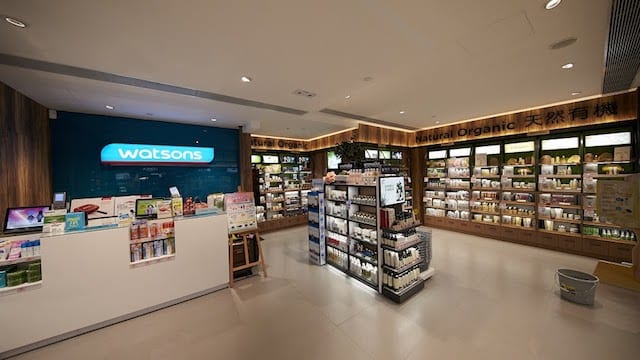
    AS Watson Group has opened its 12,000th store worldwide – in Hong Kong’s Causeway Bay.

    Perhaps fittingly, the store is a three-storey flagship, at 8000 sqft, the brand’s largest store in Hong Kong.

    Located on Yun Ping Rd, the new store features the latest Watsons store design concept internationally, a blend of “contemporary and elegant style”.

    “As an all-rounded health and beauty store, the flagship store provides customers with over 8300 unique products, including 840 healthcare and beauty brands of which 250 are Watsons exclusives,” the company said in a statement.

    The wide selection of products are categorised into different themes, such as organic skincare products, derma cosmetics, baby care area, men’s care area and health checks. Pharmaceutical and beauty consulting services, in-store nursery room and mobile charging stations are available to provide comprehensive customer services.

    At the store’s opening ceremony, Li Tzar Kuoi, Victor, the co-MD and deputy chairman of Watson’s parent CK Hutchison’s Group said Hong Kong has a special place in the company’s heart.

    “Last year, AS Watson Group opened and refitted 76 retail stores in Hong Kong; and for this year, the number is expected to amount to over 80. The capital investment involved would be approximately HK$620 million over these two years,” Li said.

    “We will continue to invest in the city. ”

    Founded back in 1941 as a small dispensary, the AS Watson Group was the 14th company to register in Hong Kong. Now it is the world’s largest international health and beauty retailer and one of the world’s fastest-growing retailers. Watson plans to open 1300 new stores around the world in 2015 – nearly three per day.

    Fortune Centre Watsons Hong Kong Flagship Store has the widest selection of natural & organic skin care products of nine international brands, including the Anumi, a well-known Australian brand with international organic certification, and American brand Burt’s Bees.

    Derma cosmetic products from 12 brands are on sale, including the French cosmetic brands Uriage and Filorga, which will have their exclusive counter, and Watsons’ exclusive brands such as Skin Advanced, CNP. Customers can also enjoy skin analysis and derma cosmetics consulting services.

    A wide range of cosmetic brands, including Clio, Luna and Peripera, etc, from Korea will be exclusively offered in this biggest cosmetic zone among all Watsons stores. Nail brands like Sally Hansen and Depend 7Day will also be available here. Customers can even enjoy makeup or manicure services.

    The Baby Zone offers a large variety of baby products, ranging from diapers, baby wipes, milk powders, etc, giving babies full care and protection. The Men’s Zone offers men’s grooming and health products selections of 14 brands, including Men’s Biore, L’Oréal Men Expert and Za Men, which is a Watson’s exclusive.

    As the Asia’s largest health and beauty retailer, Watsons aims to make customers ‘Look Good, Feel Great’. Nine professionals, including two pharmacists, one dispenser, three health and fitness advisors and three beauty consultants will station in-store to provide customers with professional health consulting and assessment services, such as the Ultrasound Bone Density test as well as measurements for blood pressure and BMI (Body Mass Index).

    The Flagship Store provides customer services such as free wireless internet access, mobile charging stations, baby nursing room, and washrooms.
  • Pandora takes over Asia stores

    Pandora takes over Asia stores

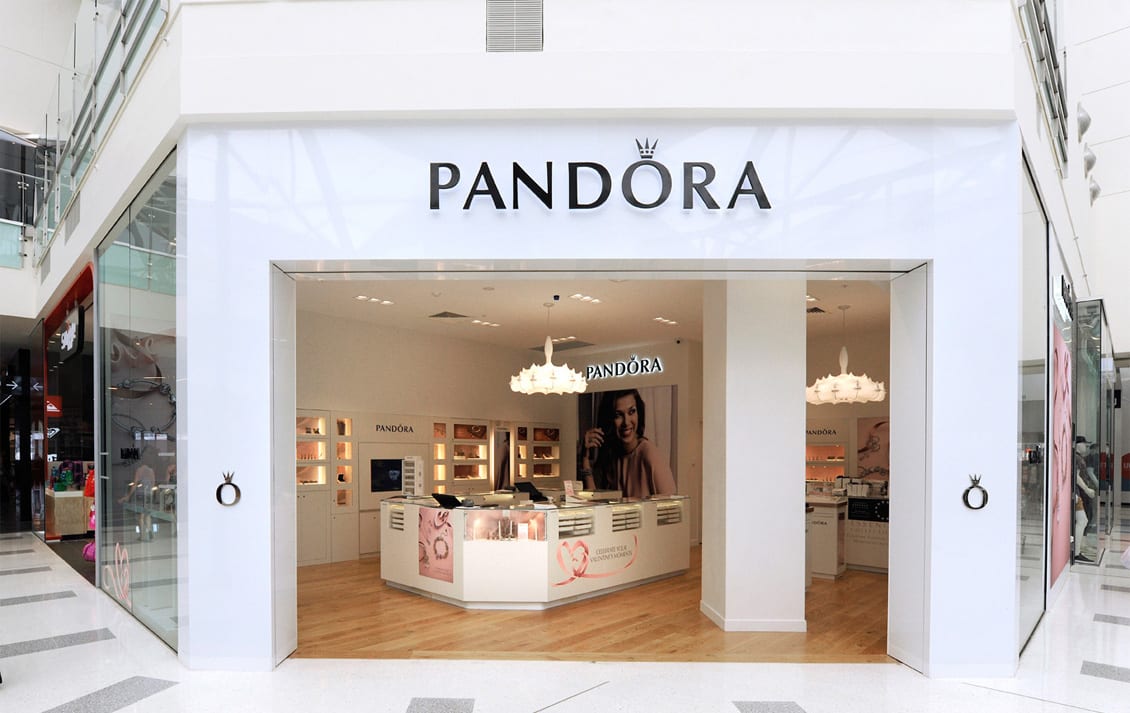
    Resurgent mass market jewellery brand Pandora has chosen to take back its operations in three Asian markets.

    Singapore-based Norbreeze Group has been running the stores in Singapore, Macau and the Philippines. Pandora Group will take control from January 1, 2016.

    Norbreeze Group revealed it had finalised an agreement with the Pandora Group in a postscript to its announcement it was bringing the Joe and the Juice brand to Singapore later this year.

    January 1 is when the Norbreeze group’s distribution rights in the region will naturally expire, ensuring a smooth transition, the Singaporean company said.

    “It is a natural next step for us to hand off the highly-successful Pandora network that we have built across Southeast Asia, providing an established business built for durable success when The Pandora Group takes over the reins in the new year,” said Anders Peter Juel Sauerberg, Group CEO of Norbreeze.

    Norbreeze Group has more than 60 direct and indirect operated stores and distributes to more than 300 stores across Southeast Asia, and says it will continue to drive excellence in brand and operational development in integrated retailing, distribution and sales for its portfolio of international accessible luxury brands.

  • Ron Johnson wins $50m for Enjoy concept

    Ron Johnson wins $50m for Enjoy concept

    Former Apple retail chief Ron Johnson’s new project has attracted a $50 million capital investment.

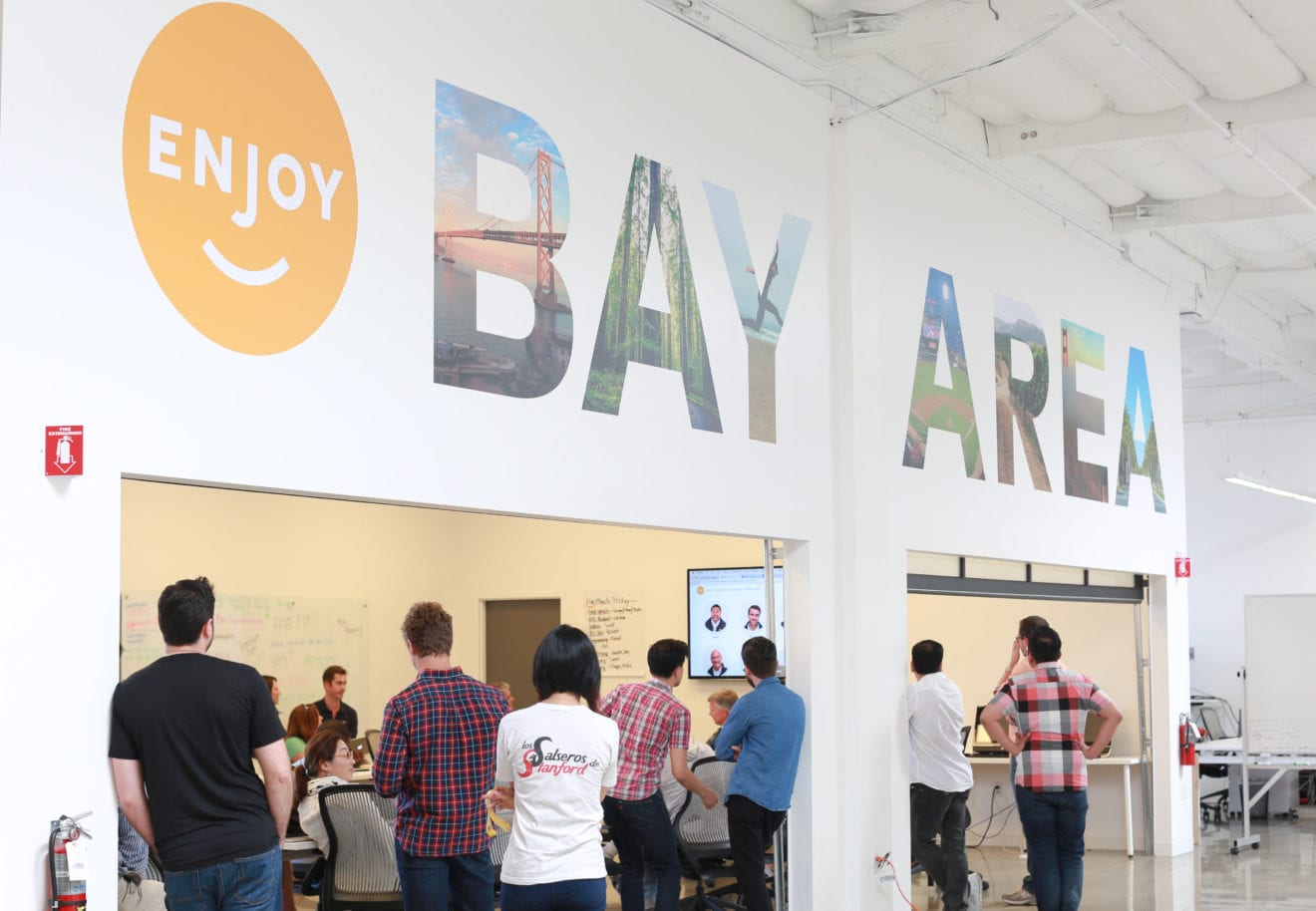
    His new venture, Enjoy Technology, is an online eCommerce start-up which sells a selected range of quality consumer electronics online only – then sends them to the purchaser’s home along with an expert in setting the equipment up. The concept merges service and customer focus with the convenience of shopping online.

    The $50 million was raised in series B funding led by Highland Capital. It comes on top of the initial $30 million and will be used to expand the concept outside its test markets of New York City and San Francisco Bay.

    “Since launching in May, we have been thrilled with the high-quality experiences we’ve been able to deliver for our customers, partners and employees,” said Johnson in a statement.

  • 361 Degrees sees fast recovery in China

    361 Degrees sees fast recovery in China

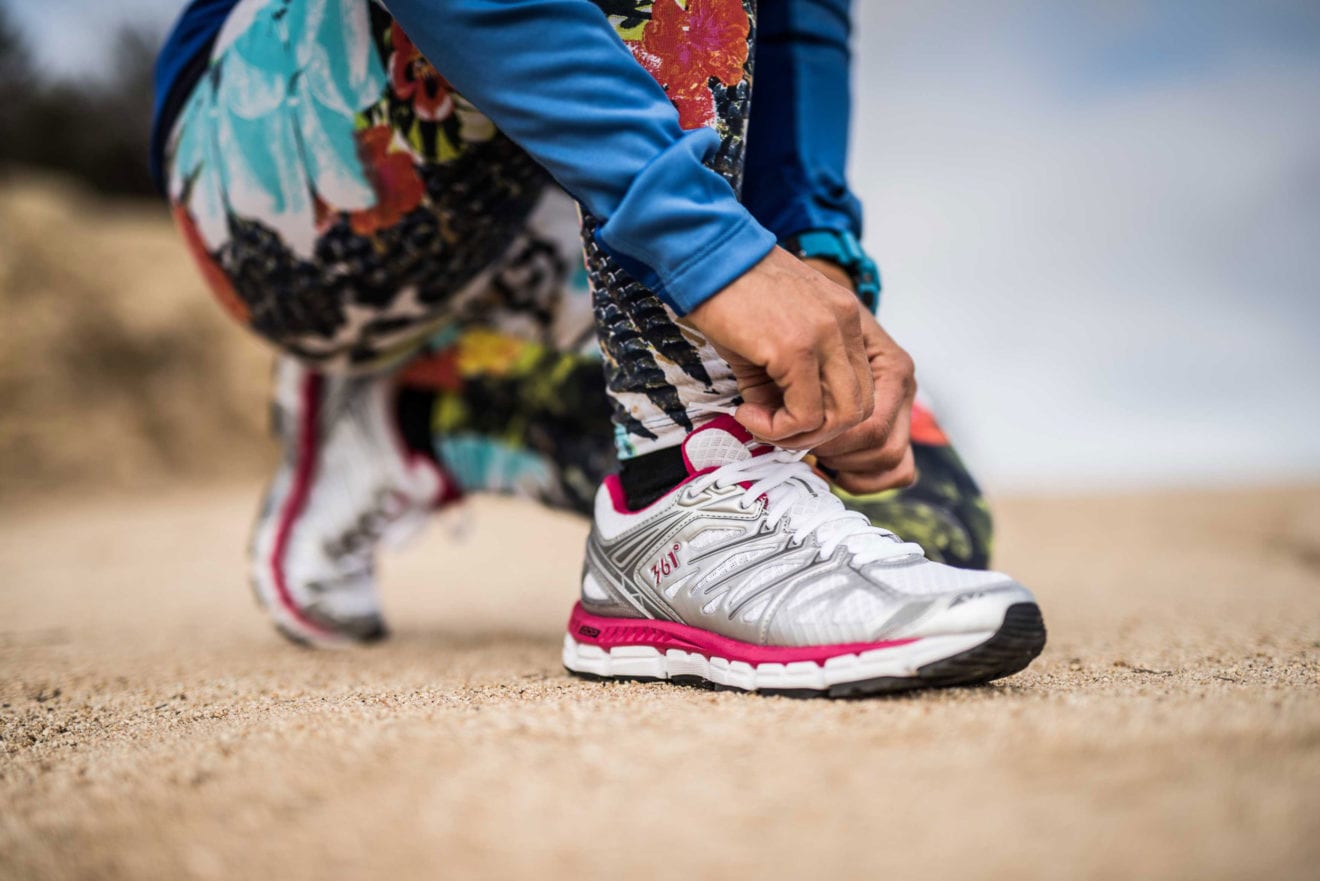
    Chinese sports brand 361 Degrees says its sales and gross margin improved in the first half year to June 30.

    361 Degrees, listed in Hong Kong, operates 7404 retail stores across Mainland China. It says store productivity continued to be a central theme in future profitability.

    “The current store count of outlets is not likely to increase substantially in the foreseeable future as the retail landscape is fast changing with a new generation of consumers adopting different buying habits,” the company said in its half year statement.

    “The group is very much attuned to these developments and has intensified efforts to promote various initiatives in internet and mobile sales. However, the days for the traditional bricks and mortar store are far from over and particularly in our case, where over 70 per cent of our outlets are in the tier-3 and smaller cities, strong local connections with schools and sports clubs are an inherent advantage, especially as increasing numbers turn to sport as a form of recreation and lifestyle.”

    The group reported its turnover improved by 5.7 per cent year on year, and by 22 per cent over the preceding six months, to register RMB2.2 billion. Gross margin gained a further 1.6 percentage points to 41.3 per cent on the back of lower material costs.

    Operating profit reached RMB485.5 million – 34.4 per cent higher than in 2014.

    Ding Wuhao, president and executive director, said 2015 promises to be “a very good year for the group” as the sportswear industry experiences a steady recovery and the 361 Degrees brand gains further acceptance in the market place.

    Footwear turnover rose 16 per cent as a new portfolio of performance products gained a positive reception from retailers. Apparel turnover fell 3.5 per cent because of a higher comparative base, which was boosted by late deliveries in the fourth quarter of 2013. 361° Kids continued to show growth momentum as it differentiated itself from the regional brands.

  • Global Brands chases higher margins

    Global Brands chases higher margins

    Li & Fung spinoff Global Brands has reported stronger margins as it continues to shed non-performing brands in favour of higher end products.

    The group’s total margin continues to rise, growing as a percentage to turnover from 29.7 per cent to 31.7 per cent in the first half of the current financial year.

    Turnover of US$1.282 billion was down five per cent due to “the tail end of the discontinuation of underperforming businesses” and a weak euro. Excluding those factors, turnover actually grew by about six per cent.

    CEO Bruce Rockowitz said as the company marked its first year as a standalone, listed business it continued to build on a solid foundation “as the partner of choice for American power brands in the affordable luxury space”.

    “We have sharpened our organisational focus around our product categories, as we continue to improve our business mix towards higher margin areas while at the same time driving operational synergies across the organisation. Today, we have a strong portfolio of brands and an excellent platform to take them global through either licensing, ownership or brand management,” he said in a statement.

    Global Brands’ business is always stronger in the second half of the year due to back-to-school sales and a higher concentration of holidays during this period, and the fact that some of the brands, such as Frye and Spyder, together with product categories like winter accessories, are more skewed towards the fall and winter seasons.

    “We continue to invest in and strengthen our business,” said Dow Famulak, president and COO. “Within Licensed Brands, the characters and kids fashion areas continued to perform well. This strong performance comes as we leverage our unrivalled global platform and our position as one of the largest licensees of all major kids entertainment franchises.

    “On the Controlled Brands side, we have added Jones New York to further strengthen our women’s fashion and apparel brands portfolio. We also continue to grow our key Controlled Brands, such as Frye, Spyder and Juicy Couture and have bolstered our management teams across several brands.”

    Added Rockowitz added: “Consumer appetite for leading American affordable luxury brands remains strong, especially as consumers’ demand for these brands has been fuelled by the widespread access to the online arena that makes these brands more popular than ever globally. Looking ahead, we expect our leading businesses to continue to perform well and maintain the course of their growth trajectory. At the same time, we will continue to increase our geographic footprint and look for strategic opportunities to add to our existing platforms, through both licenses and acquisitions.”

  • Joe and the Juice Singapore-bound

    Joe and the Juice Singapore-bound

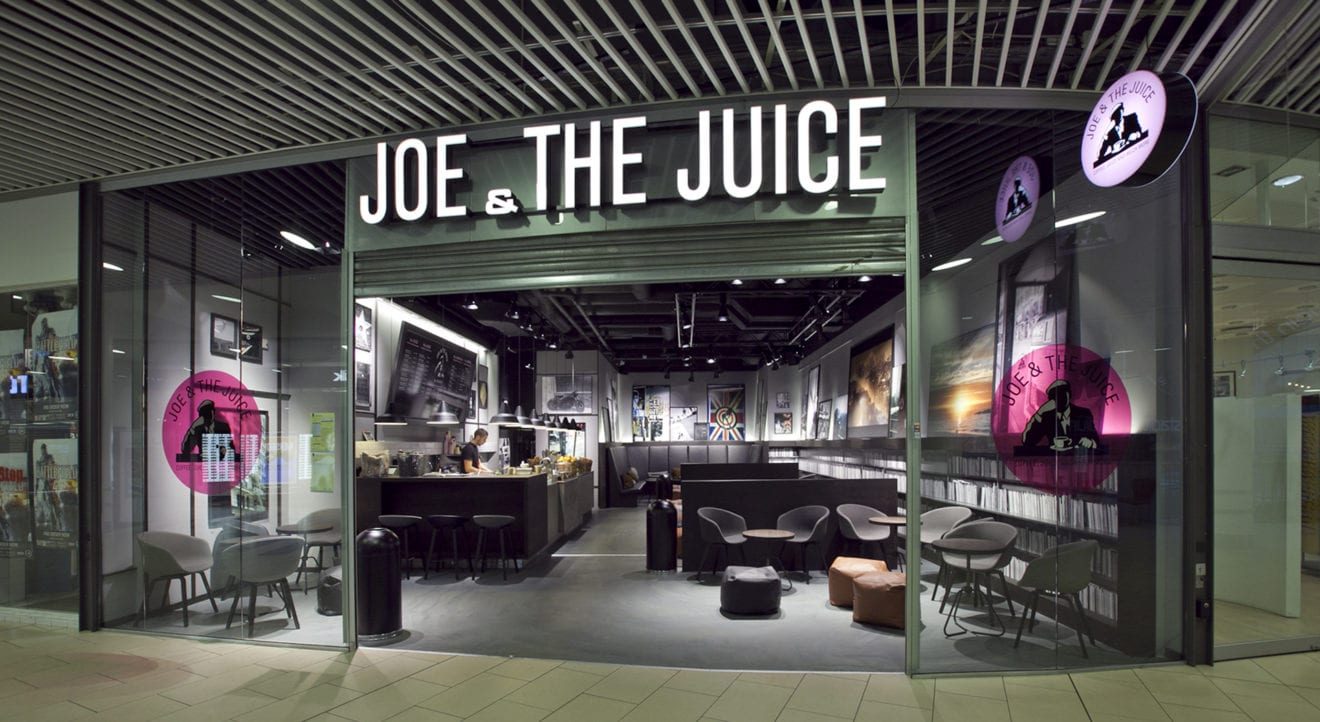
    Danish chain Joe and the Juice will make its Southeast Asian debut in Singapore in the last quarter of this year.

    The hip juice bar brand will be brought to Singapore by Norbreeze Group, a retail specialist which incubates brands to unlock their growth potential.

    Two juice bars are scheduled to open in the leadup to Christmas, marking the brand’s first Southeast Asian stores after what Norbreeze describes as its “phenomenal success” in its home market of Denmark and broader Europe.

    “Norbreeze Group’s introduction of Joe and the Juice to Singapore is timely, with a distinctive shift towards healthy diets and lifestyles in the market,” the company said in a statement.

    “One of the very few contemporary cafe concepts in the world to offer fresh made to order fruit and vegetable juices, coffee and sandwiches, Joe and the Juice has become an overnight sensation across Europe as a pioneer with its unique concept to tap into the global juicing phenomenon.”

    Joe & the Juice will join brands like Daniel Wellington, Bering, Cath Kidston and Cocomi in Norbreeze Group’s portfolio of retail brands.

  • Soo Kee Group launches IPO

    Soo Kee Group launches IPO

    Singapore retail jeweller Soo Kee Group has launched an IPO to raise funds for expansion in Singapore and Malaysia.

    Soo Kee will sell 112.5 million shares at S$0.30 each, which will raise $33.75 million after expenses. The majority of the shares will be placed with just 9 million available for public offer.

    Soo Kee’s strategy is to open new retail stores in prime shopping malls in both countries and expand its product range as it seeks to boost its share of both markets.

    Founded in 1991, Soo Kee retails jewellery and keepsakes through stores branded SK Jewellery, Soo Kee Jewellery and Love & Co. Last year it achieved sales of $134.5 million and turned a profit of $10.8 million.

    The IPO closes on August 18 with shares to begin trading on August 20.

    Group CEO Daniel Lim said the company had always planned to go public “to improve the visibility for the company, so that we can better serve a wider pool of customers”.

  • Li Ning completes resurrection

    Li Ning completes resurrection

    Just a year ago, sports retailer Li Ning seemed down for the count, battling to stem the red ink.  This week it released its half year results to June 30: Revenue rose 16 per cent and it has finally returned to profit.

    The once beleaguered Chinese sports brand – which peaked in brand awareness about the time of the Beijing Olympics in 2004 – has recovered its mojo: Sales are up, it is expanding its store network once more, all the result of a root and branch review of the whole business, from the way it sources and designs products to the way it operates its stores and how it disposes of end of season stock.

    Li Ning has recorded total sales of RMB 3.641 billion – about US$567.5 million. Its profit may have been a modest RMB 260 million (US$40.5 million), but this year both profit and cashflow turned positive. In the same six months last year, Li Ning lost RMB 350 million, or US$54.6 million at today’s exchange rate.

    Significantly, the second quarter was a better one for the business than the first. Li Ning says same store sales in retail registered growth in the high teens on a year on year basis. “The entire store network registered low teens year on year growth,” the company said.

    As at the end of June, Li Ning had 5745 stores, including flagships, conventional stores, factory outlets and discount stores – 119 more than six months earlier.

    During the first half the company “vigorously implemented clearance of obsolete inventory,” optimizing its stock structure to lay a solid foundation for the growth in the second half of the year and into the next.

    Li Ning has also approached senior management of nine leading shopping mall groups in China – including Parkson, Bailian, Grandbuy, RT-Mart, Rainbow and Maoye – to discuss partnerships and expansion plans.

    “In 2015, we have opportunities for opening over 100 new points of sale and renovating over 30 [more] in the premises of these groups,” the company said in its trading results overview.

  • Luk Fook opens Causeway Bay flagship

    Luk Fook opens Causeway Bay flagship

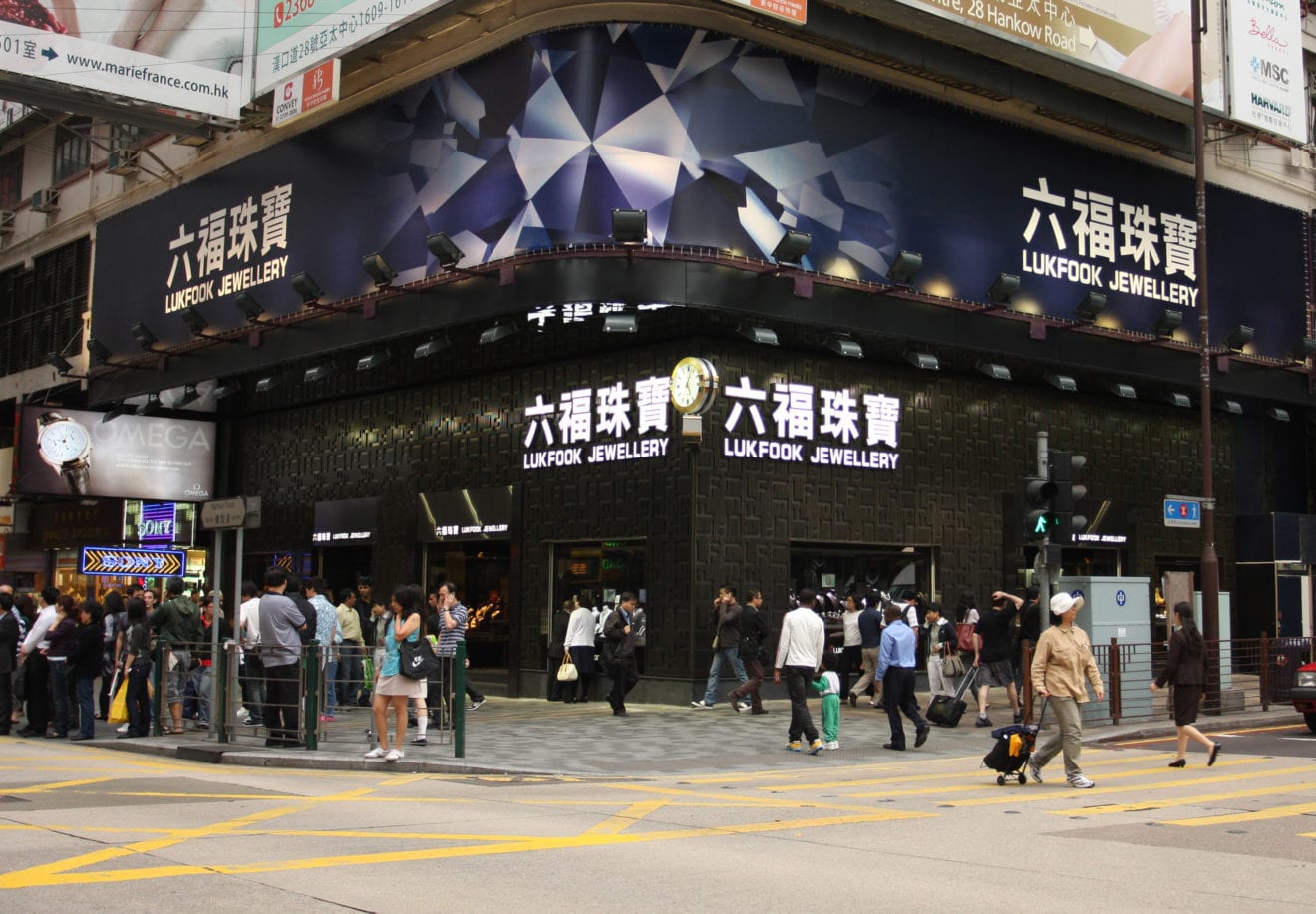
    Luk Fook Holdings has opened a three-storey Lukfook Jewellery flagship store in Causeway Bay.

    The group held a ribbon-cutting ceremony for the new store this week, inviting Japanese cartoon character Rilakkuma to join in the celebrations.

    Wong Wai Sheung, chairman and CEO of Luk Fook said the three storey shop is located in the central area of Causeway Bay, “a shopping hotspot with high pedestrian flow”.

    “We believe that the opening of new shop at a prominent location not only expands our sales network, but also brings convenience to the tourists and local customers for their leisure shopping in Hong Kong. As a globally renowned jewellery brand, the group will continue to optimise the retail network in Hong Kong and provide high-quality jewellery products and excellent services for customers.”
    Featuring prominent three storey tall mega billboard advertising, the store is decorated with luminous materials, such as mirrors and metal steel, with leather interspersed throughout the shop to create a more distinct three-dimensional and multi-layered effect and “a soft yet noble and elegant shopping environment”.

    The first floor of the shop features a ‘Western Wedding Zone’ in the warm, romantic pink tone to display a wide variety of wedding jewellery products. New couples and their families can select wedding jewellery in a comfortable and spacious environment. In addition, our professional sales team offers professional advice, and provides caring value-added services including providing shawl of Chinese-style dress to match with the selected gold jewellery, and free on-site engraving services, etc, for customers to enjoy a superior shopping experience.

    The store is located on the Ground, 1st and 2nd floors of 499 Hennessy Rd.

  • Robinsons Retail eyes new global brands to bring to PH

    Robinsons Retail eyes new global brands to bring to PH

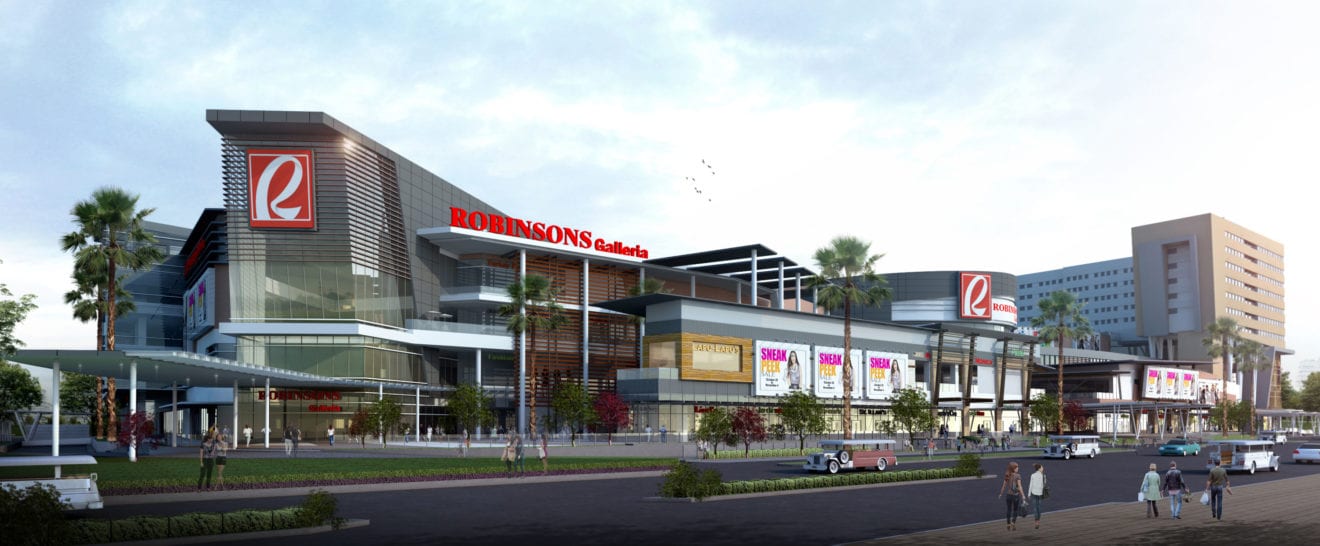
    Gokongwei-owned Robinsons Retail Holdings, Inc. is in talks with other global brand owners as it continues to be on the lookout for other retail names it could bring to the Philippines.

    The company has set aside P6 billion to open up to 300 new stores and bring its current networks of 1,356 stores to 1,600 by yearend, said Robinsons president and chief operating officer Robina Gokongwei-Pe.

    “We may bring in other brands…we are still talking (with brand owners). “We will continue to be on the look out for potential acquisitions that could add value to the company,” she said.

    Robinsons Retail last month successfully brought to the country specialty coffee brand Costa Coffee, United Kingdom’s number one coffee chain.

    “We also expanded into the specialty coffee business with the recent opening of our first Costa Coffee store in Eastwood city last June 29. Costa Coffee is the number one coffee chain in the UK with 3,000 stores across 31 countries including the Philippines. Reception has been positive,” Gokongwei-Pe said.

    As such, Robinsons Retail is targeting to open four Costa Coffee stores this year.

    To fast track expansion, Robinsons Retail has also developed community malls dubbed as Robinsons Townsville with Robinsons Supermarket as the main anchor tenant.

    Jody Gadia, general manager of Robinsons Supermarket, said the size of these innovative community malls would range from 5,000 square meters to a hectare and that around 60 to 70 percent of leasable space would be occupied by Robinsons Retail’s various formats.

    The balance, he said, would be leased out to other tenants and establishments.

    “The whole idea is to get closer to targeted markets and provide them accessibility and convenience and meet their basic shopping needs. The choice of location is densely populated areas that cannot be served by other malls,” Gokongwei-Pe said.

    The group is aiming to open two of these community malls a year in the next five years but depending on the opportunities, the expansion target could increase to three to four a year.

    “The value proposition is you won’t get stuck in traffic. We opened one in Cavite and we’re also opening one in West Fairview this year,” Gadia said.

    Moving forward, Robinsons Retail may explore other formats such as e-commerce and possibly more food brands once it masters the coffee business.

    As of the first quarter of the year, Robinsons Retail had a total of 1,356 stores broken down as follows: supermarkets, 113; department stores, 42; DIY stores, 159; convenience stores, 473; drug stores, 330 and specialty stores, 239.

    In the first quarter of 2015, net sales grew to P19.7 billion, up 13.1 percent from P17.4 billion recorded in the same period last year.

    Sales from supermarkets accounted for bulk or 49.1 percent of total sales during the quarter. Department stores’ sales followed with a 15.1 percent share, DIY stores, with 11.2 percent, drug stores with 9.5 percent, specialty stores with 8.7 percent and convenience stores with 6.4 percent.

    Robinsons Retail is the second largest multi-formal retailer in the Philippines. It operates a wide spectrum of formats and brands — supermarket, department, convenience store, hardware and home improvement, convenience store, drugstore, consumer electronics and appliances store, international fashion specialty and beauty brands, toy store and one-price concept store.


  • Hugo Boss shareholder says group will boost presence in China

    Hugo Boss shareholder says group will boost presence in China

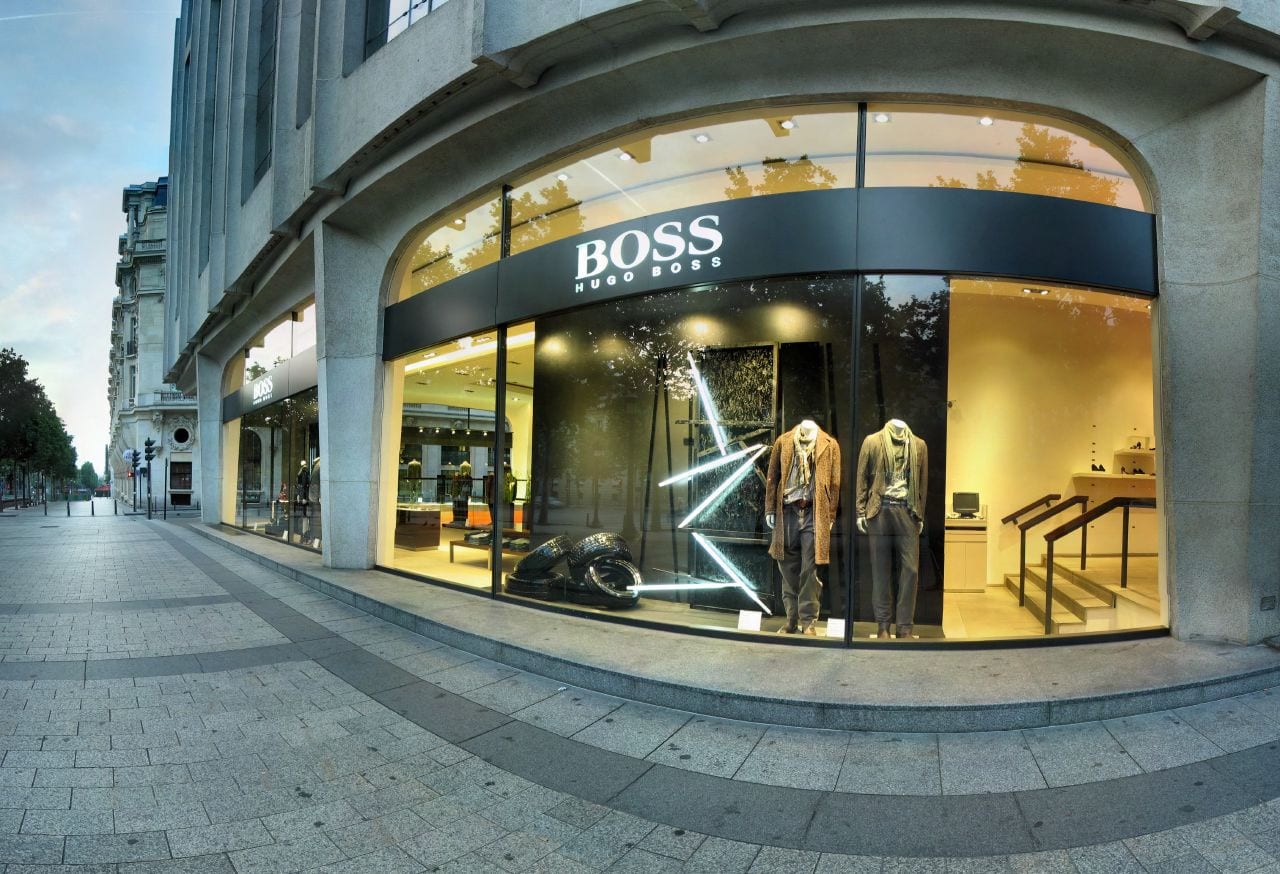
    German fashion house Hugo Boss will expand its presence in China, key shareholder Gaetano Marzotto said in an interview in newspaper Welt am Sonntag.

    Despite slowing growth in the world’s second-largest economy, Marzotto told the paper that he saw the potential for higher sales in China.

    “Up until now China accounts for less than 10 percent of group sales, this could be ramped up,” Marzotto said in an advance extract of an interview to be published on Sunday.

    His family clan holds a 7.95 percent stake in Hugo Boss, making it the company’s biggest shareholder.

    The Chinese are the world’s biggest buyers of luxury goods and have been increasingly shopping abroad as big shifts in exchange rates make luxury items much cheaper for them in Europe than at home.

    Hugo Boss’s currency adjusted sales in the country increased 1 percent in the six months through June versus a decline of 2 percent in the prior year period.

    Finance chief Mark Langer said earlier this month he did not expect an improvement soon in China, which contributes about 8 percent of group sales.

    Hugo Boss recently took over 21 stores in China, previously operated by a partner, to strengthen its brand in the market.

    The group has been spending heavily on expanding its own store network, where sales are more profitable than through other retailers’ shops.

  • Gold futures maintain losses after retail sales data

    Gold futures maintain losses after retail sales data

    Gold prices managed to trade above the psychological resistance of $1,100 per Oz on US day session Monday.

    Platinum for October delivery dropped Dollars (90.49 percent) to close at USD 995.00 per ounce. Spot prices earlier reached a three-week high of $1,126.31, 4.5% above last month’s low. Bullion rose in the previous five days.

    The rebound that began at the start of this week broke out above a prolonged consolidation pattern just above late July’s new 5-year intraday low of 1077. So far, there’s no telling how the Fed will react to China’s surprising currency devaluation, after some positive economic news earlier today.

    “Transparency is always better than having to guess what is happening in the market“, Michael Widmer, head of metal markets research at Bank of America Corp.in London, said by phone. Asian stocks turned mixed as investors weighed the implications of the surprise move, which seemed to end months of officially sanctioned yuan strength. “So some haven seekers have been returning”.

    Gold is ripping higher on Wednesday. It was likely a combination of a temporary slump in the US dollar as market players took profit of long USD trades, and a positivity that the lower renminbi and upcoming stimulus would revive China’s exports growth and subsequently commodity demand. There is also some market conjecture that perhaps this week’s events will cause the Federal Reserve to hold off starting its expected tightening of interest rates yet this year. “I think the point of “liftoff” is close”, Lockhart said in a speech to the Atlanta Press Club. That, however, was predicated on the assumption that the Fed would defer the interest rate hike beyond September.

    The dollar’s moves in U.S. trading were subdued, which meant the PBOC could set Friday’s reference below Thursday’s 6.4010, at around 6.39, said Sean Callow, senior currency strategist at Westpac. On Wednesday, the U.S. Department of Energy will release its own more closely watched figures on the same stockpiles. If the metal were as valueless as a pet rock, as one Wall Street Journal op-ed recently claimed, why would they bother to do this? “This is an act of desperation by the Chinese….”

    US central bankers could raise rates for the first time in almost a decade at a September 16-17 meeting.

    To the extent that the Chinese devaluation reflects economic weakness in China, this will be negative for large U.S. multinationals that do business in that country (and others affected by the currency wars). The government is scheduled to report both weekly jobless claims and July retail sales at 8:30 a.m. EDT.

  • Philippines records 27% hike in Indian tourists from Jan-May 2015

    Philippines records 27% hike in Indian tourists from Jan-May 2015

    The Department of Tourism (DOT), Philippines has welcomed about 31,245 Indian tourists during the first five months of this year, recording an increase of 27.40 per cent, compared with 24,525 tourist arrivals from India from January to May 2014. The destination also plans to welcome tourists to the Philippine Shopping Festival 2015 which will be held from October 23 to November 8, in association with the Philippine Retailers Association (PRA). This was informed by Verna Covar-Buensuceso, Director and Officer-in-charge, Market Development Group, Tourism Development Sector, Department of Tourism (DOT), Philippines, while speaking to the press at the recently concluded multi-city roadshow in New Delhi post travelling to Nagpur, Chandigarh and Lucknow.

    Comprising 11 trade partners from Philippines, this sixth roadshow by DOT Philippines was the biggest-ever delegation to India. The roadshows included interactive B2B sessions, education programmes and workshops and saw participation of over 300 key tour operators, MICE and up-market leisure operators.

    “We aim to achieve 100,000 Indian tourist arrivals by 2017,” said Glen Agustin, Chief Tourism Operations Officer, Market Development Group, DOT, Philippines. He elaborated that they conducted a familiarisation trip for Kolkata-based tour operators wherein participants interacted with their B2B counterparts in Philippines. This has yielded excellent results and the tourism has been booming from the Kolkata since then, he said. Moreover, about 600 tour operators and counting have been certified under the Philippines Specialist Program (PSP) which has indeed assisted tour operators to lure tourists from Tier-II cities as well. As per the trend this year, Indians are staying for seven days on an average and spending about USD 120 a day. Though the length of stay has increased, we look forward to increase the tourism spend as well, highlighted Agustin.

    Agustin felt that the progress has been quite impressive and DOT Philippines will continue to remain bullish on the Indian market. “India ranked as the 13th top source market for Philippines Tourism, and we firmly believe that it has a huge potential to up its ranking. Weddings, MICE and Film Tourism are some products which we are aggressively promoting in the Indian market as of now. More than half of the tourist arrivals in 2014 comprised MICE travellers, especially incentive. In the year going forward, we plan to participate in PATA Travel Mart from September 6-8 in Bengaluru, Karnataka and thereafter in the Outbound Travel Mart 2016 from February 18-20 in Mumbai,” revealed Agustin.

    Elaborating on the Philippine Shopping Festival 2015, Covar-Buensuceso, said, “It will be a two week-long sale where shopping malls and retailers in the Philippines will offer different discounts and promotions to entice people to shop and offer a unique shopping experience. In line with DOT’s ‘Visit the Philippines 2015’ campaign and PRA’s efforts in the development of the Philippine’s retail industry, the Philippine Shopping Festival aims to make the destination a new shopping hub in the Asia Pacific region,” added Buensuceso. She added that India is among the top 10 source markets to travel to newer destinations in Philippines such as Cebu, Davao, Palawan and Bohal along with the preferred ones such as Manila and Boracay.